What to See in Cambodia
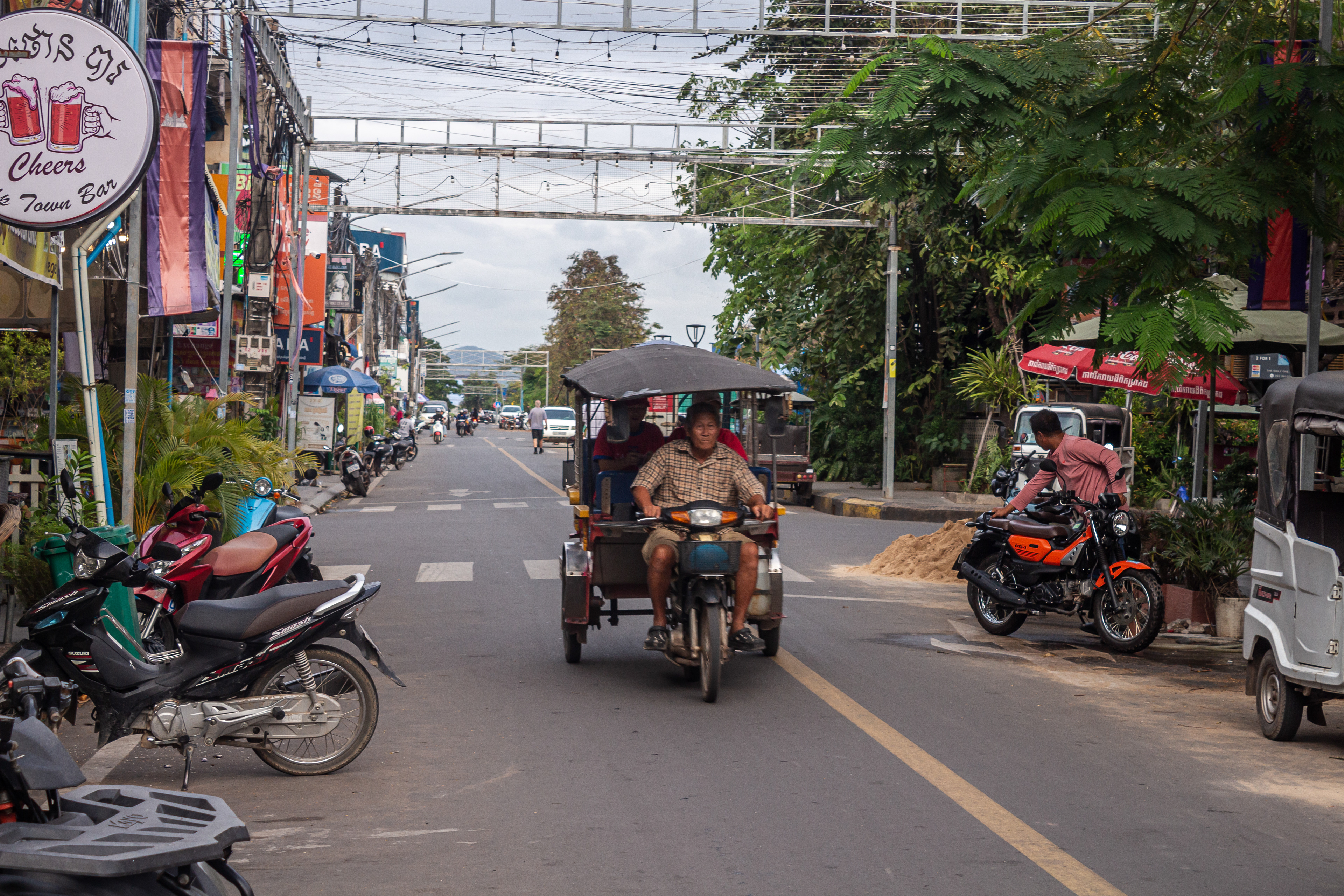
Cambodia is one of those places that quietly sneaks into your heart—and then refuses to leave. One minute you’re wandering through ancient stone temples, the next you’re sipping iced coffee while dodging tuk-tuks, and by evening you’re watching the sun melt into rice fields.
It’s beautiful, chaotic, deeply moving, and surprisingly funny all at once. Whether you’re a history lover, beach bum, foodie, or just here for the vibes, Cambodia delivers.
Here’s what you absolutely shouldn’t miss.
🌆 Siem Reap: More Than Just Temples
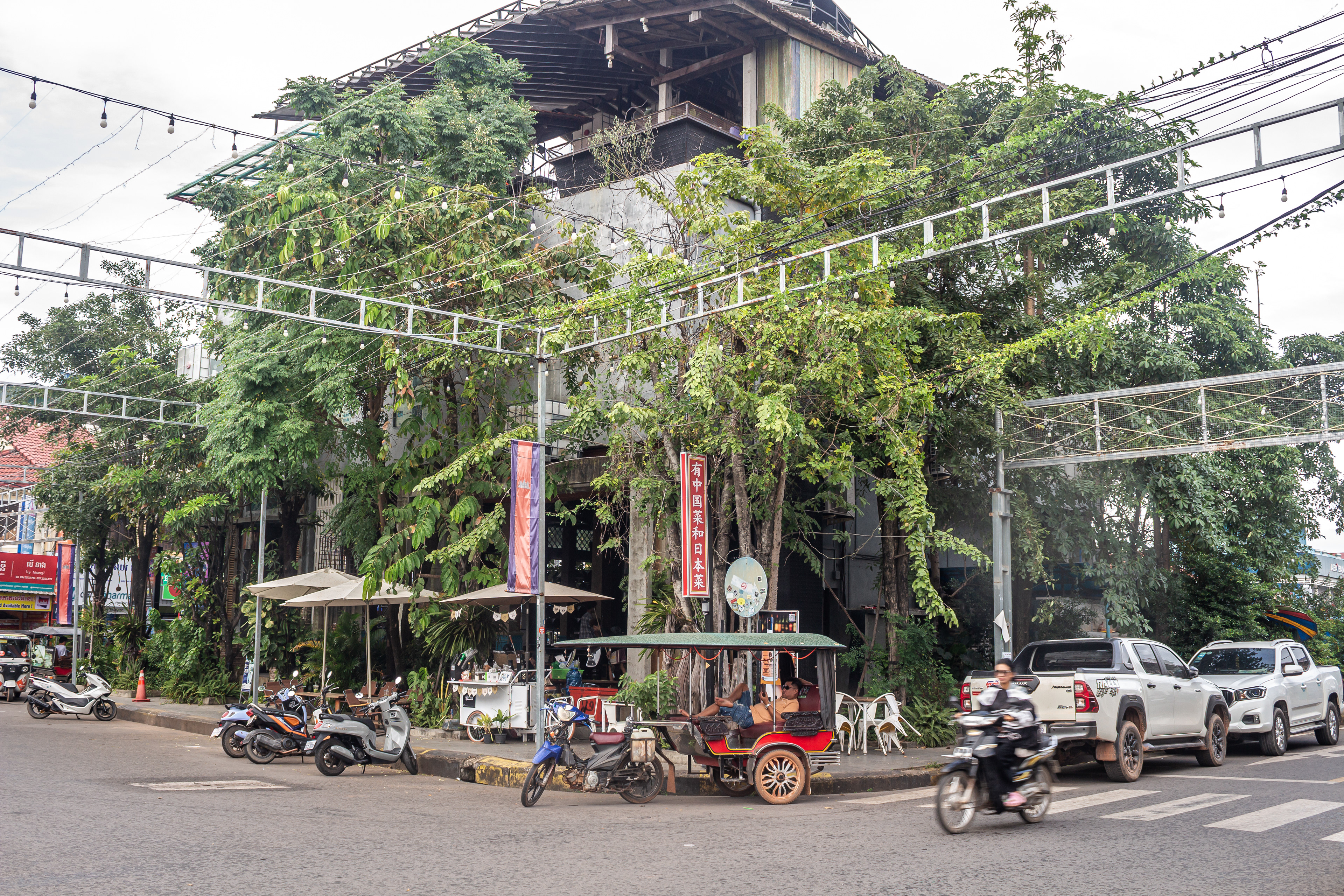
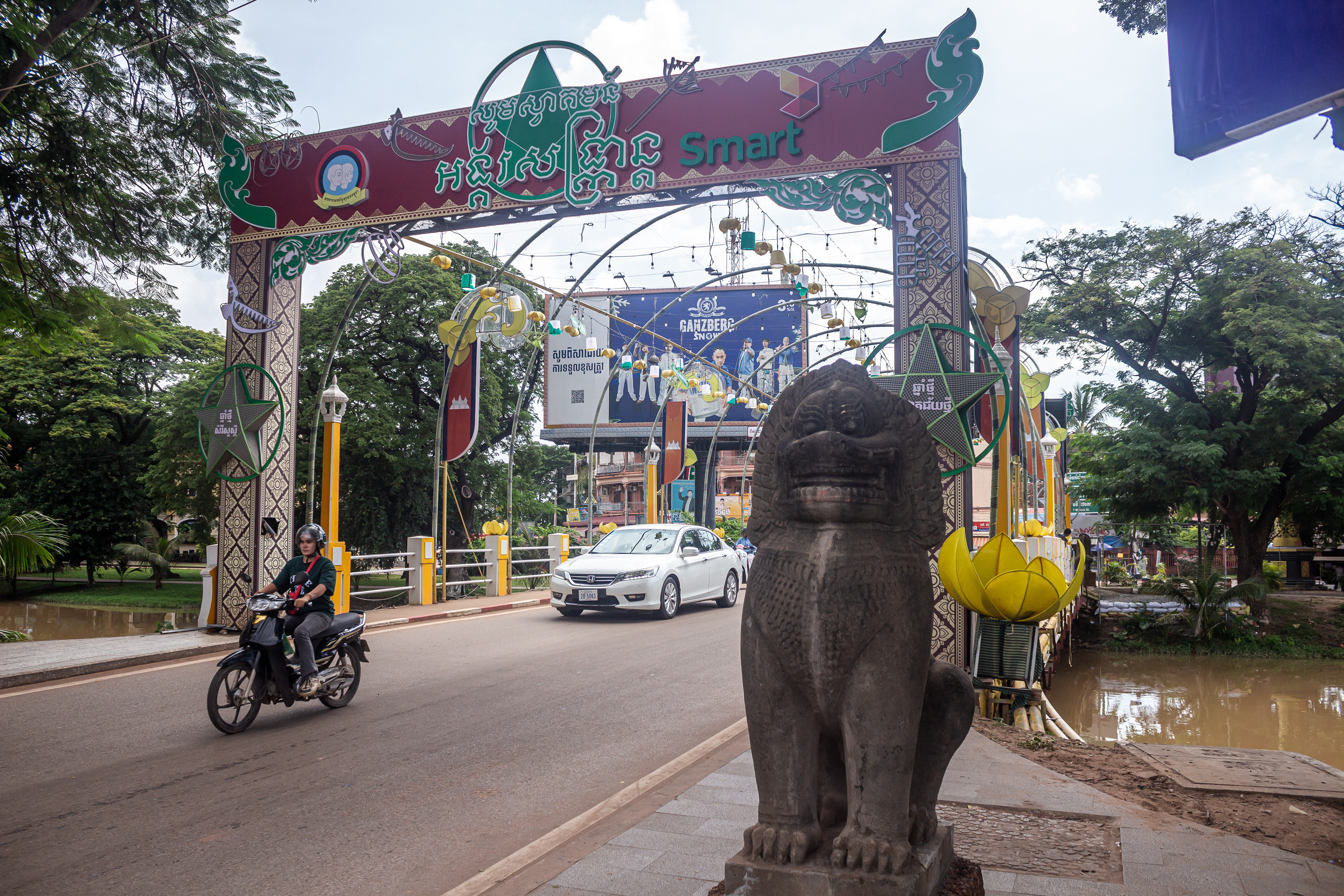
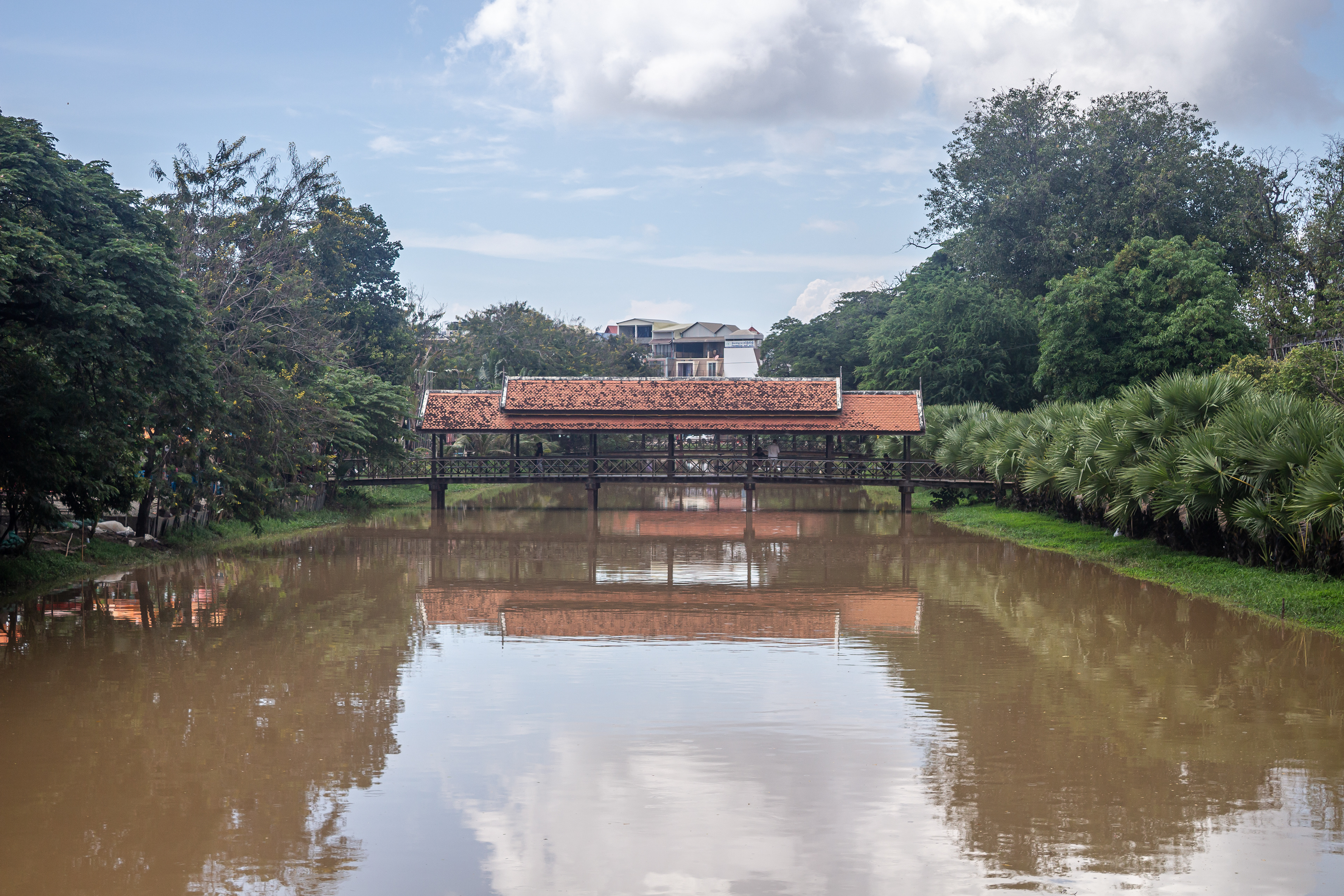
Siem Reap town exists largely because of Angkor, but it has developed its own personality and a fun destination in its own right.
Siem Reap has become a hub for artists, NGOs, and social enterprises. Many cafés and shops support local education, women’s programs, or fair-trade crafts—so your coffee can do some good.
Siem Reap has become a hub for artists, NGOs, and social enterprises. Many cafés and shops support local education, women’s programs, or fair-trade crafts—so your coffee can do some good.
Highlights:
Old Market (Psar Chaa)
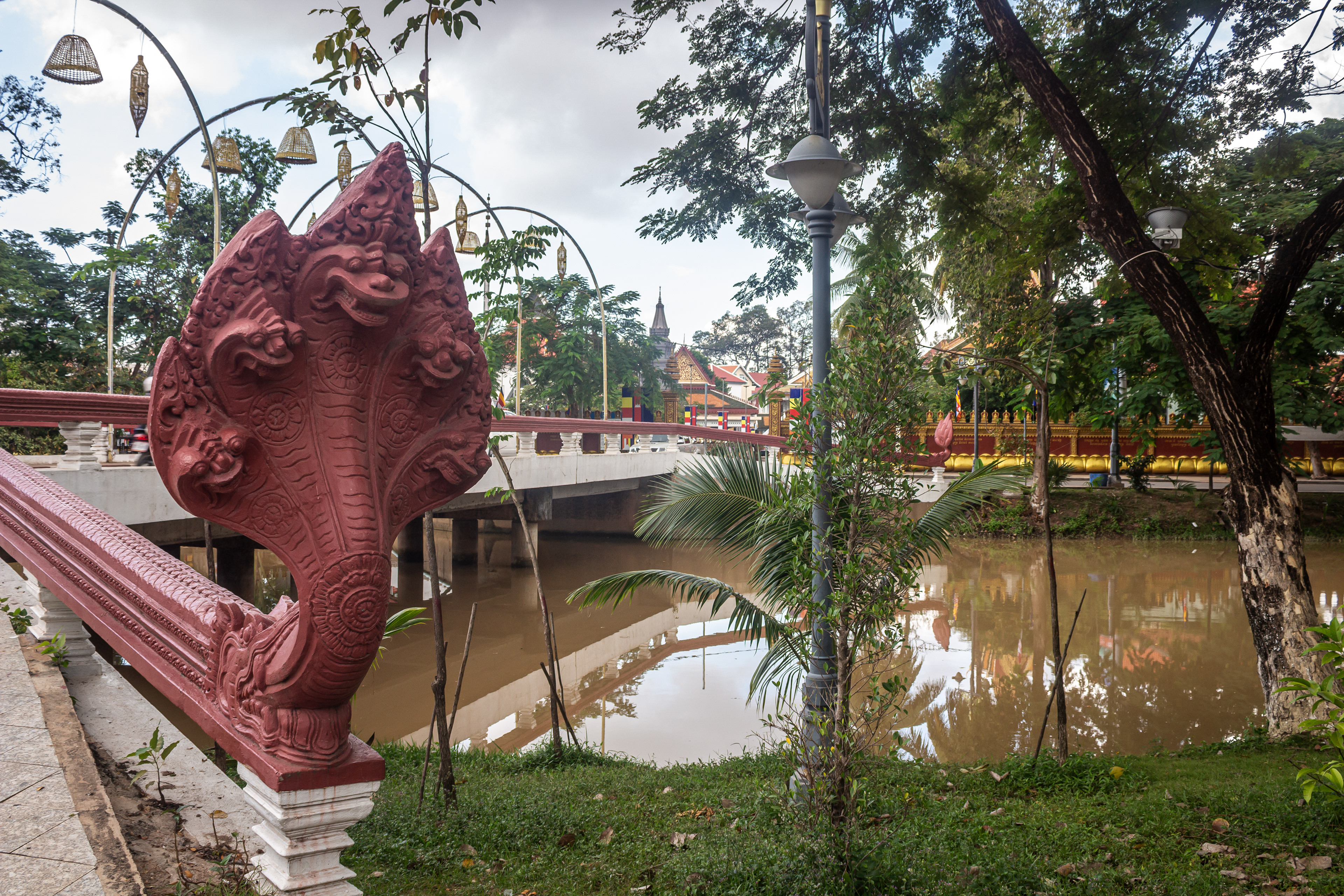
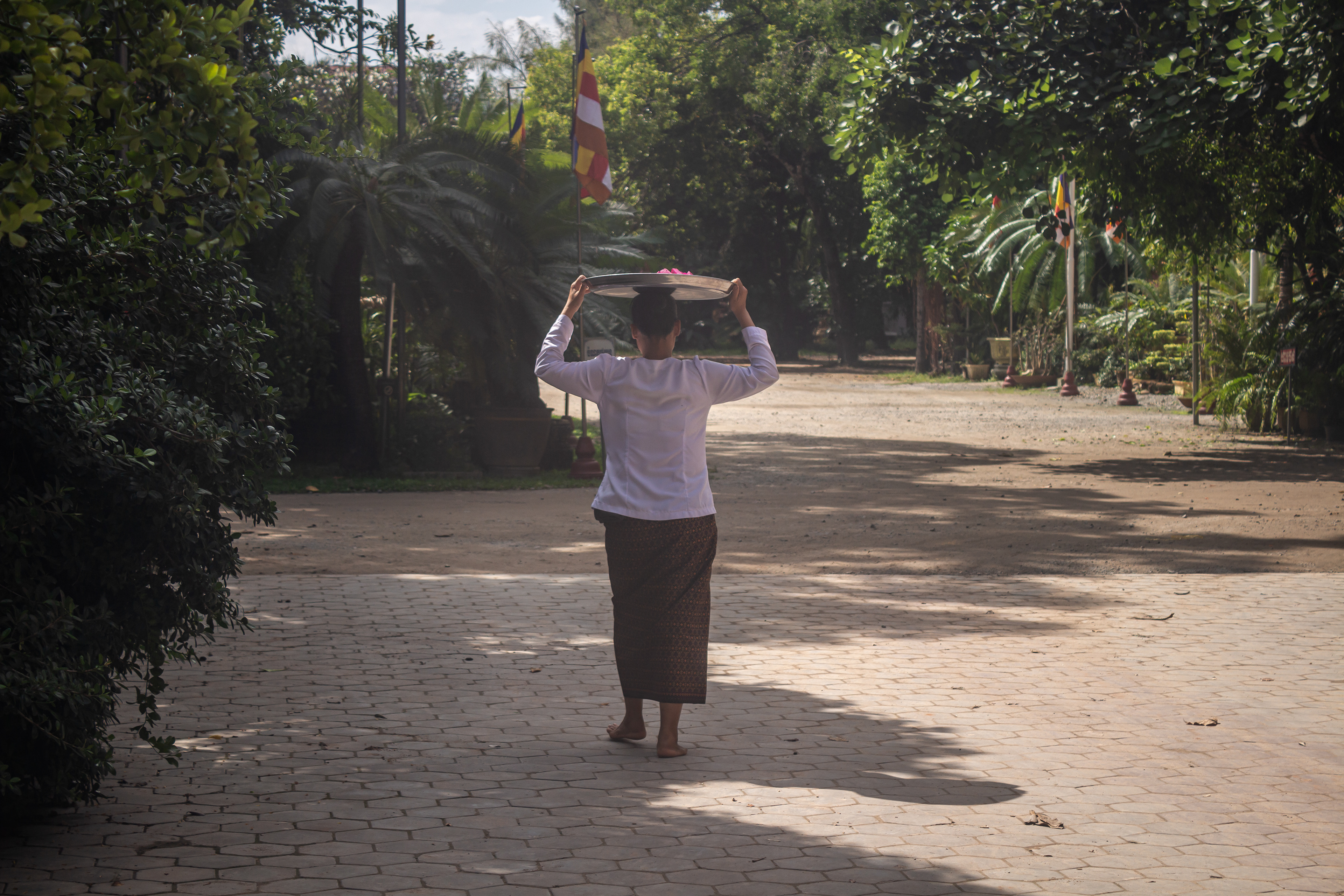
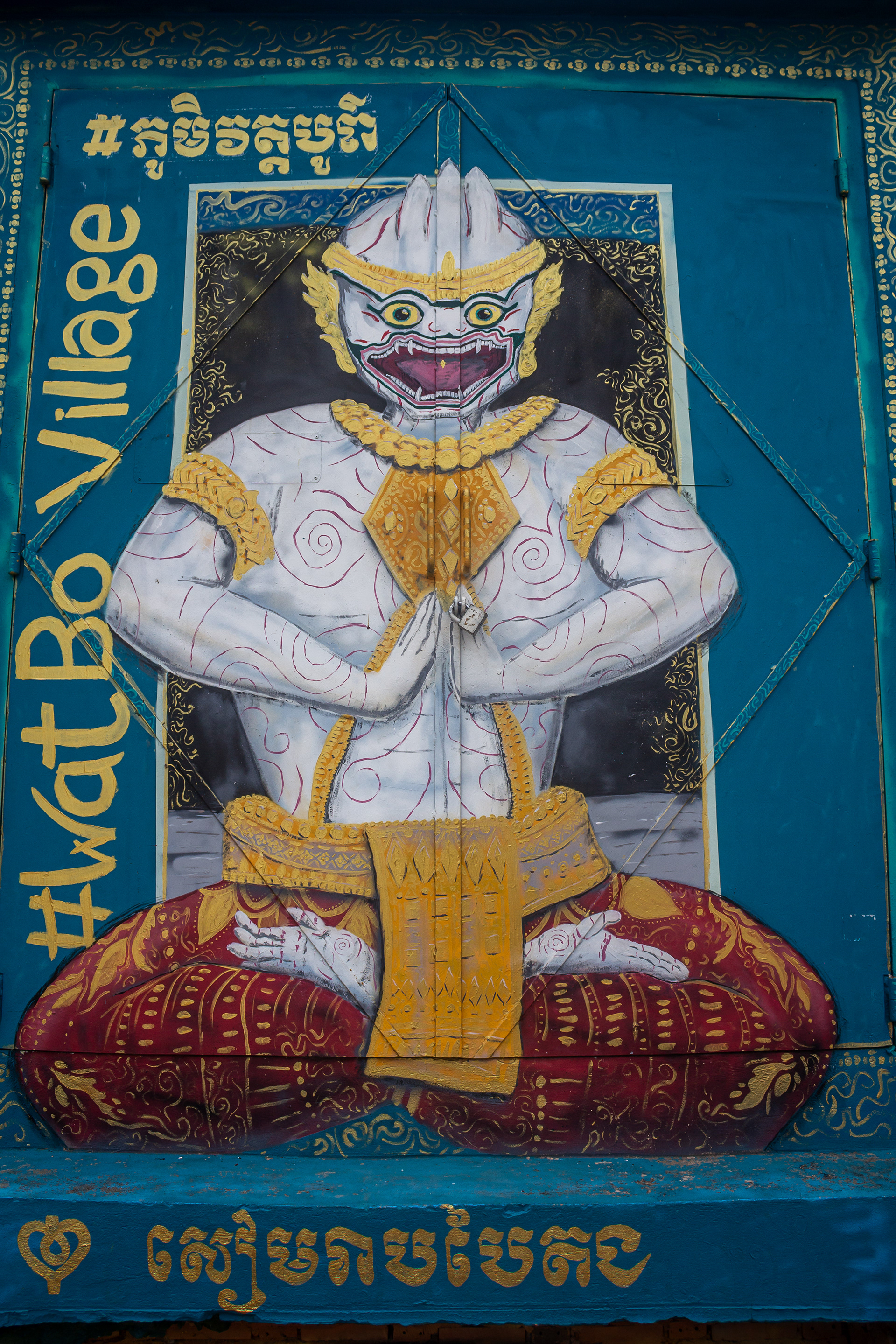
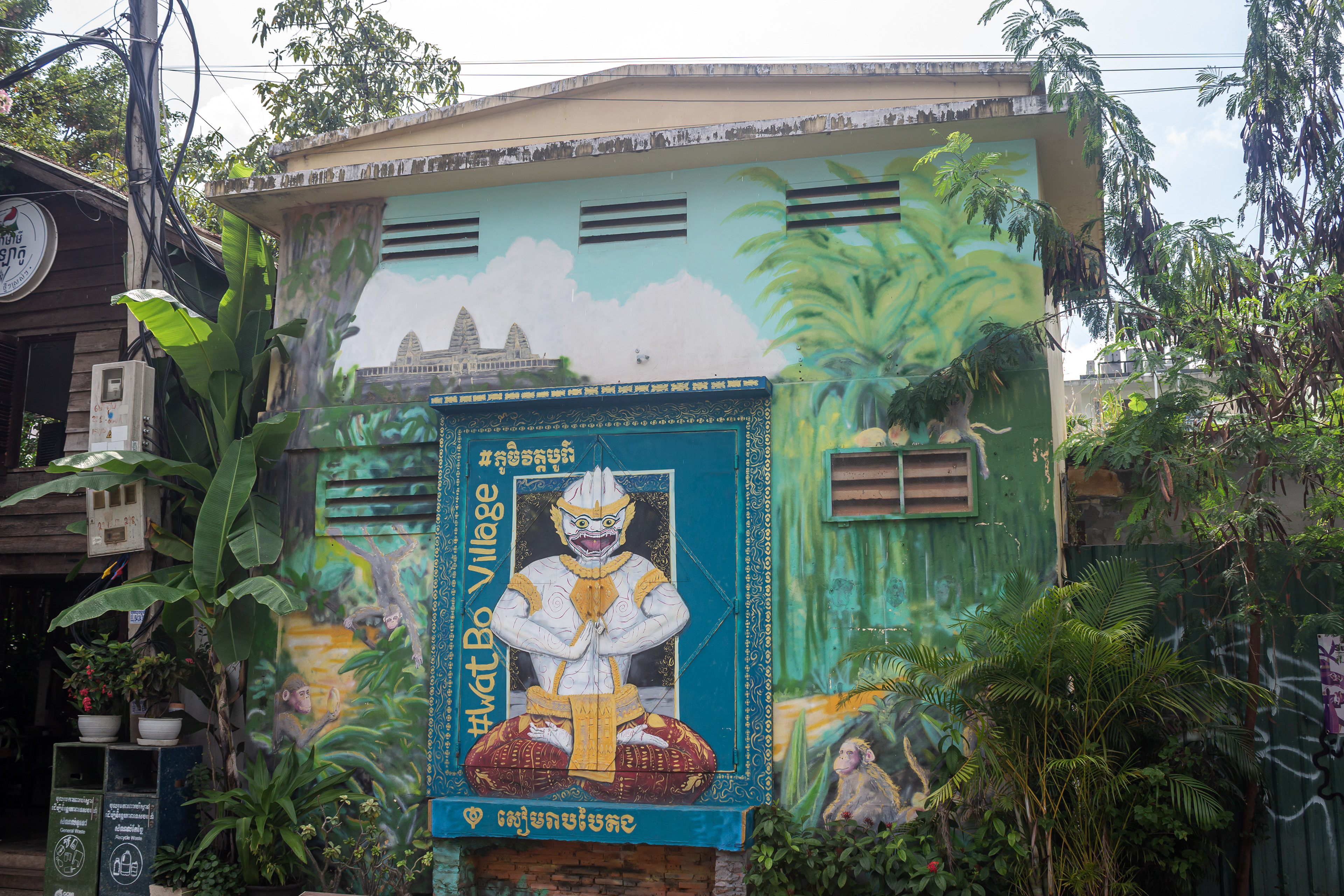
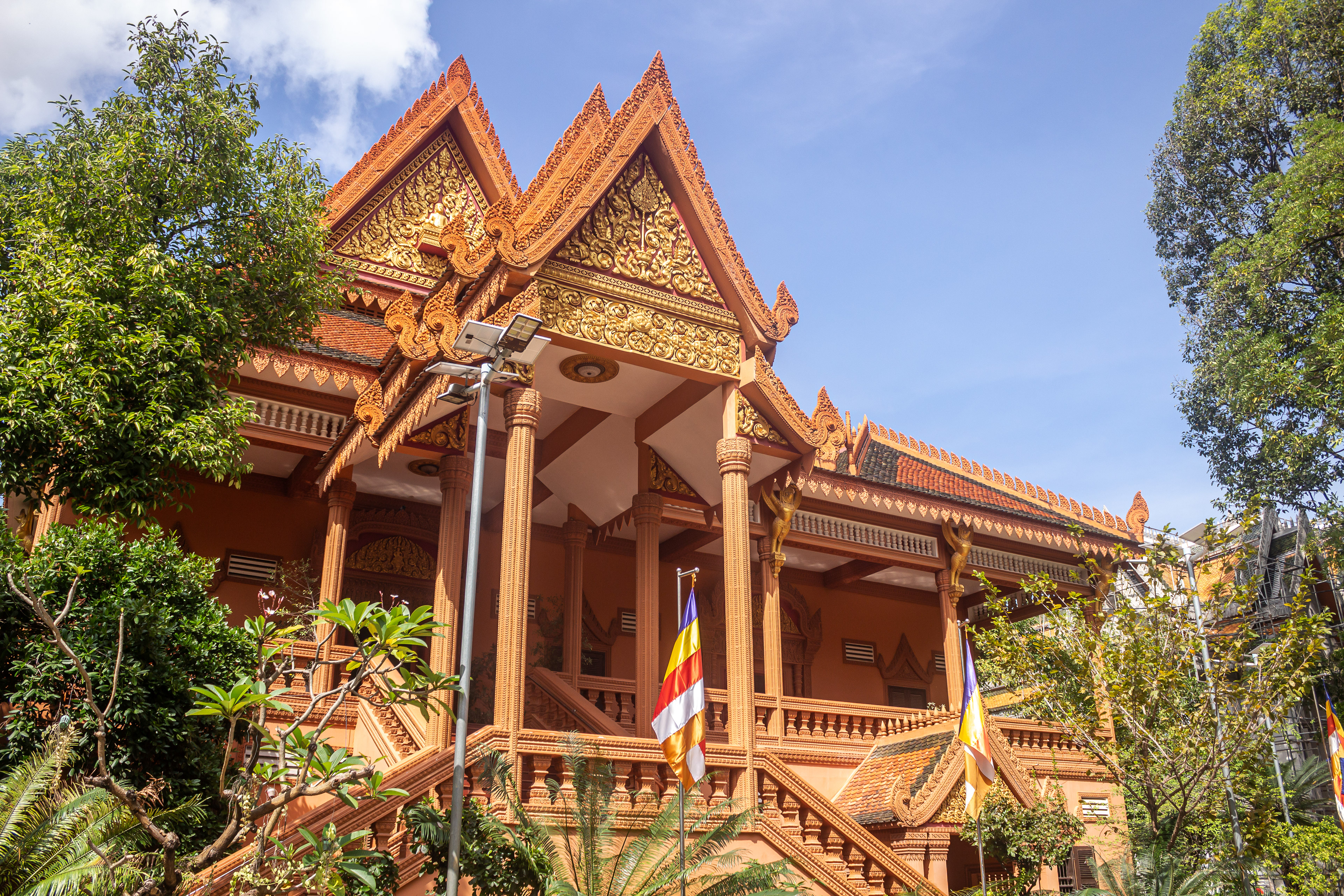
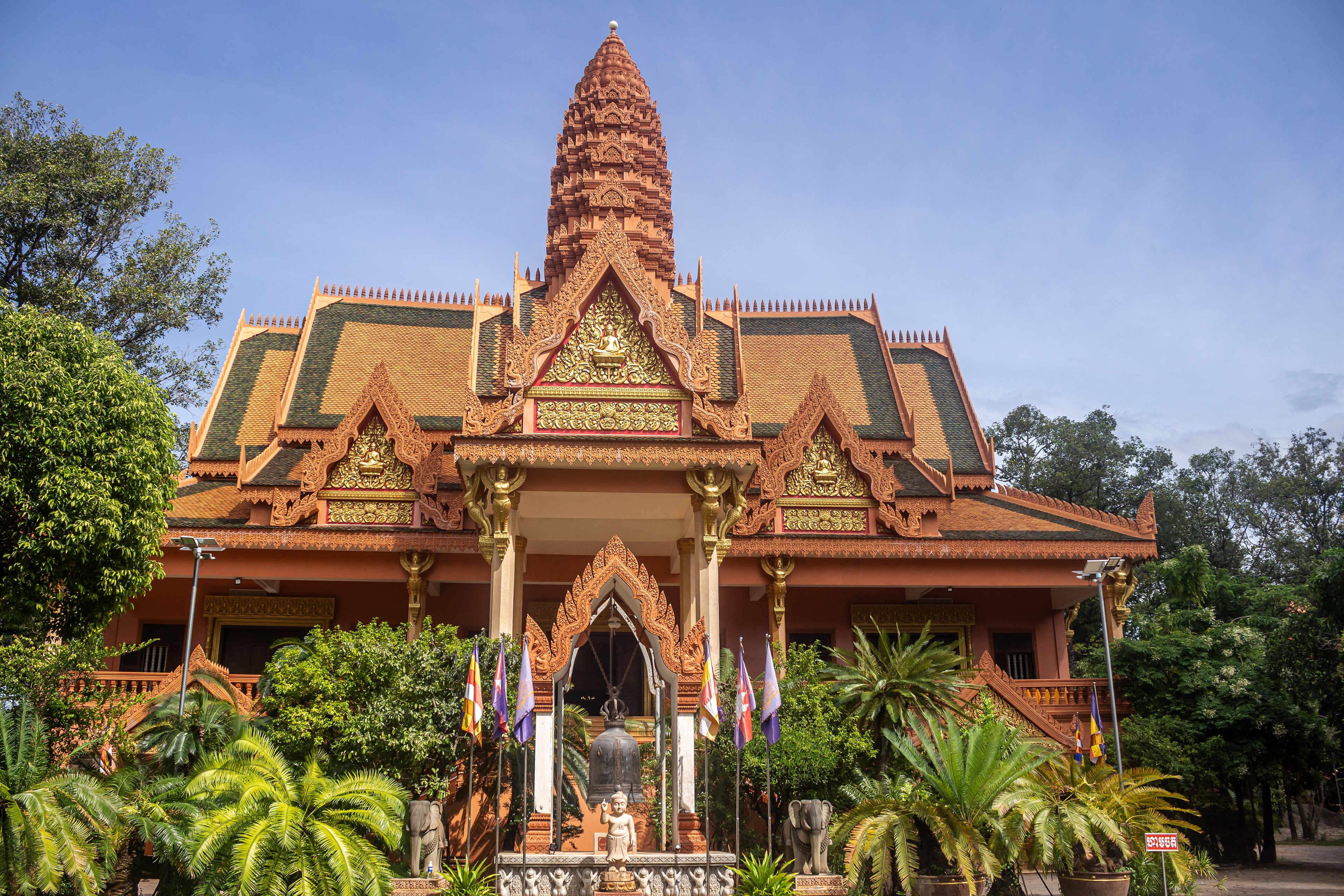
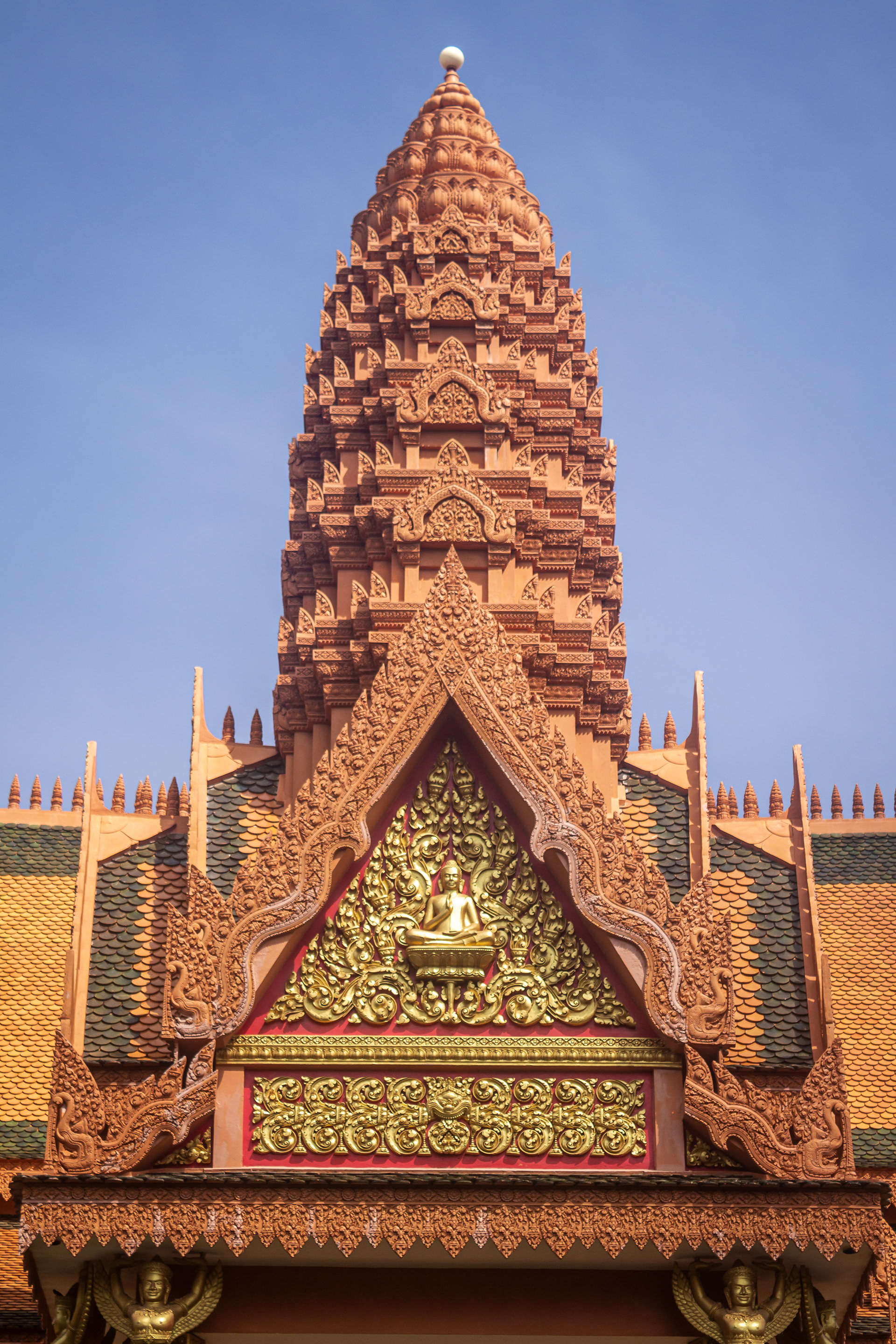
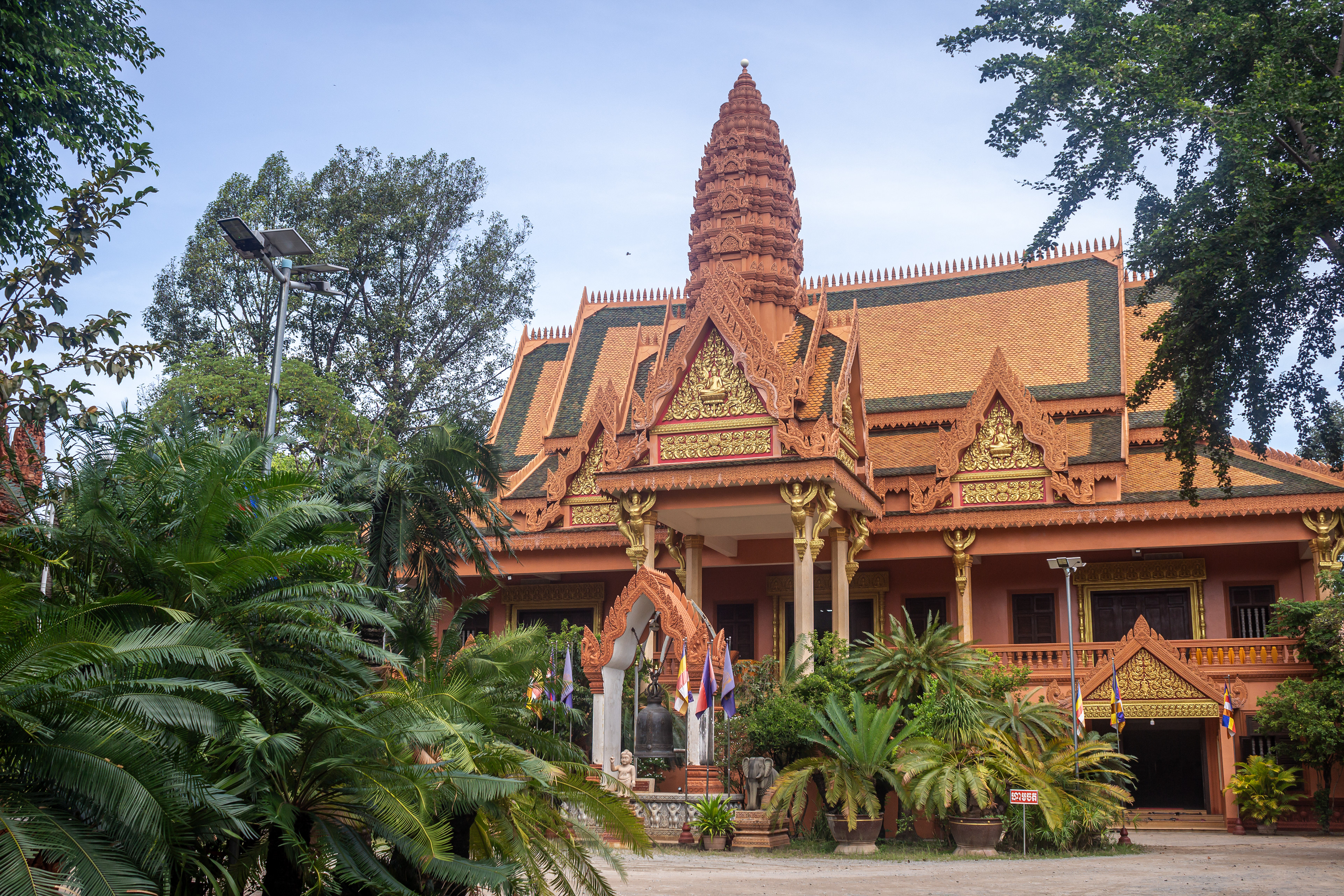
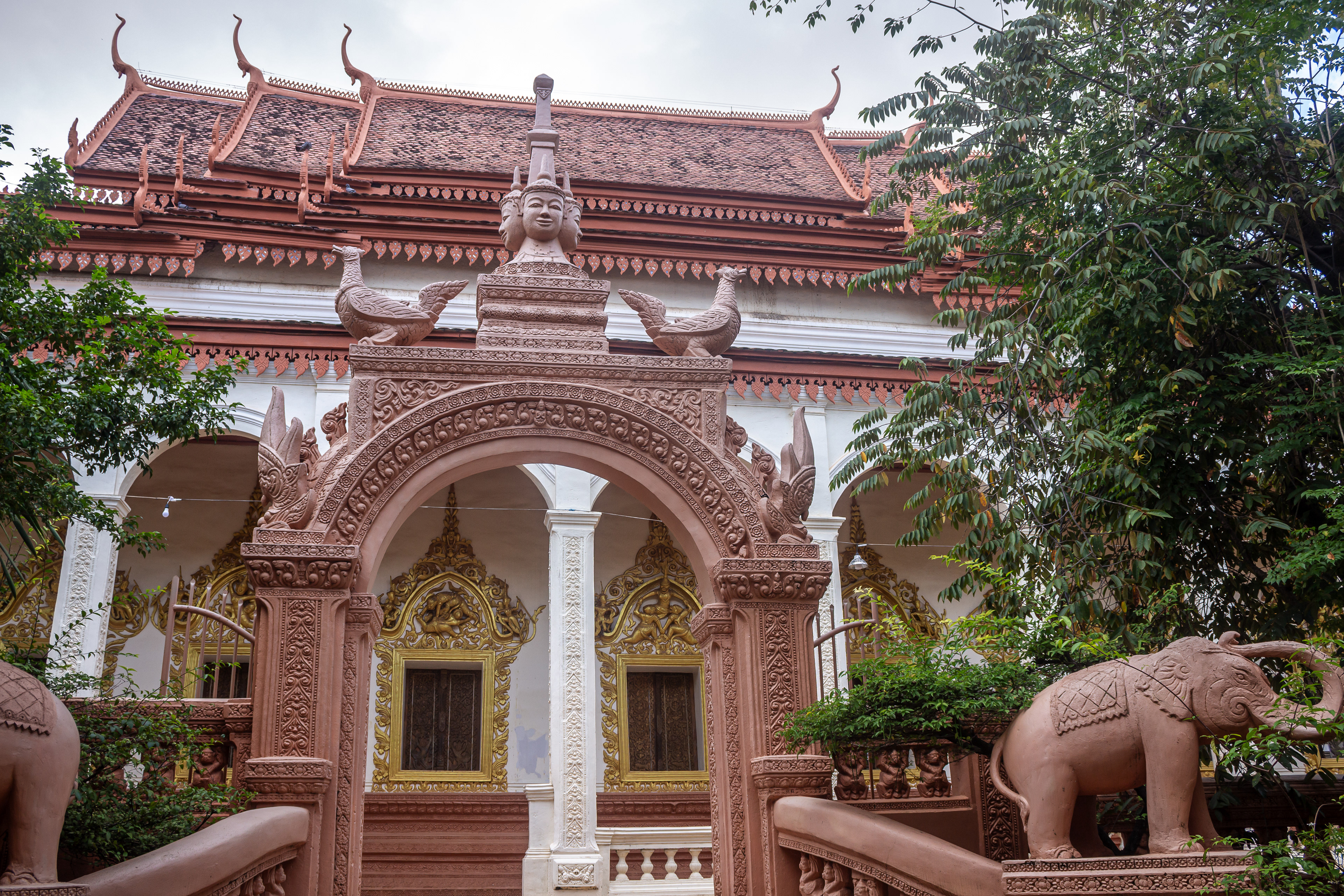
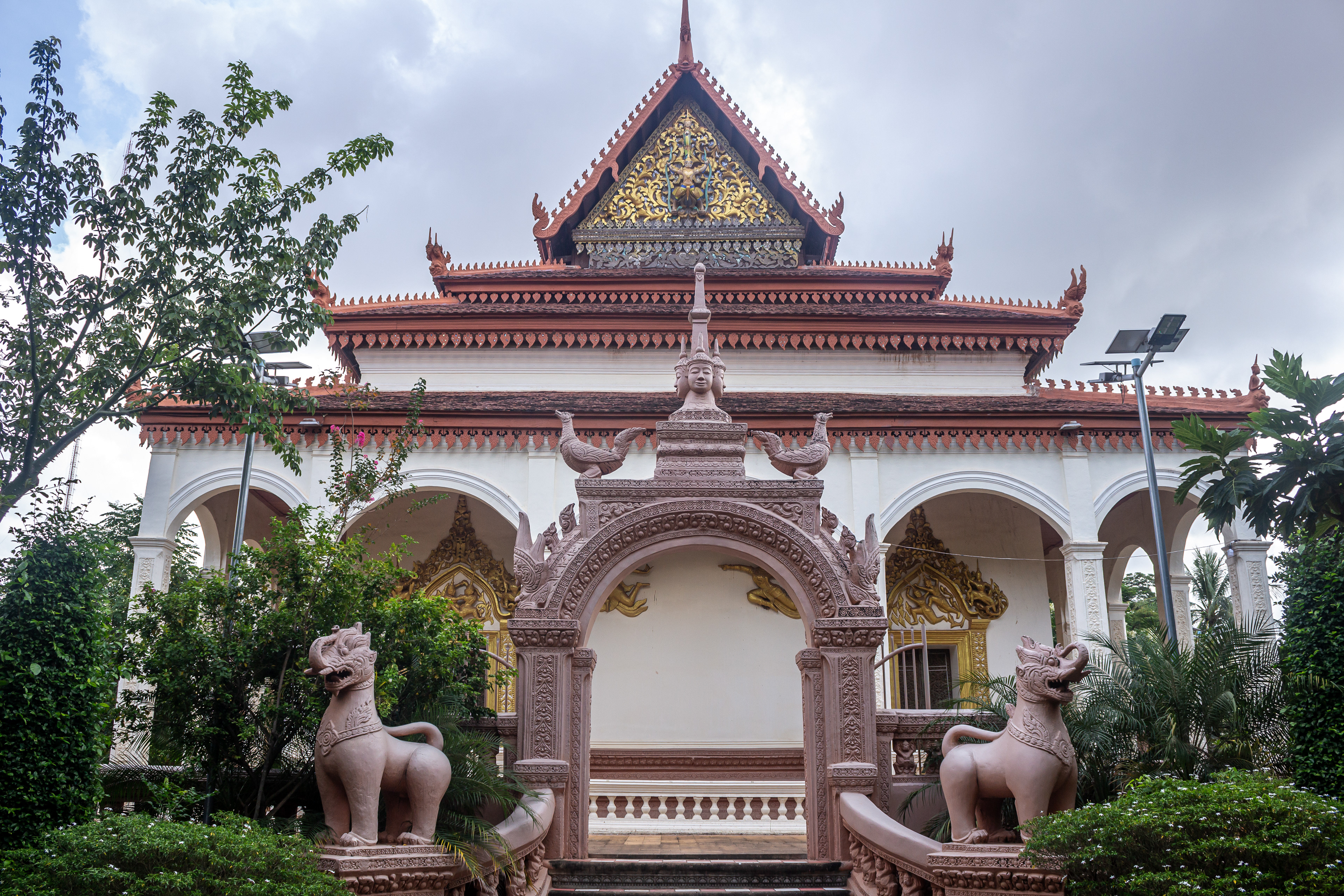
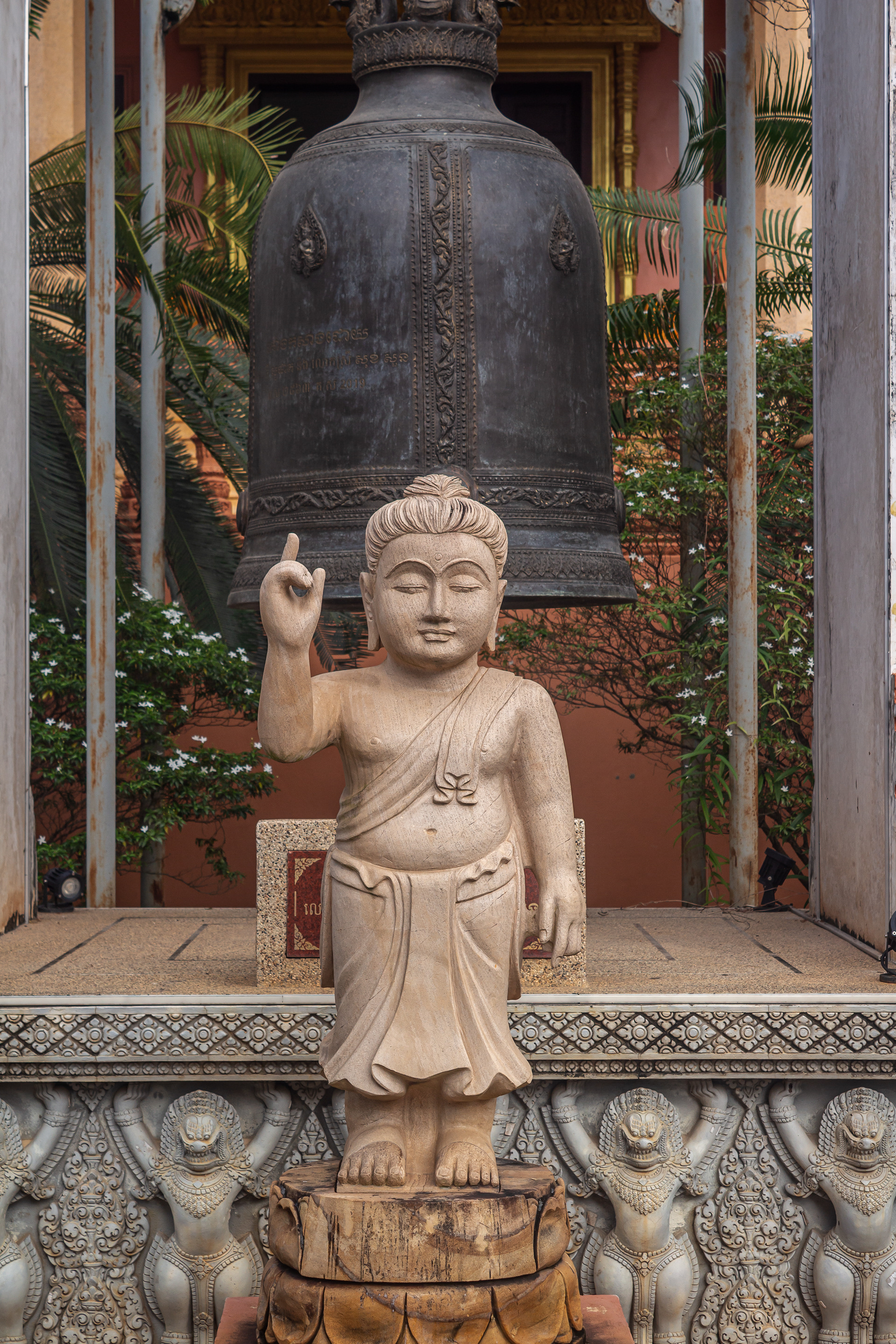
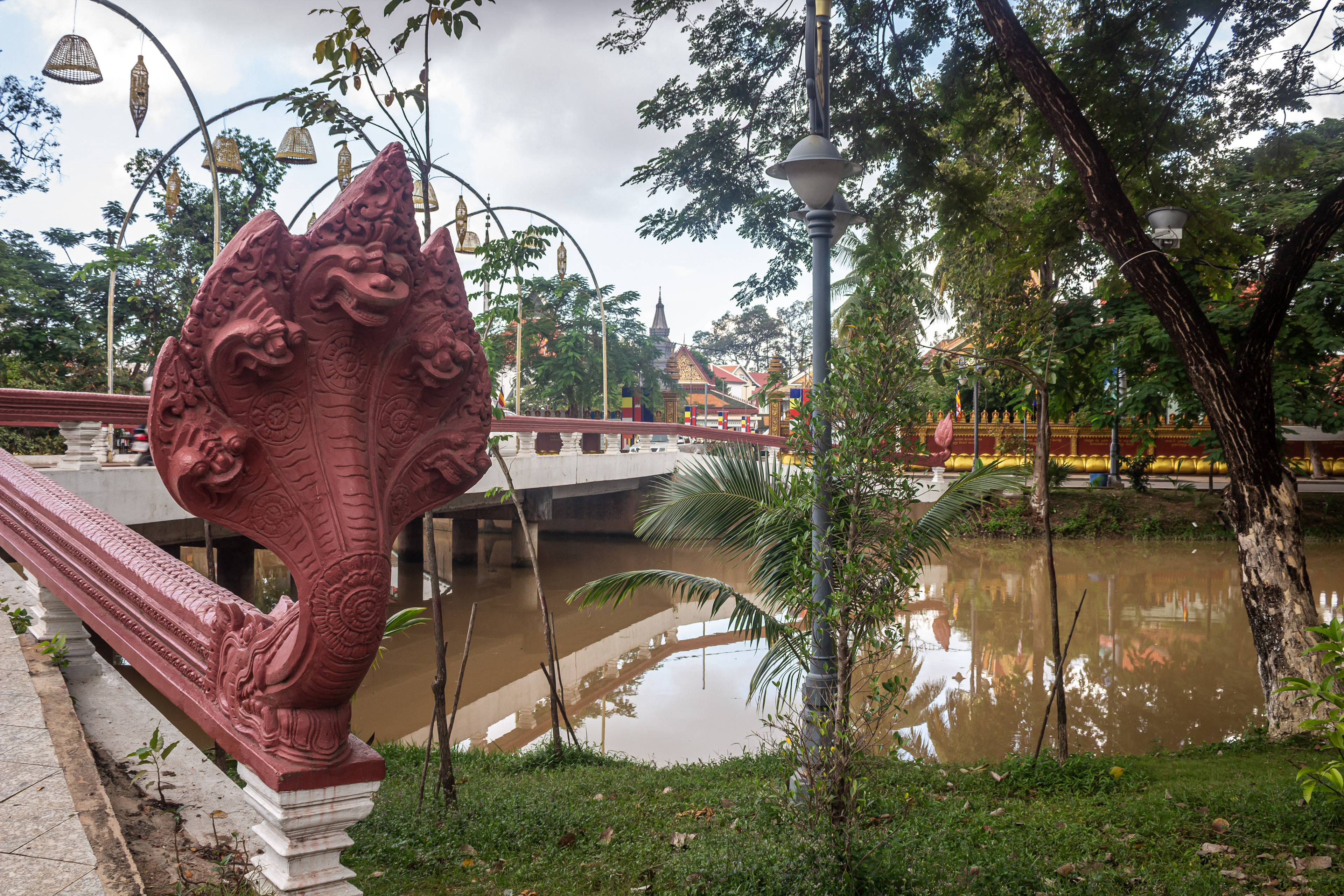
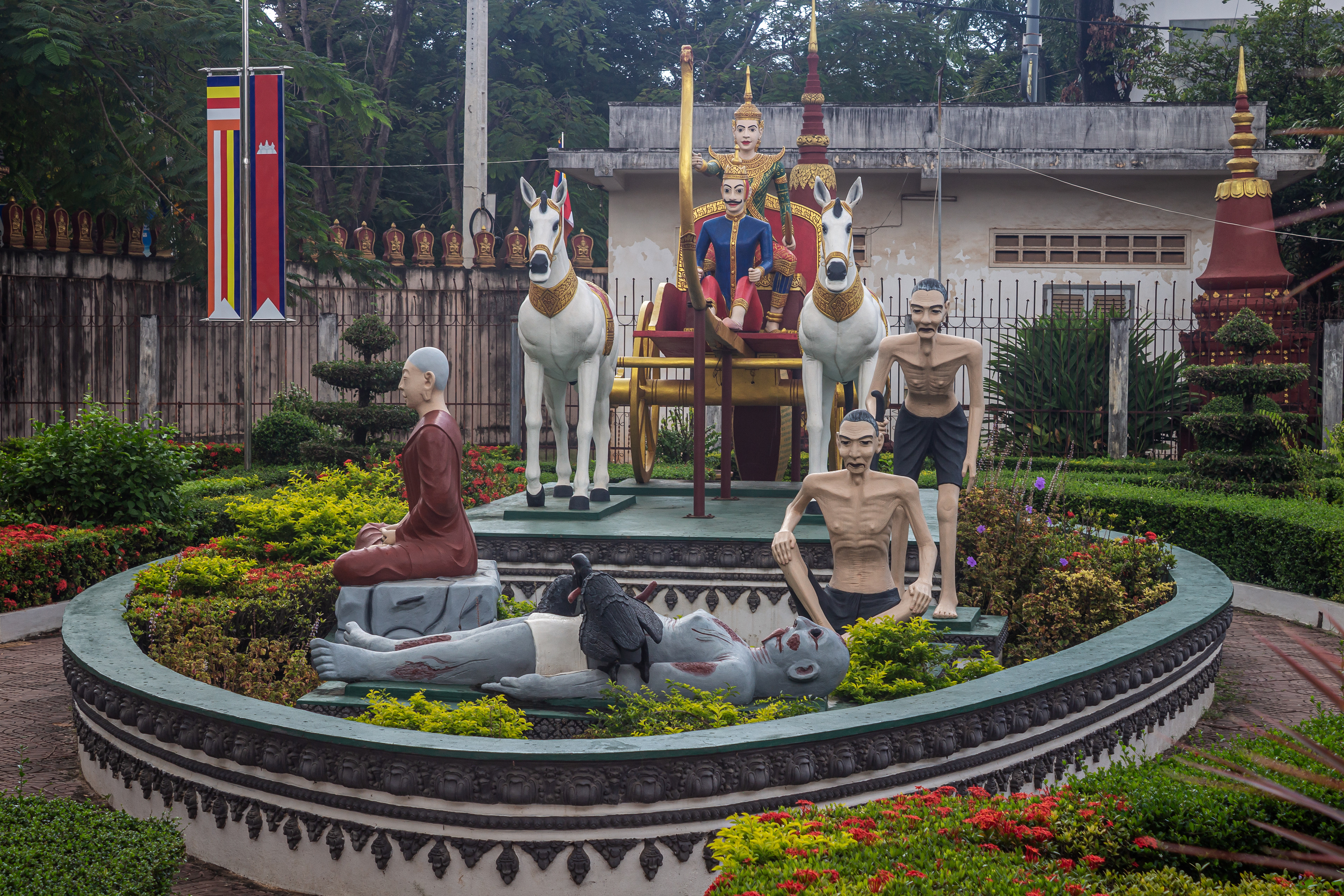
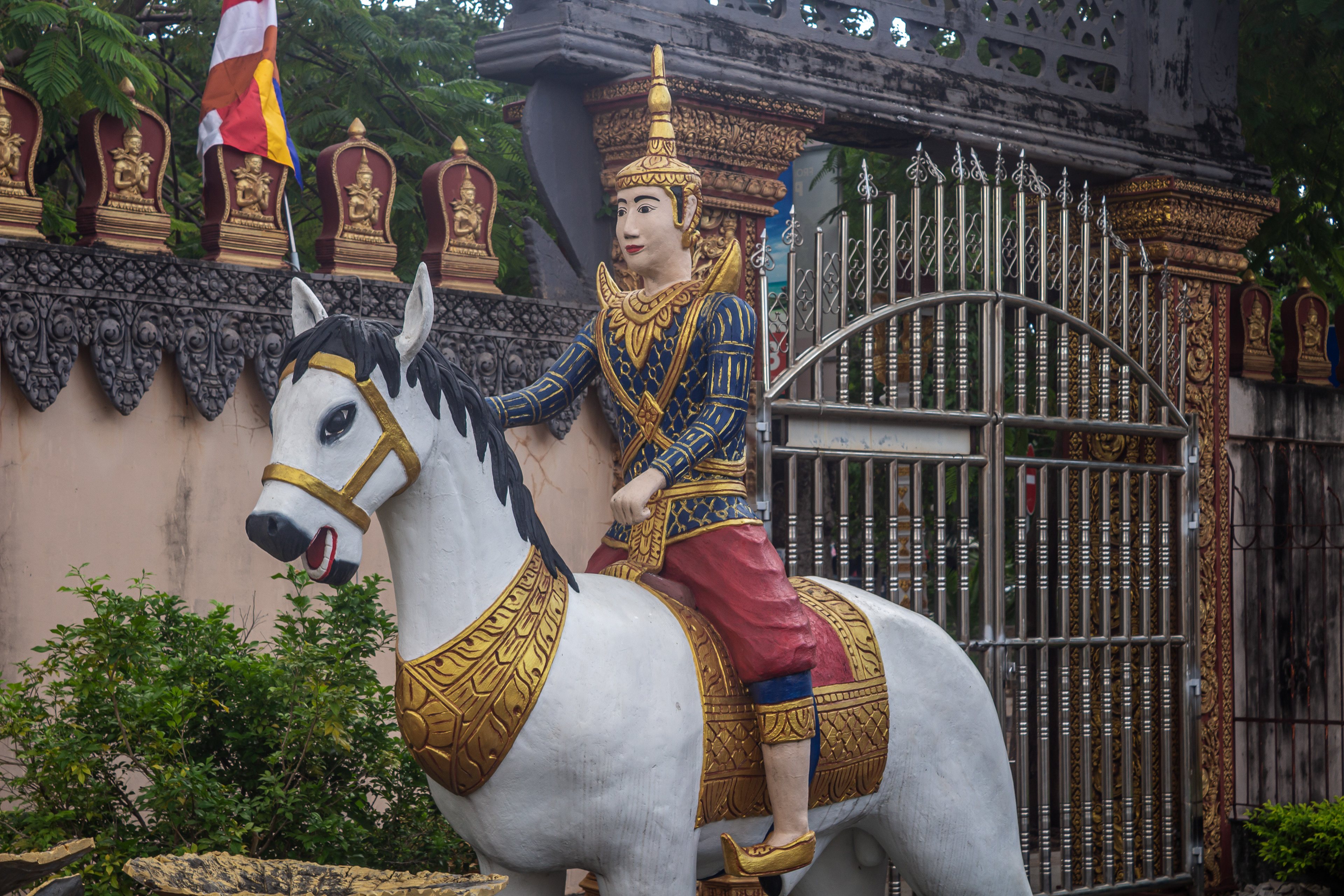
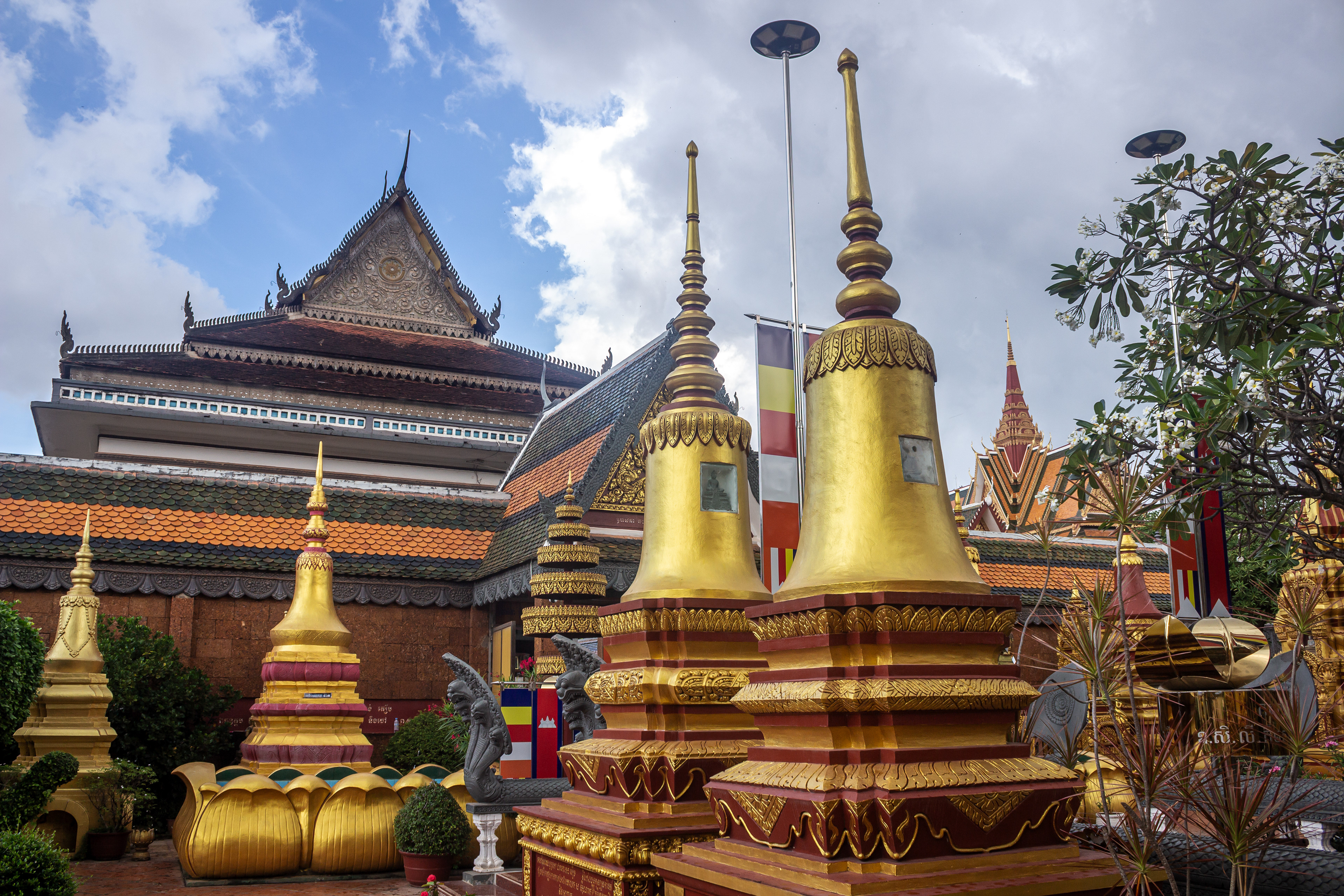
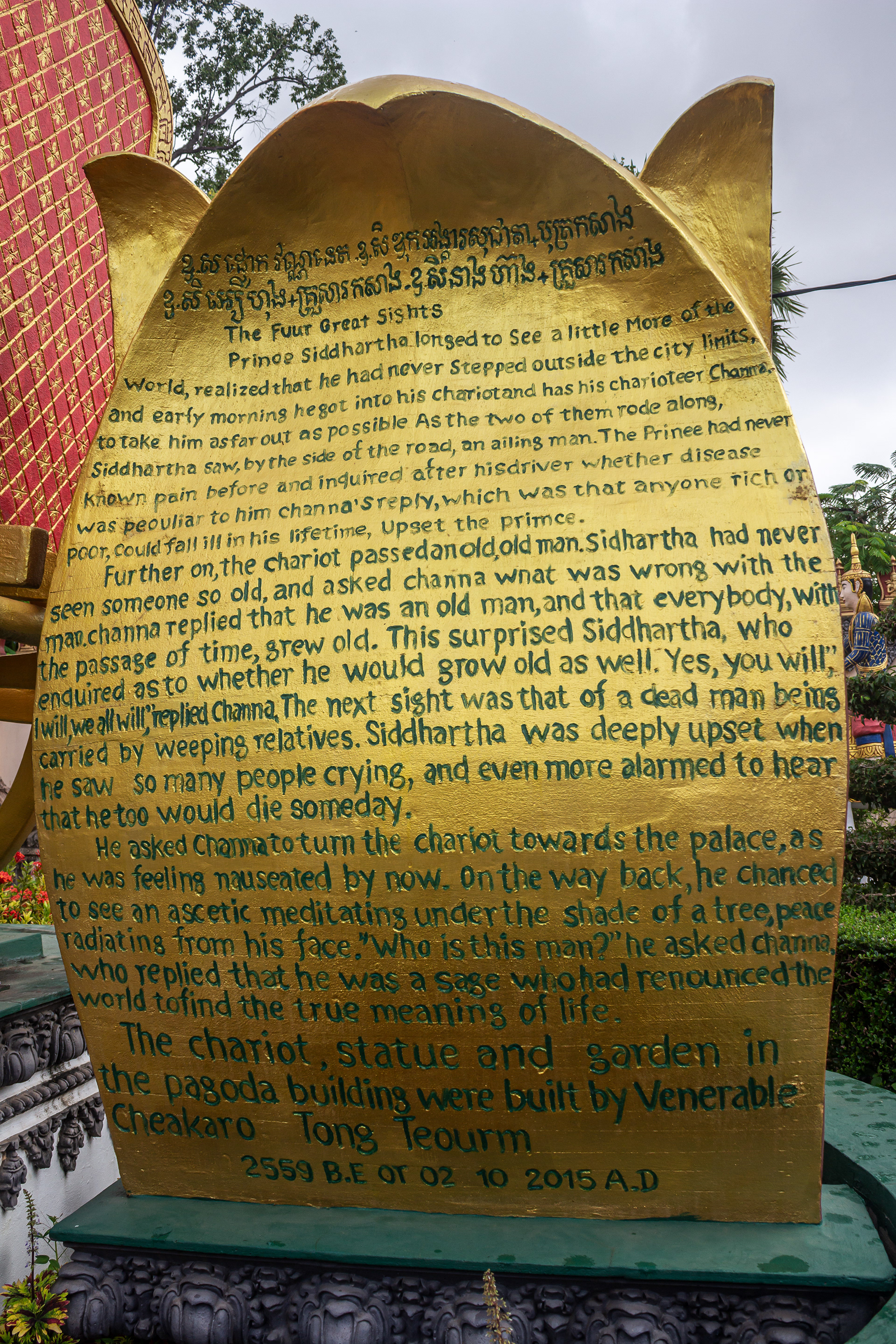
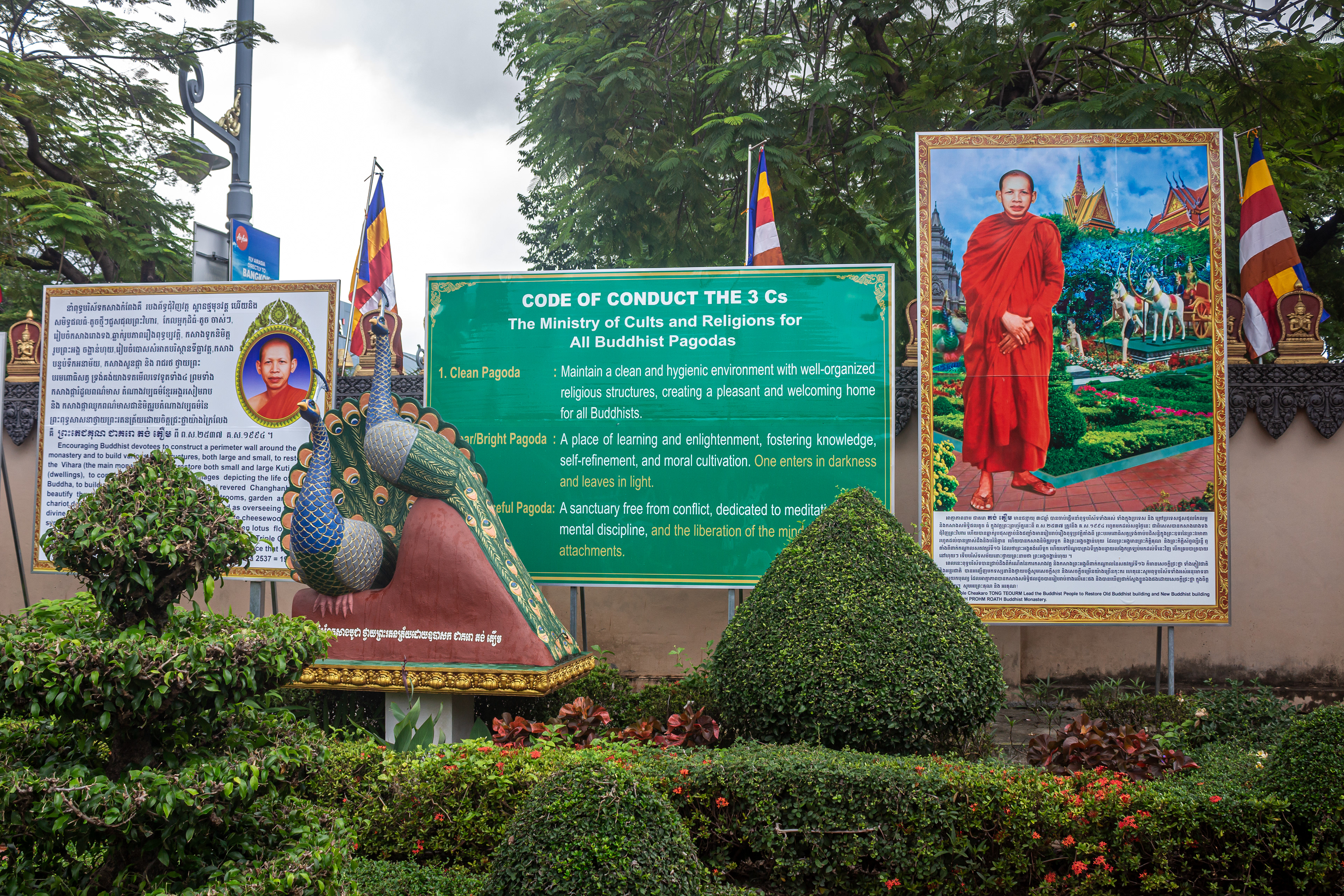
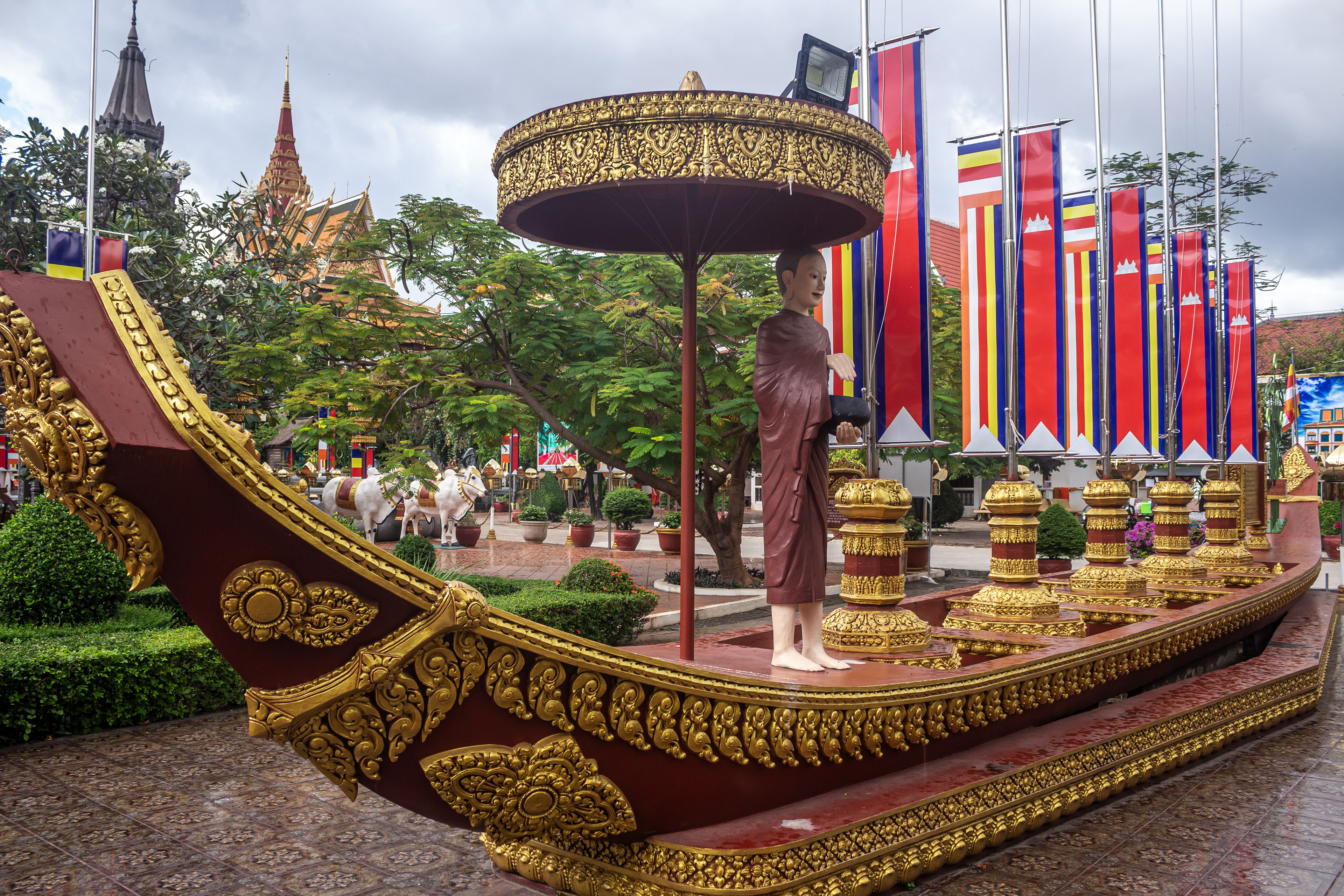
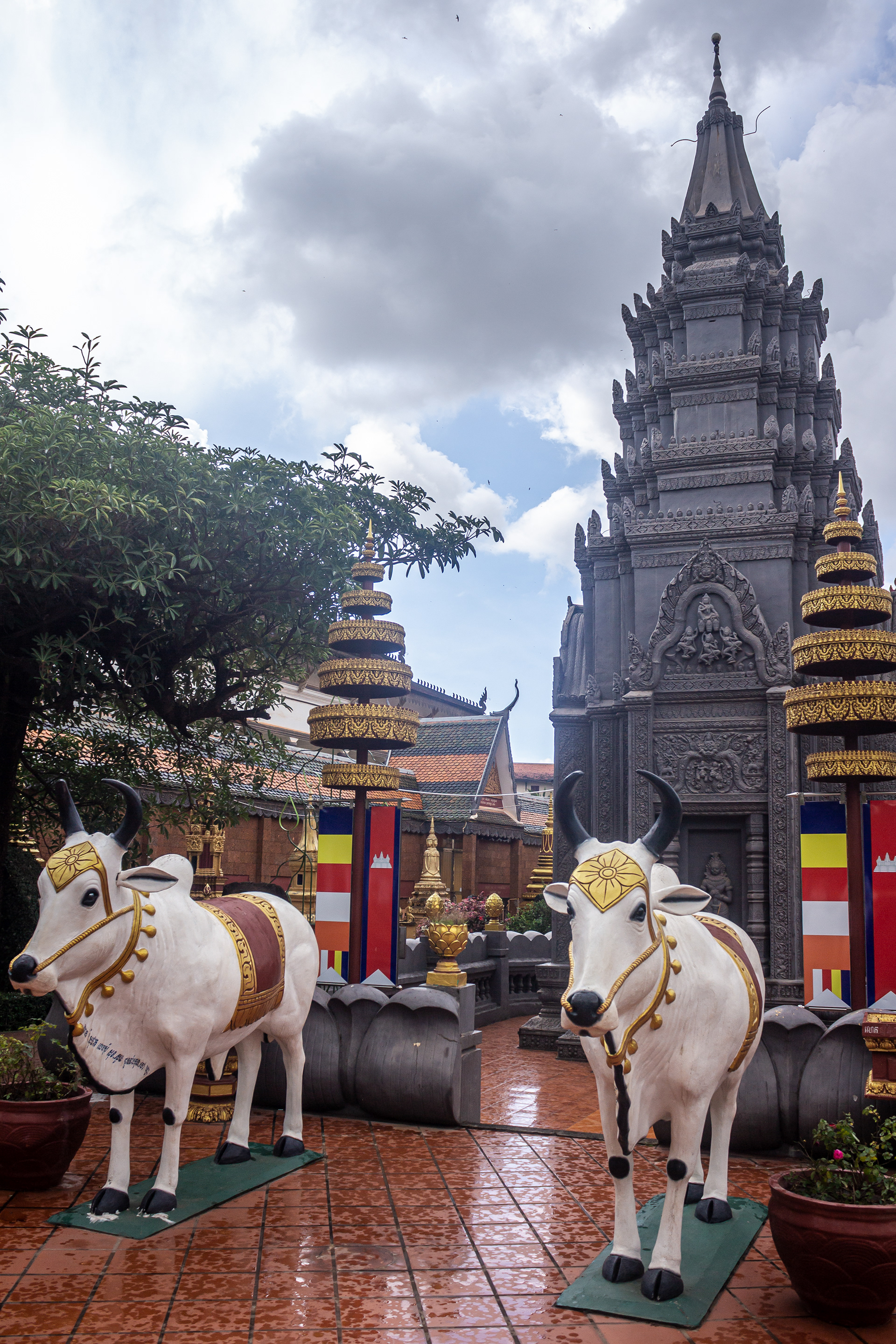
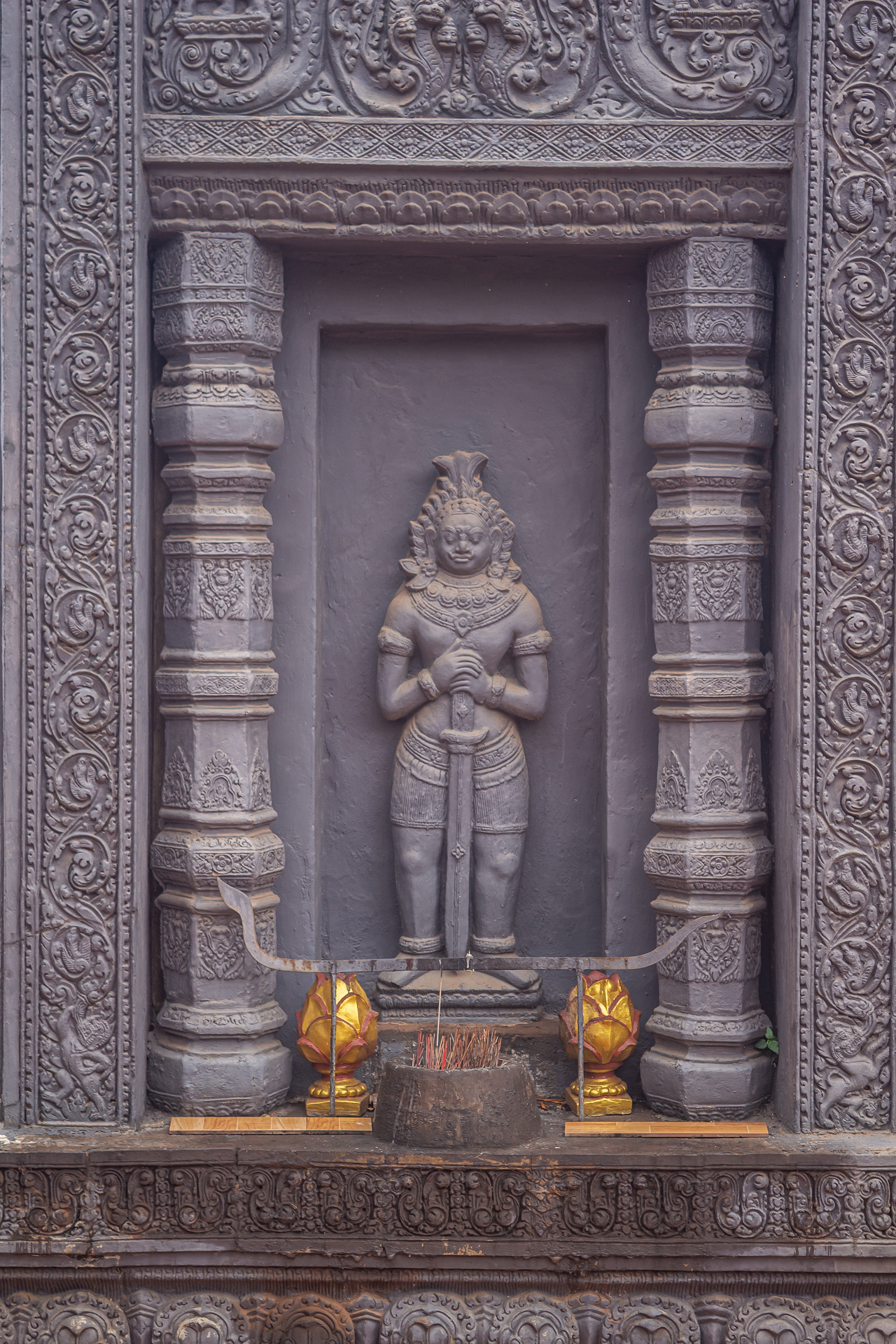
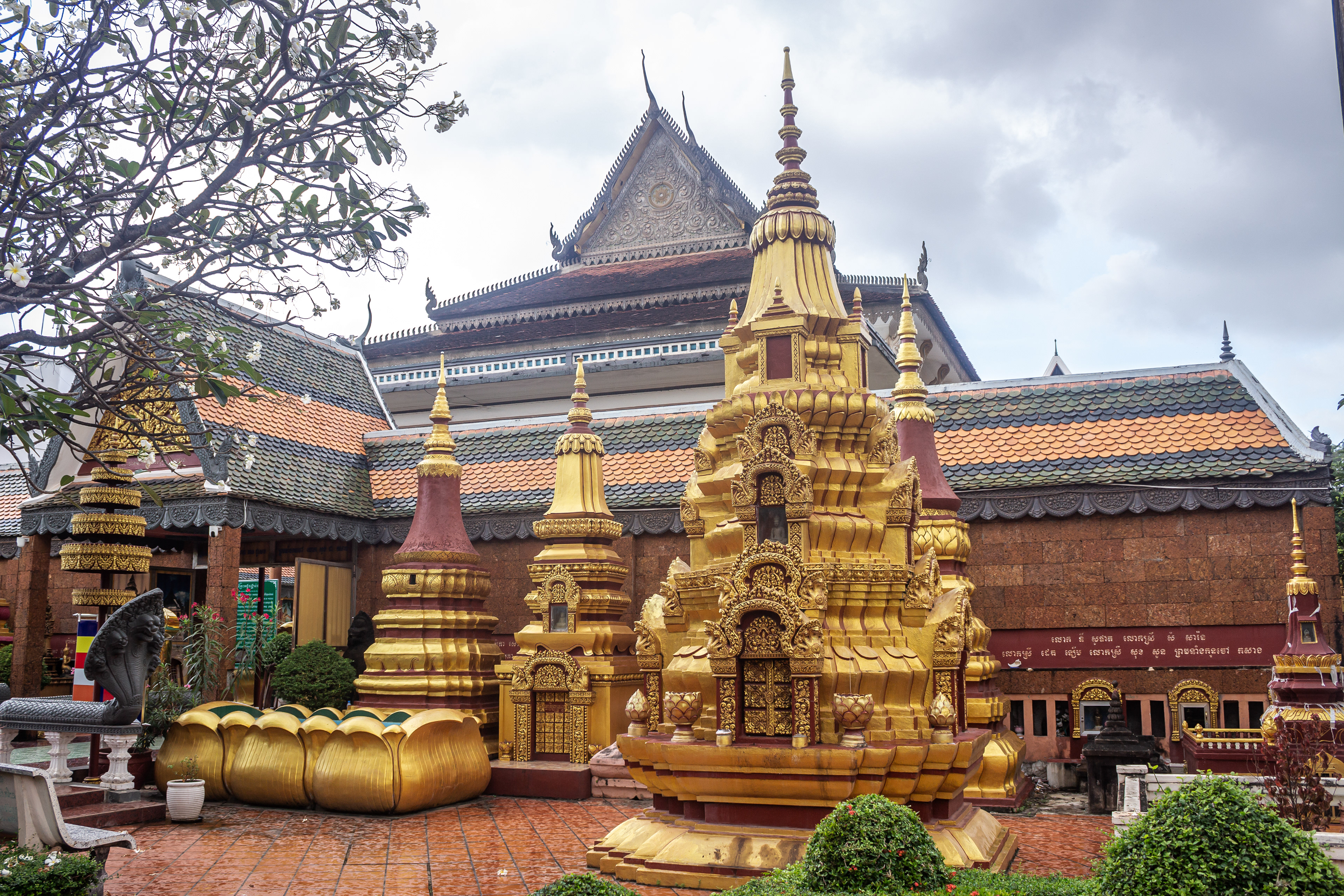
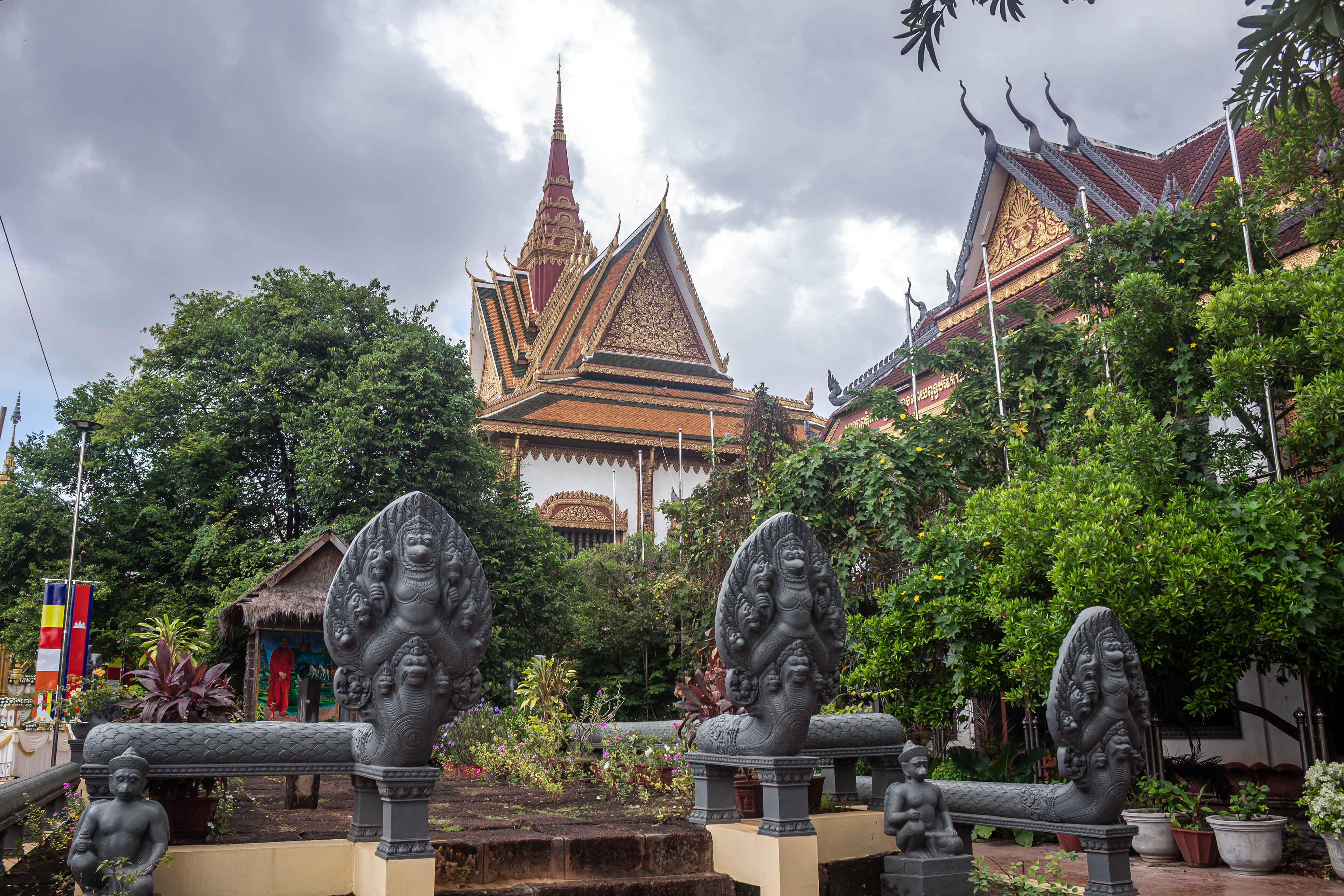
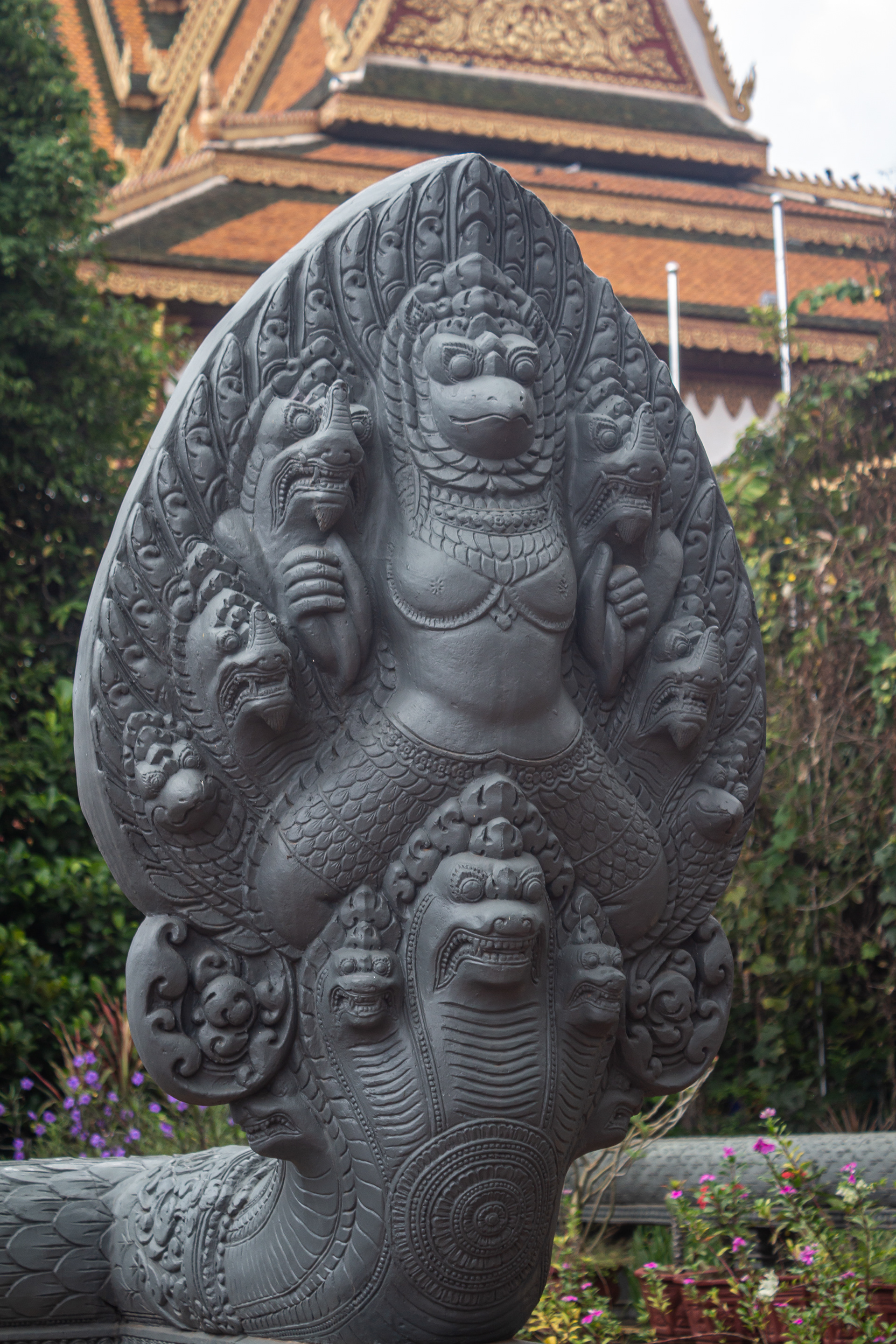
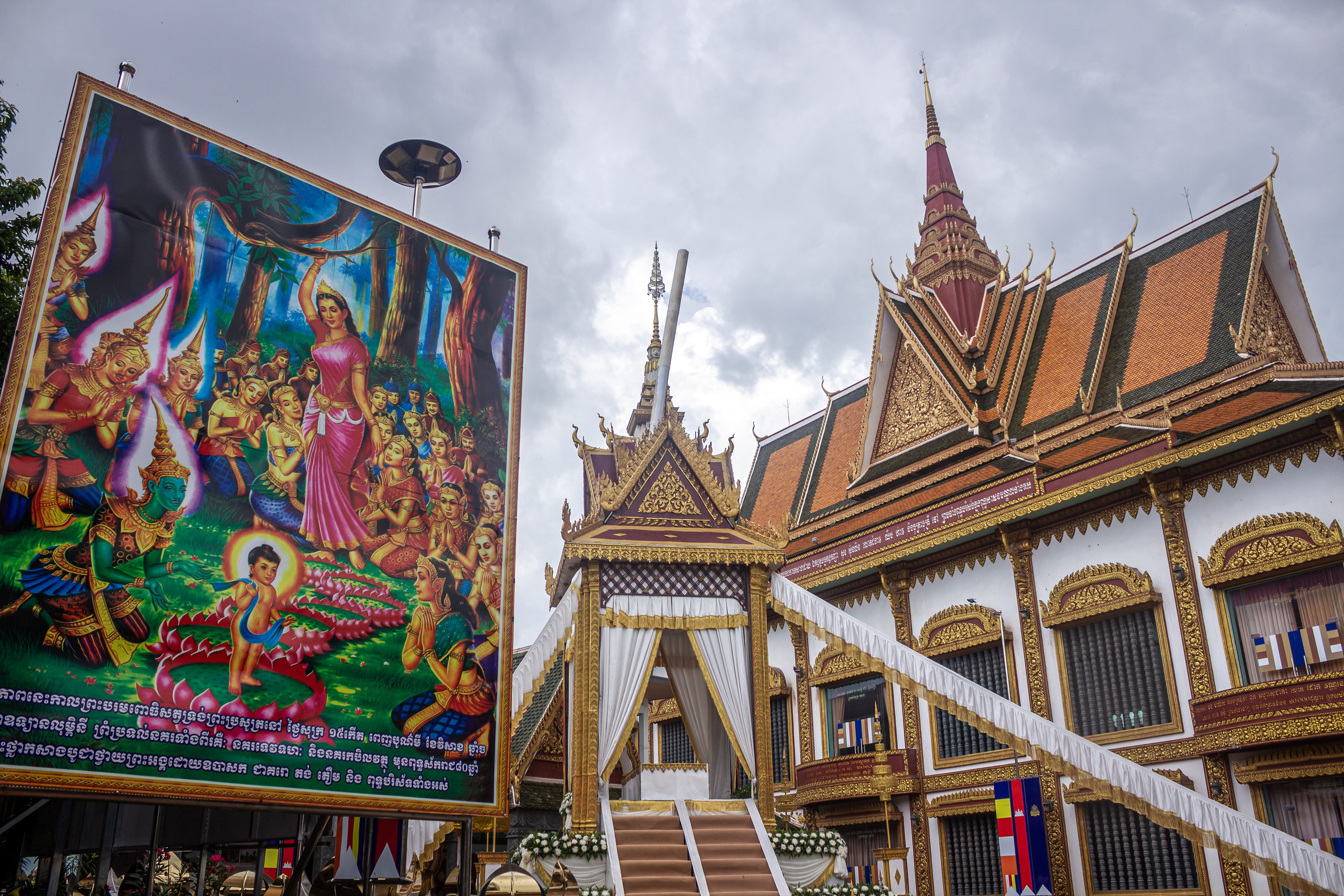
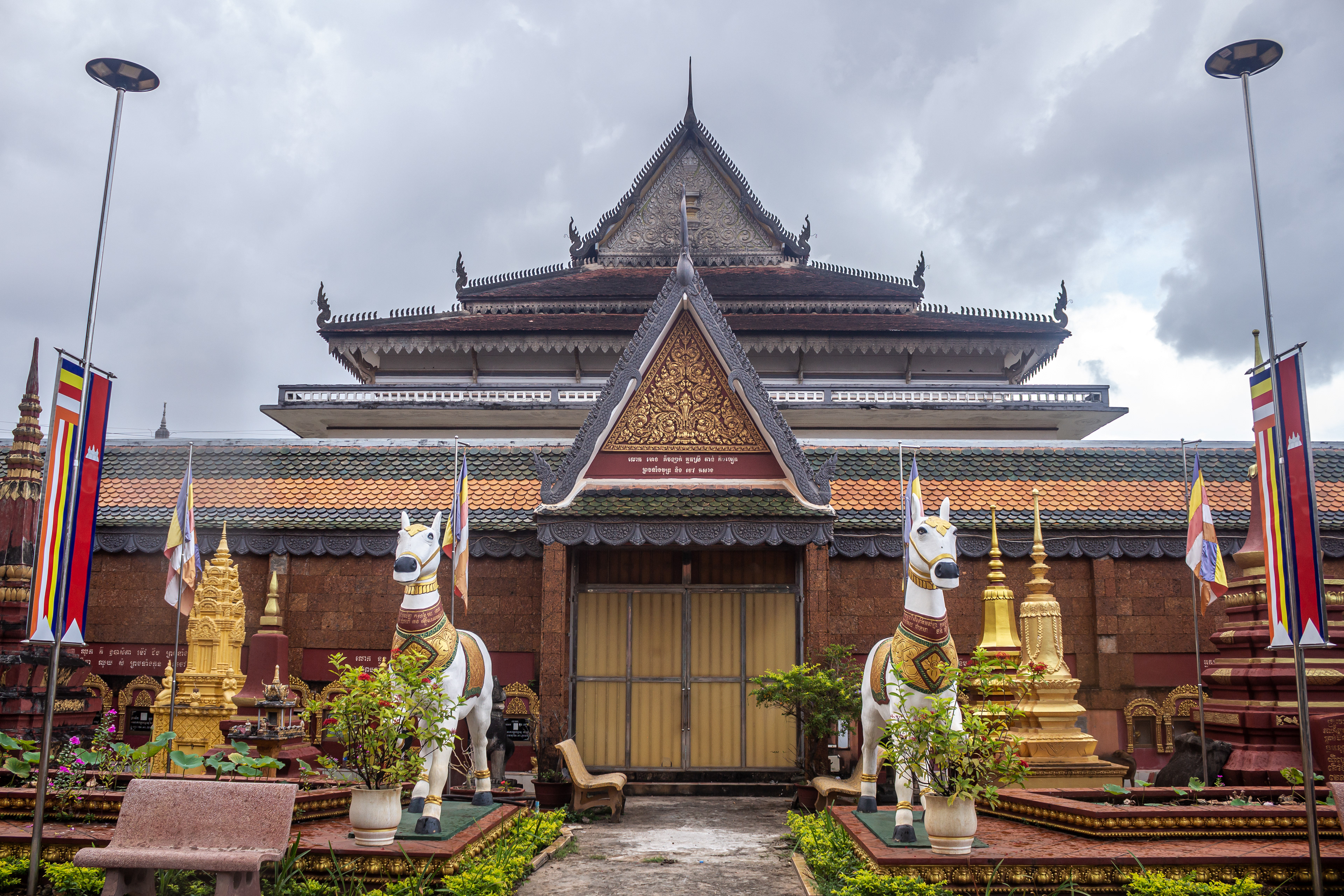
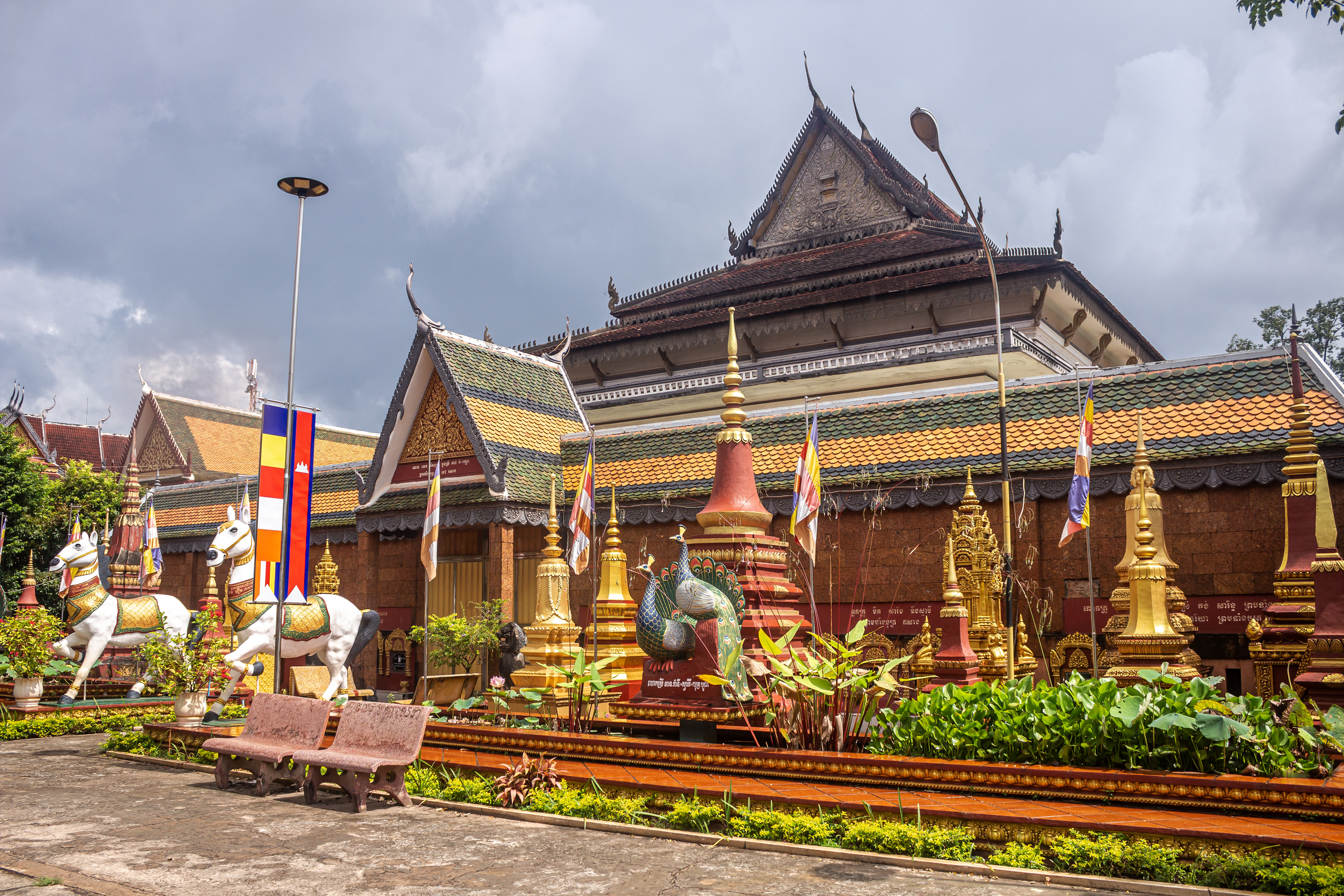
Temples - Wat Preah Prom Rath, Wat Bo
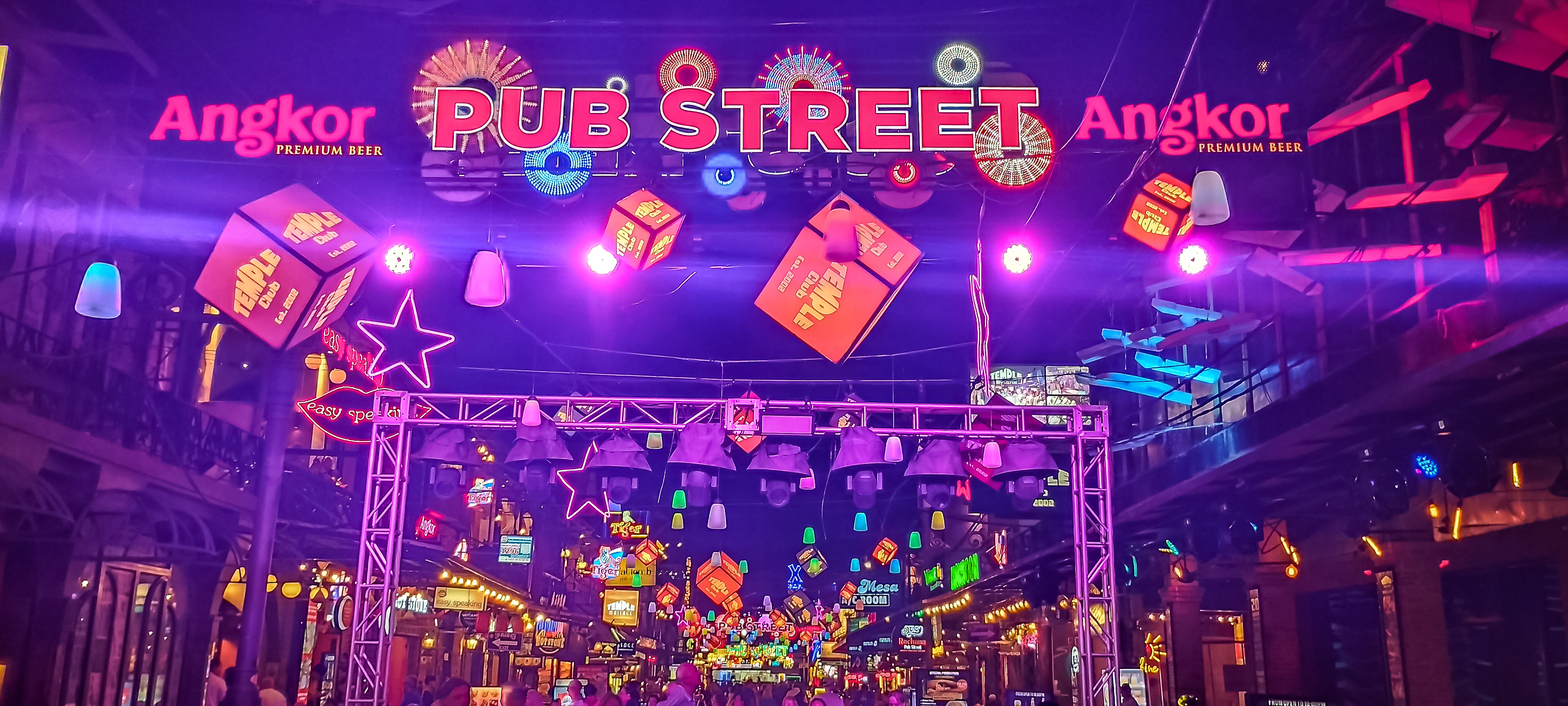
Pub Street – Loud, lively, and unapologetically touristy. Come for the food, stay for the chaos.
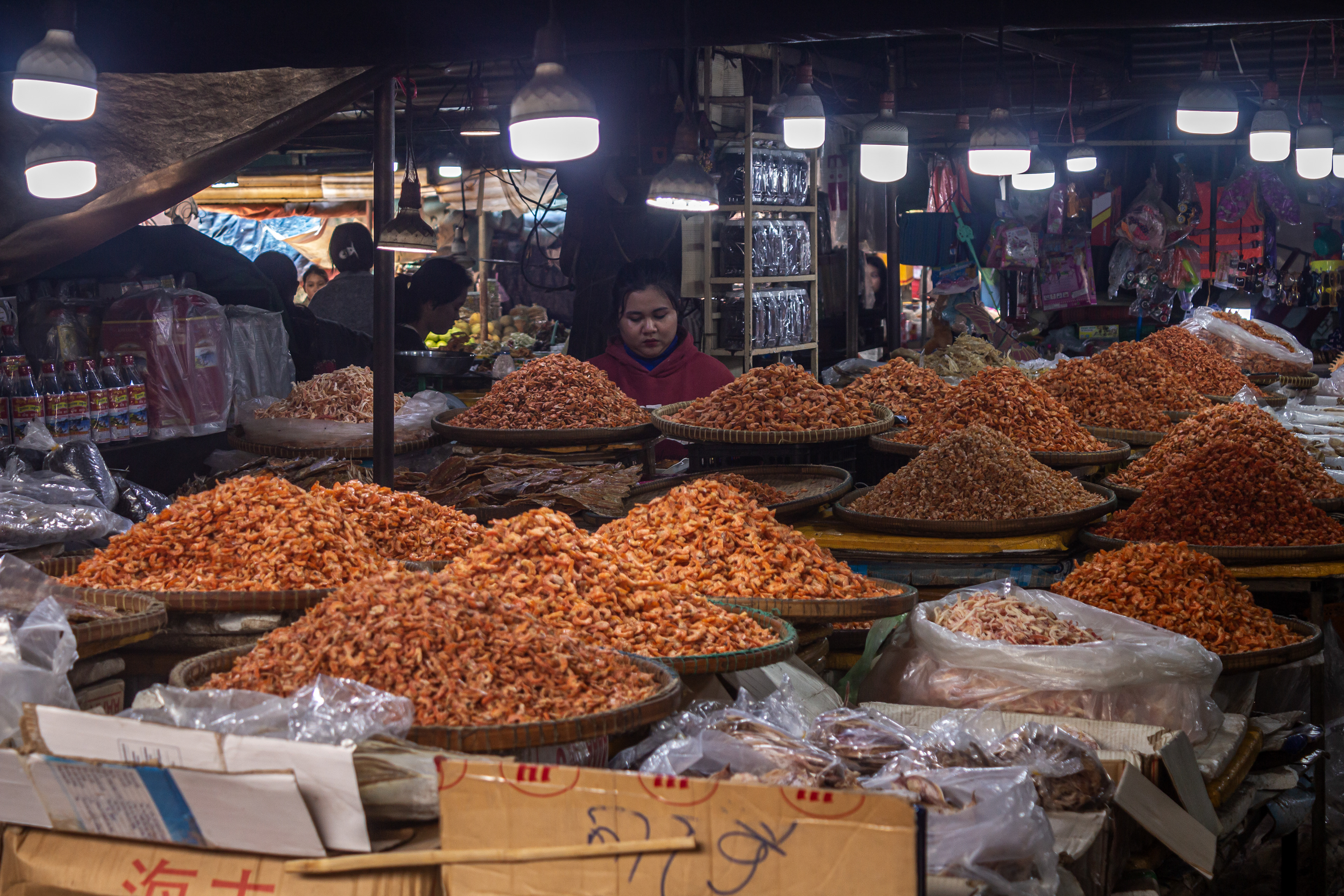
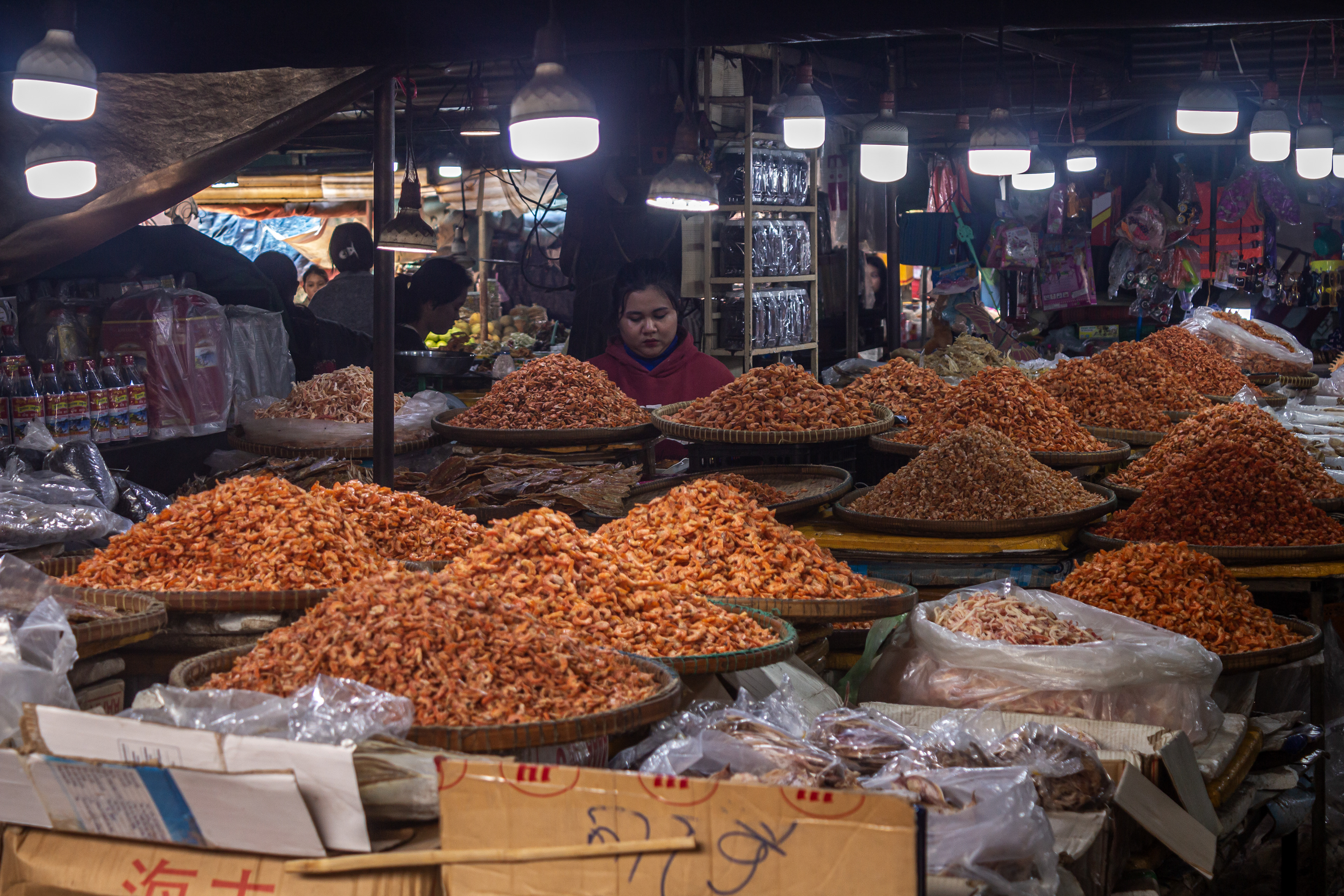
Night Markets – Great for souvenirs, snacks, and pretending you’re good at bargaining.
Traditional Apsara Dance Shows – Elegant, colorful, and a beautiful way to experience Khmer culture.
Traditional Khmer goods
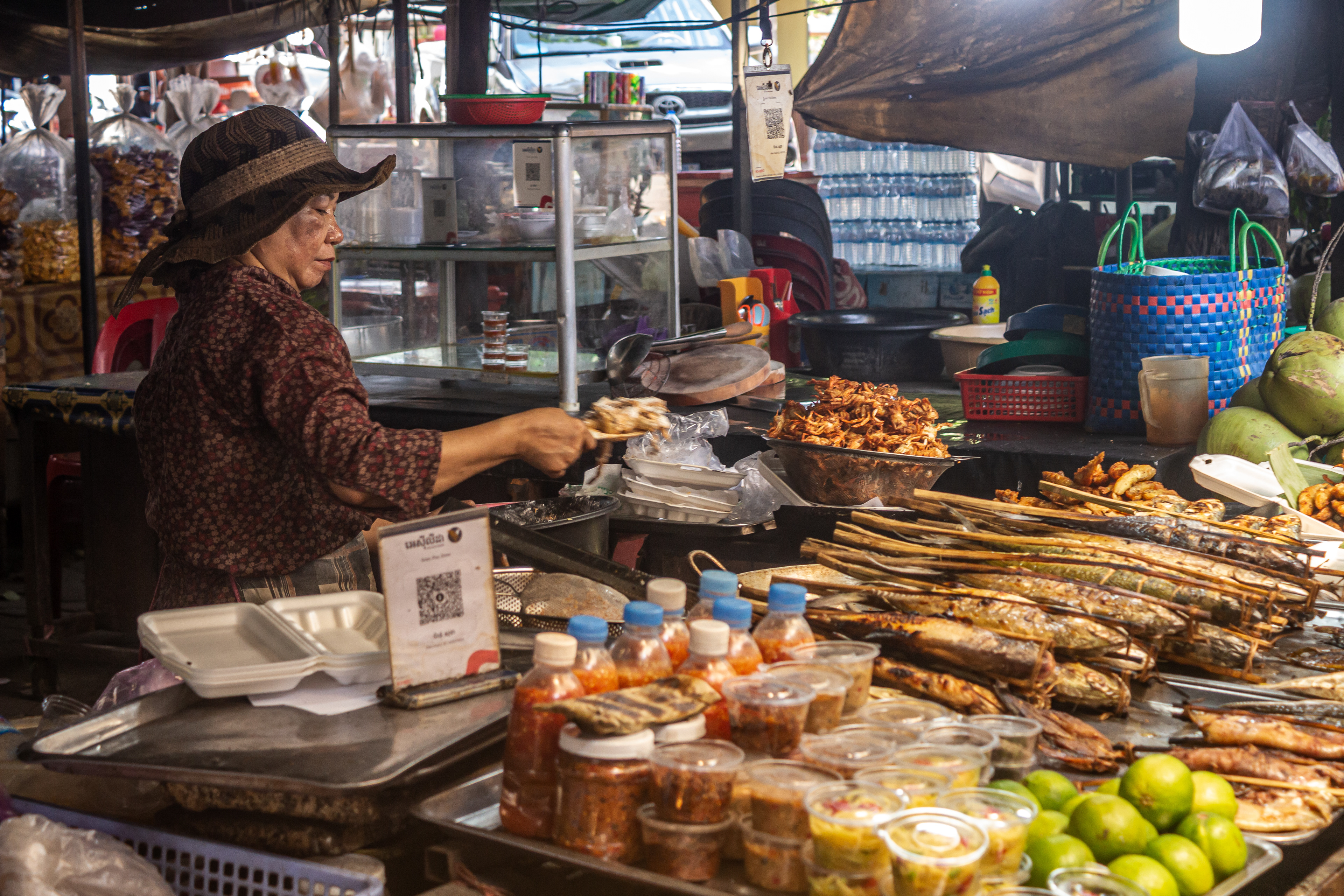
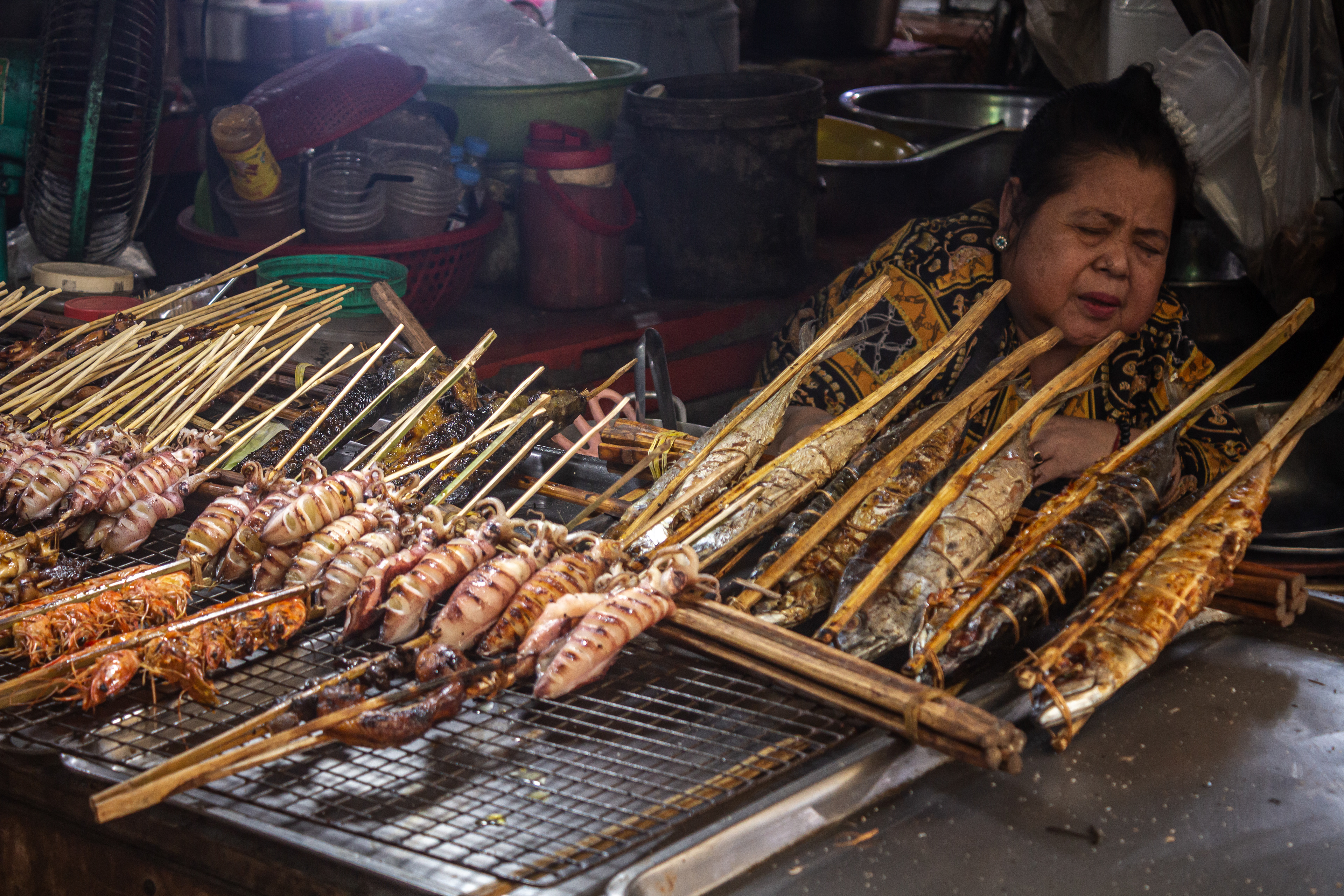
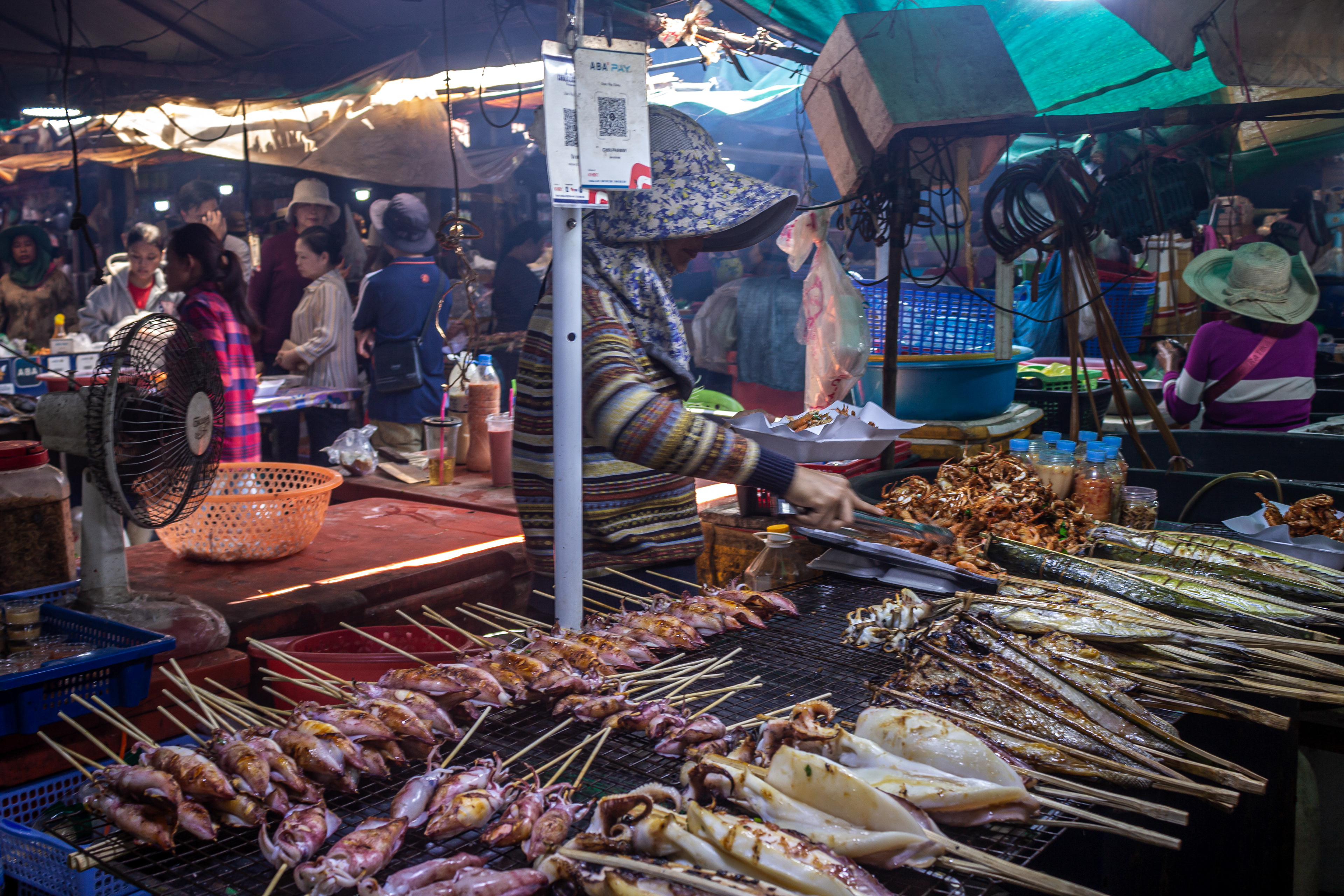
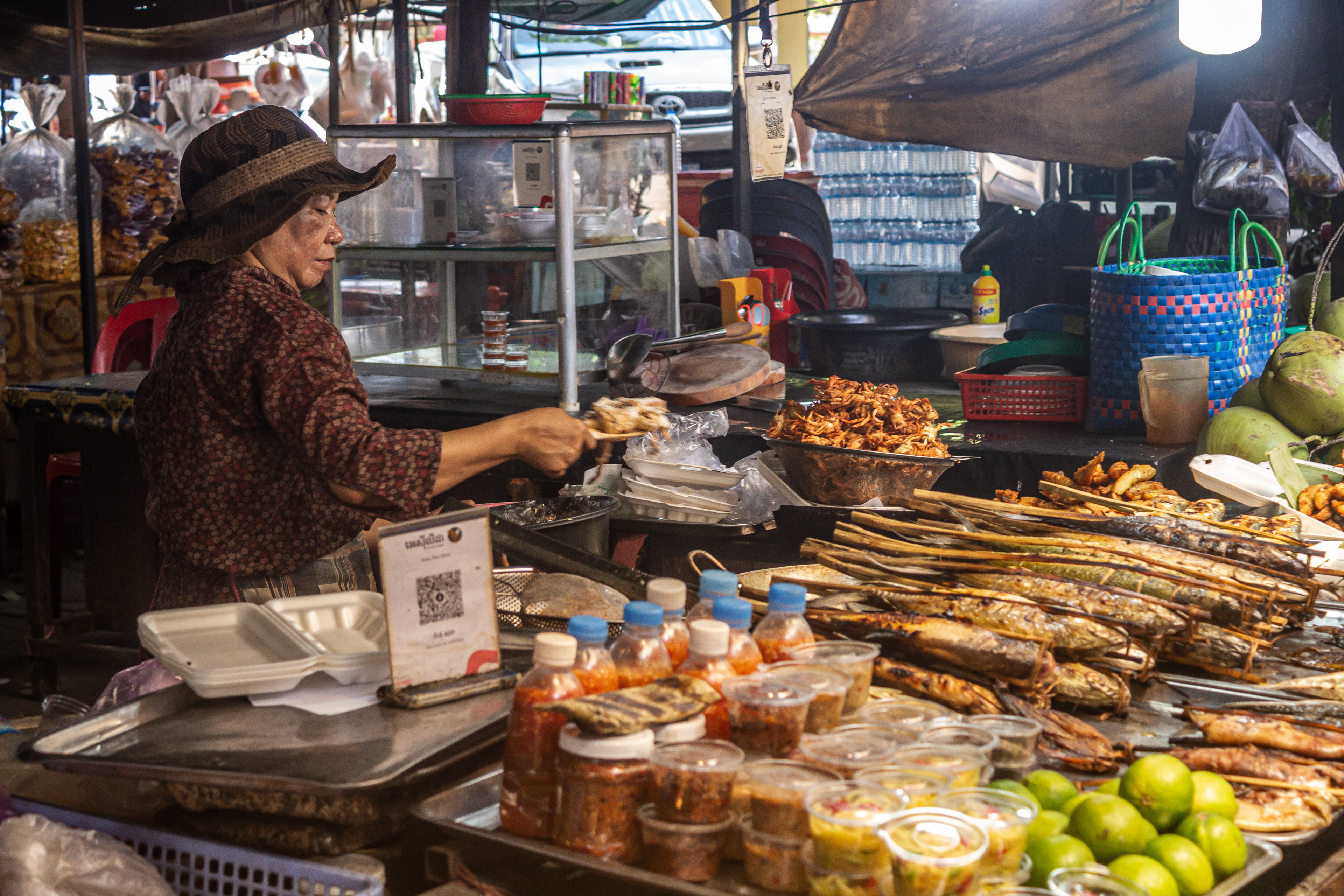
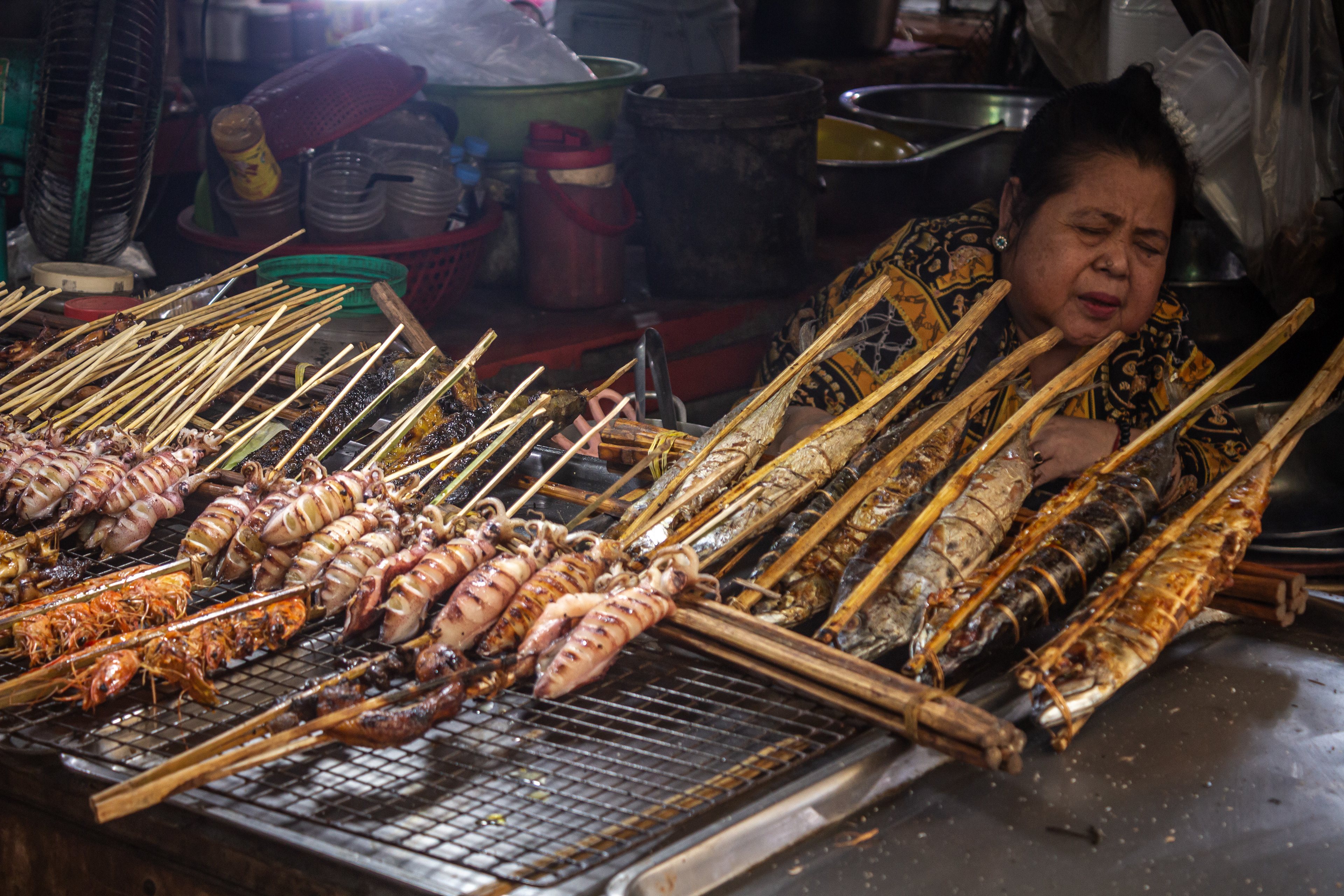
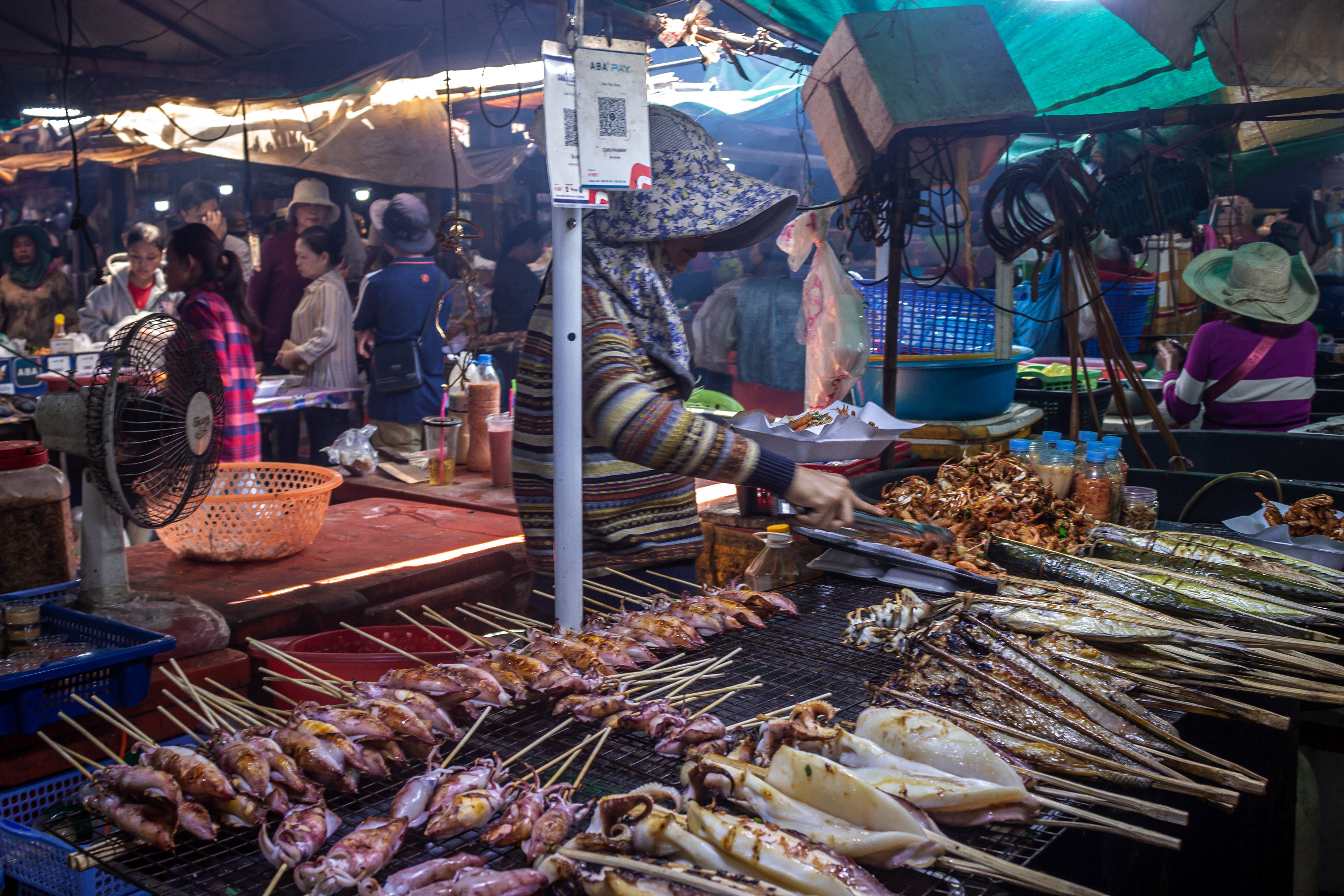
Local street food
Cafés & Creative Scene
Temples - Wat Preah Prom Rath, Wat Bo
Pub Street – Loud, lively, and unapologetically touristy. Come for the food, stay for the chaos.
Night Markets – Great for souvenirs, snacks, and pretending you’re good at bargaining.
Traditional Apsara Dance Shows – Elegant, colorful, and a beautiful way to experience Khmer culture.
Traditional Khmer goods
Local street food
Cafés & Creative Scene
Cambodian Culture & Etiquette 🙏
A few small gestures go a long way:
Dress modestly at temples
Remove shoes when entering religious spaces
Avoid touching people on the head (it’s considered sacred)
A smile is always appreciated—Cambodia is known as the Kingdom of Smiles
Dress modestly at temples
Remove shoes when entering religious spaces
Avoid touching people on the head (it’s considered sacred)
A smile is always appreciated—Cambodia is known as the Kingdom of Smiles
Khmer Food: Simple, Fresh & Flavorful 🍜
Khmer cuisine is less spicy than Thai food and focuses on balance and freshness.
Khmer cuisine is less spicy than Thai food and focuses on balance and freshness.
Local Favorites:
Amok – Cambodia’s national dish
Bai Sach Chrouk – grilled pork with rice (popular breakfast)
Lok Lak – beef stir-fry with pepper sauce
Vegetarian options are widely available, especially in town.
Amok – Cambodia’s national dish
Bai Sach Chrouk – grilled pork with rice (popular breakfast)
Lok Lak – beef stir-fry with pepper sauce
Vegetarian options are widely available, especially in town.
Tonlé Sap Lake & Floating Villages 🚤
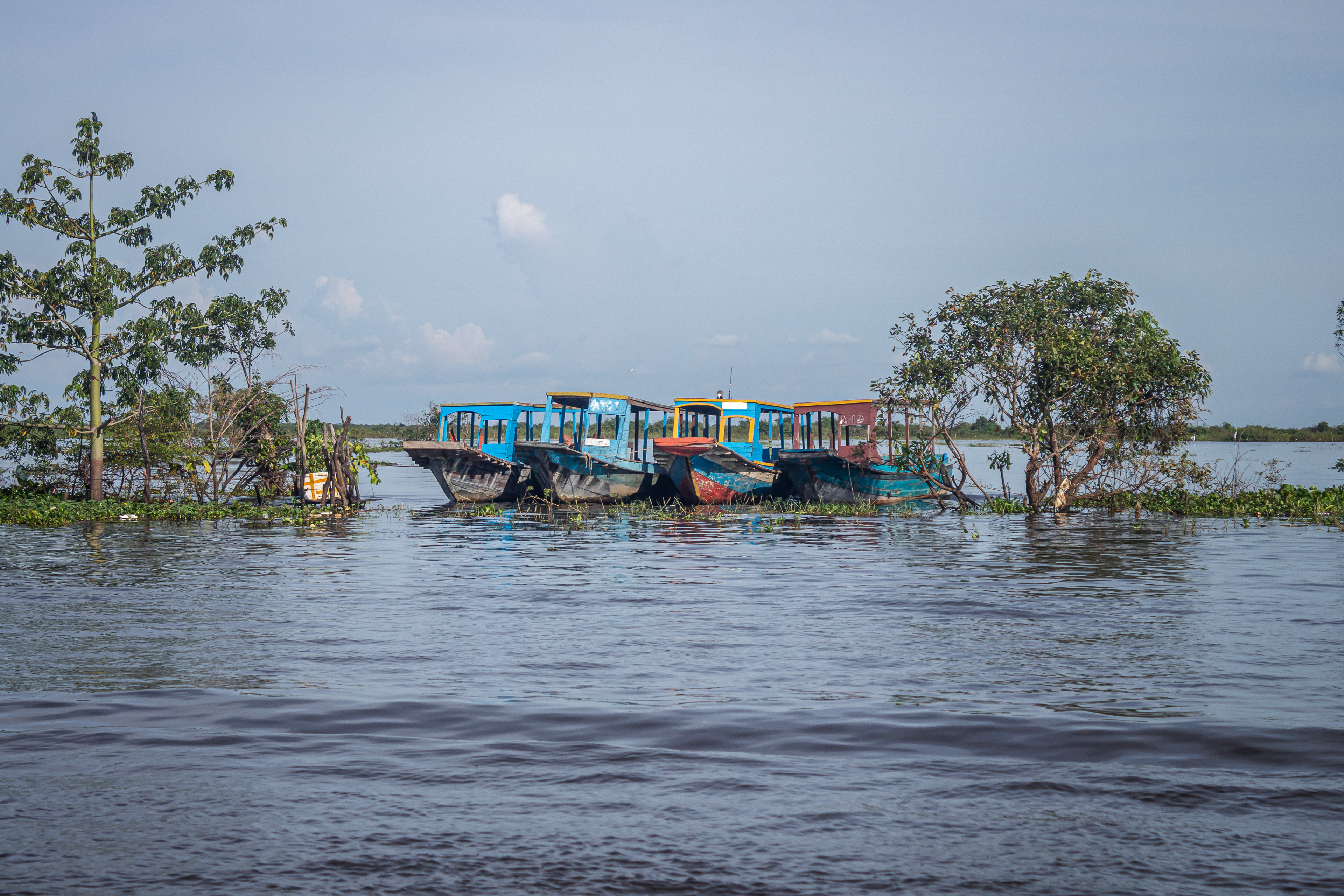
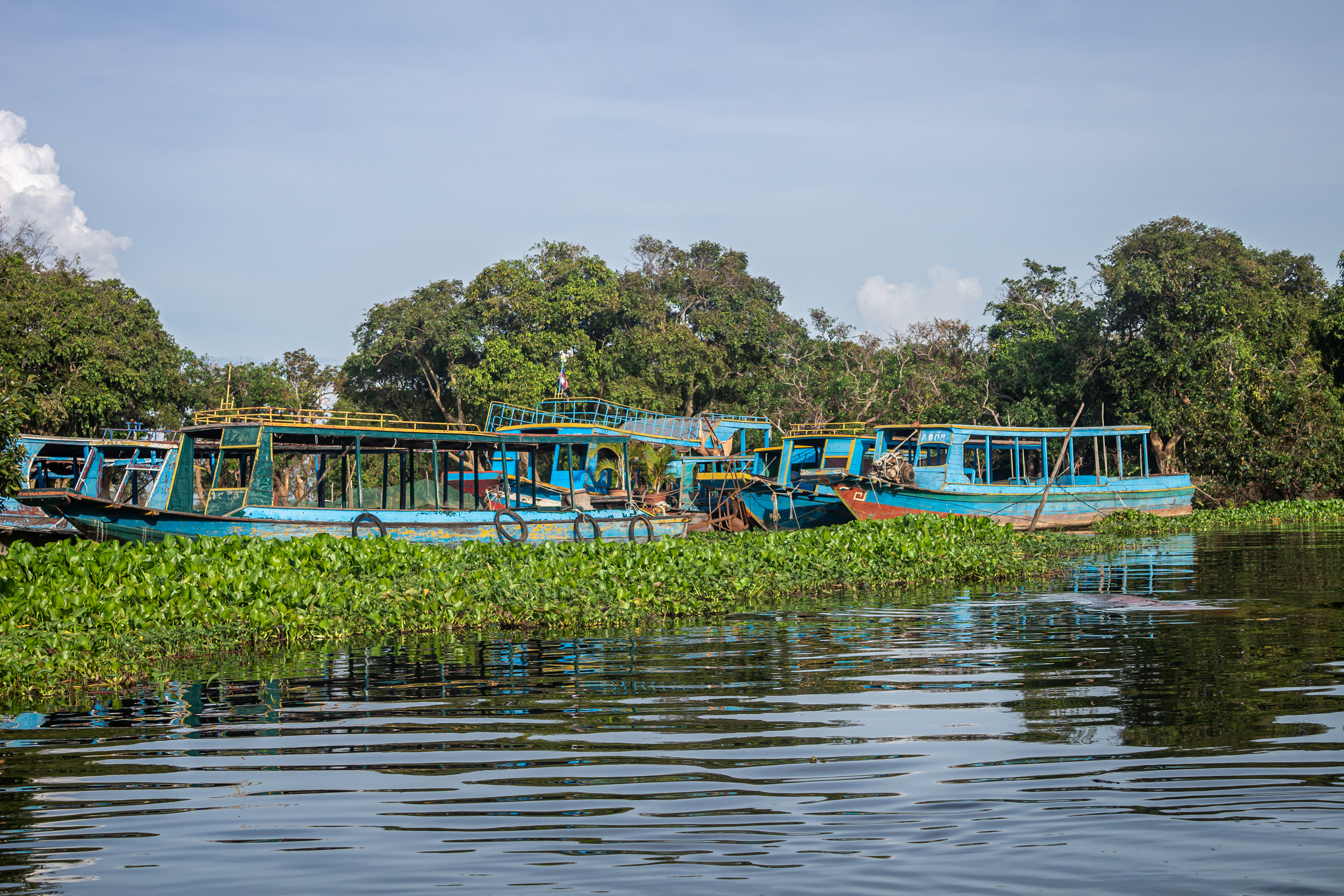
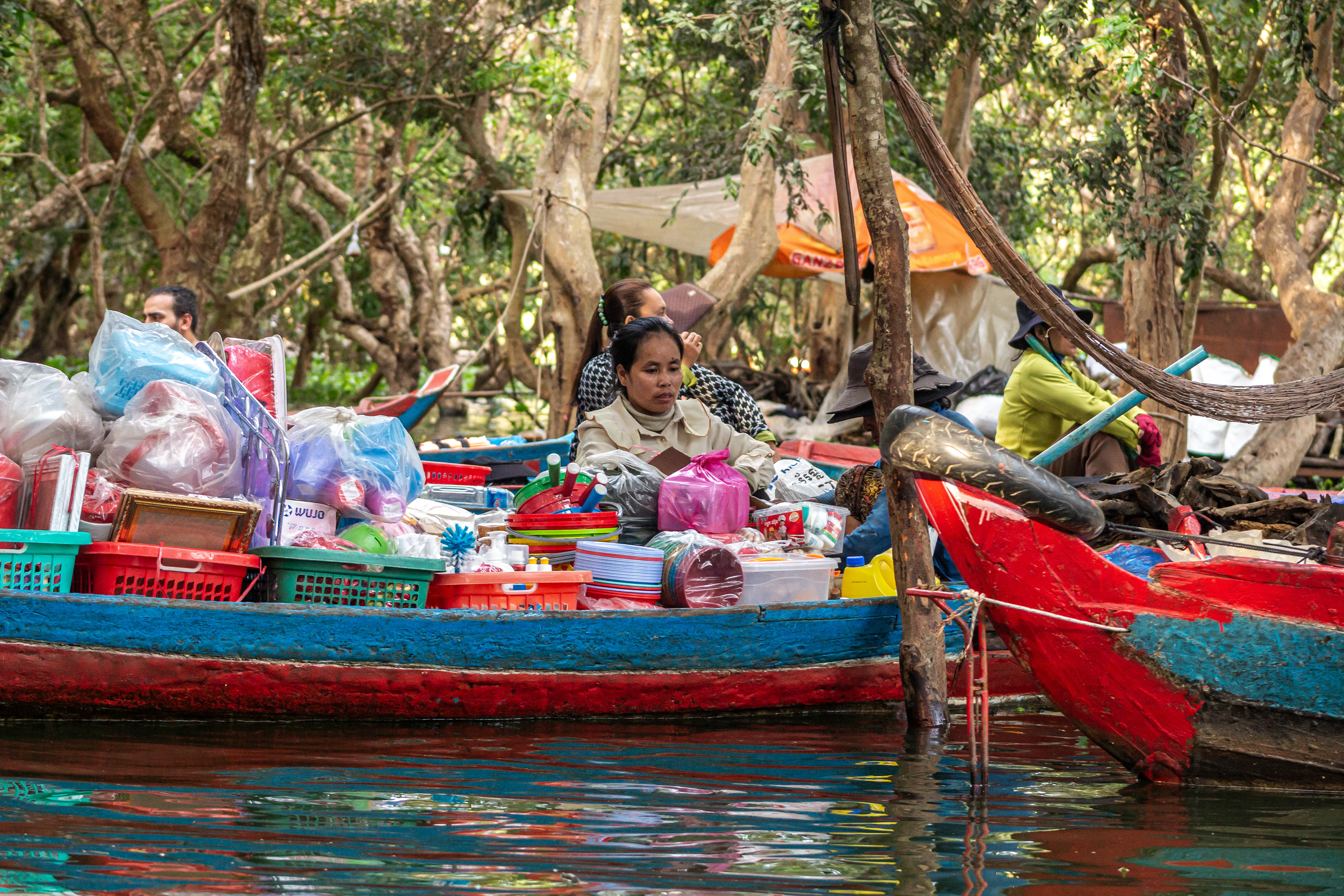
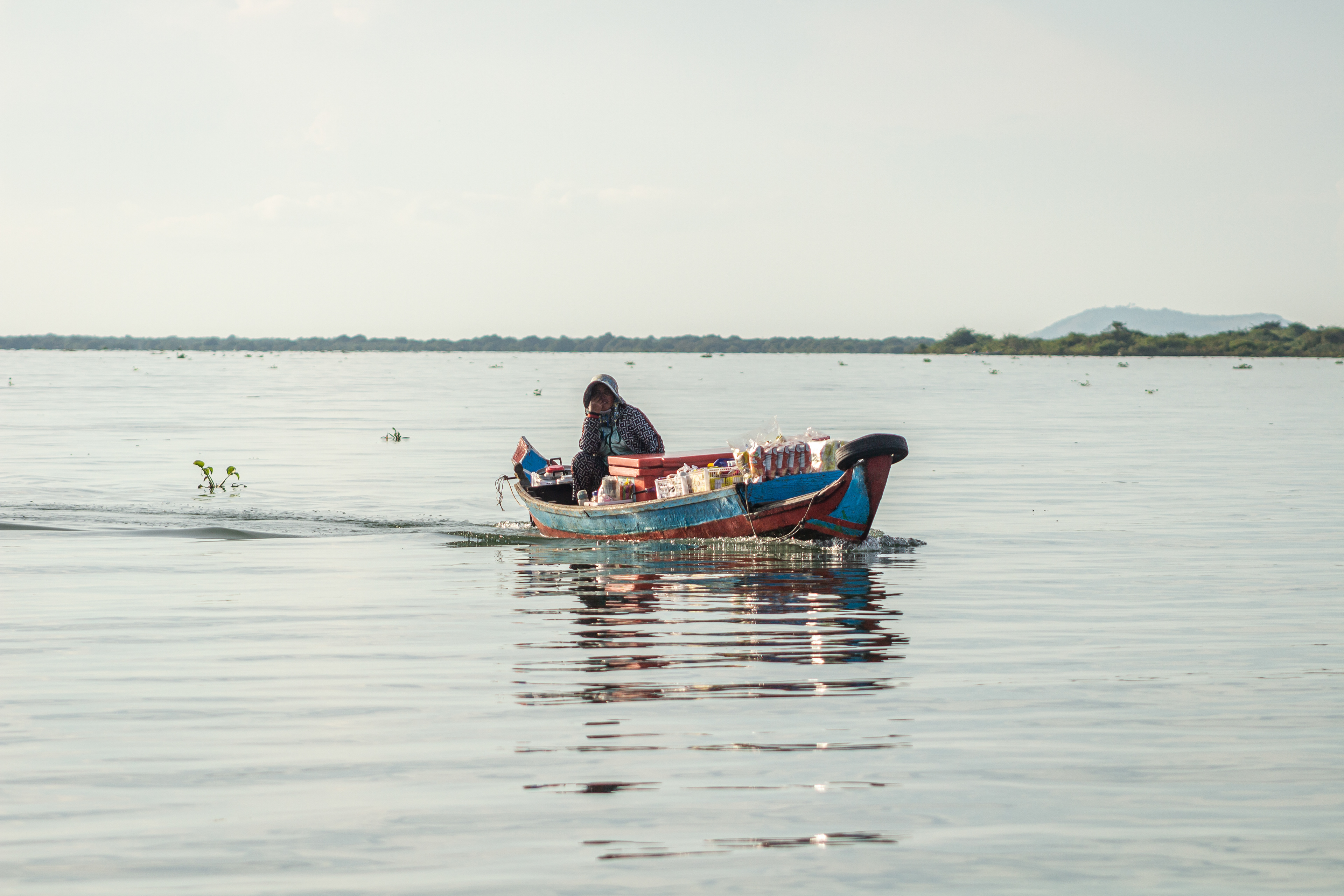
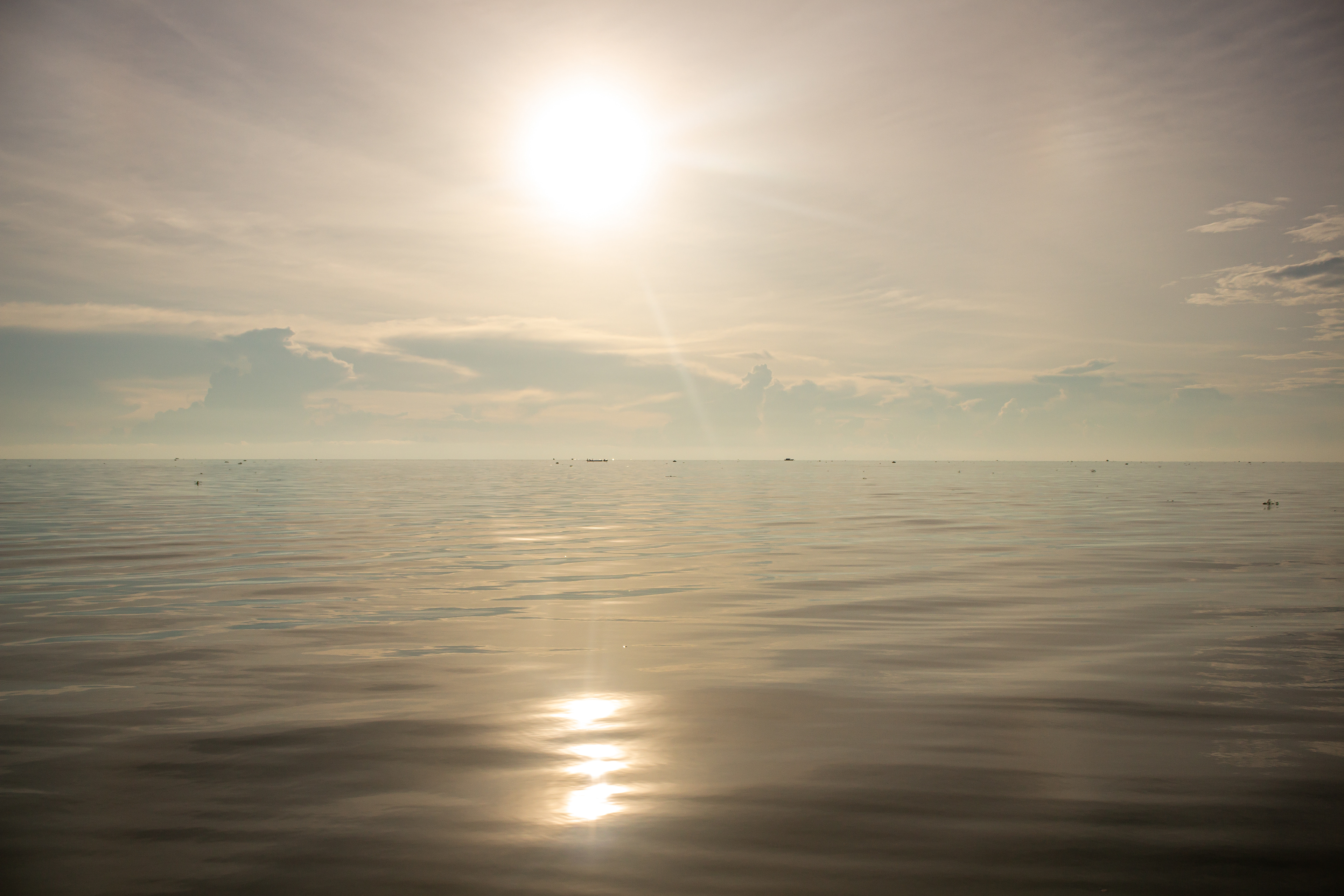
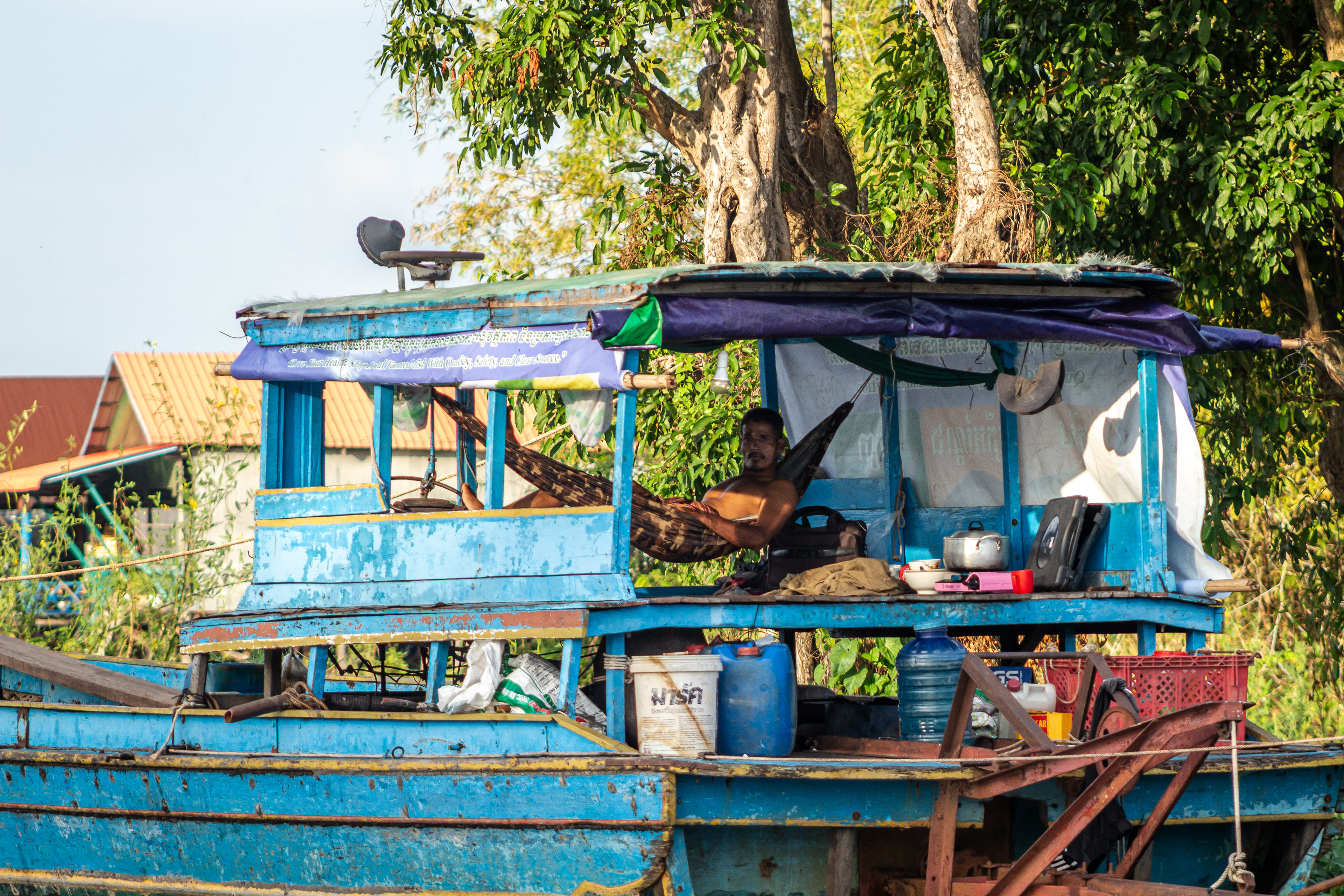
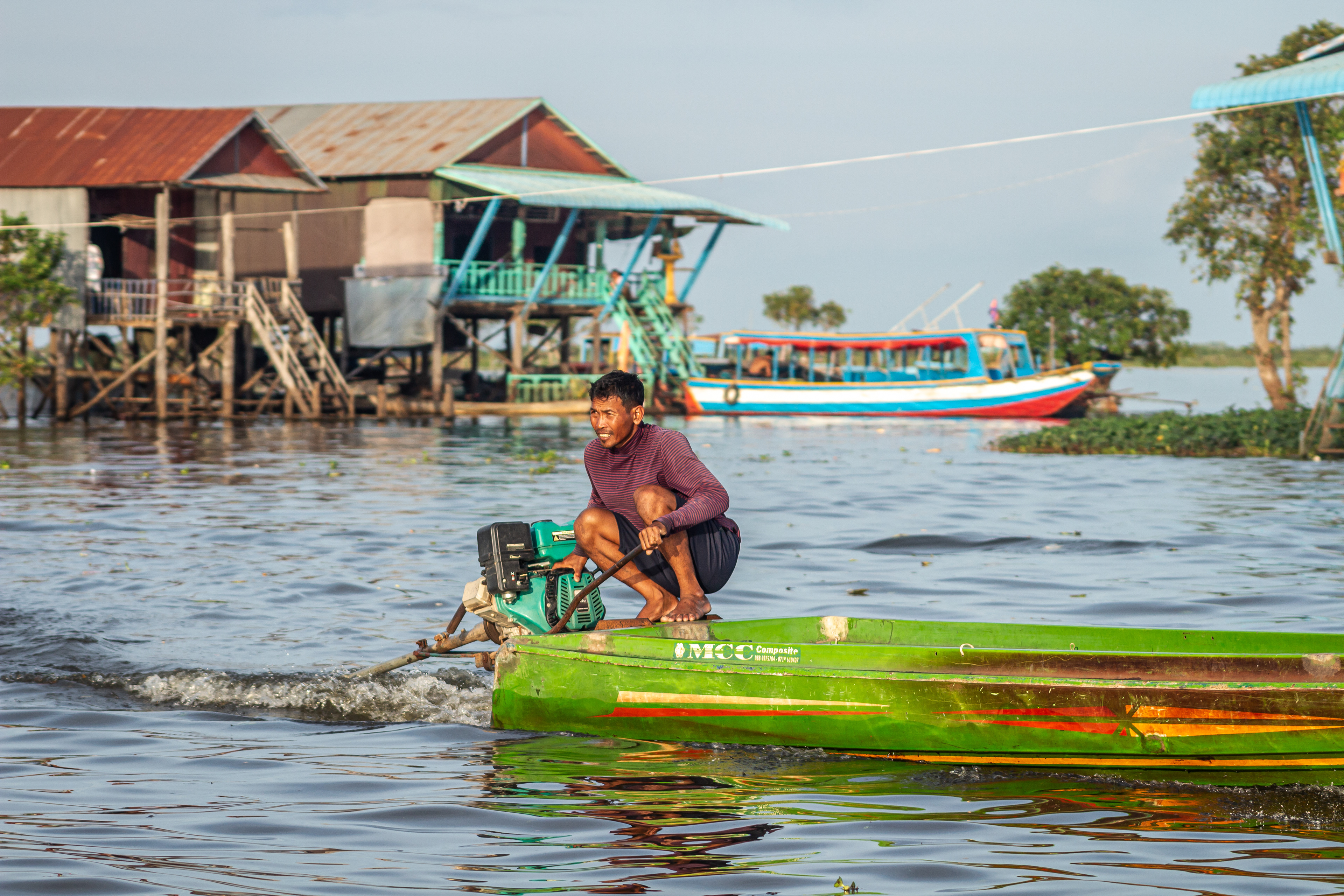
If Cambodia were a book, Tonlé Sap would be one of those chapters you didn’t expect to love—but absolutely do. It’s muddy, massive, full of life, and quietly fascinating. This isn’t a place of glittering temples or perfect beaches. Instead, Tonlé Sap offers floating villages, stilted homes, flooded forests, and a front-row seat to daily life shaped entirely by water.
Located just south of Siem Reap, Tonlé Sap Lake is the largest freshwater lake in Southeast Asia and one of Cambodia’s most important ecosystems.
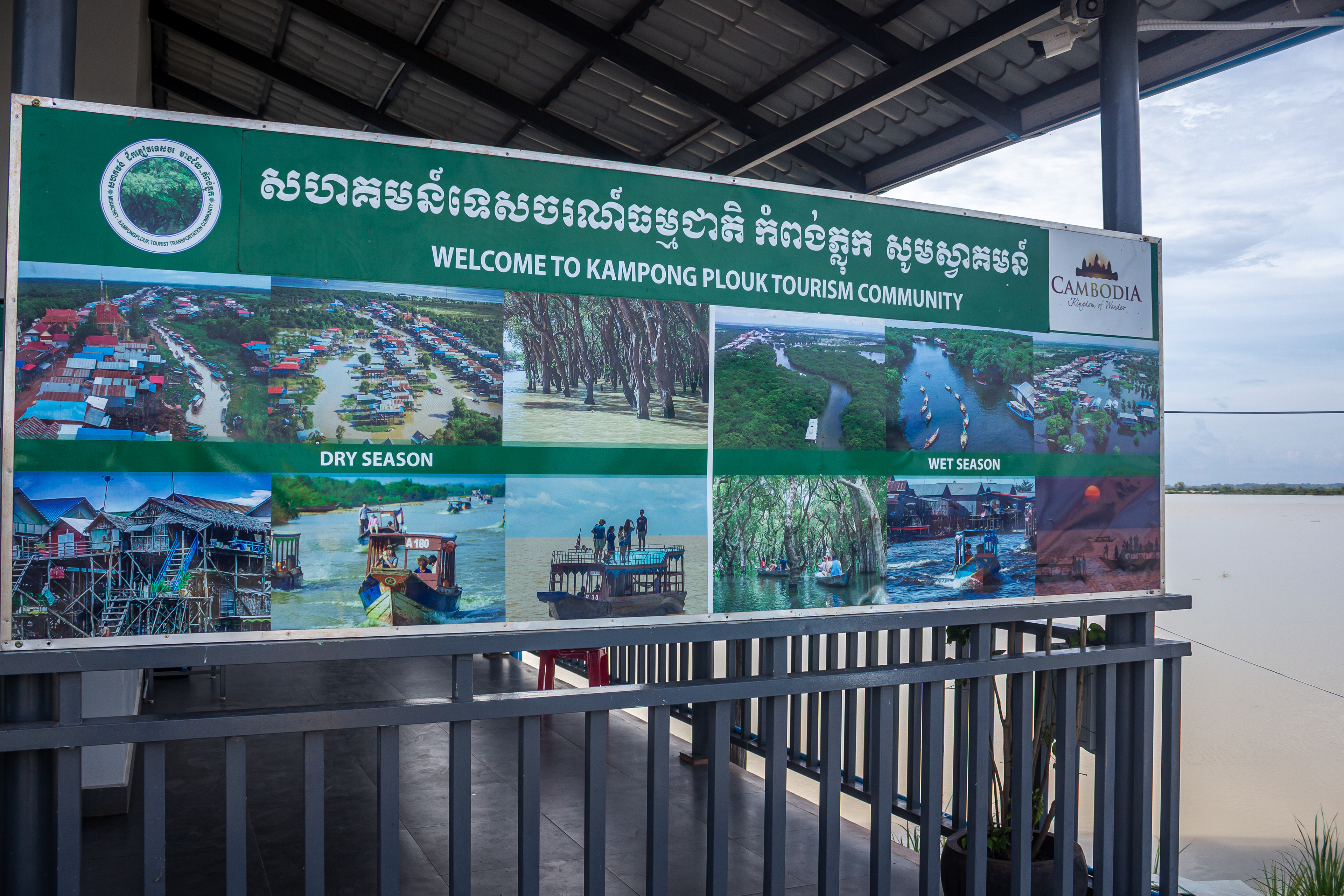
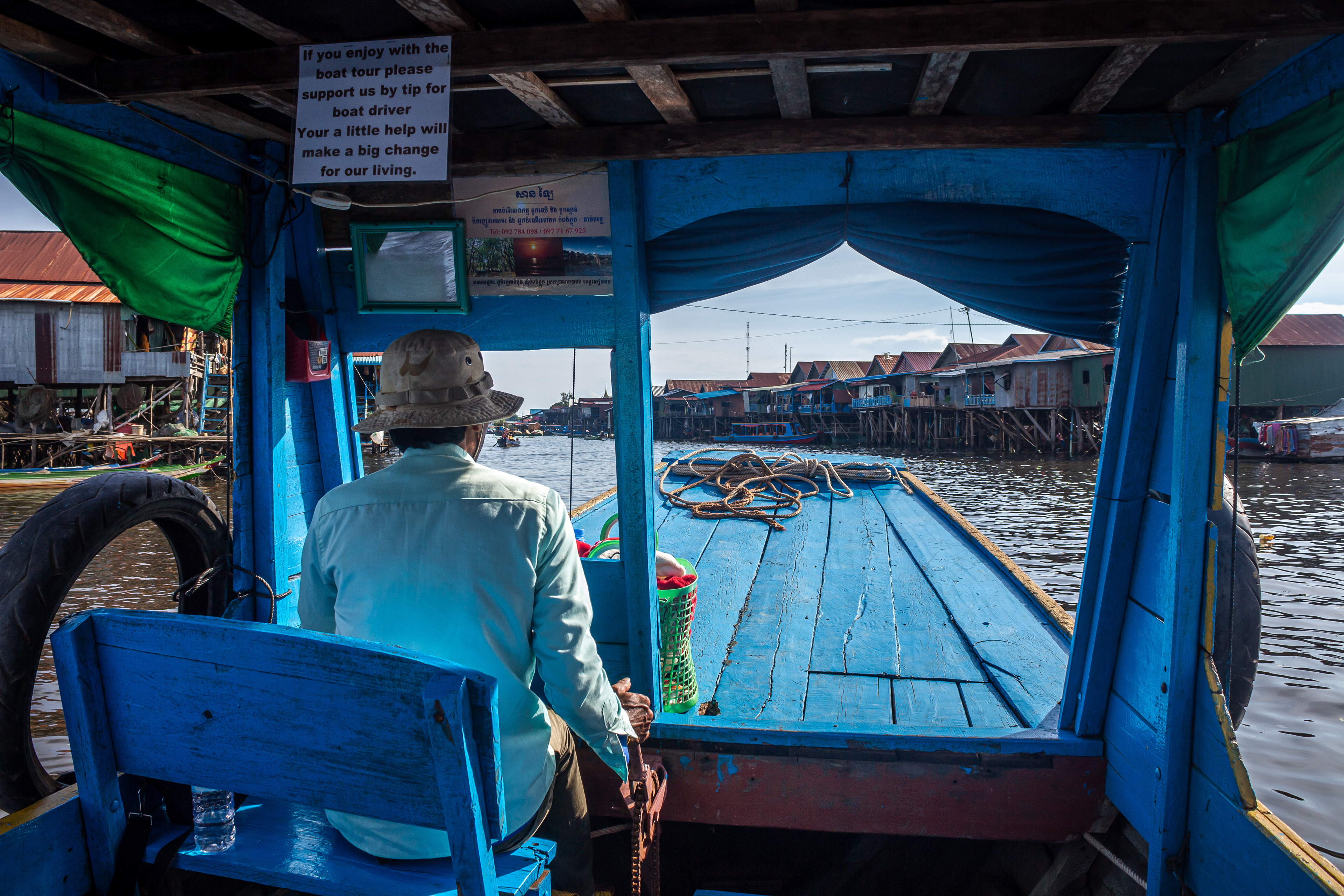
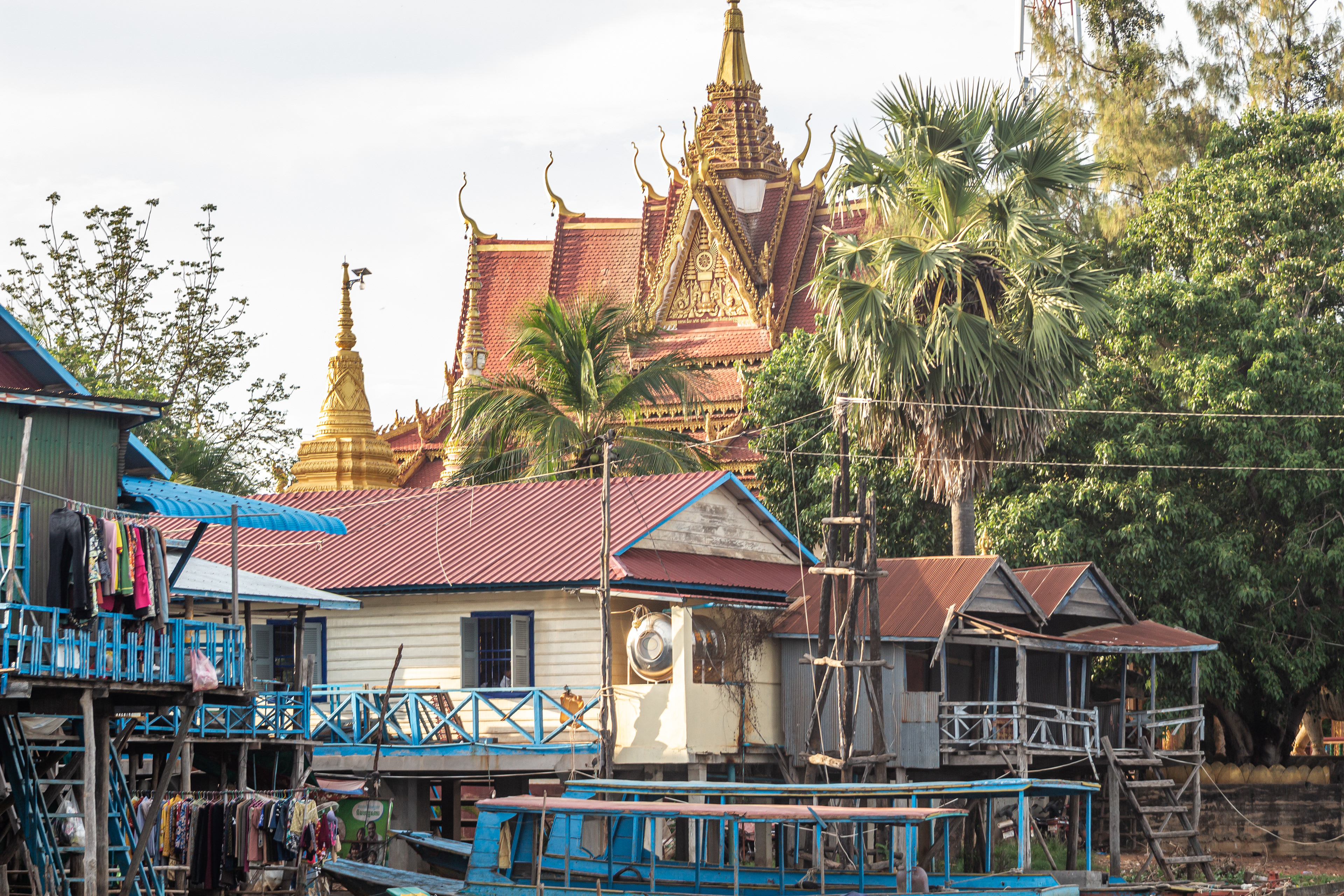
Visiting it feels less like sightseeing and more like peeking into a living documentary.The best place to visit is Kompong Phluk as most authentic with stilt houses and less crowded.
So grab your hat, your camera, and your sense of curiosity—here’s what to see (and appreciate) at Tonlé Sap.
So grab your hat, your camera, and your sense of curiosity—here’s what to see (and appreciate) at Tonlé Sap.
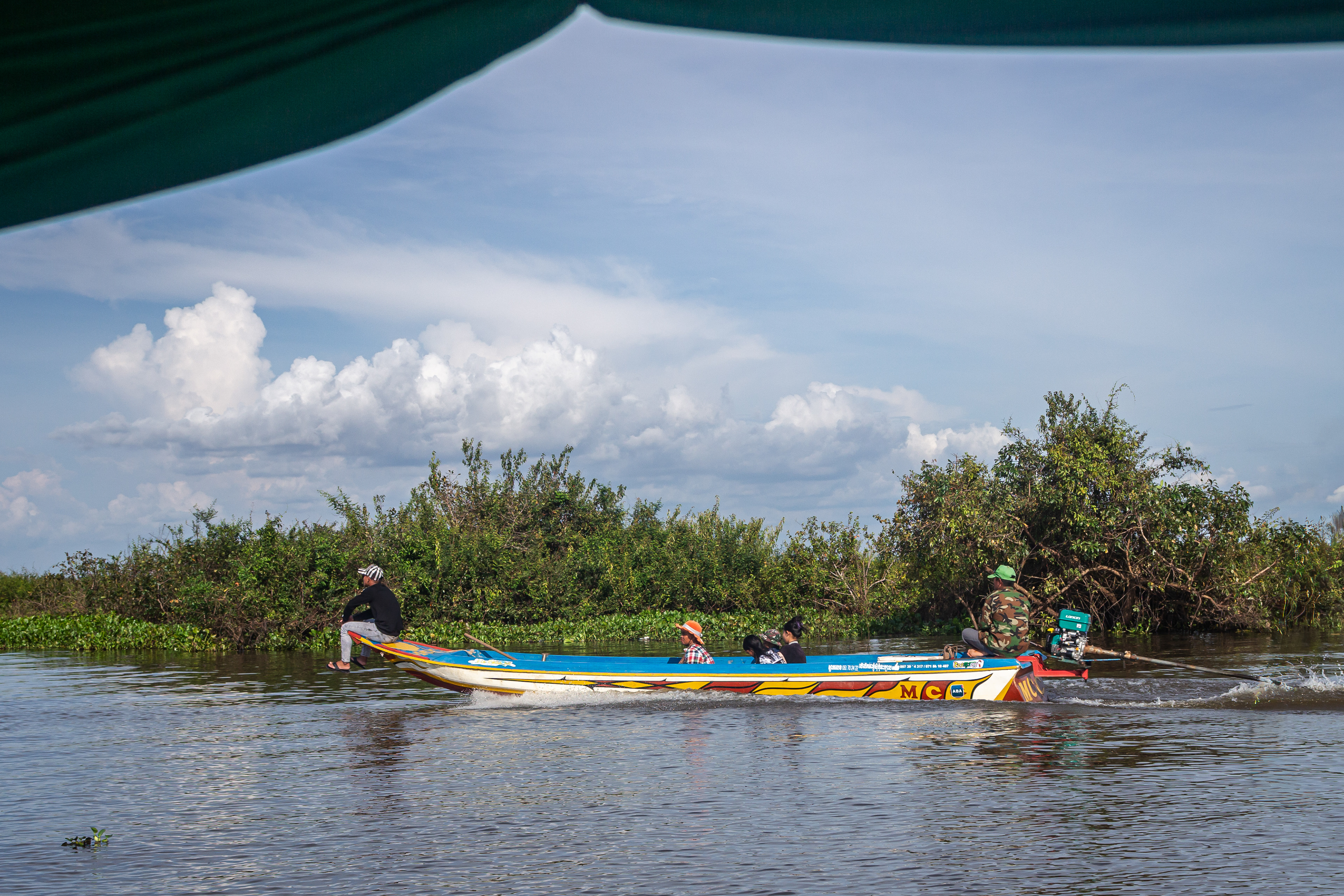
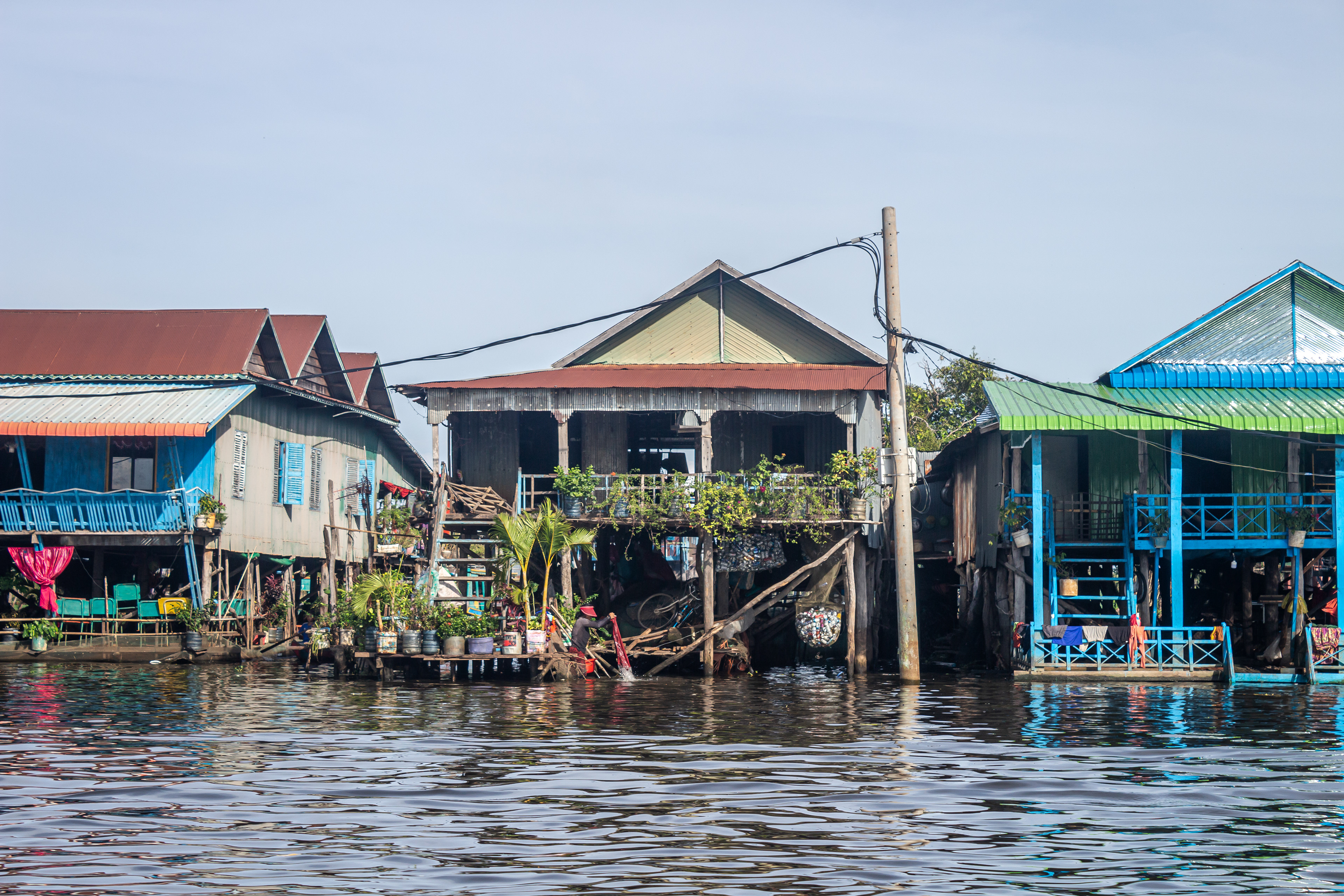
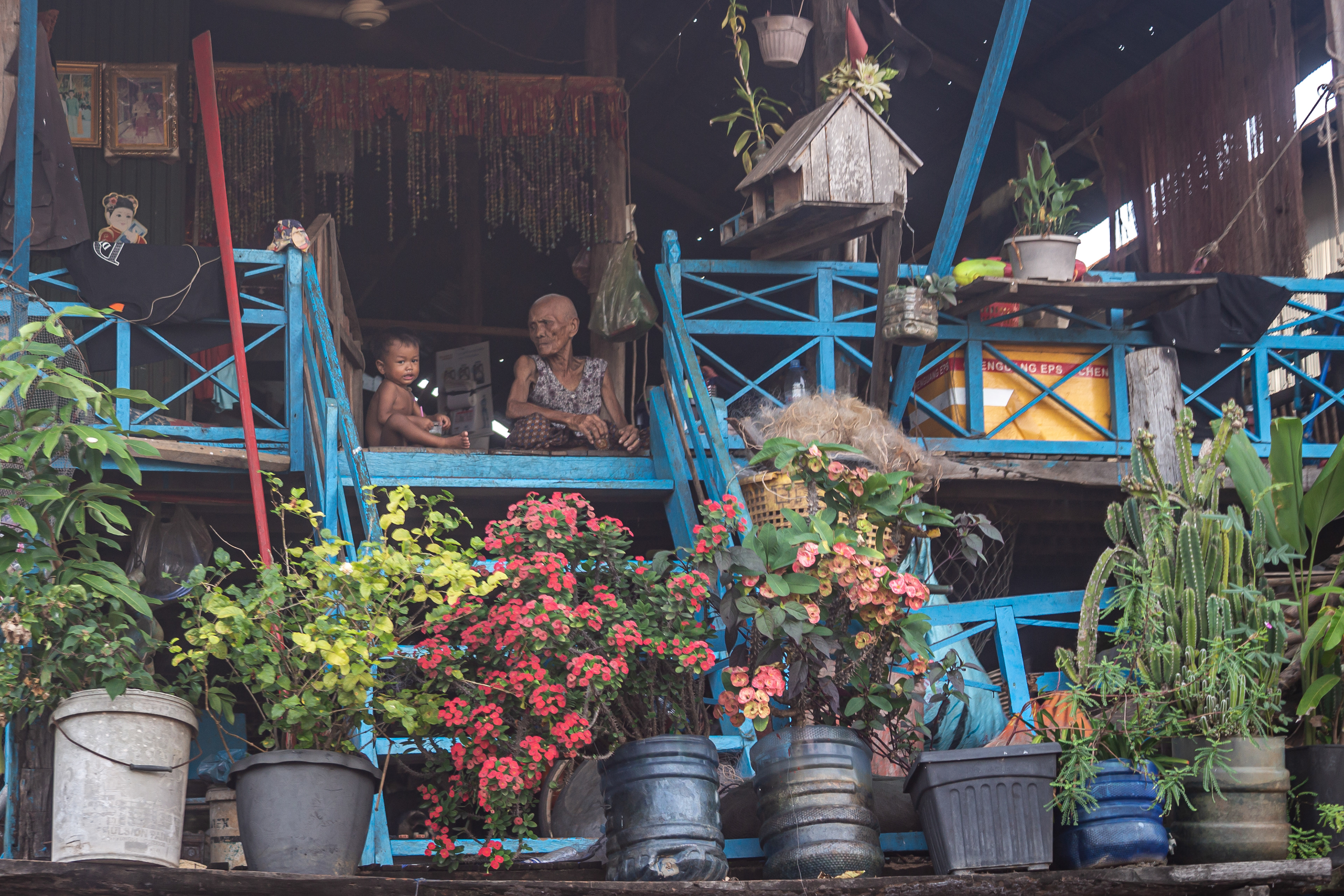
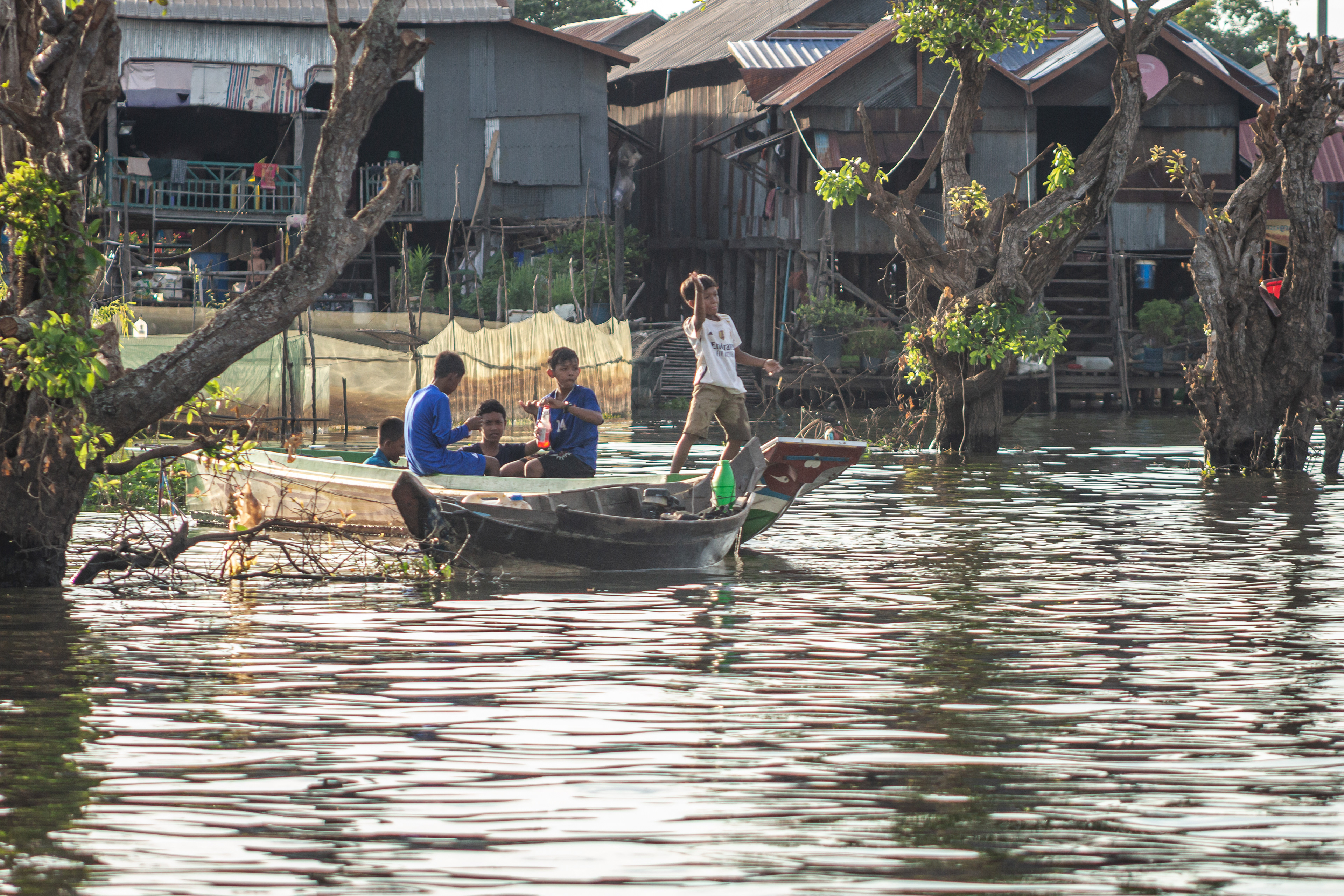
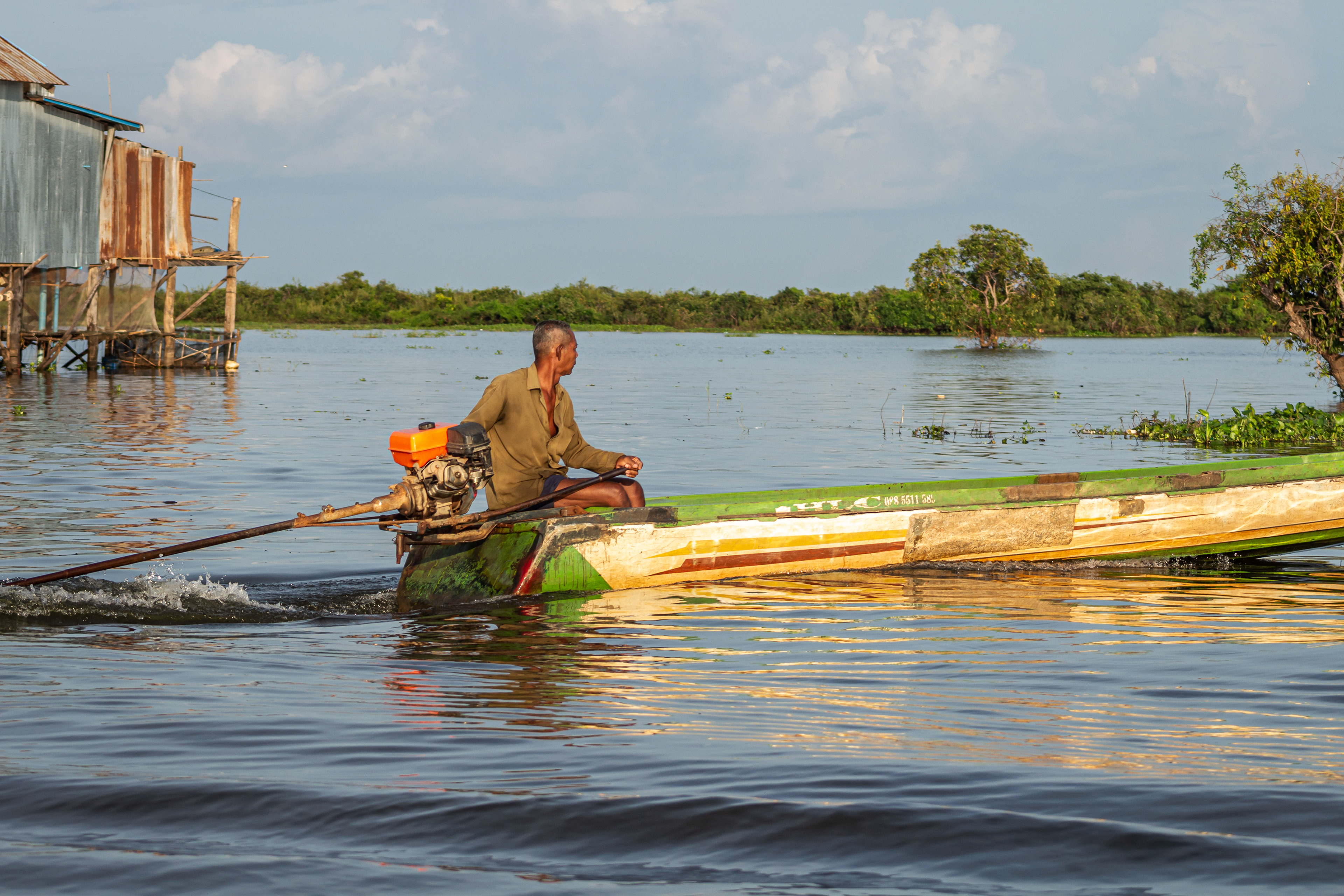
The floating villages are the main reason people come to Tonlé Sap—and they don’t disappoint. Entire communities live on the water: houses, schools, shops, even basketball courts bob gently with the waves.The best place to visit is Kompong Phluk s most authentic, stilt houses,)
What you’ll see:
Floating homes tied together like watery neighborhoods
Kids paddling to school in tiny boats (often better rowers than adults)
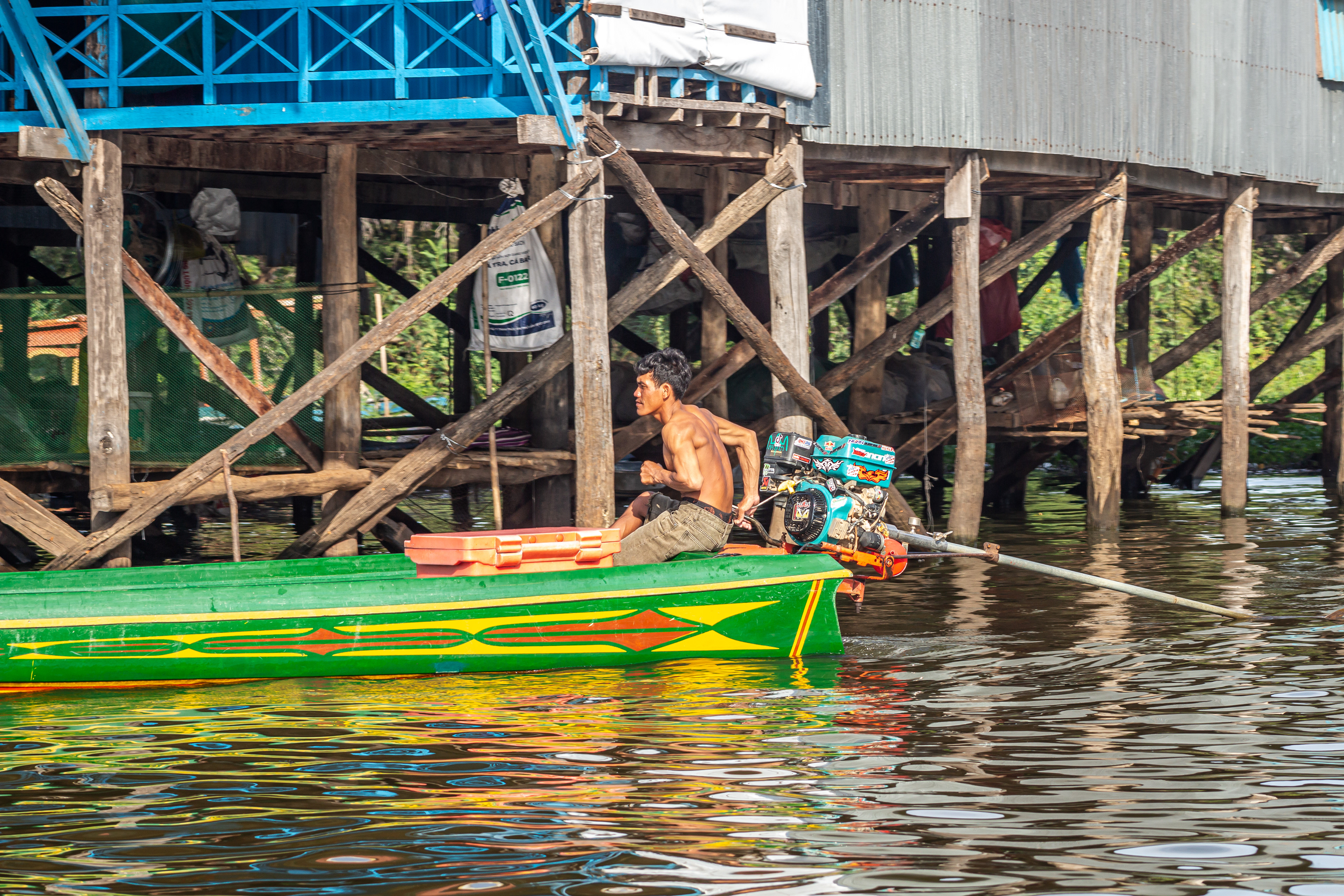
Fishermen hauling in nets using techniques passed down for generations
Dogs casually chilling on floating porches like this is totally normal (because here, it is)
Floating homes tied together like watery neighborhoods
Kids paddling to school in tiny boats (often better rowers than adults)
Fishermen hauling in nets using techniques passed down for generations
Dogs casually chilling on floating porches like this is totally normal (because here, it is)
During the wet season (roughly May–October), Tonlé Sap swells dramatically, flooding nearby forests. Trees stand half-submerged, their trunks rising straight out of the water like something from a fantasy movie. You’ll often explore this area by small paddle boat, gliding quietly between the trees.
Why it’s special:
The light filtering through the branches is incredible for photos
It’s peaceful, cool, and a nice break from temple crowds
Birds, fish, and frogs treat this place like a five-star resort
The light filtering through the branches is incredible for photos
It’s peaceful, cool, and a nice break from temple crowds
Birds, fish, and frogs treat this place like a five-star resort
Tonlé Sap is one of the most productive freshwater ecosystems in the world, supplying a huge portion of Cambodia’s fish.
Keep an eye out for:
Water birds like storks, herons, and egrets
Fish farms and floating cages
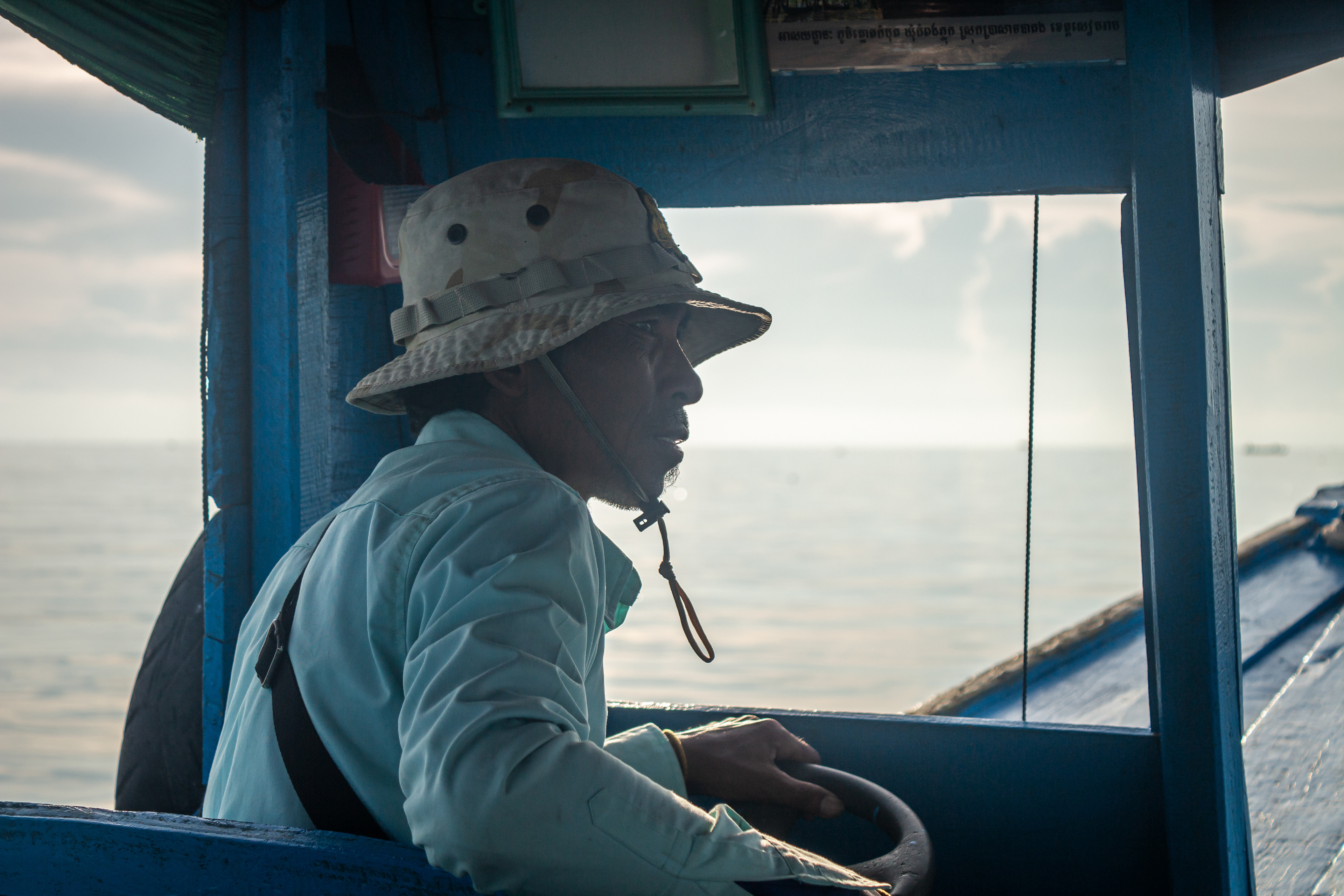
Occasionally, turtles or snakes (don’t panic—your boat driver knows what’s up)
Water birds like storks, herons, and egrets
Fish farms and floating cages
Occasionally, turtles or snakes (don’t panic—your boat driver knows what’s up)
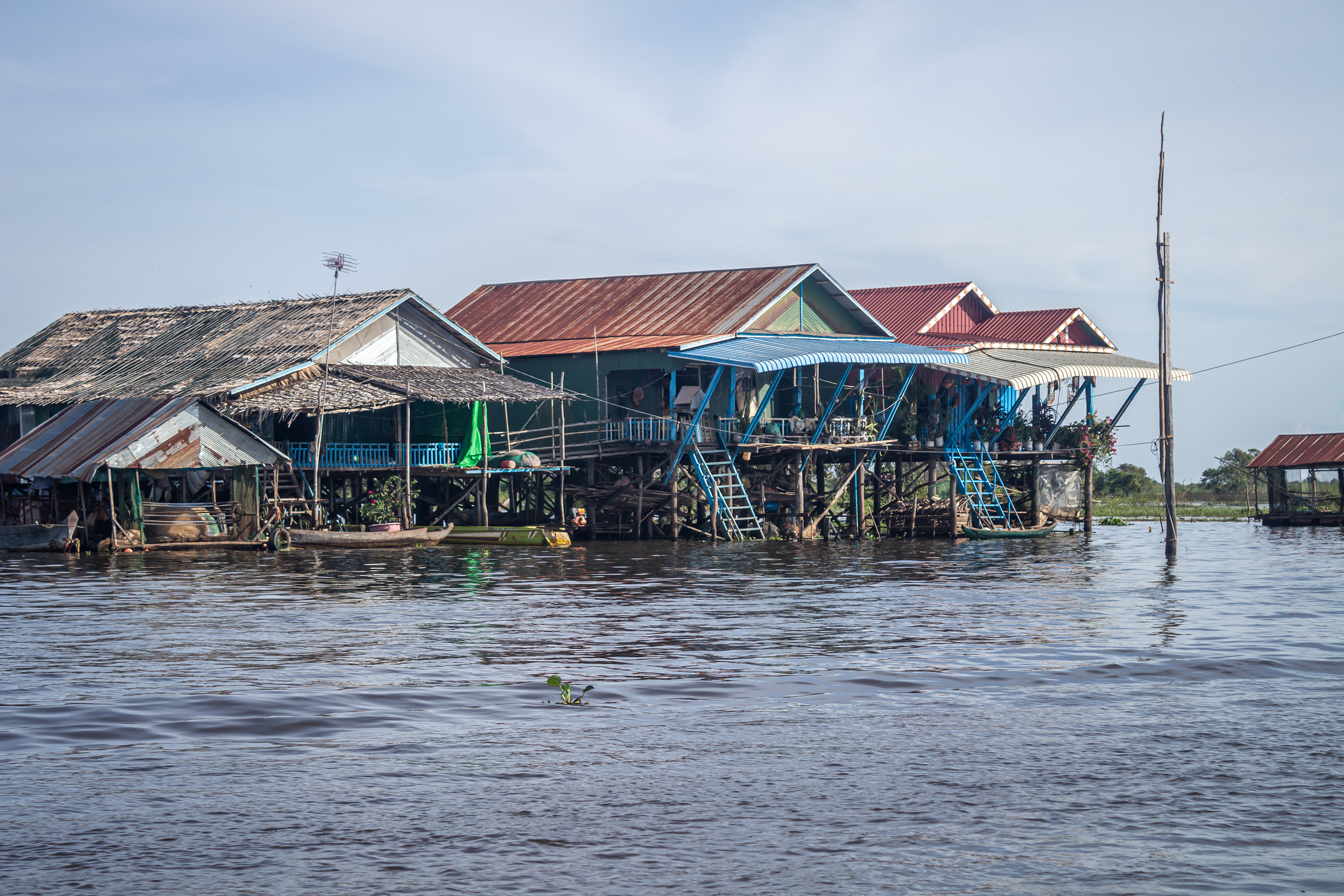
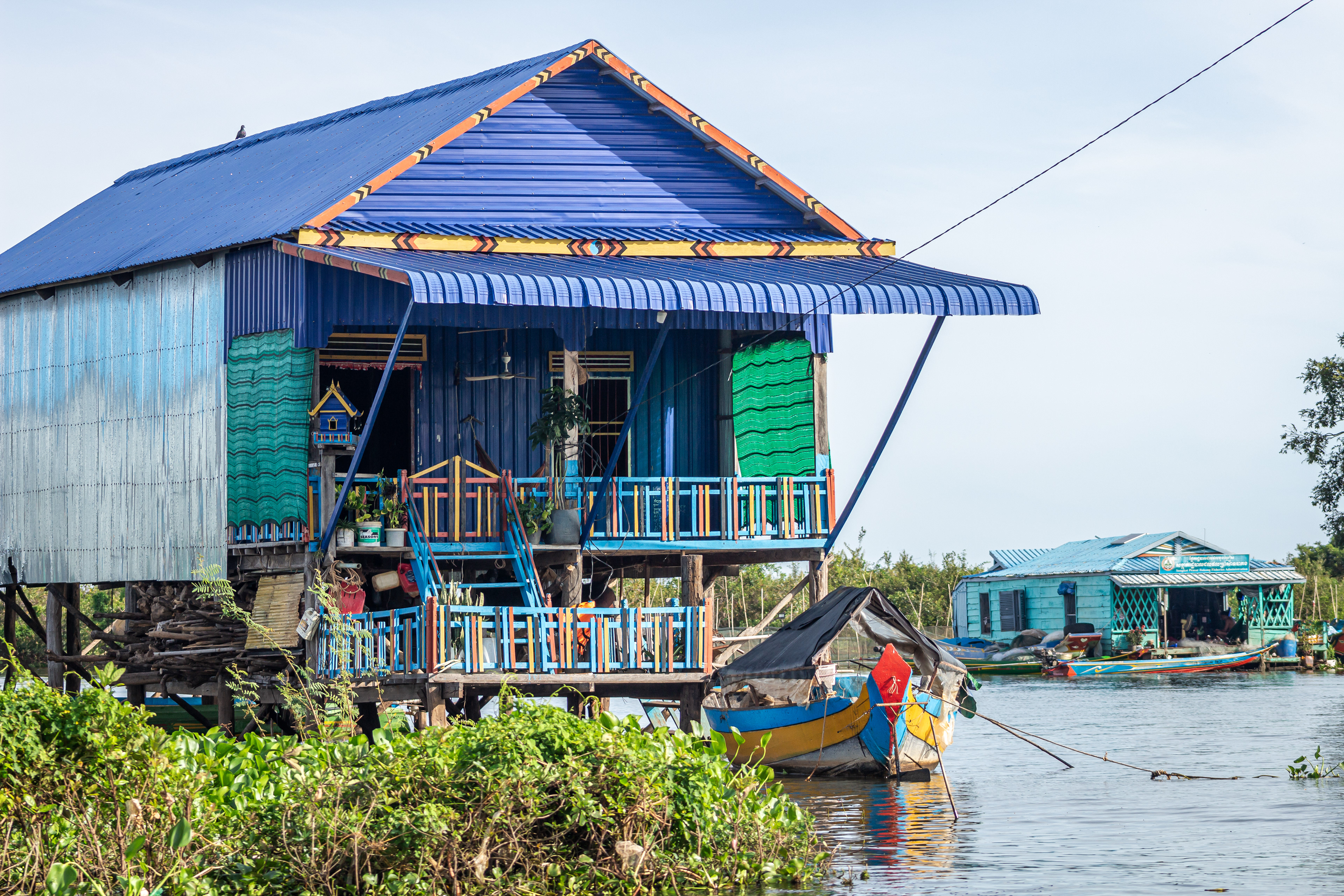
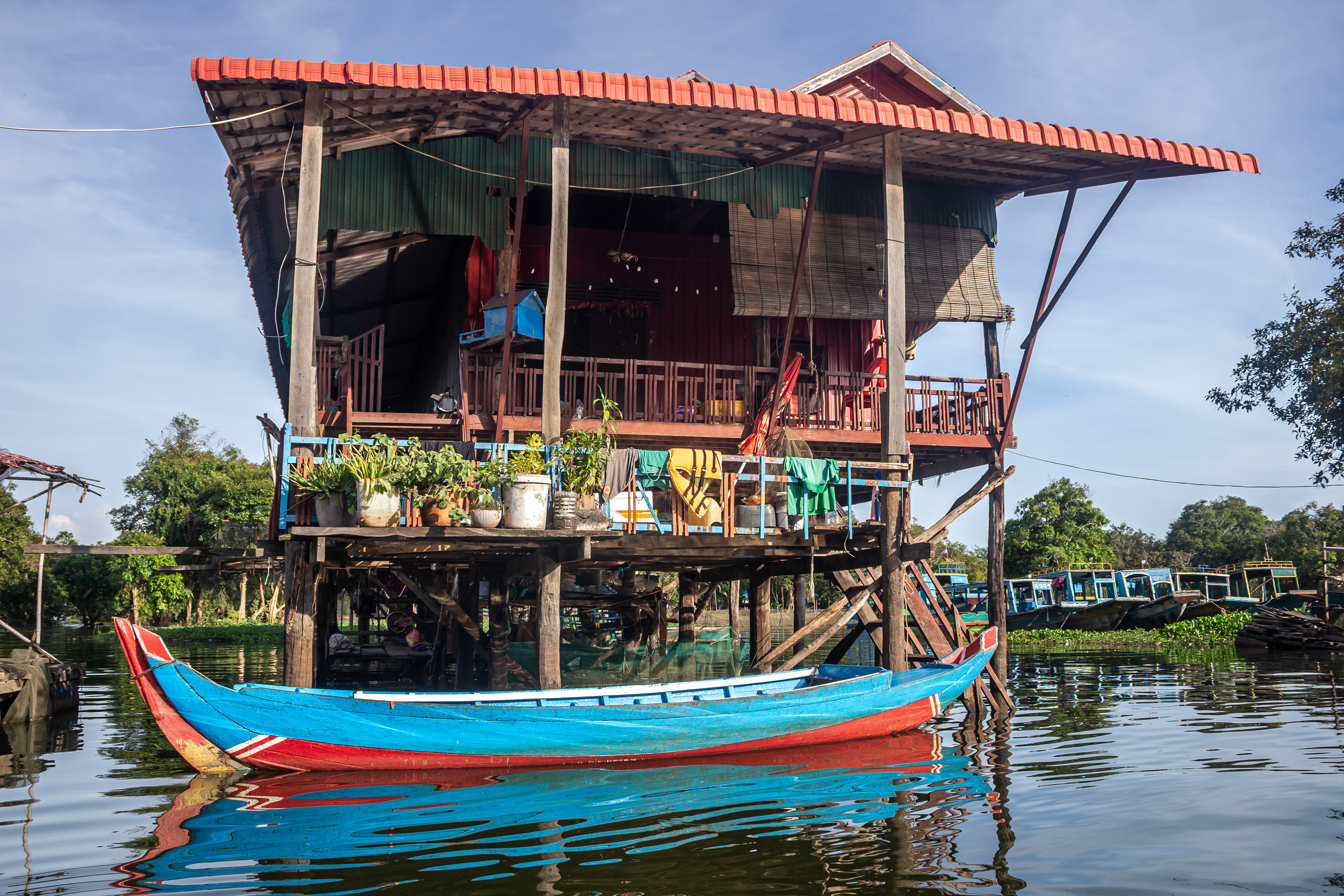
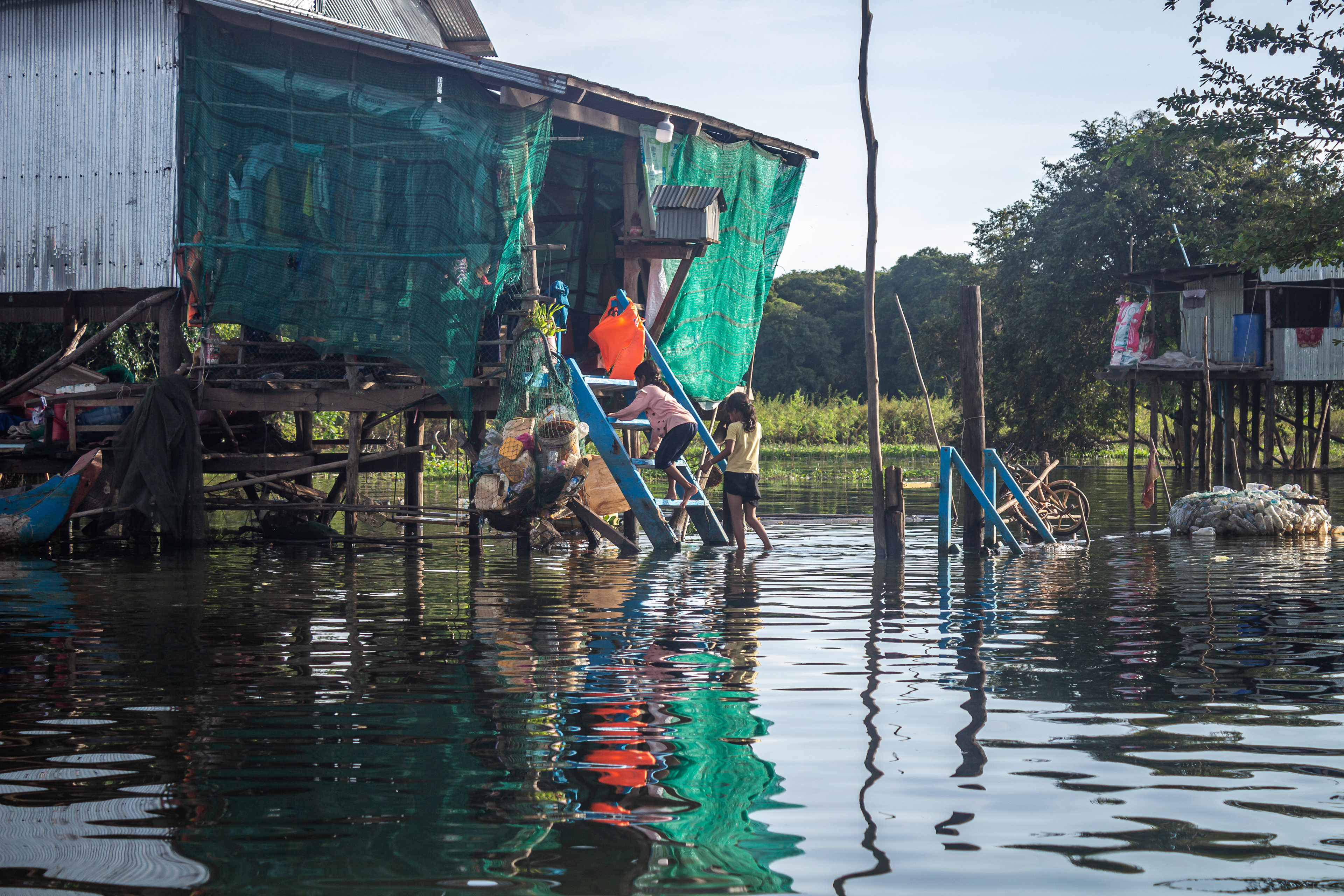
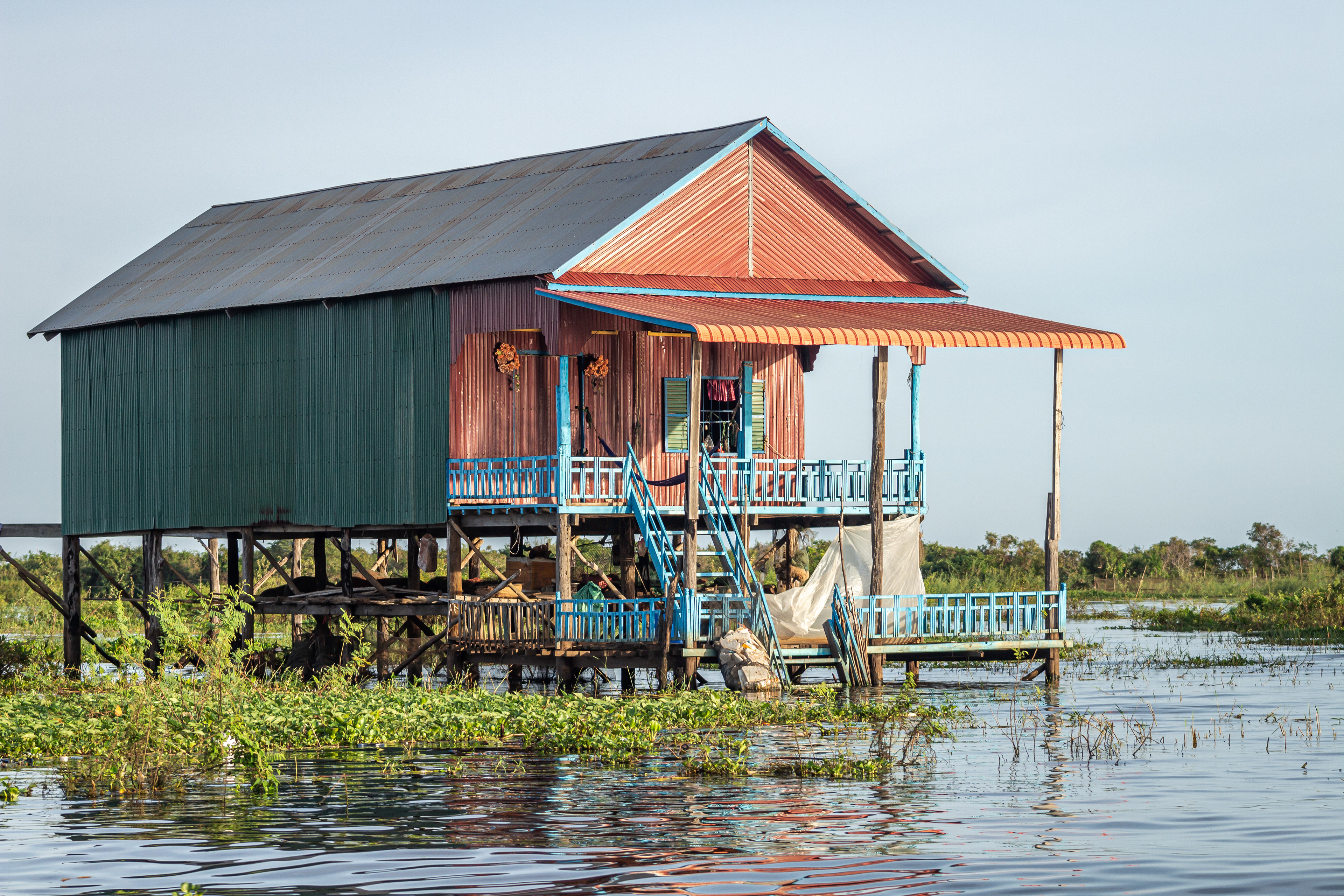
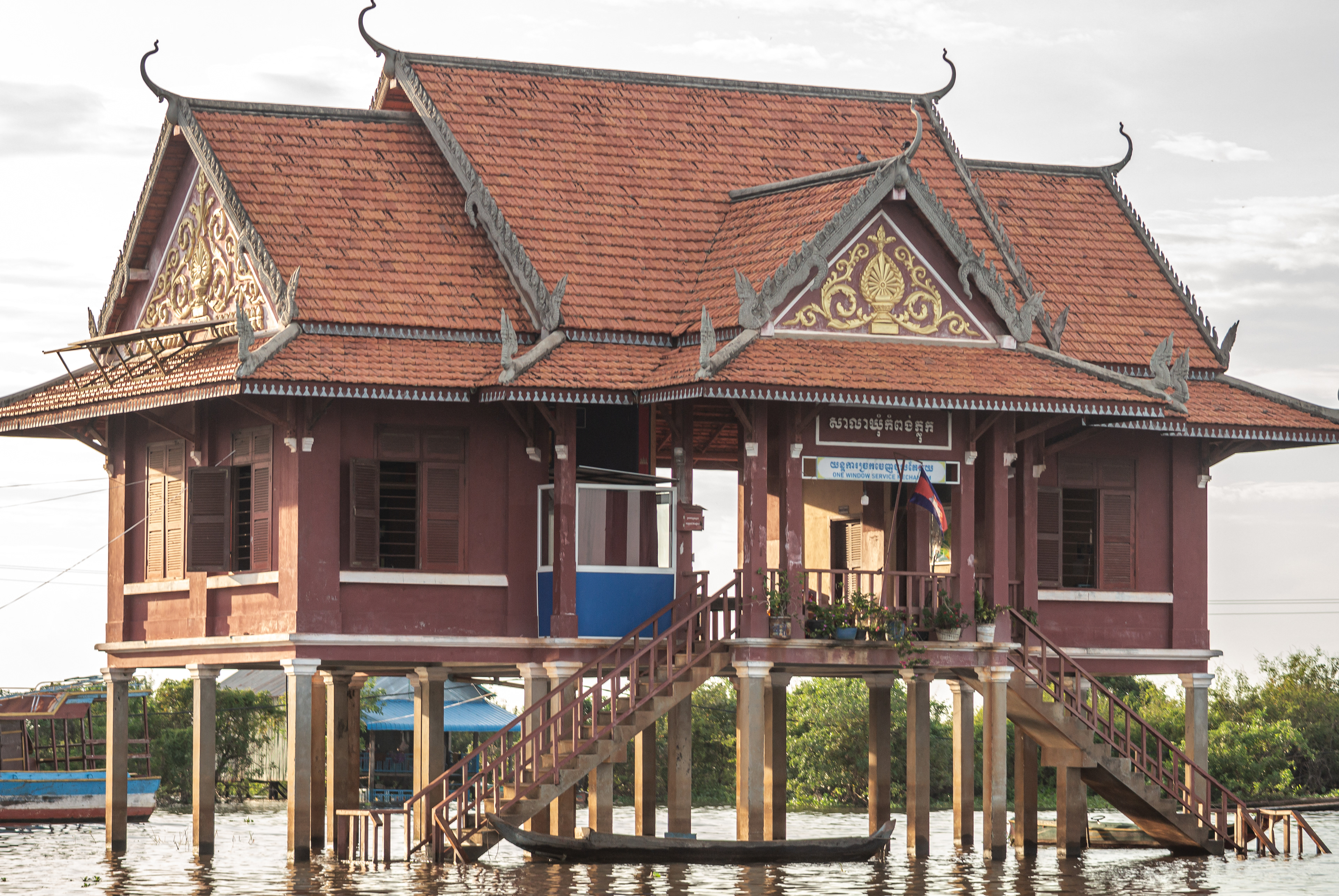
In villages like Kompong Phluk, houses aren’t floating—they’re built on towering stilts, some over 6–7 meters high. Why? Because during the rainy season, the water rises dramatically. When it’s dry, you’ll see dusty ground and impossibly tall houses. When it’s wet, boats pull right up to people’s front doors.
What makes them fascinating:
Homes adapt to nature instead of fighting it
Entire villages change appearance with the seasons
It’s a powerful reminder of how climate shapes daily life
Homes adapt to nature instead of fighting it
Entire villages change appearance with the seasons
It’s a powerful reminder of how climate shapes daily life
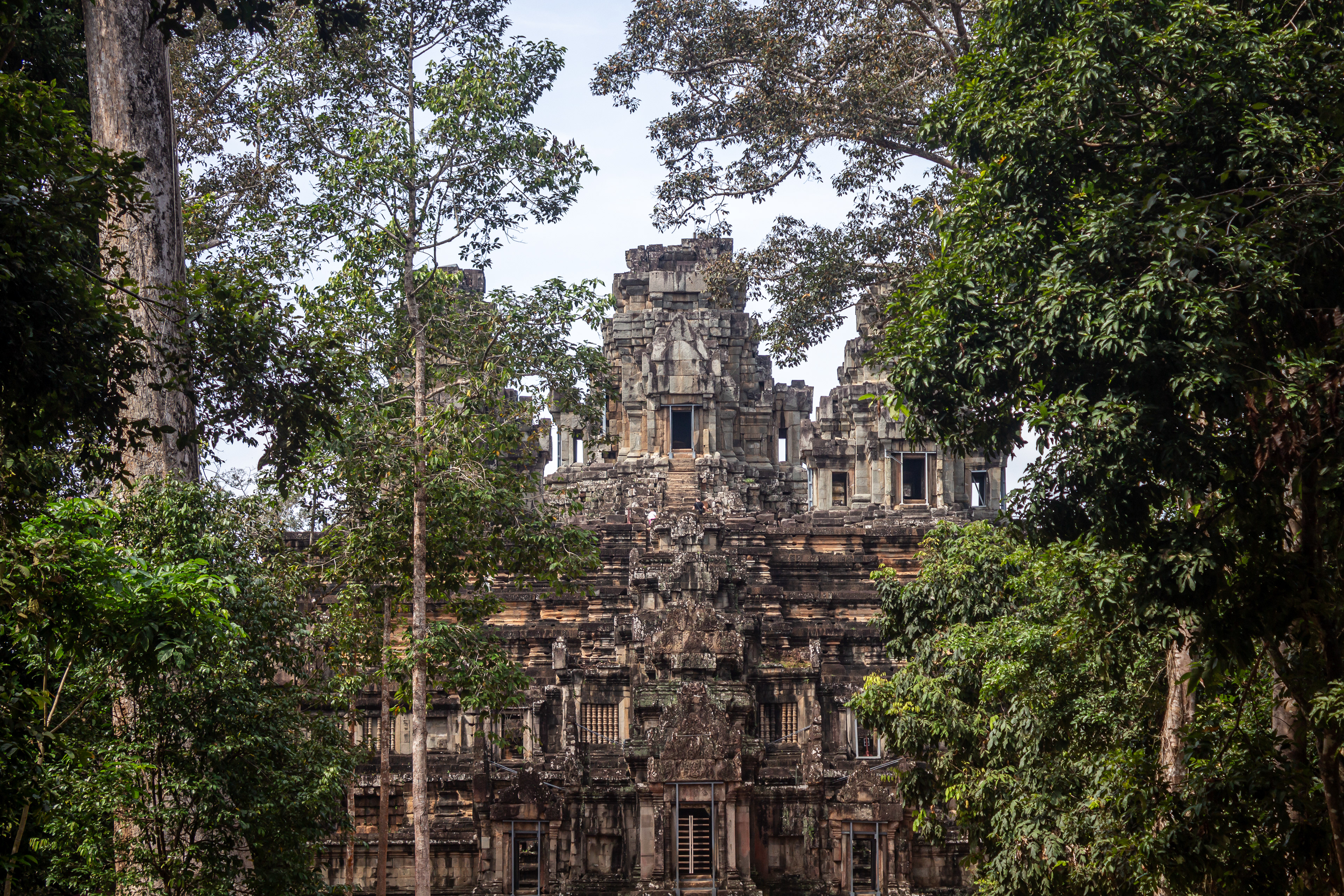
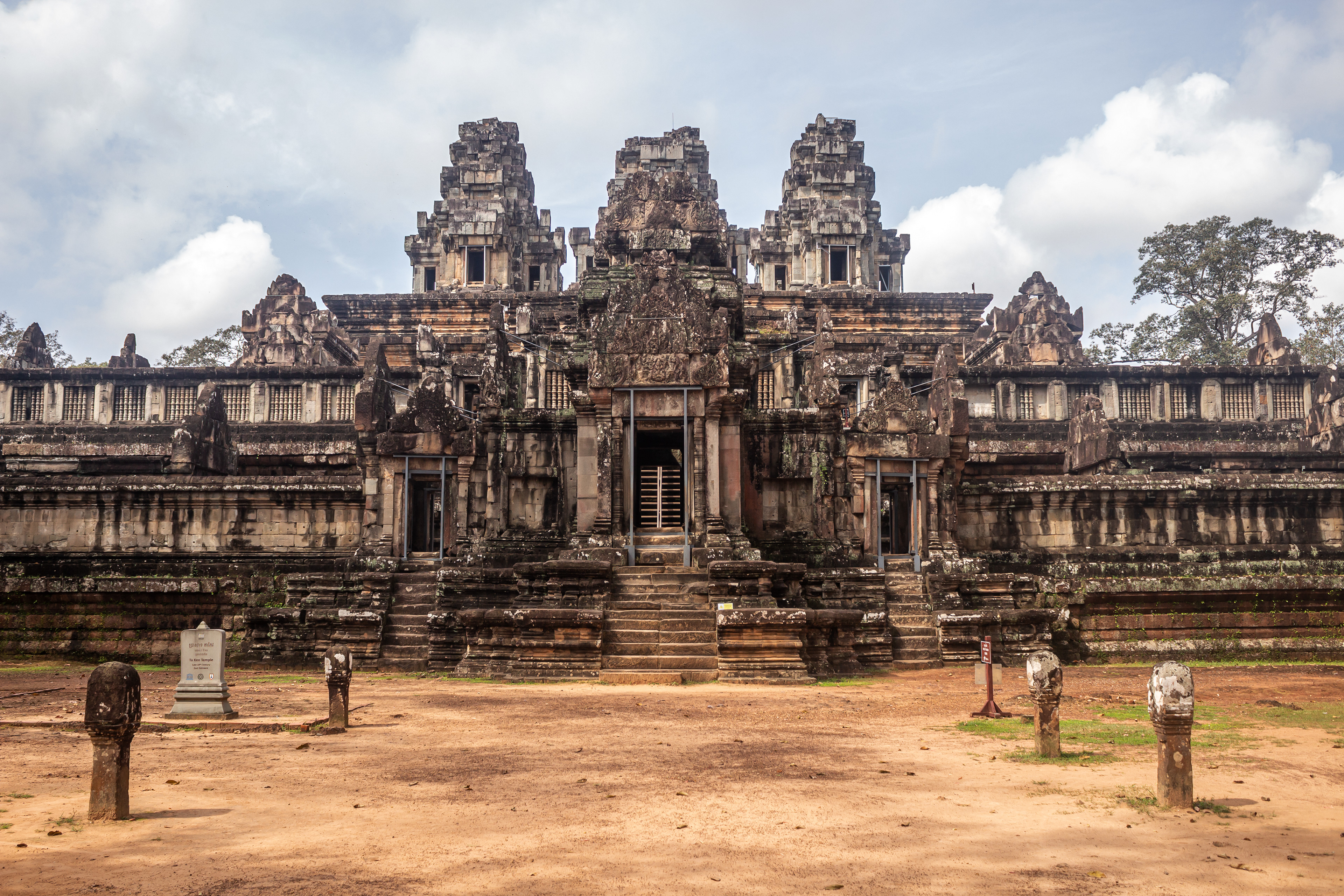
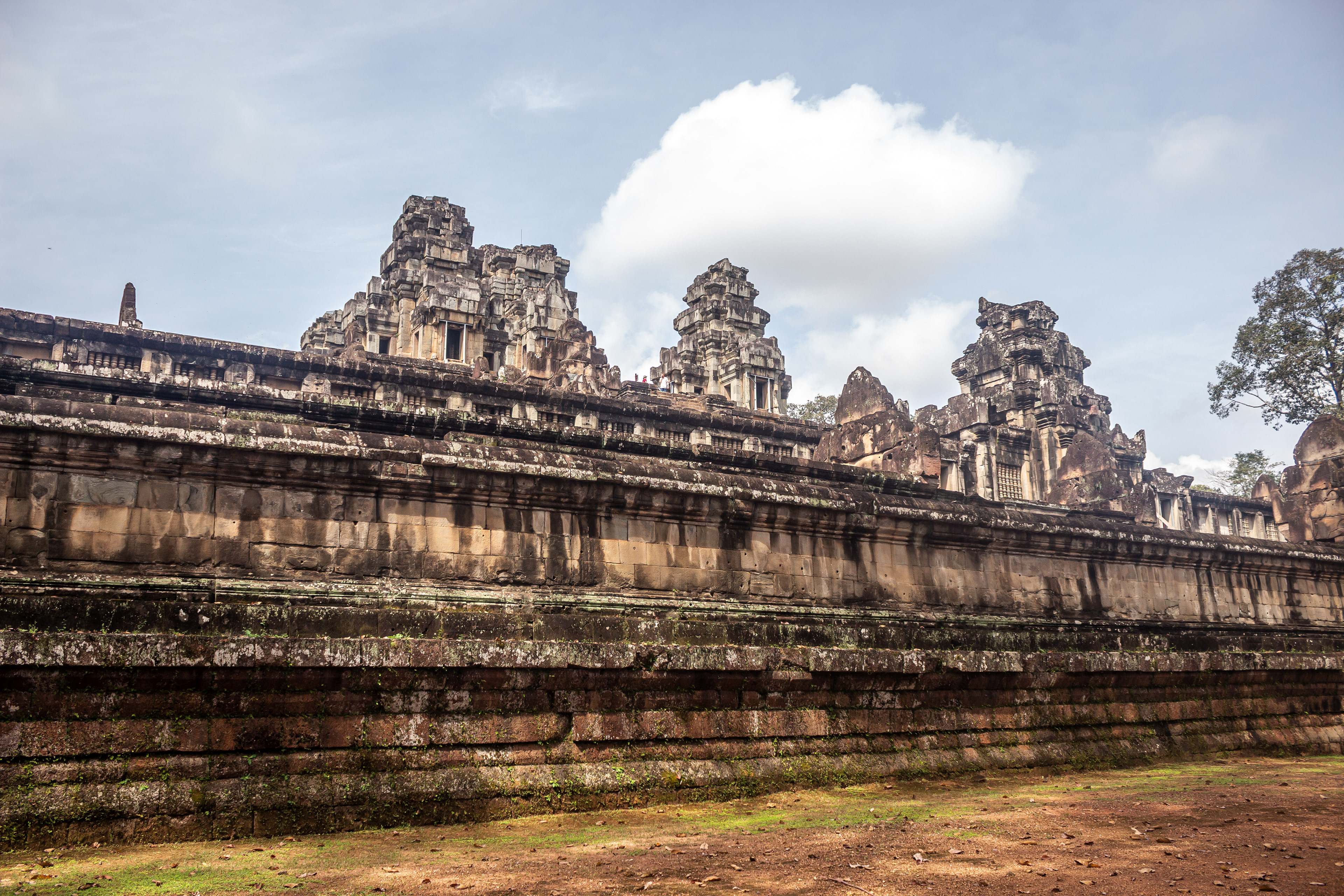
Angkor Wat & the Temples of Angkor
Let’s start with the obvious showstopper. Angkor Wat isn’t just the most famous sight in Cambodia, it’s one of the most impressive archaeological sites on Earth. Picture massive stone towers, intricate carvings, and trees that look like they’re auditioning for a fantasy movie. Let’s explore what makes this place so special—and how to enjoy it properly.
Don’t miss:
Angkor Wat at sunrise – Yes, it’s crowded. Yes, it’s worth it.
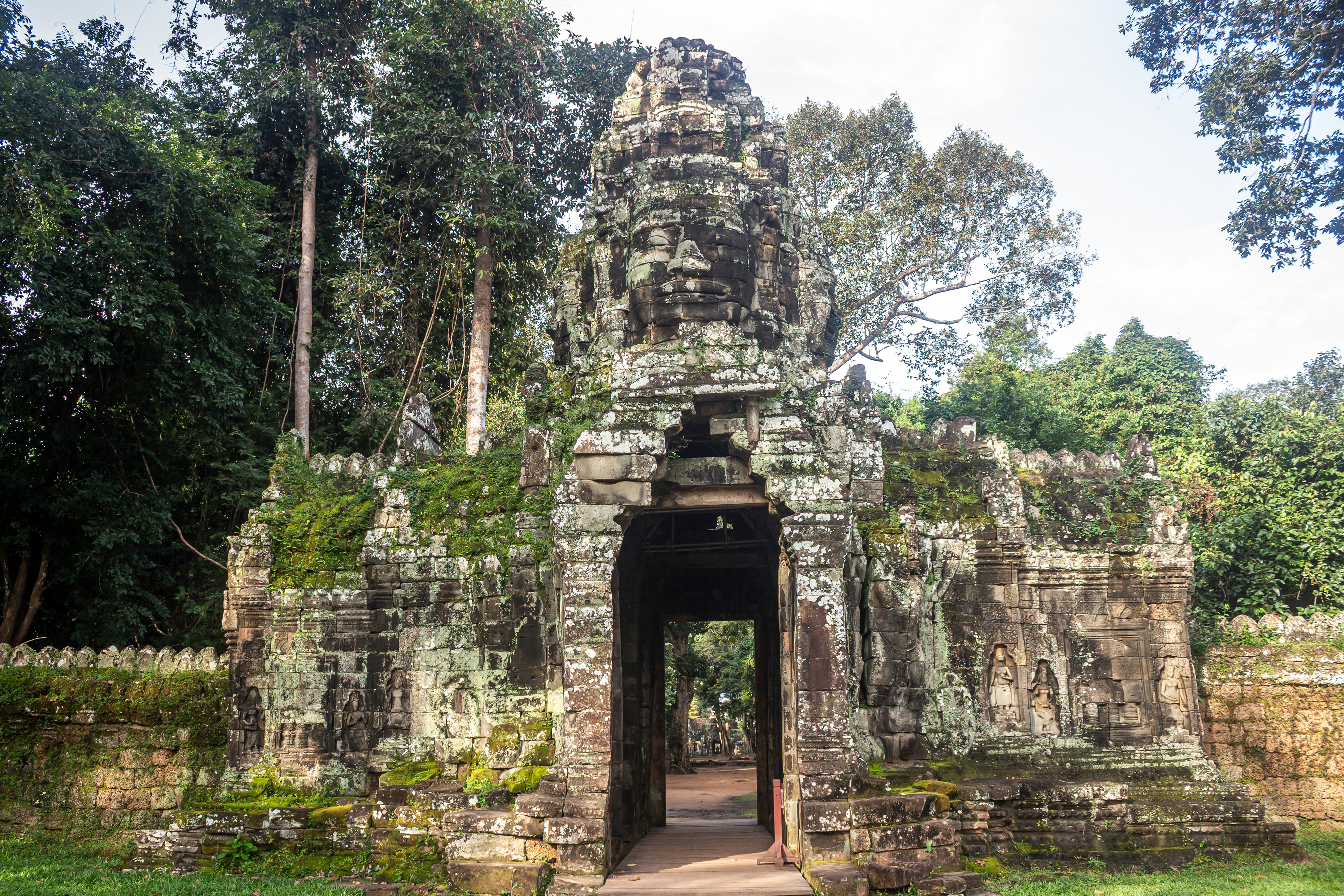
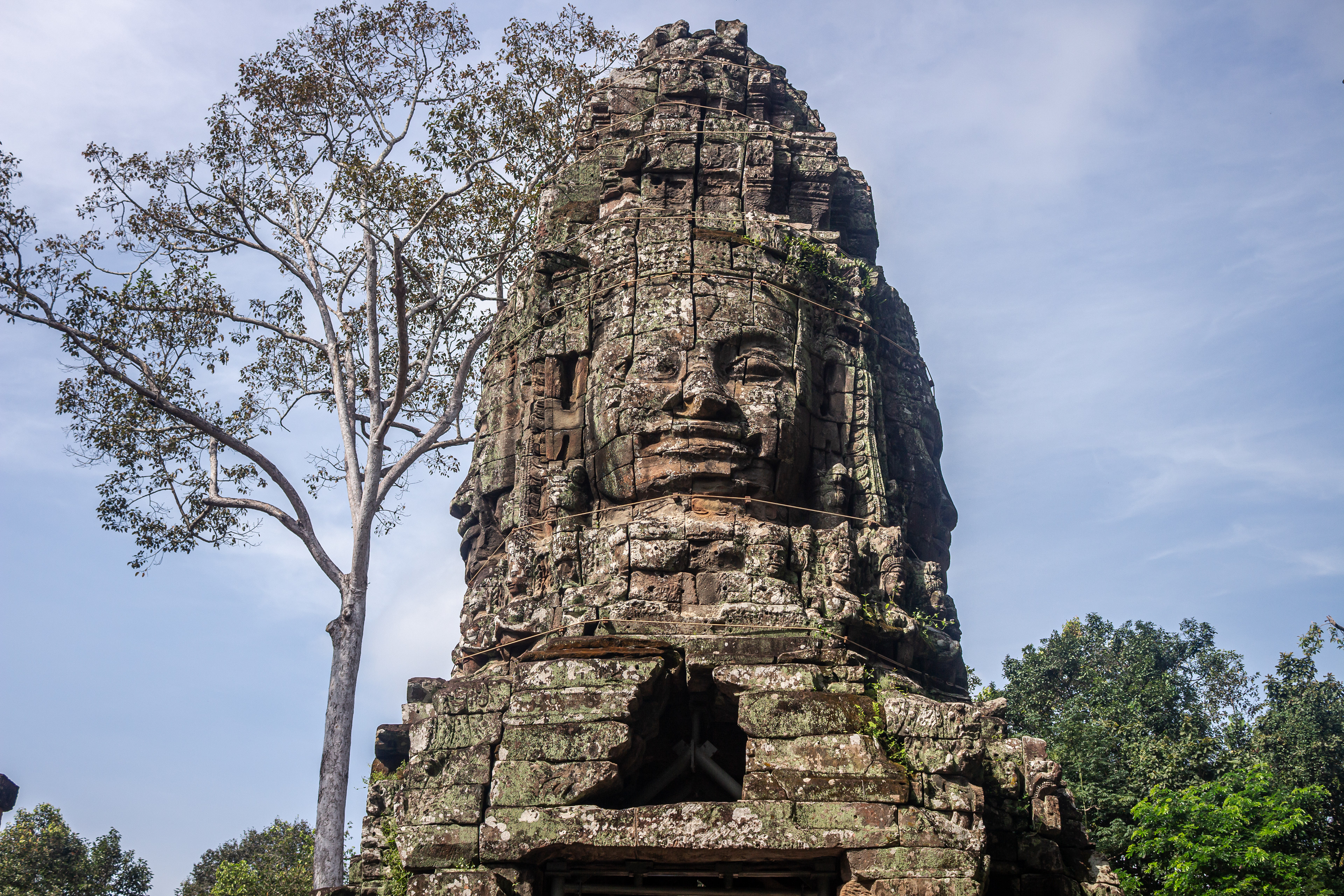
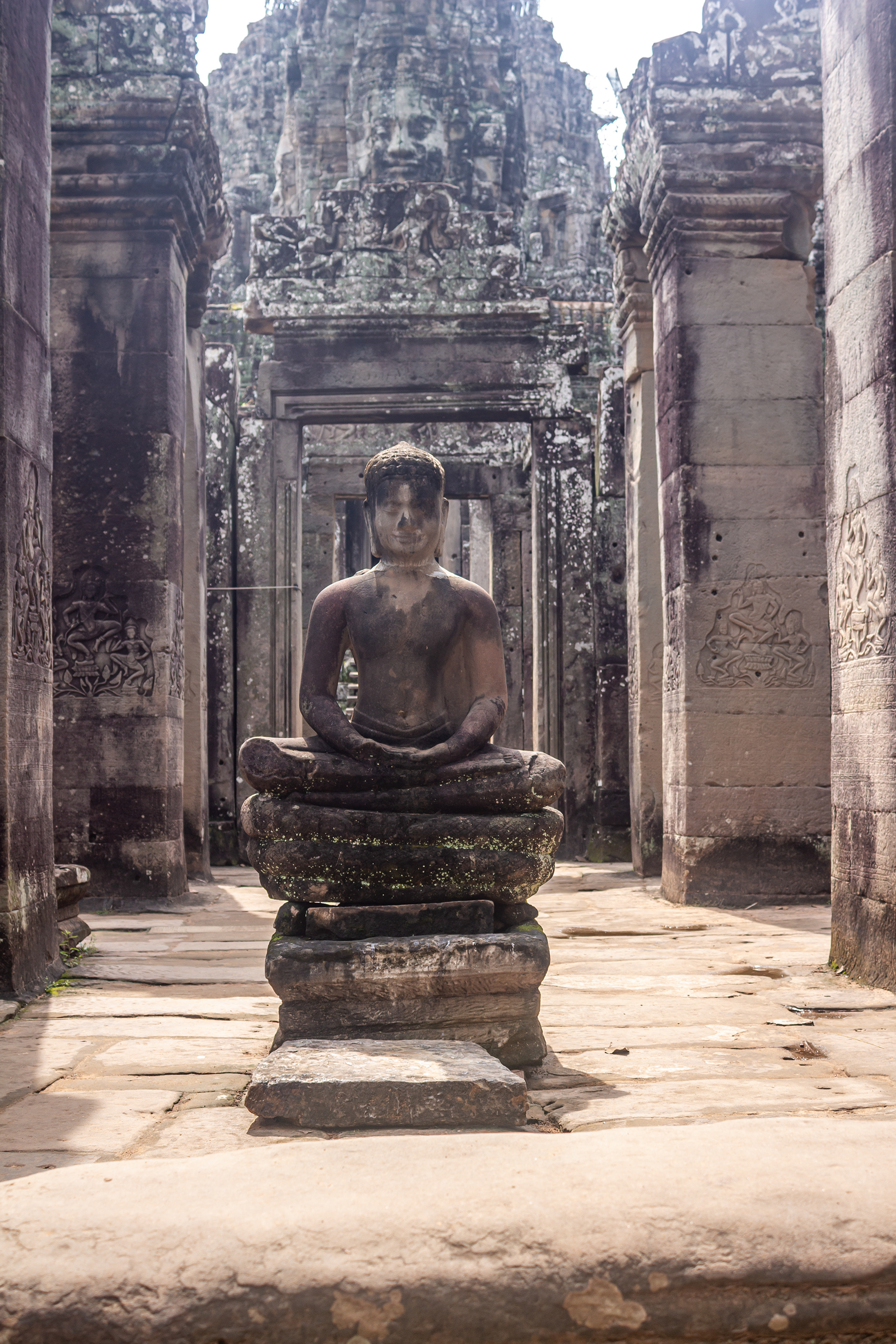
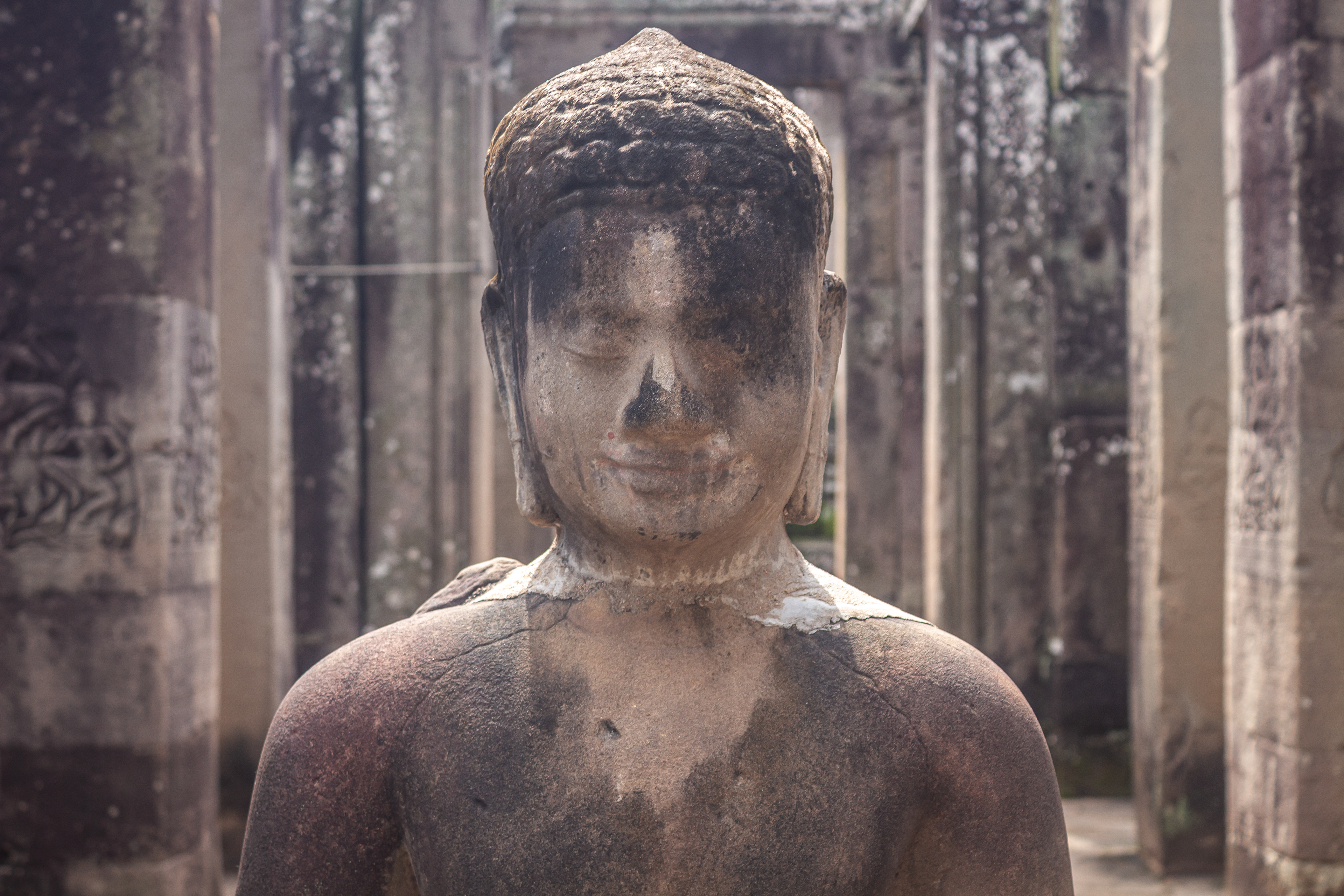
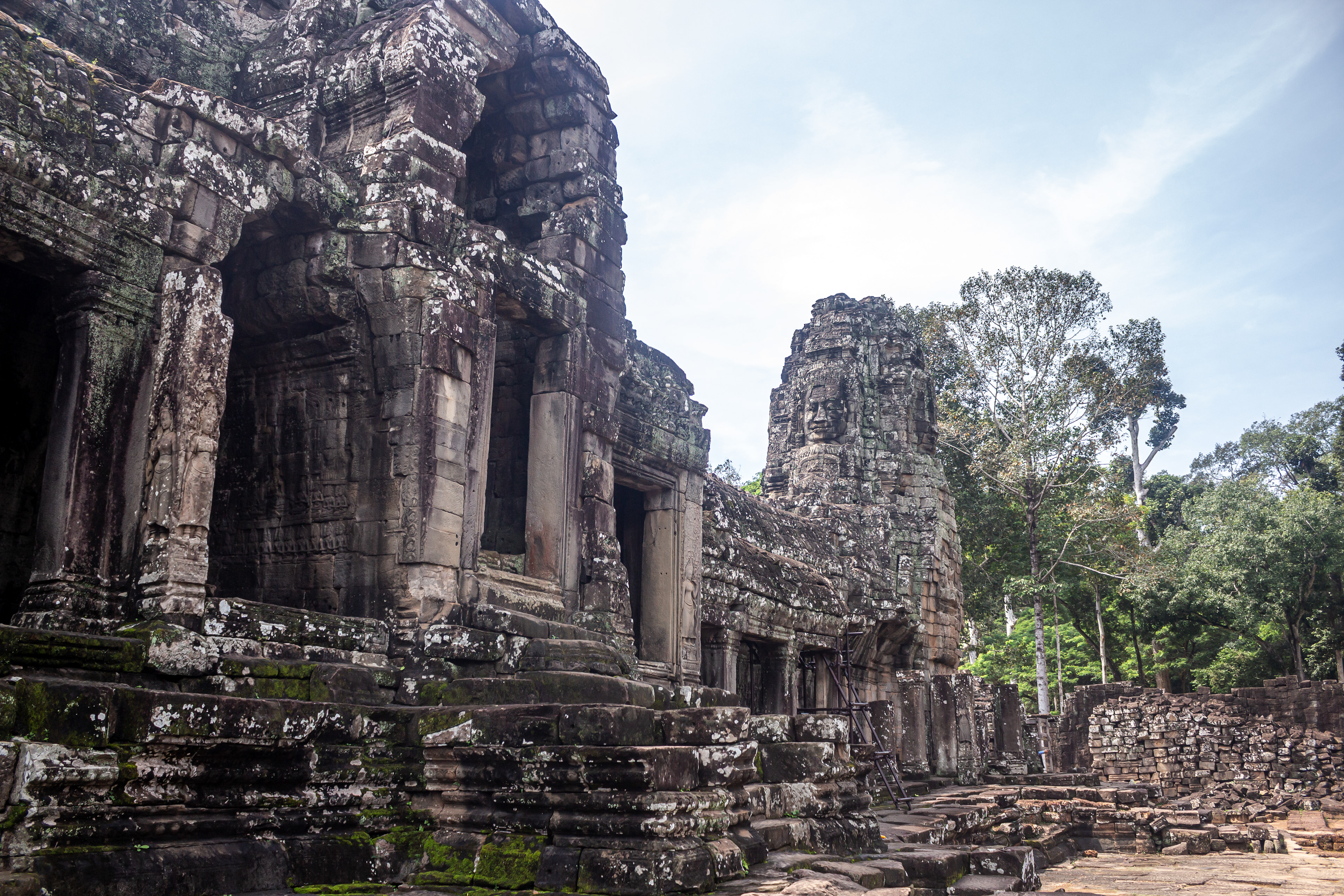
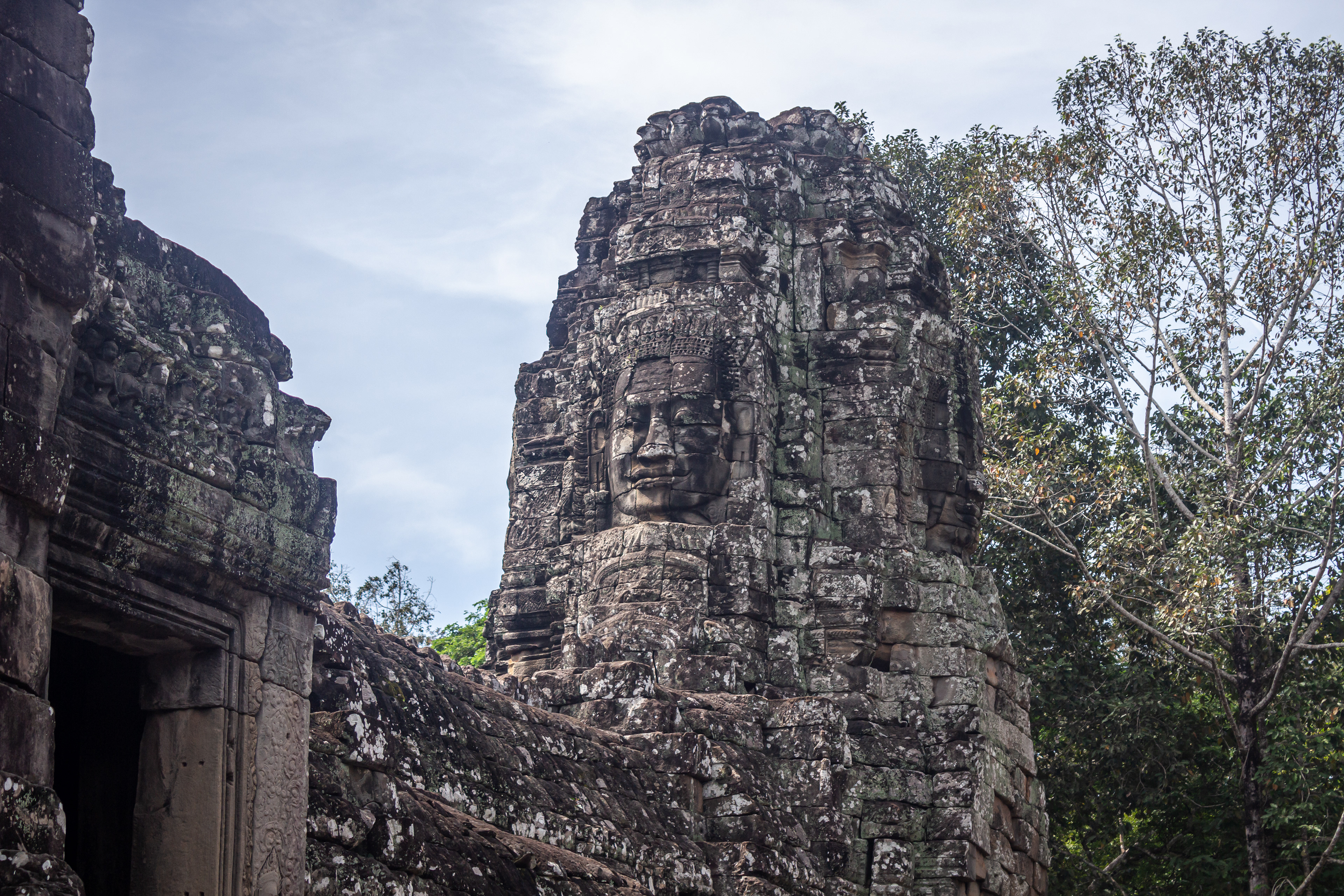
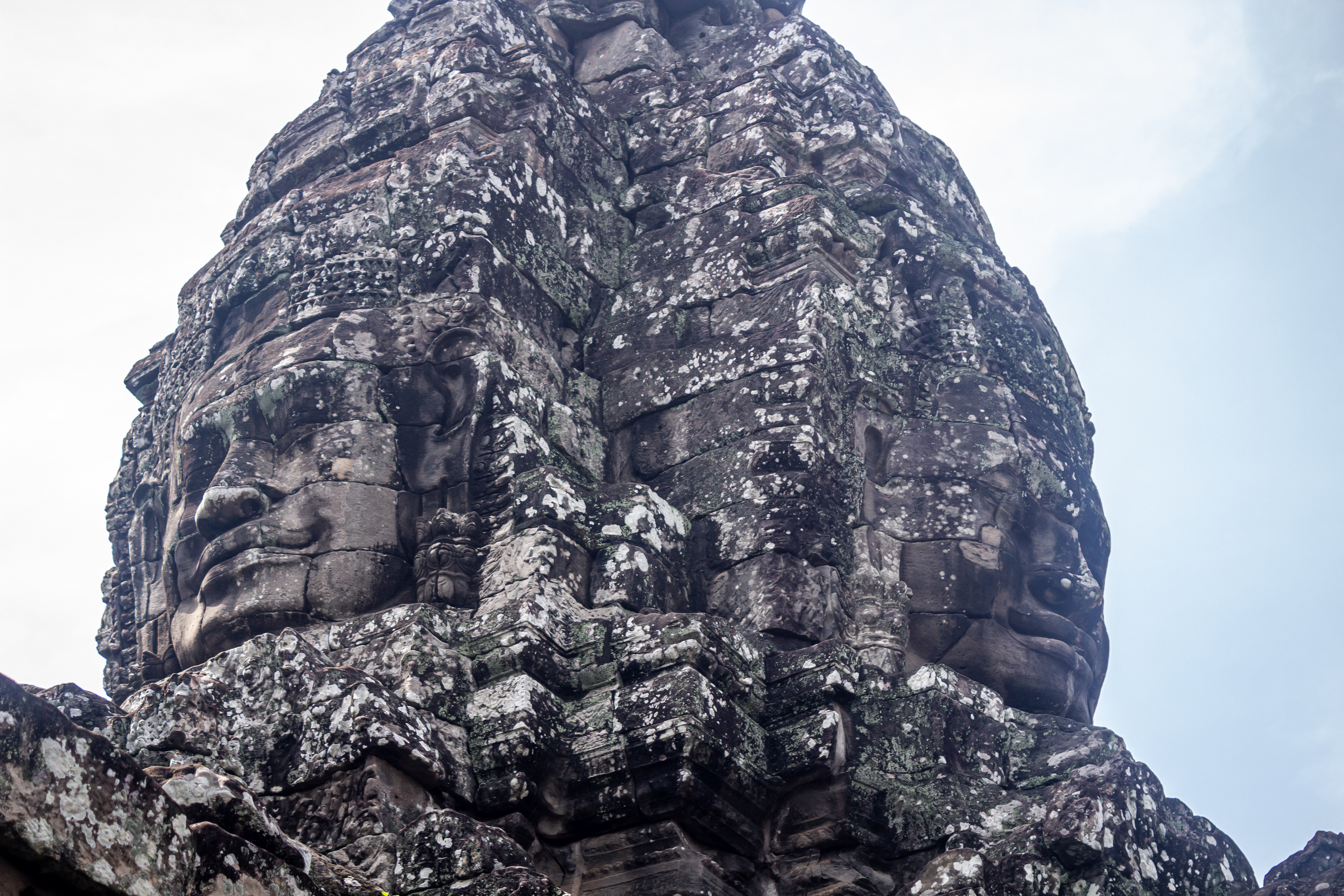
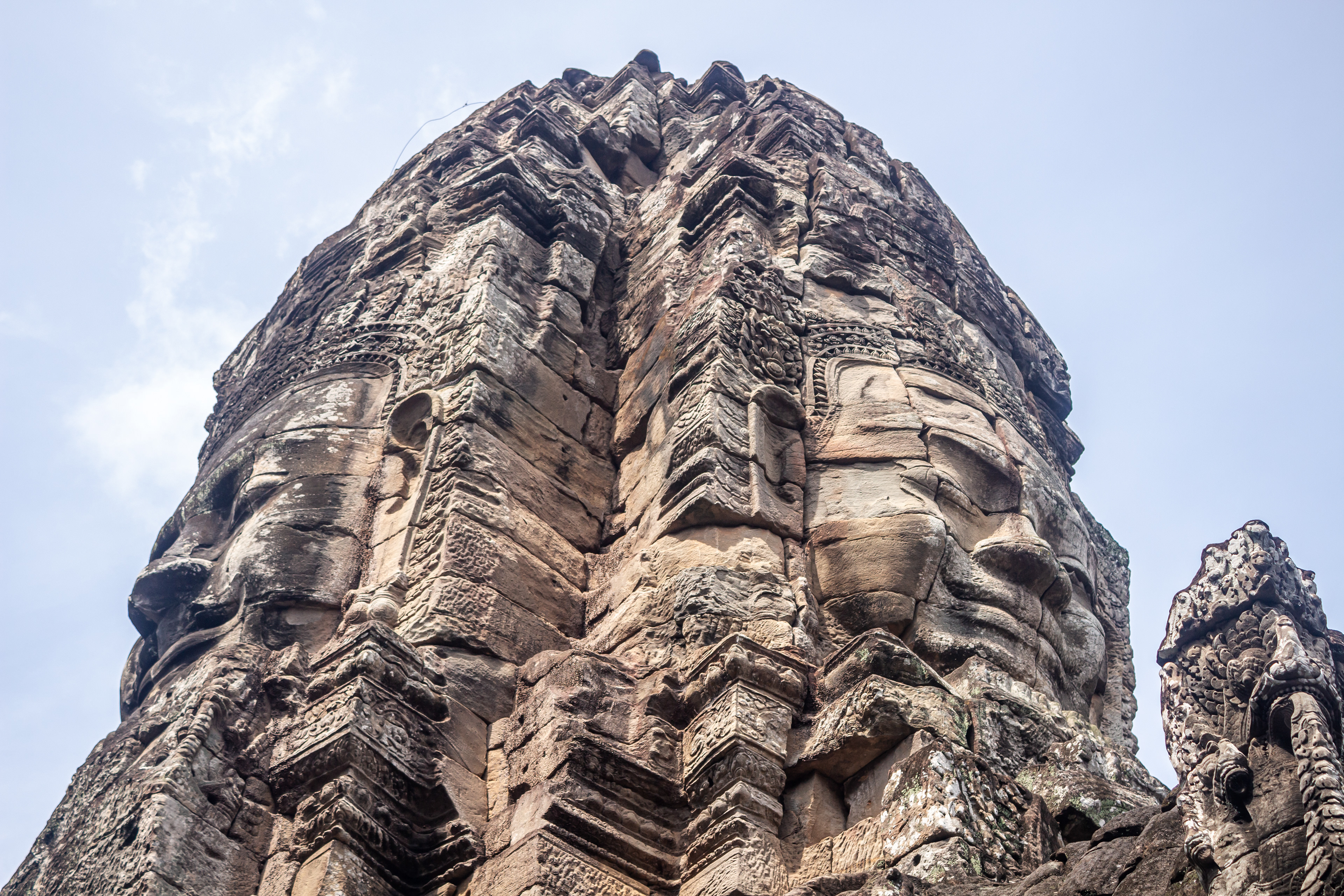
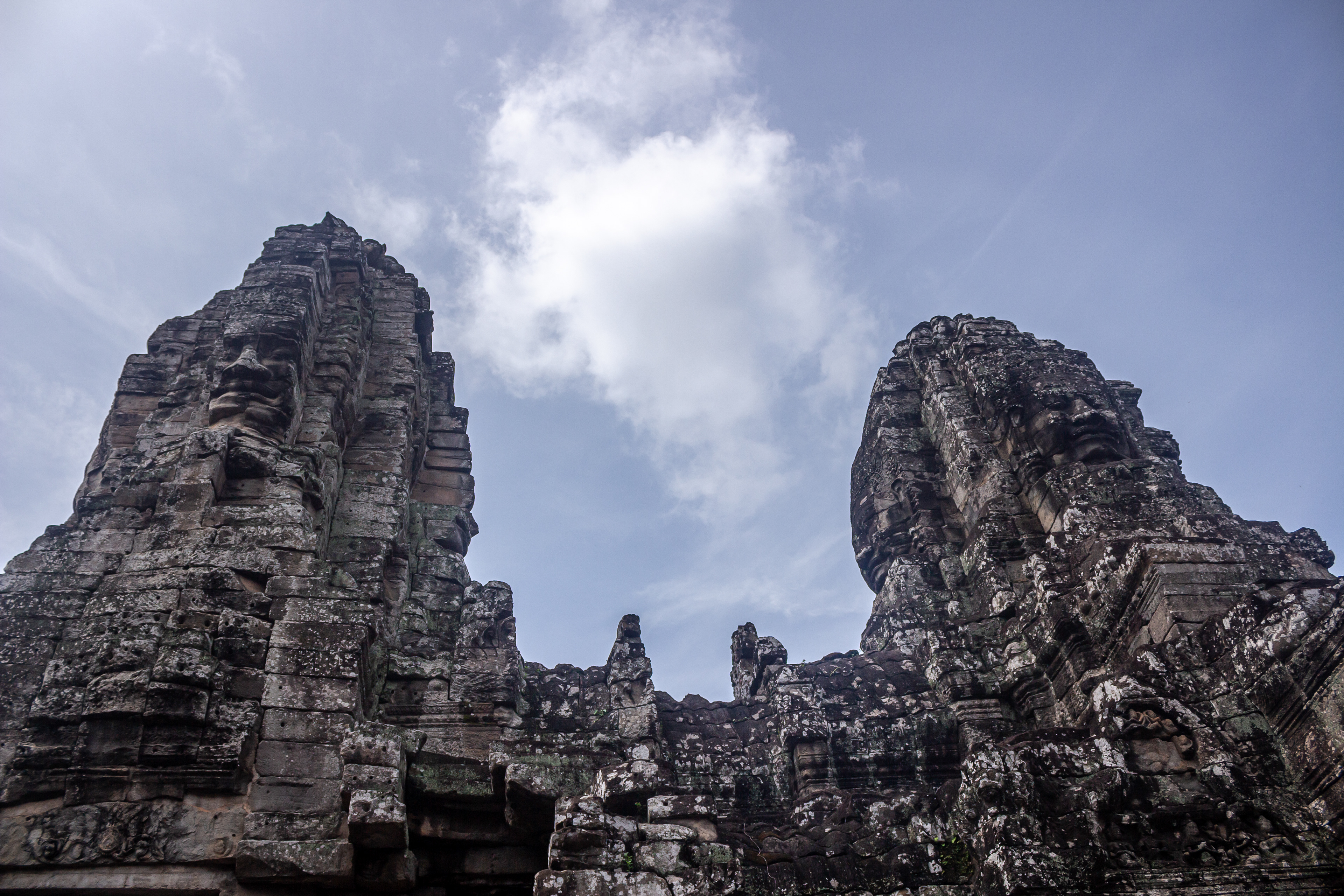
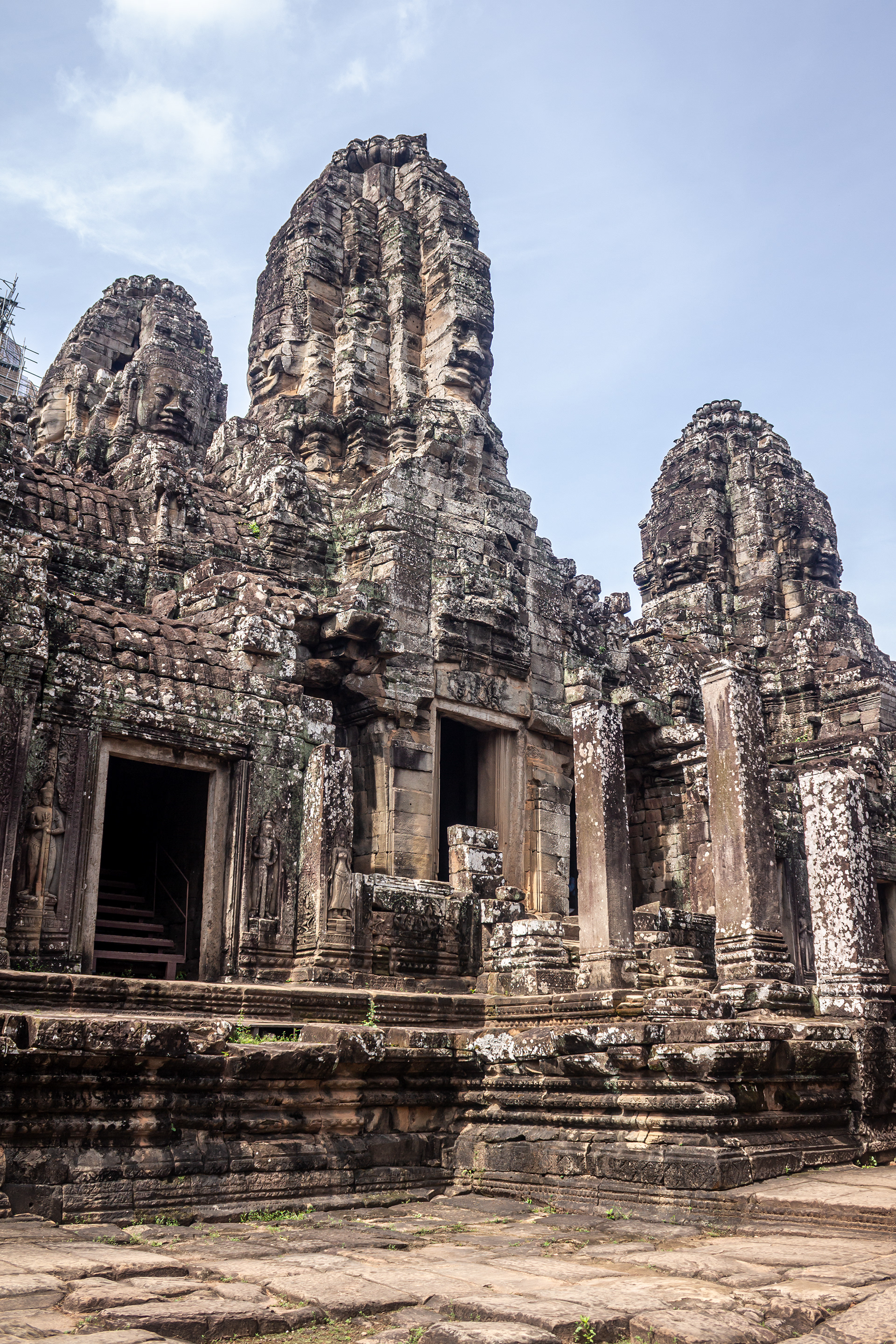
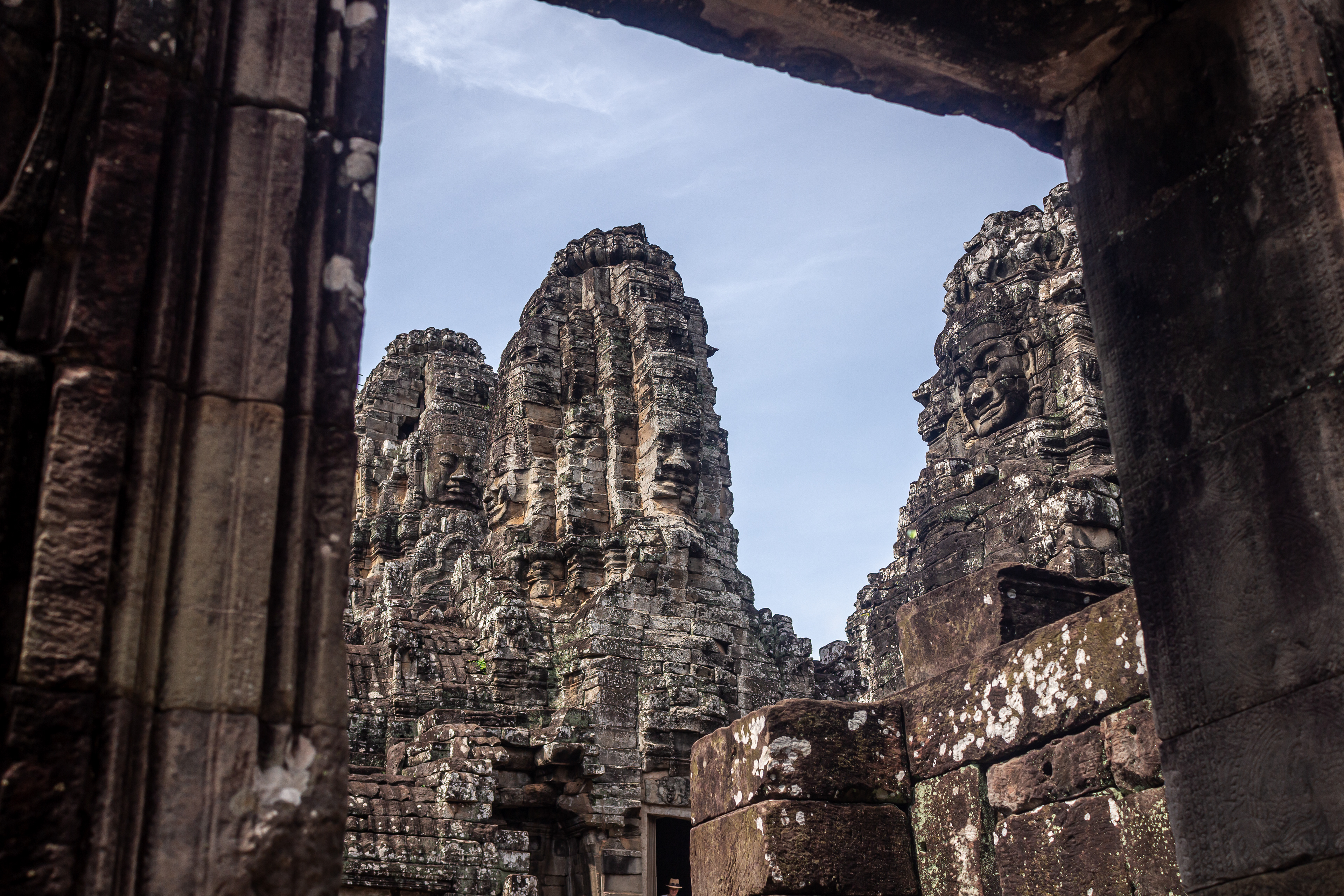
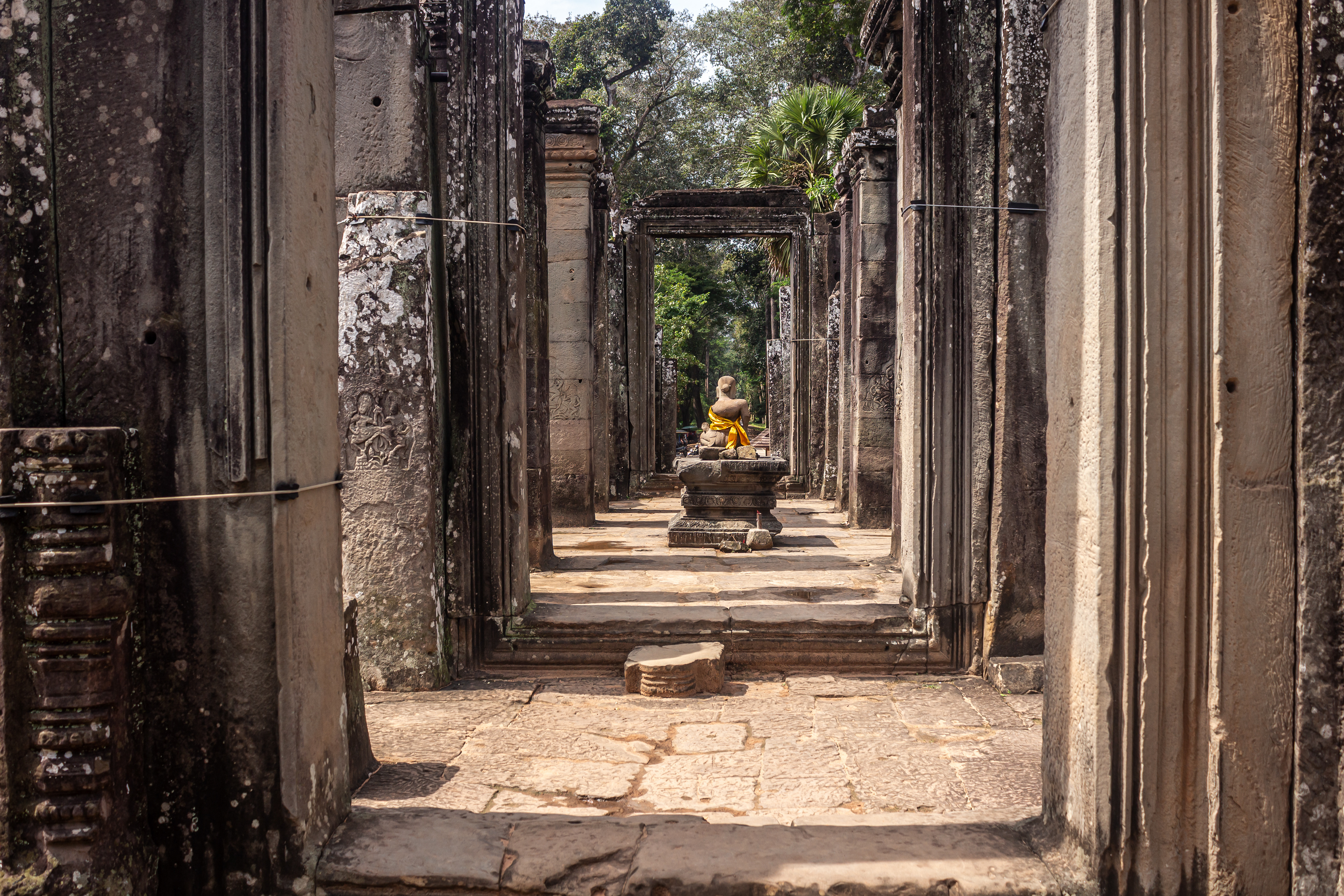
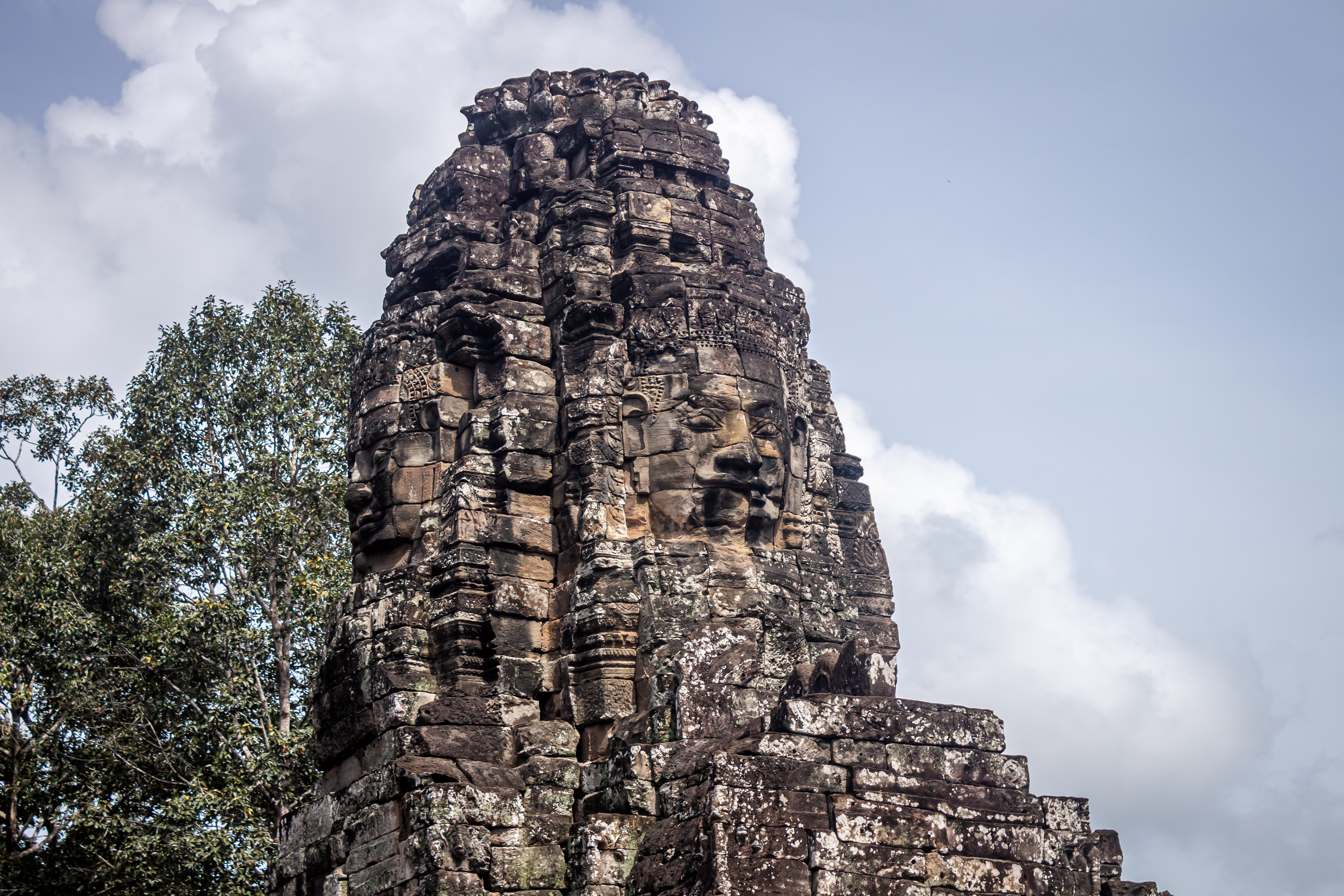
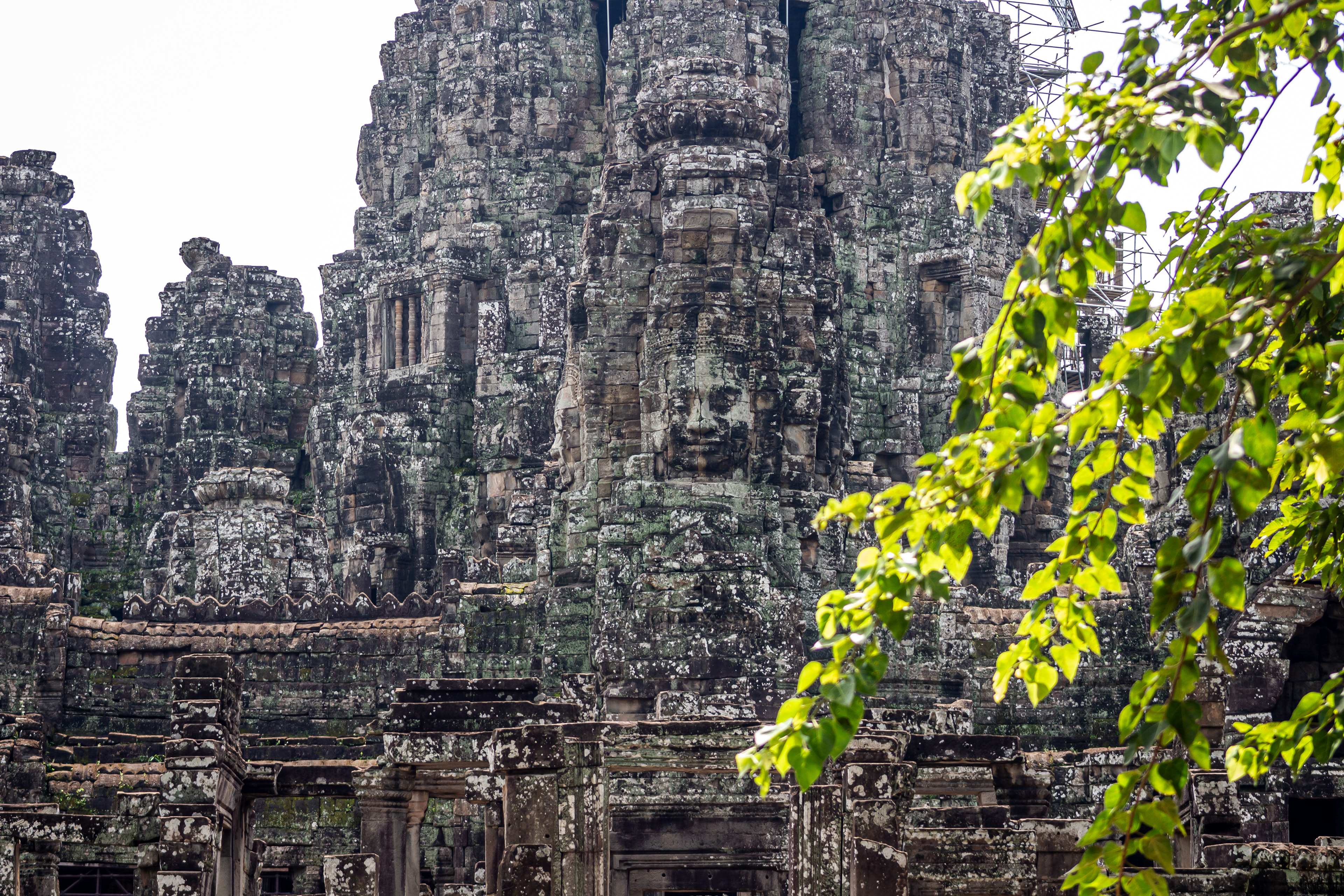
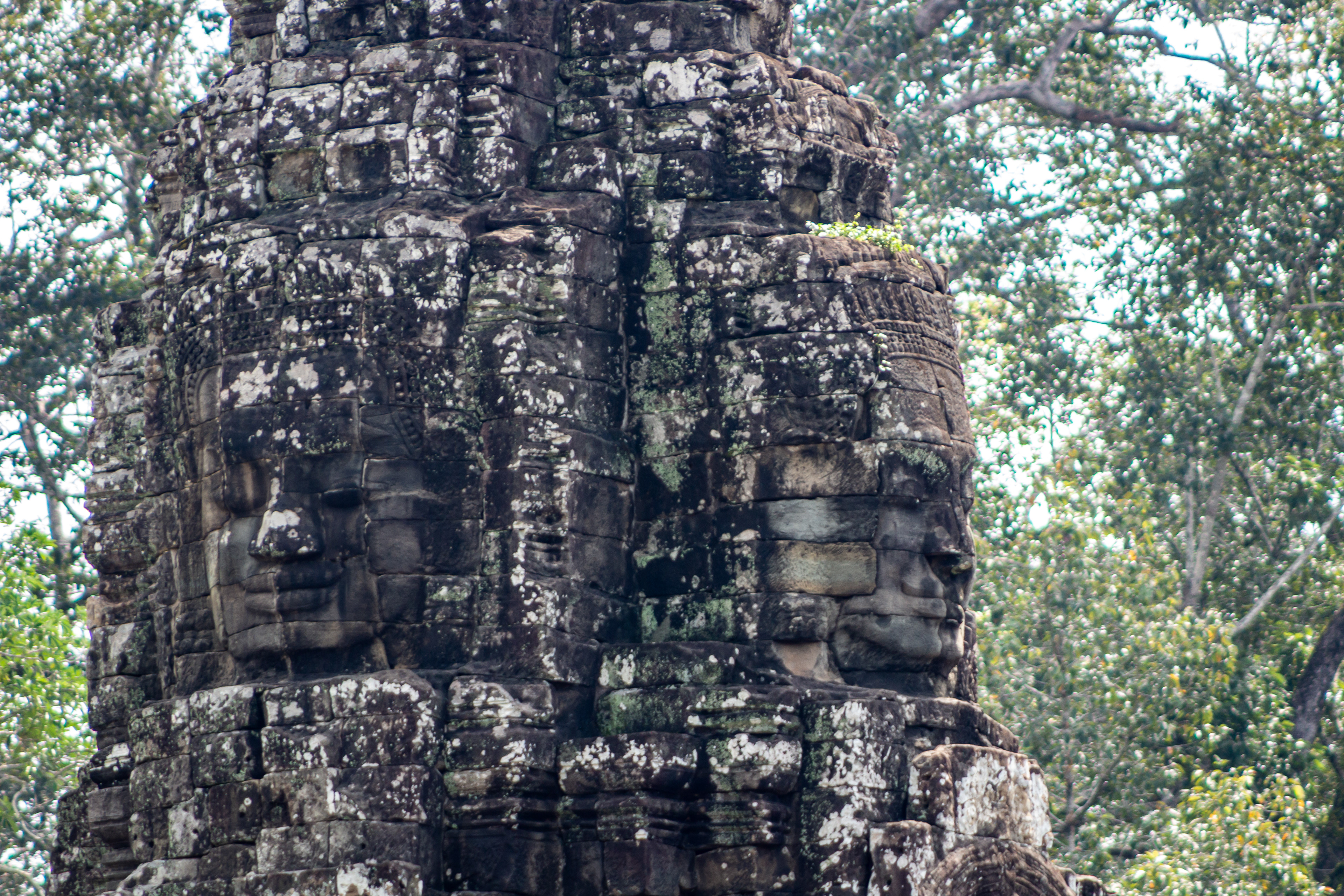
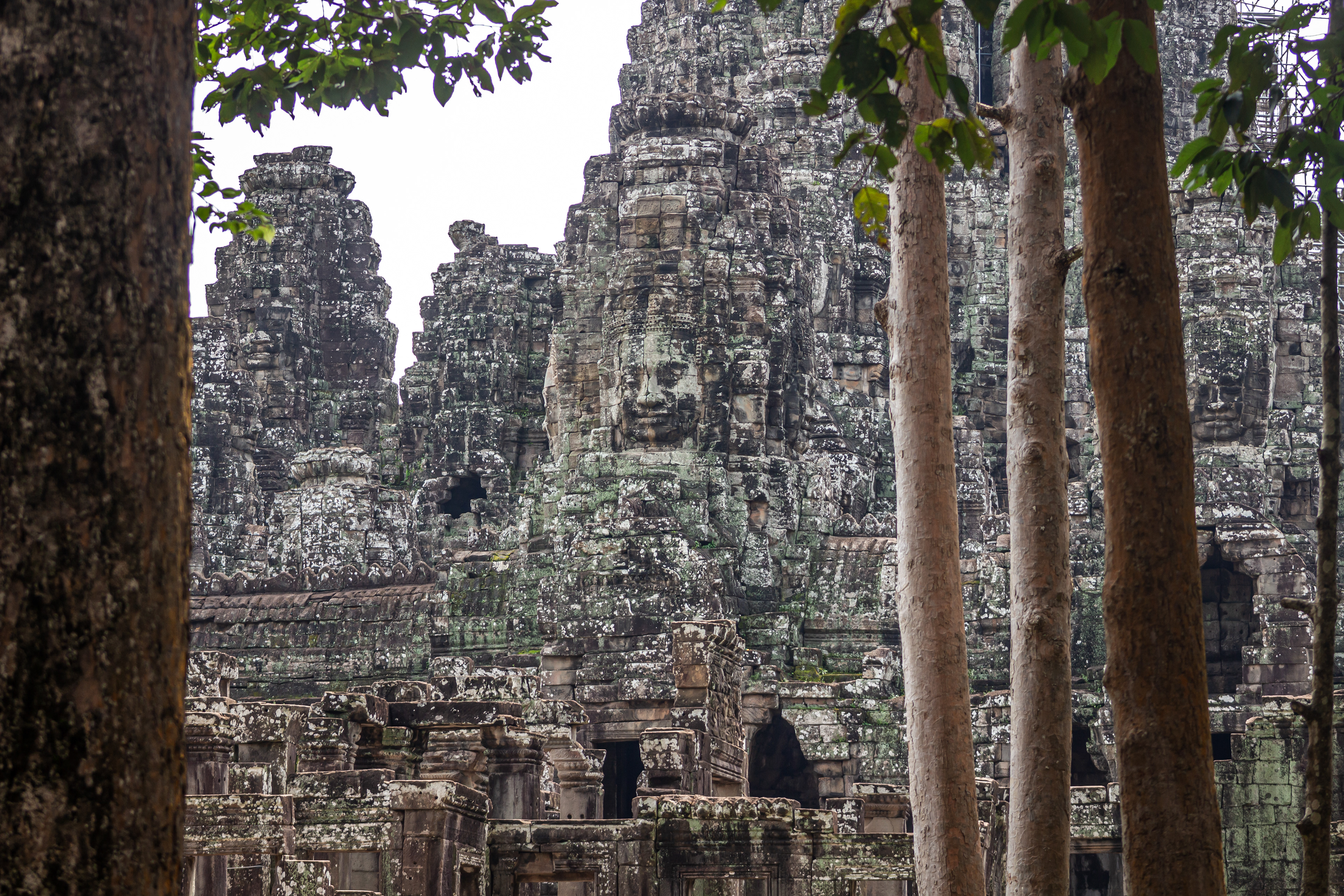
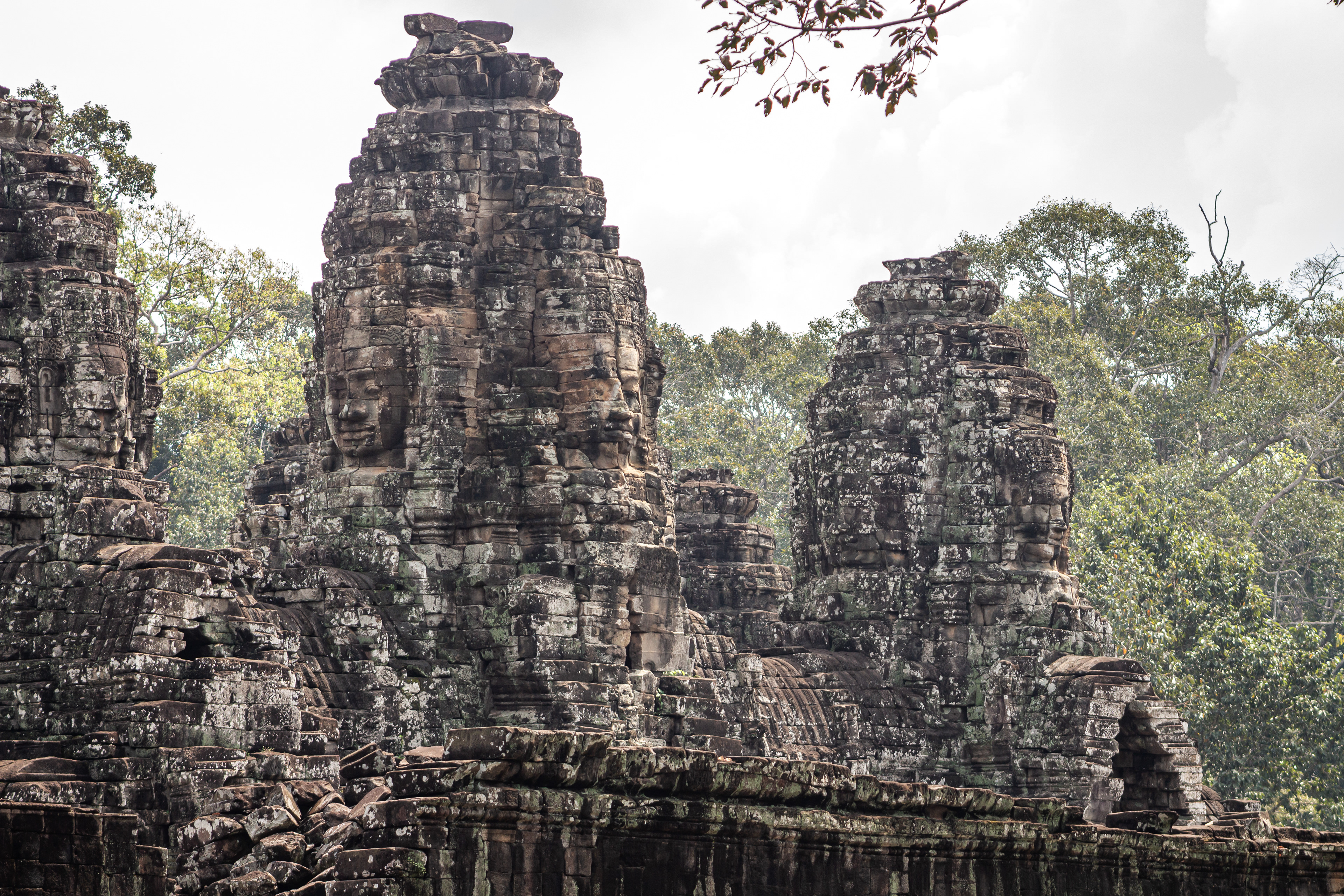
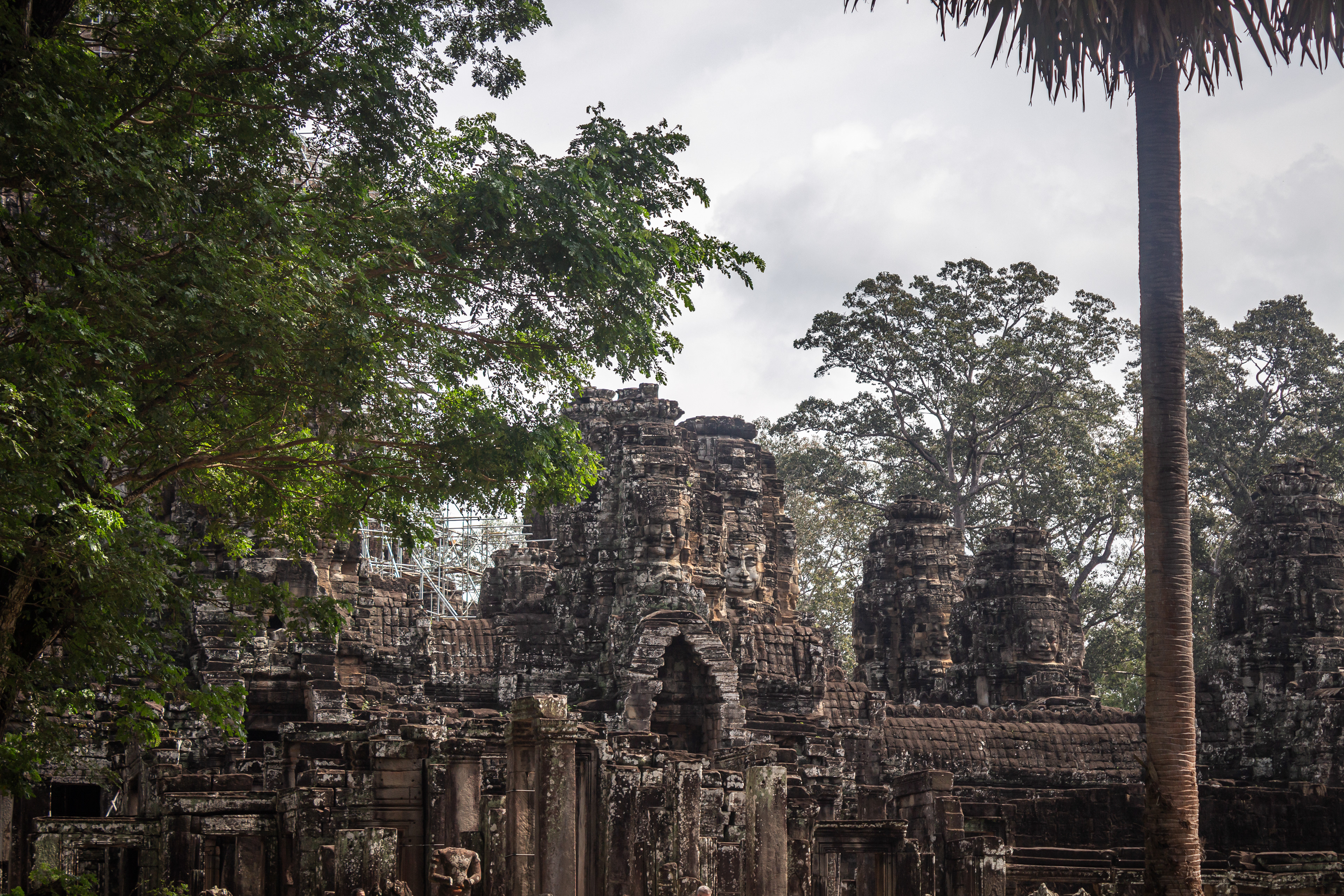
Bayon Temple – Famous for its giant stone faces that look like they’re judging your life choices.
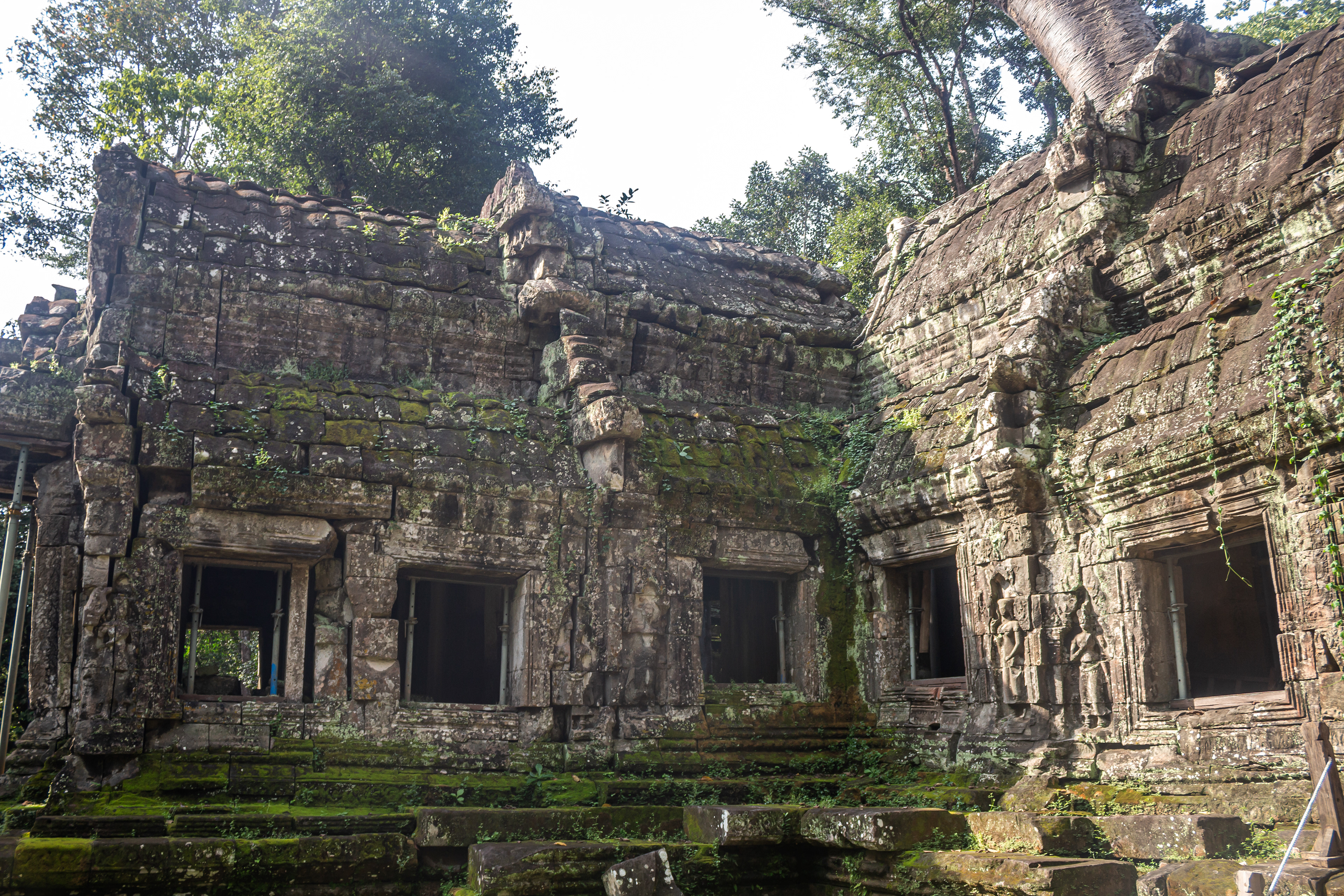
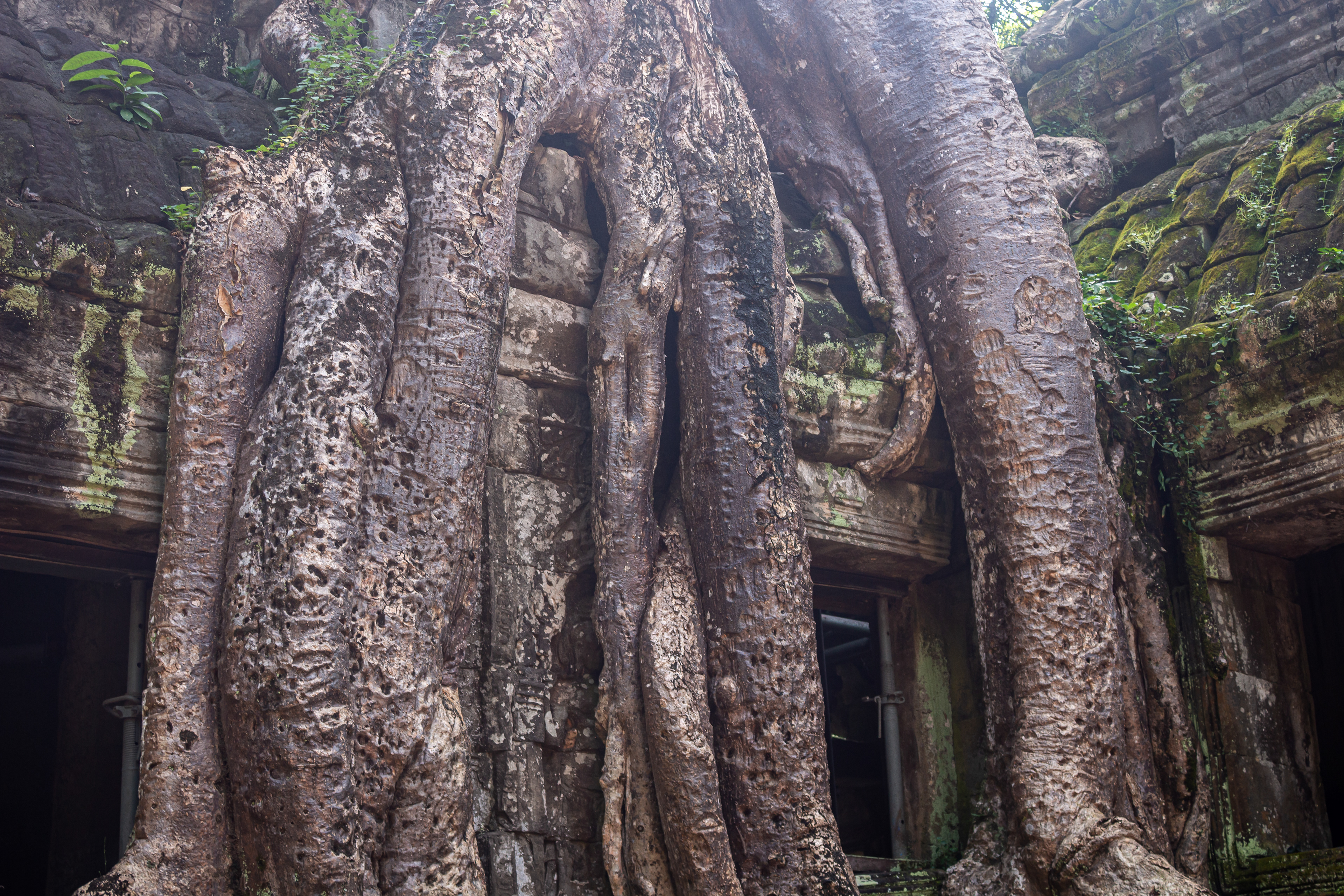
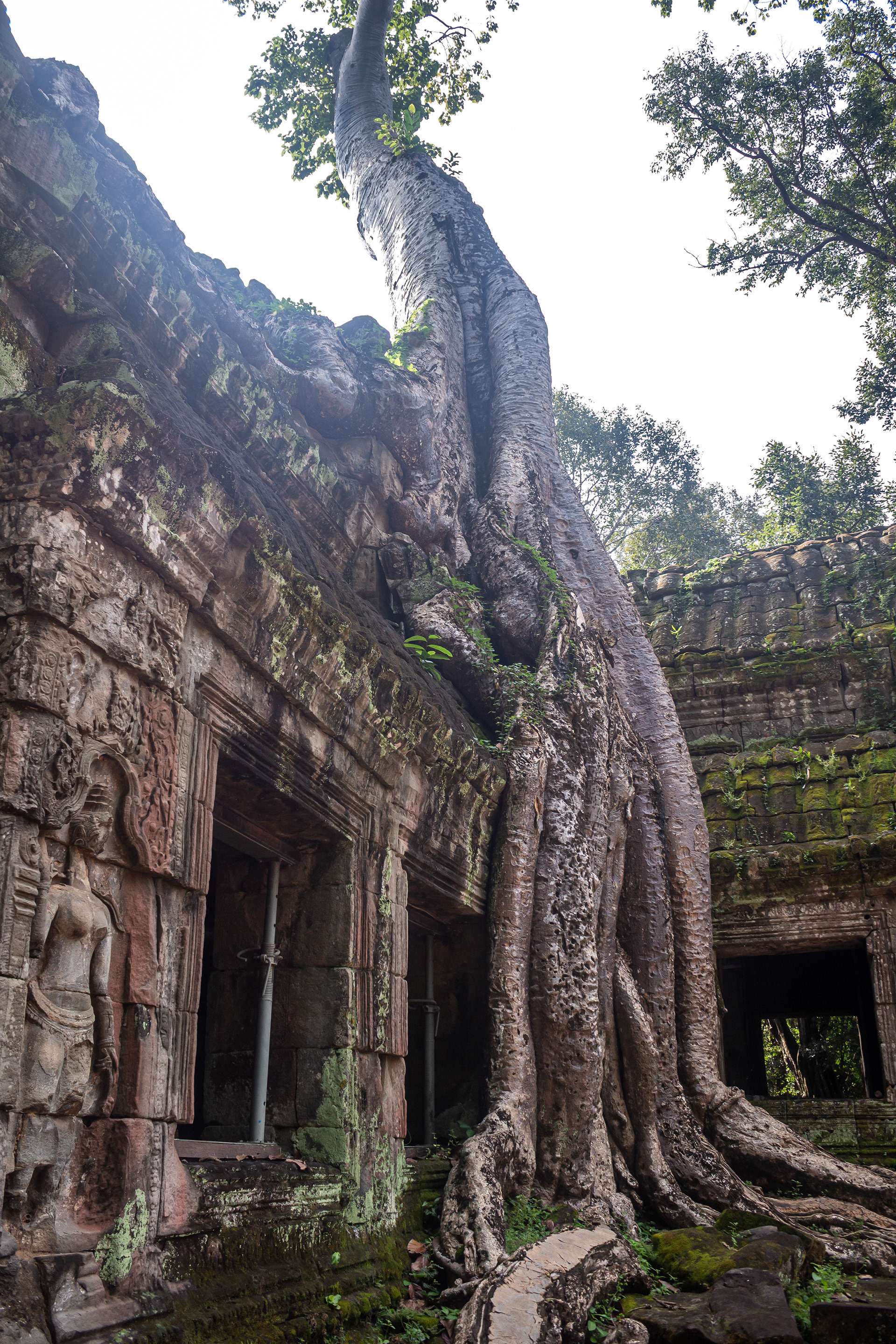
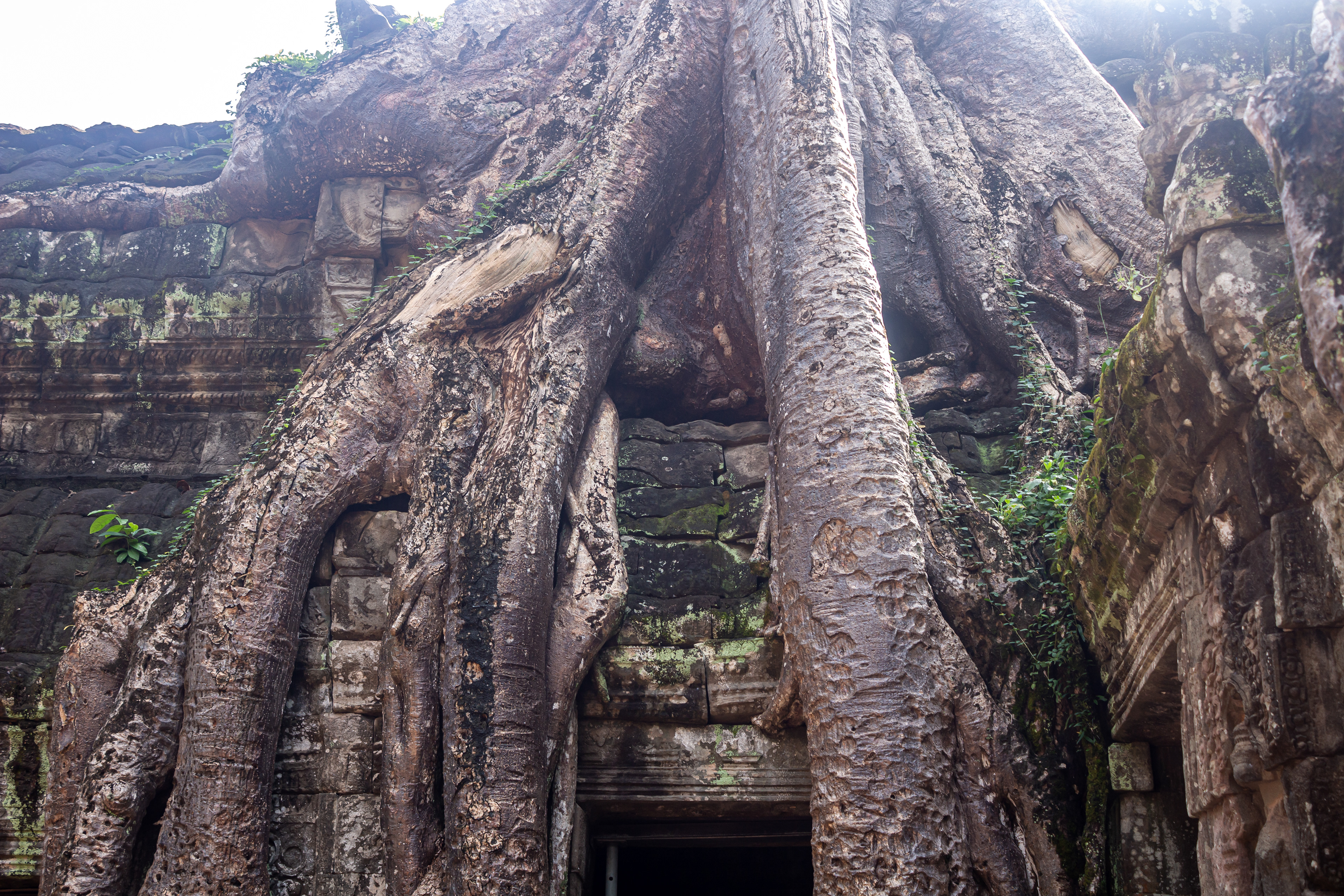
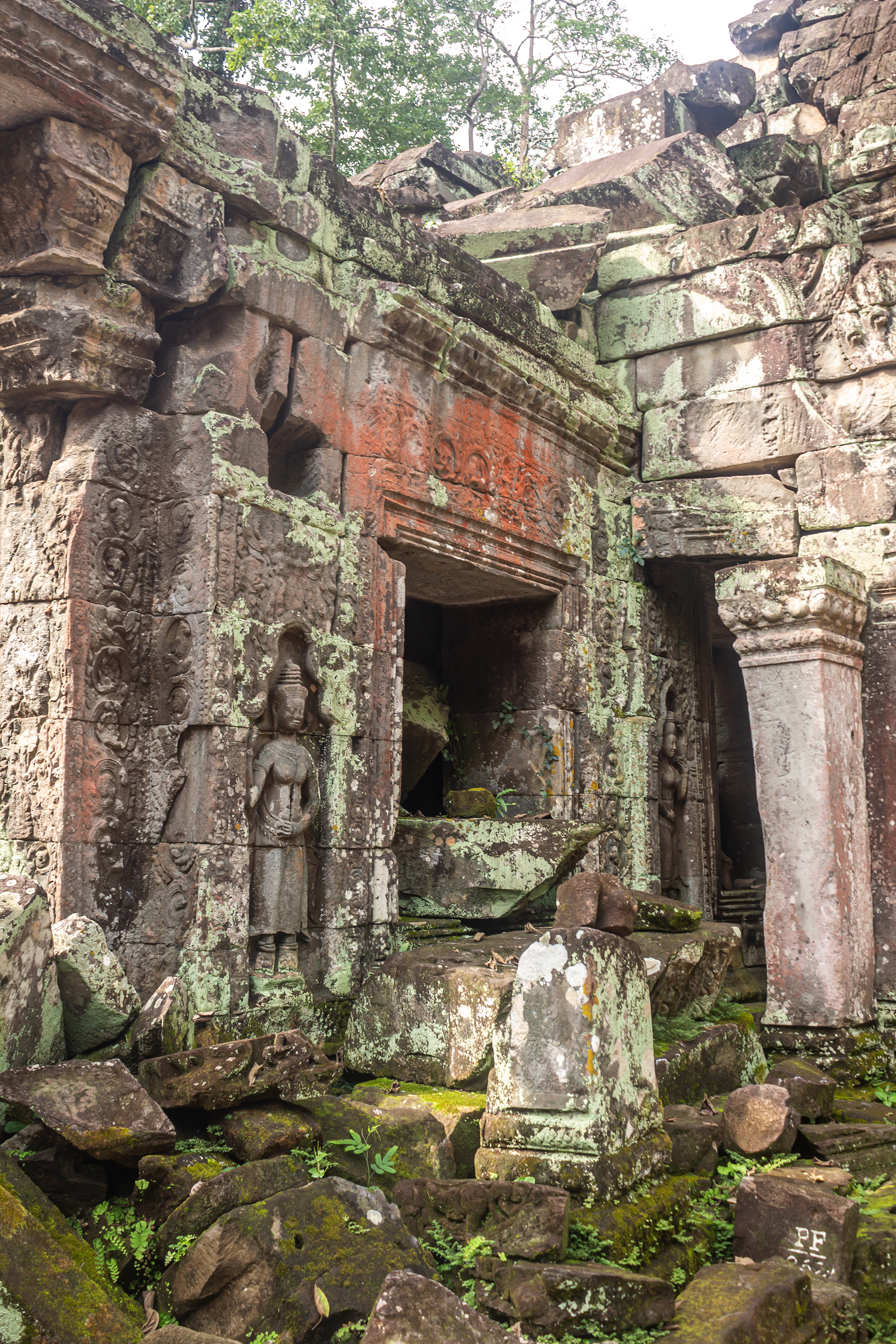
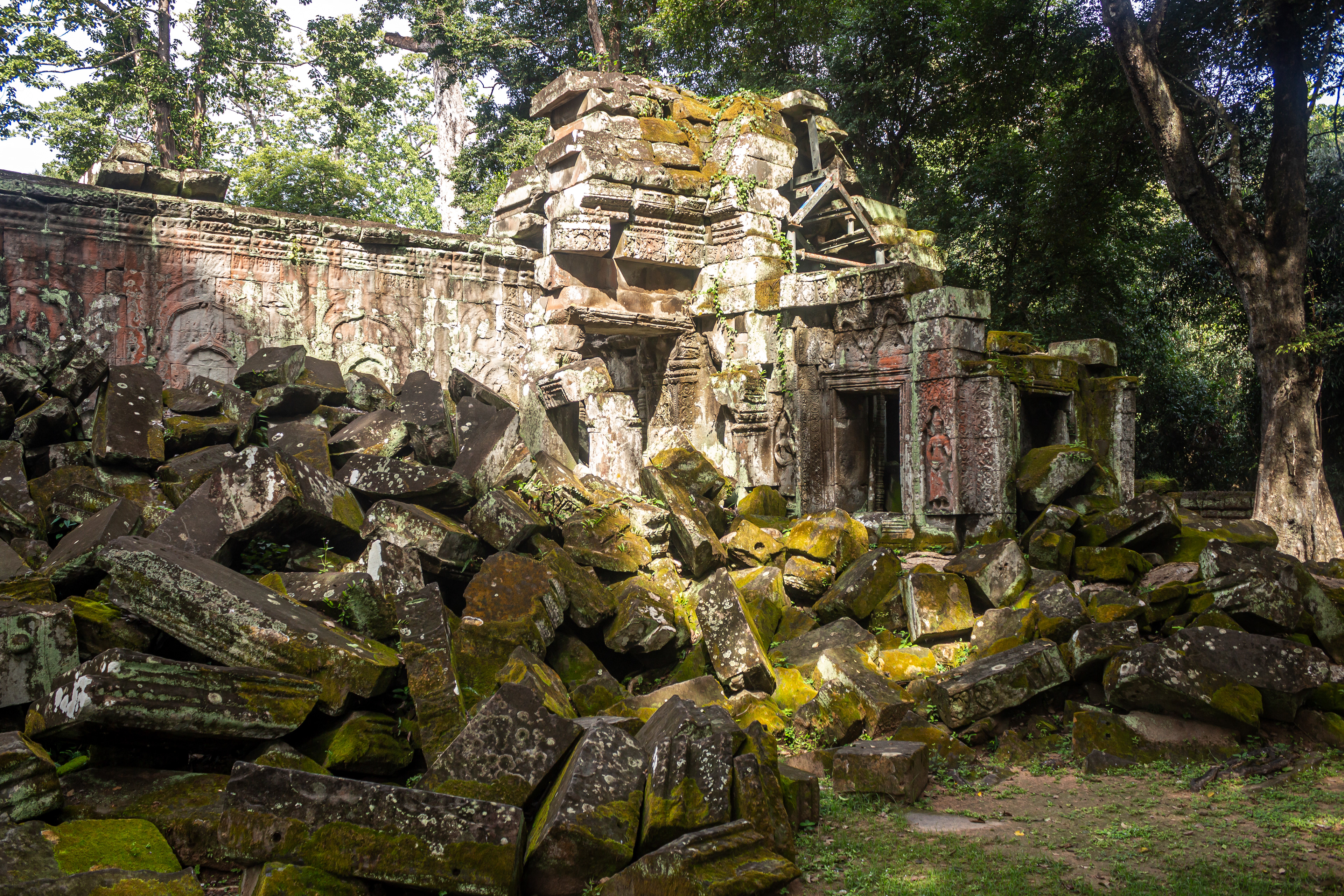
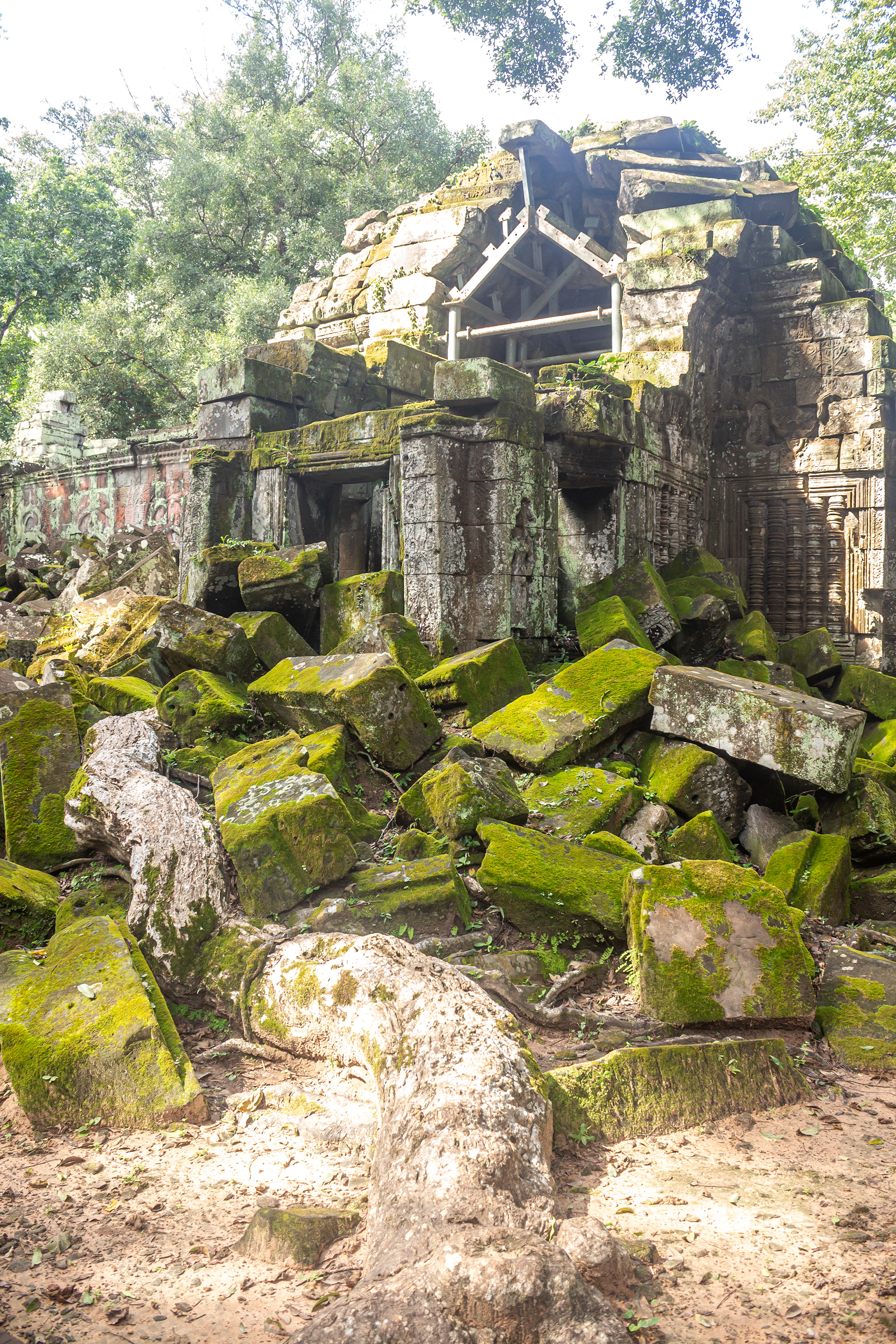
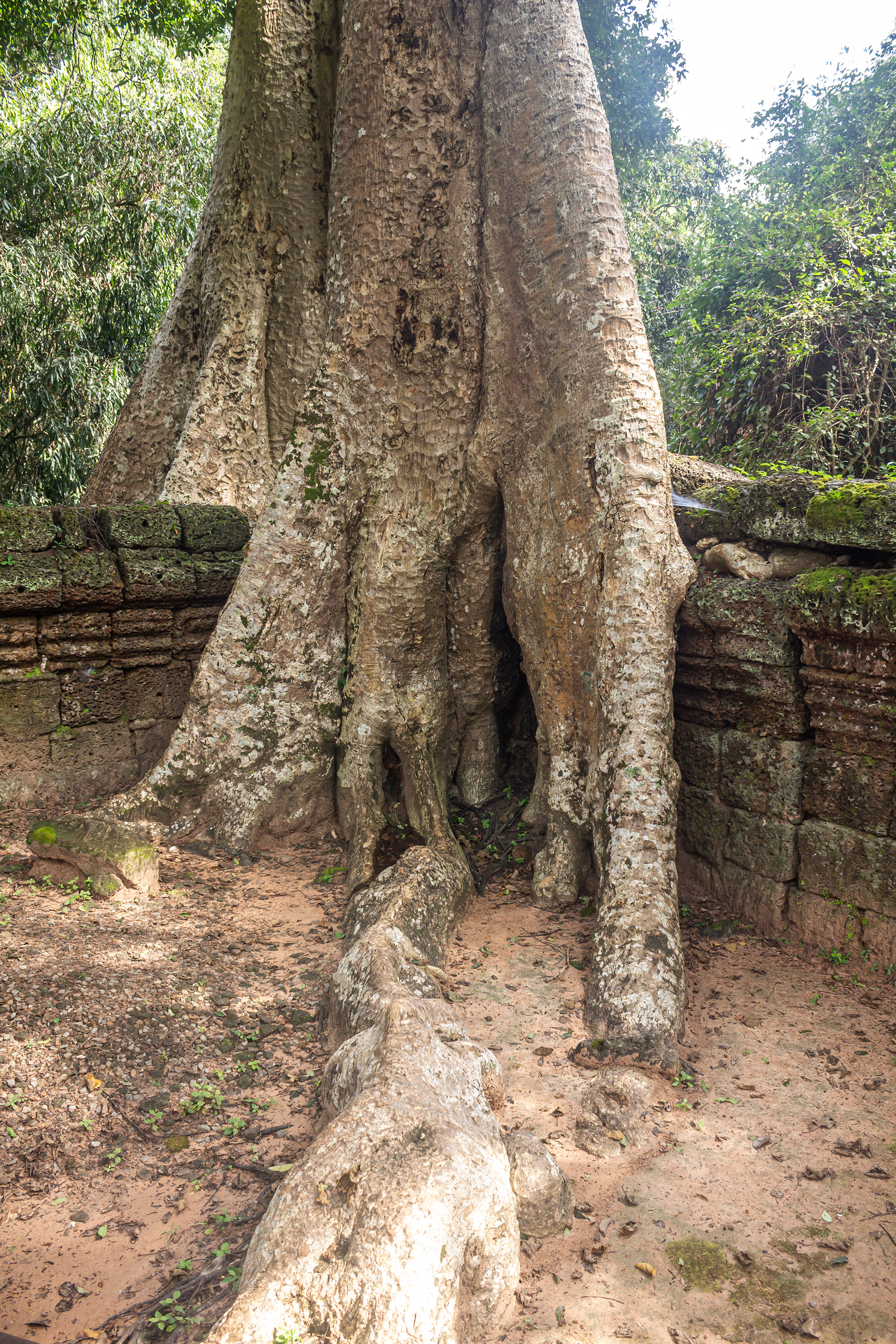
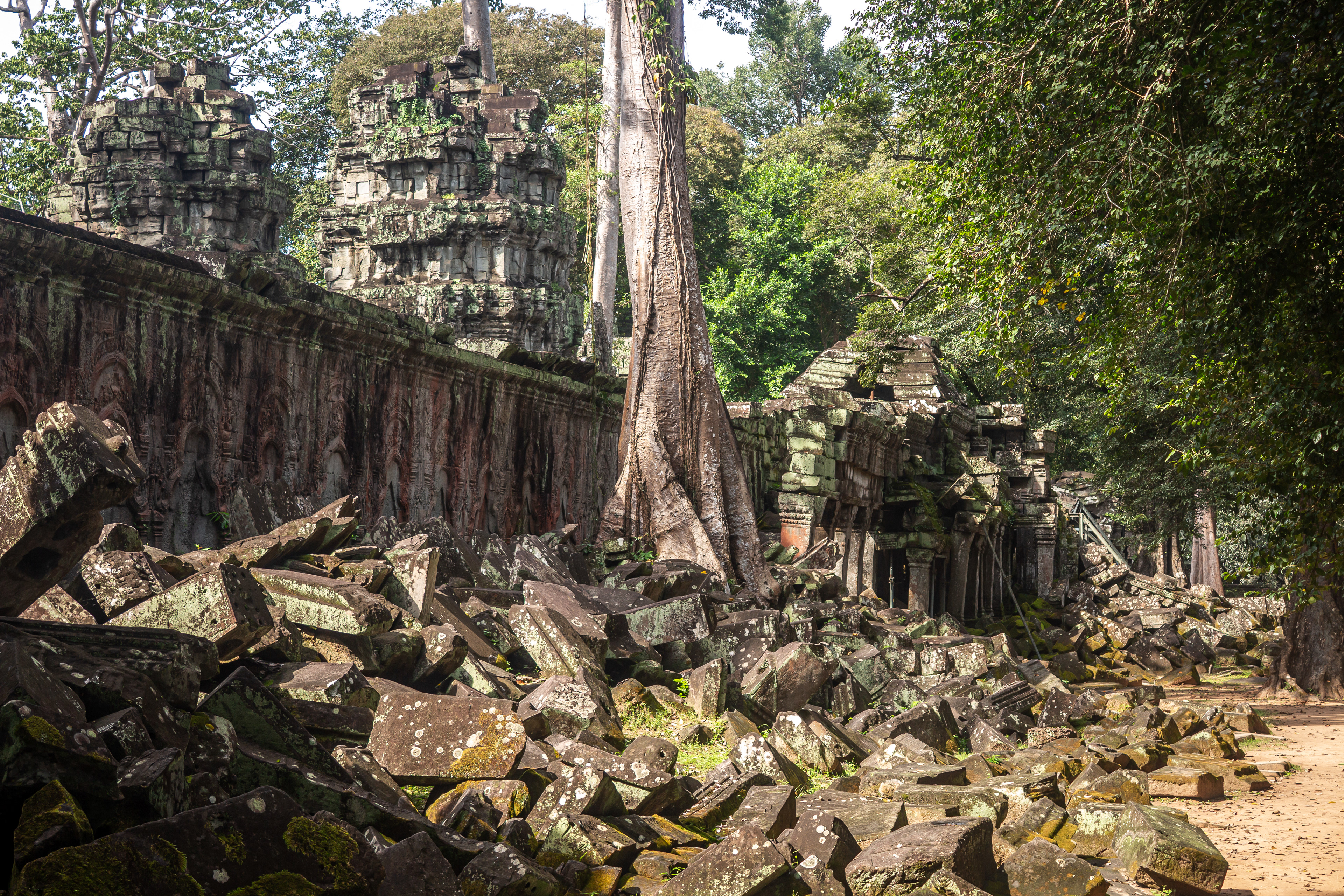
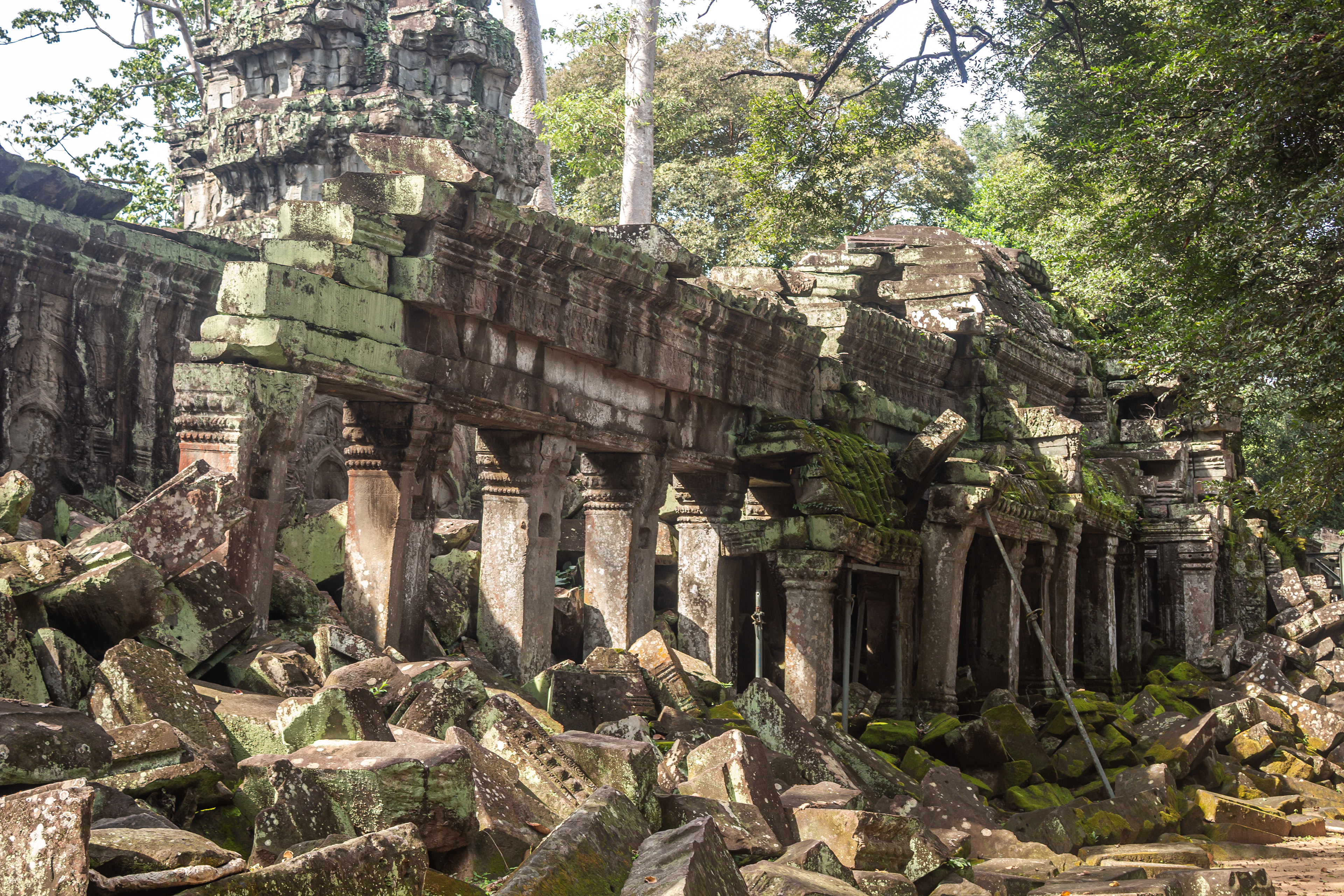
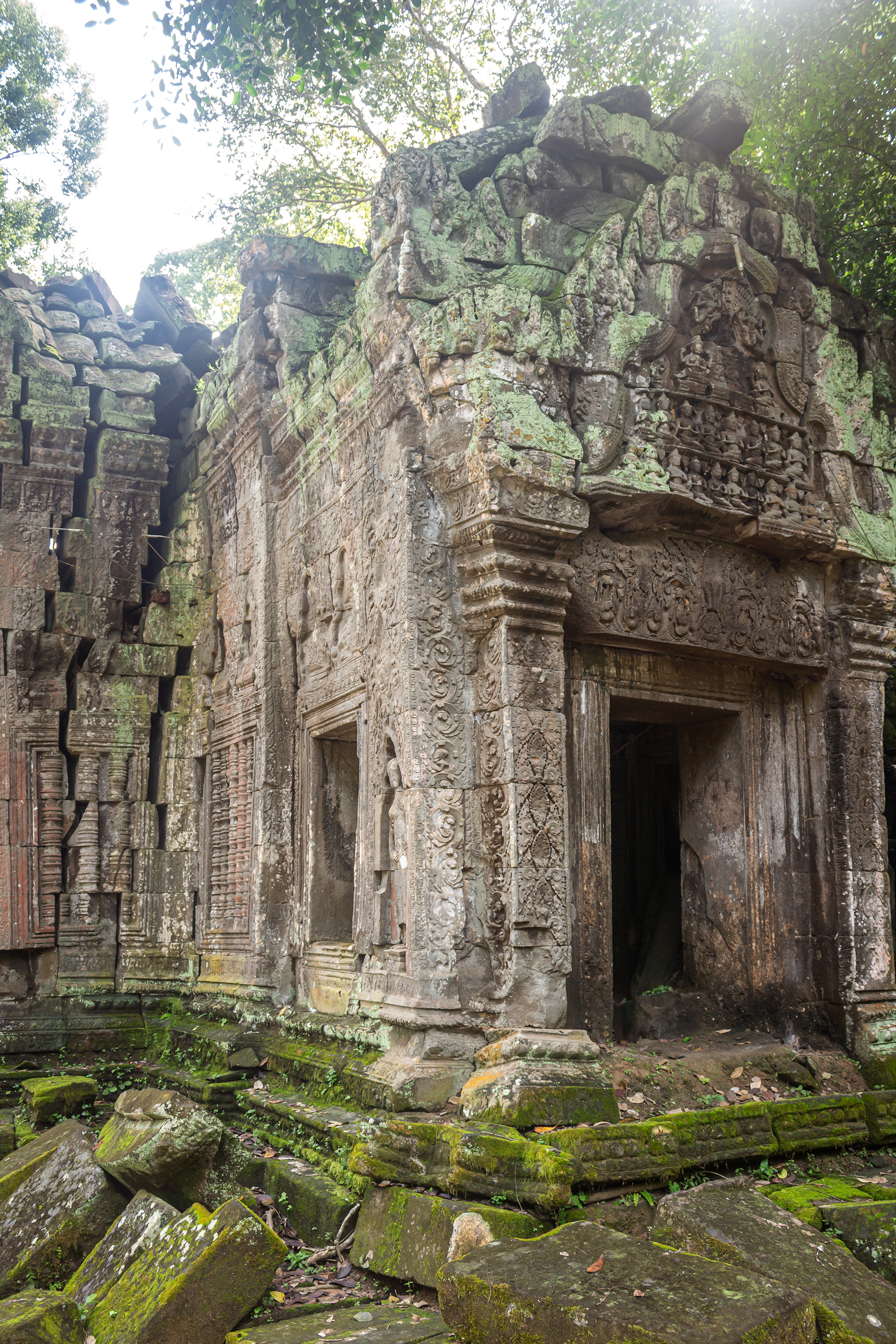
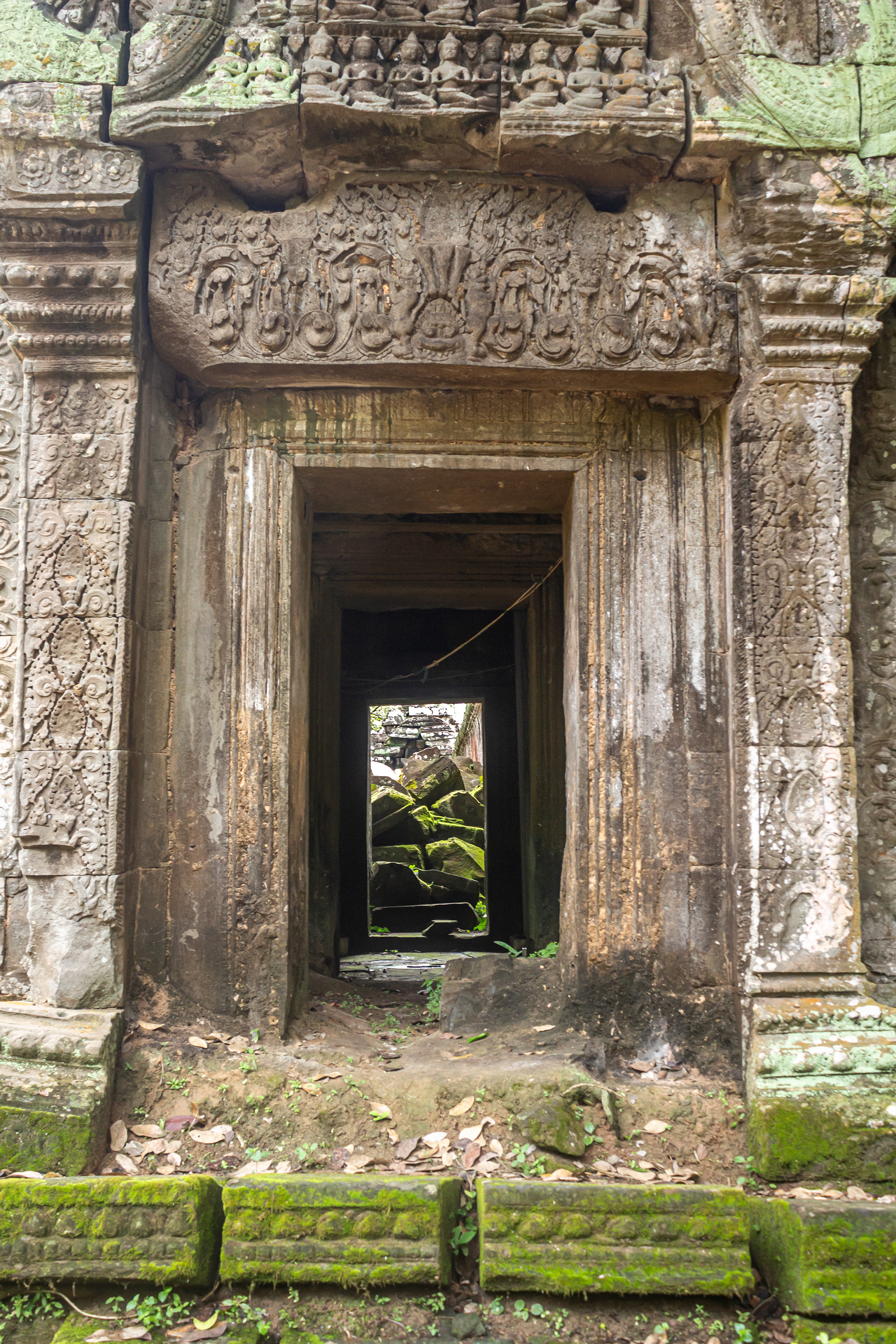
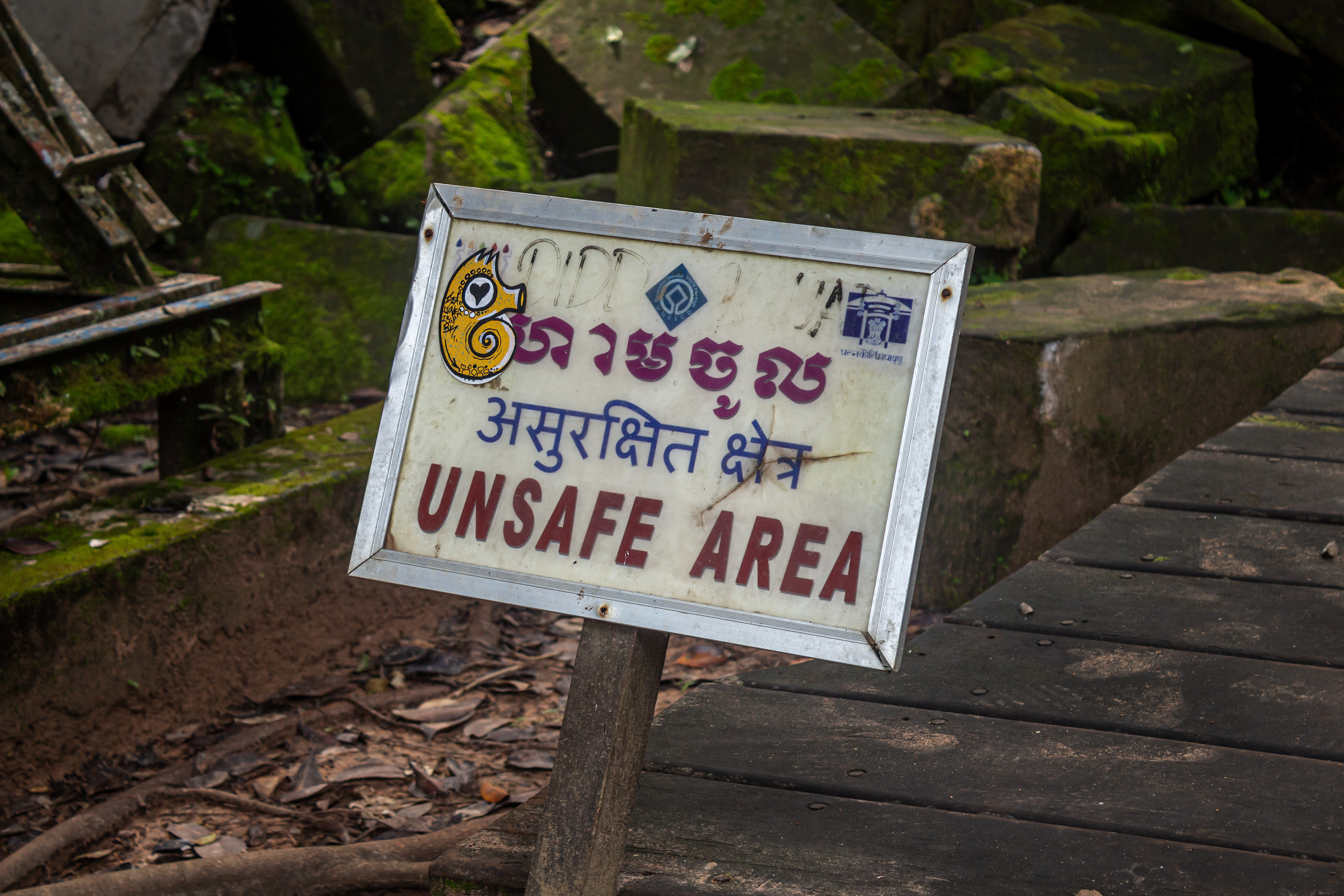
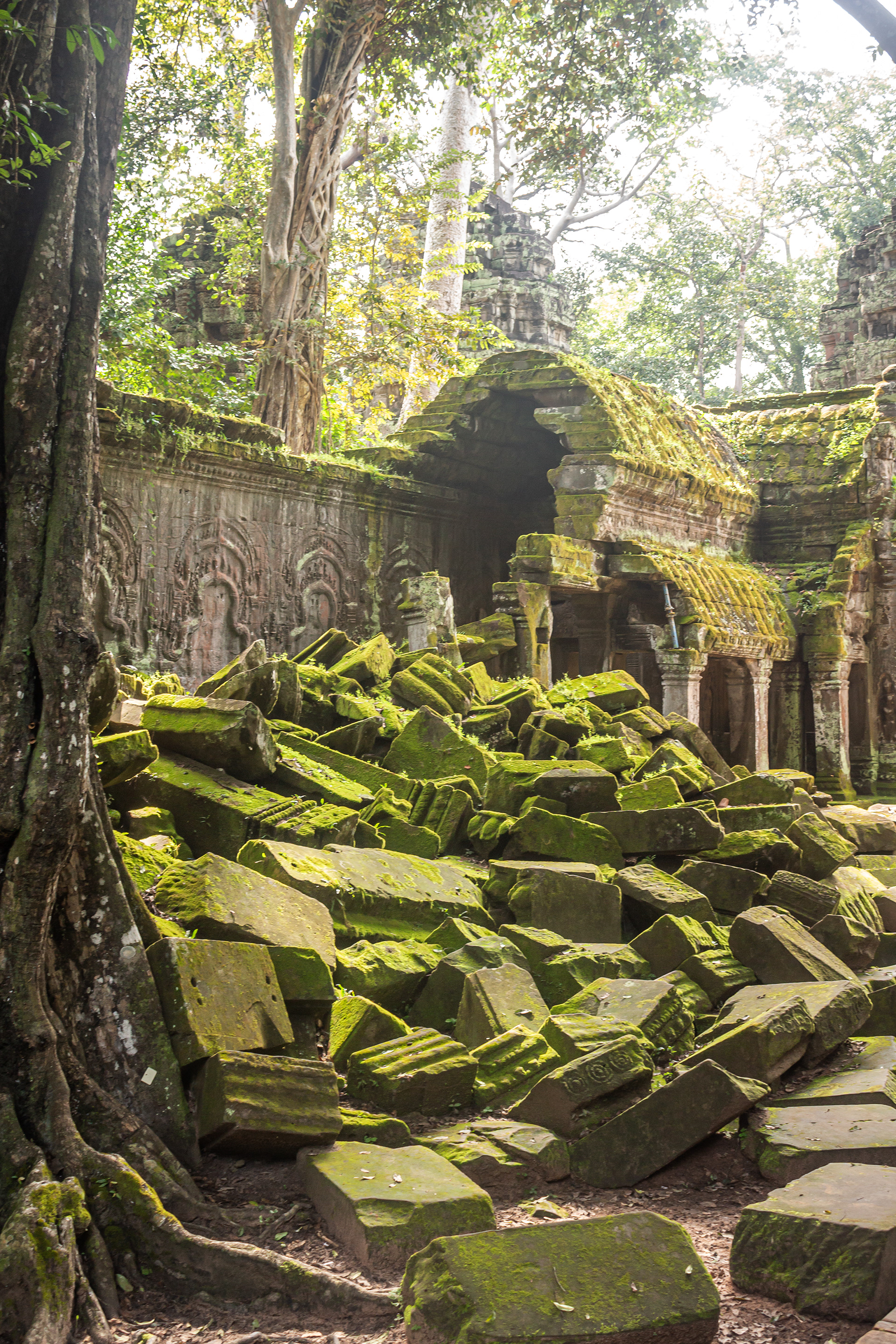
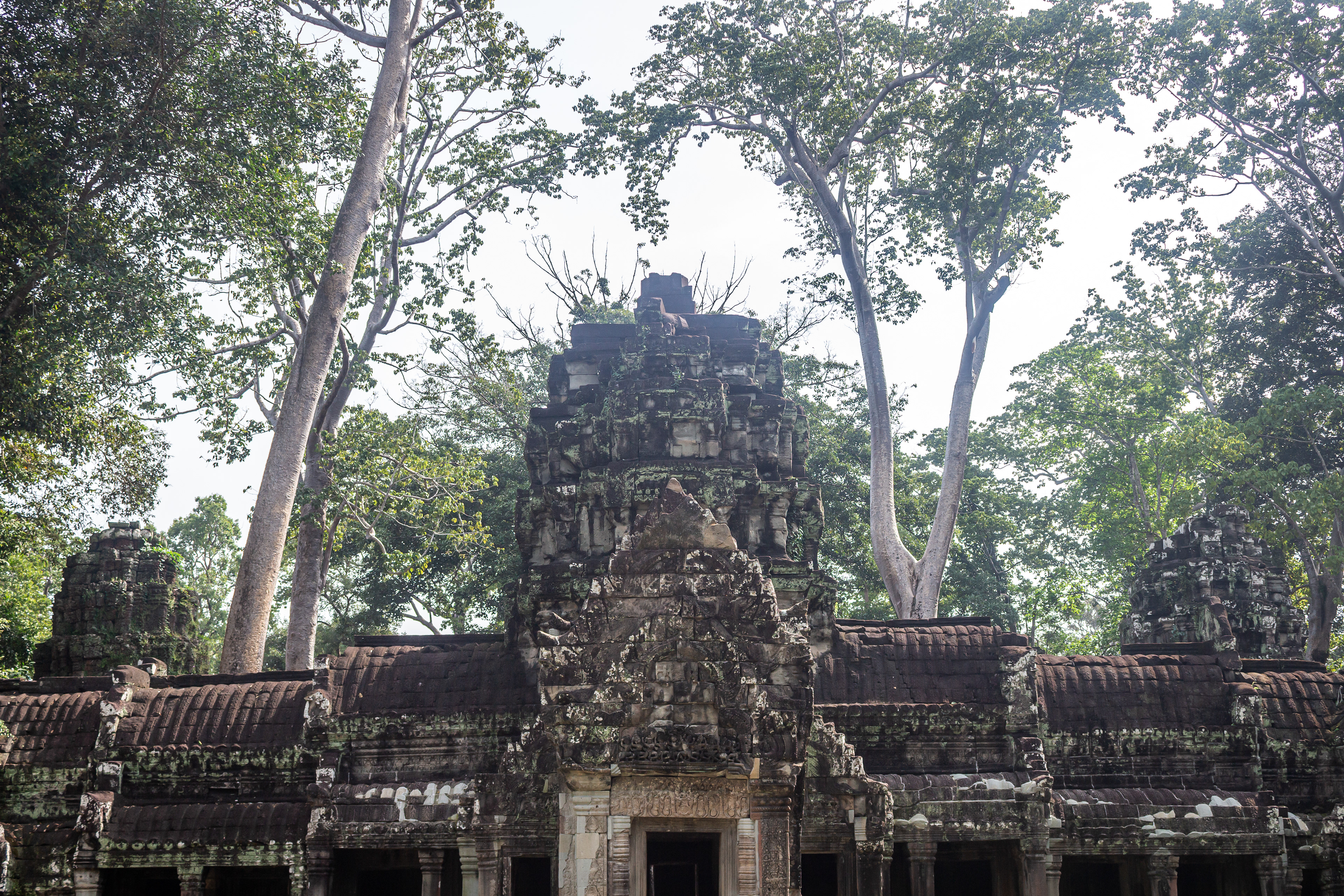
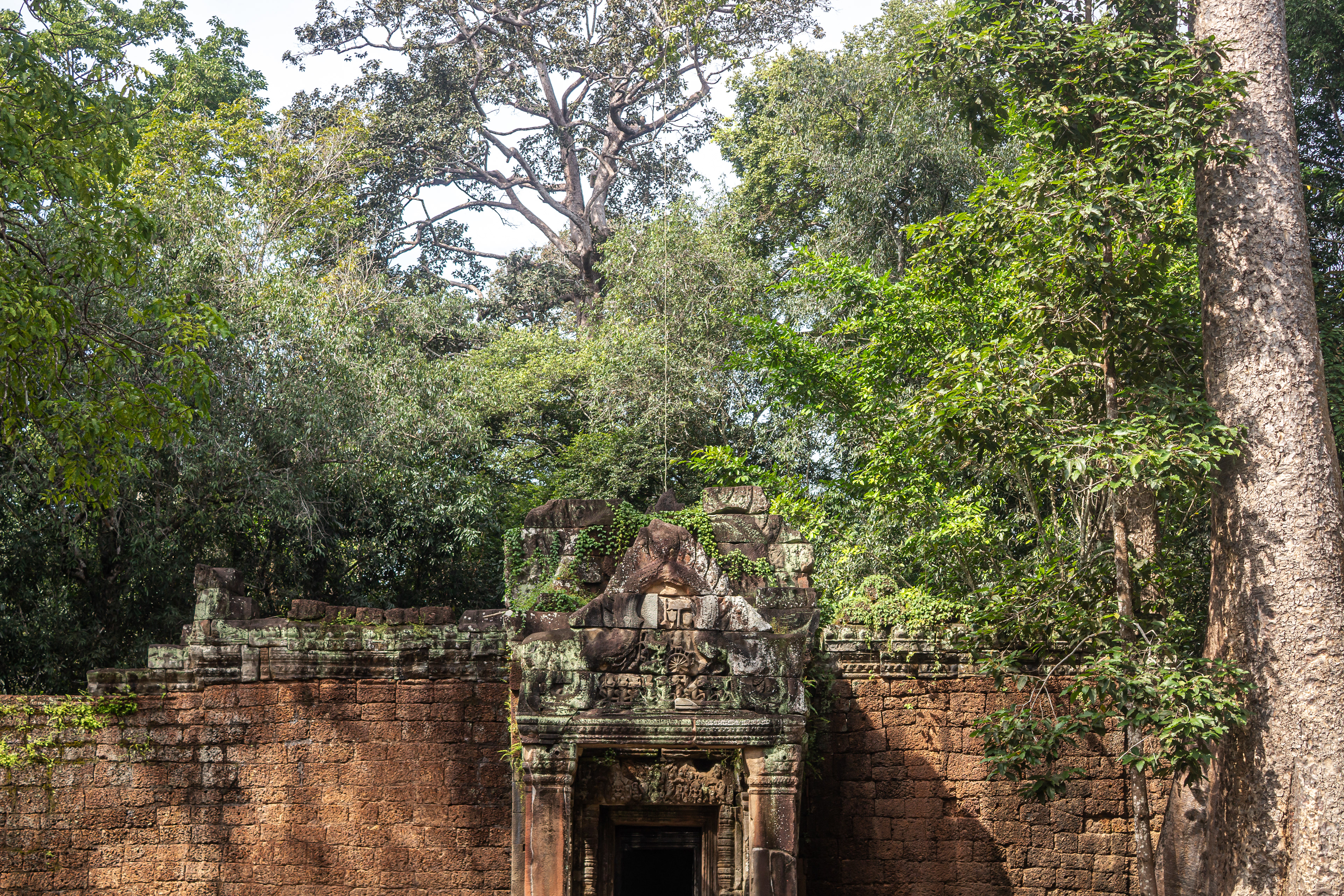
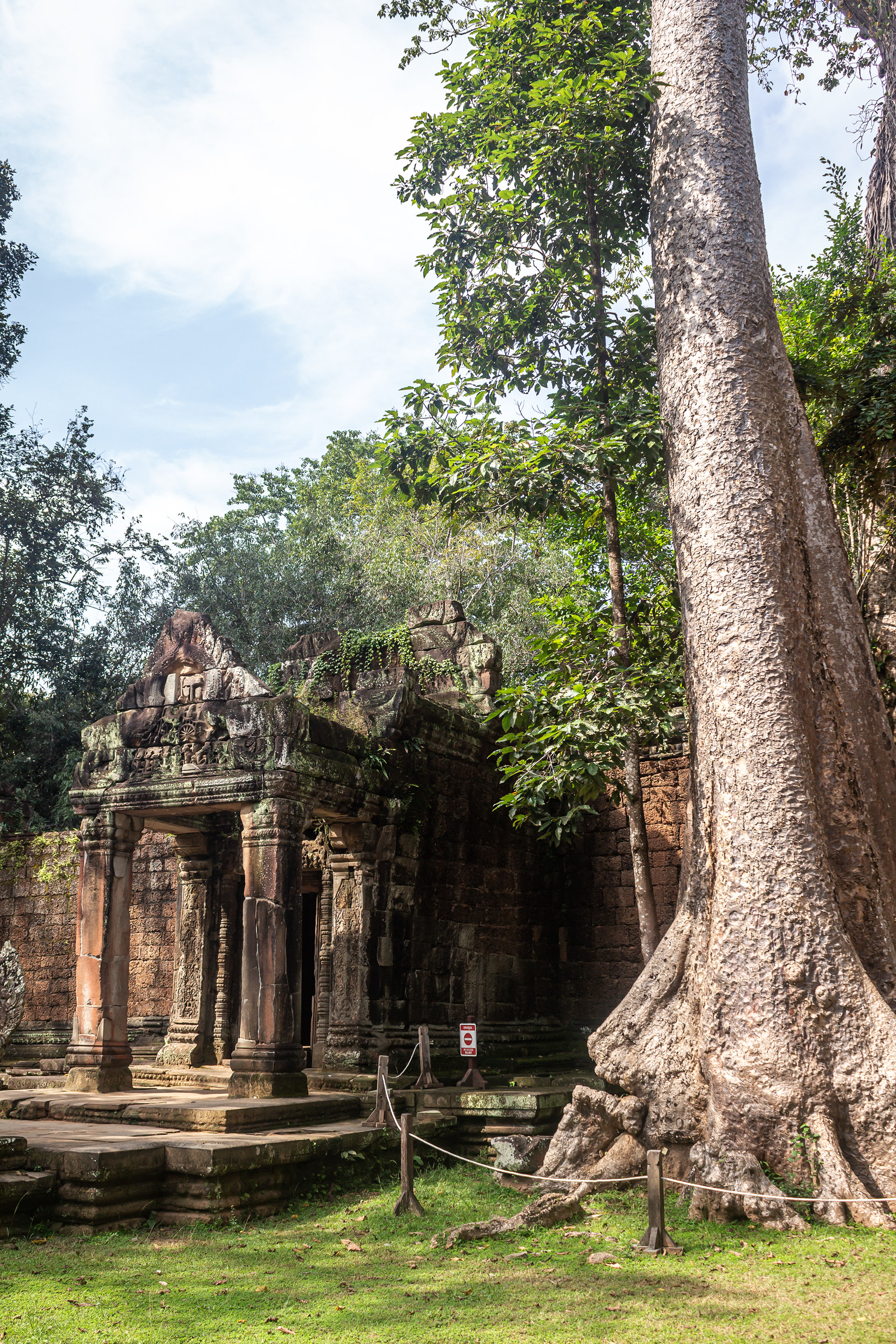
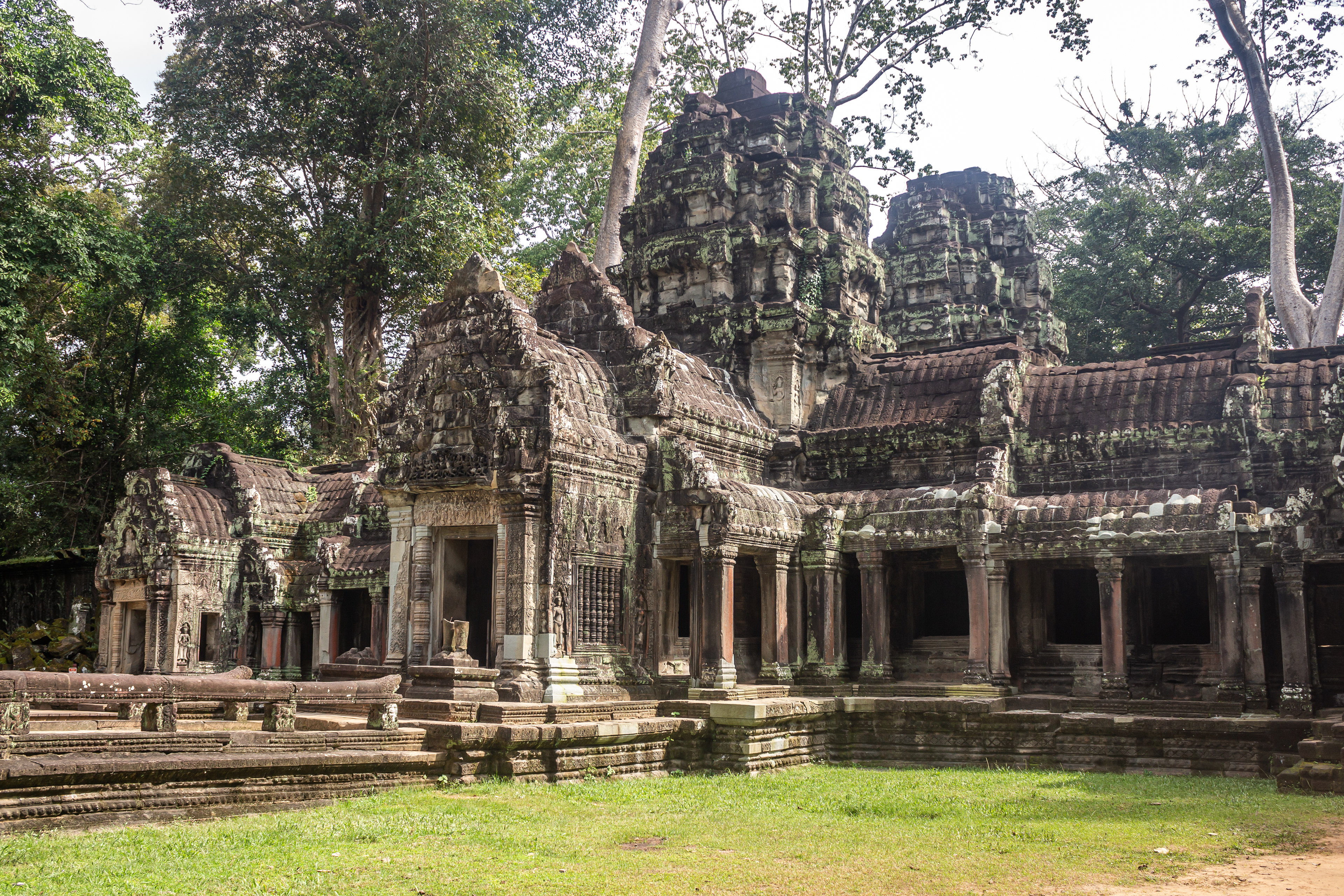
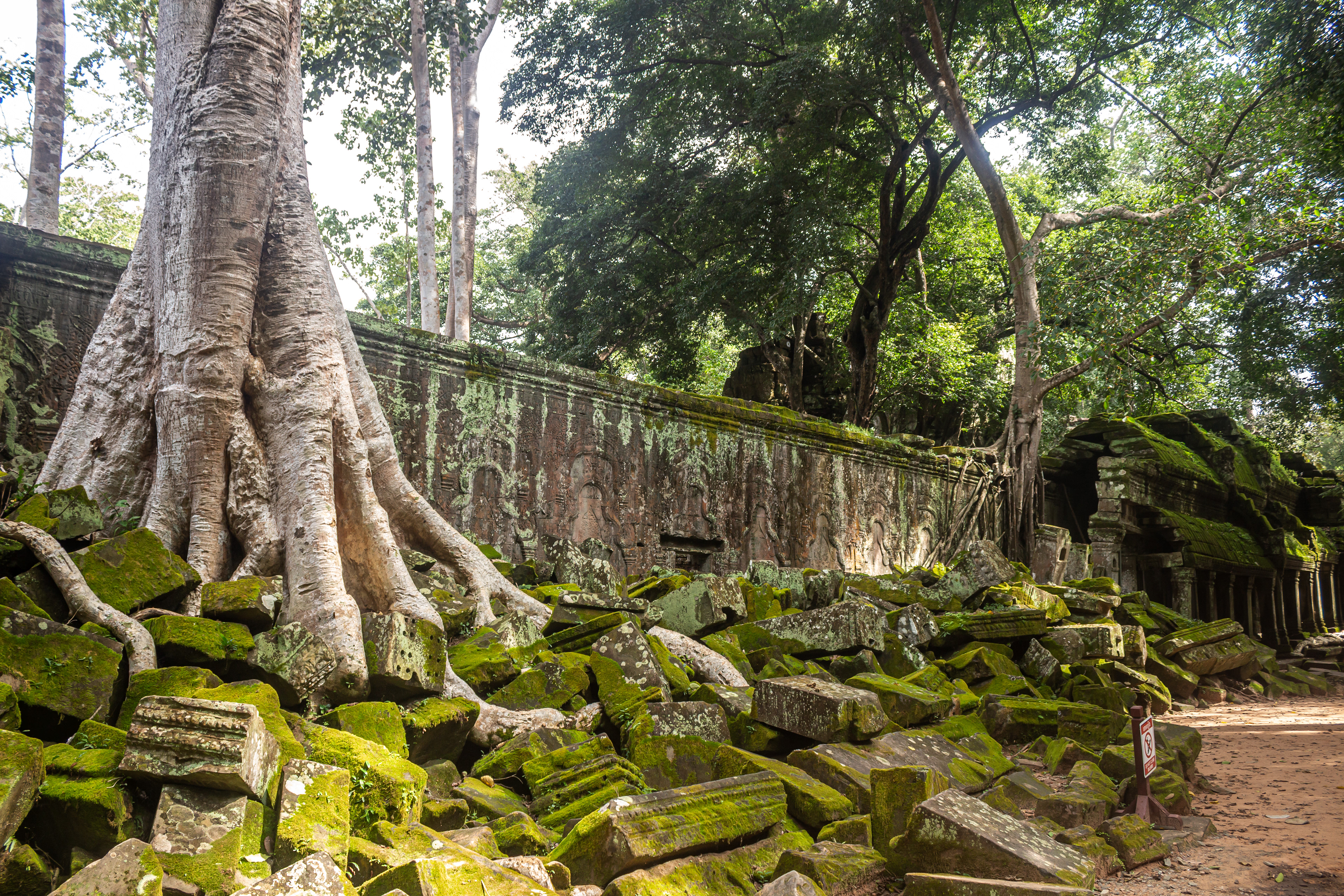
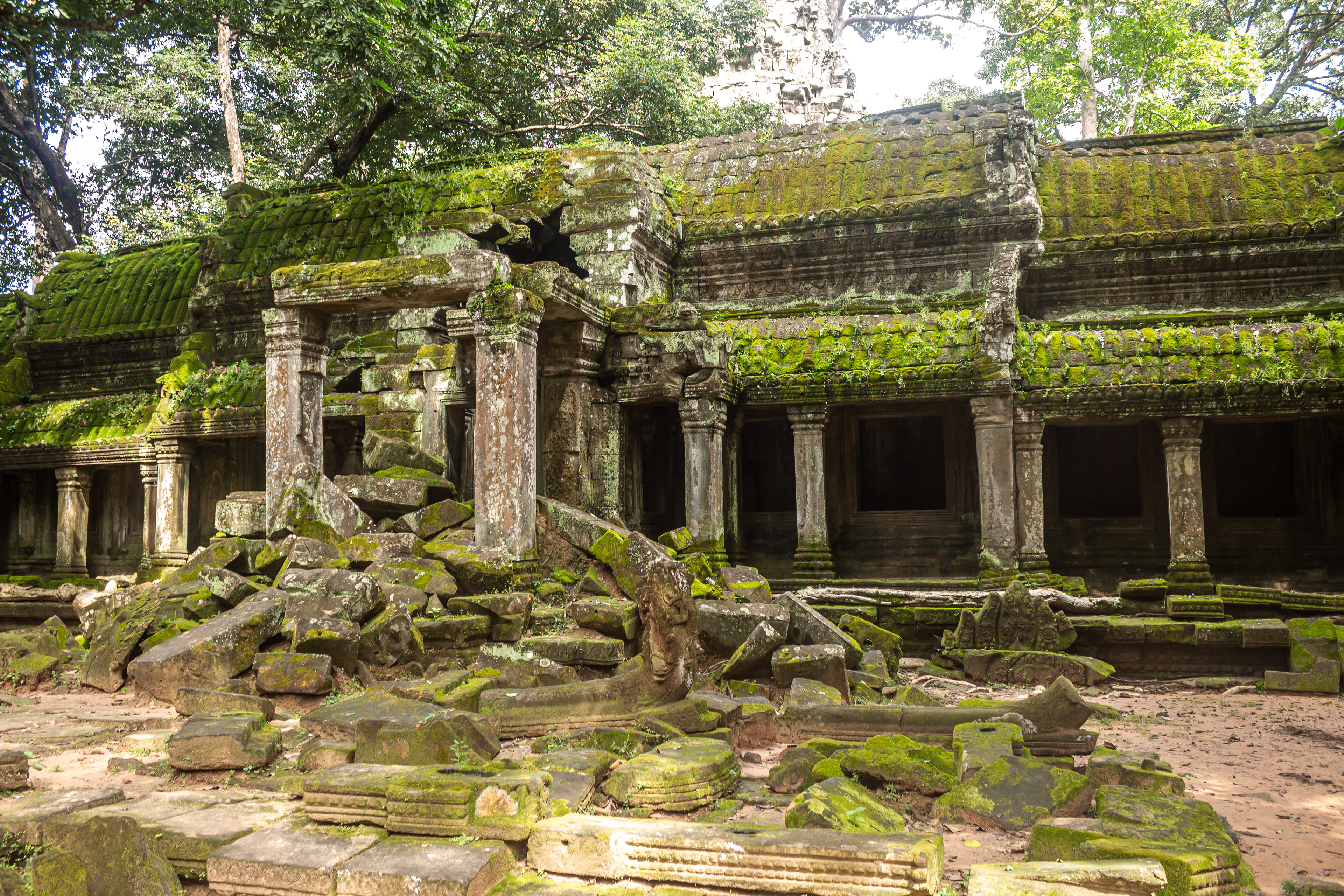
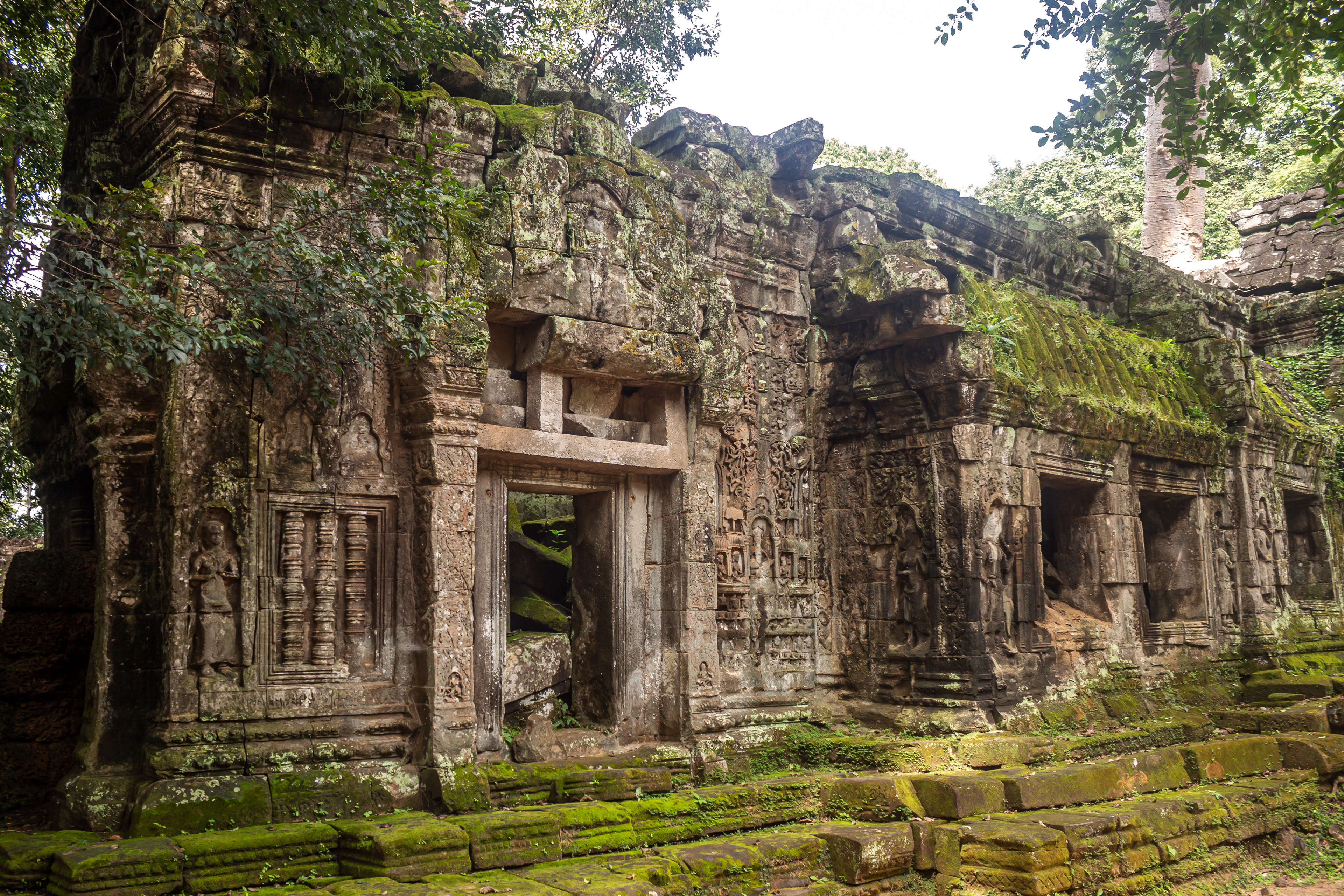
Ta Prohm – The “Tomb Raider temple,” where jungle vines dramatically hug ancient ruins.
Angkor Wat at sunrise – Yes, it’s crowded. Yes, it’s worth it.
Bayon Temple – Famous for its giant stone faces that look like they’re judging your life choices.
Ta Prohm – The “Tomb Raider temple,” where jungle vines dramatically hug ancient ruins.
💡Travel tip:
-book in advance on the official website
-plan your visit itinerary of the Angkor Temples anticlockwise (less crowded)
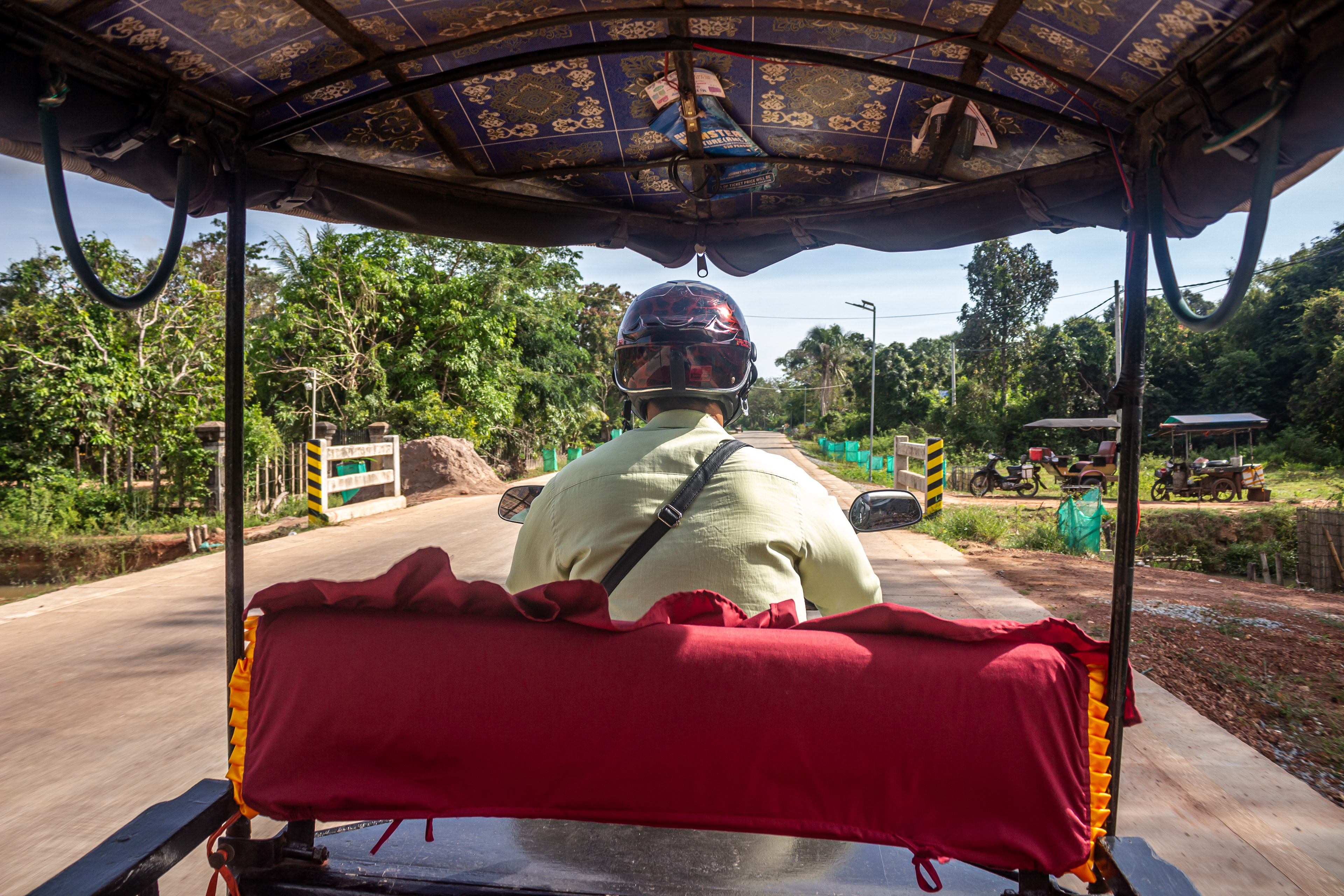
-hire a tuk-tuk driver for the day
-plan your visit itinerary of the Angkor Temples anticlockwise (less crowded)
-hire a tuk-tuk driver for the day
A Quick History Lesson
From the 9th to the 15th century, the Khmer Empire was one of the most powerful civilizations in Southeast Asia. At its height, it controlled large parts of present-day Cambodia, Thailand, Laos, and Vietnam.
The Angkor temples weren’t just religious buildings—they were:
Political centers
Astronomical calendars
Symbols of divine kingship
Political centers
Astronomical calendars
Symbols of divine kingship
After centuries of prosperity, the empire declined due to environmental challenges, changing trade routes, and conflicts. The jungle slowly reclaimed the cities, hiding them for hundreds of years—until explorers and archaeologists brought Angkor back into the world’s spotlight. And now… you get to walk through it.
Angkor Wat: Symbol of a Nation 🏯
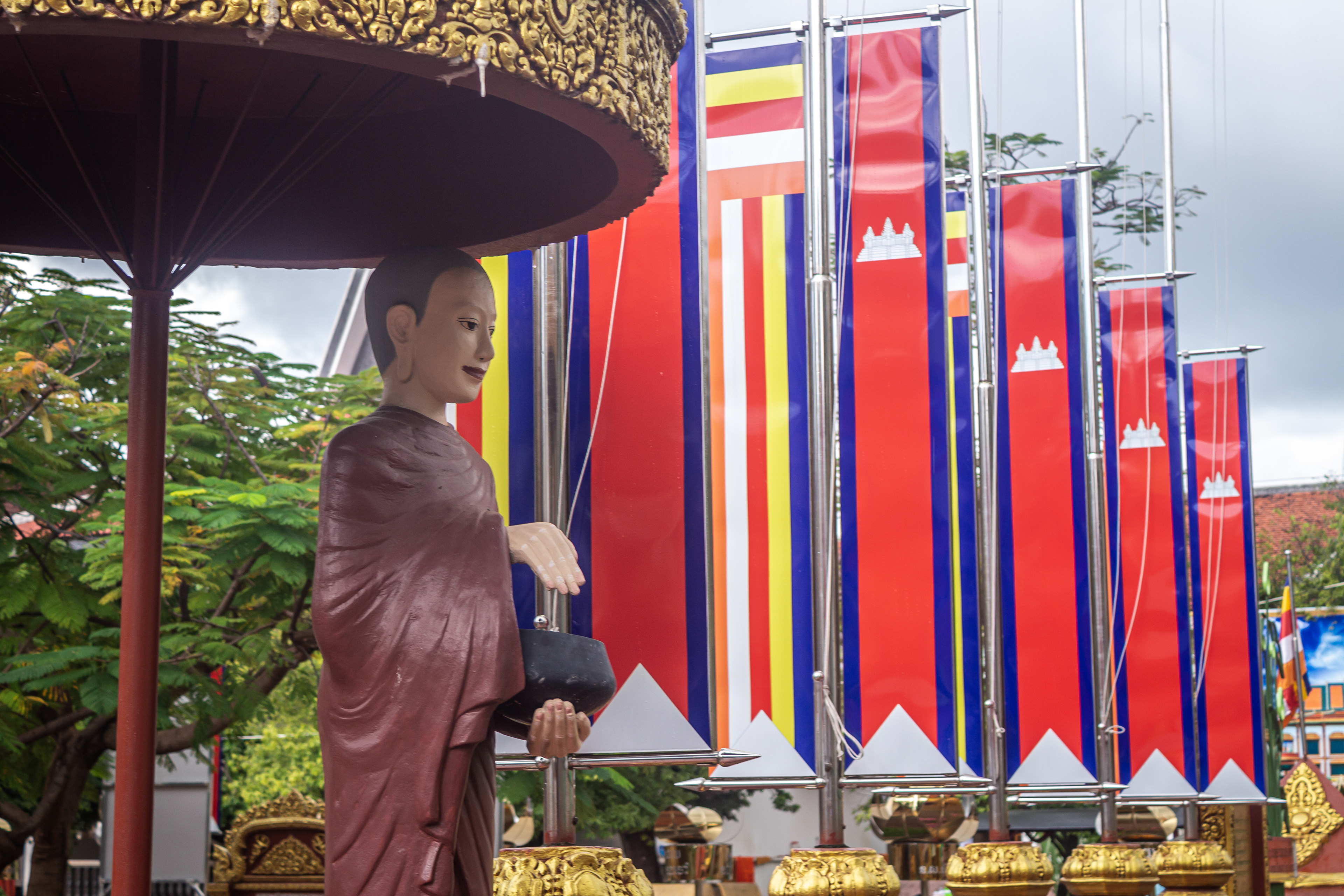
Angkor Wat is so important that it appears on Cambodia’s national flag—one of the only countries in the world to feature a building on its flag.
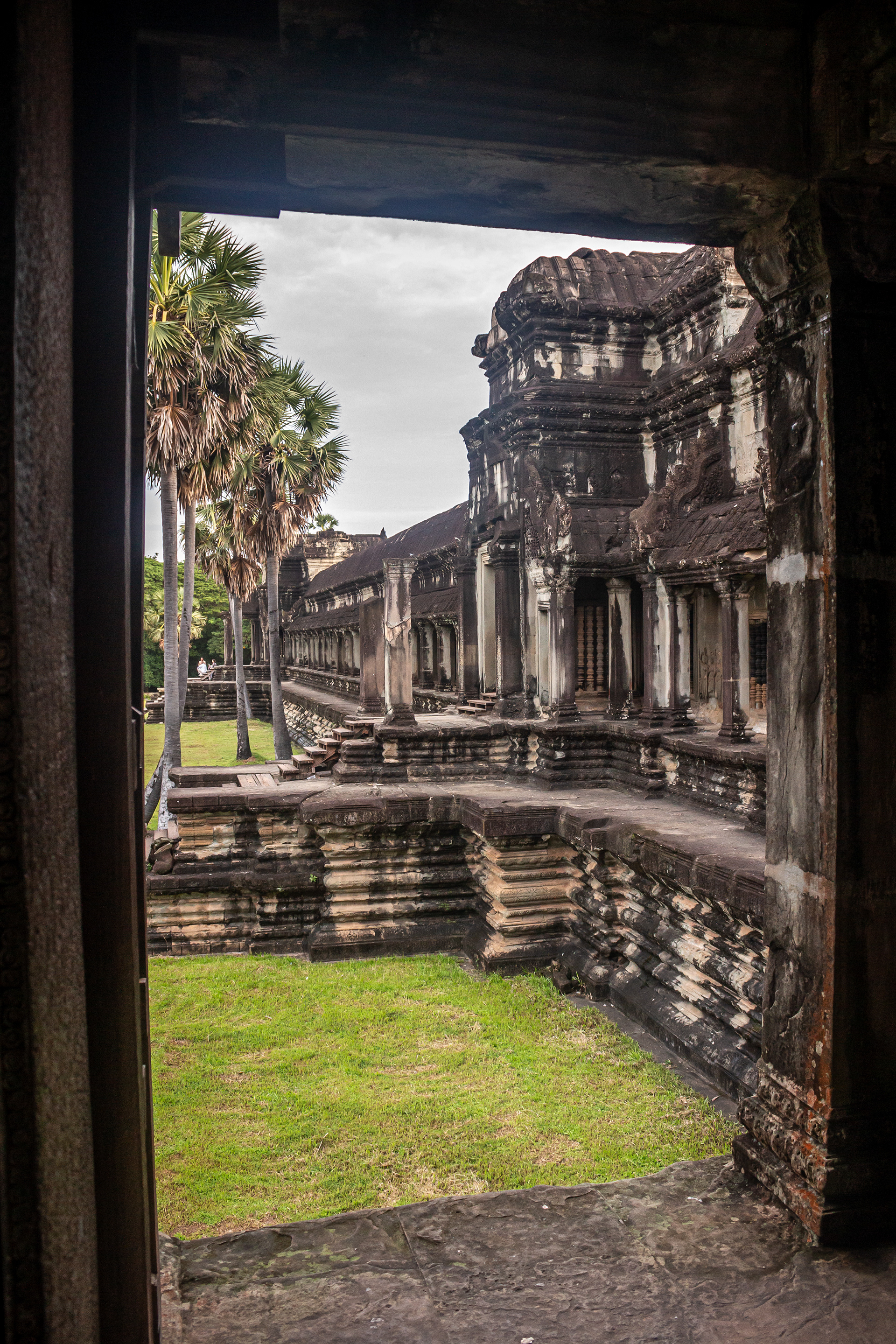
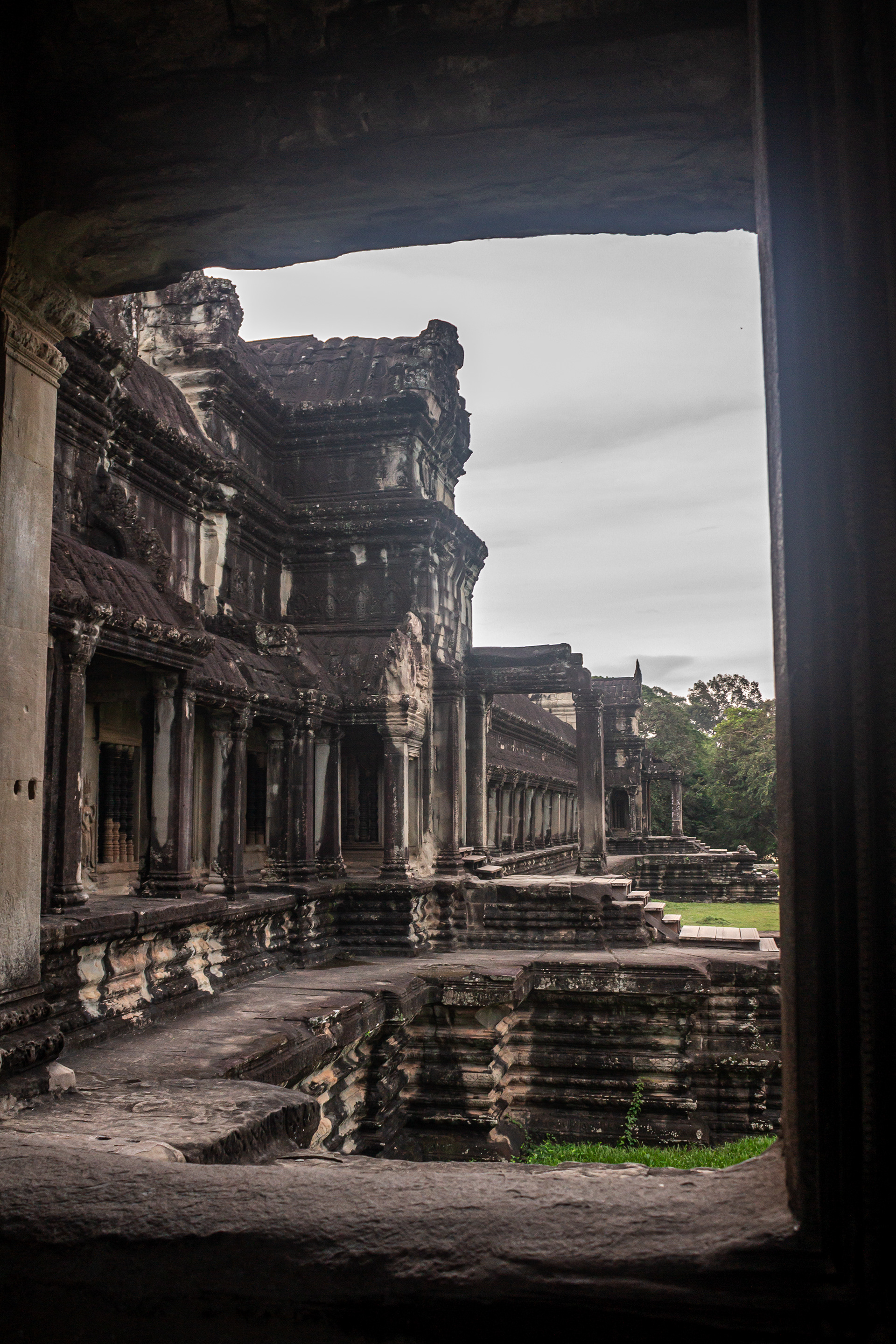
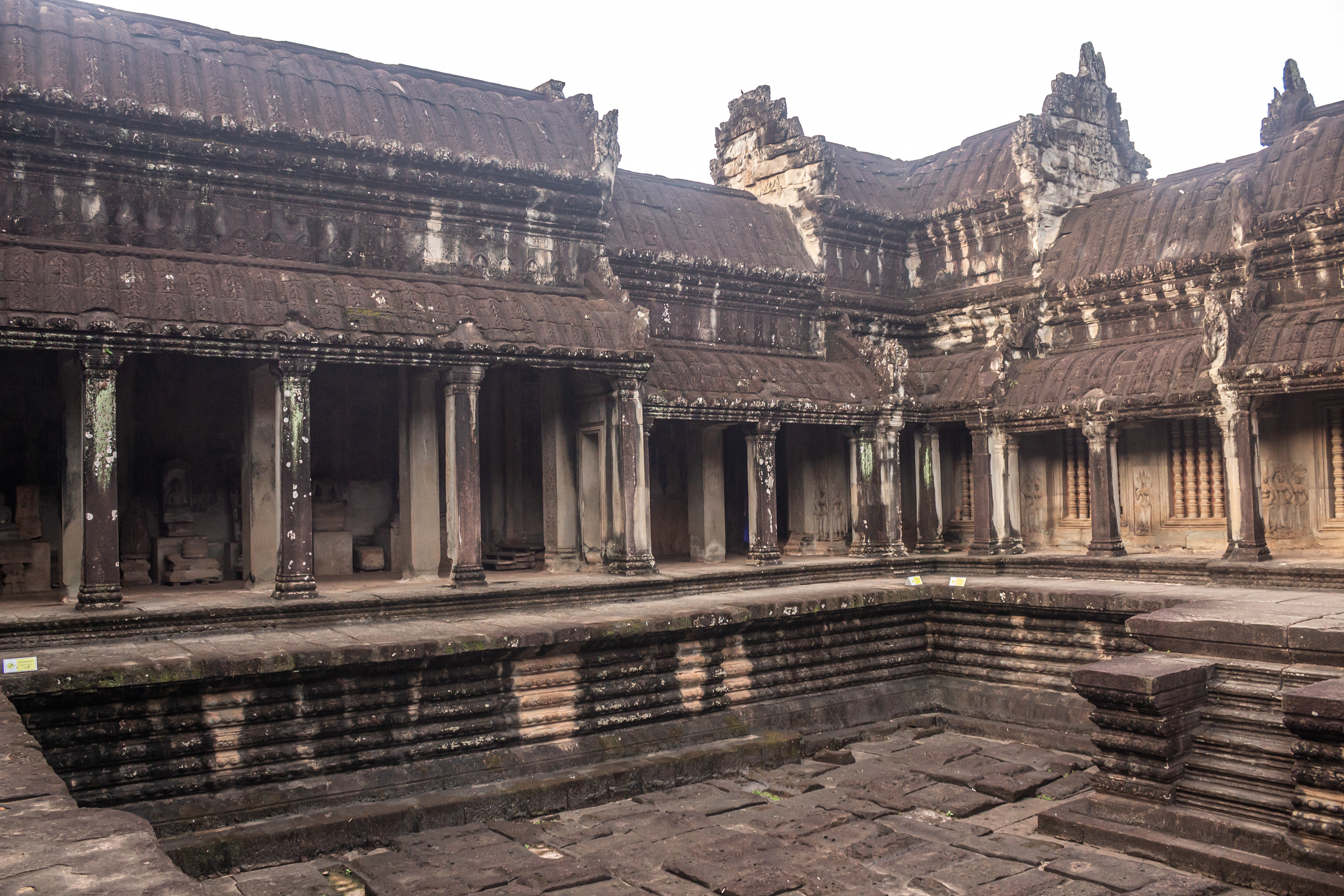
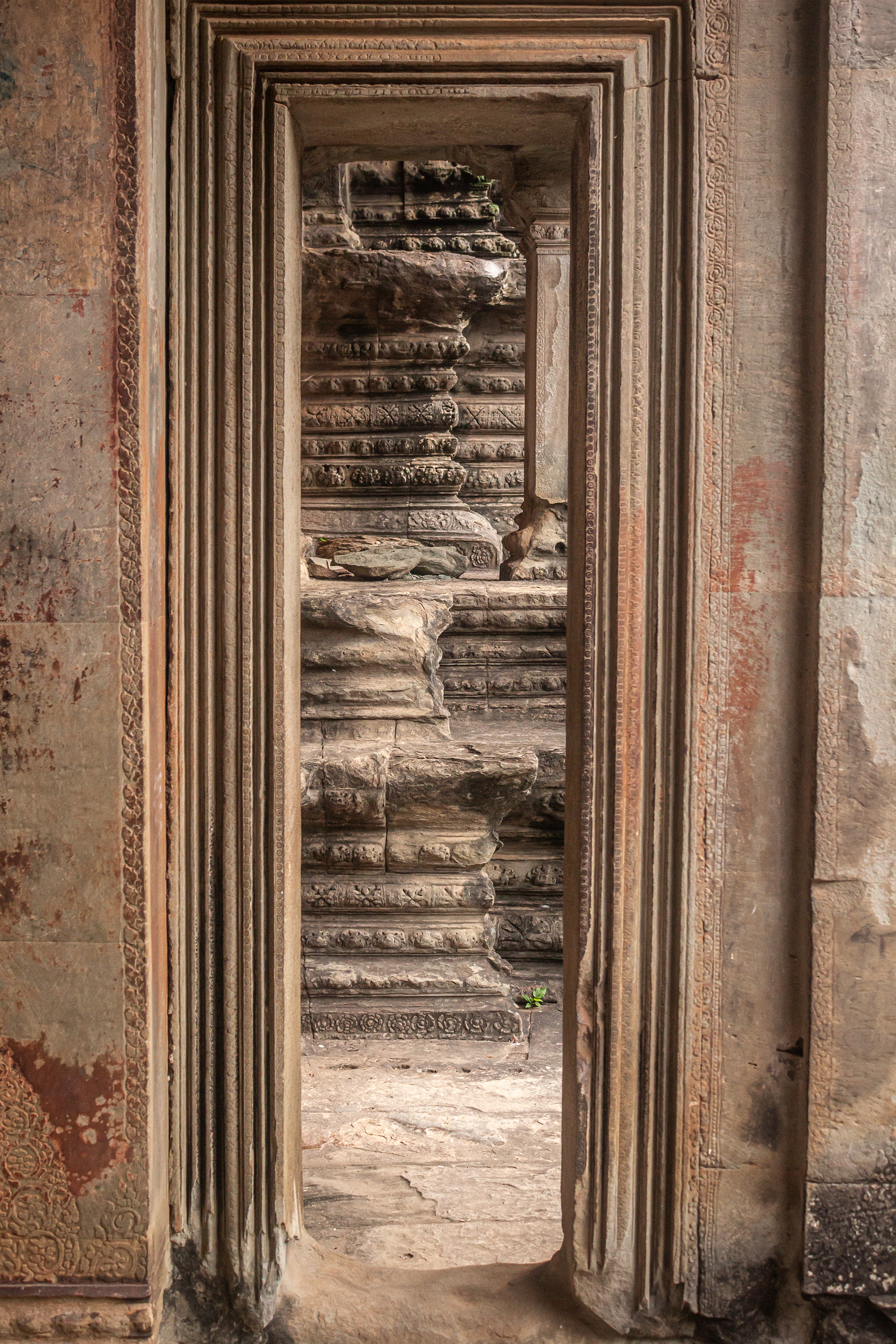
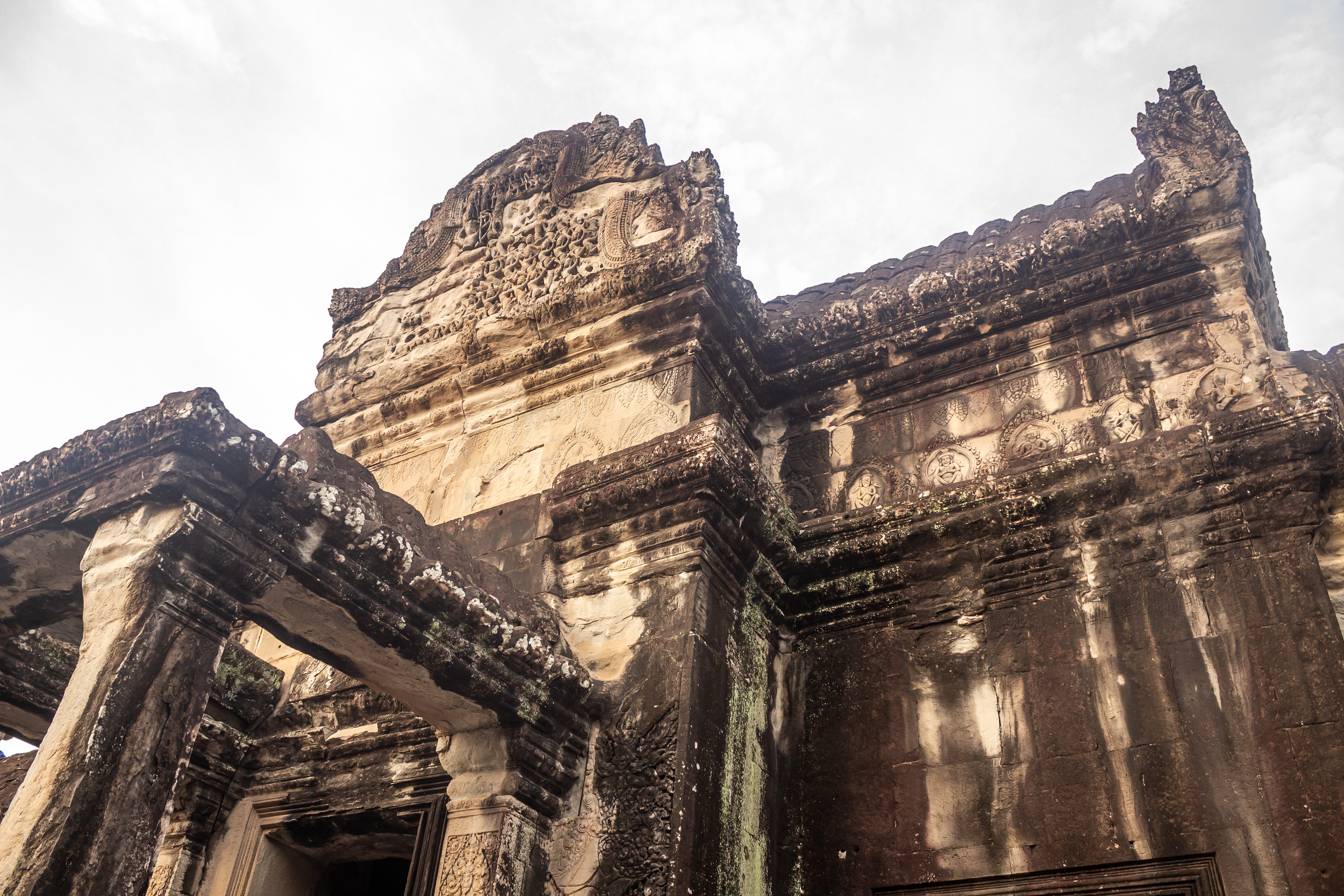
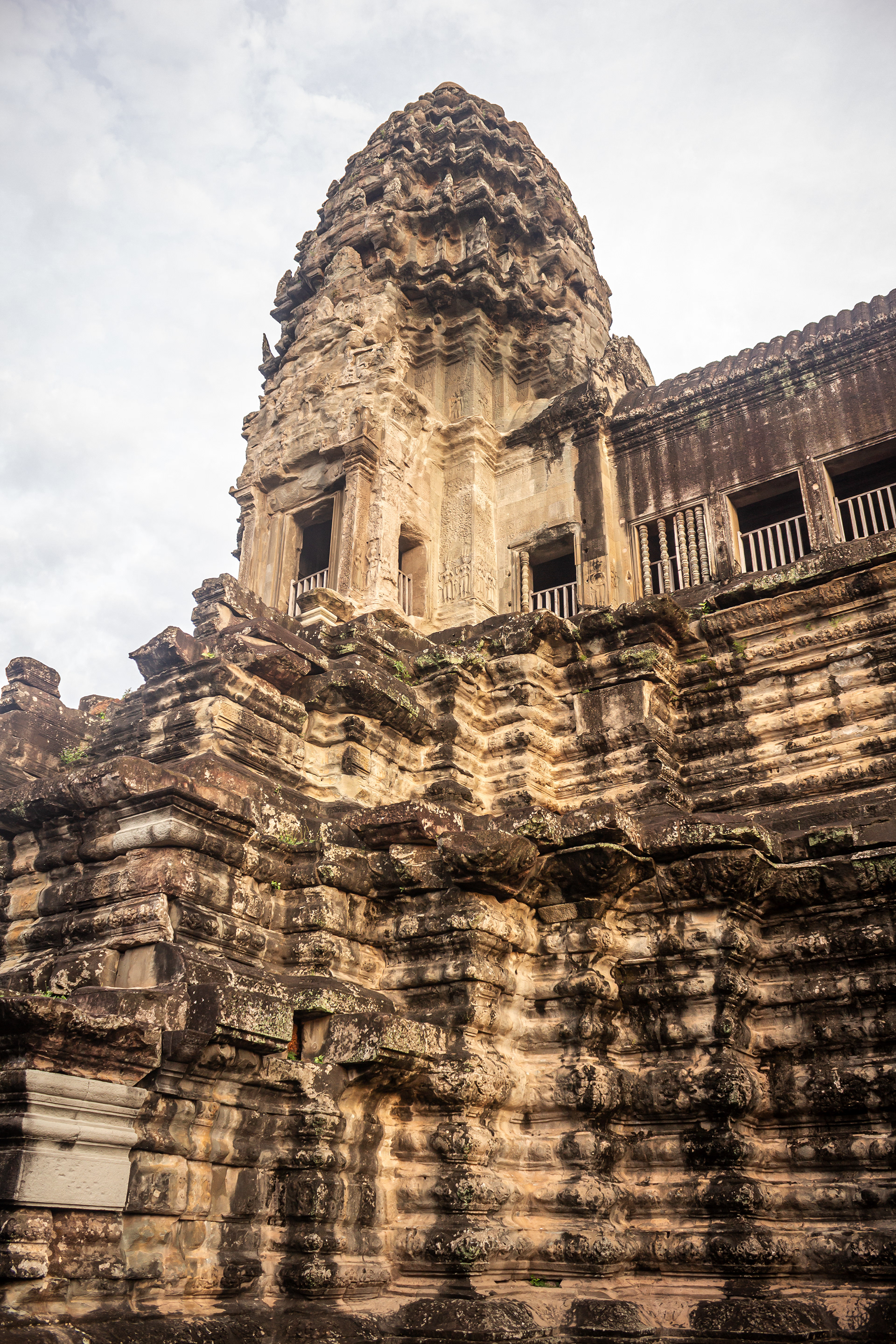
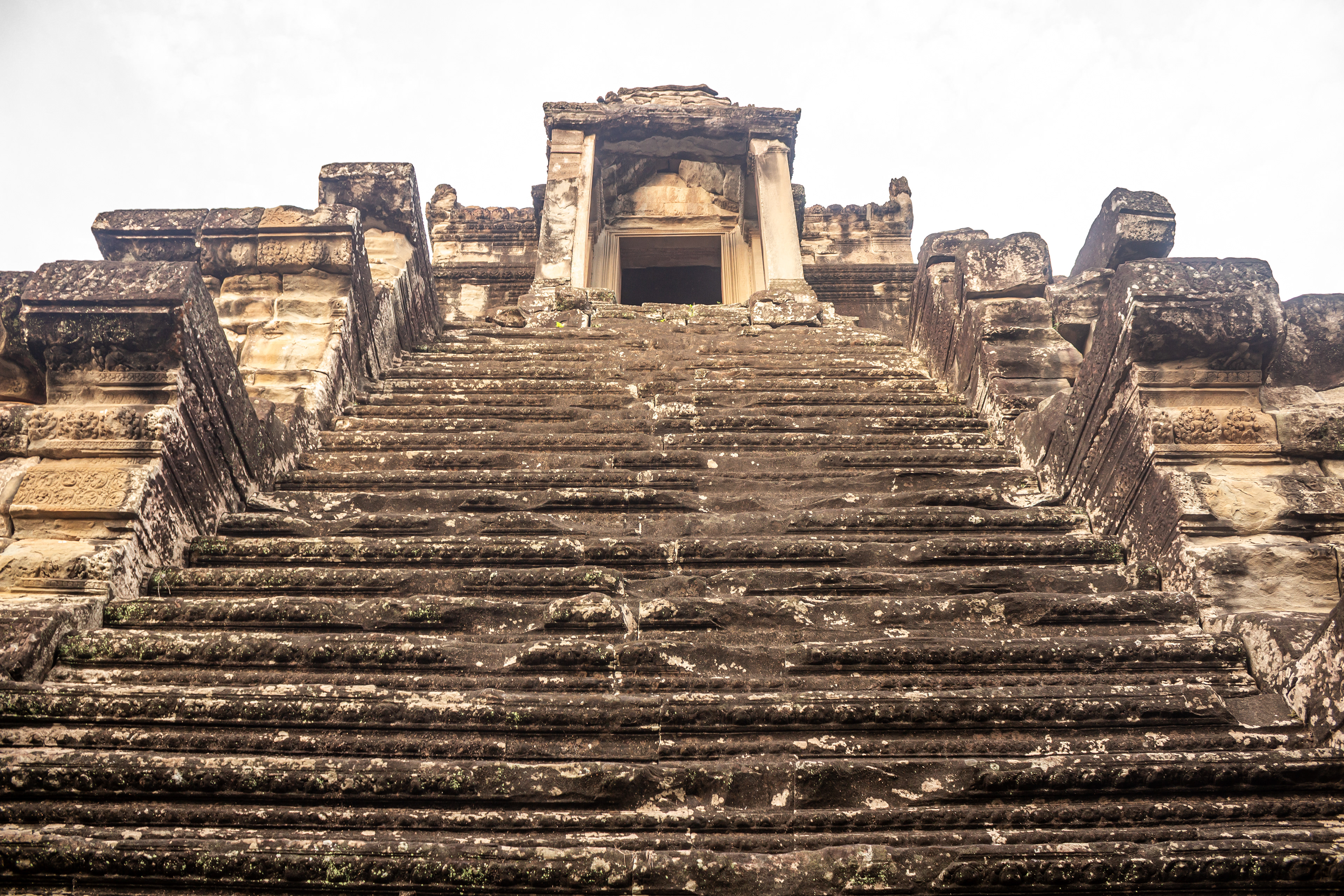
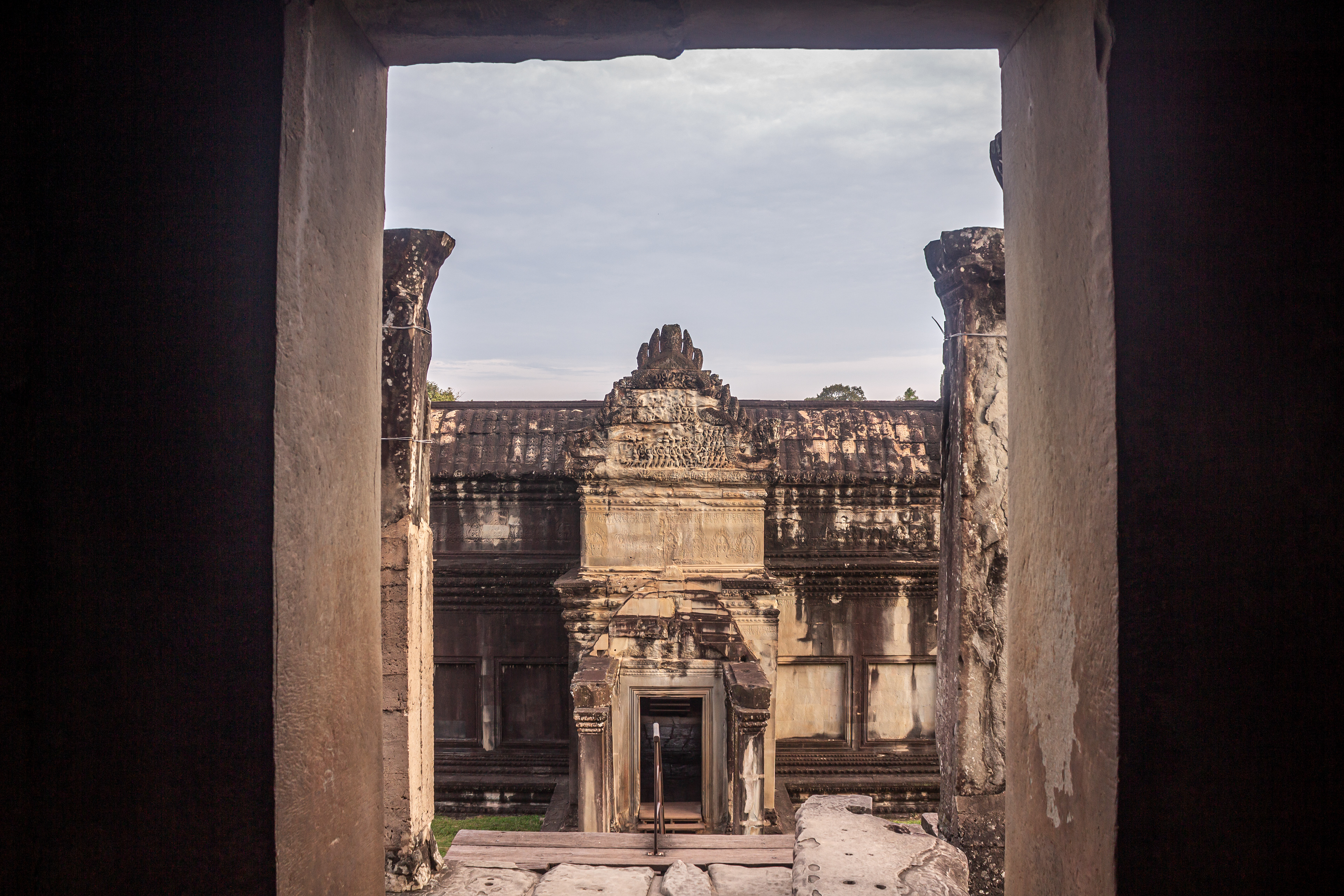
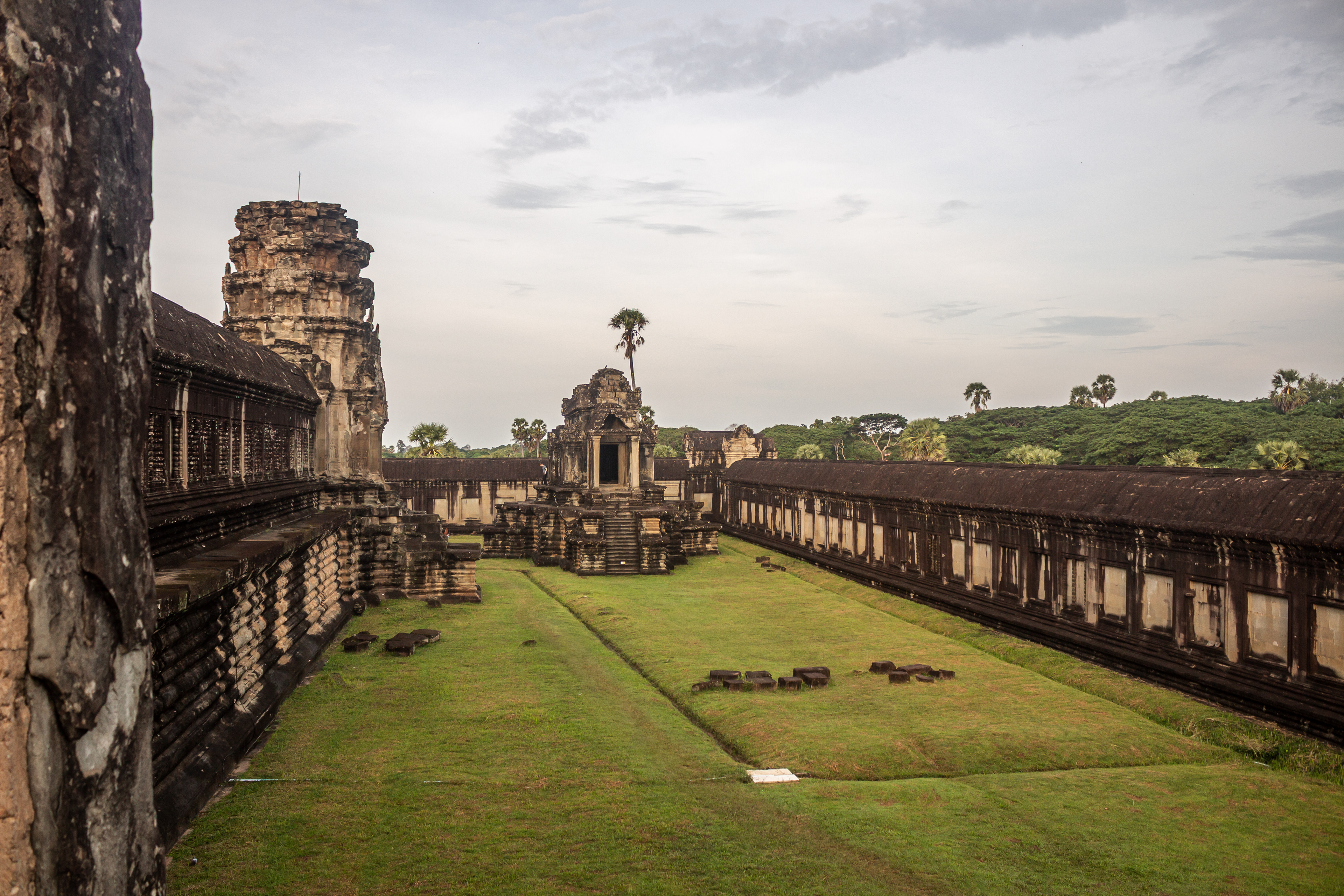
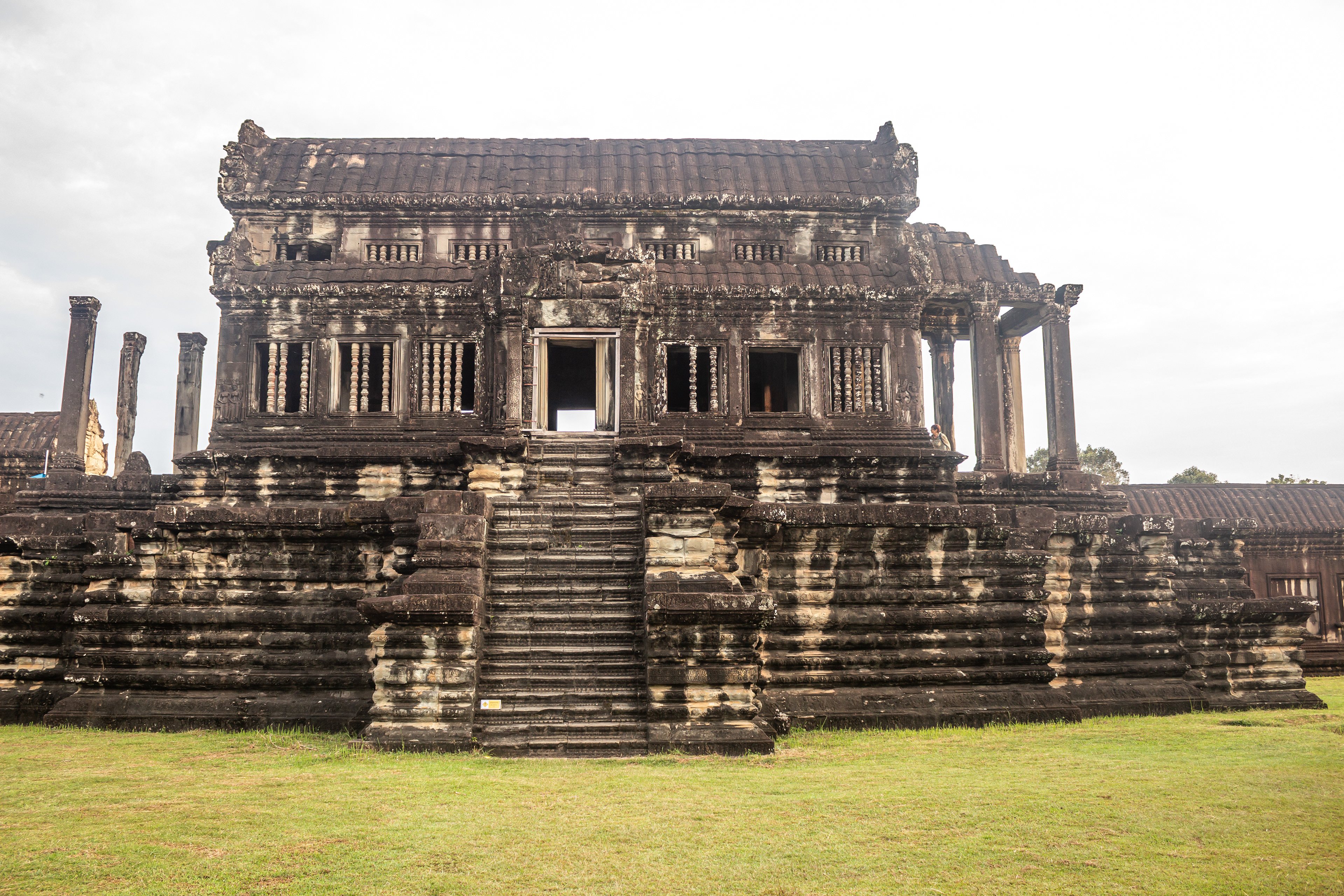
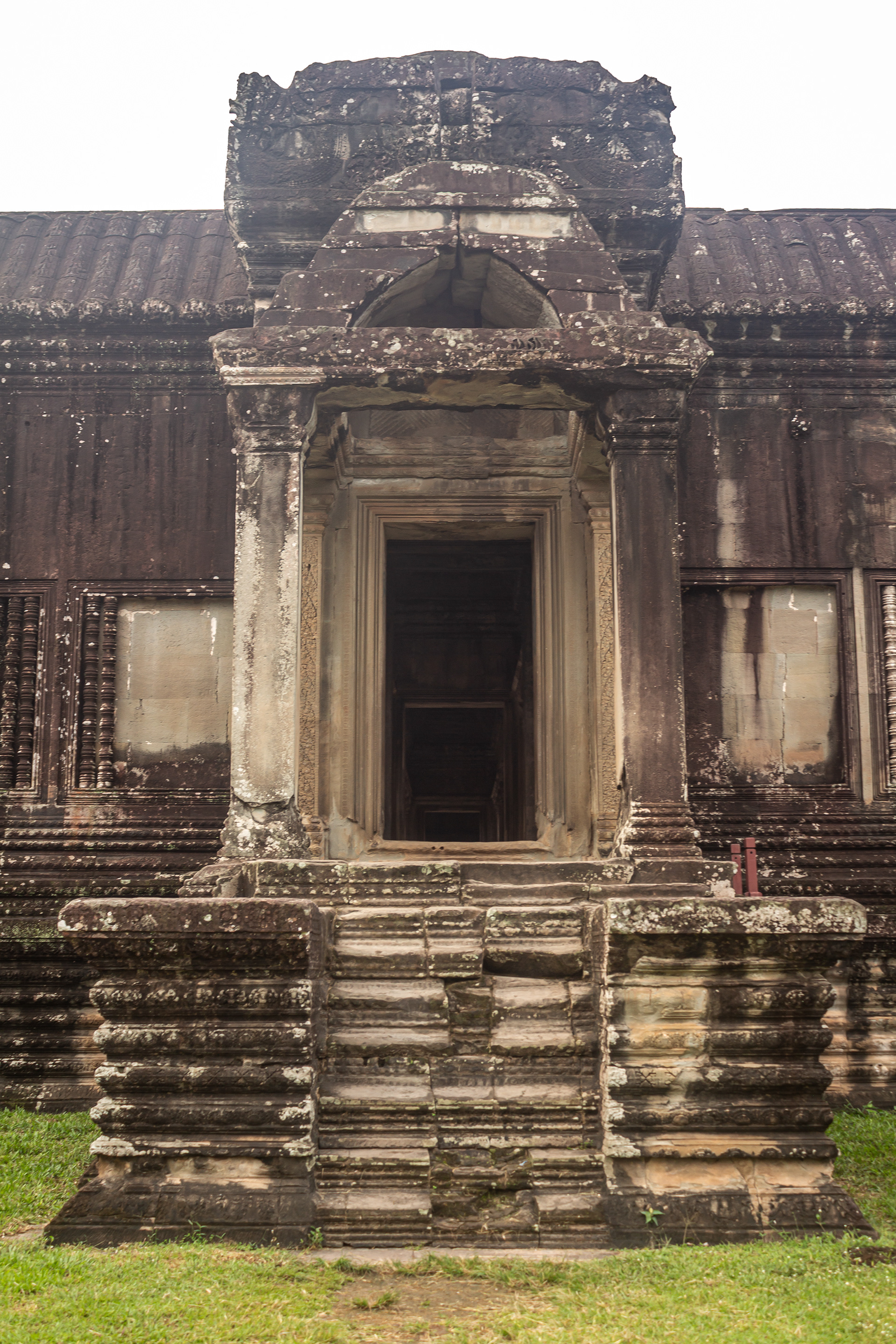
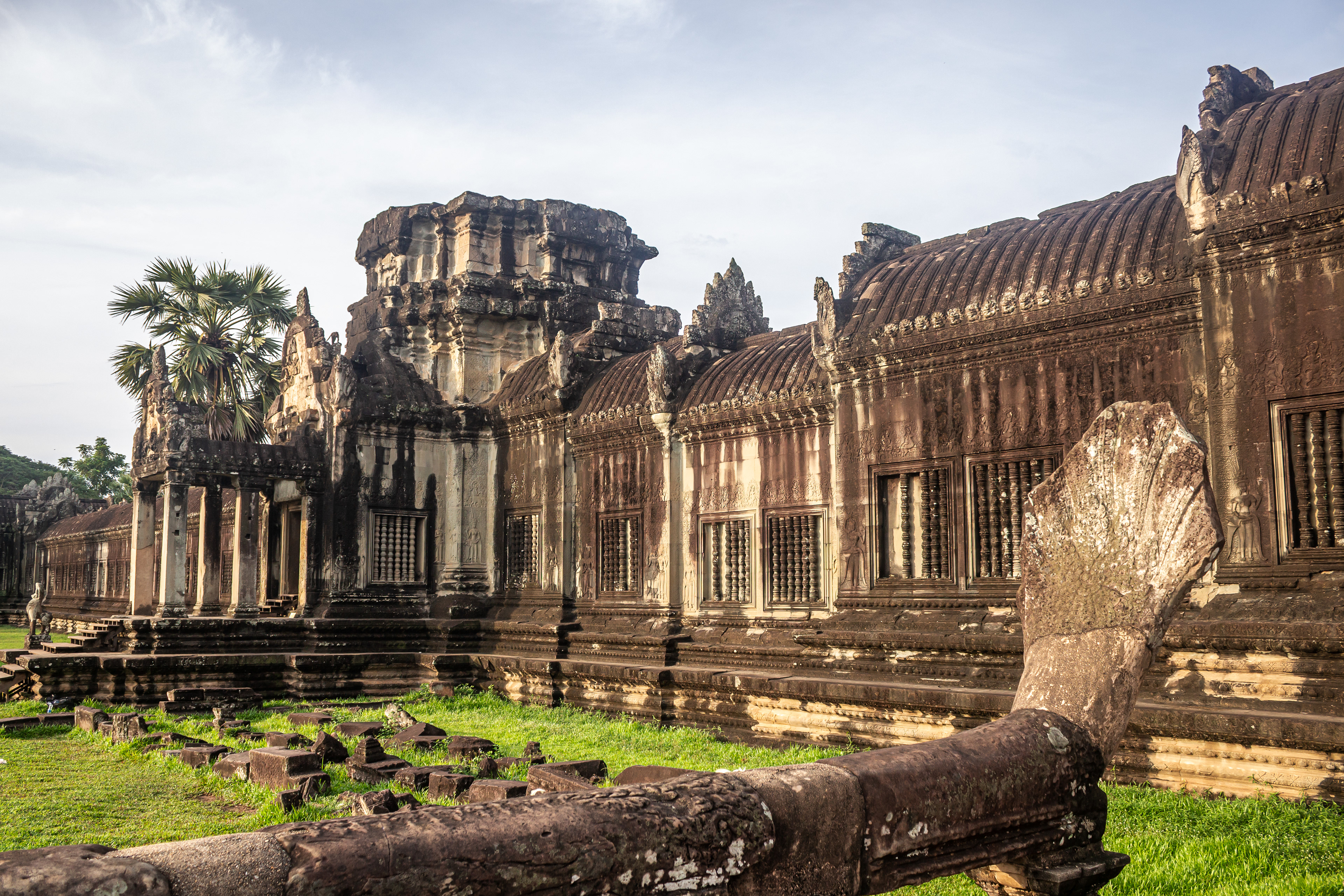
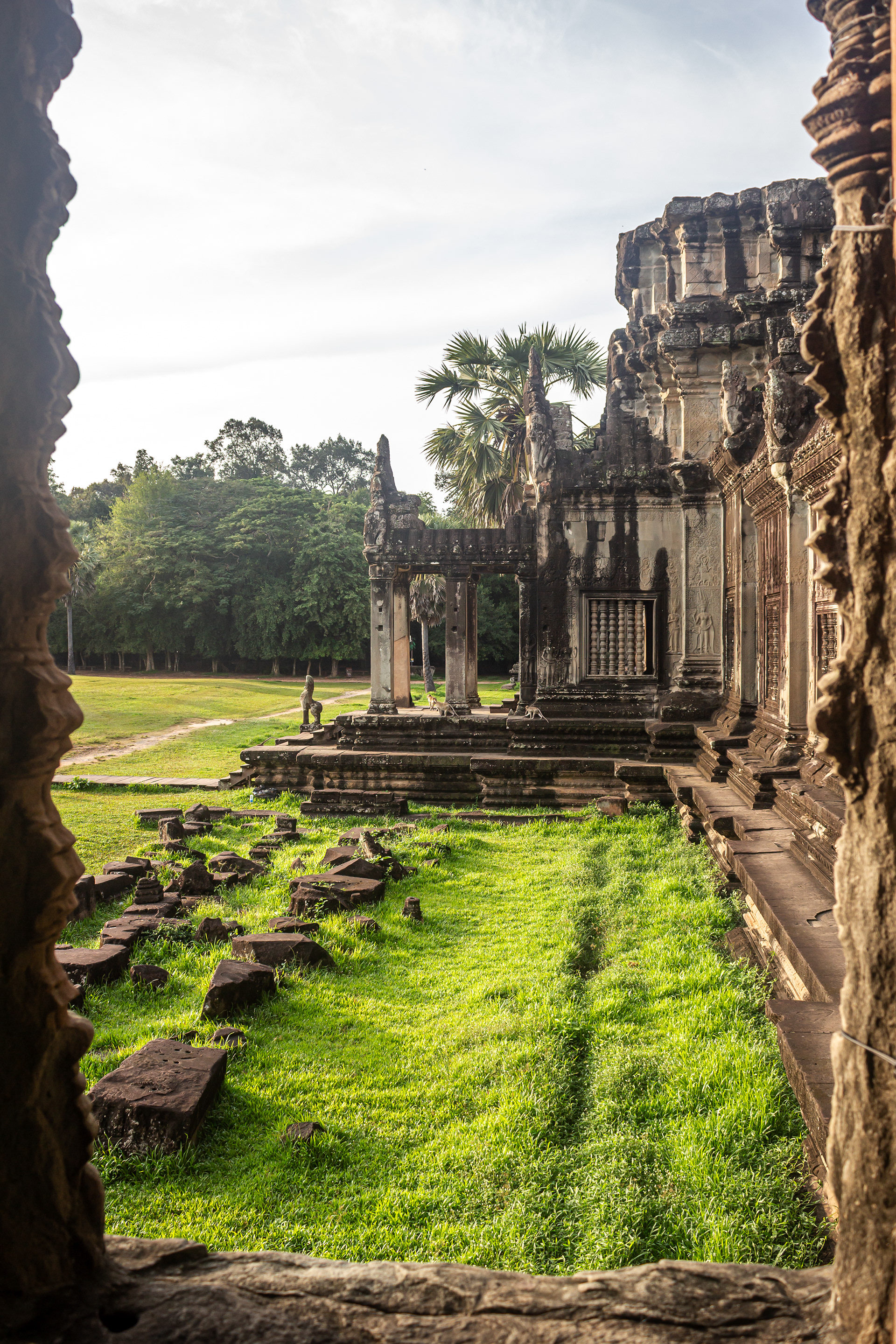
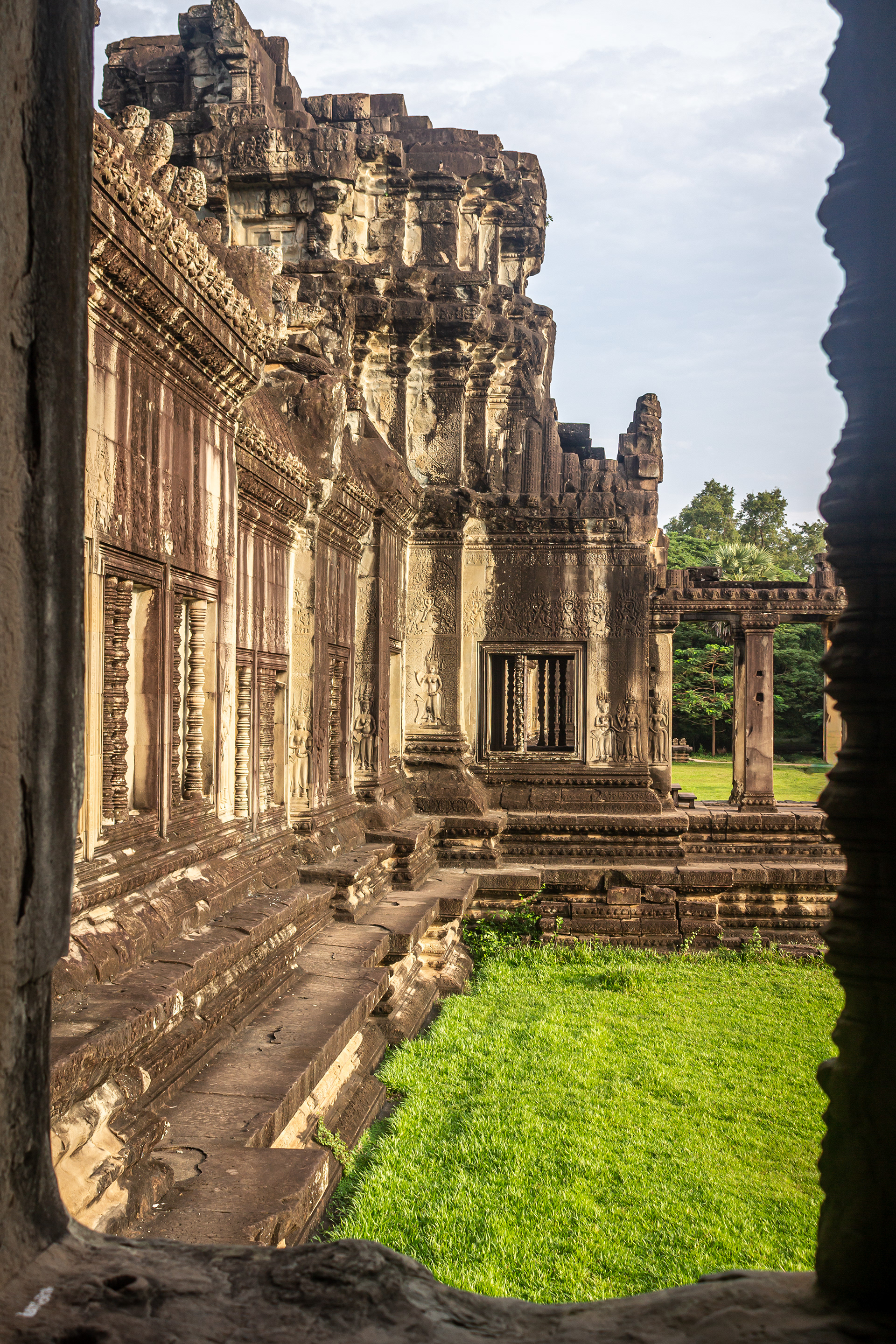
Angkor Wat is not just the crown jewel of Cambodia—it is one of the most extraordinary monuments ever built by human hands. Rising from the flat plains outside Siem Reap, this vast temple complex feels less like a ruin and more like a timeless city of stone, where spirituality, art, and ambition converge.
Constructed in the early 12th century during the reign of King Suryavarman II, Angkor Wat was originally dedicated to the Hindu god Vishnu. Unlike most Khmer temples, it faces west, a direction often associated with death and the afterlife, leading many scholars to believe it also served as the king’s mausoleum. Over time, the temple transitioned into a Buddhist site, a role it continues to play today.
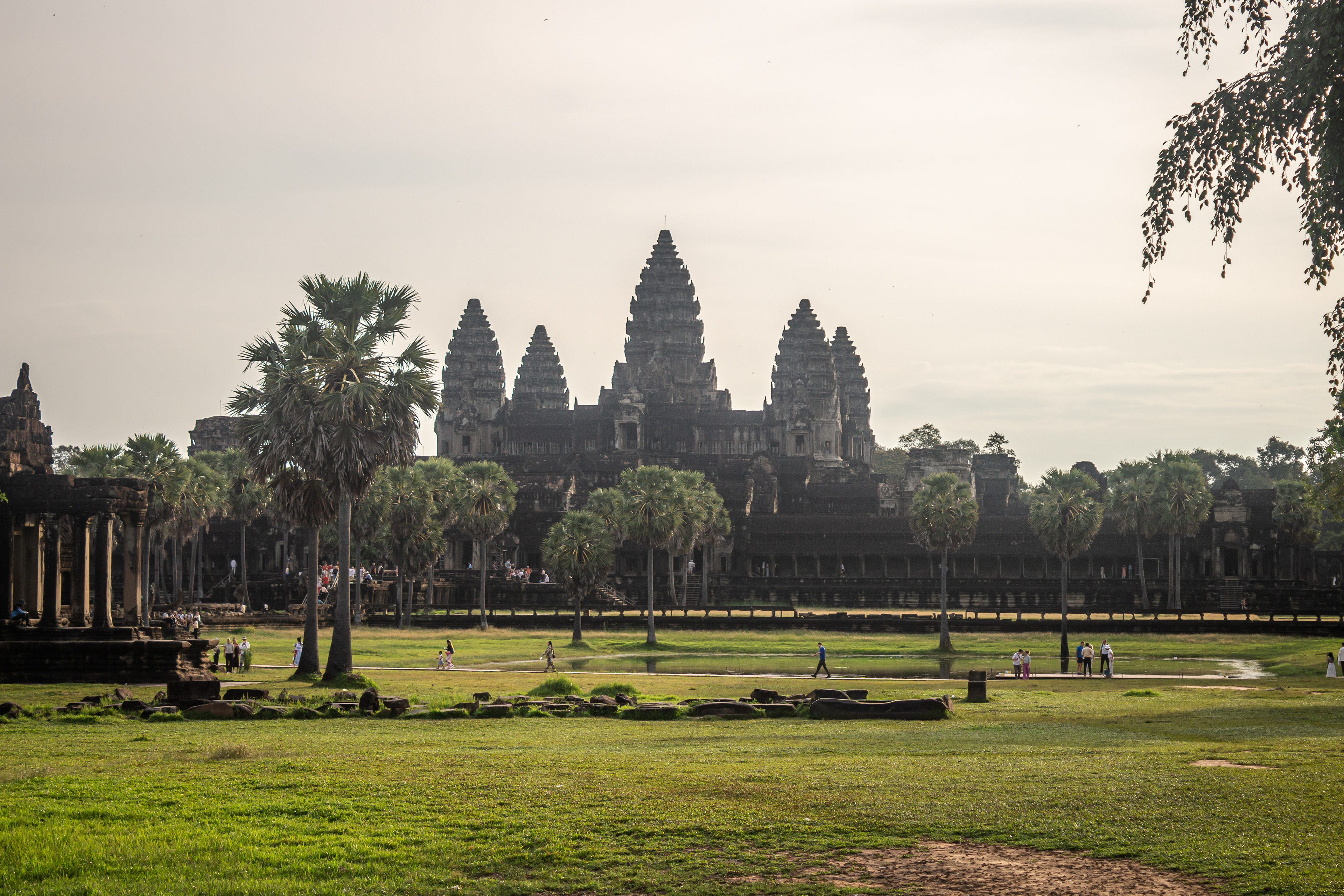
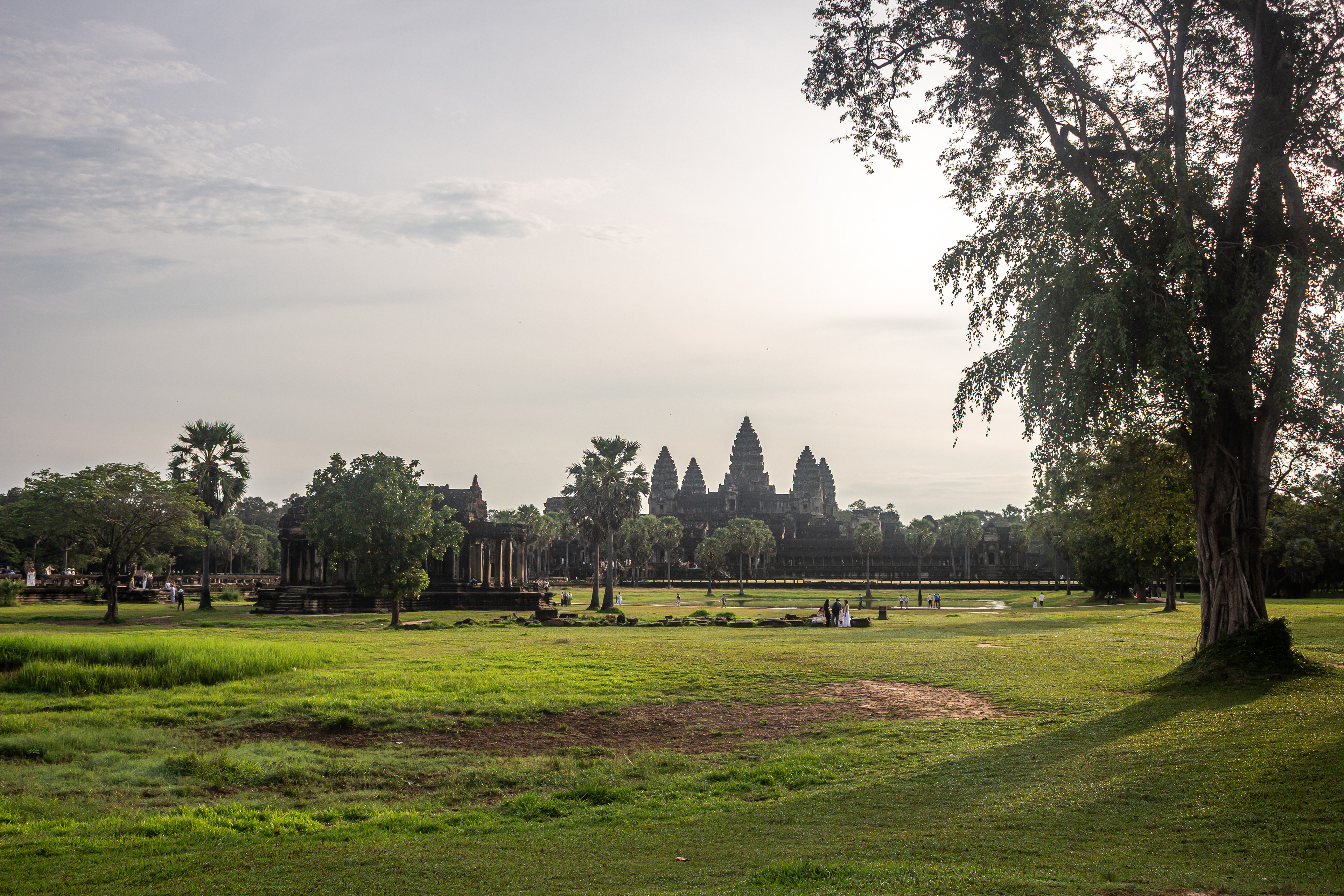
The first glimpse of Angkor Wat is unforgettable. Crossing the long stone causeway over a lotus-filled moat, the temple’s five iconic towers rise ahead, shaped like blooming lotus buds. These towers represent Mount Meru, the mythical home of the gods, while the surrounding moat symbolizes the cosmic ocean. Every element of Angkor Wat reflects a carefully ordered universe, carved into sandstone with astonishing precision.
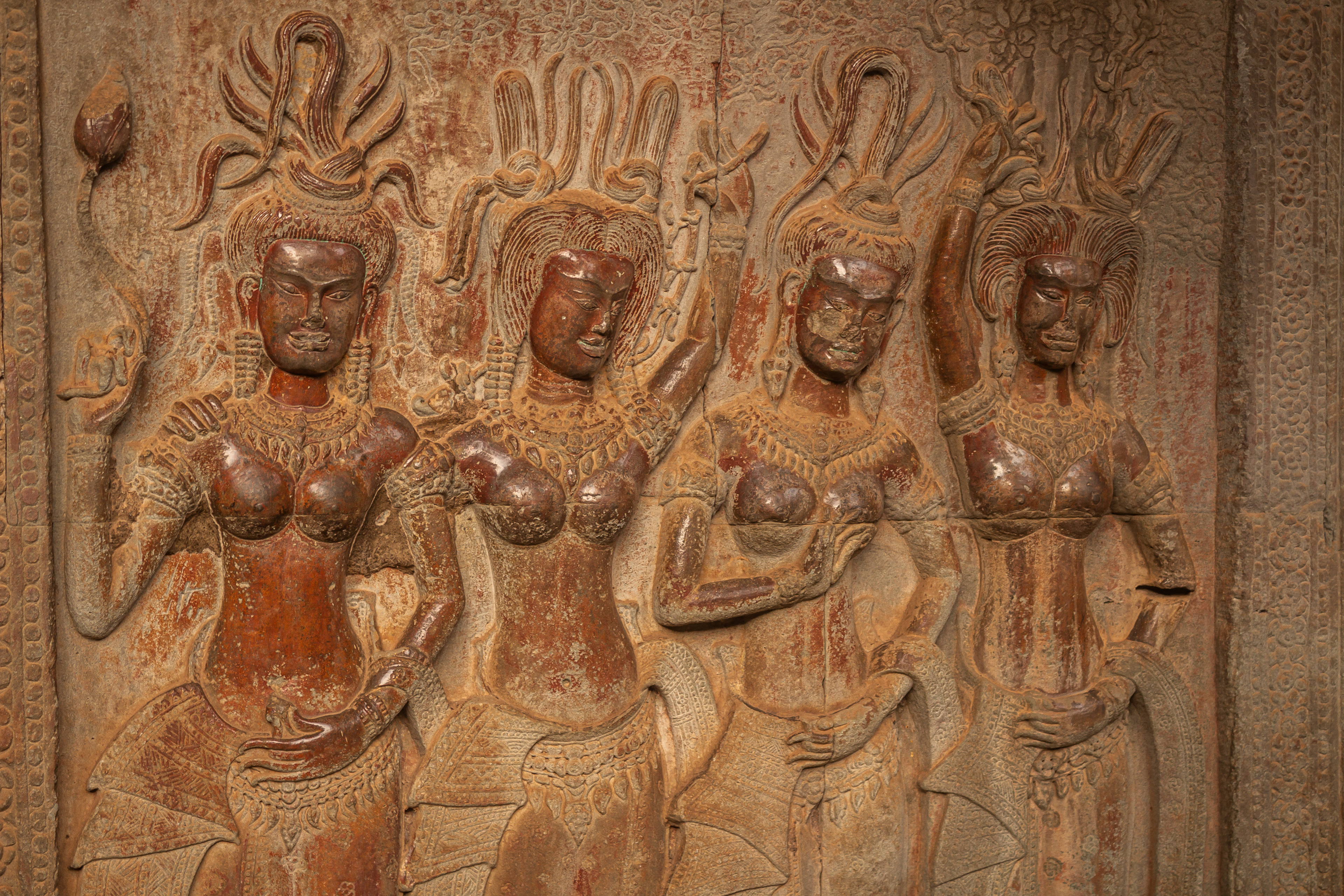
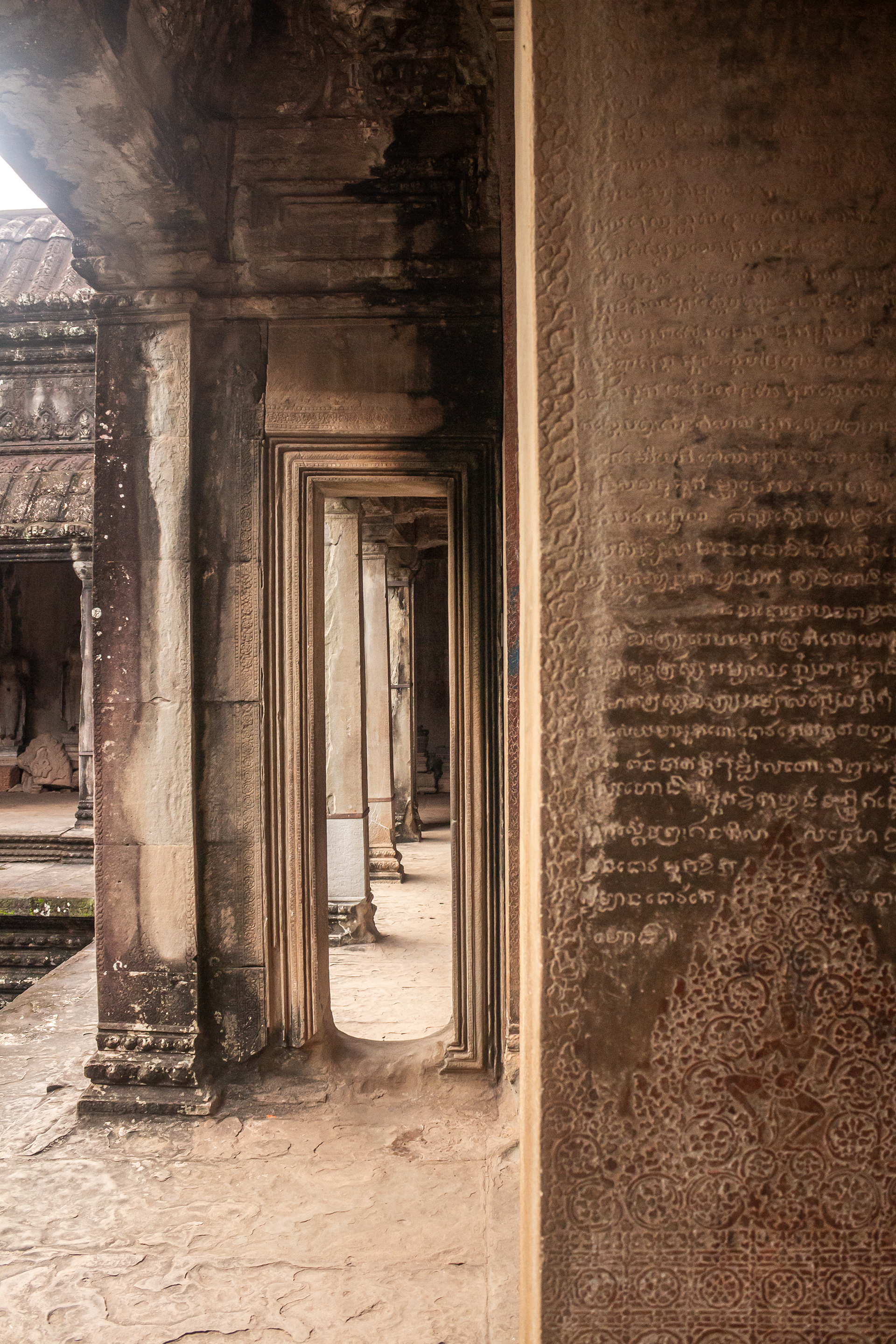
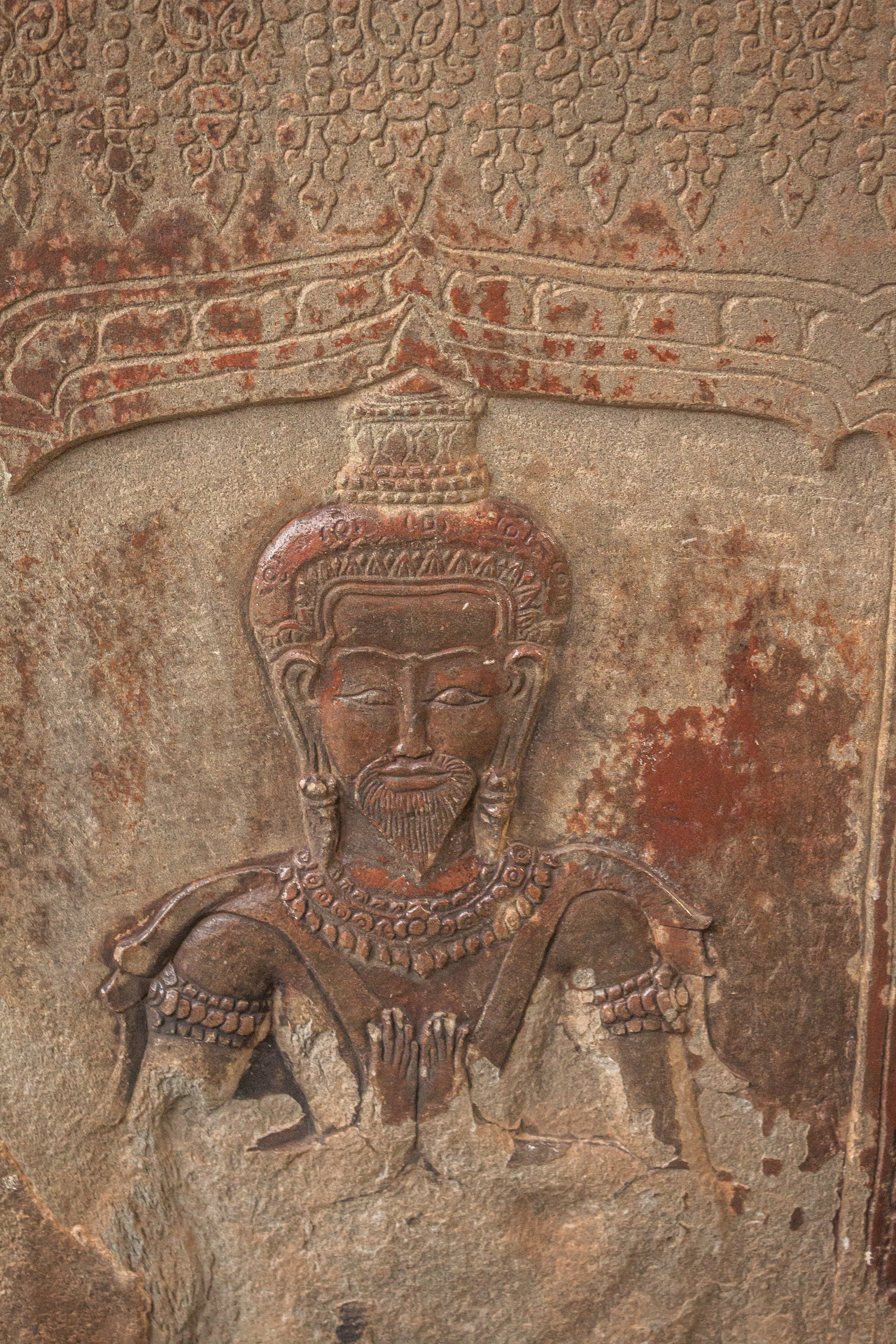
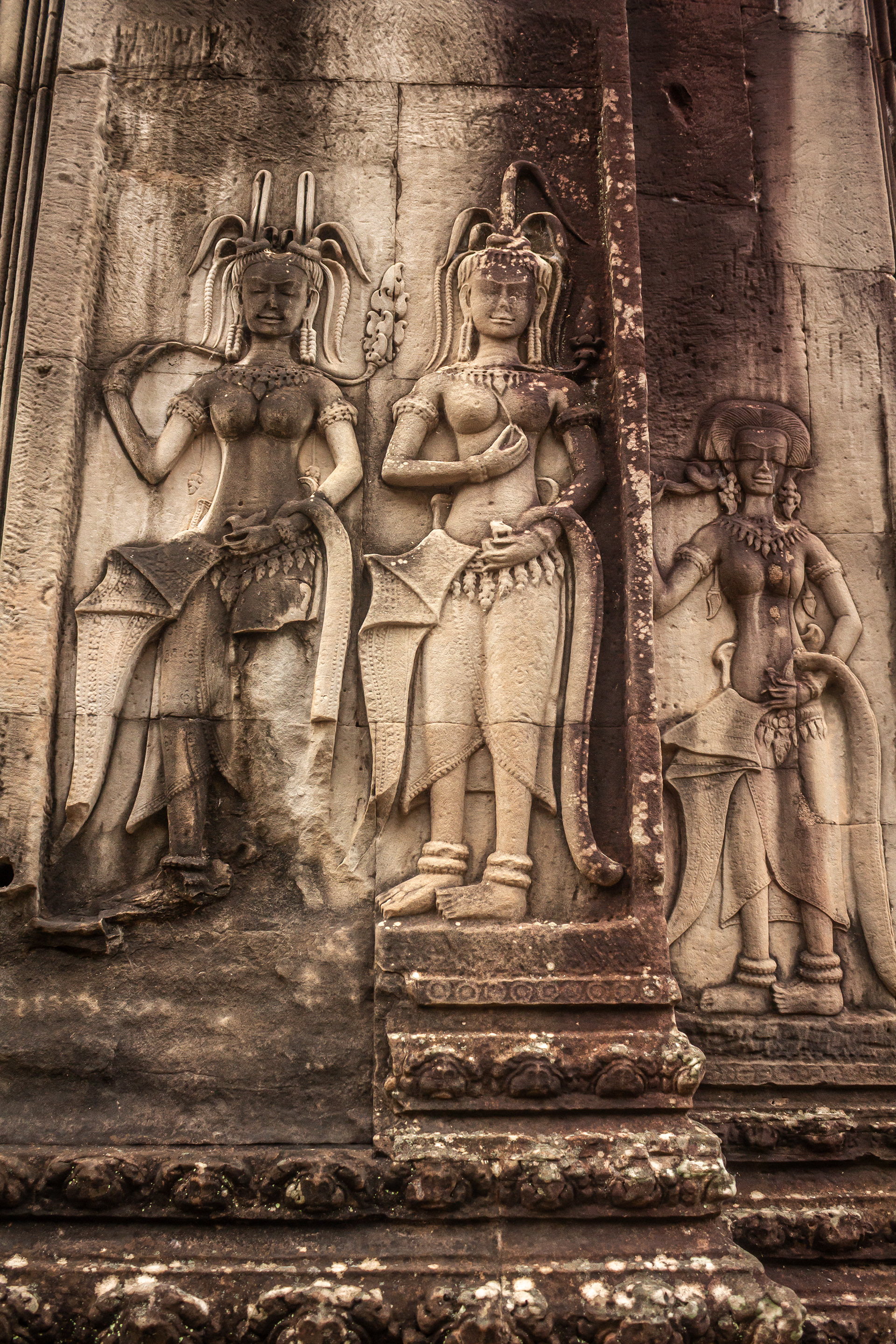
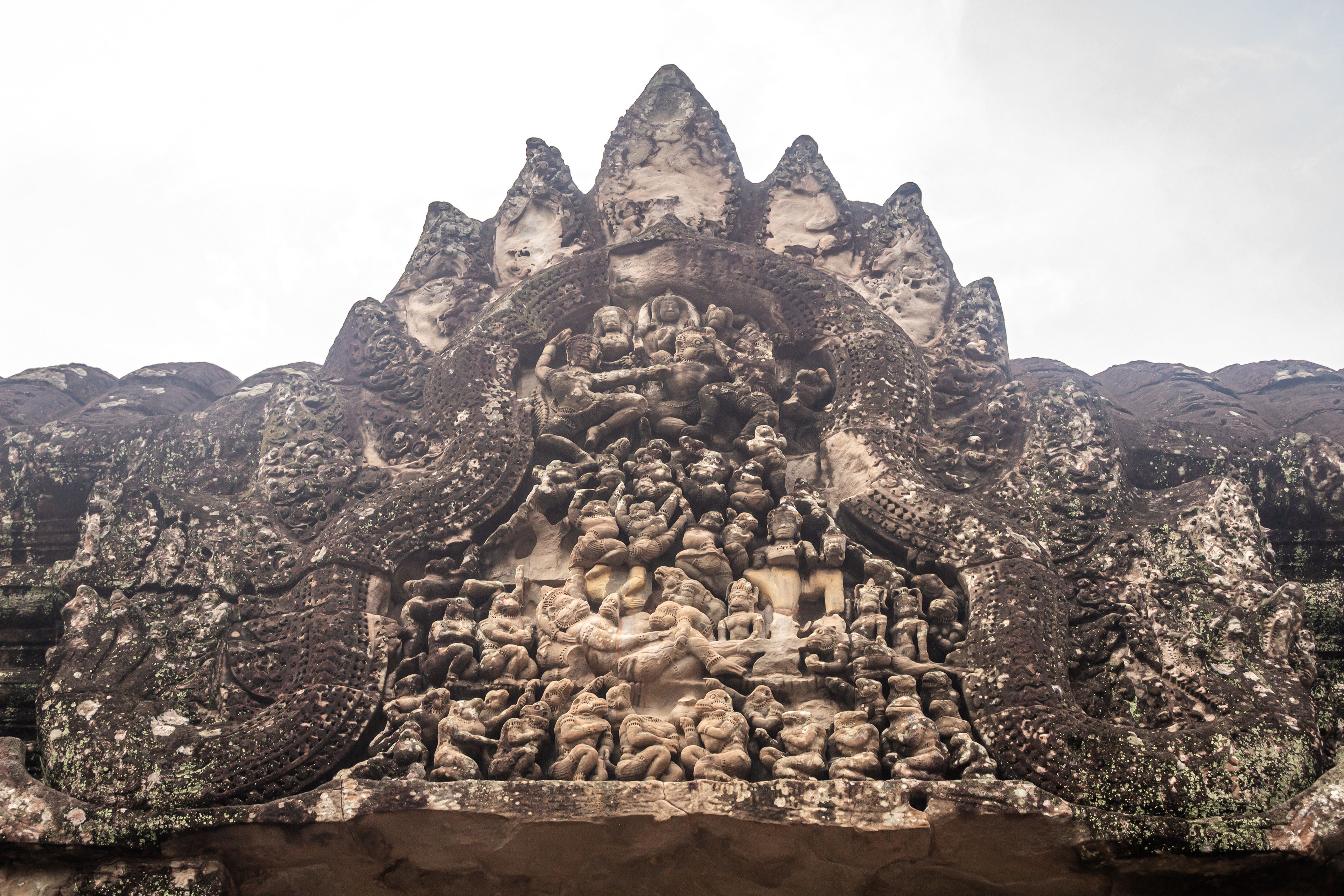
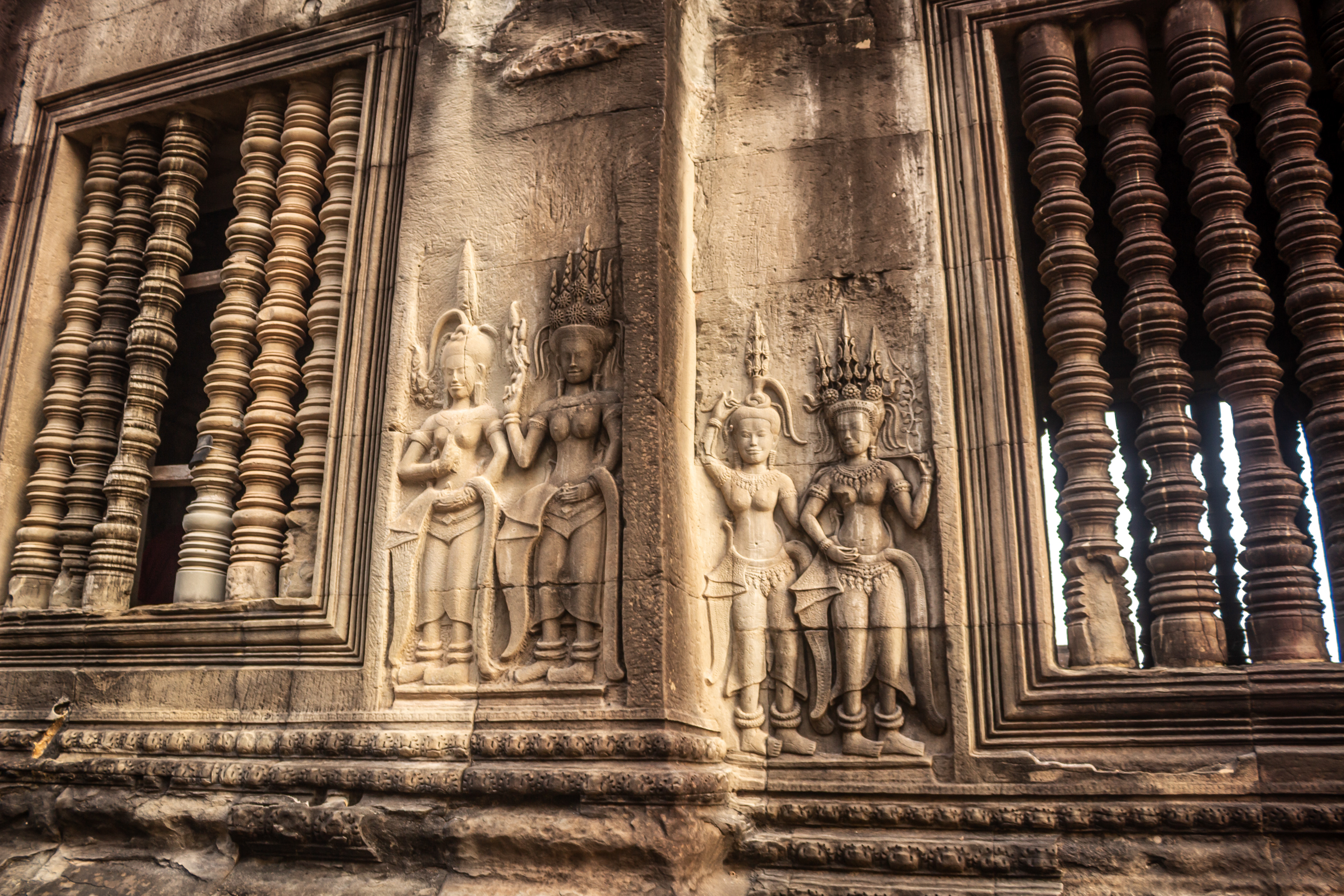
Inside, the walls tell epic stories. Kilometer-long bas-reliefs depict scenes from the Ramayana and Mahabharata, celestial dancers known as apsaras, and grand processions of gods and kings. The carvings are remarkably detailed—each figure expressive, graceful, and alive—inviting visitors to linger and trace the narratives with their eyes.
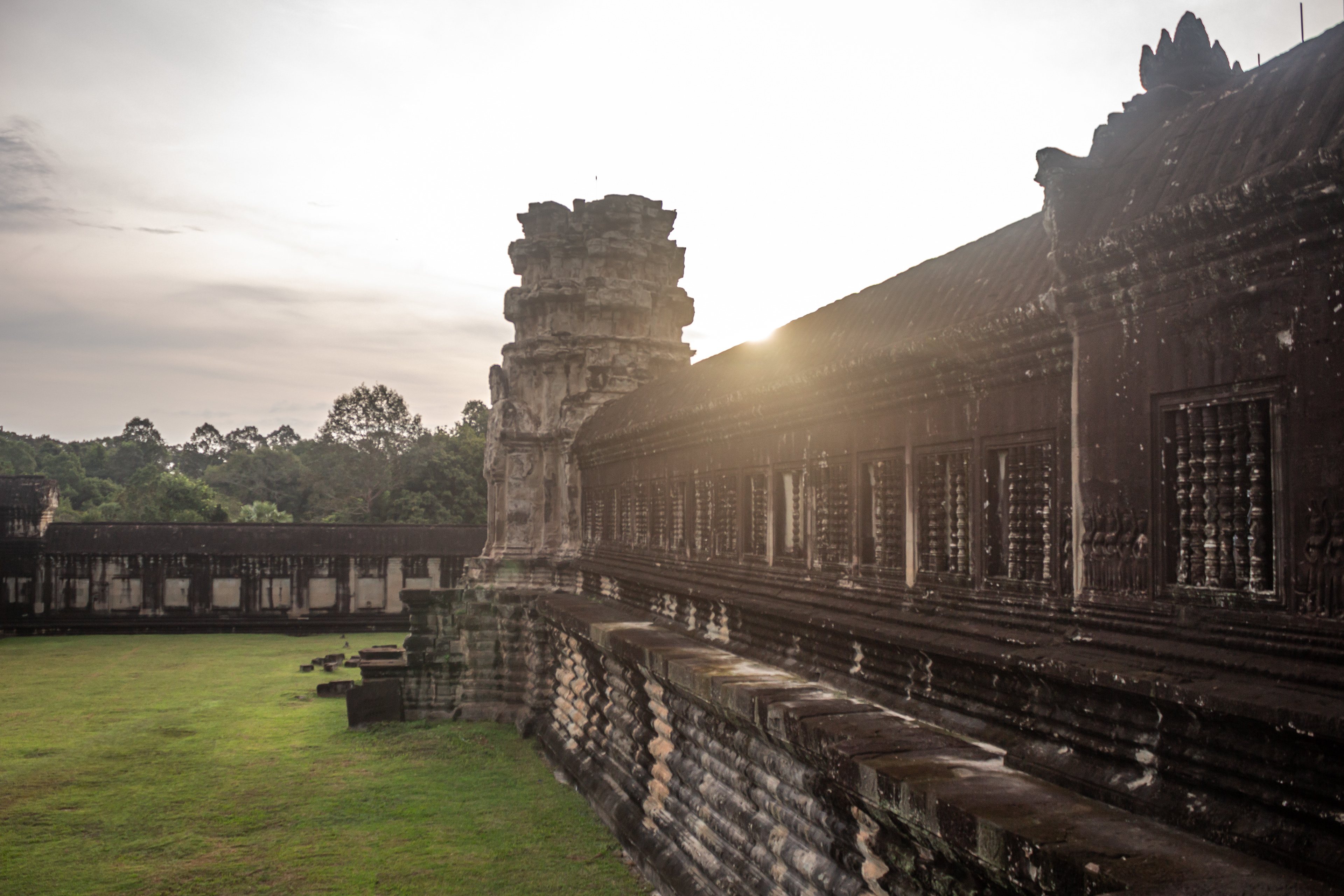
Yet Angkor Wat is not only about scale and artistry; it is about atmosphere. At sunrise, crowds gather silently along the reflecting pools as the temple’s silhouette darkens against a sky washed in pink and gold. In that moment, Angkor Wat feels suspended between worlds—ancient and modern, earthly and divine.
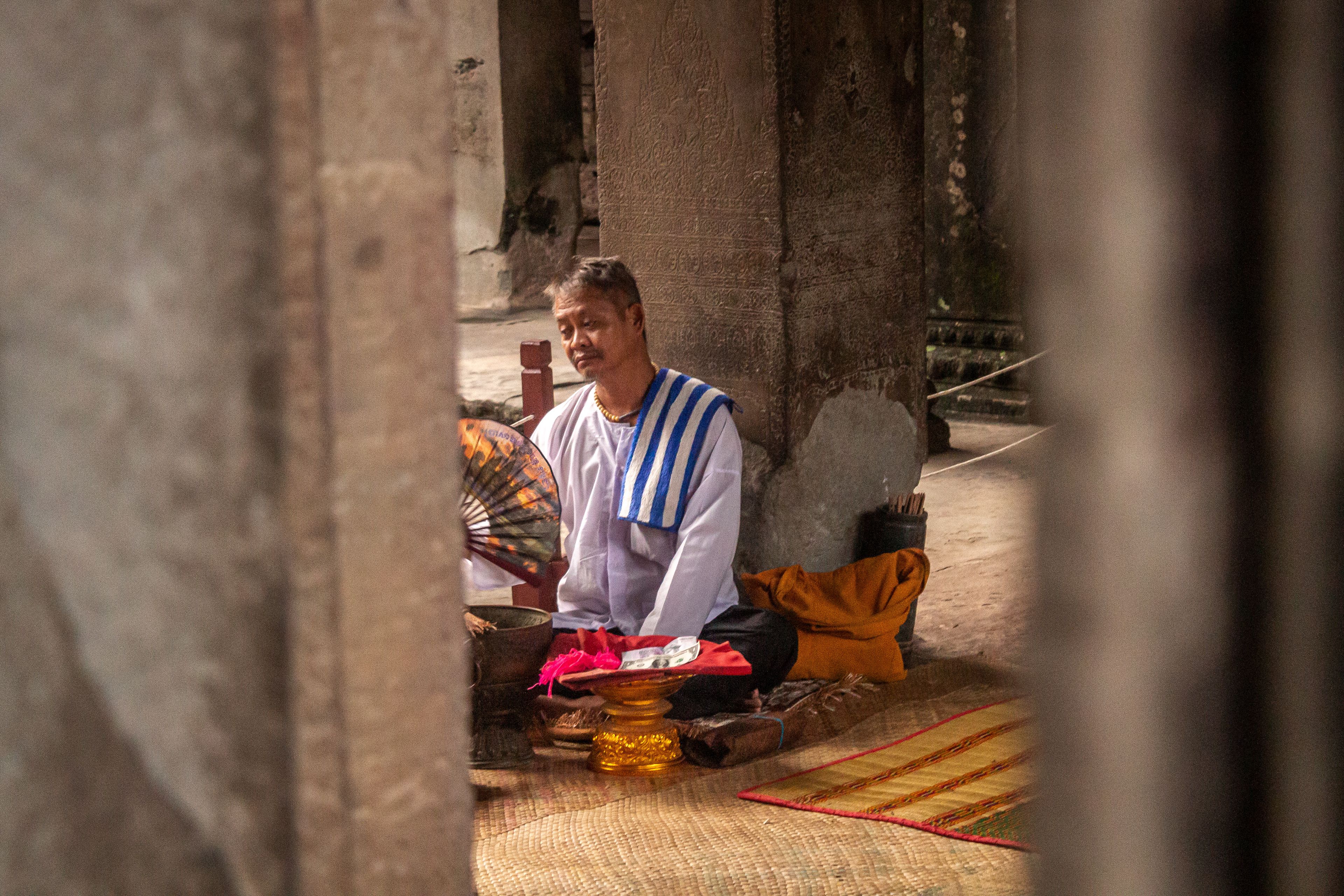
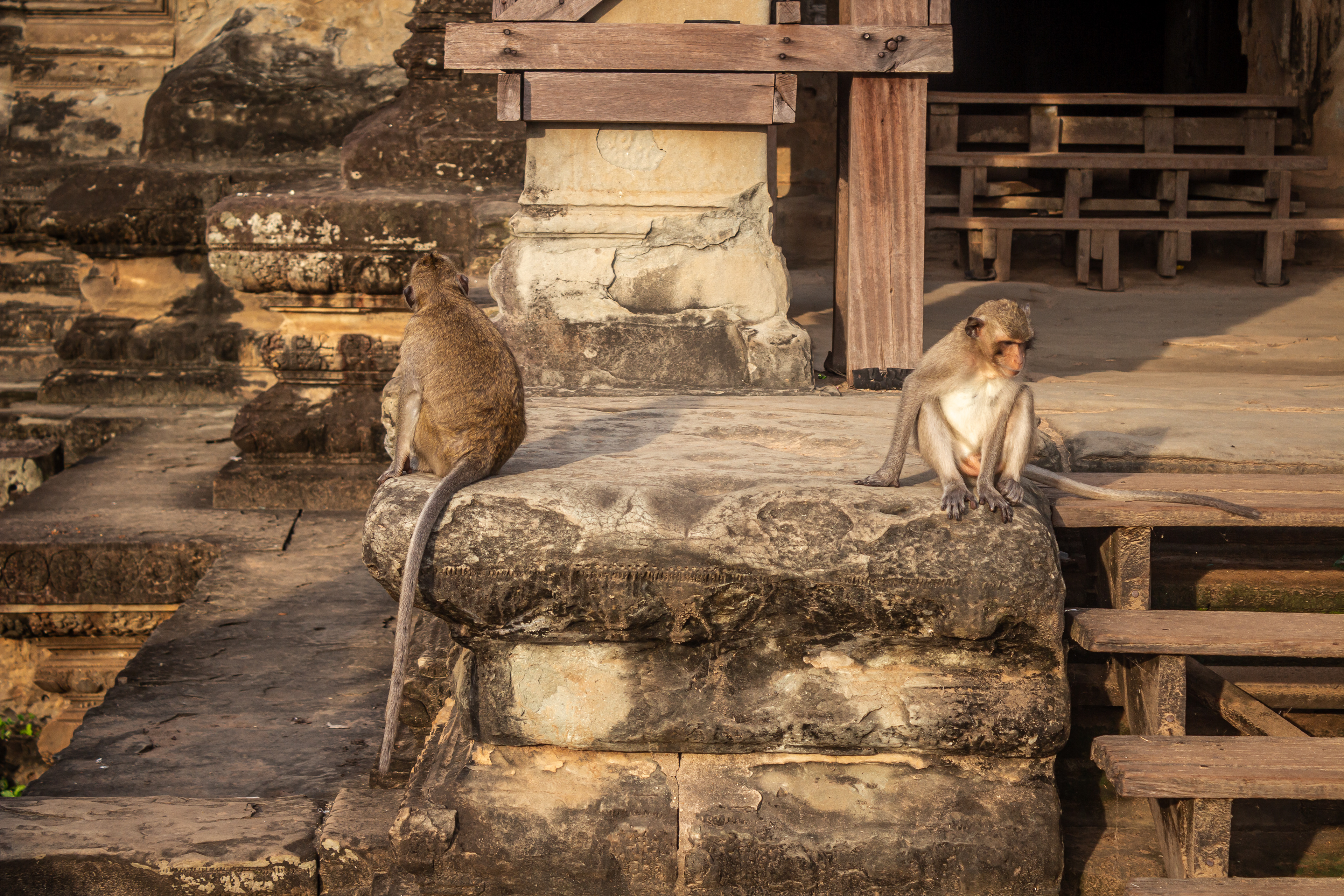
Unlike many ruins, Angkor Wat has never been abandoned. Monks still walk its corridors, incense still burns at small shrines, and the temple continues to evolve as a place of worship. This living presence gives Angkor Wat a rare continuity, bridging nearly a thousand years of history.
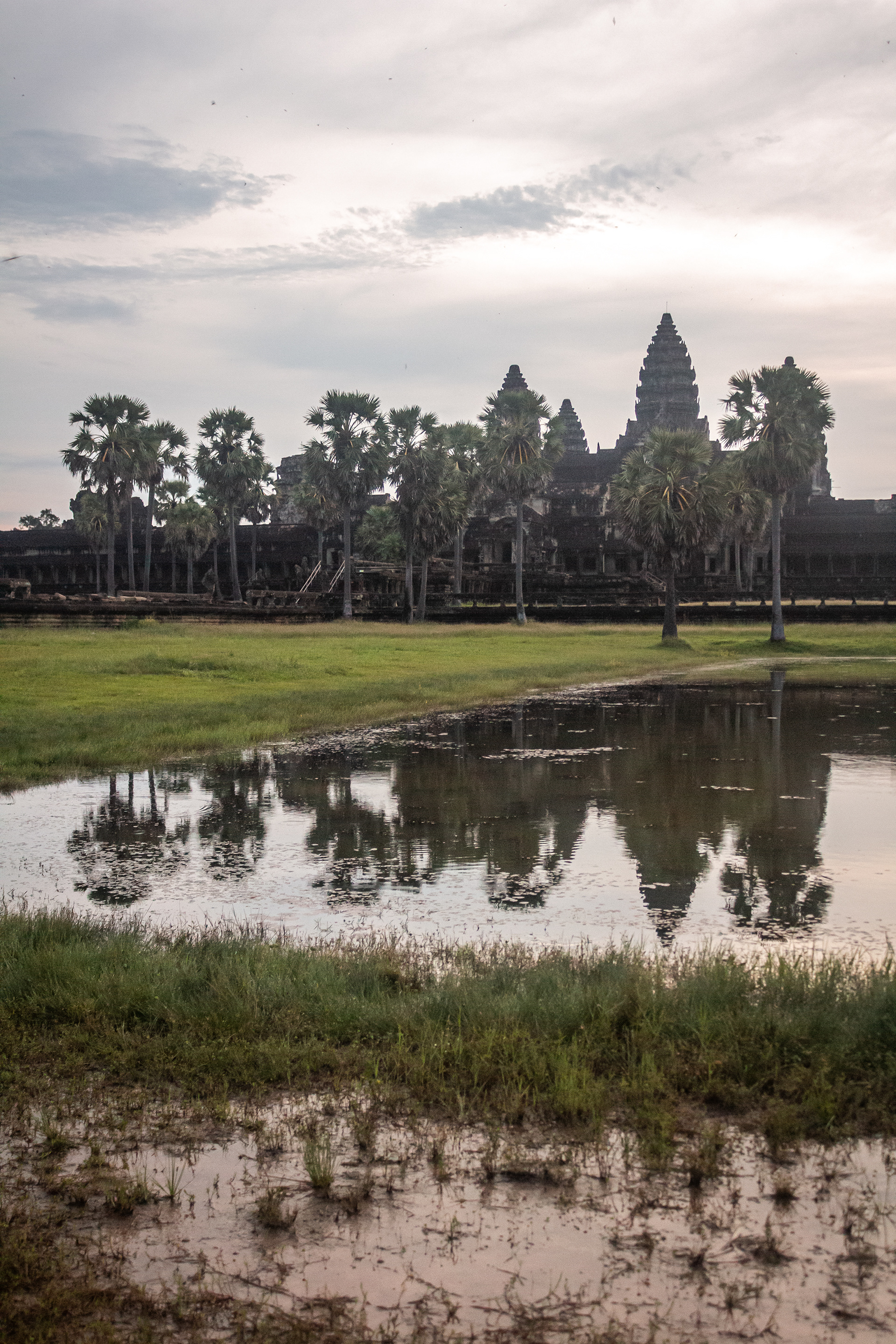
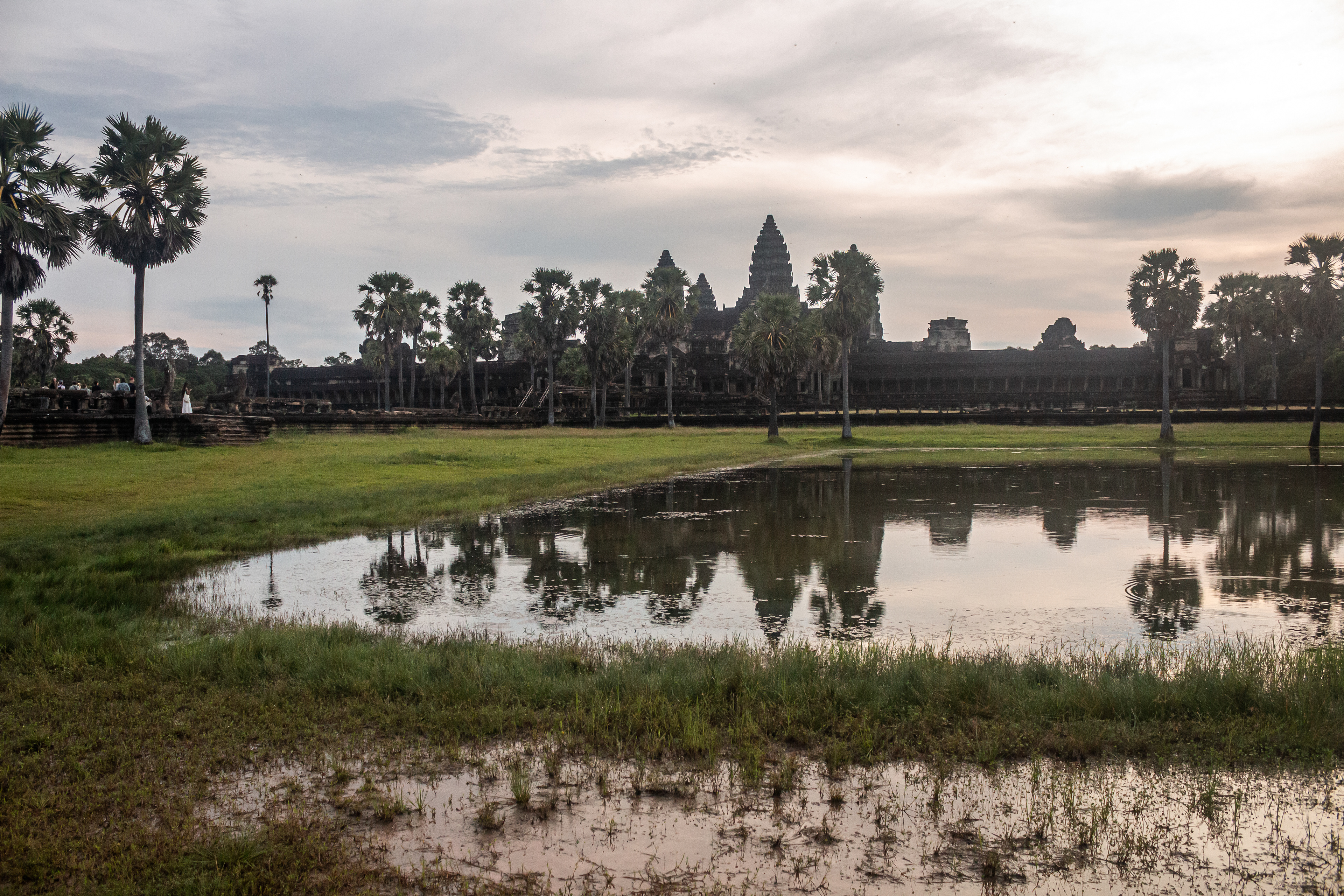
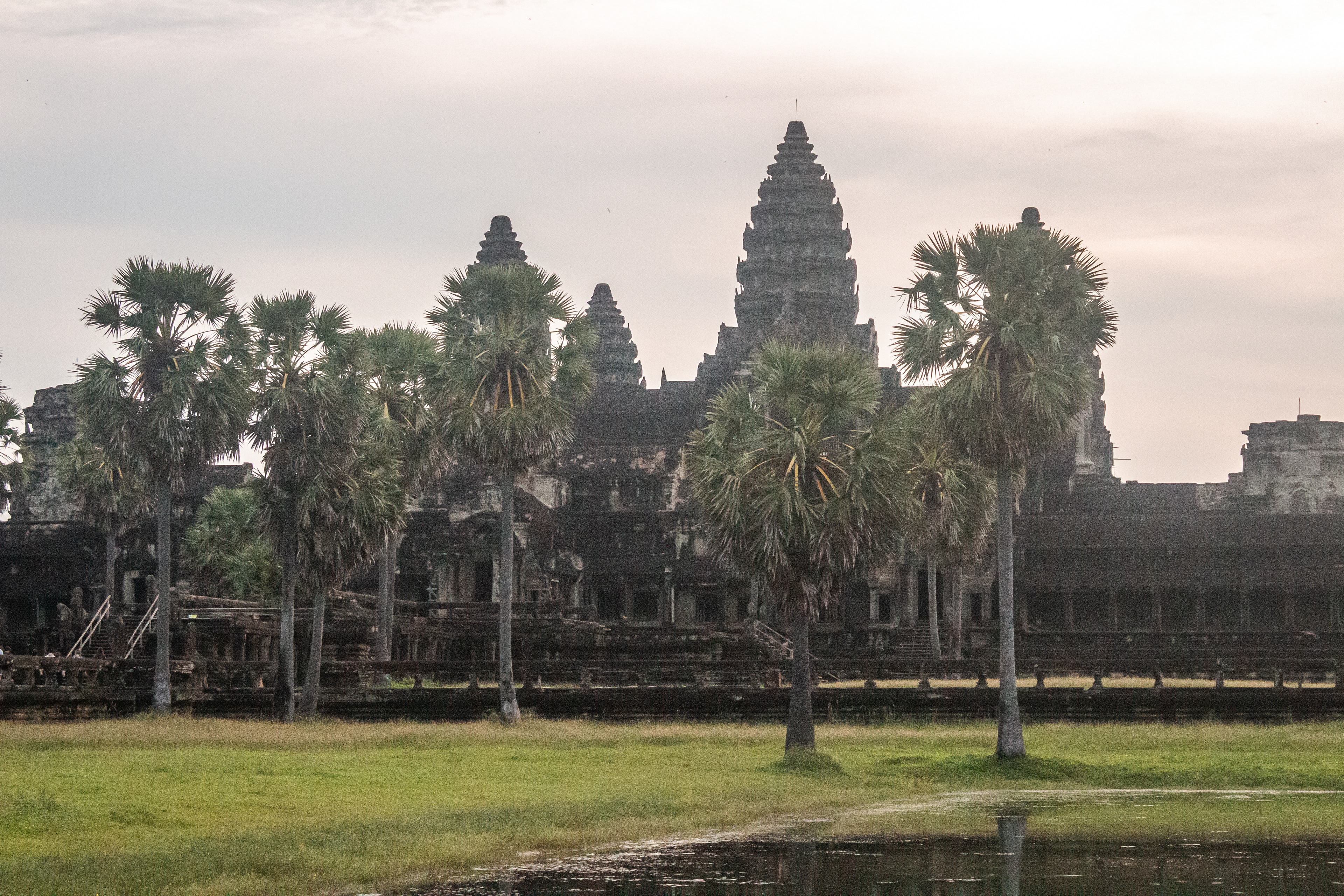
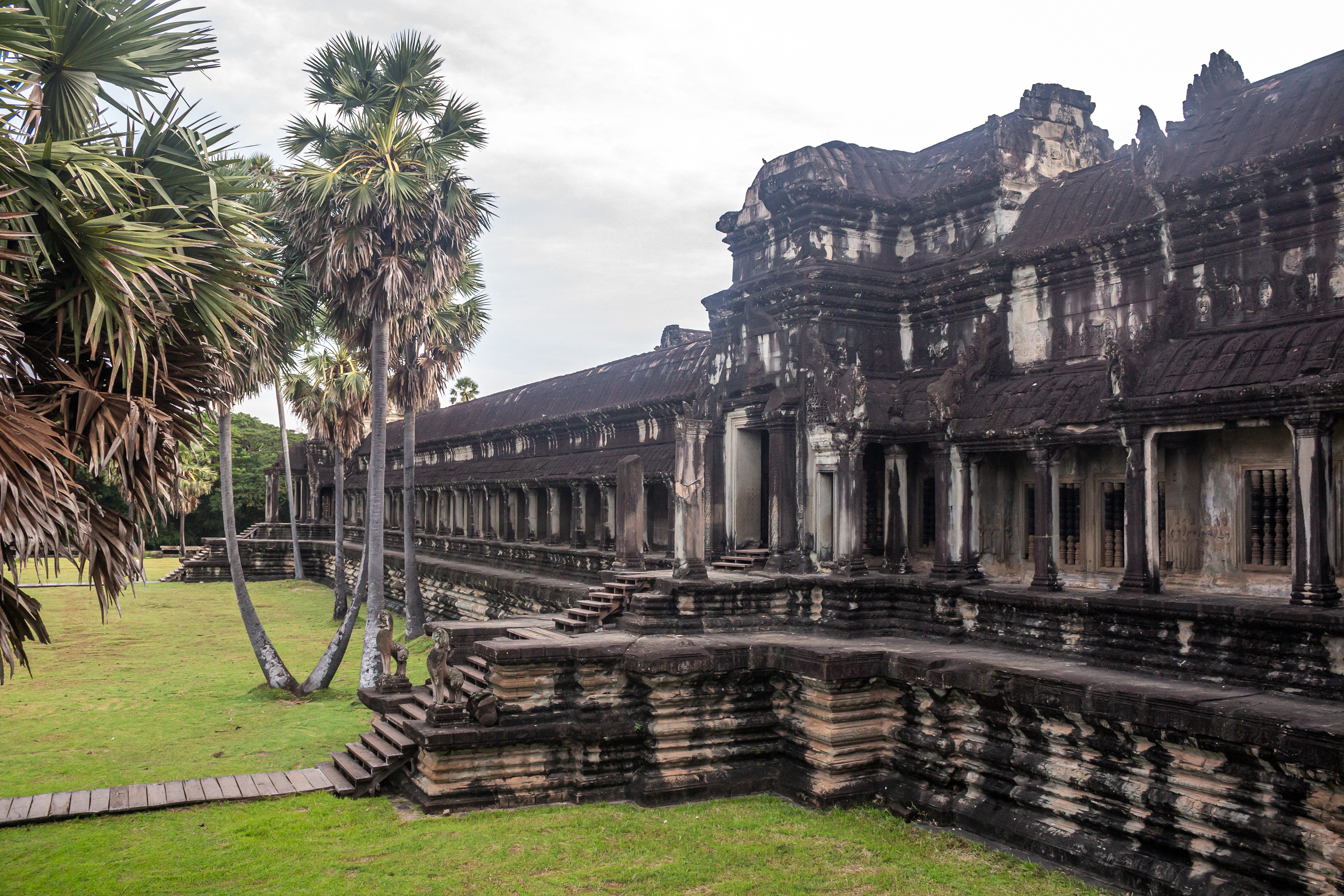
Three Faces of Angkor: Kravan, Banteay Srei, and Srah Srang
Beyond the grandeur of Angkor Wat and the mystery of jungle-clad ruins lies a quieter, more intimate side of Angkor—one revealed through lesser-known temples and sacred landscapes. Kravan Temple, Banteay Srei, and Srah Srang each offer a distinct experience, together telling a richer story of Khmer artistry, devotion, and daily life.
Kravan Temple: Small in Scale, Rich in Detail
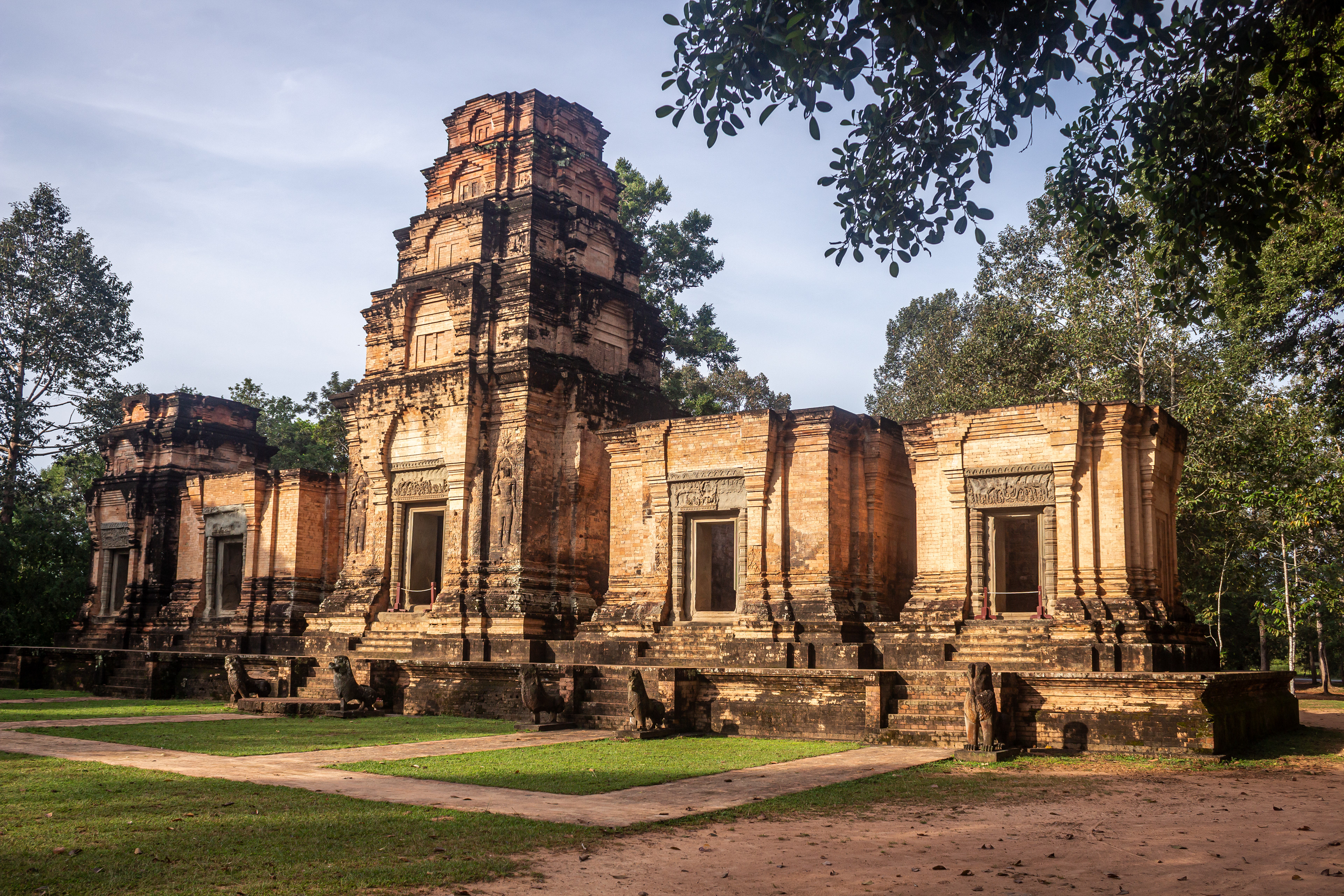
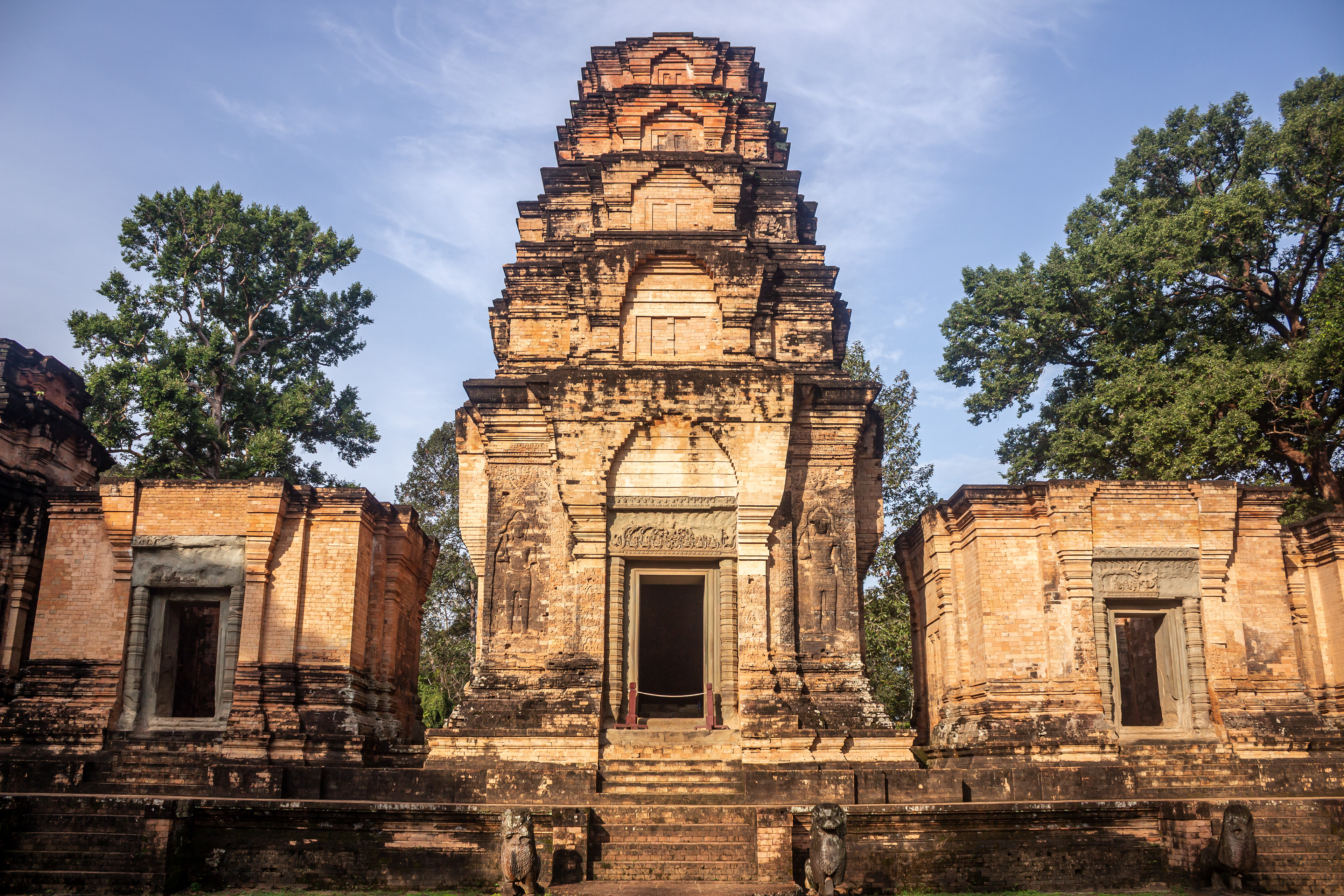
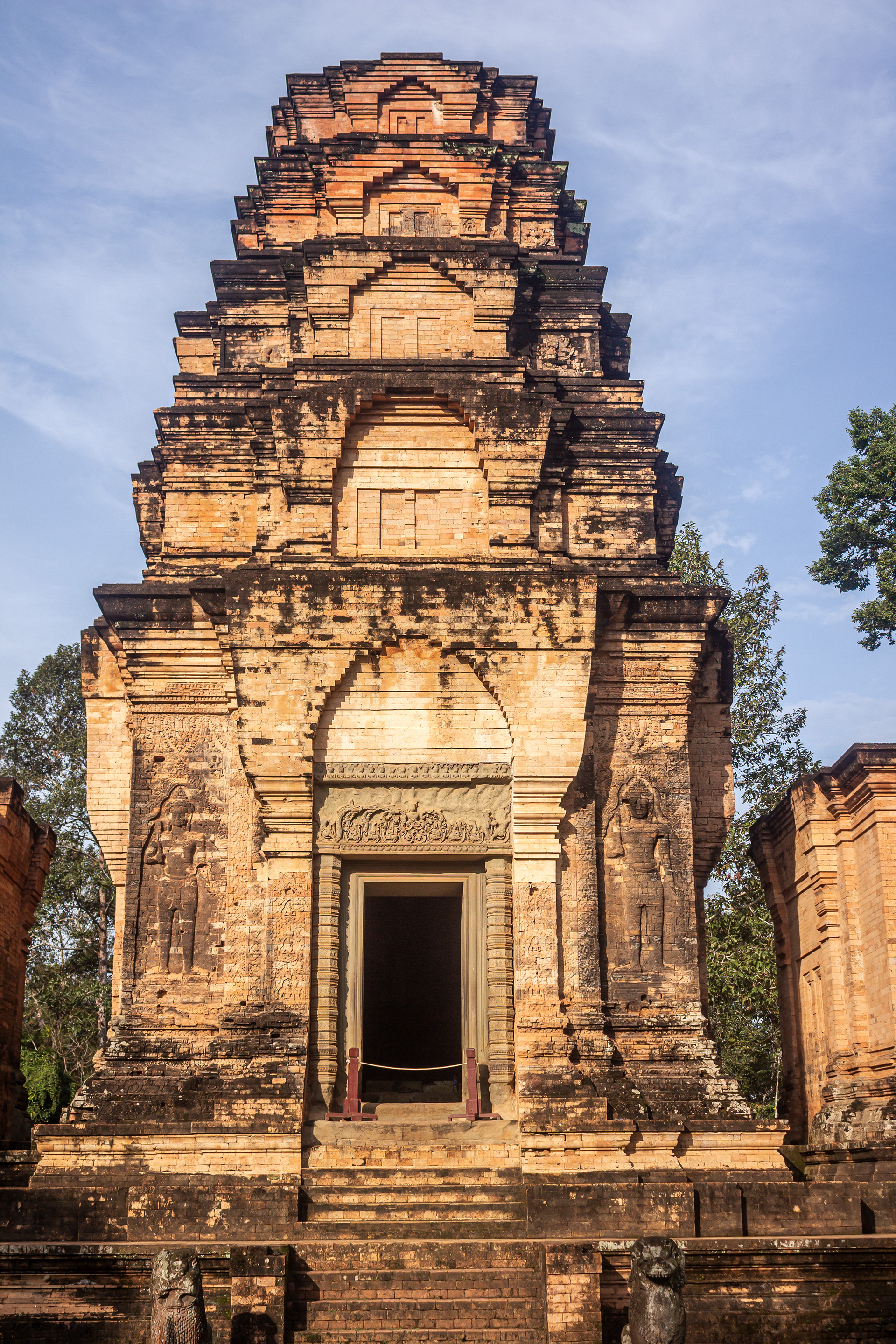
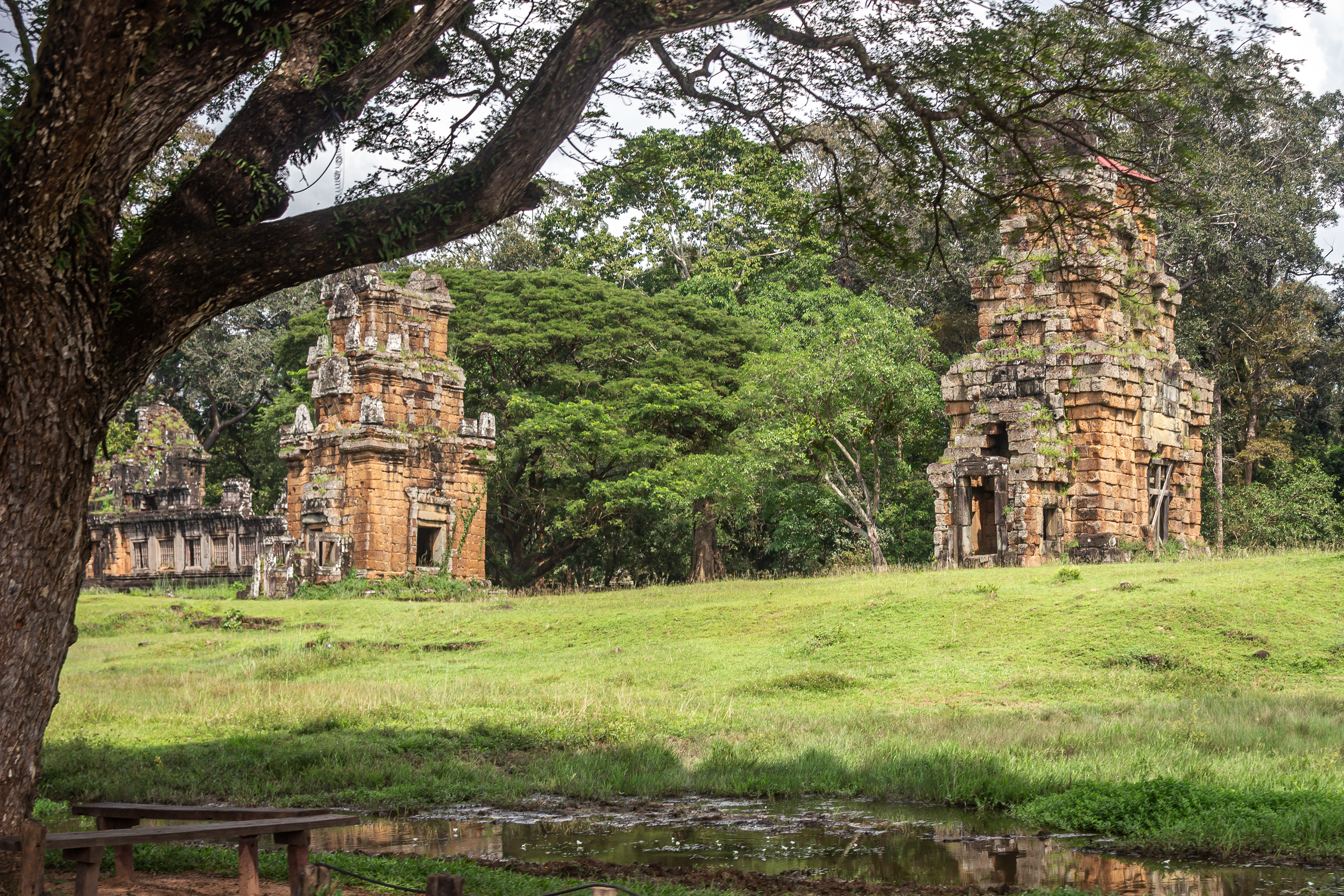
Often overlooked, Kravan Temple surprises visitors with its understated elegance. Built in the early 10th century and dedicated to the Hindu god Vishnu, the temple consists of five modest brick towers arranged in a row. From the outside, Kravan may seem simple, but step inside and its true treasure is revealed.
Carved directly into the brick walls are delicate bas-reliefs of Vishnu and Lakshmi—an unusual technique in Angkor, where carvings are typically made in sandstone. The figures retain a softness and grace that feels almost intimate, as if meant for quiet contemplation rather than grand spectacle. Kravan is a peaceful stop, perfect for travelers who enjoy discovering beauty in subtlety.
Banteay Srei: The Jewel of Khmer Art
If Angkor has a masterpiece of sculpture, Banteay Srei is it. Located about 25 kilometers northeast of the main Angkor complex, this small temple stands apart for its extraordinary craftsmanship. Built in the 10th century and dedicated to Shiva, Banteay Srei is constructed from rose-colored sandstone that glows warmly in the sun.
Every surface seems alive with intricate carvings—floral patterns, mythological scenes, and finely detailed lintels so precise they appear almost jewel-like. The scale is small, but the artistry is immense, earning Banteay Srei its nickname, “the jewel of Khmer art.” Unlike the monumental temples built by kings, Banteay Srei was commissioned by a scholar, giving it a refined, almost personal character.
Srah Srang: Reflections at the Royal Pool
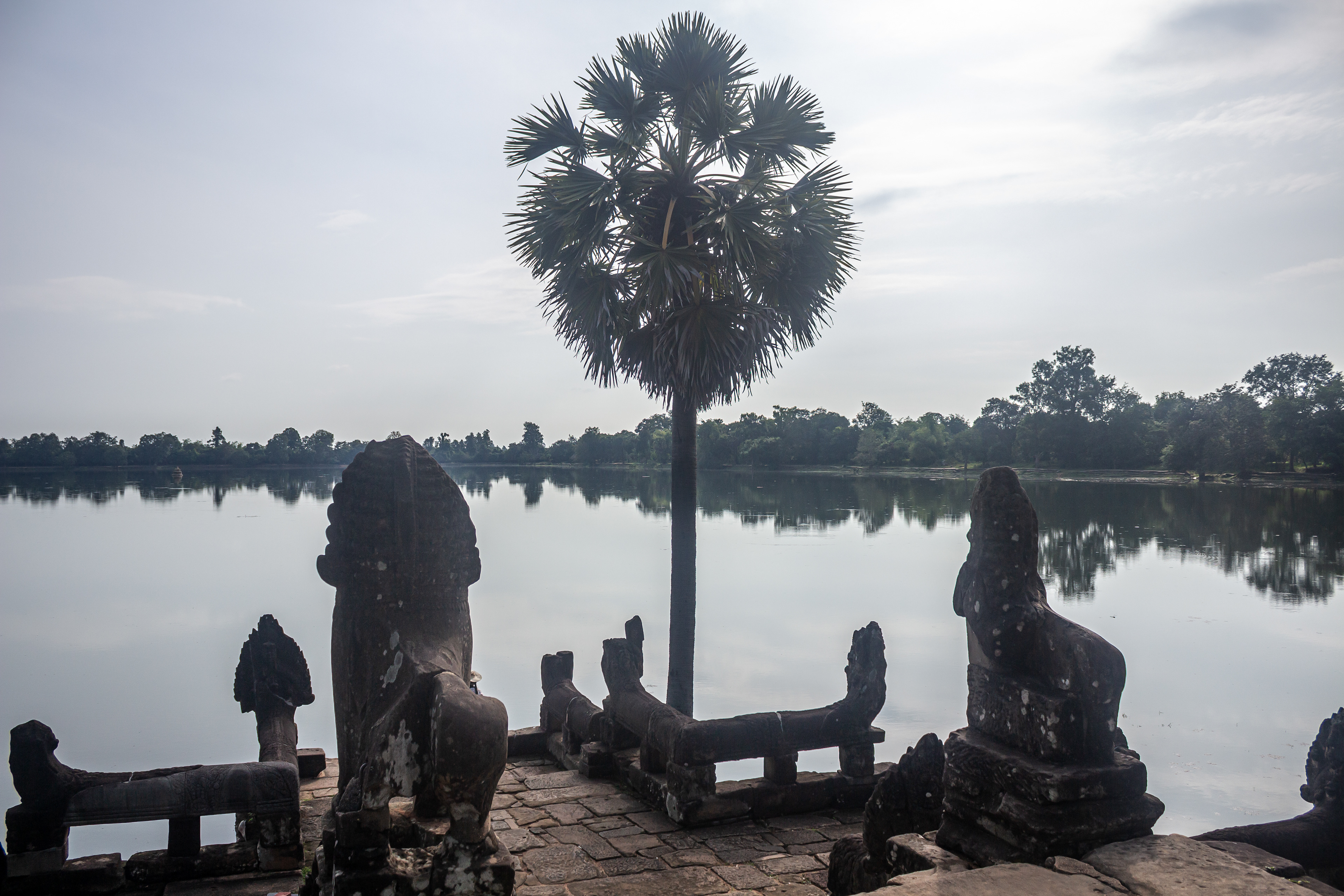
After temples of stone, Srah Srang offers a moment of calm through water and sky. This vast ceremonial reservoir, dating back to the 10th century, was once used for royal bathing and religious rituals. Today, it is one of the most peaceful places in Angkor.
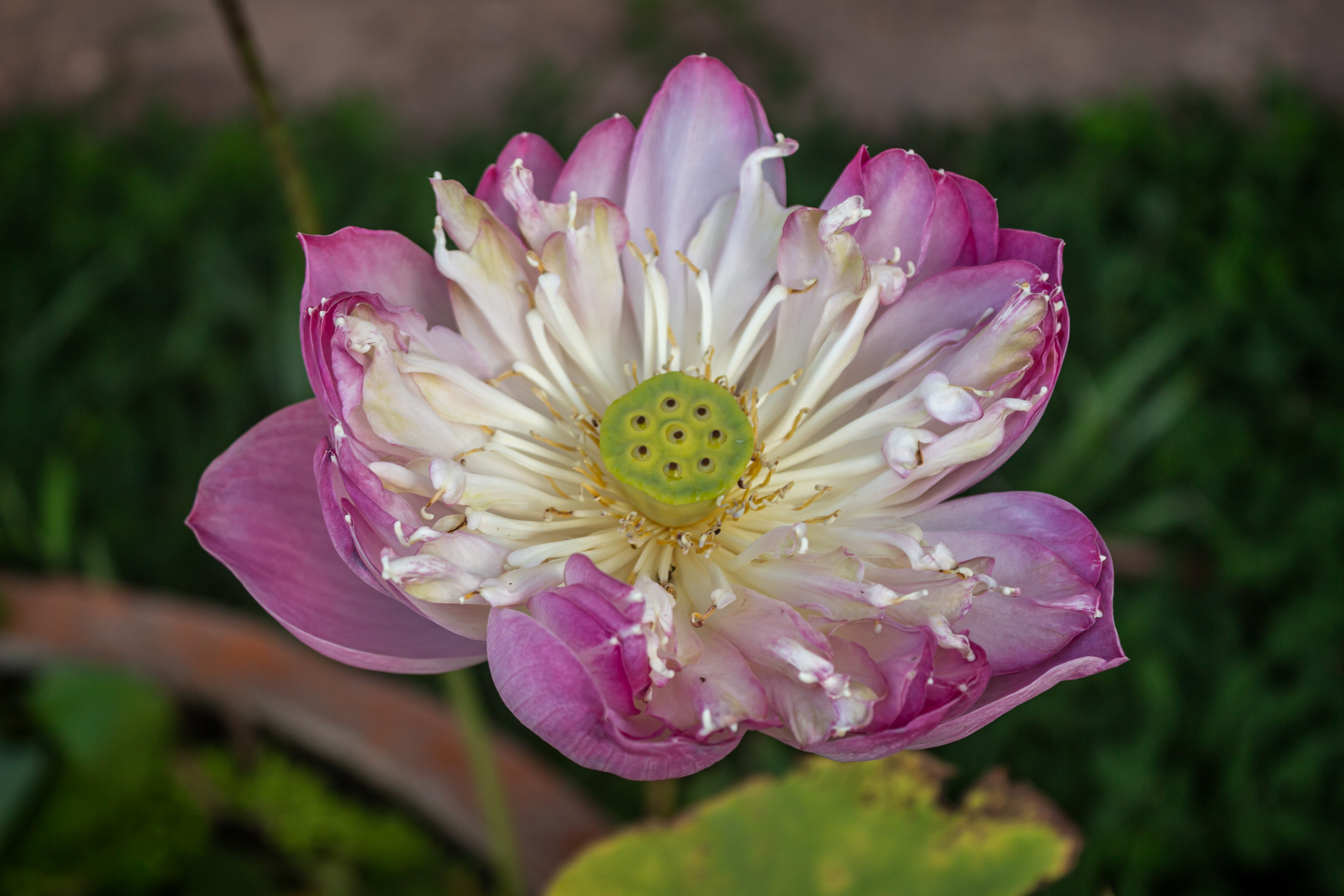
At sunrise, the stone steps leading down to the water glow softly as the sky mirrors itself on the reservoir’s surface. Lotus flowers drift gently, and fishermen move quietly along the edges. Srah Srang is not about monuments, but about mood—a reminder of how water shaped both the spiritual and practical life of the Khmer Empire.
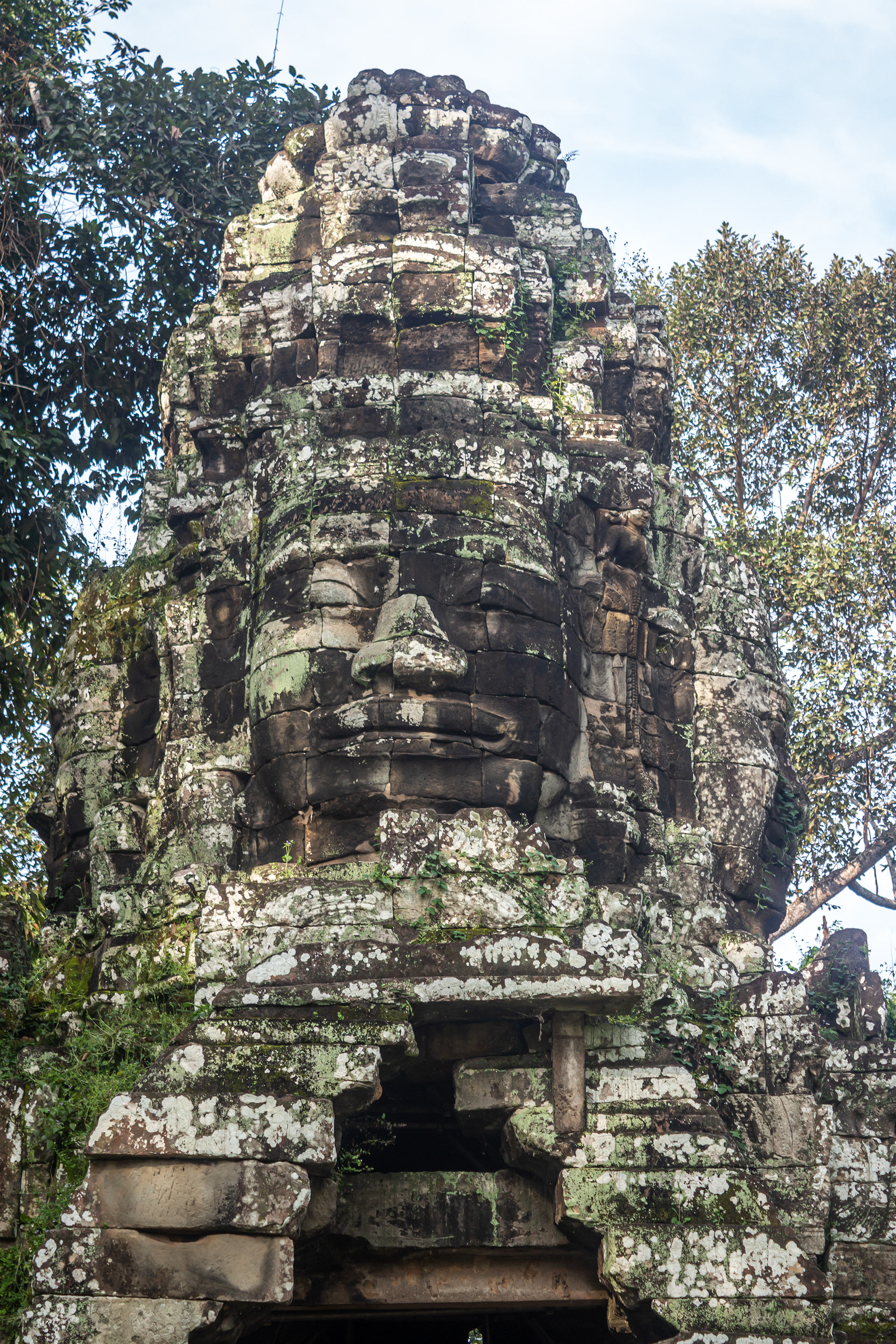
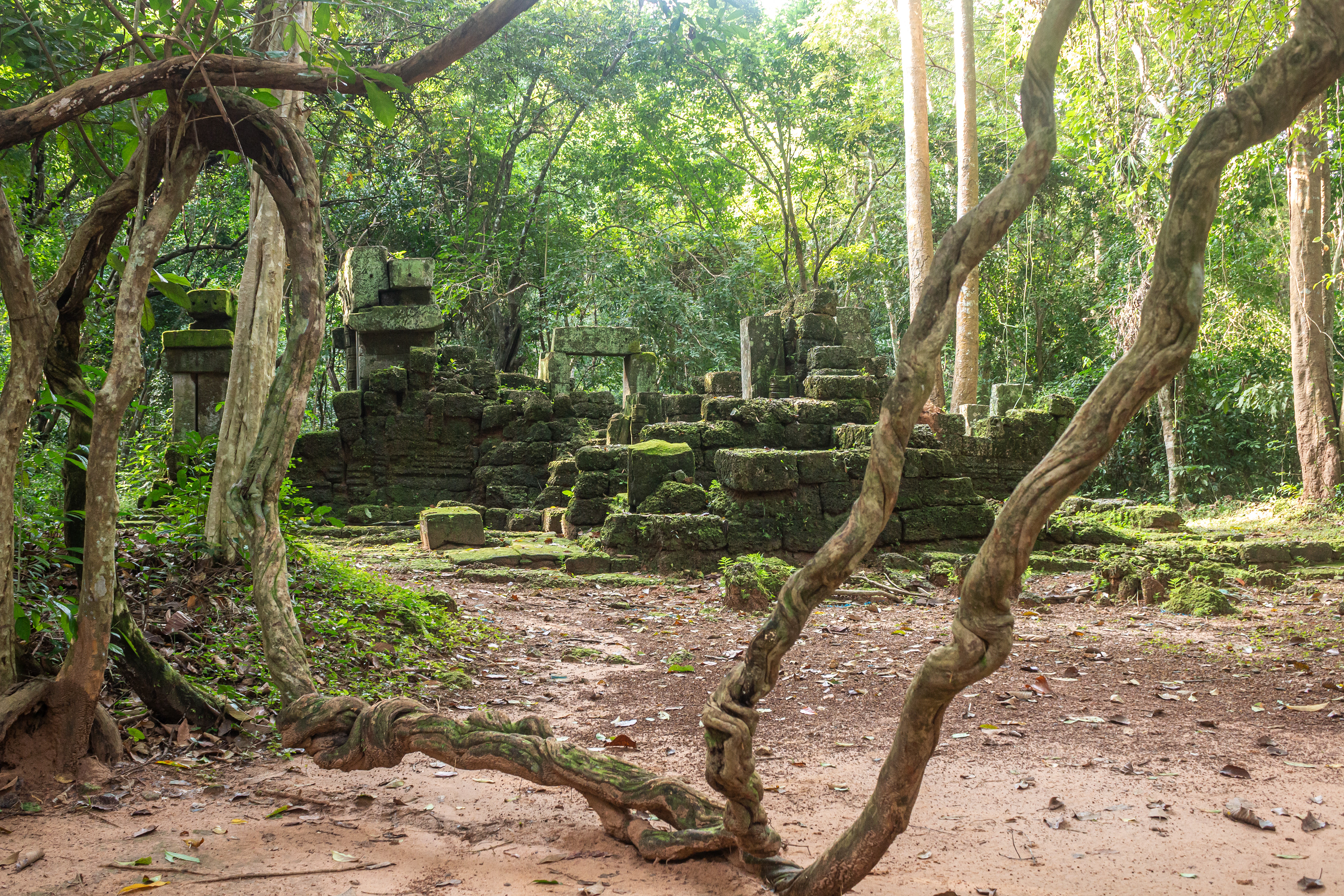
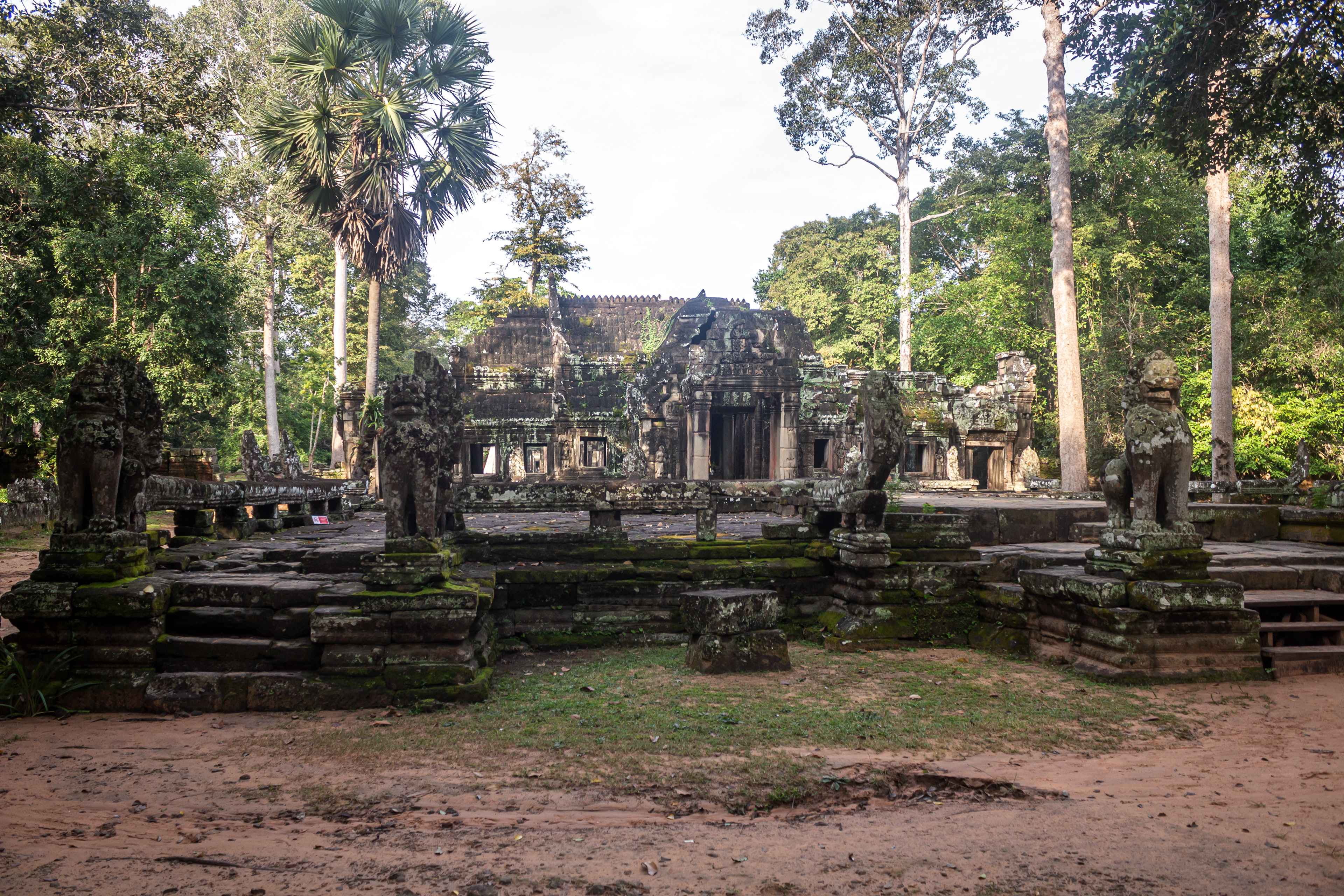
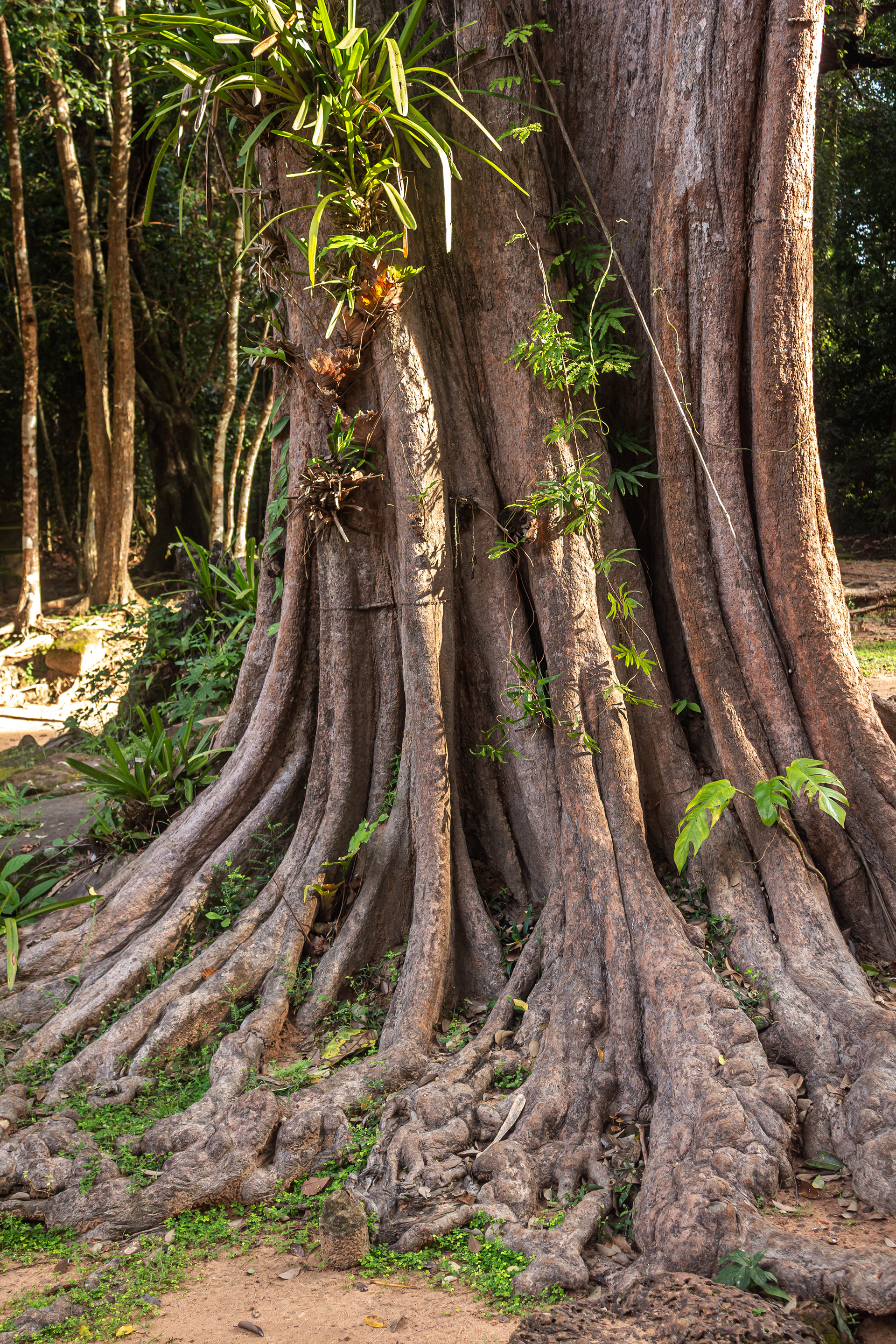
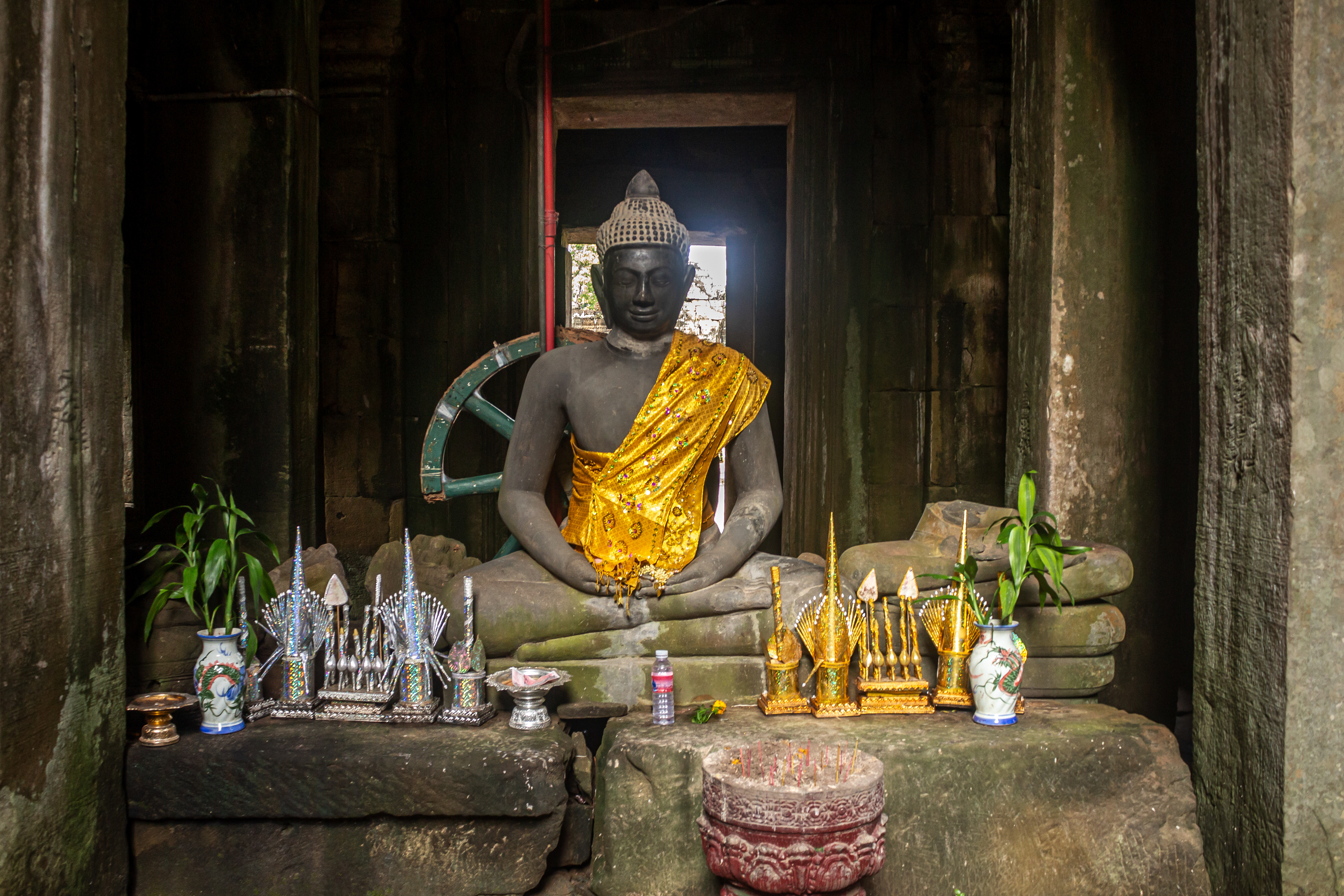
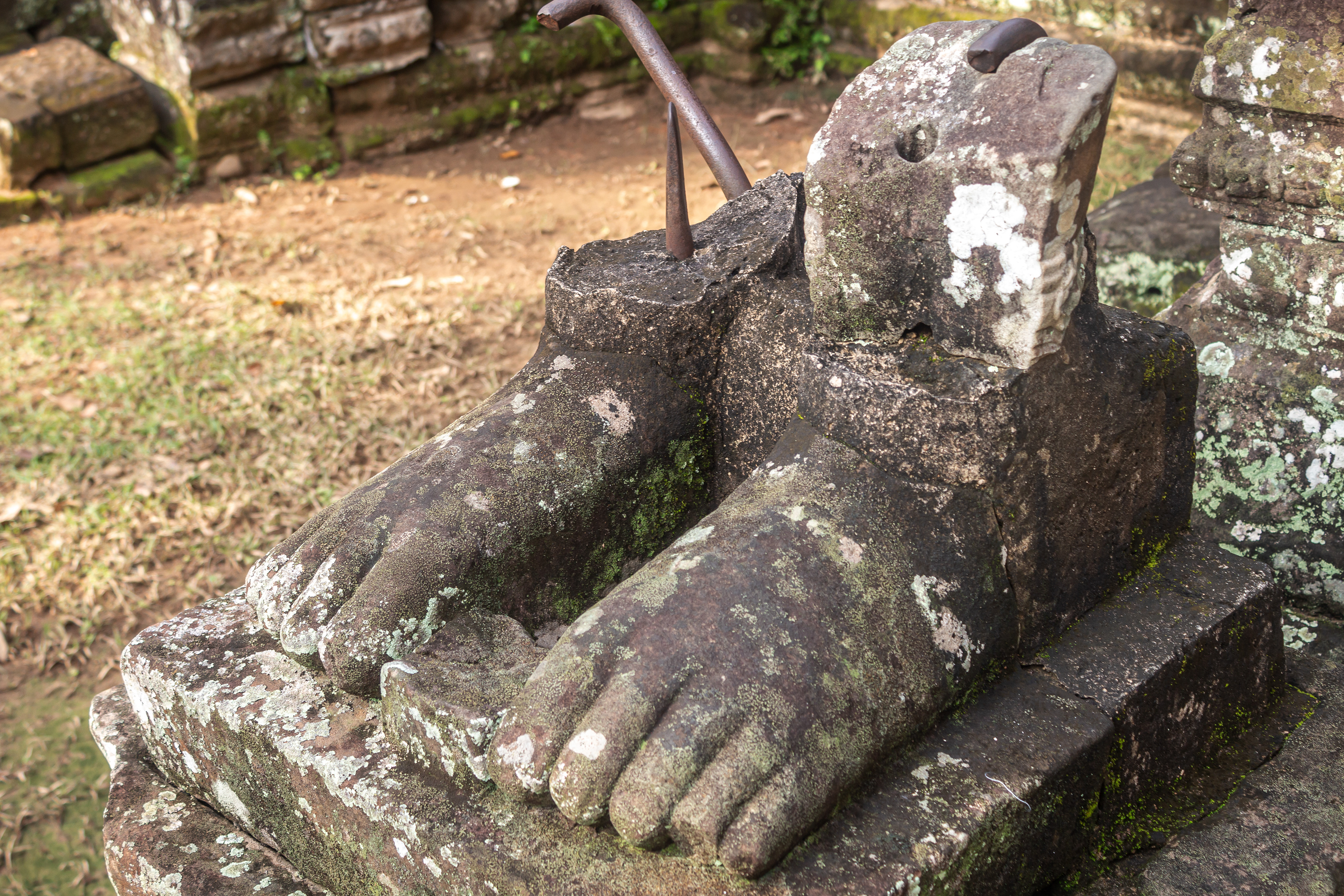
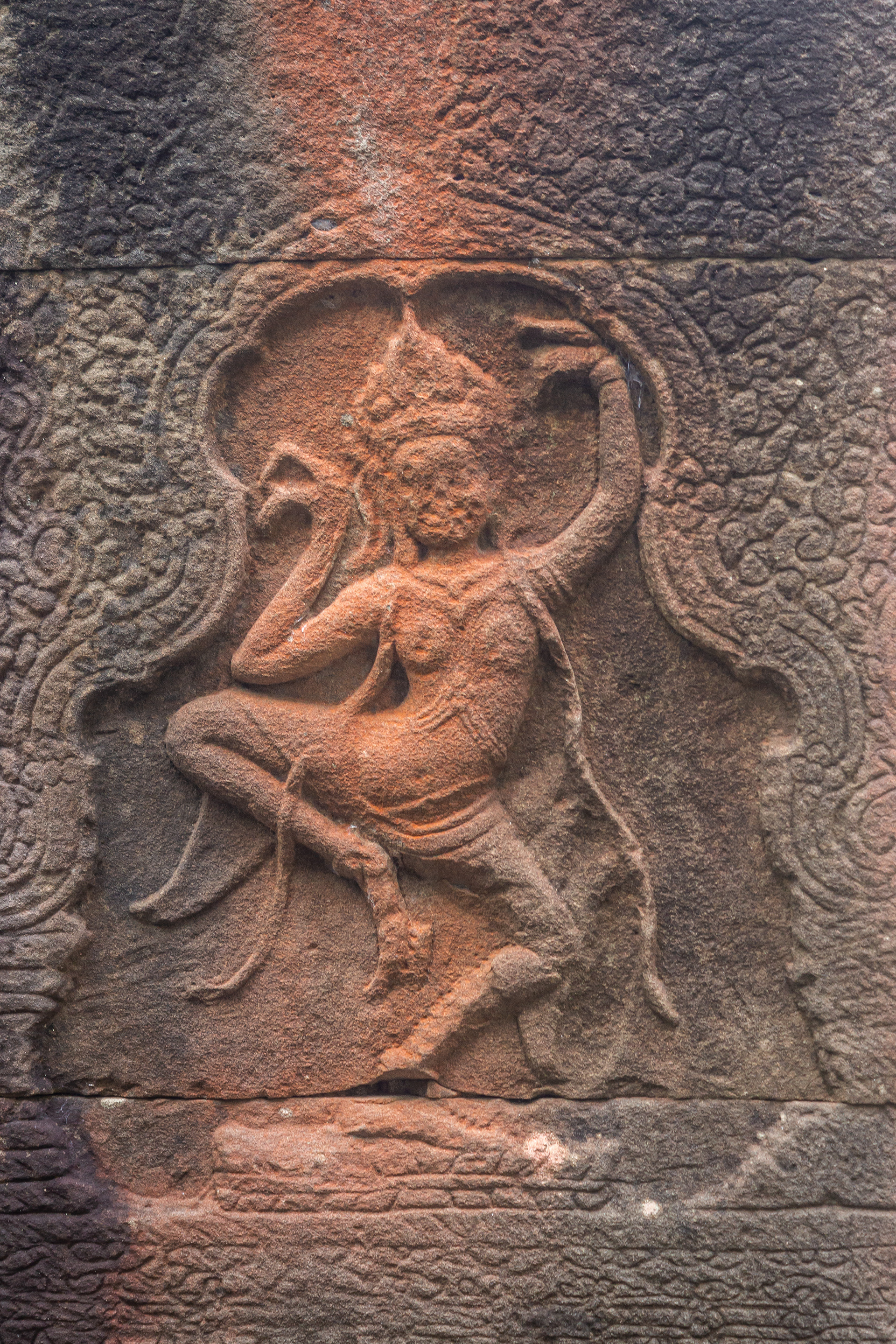
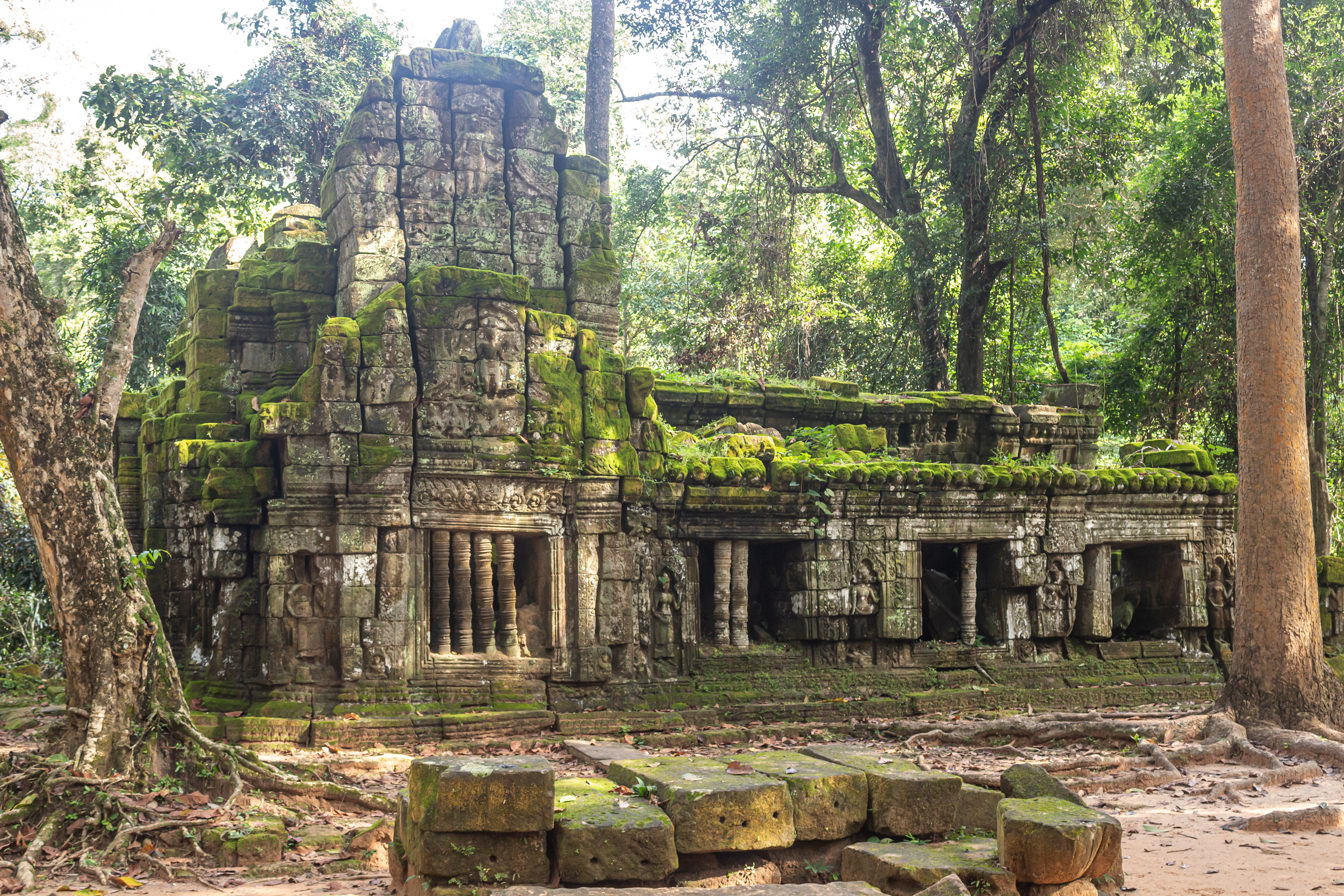
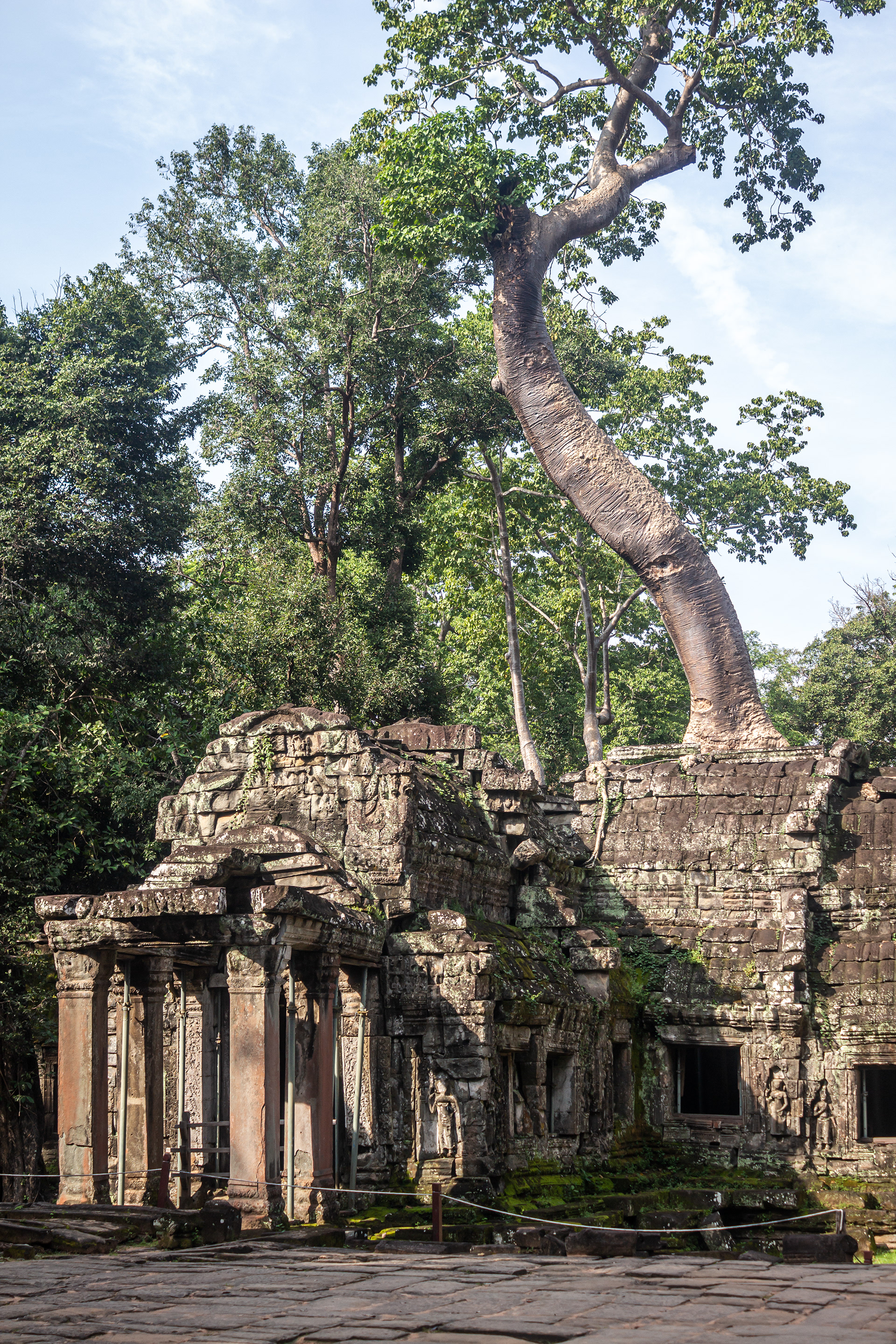
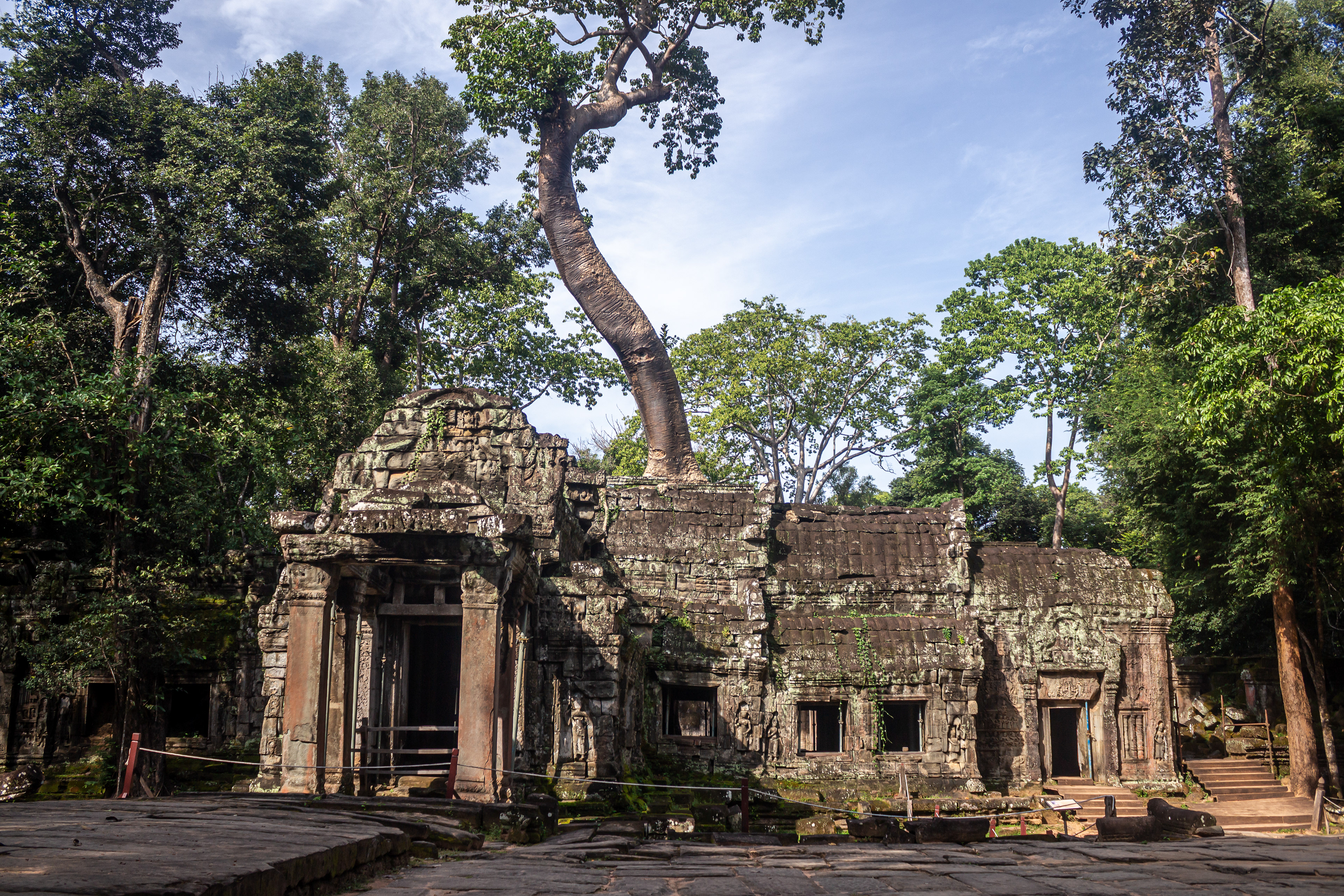
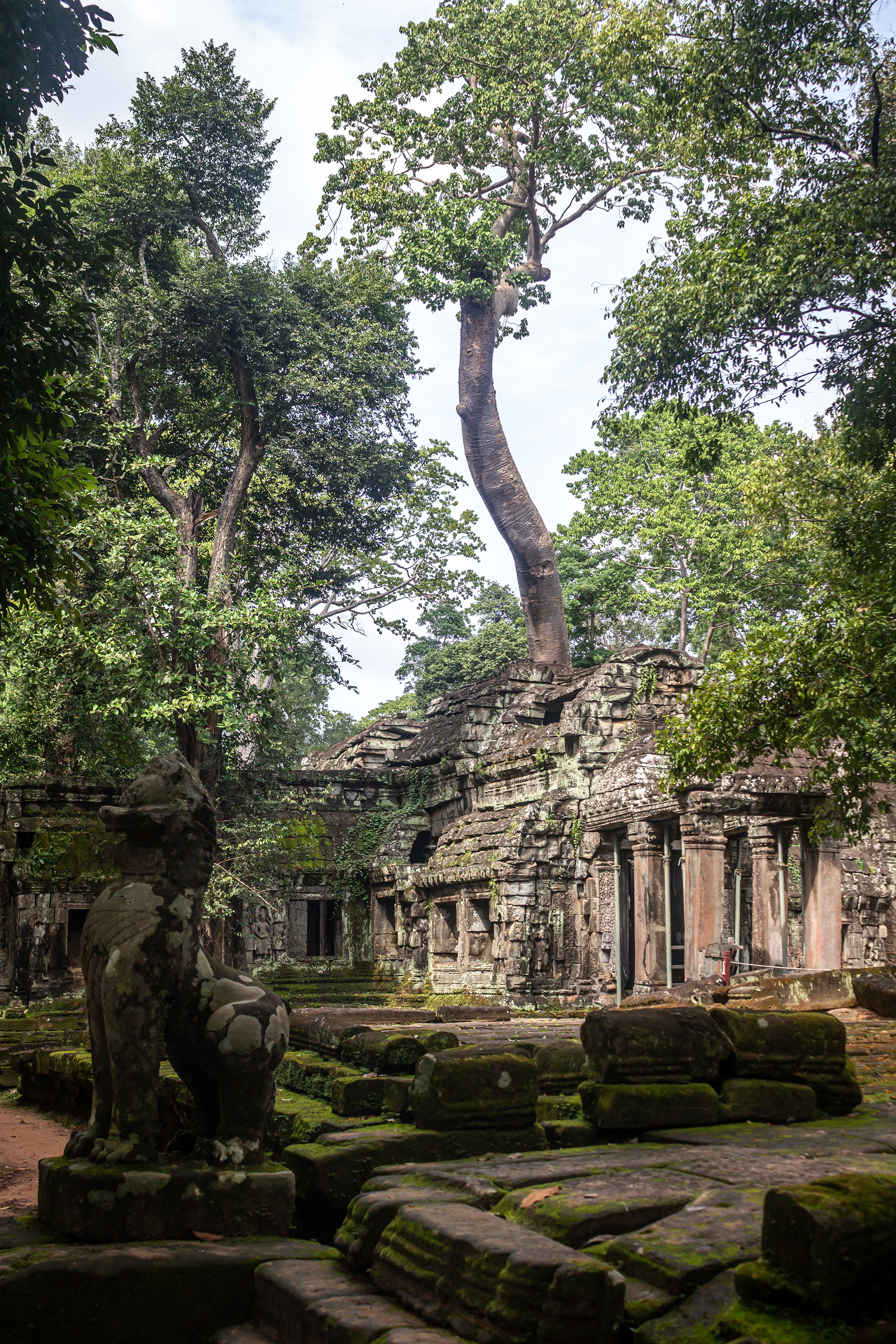
Ta Prohm: Where the Jungle Reclaims the Temple 🌿
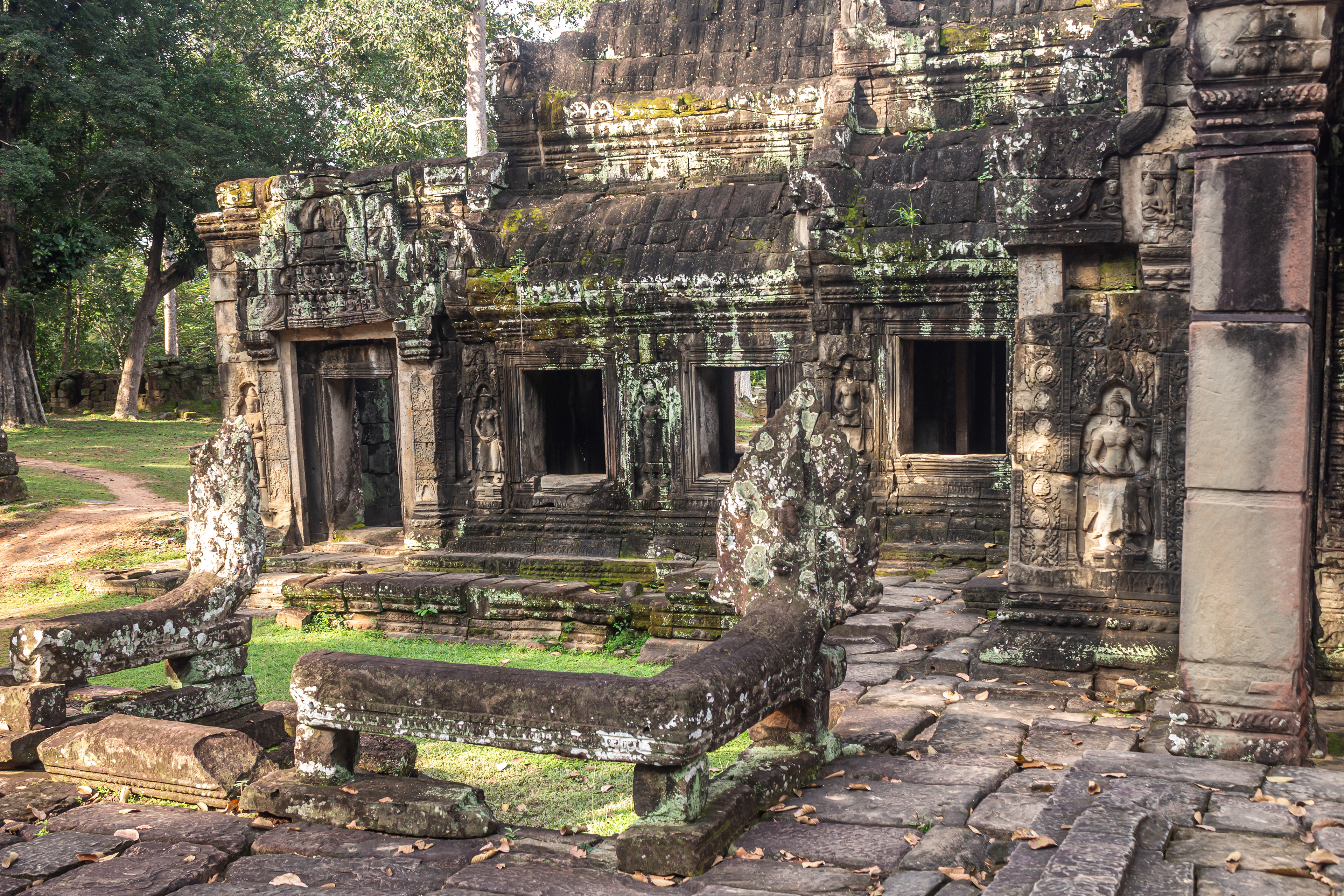
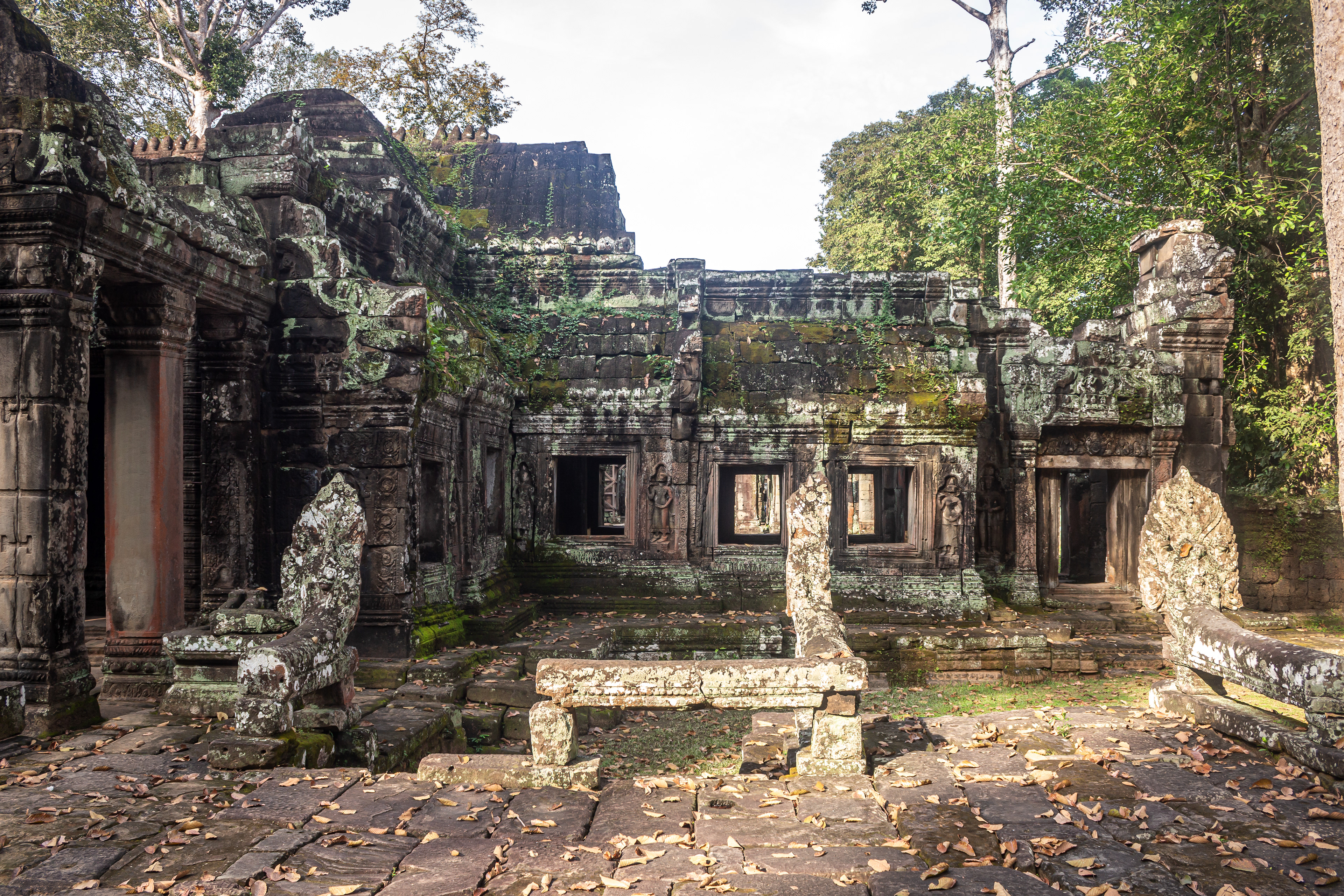
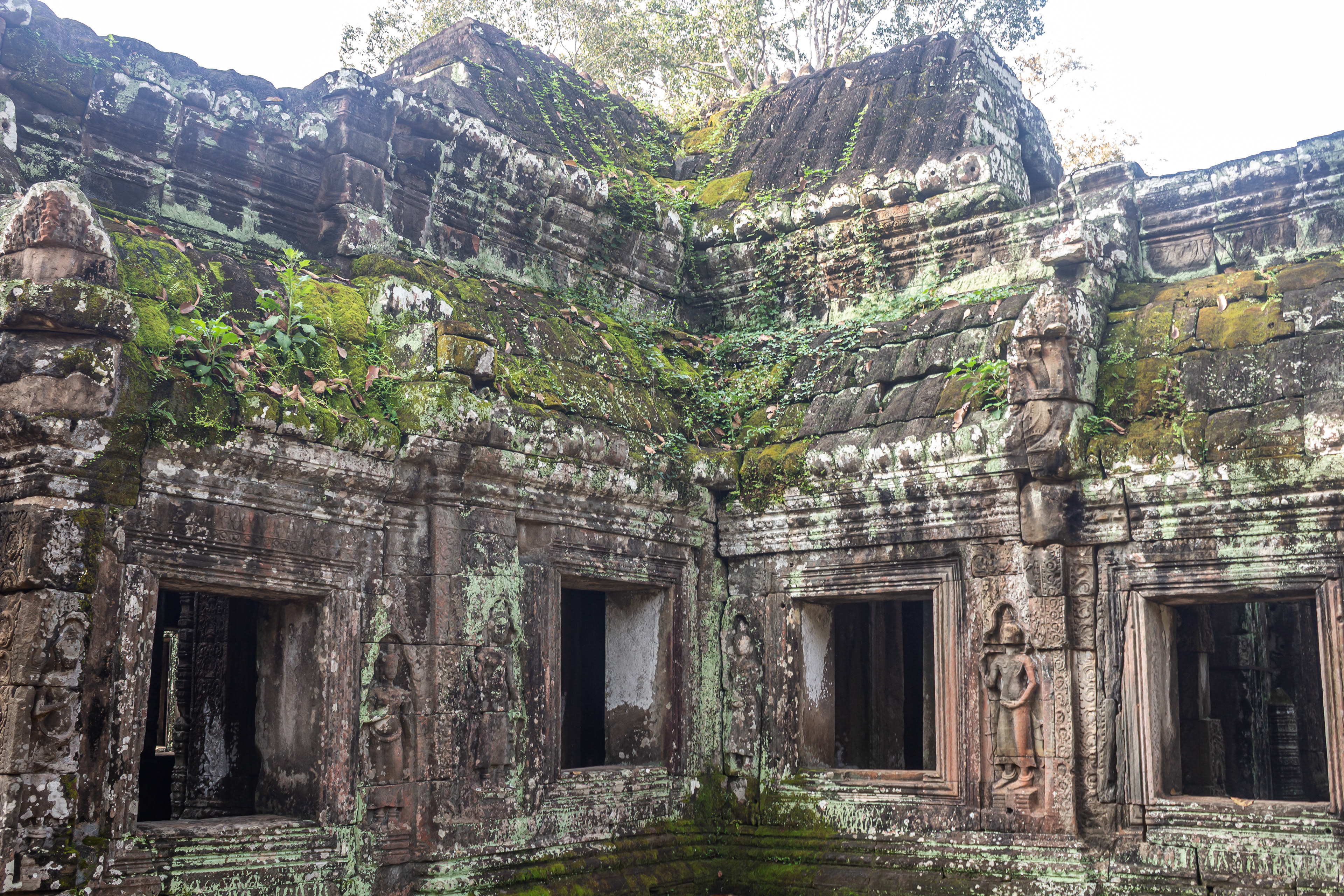
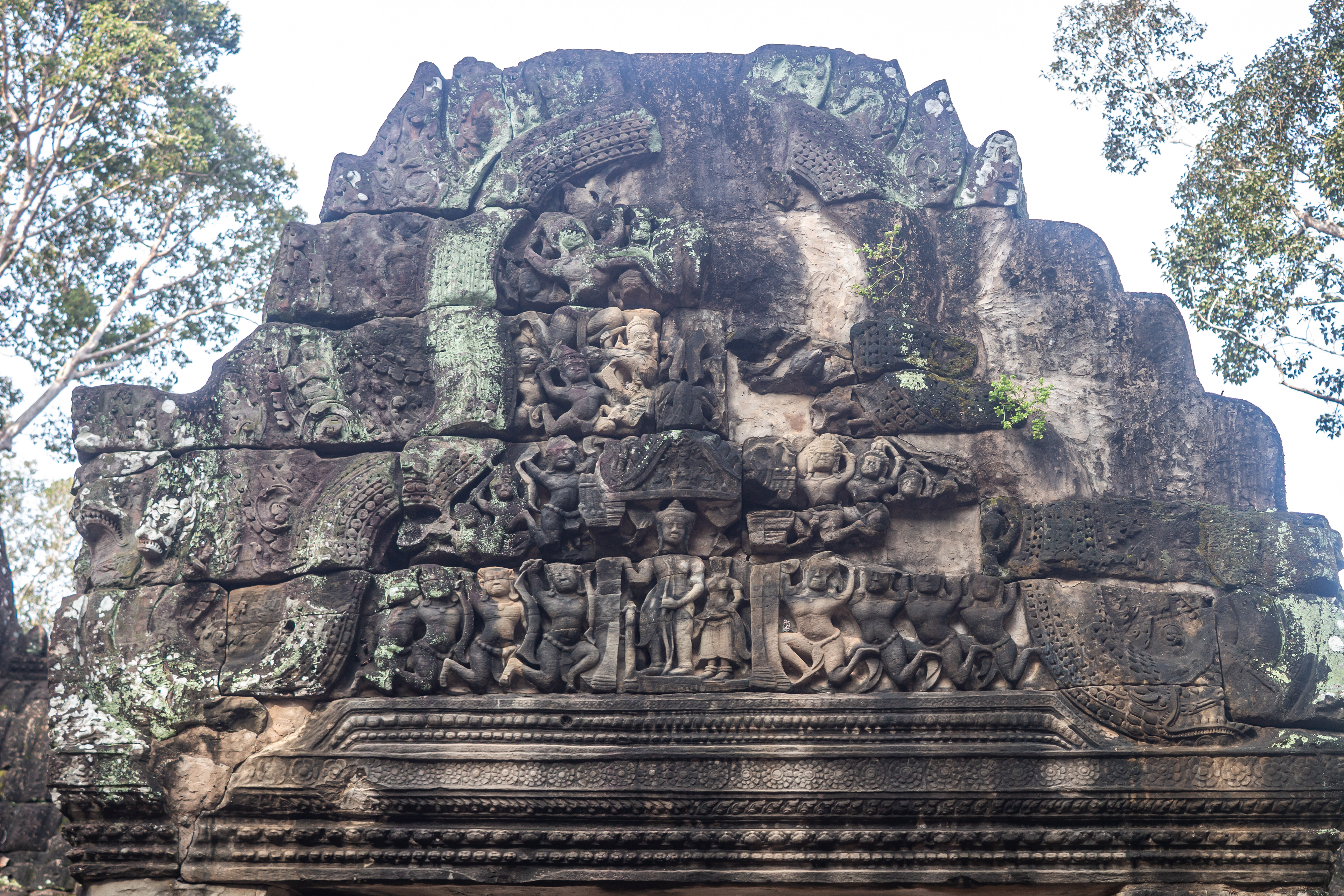
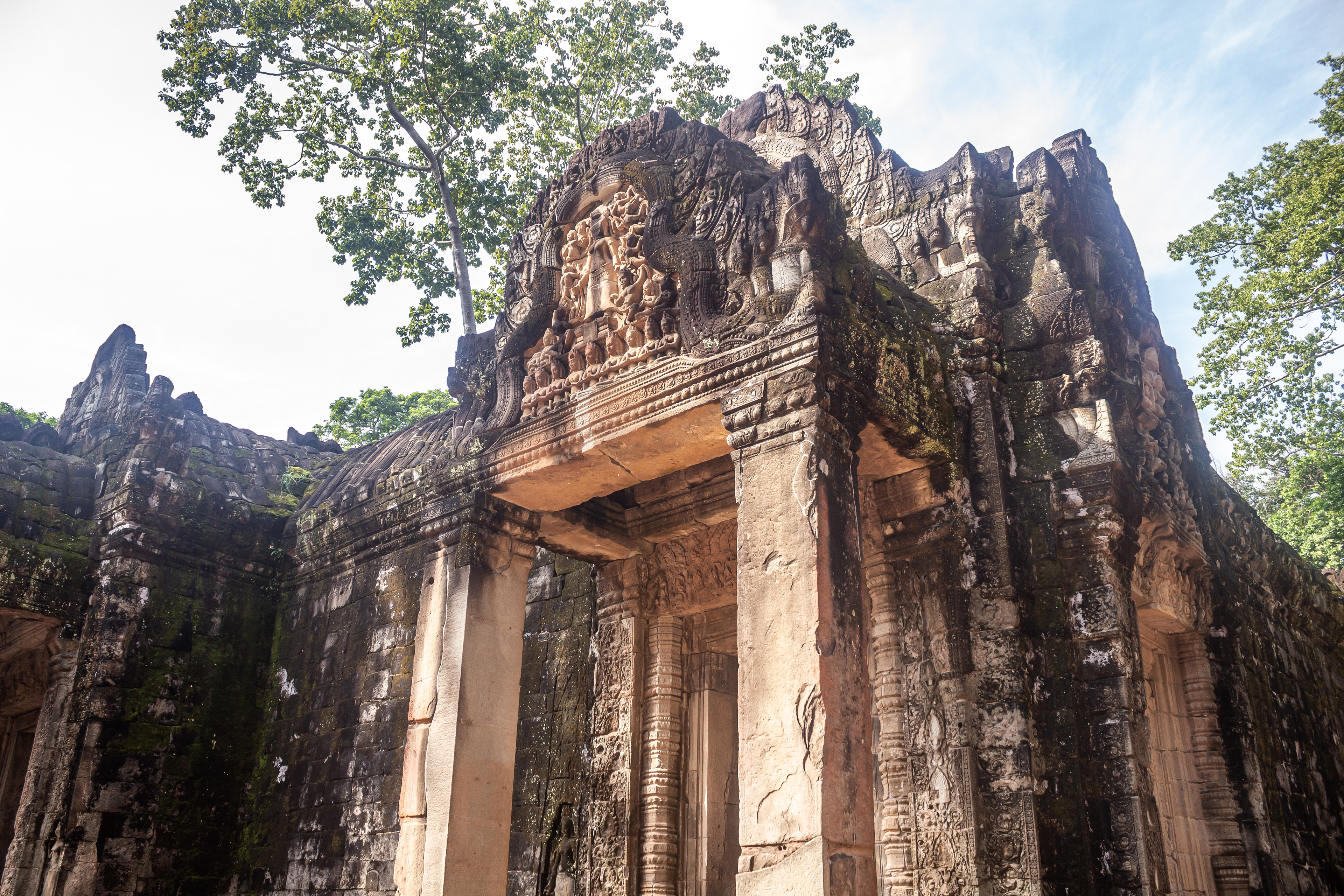
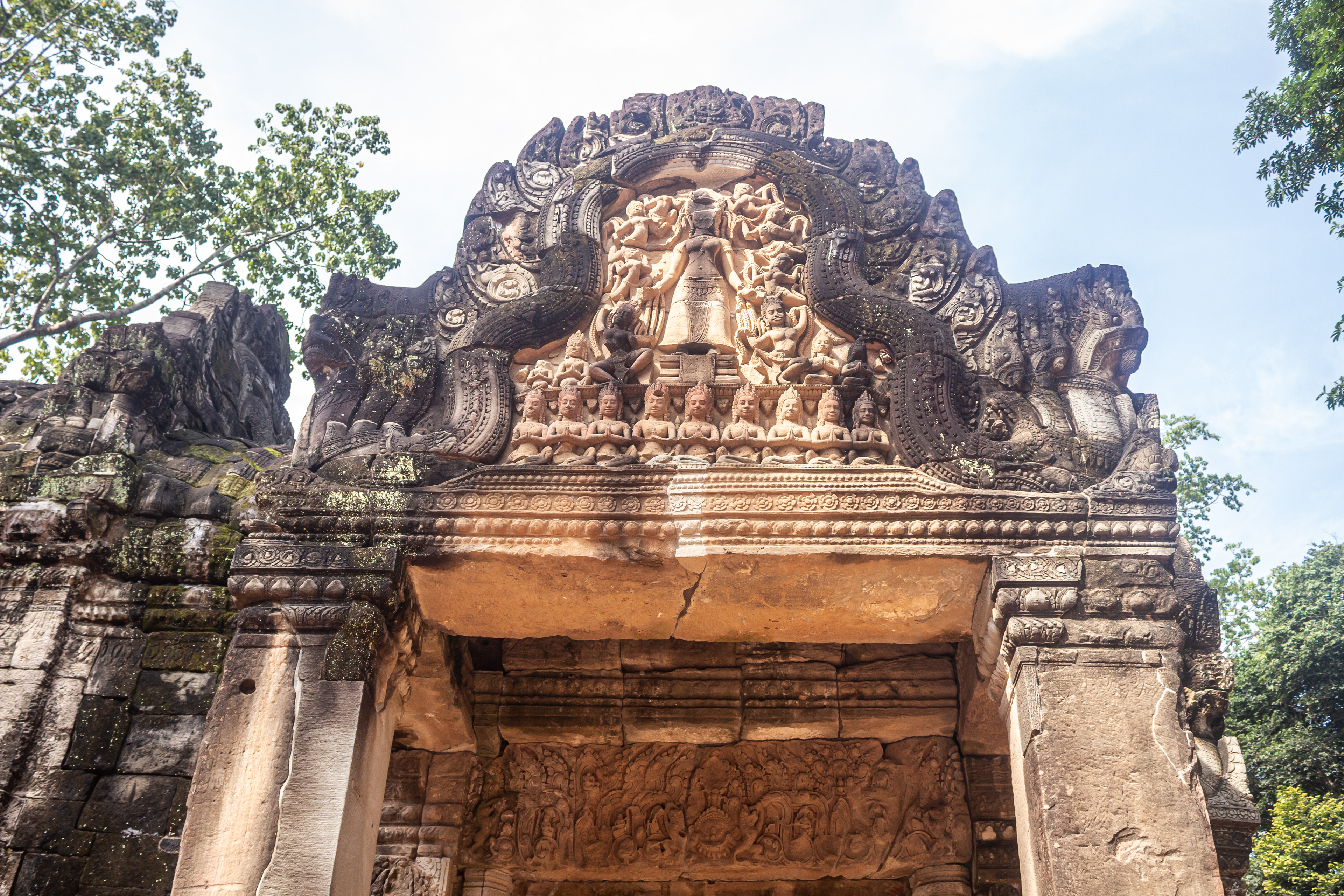
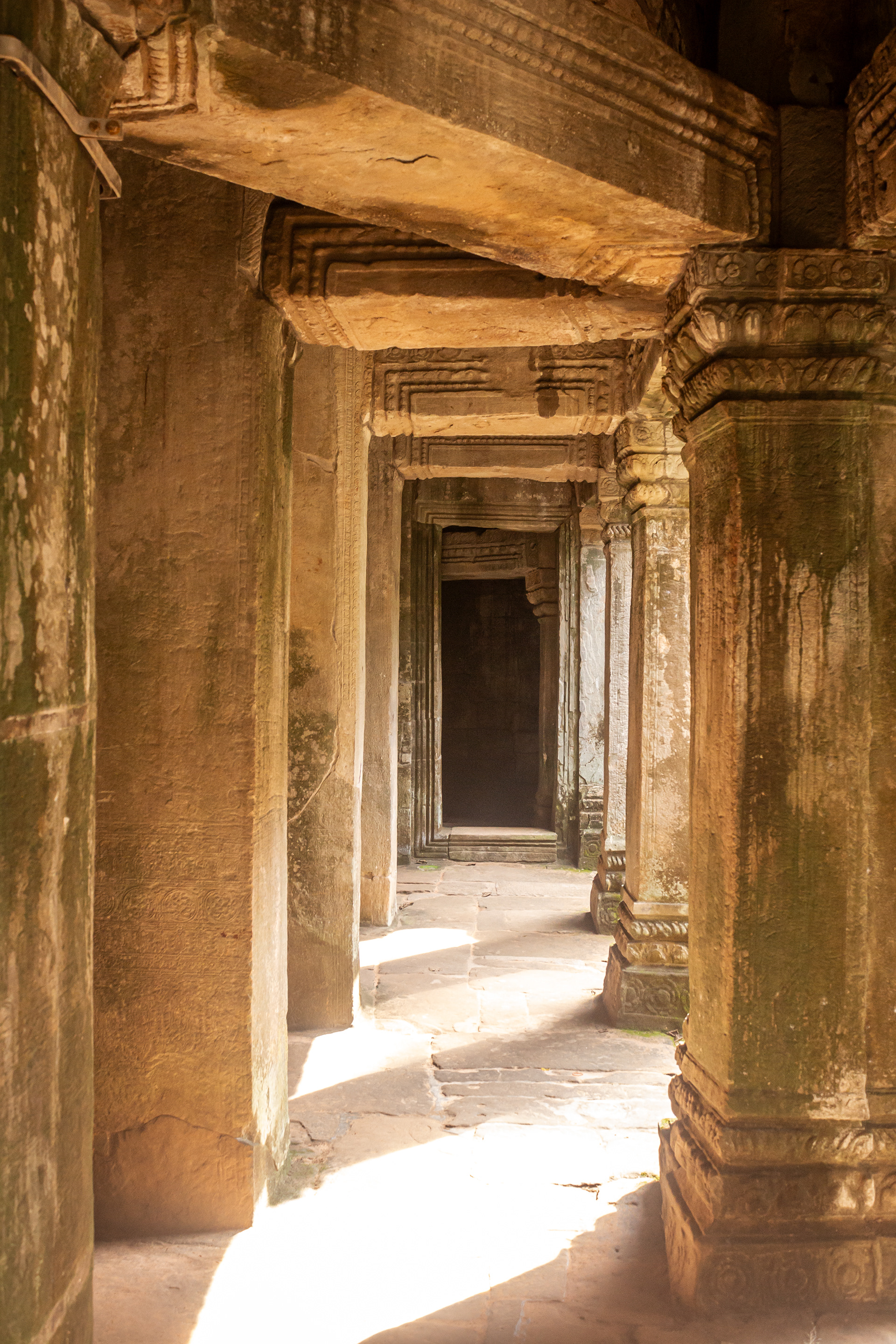
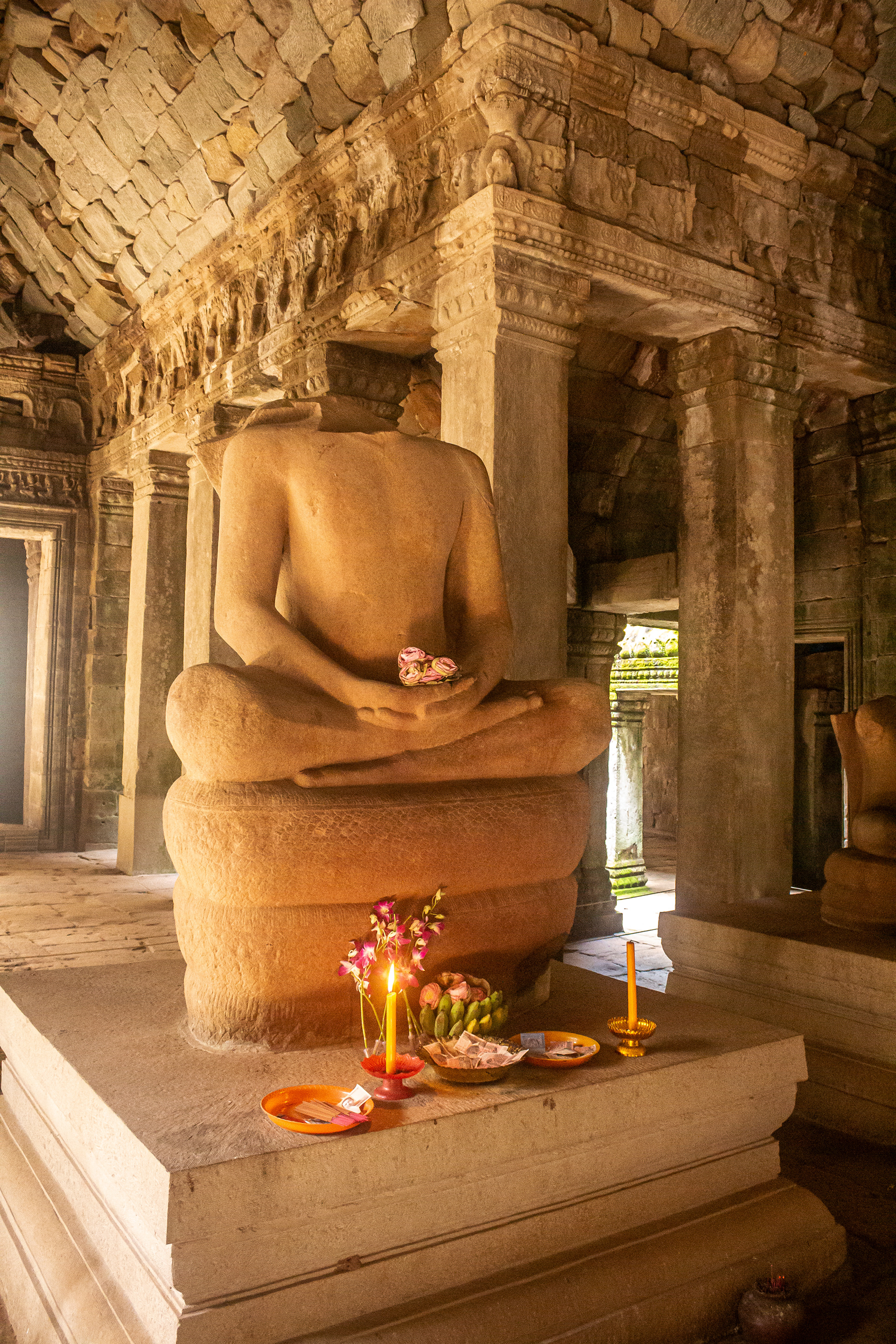
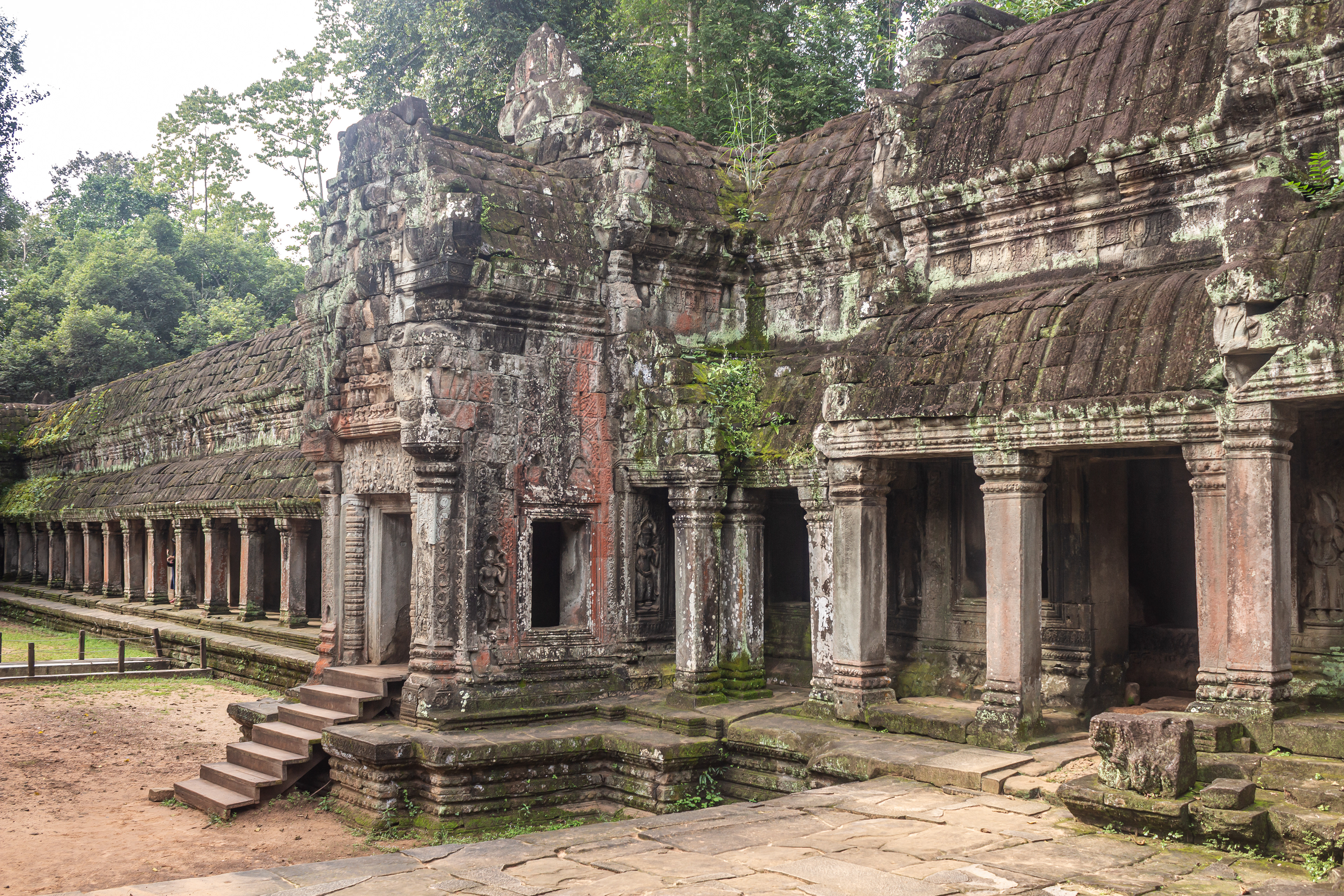
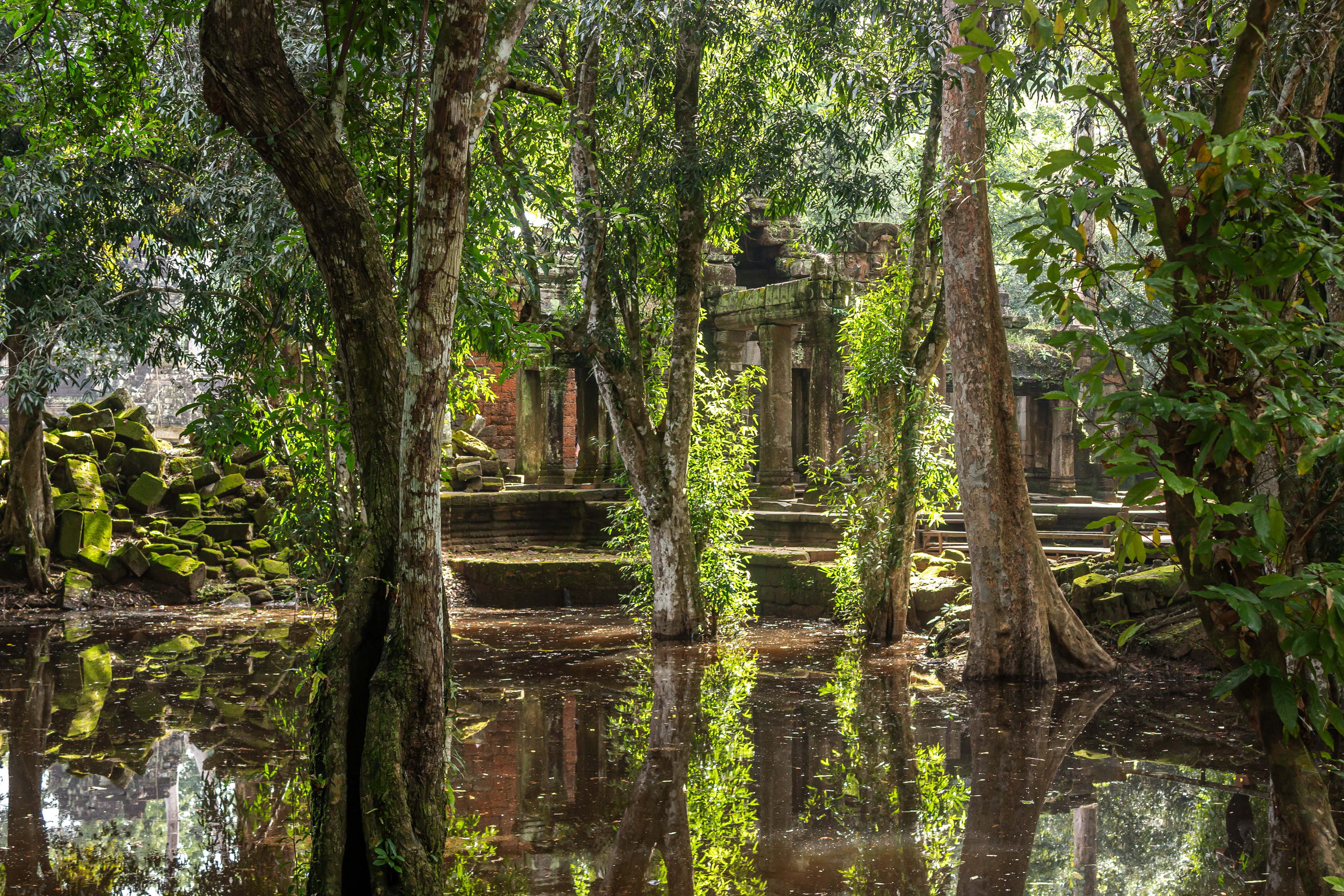
Built in the late 12th century by King Jayavarman VII, Ta Prohm was originally a Buddhist monastery and university known as Rajavihara. At its height, it supported thousands of monks, teachers, dancers, and attendants. Today, the echoes of that bustling spiritual life linger in the temple’s crumbling corridors and serene courtyards.
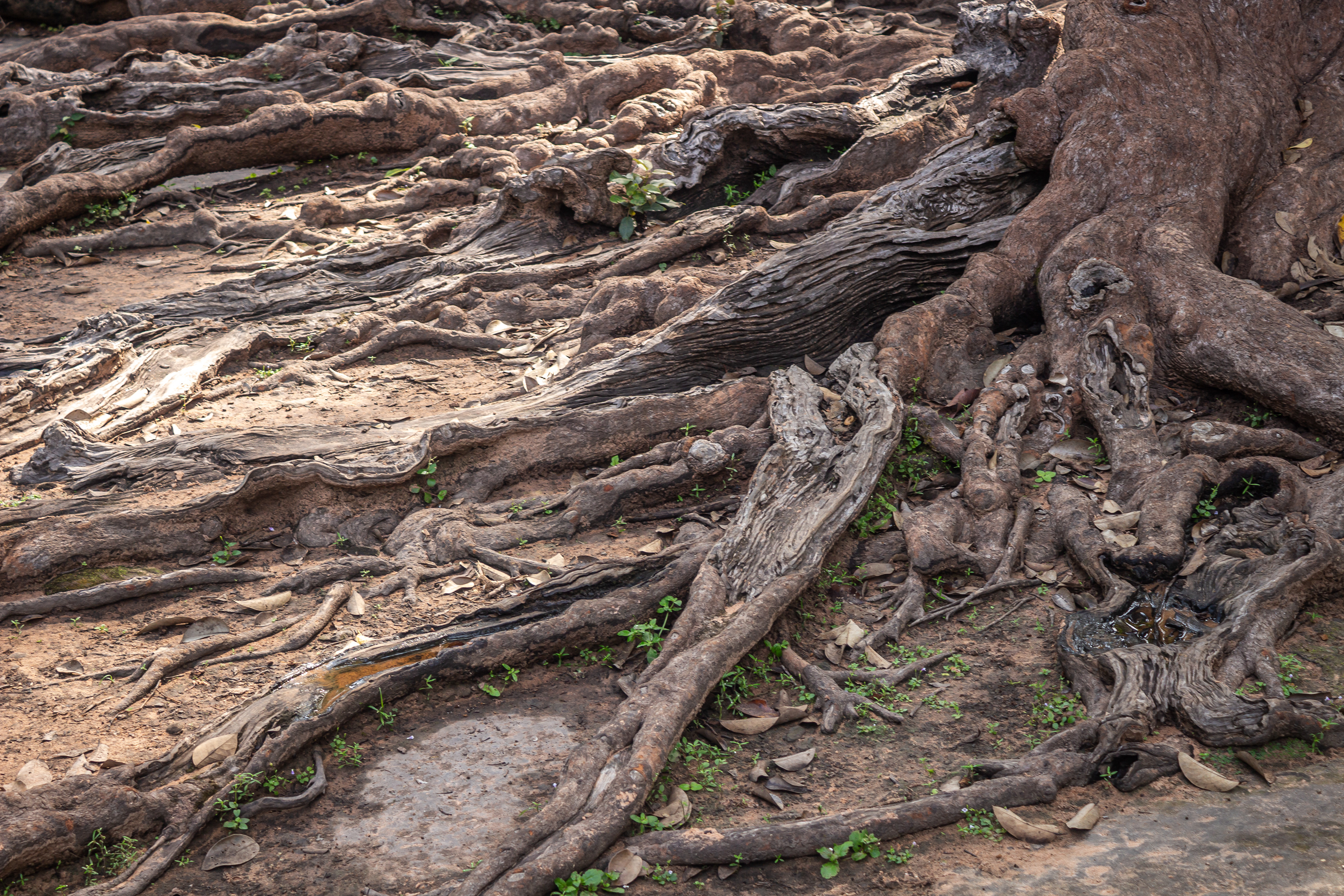
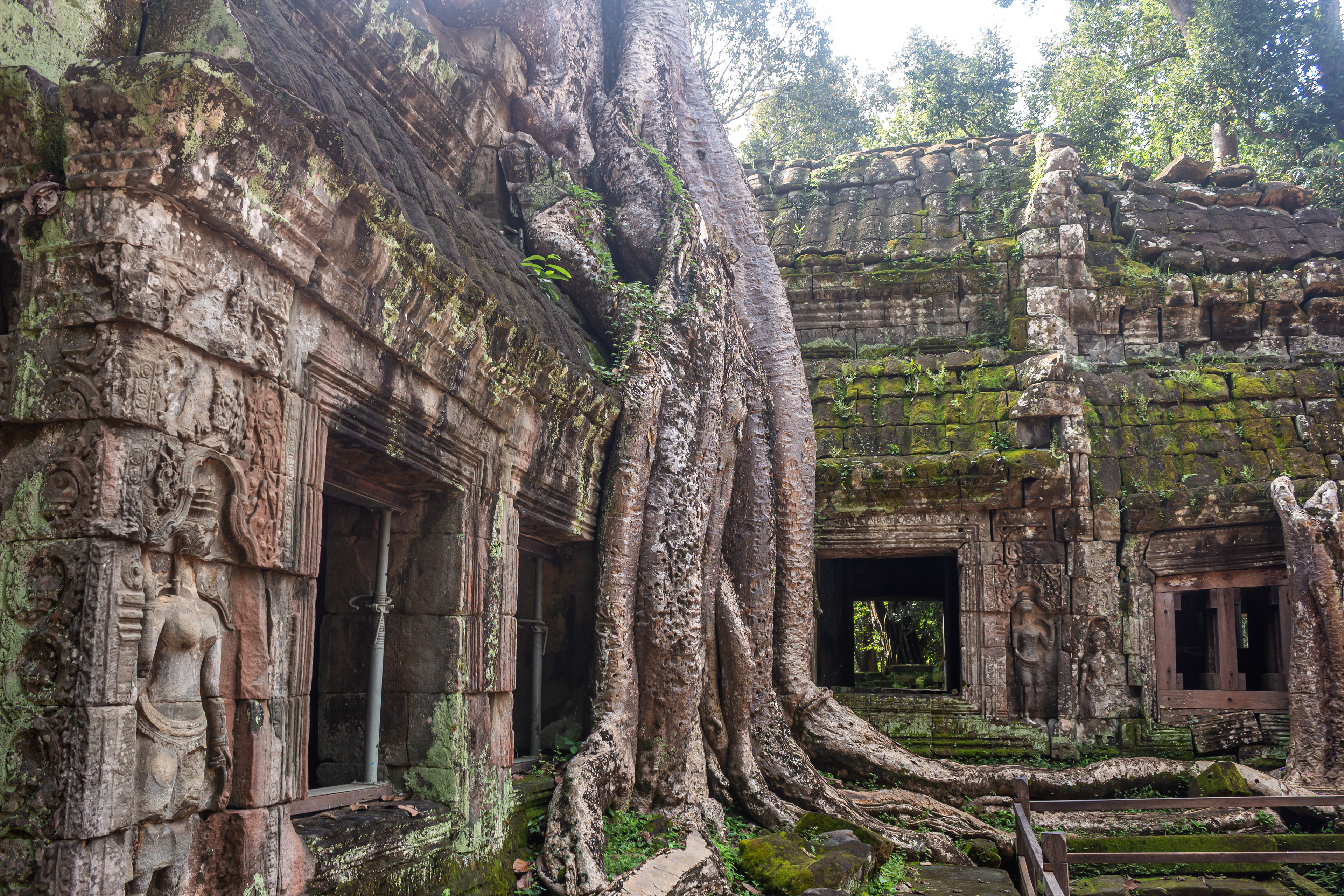
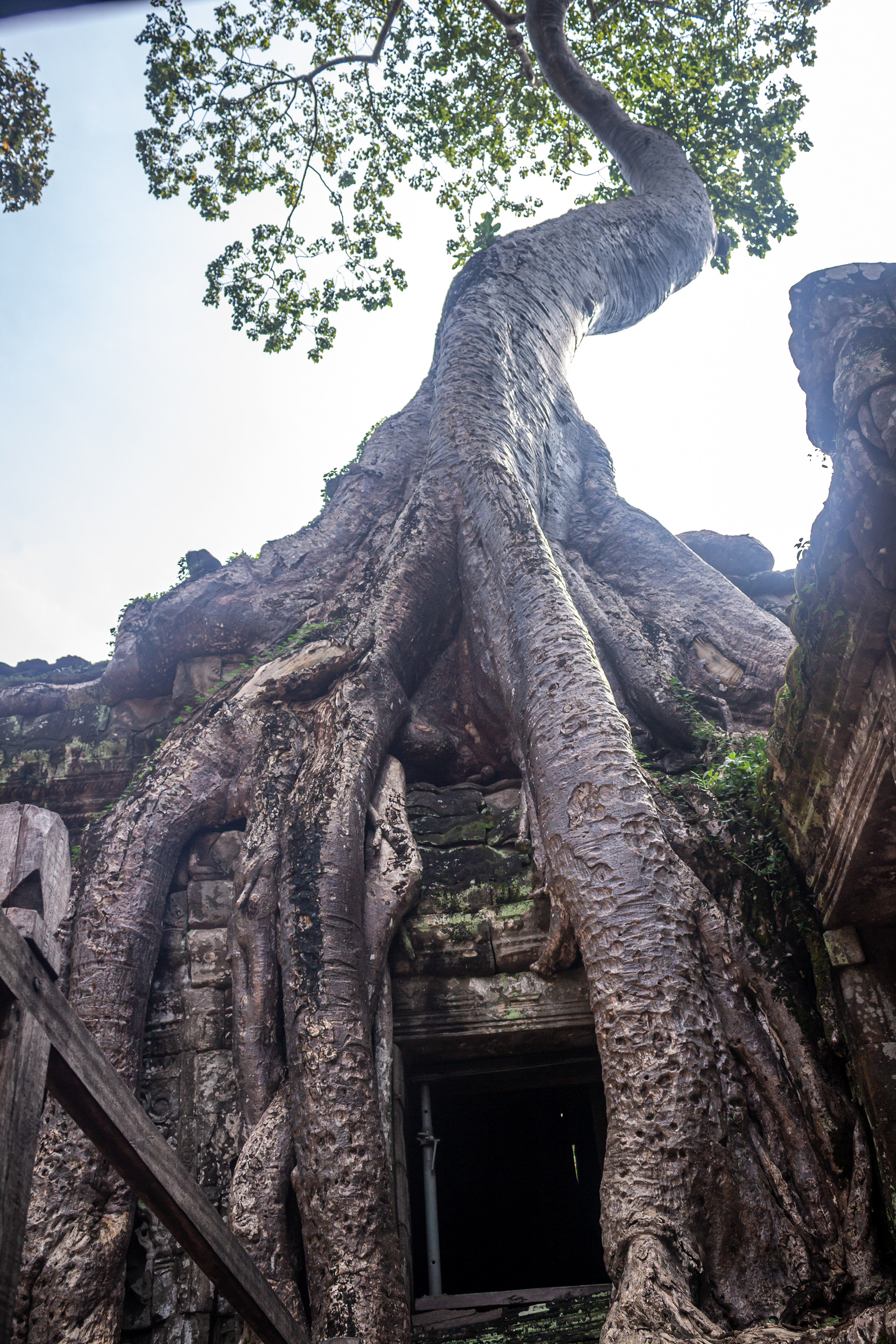
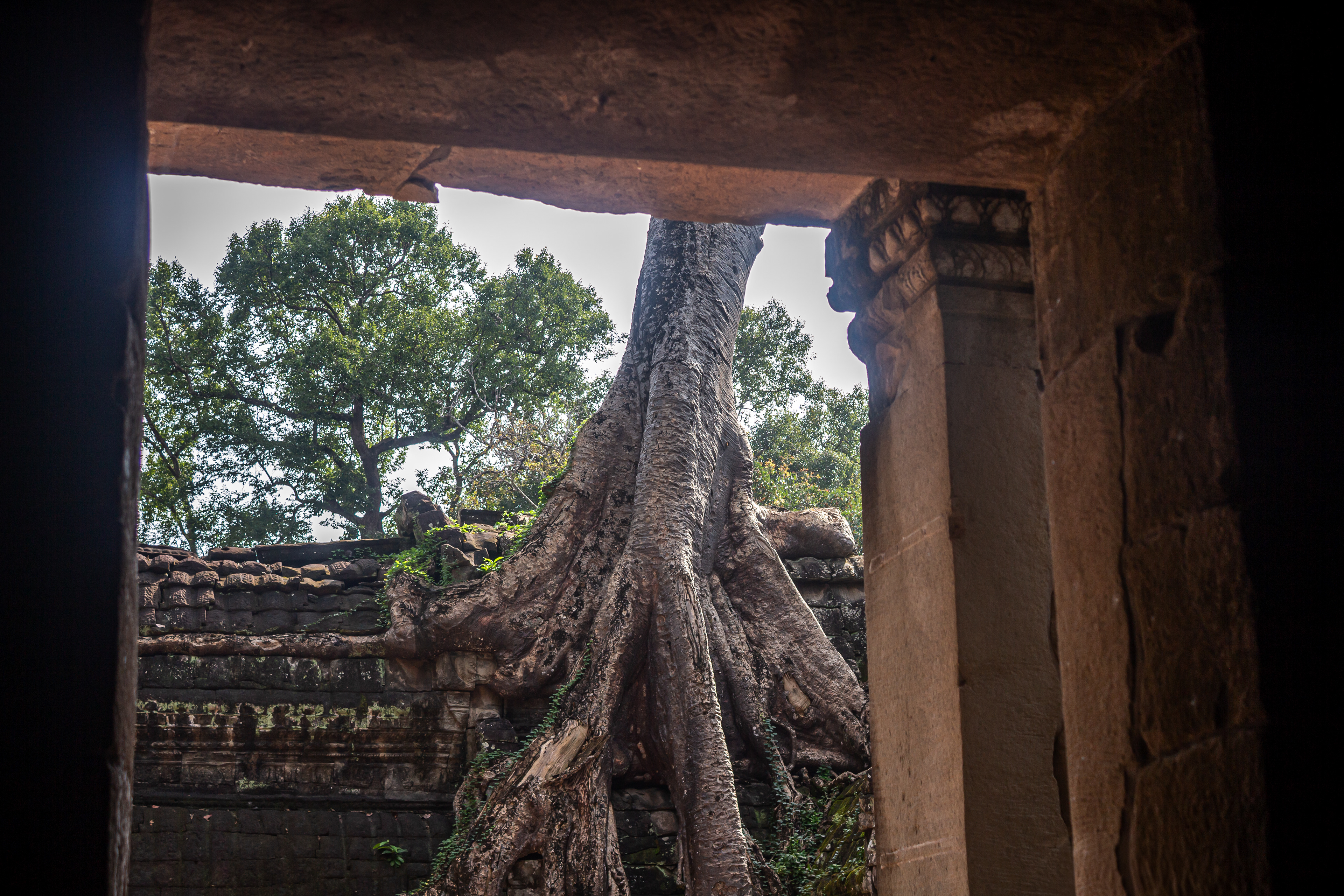
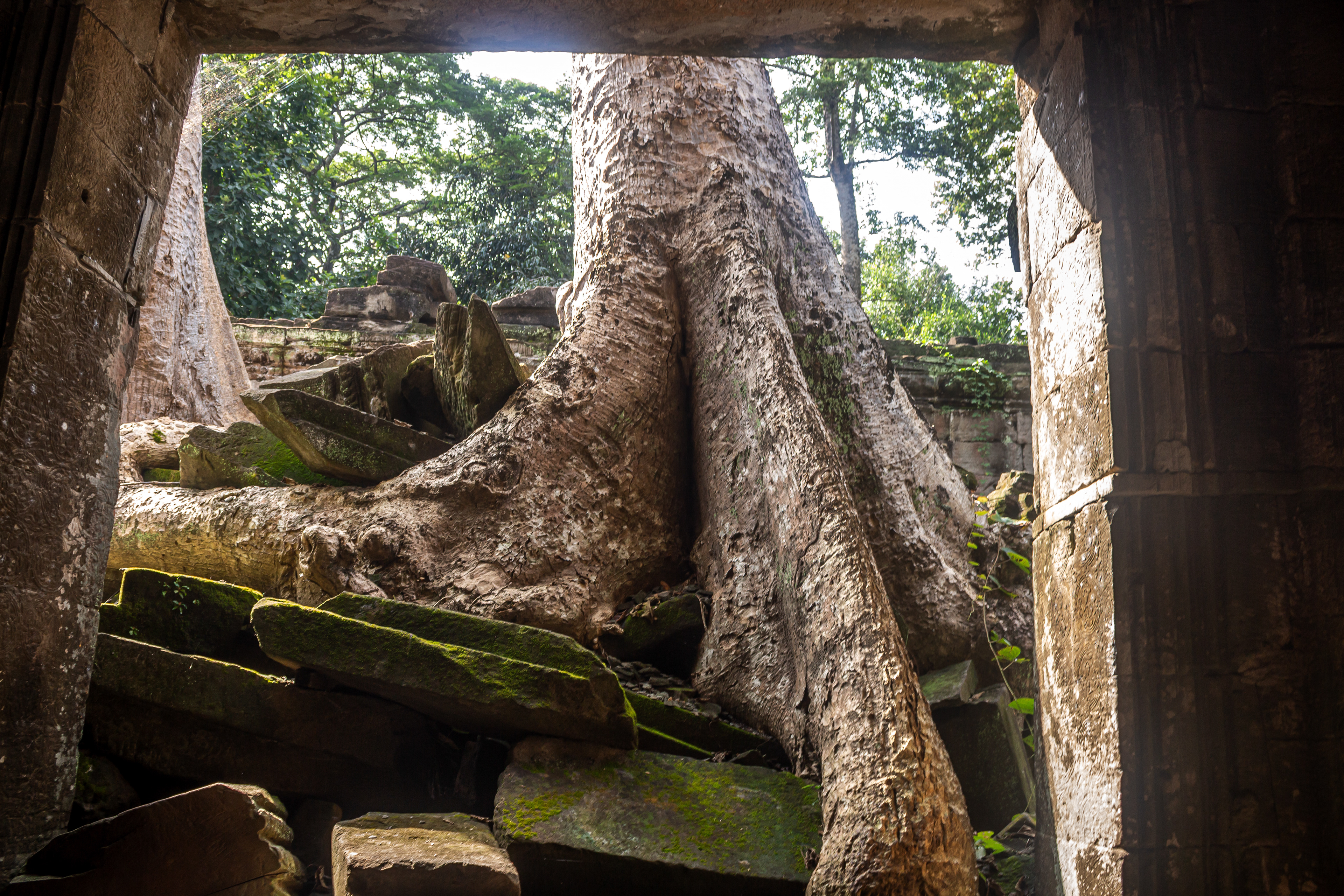
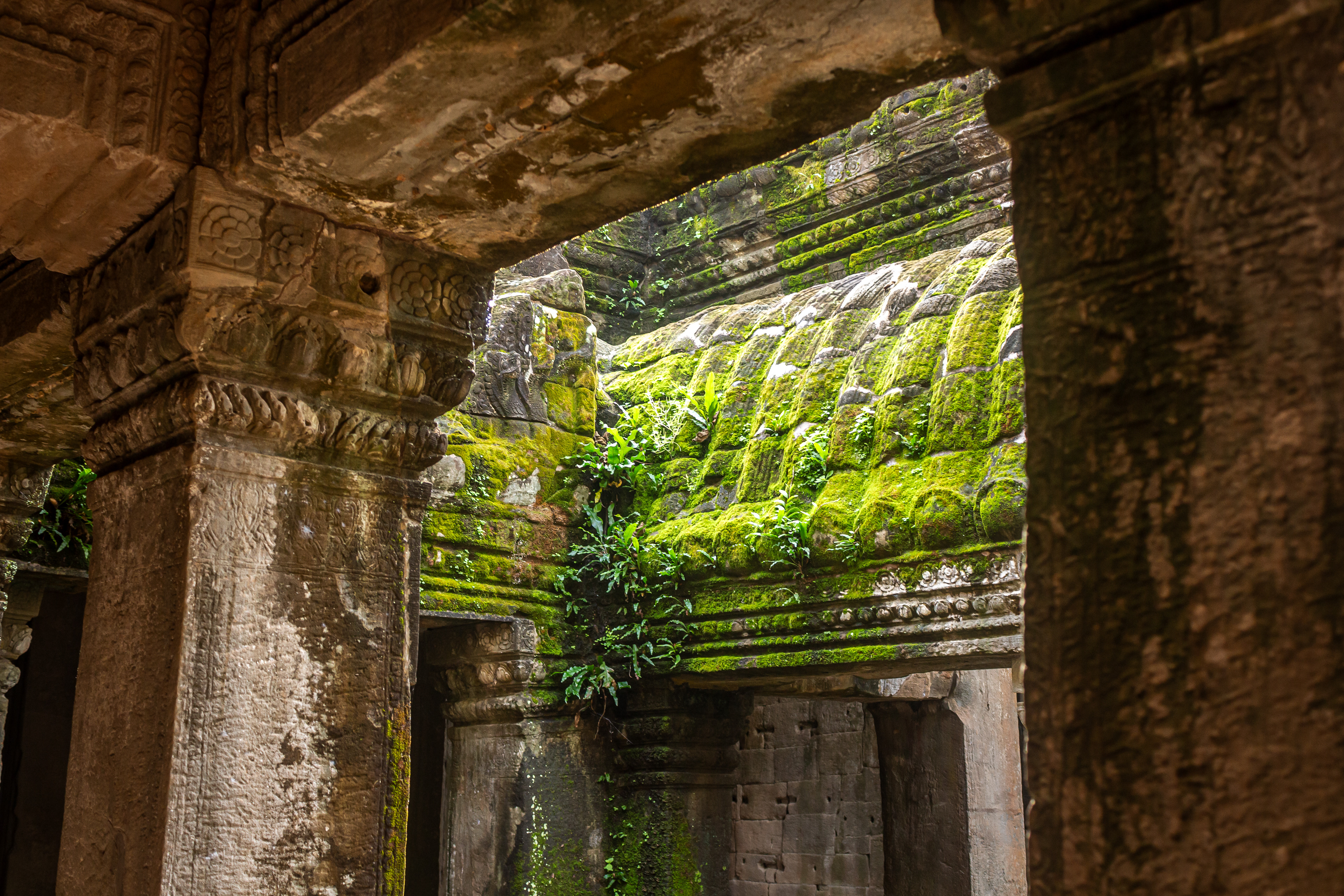
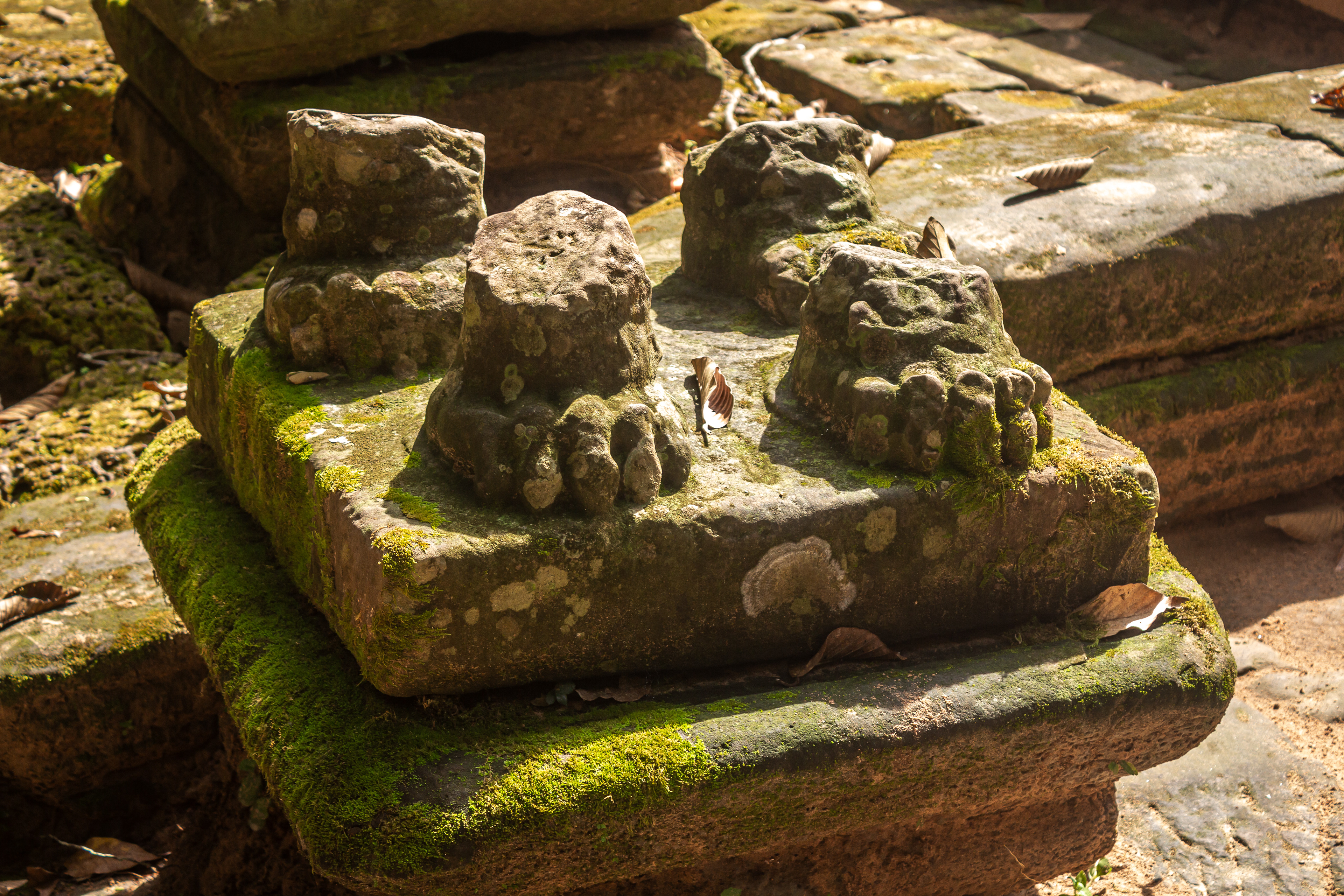
What makes Ta Prohm unforgettable are the giant silk-cotton and strangler fig trees that grow directly out of the stone structures. Their massive roots cascade over walls and doorways like frozen waterfalls, gripping the temple with quiet persistence. In some places, it’s impossible to tell where architecture ends and nature begins. Moss-covered stones, filtered sunlight, and the distant sound of birds give the site a dreamlike quality.
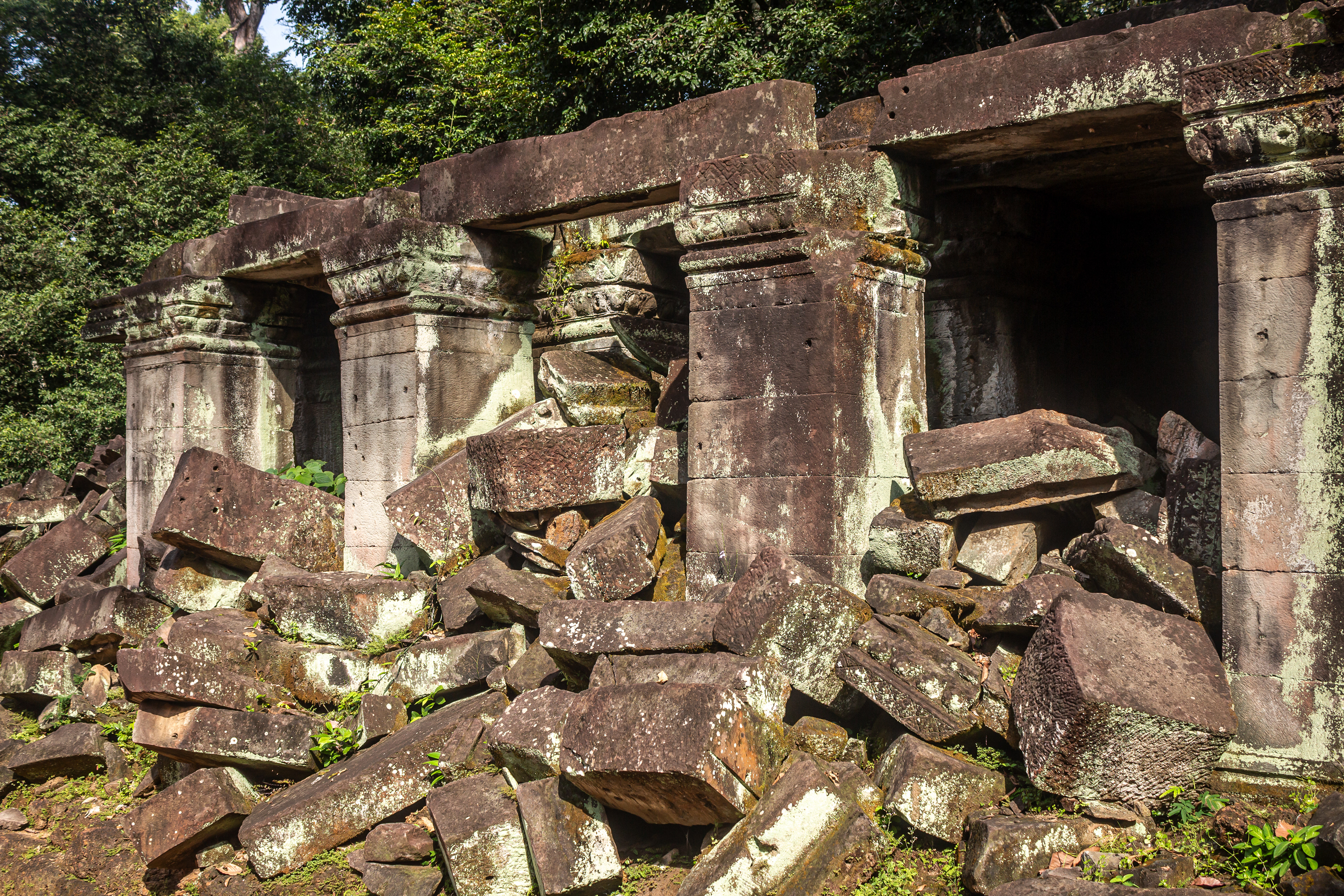
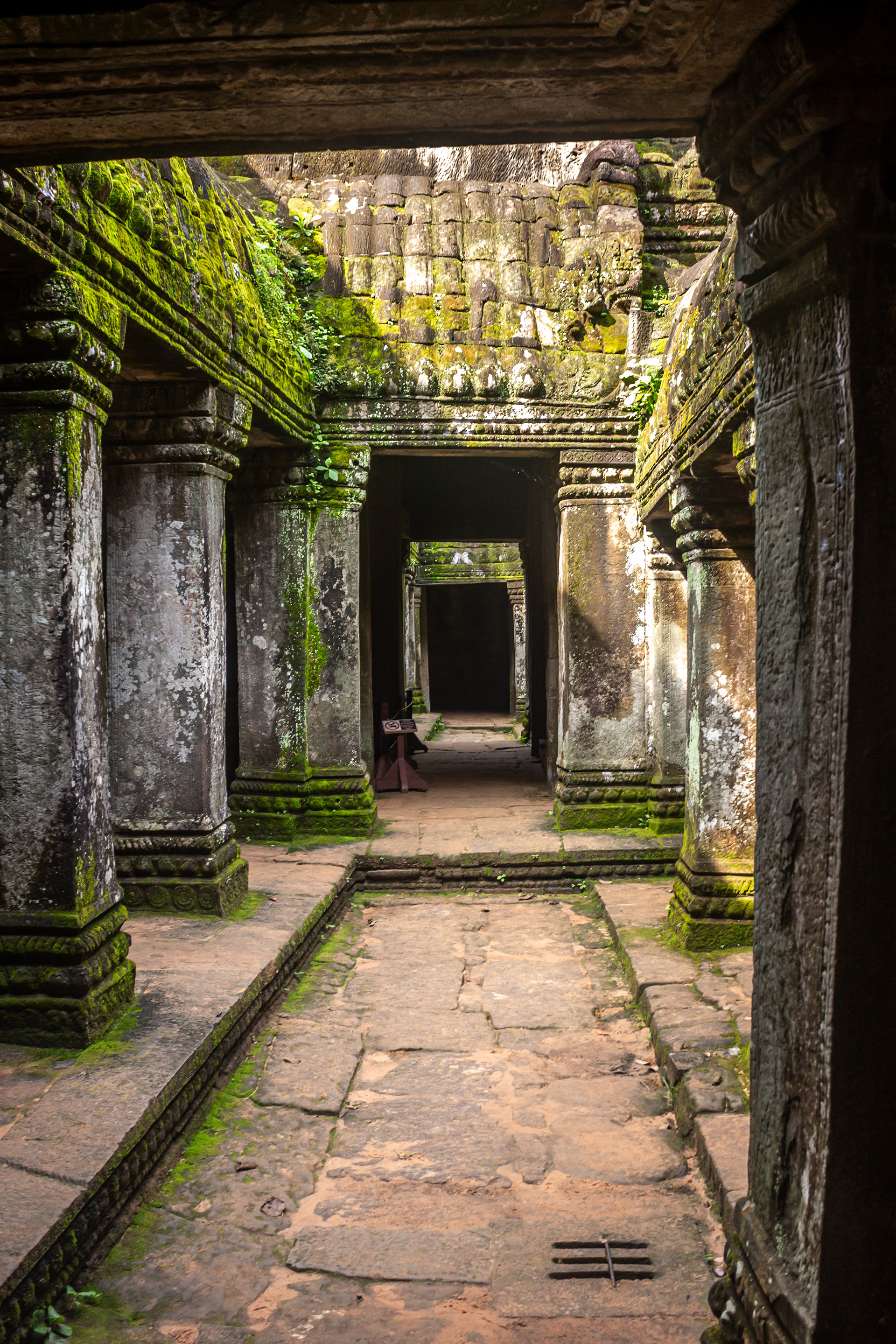
Walking through Ta Prohm feels like stepping into an adventure novel—or a film set. (It’s no surprise the temple gained global fame after appearing in Tomb Raider.) Narrow passageways lead to hidden chambers, while collapsed roofs open to the sky. Every turn reveals a new interplay of light, shadow, stone, and root.
Despite its romantic decay, Ta Prohm is also a reminder of impermanence. Conservationists face the constant challenge of preserving the temple without destroying the very trees that make it iconic. This delicate balance adds another layer of meaning to the visit: nothing here is truly static, not even history.
For travelers to Angkor, Ta Prohm offers something beyond architectural grandeur. It offers mood, mystery, and emotion. Arrive early in the morning or late in the afternoon to avoid crowds, and take your time. Listen. Observe. Let the jungle tell its story.

Phnom Penh Travel Guide: Cambodia’s Capital of Contrasts
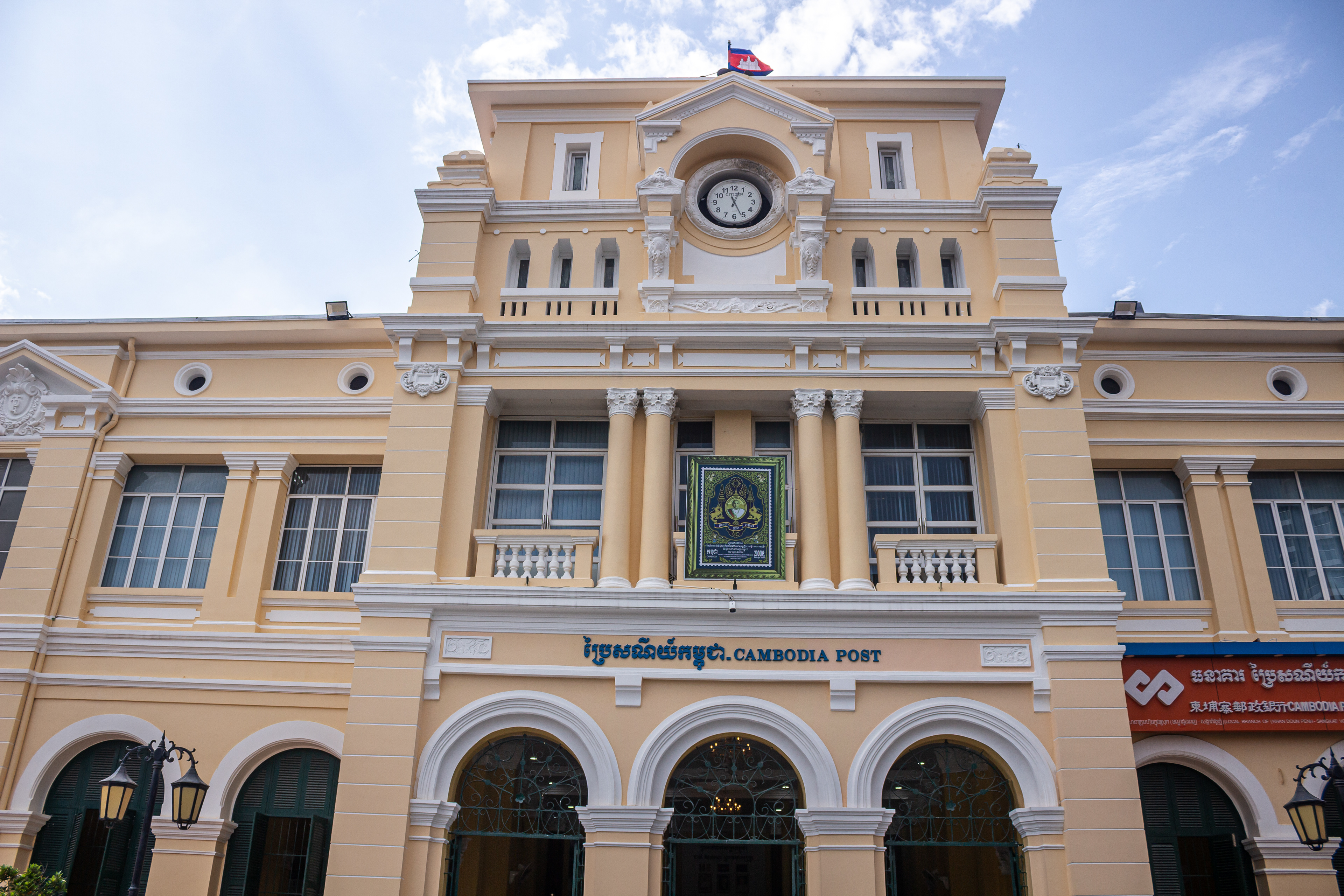
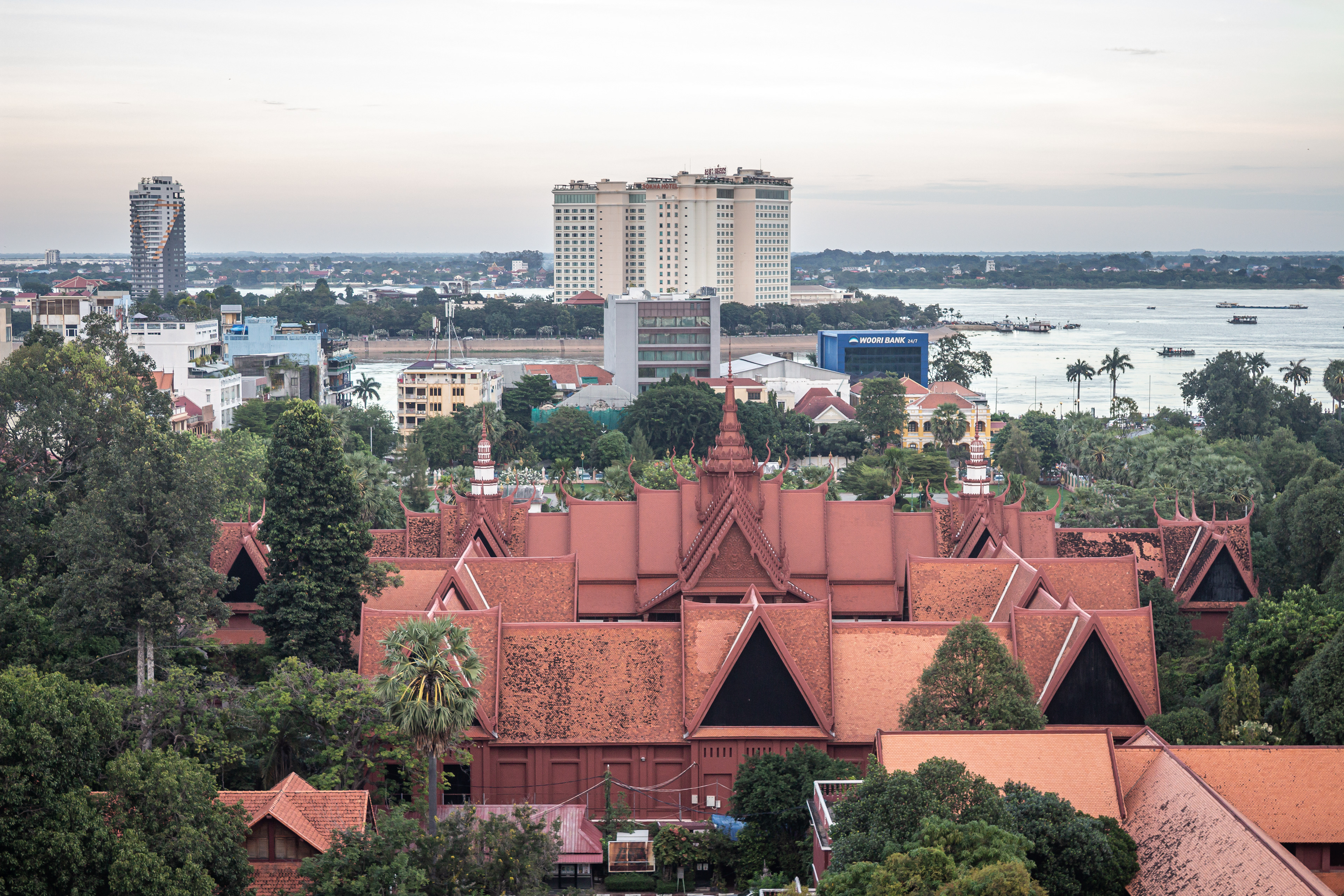
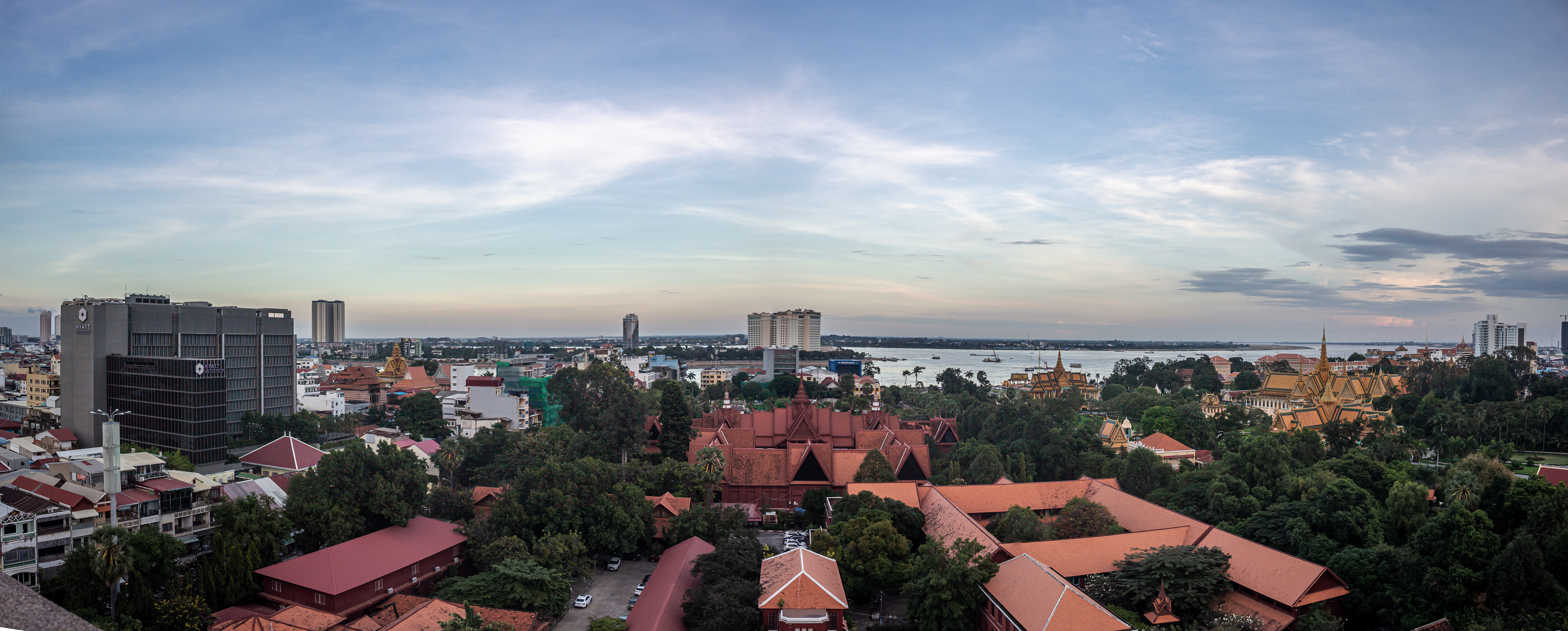
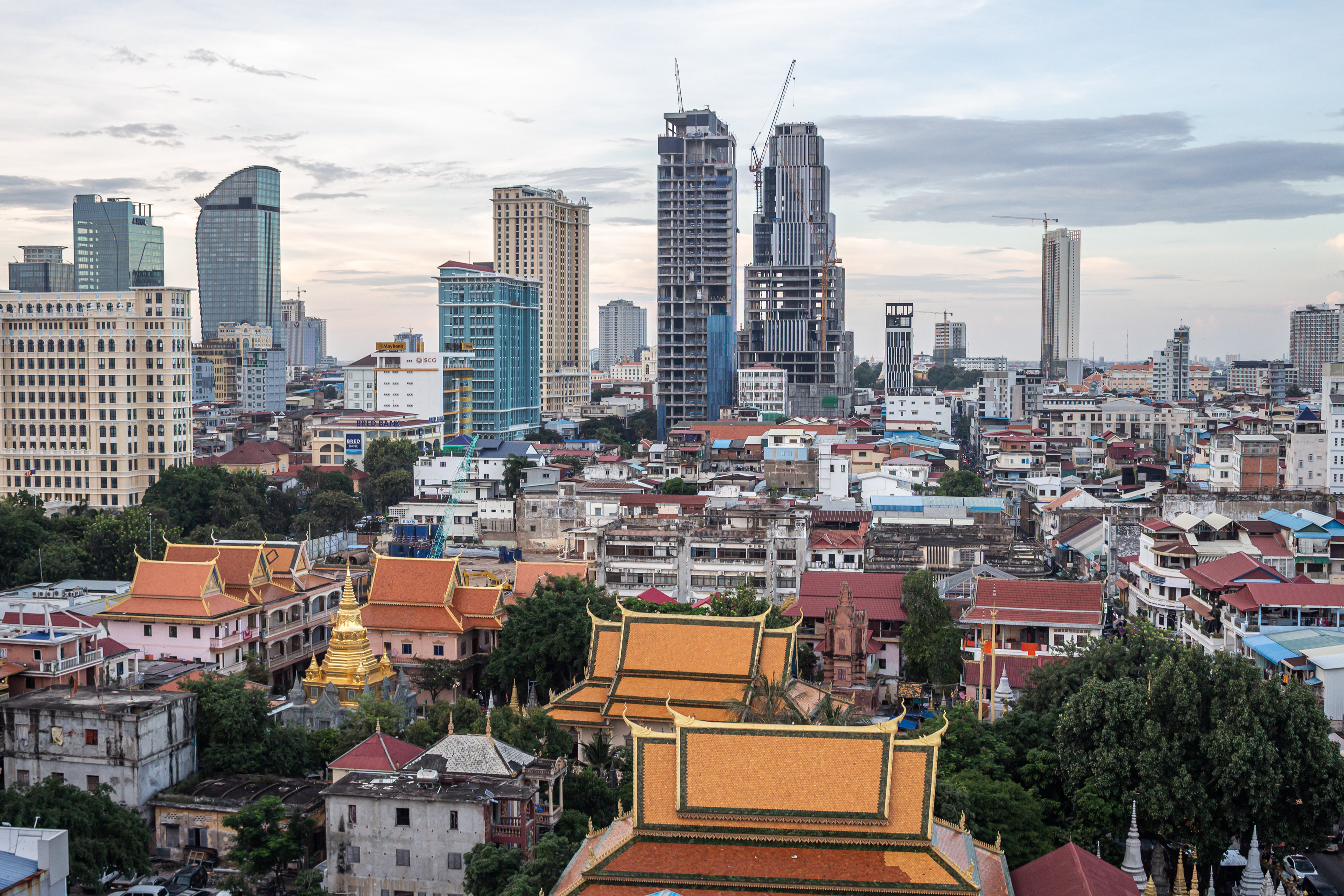
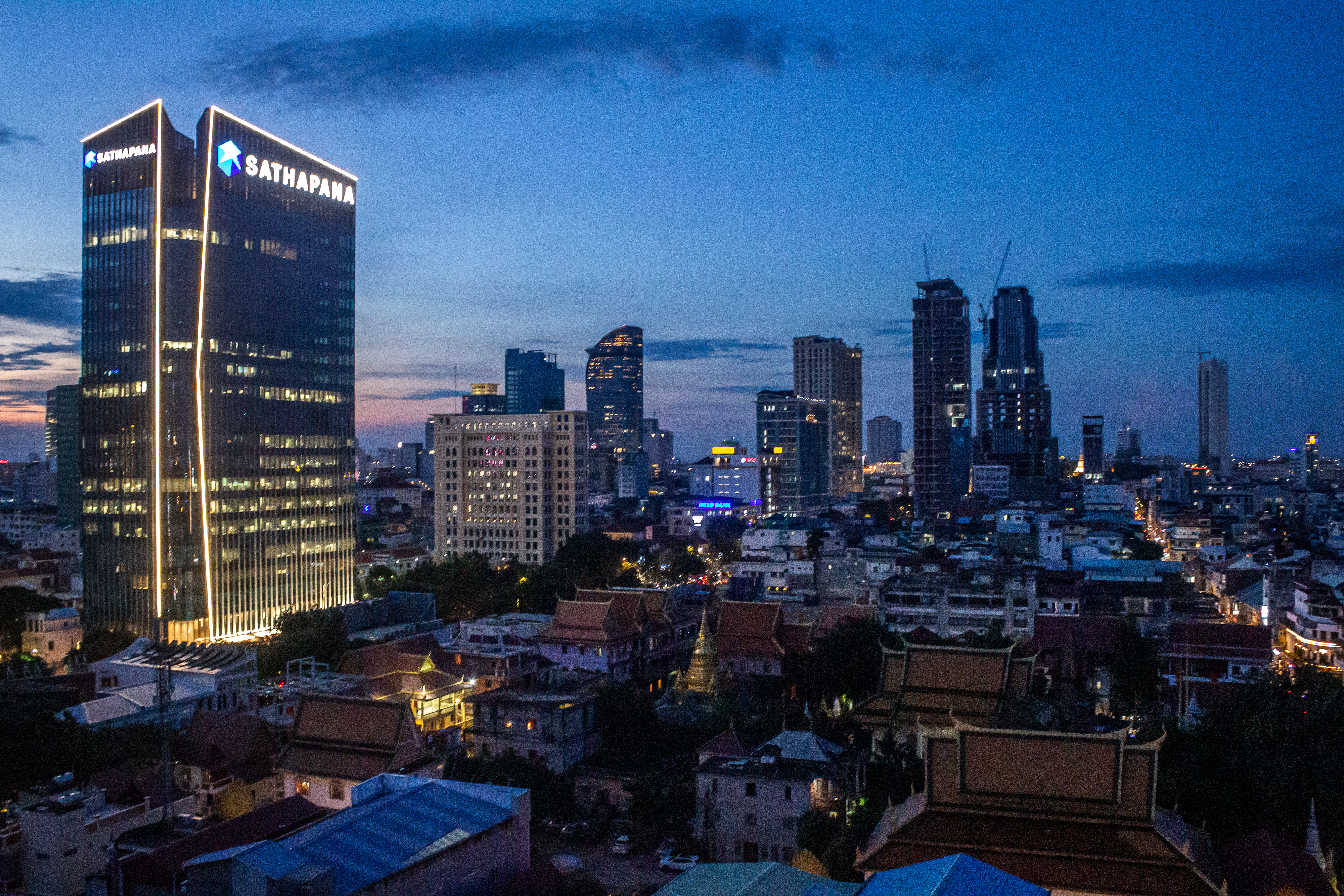
Phnom Penh is a city that stays with you. Sitting at the meeting point of the Mekong, Tonlé Sap, and Bassac rivers, Cambodia’s capital blends grand royal architecture, French colonial charm, bustling street life, and a history that is impossible to ignore. It’s a place of resilience, reflection, and surprising energy.
A Brief Look at Phnom Penh’s History
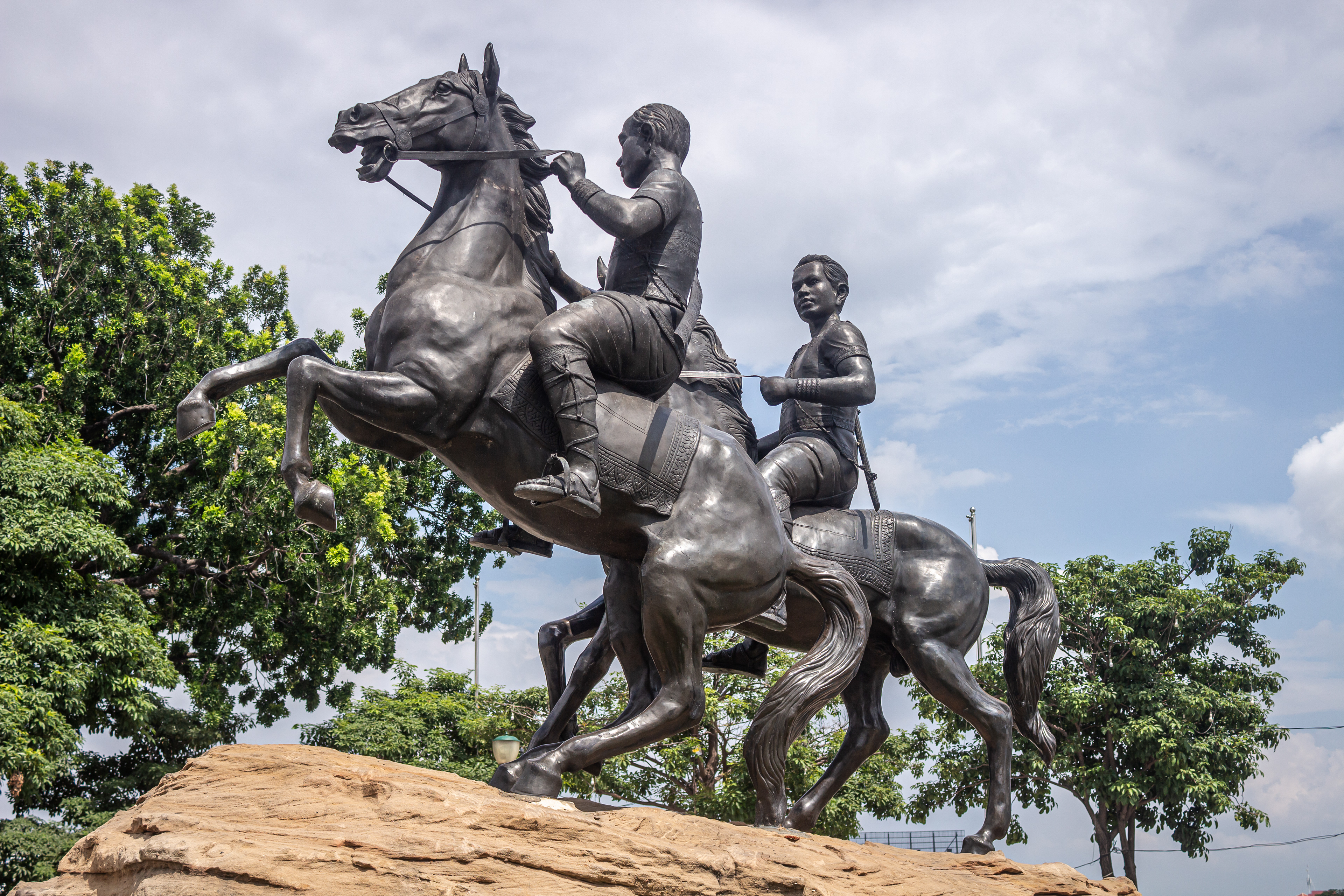
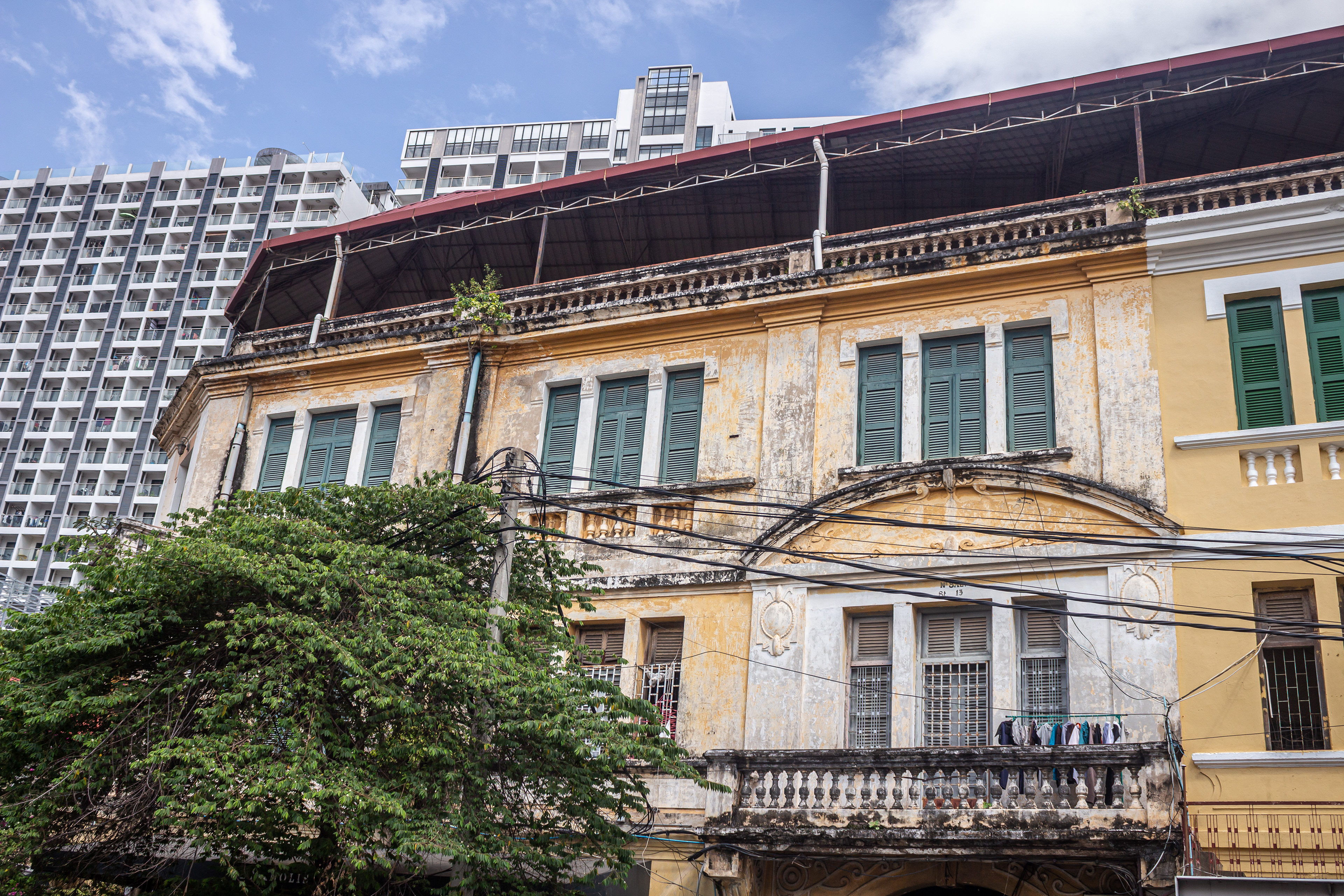
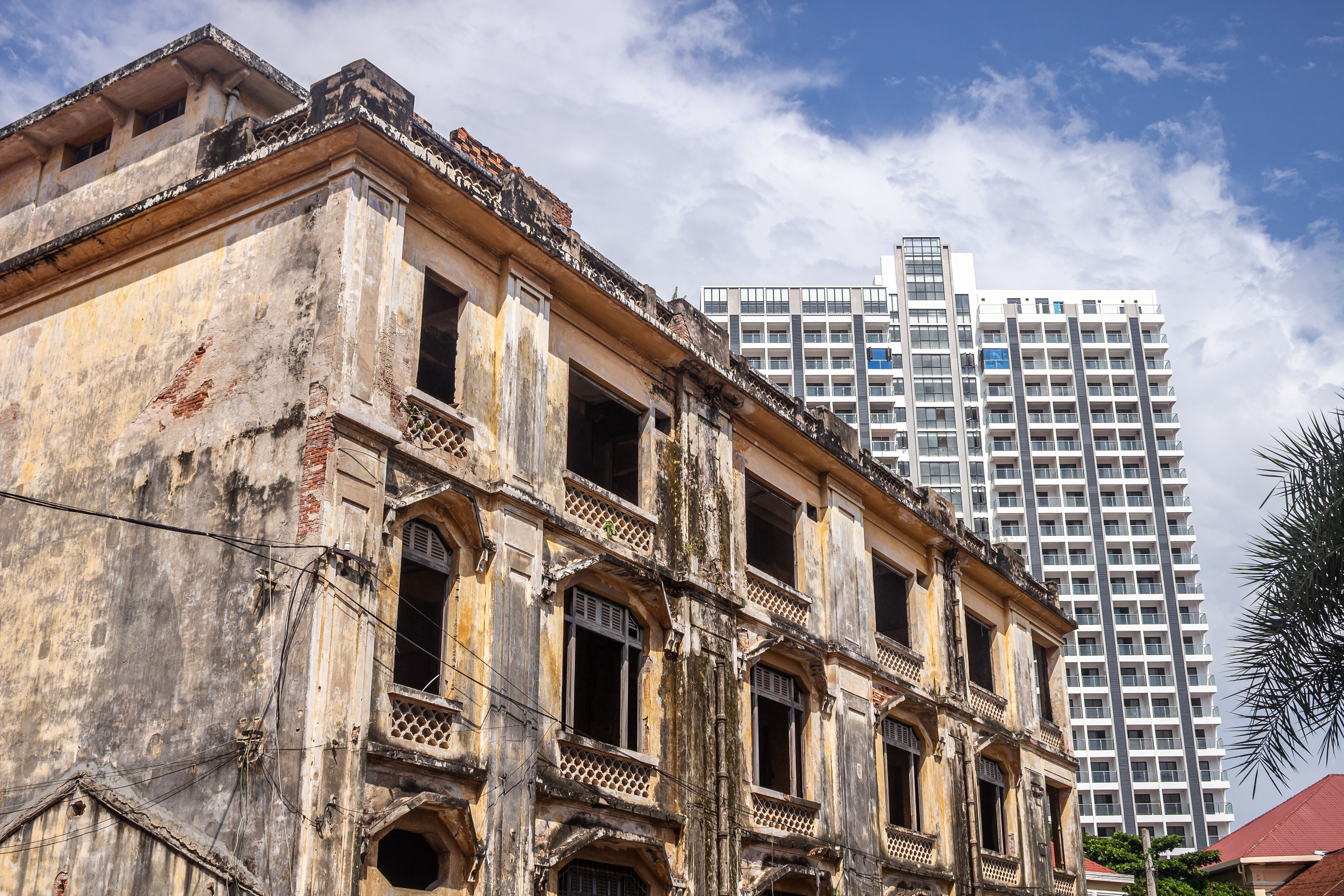
Phnom Penh became Cambodia’s capital in the 15th century, replacing Angkor after the fall of the Khmer Empire. Under French colonial rule in the late 1800s, the city was redesigned with wide boulevards, villas, and public buildings, earning it the nickname “The Pearl of Asia.”
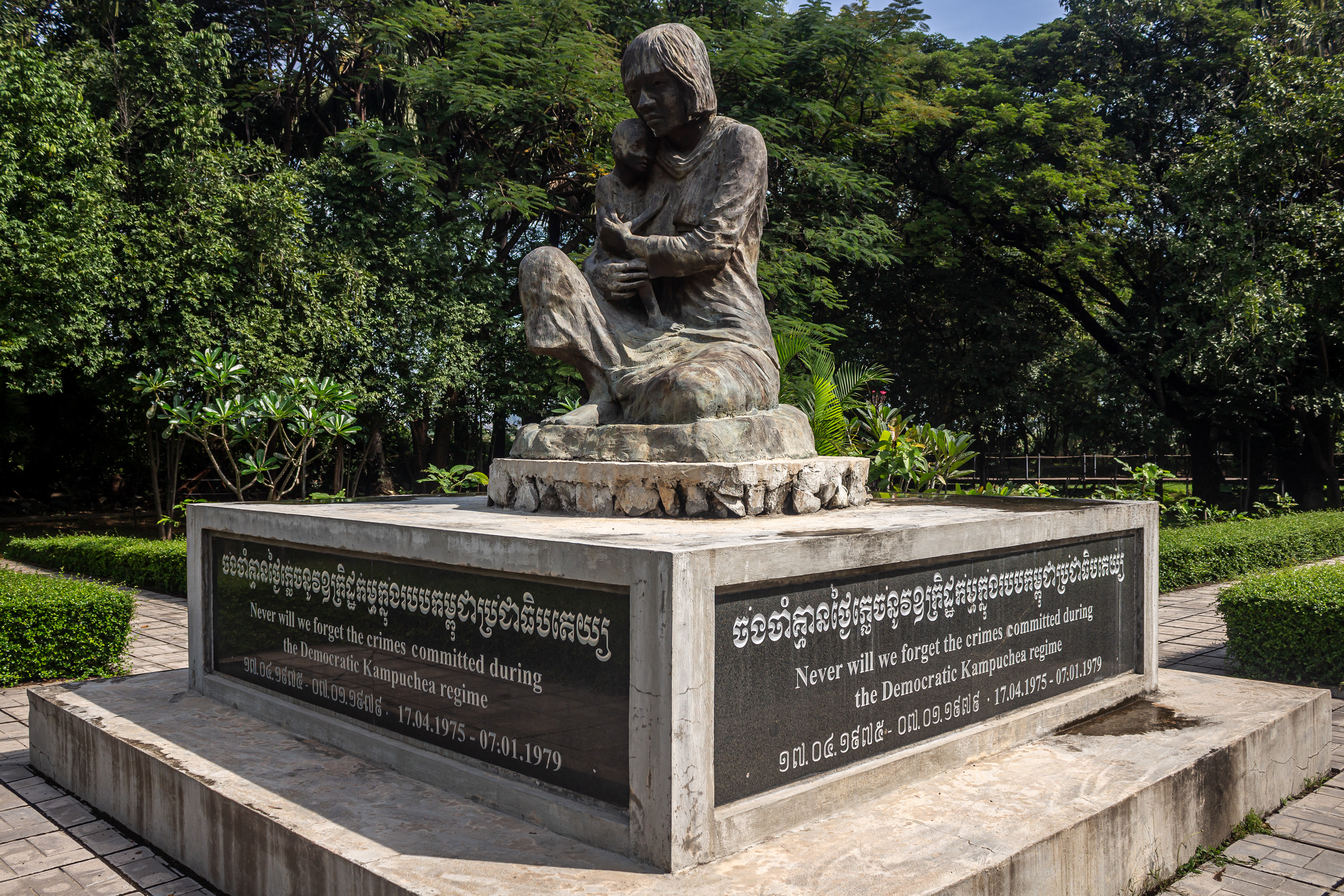
That image was shattered during the Khmer Rouge era (1975–1979), when the city was forcibly evacuated and left nearly empty. Since the 1990s, Phnom Penh has steadily rebuilt itself, and today it’s a fast-growing city where modern life coexists with powerful reminders of the past.
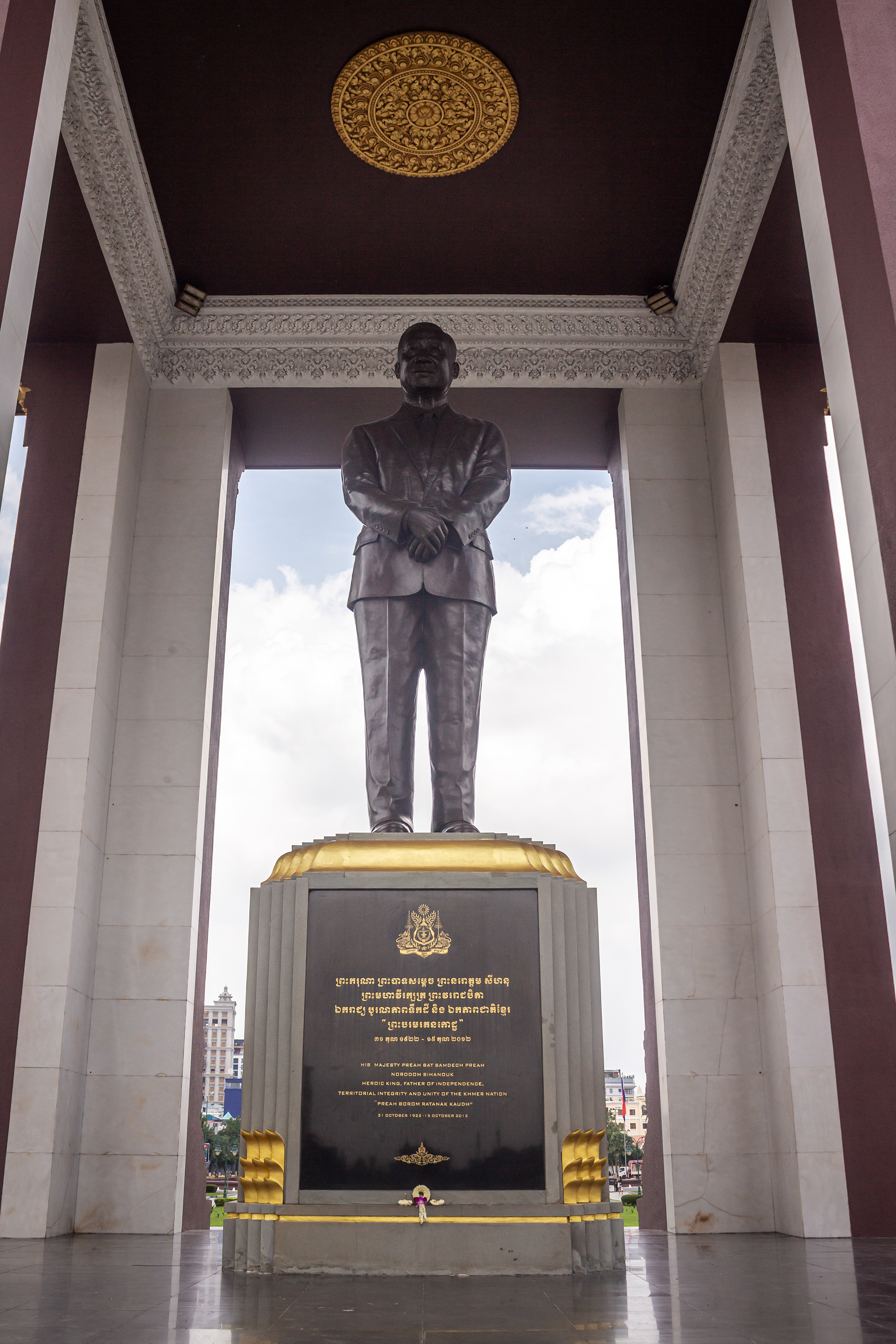
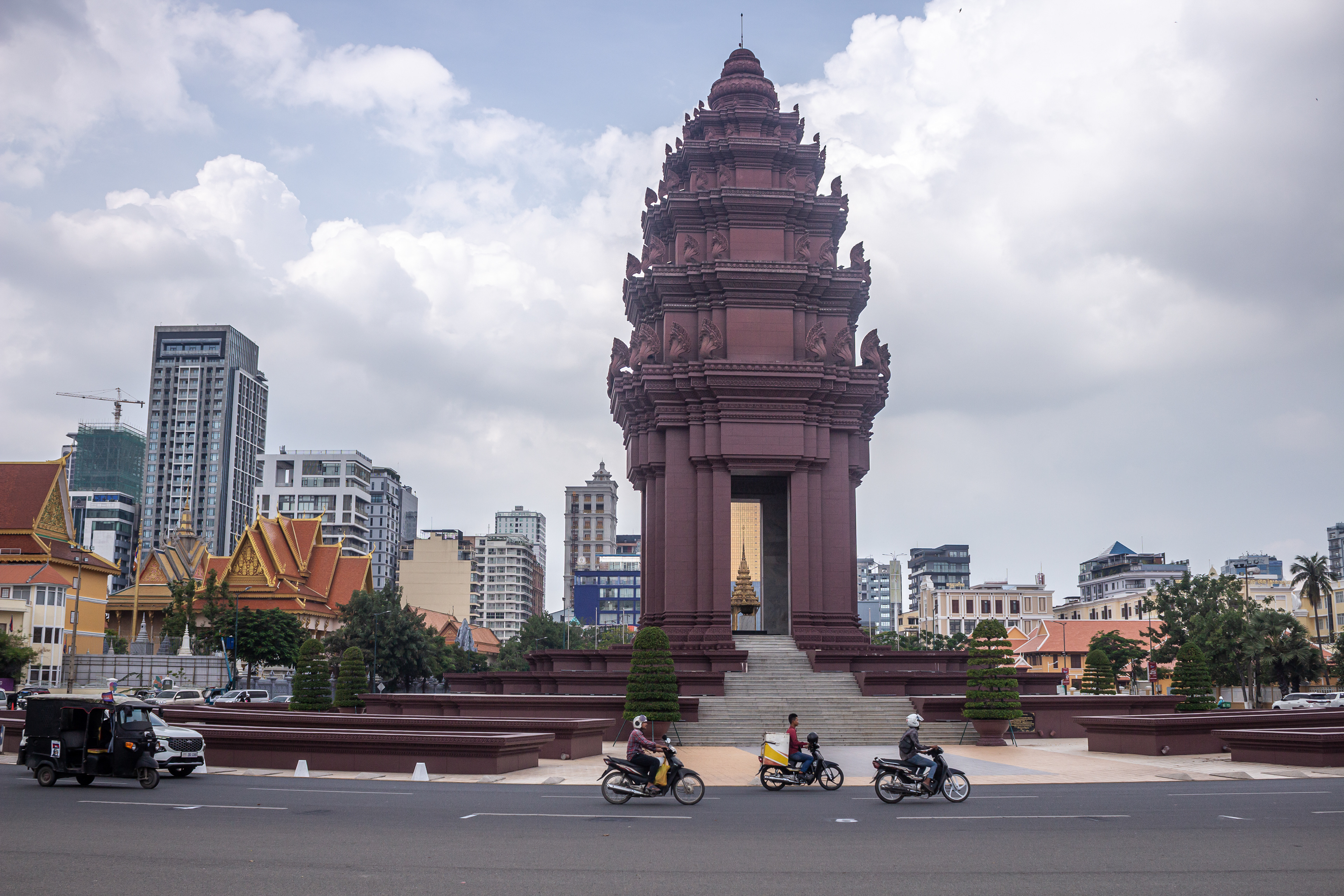
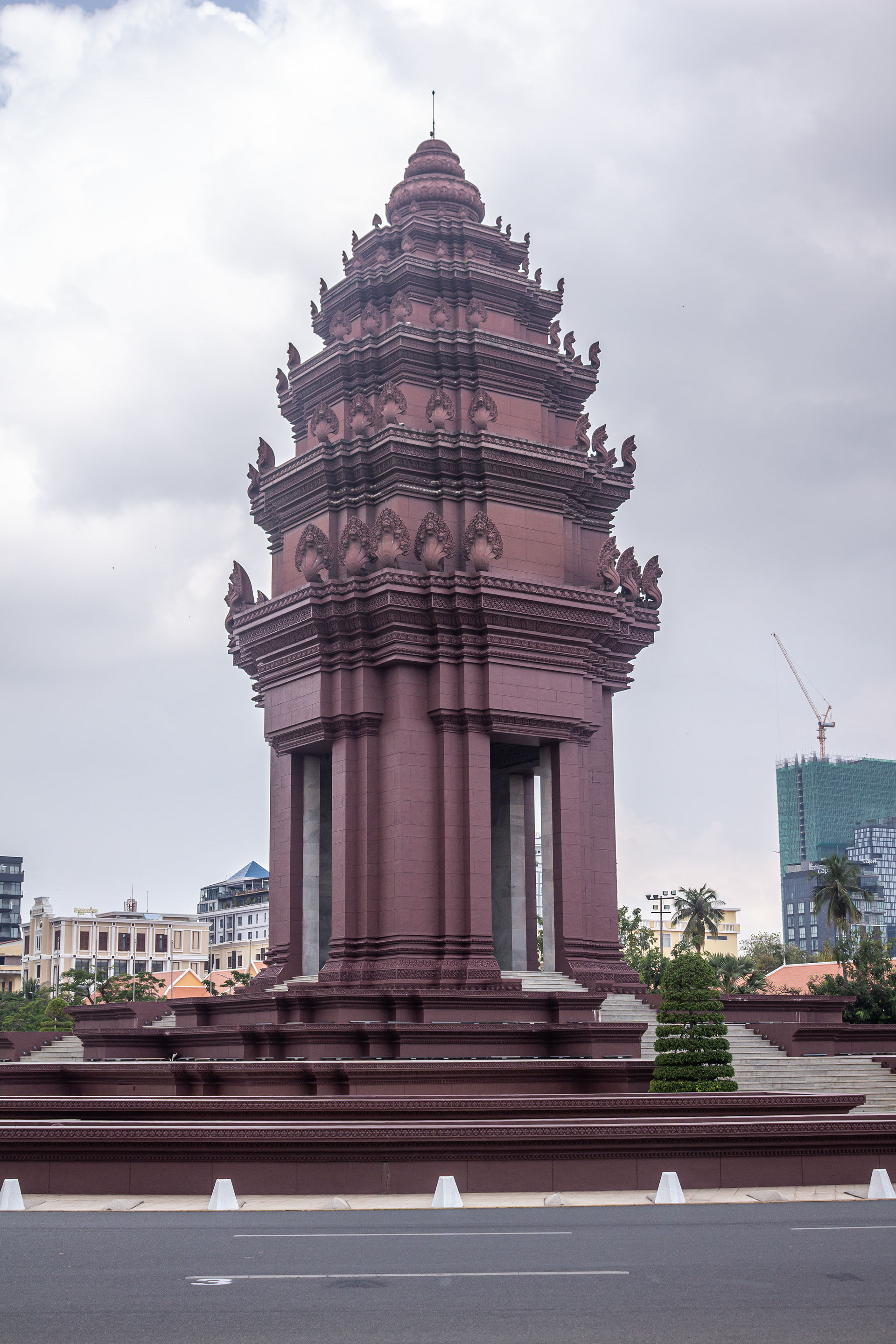
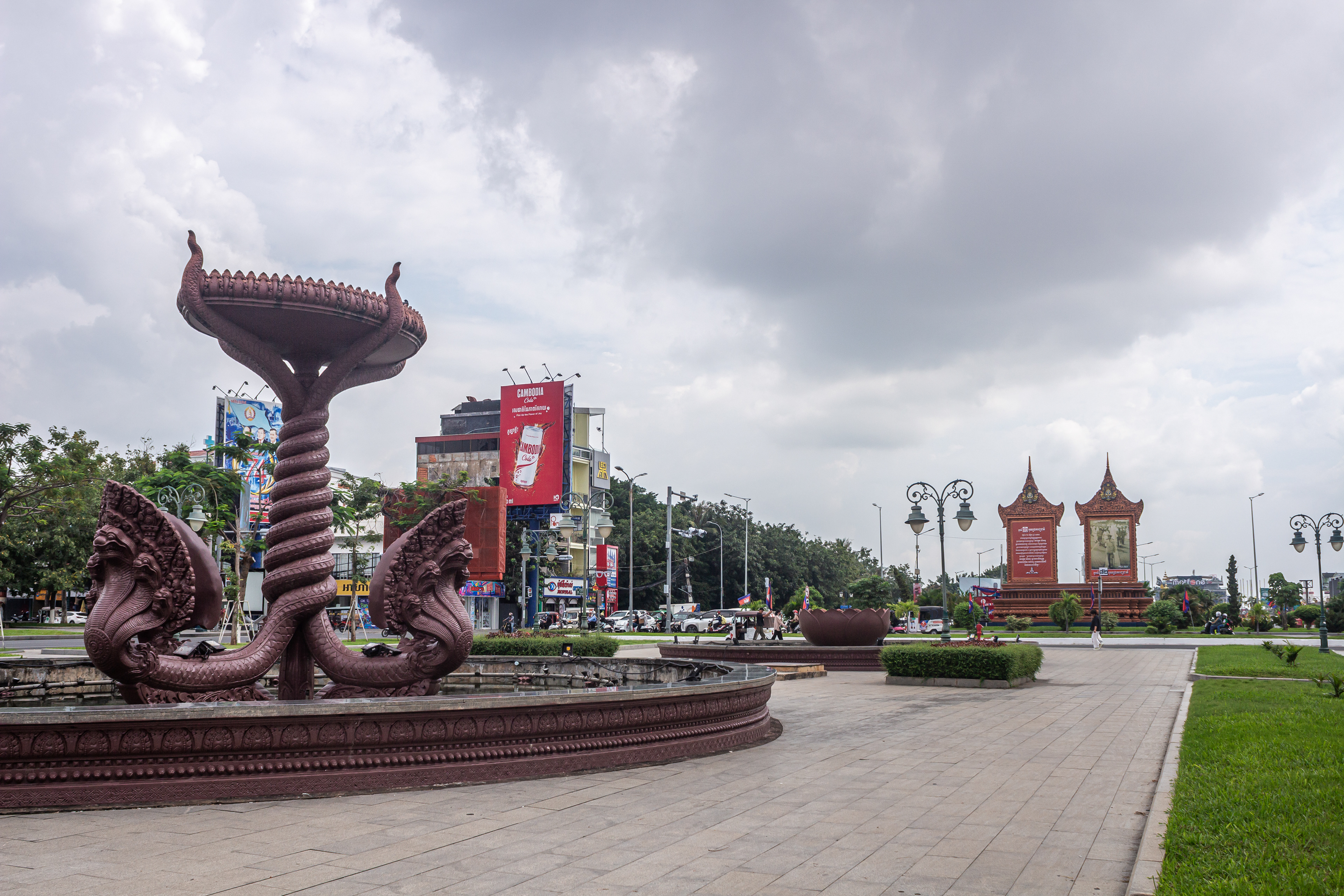
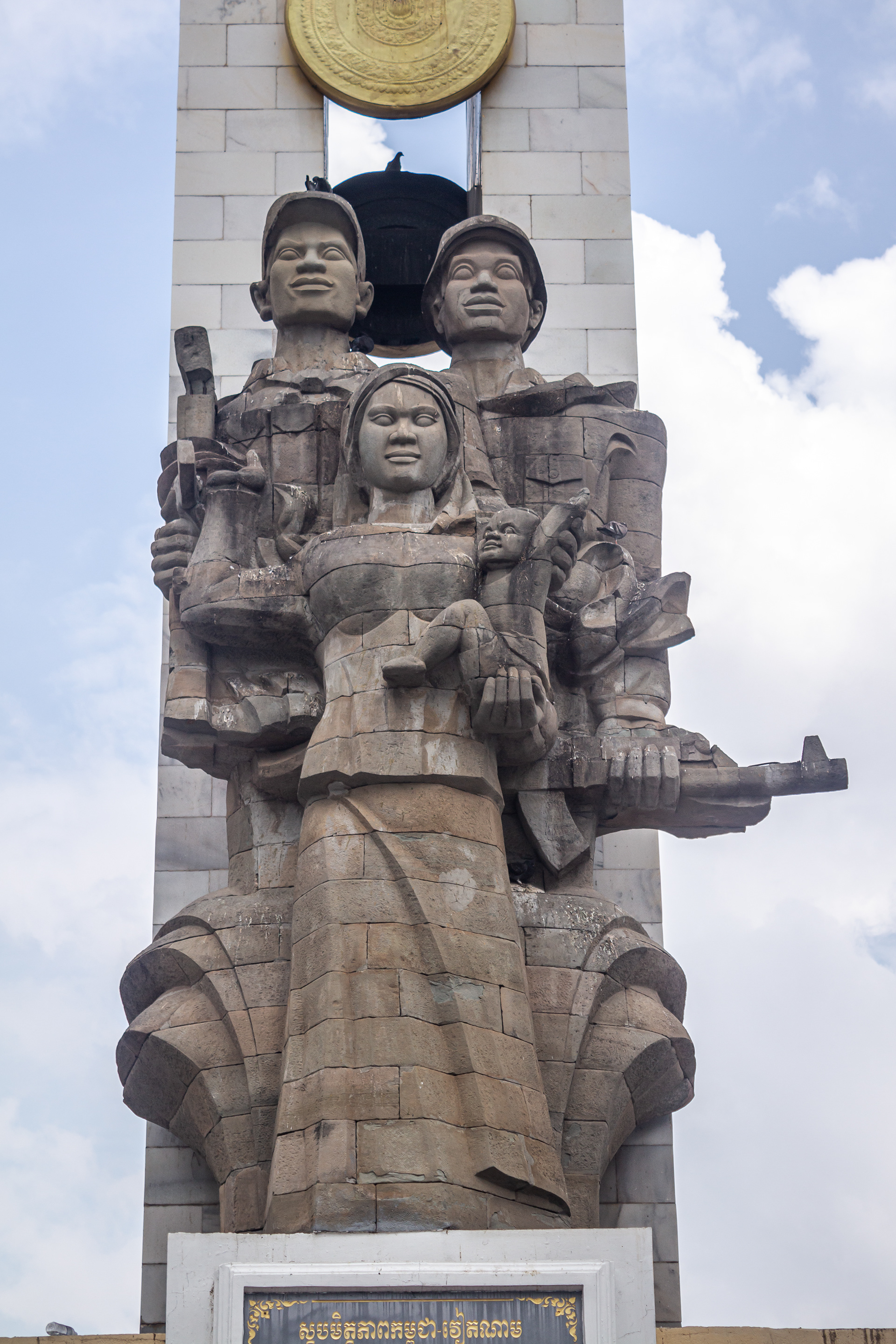
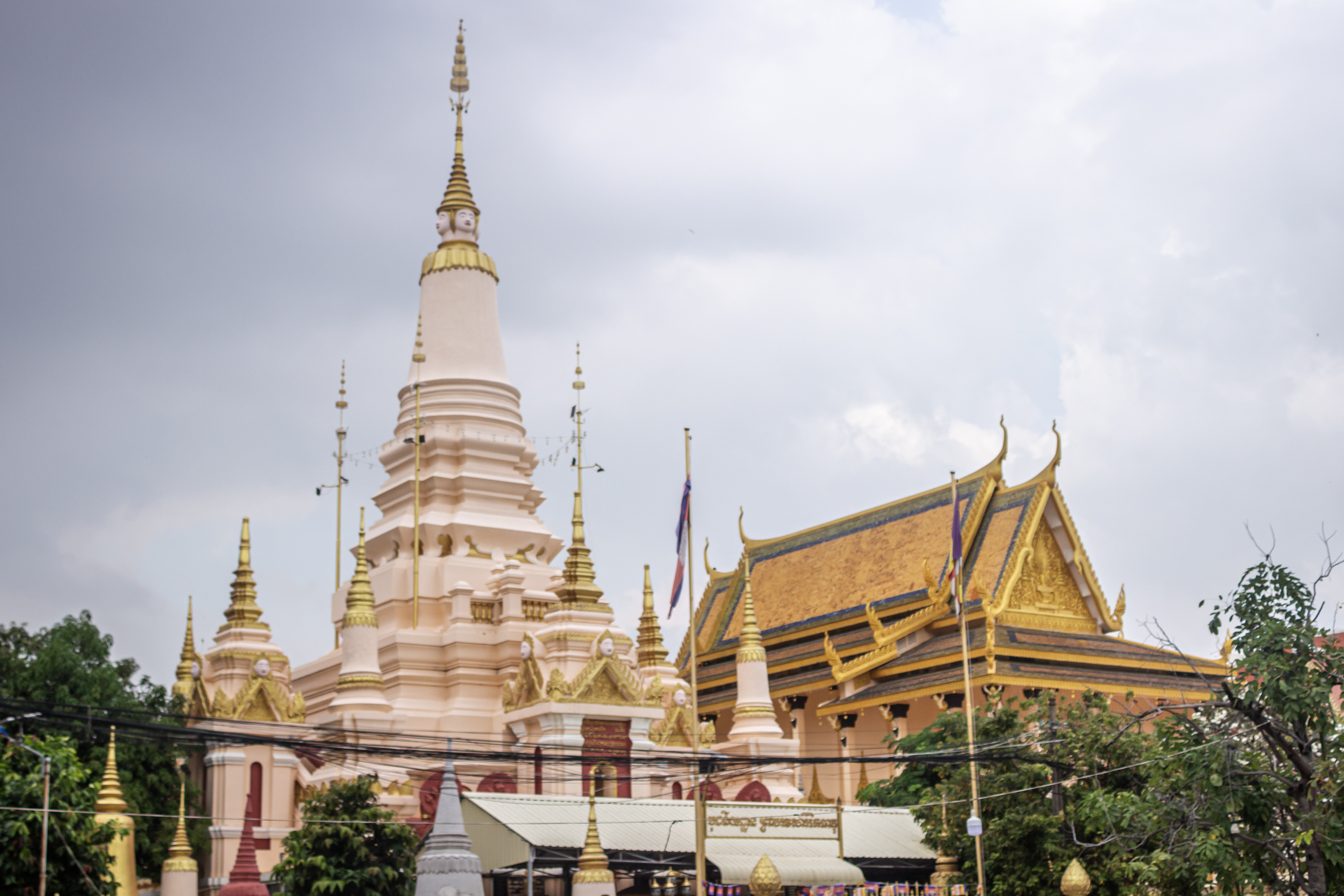
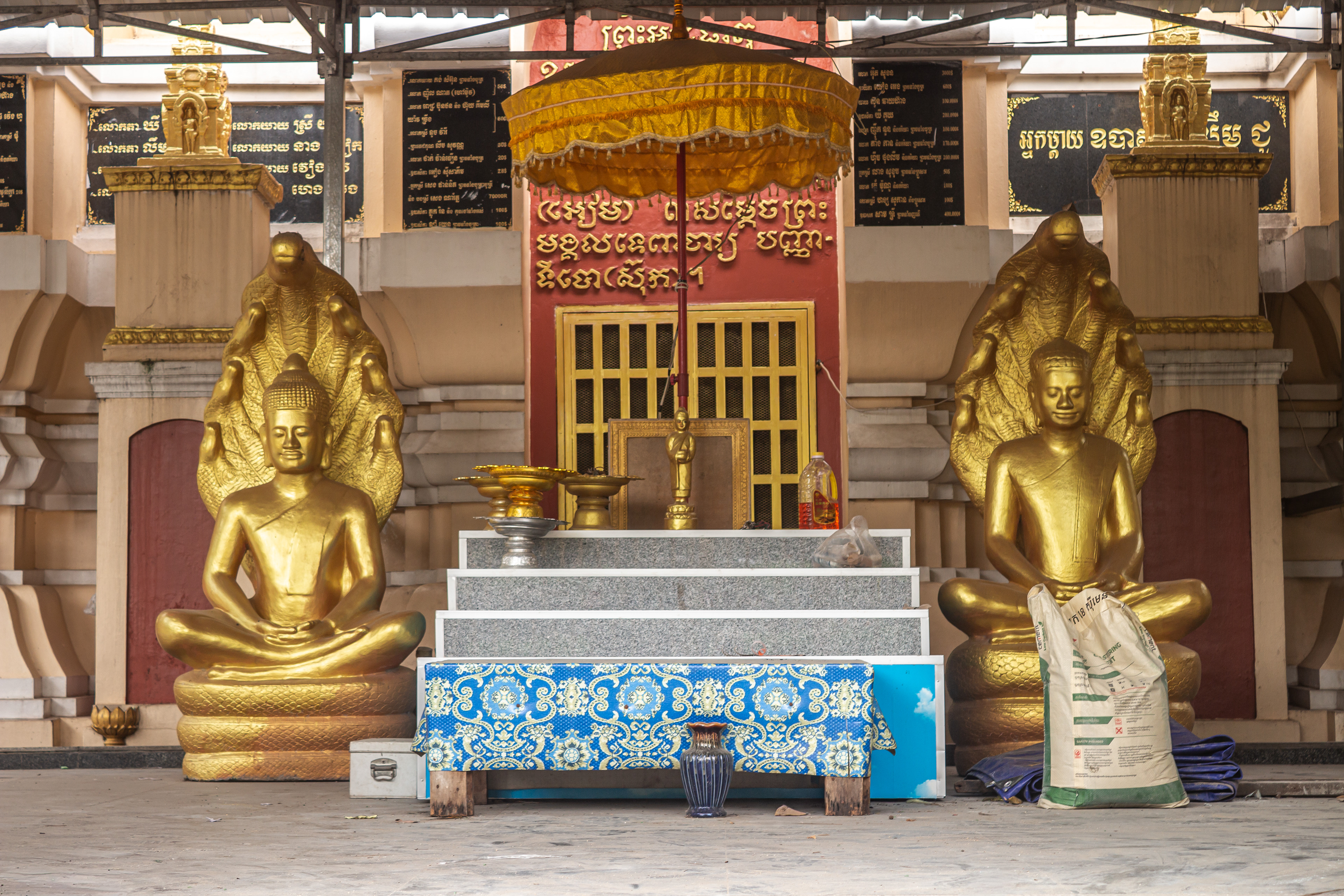
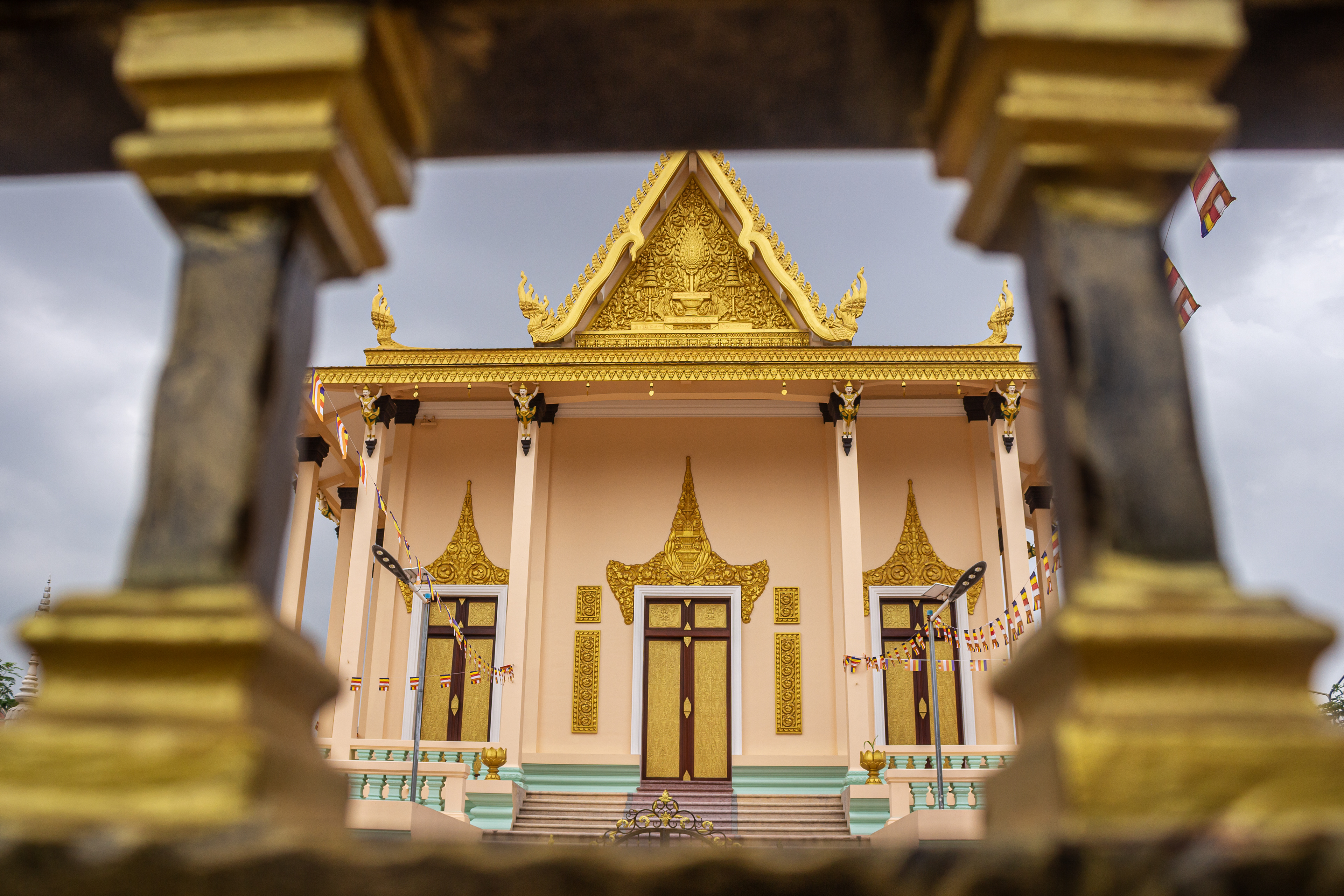
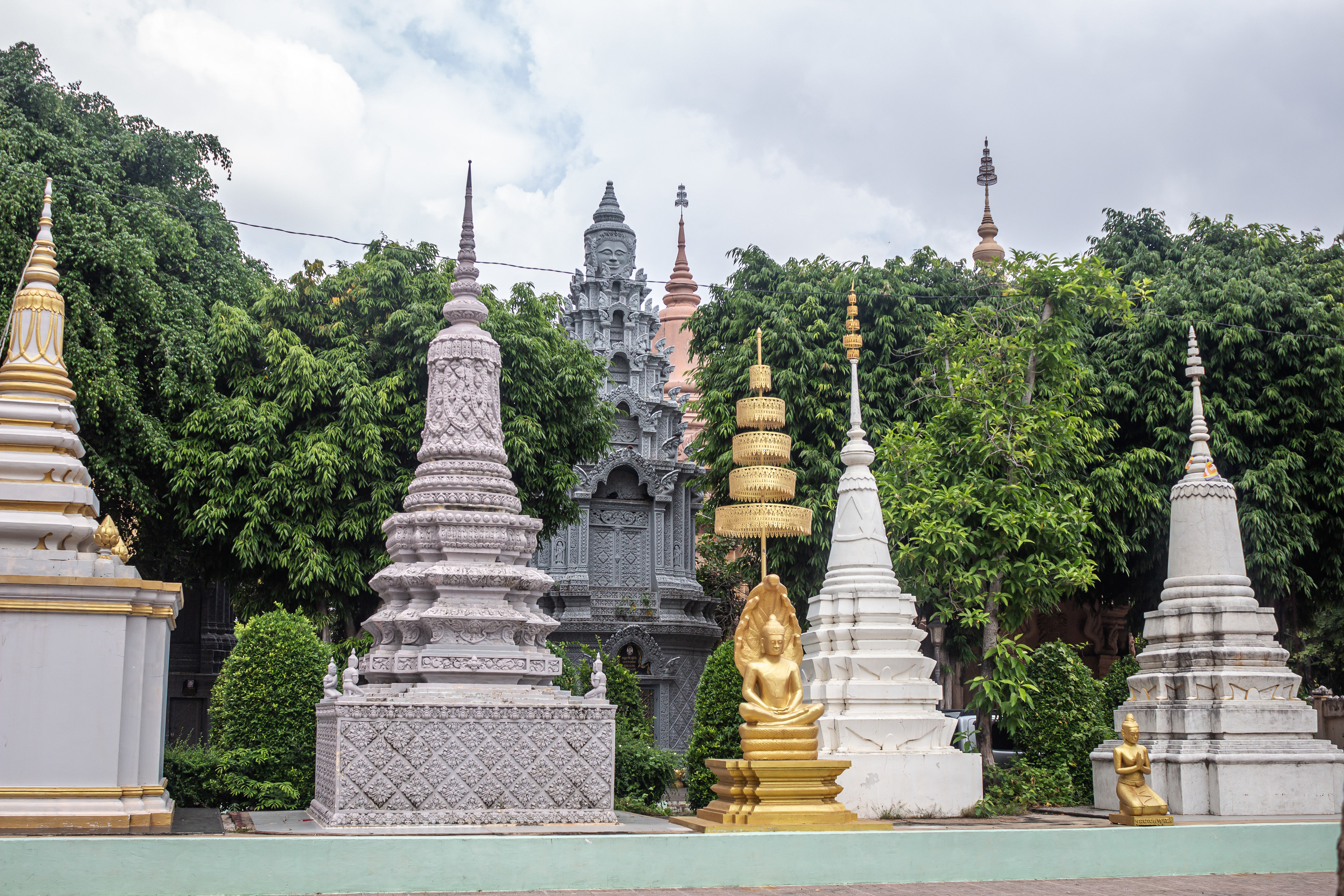
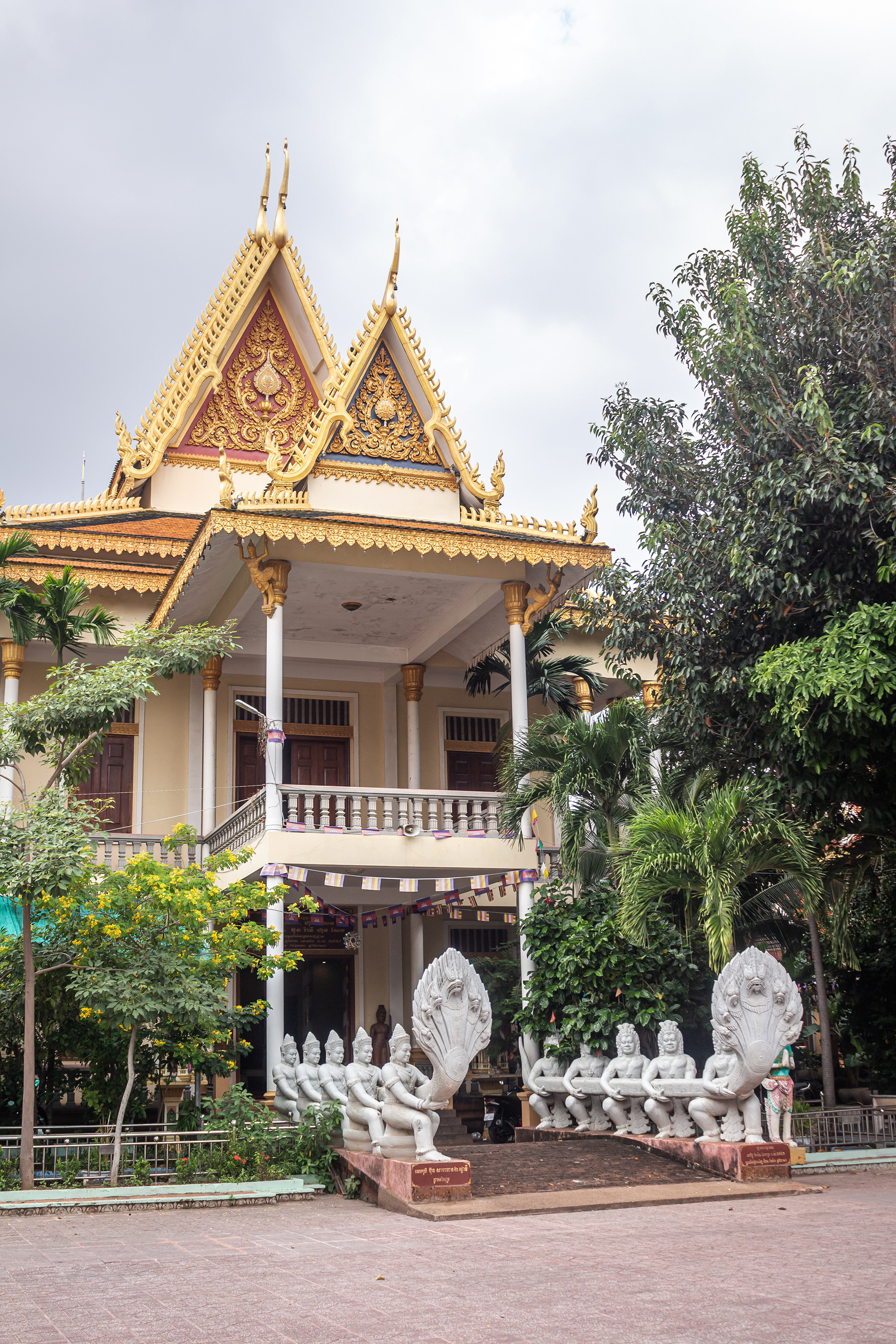
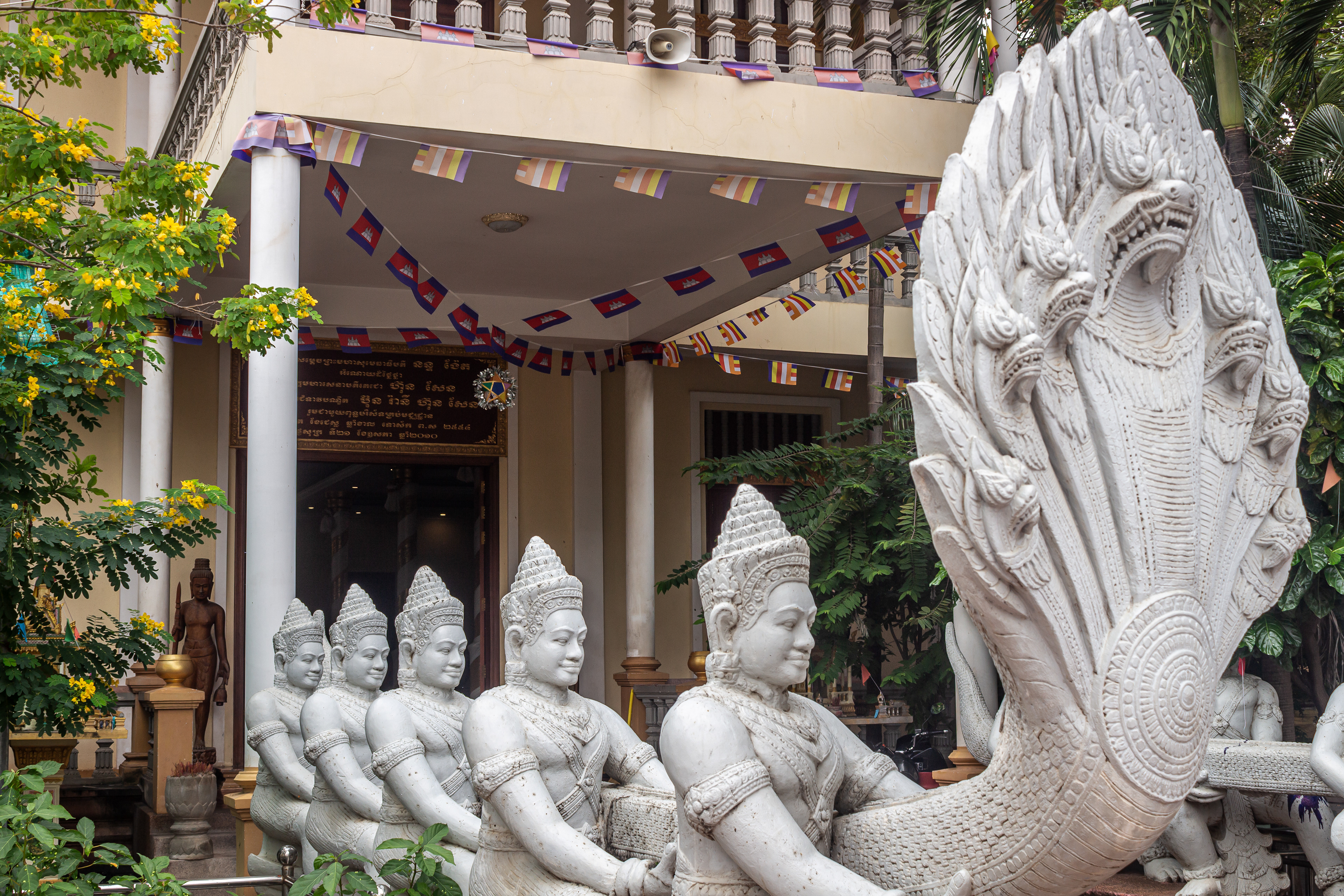
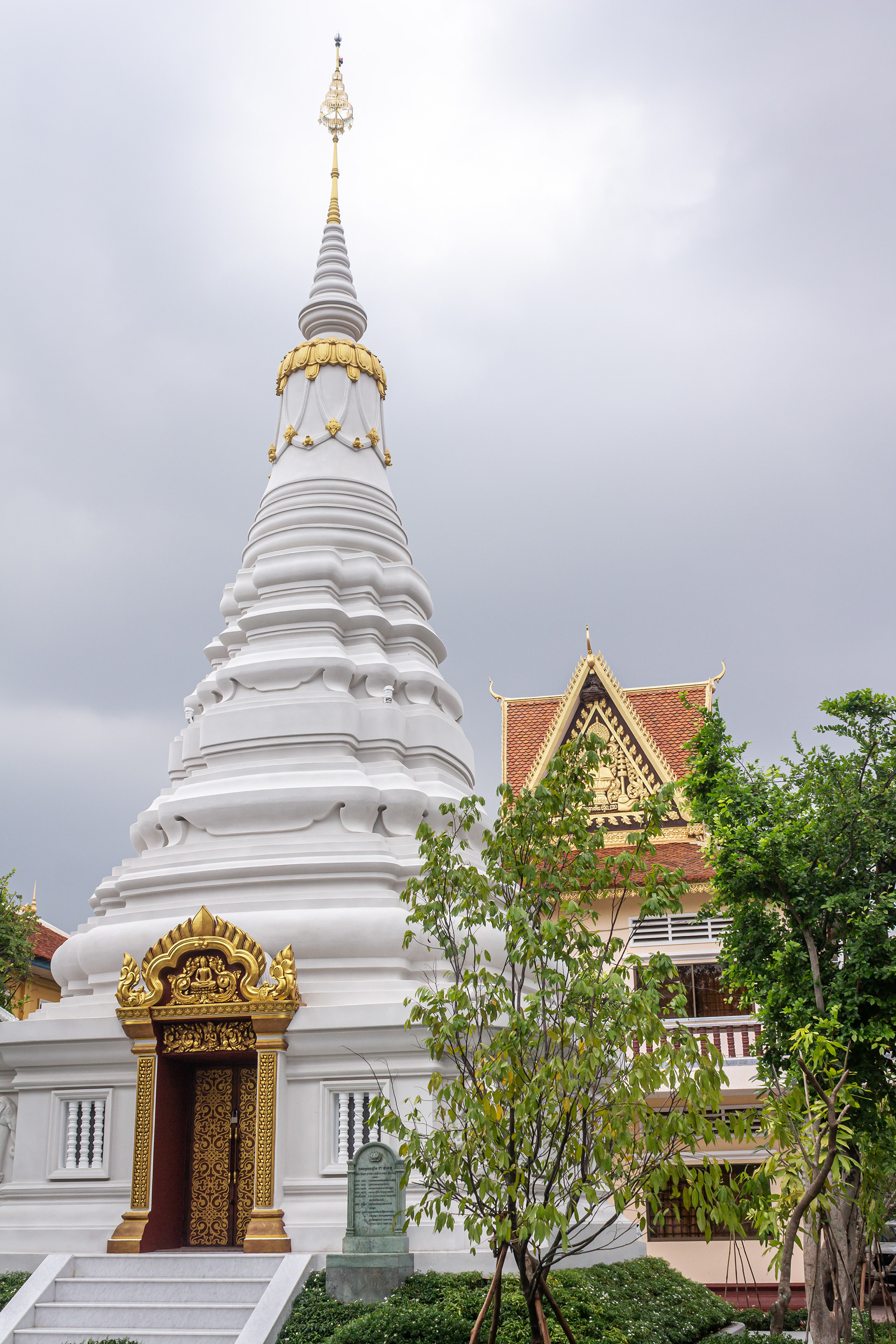
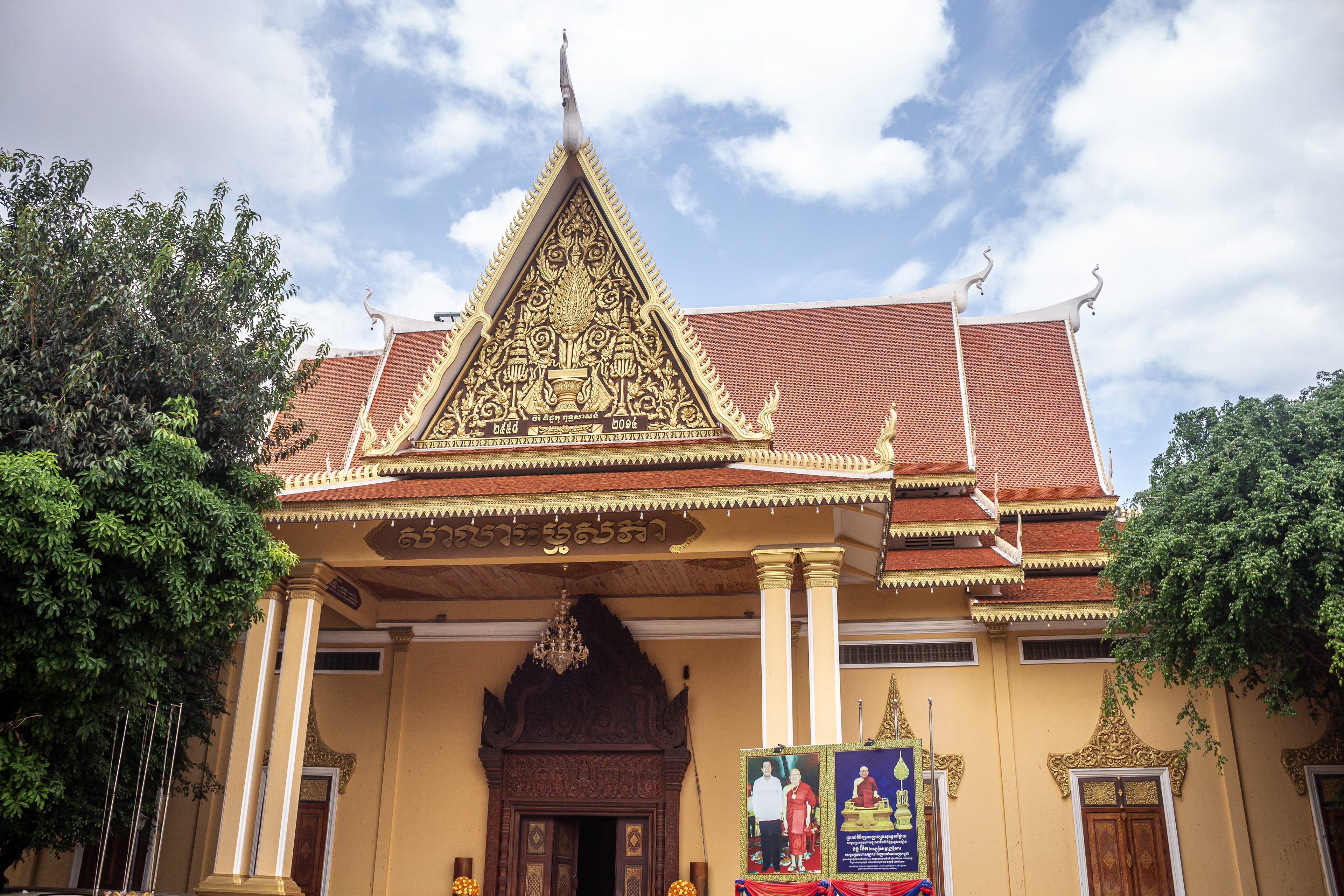
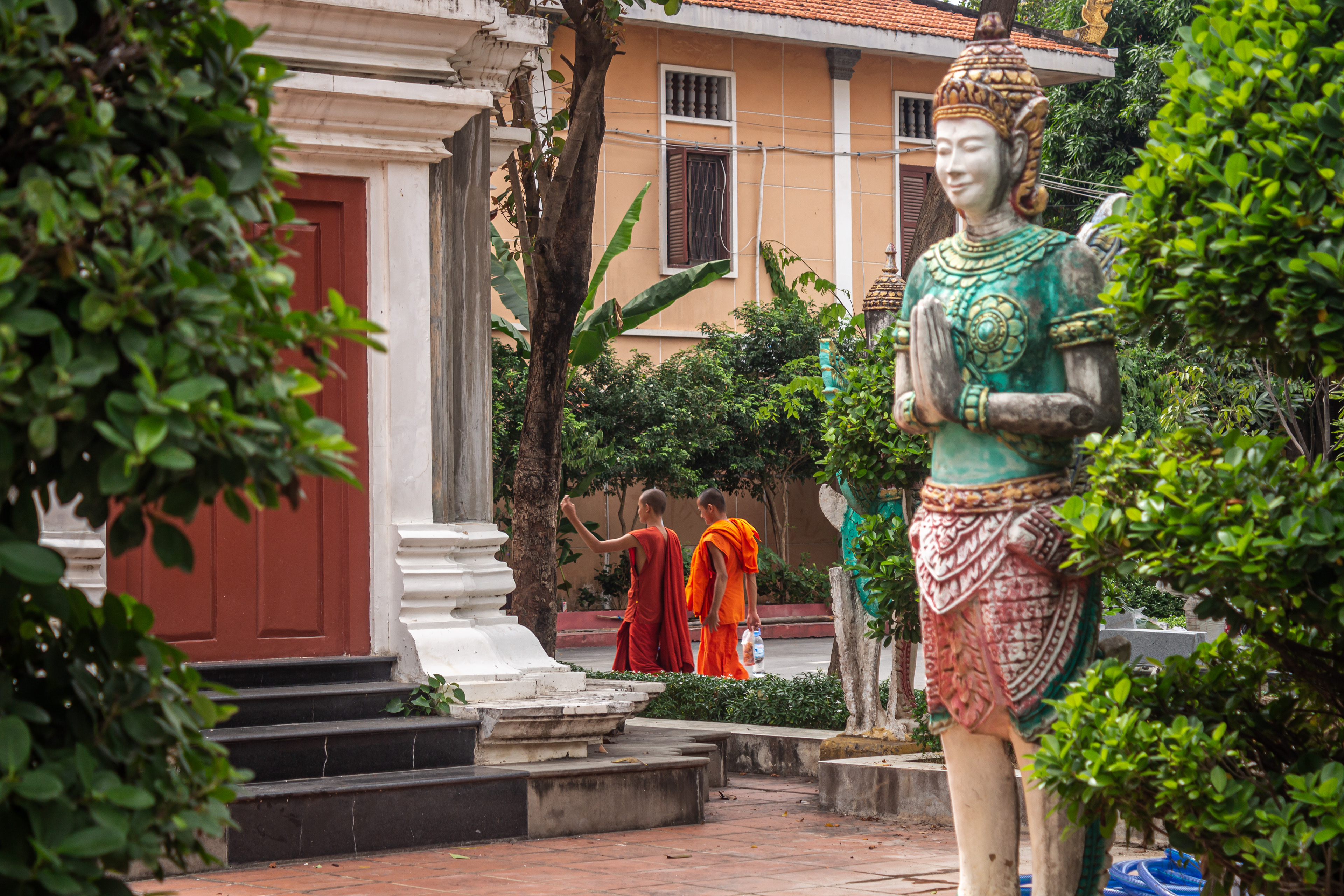
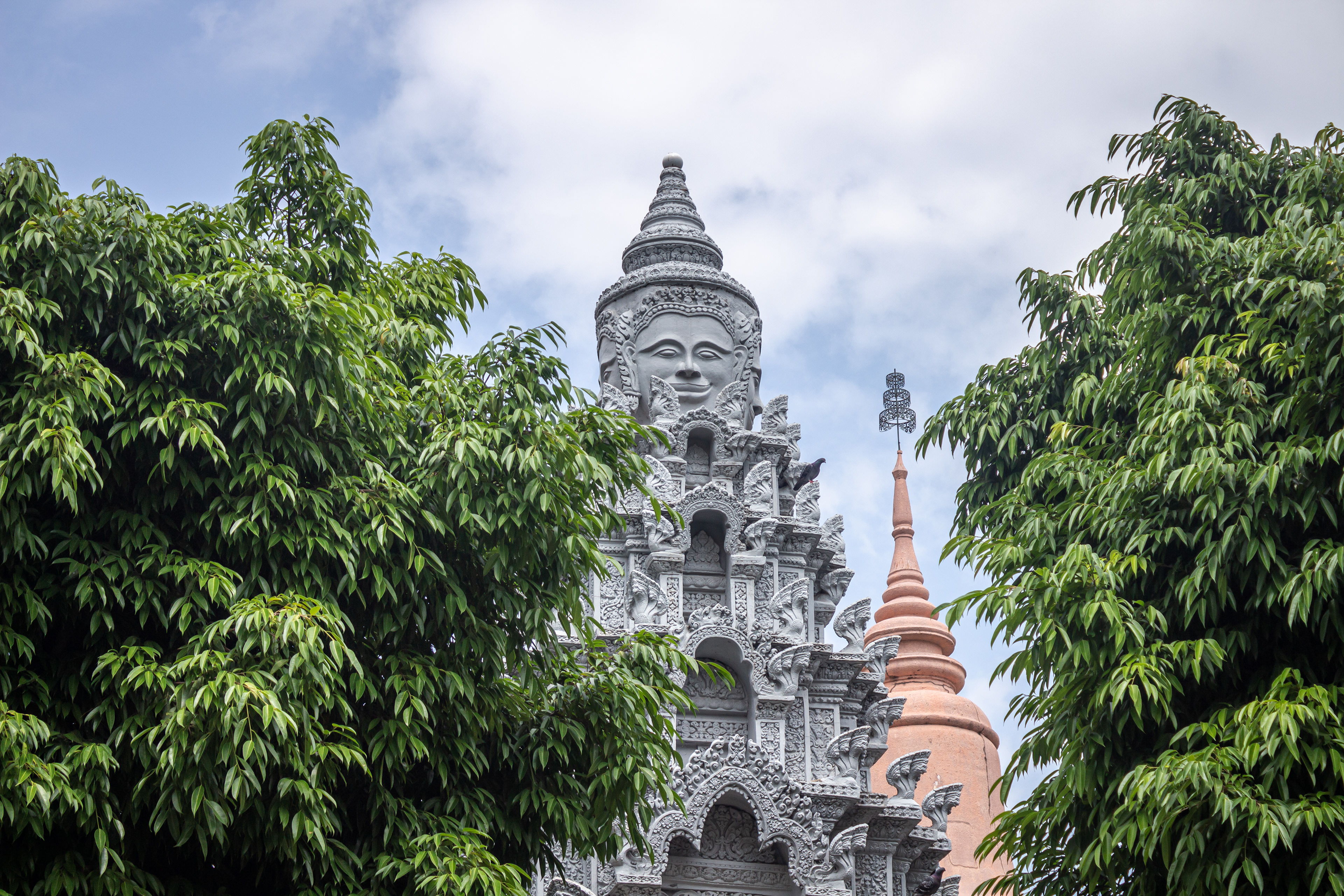
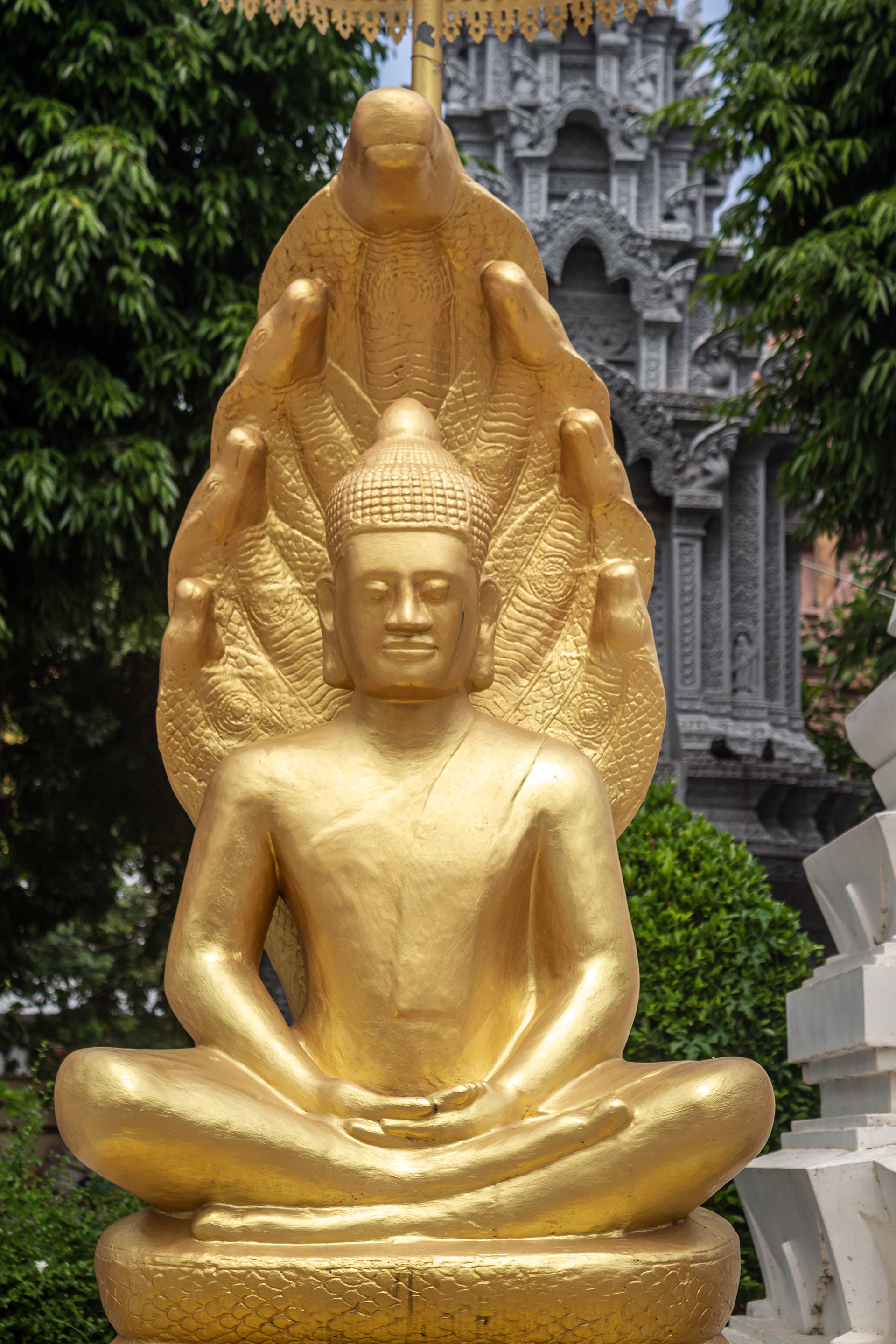
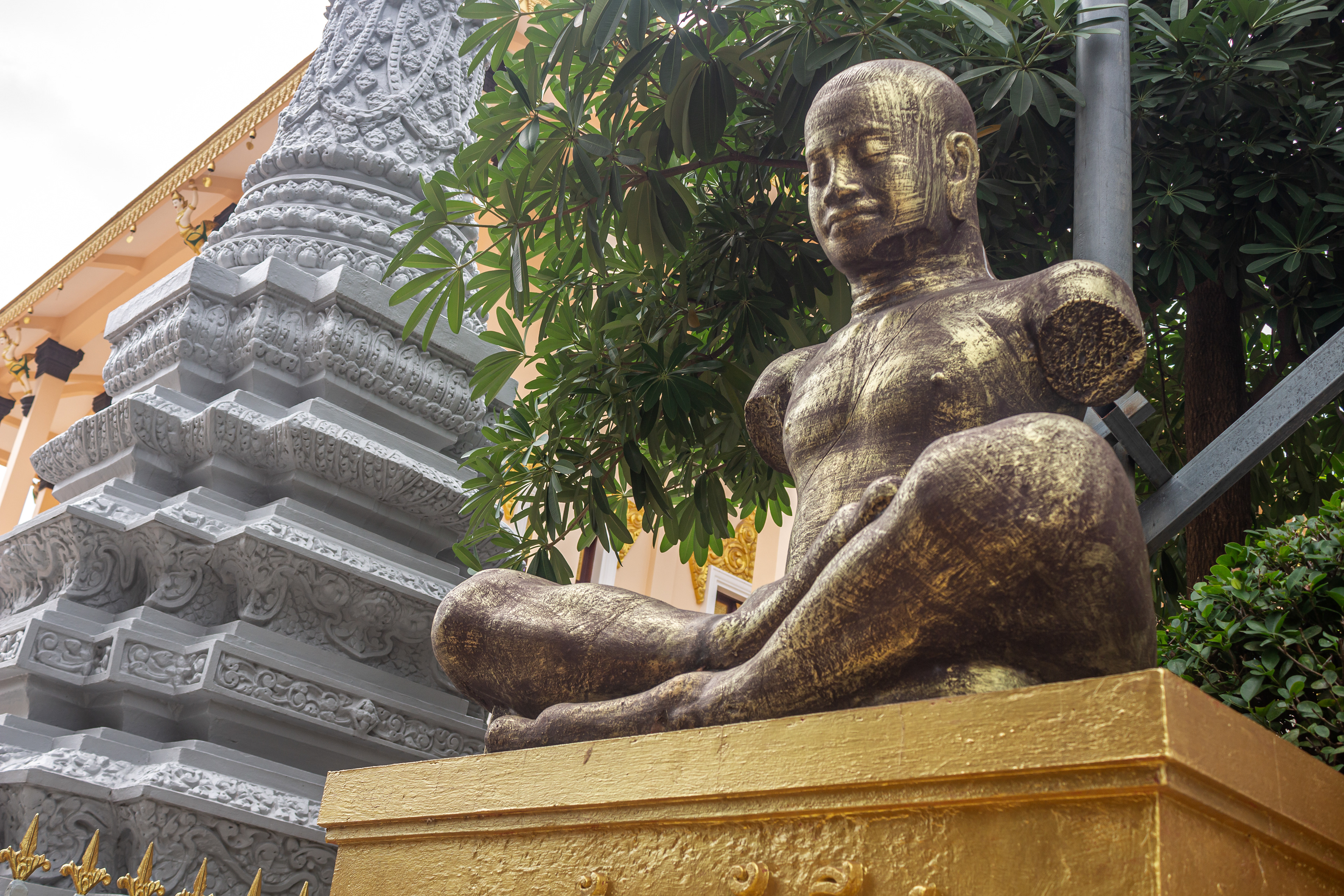
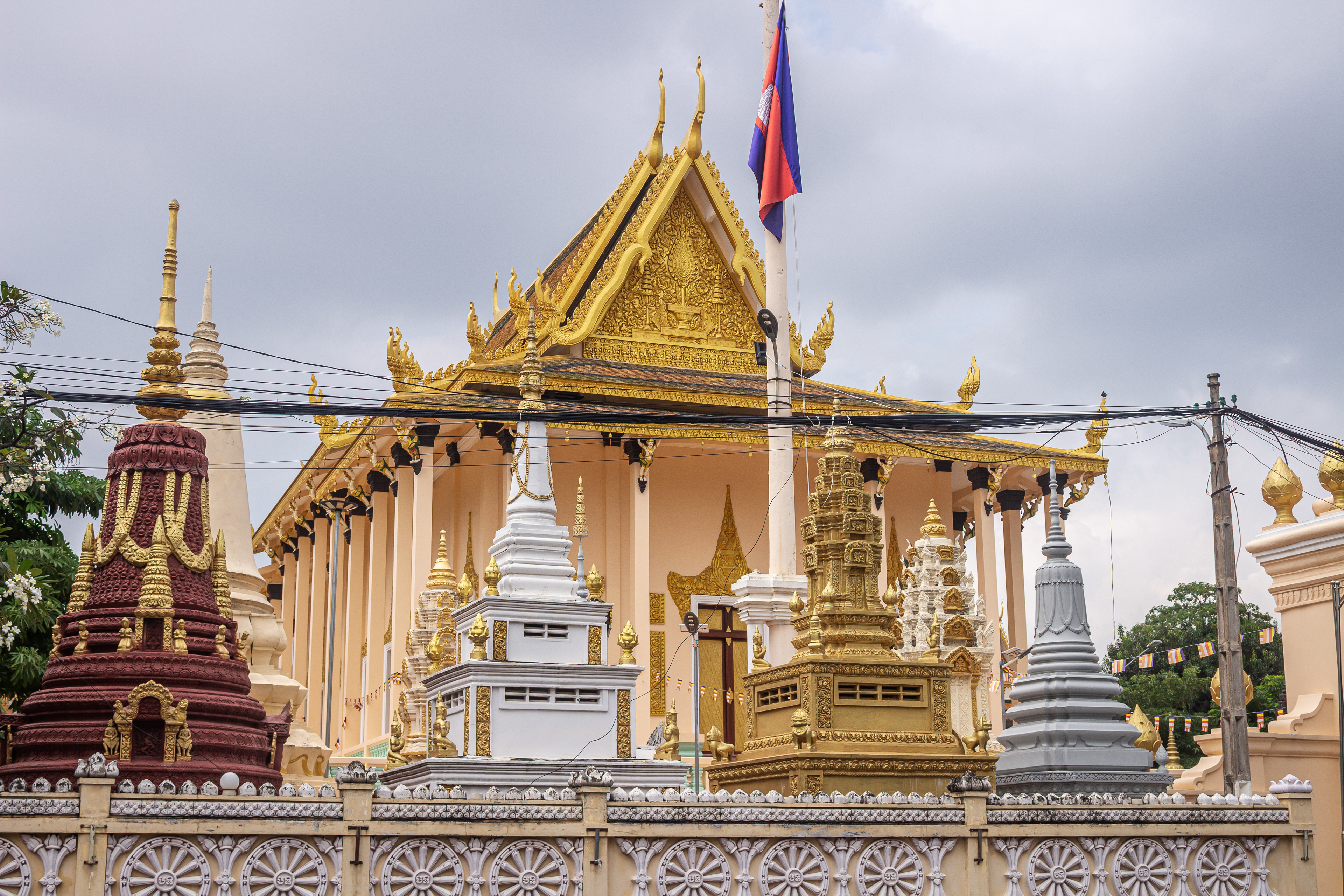
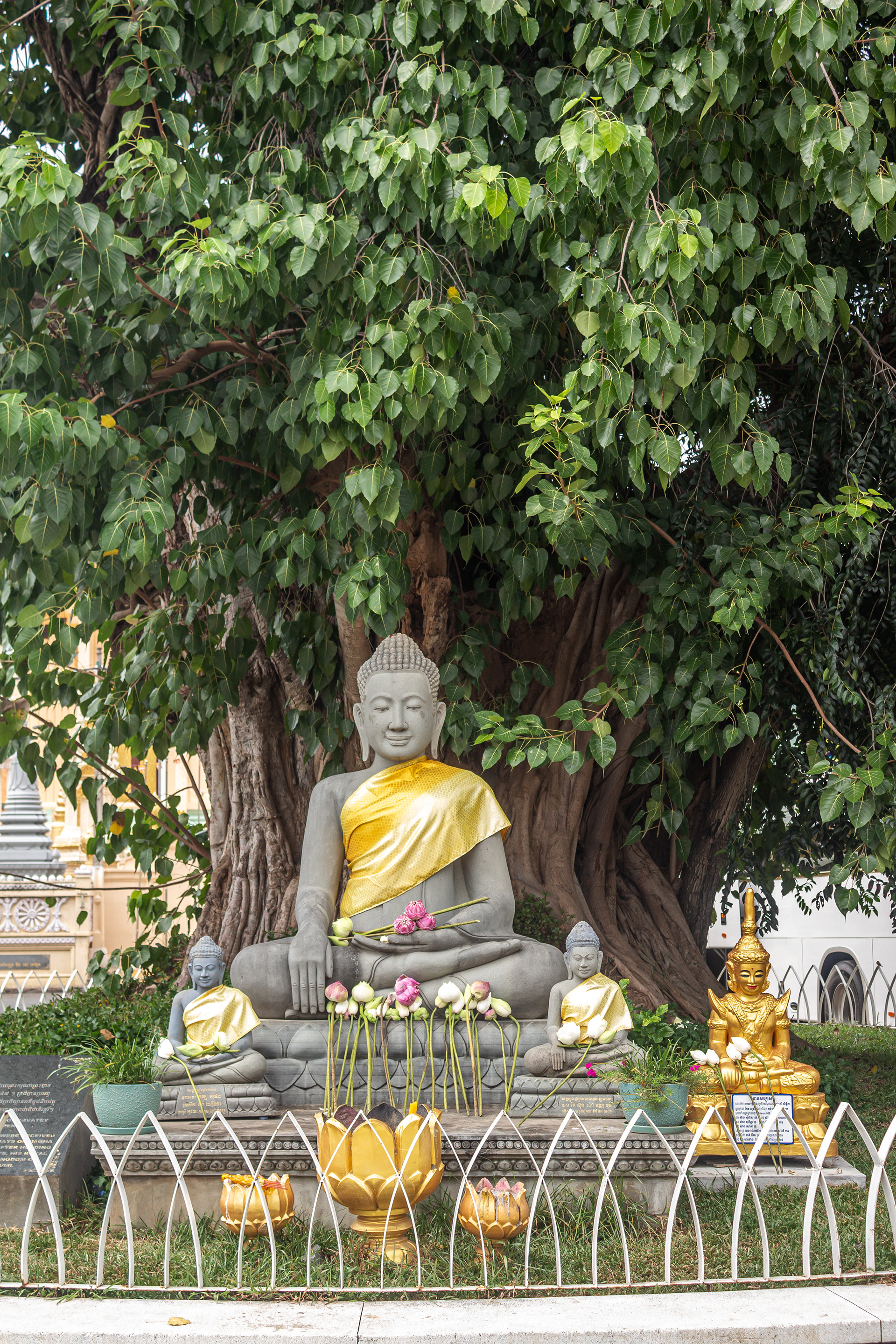
The Royal Palace & Silver Pagoda
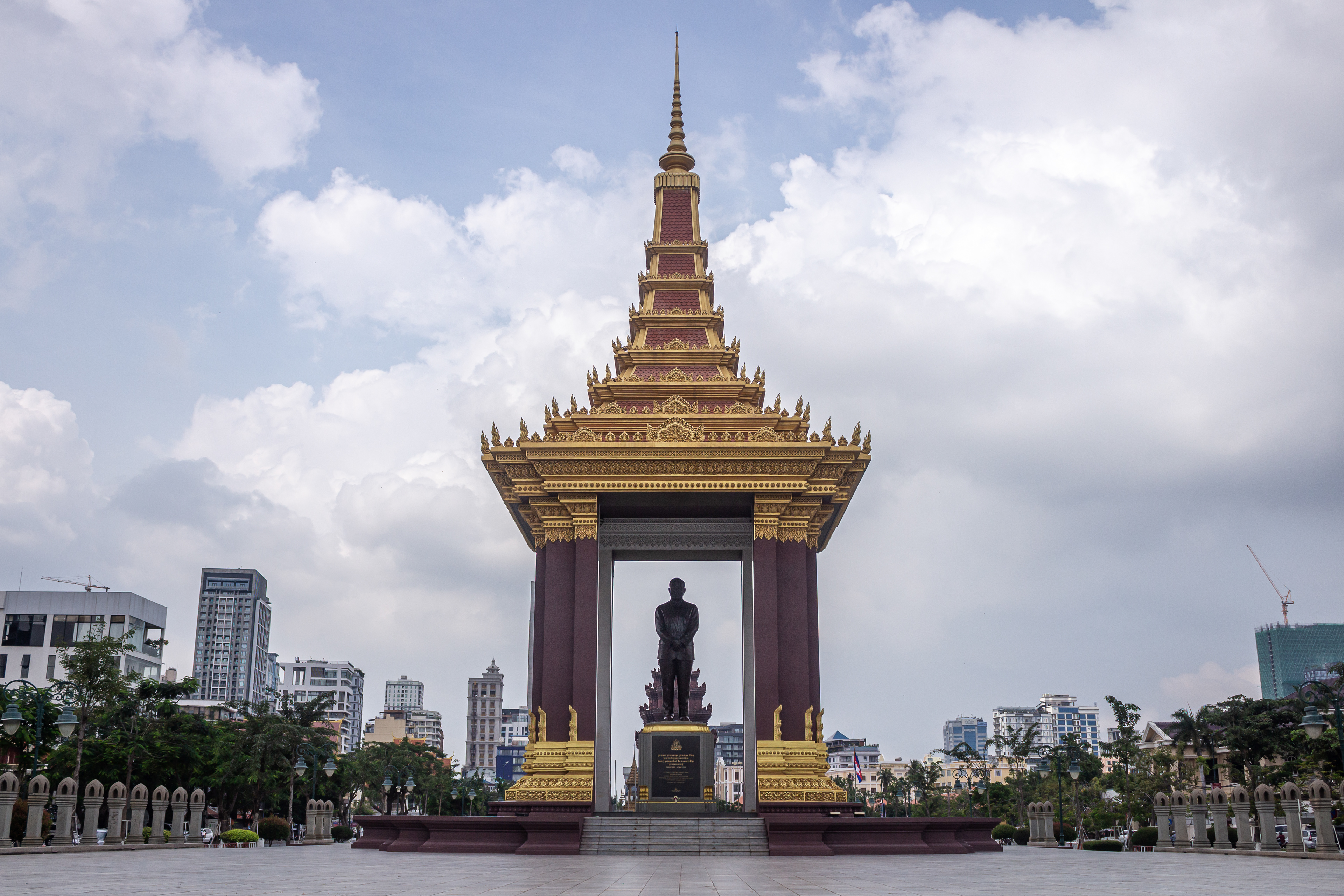
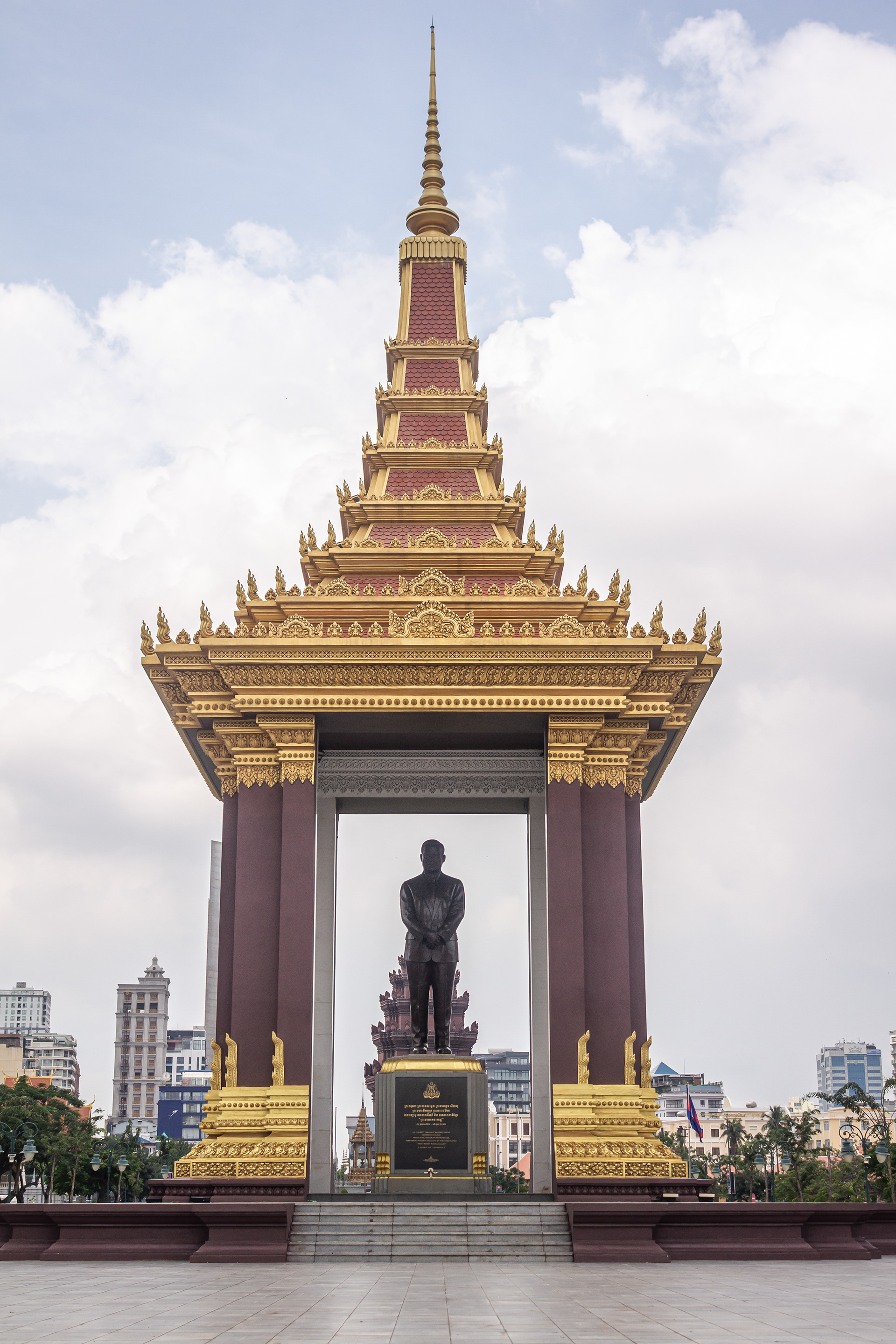
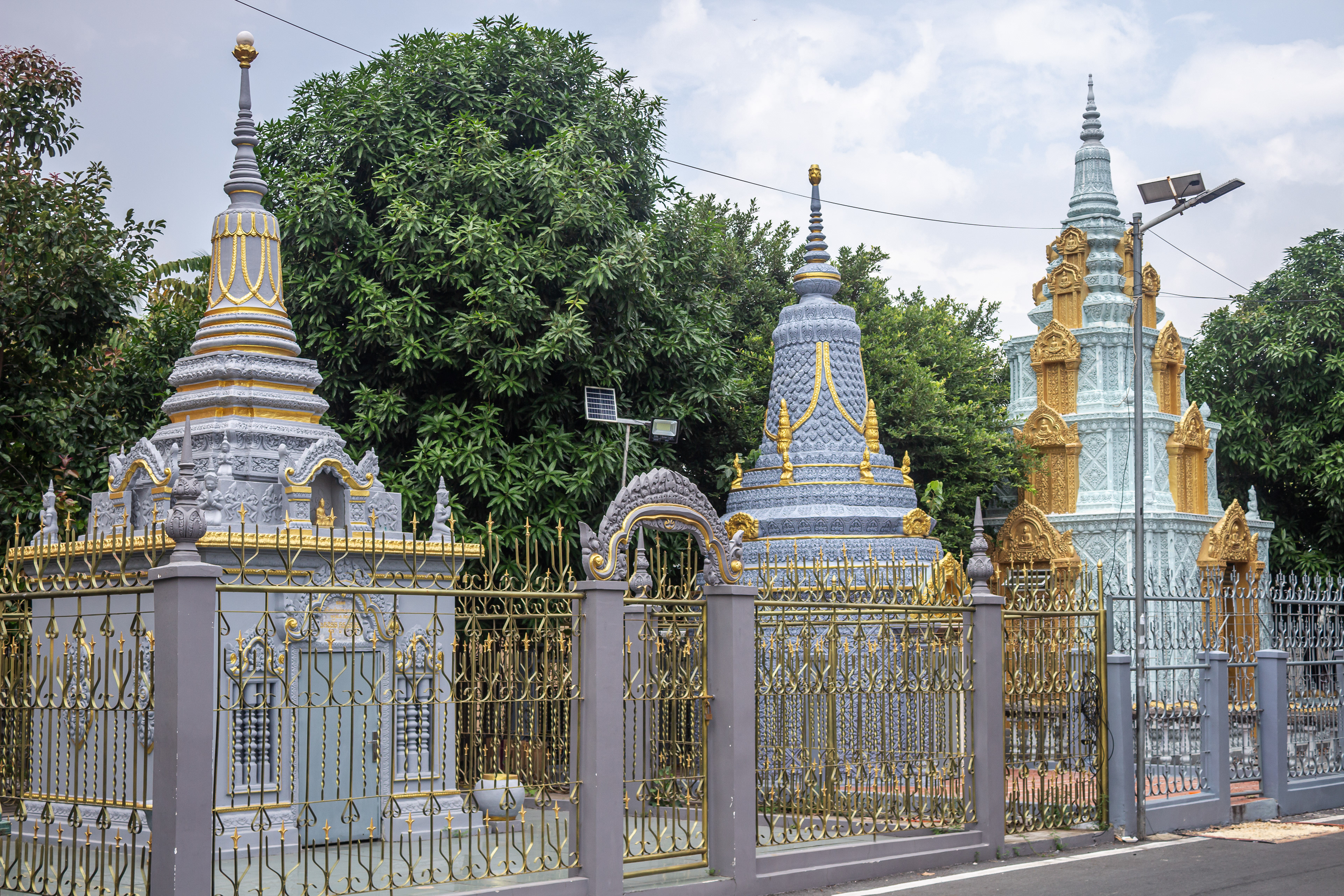
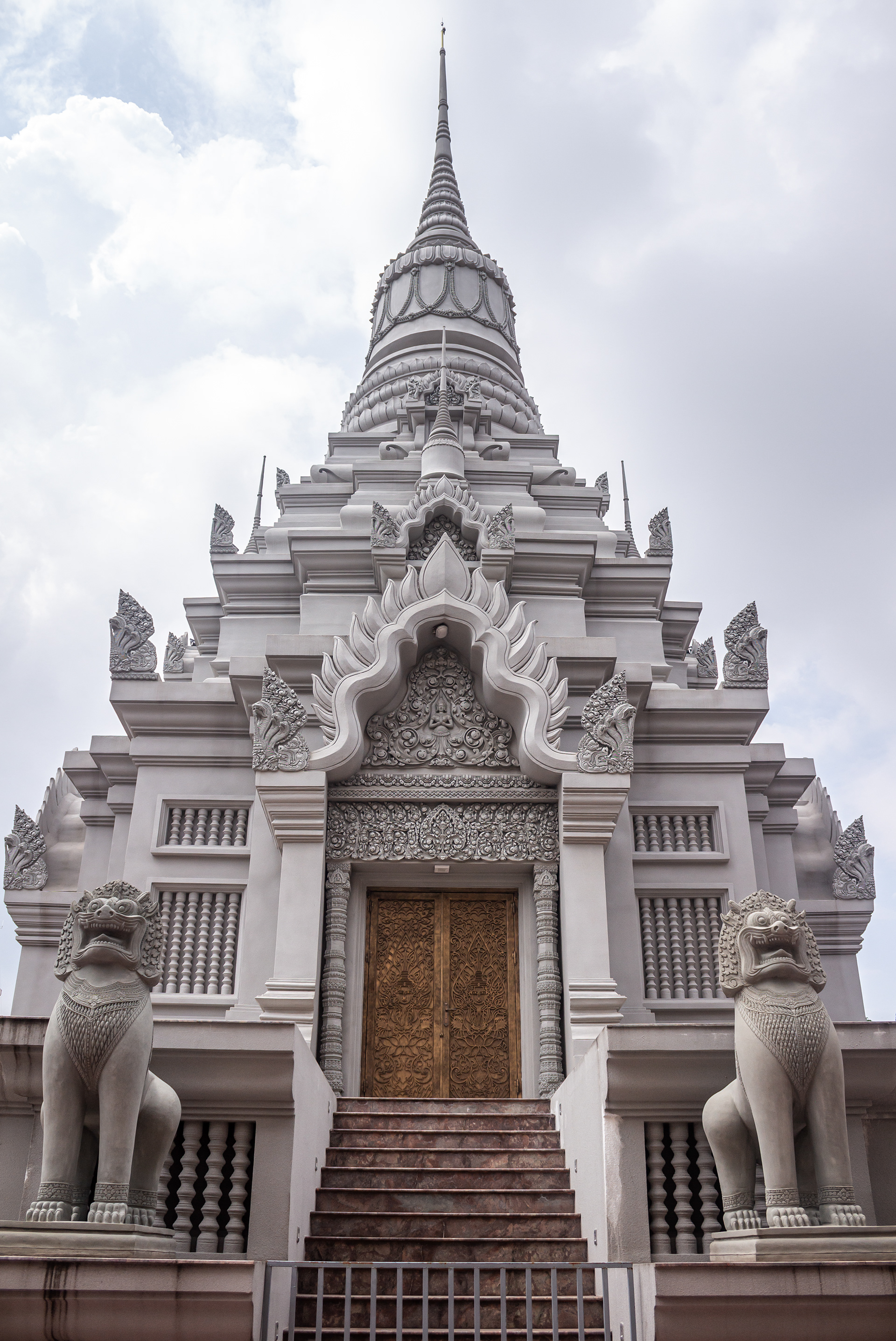
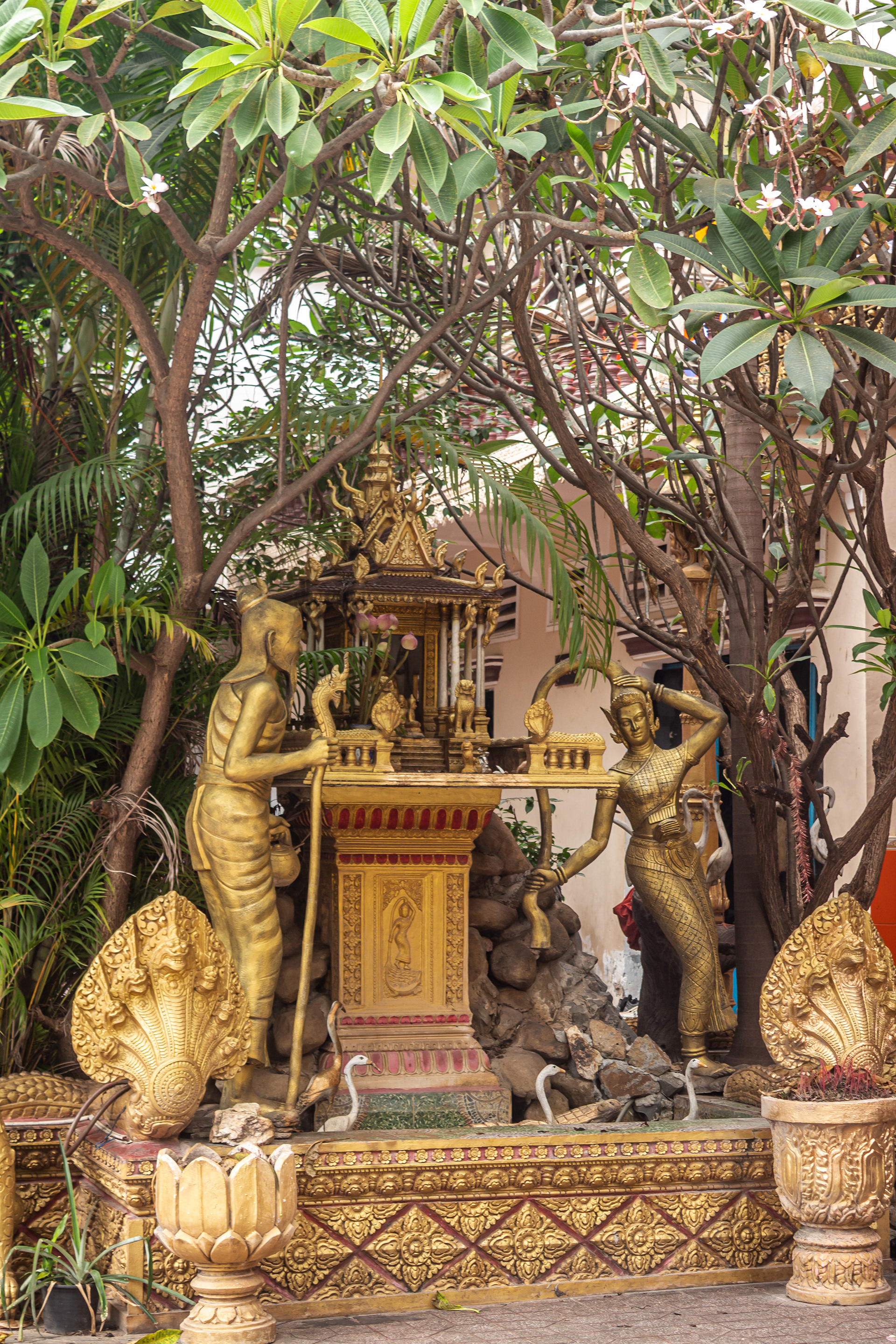
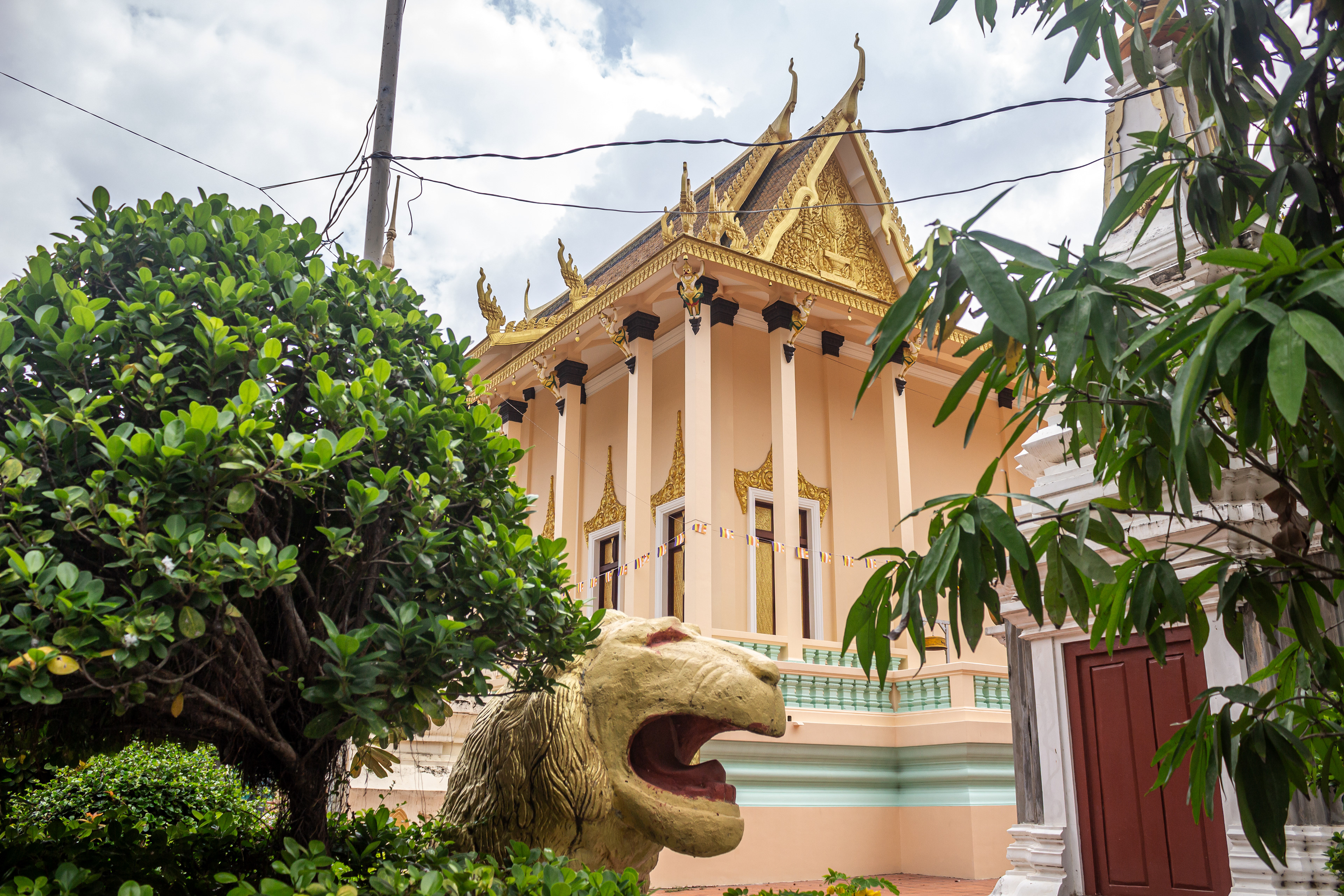
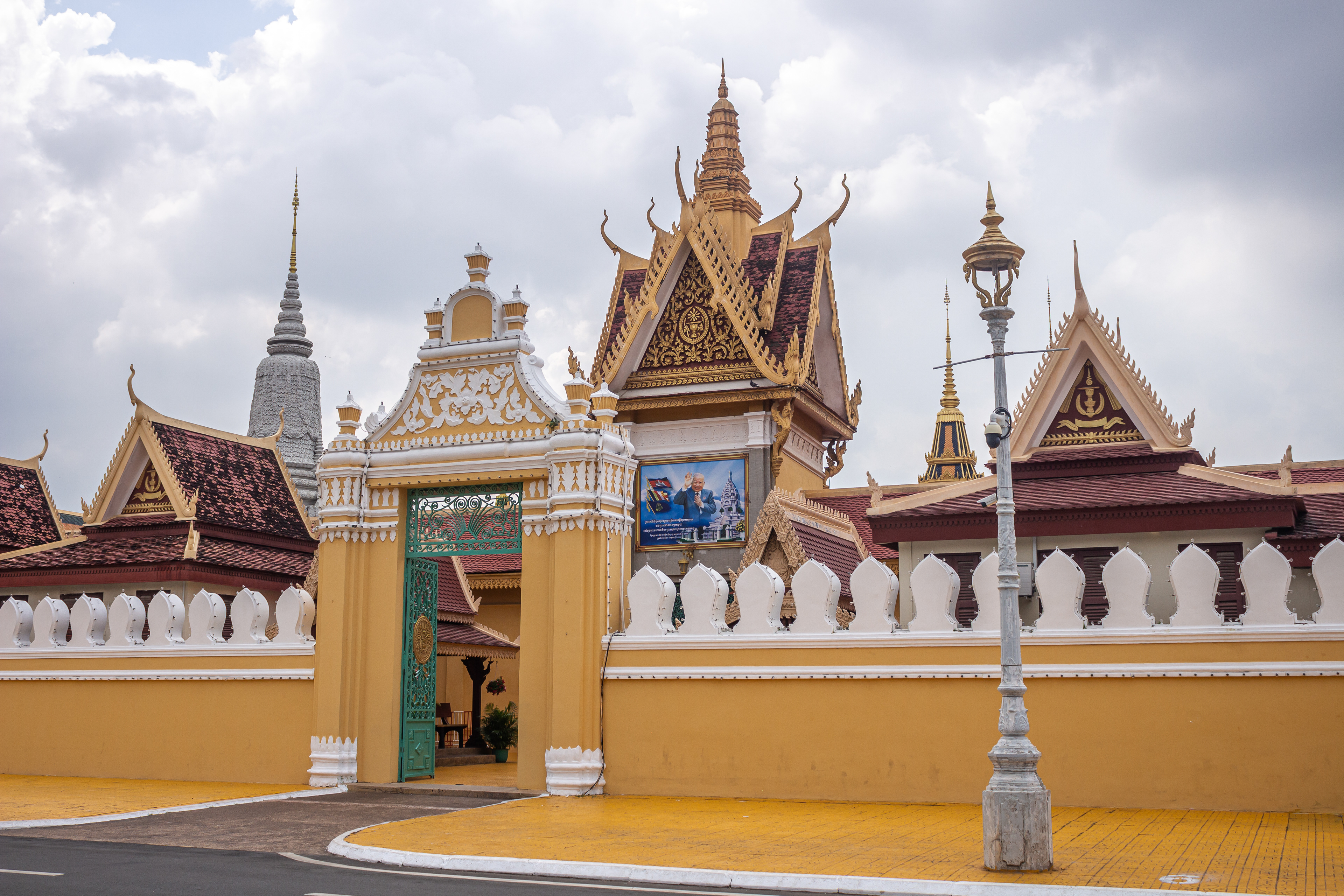
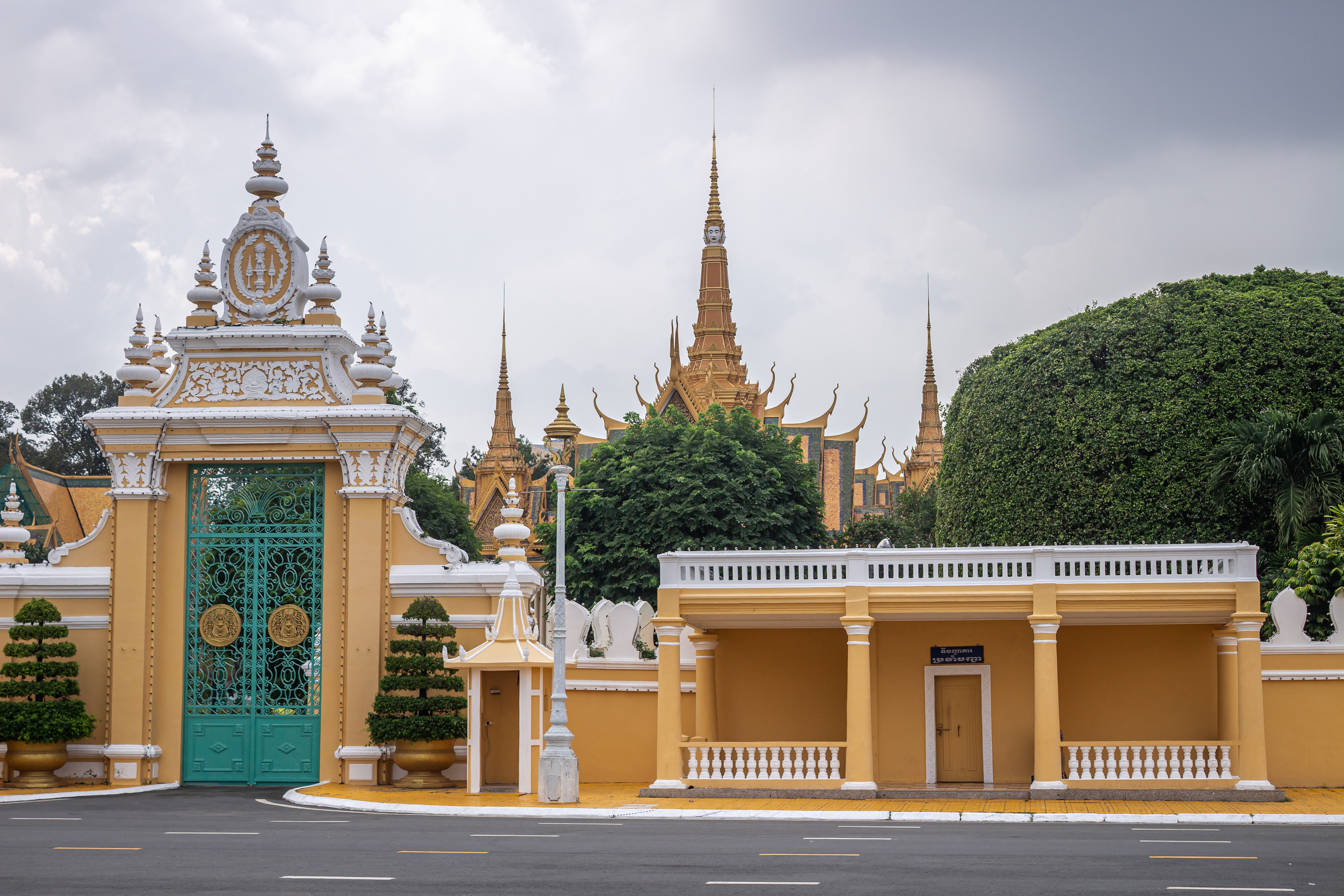
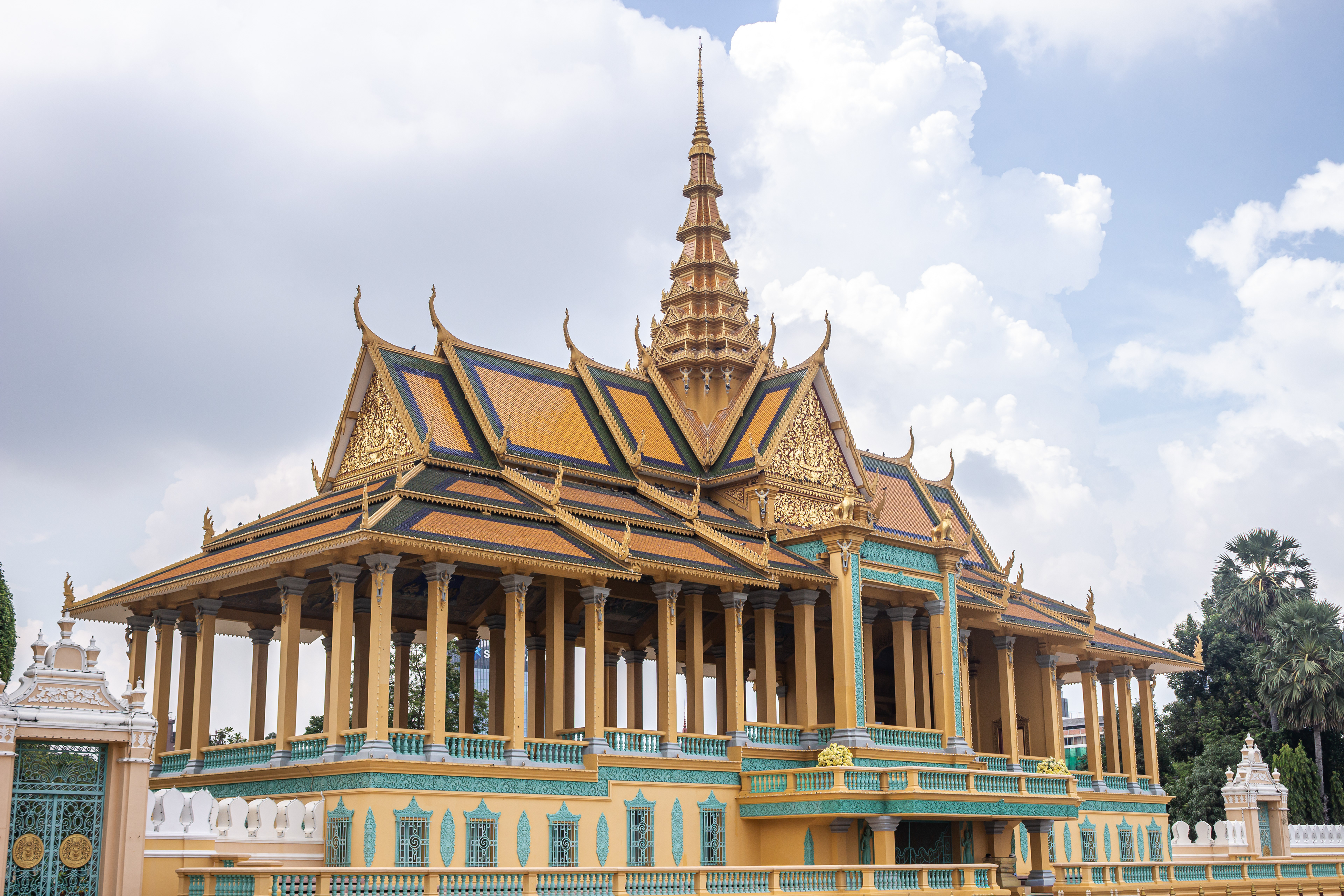
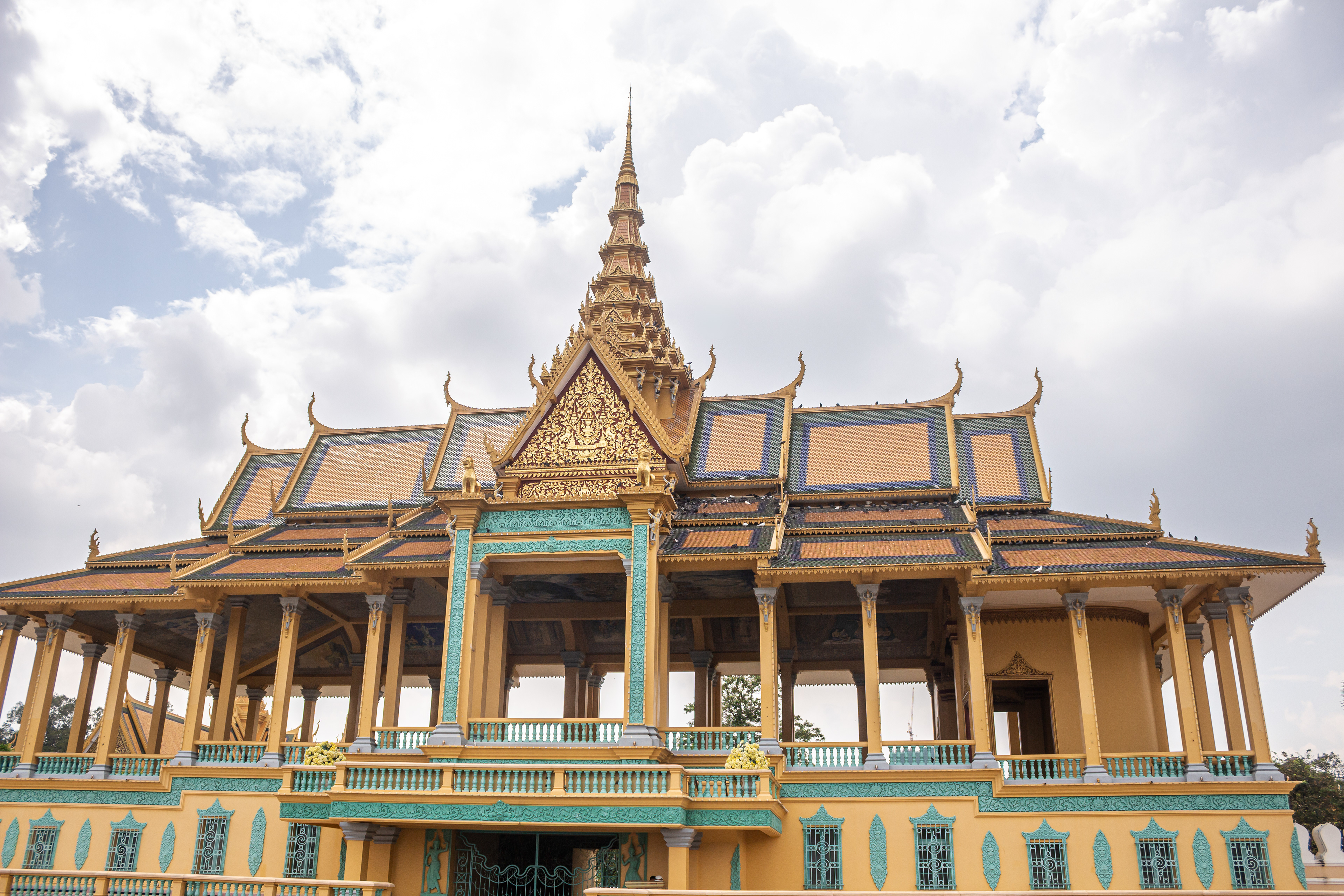
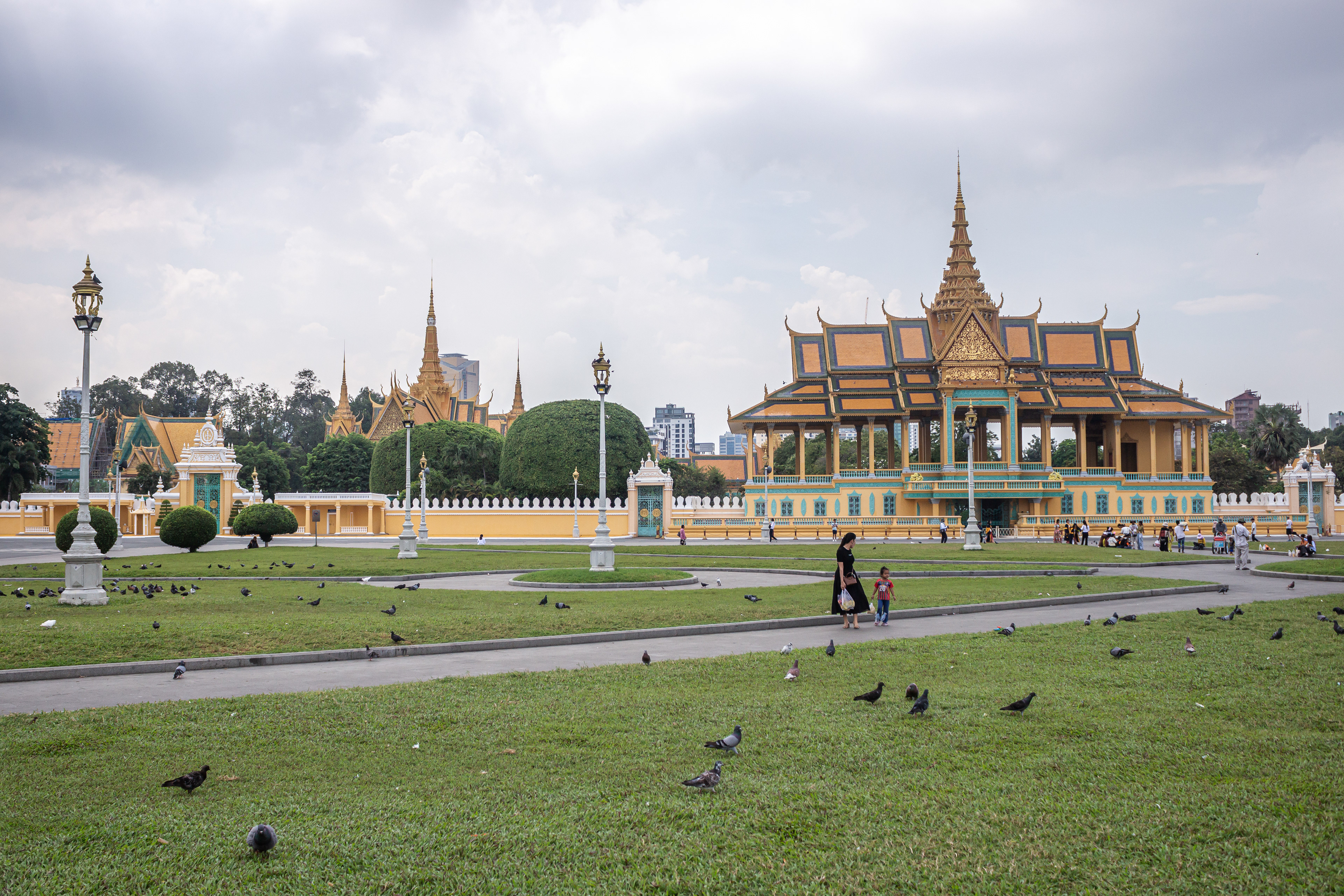
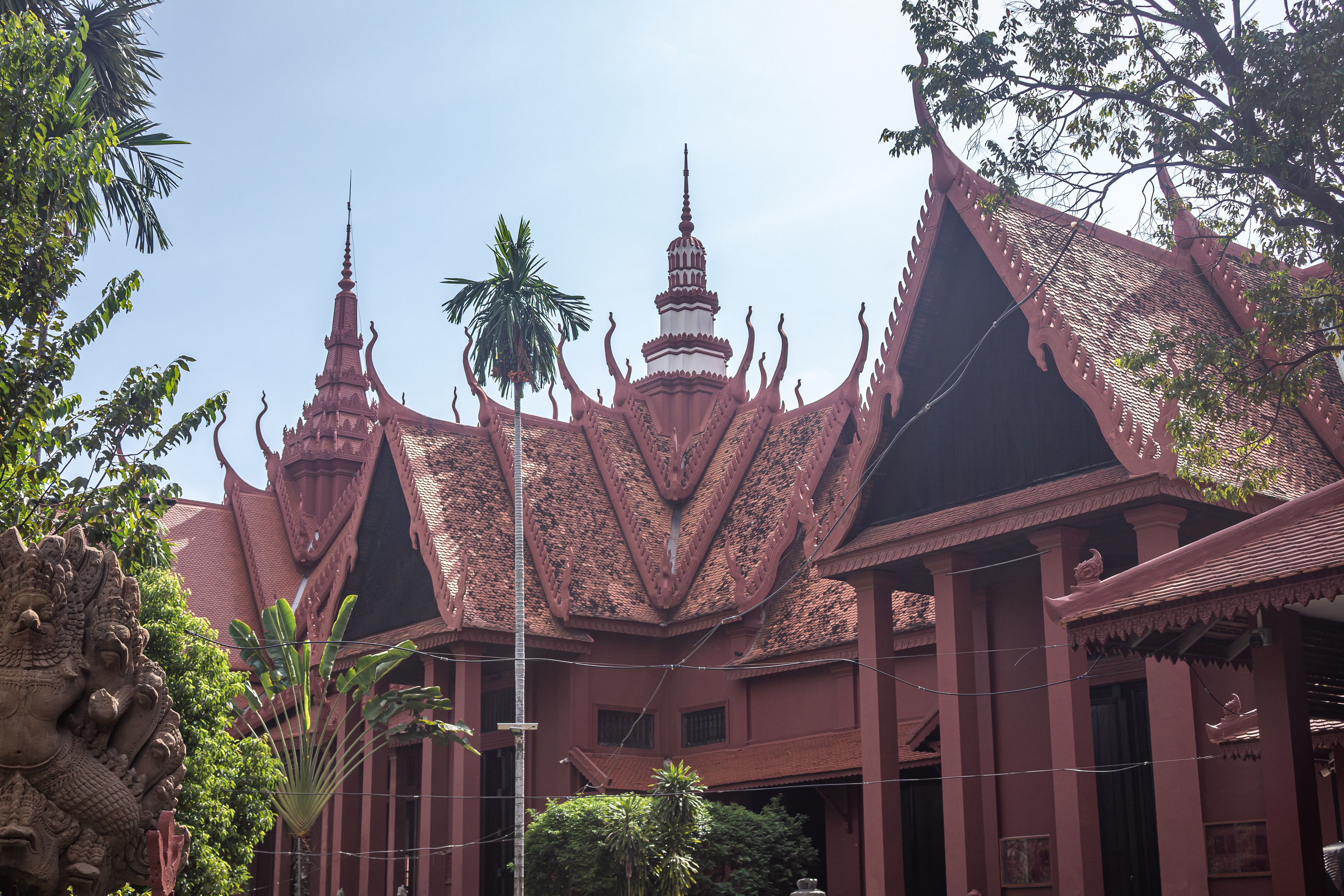
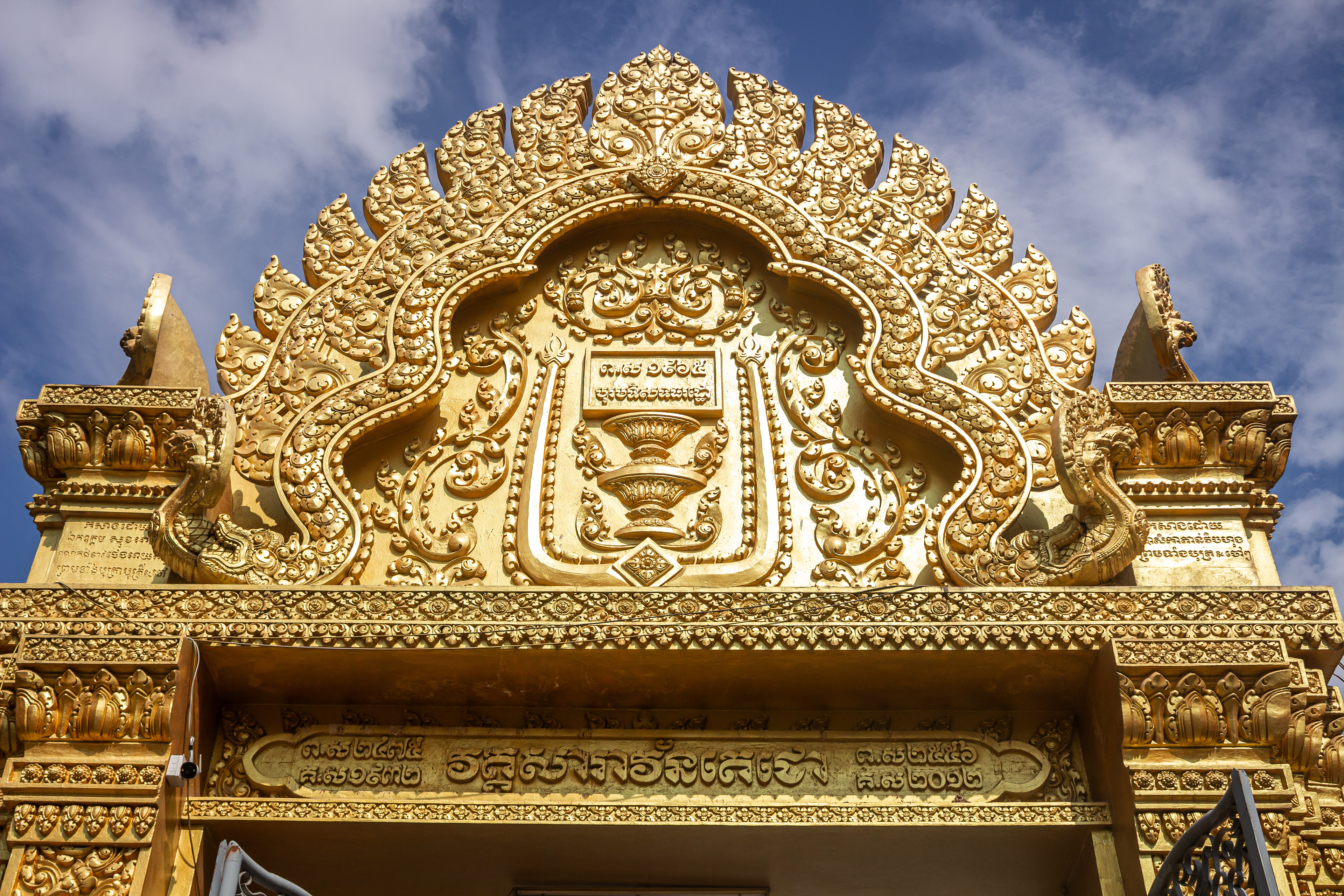
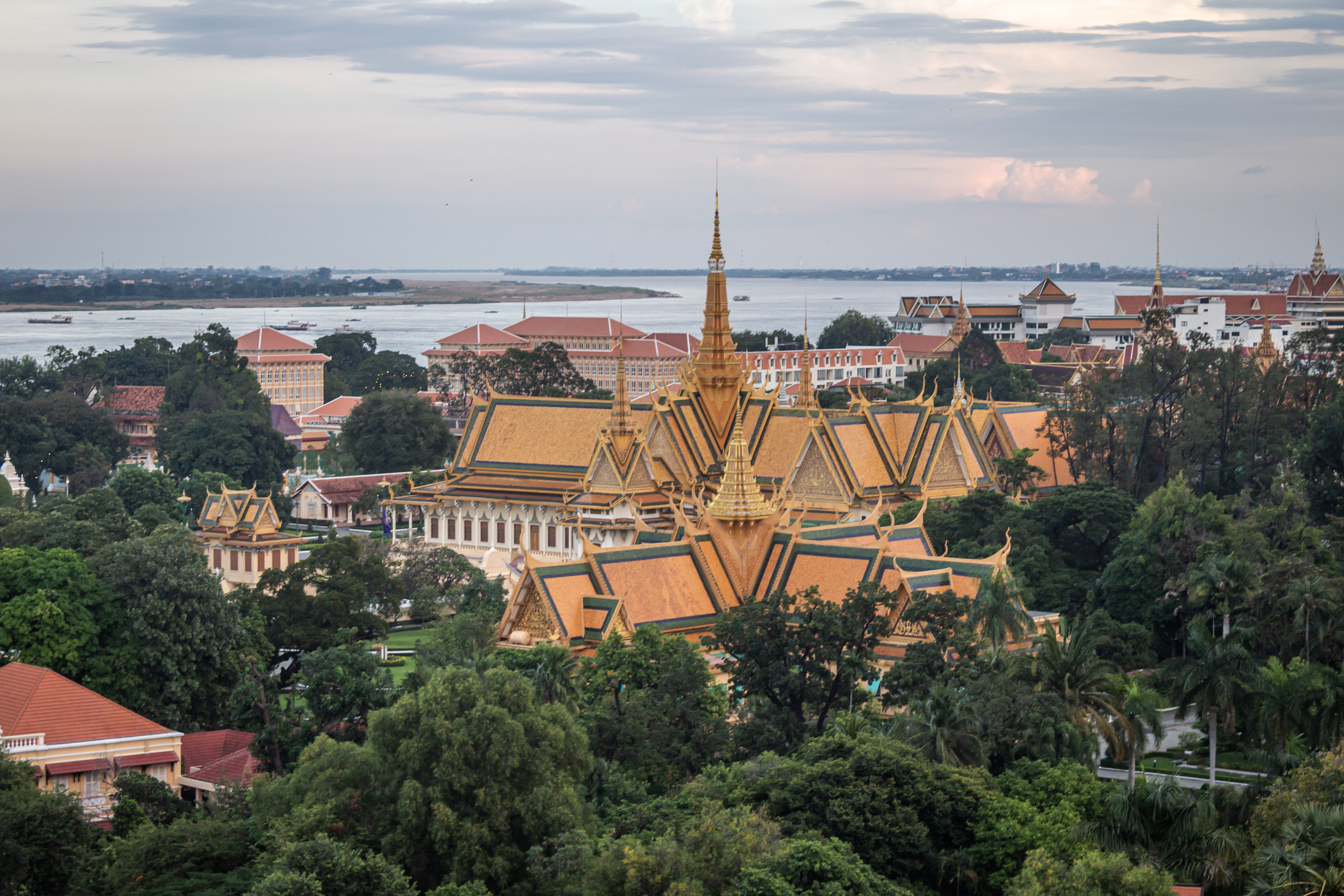
The Royal Palace is Phnom Penh’s most iconic landmark. Built in the 1860s, it remains the residence of Cambodia’s king and a symbol of national pride. The complex features traditional Khmer architecture with golden roofs, manicured gardens, and ornate halls.
Within the palace grounds, the Silver Pagoda houses sacred Buddhist relics and a floor made of thousands of silver tiles. It’s one of the city’s most peaceful and visually striking places, offering insight into Cambodia’s royal and religious traditions.
The Riverside (Sisowath Quay)
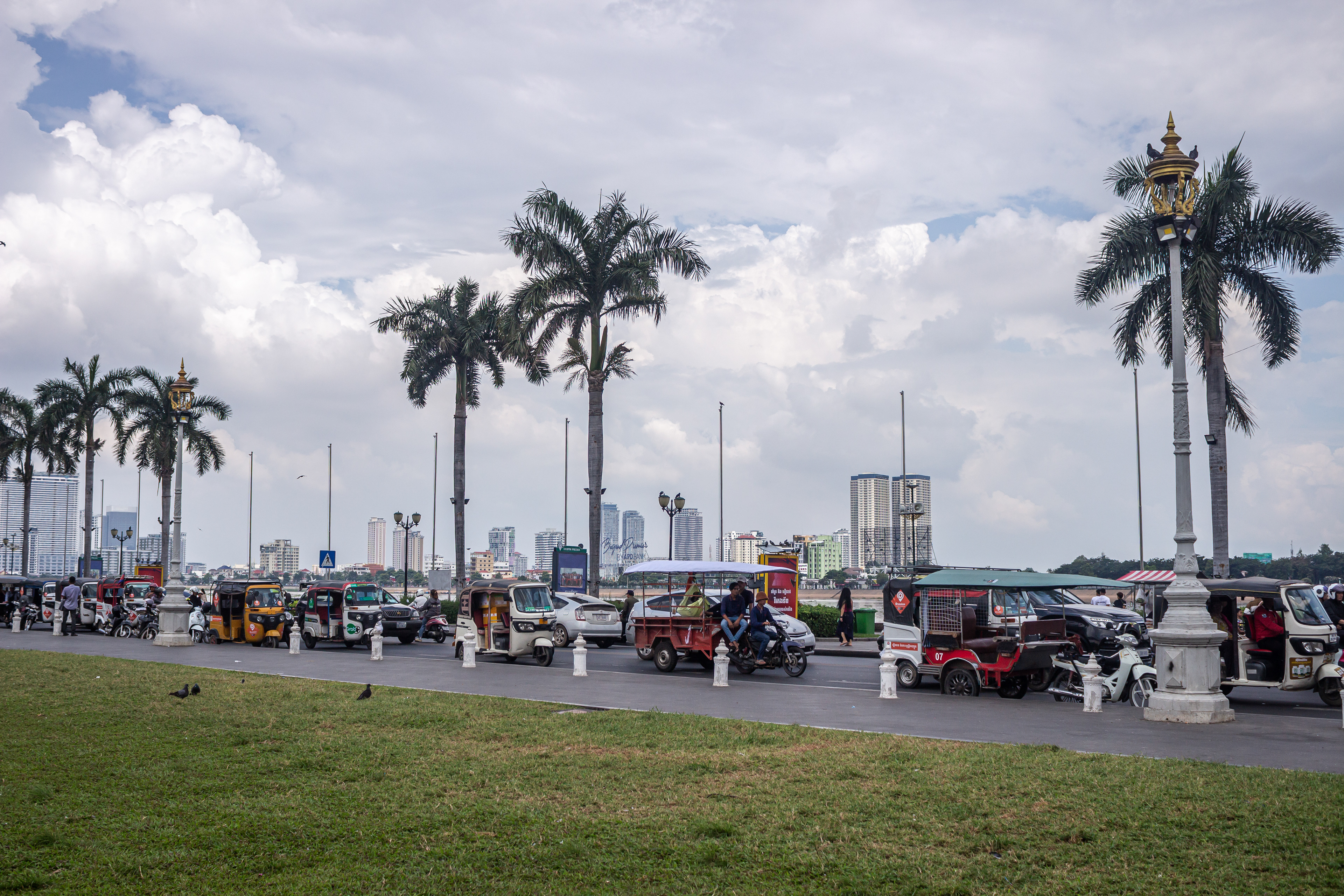
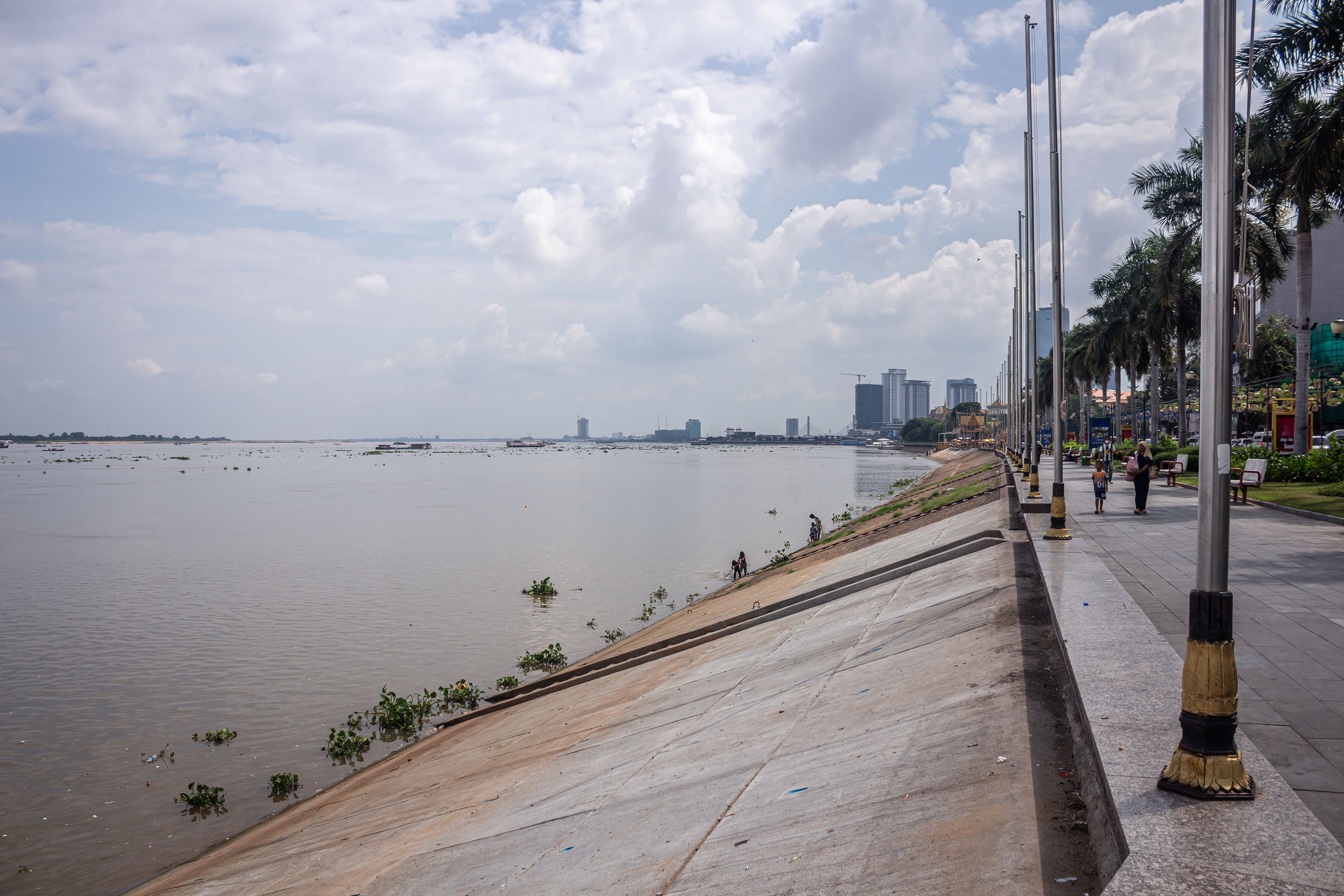
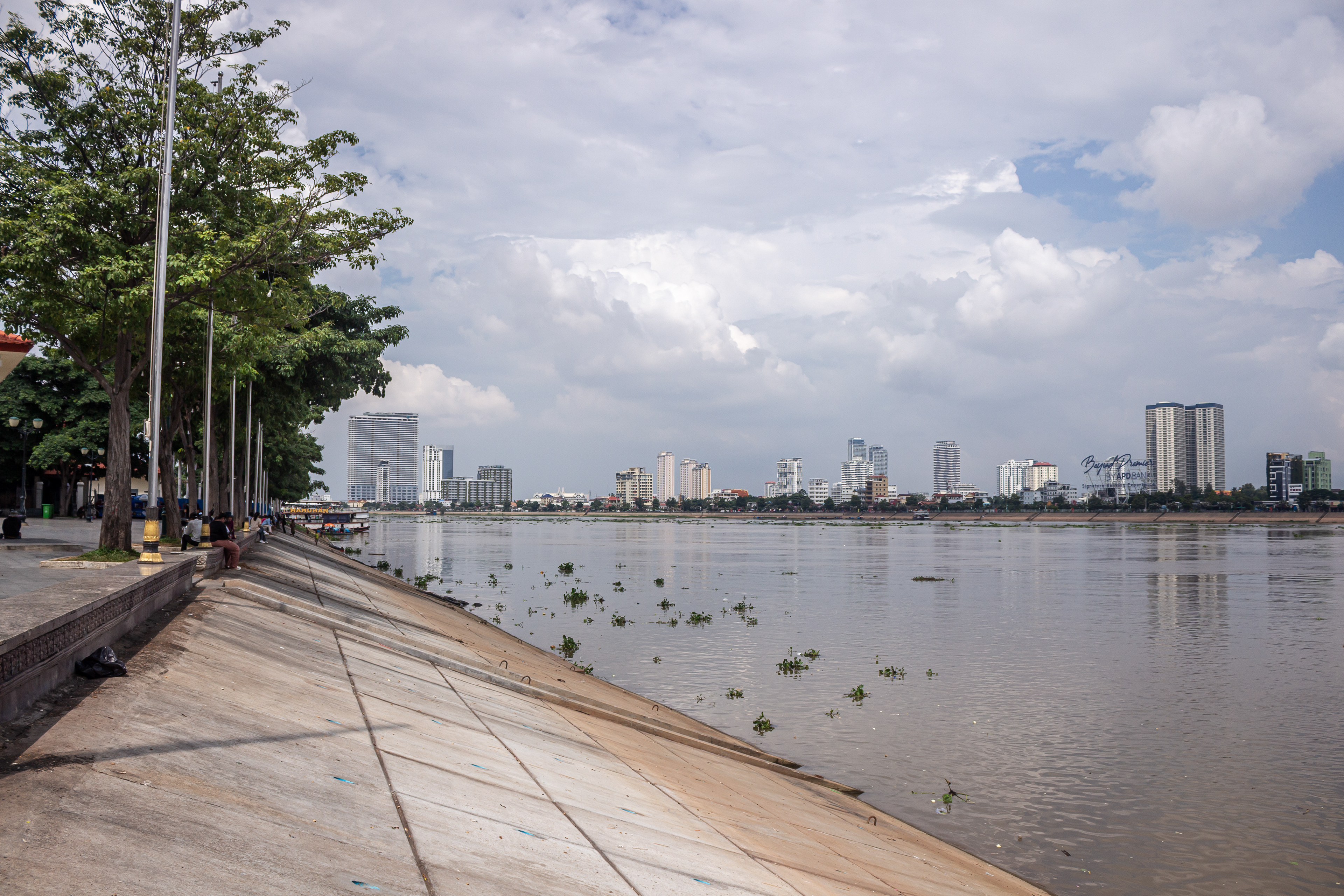
Phnom Penh’s riverside is where the city relaxes. Sisowath Quay stretches along the Tonlé Sap River and comes alive in the evenings with walkers, street performers, and food vendors.
Lined with cafés, bars, and restaurants, it’s a great spot to watch the sunset, sample local food, or take a boat cruise. Historically, this area was central to trade and colonial-era life, and today it remains the social heart of the city.
Central Market & Russian Market
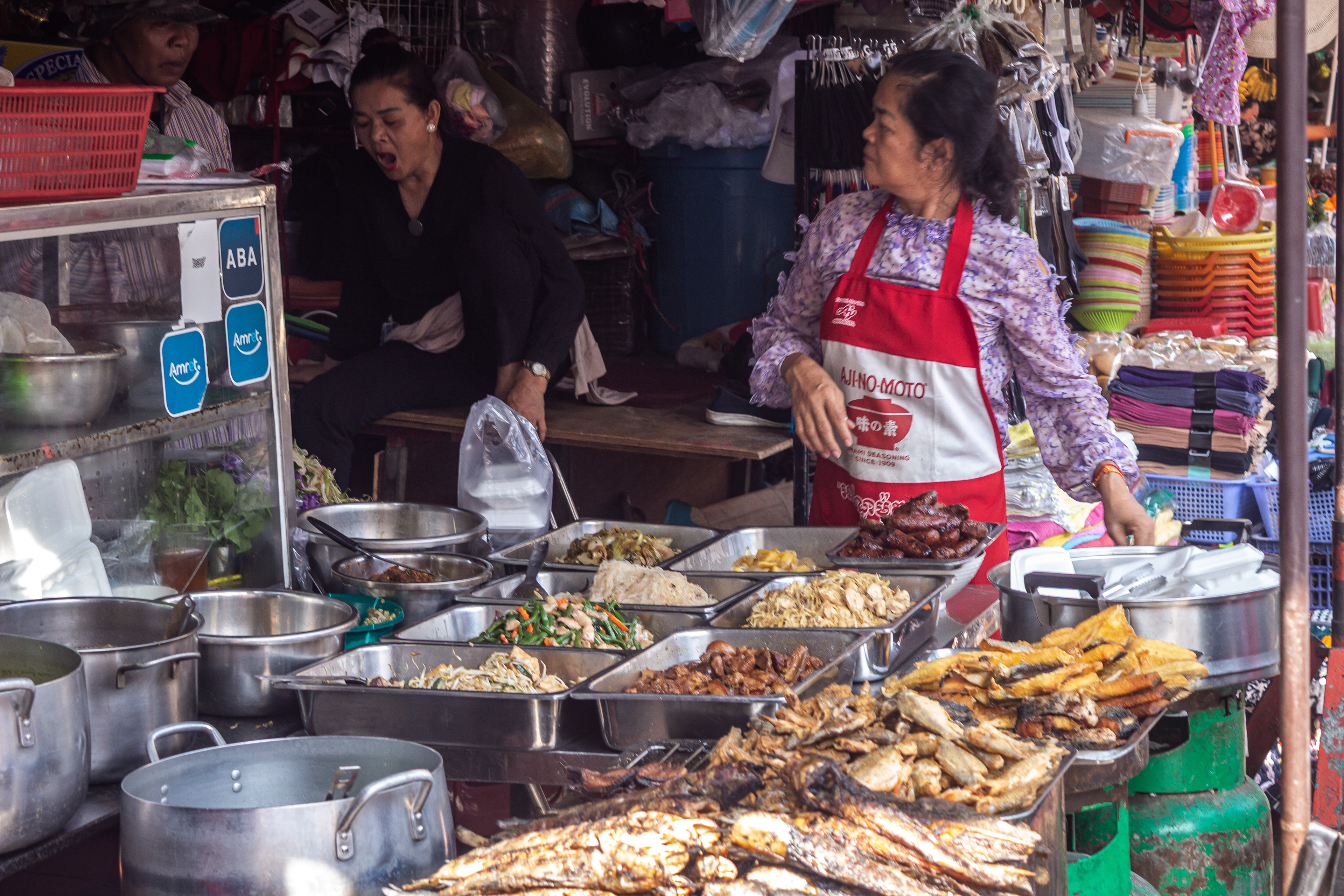
For a taste of daily life, head to Phnom Penh’s markets. The Central Market (Phsar Thmei) is an Art Deco landmark built during the French period and sells everything from jewelry to street food.
Russian Market (Phsar Toul Tom Poung) is popular for souvenirs, handicrafts, and clothing. It began as a market serving foreign residents and has since become a favorite for both locals and visitors.
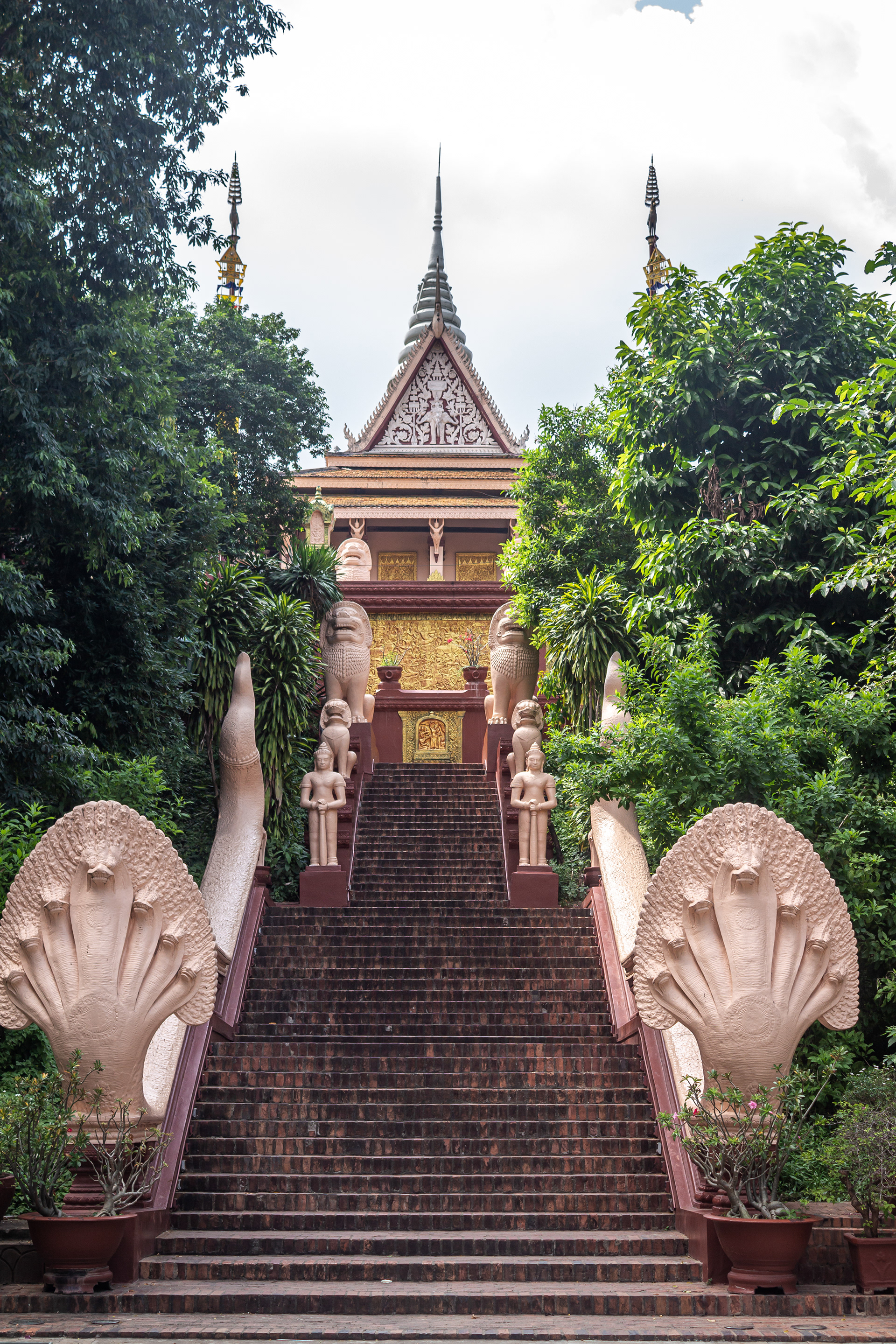
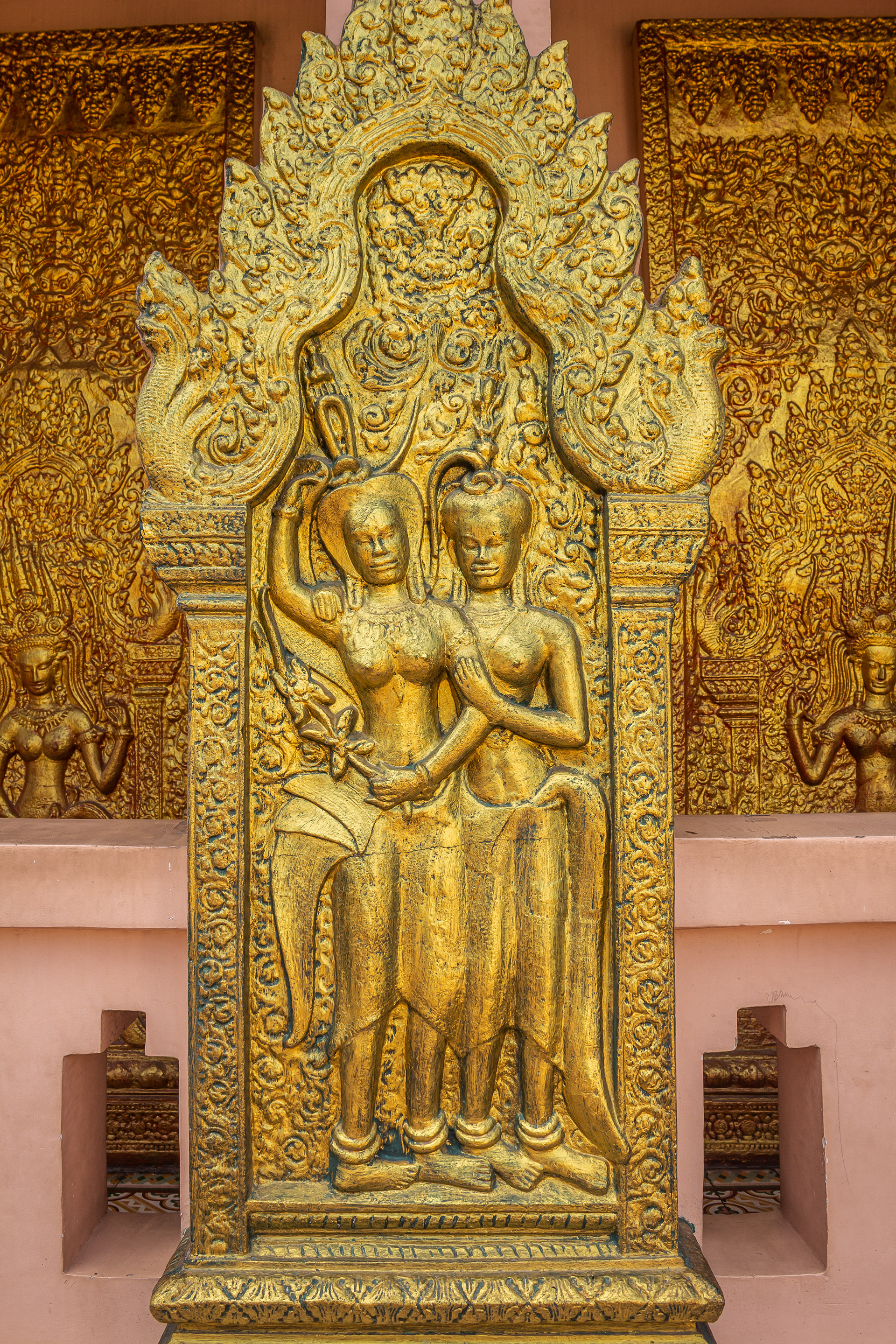
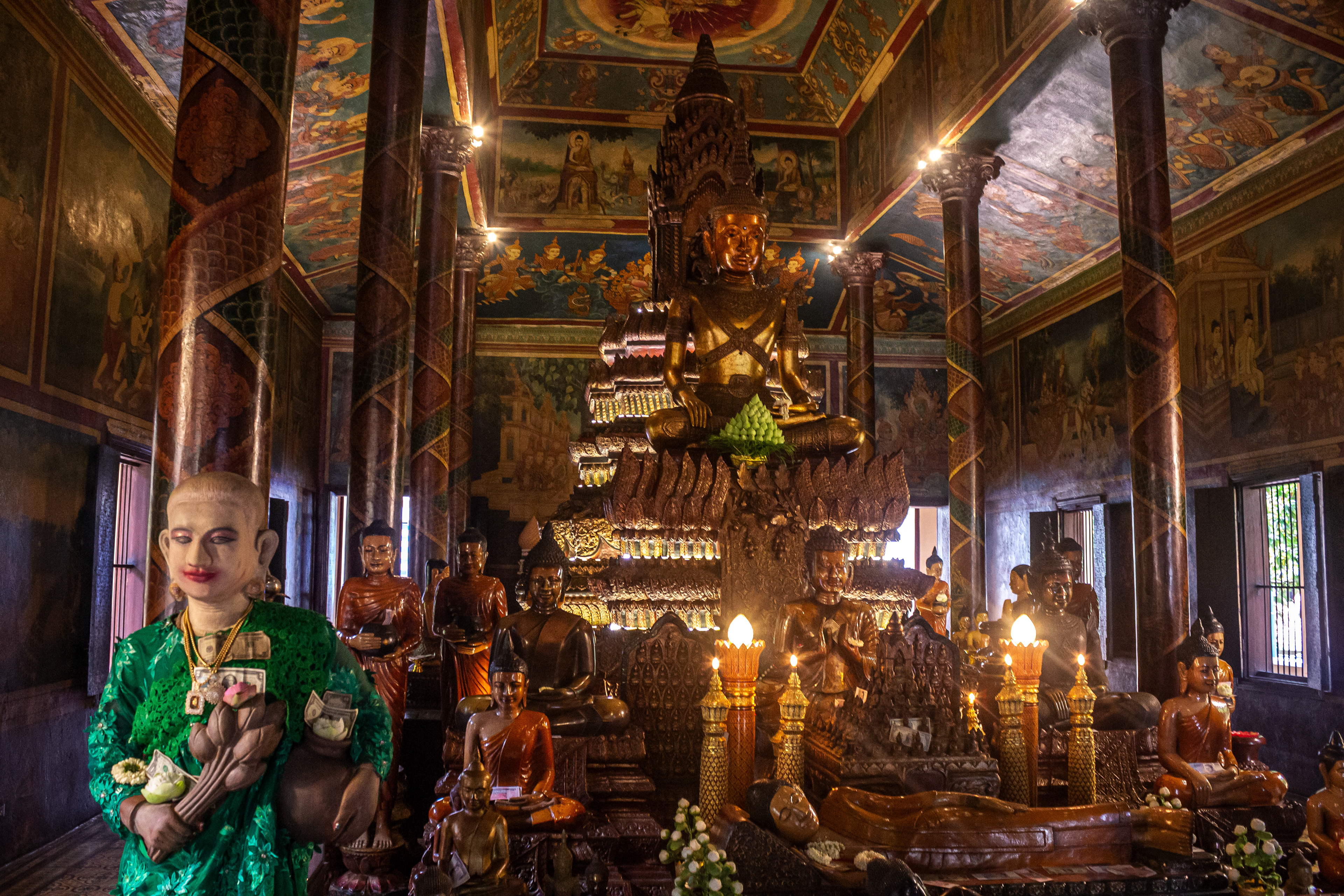
Wat Phnom: The City’s Spiritual Origin
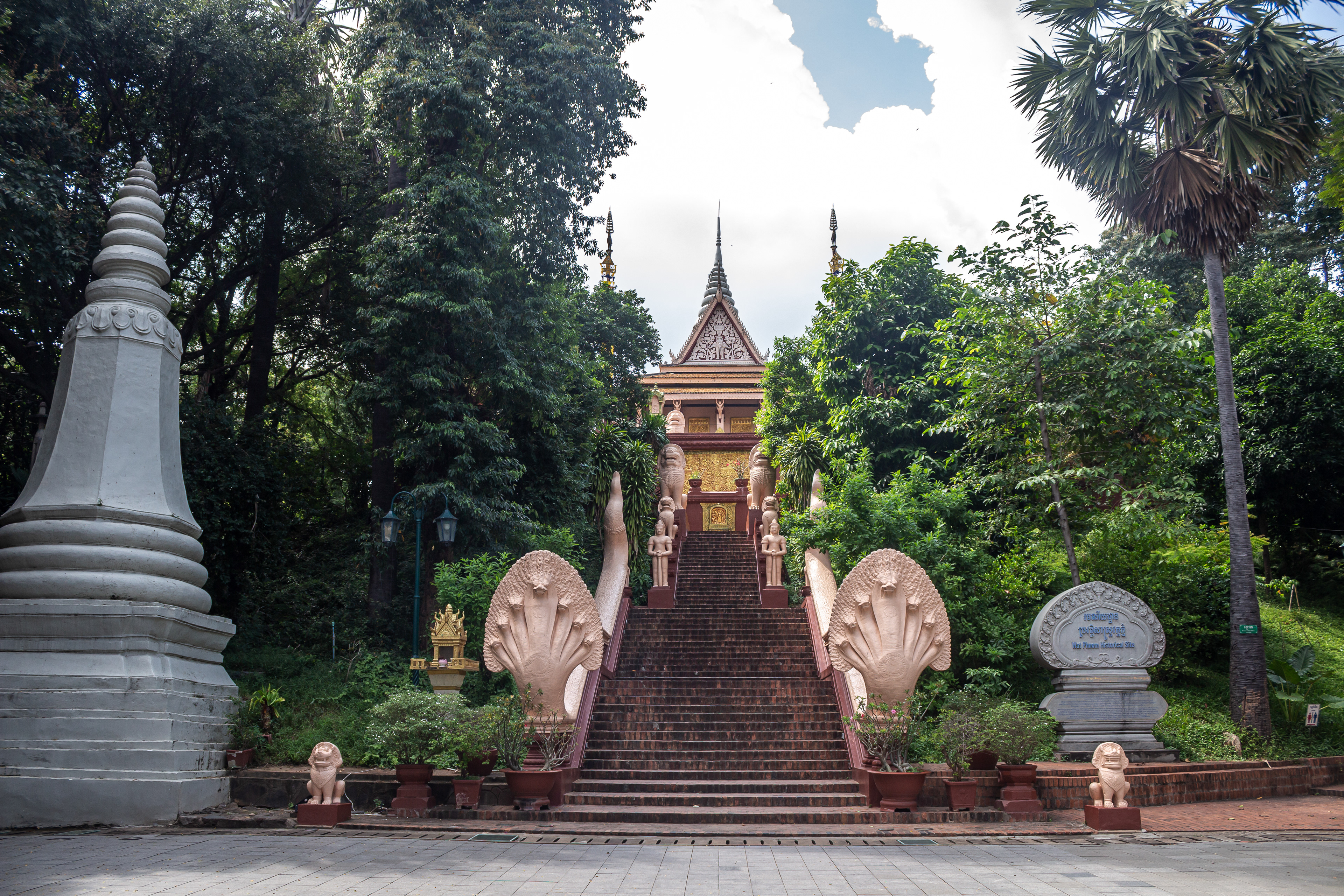
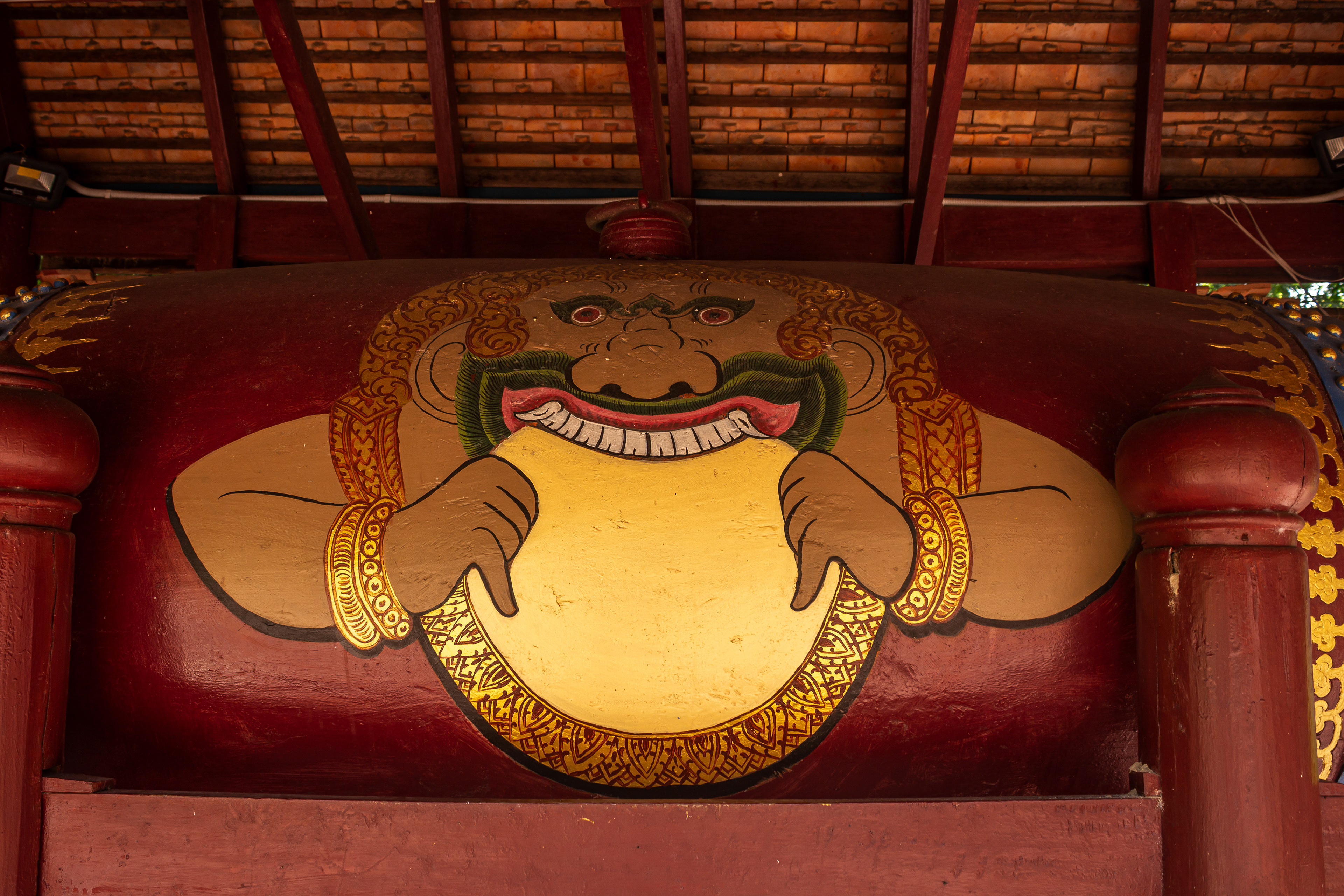
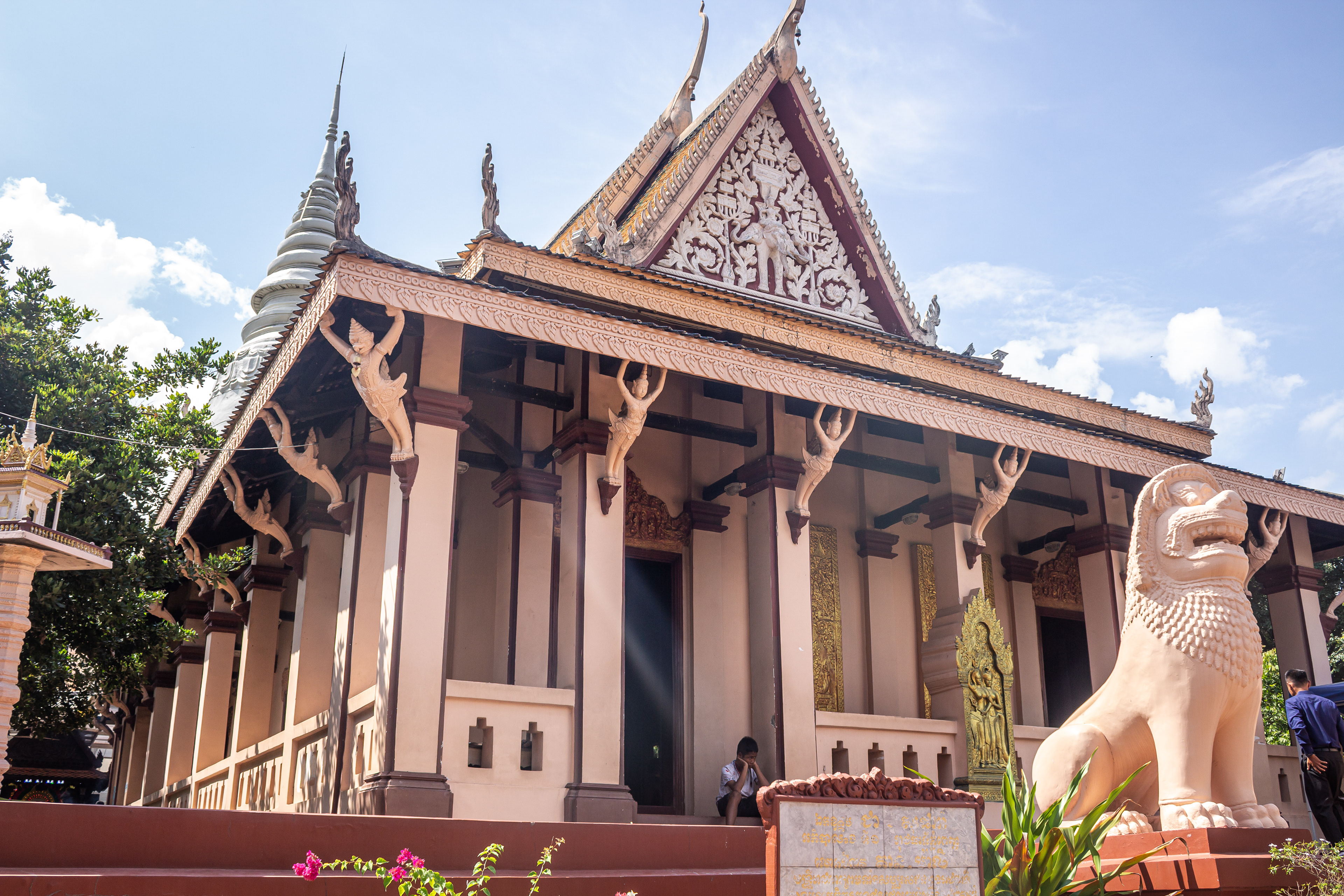
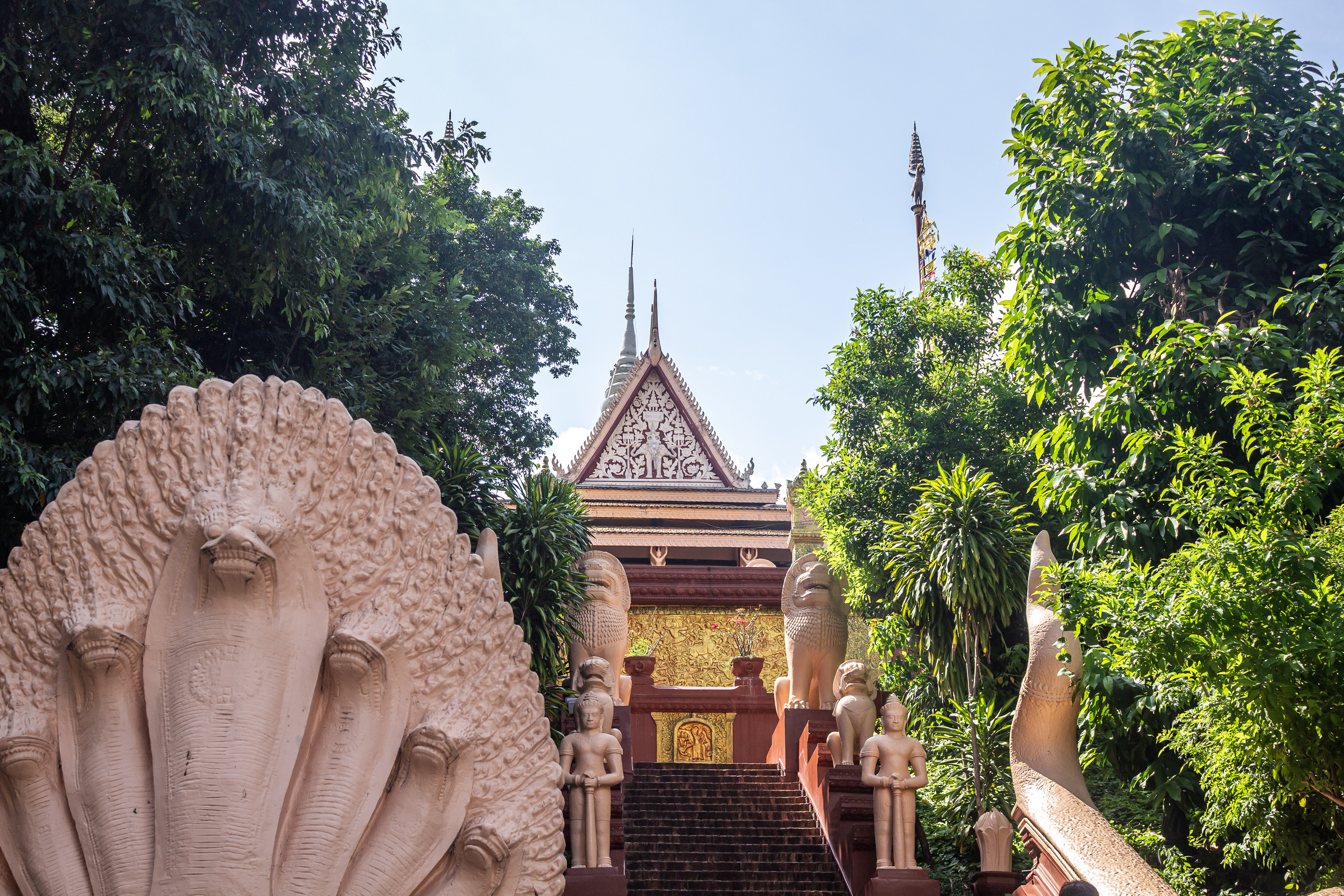
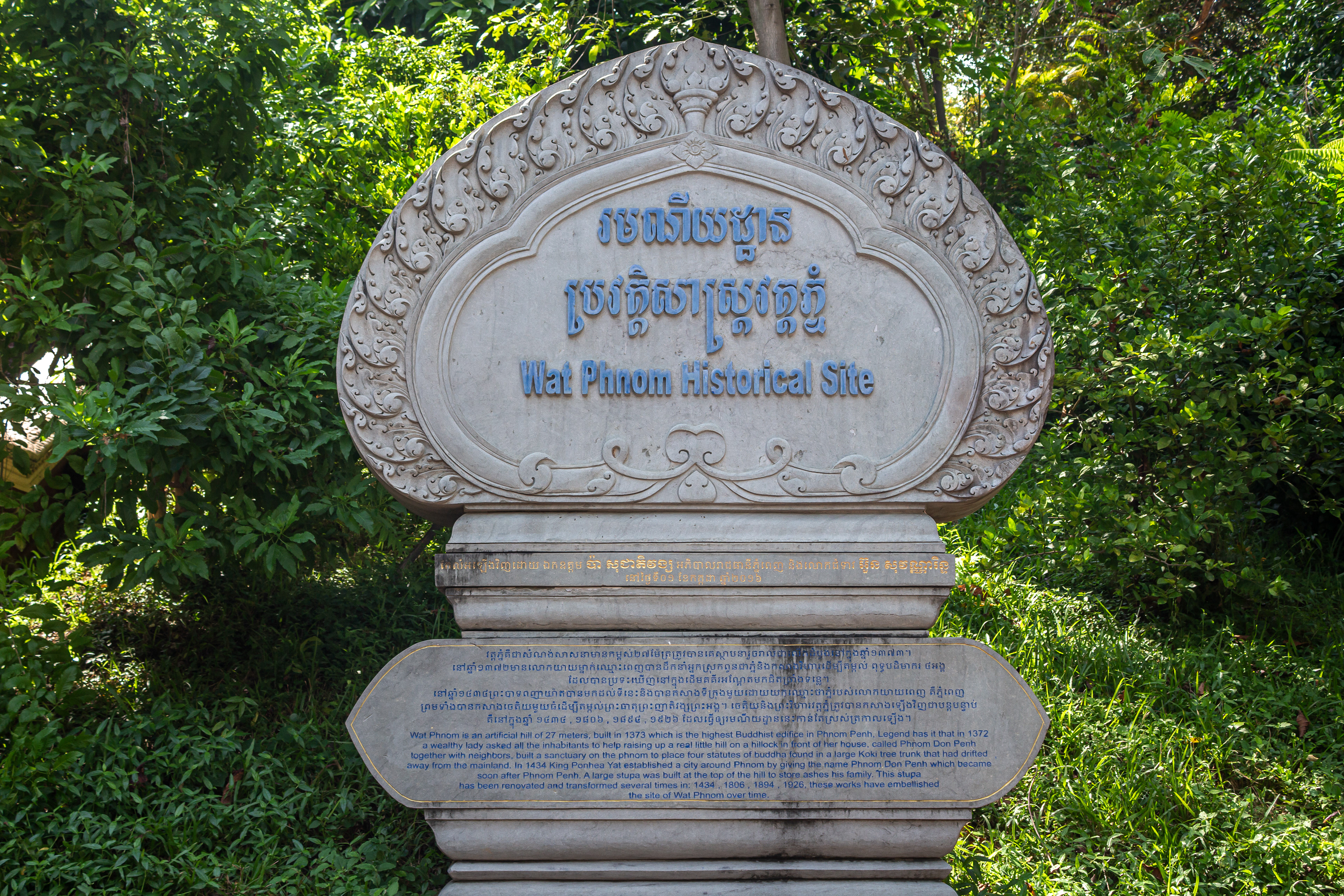
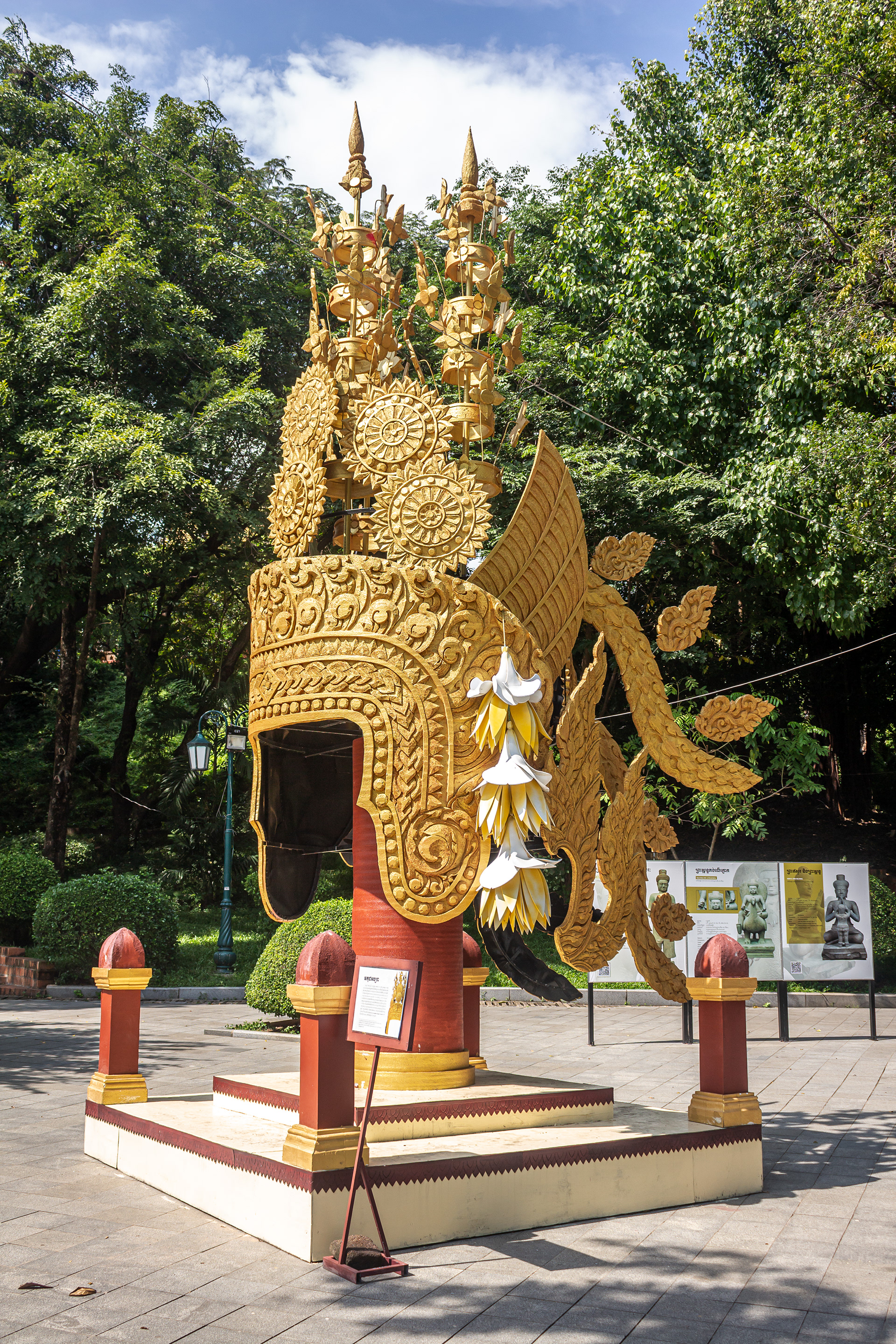
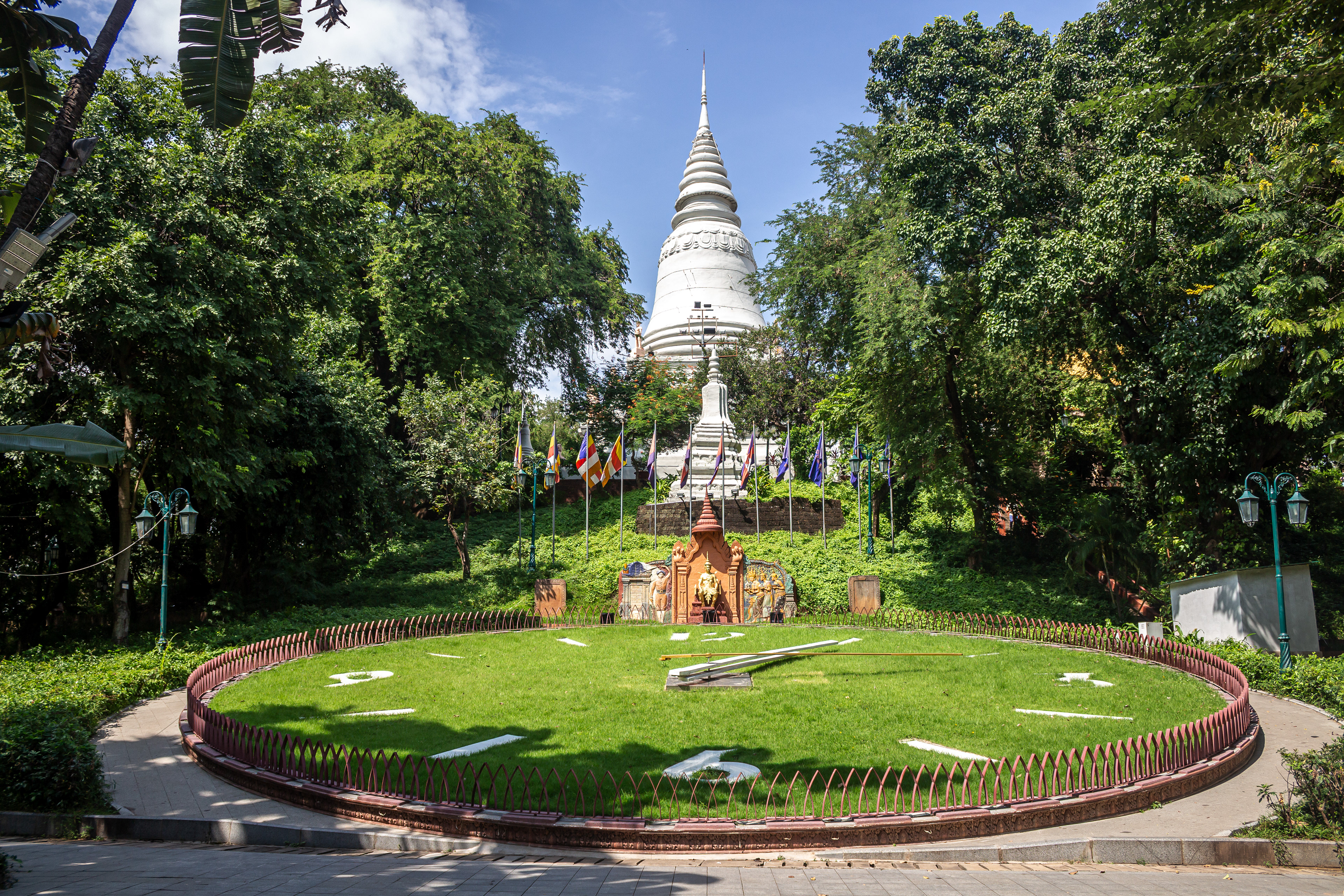
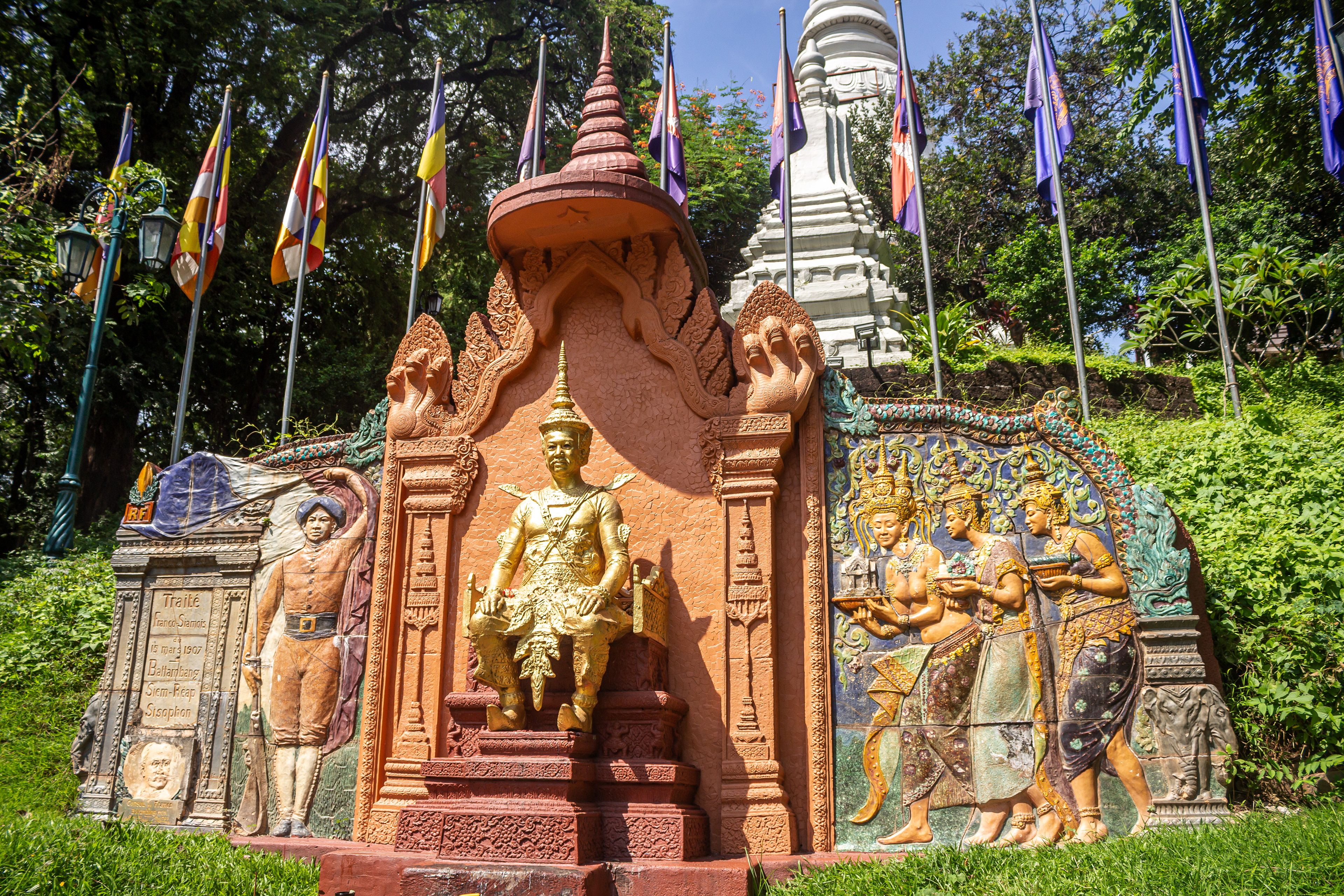
Wat Phnom sits atop a small hill and is considered the birthplace of the city. According to legend, a woman named Penh found sacred Buddha statues here in the 14th century, leading to the city’s name—Phnom Penh, or “Penh’s Hill.”
Today, locals come to pray for good luck, while travelers enjoy the calm atmosphere and views over the surrounding streets.
Modern Phnom Penh
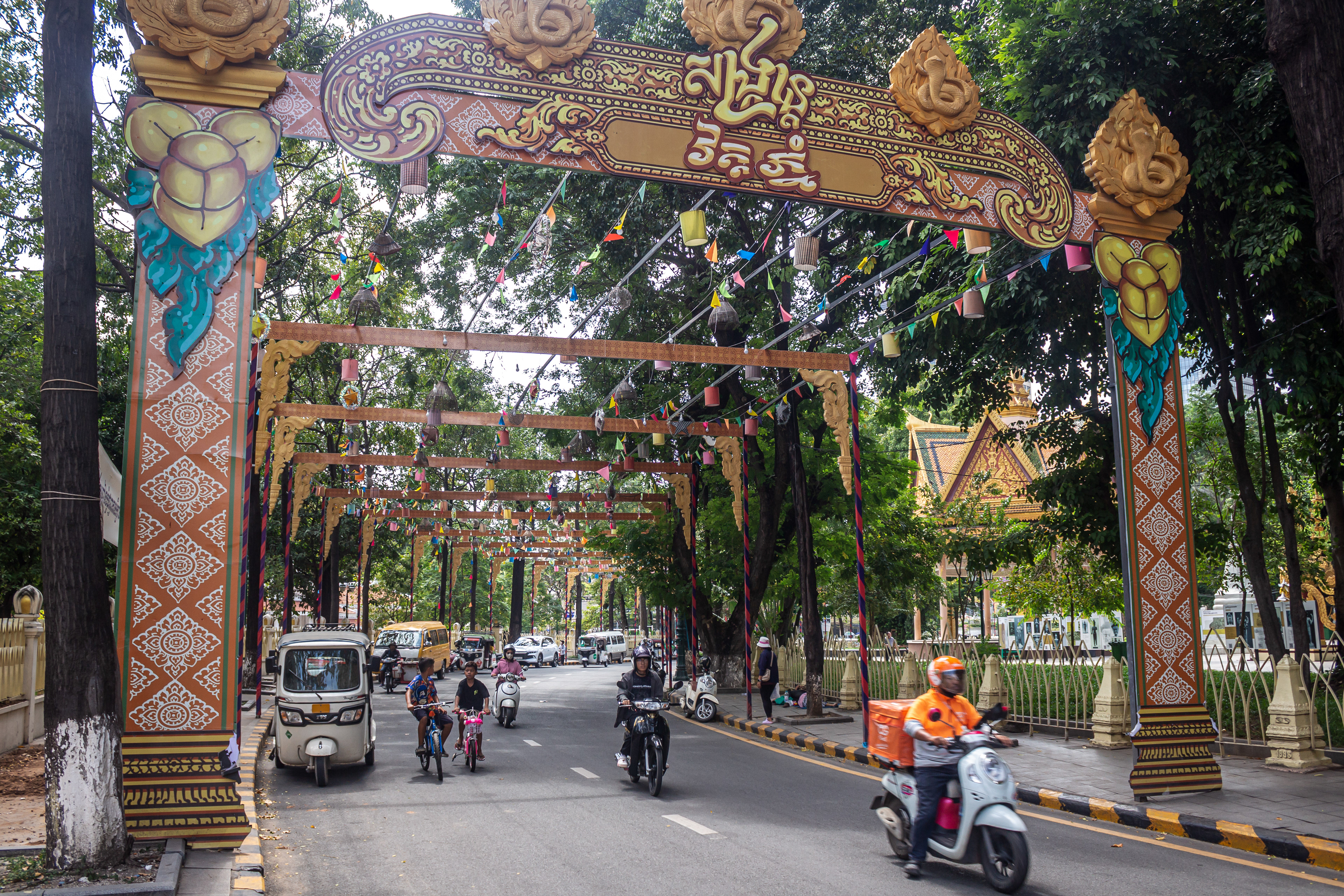
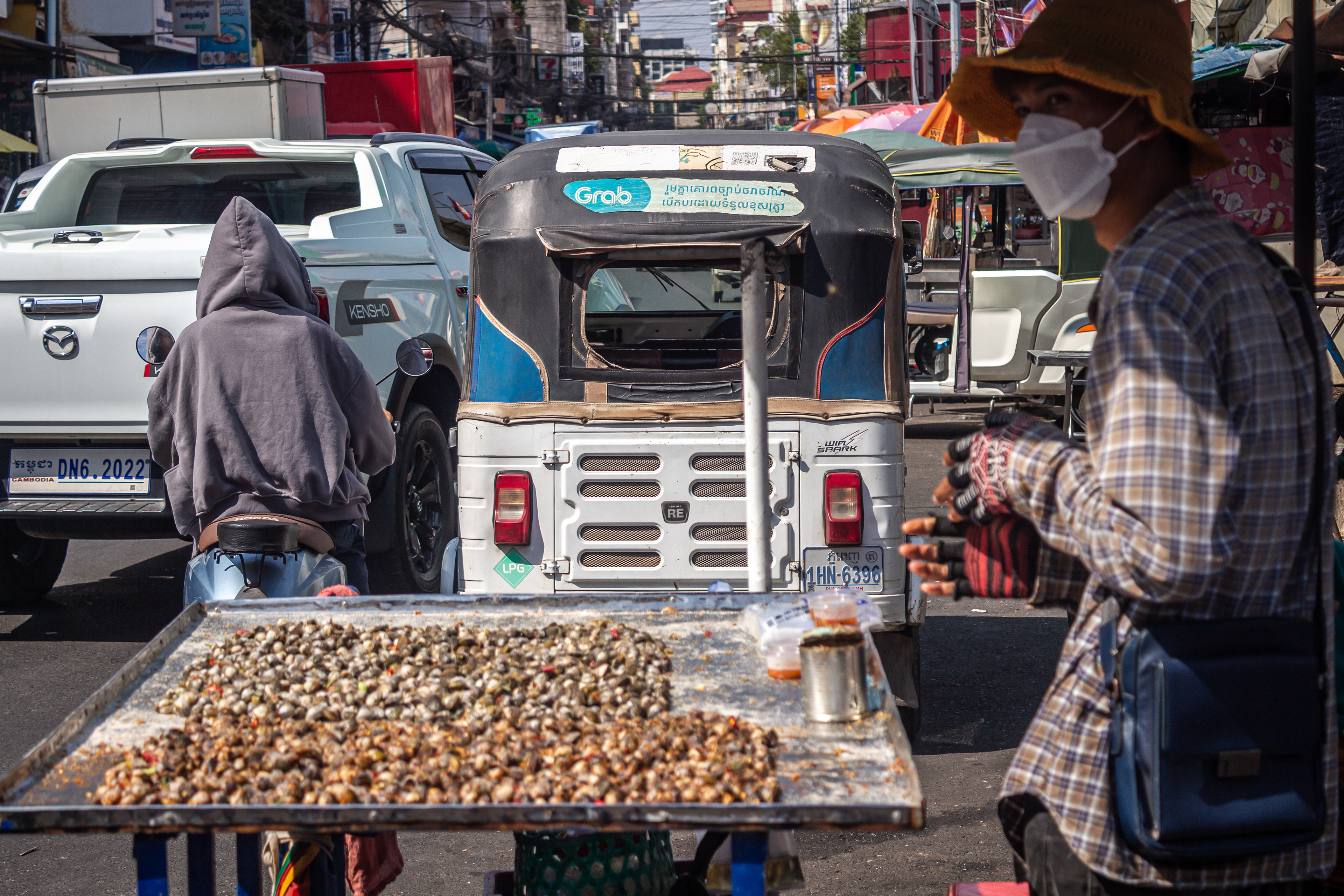
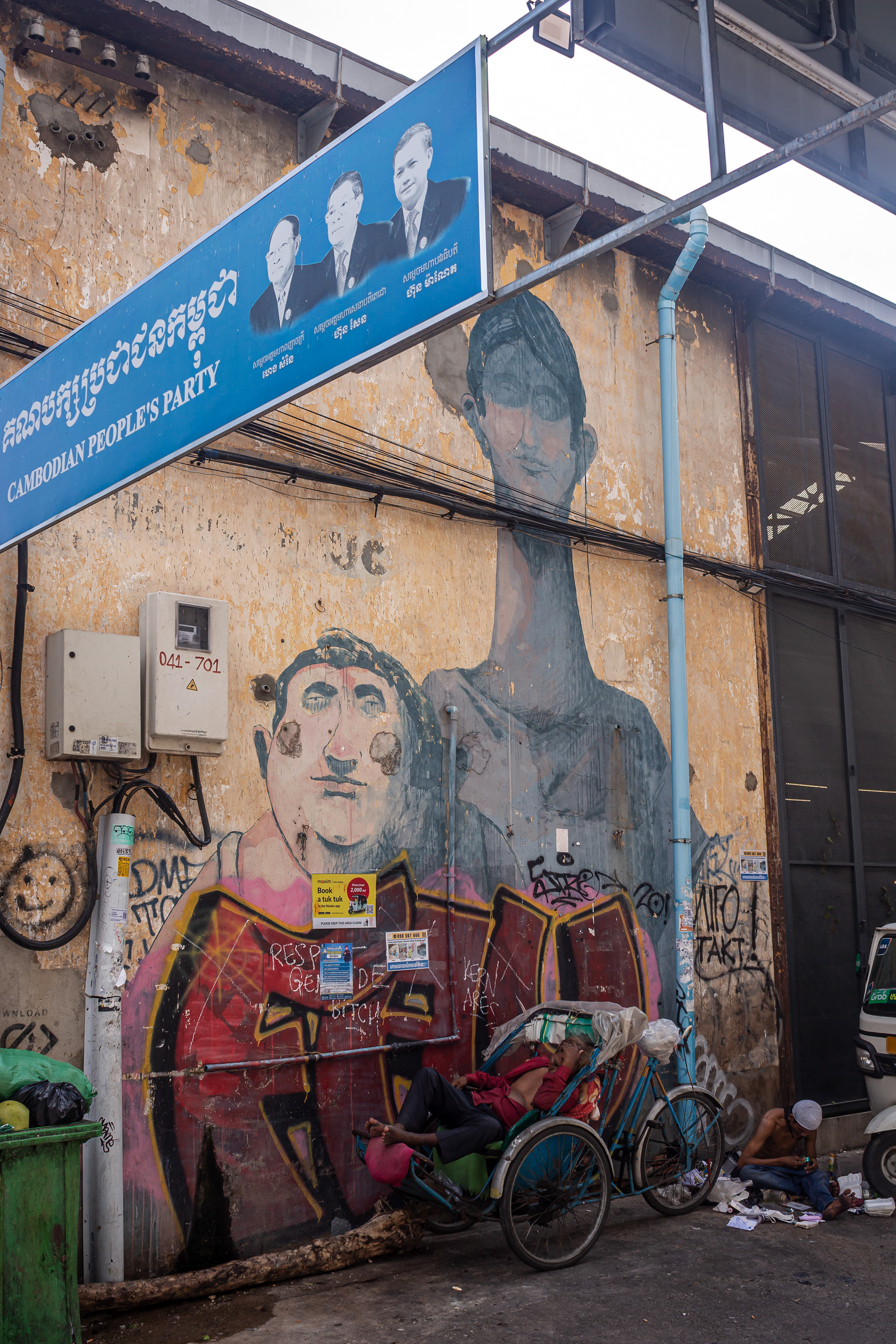
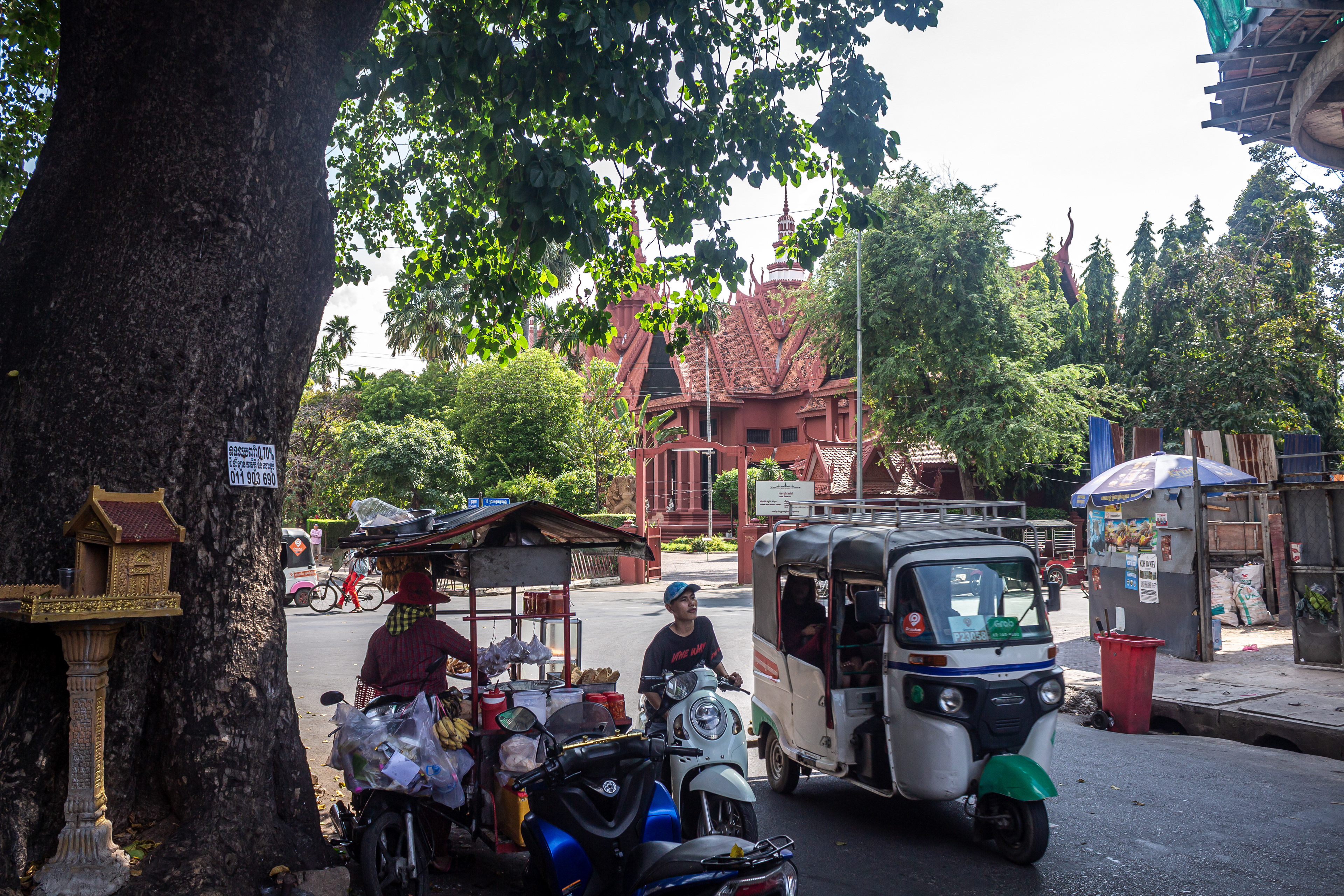
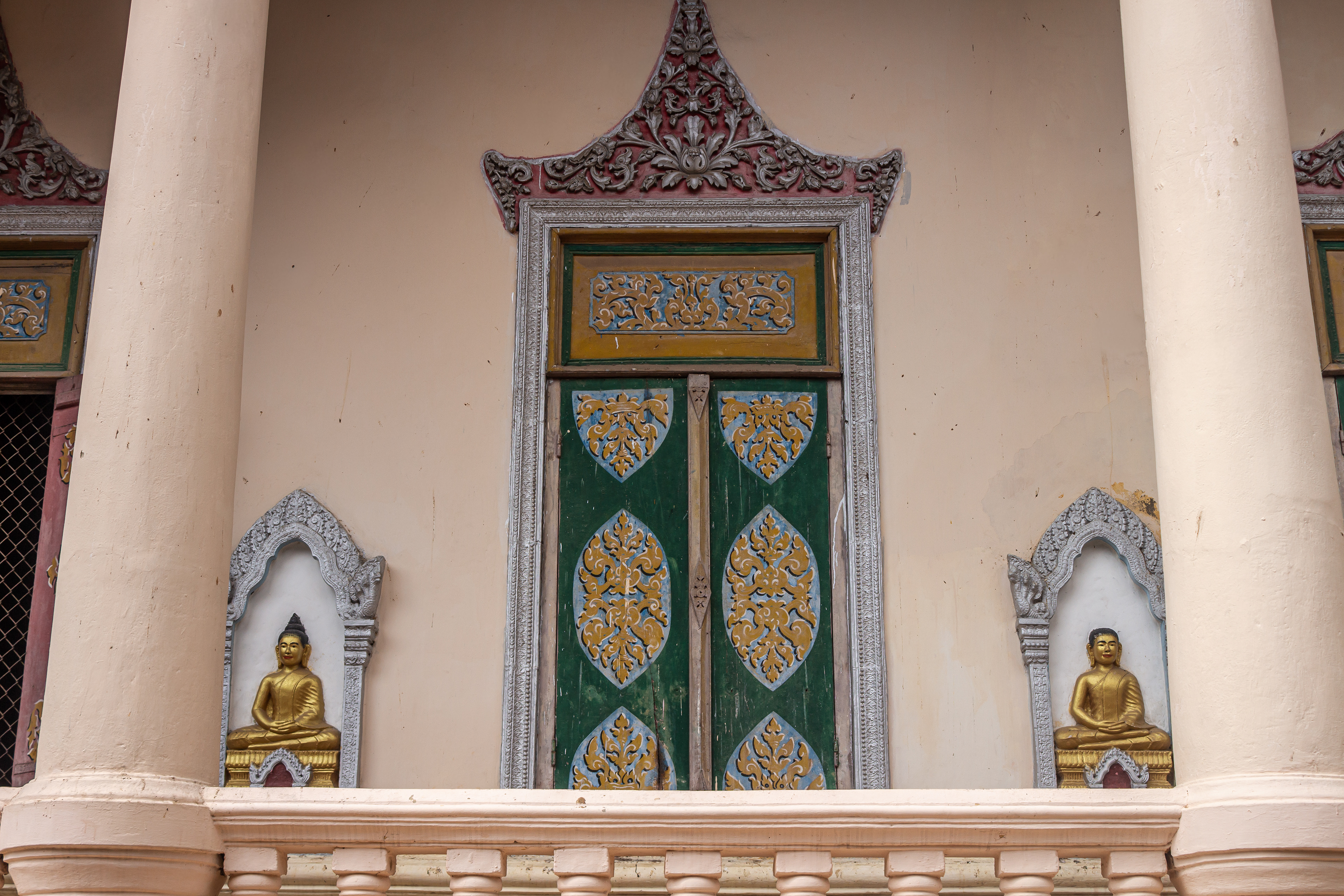
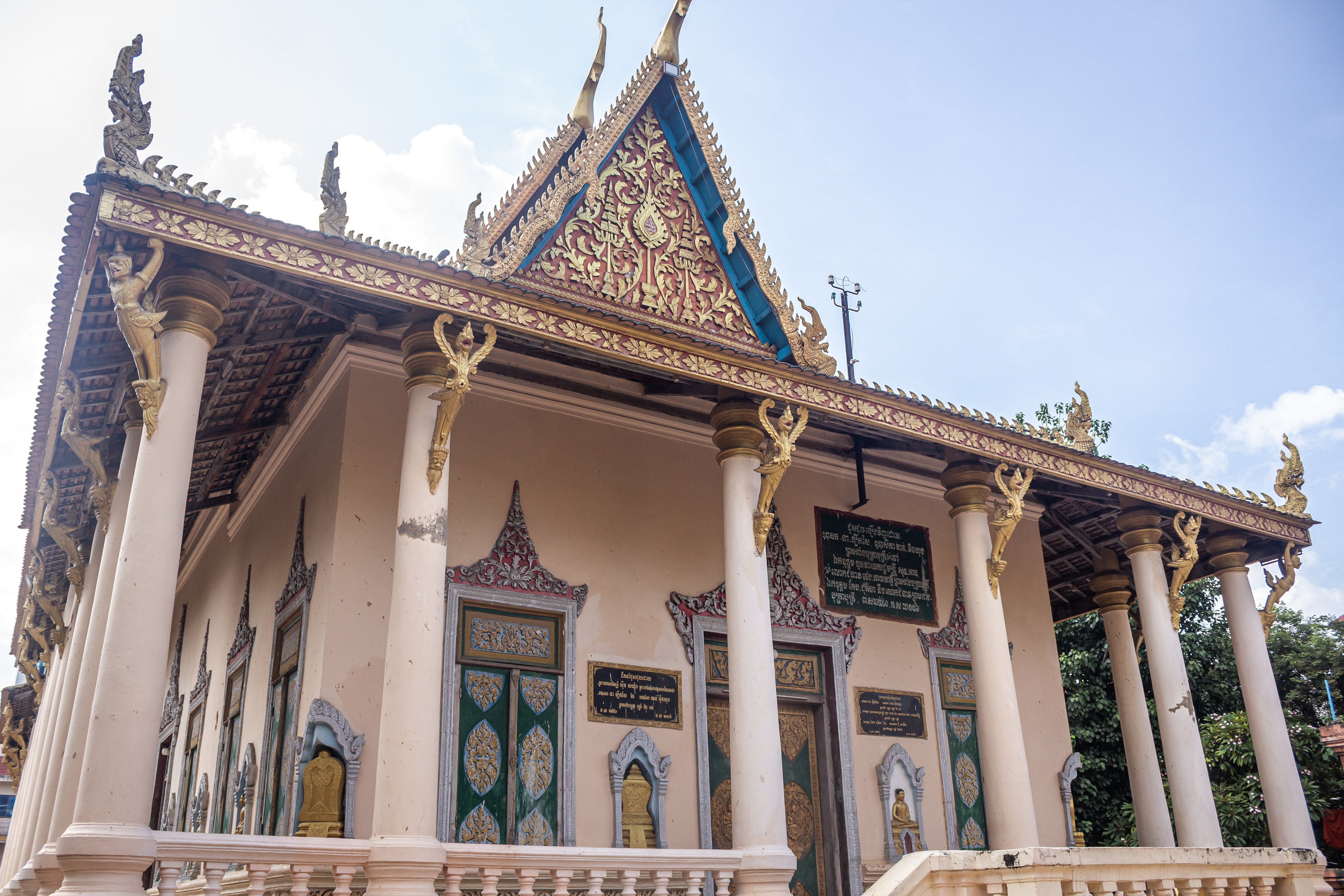
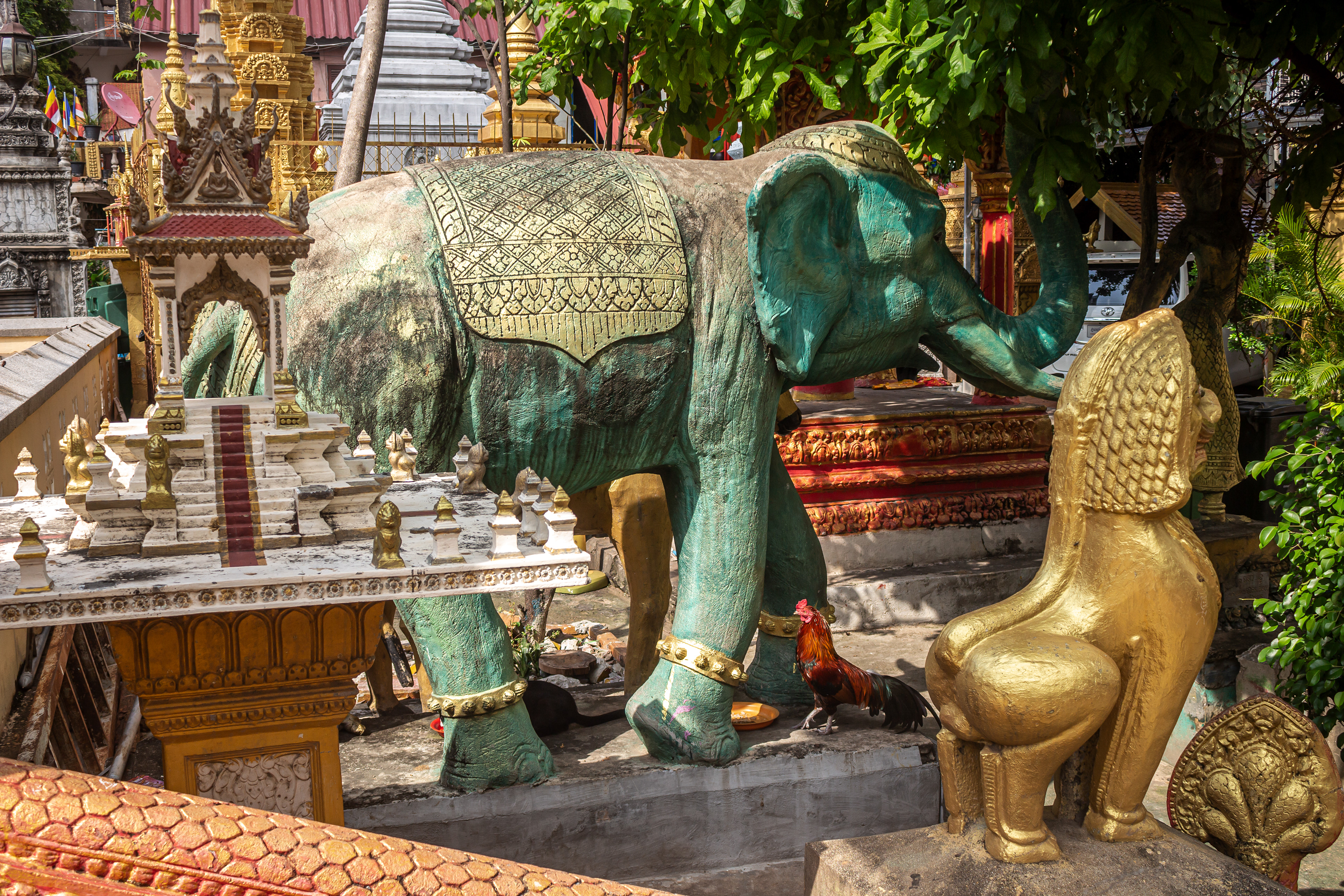
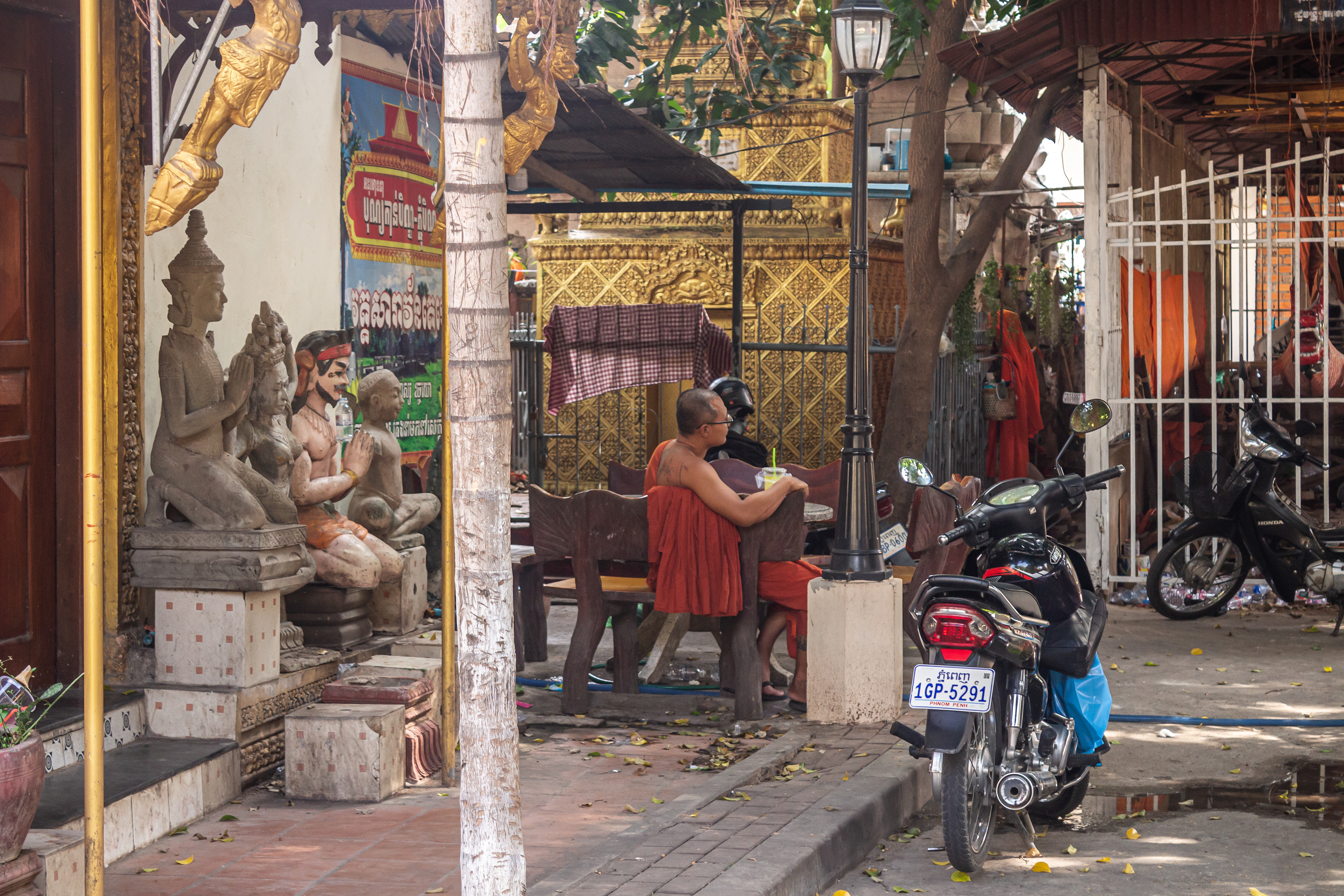
Beyond its historic sites, Phnom Penh is evolving quickly. New cafés, galleries, and rooftop bars are popping up across the city, especially in areas like BKK1 and the riverside. While development is rapid, traditional street life—food stalls, markets, monks collecting alms at dawn—remains an essential part of the city’s character.



Visiting Choeung Ek Killing Fields & Tuol Sleng Genocide Museum (S-21): A Guide for Travelers
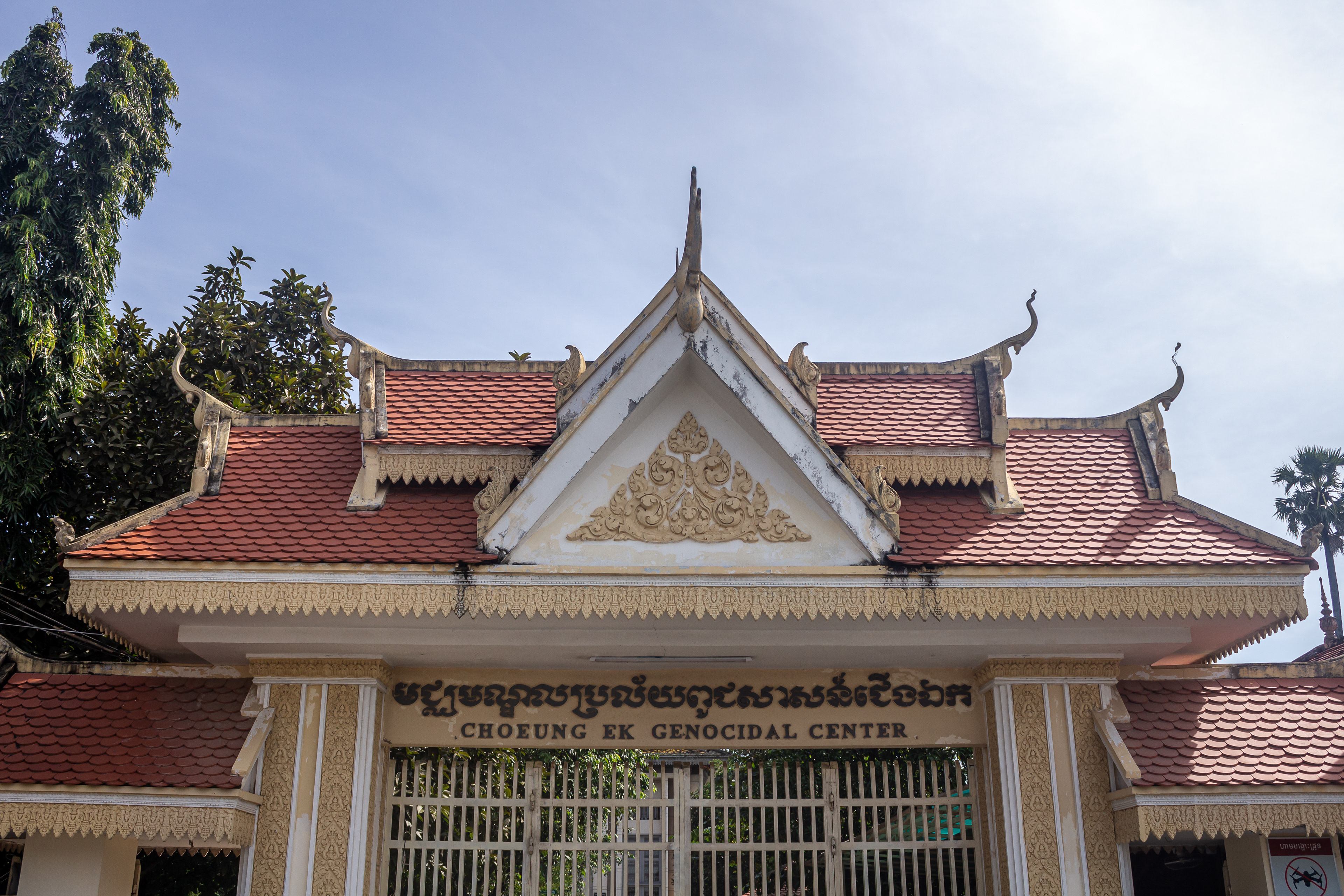
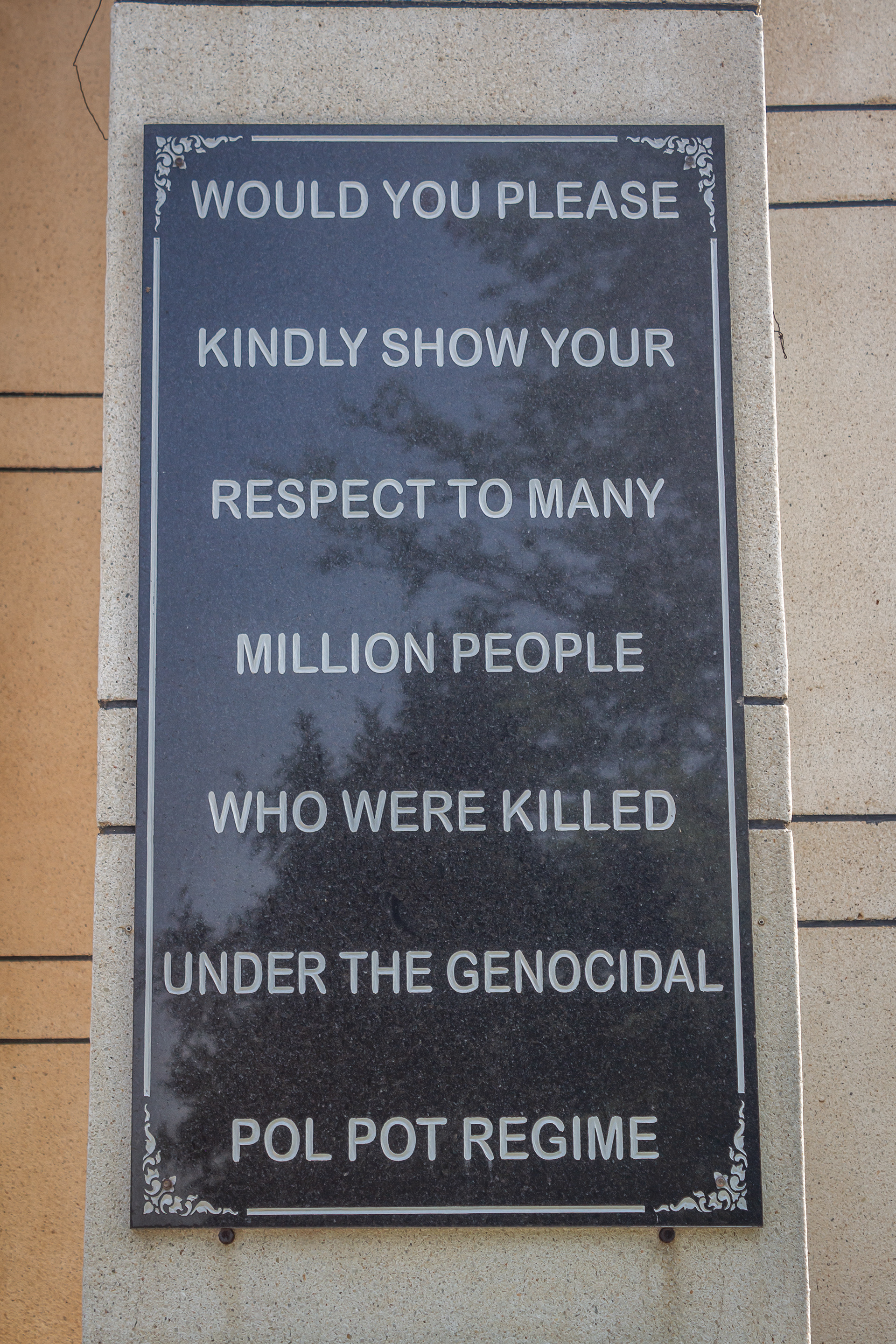
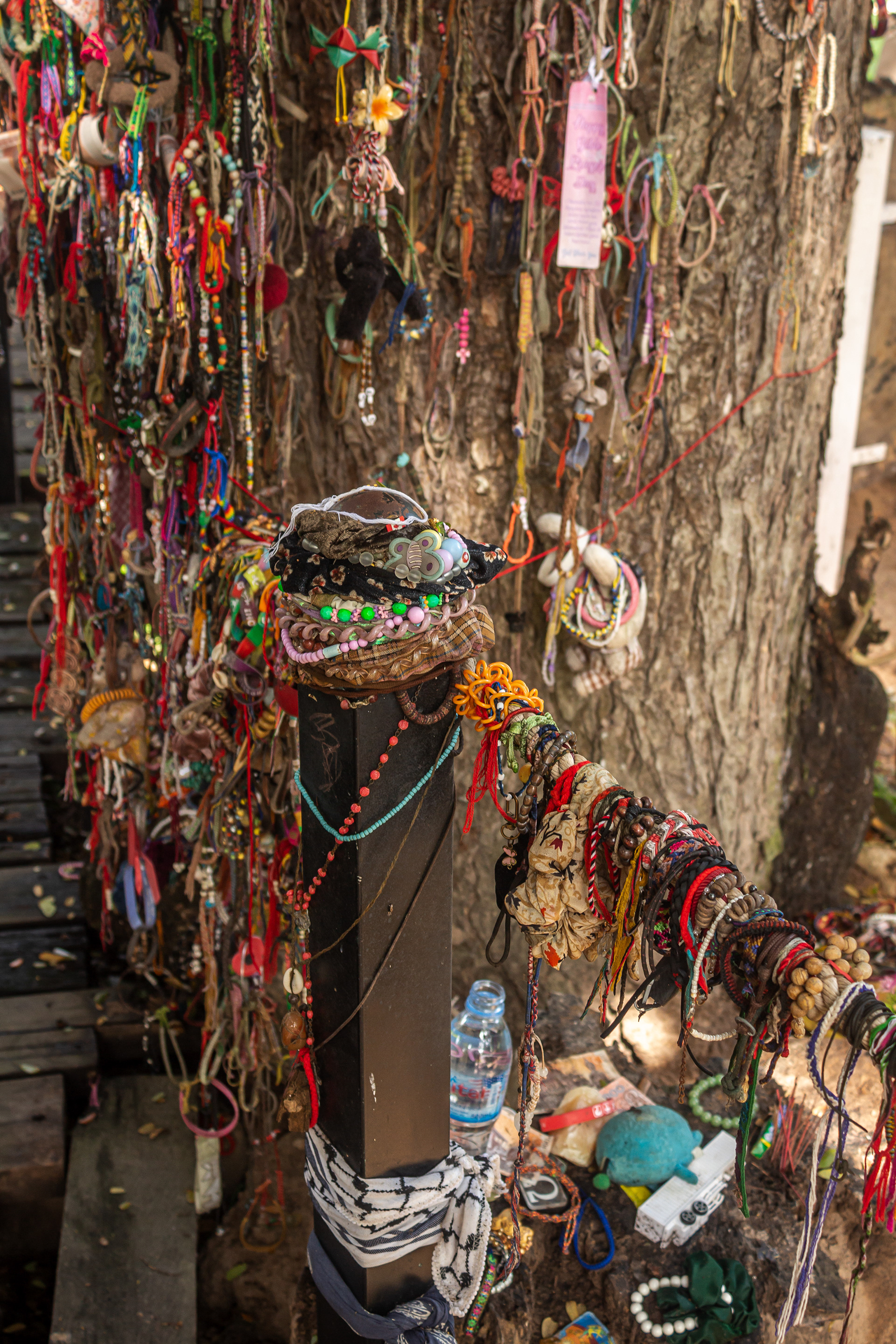
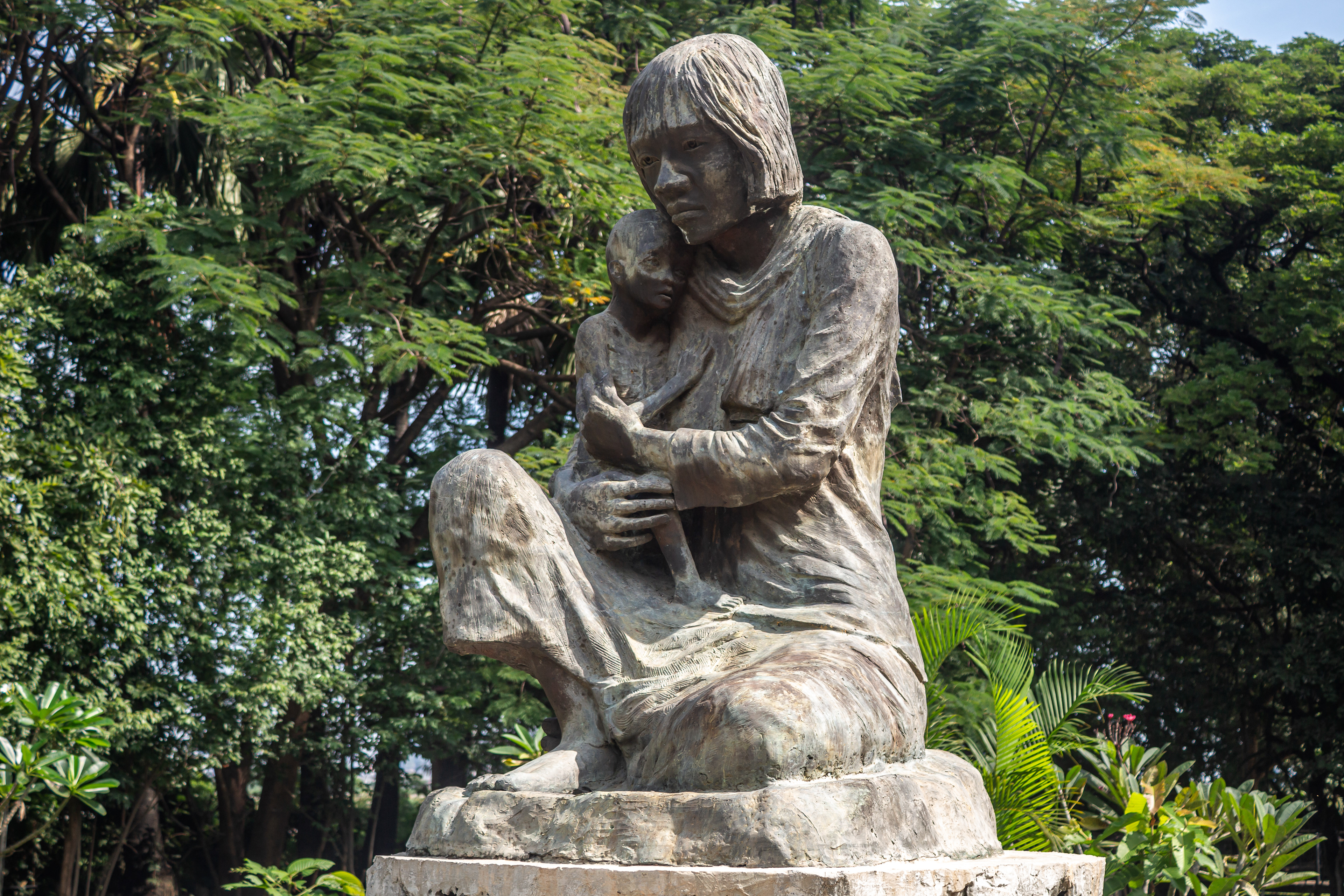
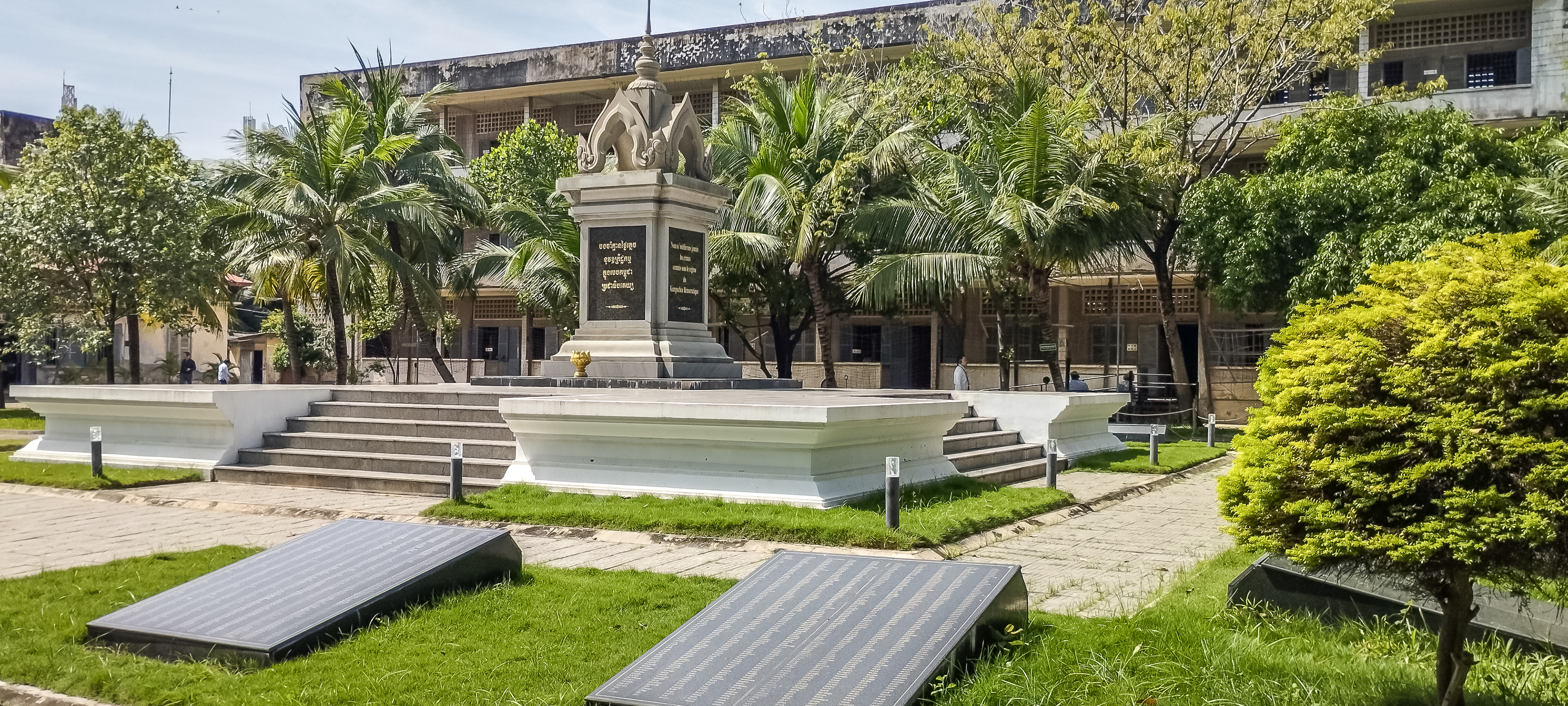
A visit to Choeung Ek Killing Fields and the Tuol Sleng Genocide Museum (S-21) is one of the most powerful and sobering experiences in Cambodia. These two sites, located in and around Phnom Penh, offer essential insight into the atrocities committed during the Khmer Rouge regime (1975–1979) and honor the memory of the millions who lost their lives.
While not conventional tourist attractions, they are deeply important places of remembrance, education, and reflection. Approaching them with sensitivity and preparation will help you better understand Cambodia’s recent history and its enduring resilience.
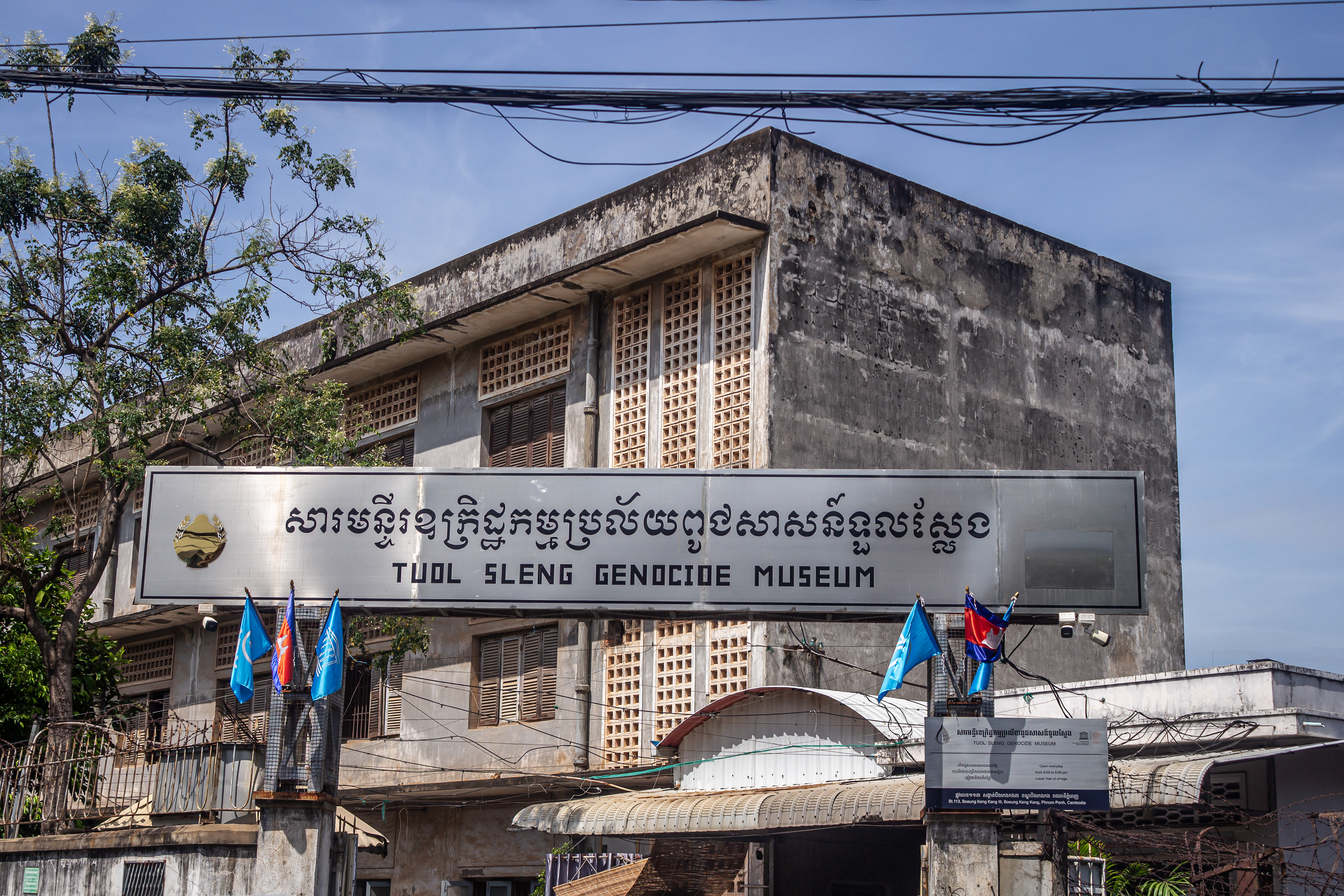
Tuol Sleng Genocide Museum (S-21)
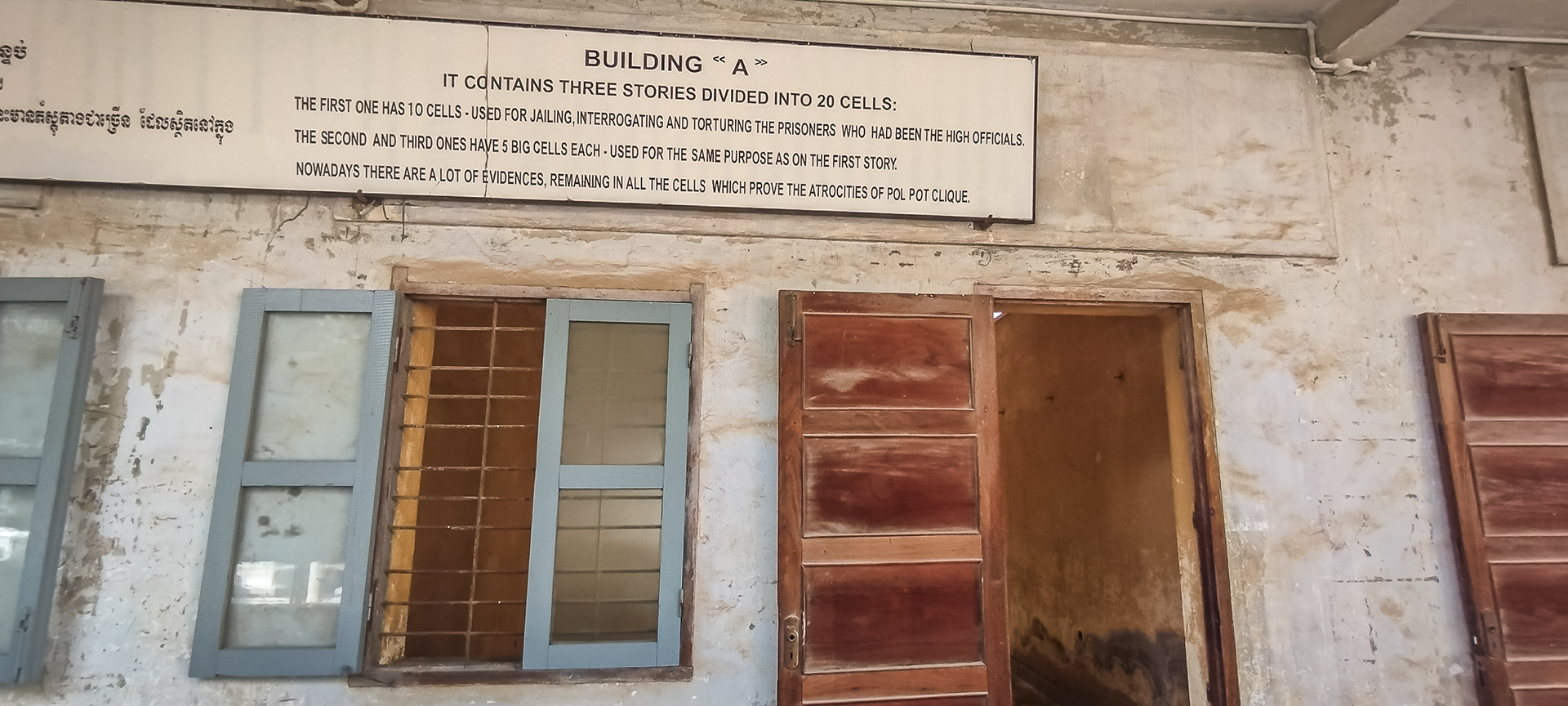
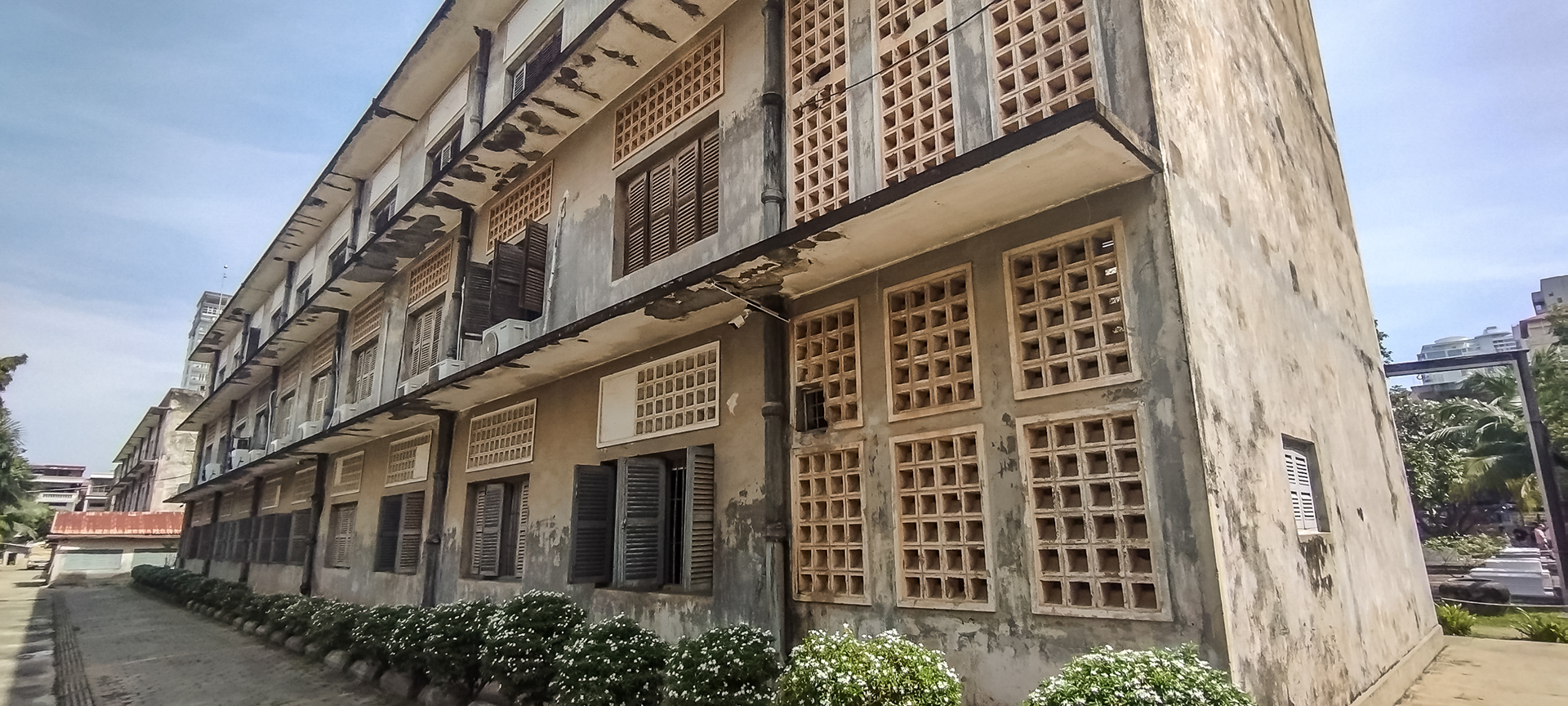
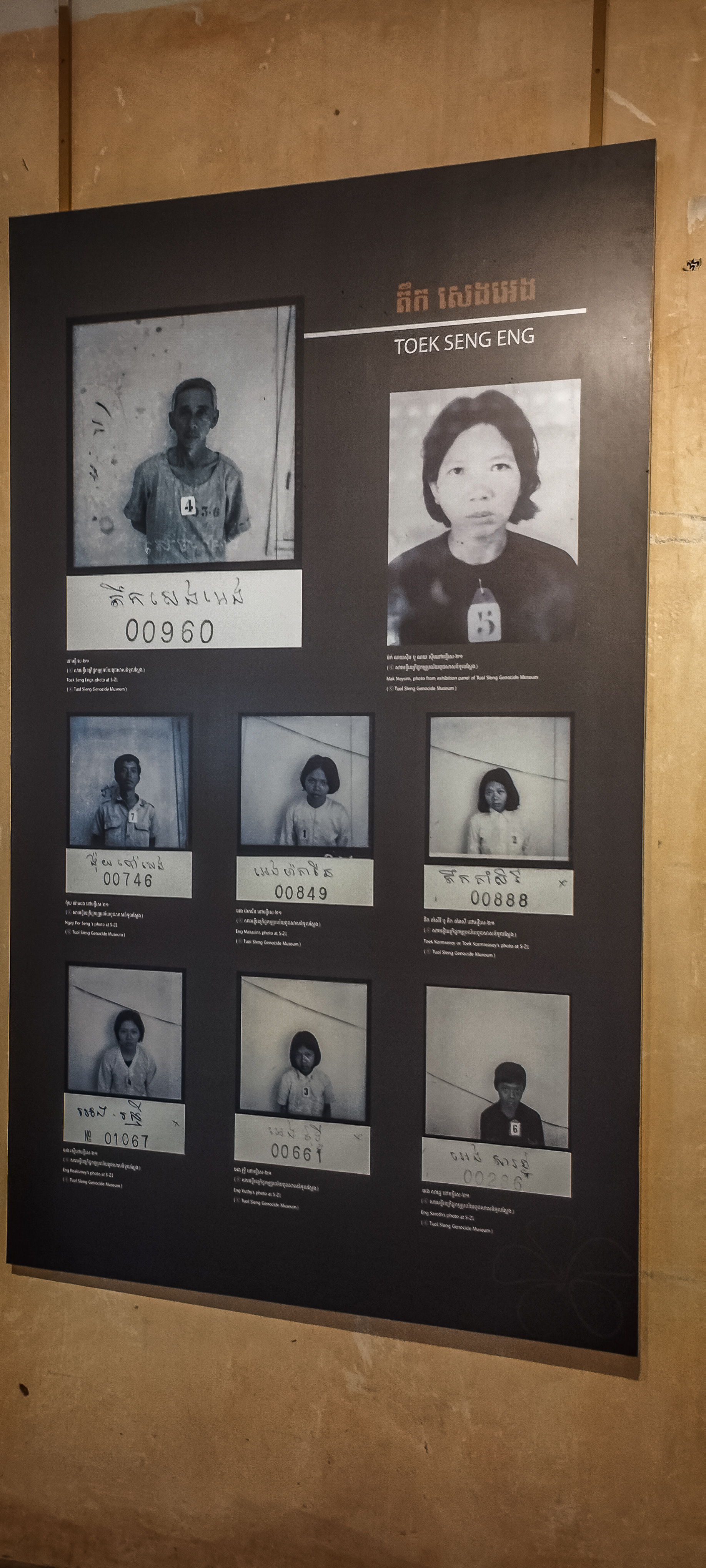
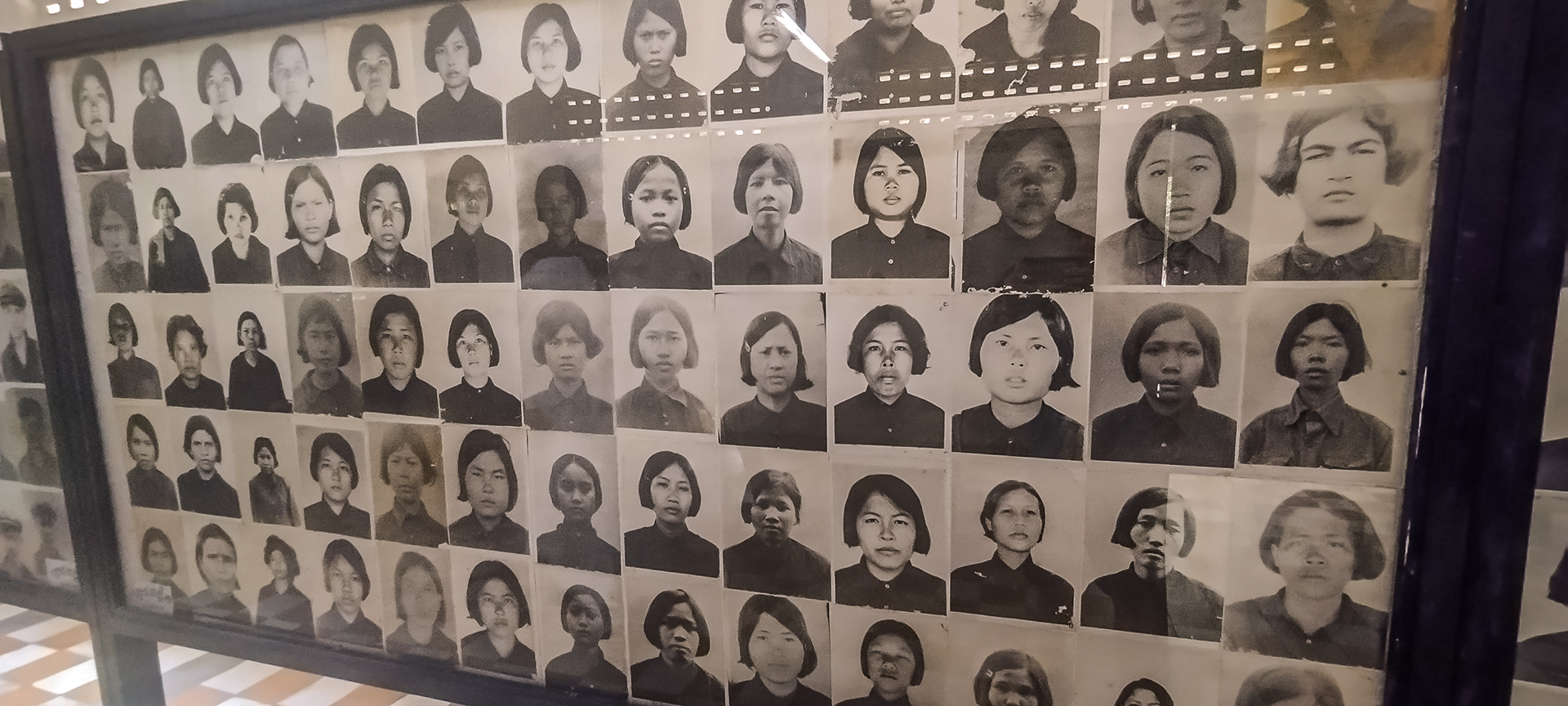
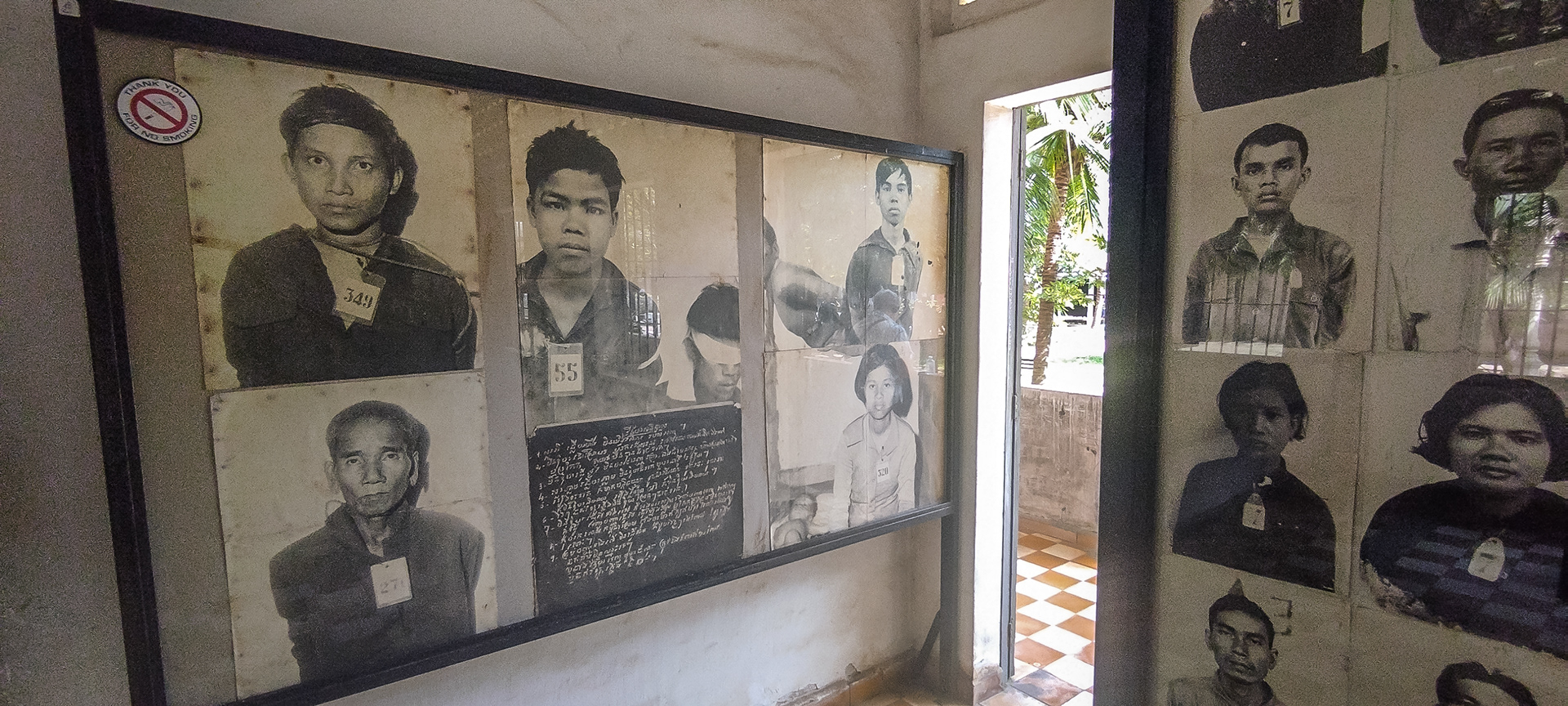
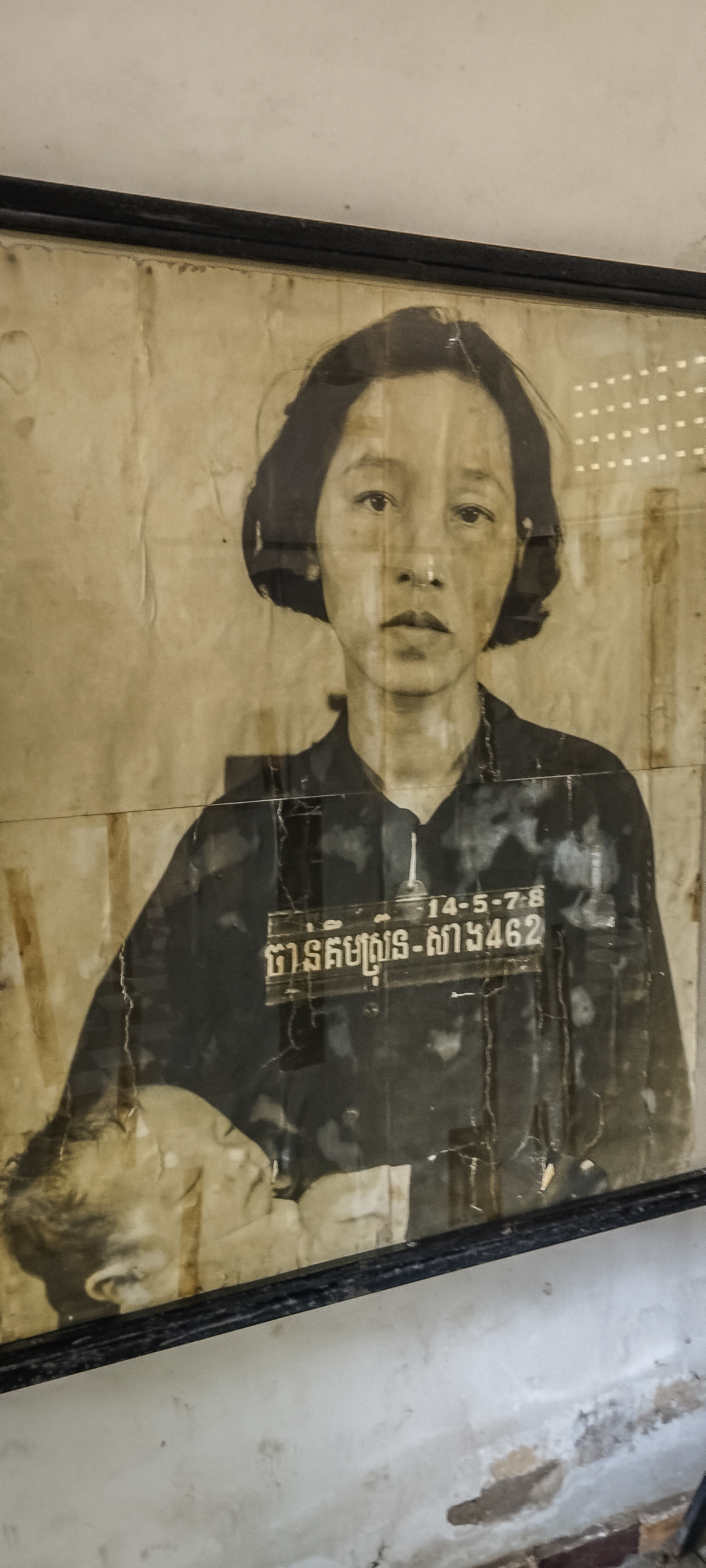
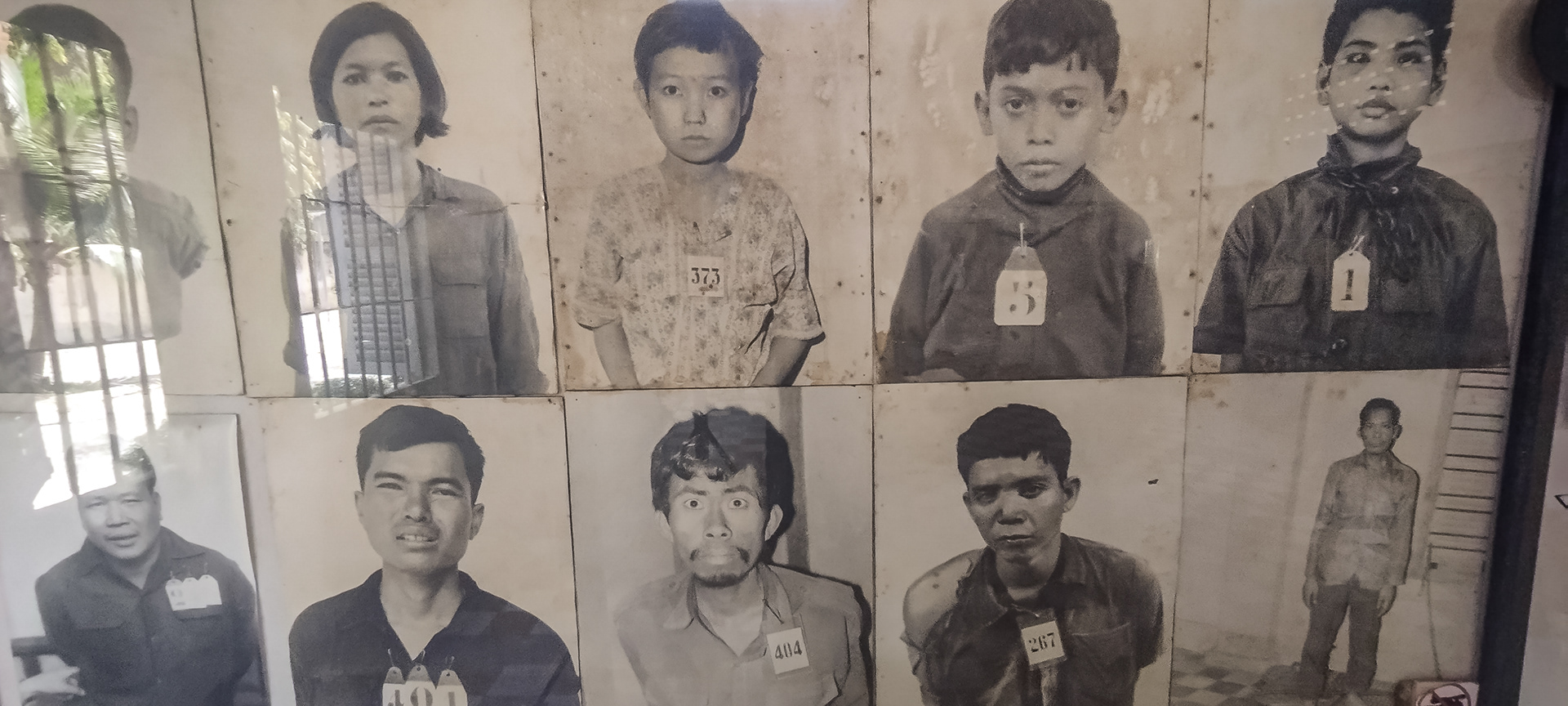
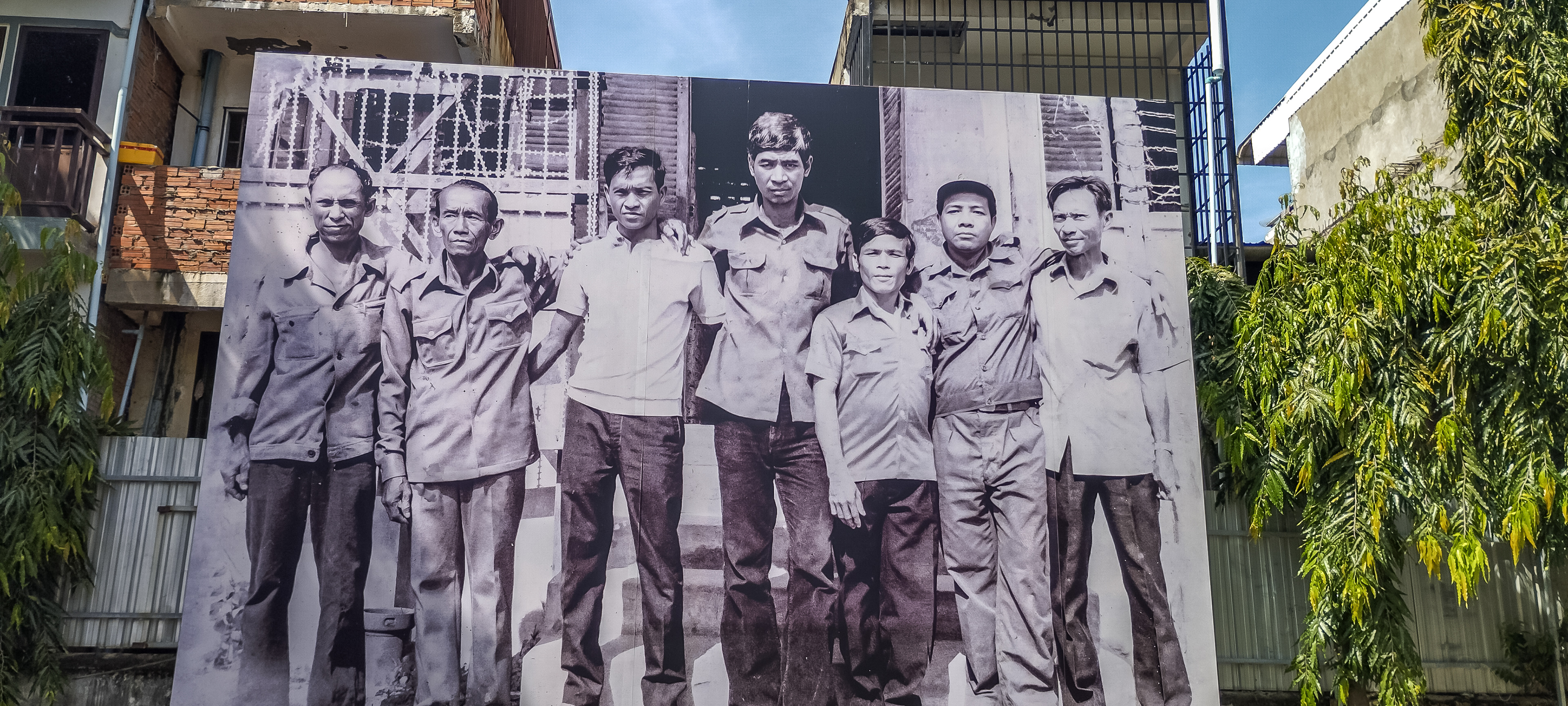
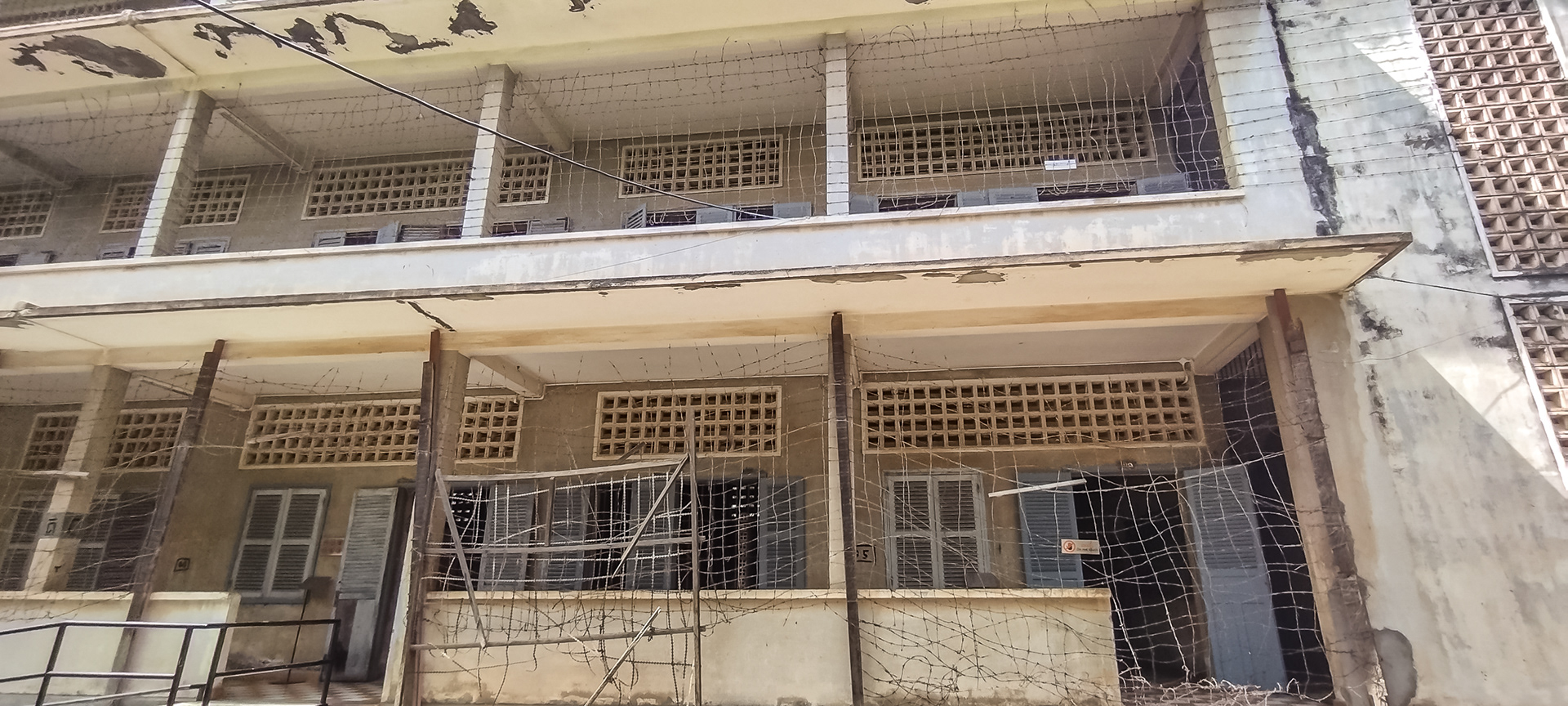
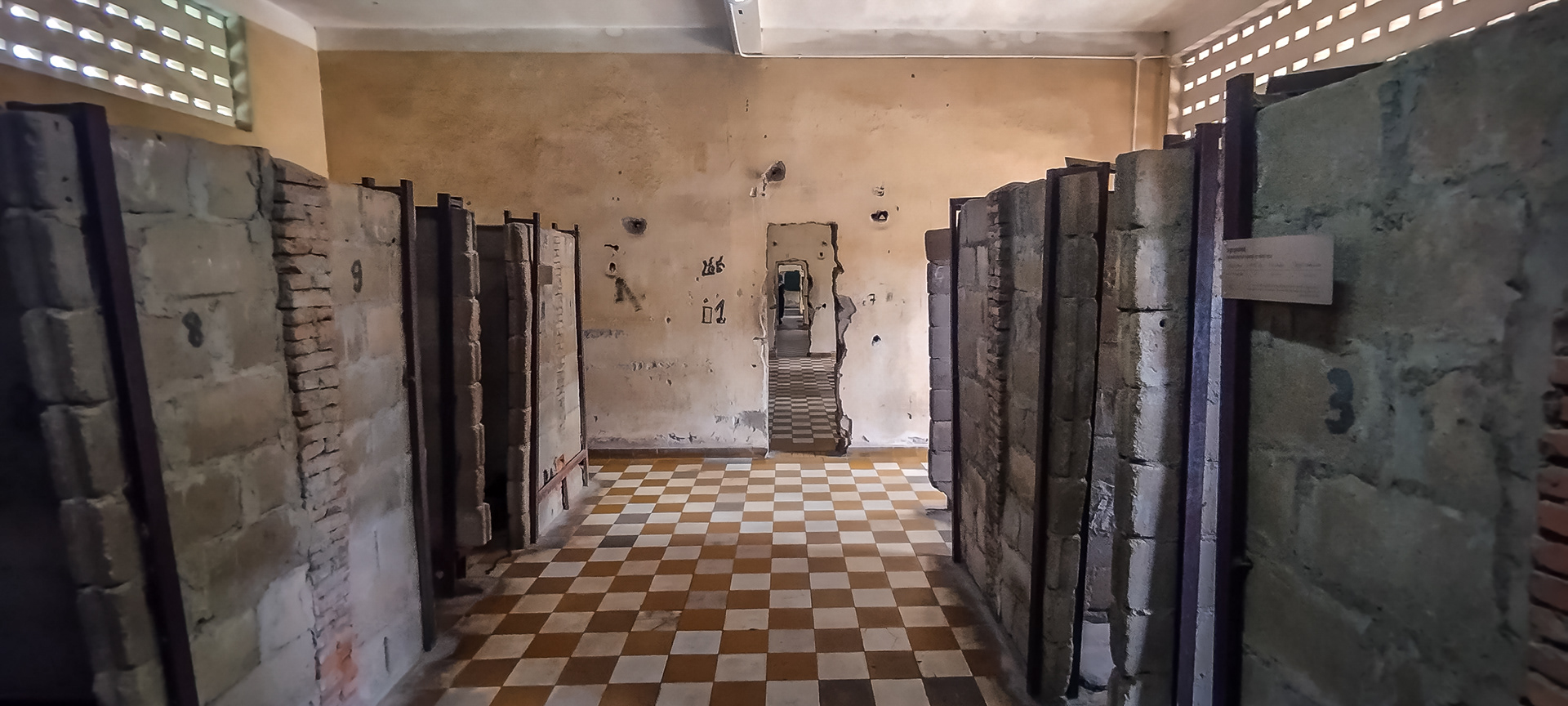
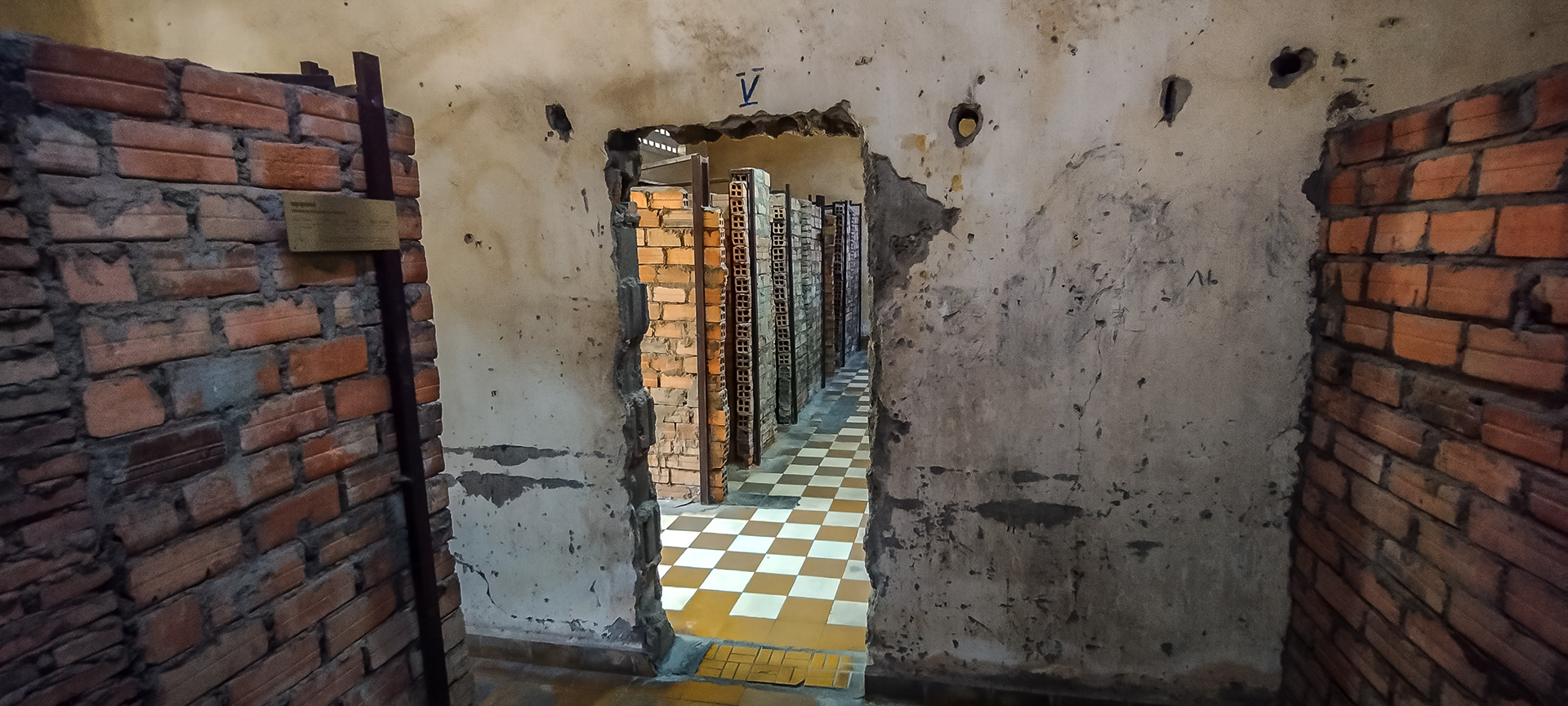
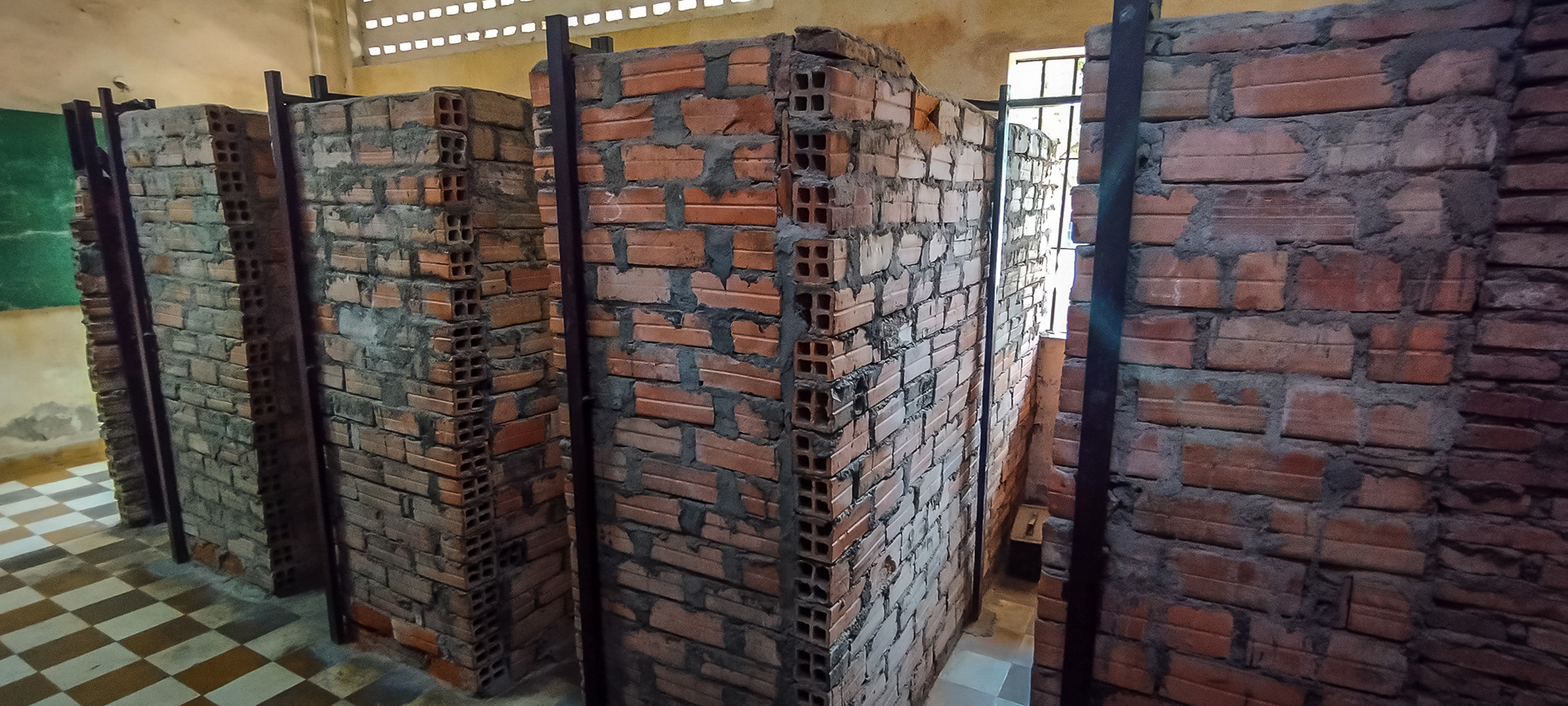
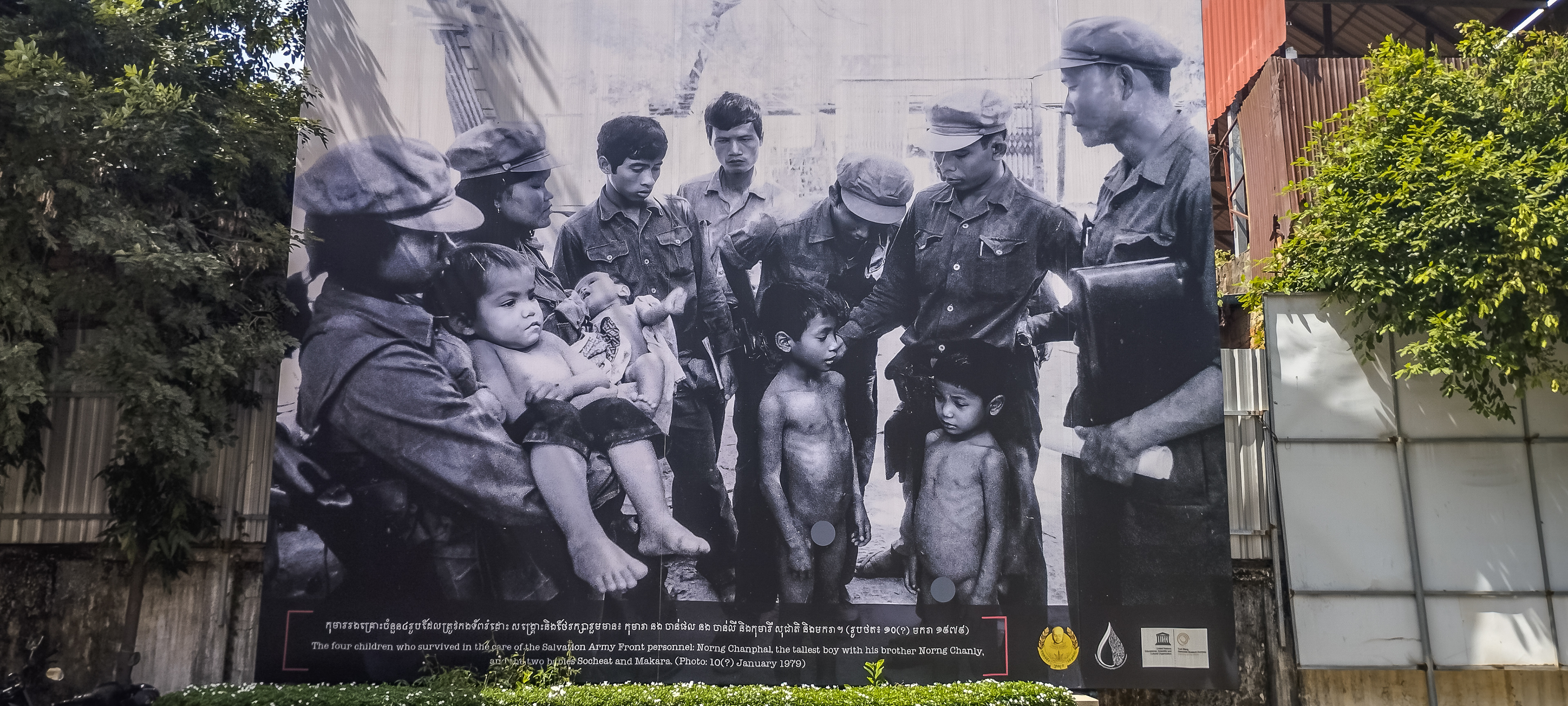
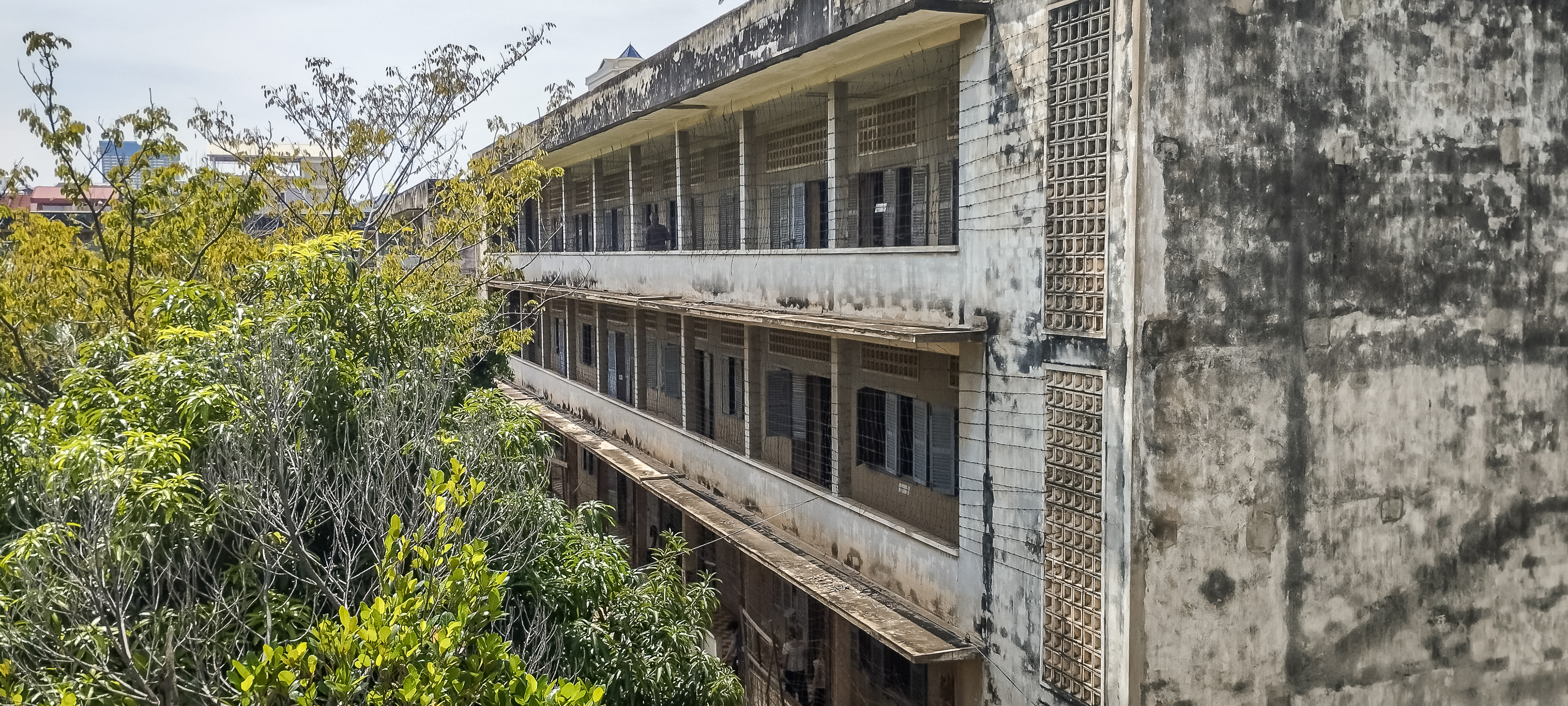
Tuol Sleng, known as Security Prison 21 (S-21), was once a high school before being converted into a secret detention and interrogation center by the Khmer Rouge. An estimated 14,000–17,000 prisoners were held here; only a handful survived.
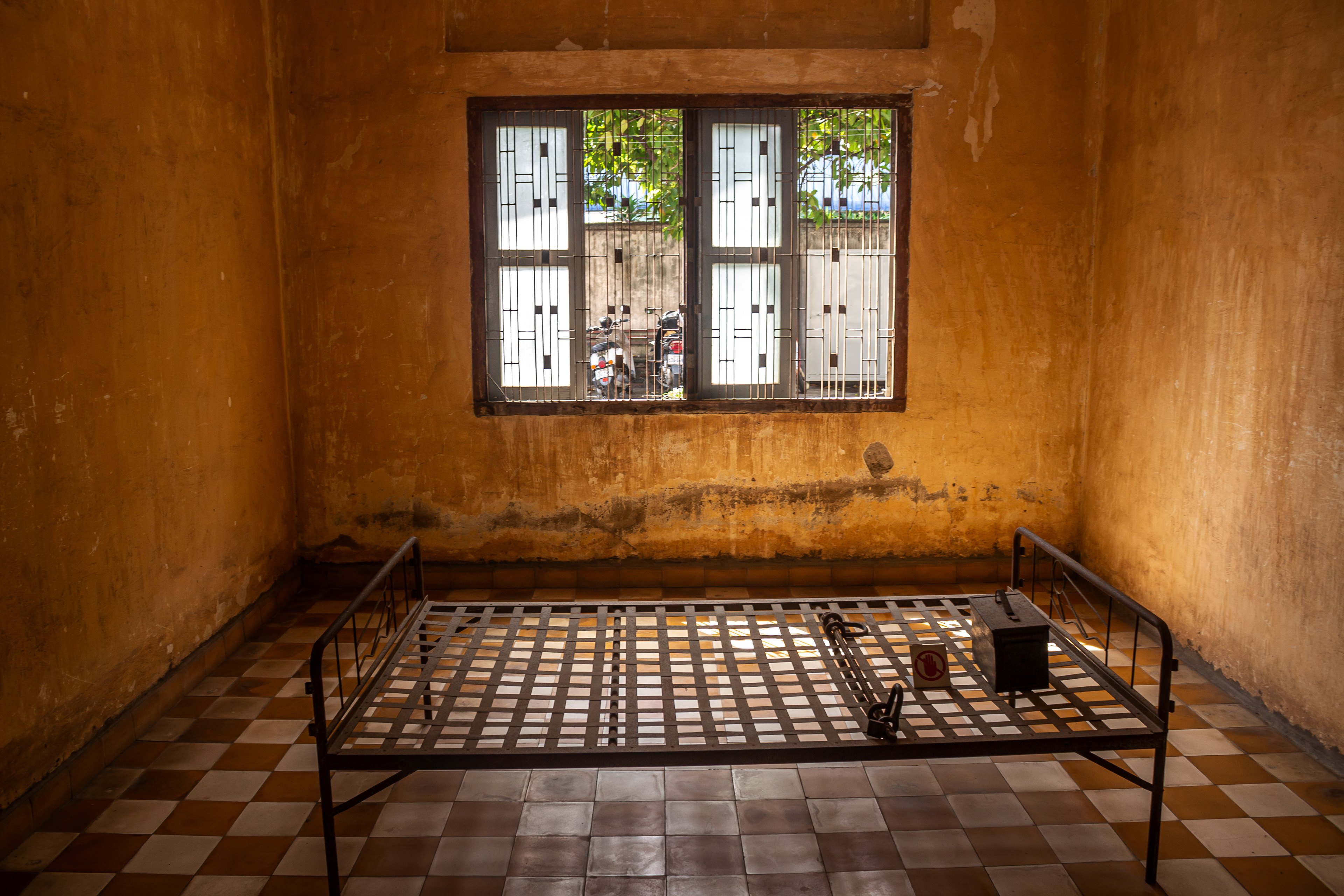
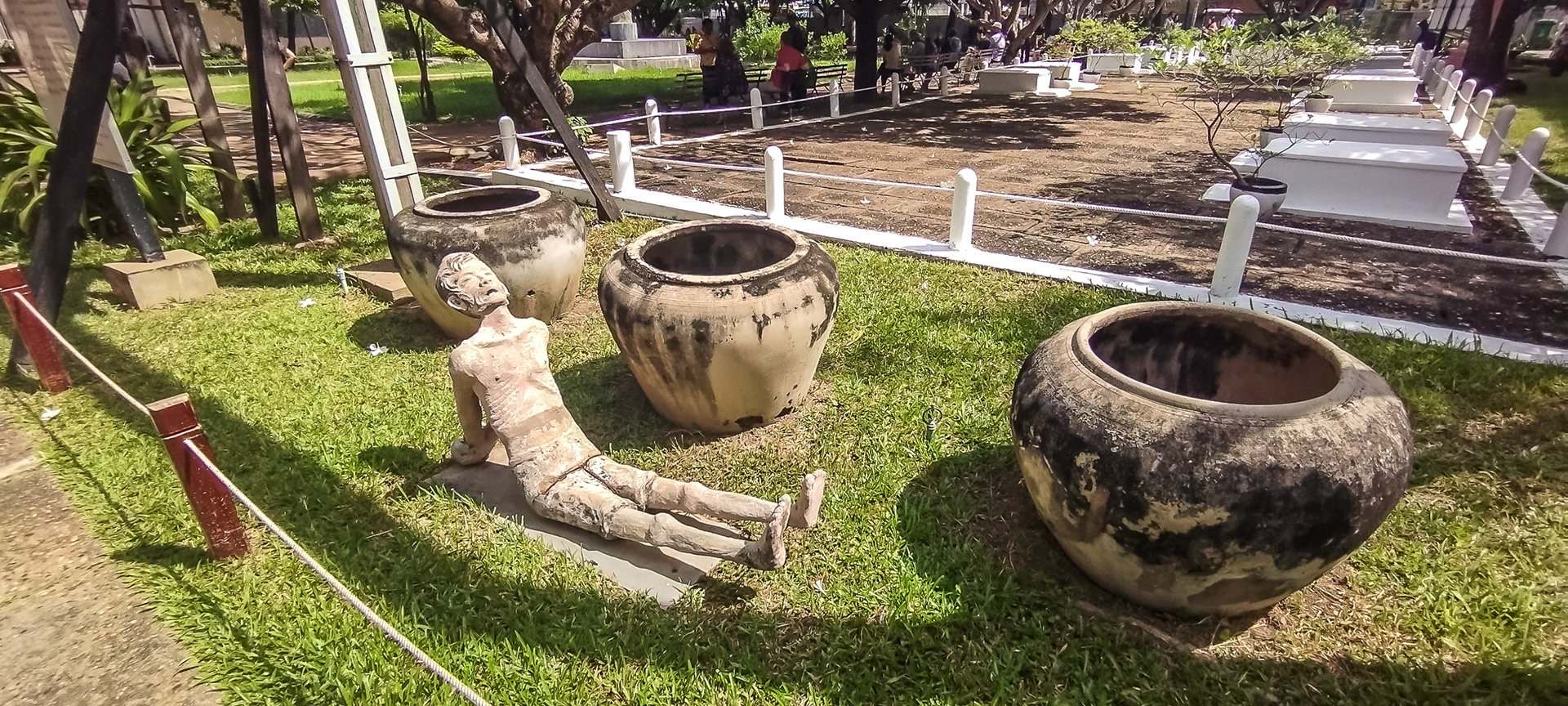
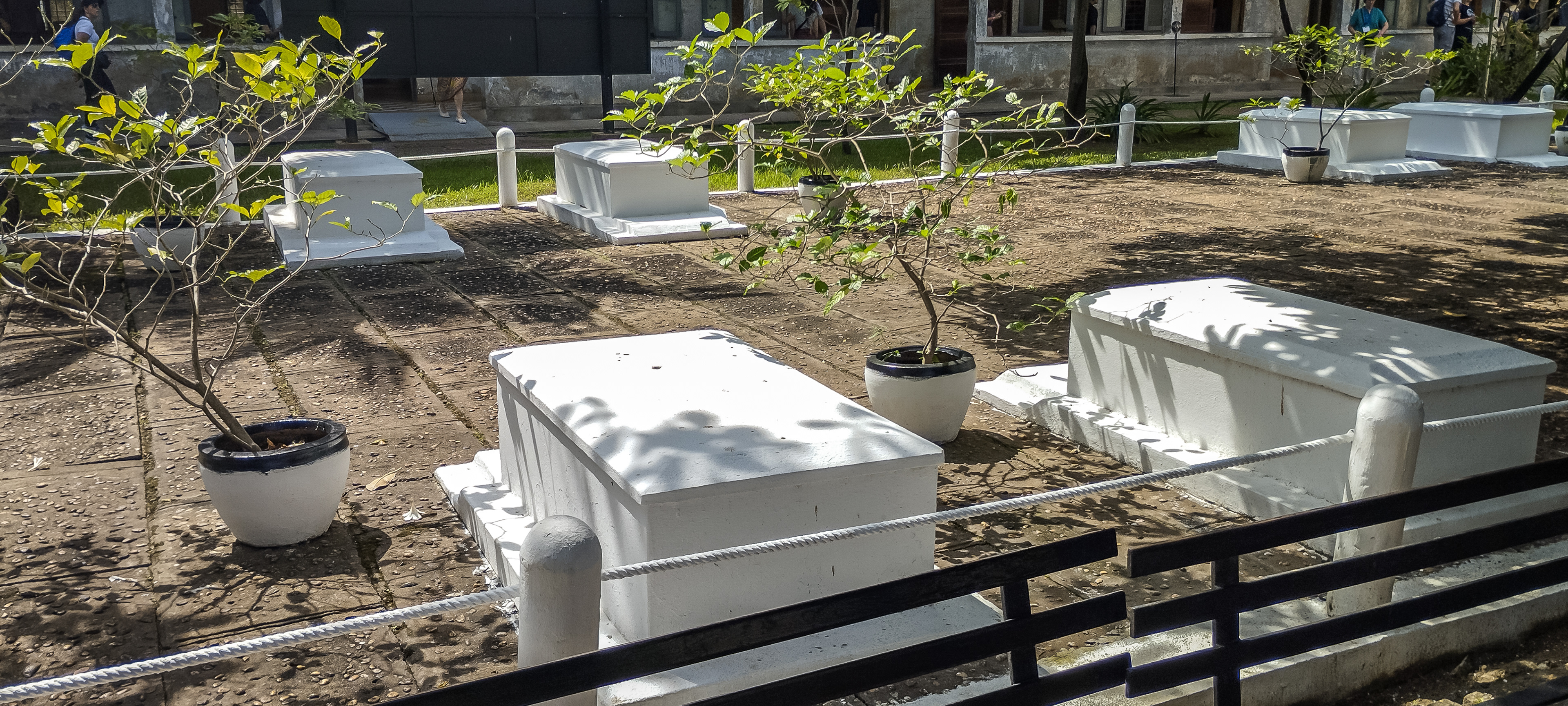
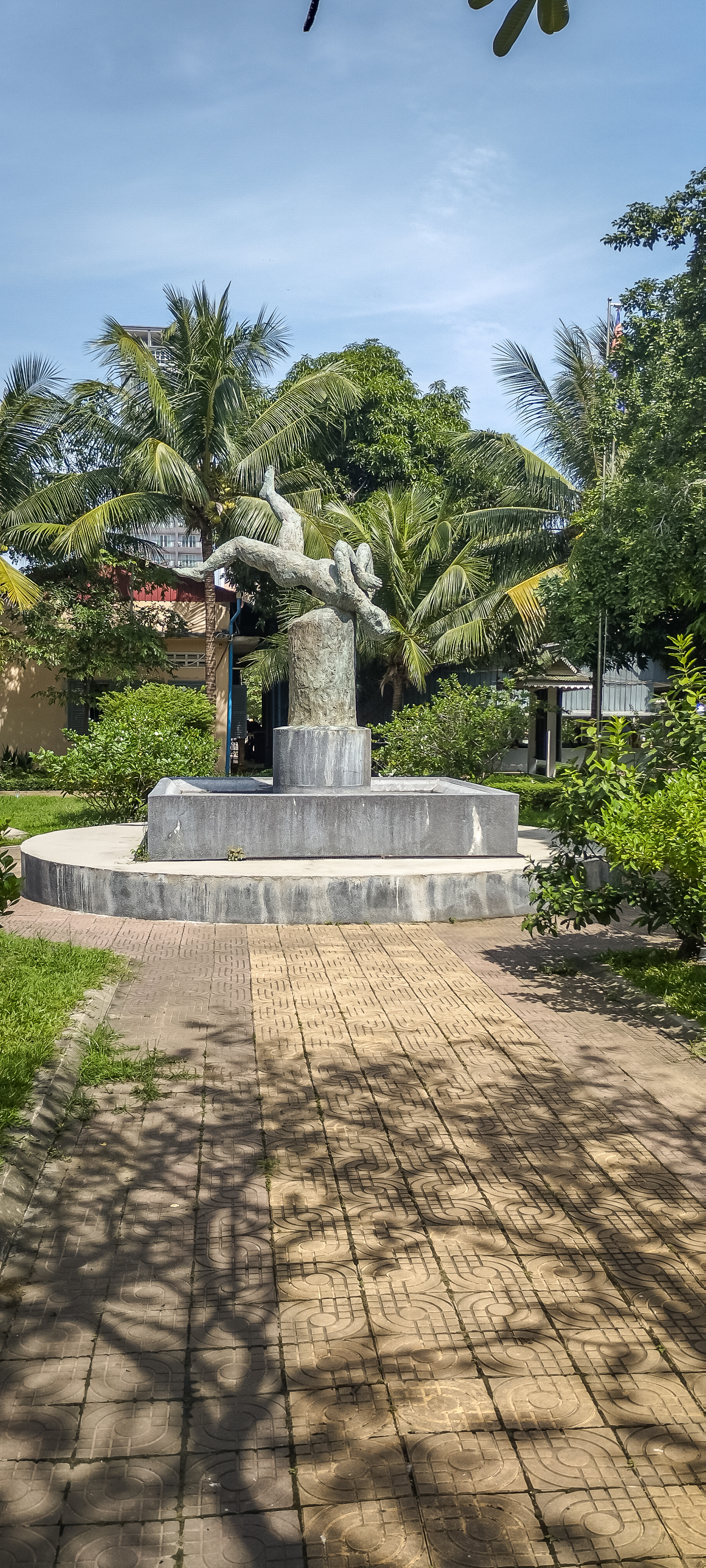
Today, the preserved classrooms, cells, photographs, and documents form the Tuol Sleng Genocide Museum, offering a stark, firsthand look at the machinery of terror used by the regime.
What You’ll See
Original prison cells, including tiny brick and wooden enclosures
Photographic portraits of prisoners taken upon arrival
Interrogation rooms left largely as they were discovered in 1979
Personal testimonies and survivor accounts
The displays are confronting but carefully curated to document the truth without sensationalism.
Practical Information
Location: Central Phnom Penh
Time Needed: 1.5–2 hours
Audio Guide: Highly recommended; available in multiple languages and includes survivor stories
Dress Code: Modest clothing (covered shoulders and knees)
Photography: Allowed in most areas (no flash) but be respectful
Choeung Ek Killing Fields
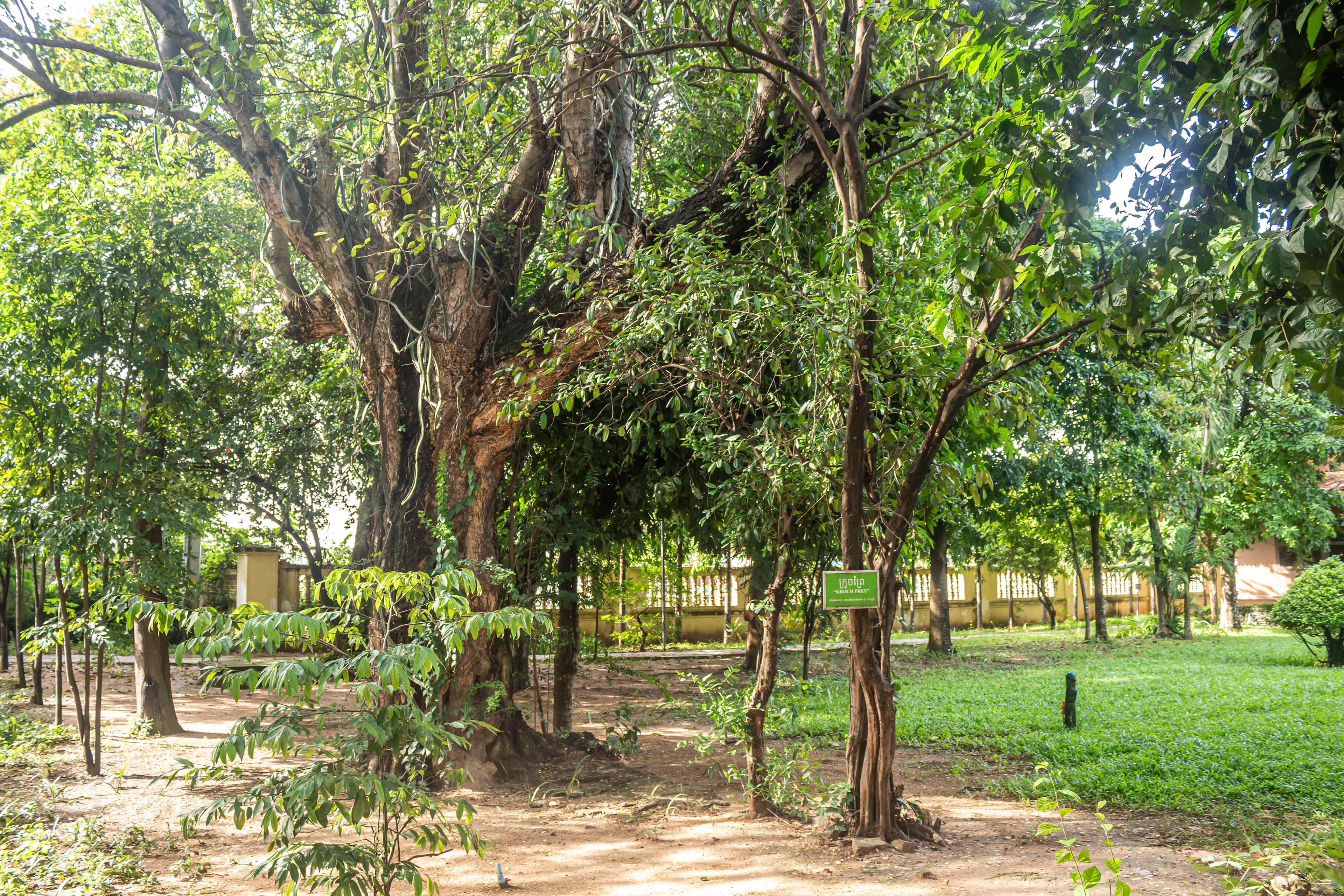
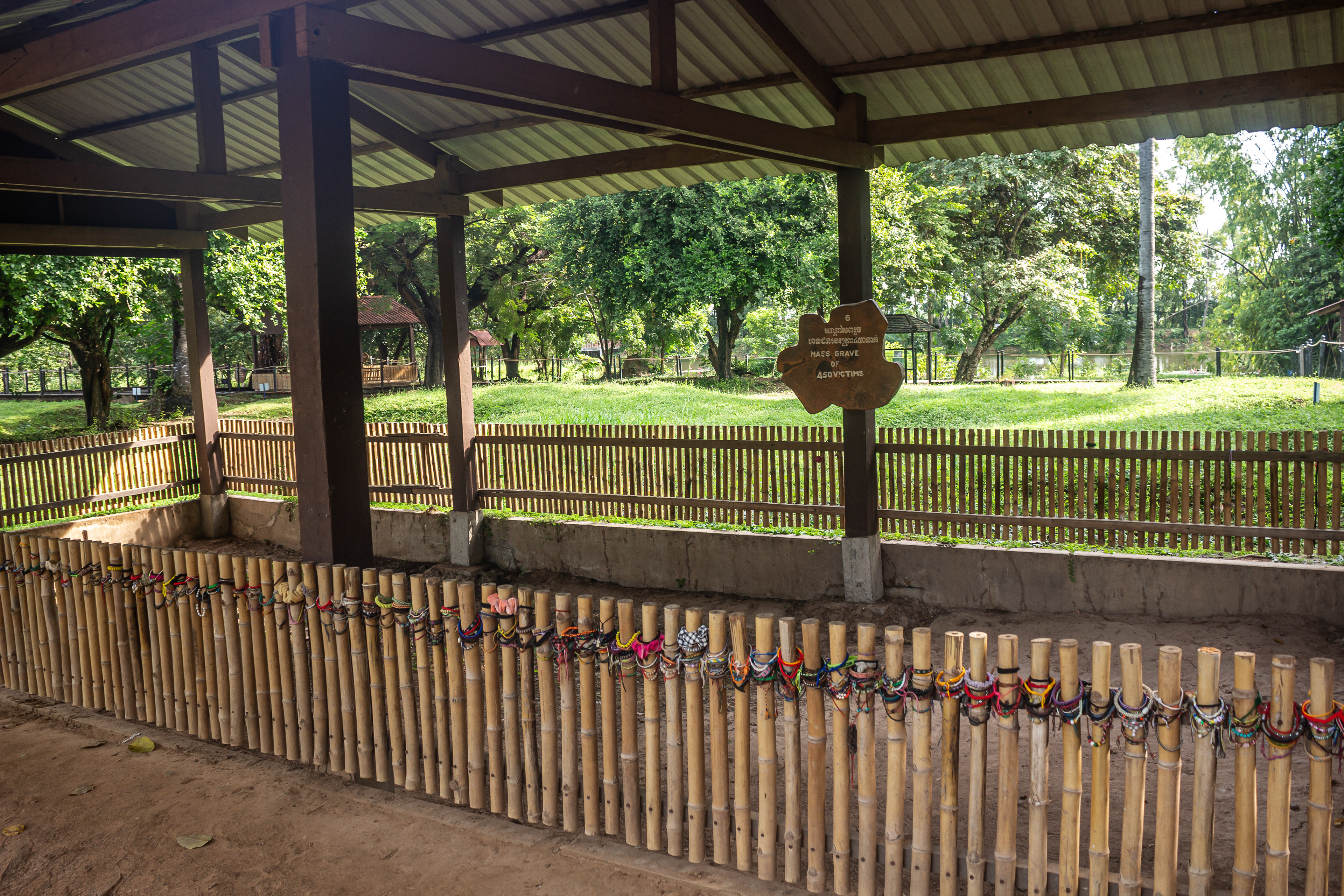
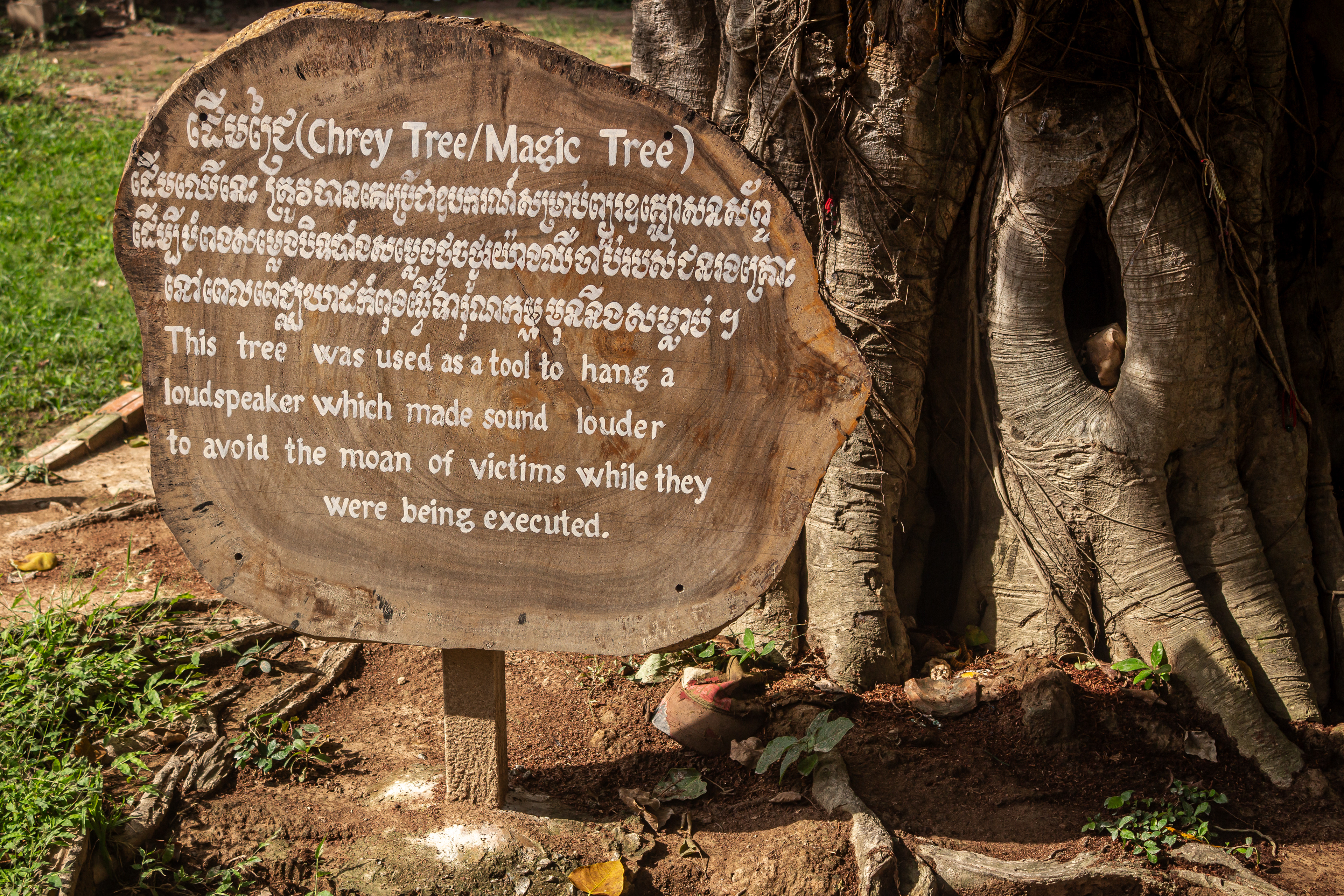
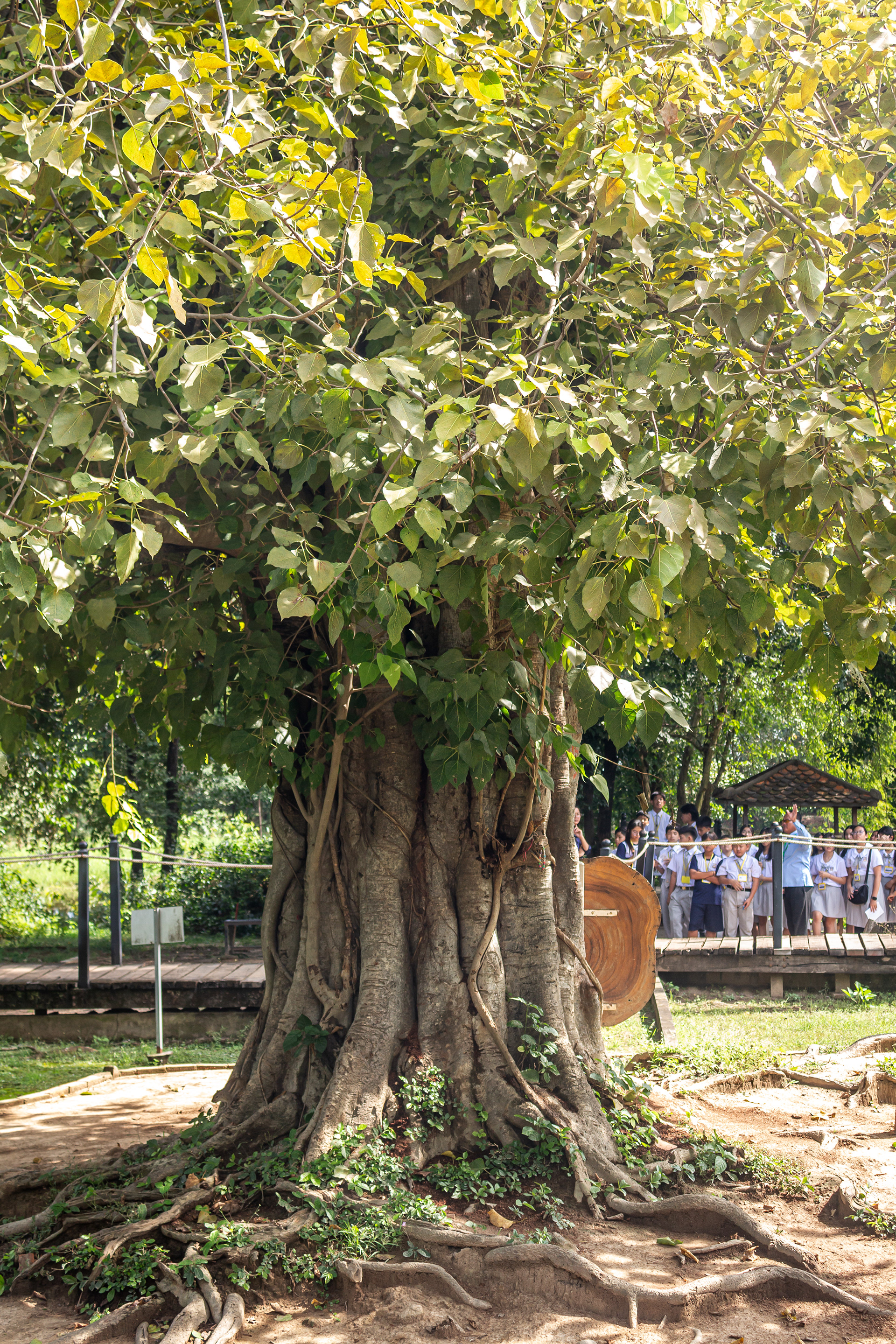
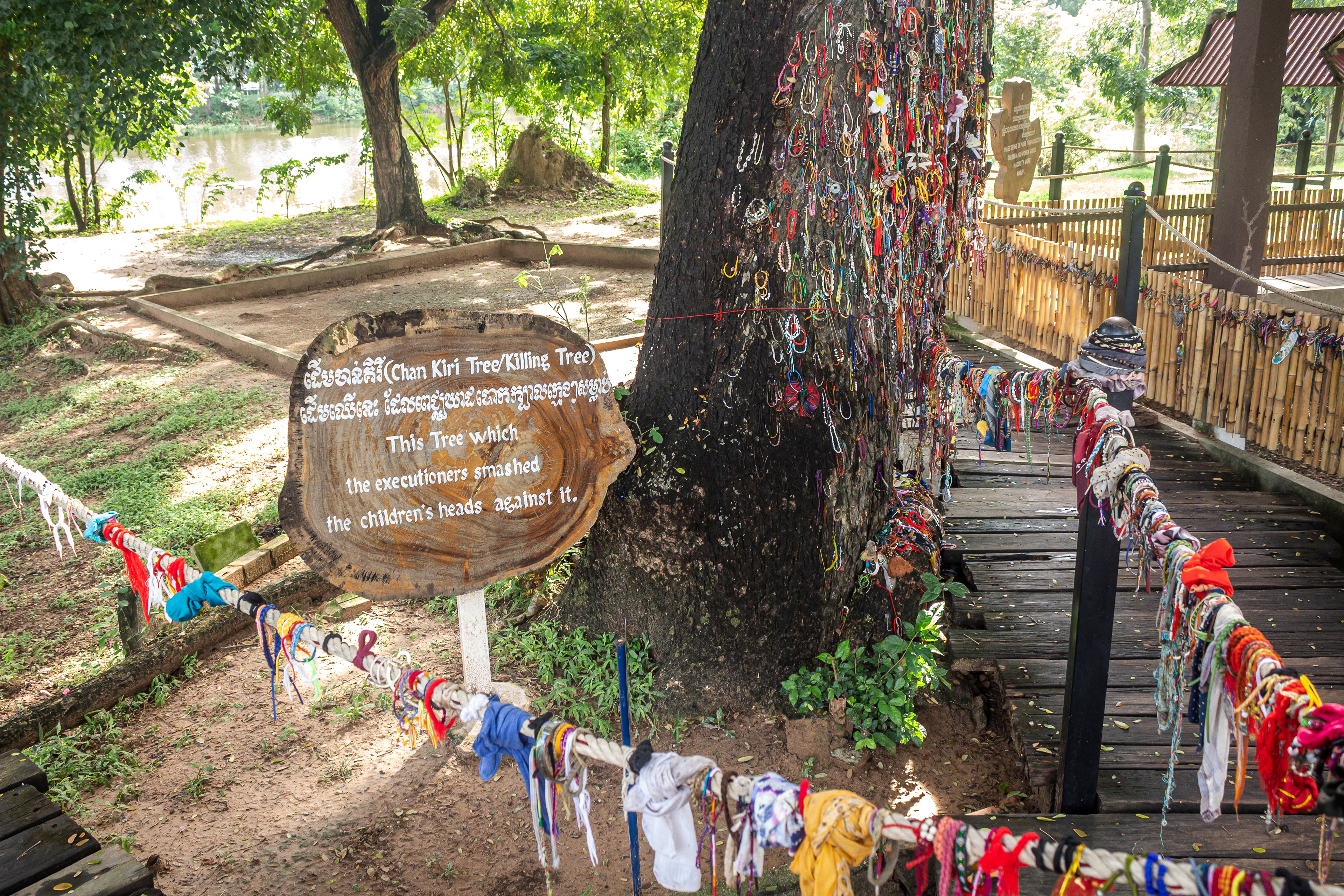
Located about 15 kilometers south of Phnom Penh, Choeung Ek is one of the most infamous of Cambodia’s Killing Fields. Prisoners from S-21 were transported here, often at night, to be executed and buried in mass graves.
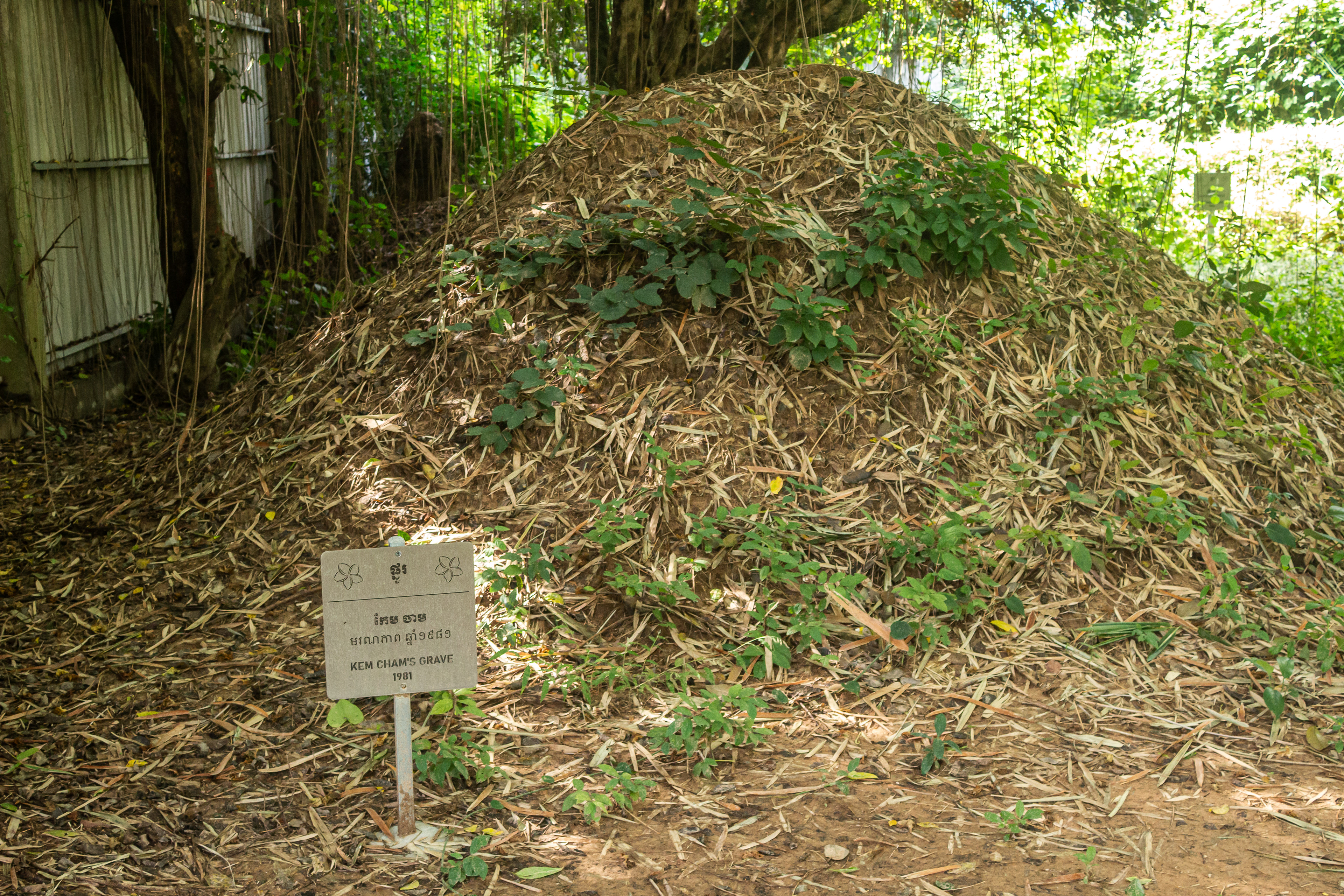
Today, the site is a memorial honoring the victims, set amid quiet greenery that contrasts sharply with its tragic past.
What You’ll See
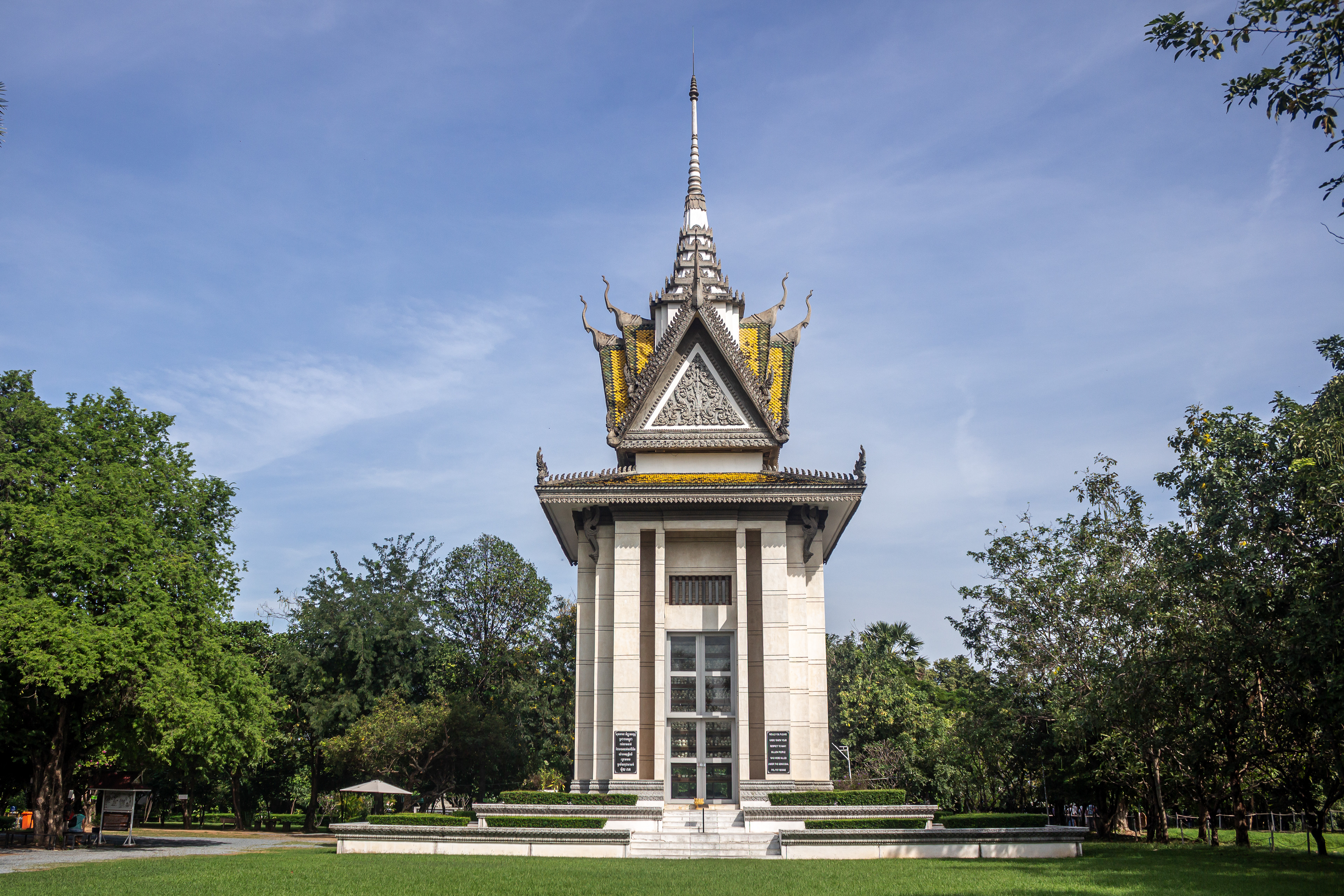
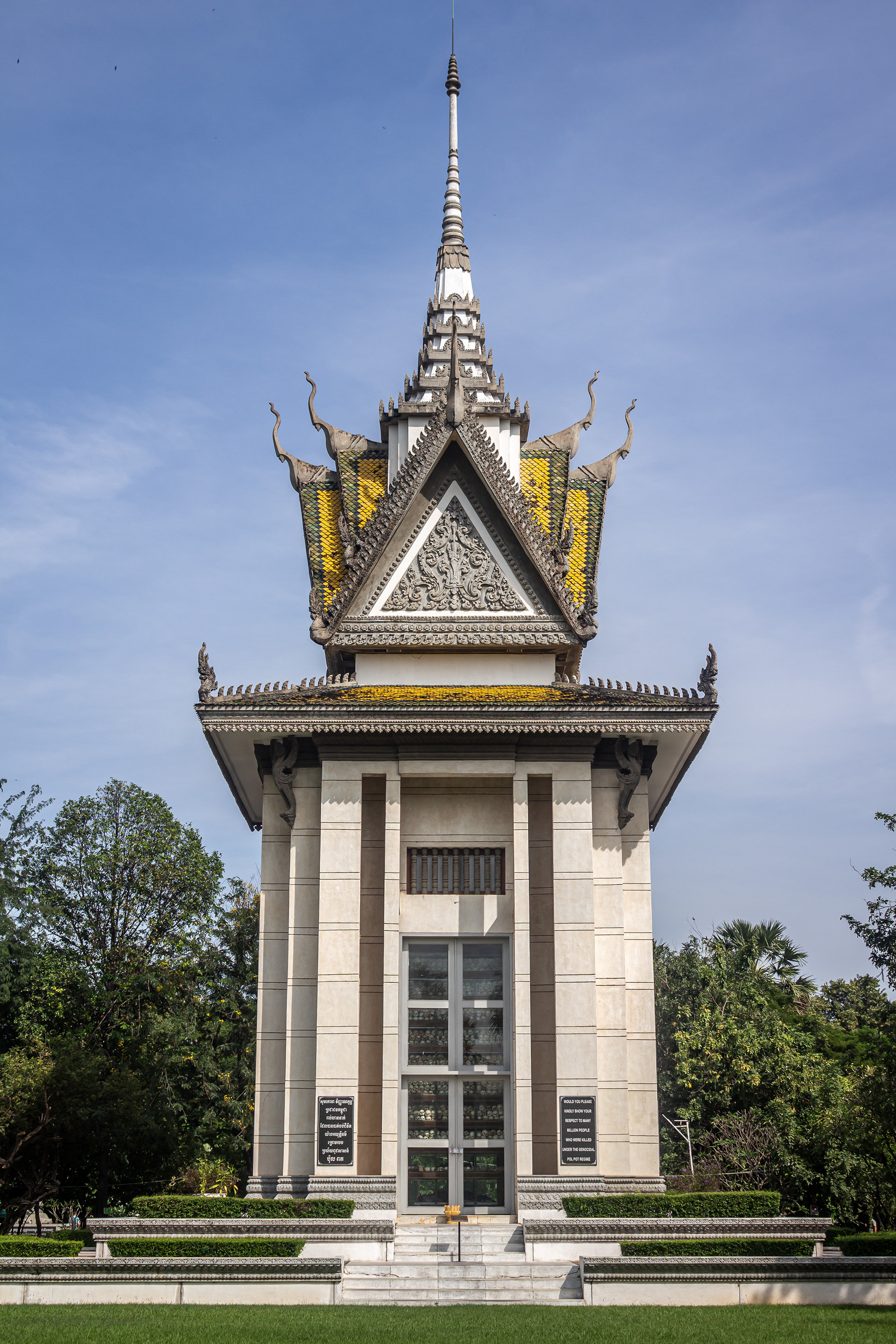
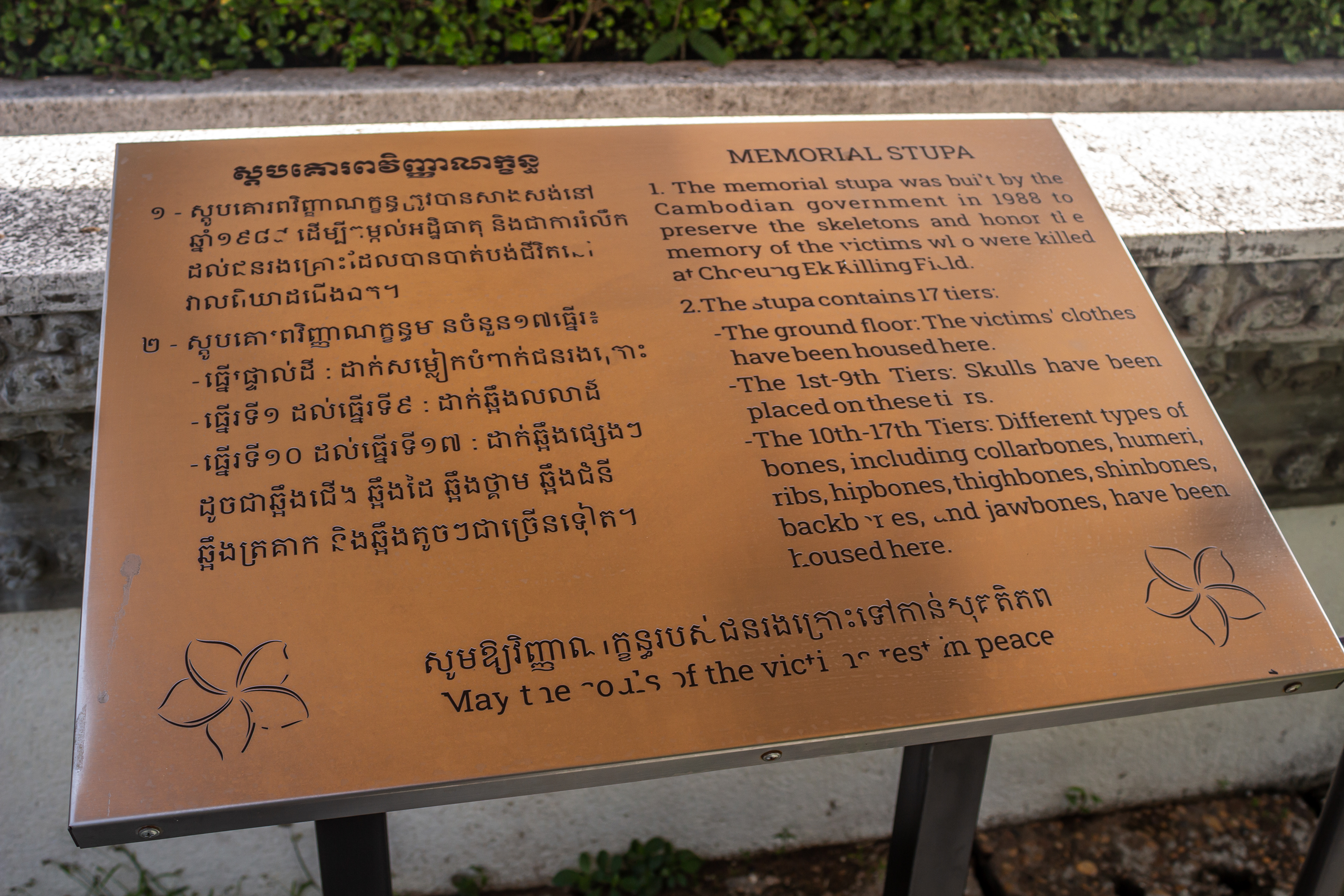
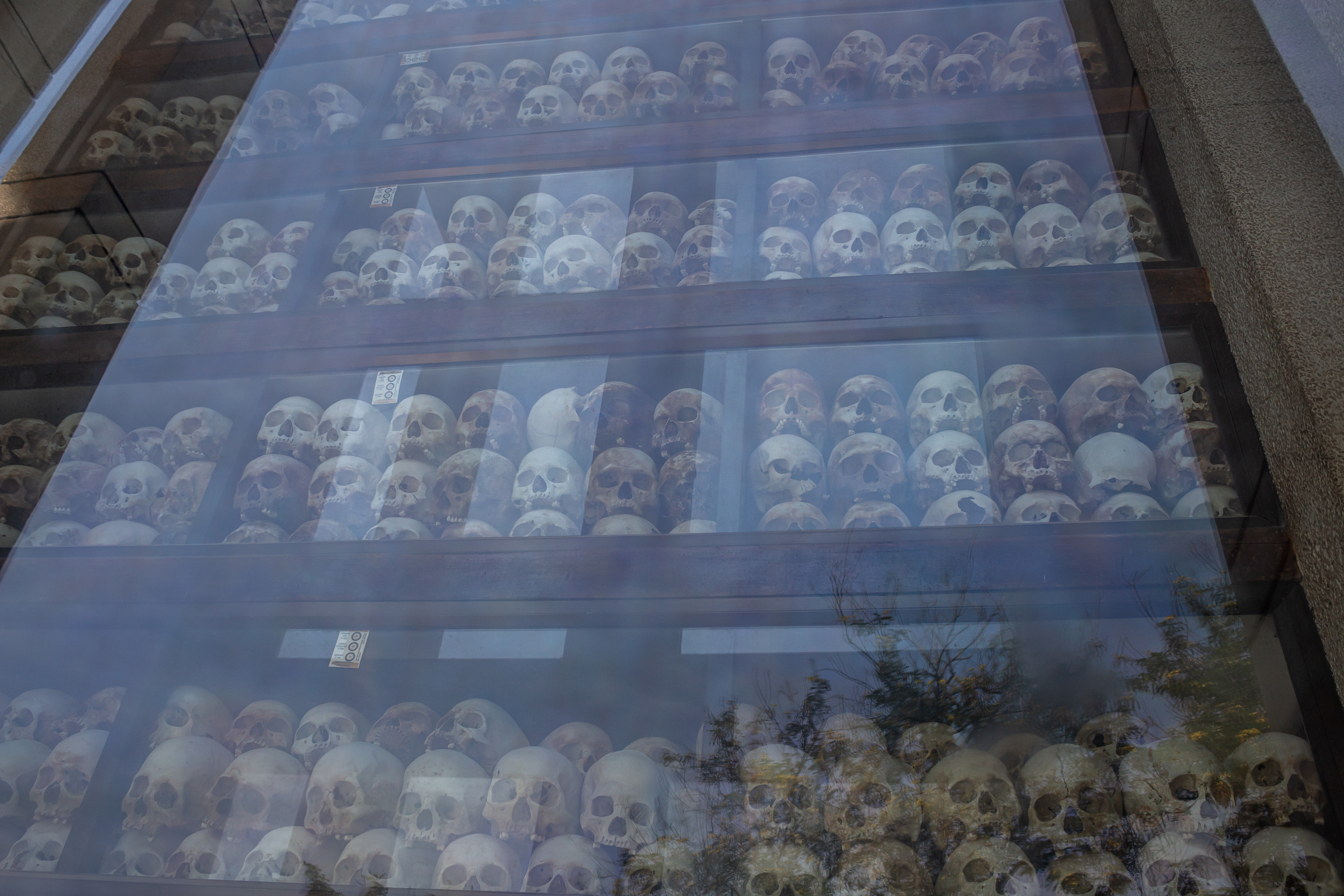
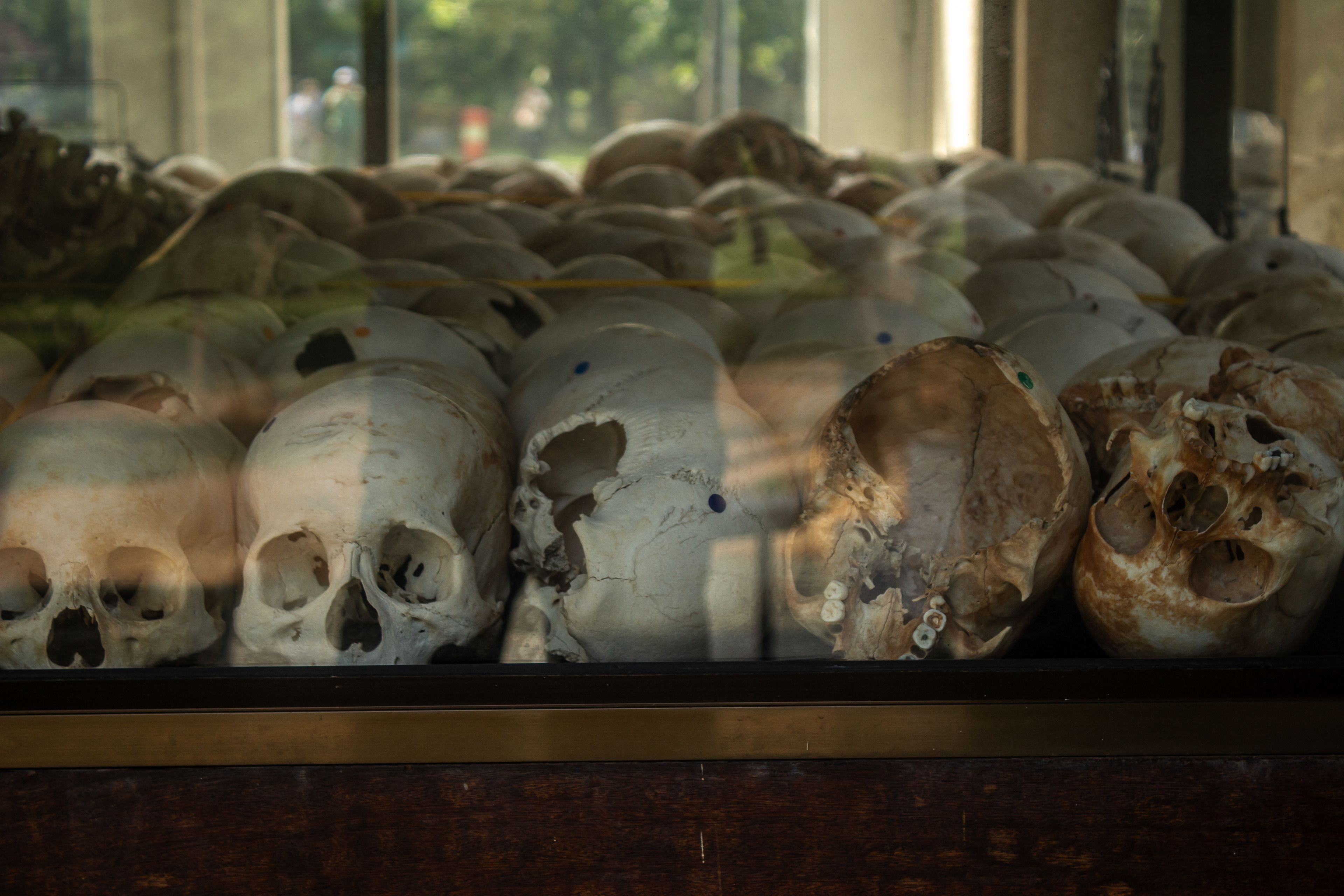
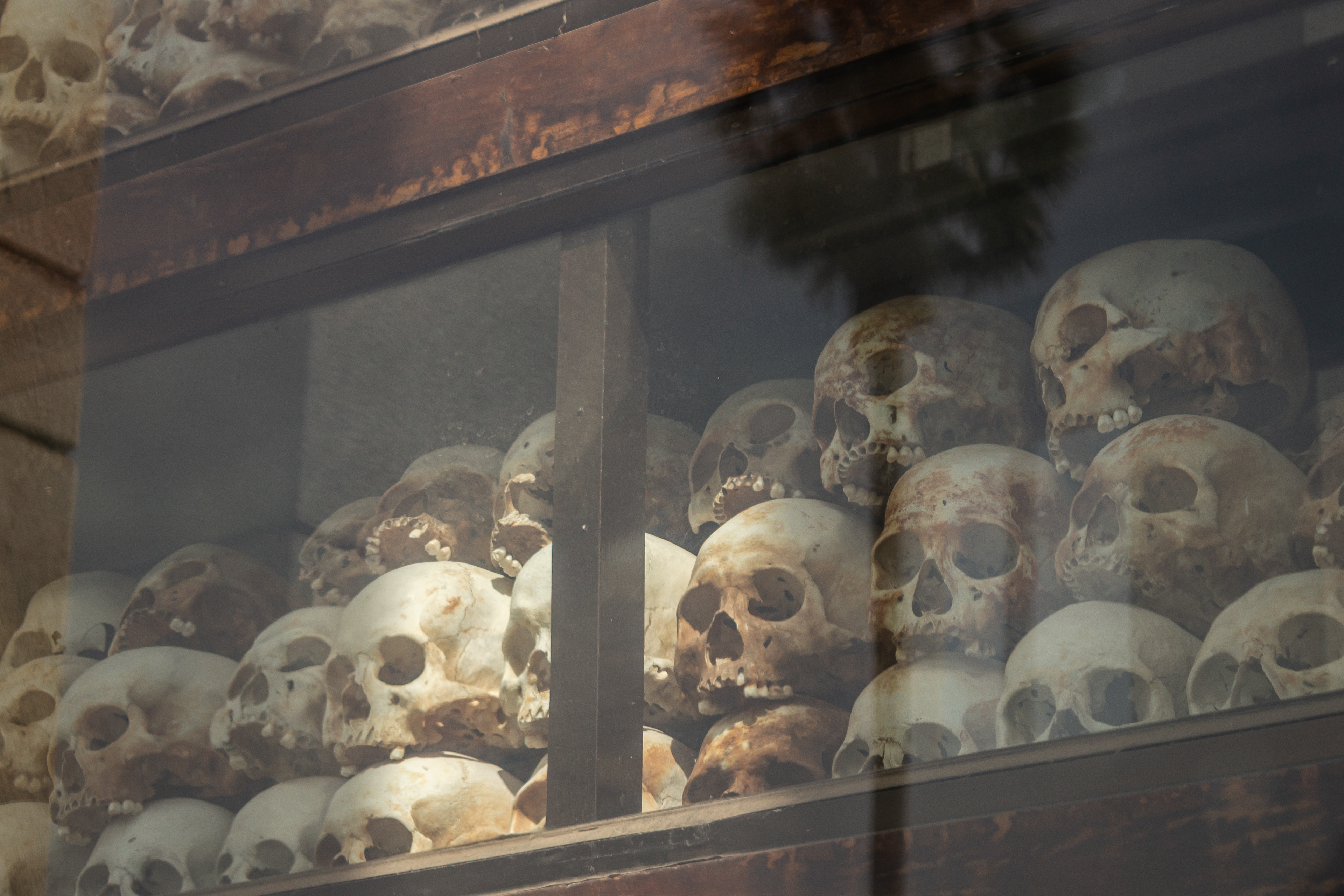
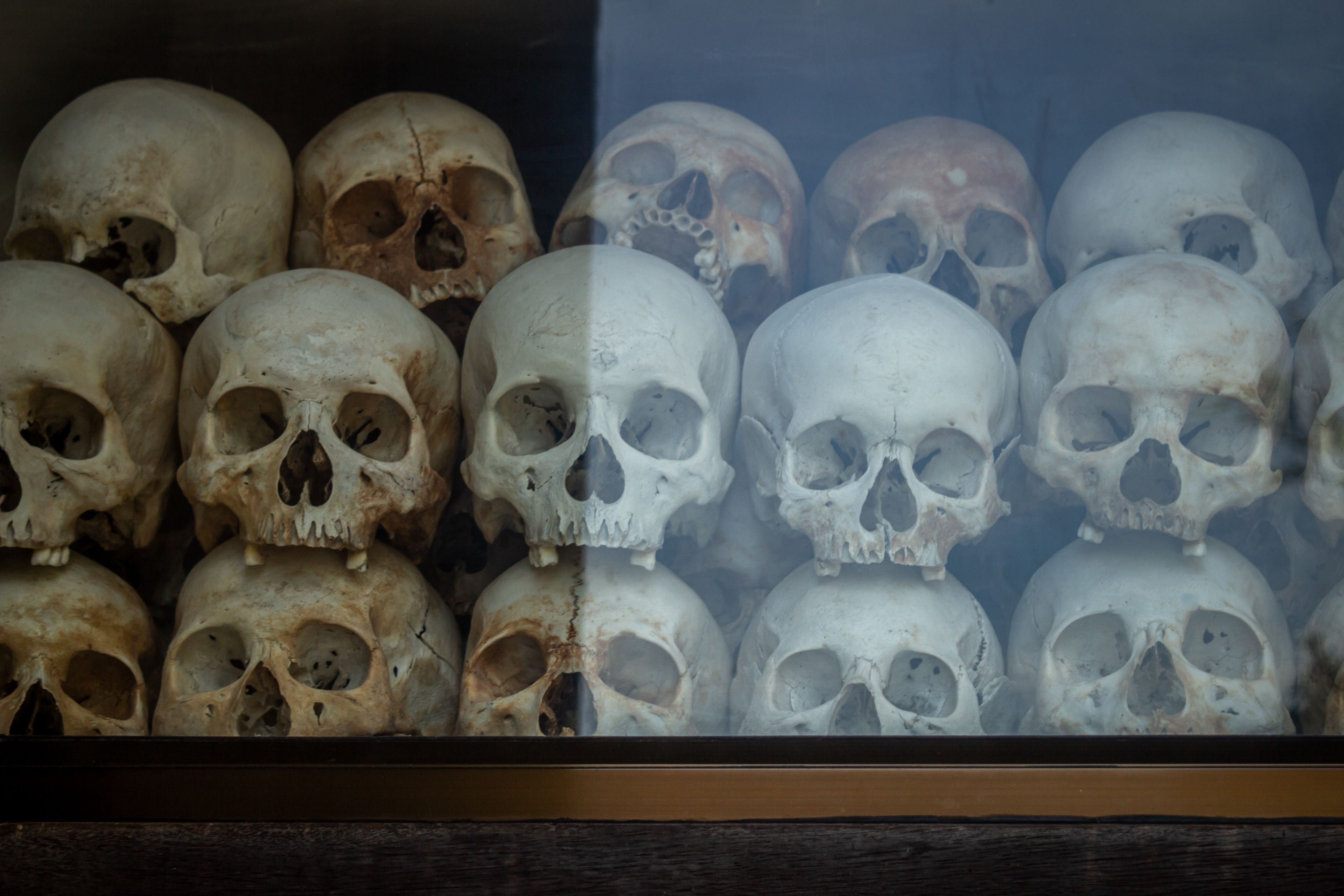
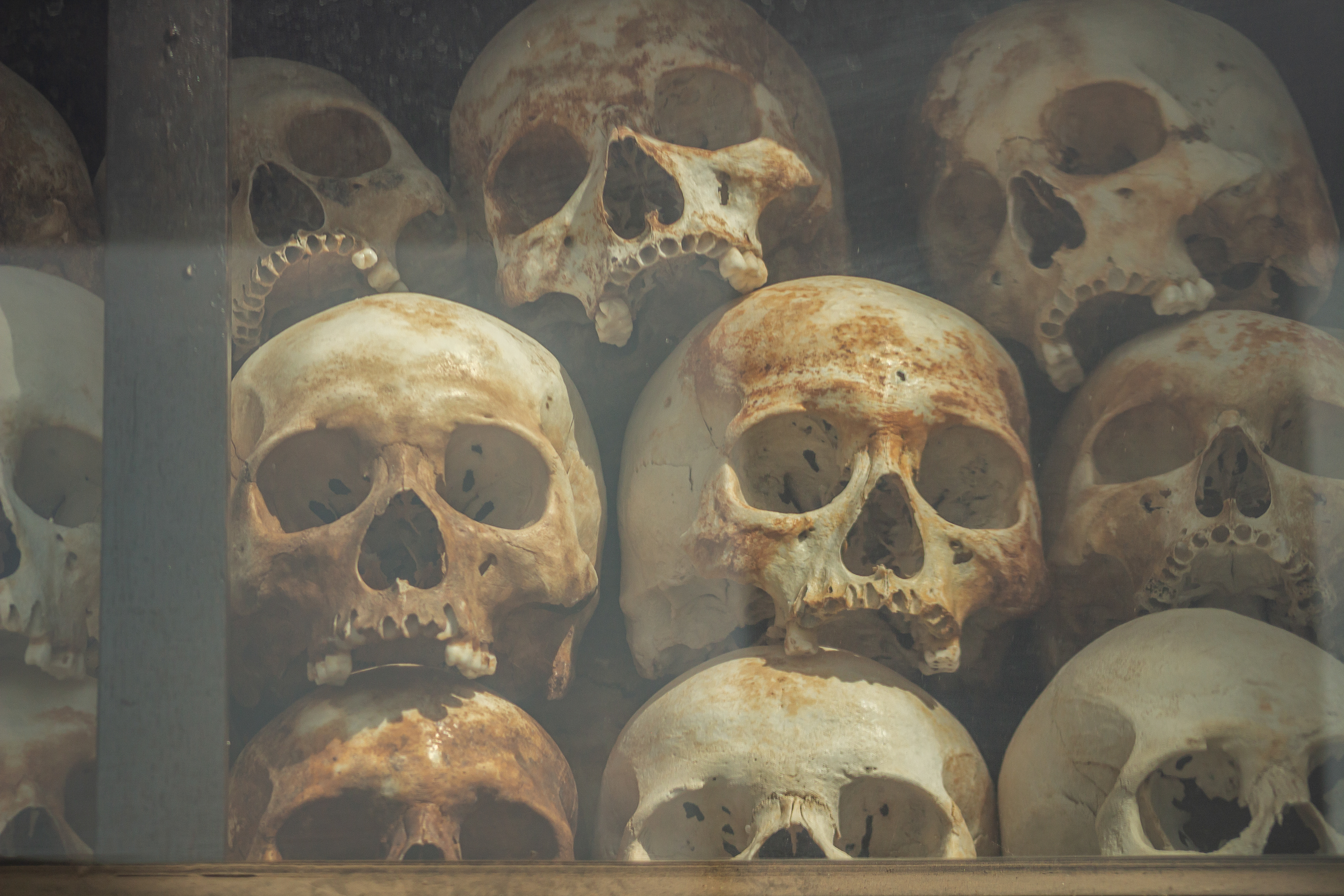
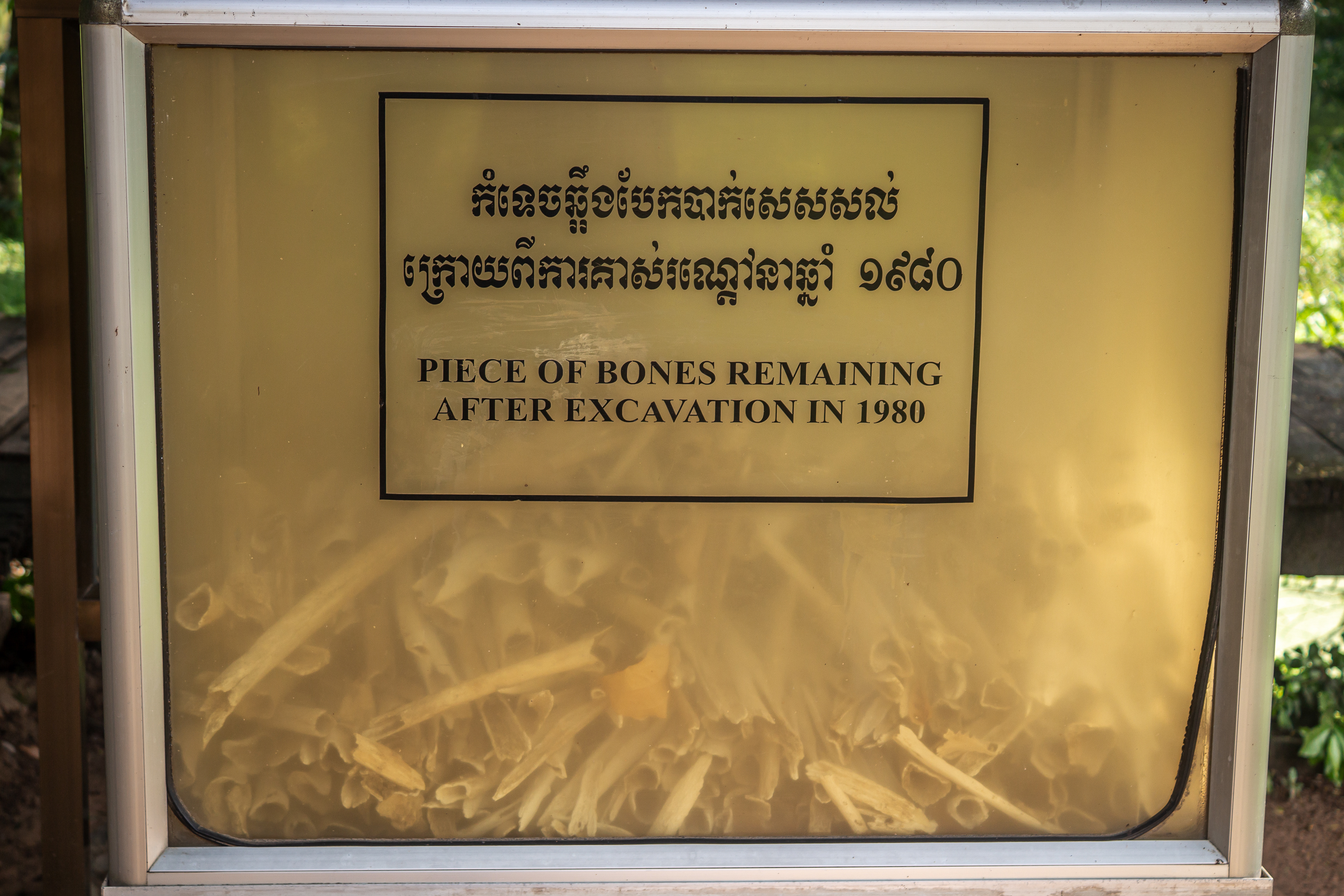
The Memorial Stupa, containing thousands of victims’ skulls
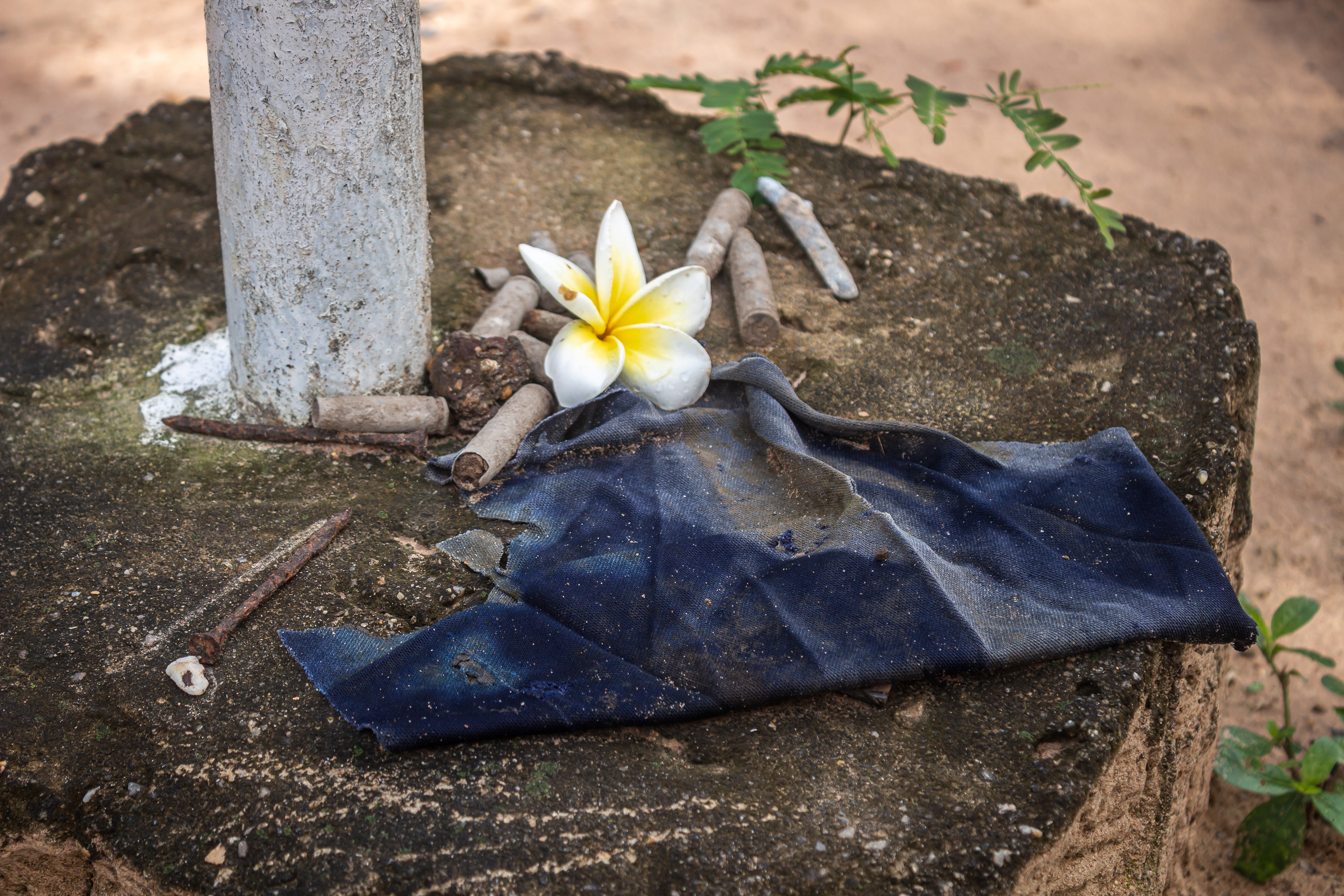
Mass grave sites, some still visible
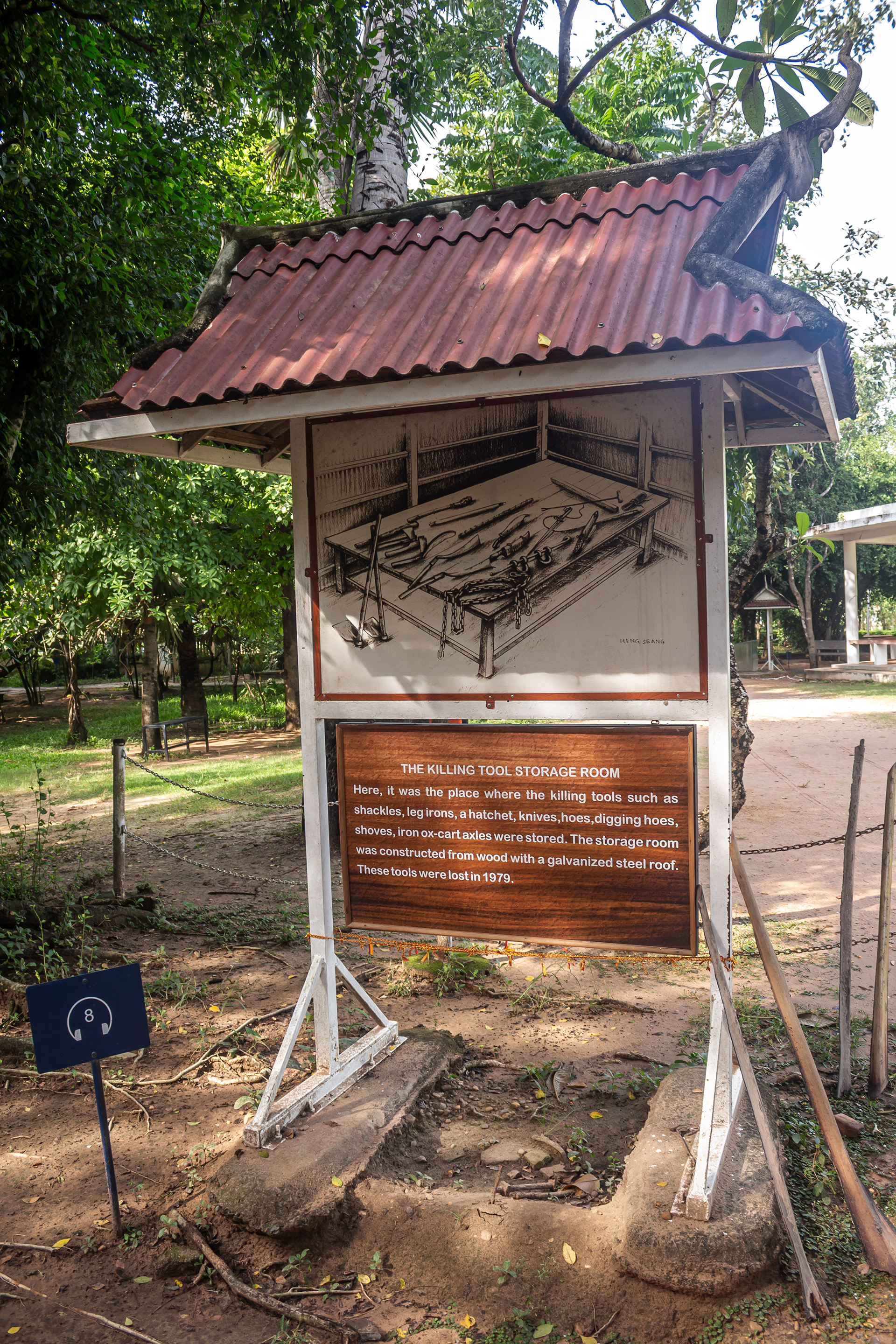
Exhibits explaining execution methods and daily operations
A walking path with audio narration, guiding visitors through the grounds
The experience is contemplative and emotionally heavy, but thoughtfully presented.
Practical Information
Location: 30–45 minutes from Phnom Penh by tuk-tuk or taxi
Time Needed: 1–1.5 hours
Audio Guide: Included with entry and strongly recommended
Dress Code: Modest and respectful
Best Time to Visit: Morning, to avoid heat and crowds
Visiting Both Sites Together
Most travelers visit Tuol Sleng first, followed by Choeung Ek, as this mirrors the historical journey of many victims. Doing both in one day is common, but emotionally demanding—consider taking breaks and allowing time for reflection.
Transportation Tips
Hire a tuk-tuk driver for half or full day
Many hotels can arrange a trusted driver familiar with the route and history
Guided tours are available for those seeking deeper historical context
Etiquette and Emotional Preparation
Maintain silence and respect, especially near memorials
Avoid loud conversations or inappropriate poses for photos
Be mindful that locals may be mourning relatives lost during the genocide
It’s normal to feel overwhelmed—many visitors describe these sites as among the most moving experiences of their travels.

What to See in Kampot and Kep, Cambodia
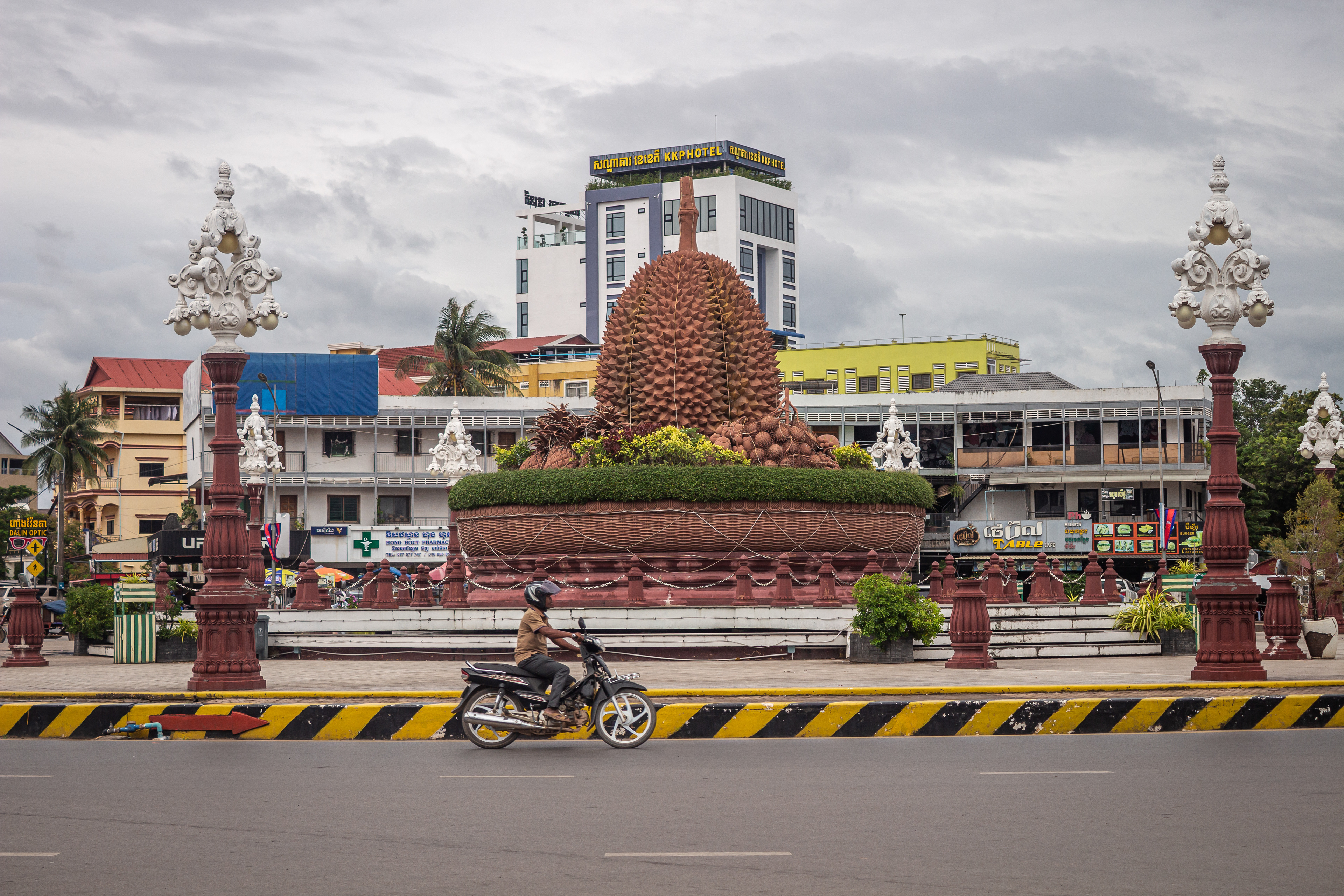
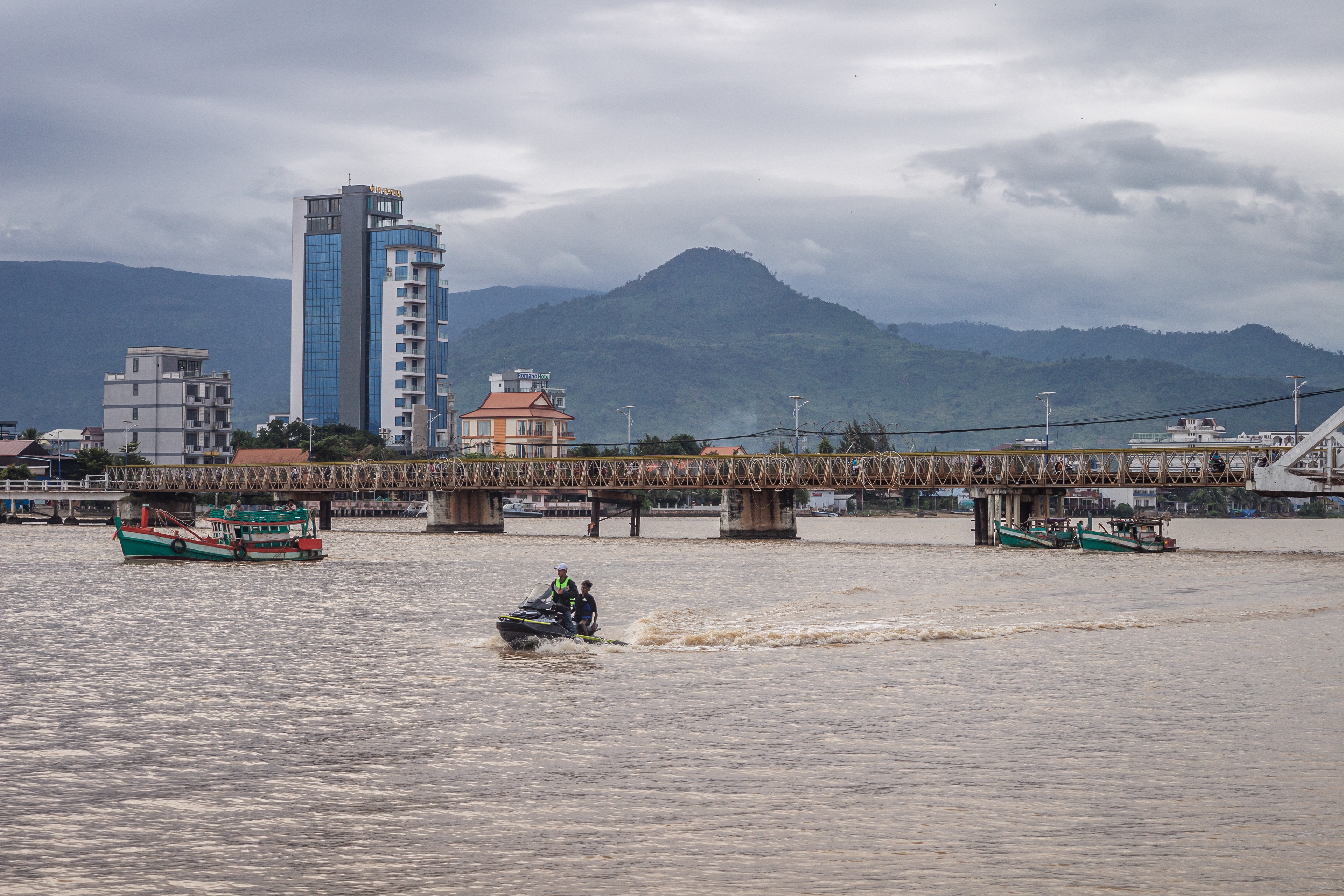
Tucked away in southern Cambodia, the riverside town of Kampot and the sleepy seaside retreat of Kep offer a slower, more atmospheric alternative to the country’s busier destinations. Known for colonial architecture, dramatic countryside, fresh seafood, and famous pepper plantations, this region is perfect for travelers seeking culture, nature, and calm.
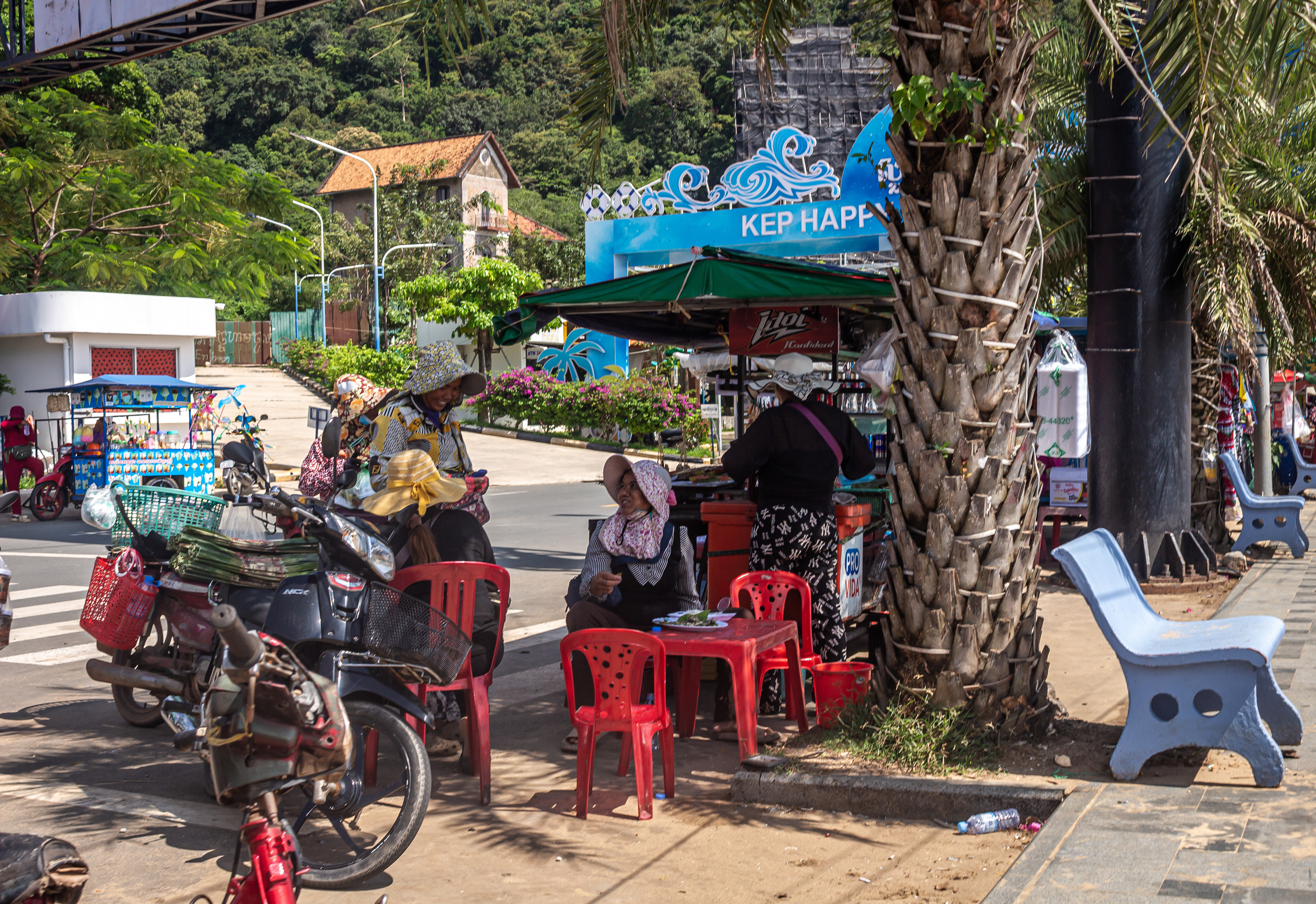
Kep: Quiet Beaches and Fresh Seafood
Kep Crab Market
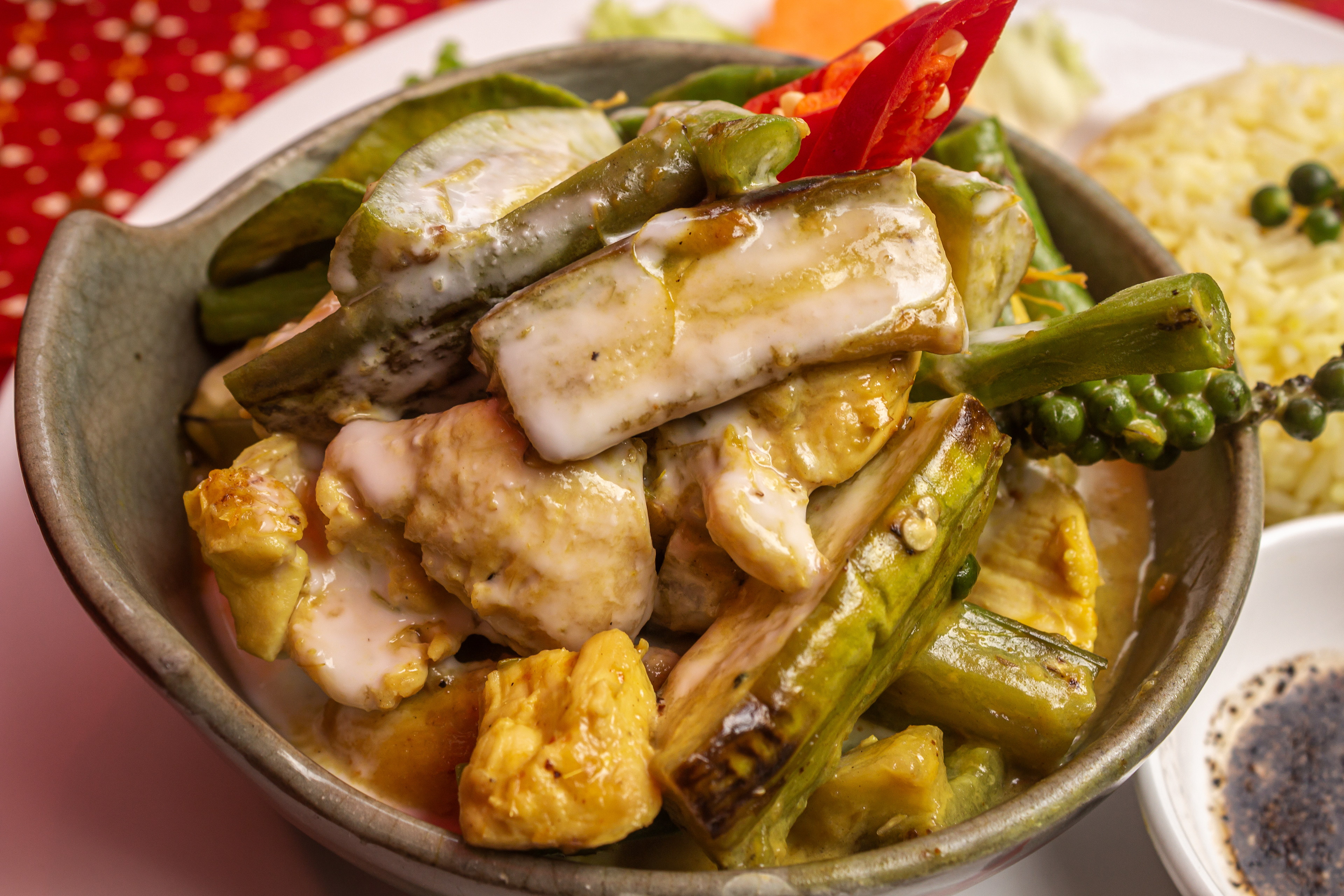
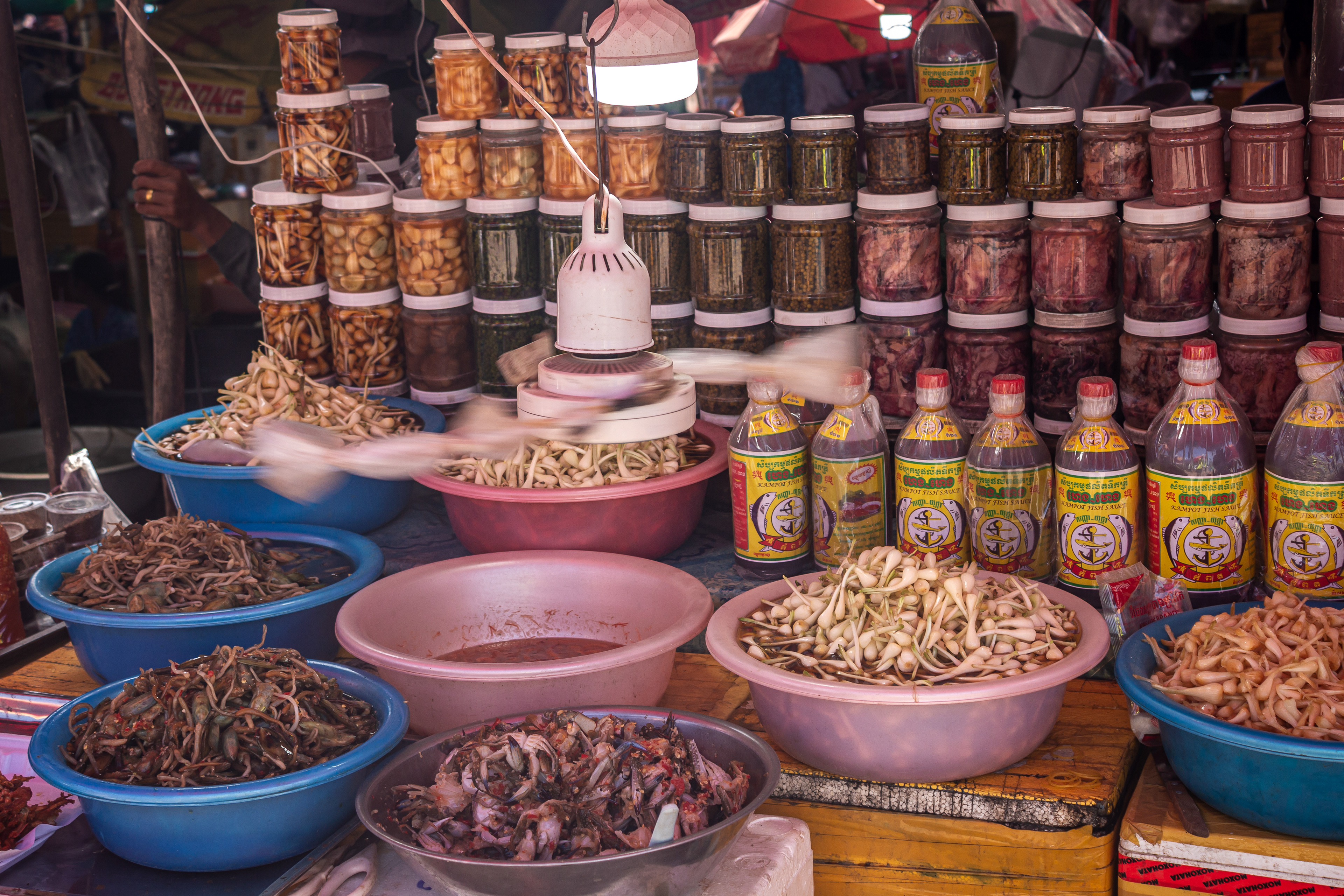
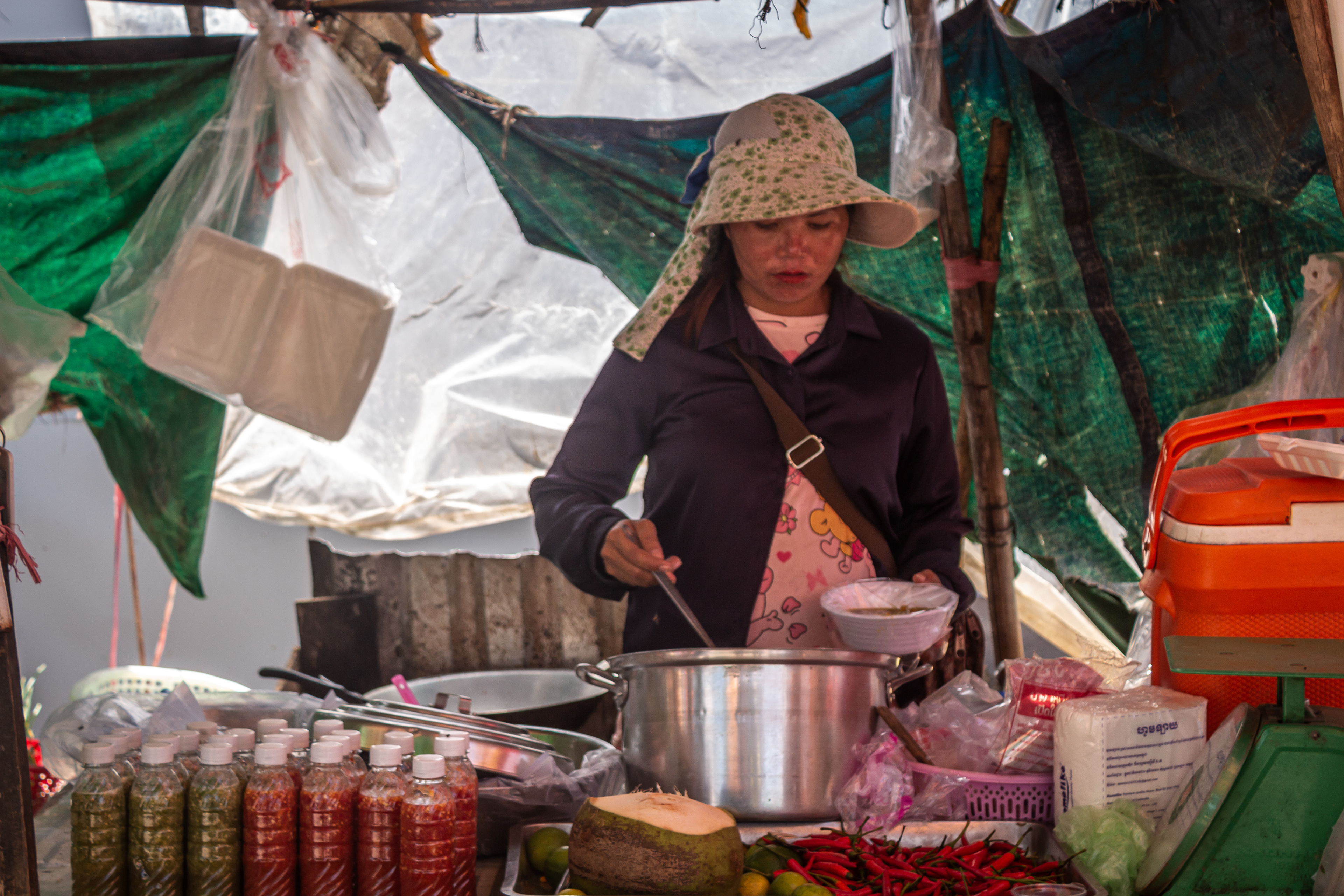
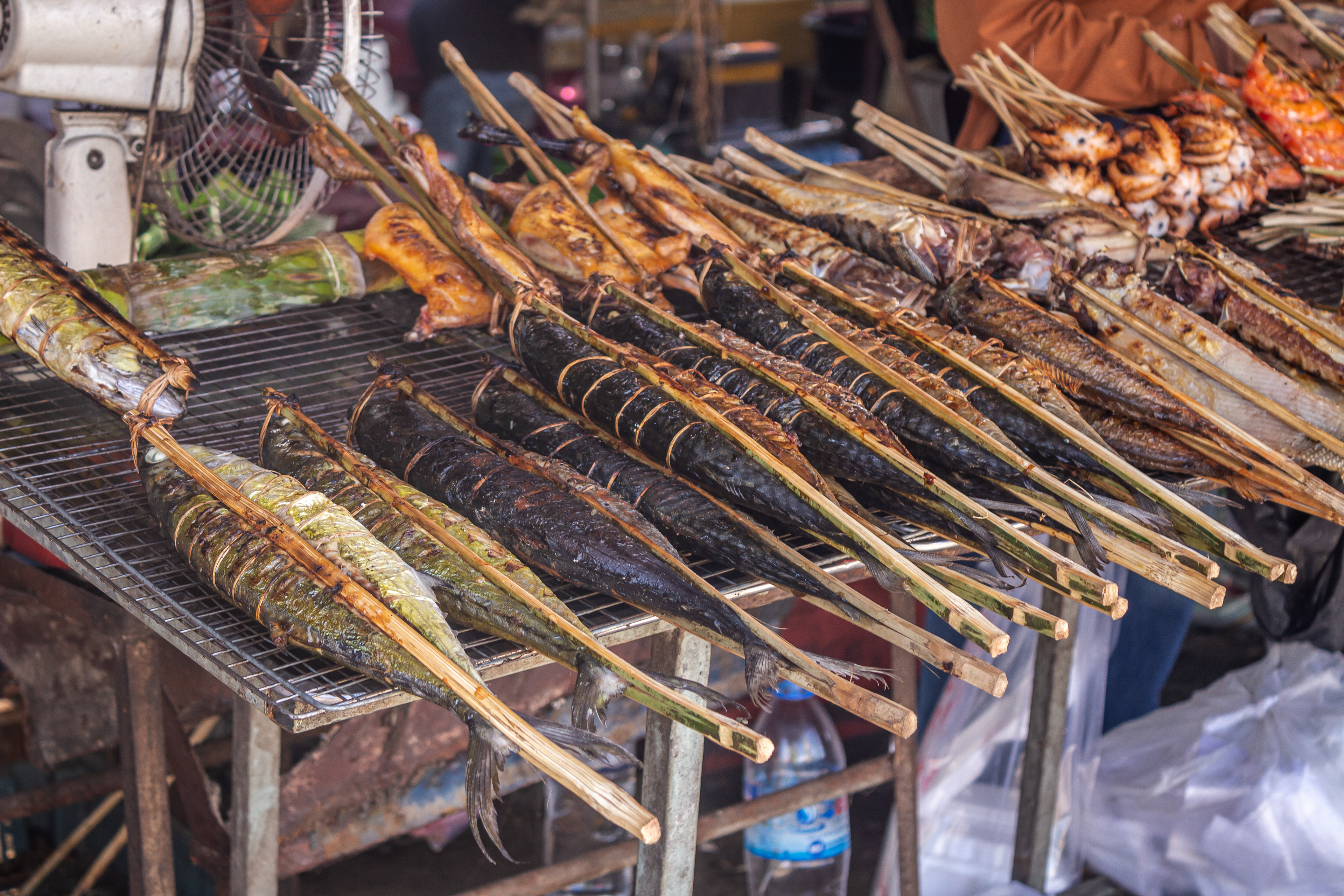
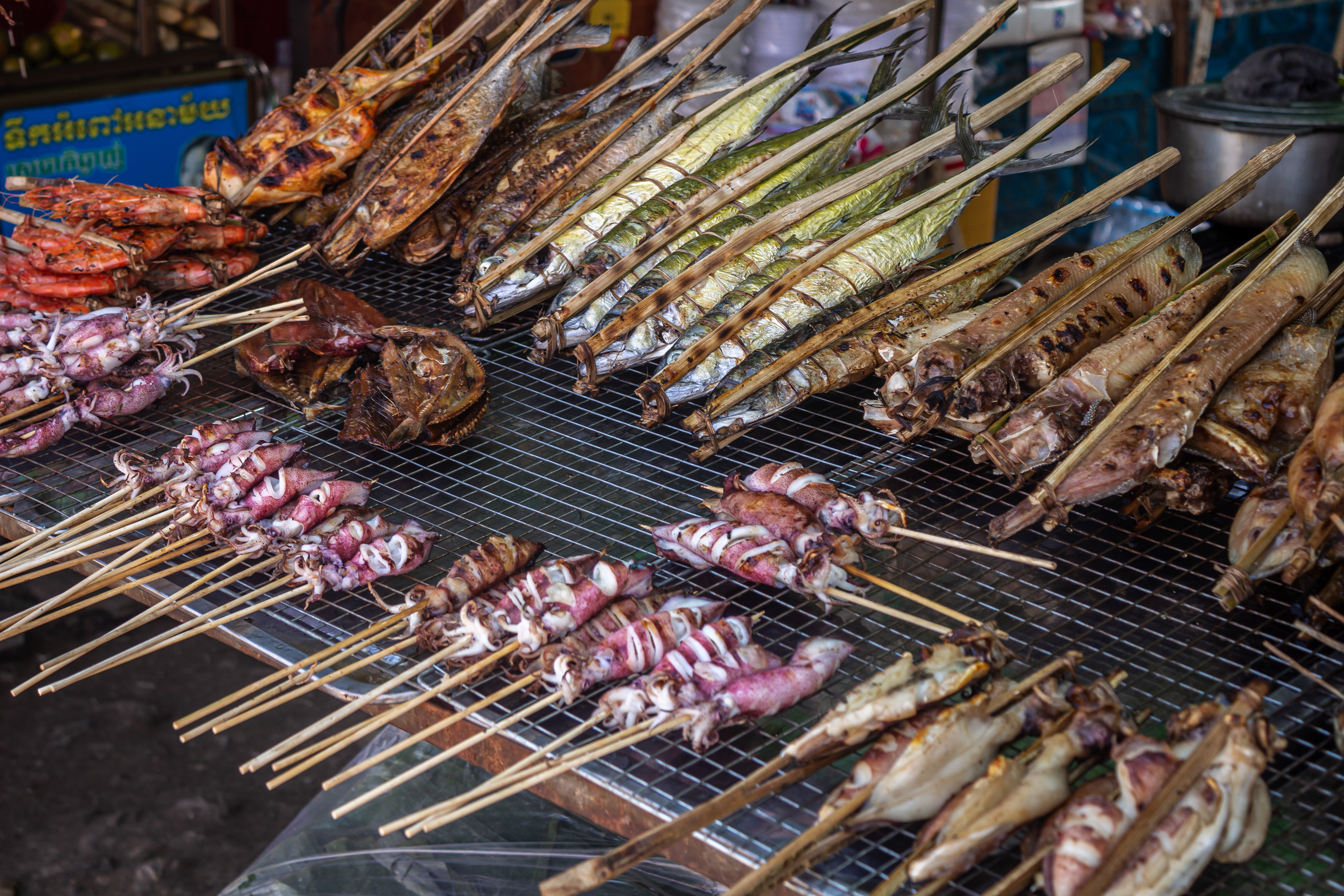
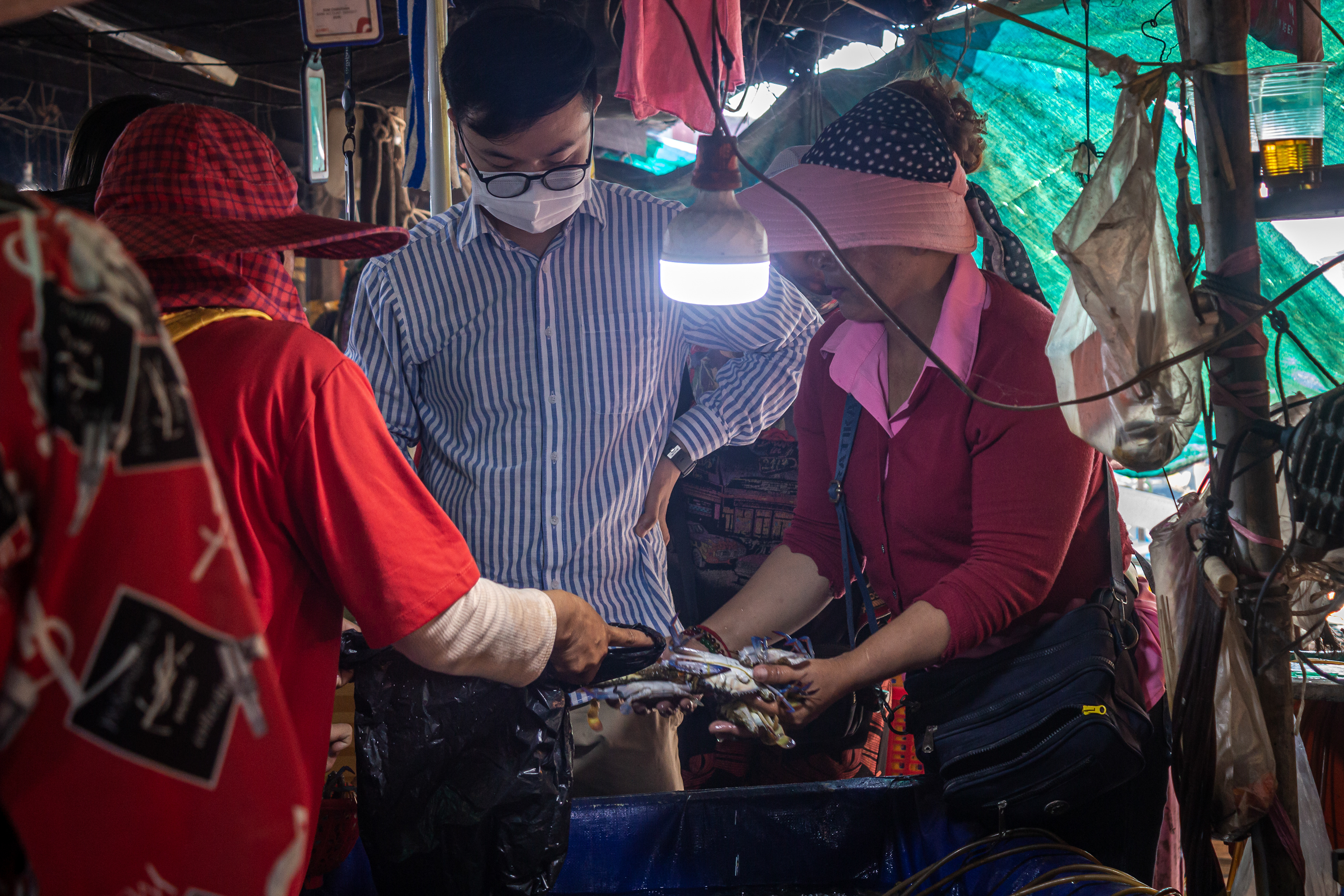
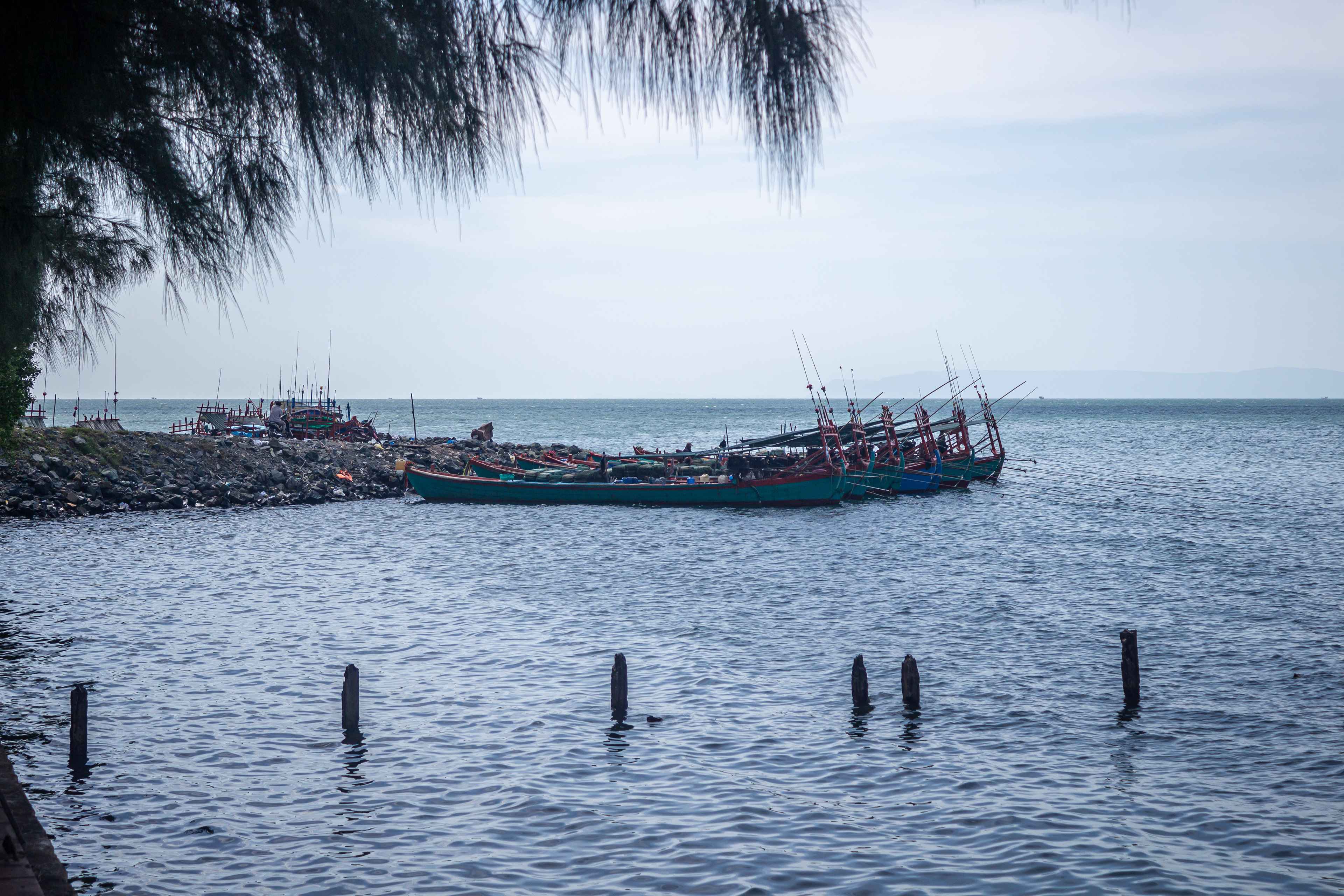
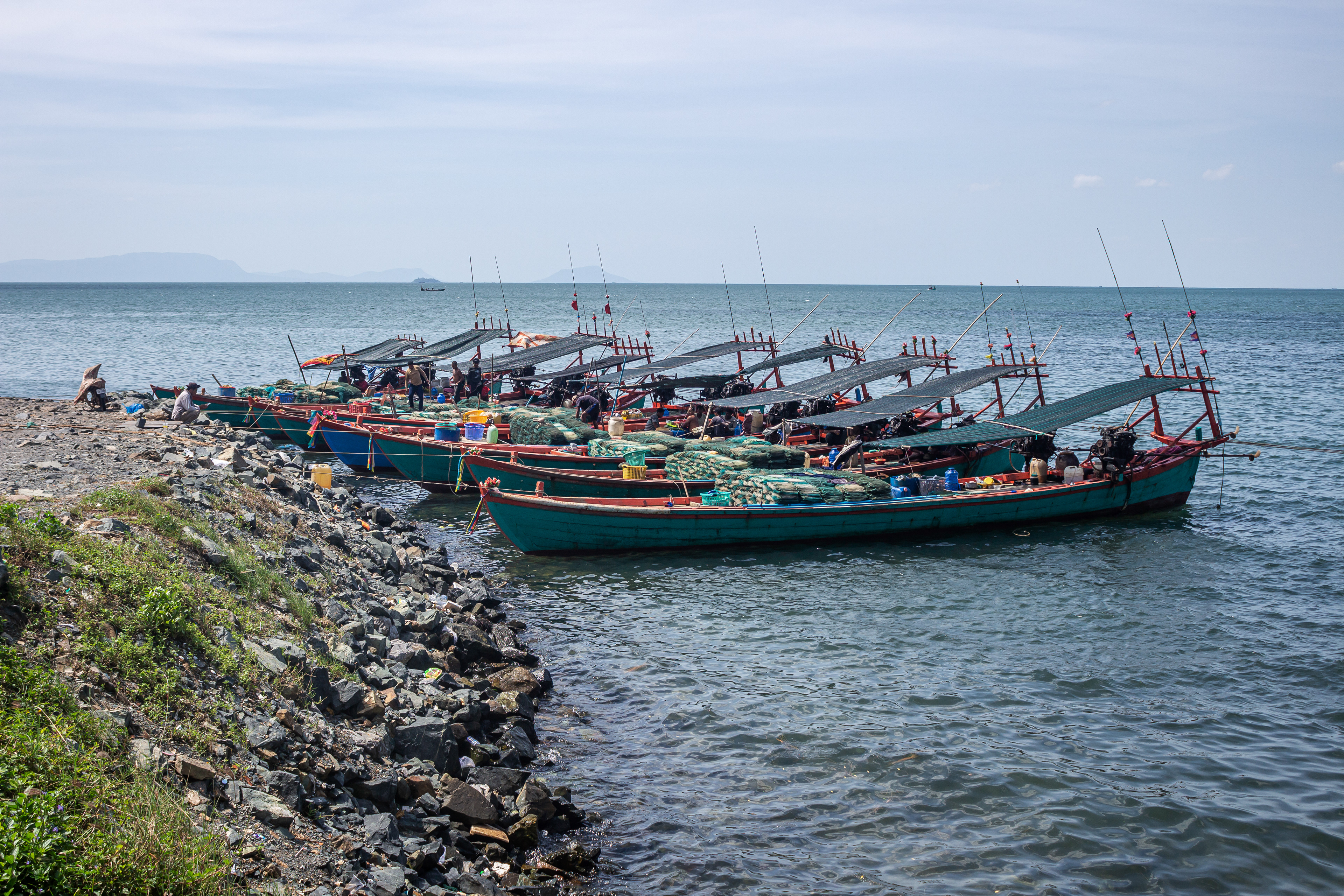
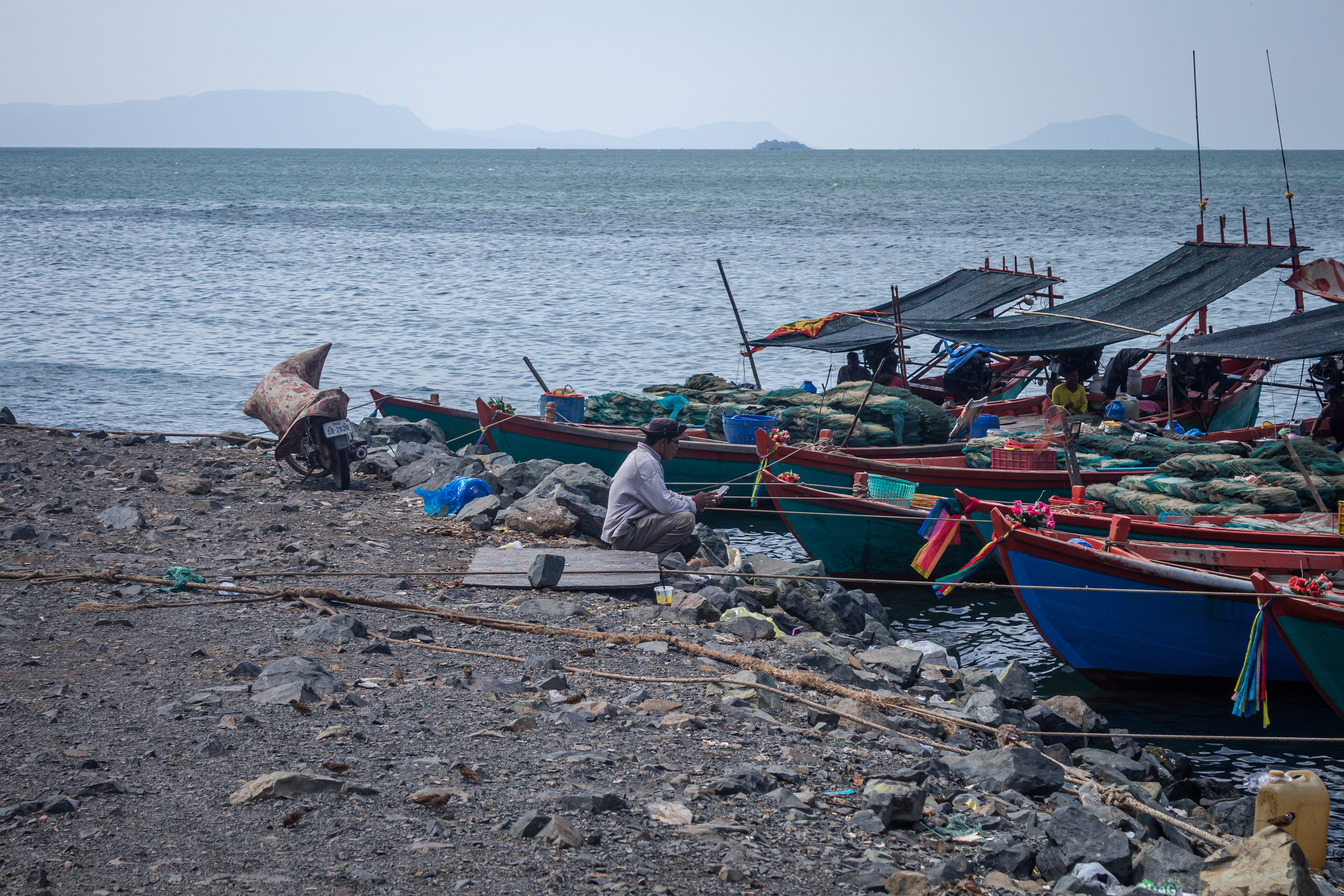
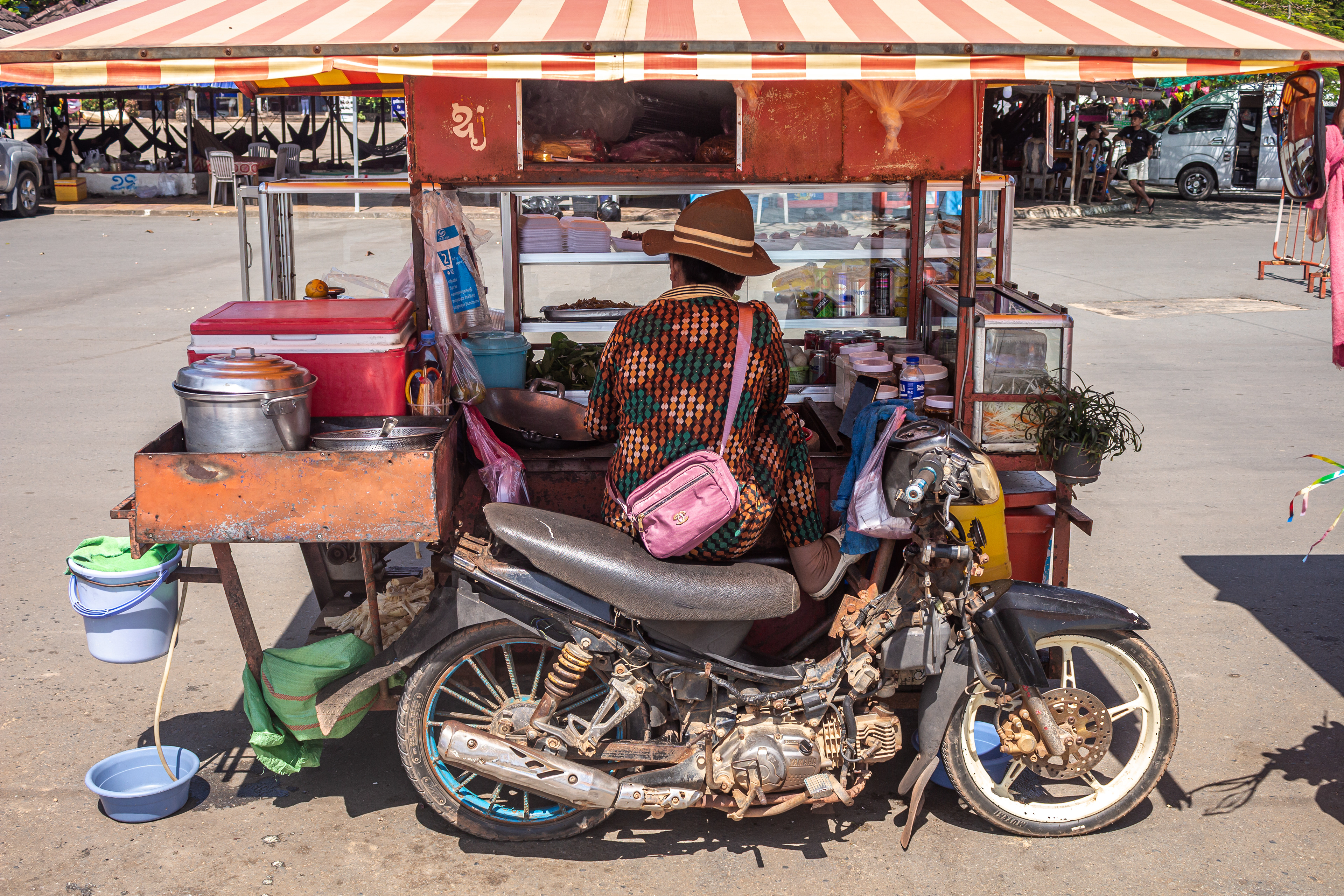
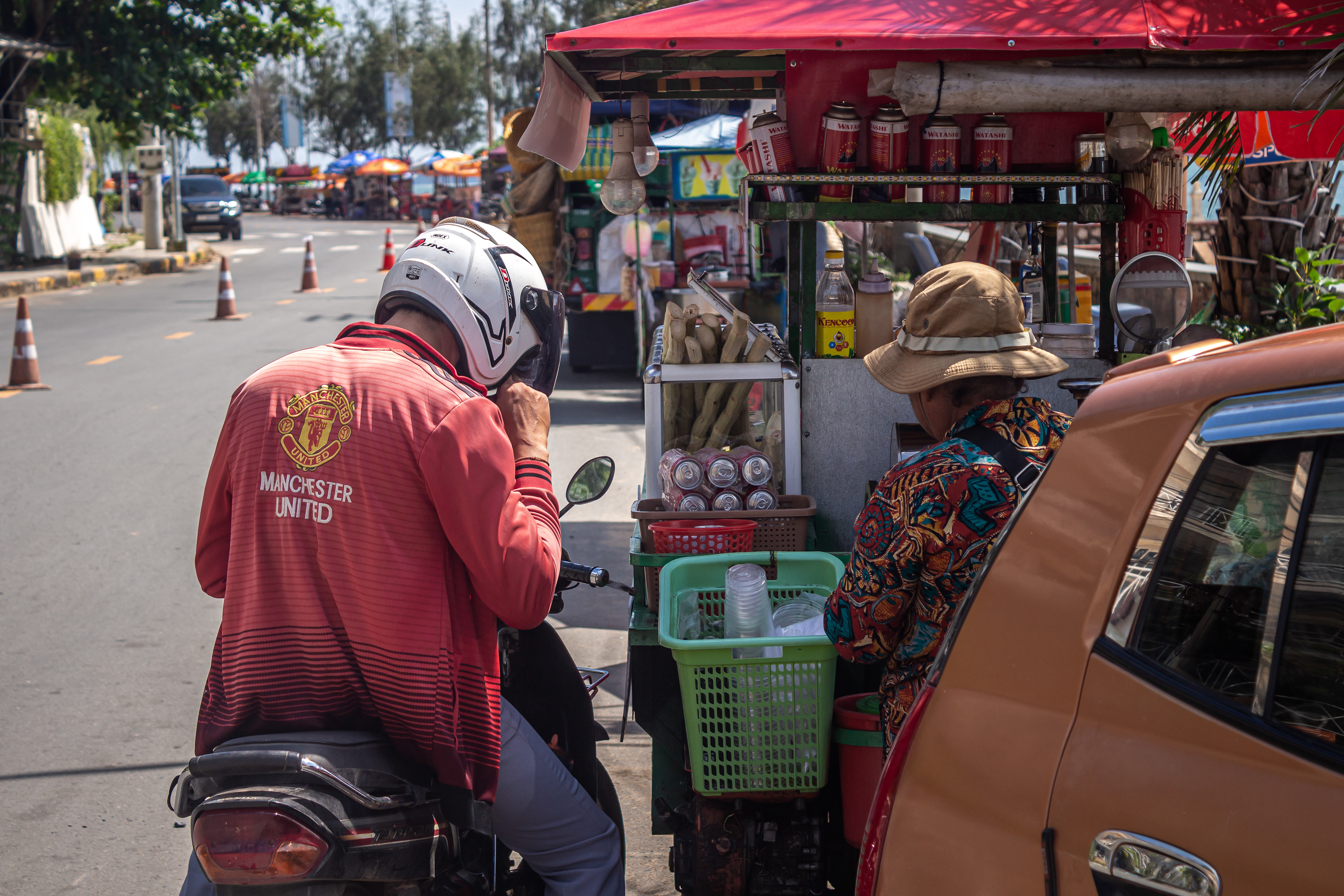
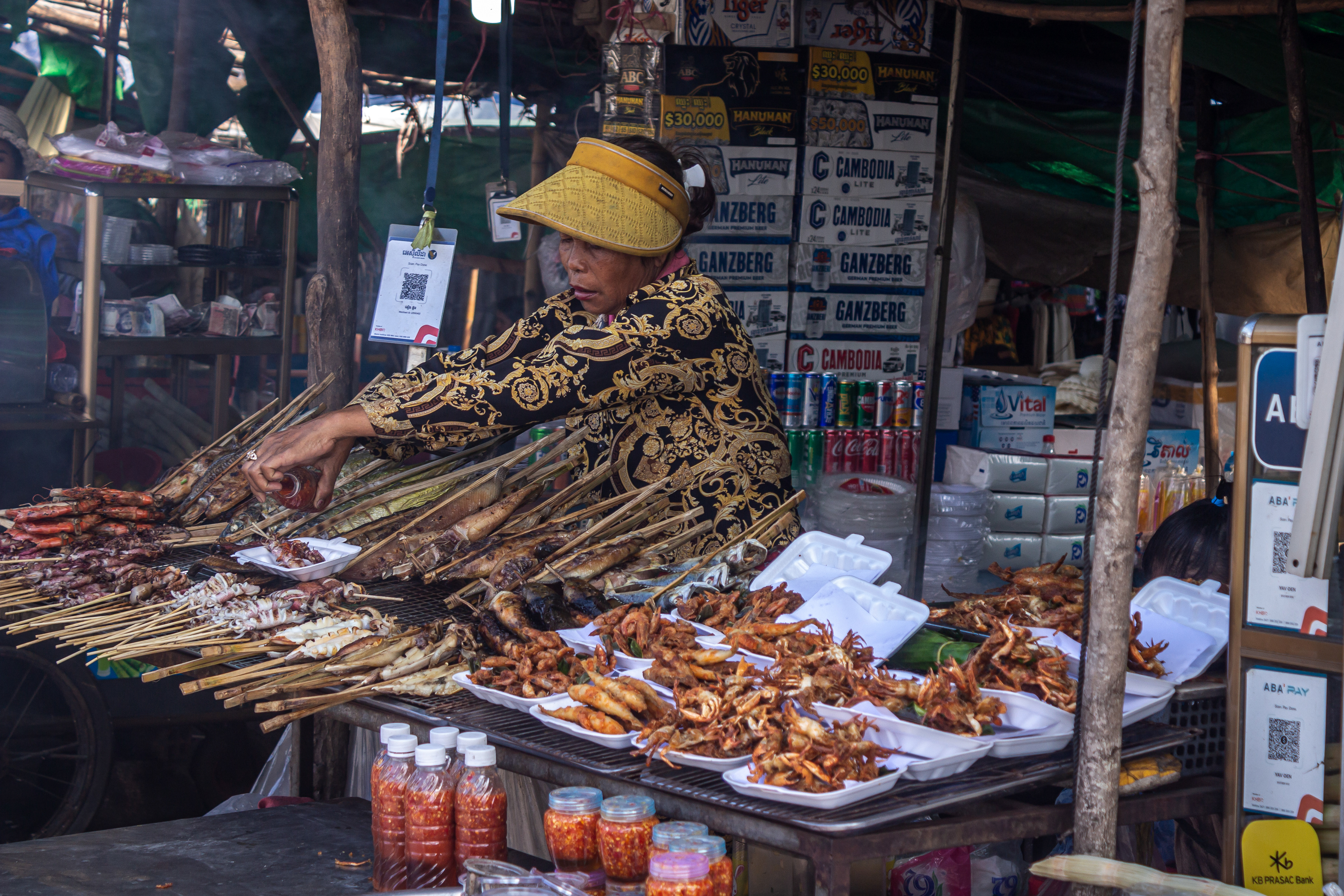
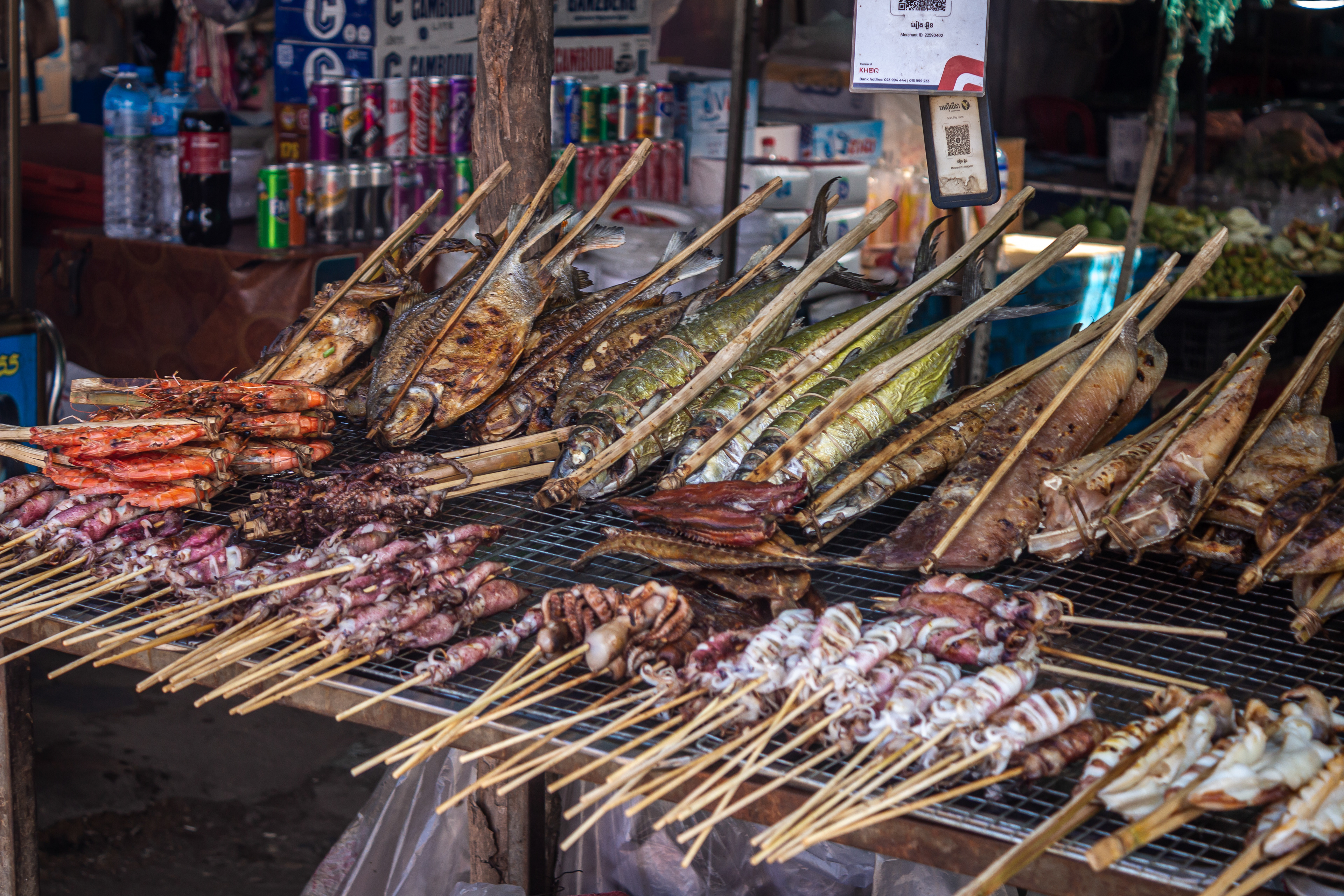
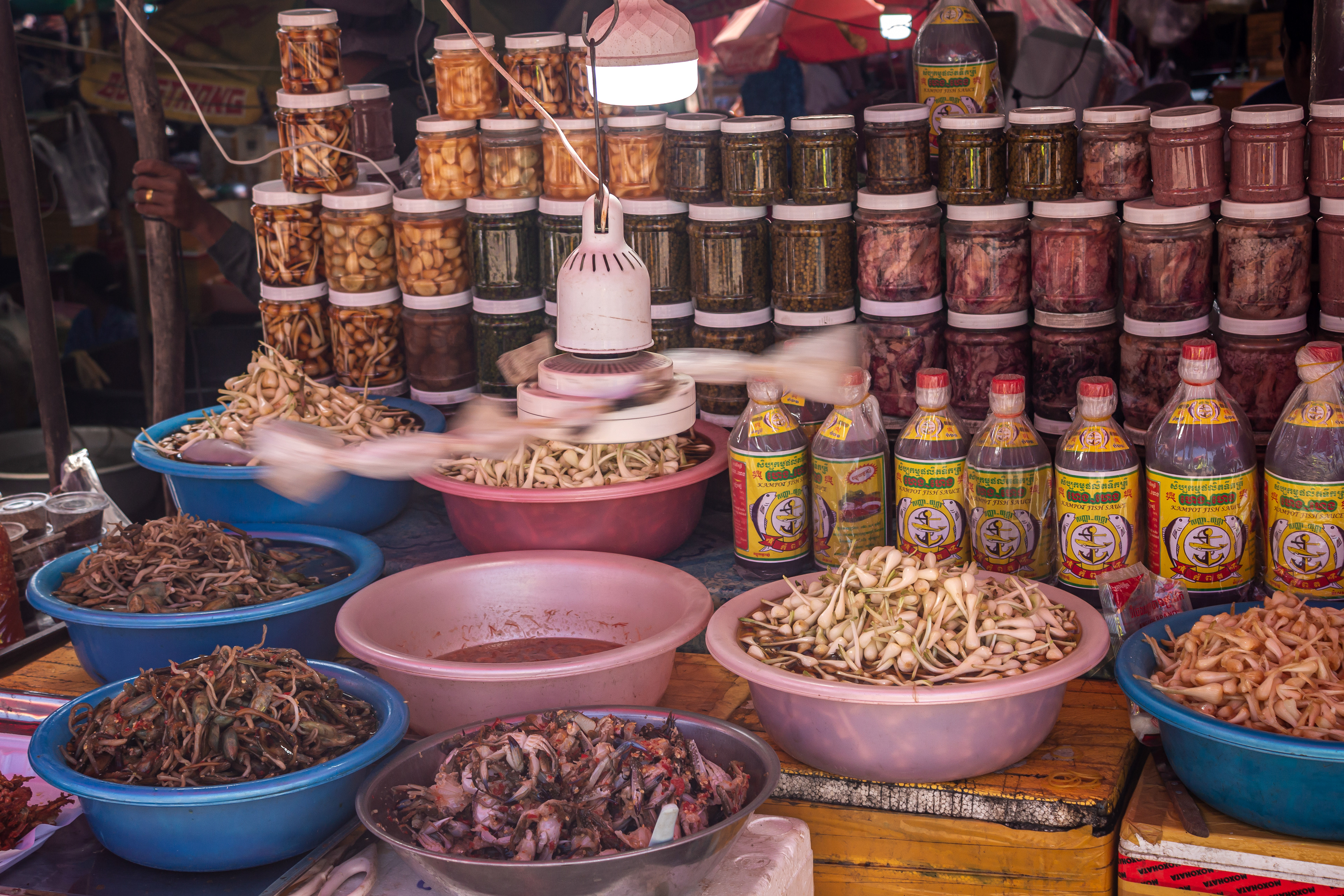
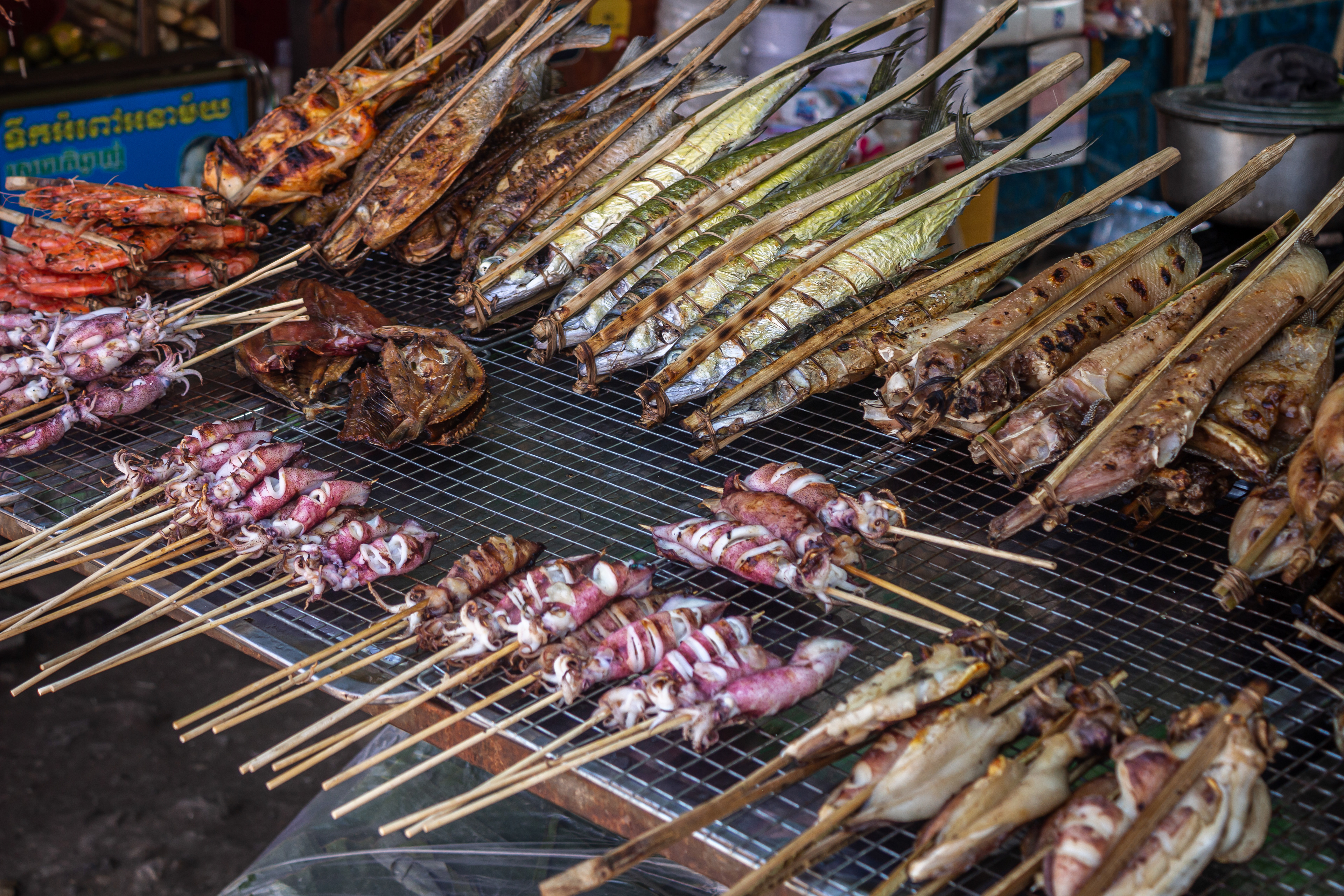
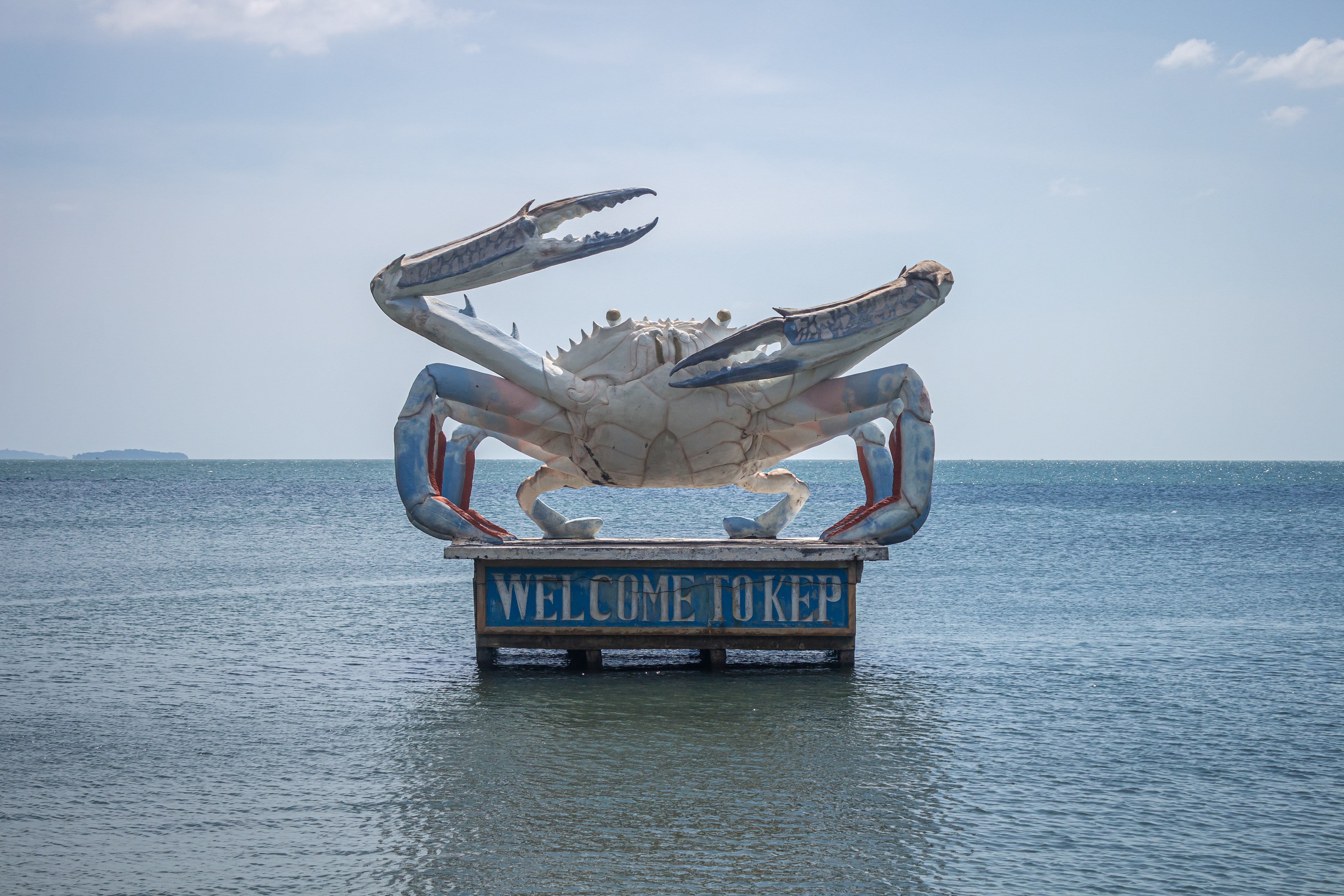
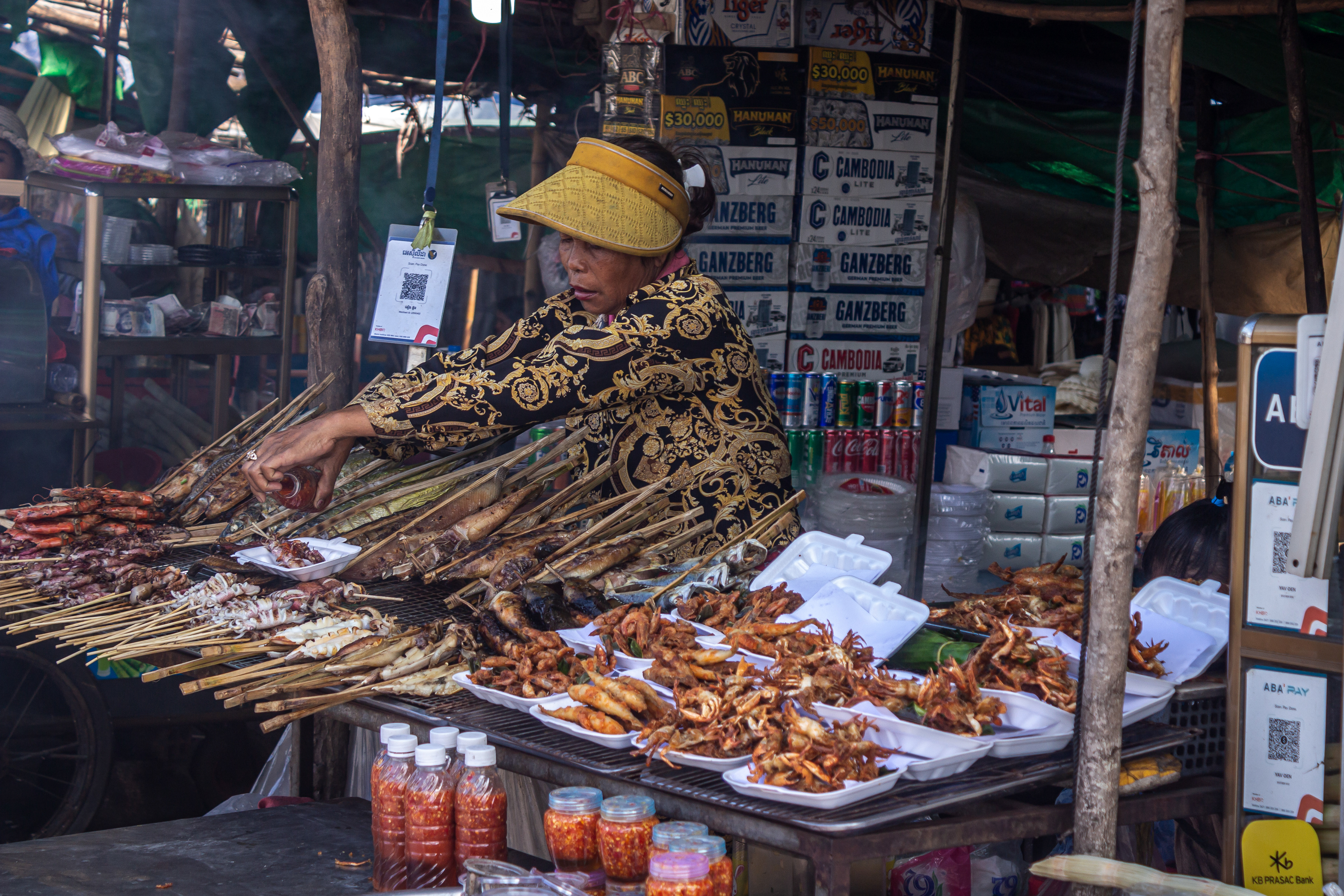
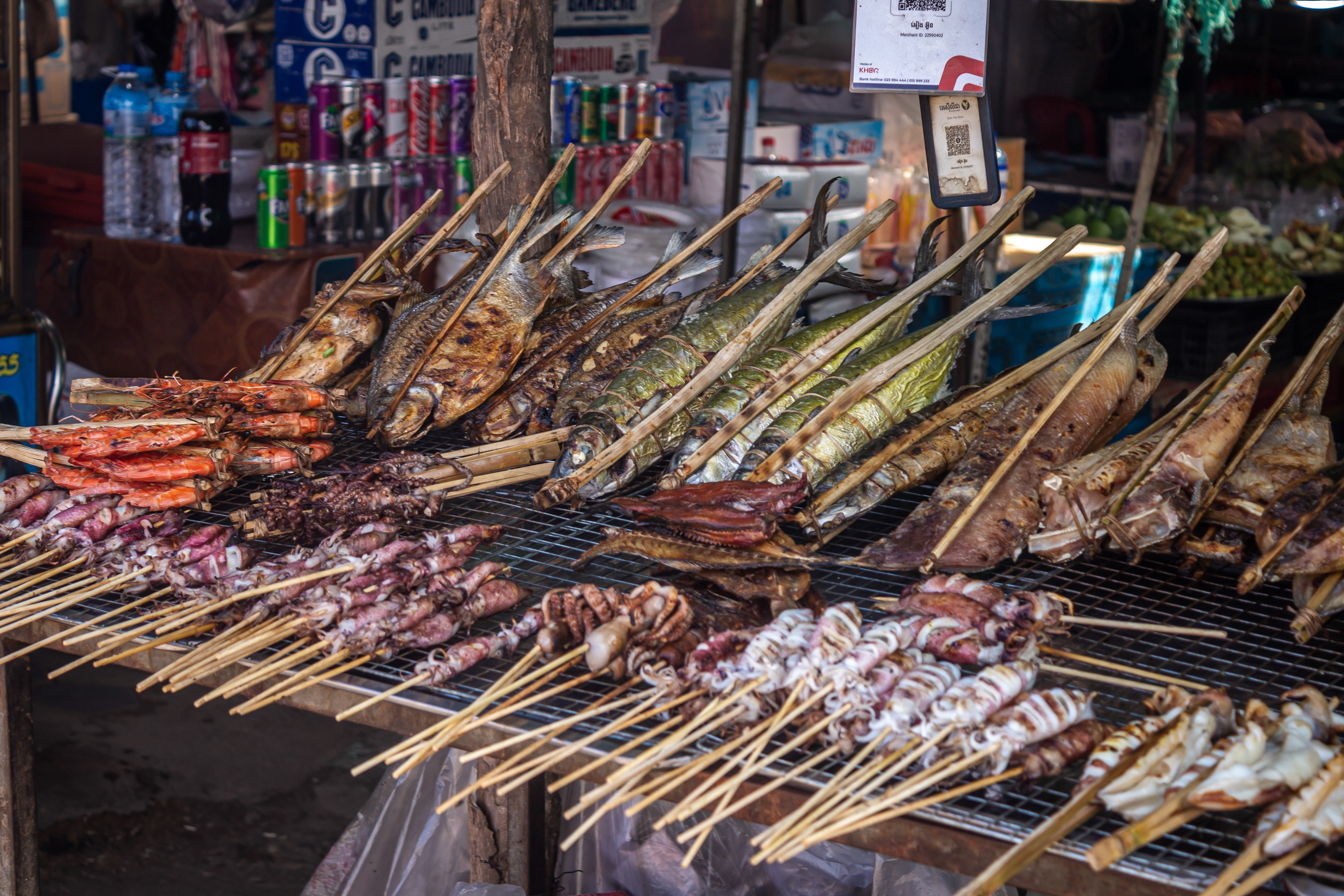
The iconic Kep Crab Market is a must-visit. Here, blue crabs are pulled straight from the sea and cooked on the spot, often with fragrant Kampot pepper. The market is lively, local, and one of the best places in Cambodia to enjoy fresh seafood.
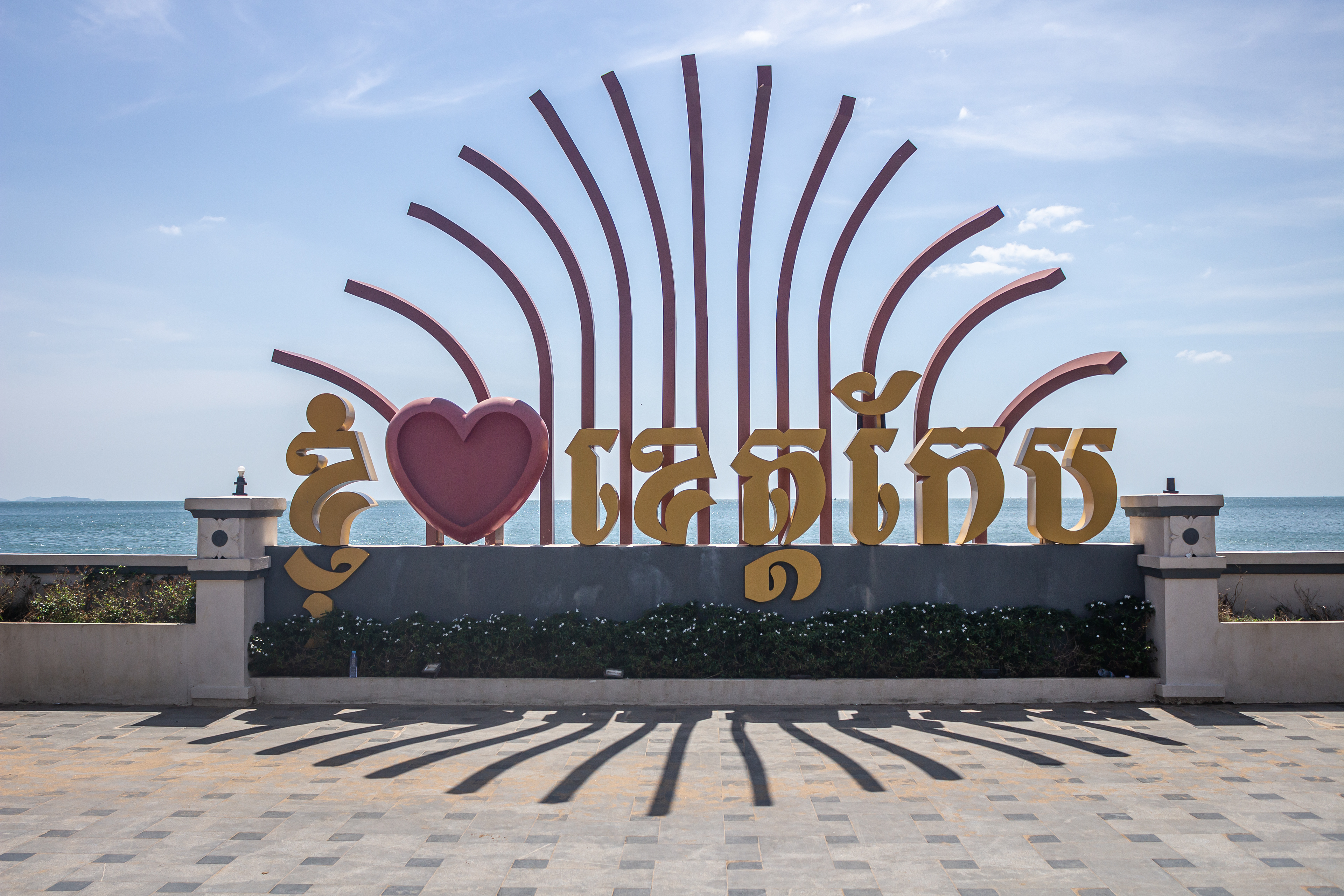
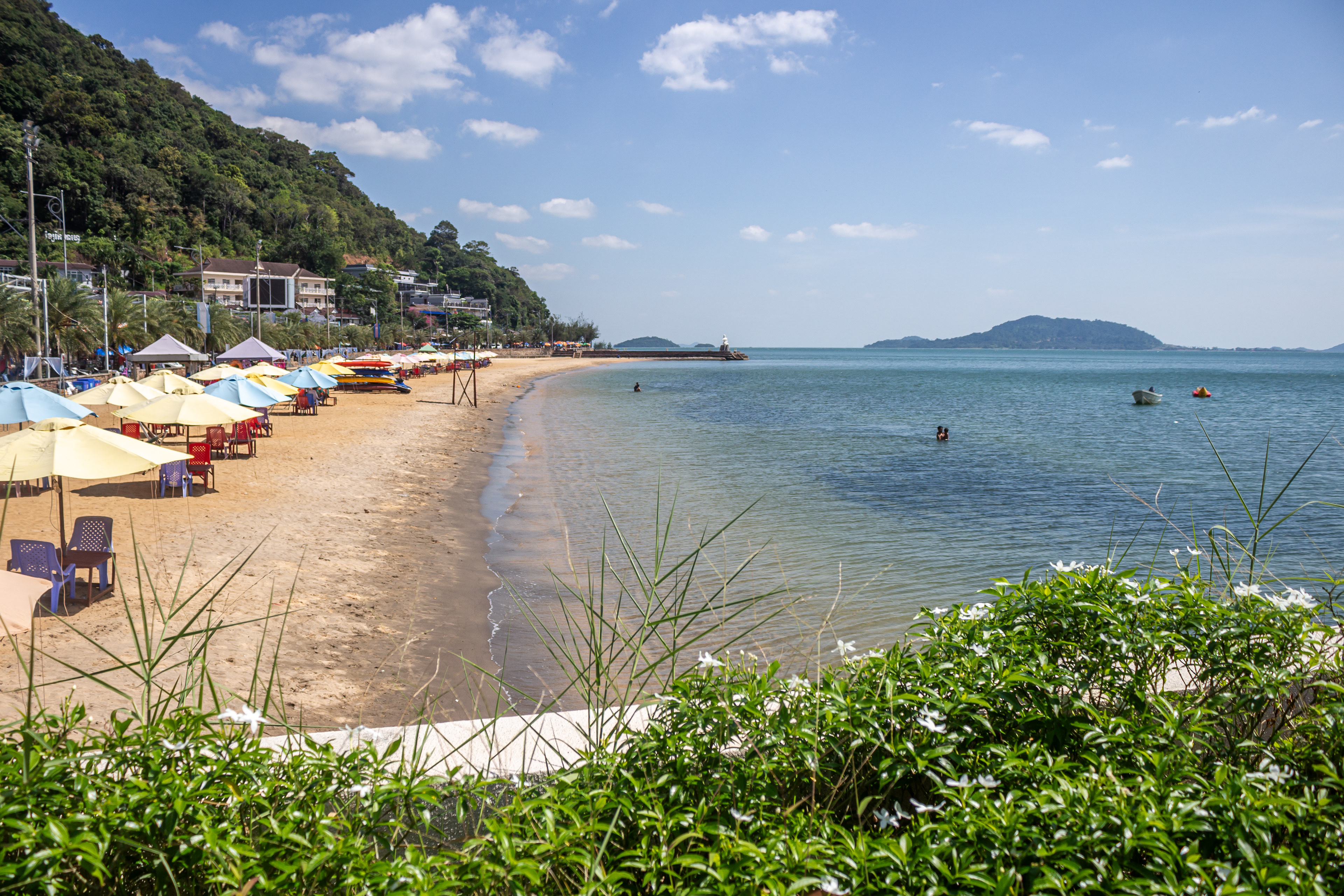
Kep Beach
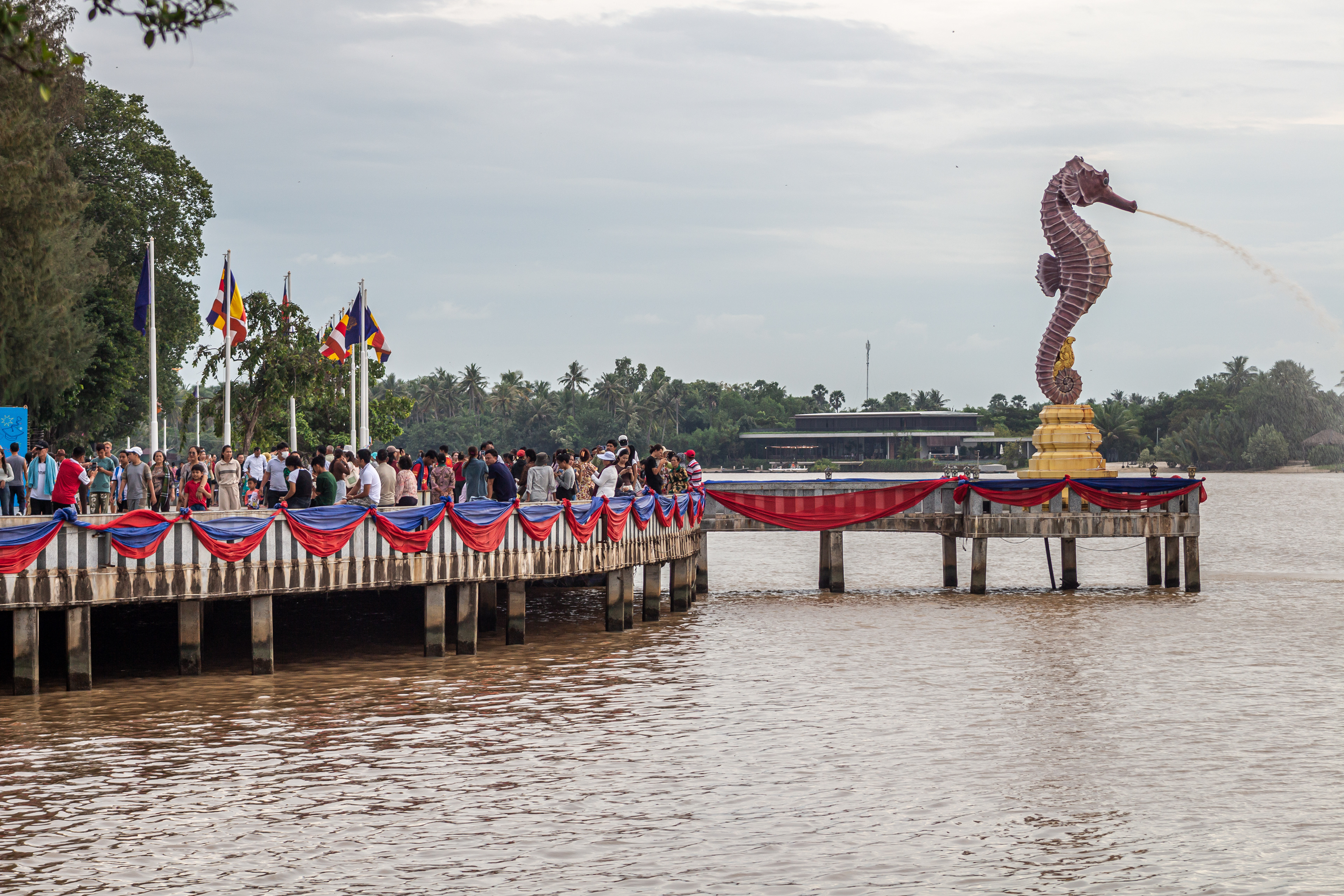
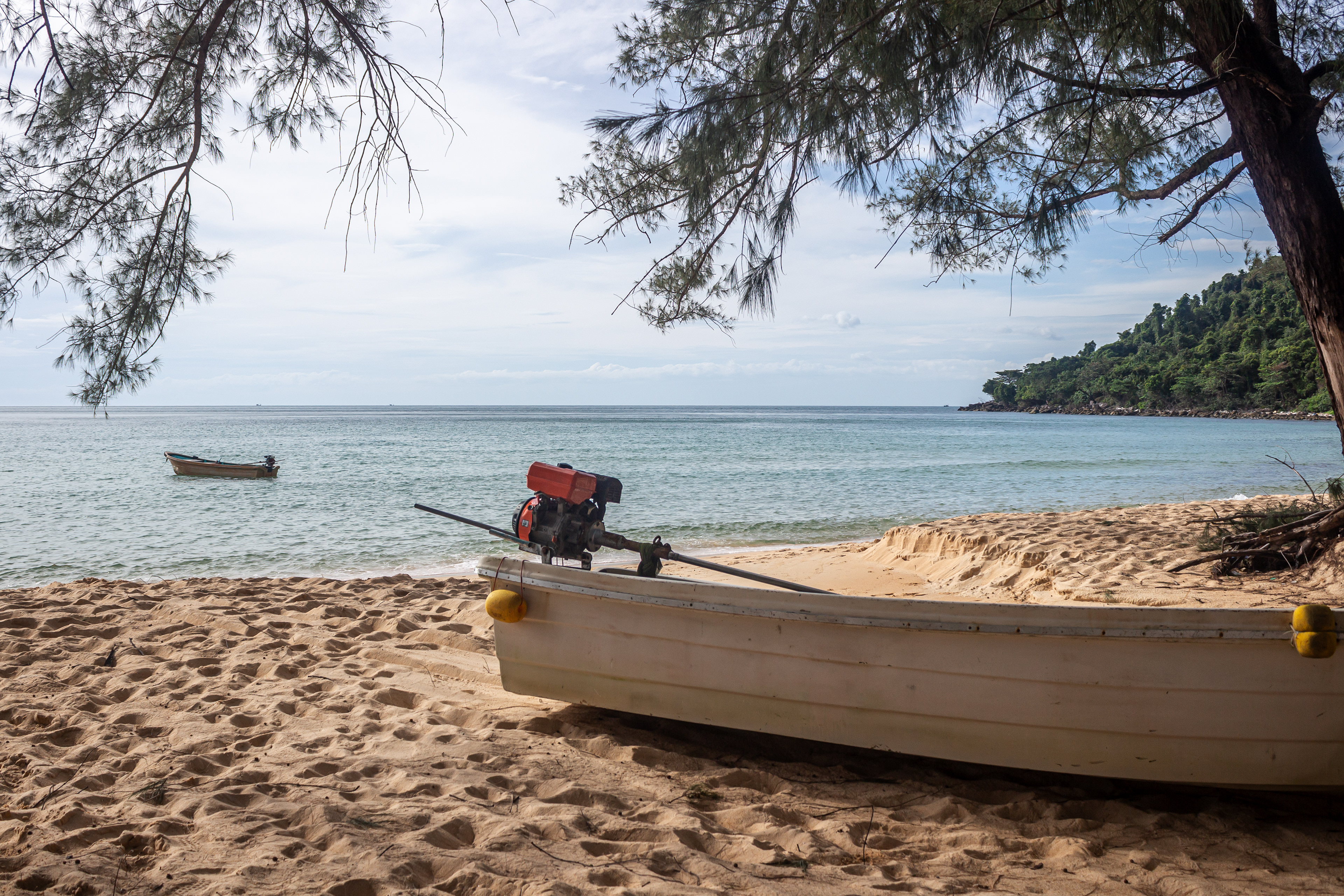
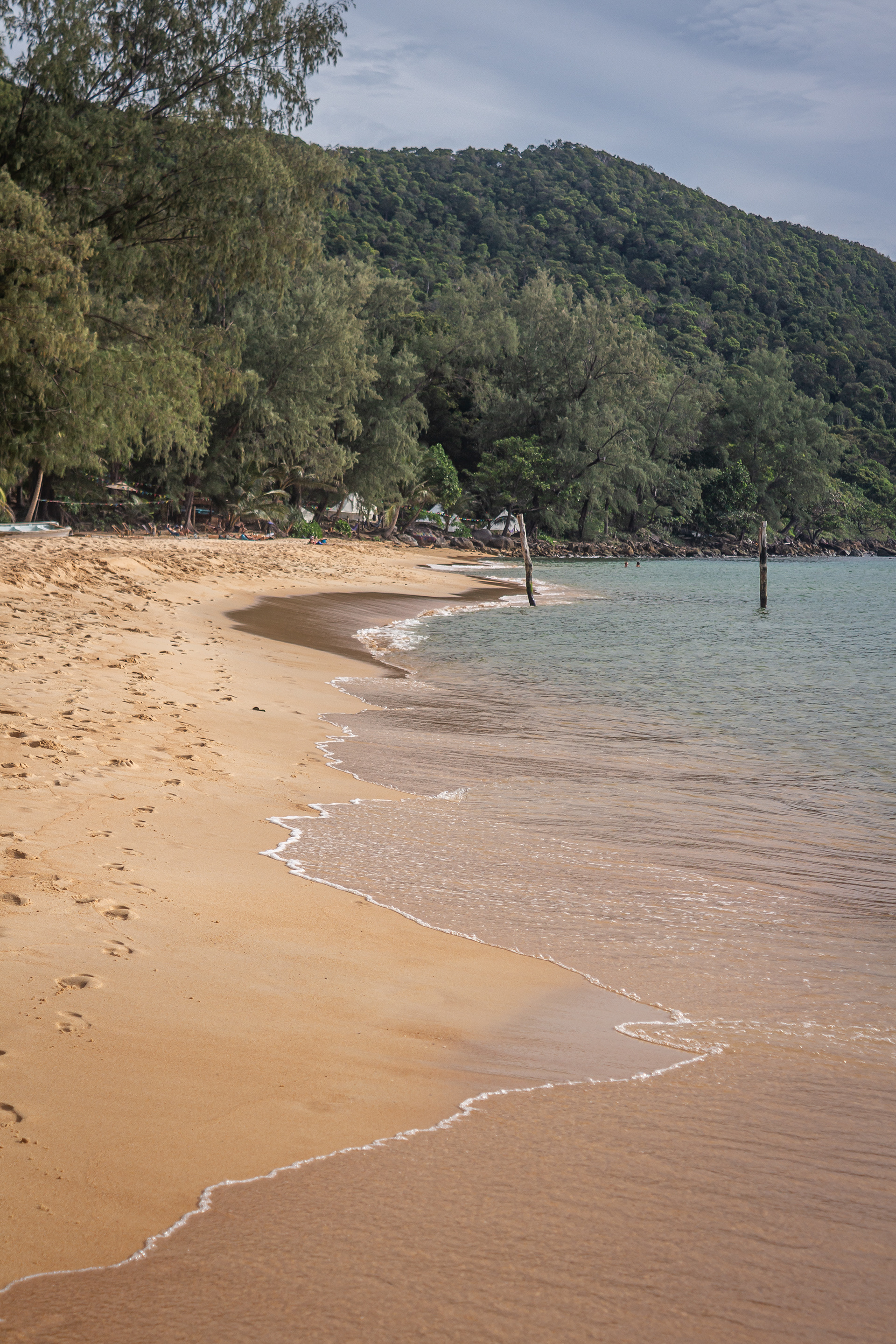
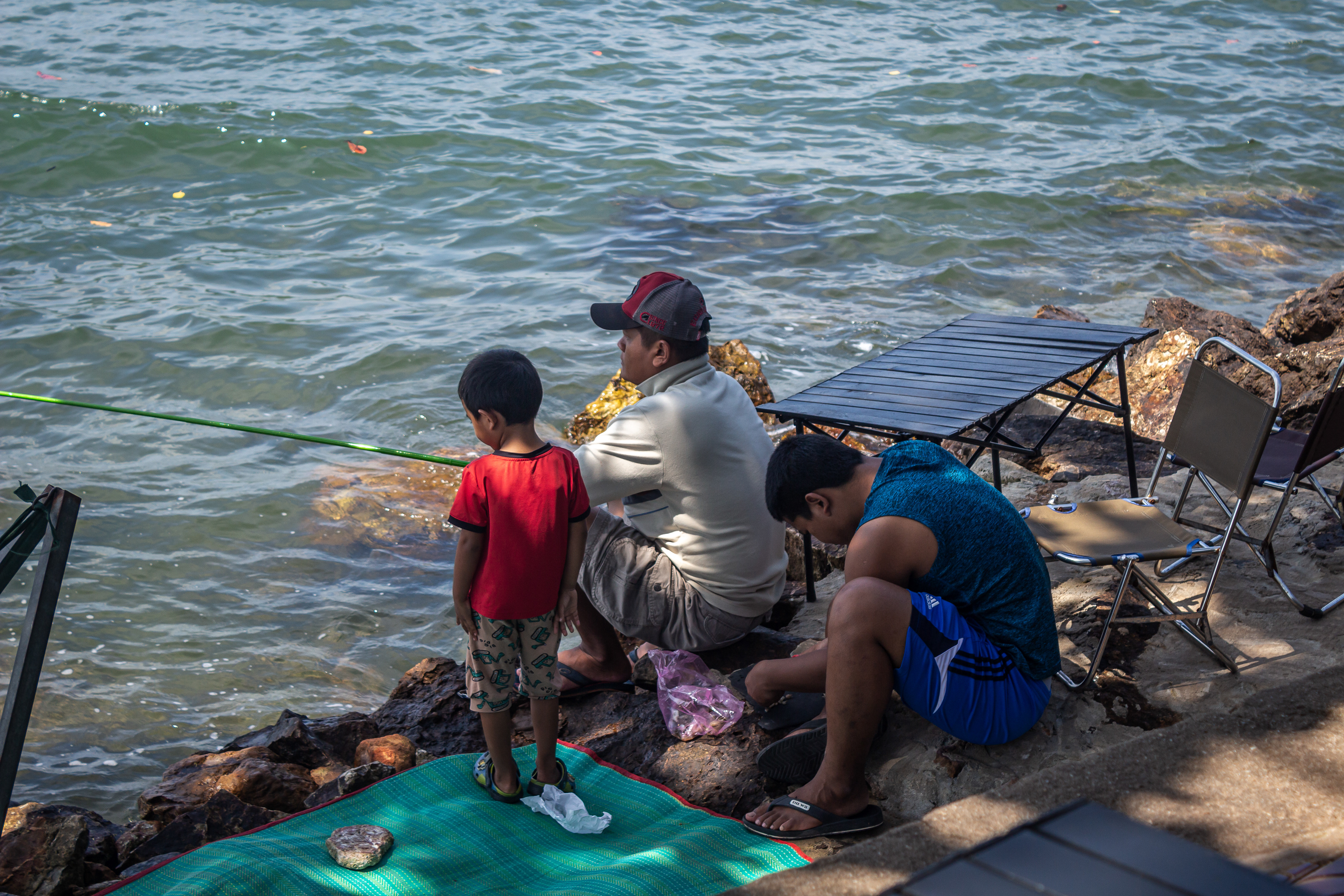
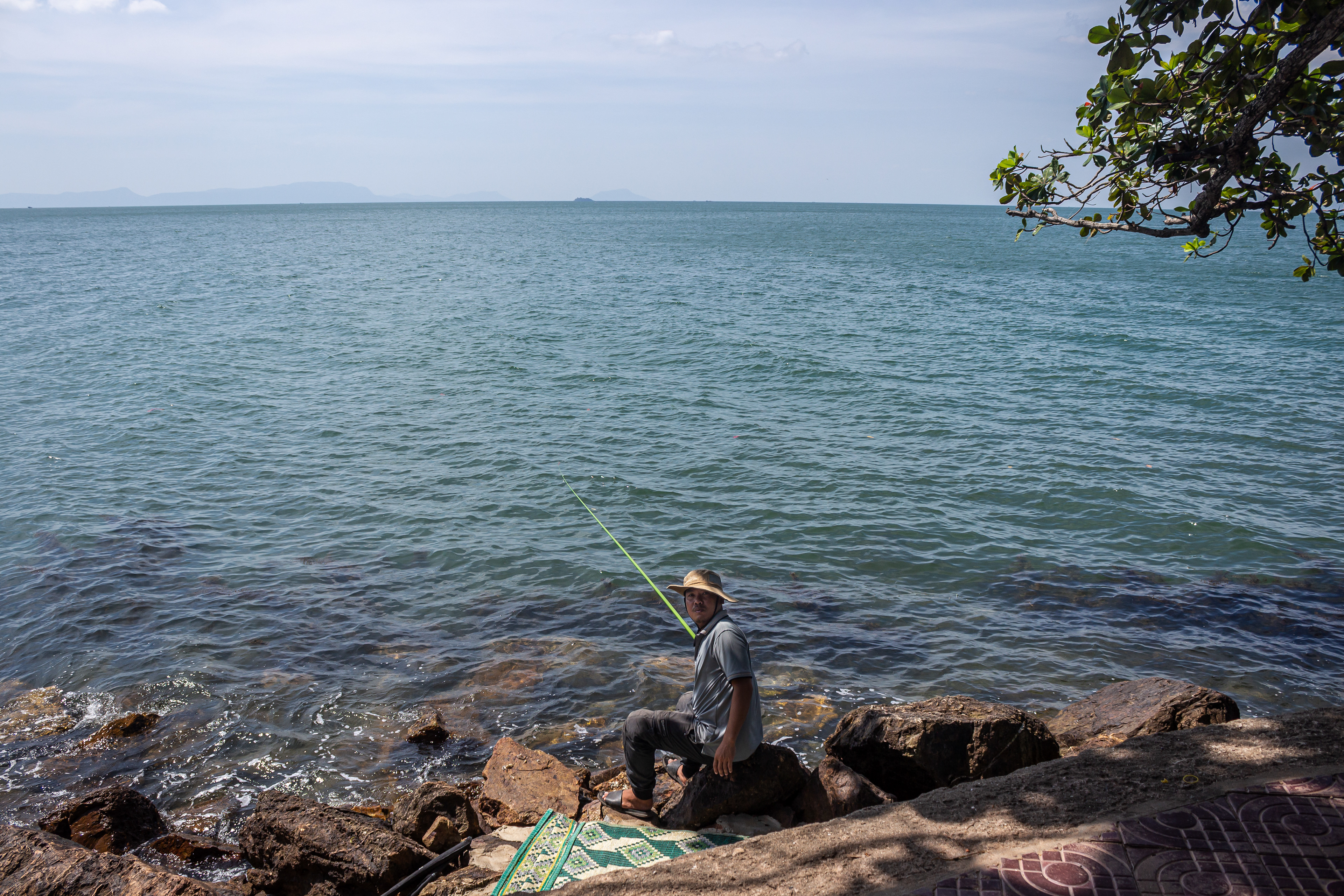
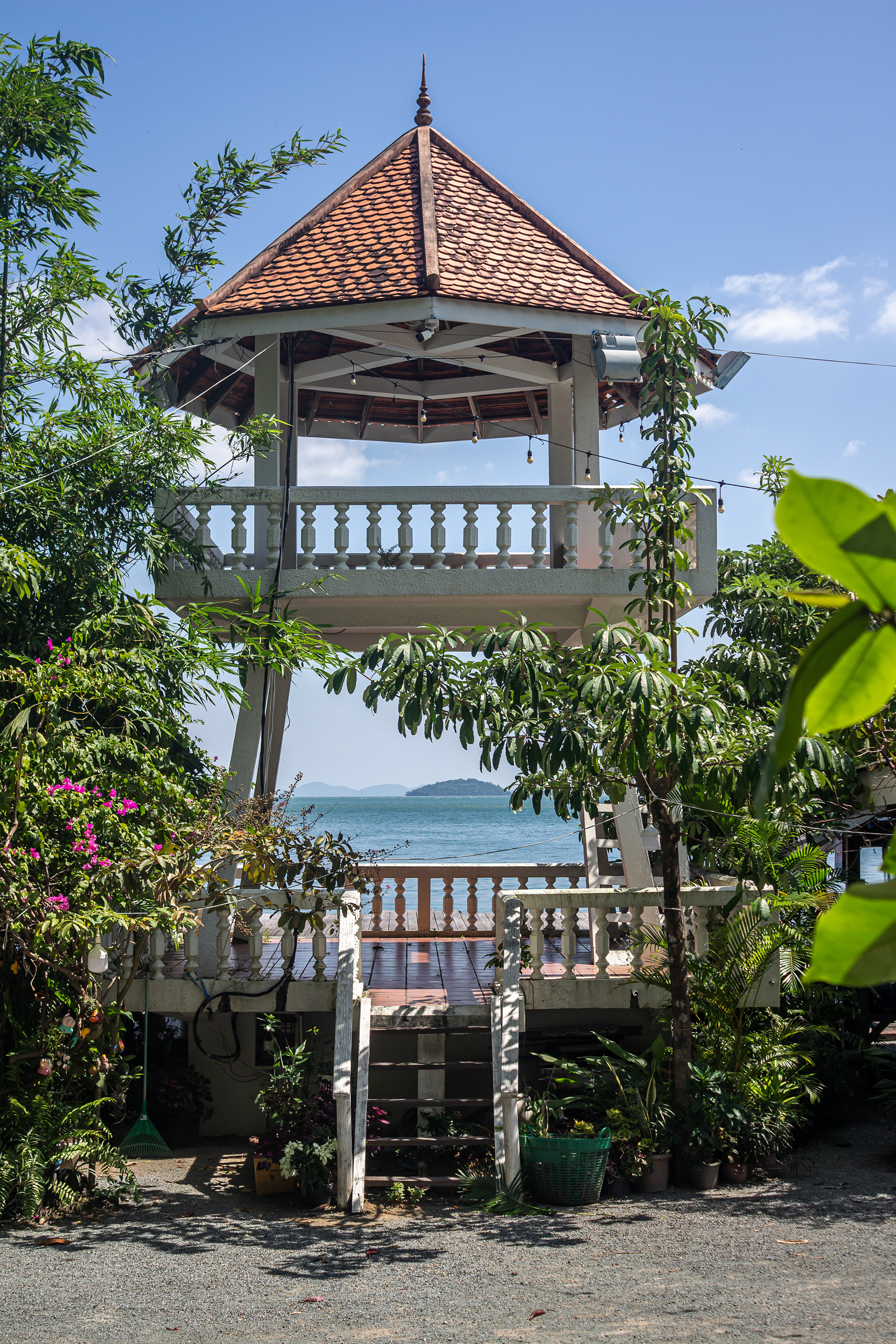
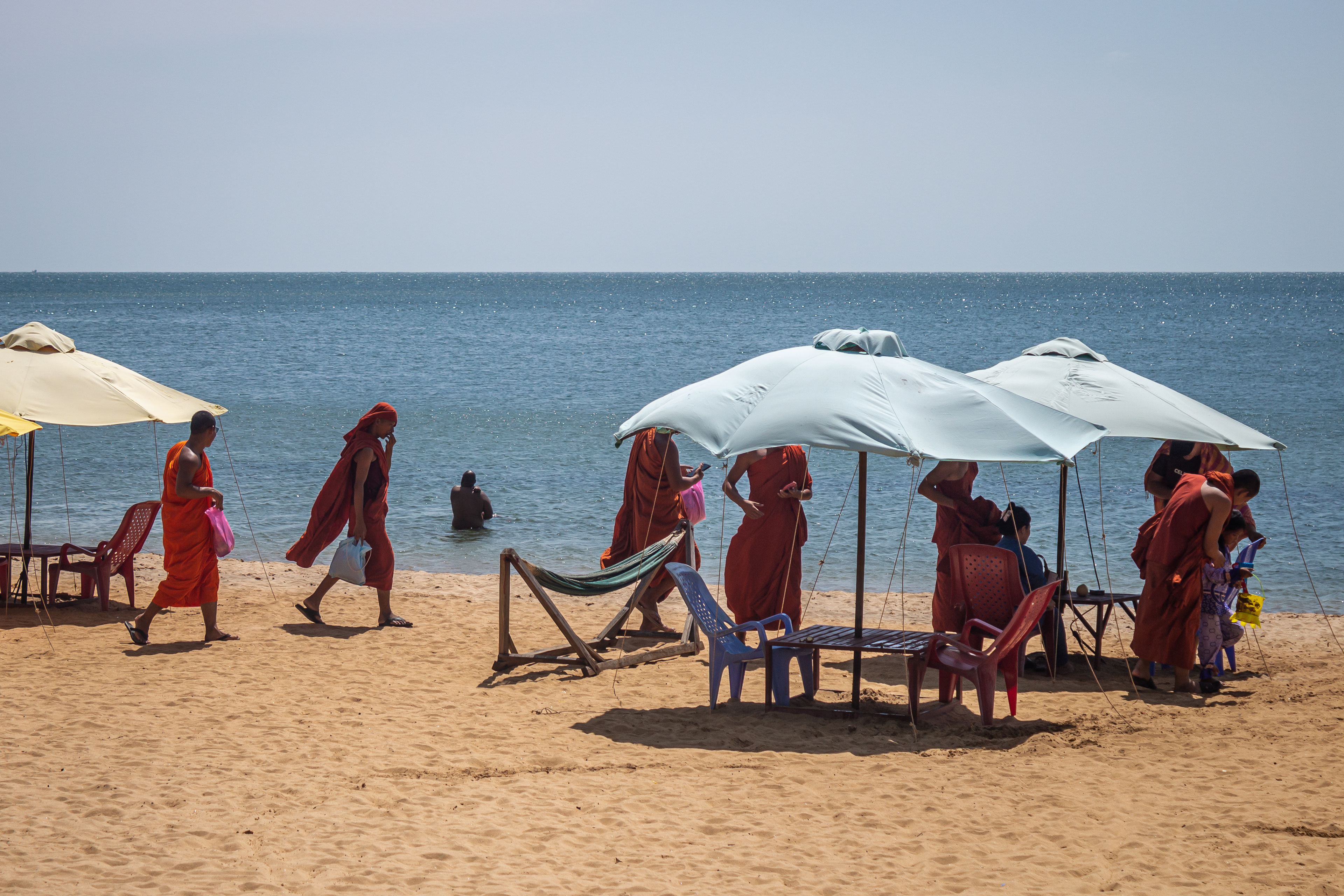
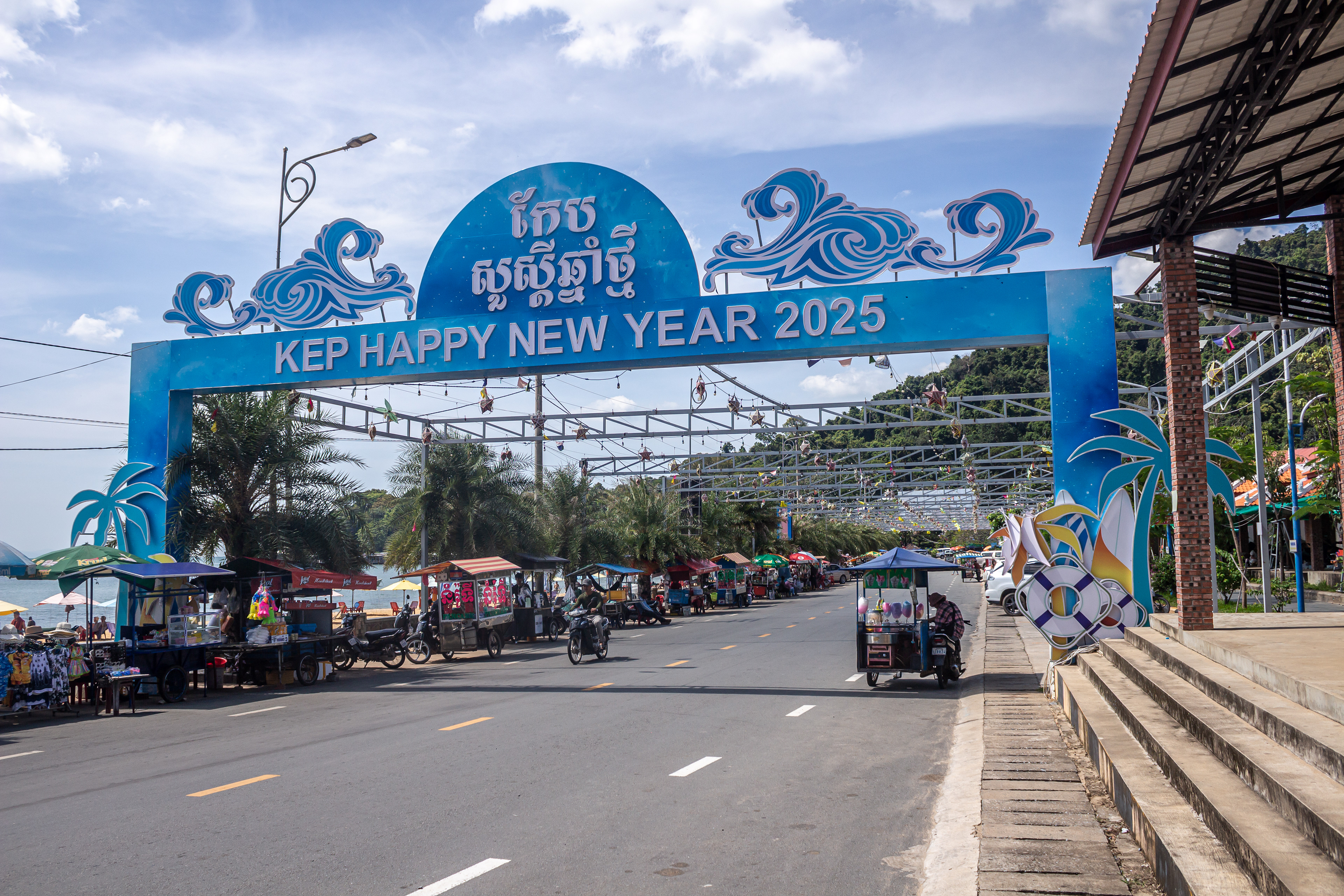
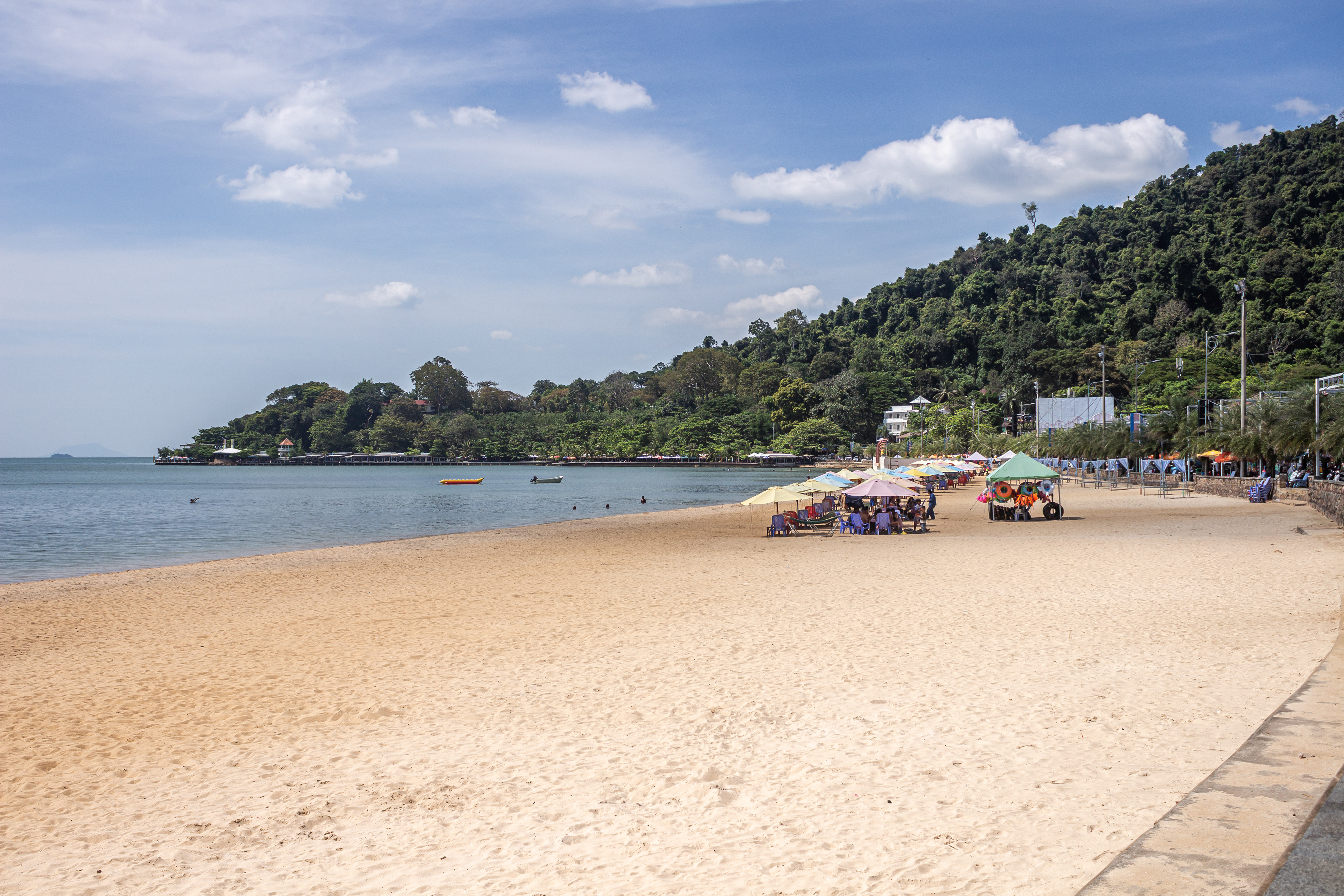
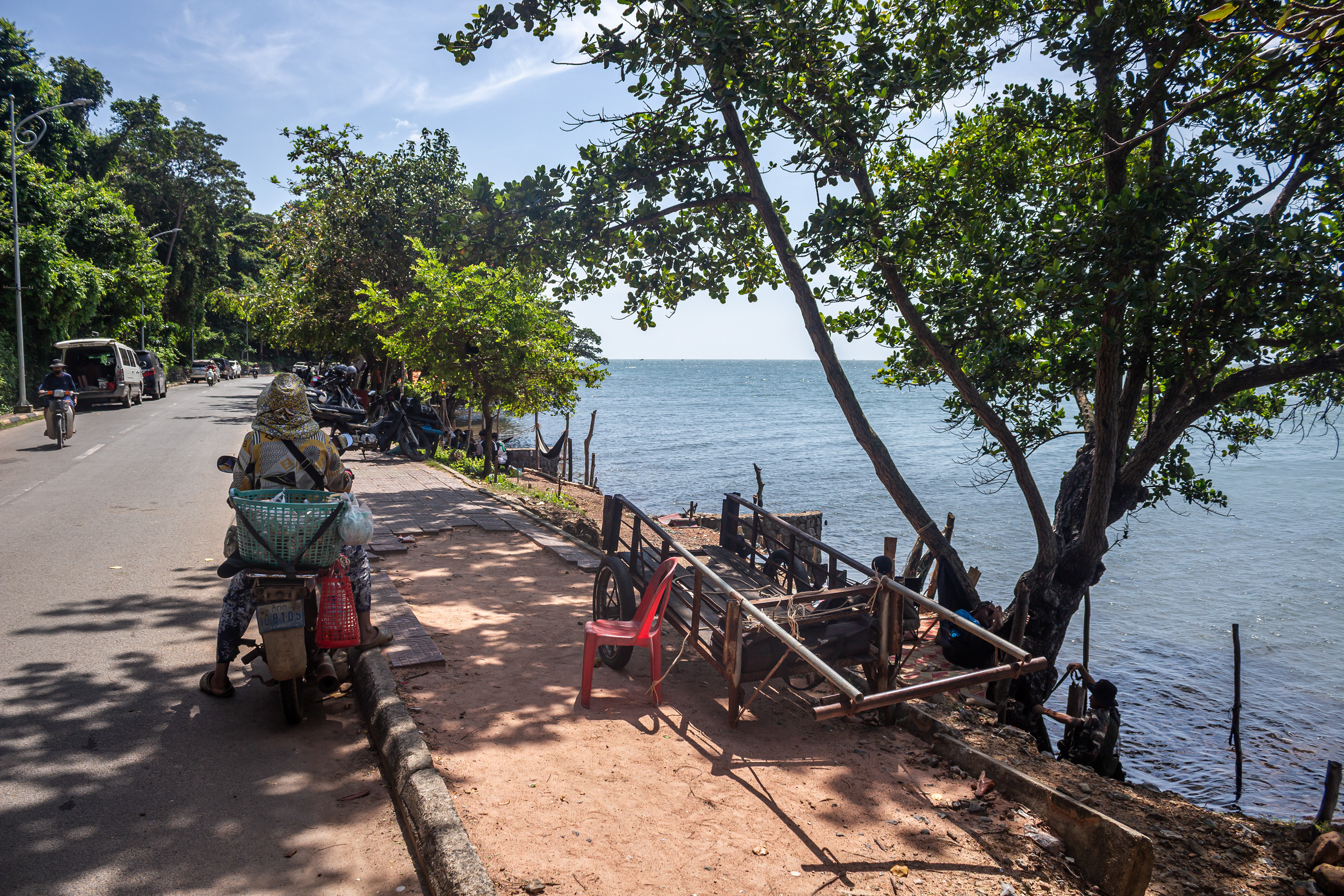
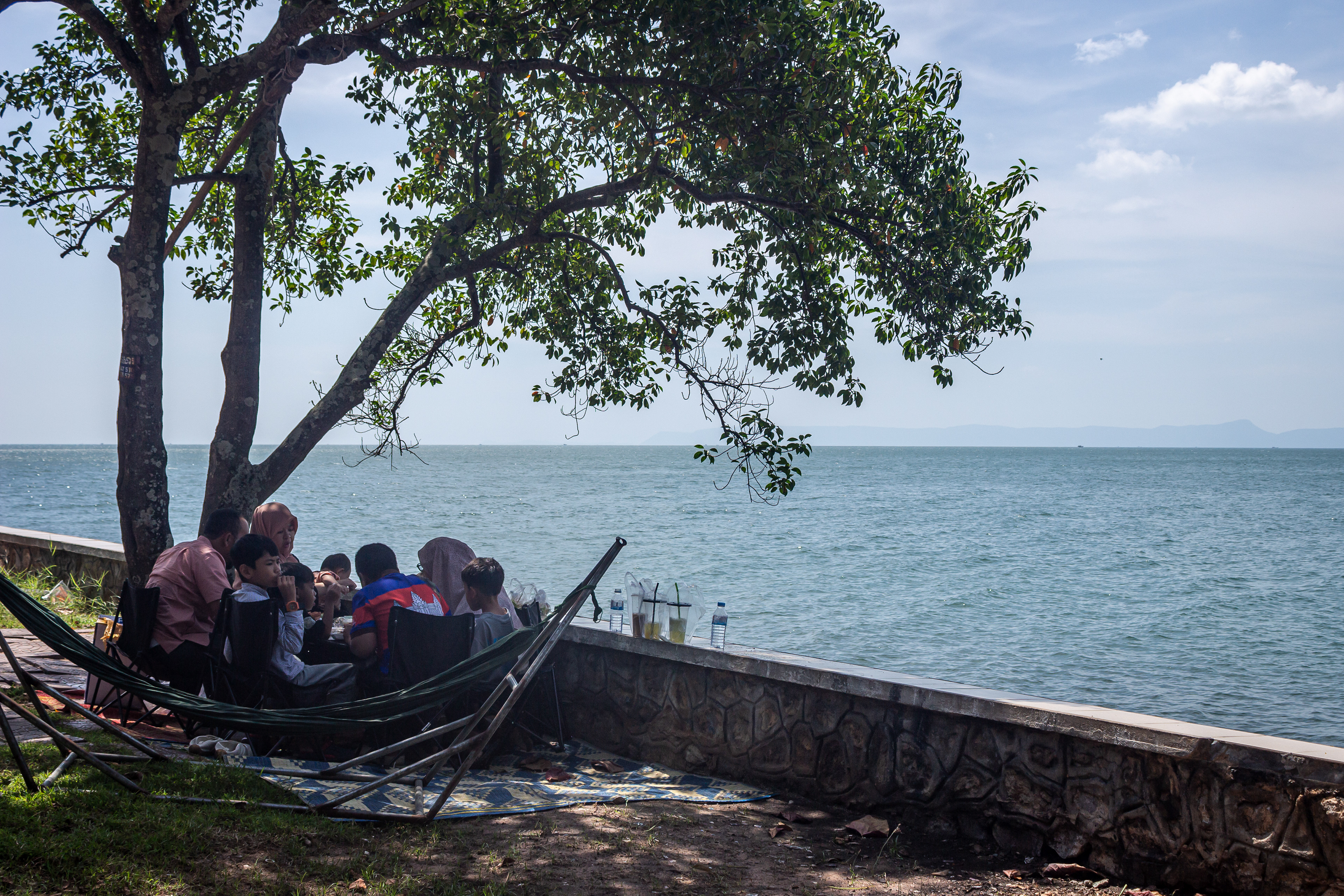
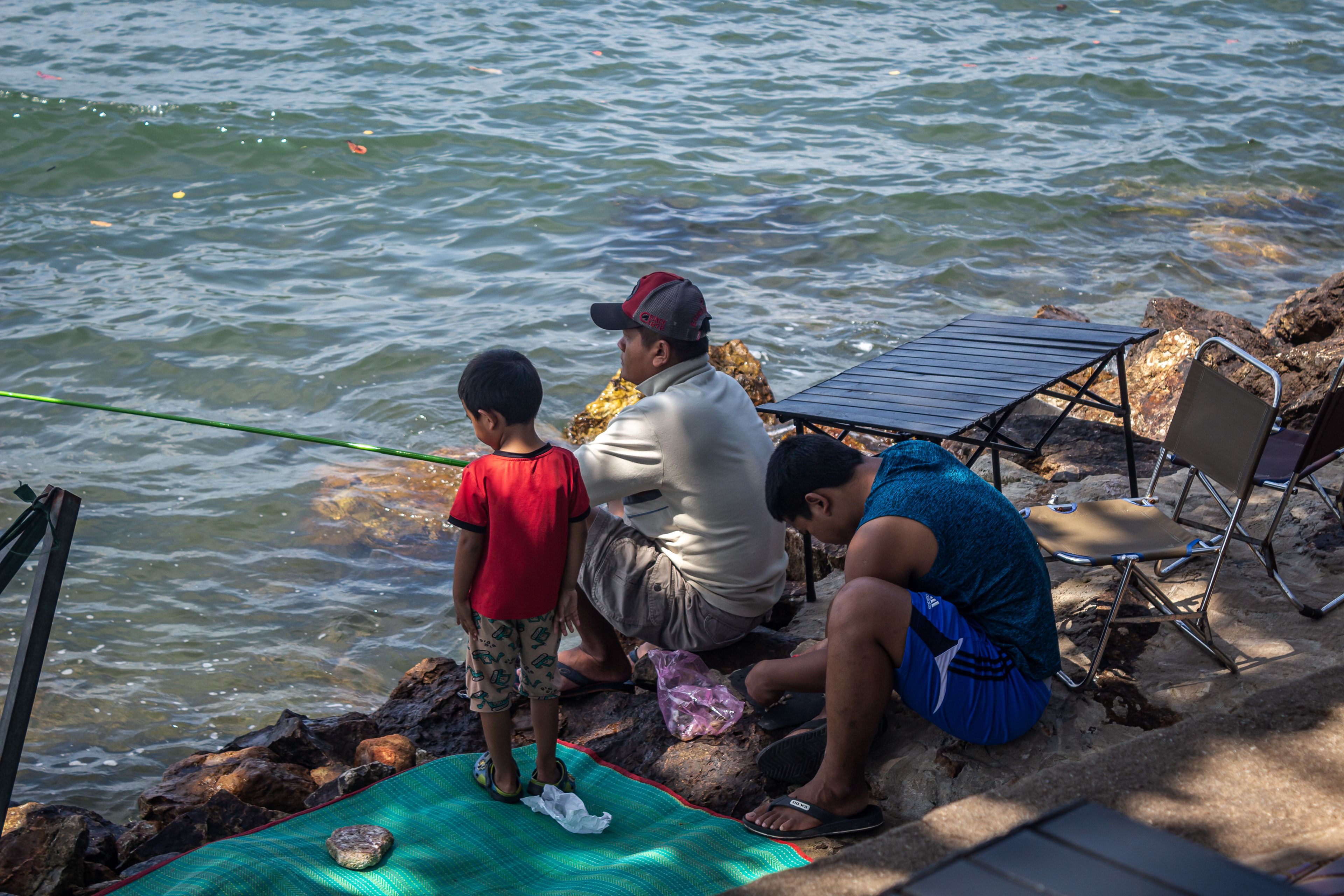
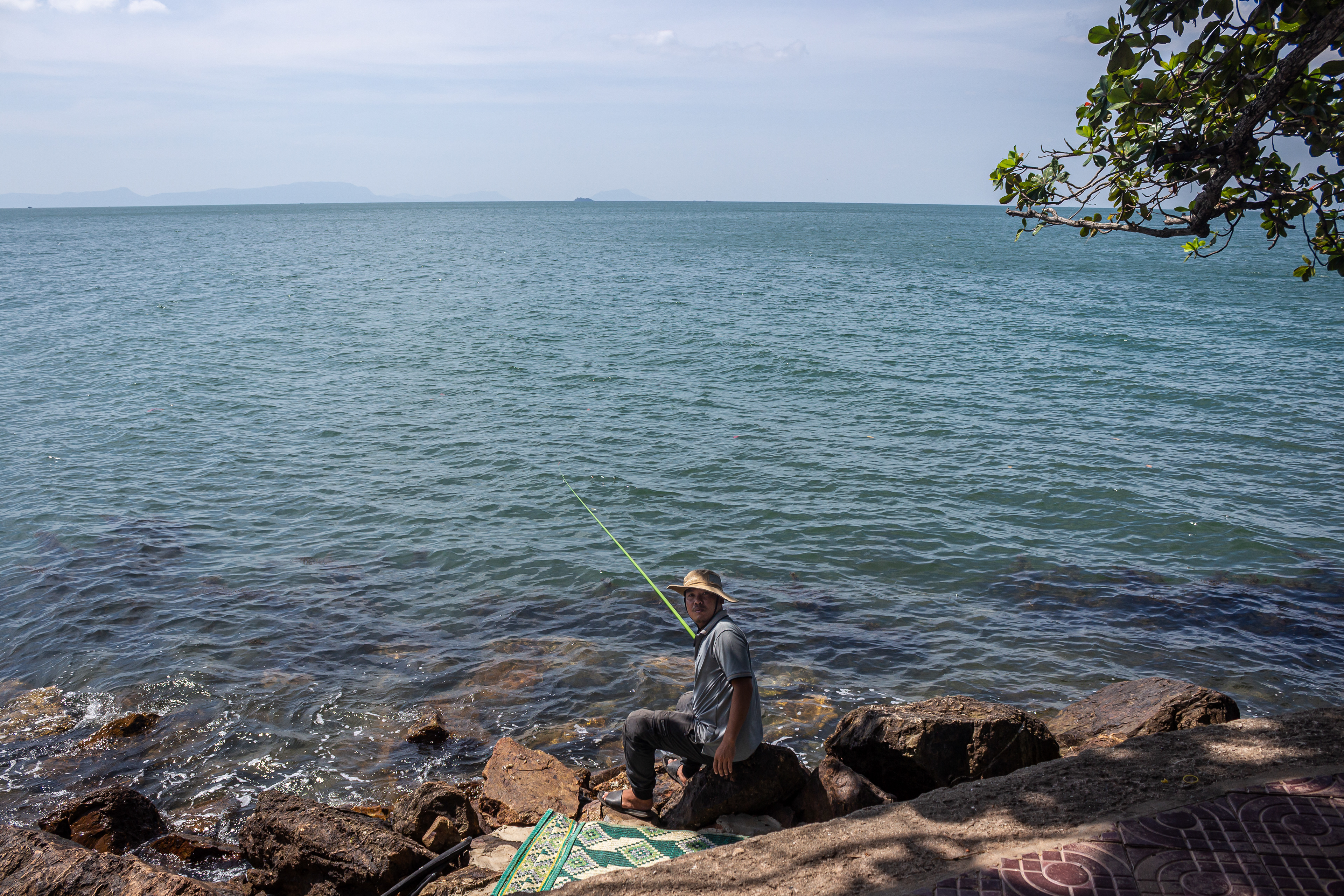
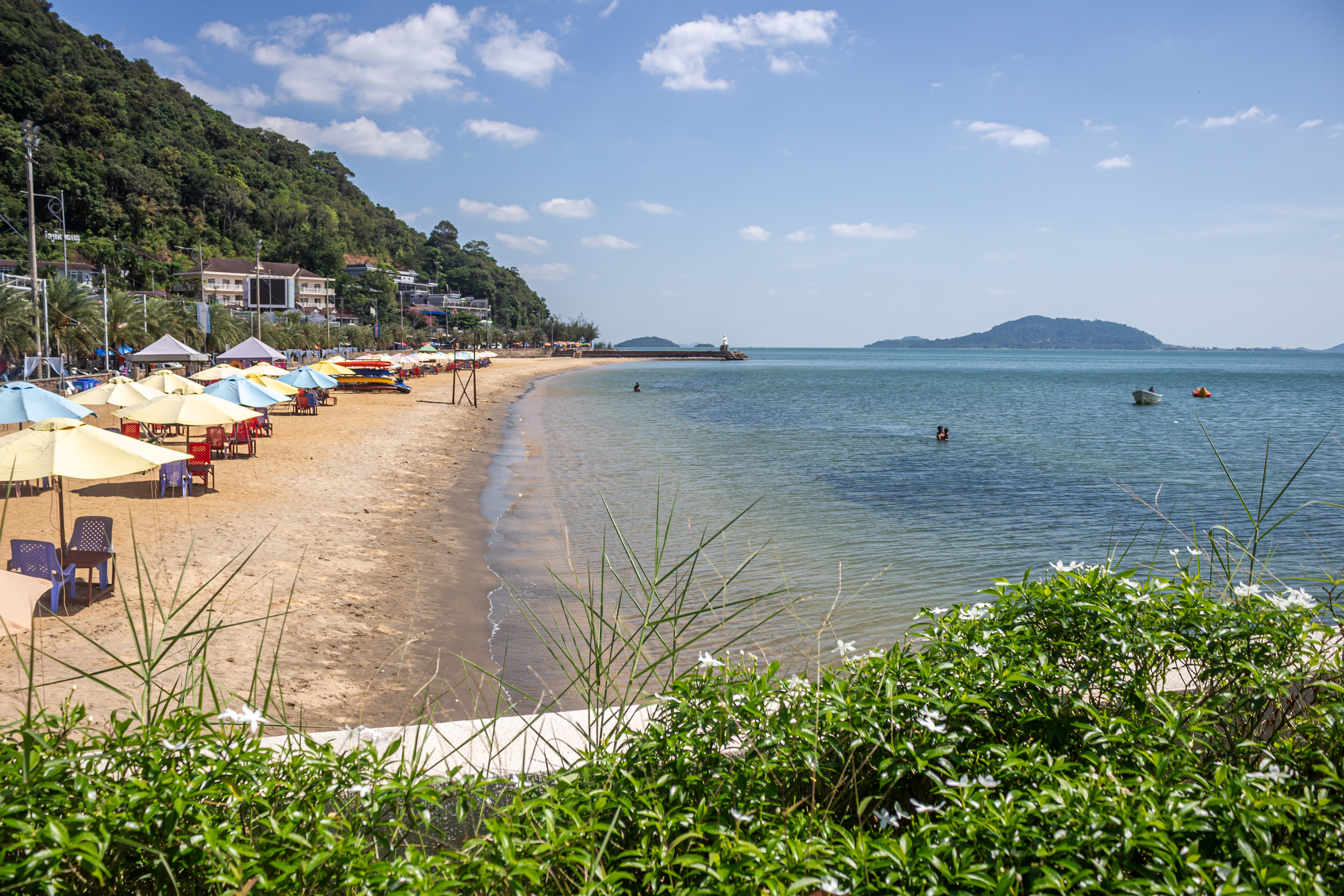
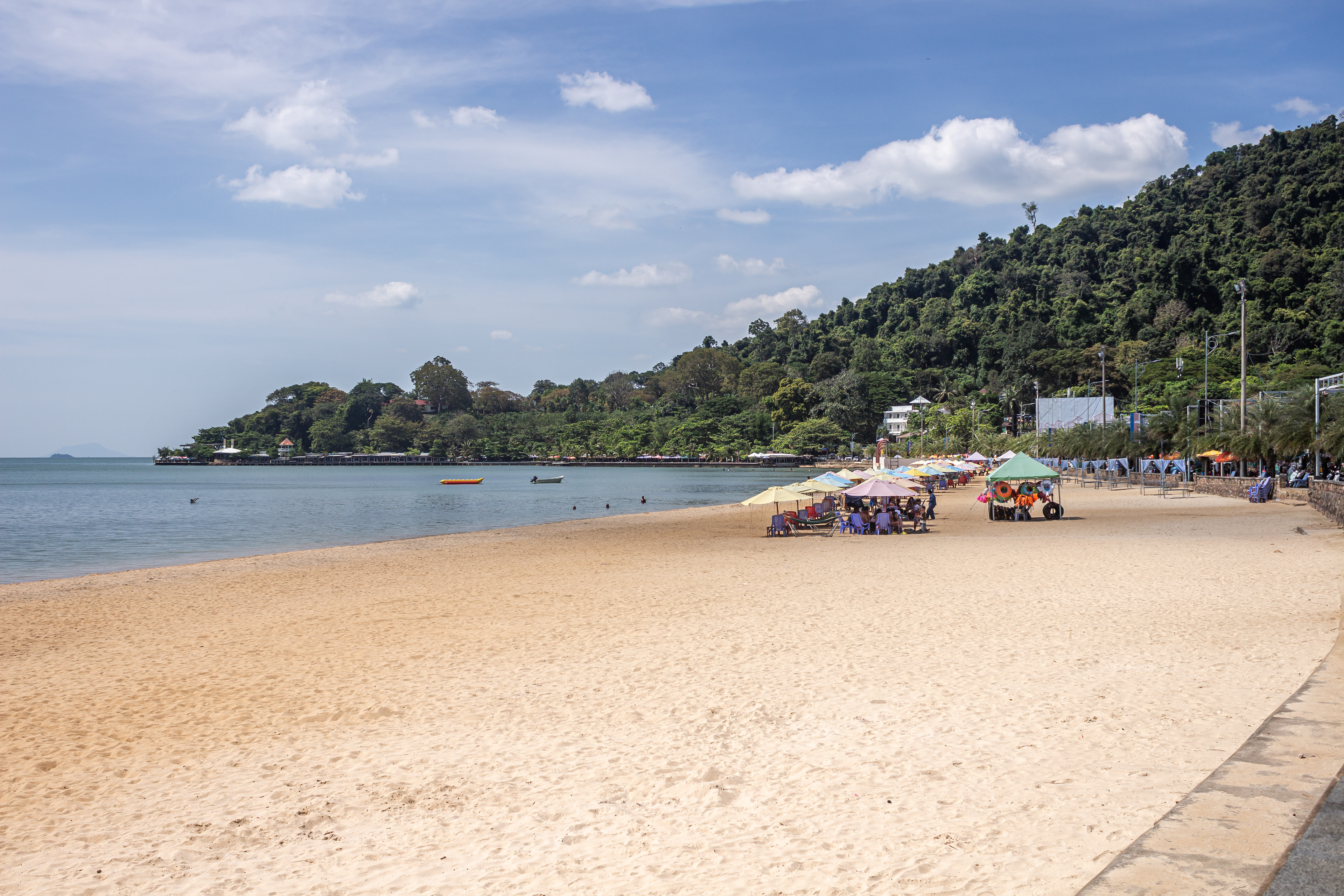
Kep’s small, palm-lined beach is calm and relaxed, ideal for swimming, reading, or simply enjoying the sea breeze. Unlike Cambodia’s more developed beaches, Kep remains low-key and uncrowded.
Kep National Park
For nature lovers, Kep National Park offers jungle trails and viewpoints overlooking the Gulf of Thailand. A popular circular trail winds through the forest and leads to scenic spots where you can stop for coconut water or lunch with a view.
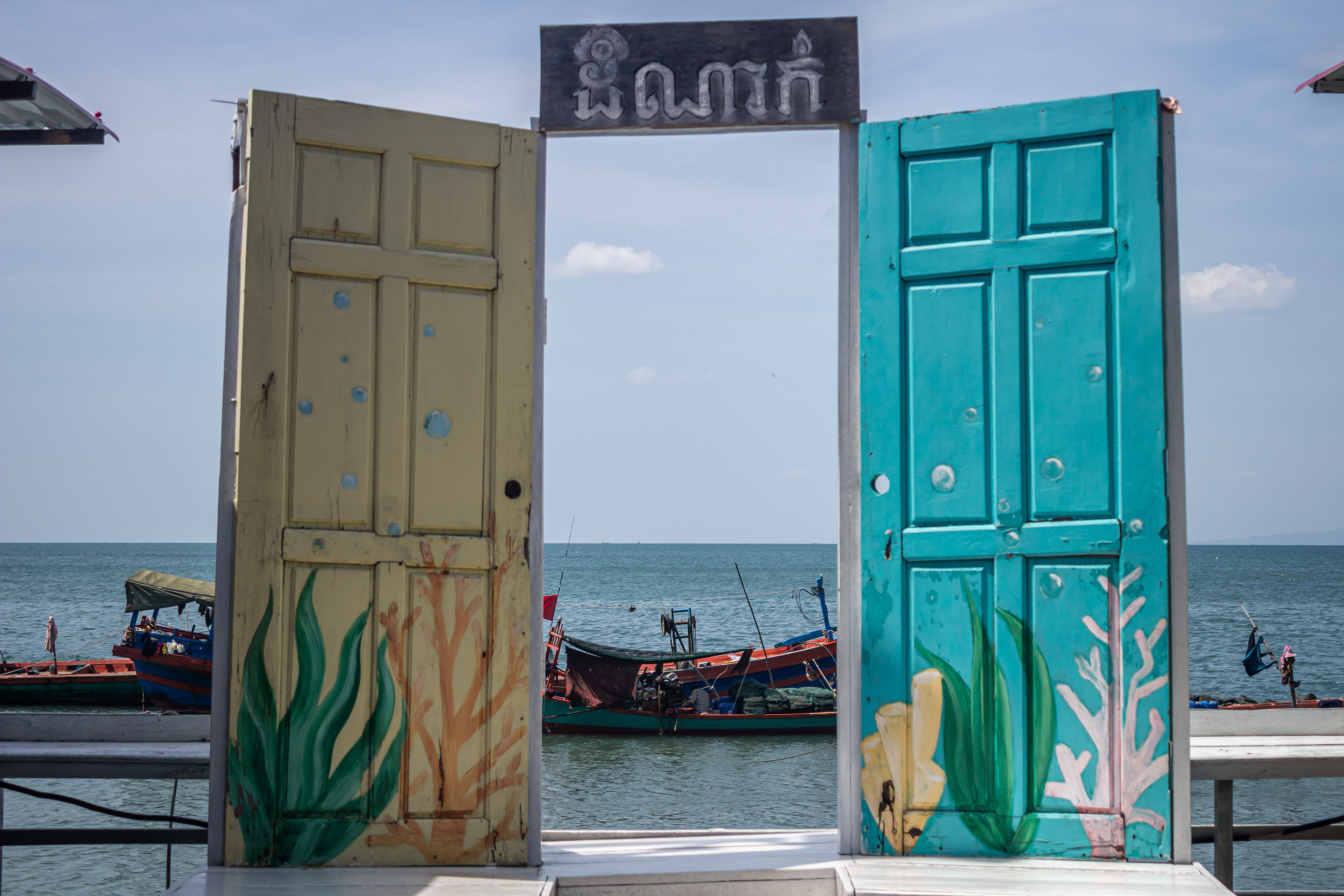
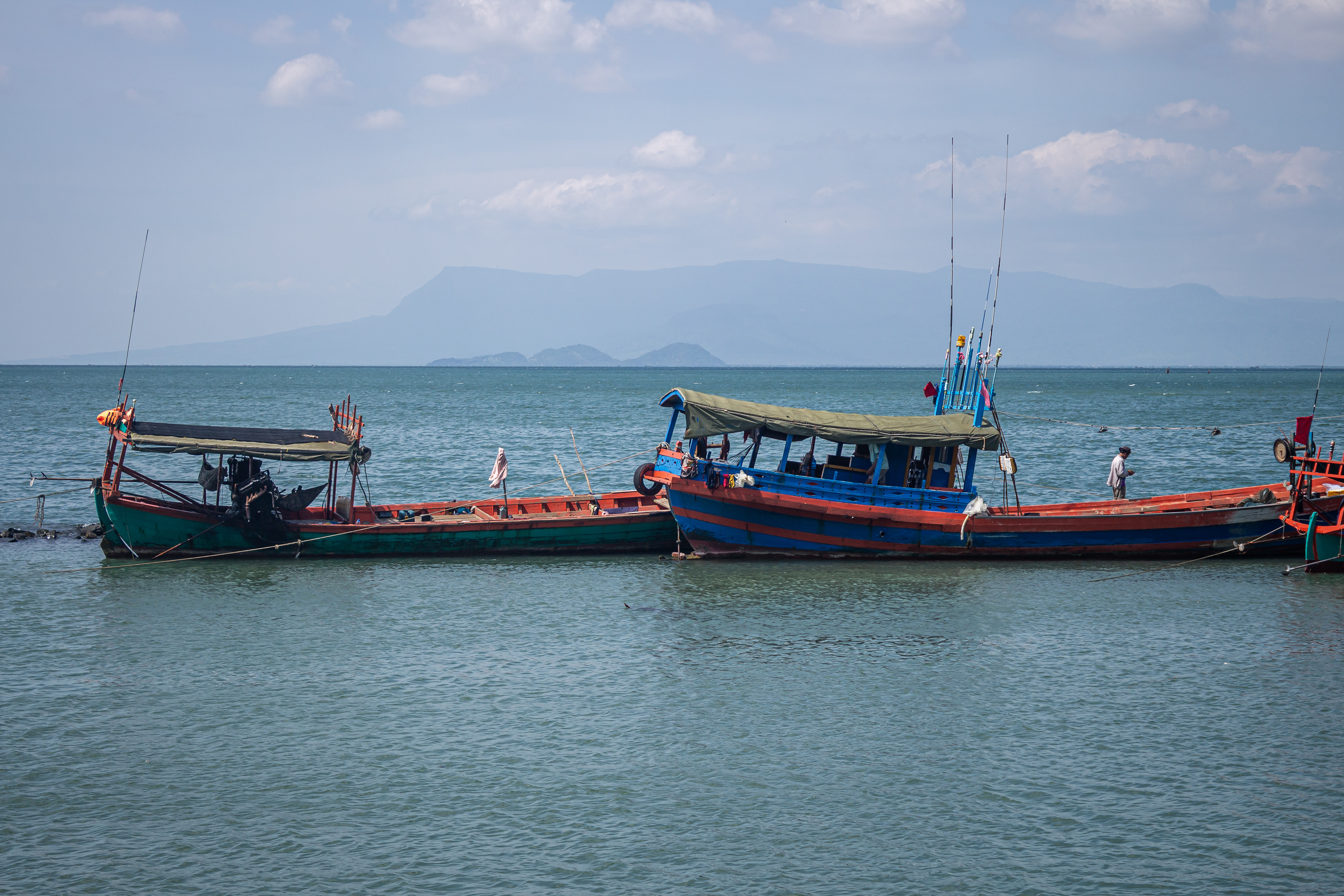
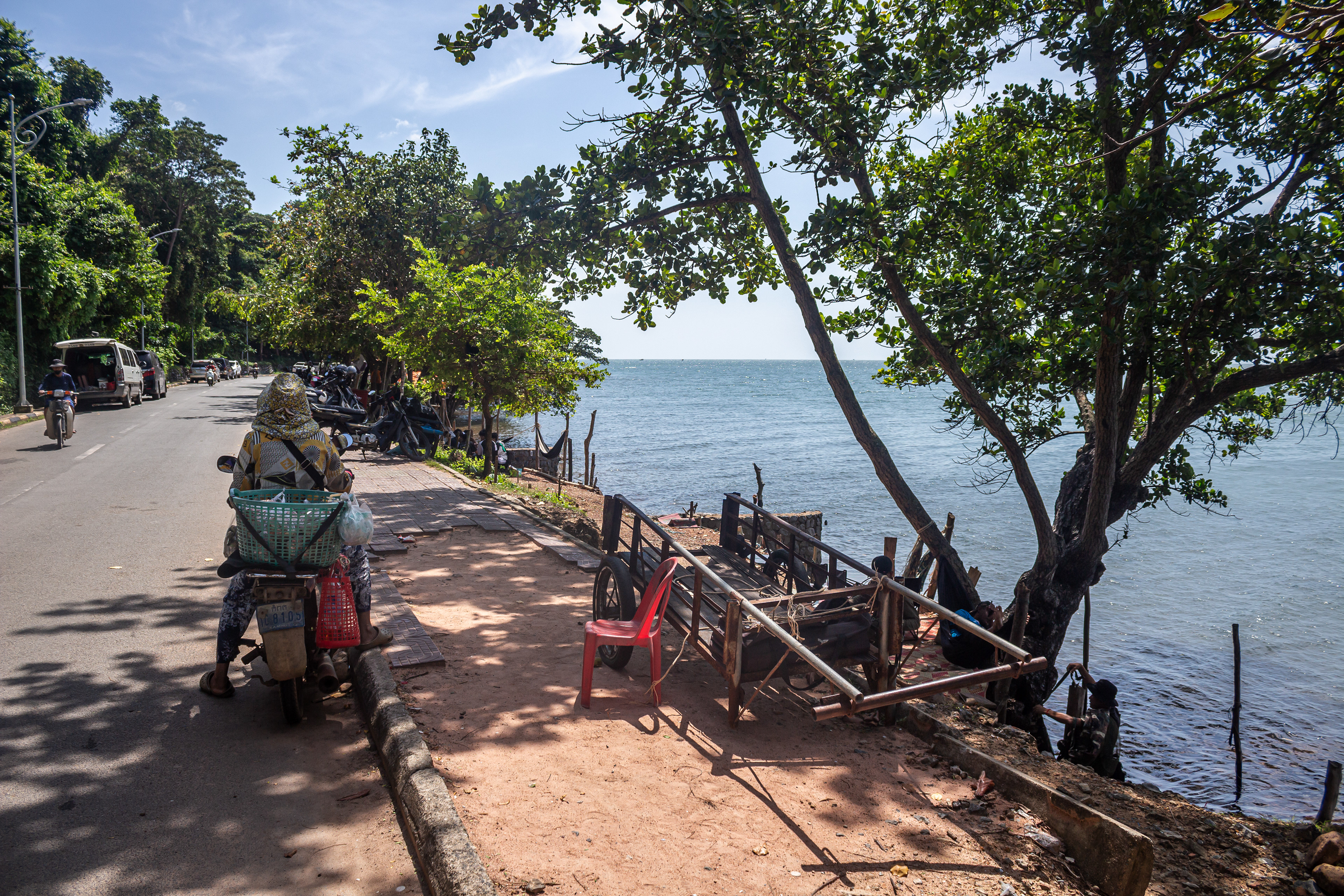
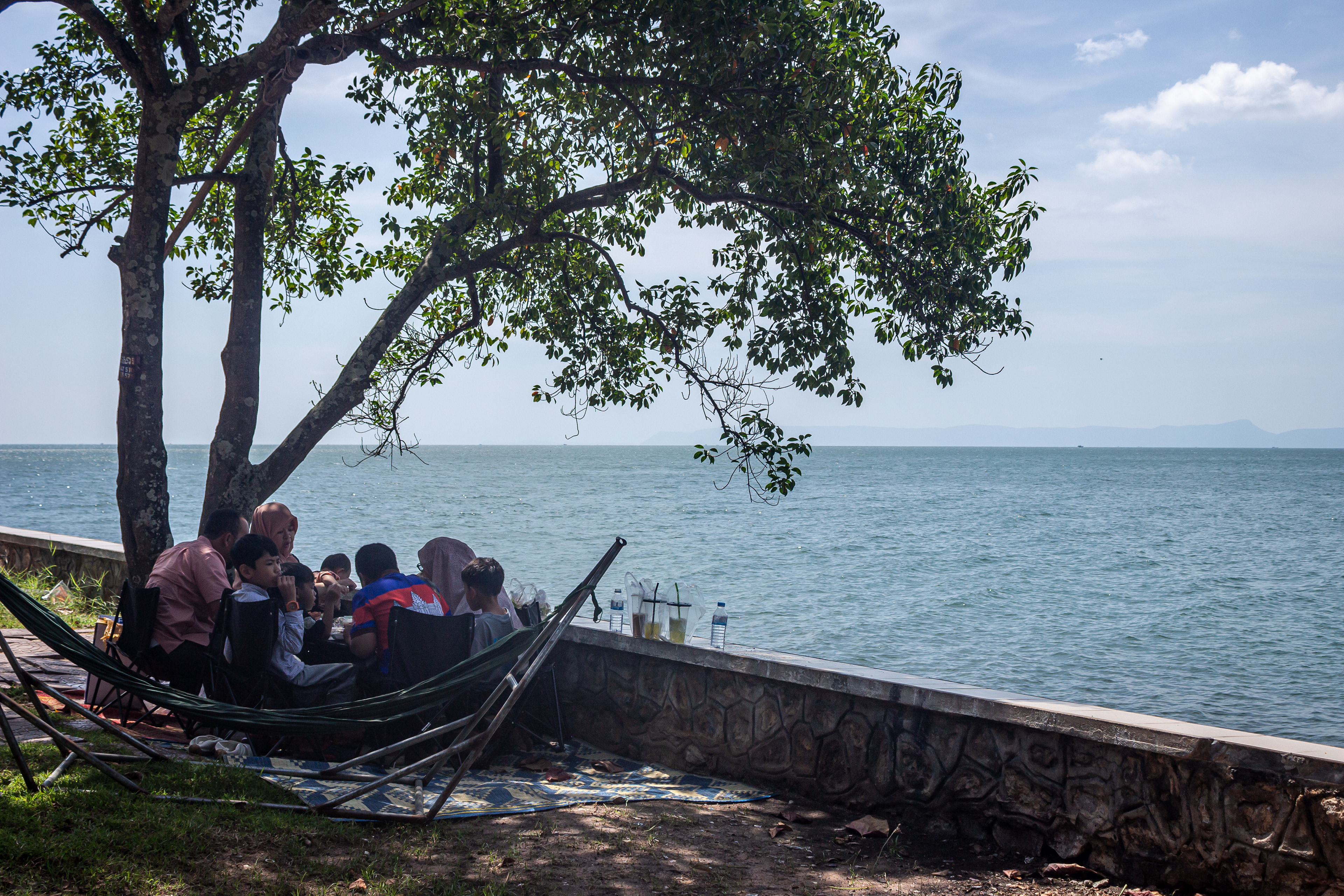
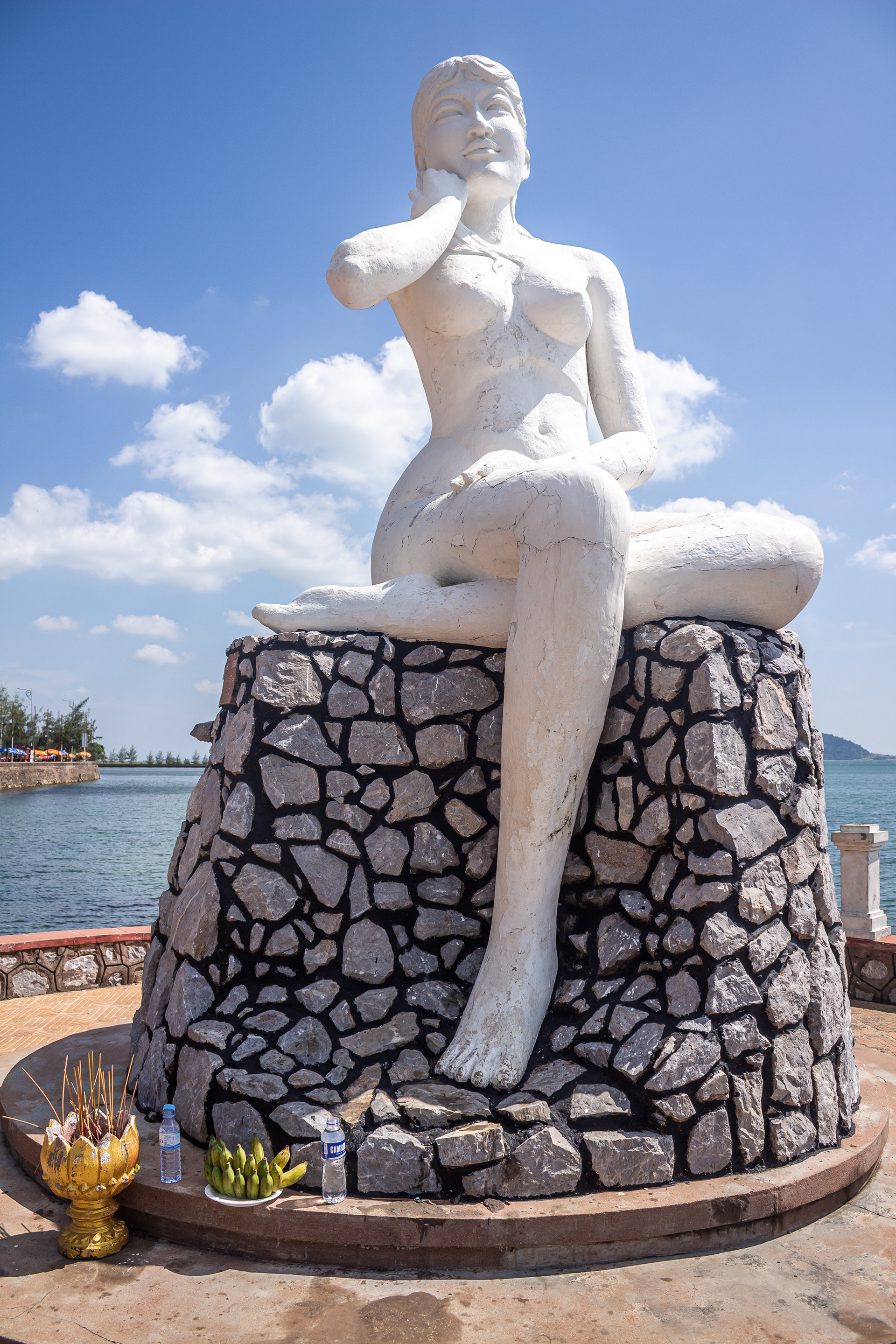
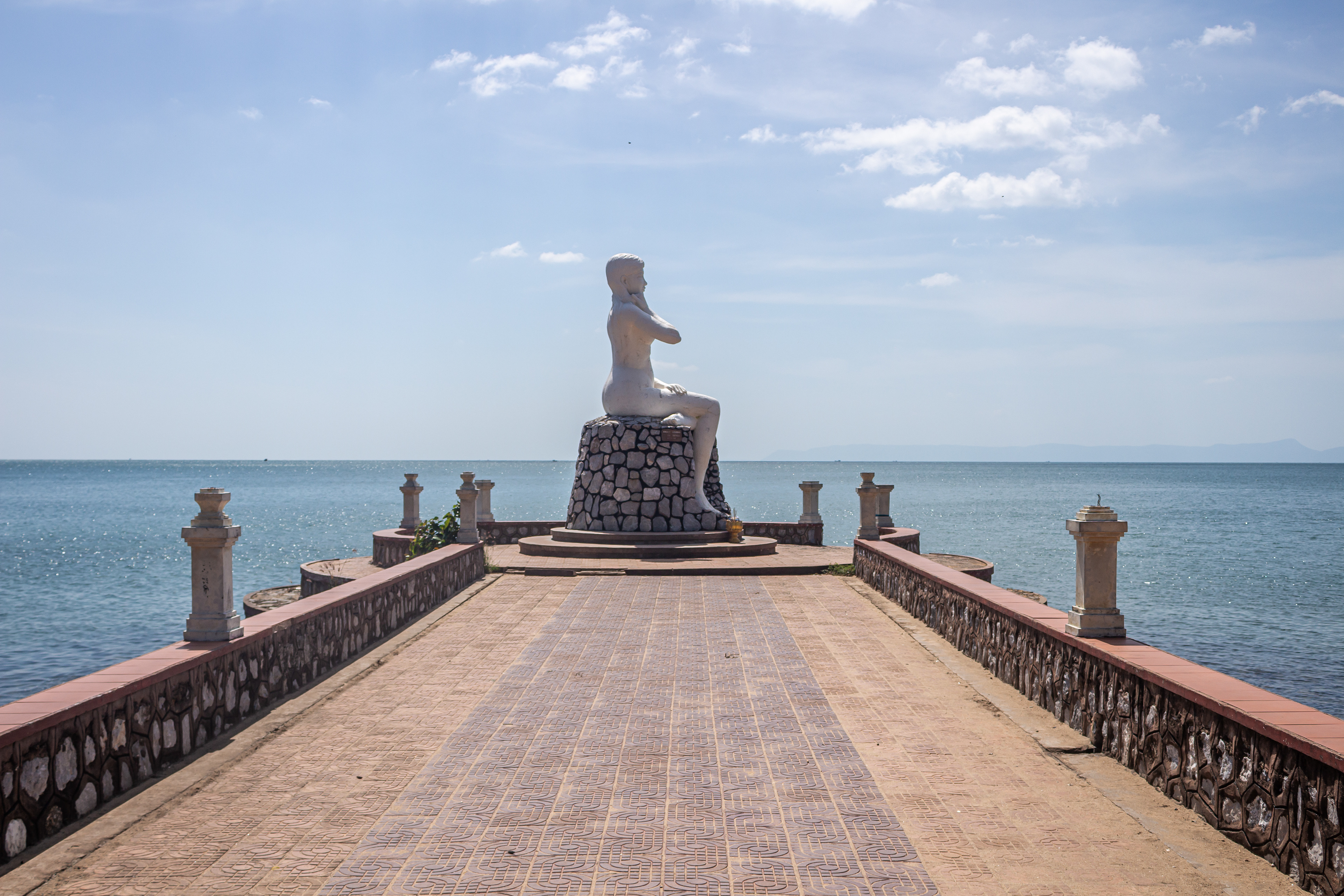
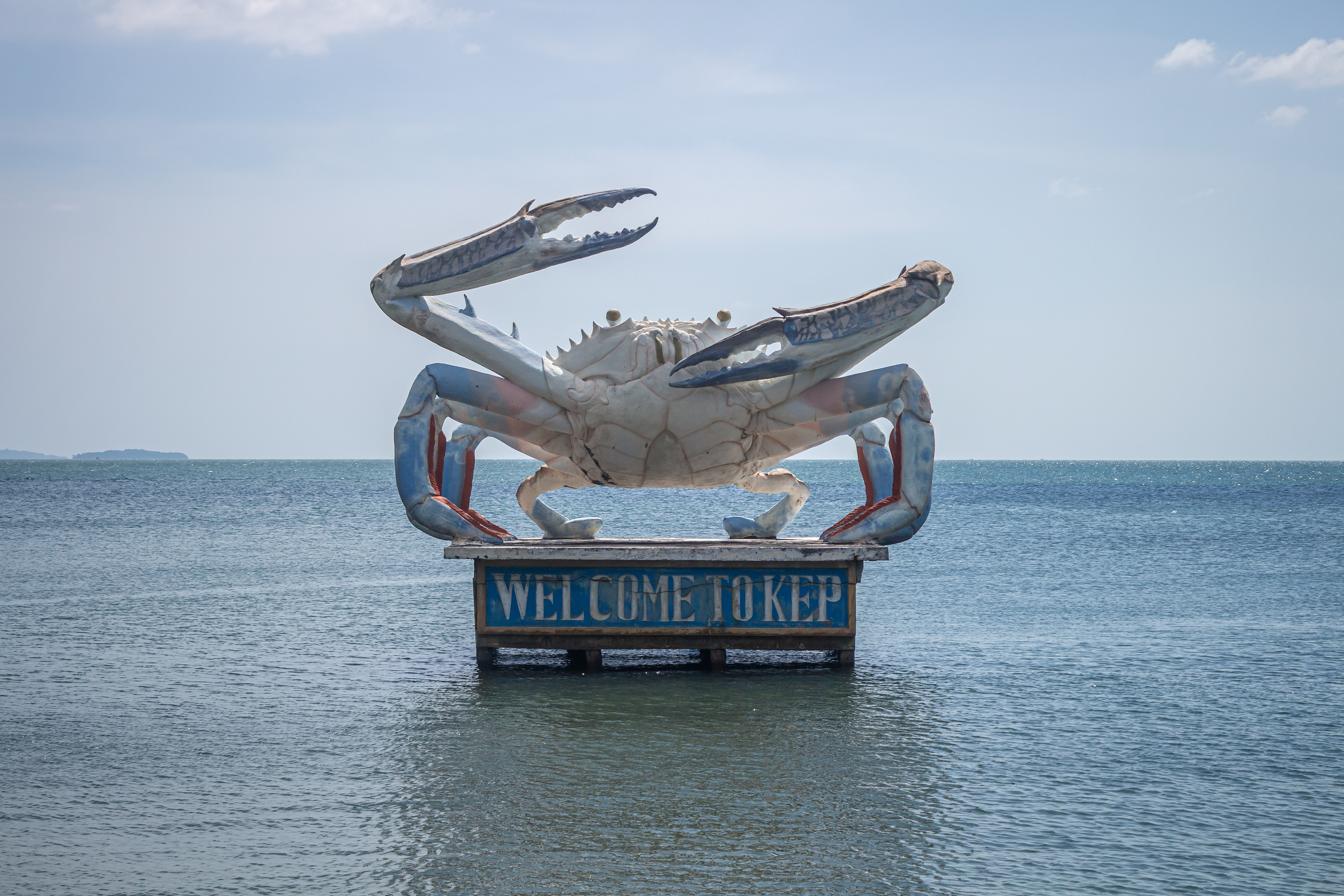
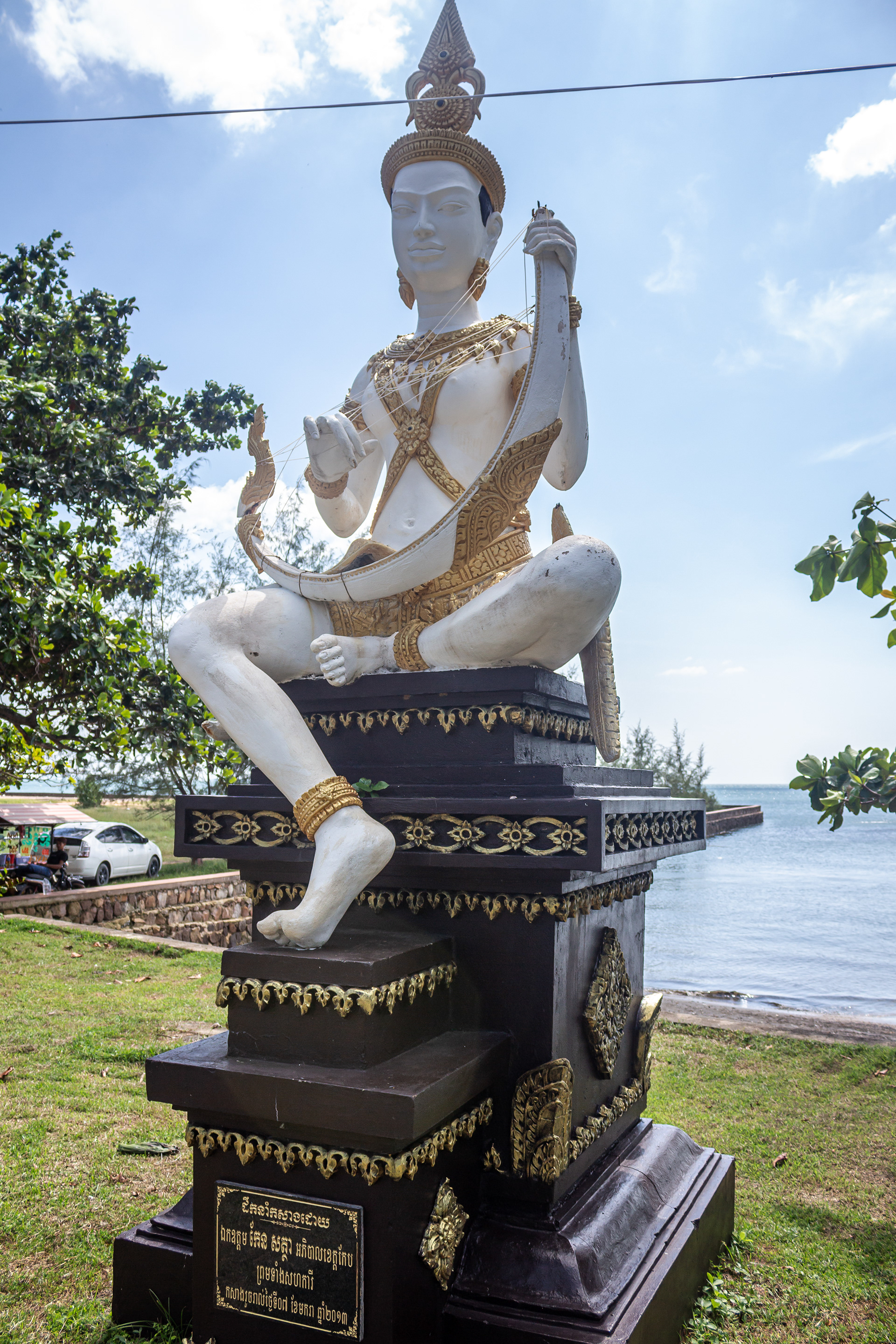

Kampot: River Life and Colonial Charm
Kampot Riverside
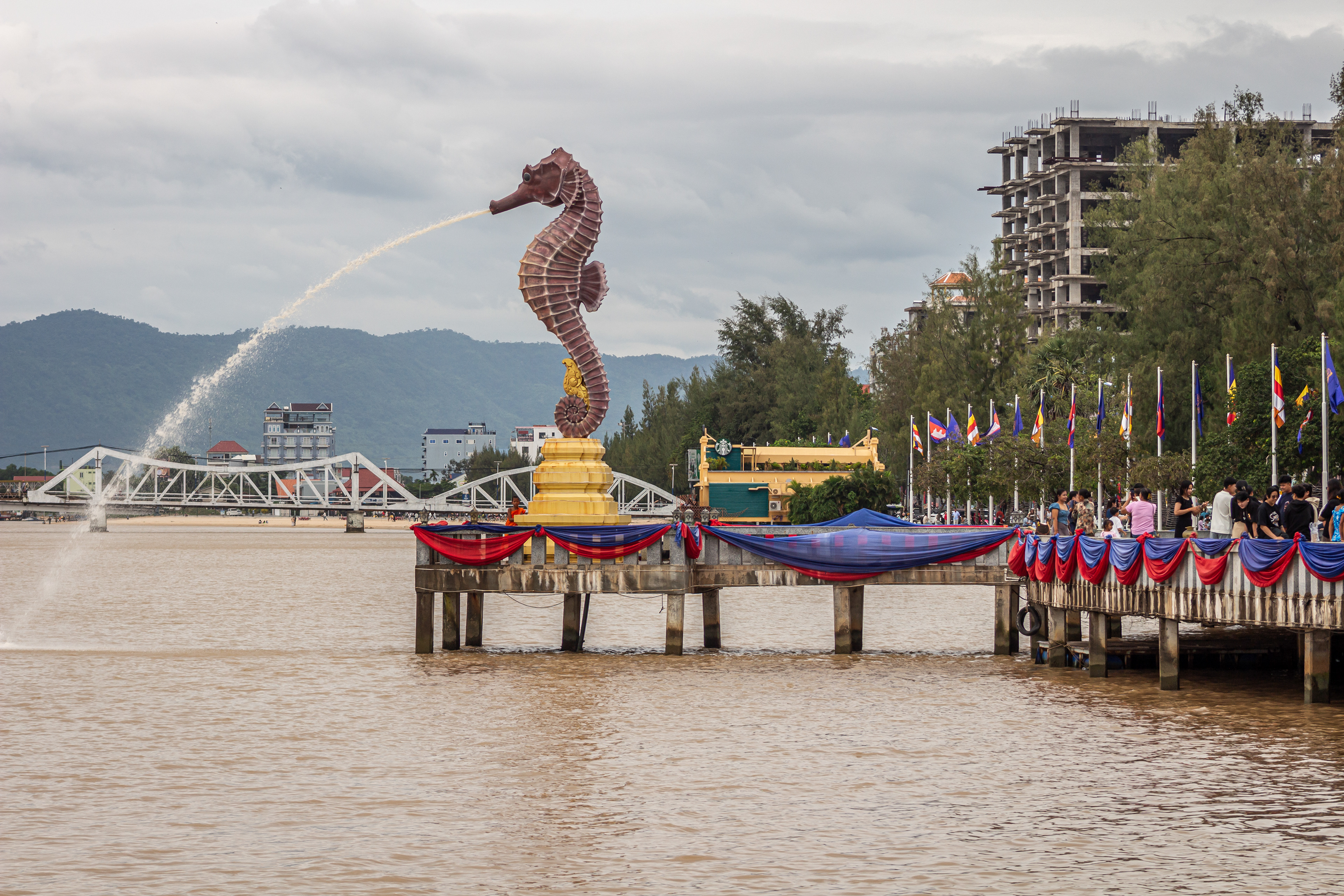
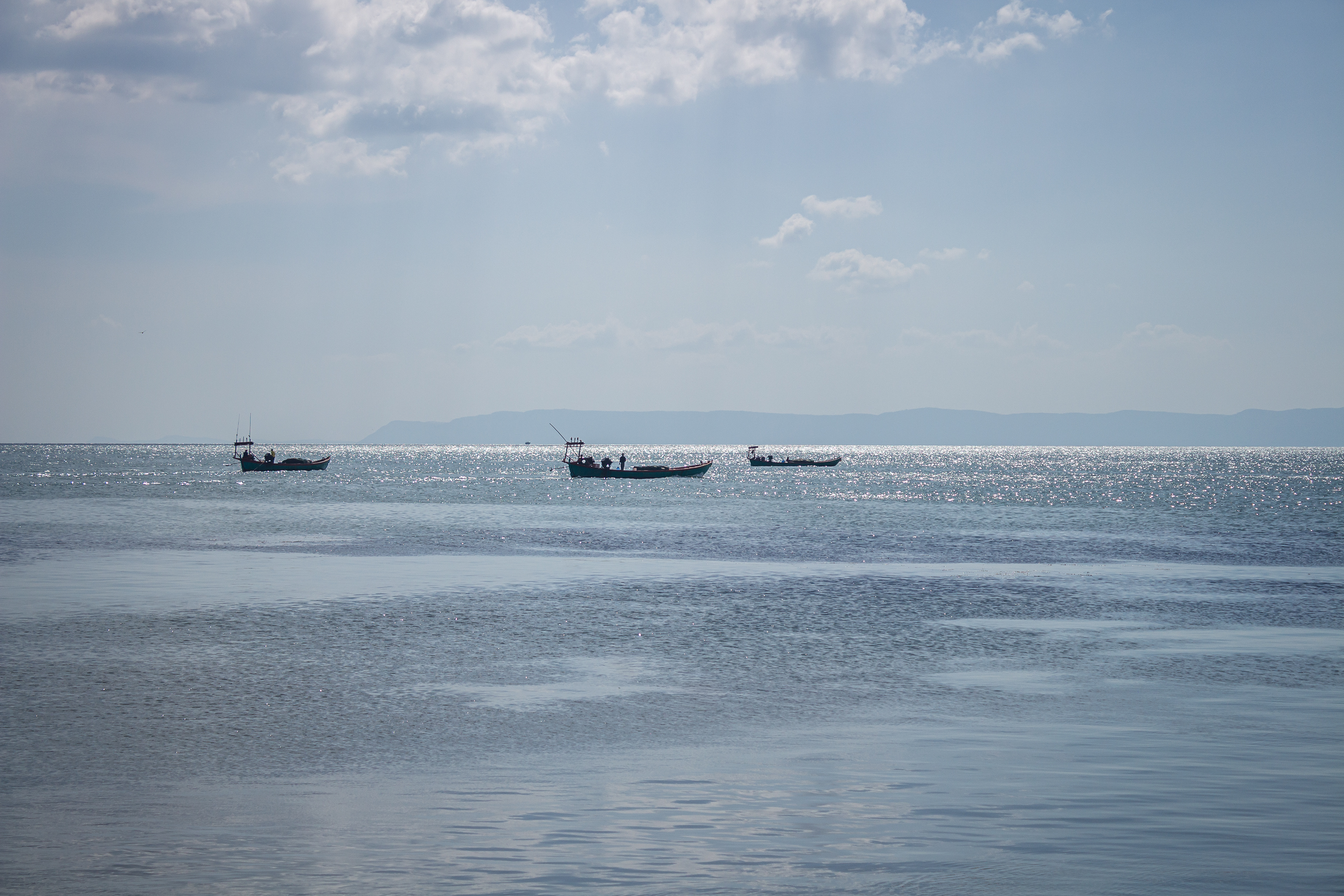
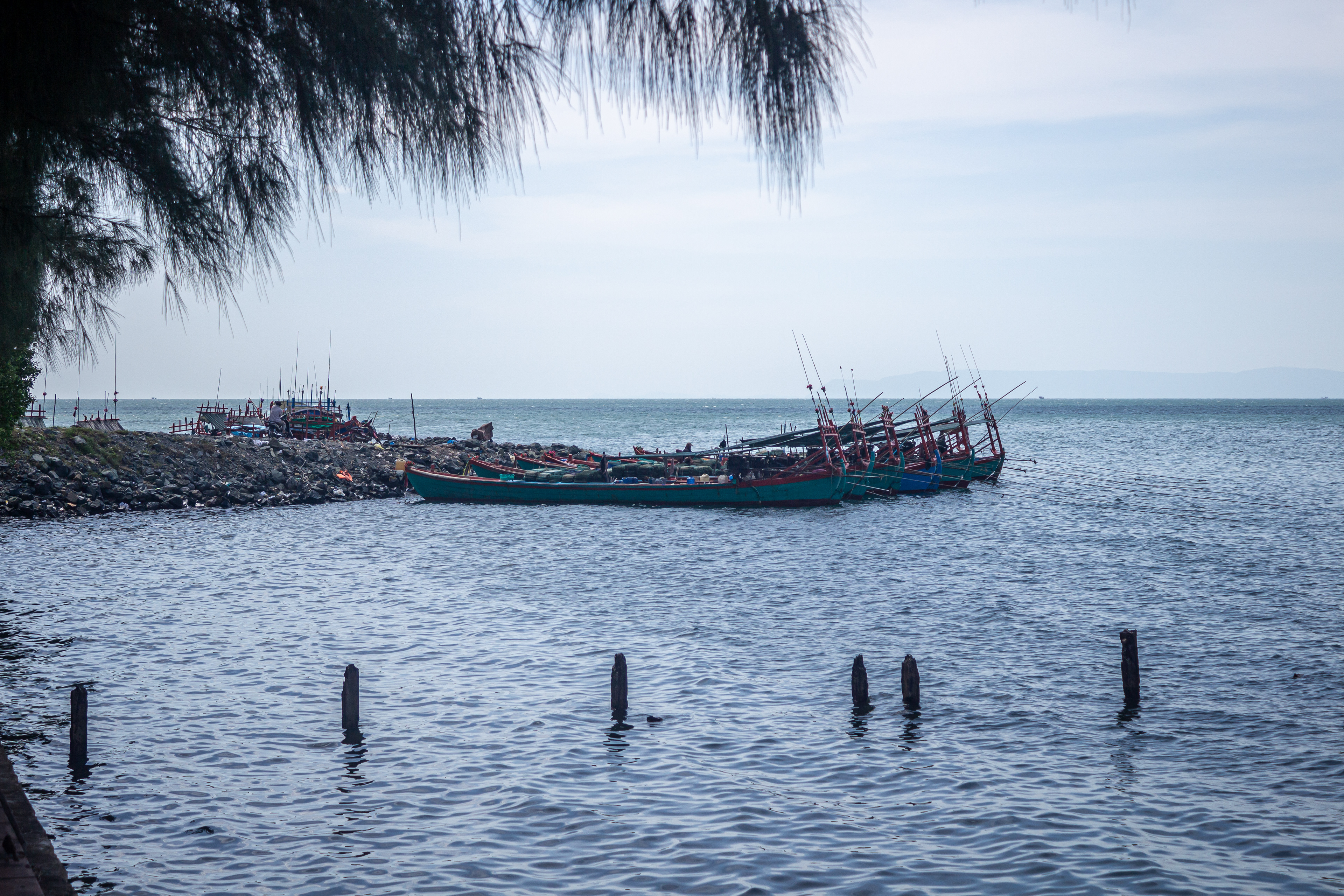
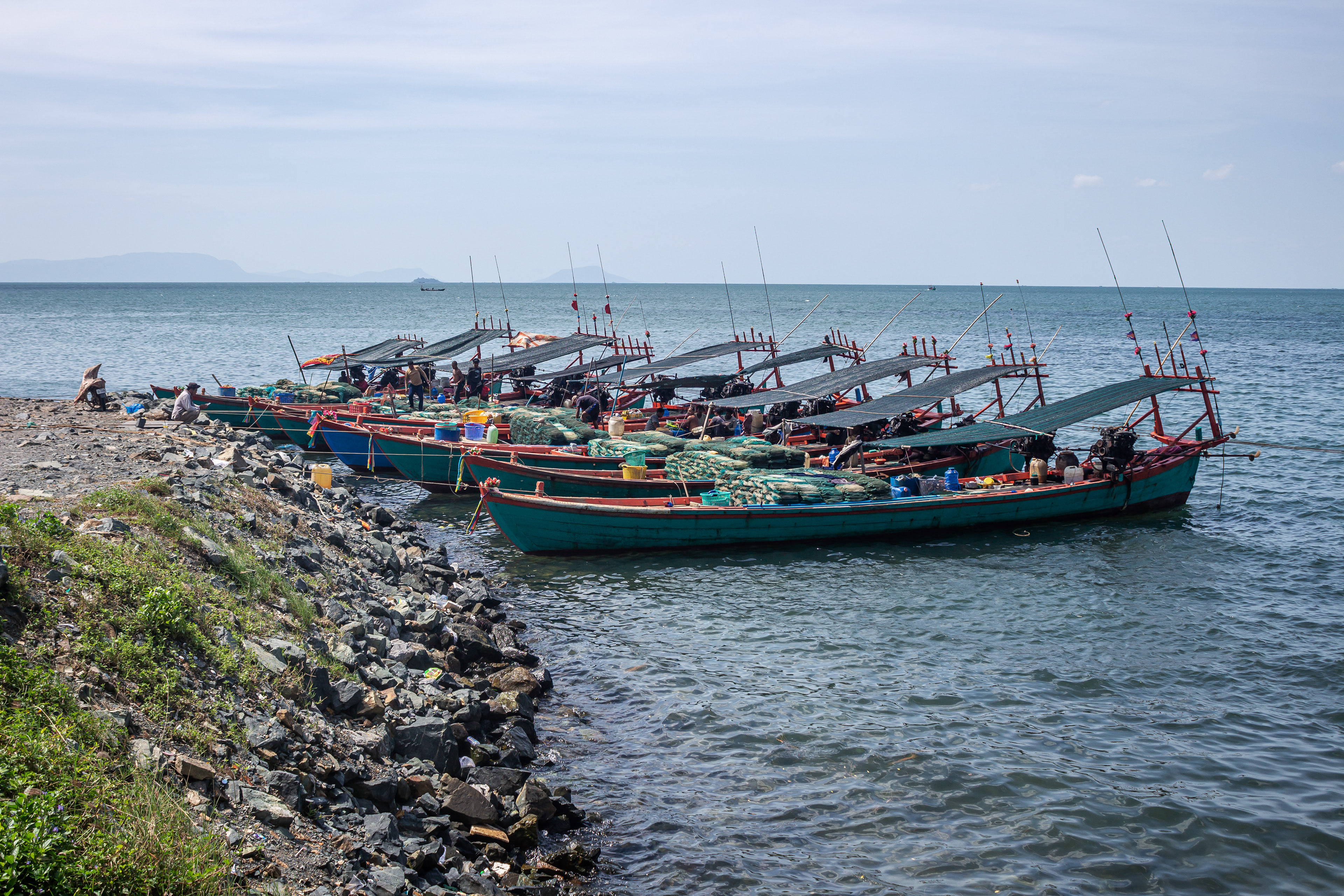
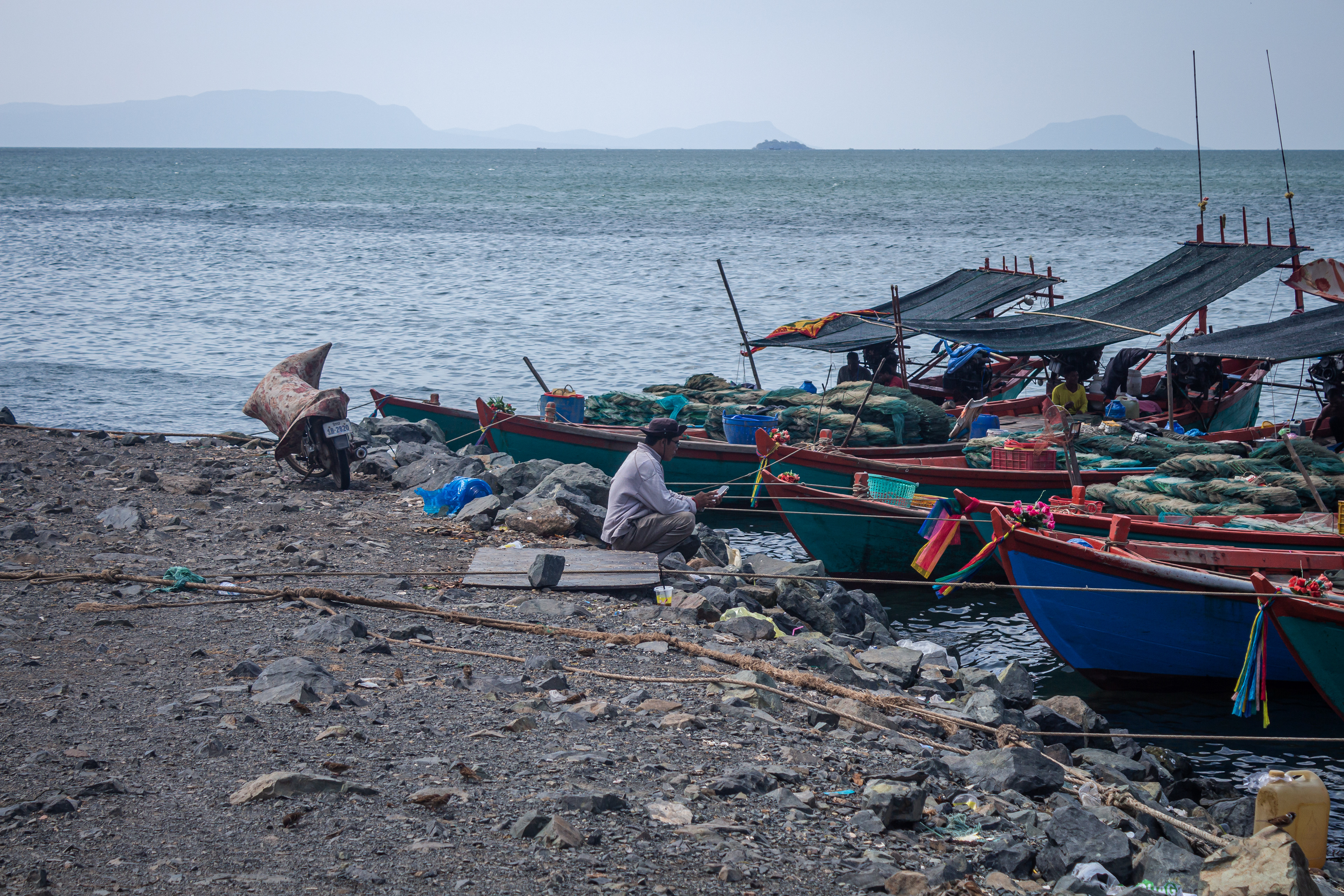
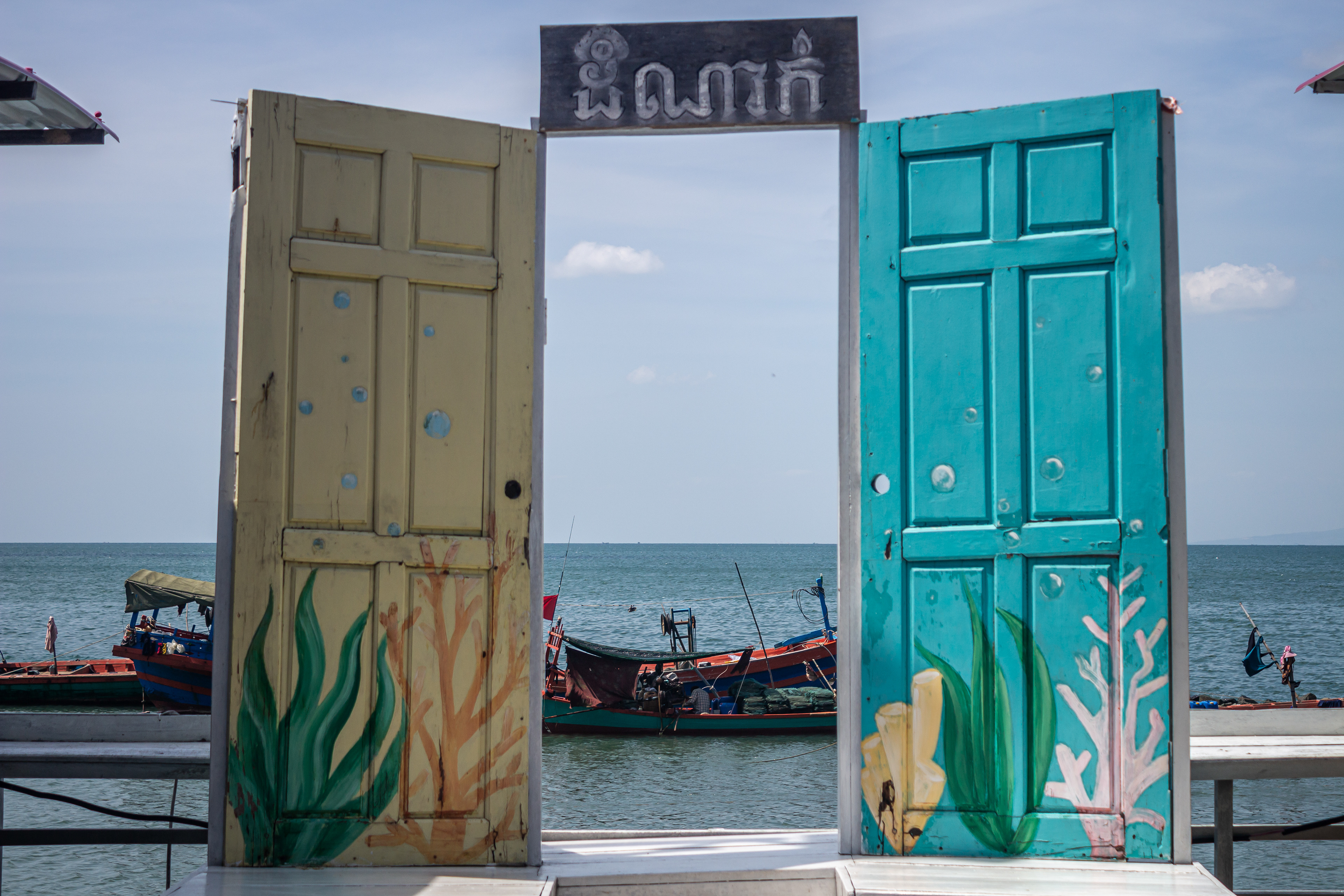
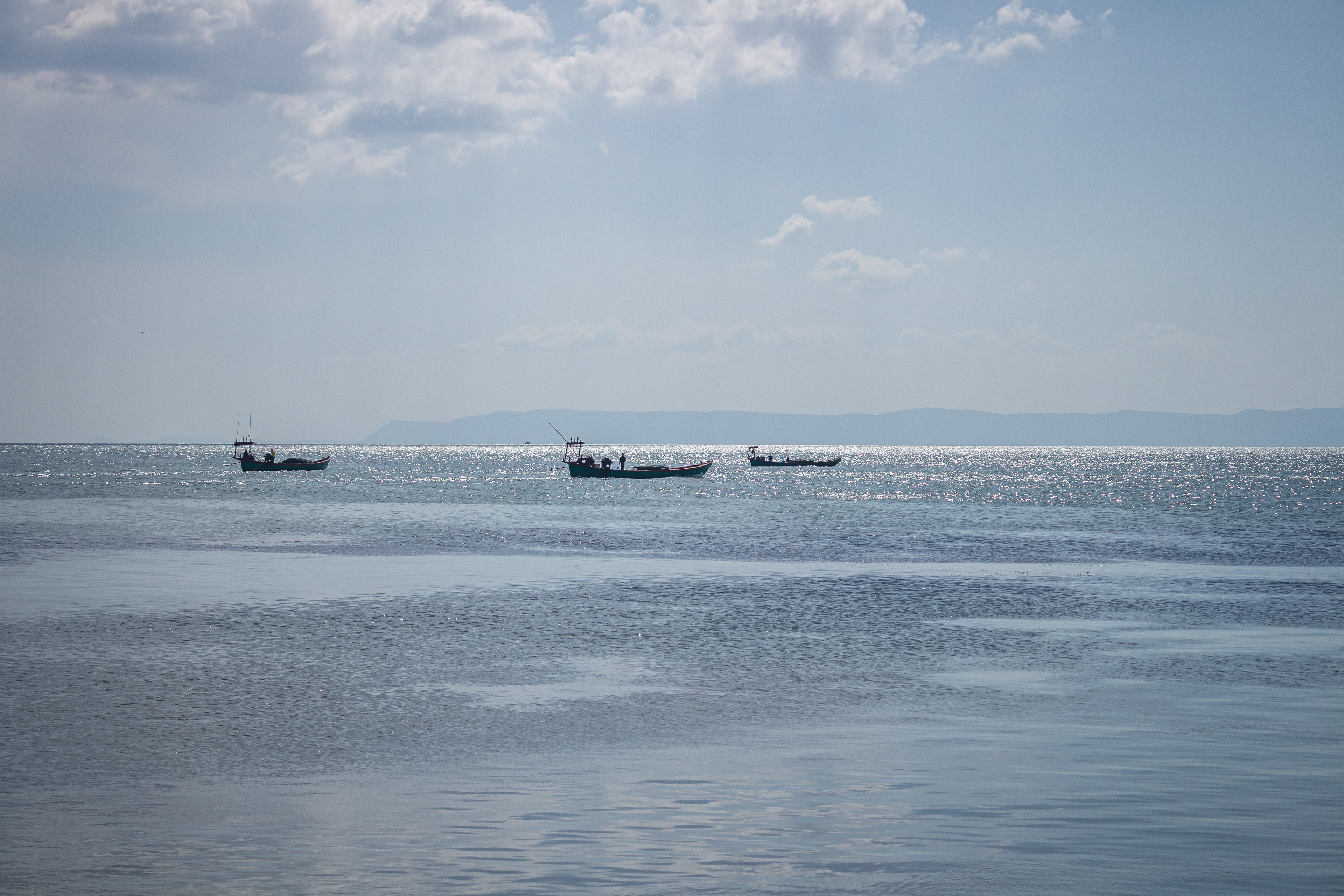
The heart of Kampot is its peaceful riverfront, where life moves at an unhurried pace. At sunset, fishing boats drift past cafés and guesthouses, and the sky reflects pink and gold on the water. This is the perfect place to enjoy a drink, take a stroll, or simply watch local life unfold.
French Colonial Architecture
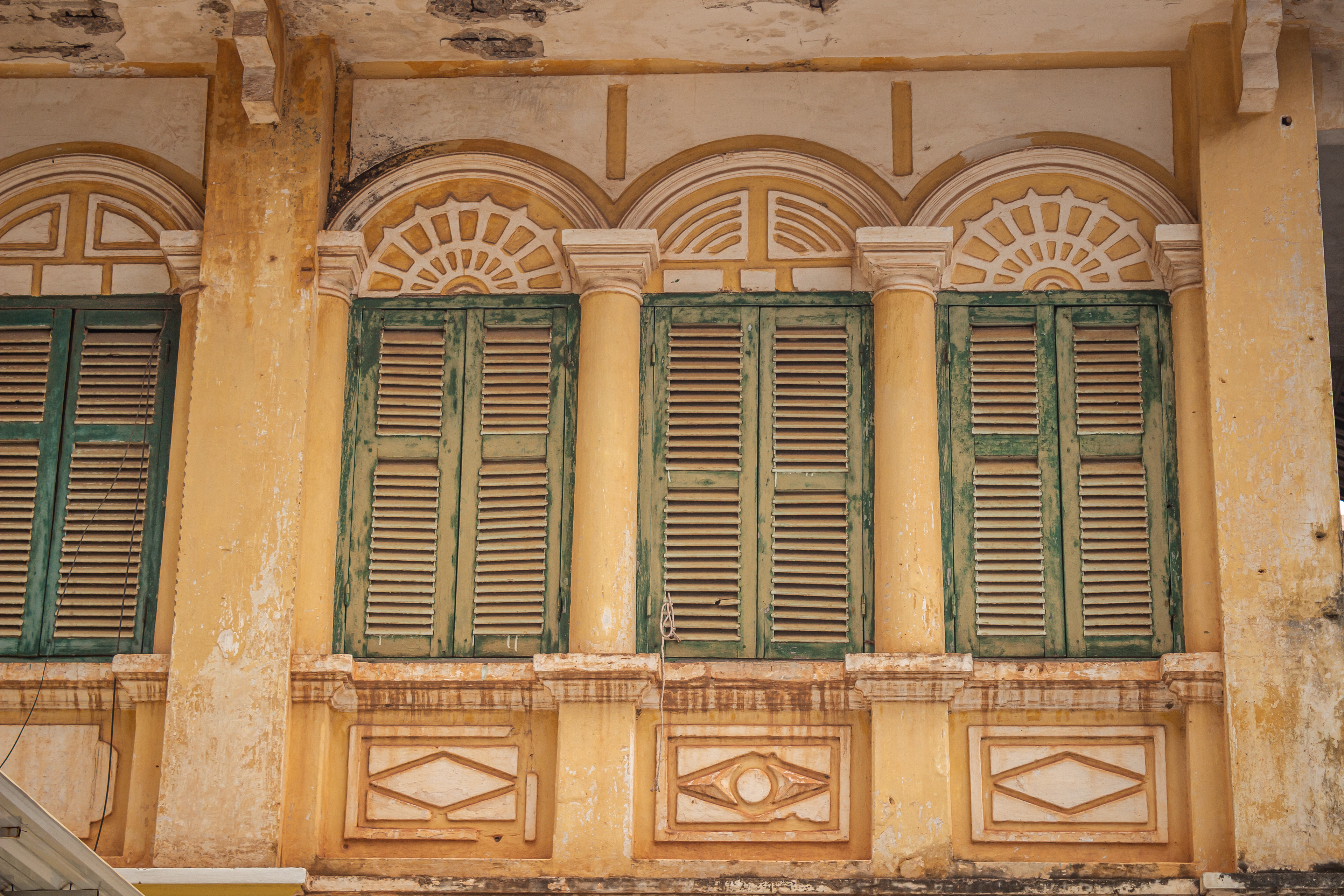
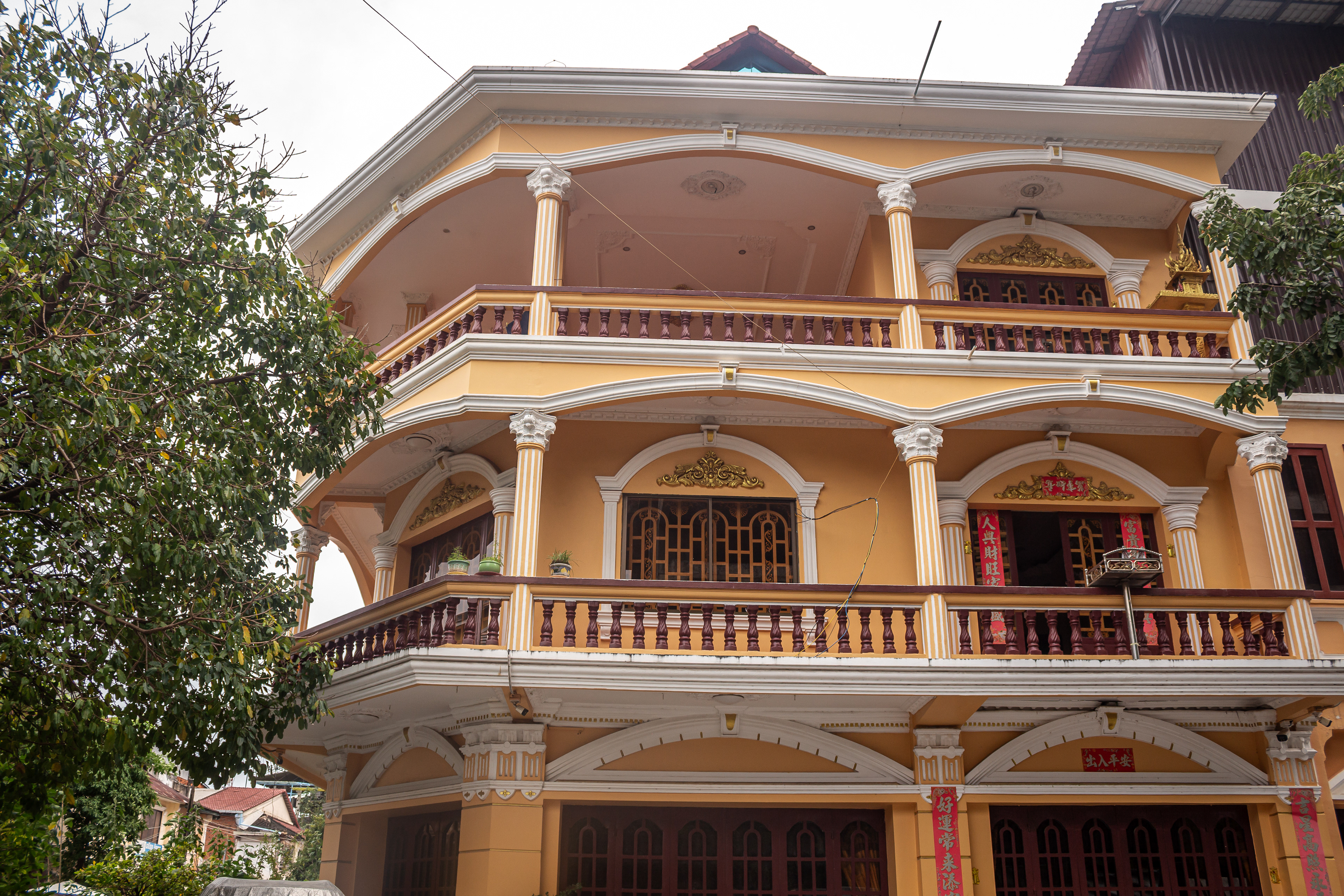
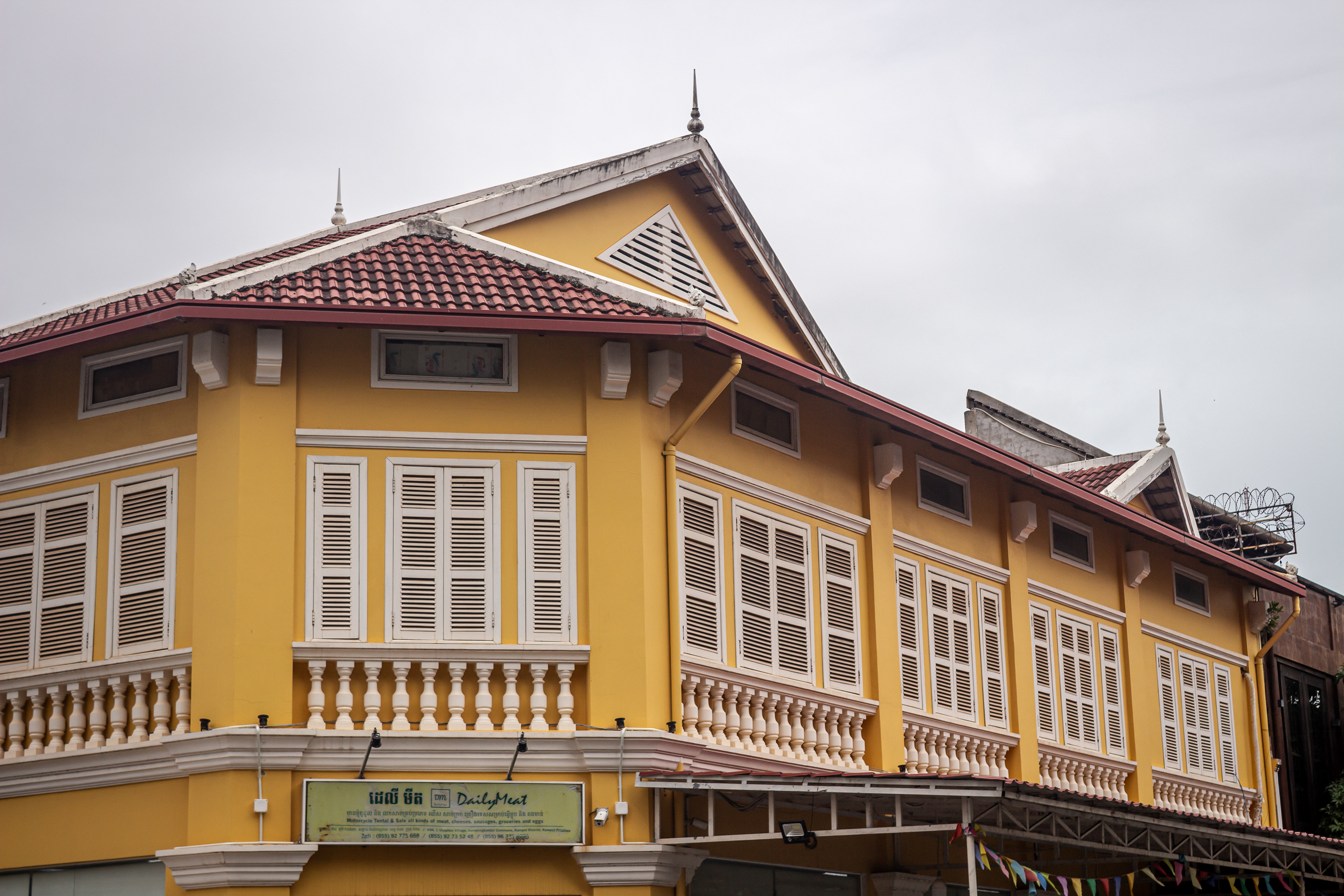
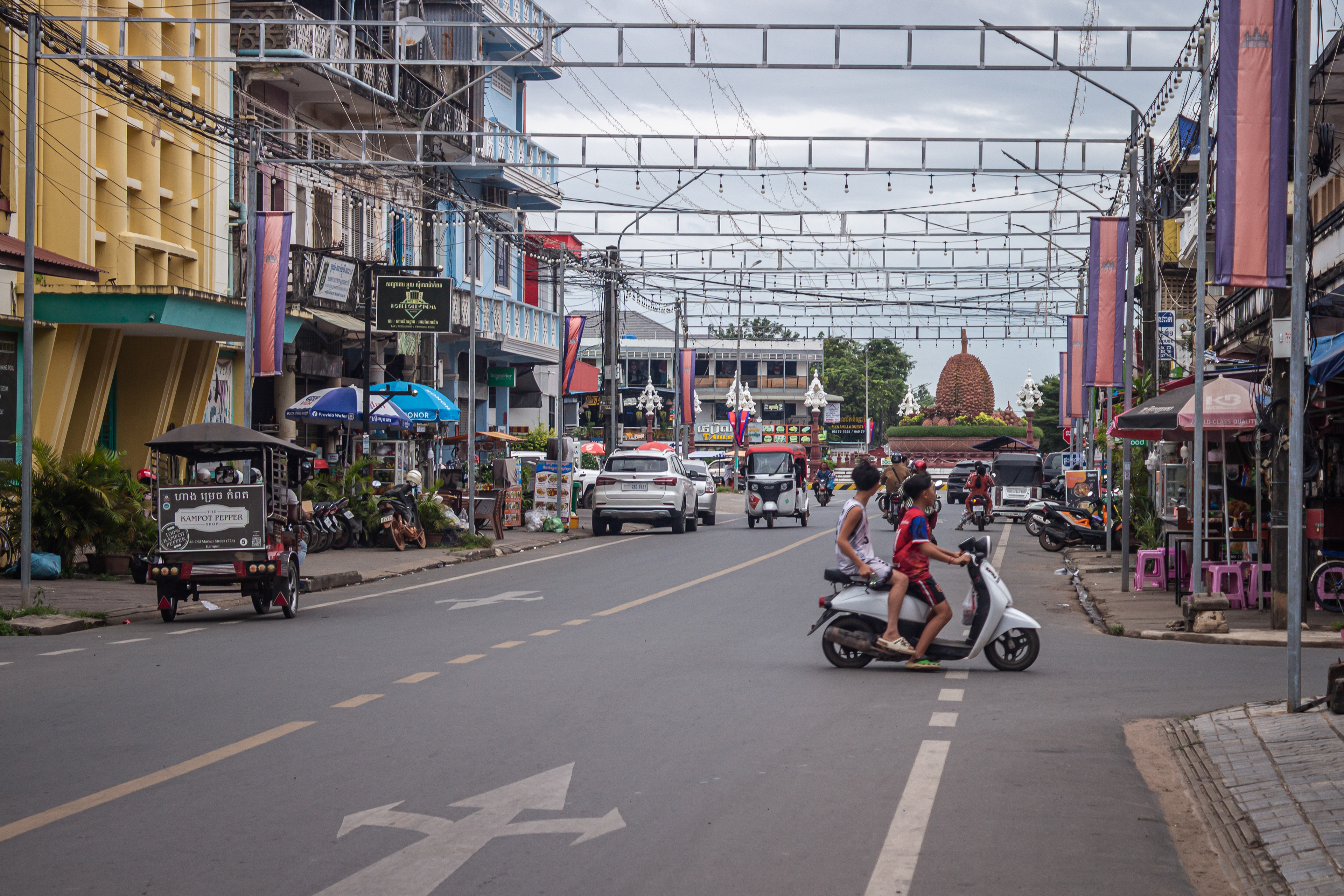
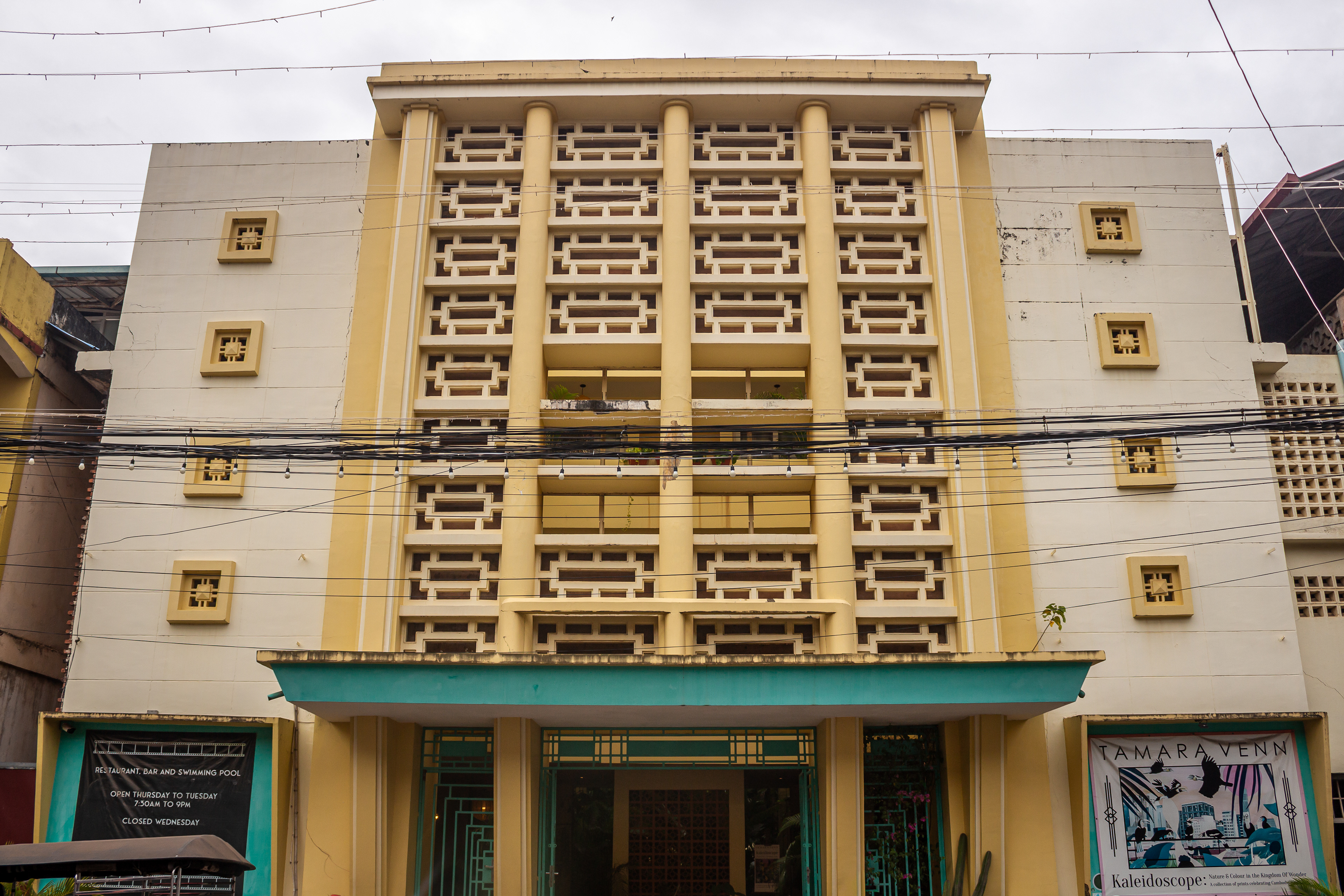
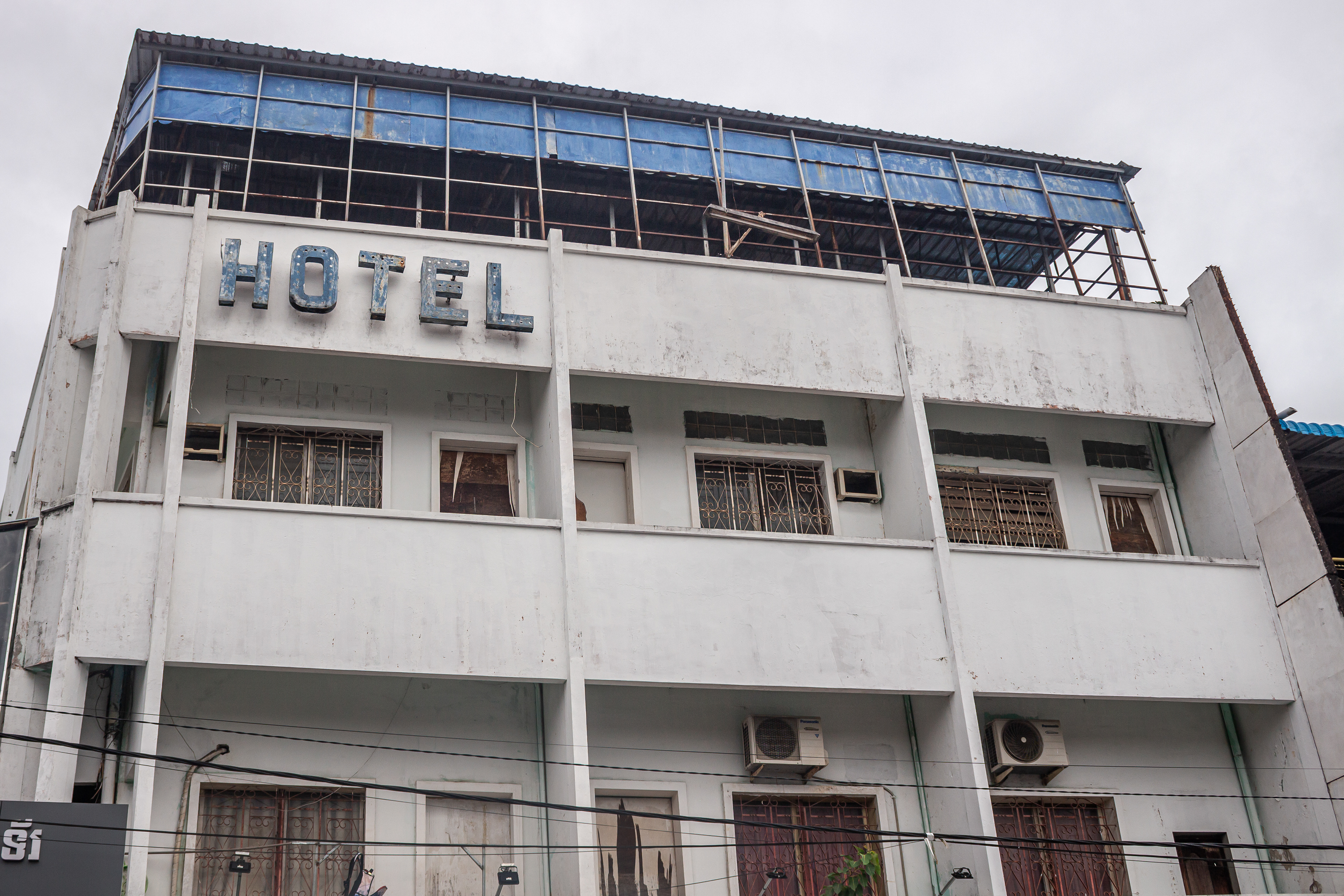
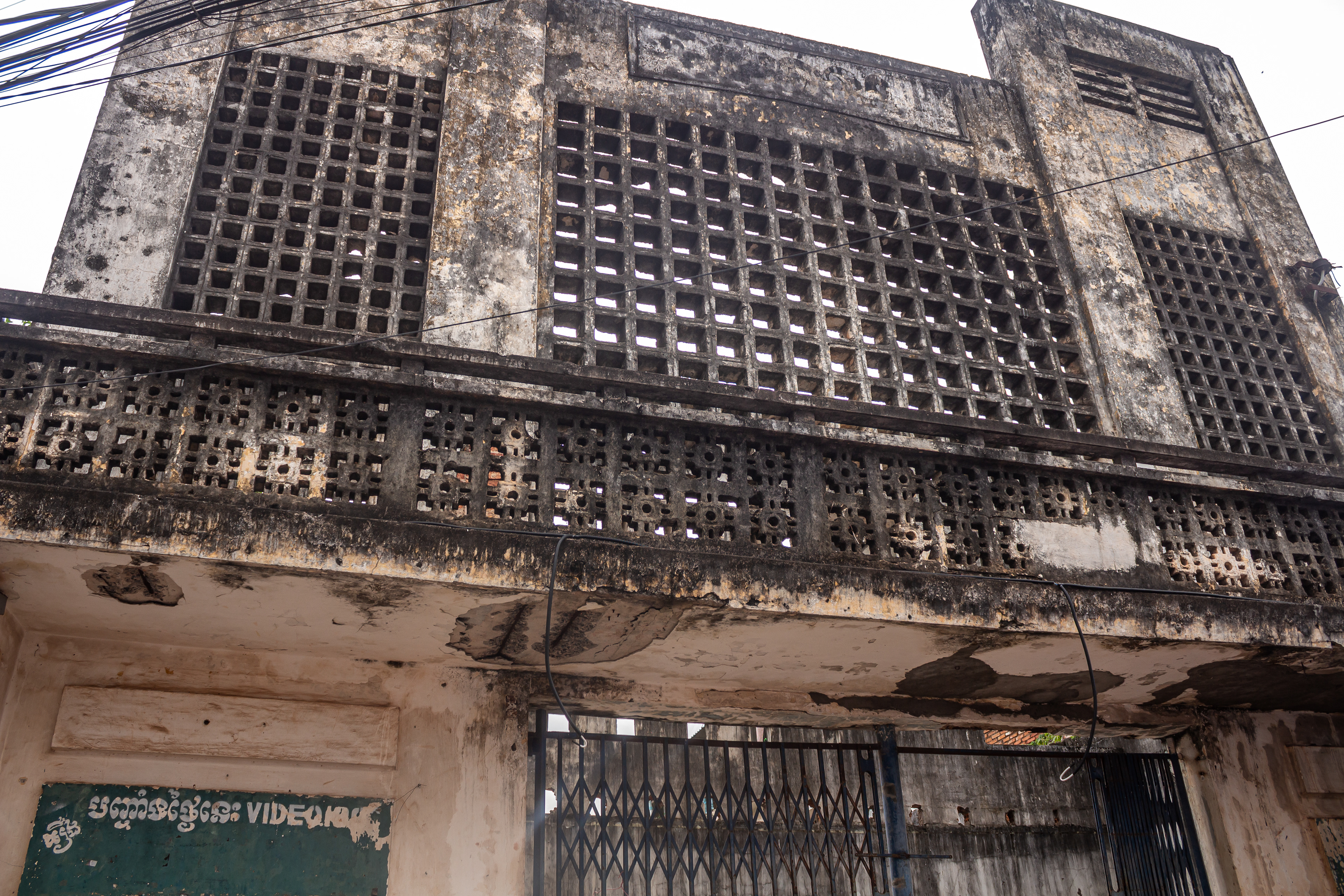
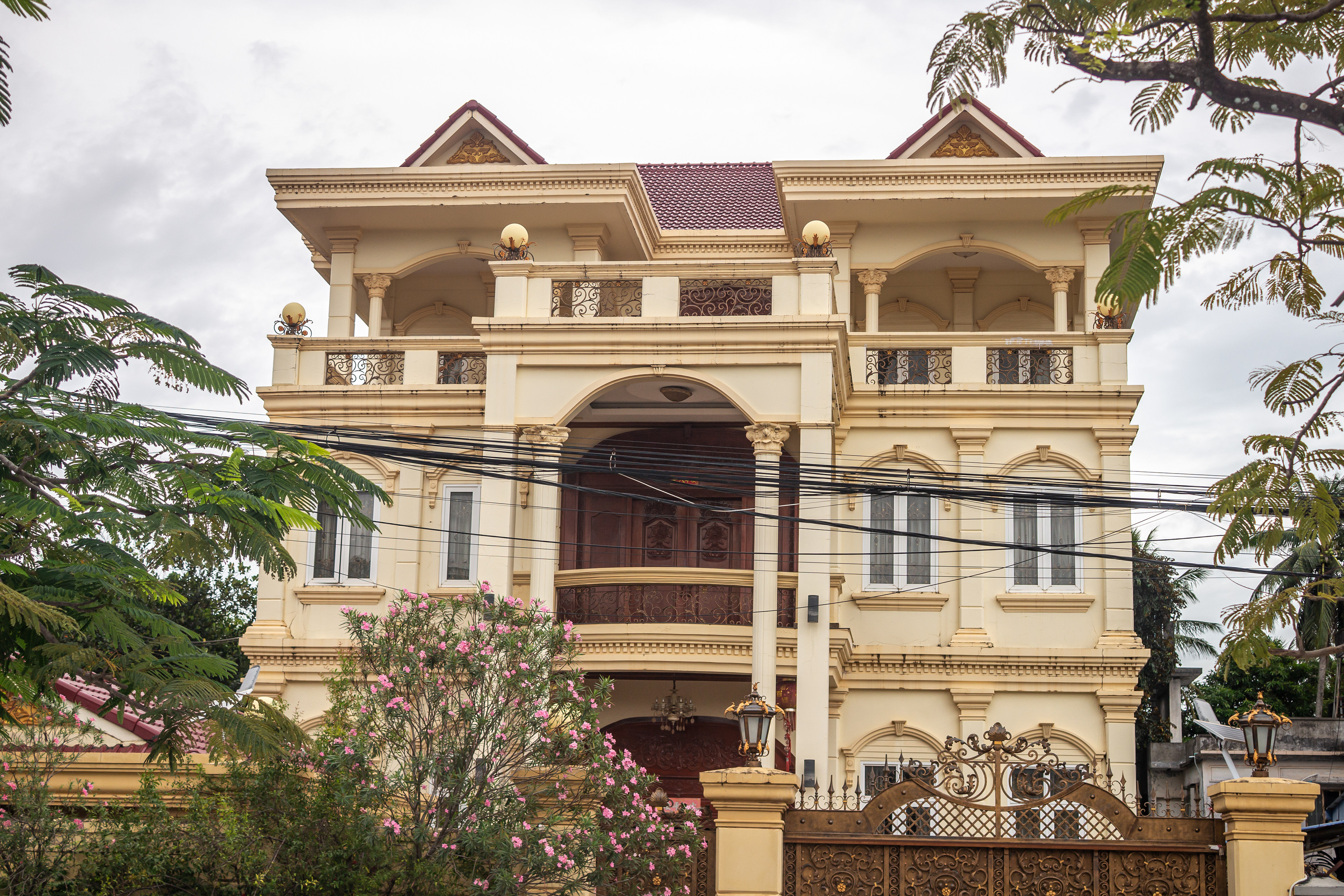
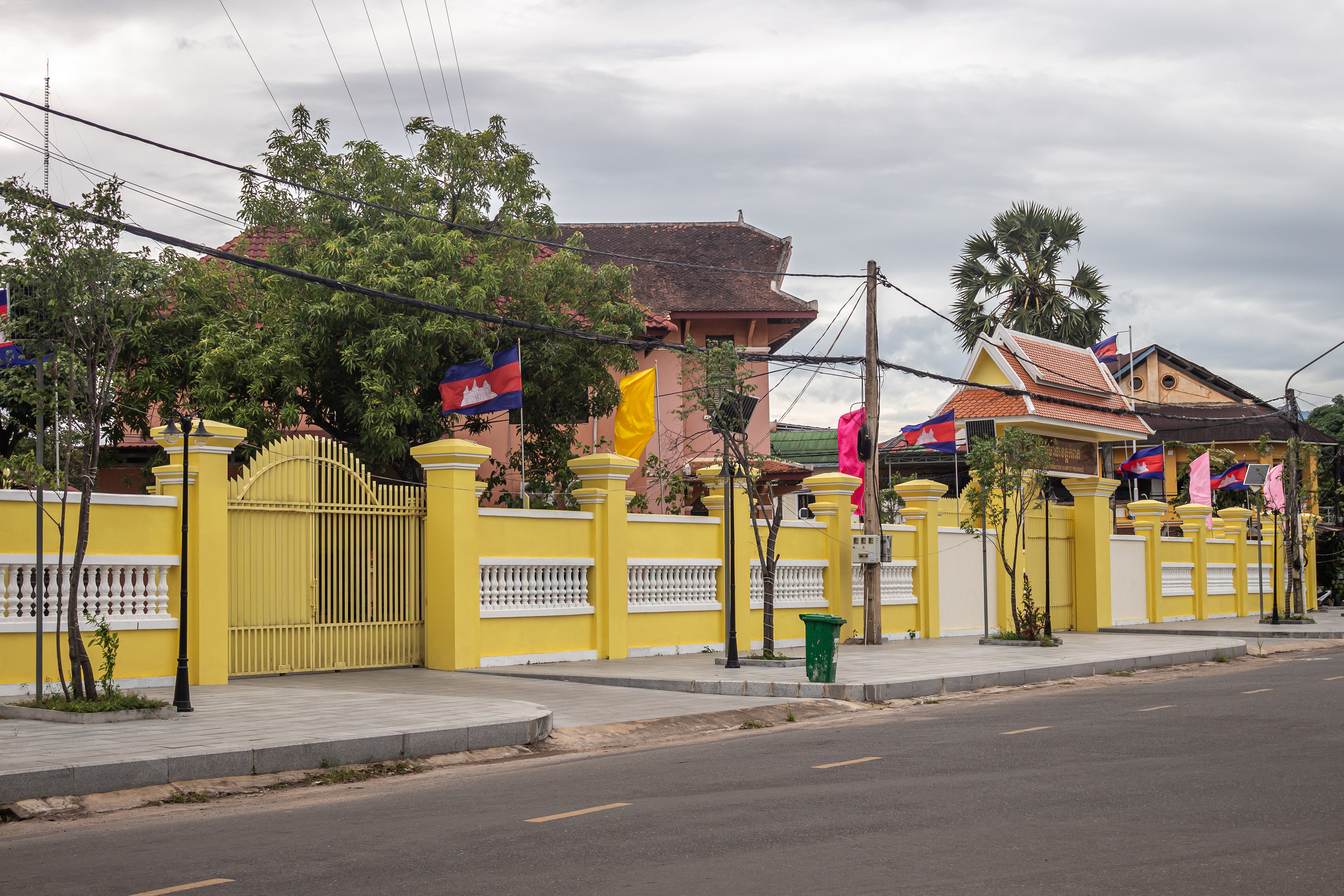
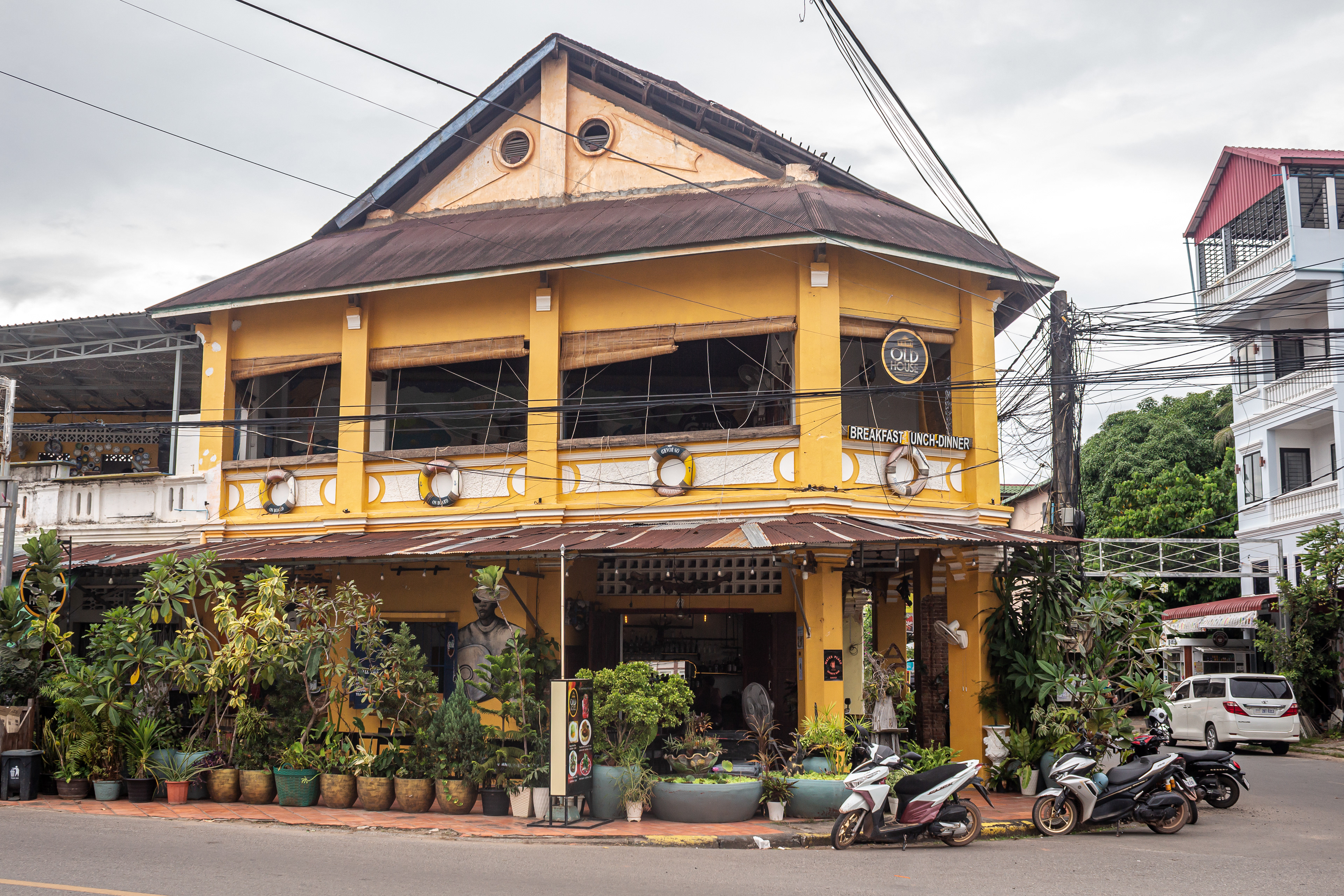
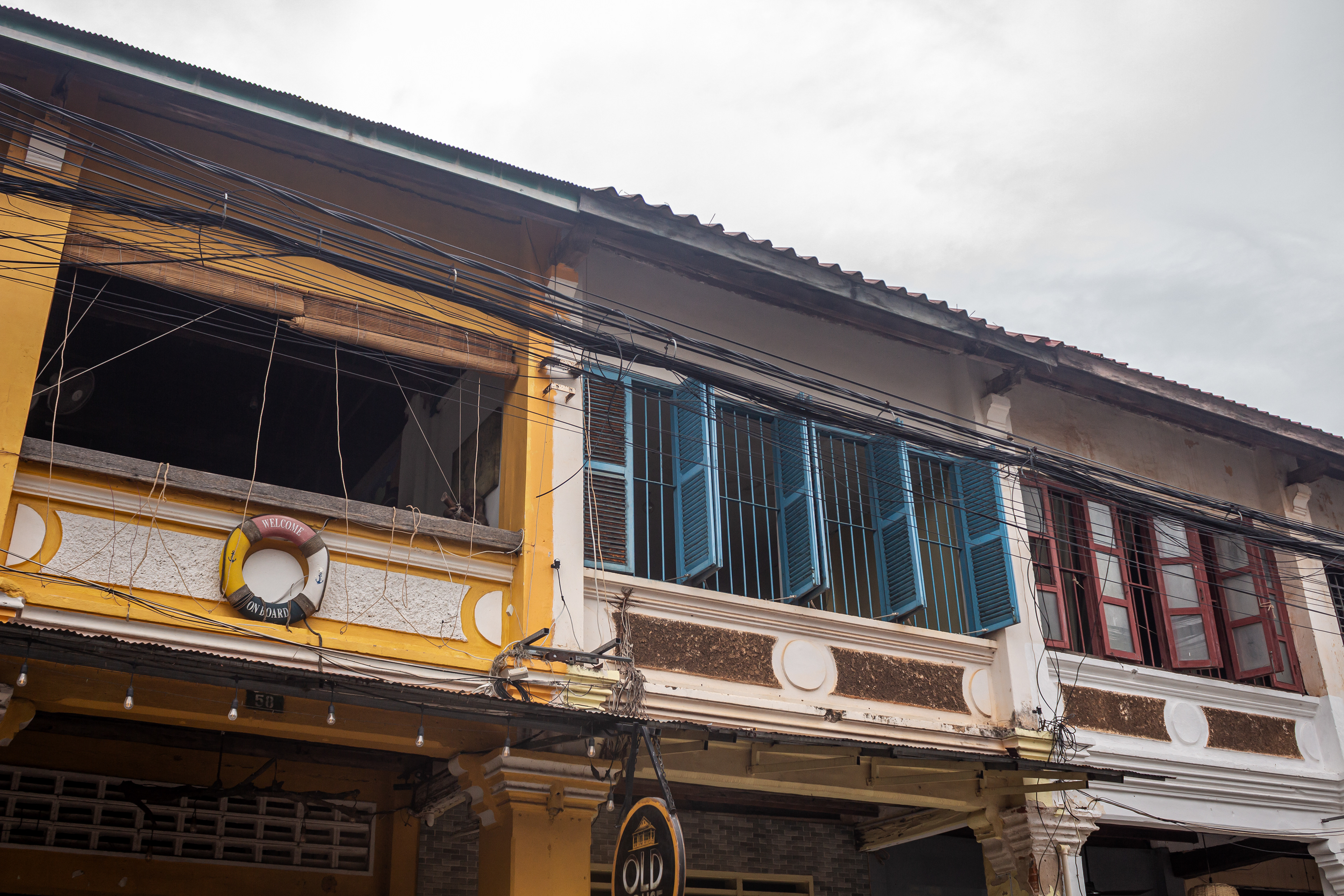
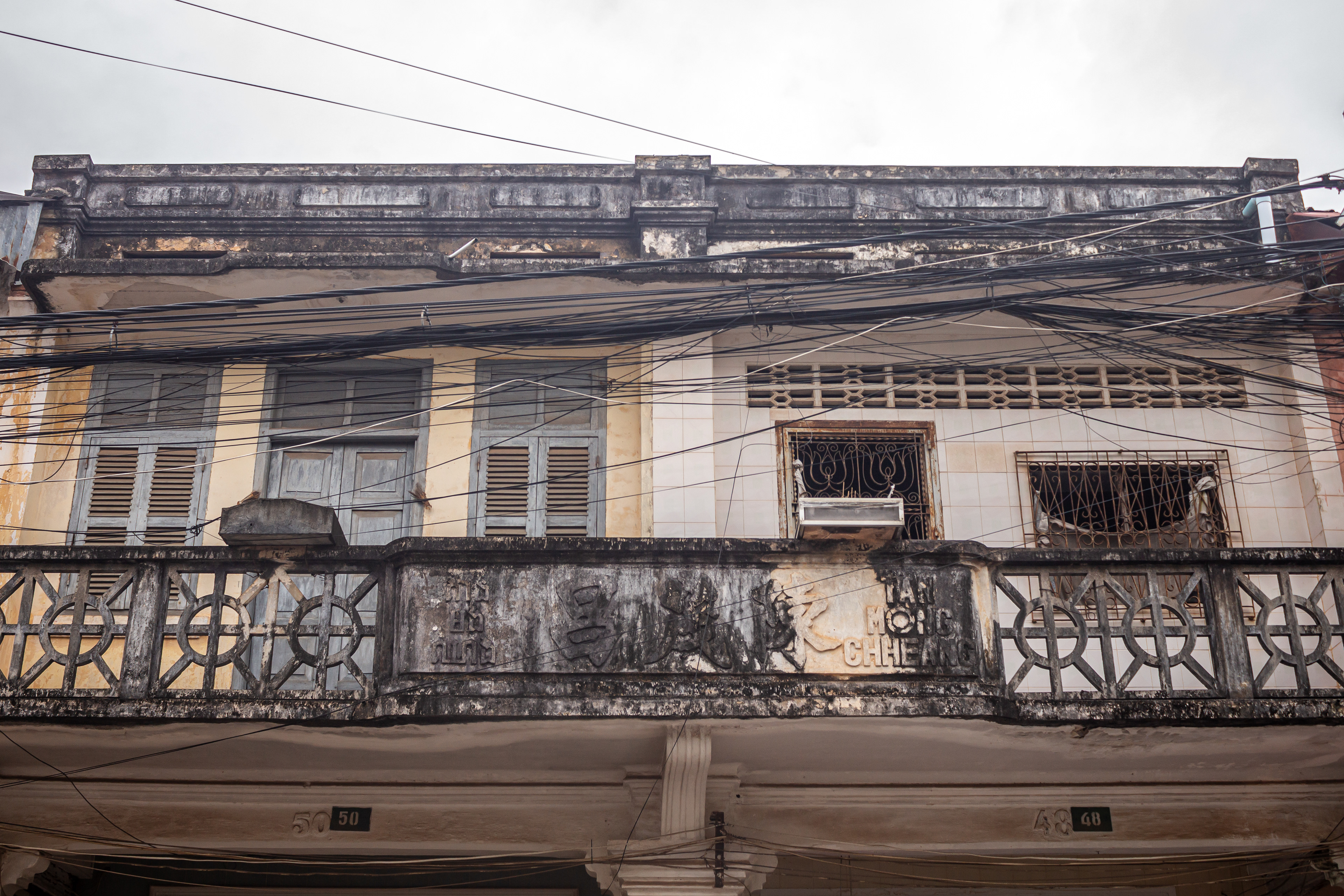
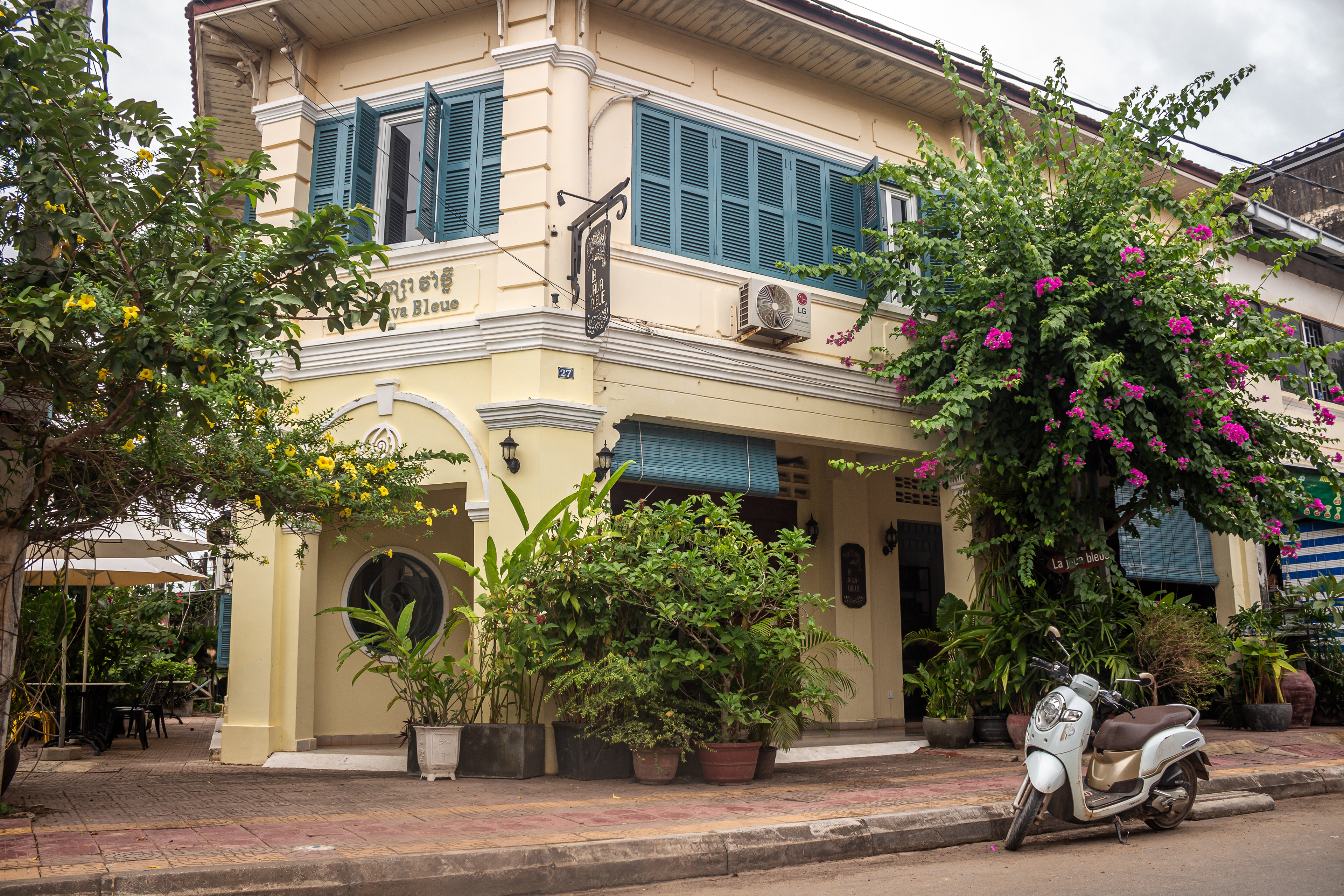
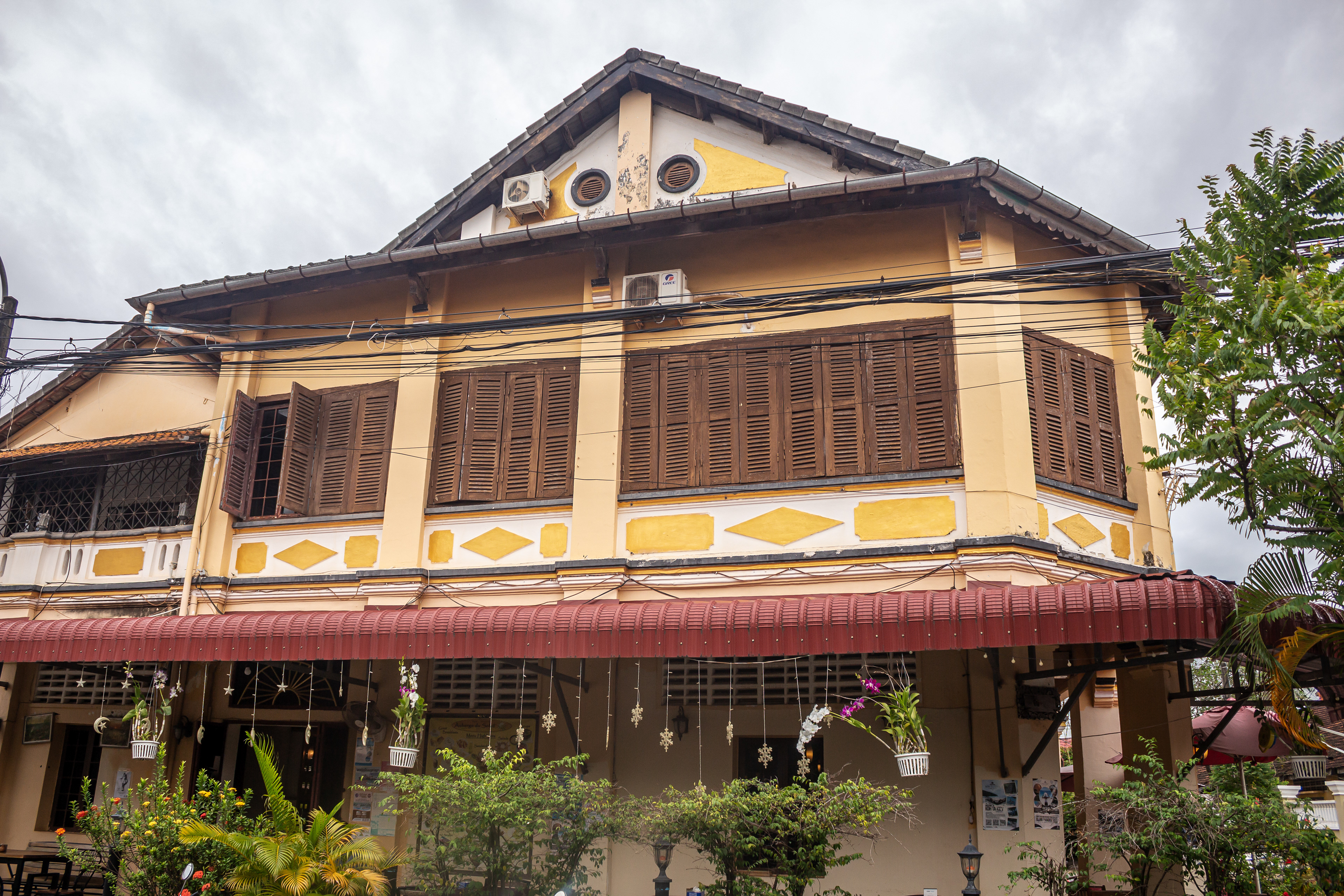
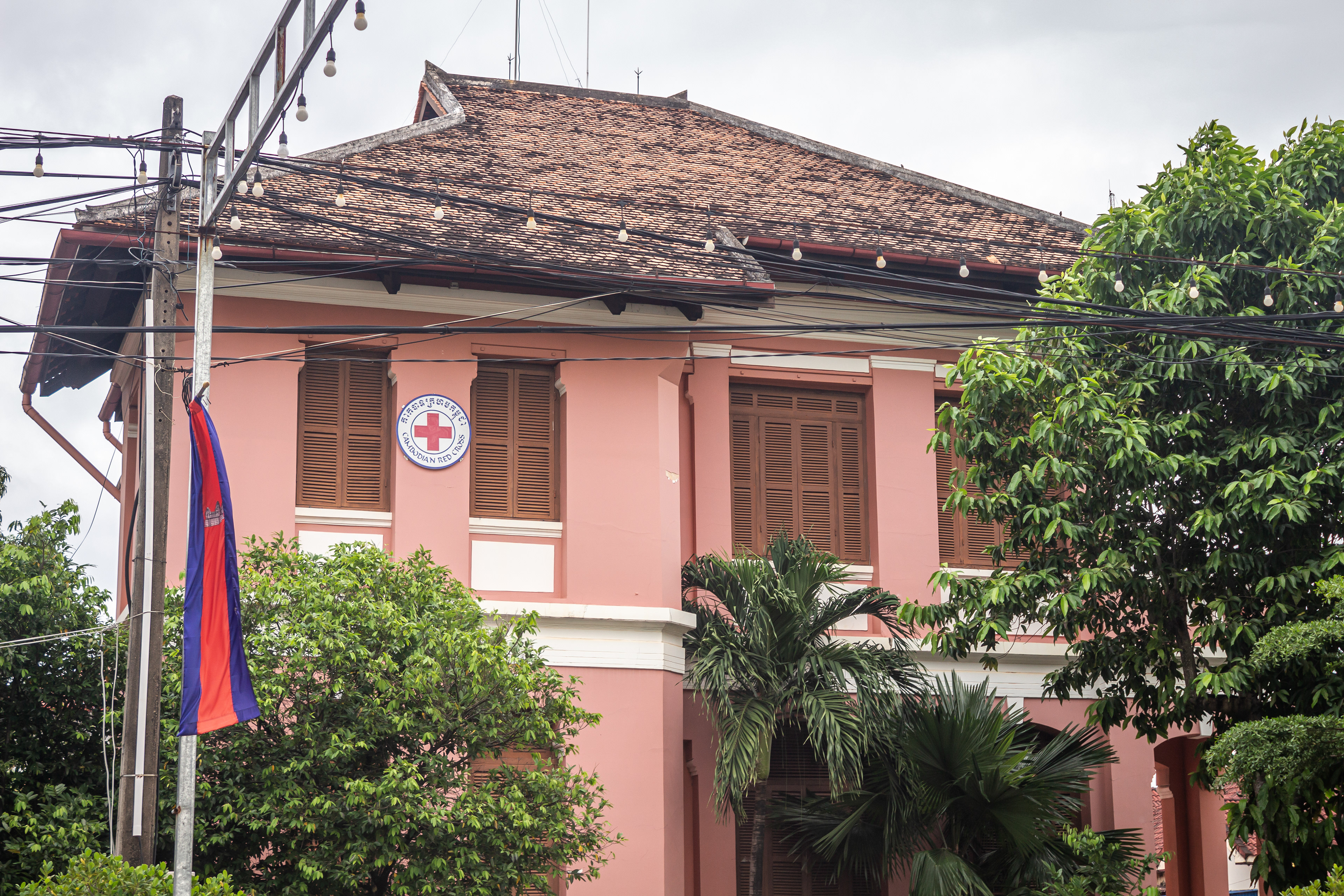
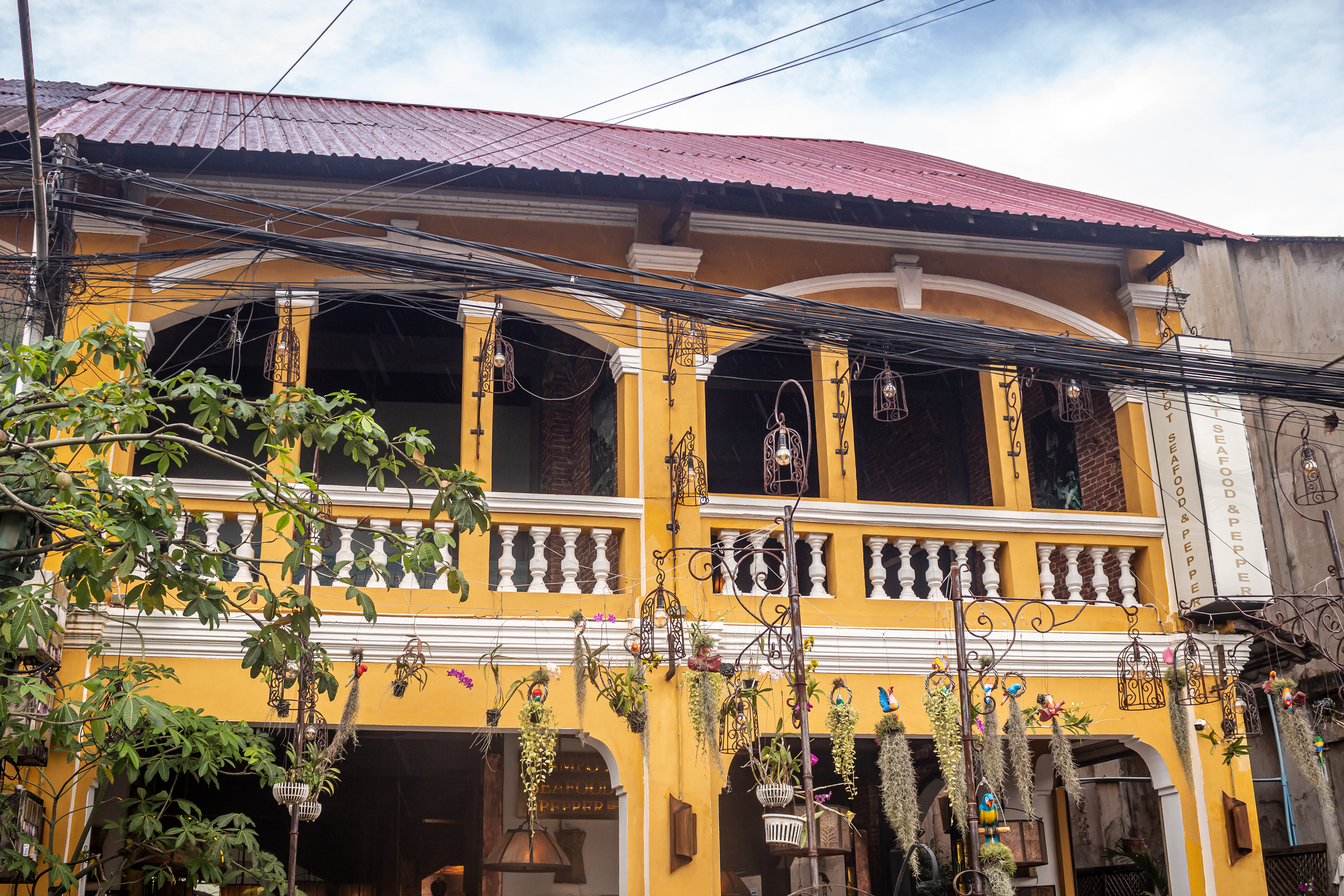
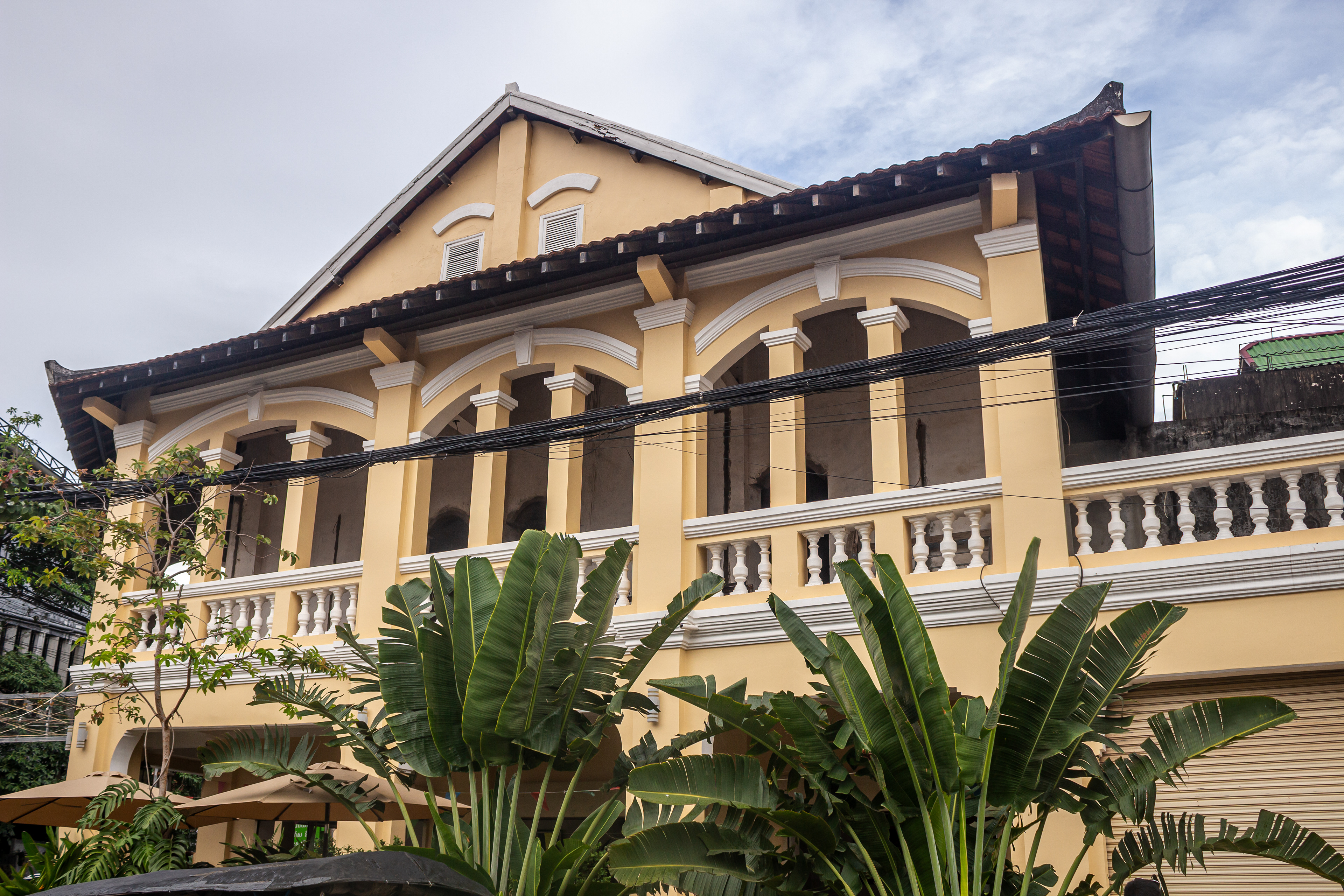
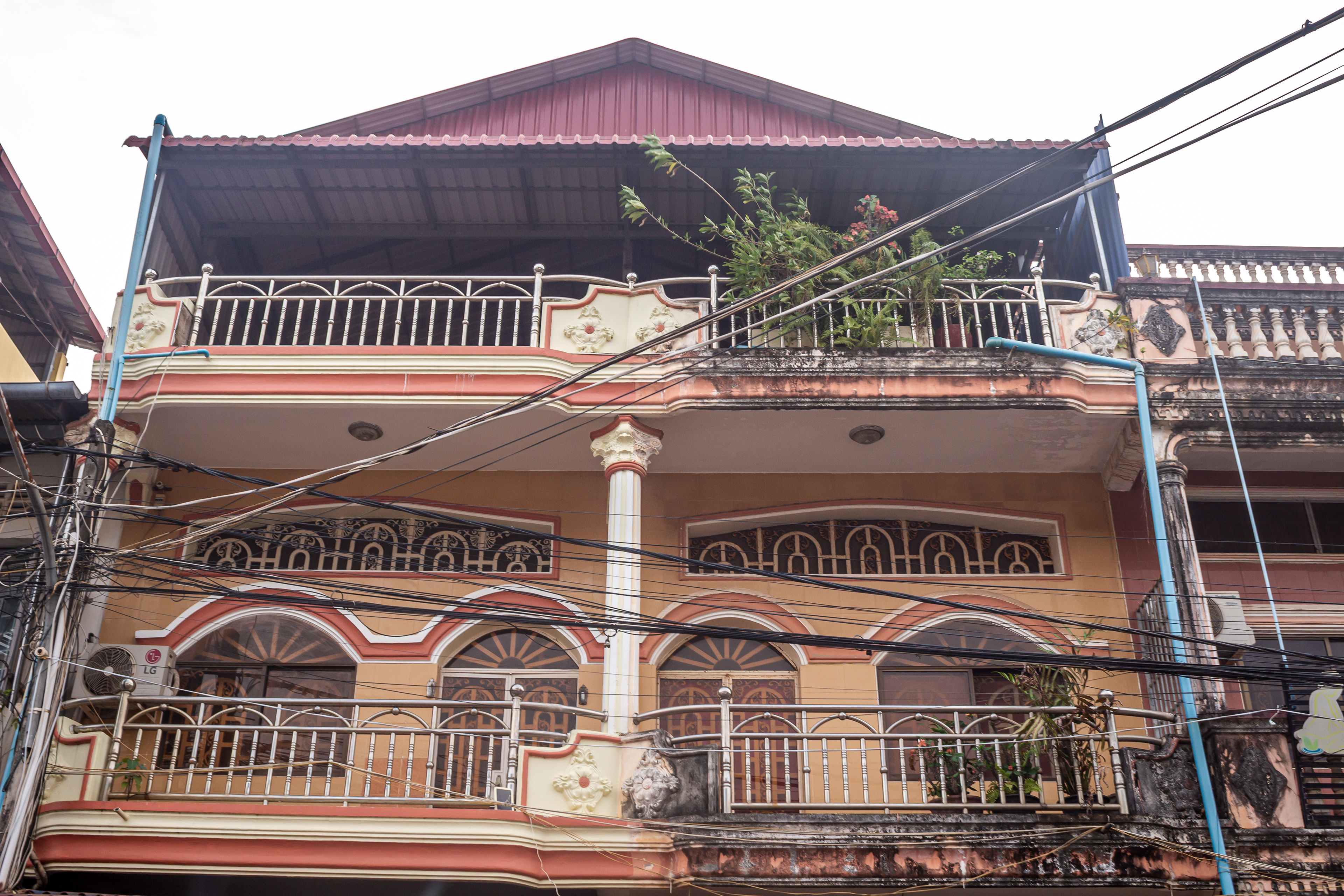
Kampot’s streets are dotted with faded French colonial buildings, many lovingly restored into boutique hotels, cafés, and art spaces. Walking through town reveals a mix of old-world charm and modern creativity, especially around the old market area.
Bokor National Park
Just outside town, Bokor National Park rises into the Elephant Mountains. The drive up the hill offers sweeping views over the coastline and countryside. Highlights include:
The abandoned Bokor Hill Station and old Catholic church
Cool mountain air and misty landscapes
Waterfalls during the rainy season
Pepper Plantations
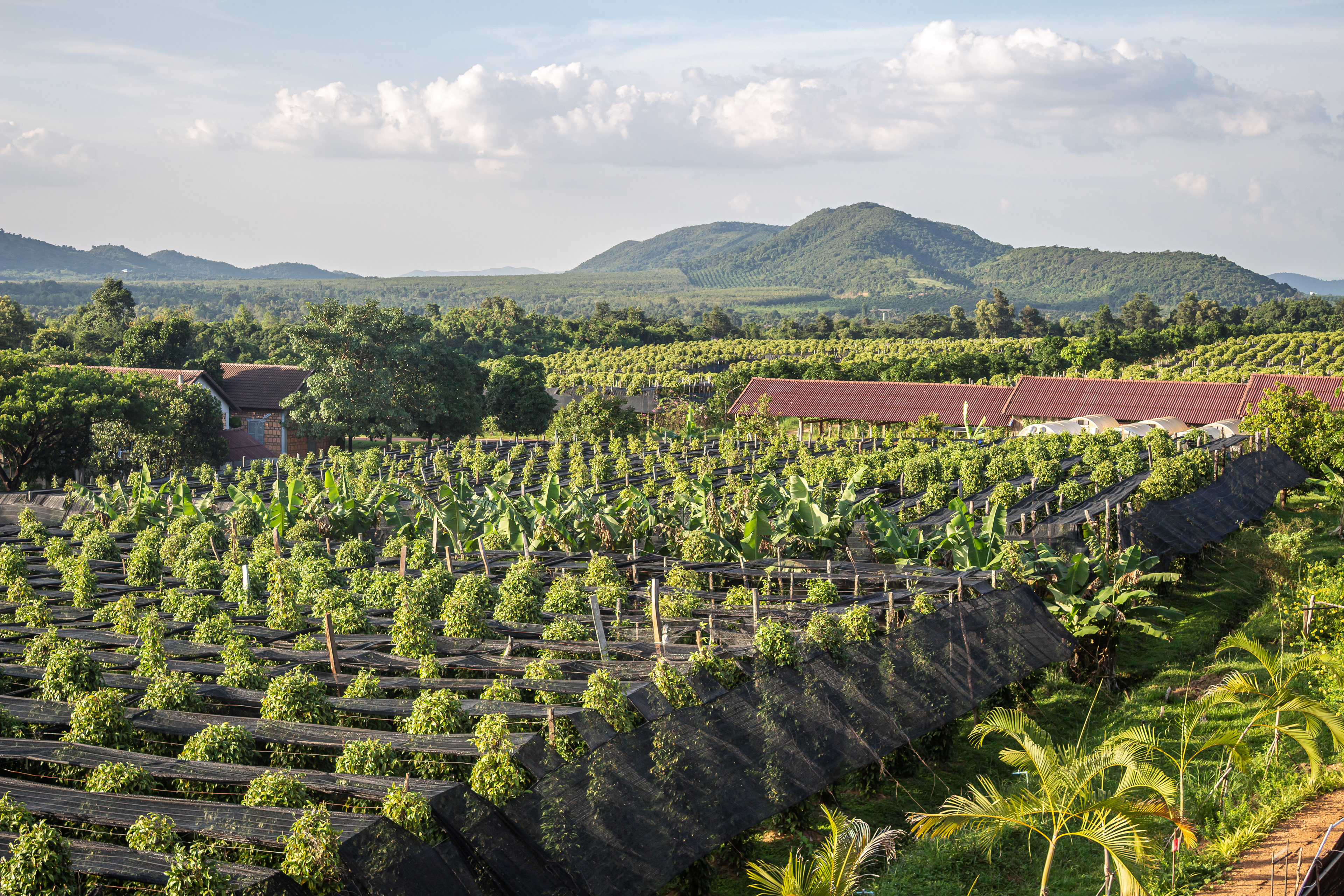
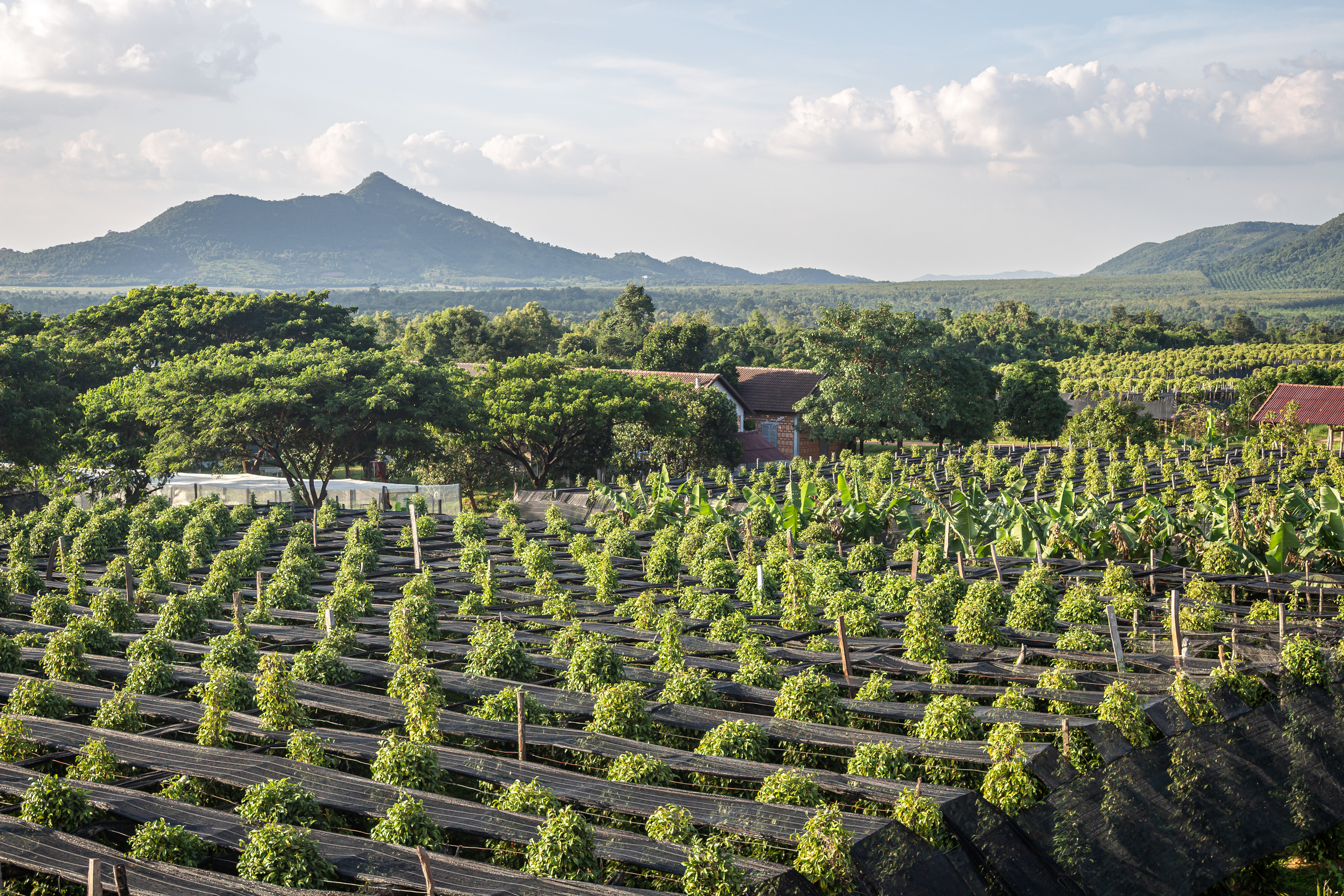
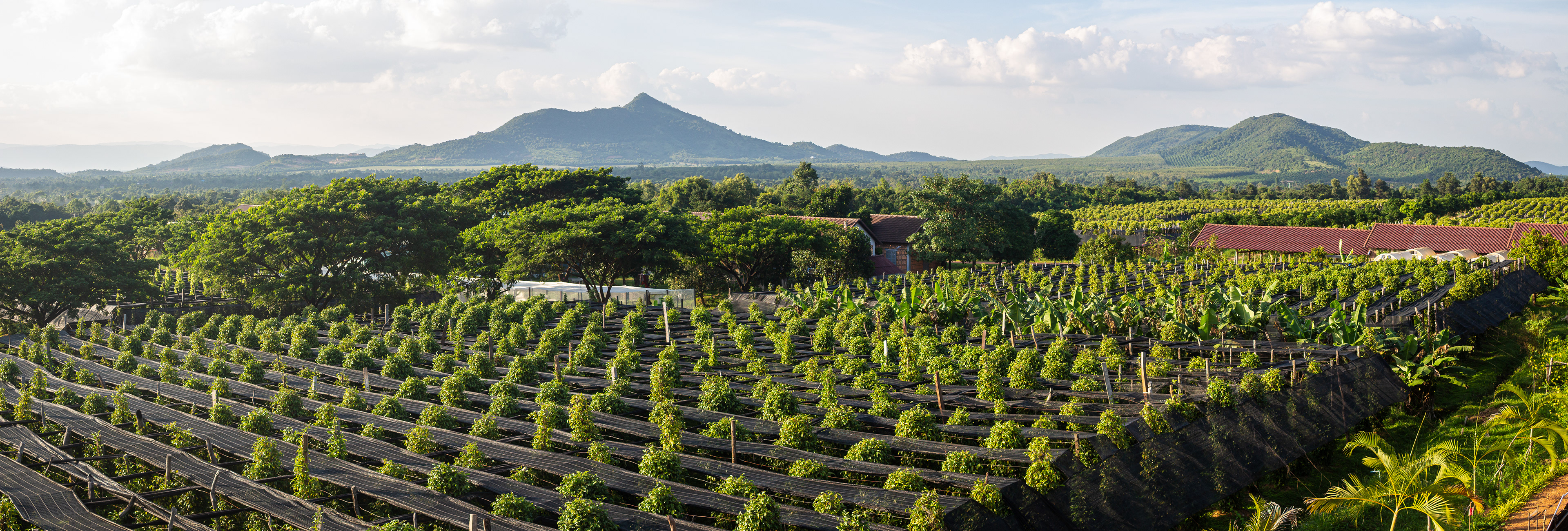
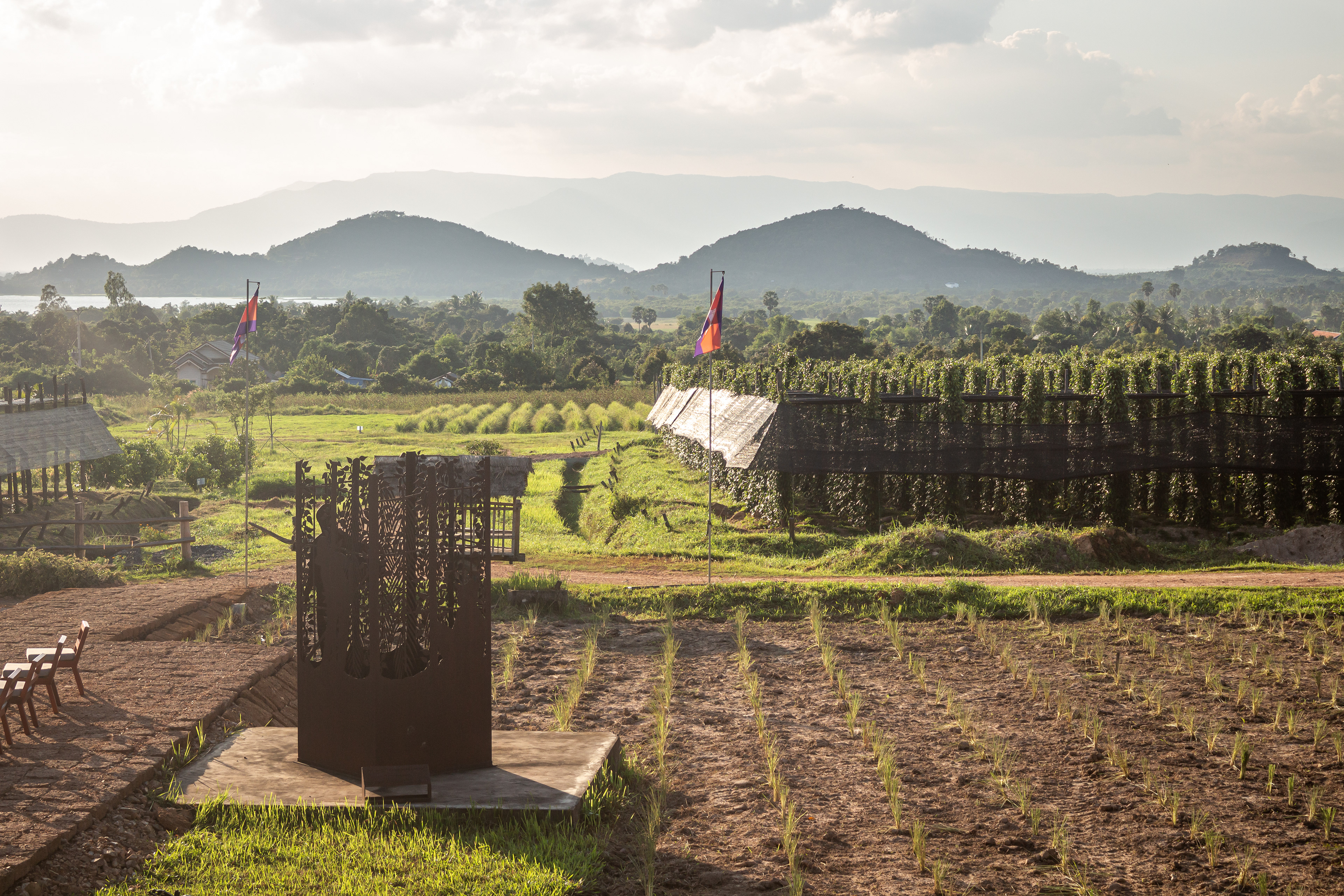
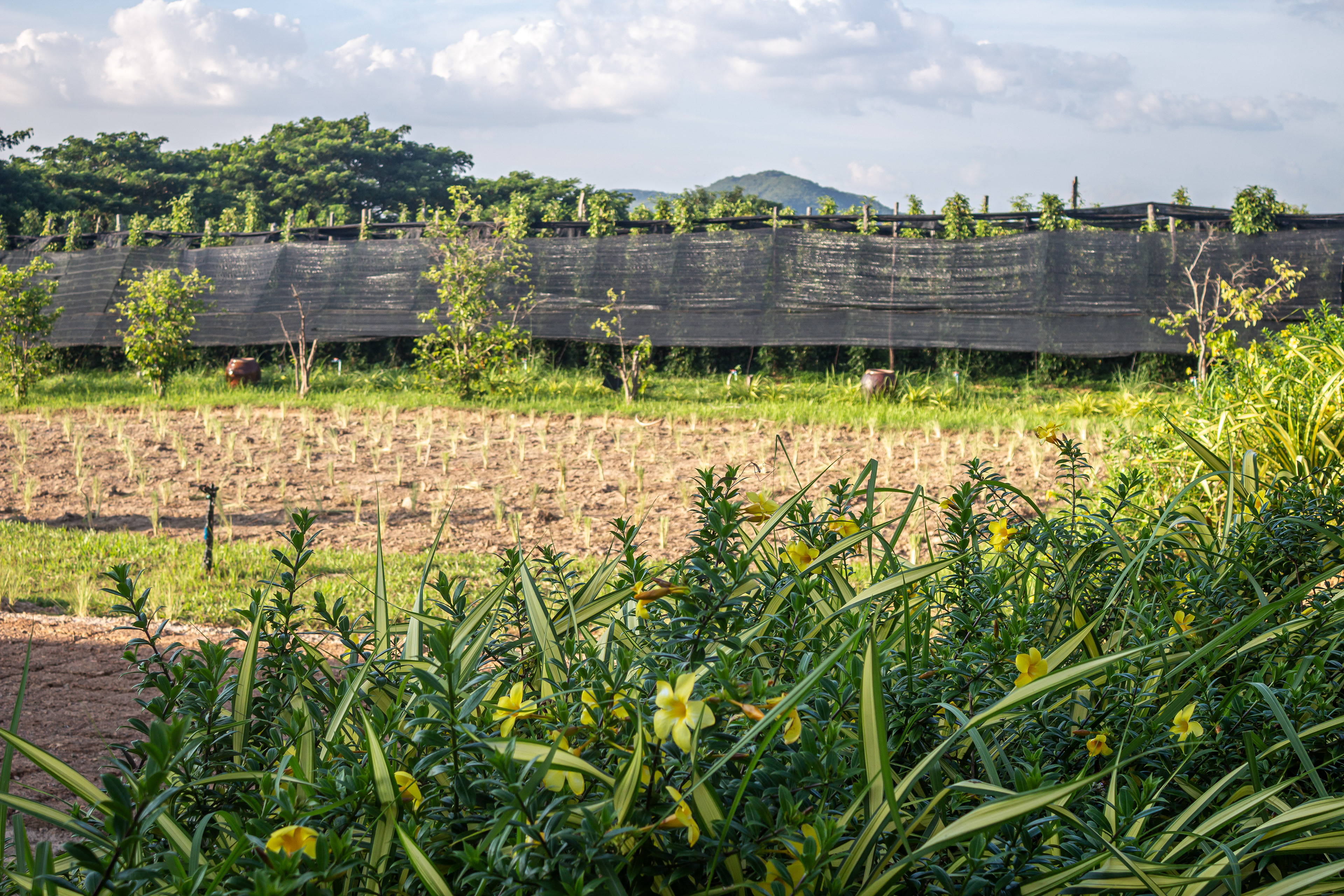
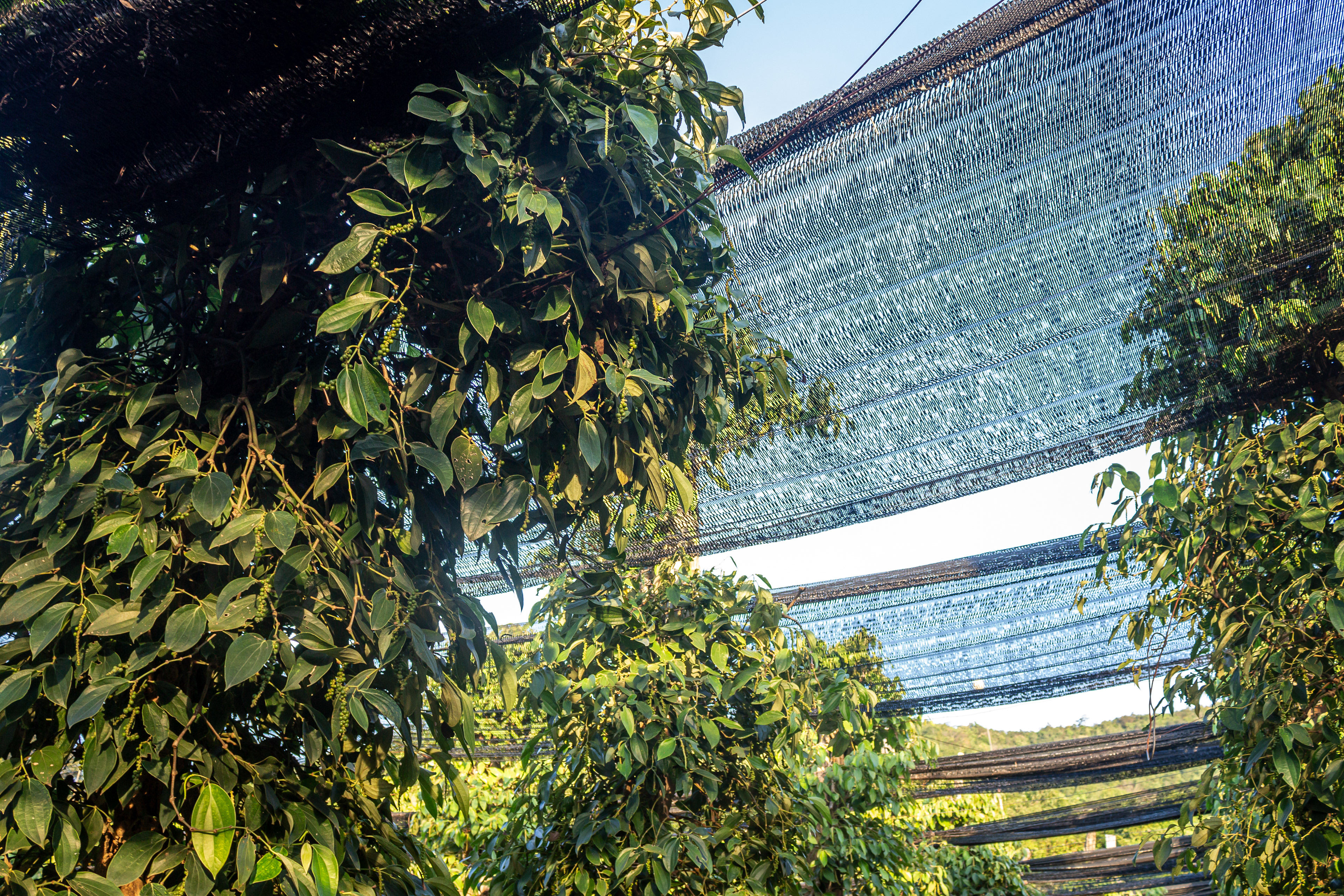
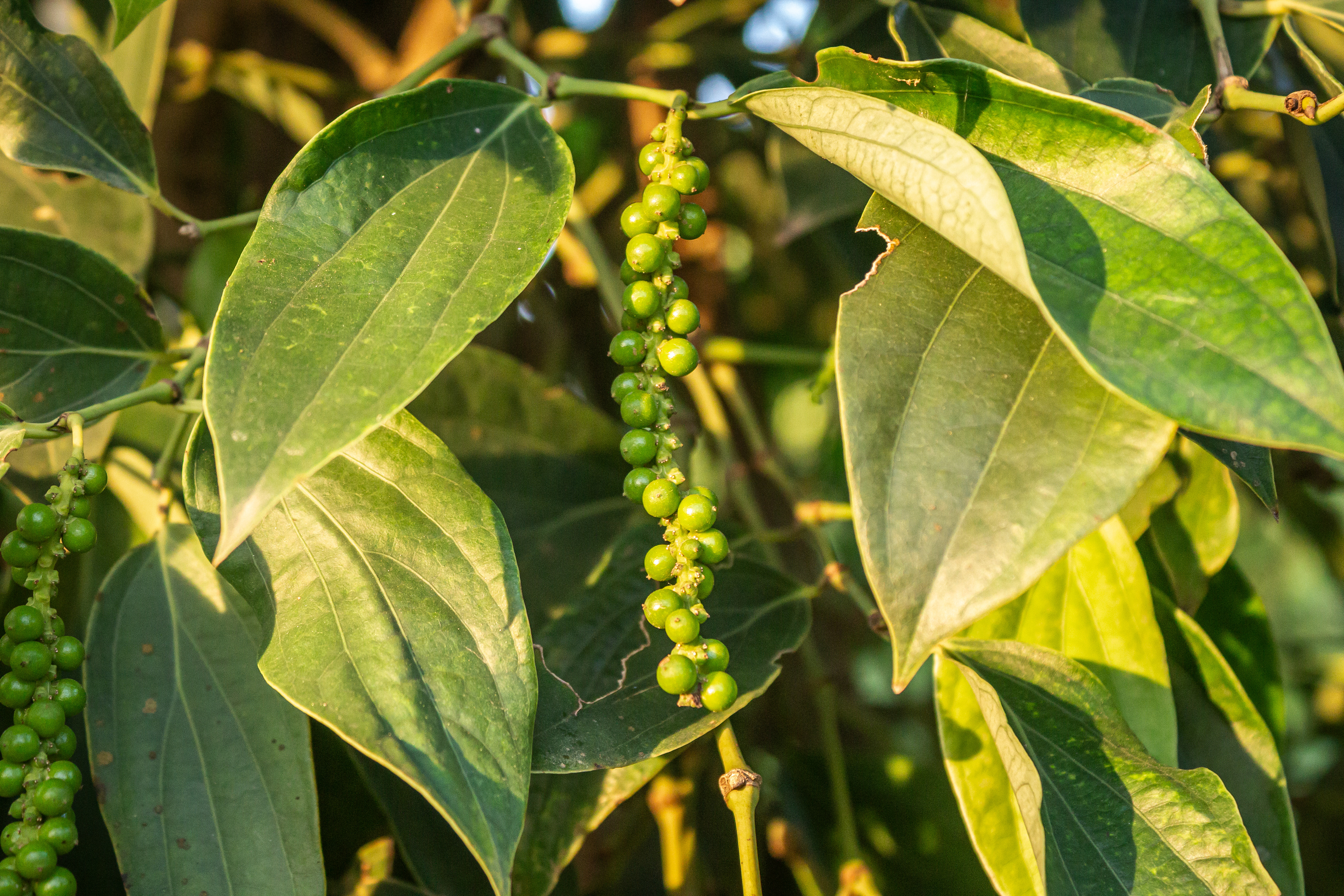
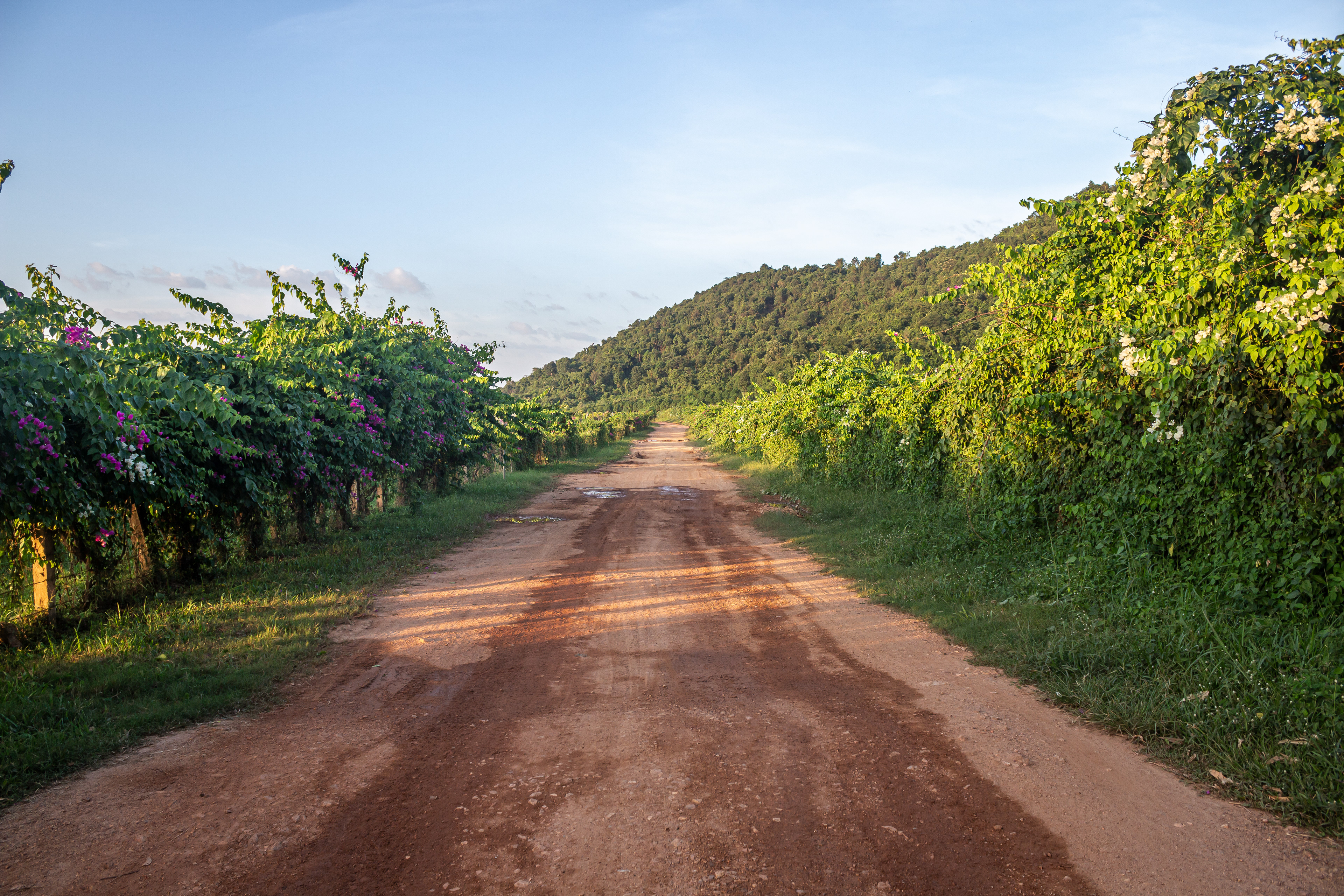
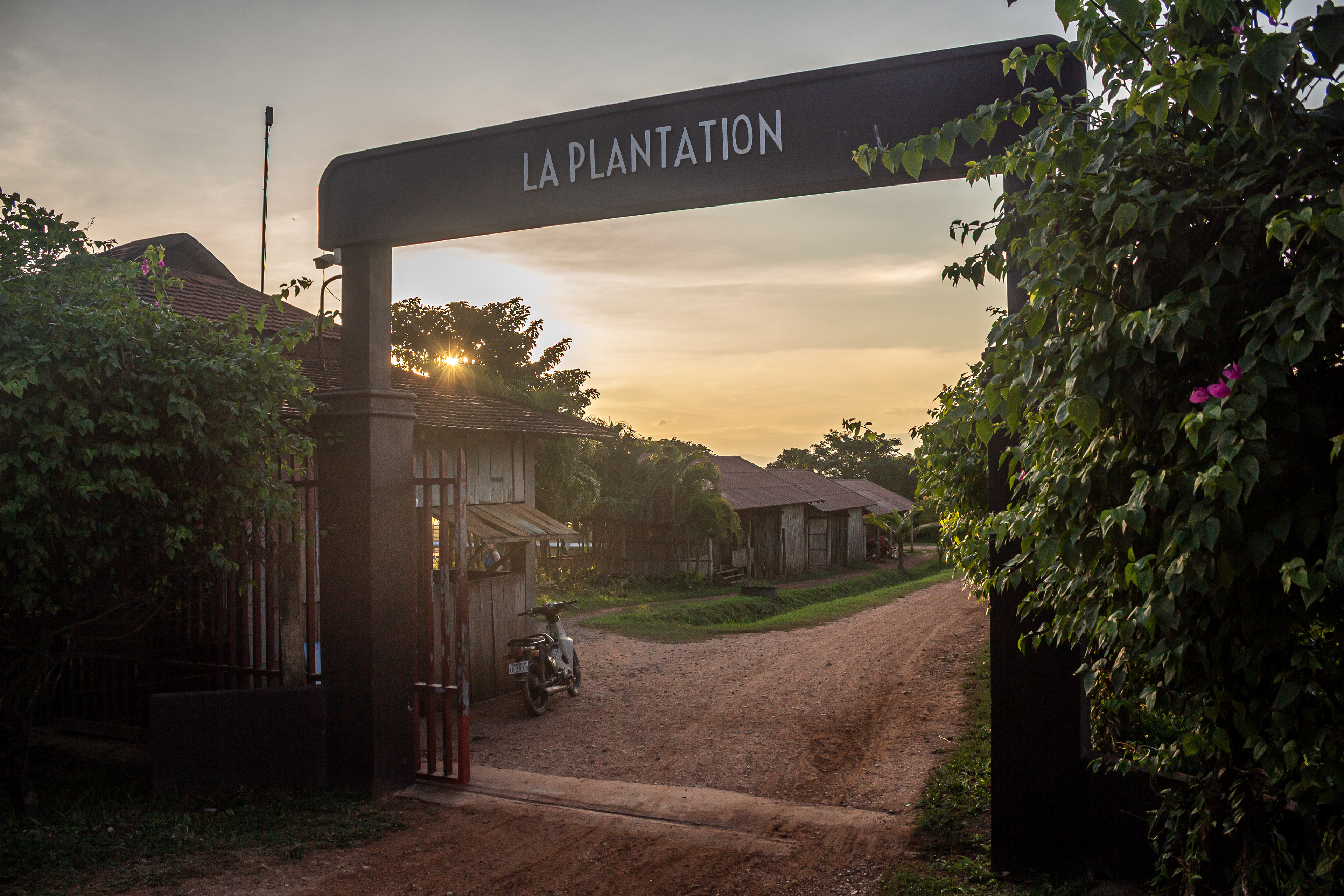
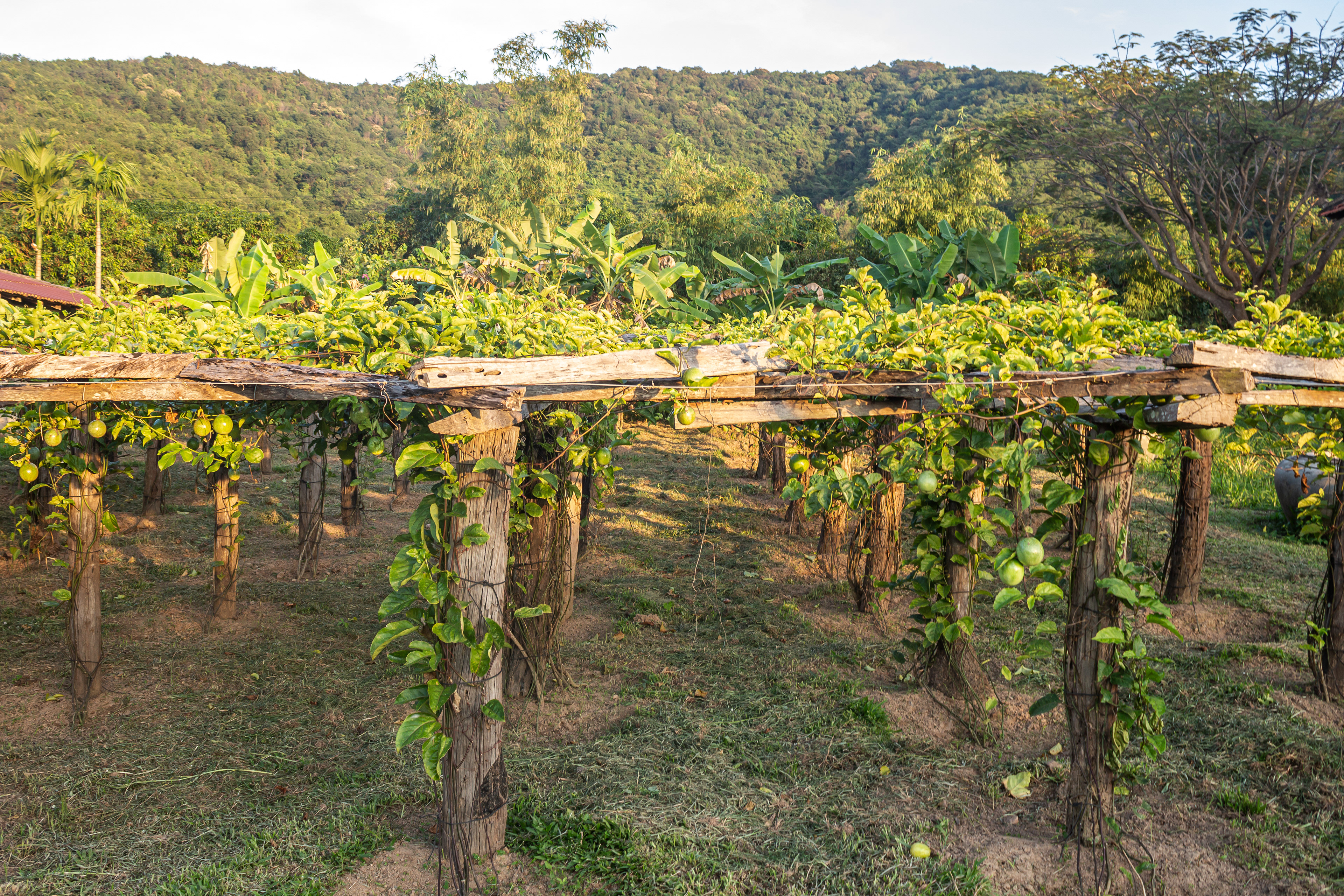
Kampot is world-famous for its pepper, prized by chefs for its aroma and flavor. Visiting a pepper plantation (such as La Plantation) offers insight into traditional farming methods and usually ends with tastings and a chance to buy directly from the source.