Discovering the Wonders of North and Central Vietnam
Vietnam's north and central regions are home to some of the country's most iconic landscapes, historic cities, and vibrant cultural experiences. From the mystical limestone cliffs of Ha Long Bay to the lantern-lit alleys of Hoi An, this region offers a rich tapestry of sights and stories that captivate travelers. Whether you're a nature lover, history buff, or foodie, North and Central Vietnam deliver an unforgettable journey through the heart of Southeast Asia. Here's your ultimate travel guide to the must-see destinations in North and Central Vietnam.
Hanoi Unveiled: Top Attractions in Vietnam’s Timeless Capital
Hanoi, the heart and soul of Vietnam, is a city where the past and present coexist in captivating harmony. With its centuries-old temples, French colonial architecture, vibrant street life, and lush lakes, Hanoi offers a rich cultural tapestry for travelers to explore. Whether you're wandering through its bustling Old Quarter or sipping coffee by the lakeside, the Vietnamese capital is an unforgettable journey into history, tradition, and modern charm. Here's a guide to the must-see sights in Hanoi.
Hoan Kiem Lake & Ngoc Son Temple
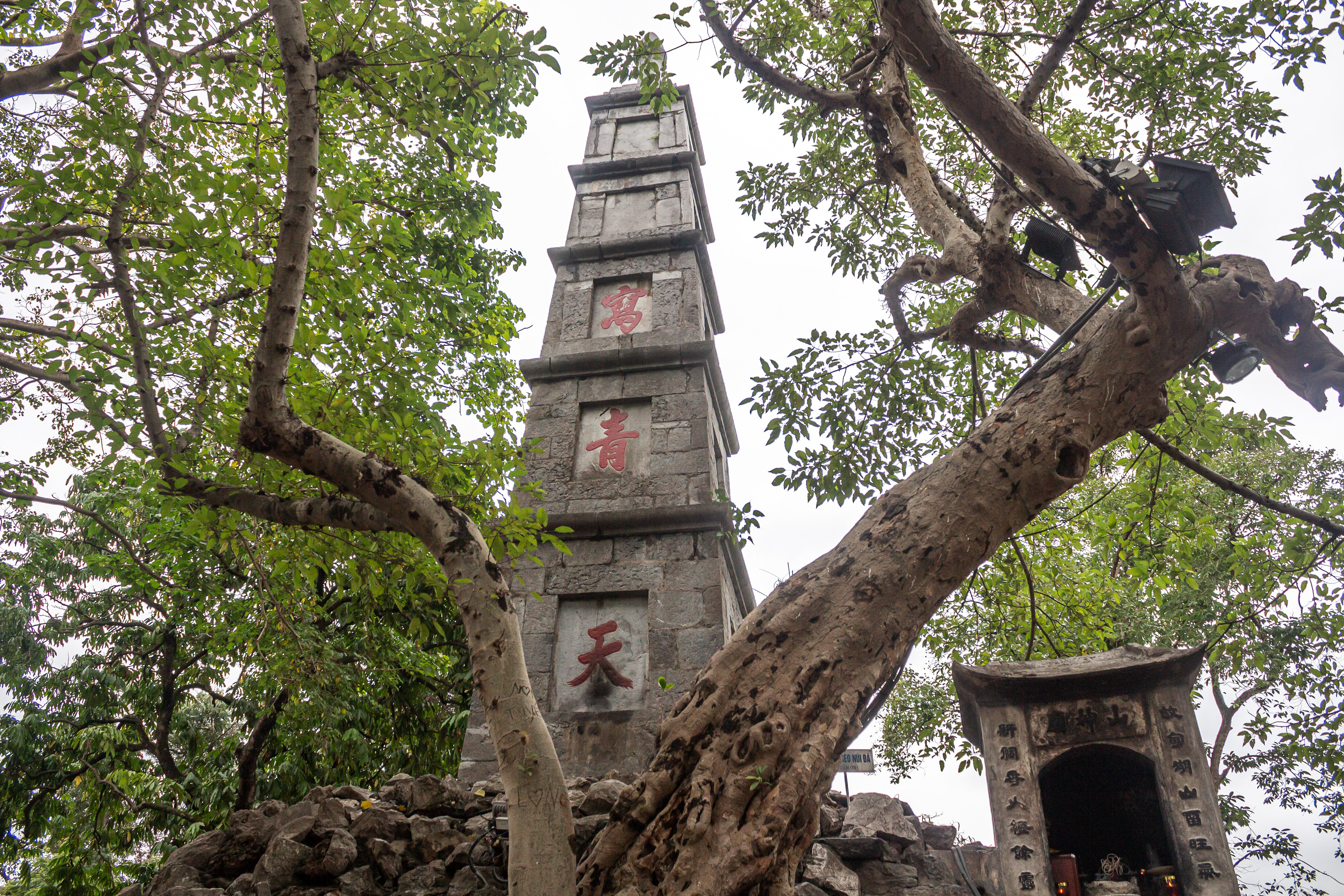
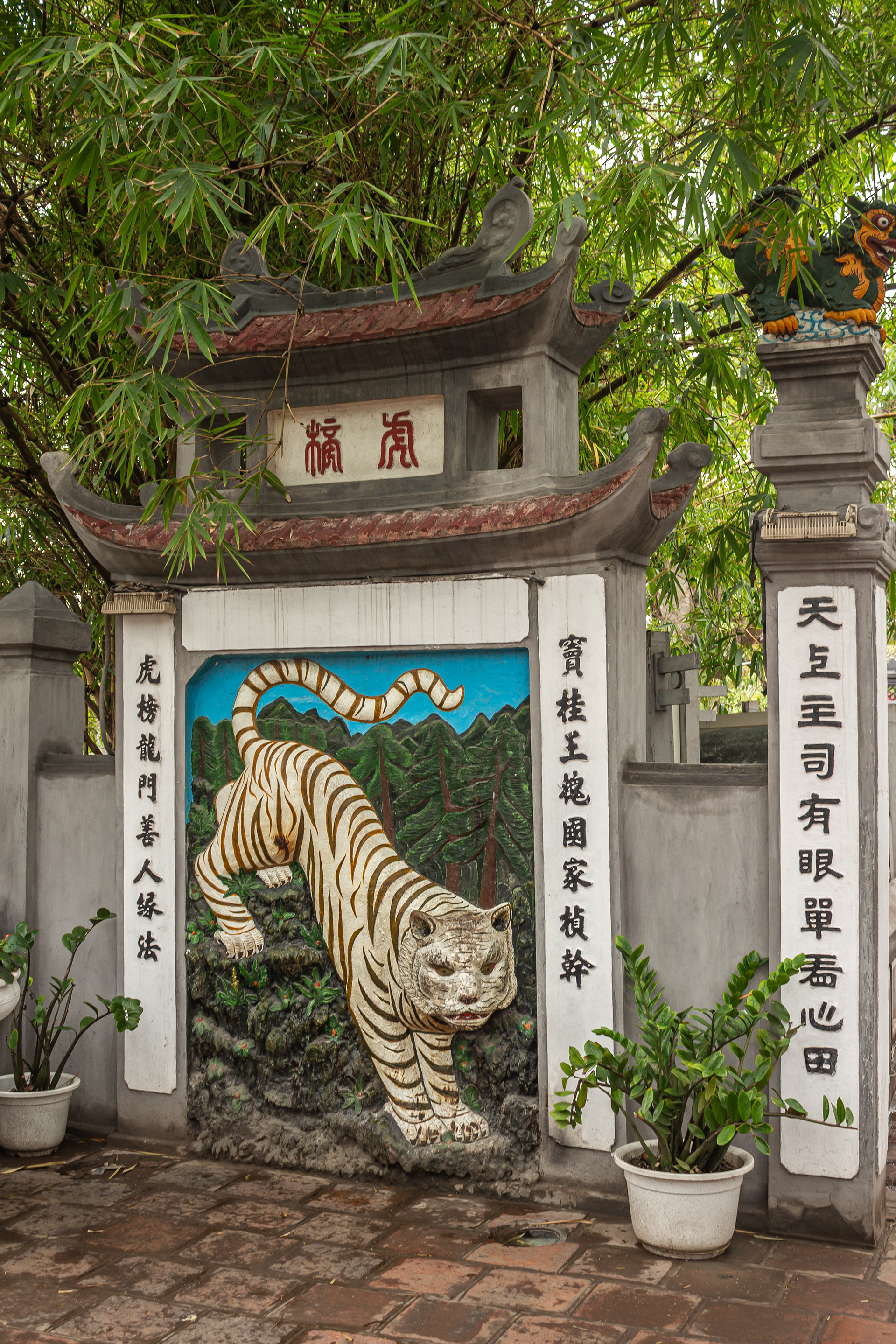
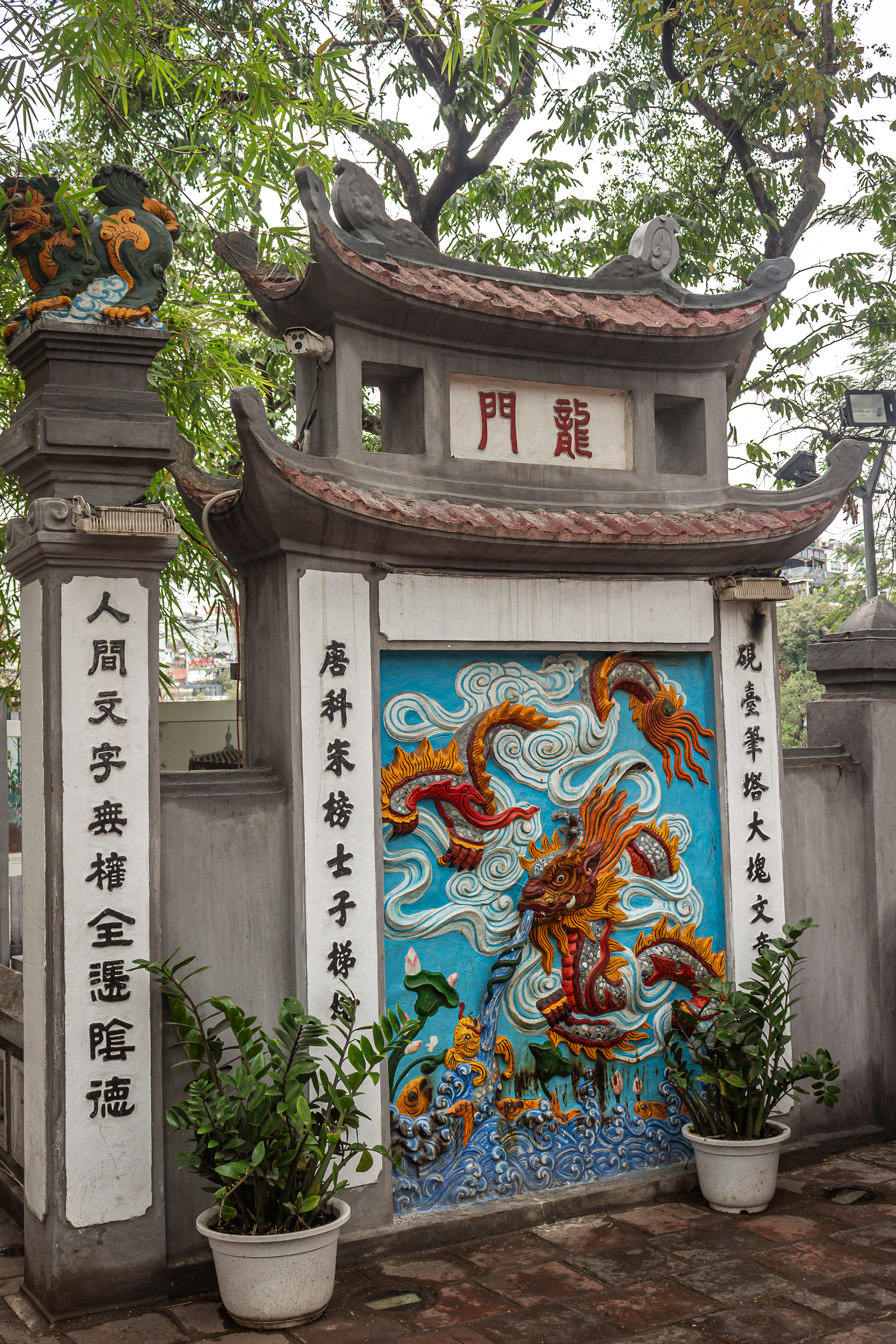
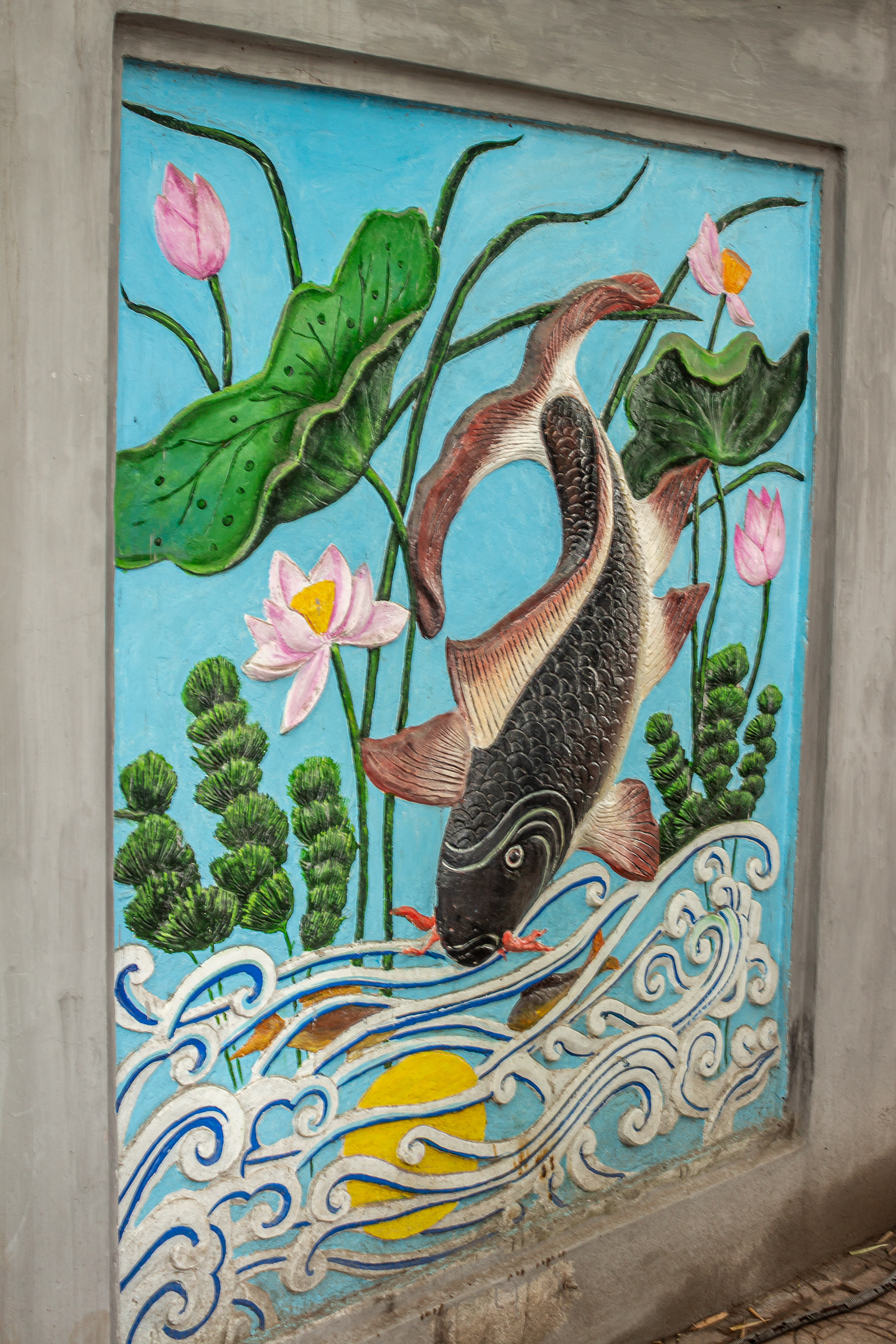
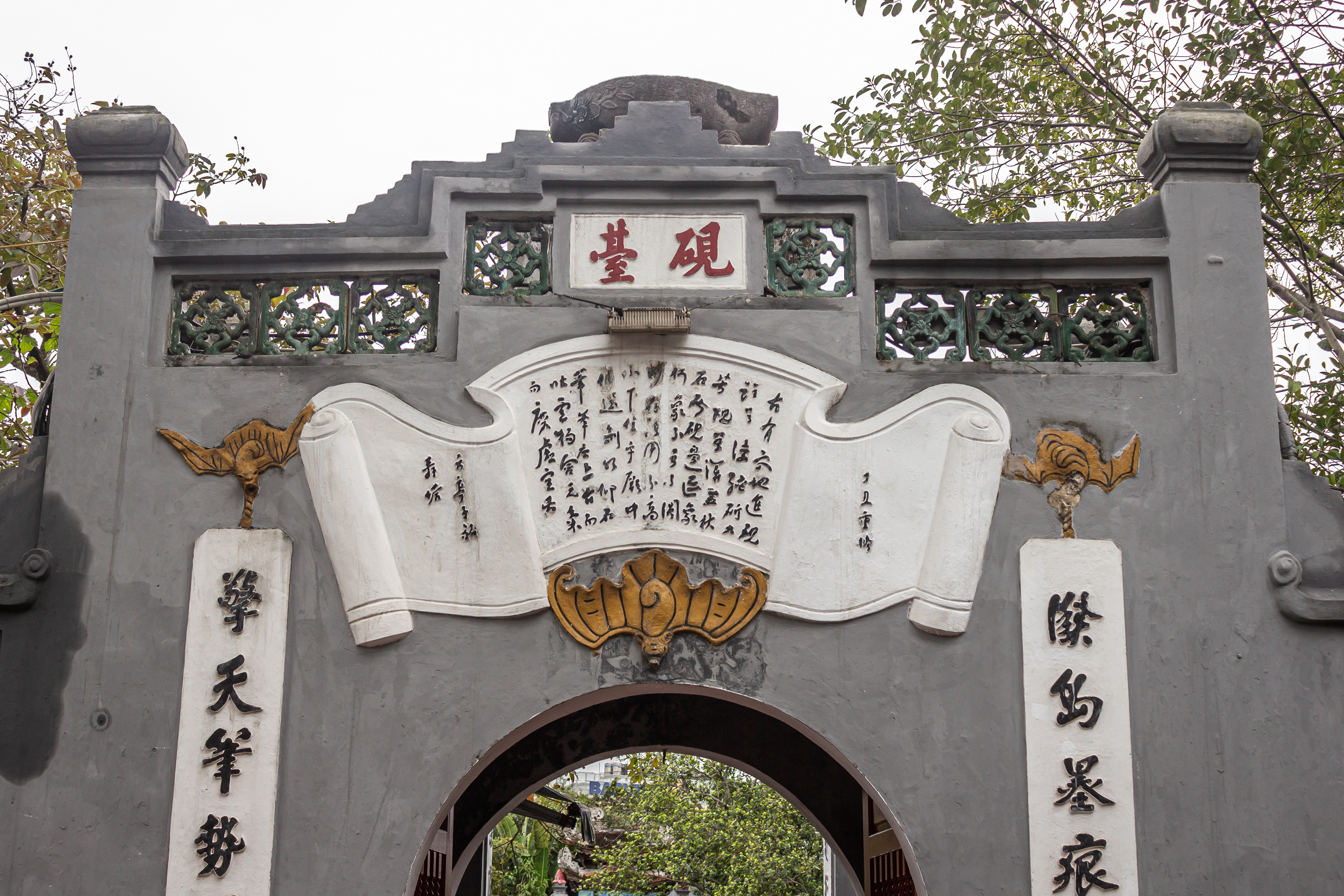
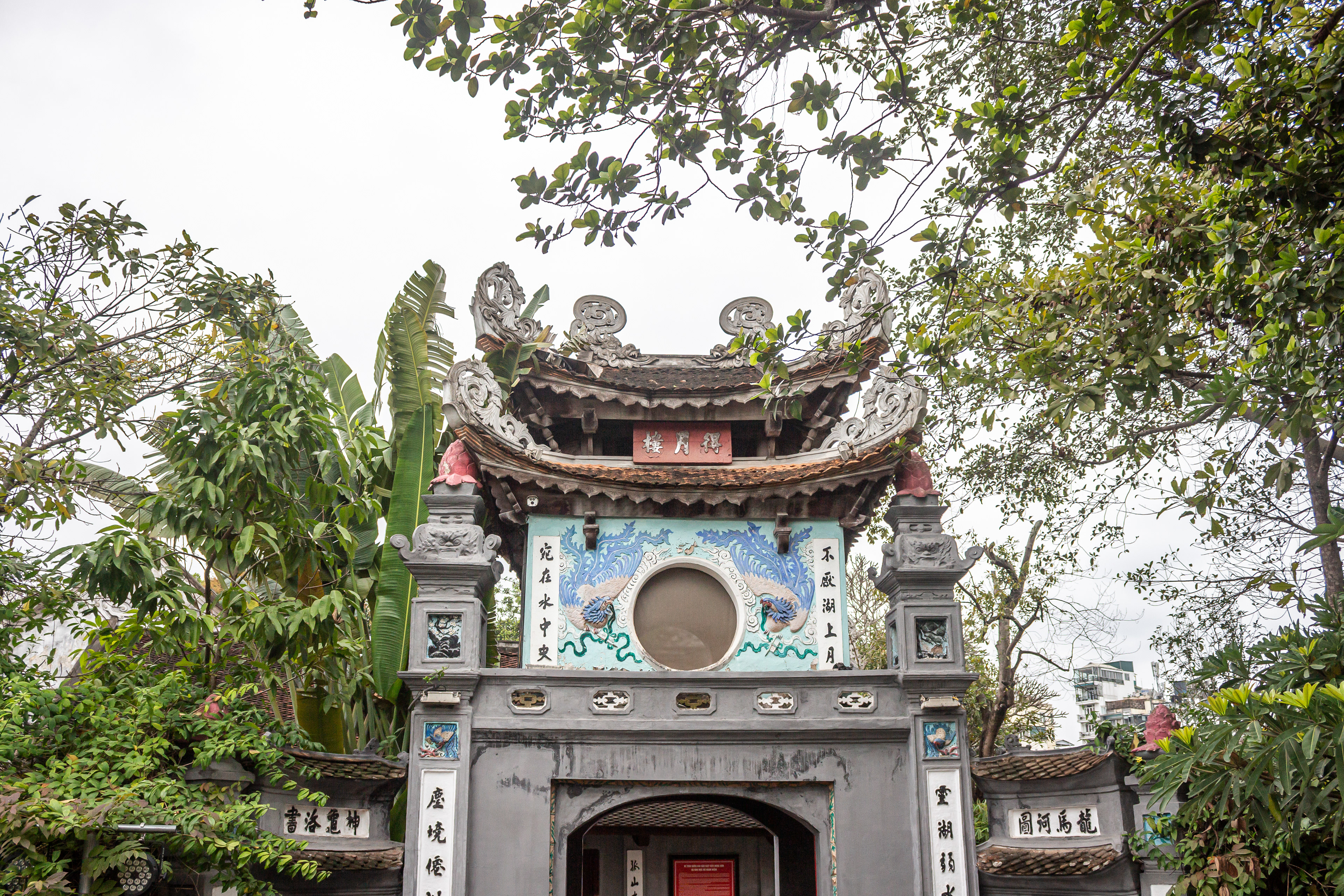
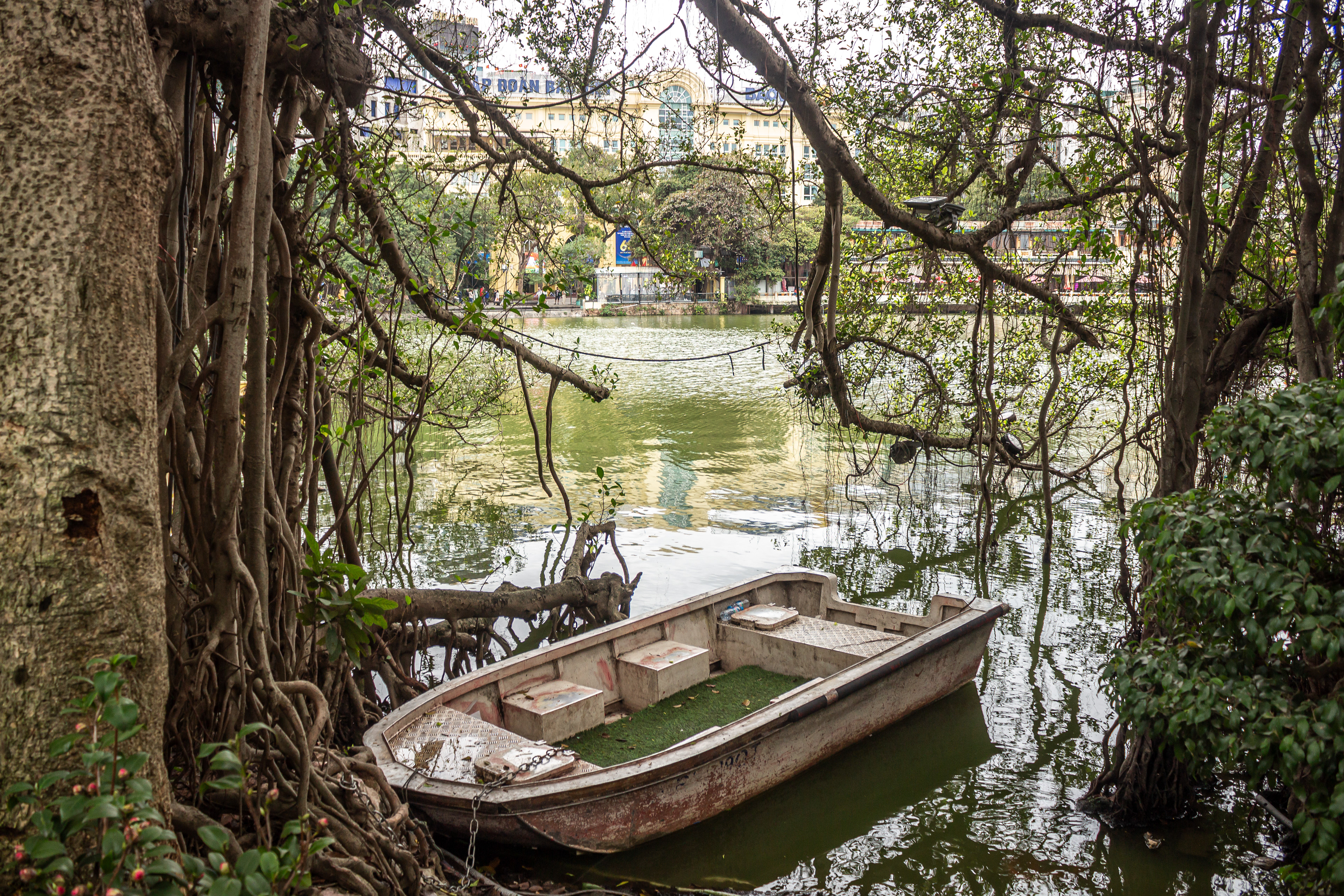
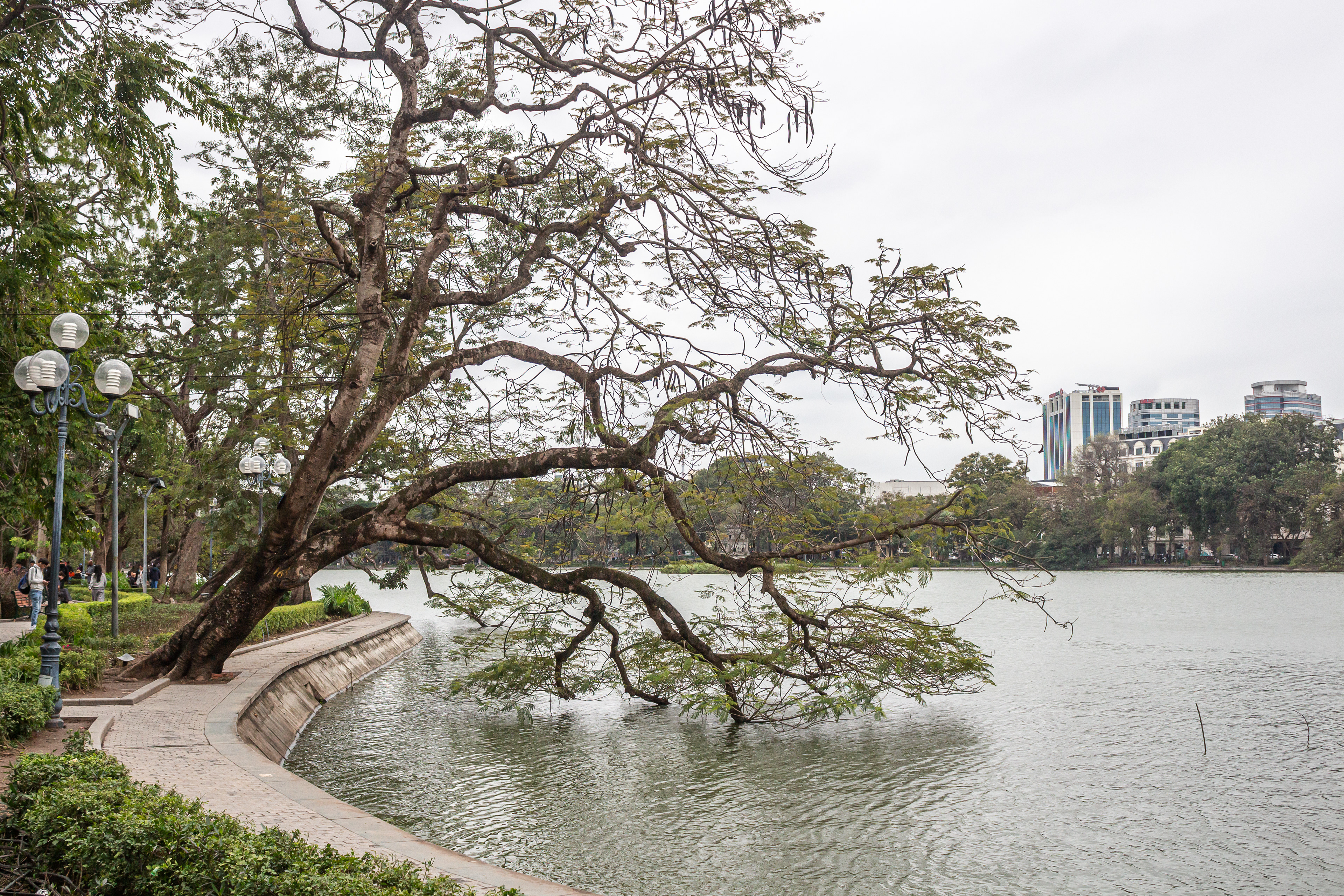
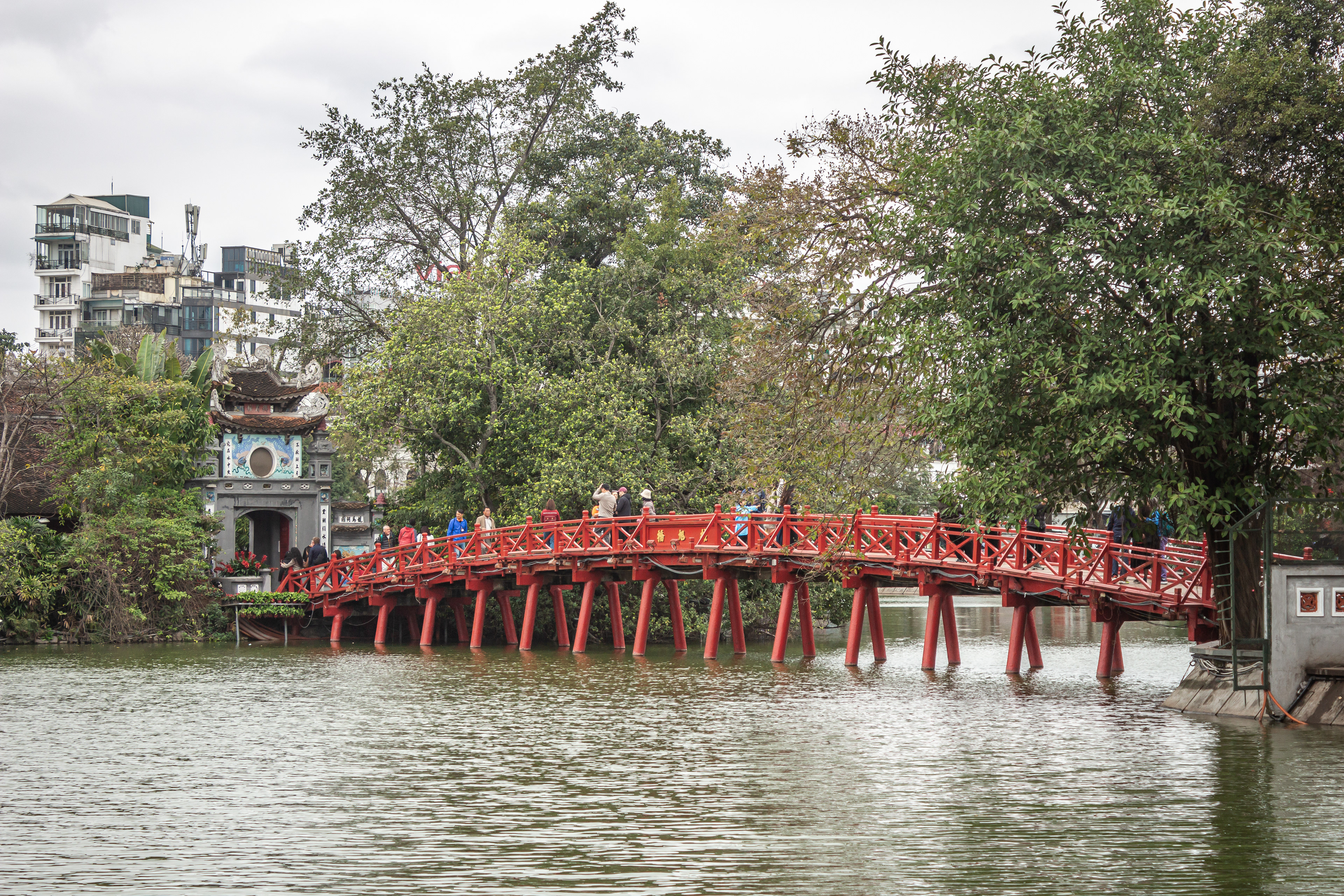
Located in the center of Hanoi, Hoan Kiem Lake is a peaceful escape from the city's chaos. At its heart is Ngoc Son Temple, accessible by the iconic red Huc Bridge. The lake is steeped in legend, believed to be the home of a mythical turtle that helped Emperor Le Loi defeat foreign invaders.
Don’t Miss: Early morning tai chi sessions or a leisurely stroll at sunset.
Located in the center of Hanoi, Hoan Kiem Lake is a peaceful escape from the city's chaos. At its heart is Ngoc Son Temple, accessible by the iconic red Huc Bridge. The lake is steeped in legend, believed to be the home of a mythical turtle that helped Emperor Le Loi defeat foreign invaders.
Don’t Miss: Early morning tai chi sessions or a leisurely stroll at sunset.
Old Quarter
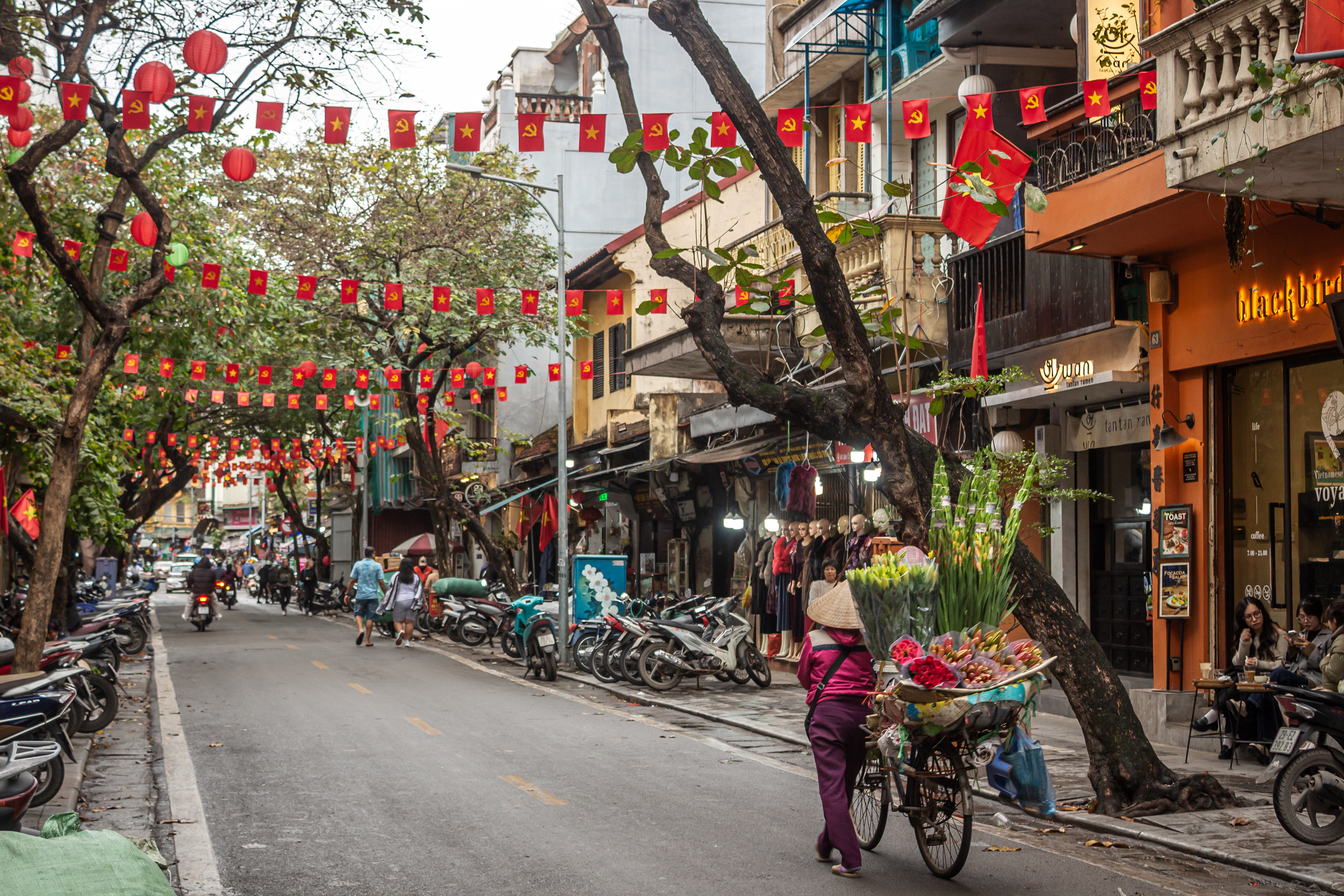
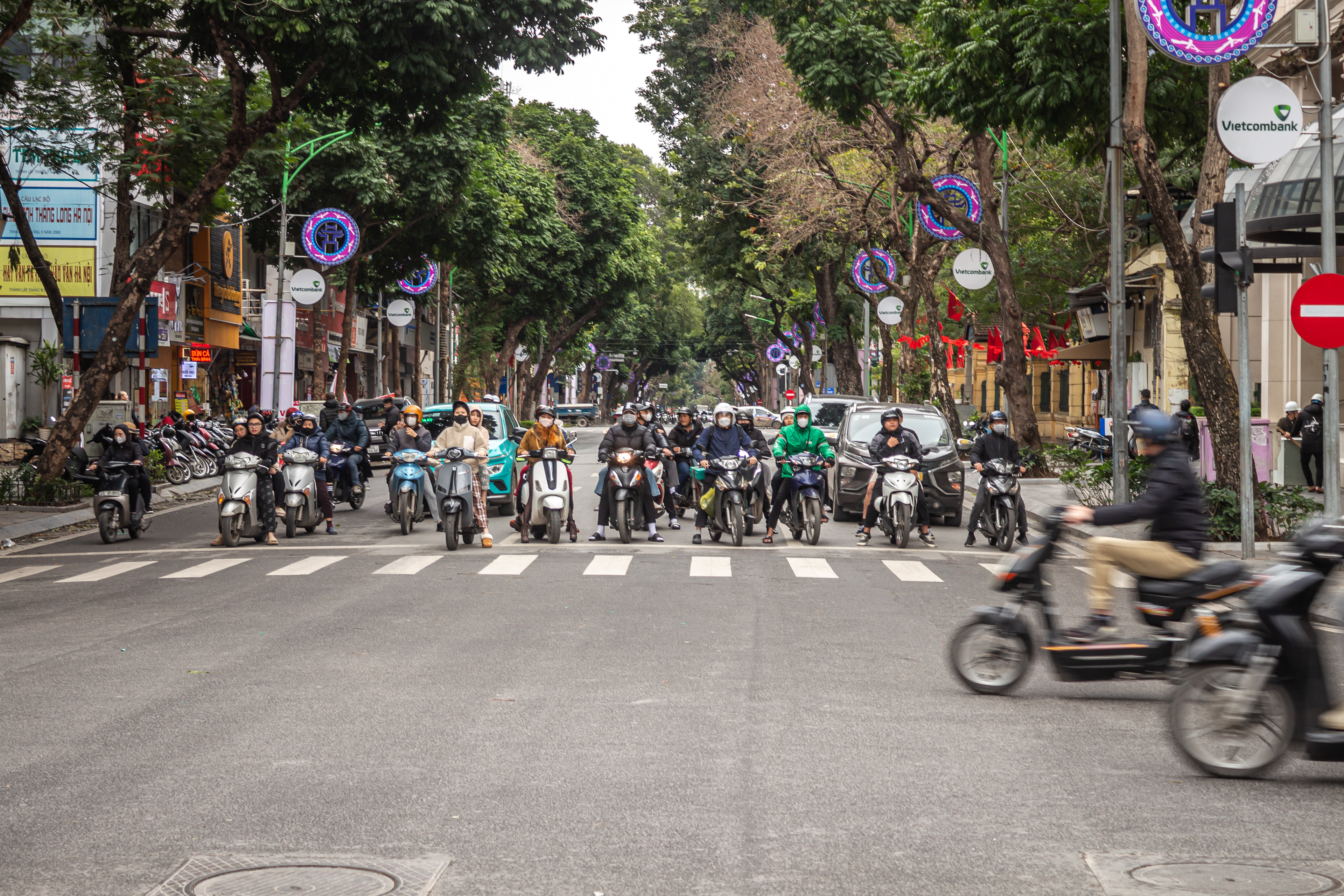
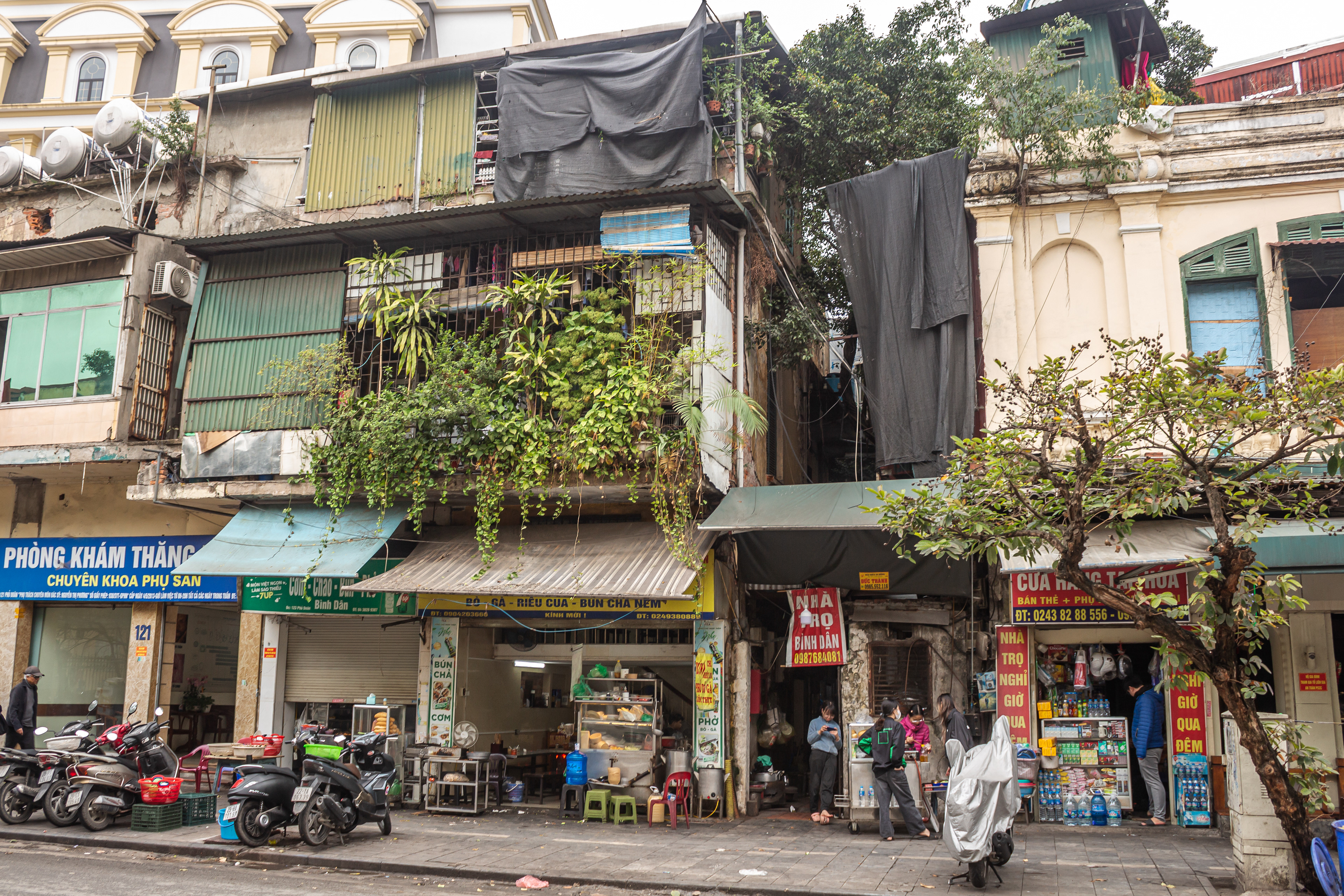
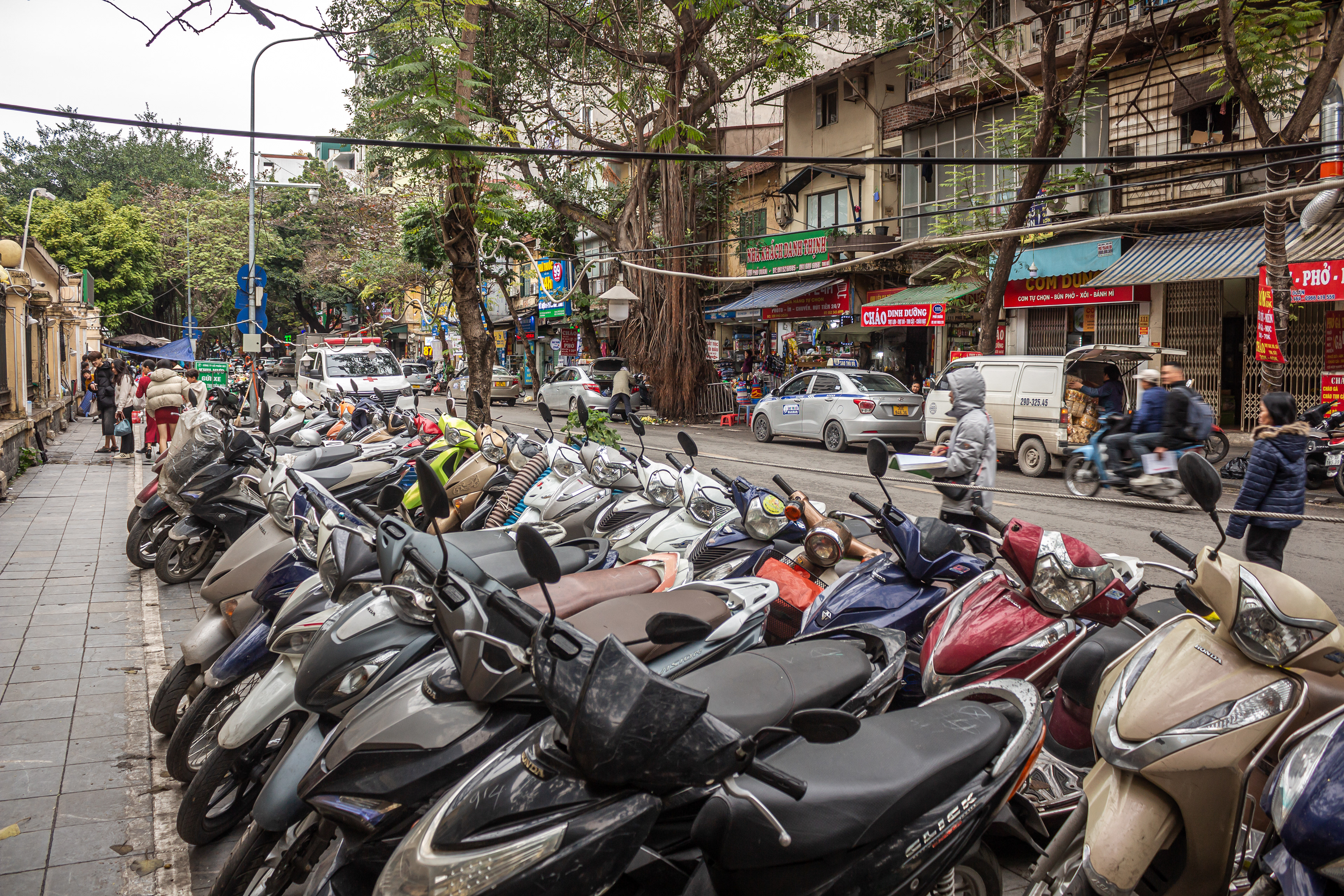
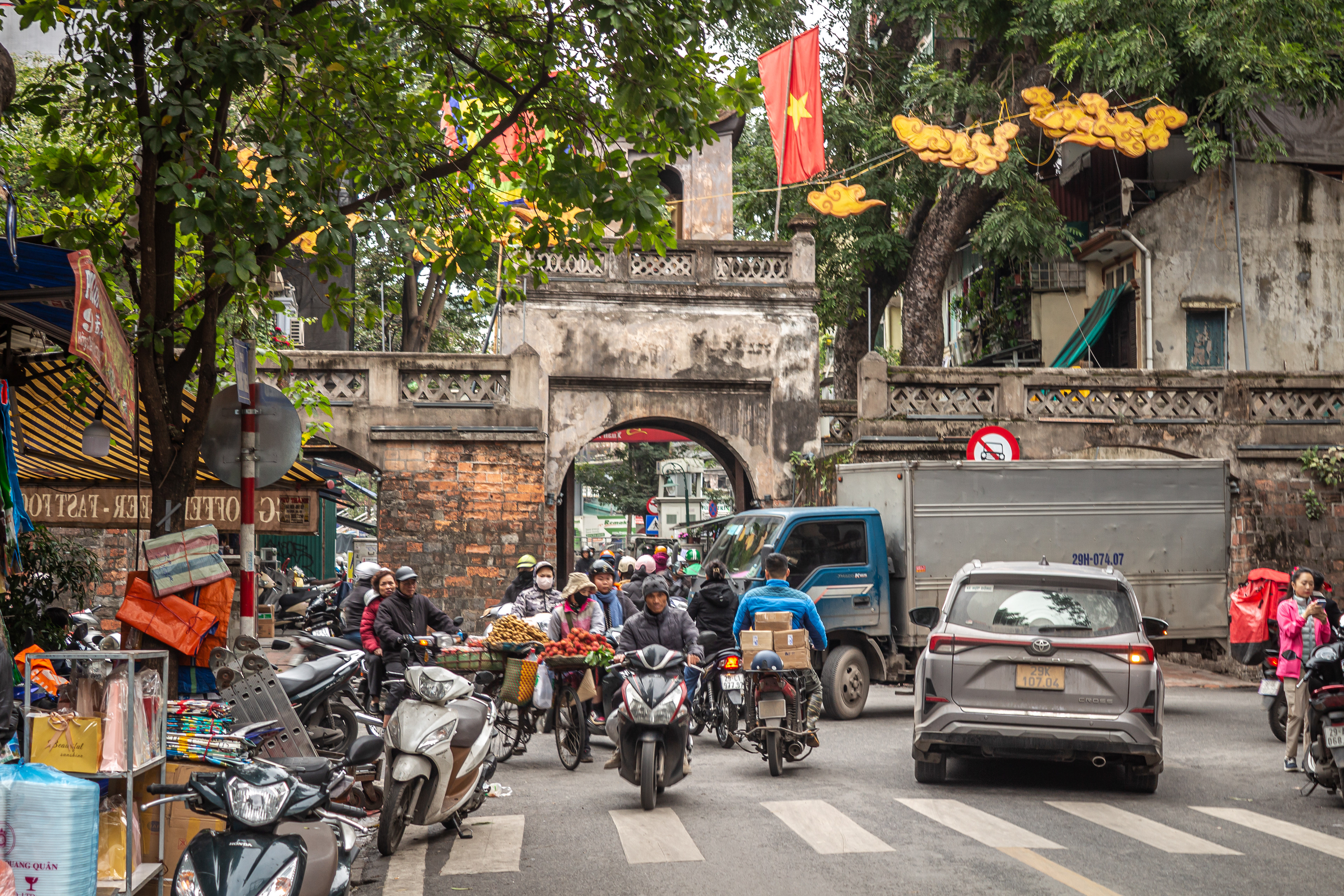
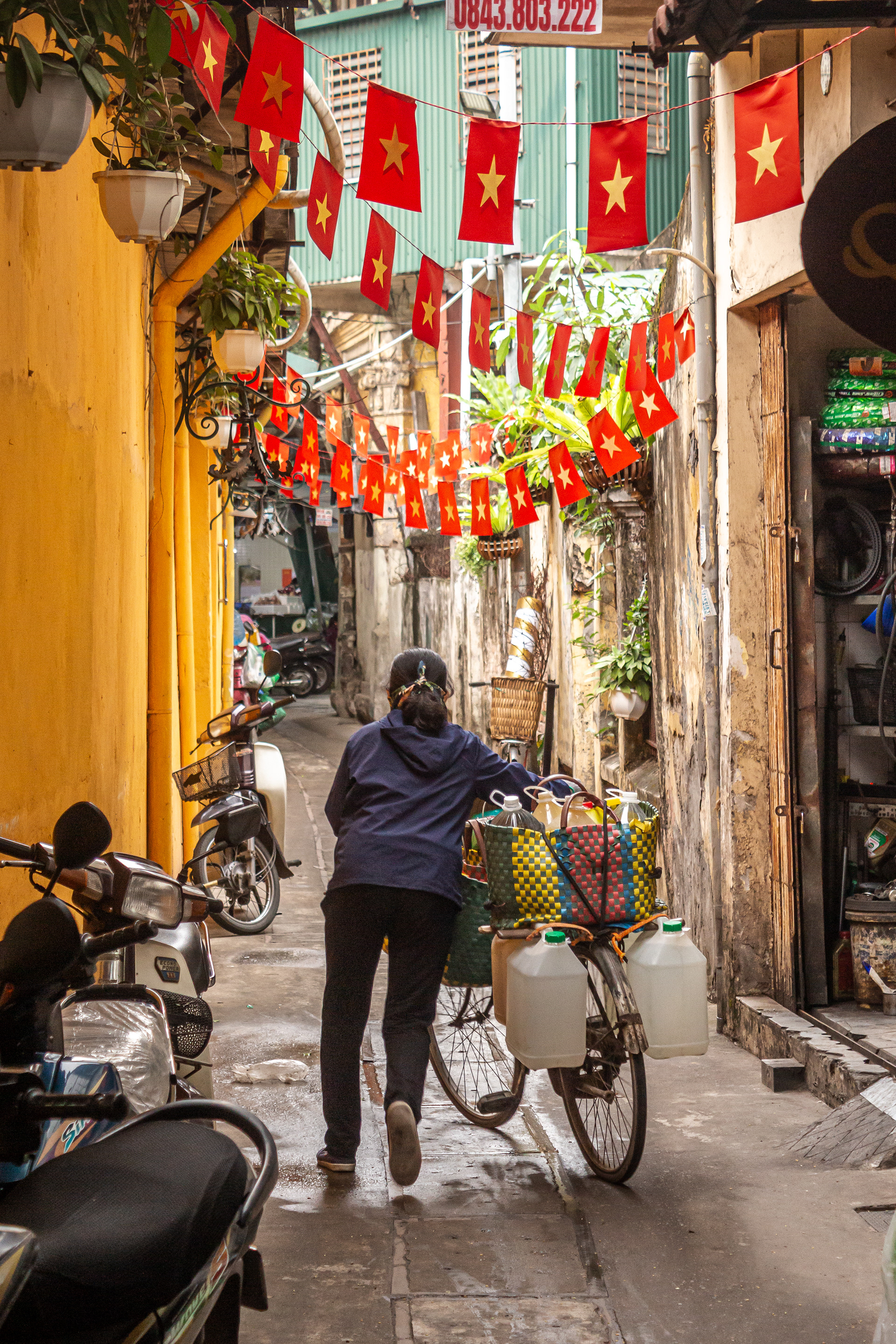
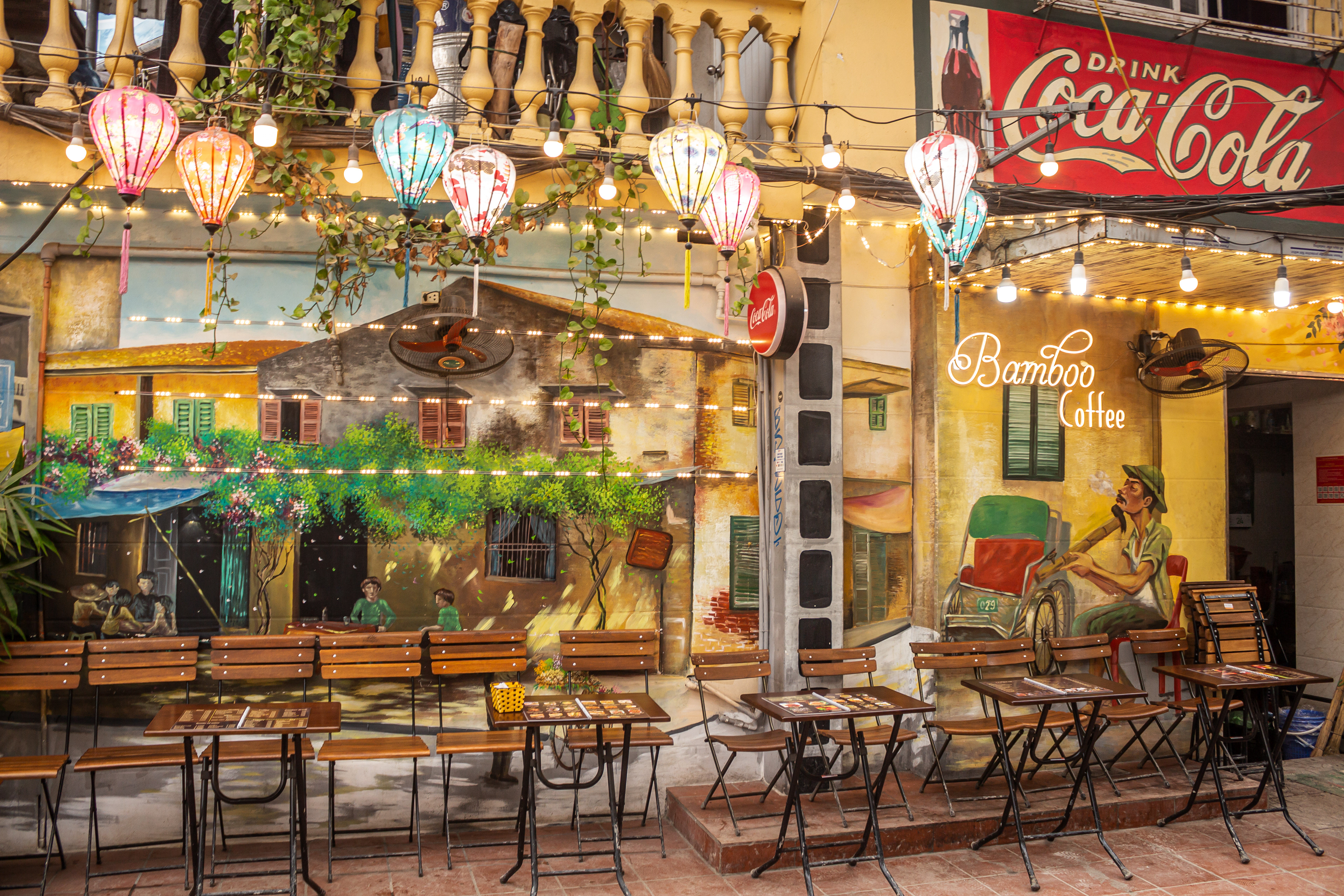
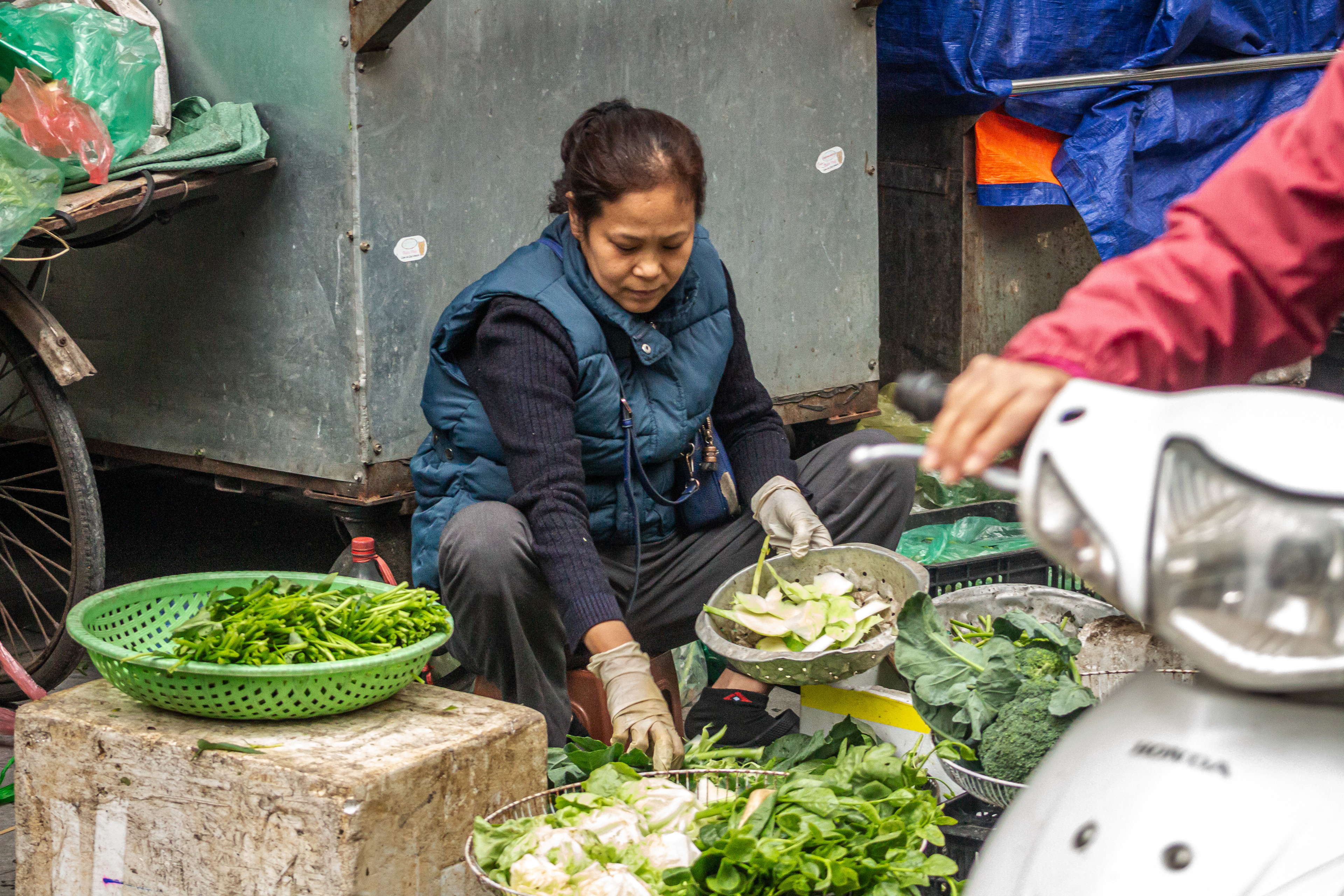
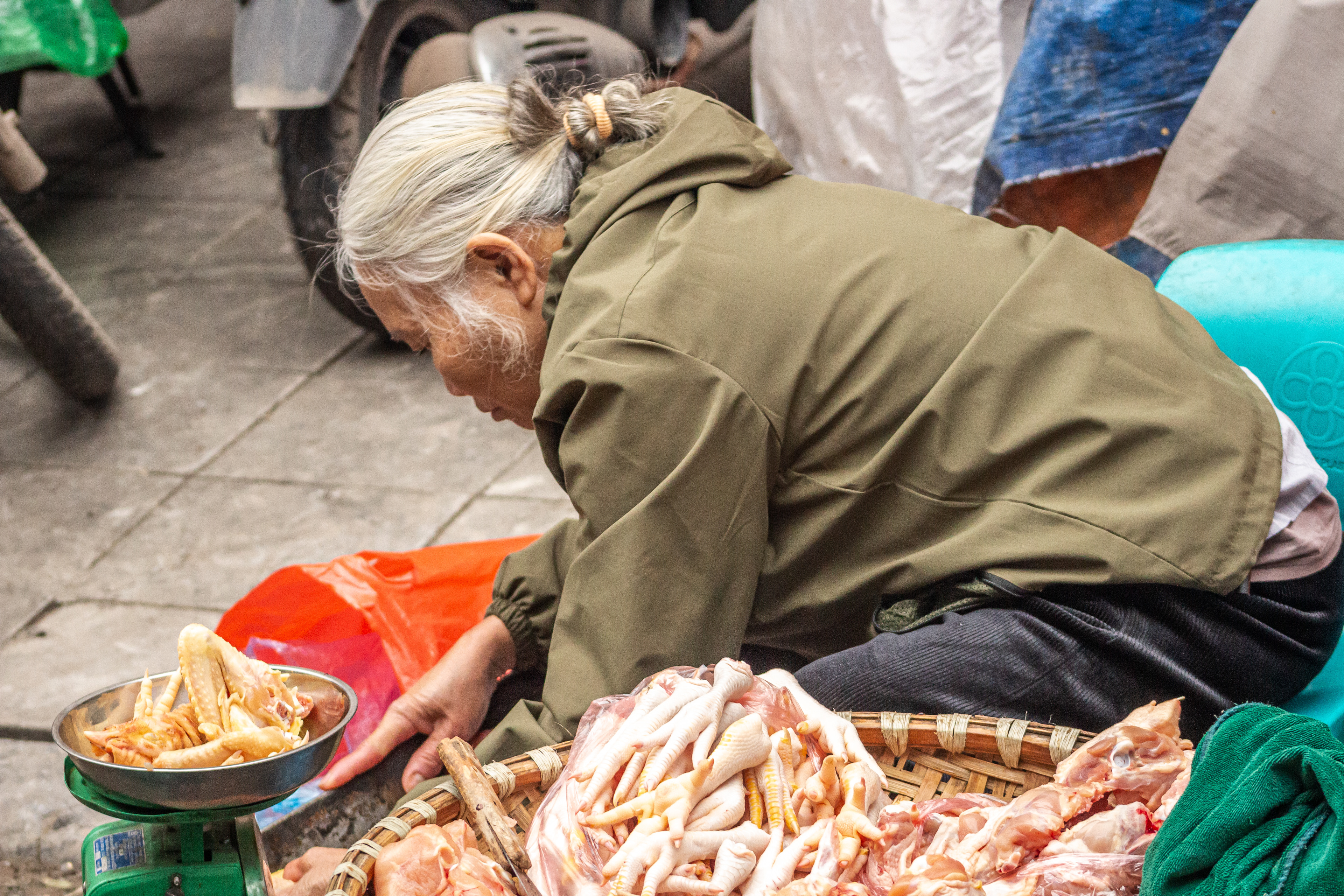
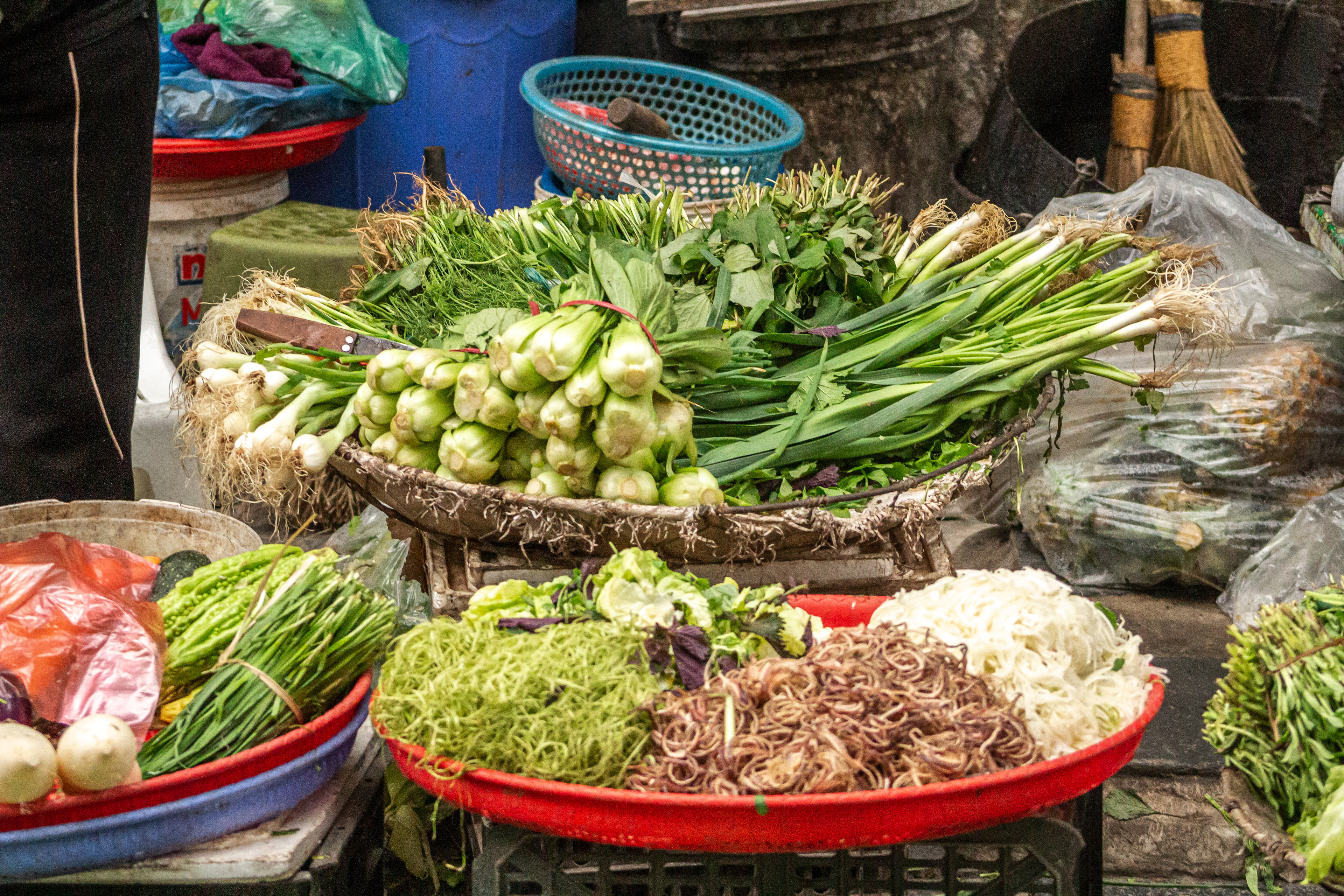
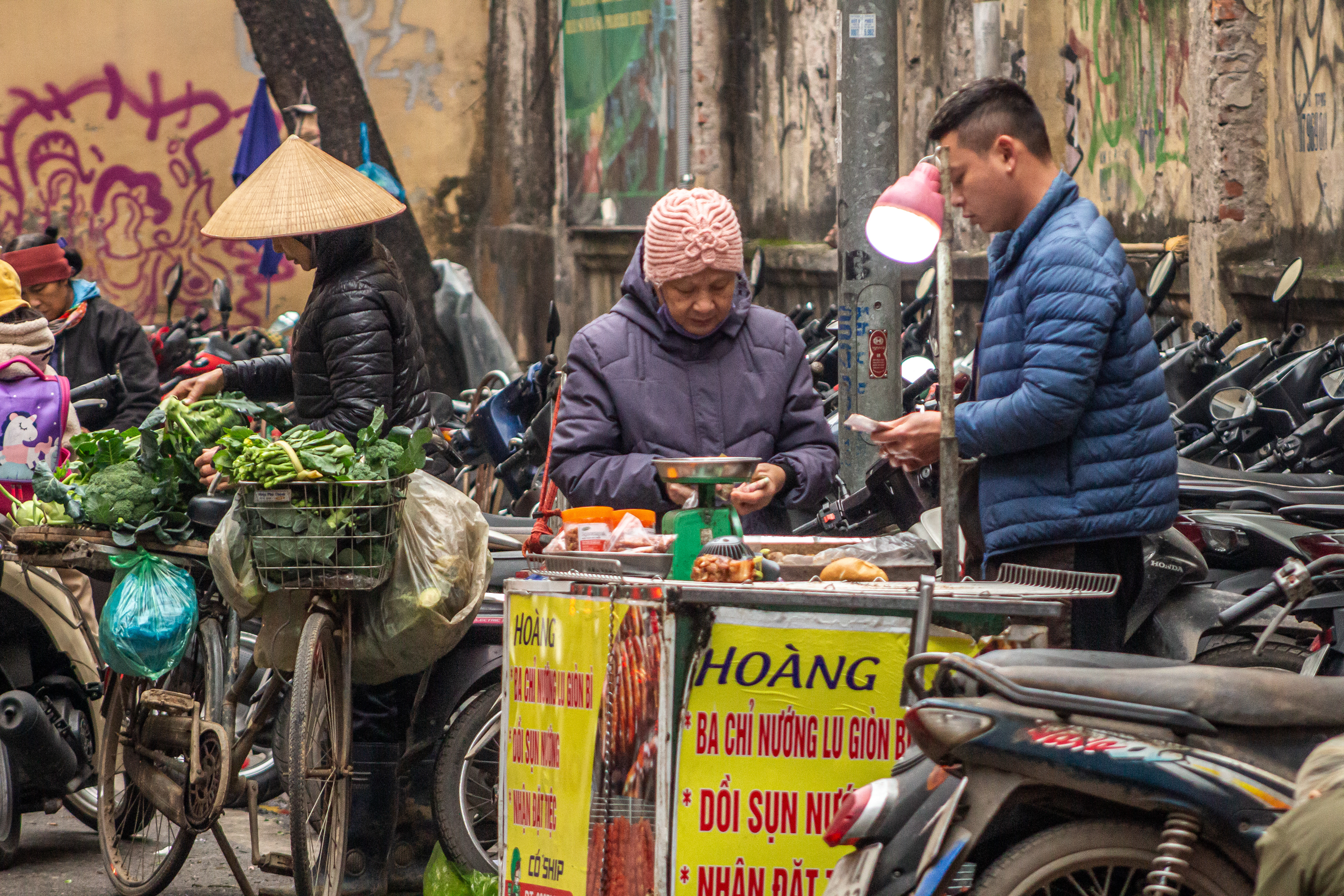
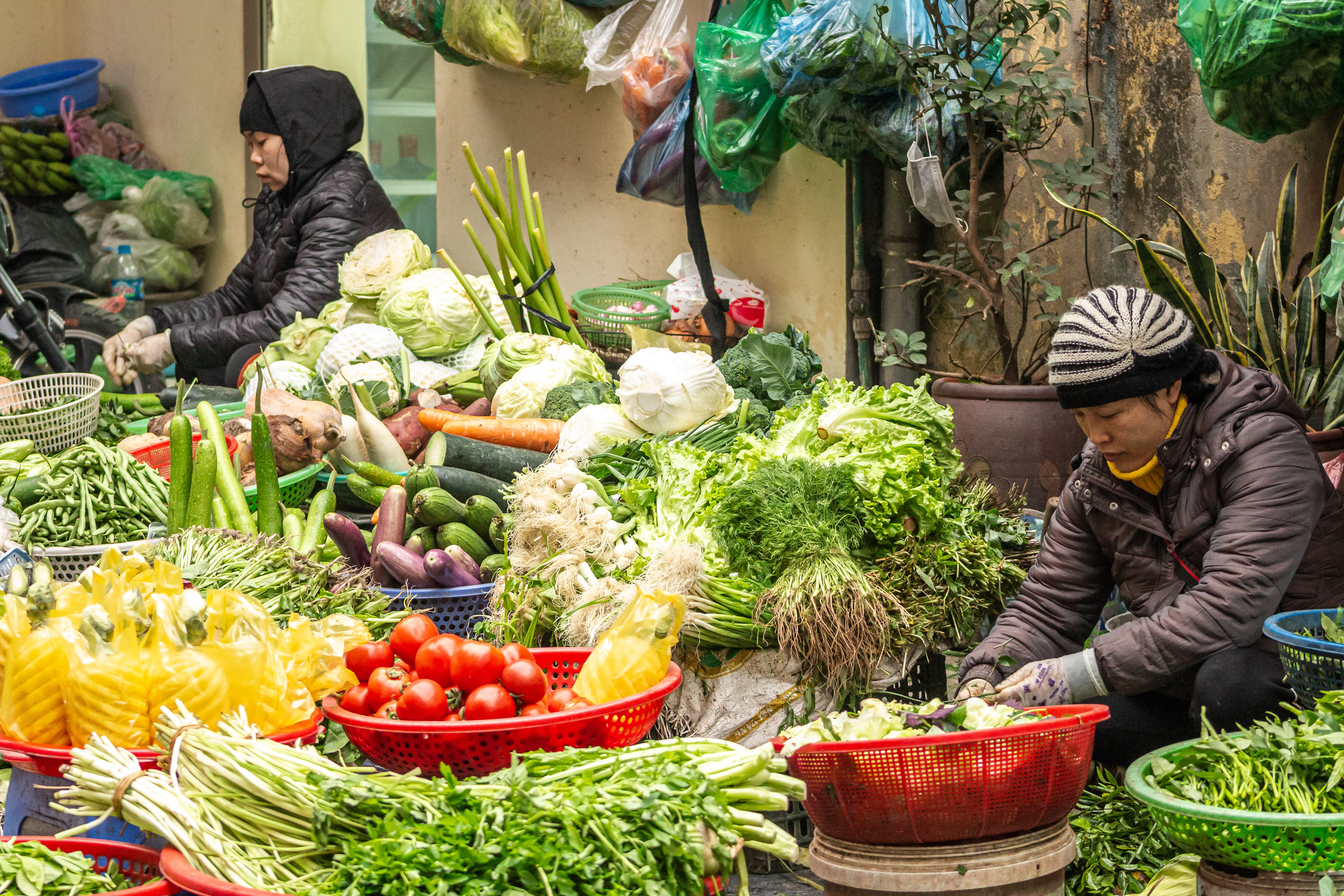
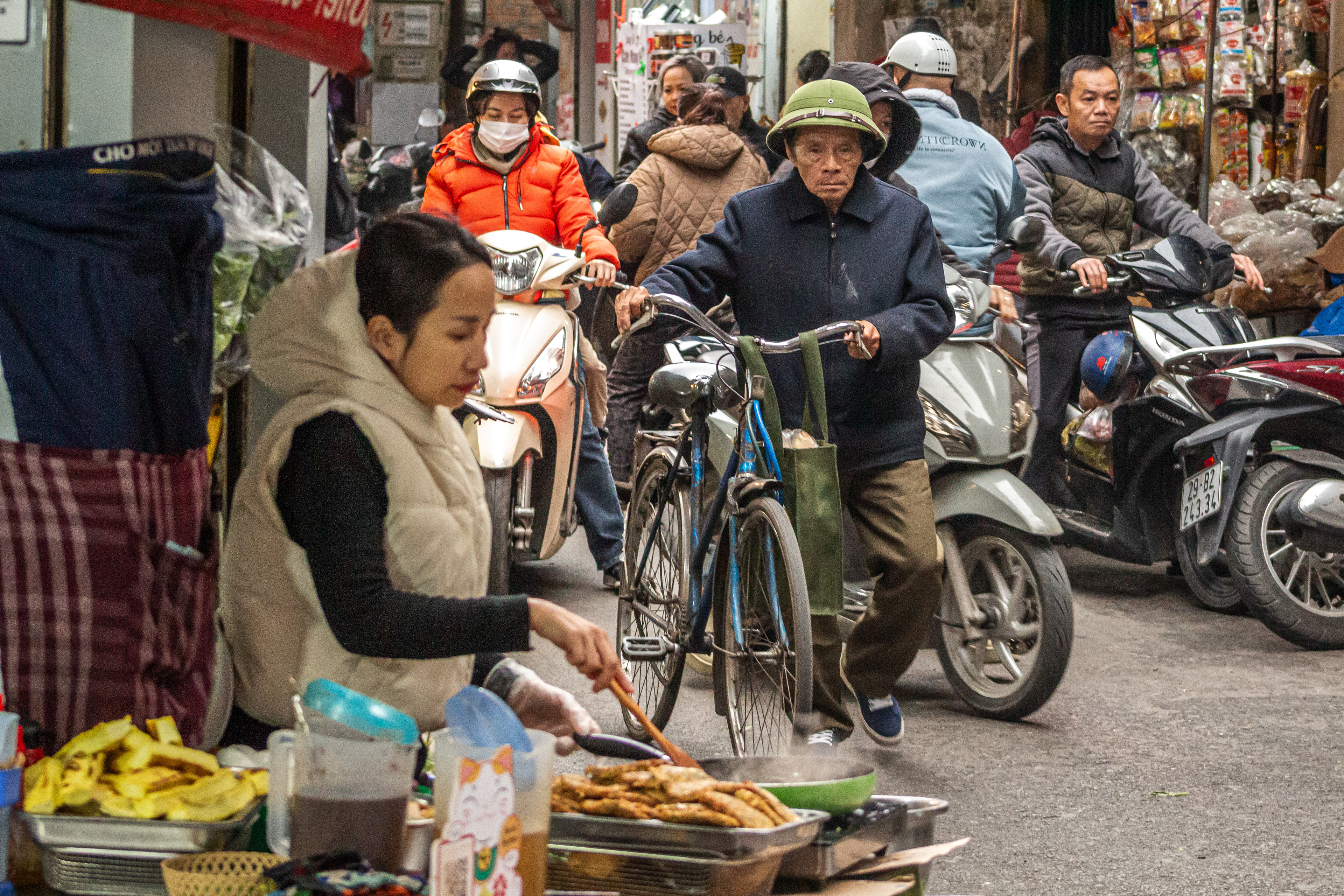
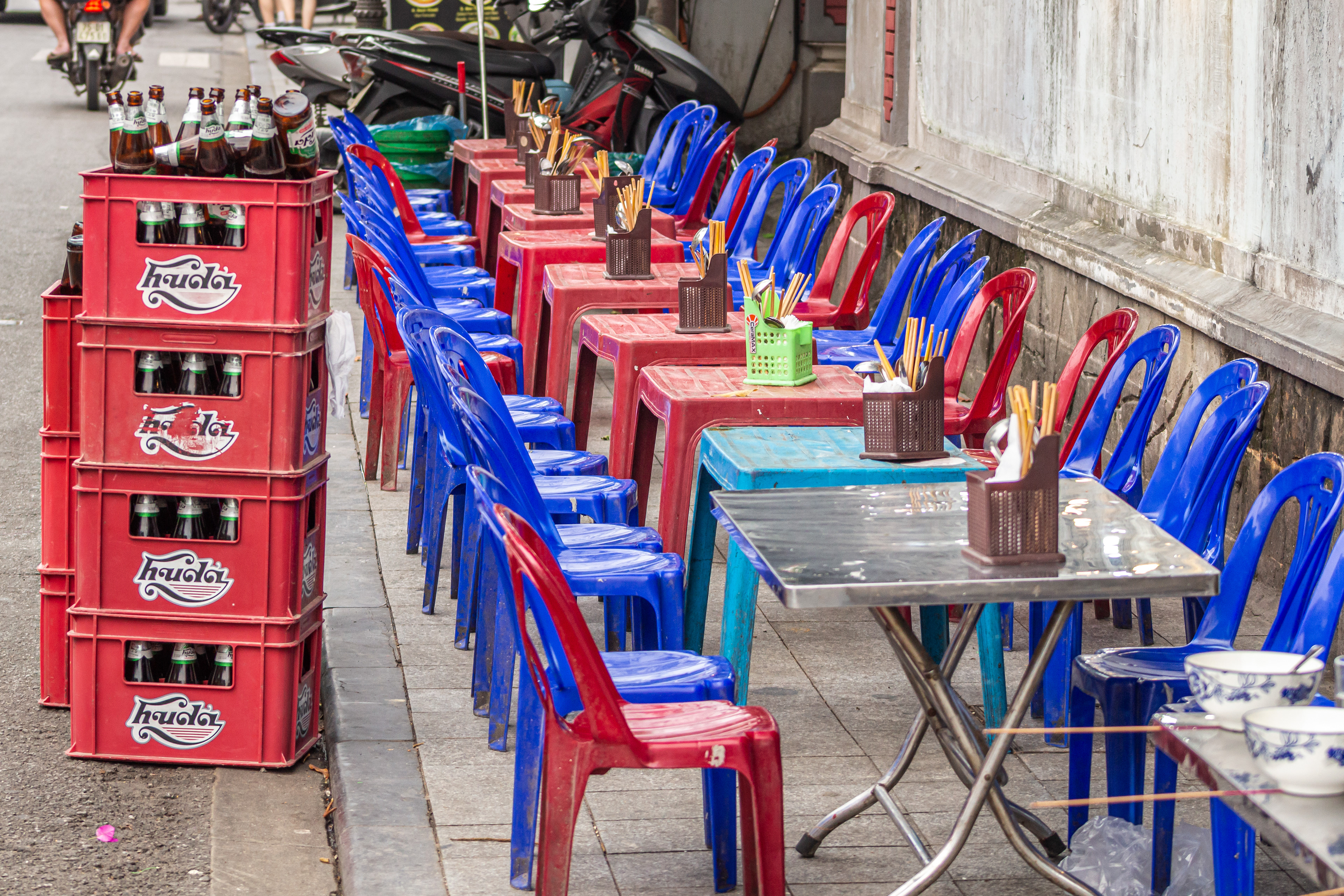
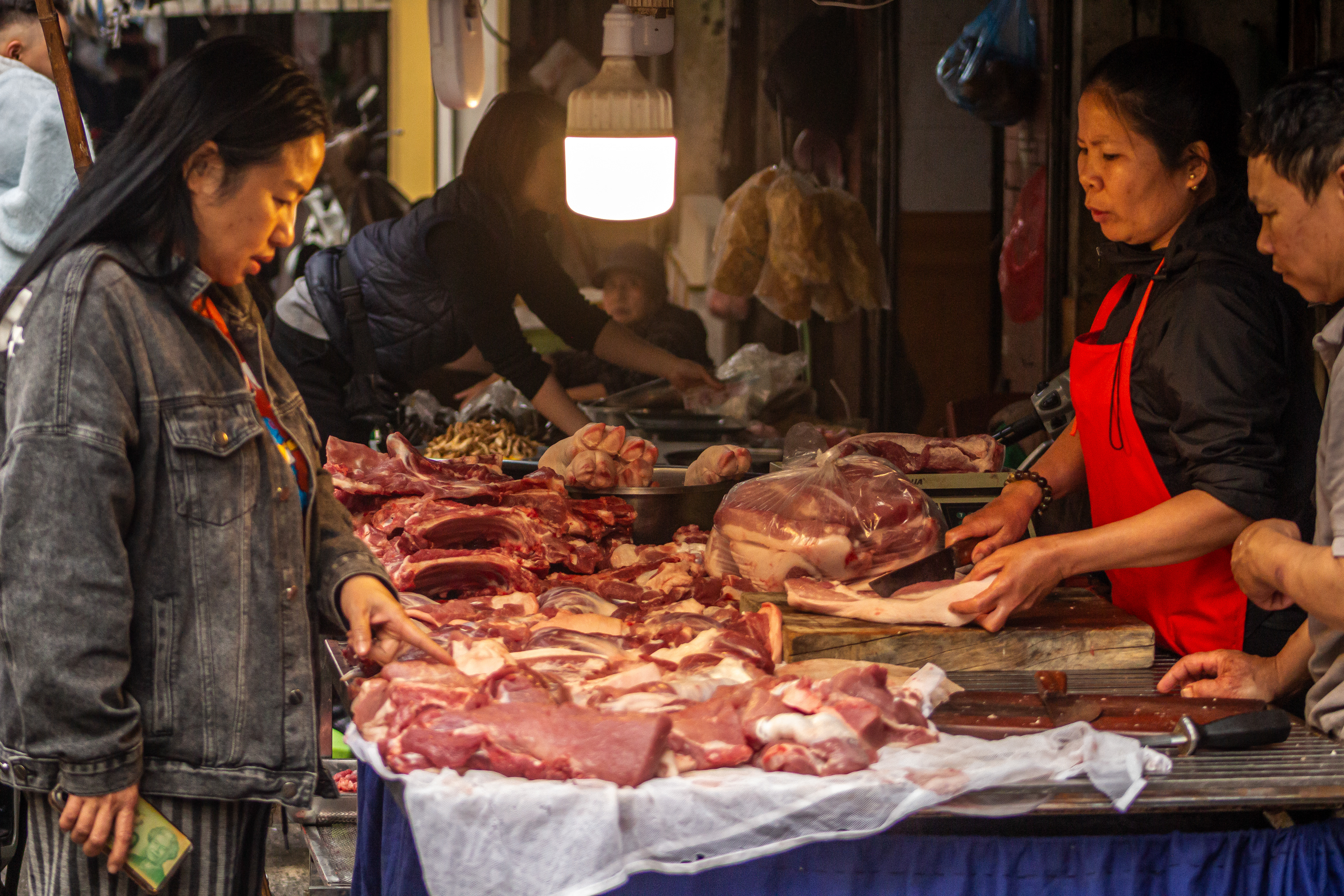
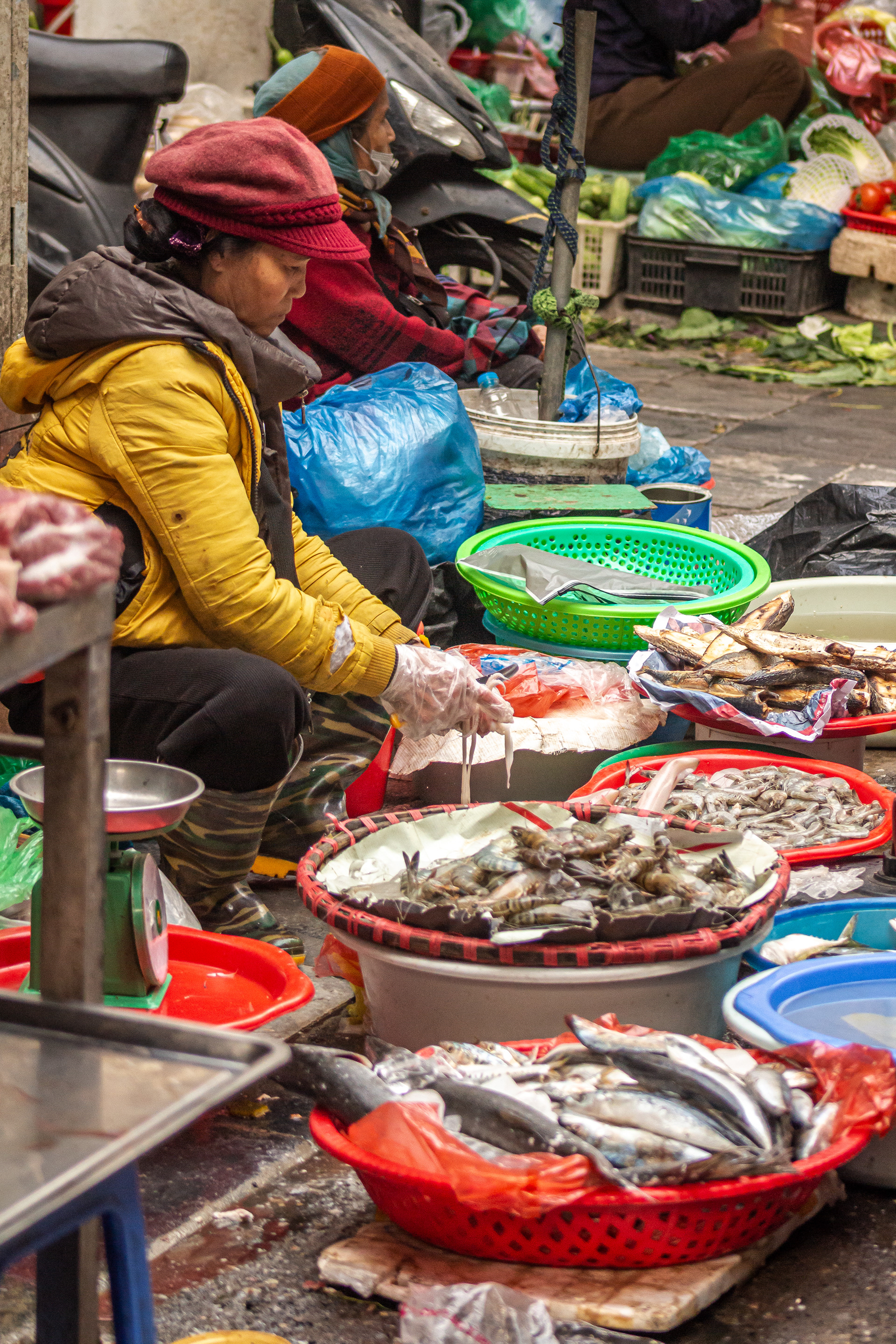
The Old Quarter is Hanoi’s historic commercial hub, where narrow streets buzz with scooters, street vendors, and colonial-era buildings. Each street traditionally specializes in a specific trade—from silver and paper to herbal medicine.
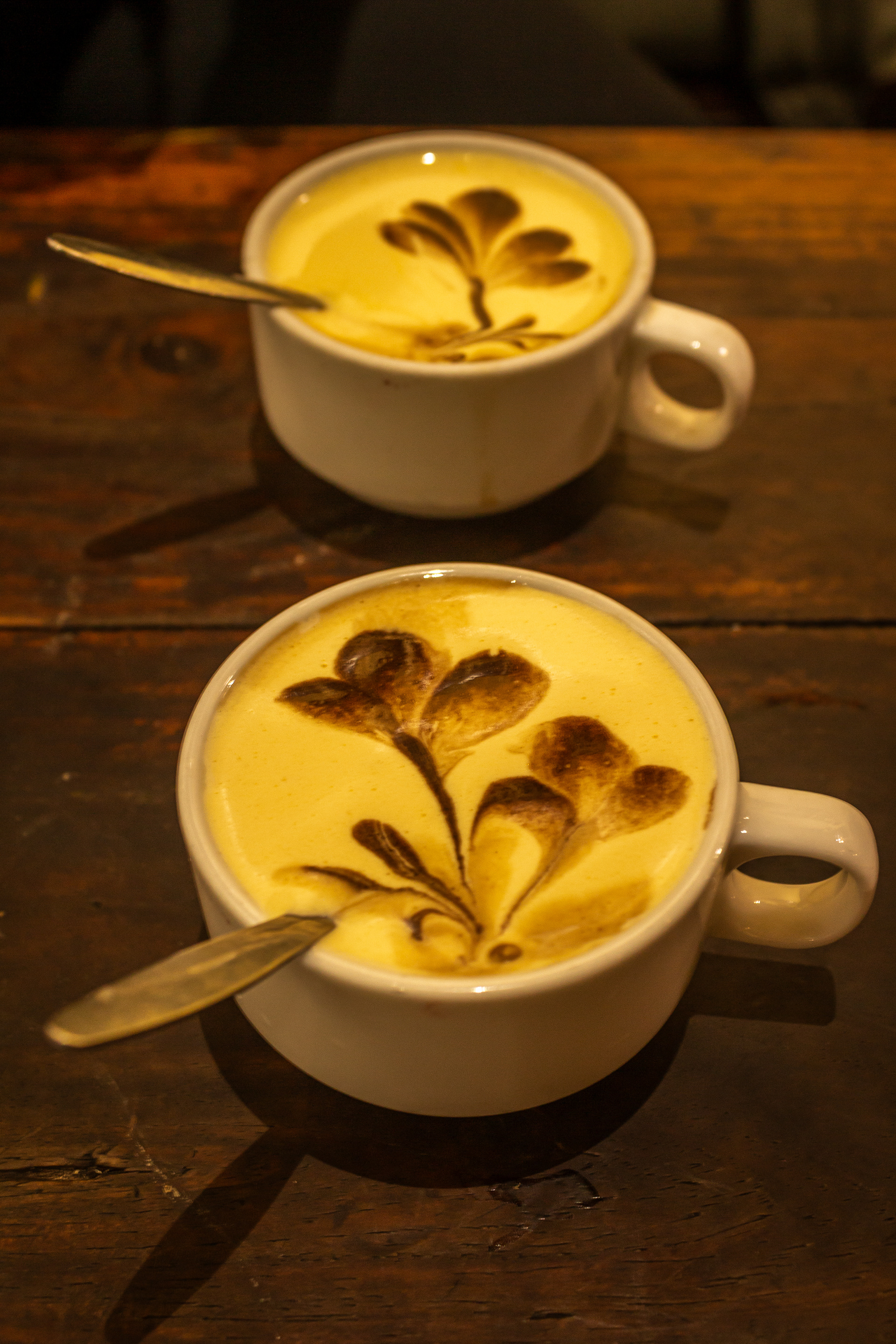
Tip: Dive into the street food scene here—try pho bo (beef noodle soup), bun cha (grilled pork with vermicelli), or egg coffee (ca phe trung).
The Old Quarter is Hanoi’s historic commercial hub, where narrow streets buzz with scooters, street vendors, and colonial-era buildings. Each street traditionally specializes in a specific trade—from silver and paper to herbal medicine.
Tip: Dive into the street food scene here—try pho bo (beef noodle soup), bun cha (grilled pork with vermicelli), or egg coffee (ca phe trung).
Ho Chi Minh Mausoleum
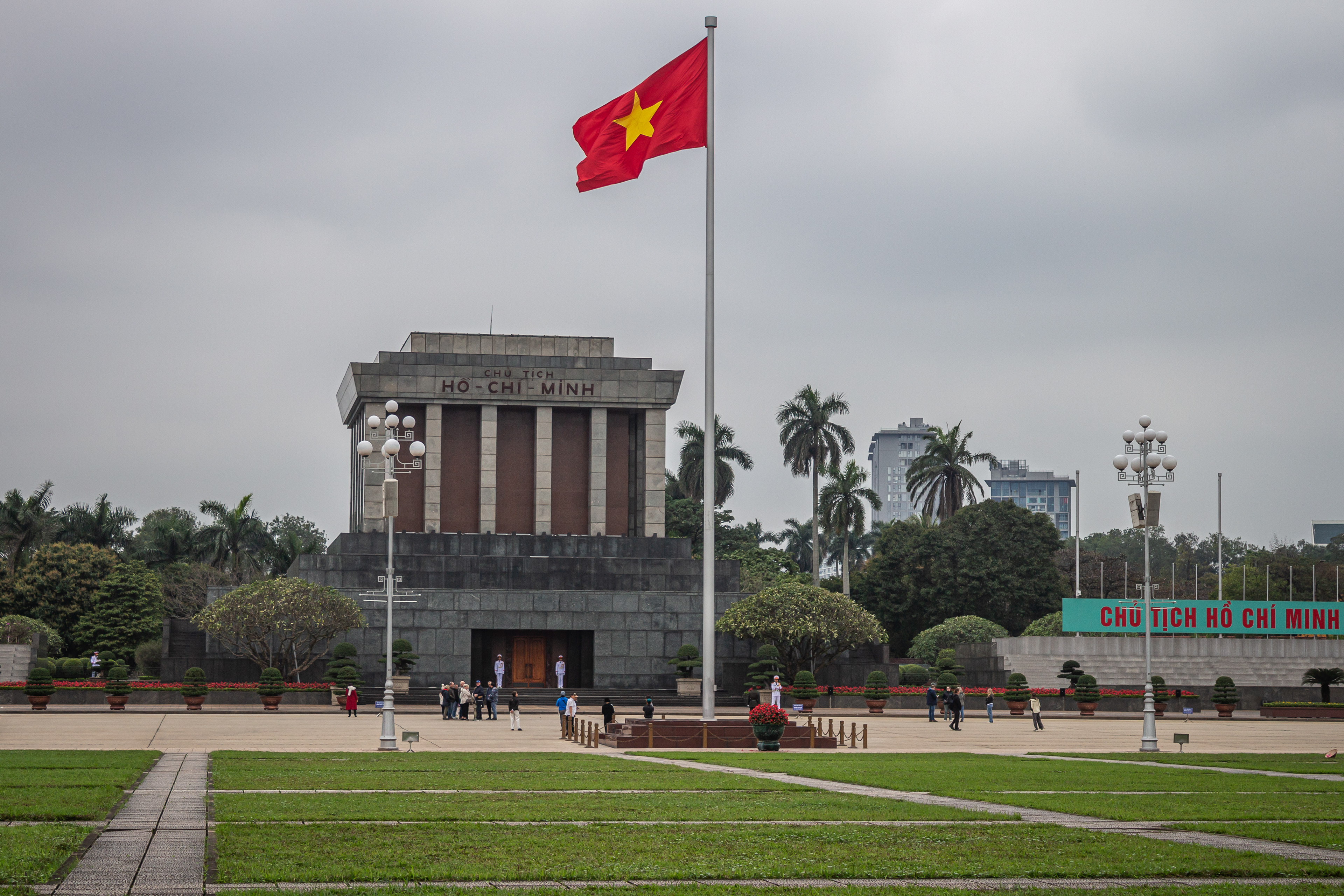
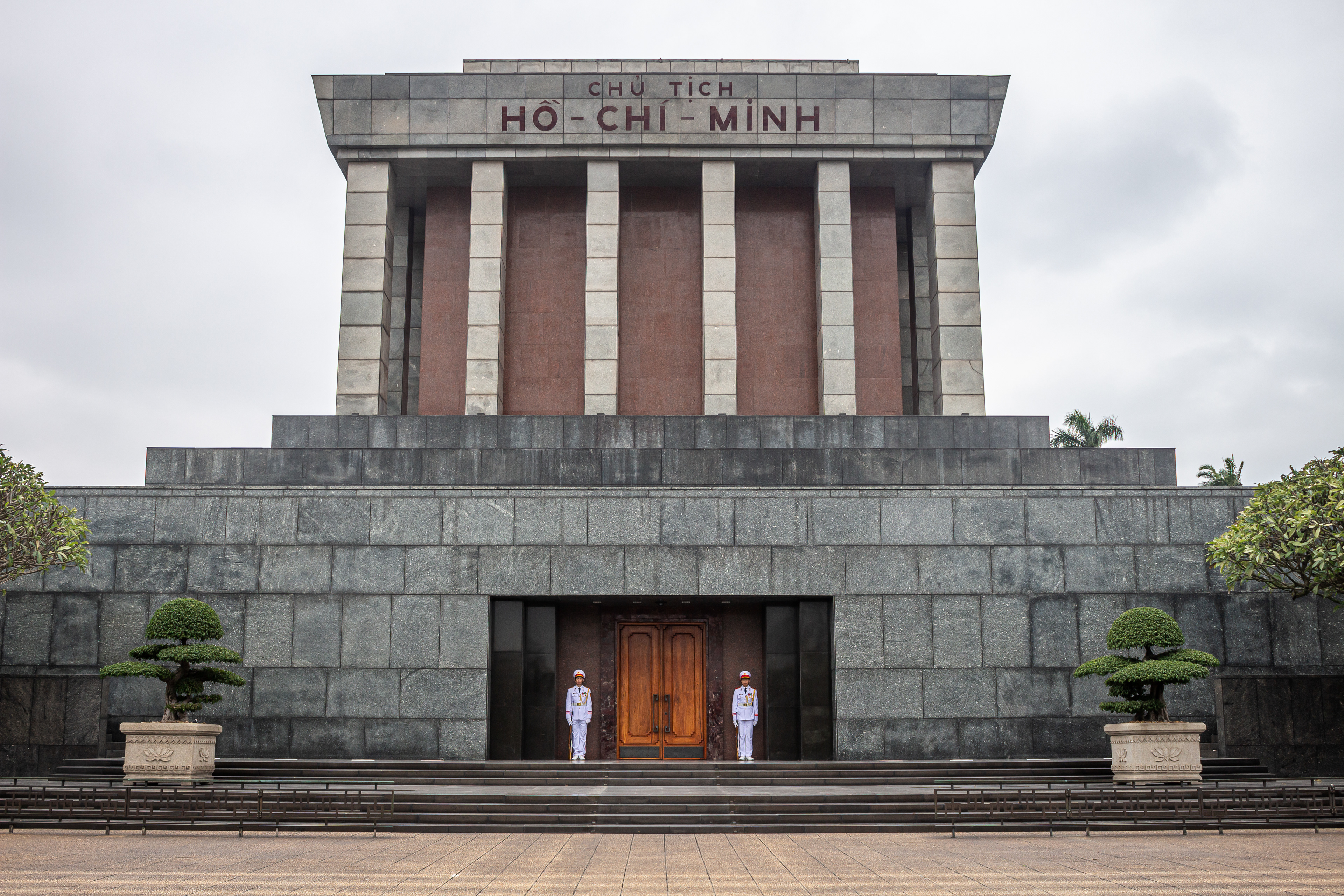
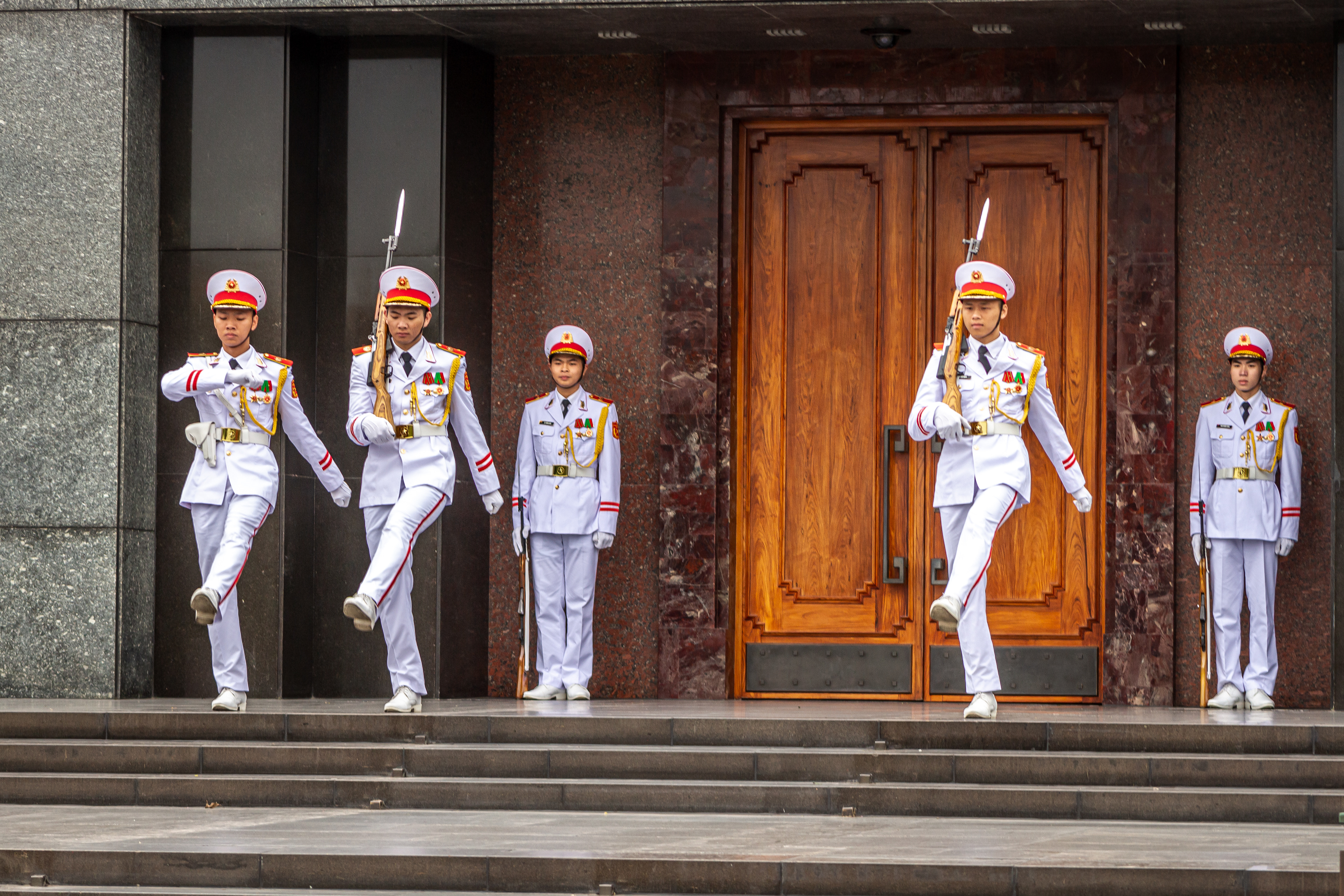
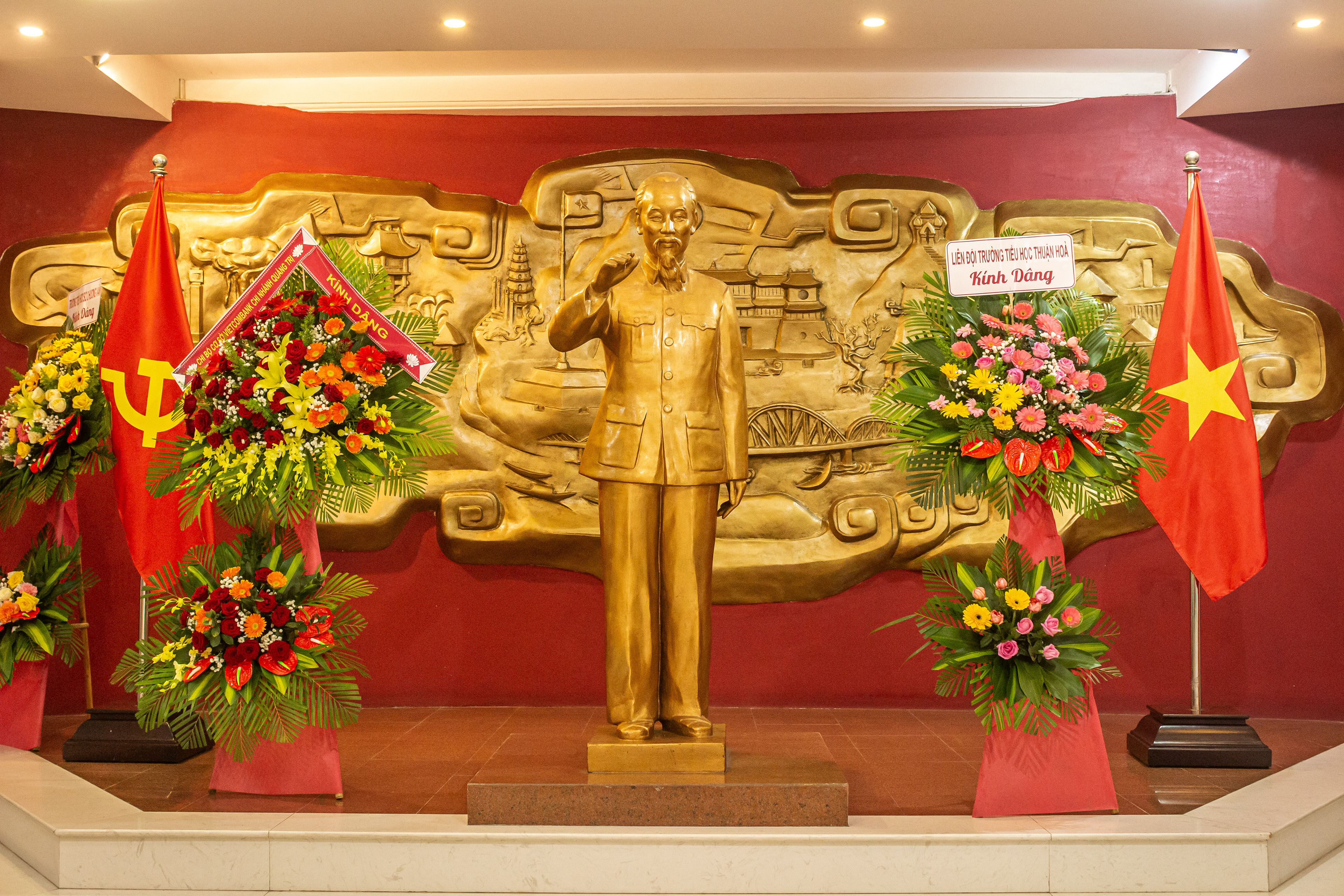
Pay respects to Vietnam’s revolutionary leader, Ho Chi Minh, whose embalmed body lies in this monumental mausoleum. The surrounding complex includes the Presidential Palace, Ho Chi Minh’s Stilt House, and the One Pillar Pagoda—a unique Buddhist structure dating back to the 11th century.
Note: Dress modestly and follow strict etiquette inside the mausoleum.
Pay respects to Vietnam’s revolutionary leader, Ho Chi Minh, whose embalmed body lies in this monumental mausoleum. The surrounding complex includes the Presidential Palace, Ho Chi Minh’s Stilt House, and the One Pillar Pagoda—a unique Buddhist structure dating back to the 11th century.
Note: Dress modestly and follow strict etiquette inside the mausoleum.
Temple of Literature
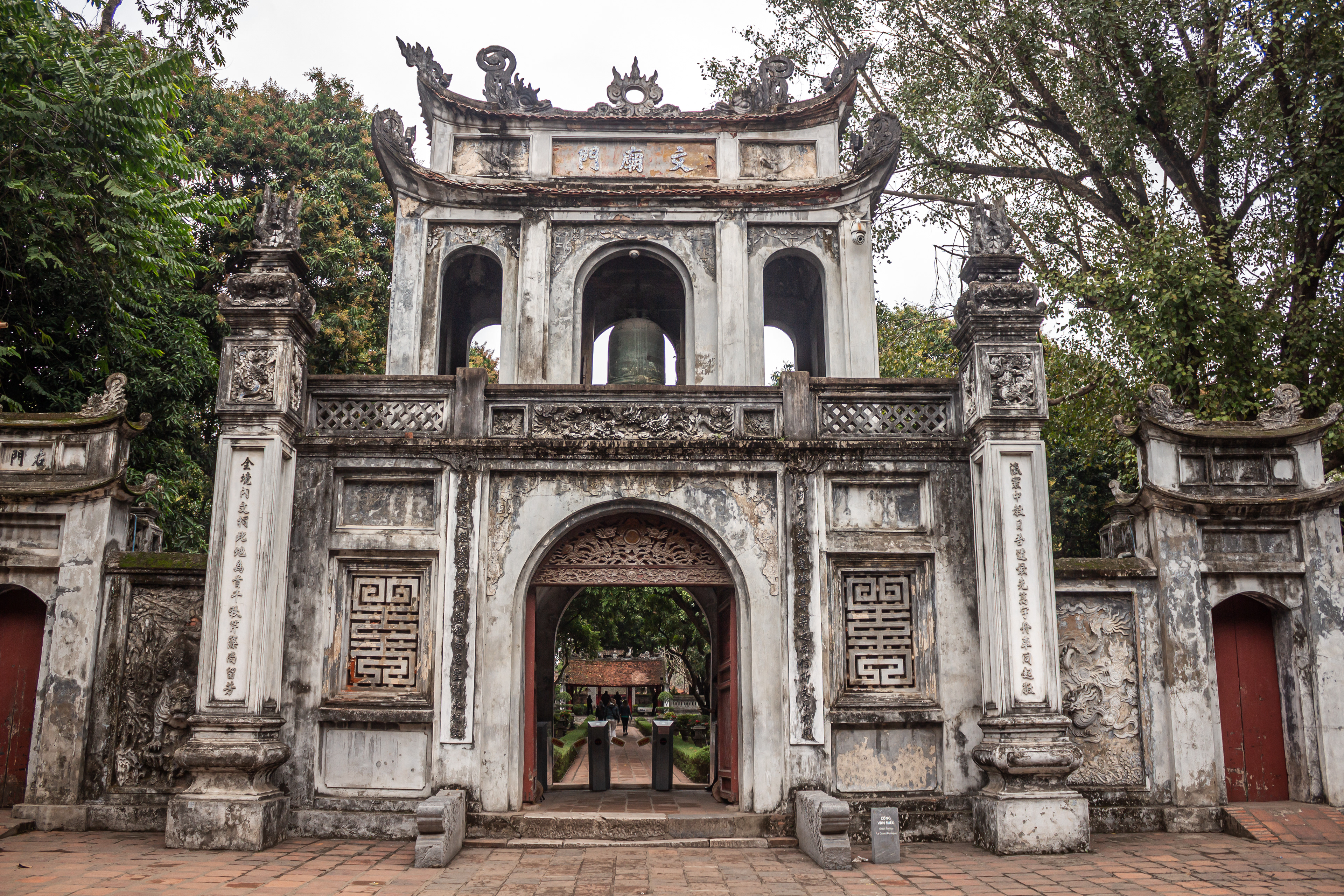
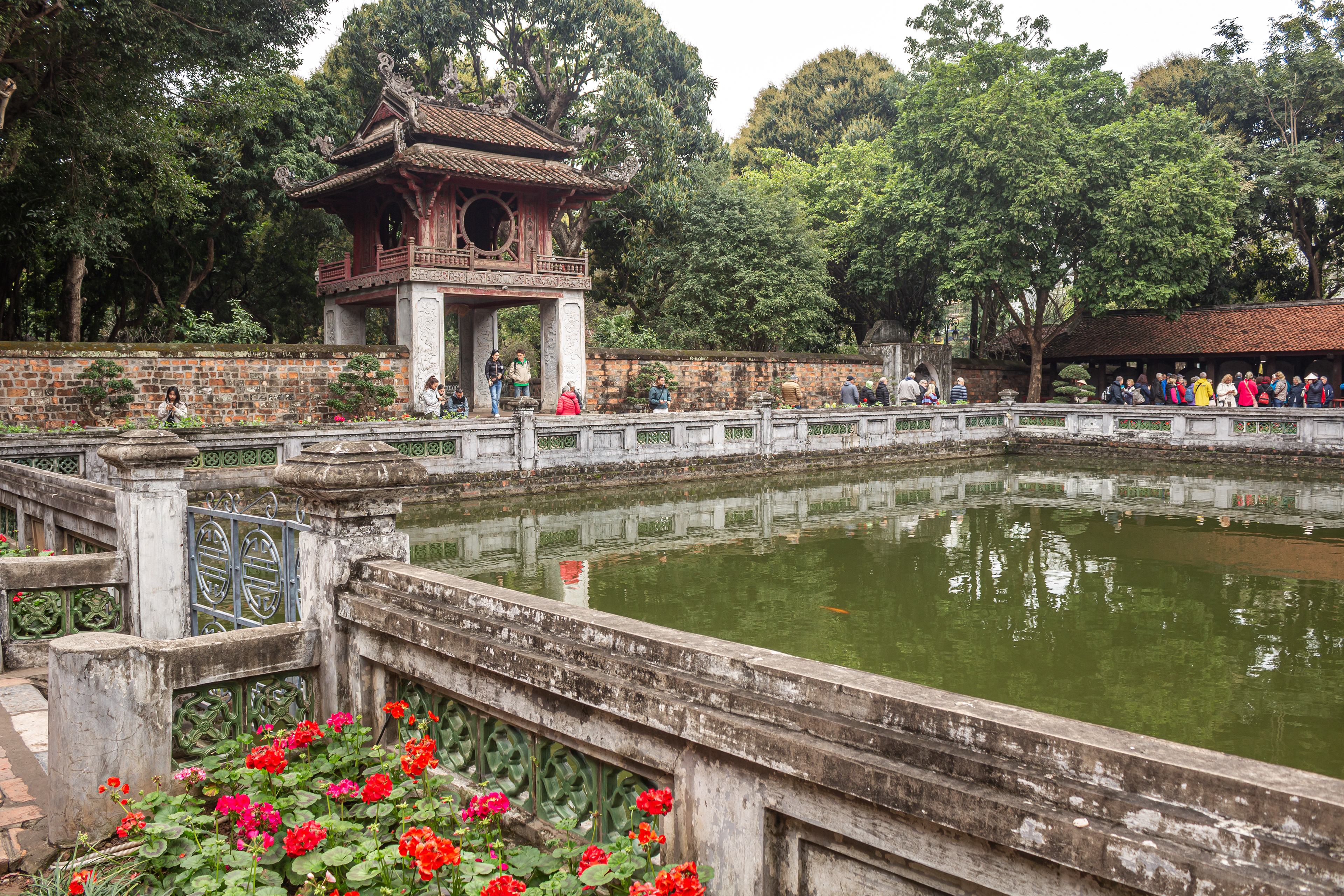
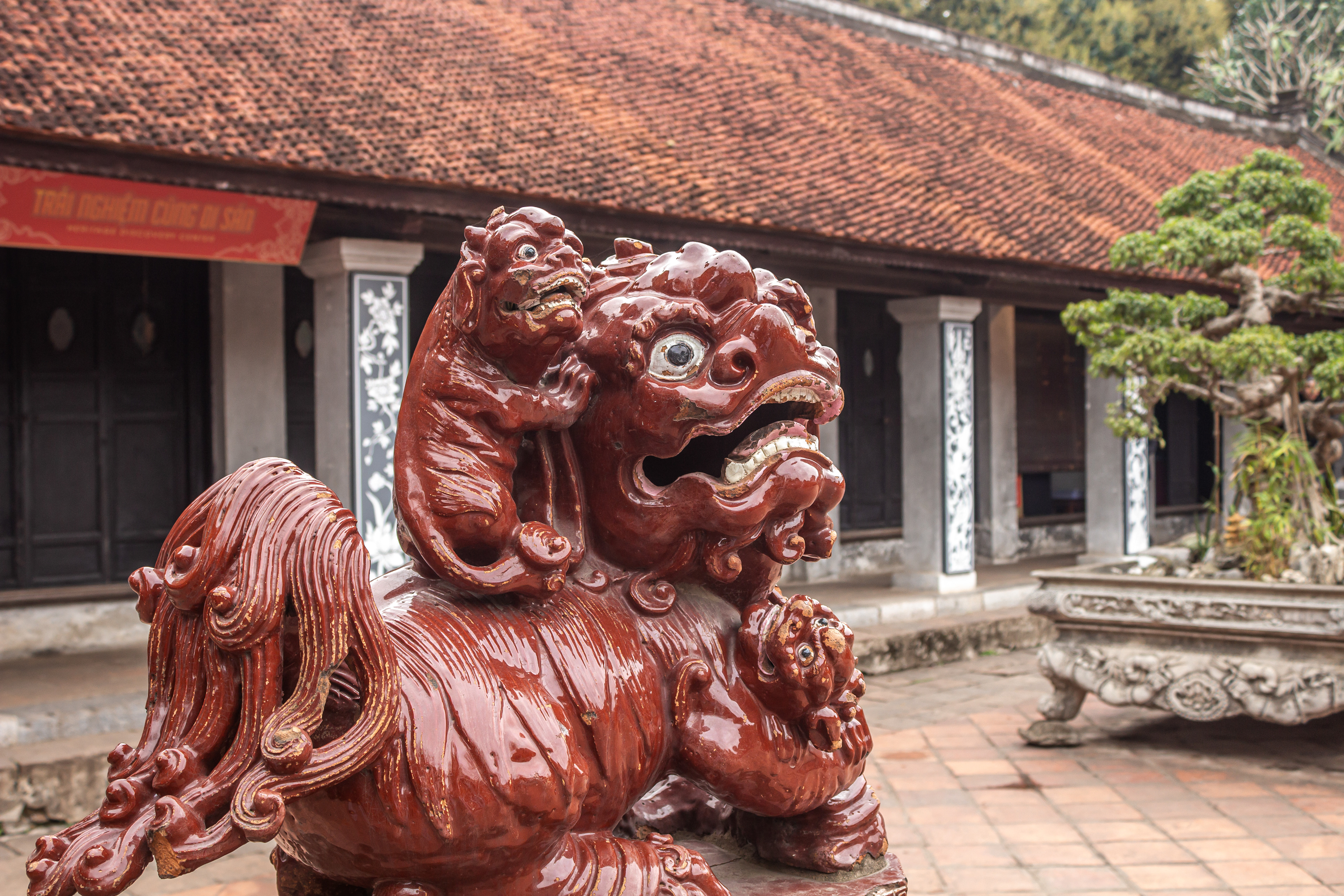
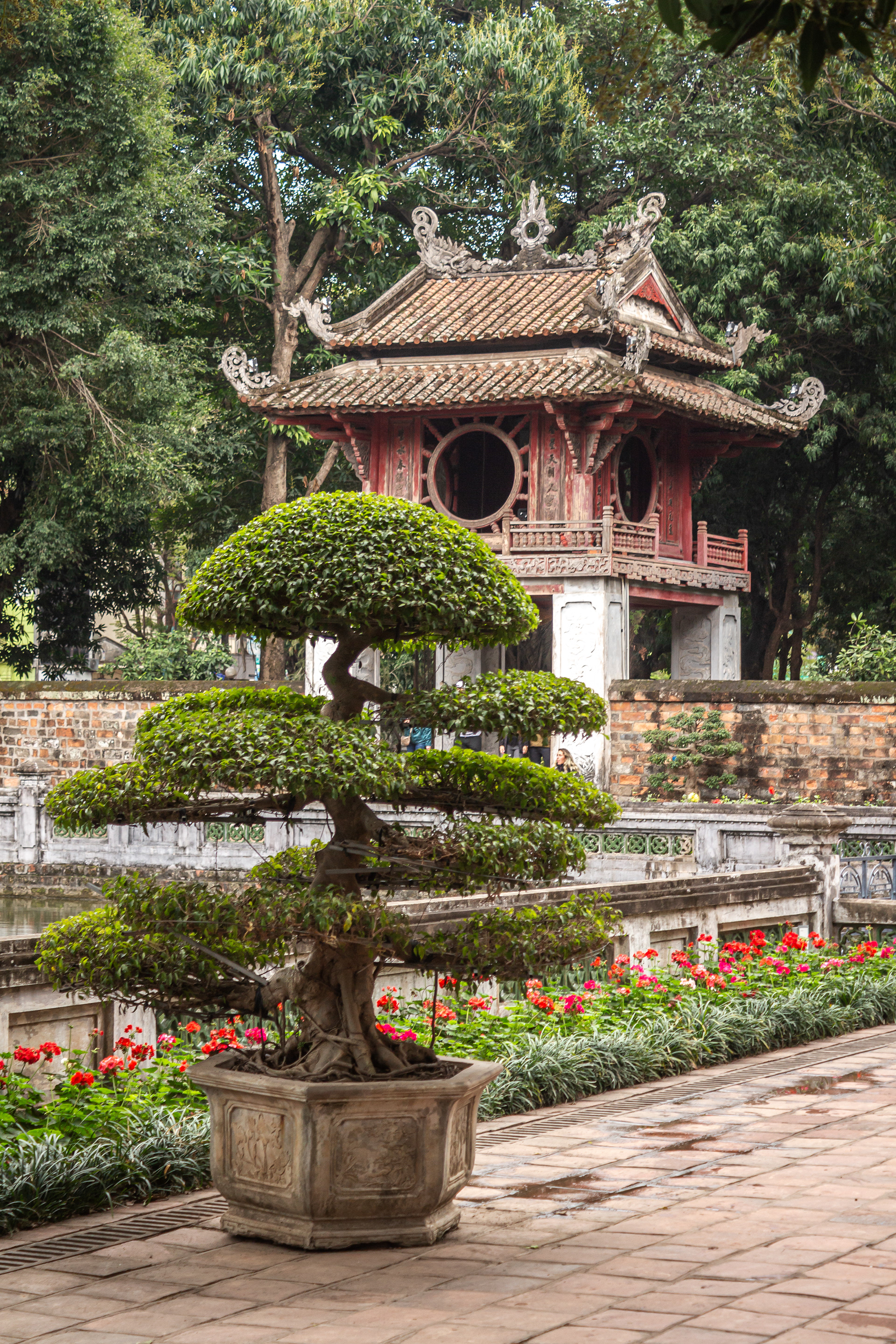
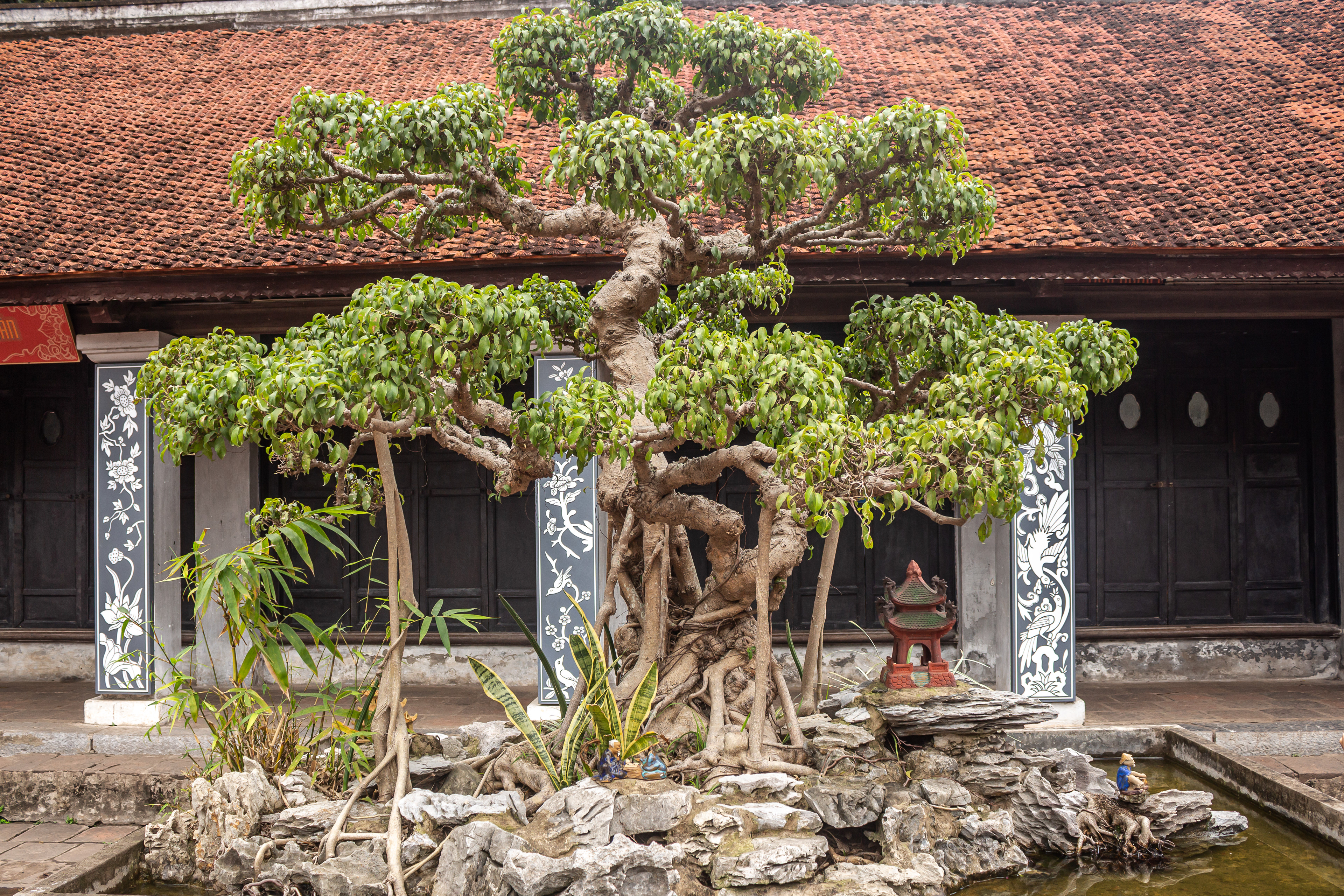
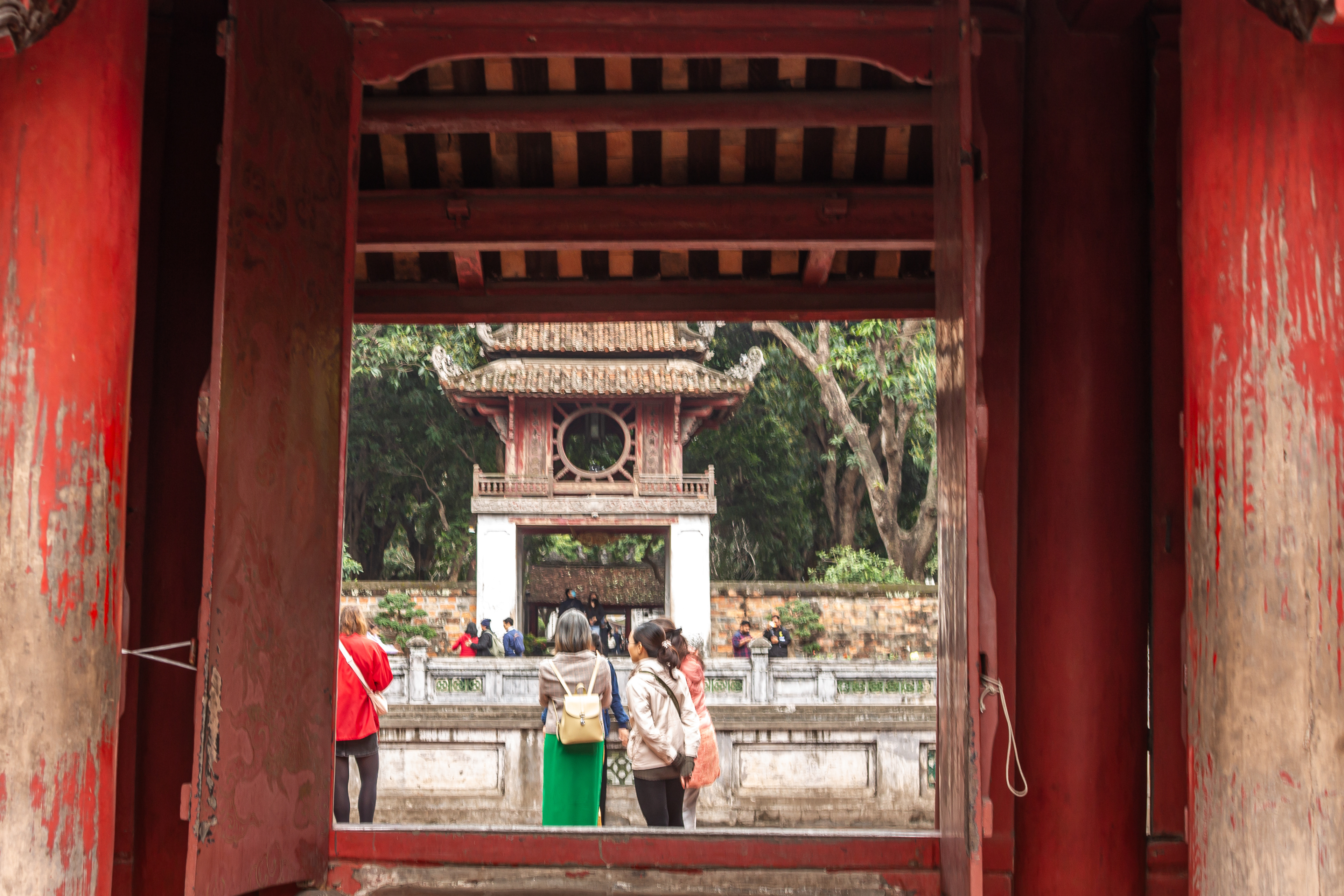
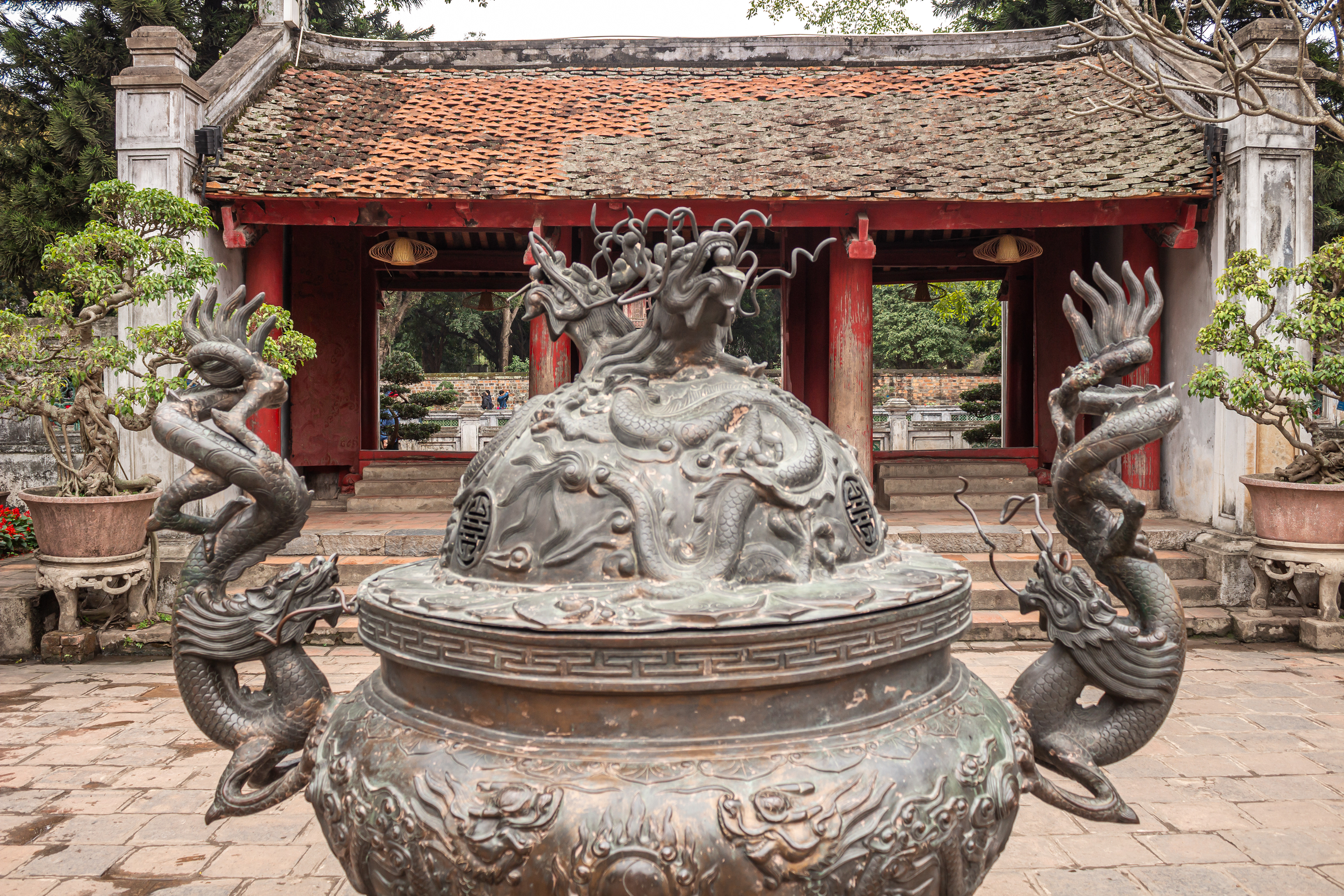
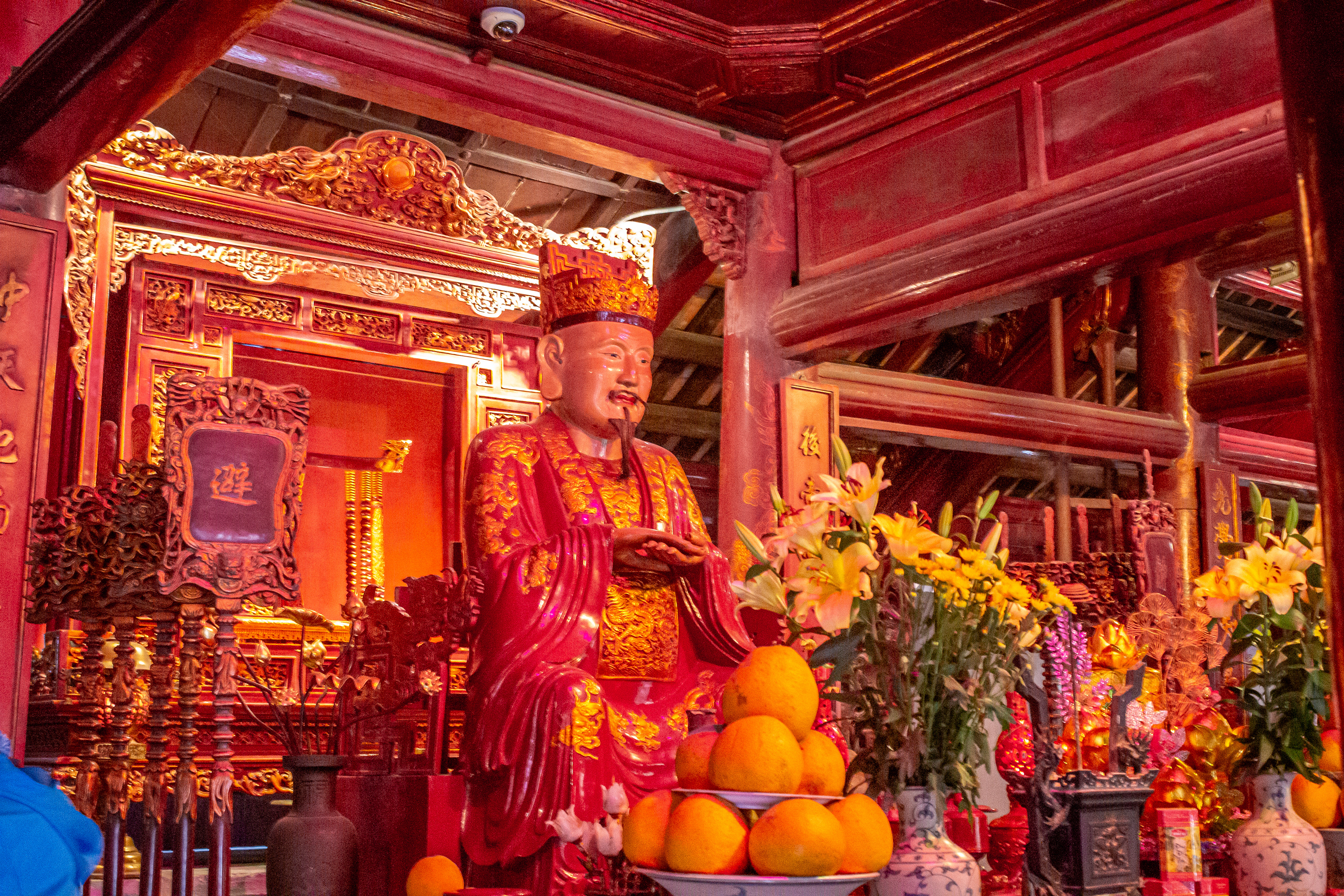
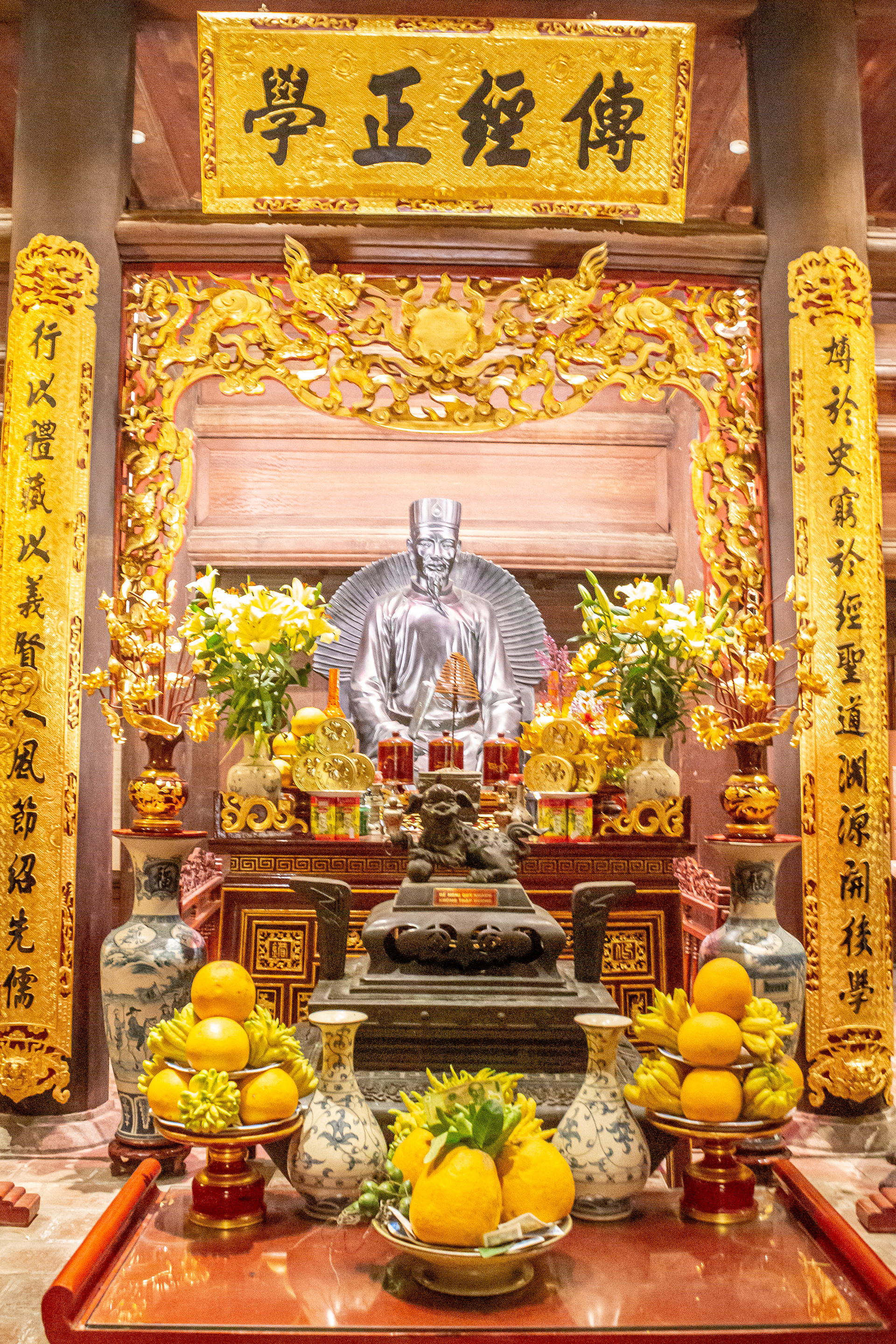
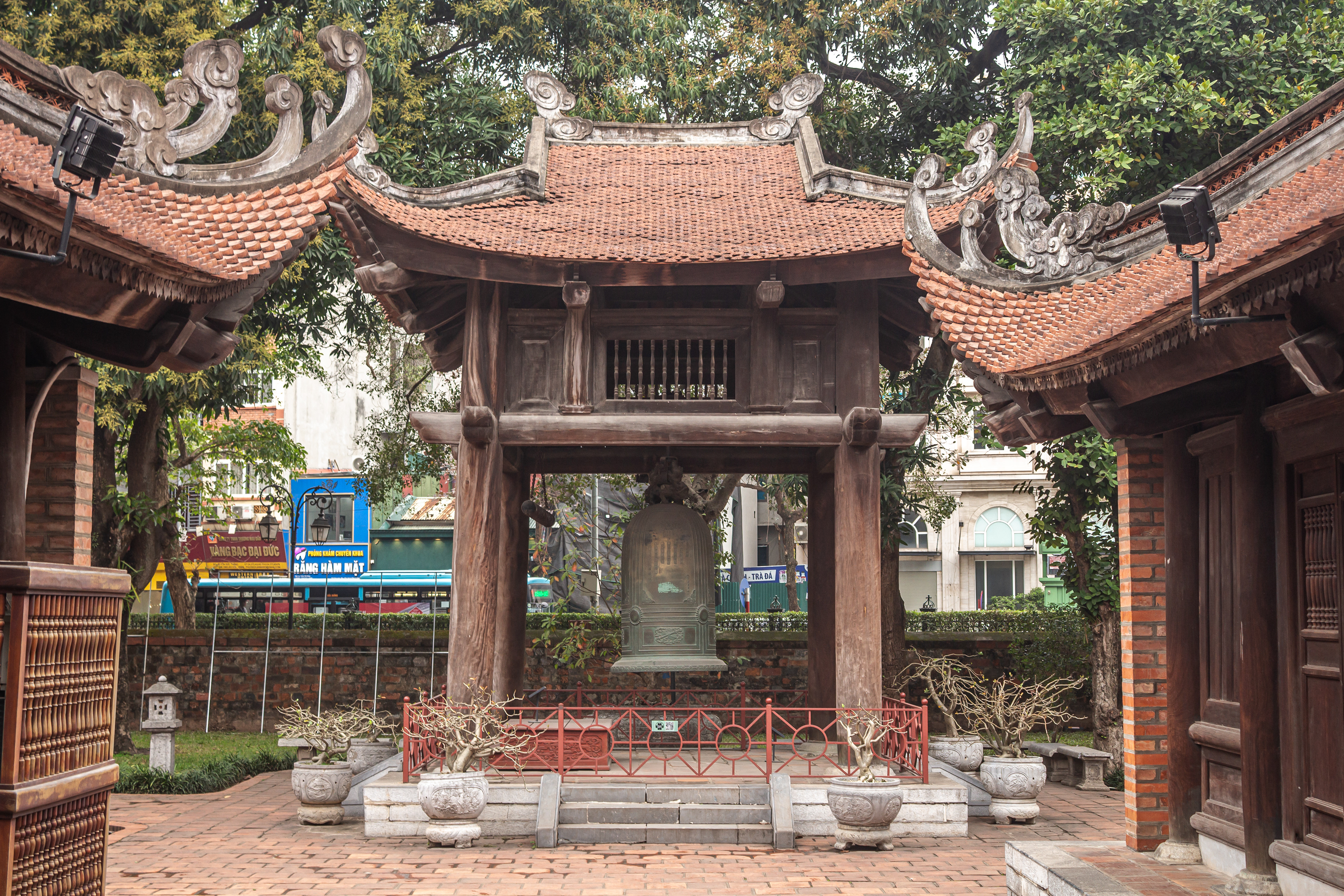
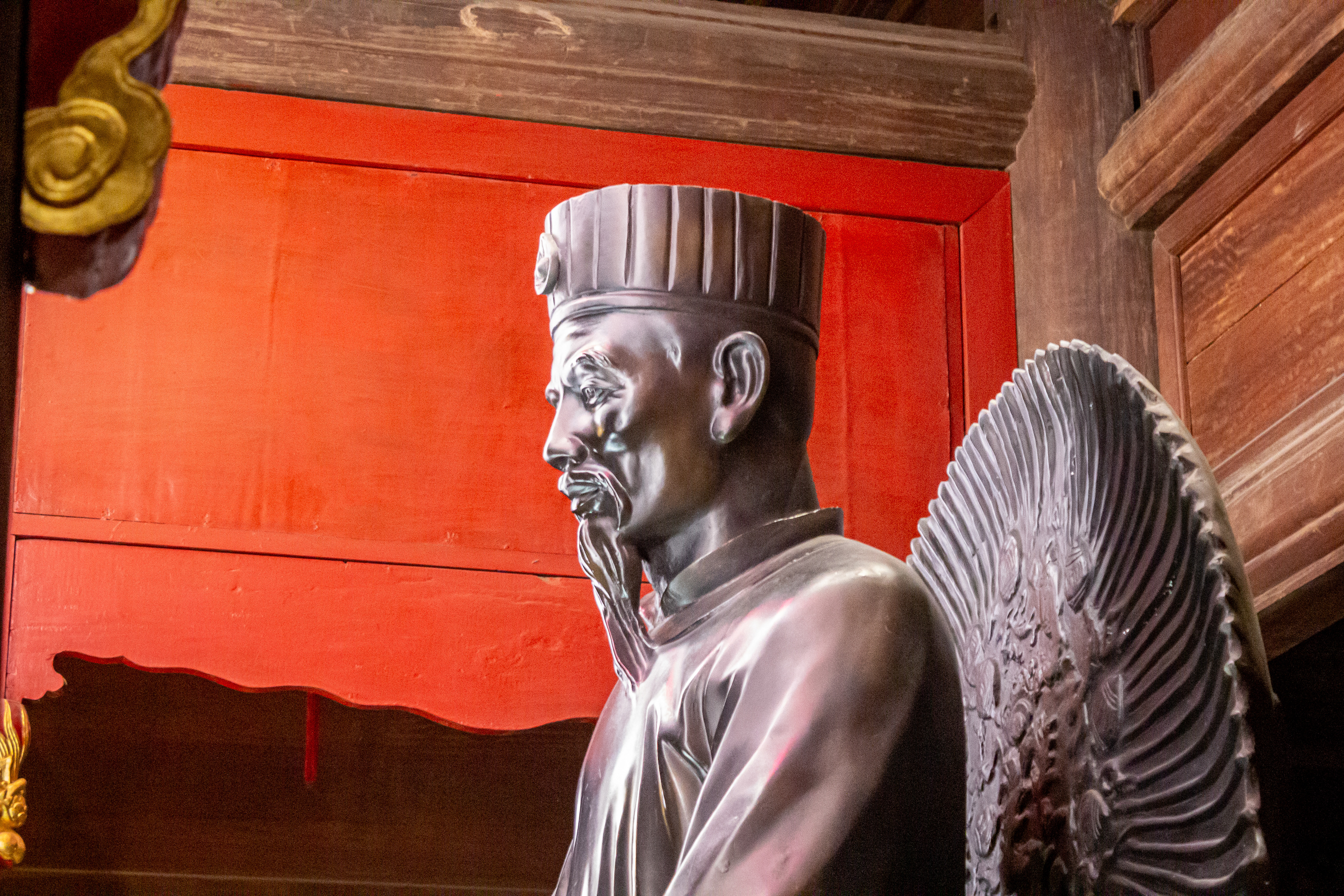
This 11th-century temple is dedicated to Confucius and was Vietnam’s first national university. Its courtyards, pavilions, and ancient stelae offer a serene environment steeped in scholarly tradition.
A Must for: History buffs and architecture lovers.
This 11th-century temple is dedicated to Confucius and was Vietnam’s first national university. Its courtyards, pavilions, and ancient stelae offer a serene environment steeped in scholarly tradition.
A Must for: History buffs and architecture lovers.
Hanoi Opera House
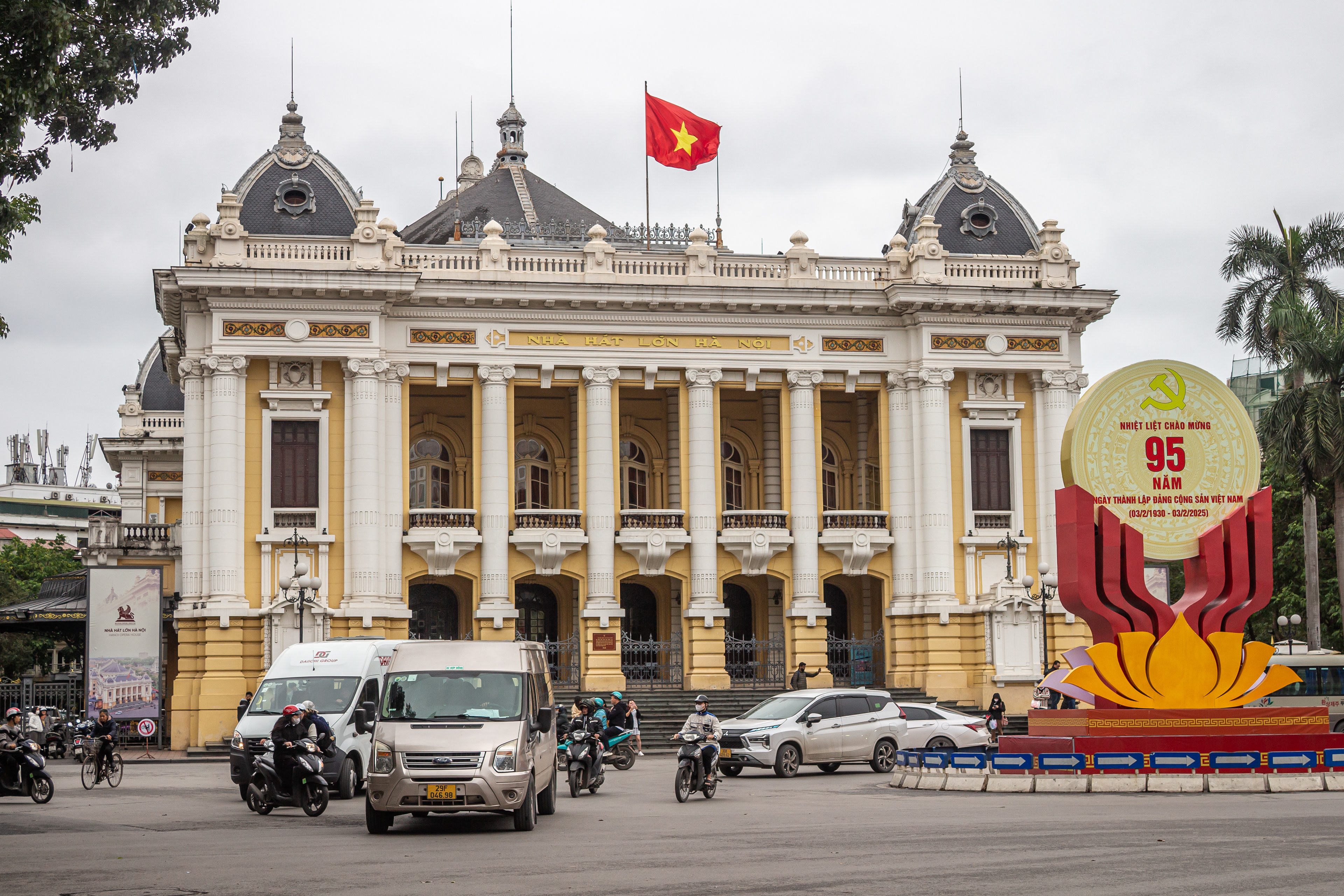
An elegant symbol of French colonial influence, the Hanoi Opera House is a venue for classical concerts, operas, and cultural performances. Even if you don’t catch a show, its grandeur makes it a worthy photo stop.
An elegant symbol of French colonial influence, the Hanoi Opera House is a venue for classical concerts, operas, and cultural performances. Even if you don’t catch a show, its grandeur makes it a worthy photo stop.
Train Street
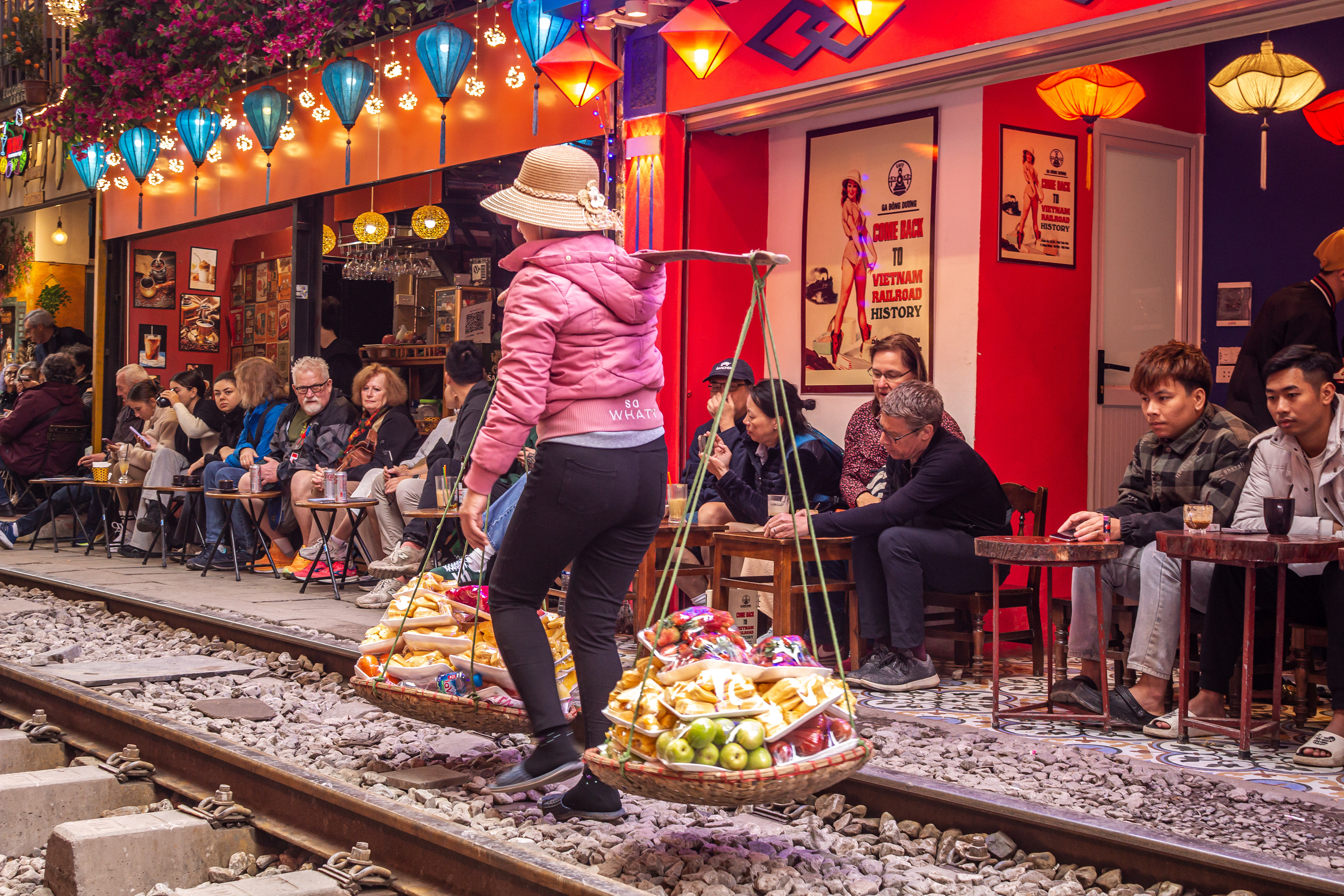
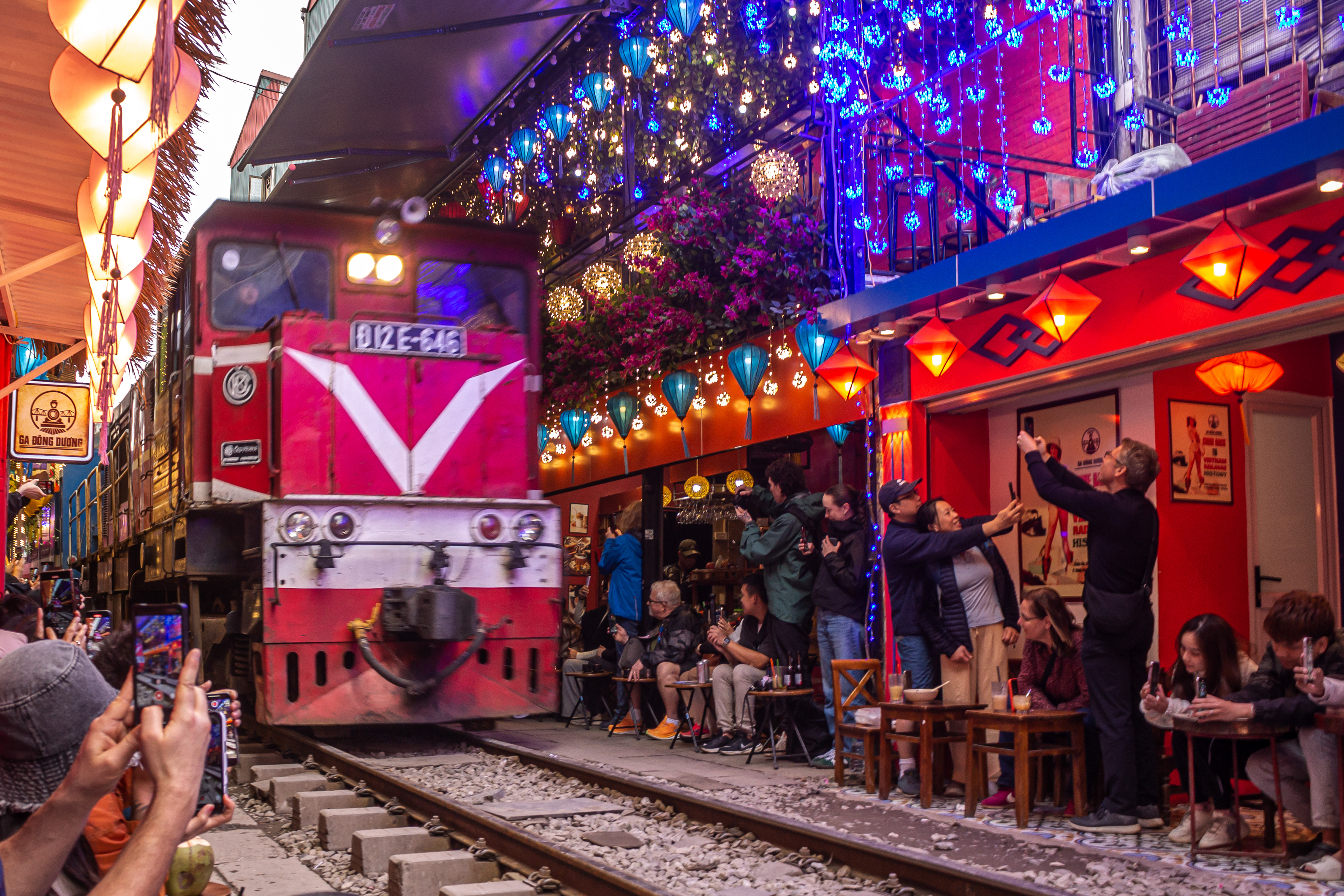
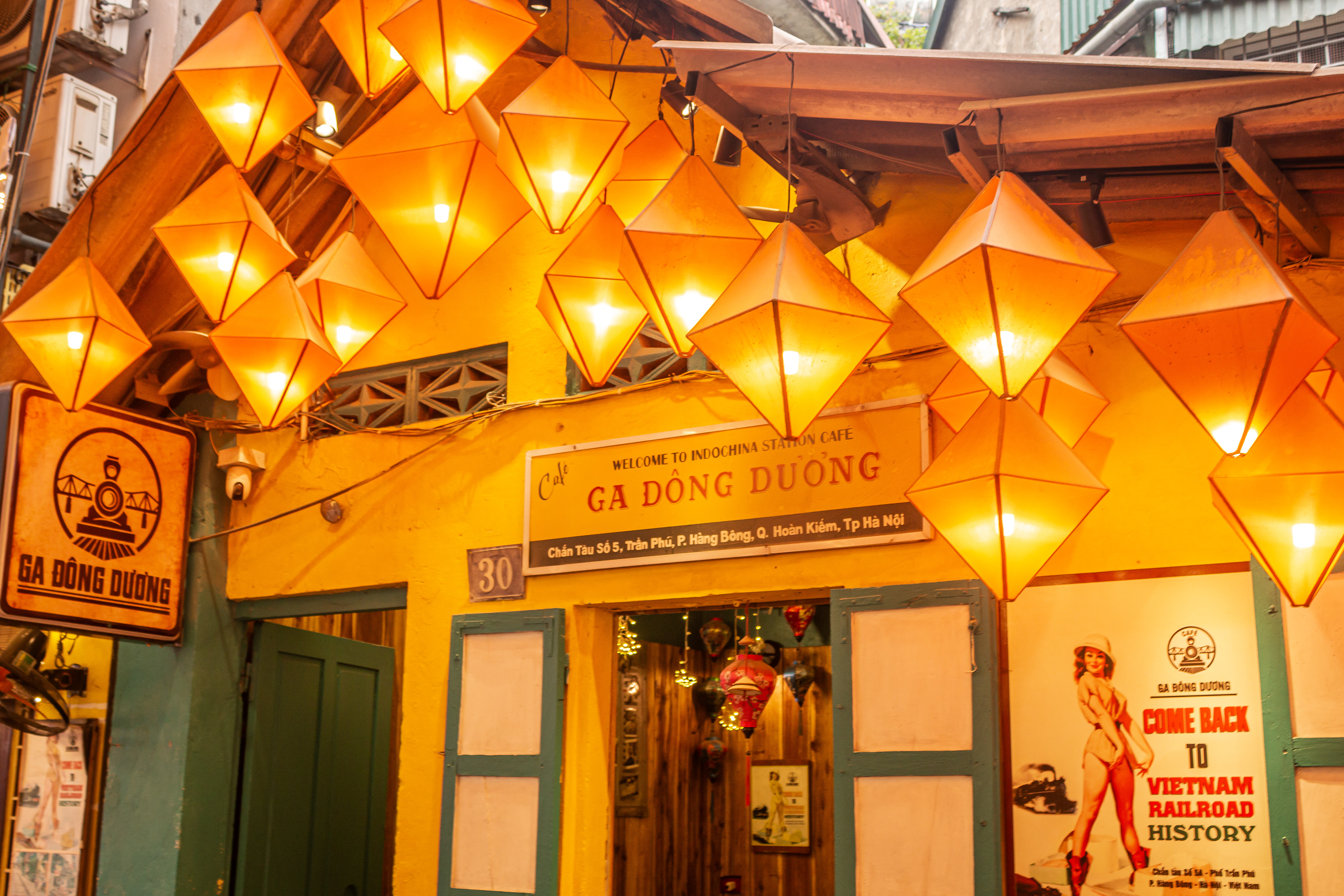
A narrow residential alley where a railway line runs just inches from homes and cafes. Visitors come to watch trains roar through—an exhilarating experience! However, due to safety concerns, access may be restricted, so check locally.
Insider Tip: Visit with a local guide or stay in nearby accommodations for the best chance to see it safely.
A narrow residential alley where a railway line runs just inches from homes and cafes. Visitors come to watch trains roar through—an exhilarating experience! However, due to safety concerns, access may be restricted, so check locally.
Insider Tip: Visit with a local guide or stay in nearby accommodations for the best chance to see it safely.
West Lake (Ho Tay)
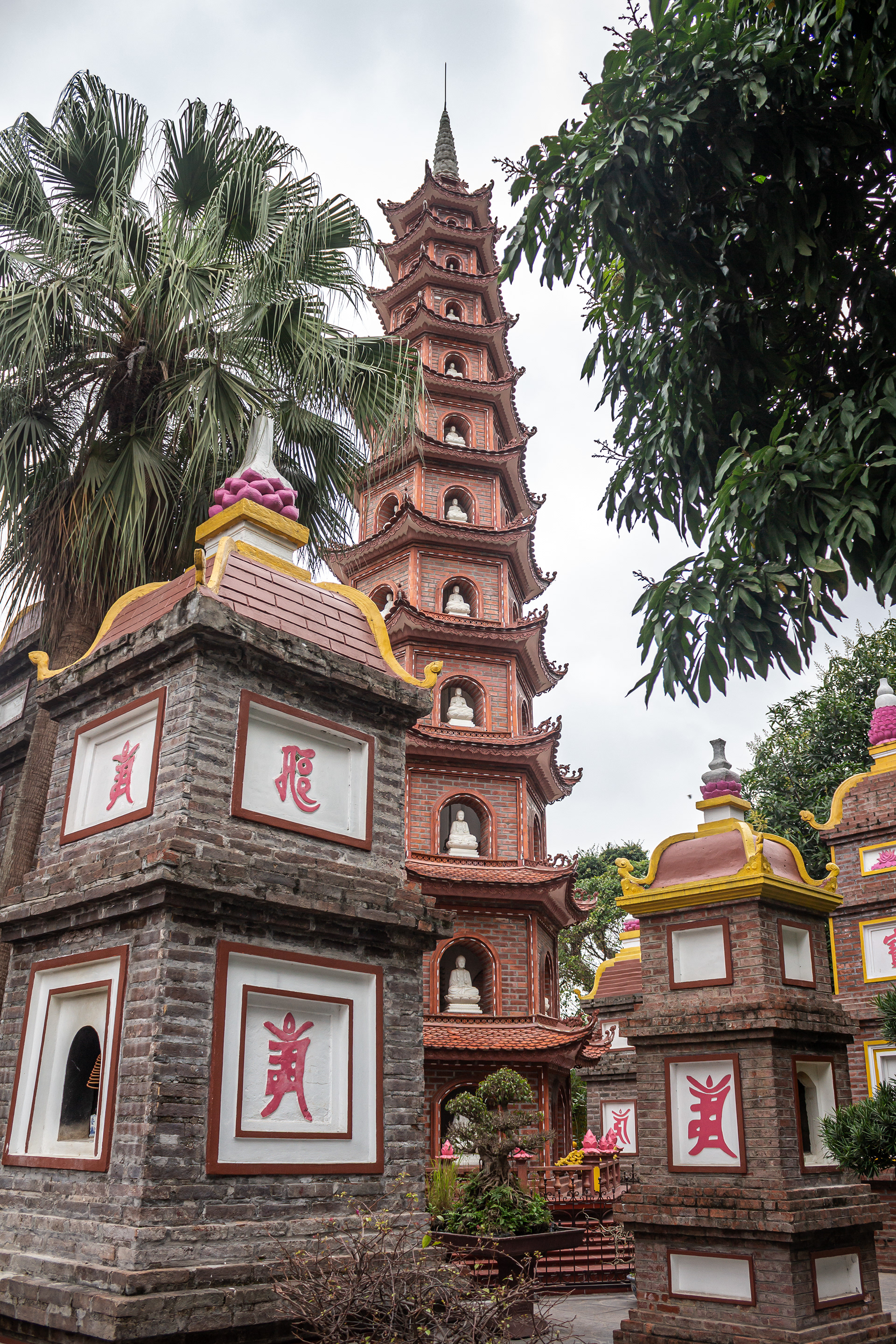
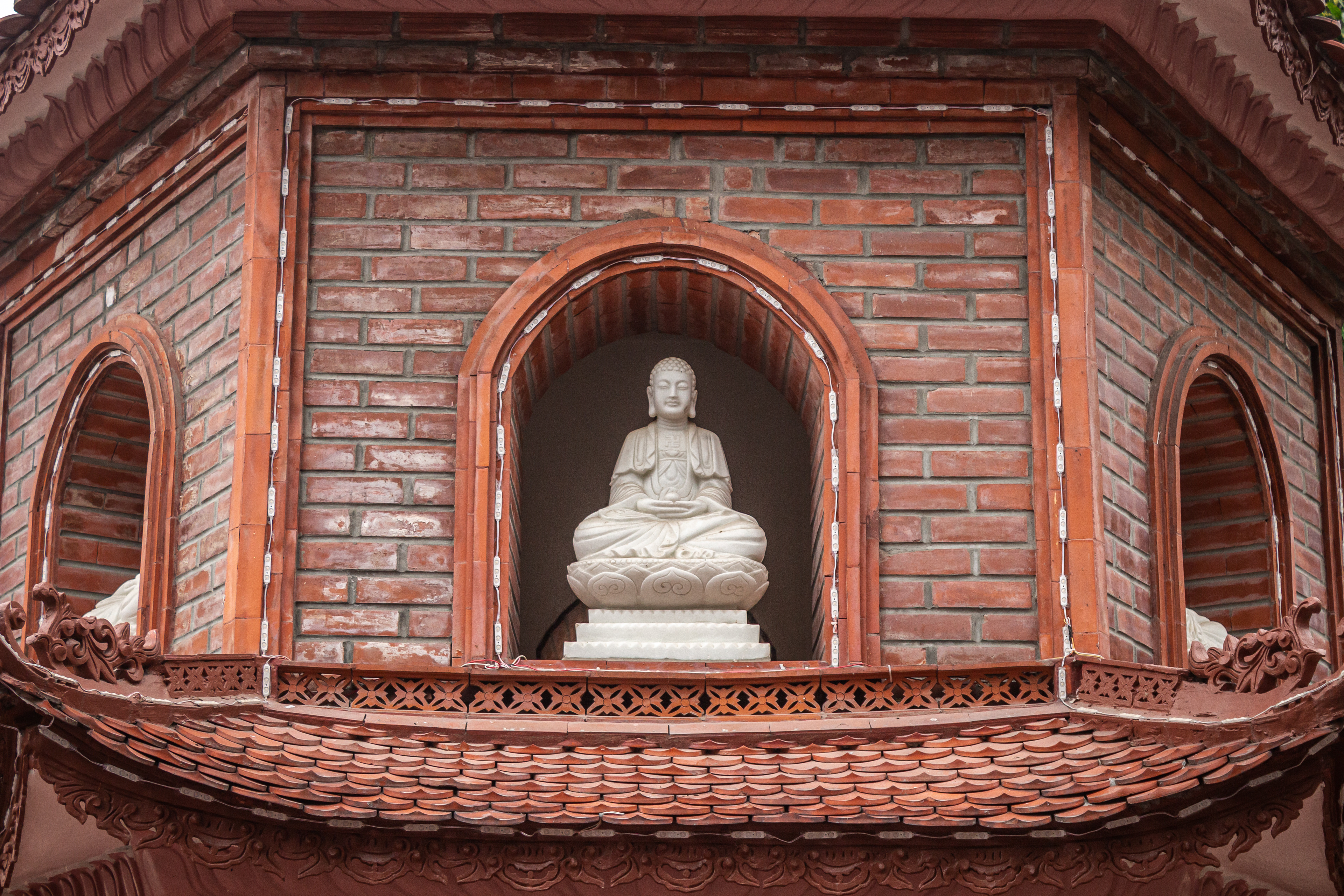
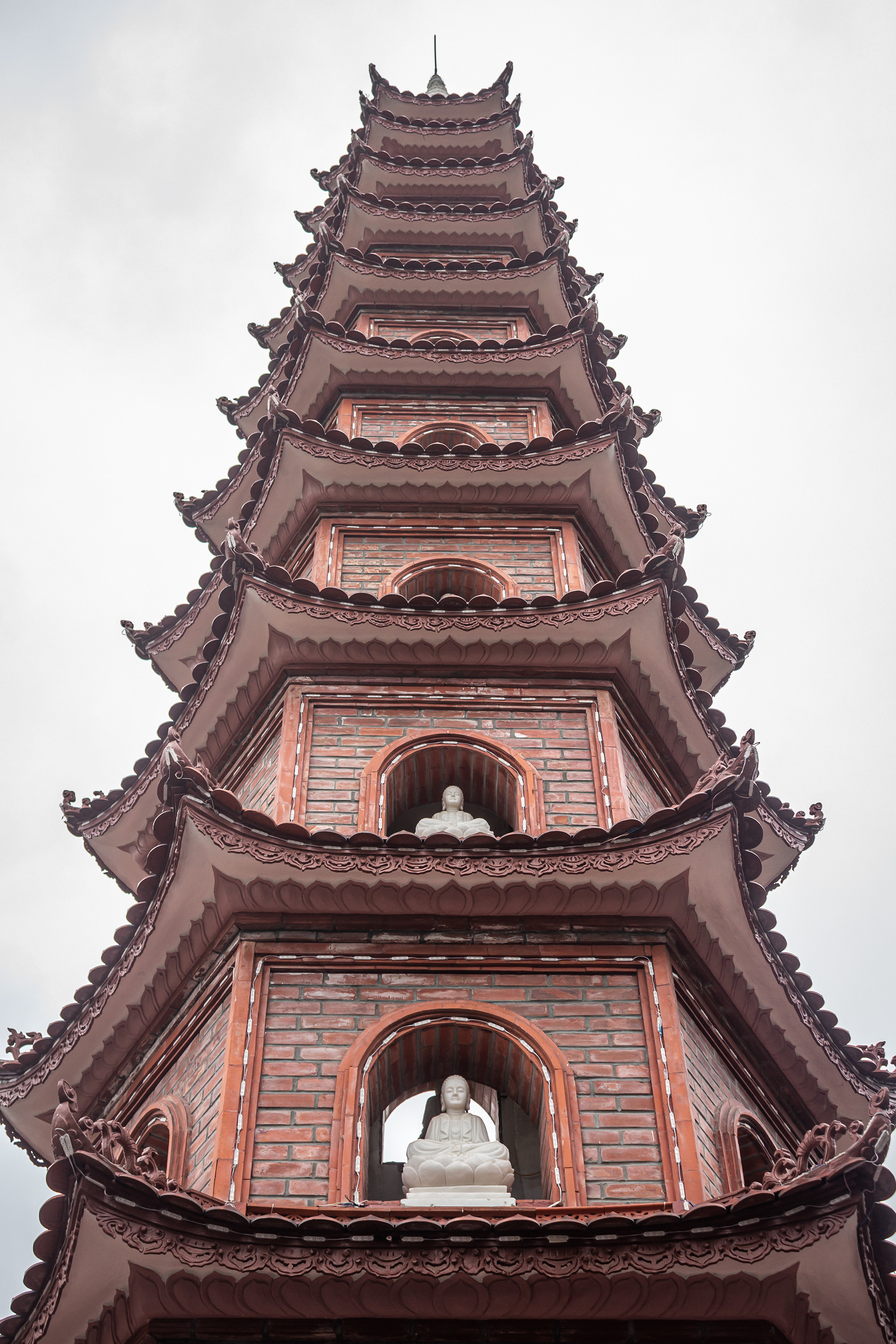
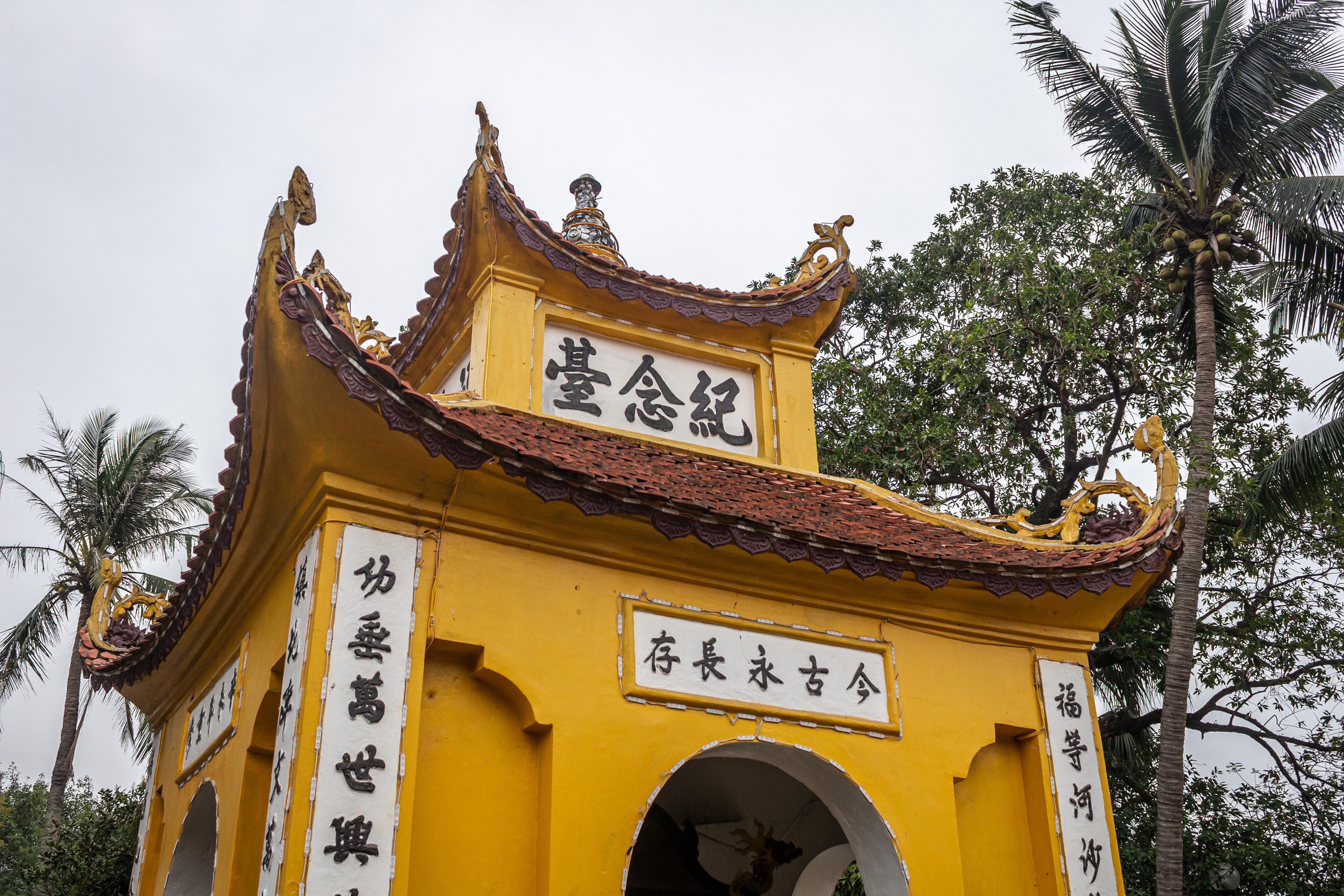
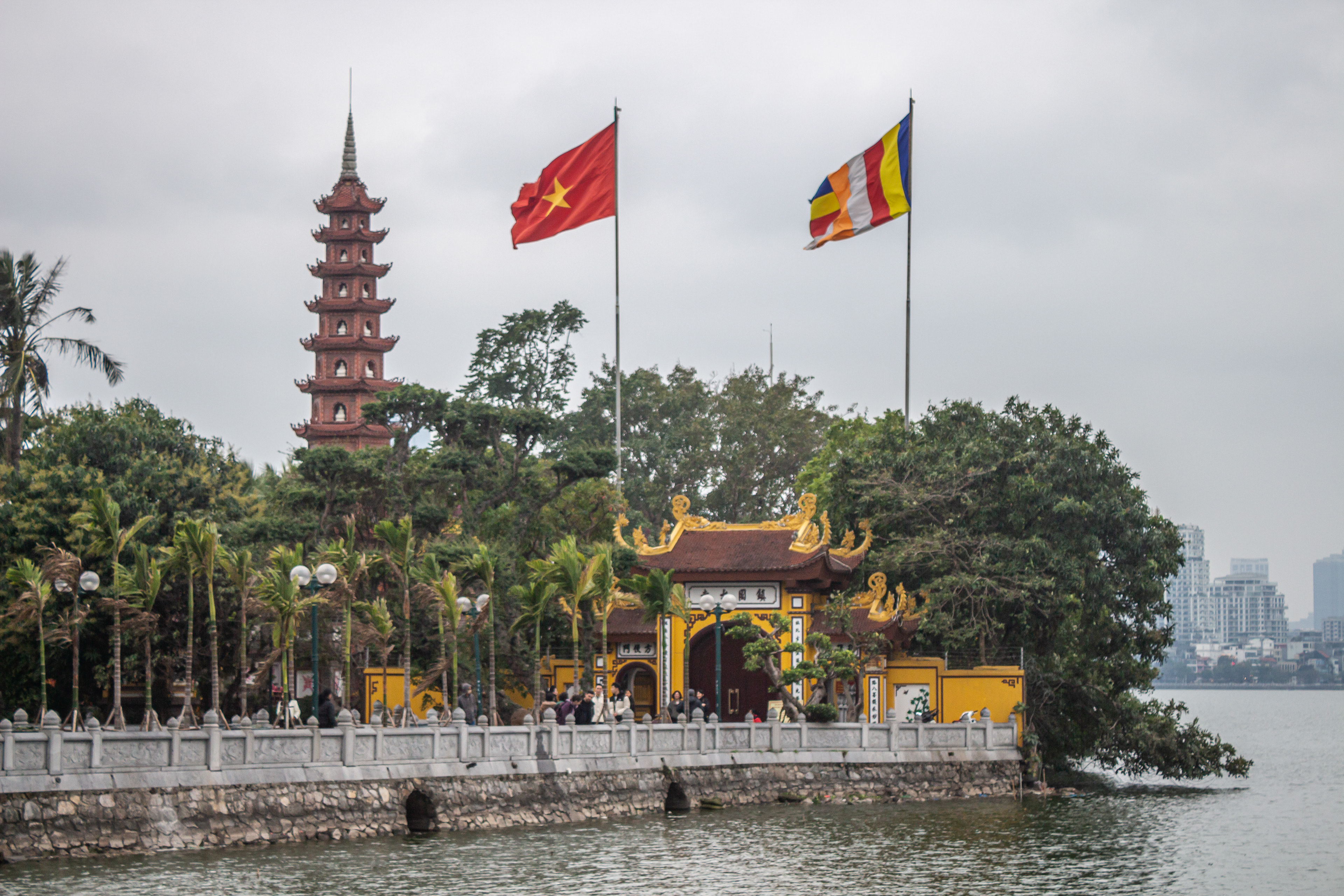
The largest lake in Hanoi offers a more relaxed vibe. Explore ancient pagodas, upscale cafes, and lakeside promenades. Tran Quoc Pagoda, located on a small island, is one of the oldest Buddhist temples in the city.
The largest lake in Hanoi offers a more relaxed vibe. Explore ancient pagodas, upscale cafes, and lakeside promenades. Tran Quoc Pagoda, located on a small island, is one of the oldest Buddhist temples in the city.
Night Markets & Water Puppet Shows
Hanoi’s weekend night markets in the Old Quarter are vibrant with souvenirs, snacks, and live music. For a cultural evening, watch a traditional water puppet show—an art form dating back to the 11th century.
Hanoi’s weekend night markets in the Old Quarter are vibrant with souvenirs, snacks, and live music. For a cultural evening, watch a traditional water puppet show—an art form dating back to the 11th century.
Ha Long Bay: A Dreamscape of Limestone and Legends
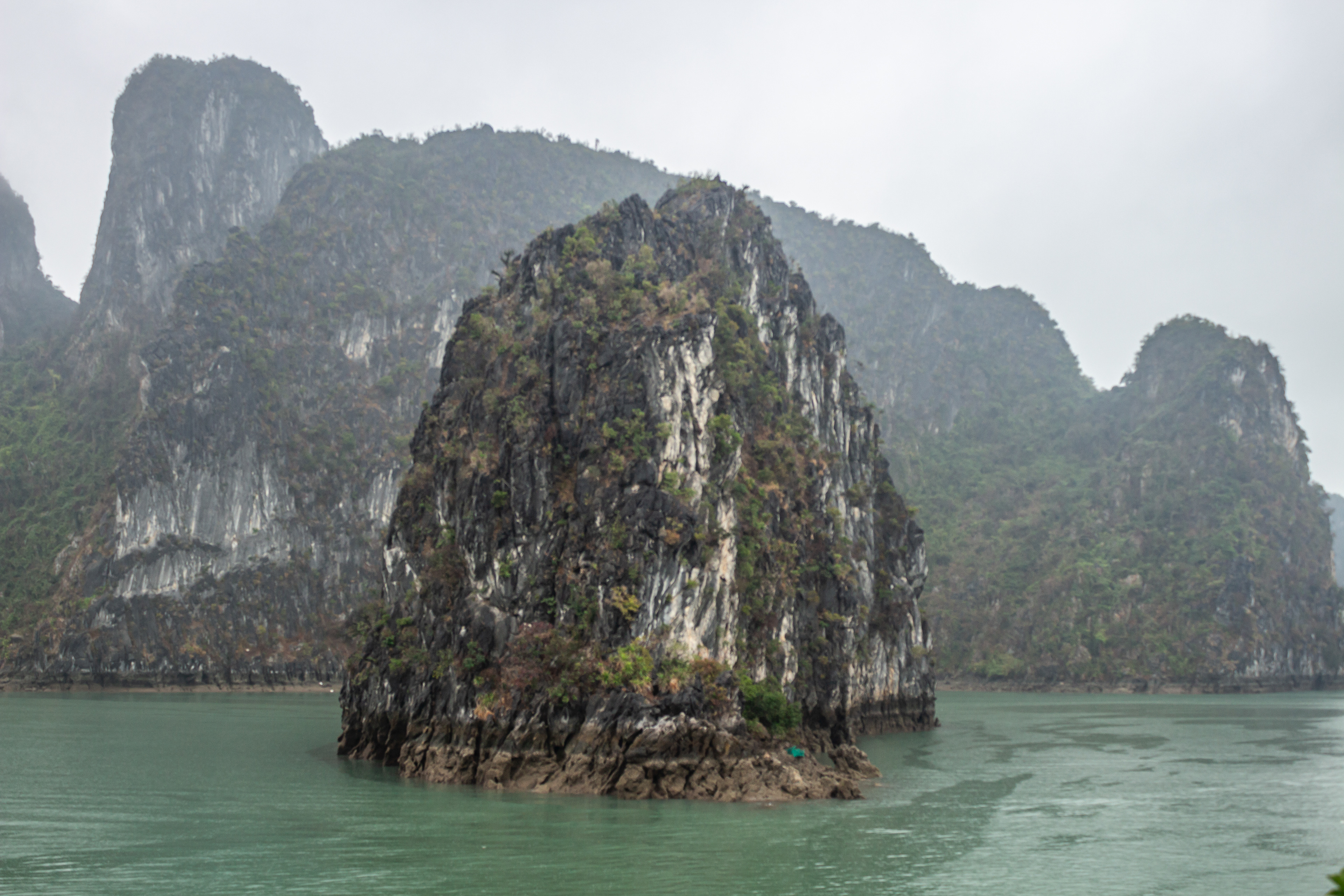
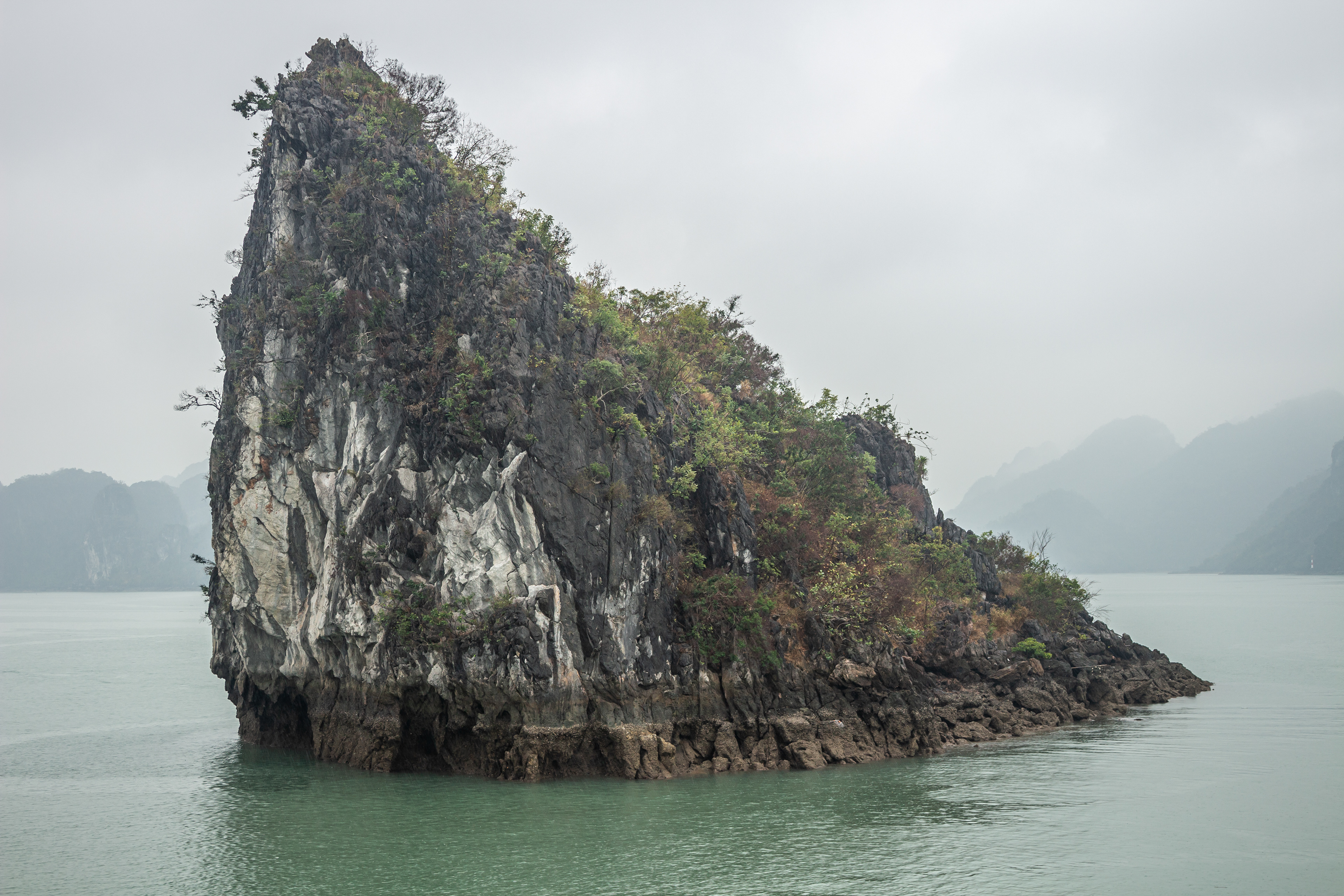
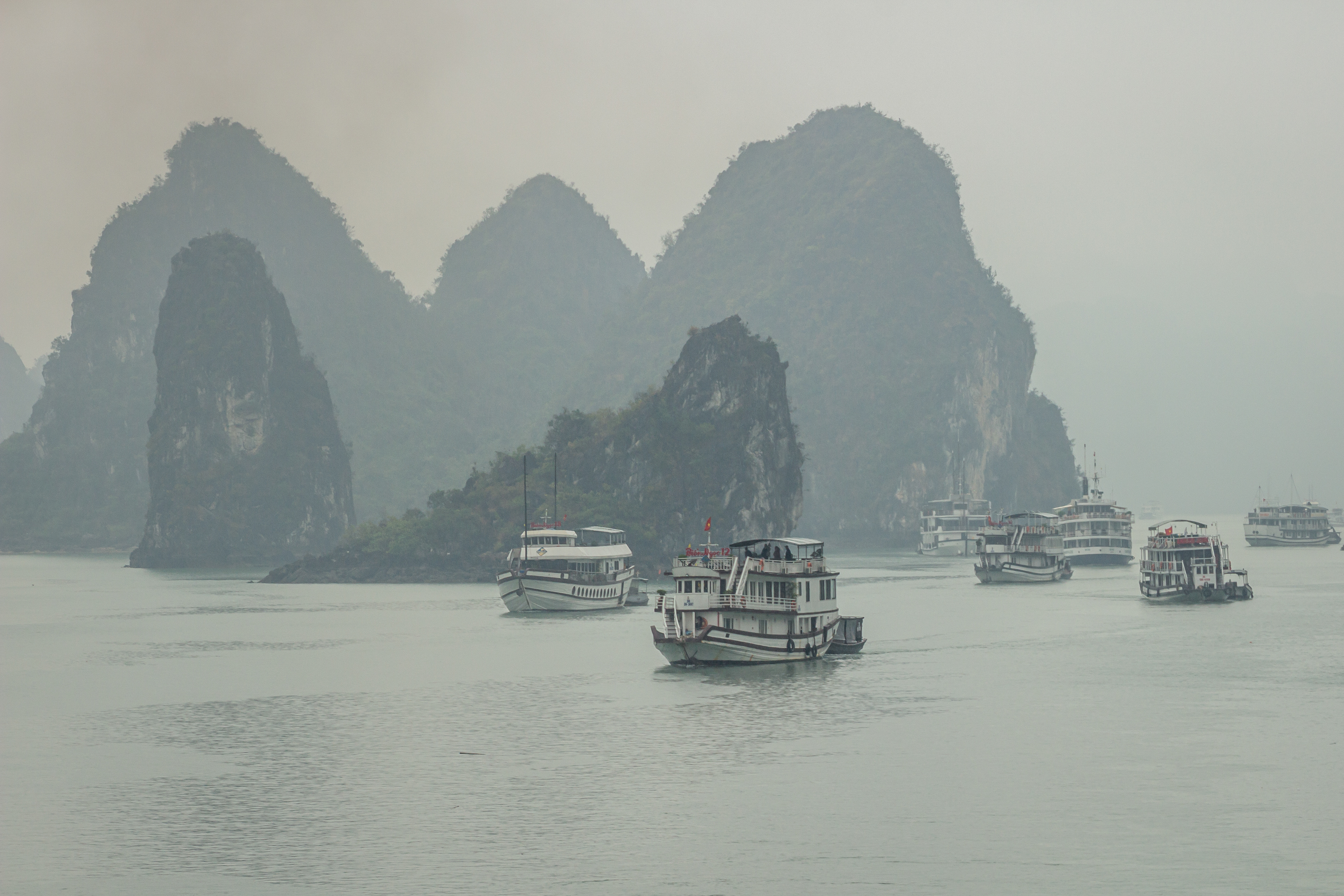
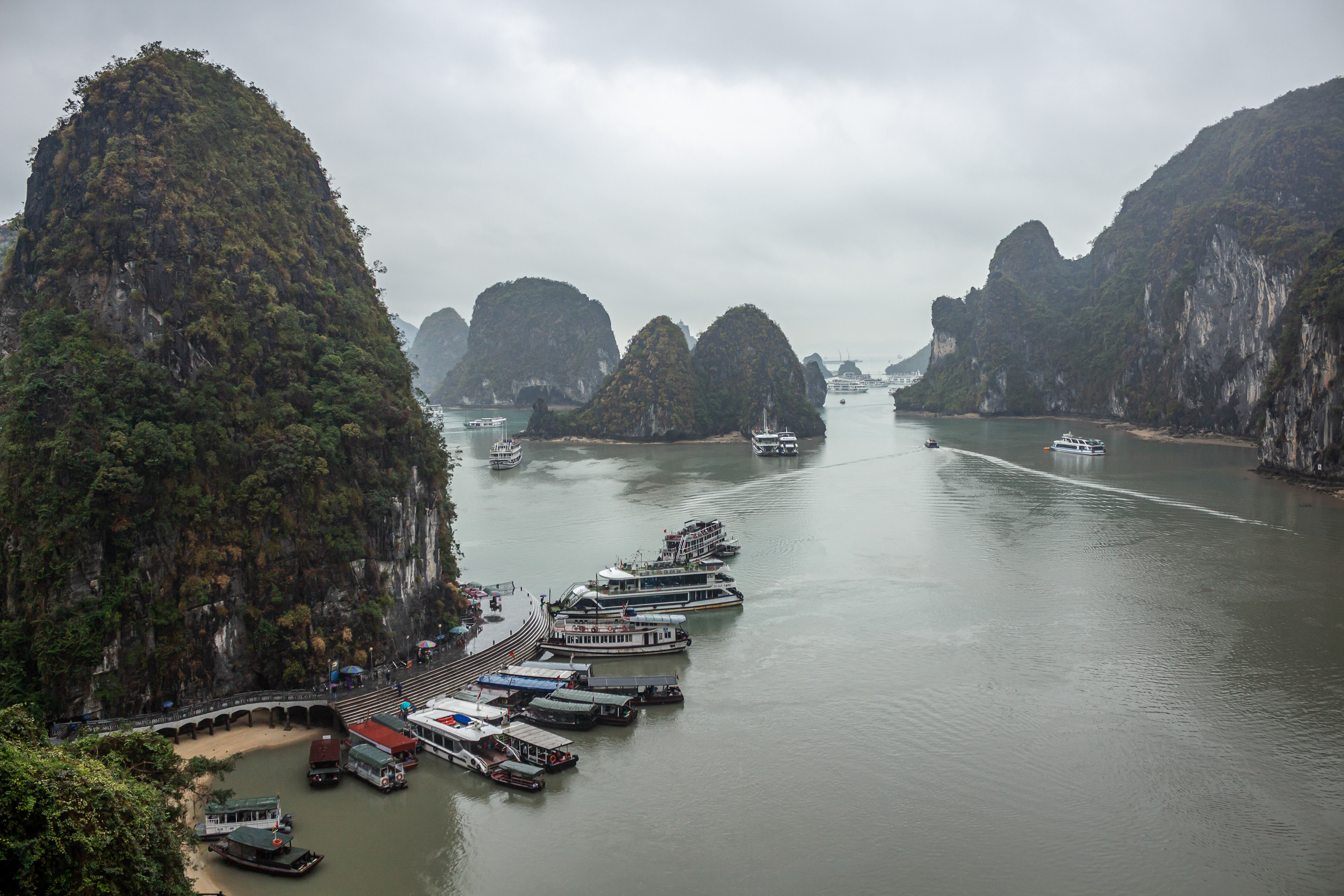
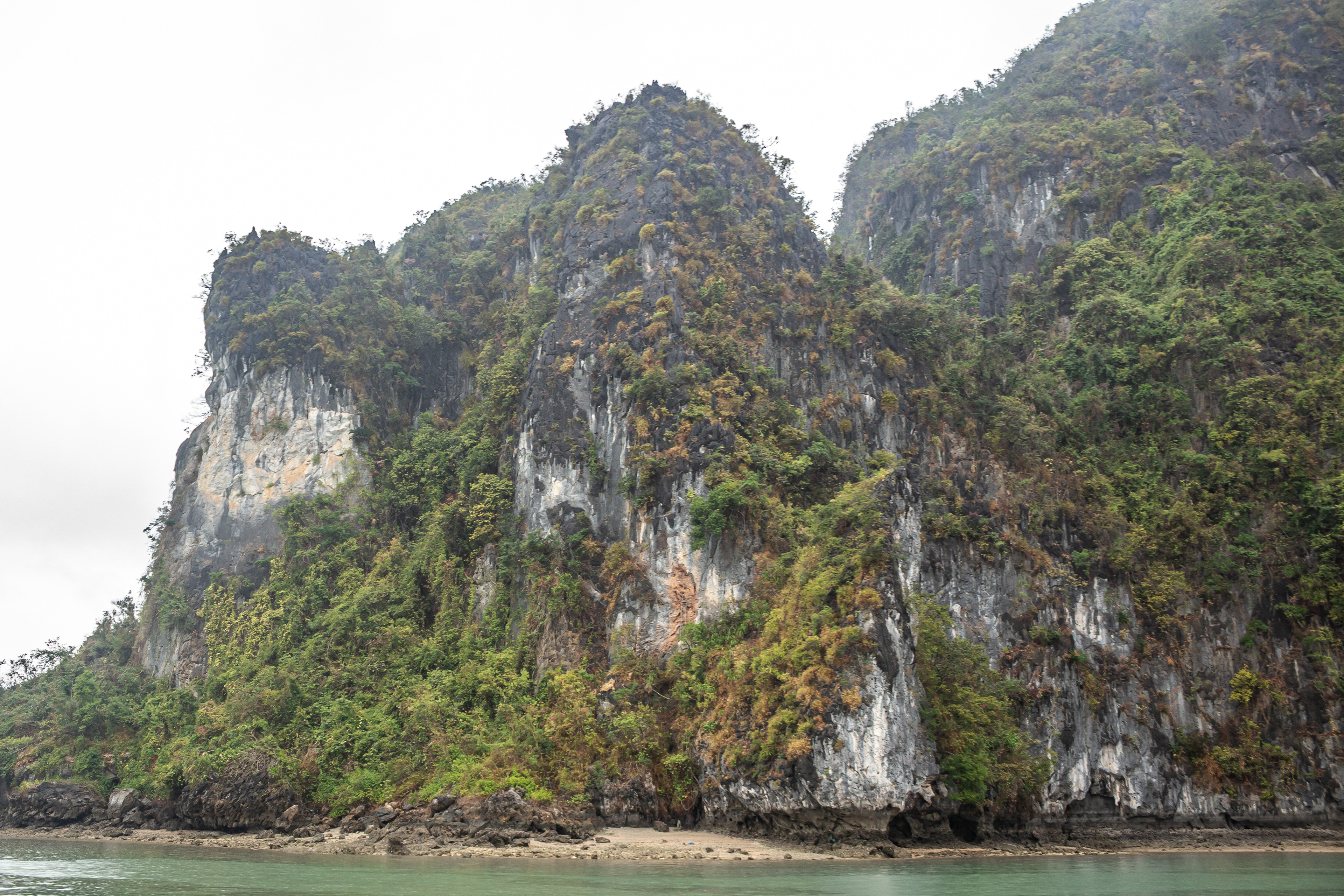
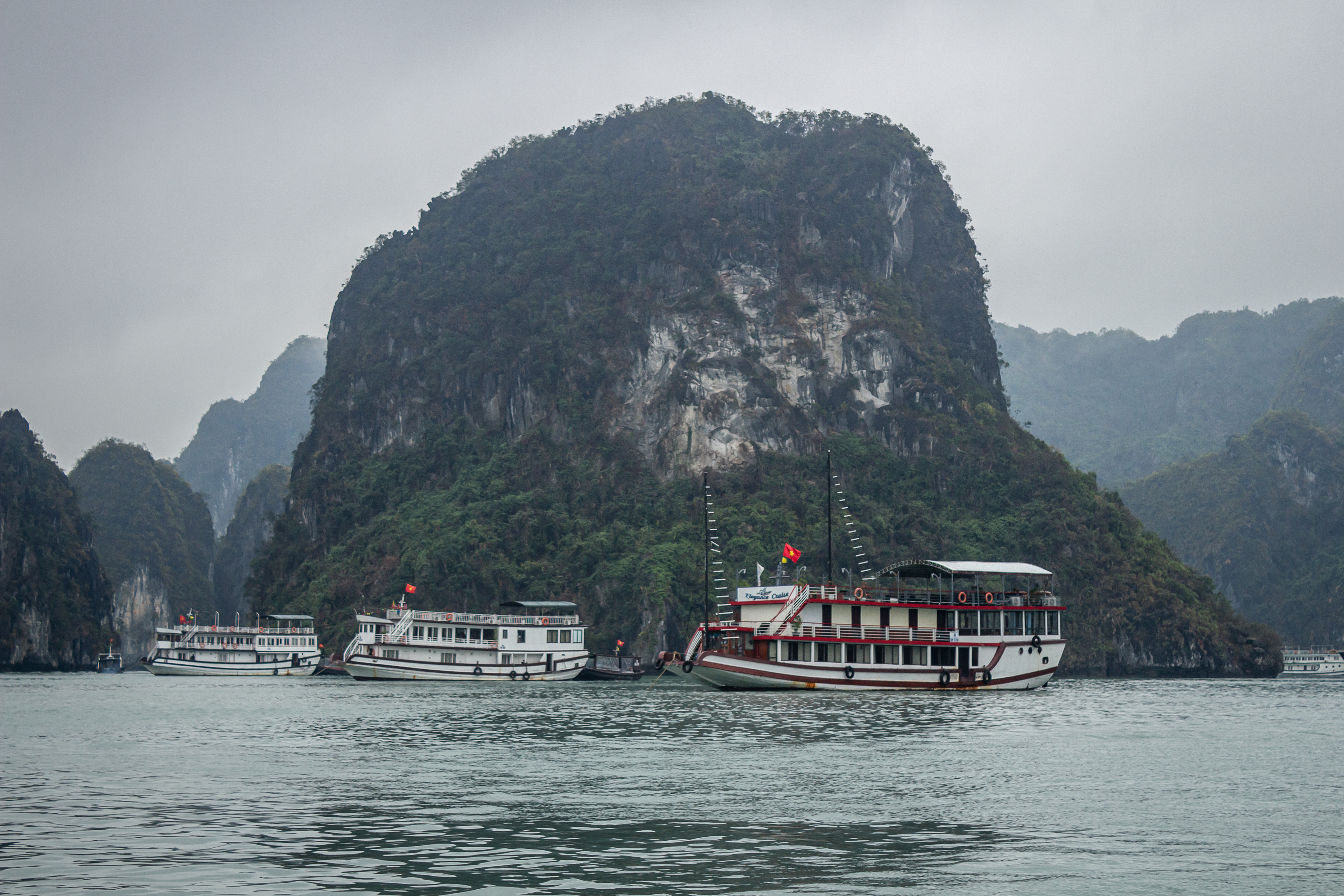
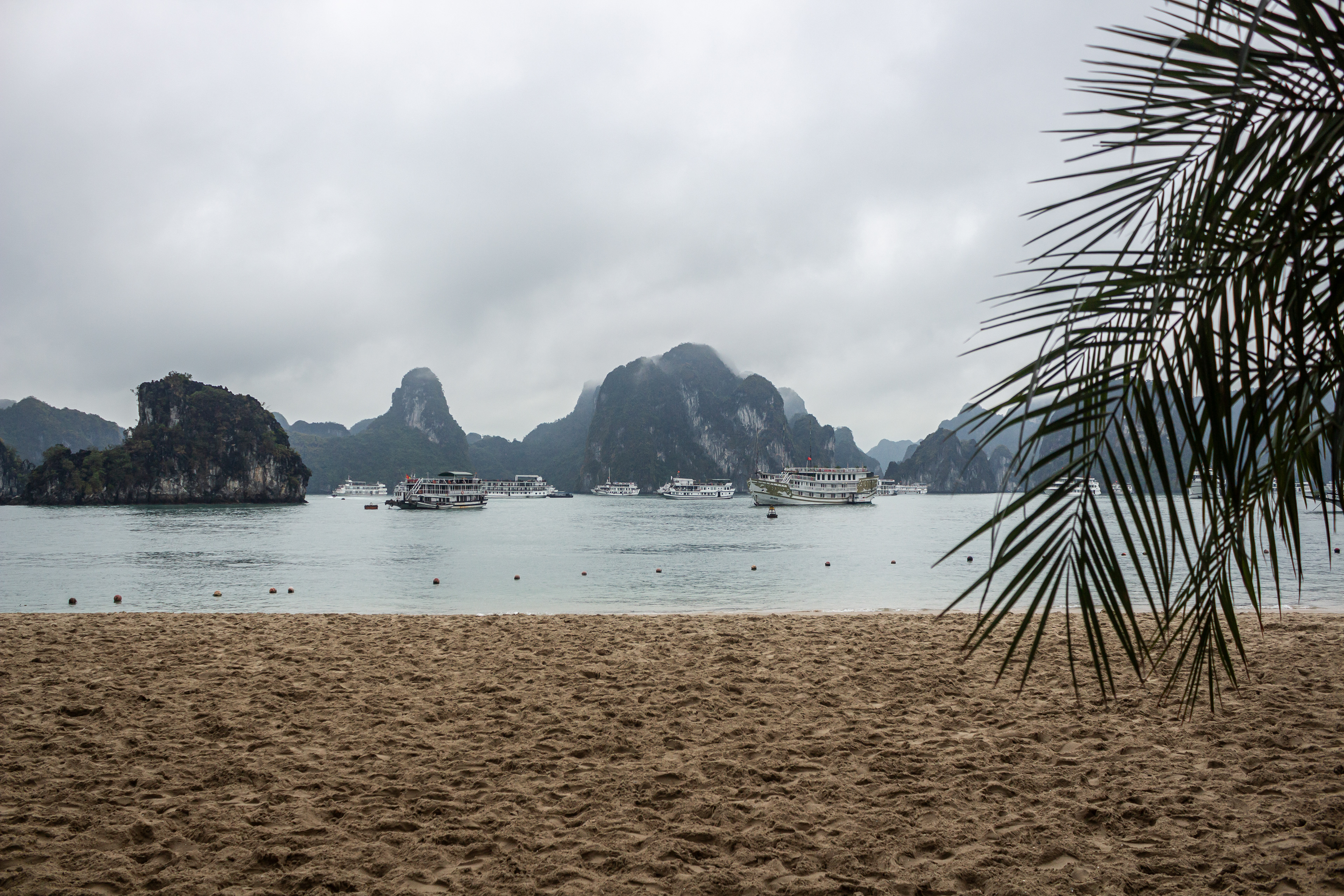
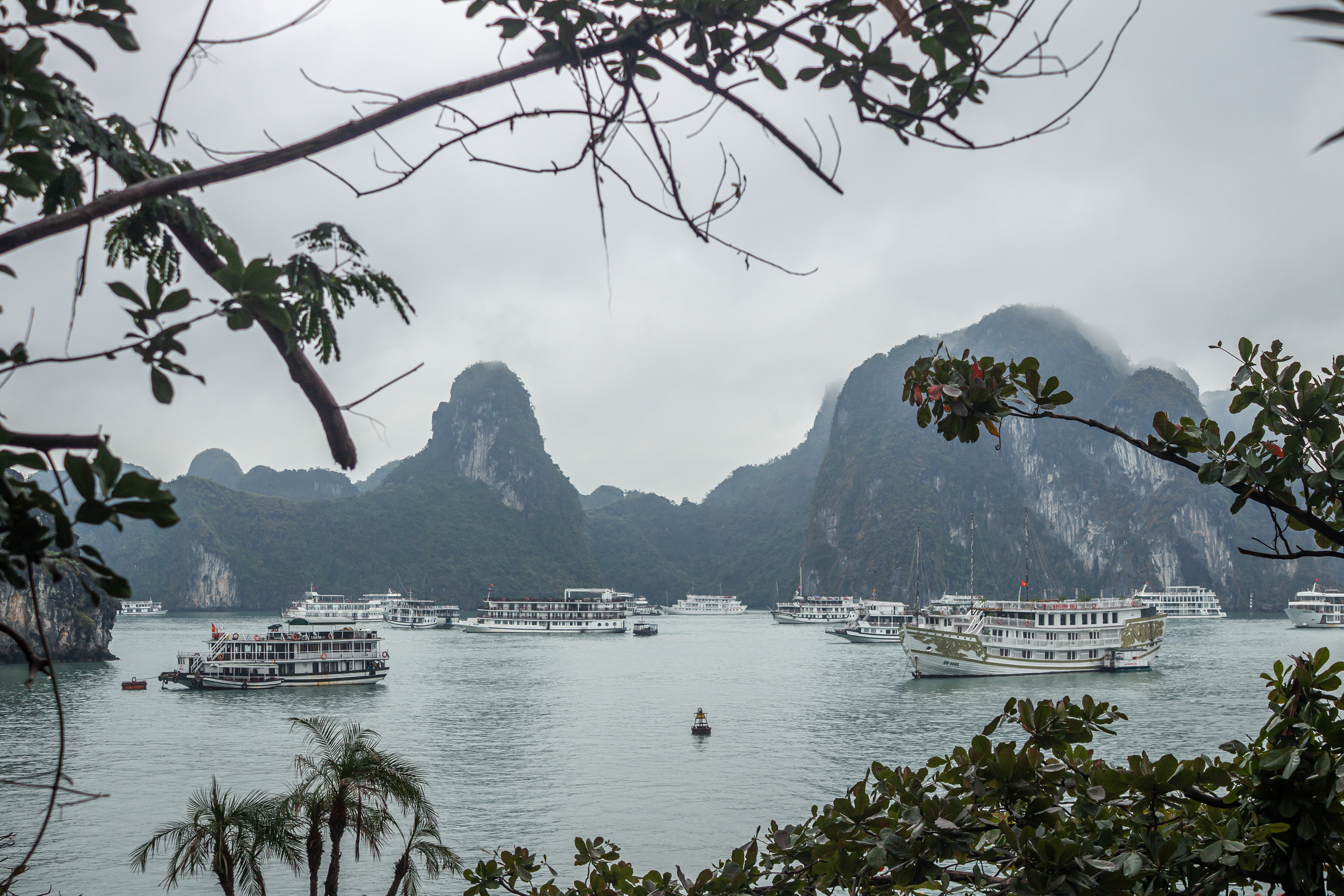
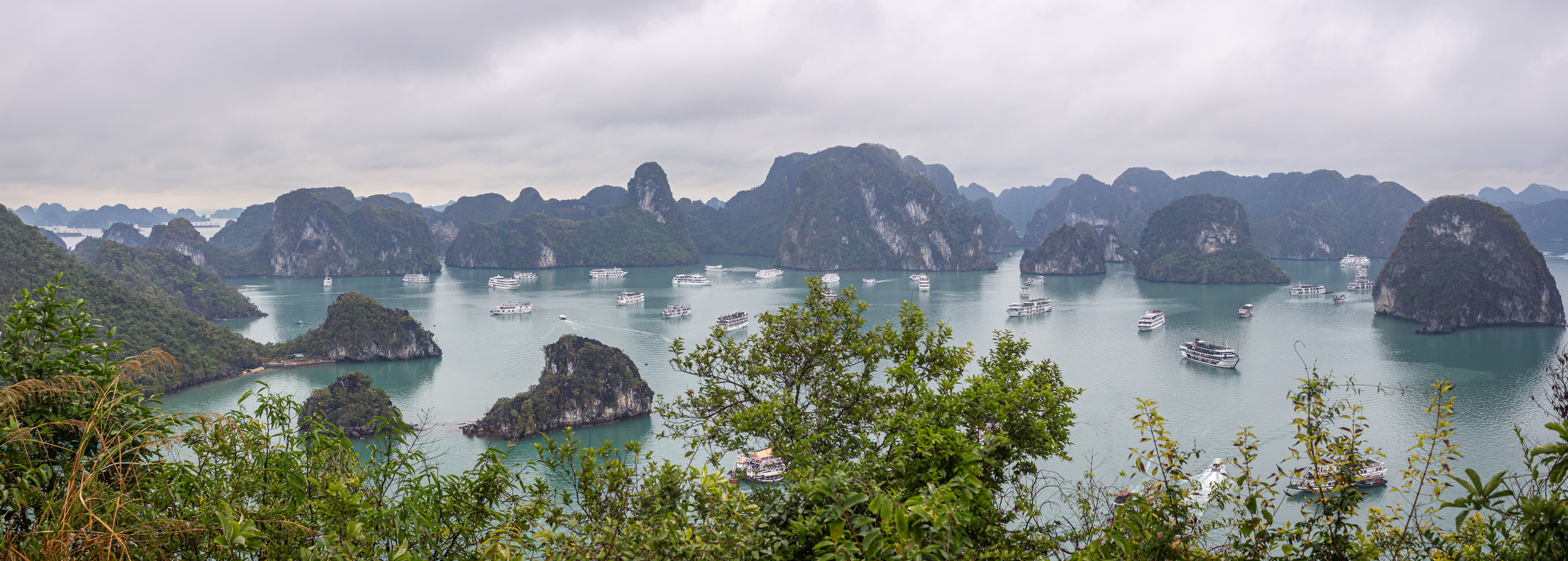
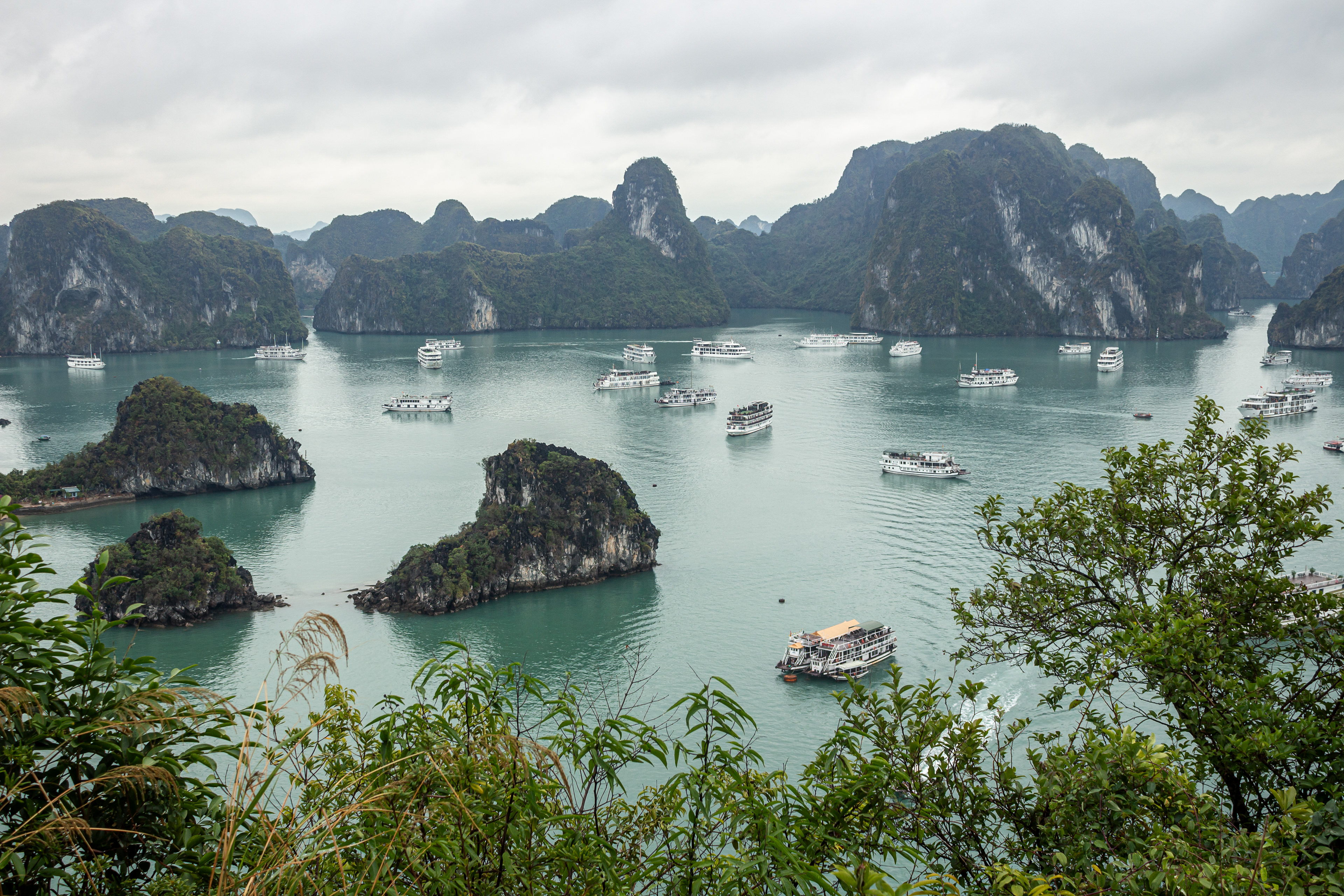
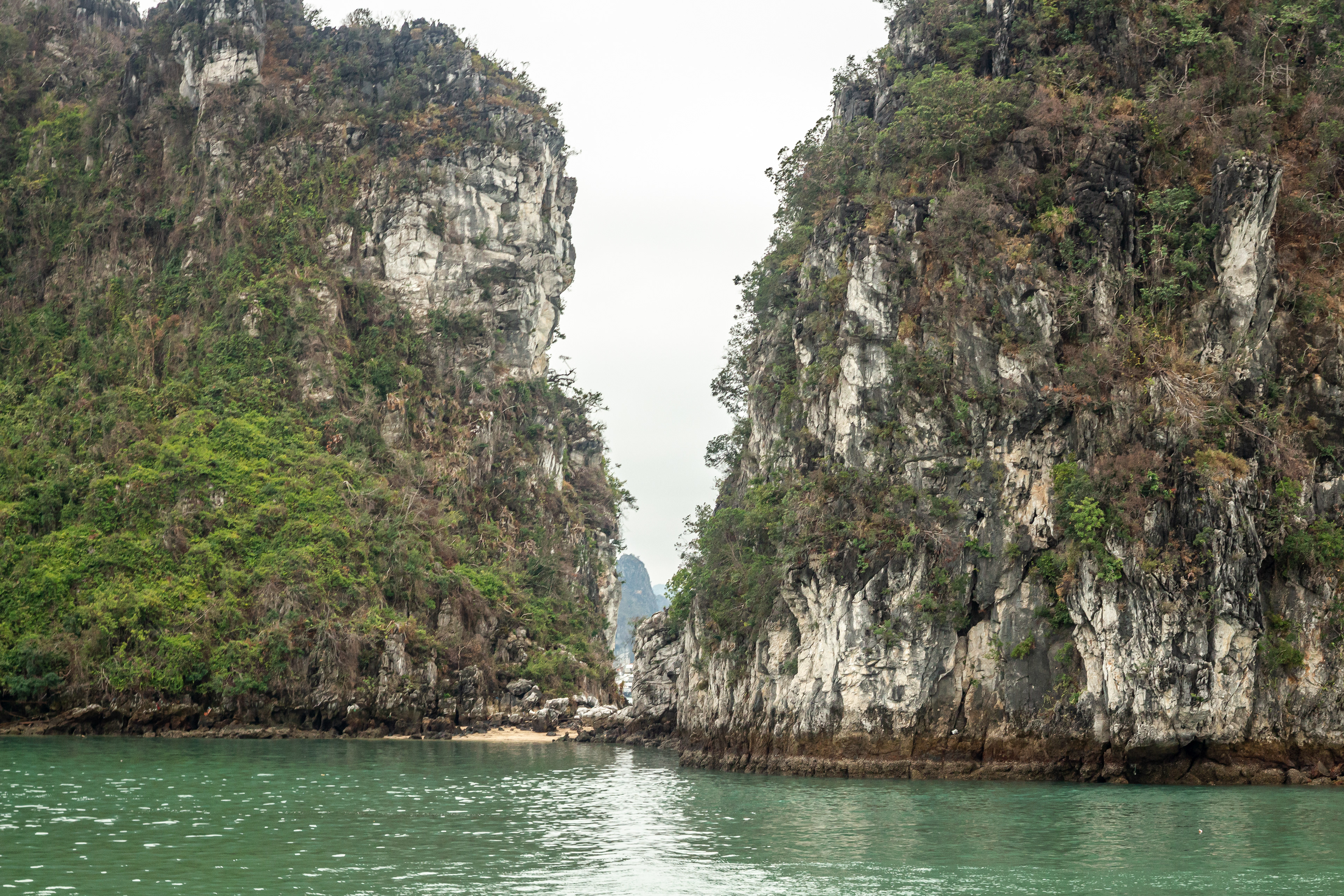
Nestled in the Gulf of Tonkin in northeastern Vietnam, Ha Long Bay is a breathtaking seascape of emerald waters and towering limestone islands. A UNESCO World Heritage Site, Ha Long Bay is steeped in myth and renowned for its natural beauty, with over 1,600 islands and islets rising dramatically from the sea. Whether you're cruising on a traditional junk boat or kayaking through hidden lagoons, Ha Long Bay promises an unforgettable journey through one of the most iconic landscapes in Southeast Asia. Here’s your guide to the must-see highlights.
Cruising the Bay: The Quintessential Experience
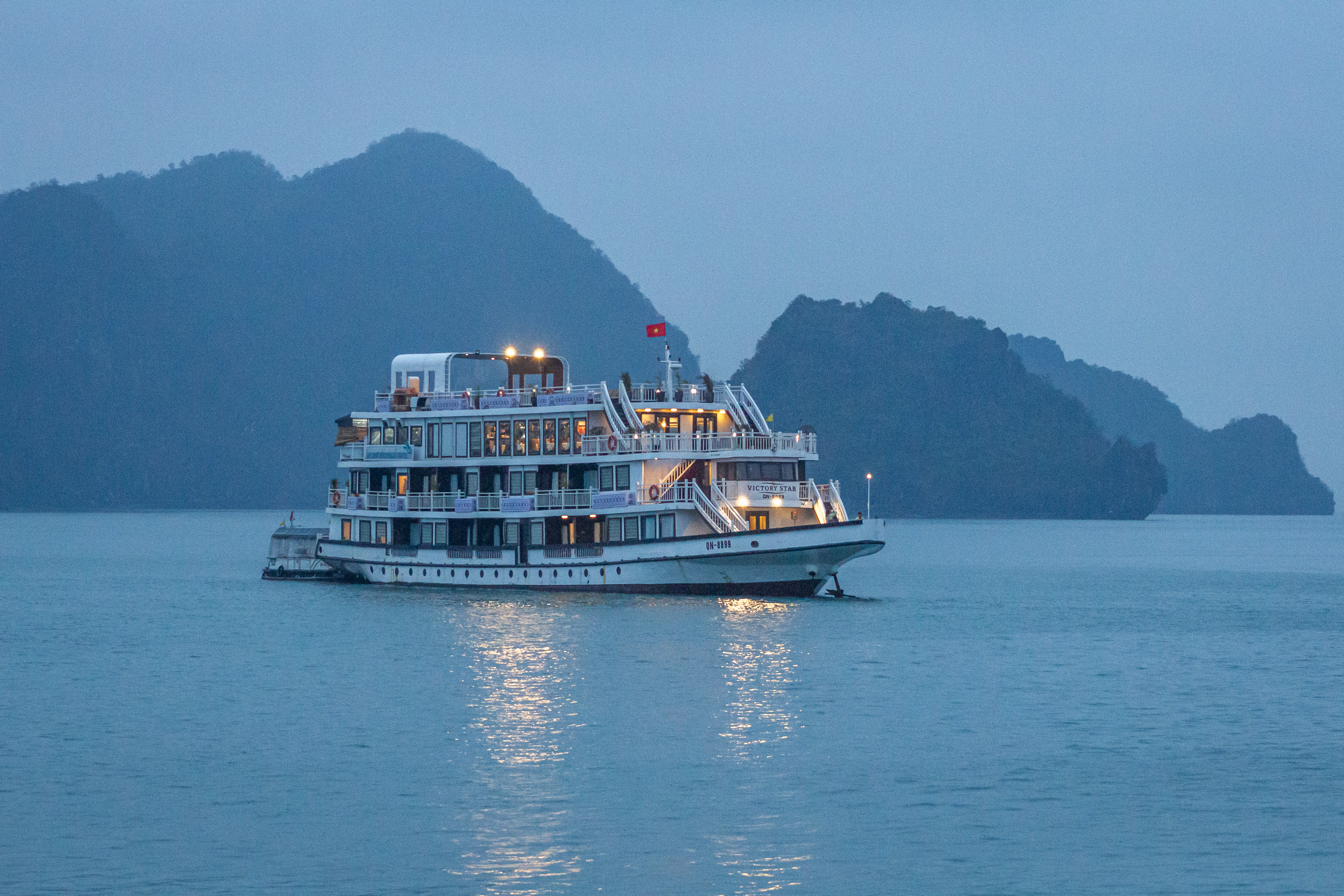
The best way to experience Ha Long Bay is by boat. Day cruises and overnight junk boat tours offer panoramic views of the bay’s surreal beauty. Many tours include stops at caves, beaches, and floating villages, along with onboard dining and cultural experiences.
Tip: Choose an overnight cruise to experience sunset, sunrise, and stargazing on the bay.
The best way to experience Ha Long Bay is by boat. Day cruises and overnight junk boat tours offer panoramic views of the bay’s surreal beauty. Many tours include stops at caves, beaches, and floating villages, along with onboard dining and cultural experiences.
Tip: Choose an overnight cruise to experience sunset, sunrise, and stargazing on the bay.
Sung Sot Cave (Surprise Cave)
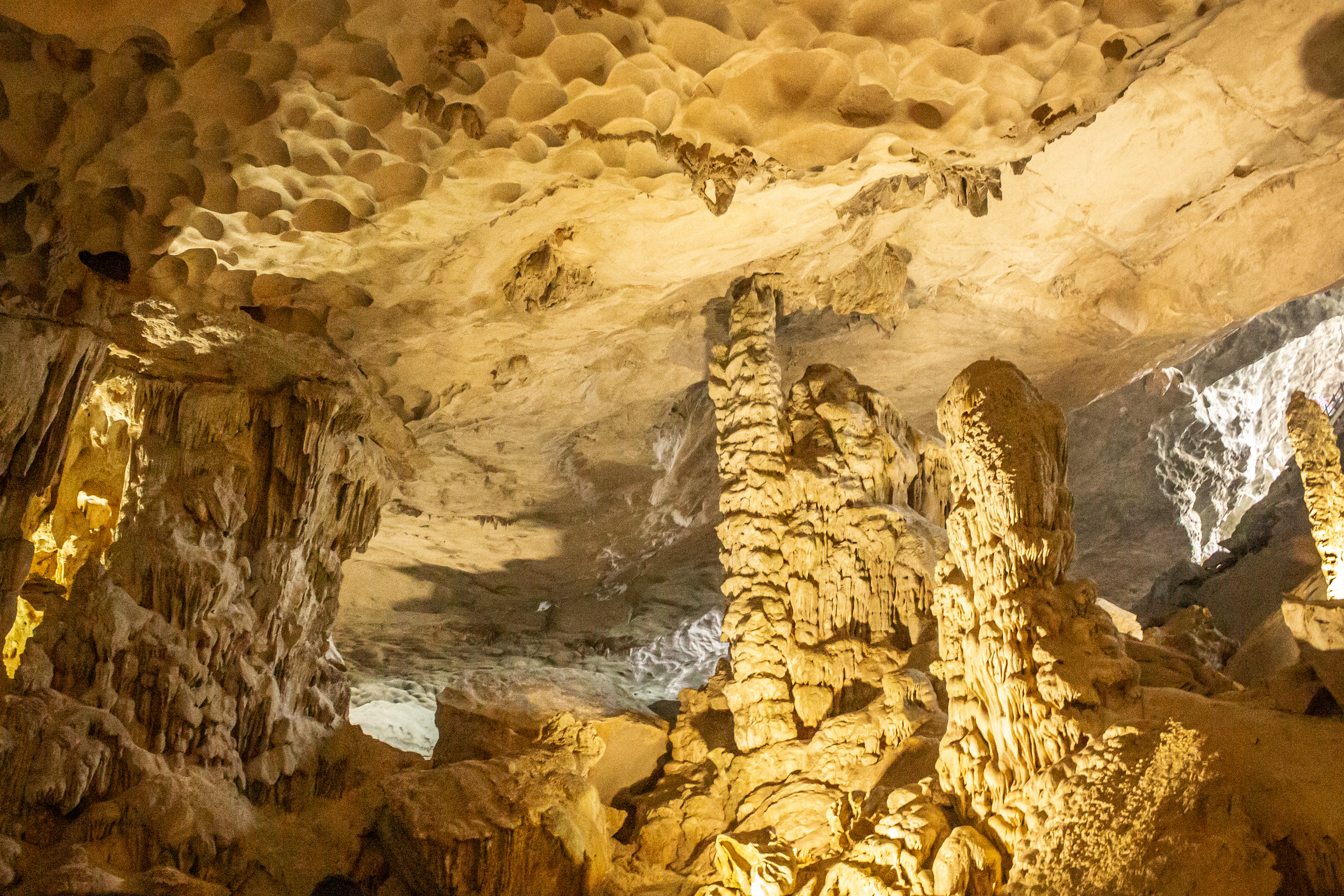
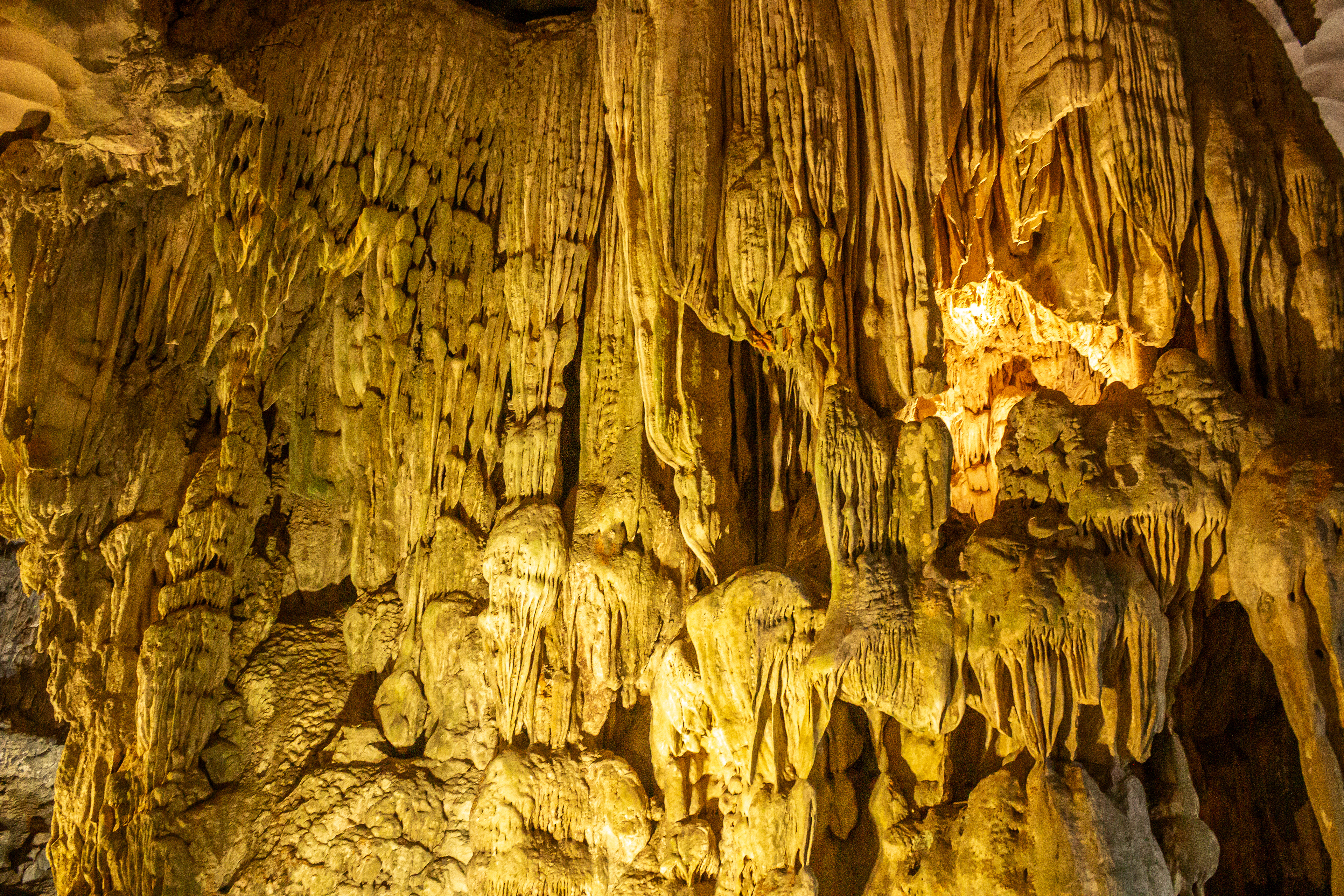
Located on Bo Hon Island, Sung Sot Cave is one of the largest and most impressive caves in the bay. Its two massive chambers are filled with stunning stalactites and stalagmites, illuminated by colorful lights that highlight the cave's intricate formations.
Don’t Miss: The viewing platform at the cave’s entrance offers a spectacular panoramic vista of the bay.
Located on Bo Hon Island, Sung Sot Cave is one of the largest and most impressive caves in the bay. Its two massive chambers are filled with stunning stalactites and stalagmites, illuminated by colorful lights that highlight the cave's intricate formations.
Don’t Miss: The viewing platform at the cave’s entrance offers a spectacular panoramic vista of the bay.
Ti Top Island: Views and Vibes
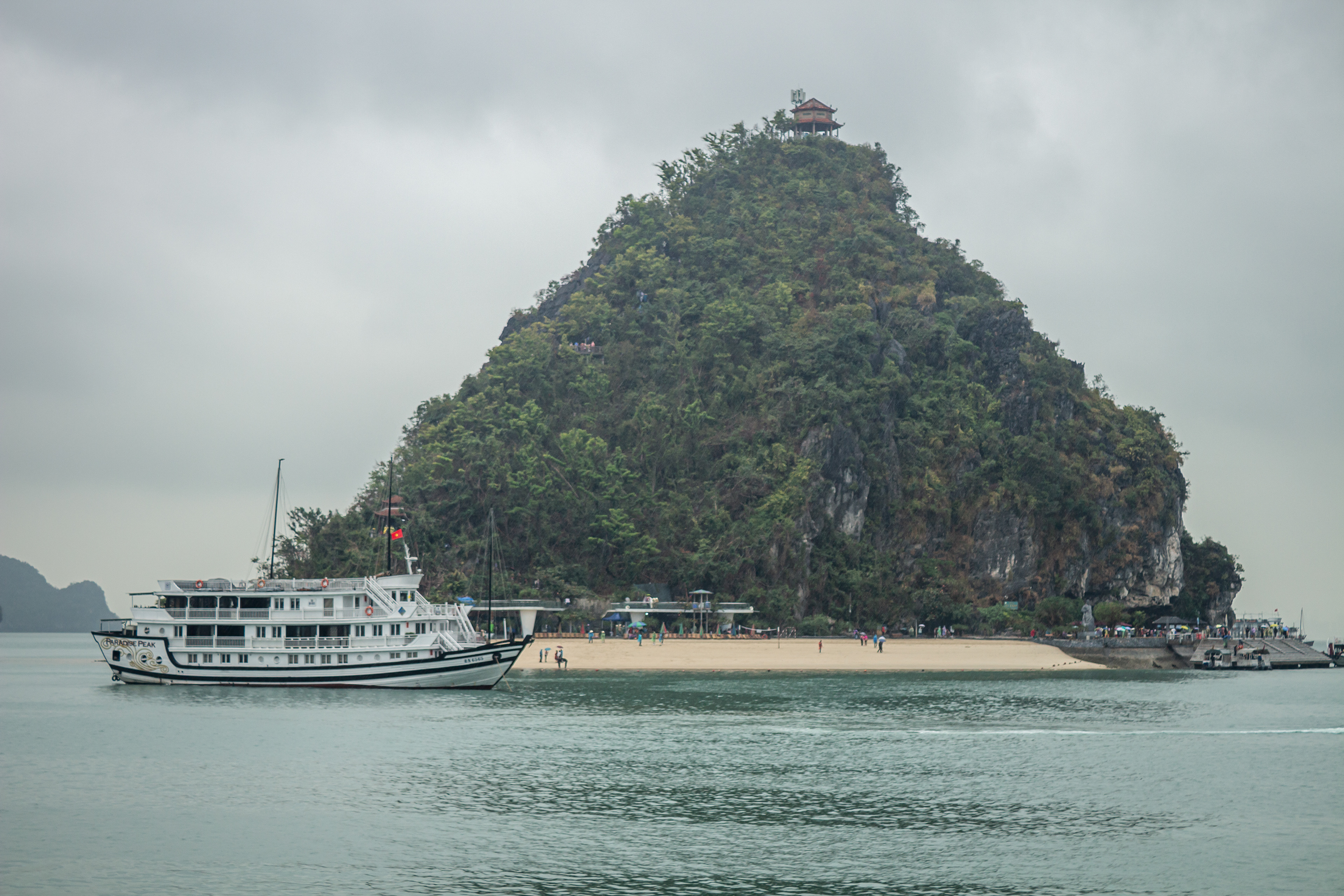
Famous for its white sandy beach and panoramic lookout, Ti Top Island is a popular stop for both swimming and hiking. A short but steep climb to the top rewards visitors with one of the best 360-degree views of Ha Long Bay.
Tip: Visit early or late in the day to avoid crowds and catch the golden light.
Famous for its white sandy beach and panoramic lookout, Ti Top Island is a popular stop for both swimming and hiking. A short but steep climb to the top rewards visitors with one of the best 360-degree views of Ha Long Bay.
Tip: Visit early or late in the day to avoid crowds and catch the golden light.
Luon Cave: Kayaking Through Serenity
Luon Cave is only accessible by small boat or kayak, taking you through a low archway into a serene, enclosed lagoon surrounded by towering cliffs. It’s a peaceful, almost mystical place, perfect for wildlife spotting and quiet reflection.
Look for: Monkeys, herons, and crabs that inhabit the cave area.
Luon Cave is only accessible by small boat or kayak, taking you through a low archway into a serene, enclosed lagoon surrounded by towering cliffs. It’s a peaceful, almost mystical place, perfect for wildlife spotting and quiet reflection.
Look for: Monkeys, herons, and crabs that inhabit the cave area.
Floating Fishing Villages: A Glimpse of Local Life
Ha Long Bay is home to traditional floating villages like Cua Van and Vung Vieng, where people live, fish, and raise families entirely on the water. Some tours include visits to these villages, offering insight into a way of life that has existed for generations.
Experience: Rowboat rides, traditional fishing demonstrations, and local seafood tastings.
Ha Long Bay is home to traditional floating villages like Cua Van and Vung Vieng, where people live, fish, and raise families entirely on the water. Some tours include visits to these villages, offering insight into a way of life that has existed for generations.
Experience: Rowboat rides, traditional fishing demonstrations, and local seafood tastings.
Exploring the Hidden Gems of Vietnam: Trang An and Tam Coc
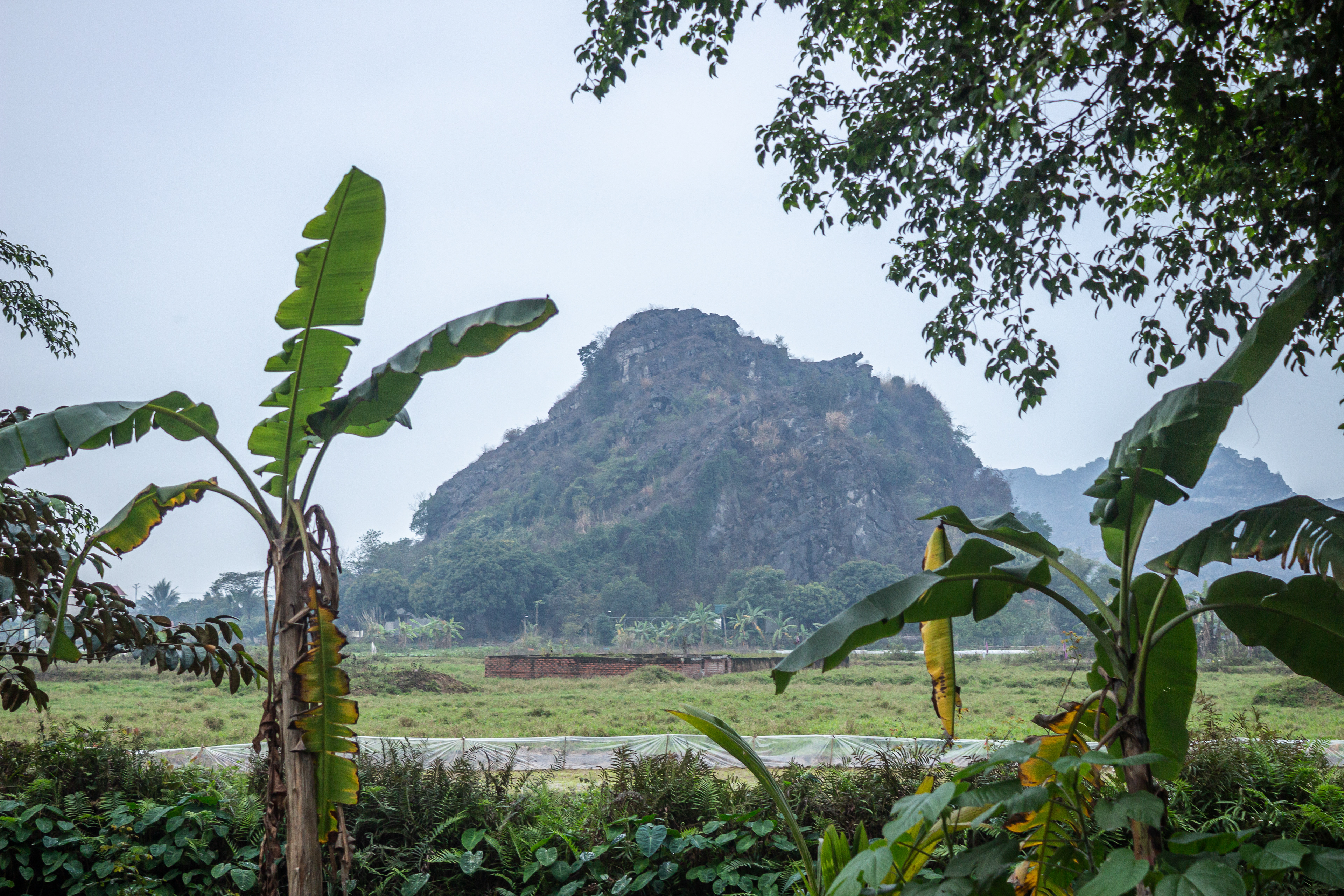
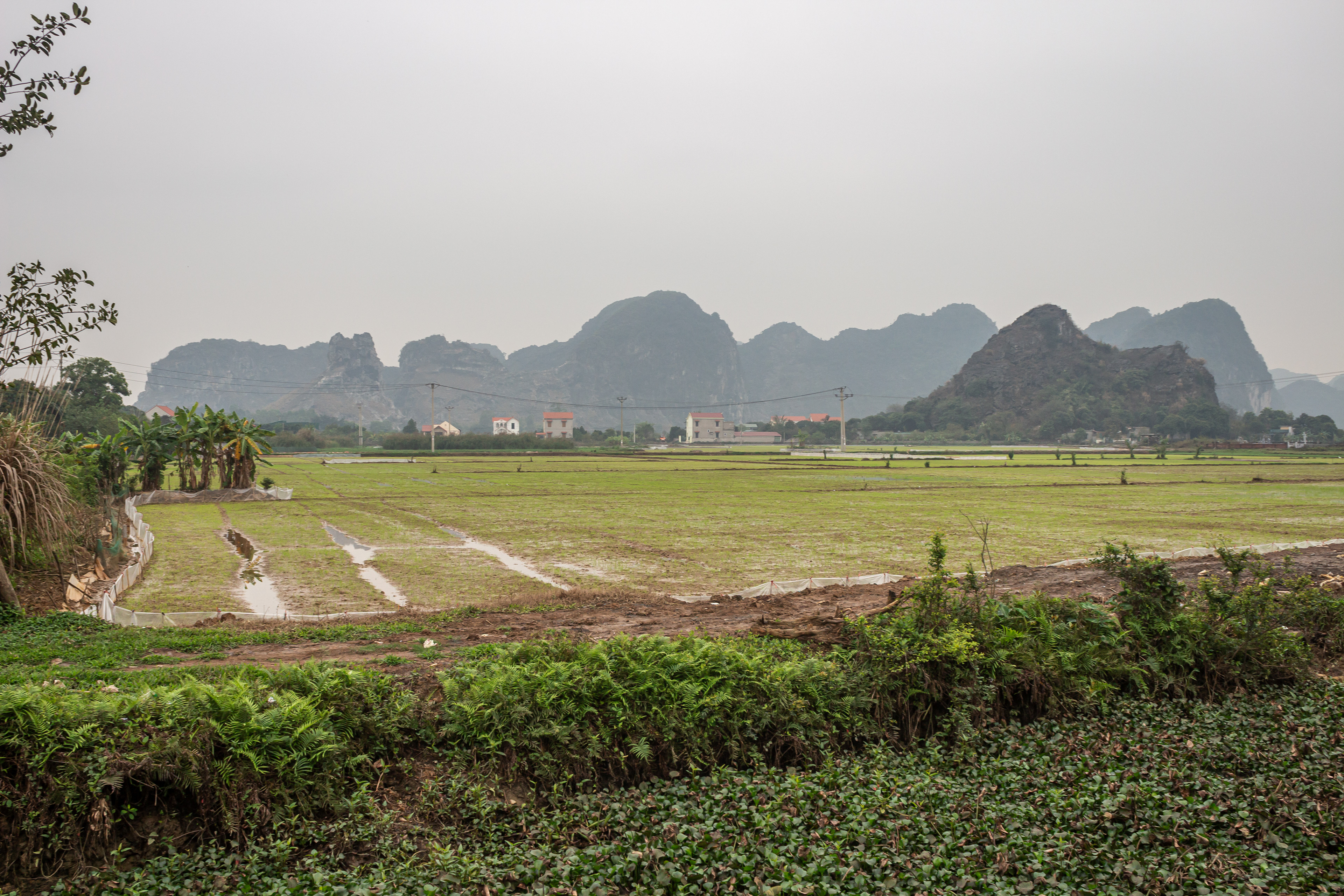
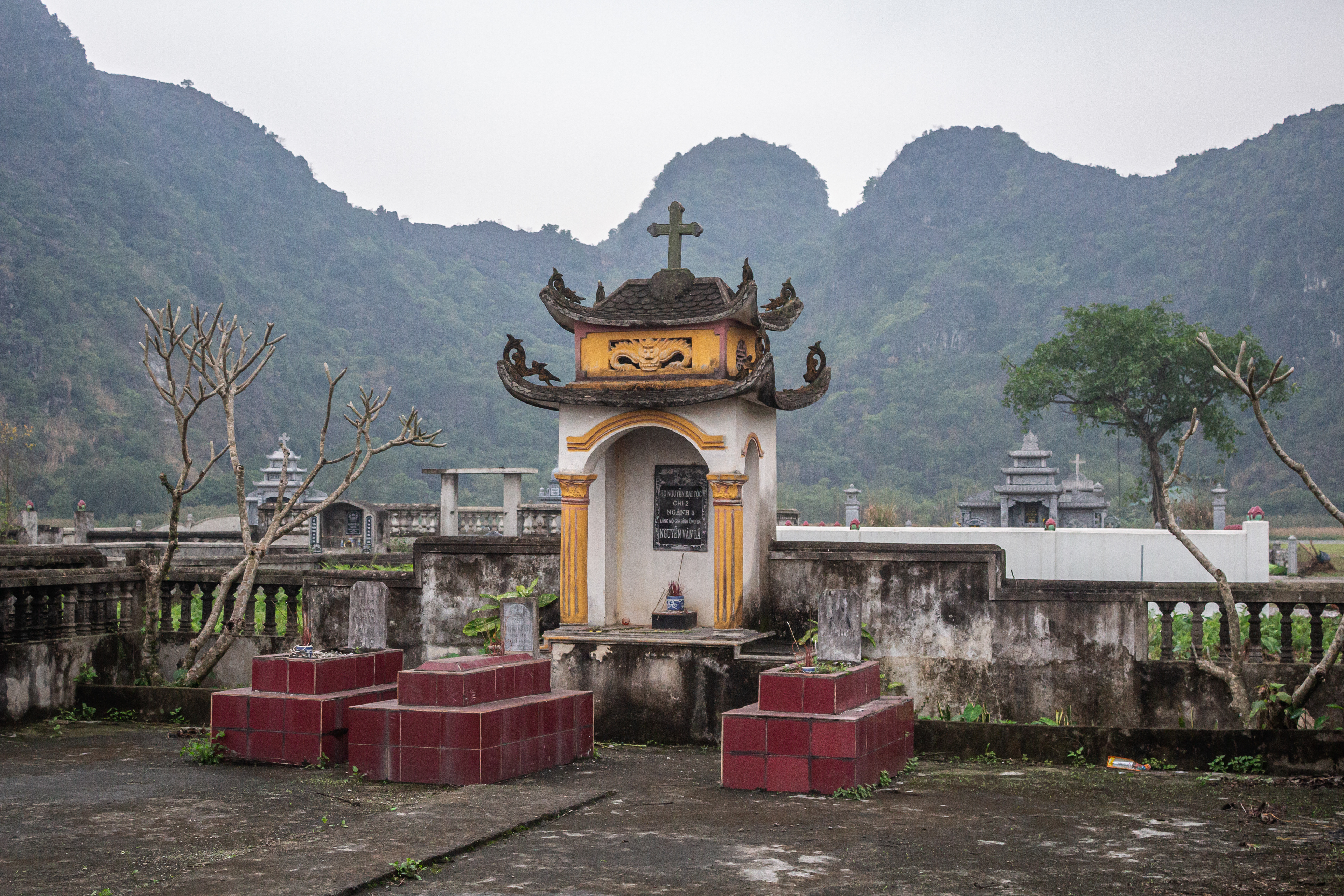
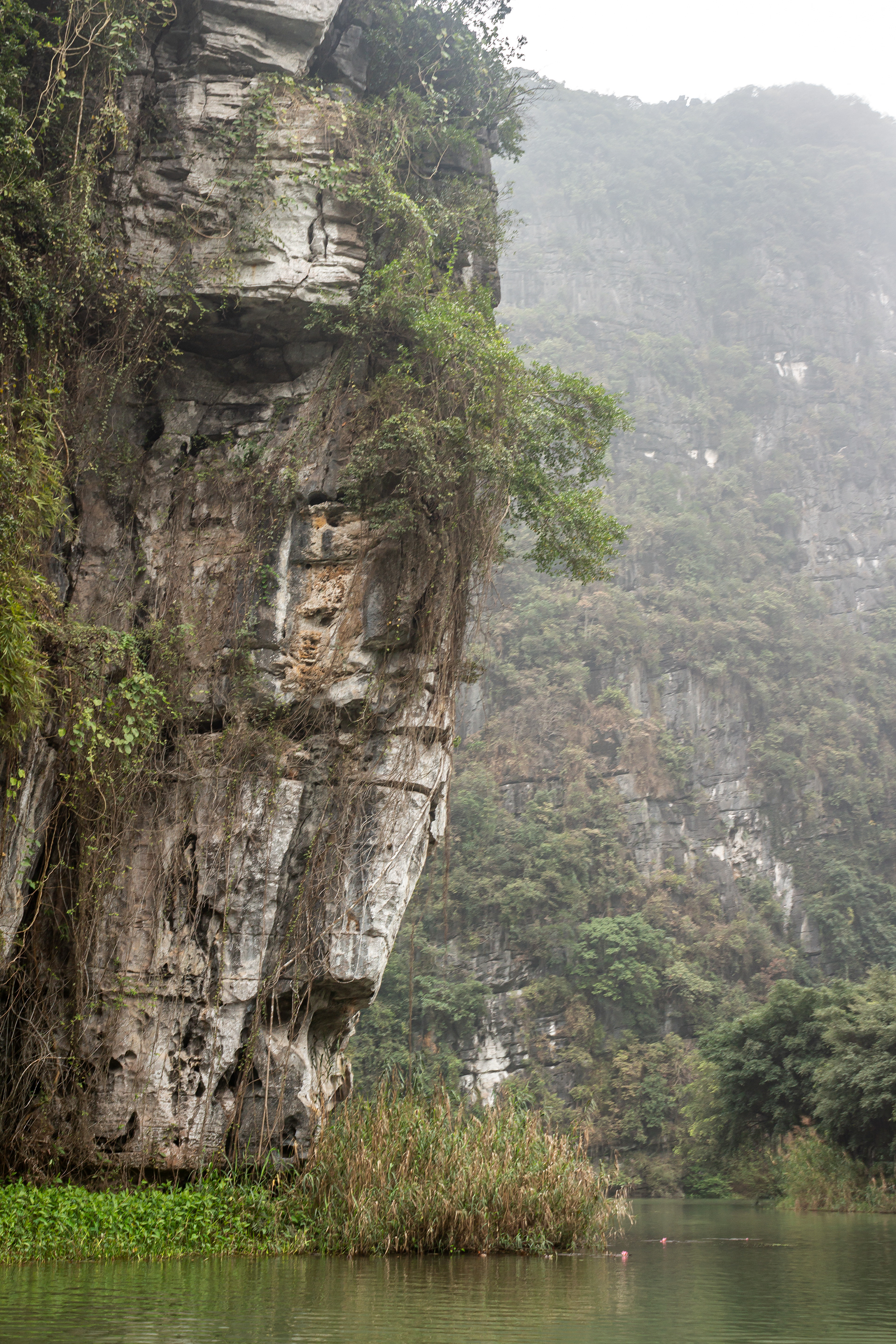
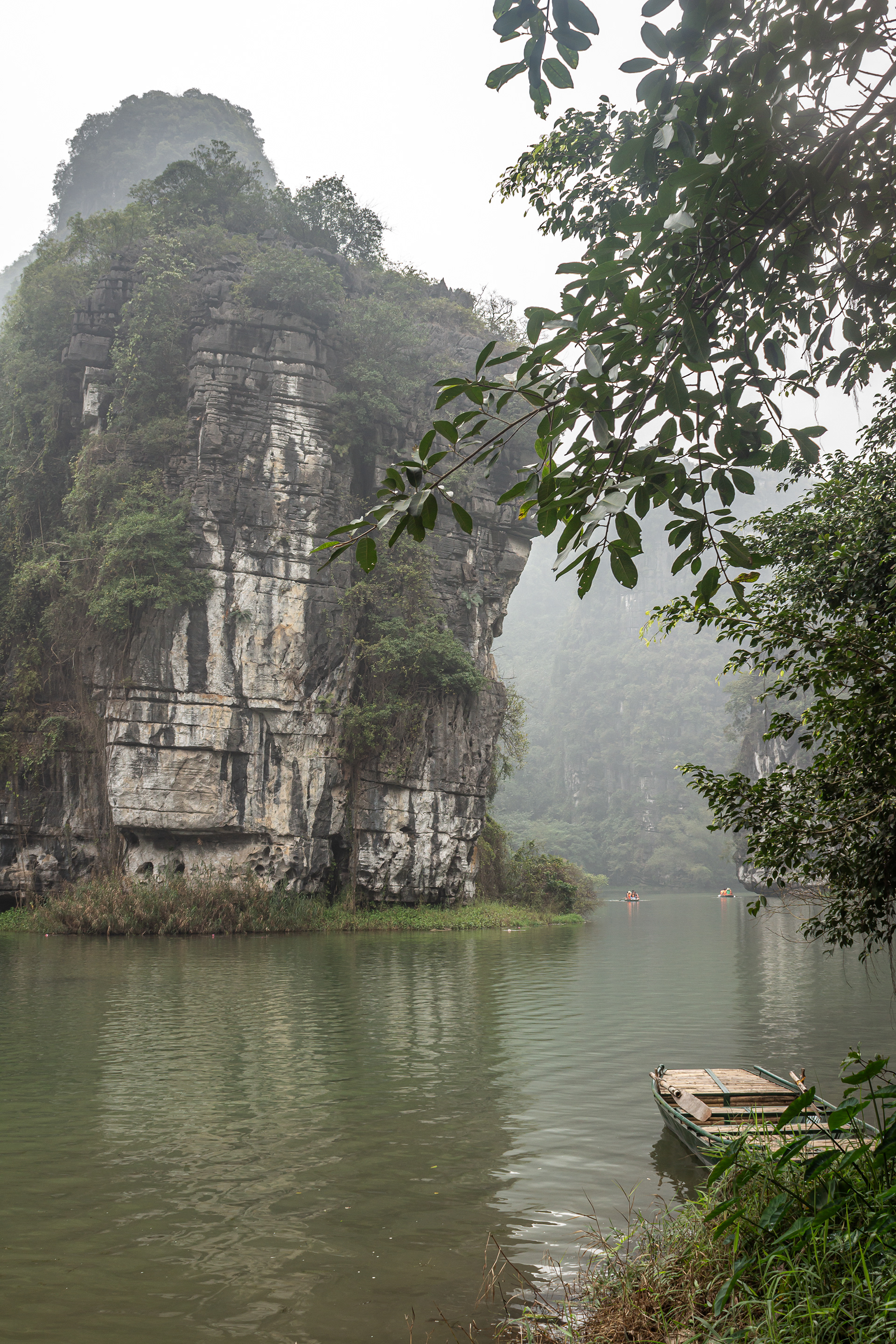
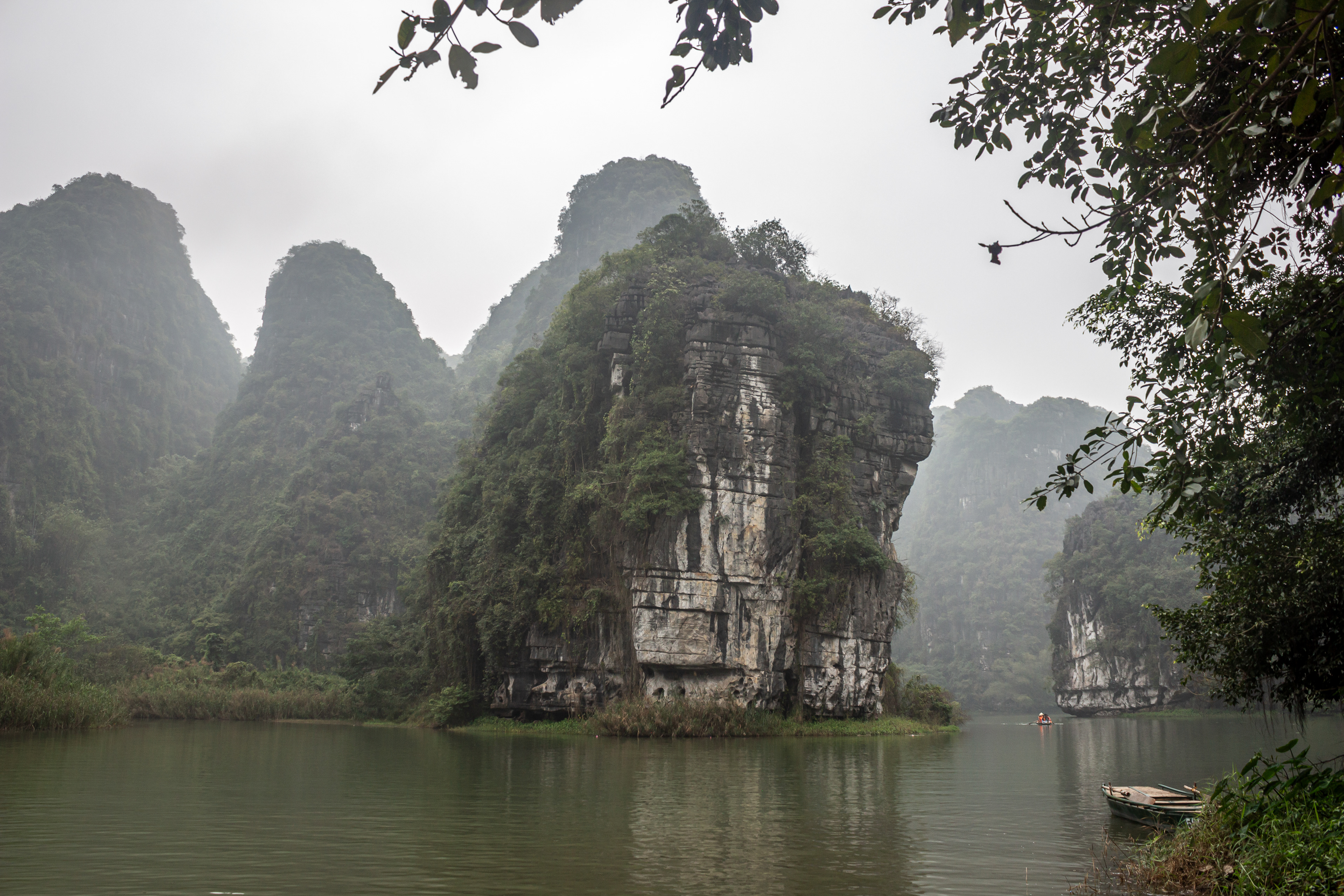
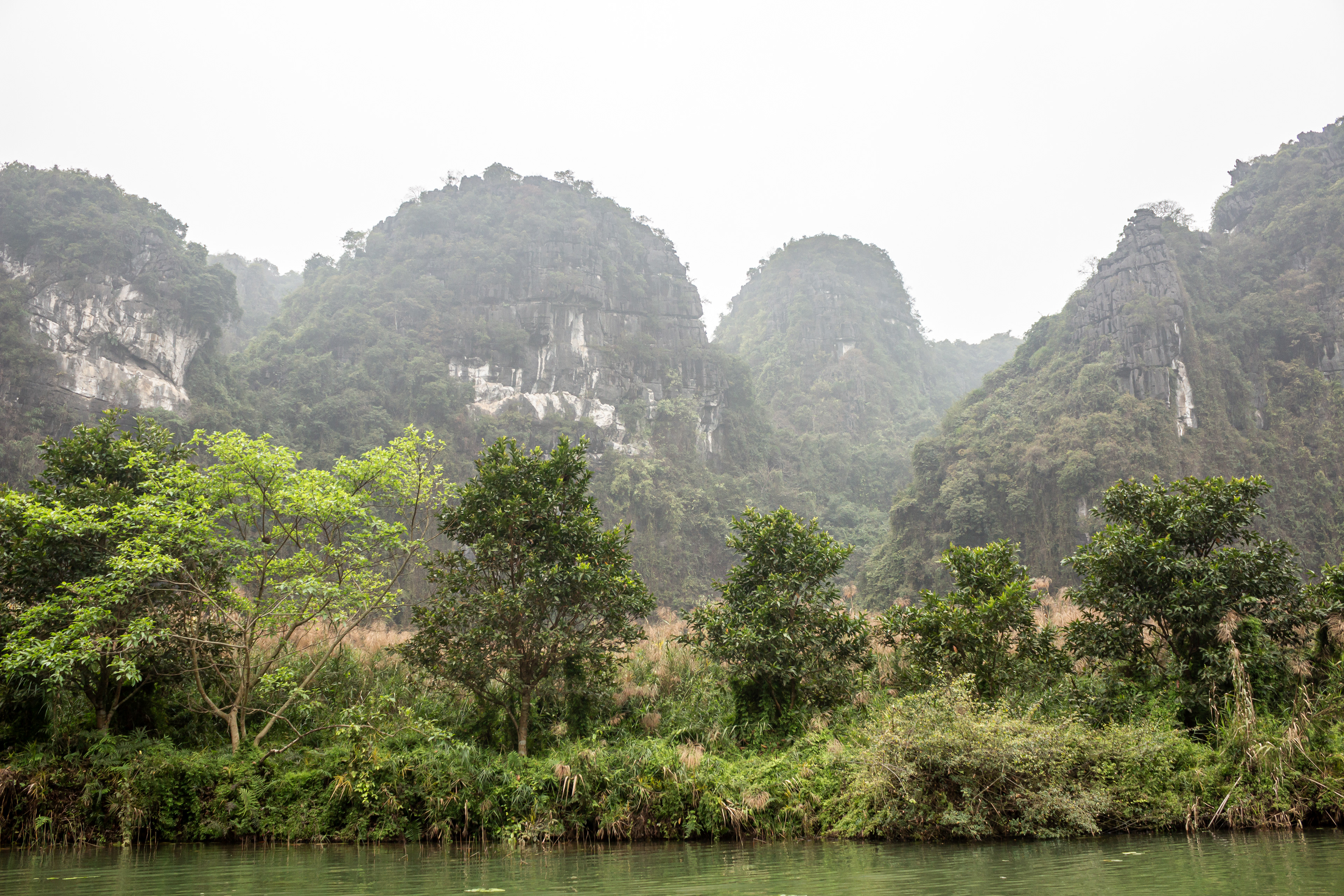
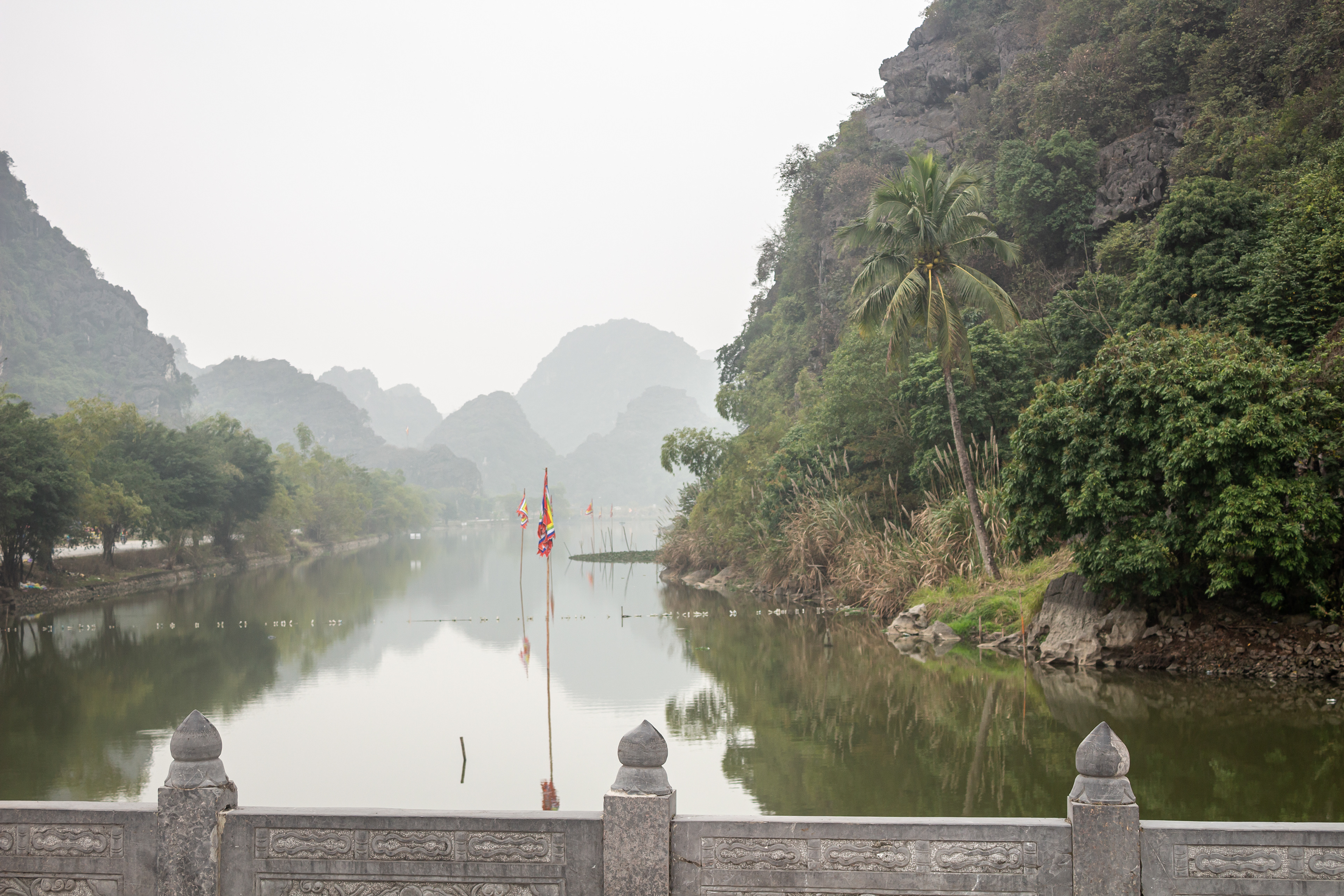
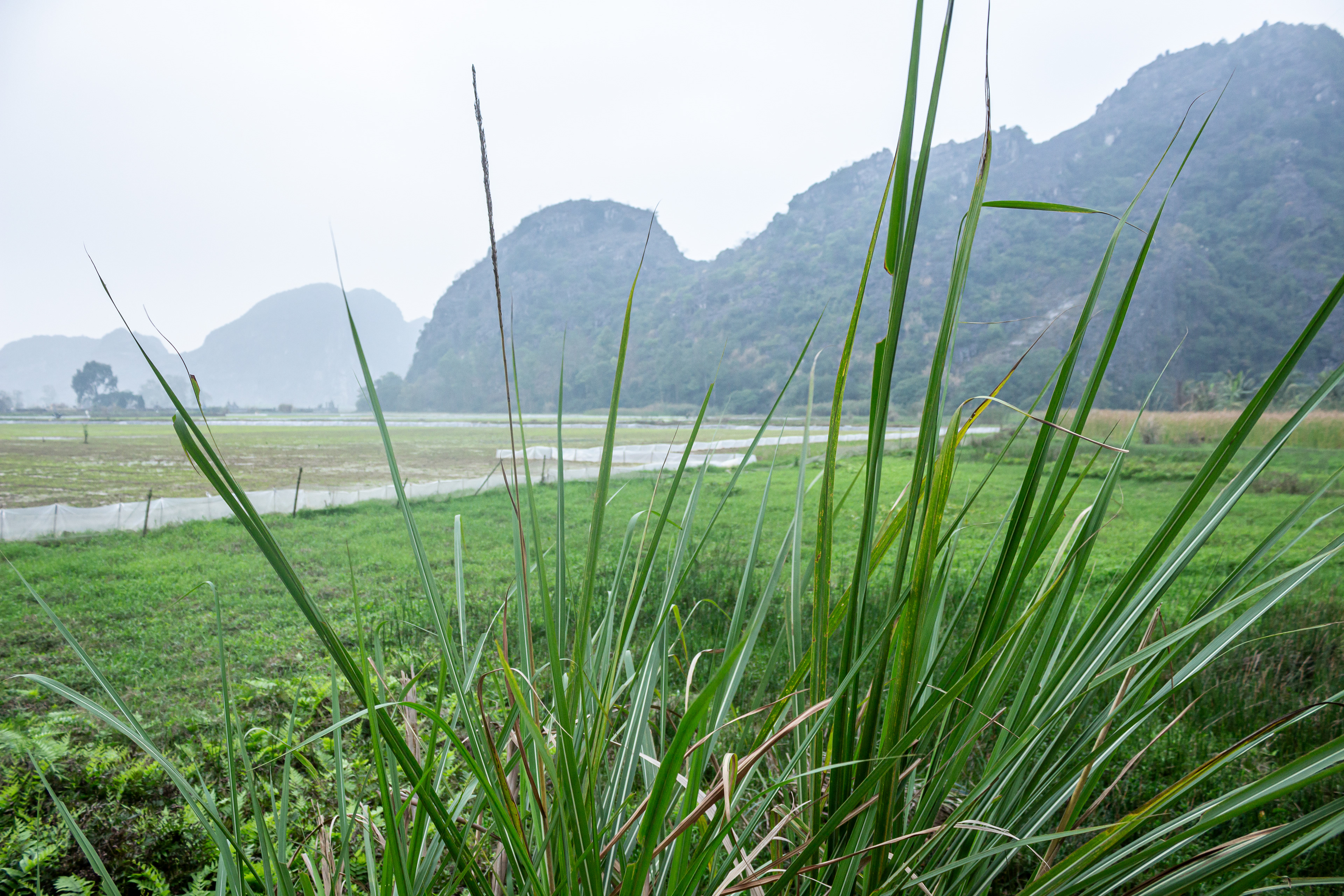
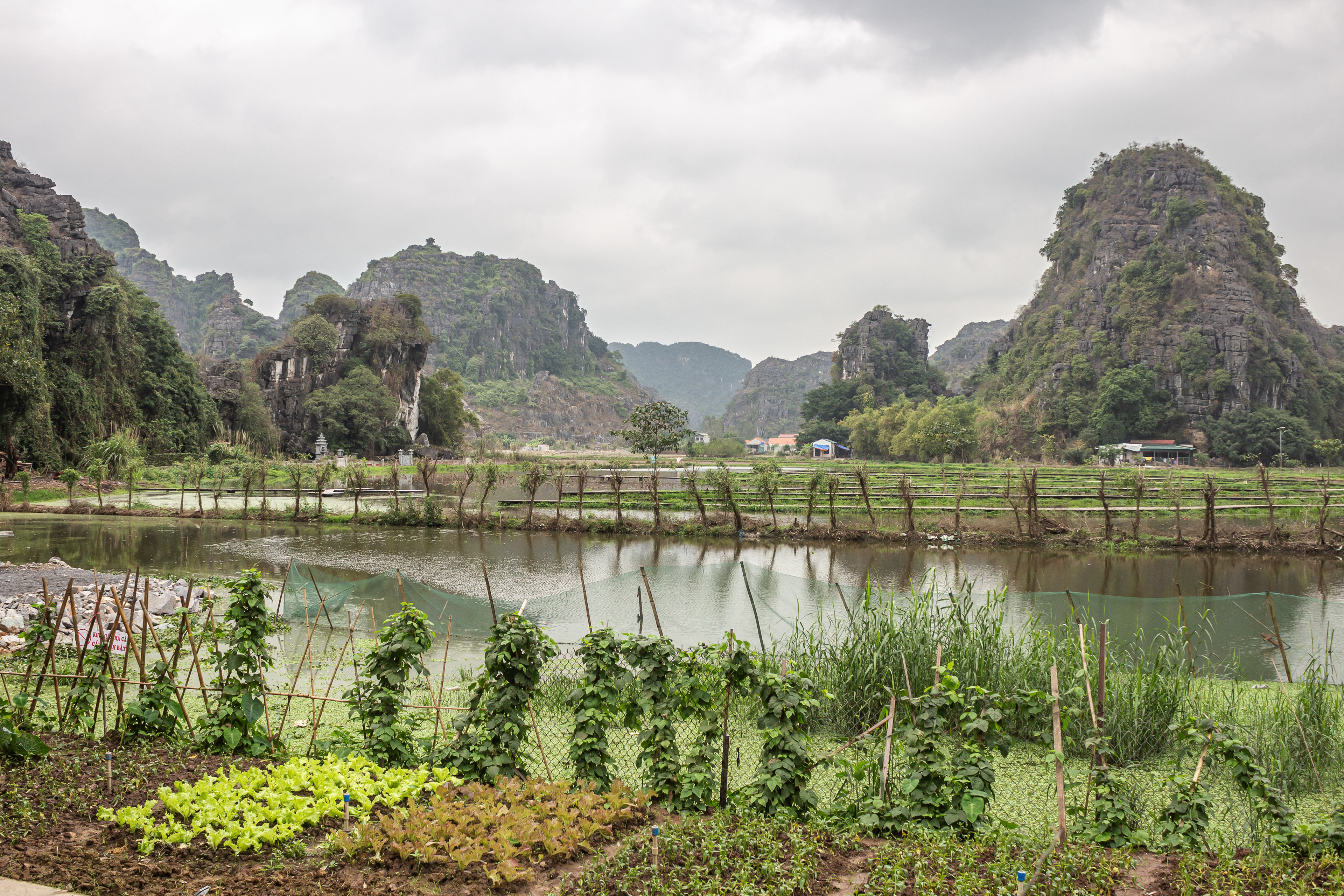
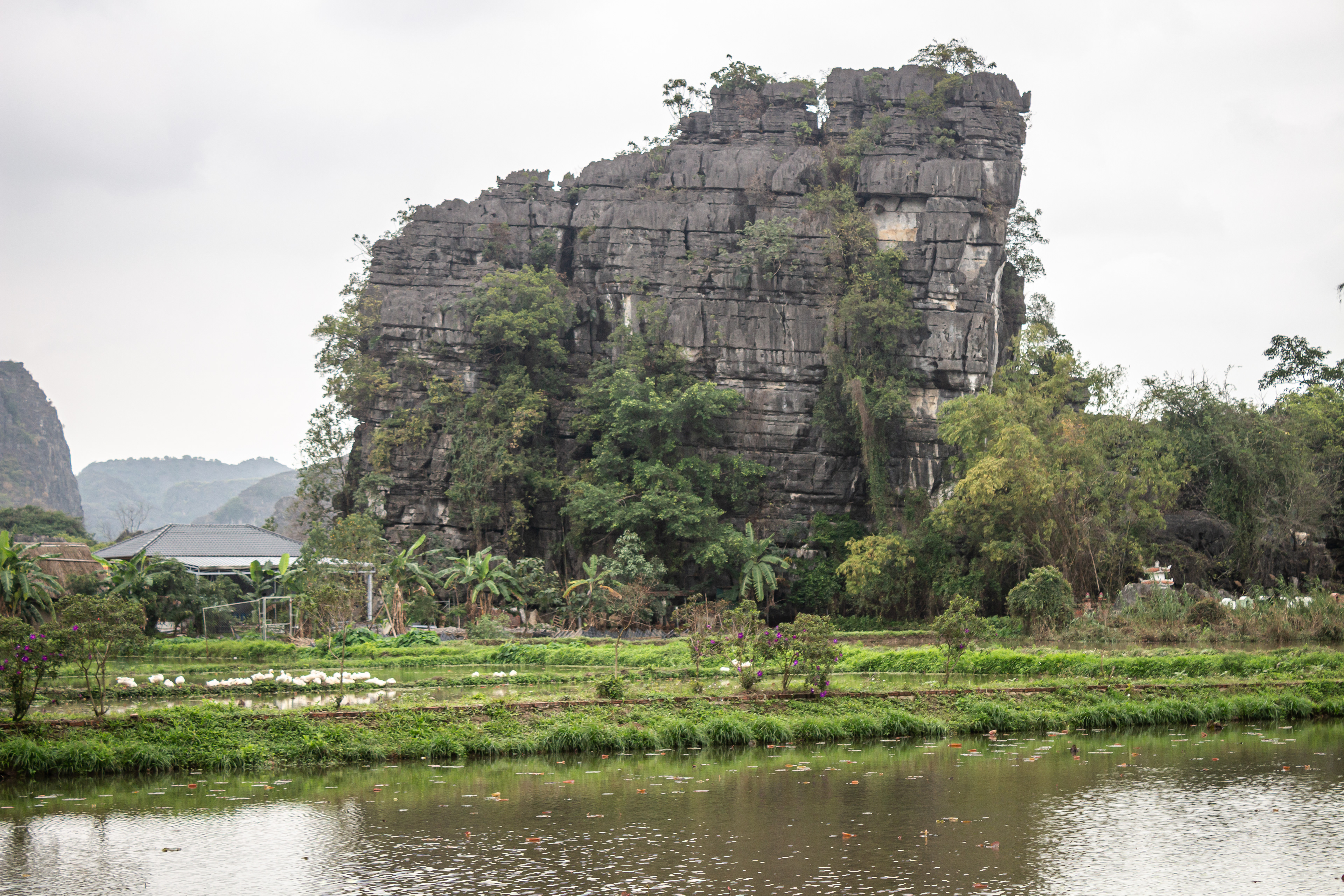
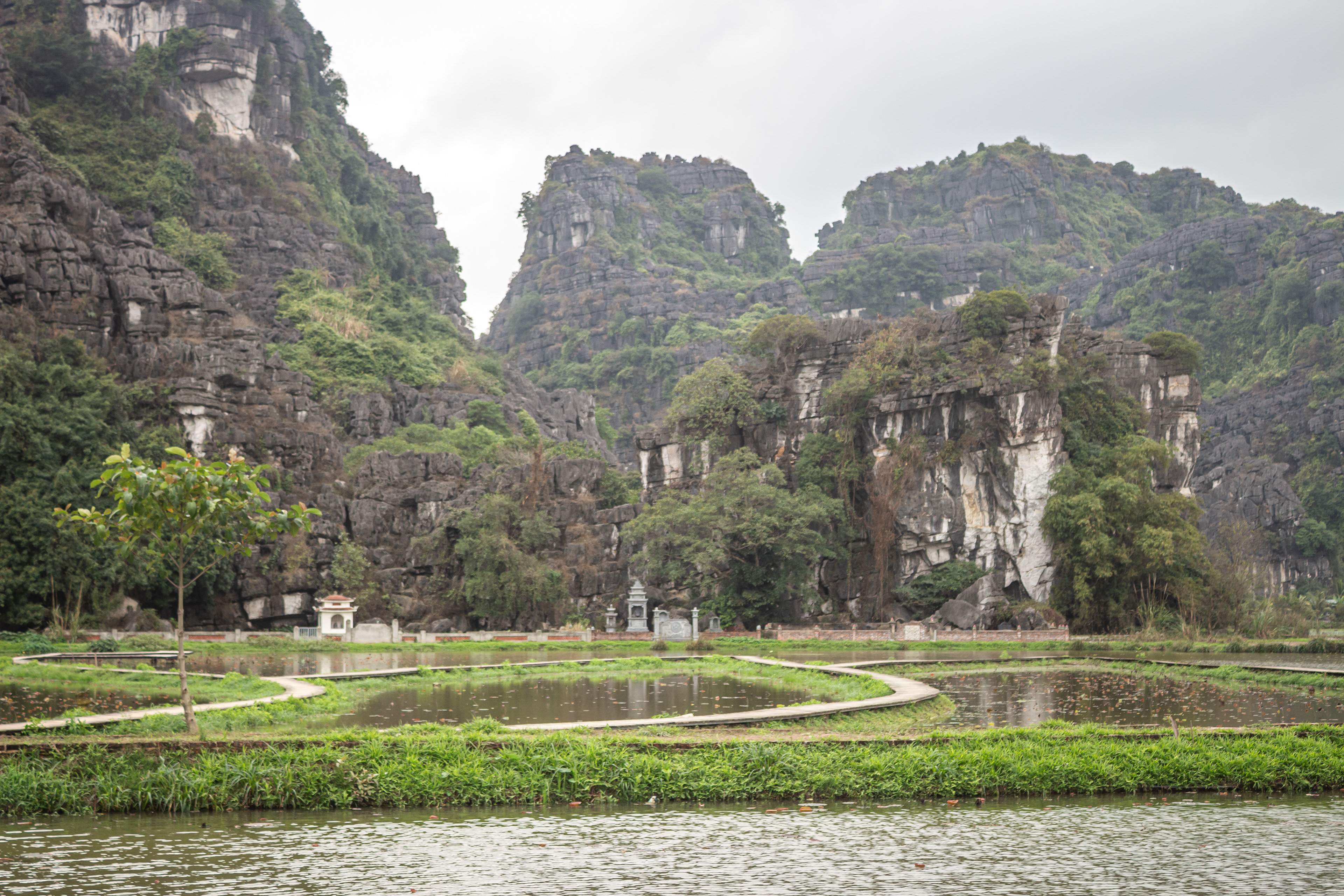
Tucked away in the lush landscapes of Ninh Binh Province, just a couple of hours south of Hanoi, lie two of Vietnam's most enchanting natural and cultural wonders: Trang An and Tam Coc. Often referred to as "Ha Long Bay on land," these UNESCO-protected areas are defined by majestic limestone karsts, winding rivers, ancient temples, and serene rice fields. If you’re seeking a peaceful escape into Vietnam’s natural heartland, this travel guide will help you discover what to see and do in Trang An and Tam Coc.
Trang An Landscape Complex: A UNESCO World Heritage Site
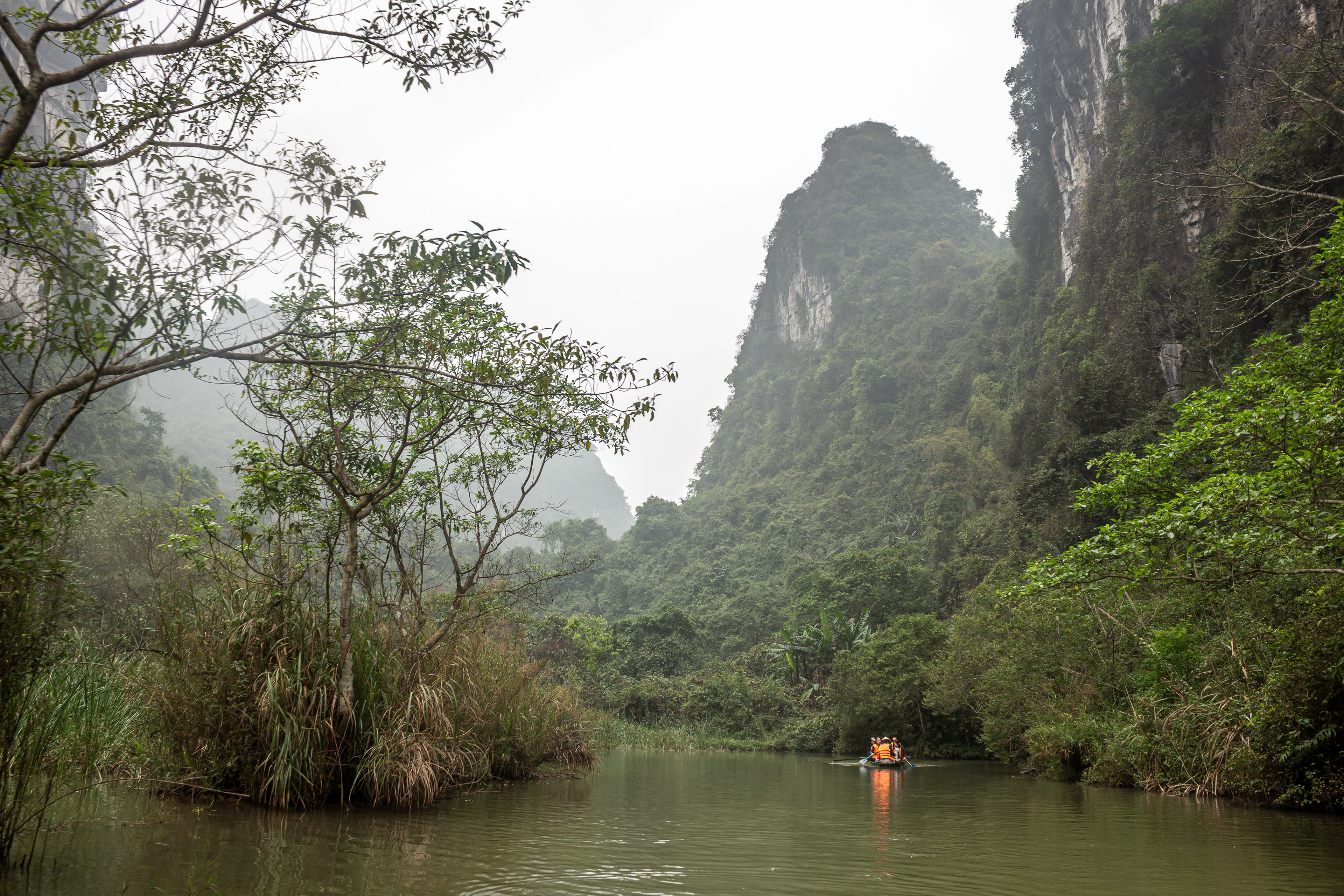
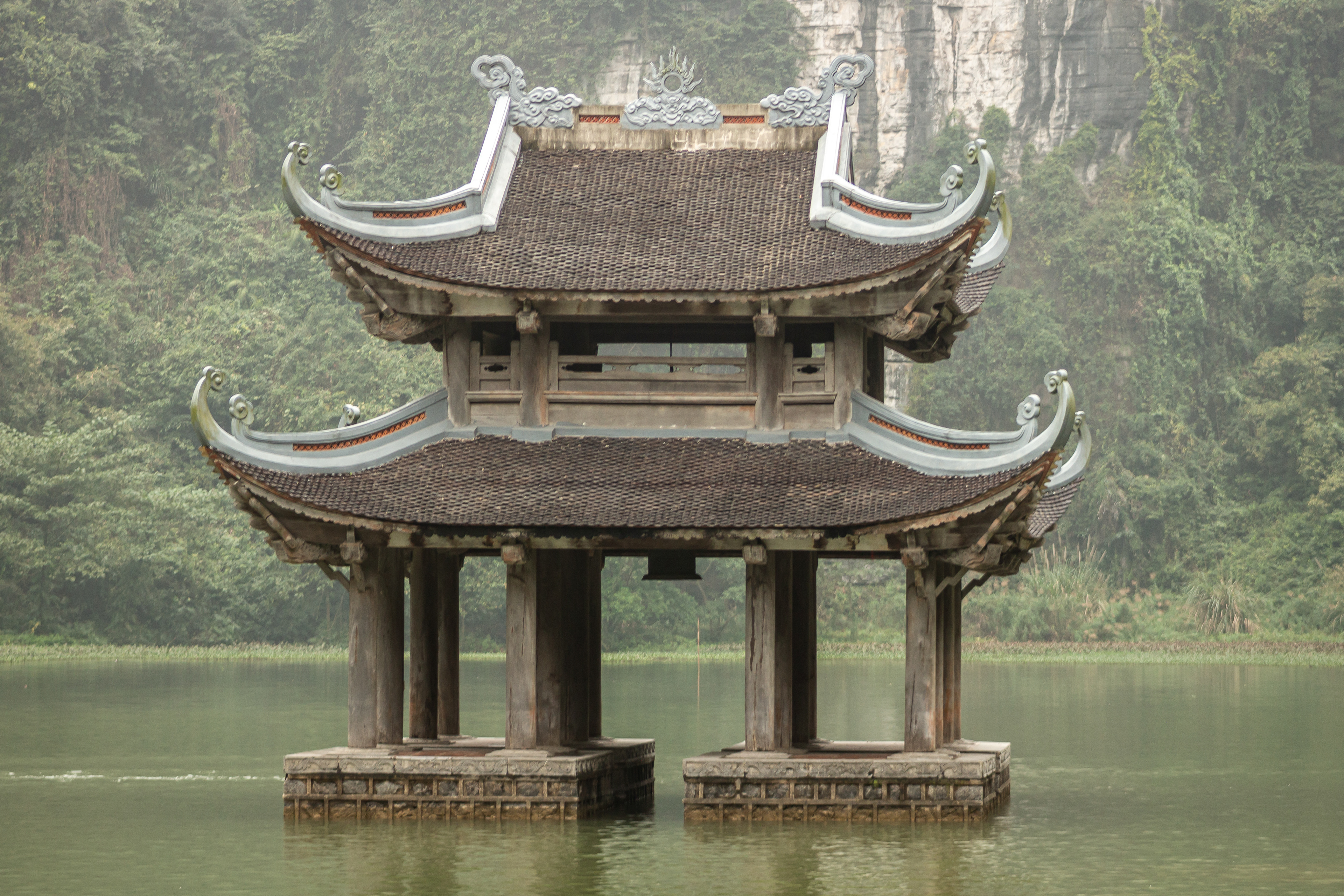
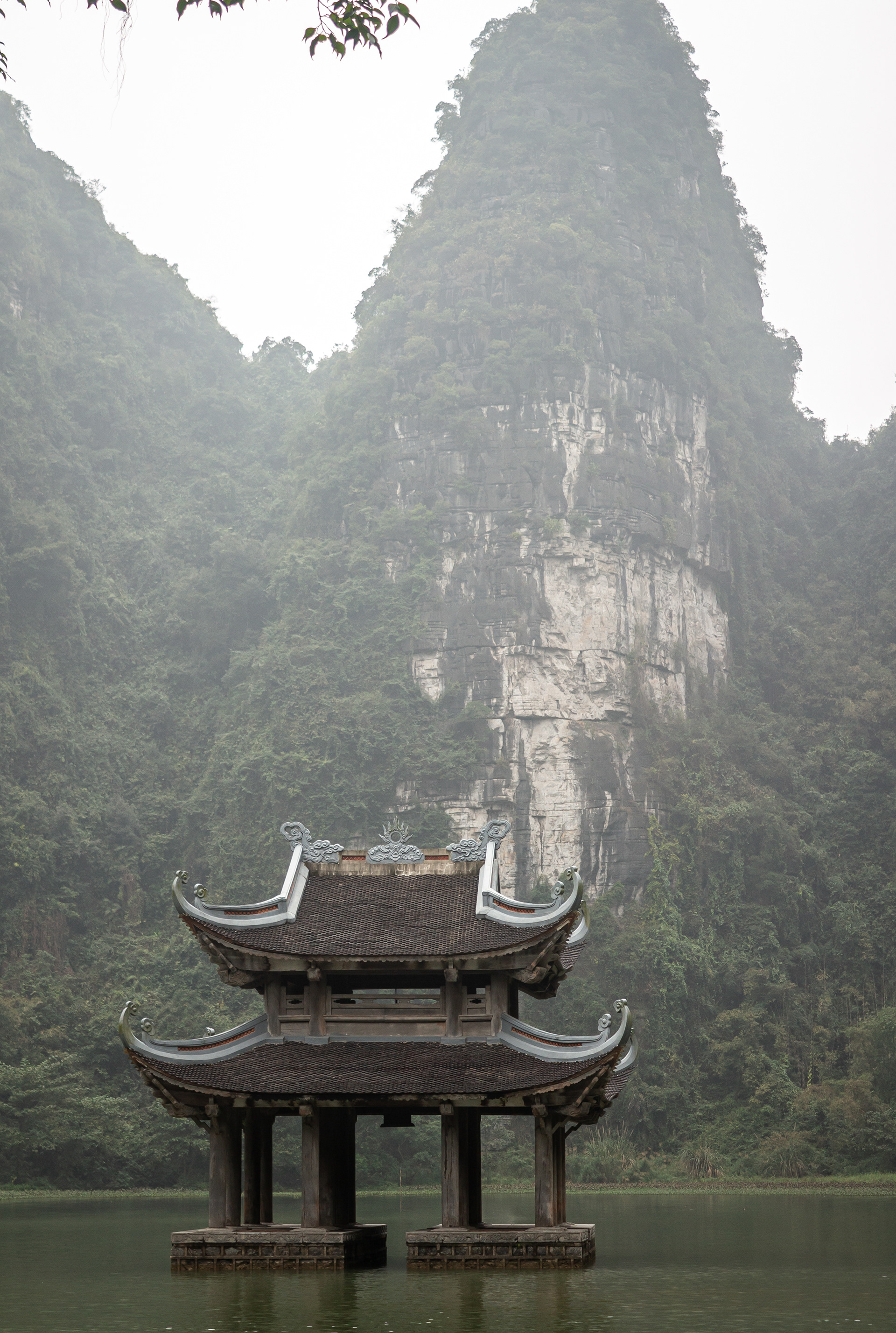
Trang An is a spectacular fusion of culture and nature, with boat rides winding through caves, rivers, and historical temples.
Trang An is a spectacular fusion of culture and nature, with boat rides winding through caves, rivers, and historical temples.
Boat Tours: The Signature Experience
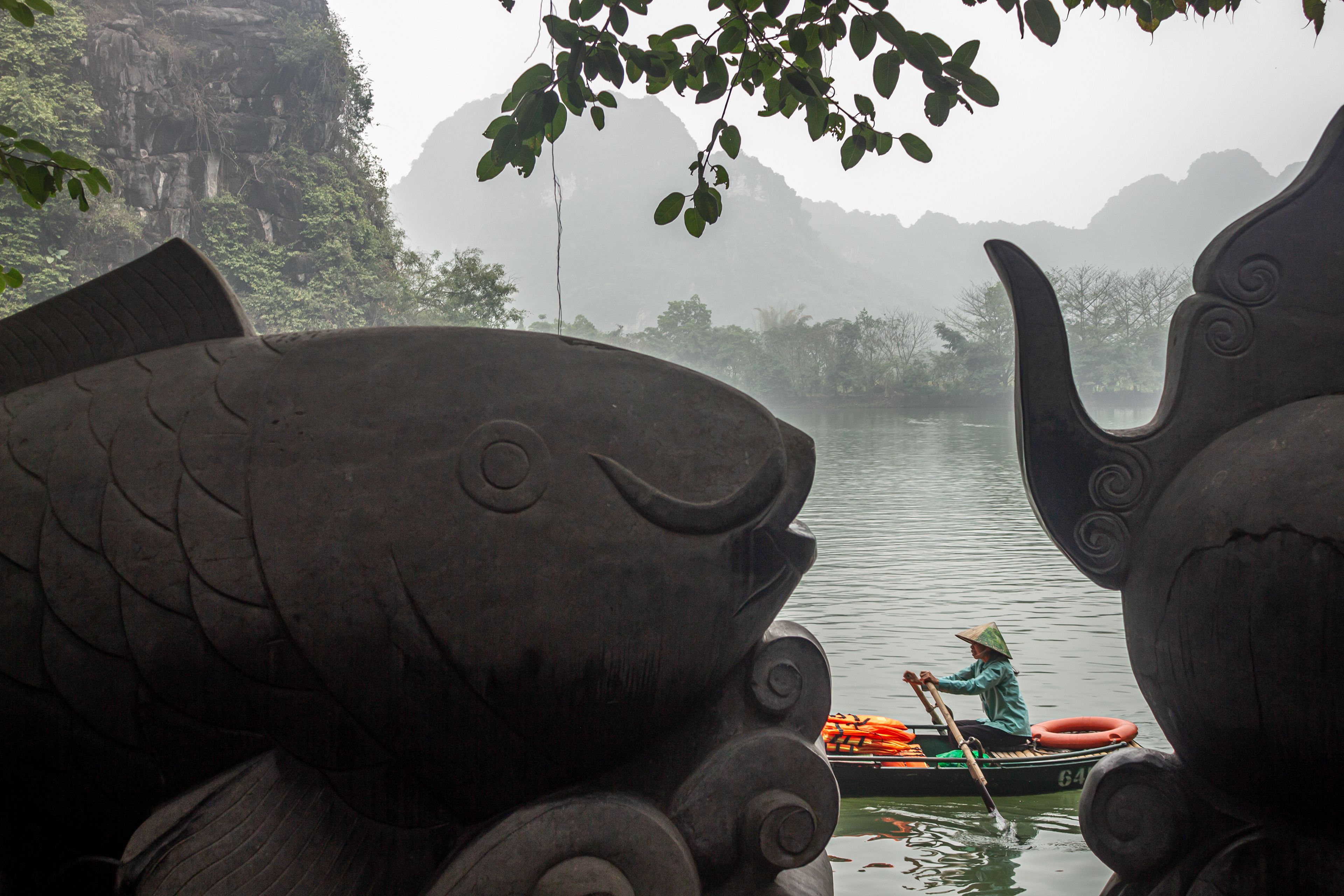
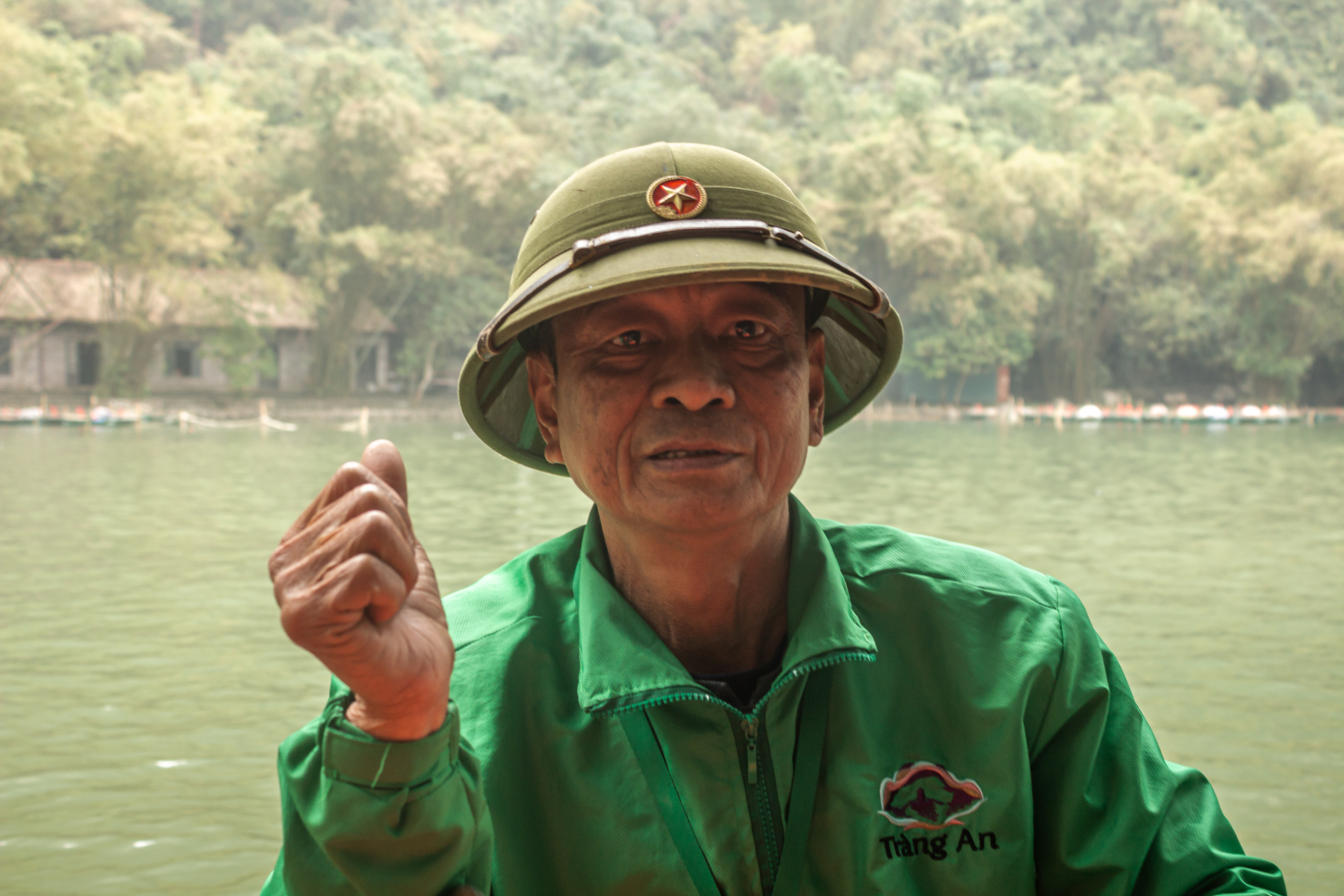
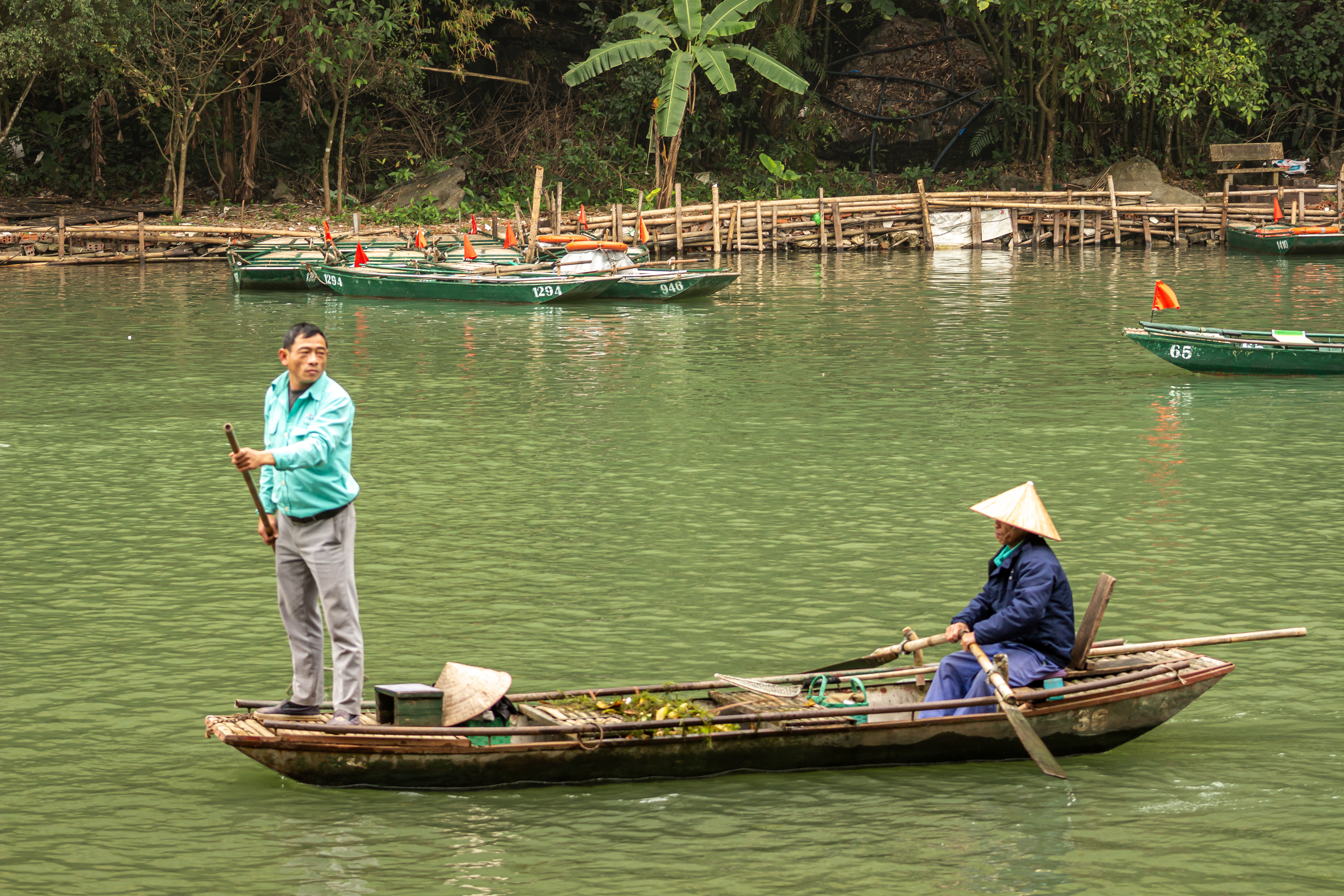
The highlight of Trang An is the traditional rowboat tour led by local women, taking you through a maze of limestone caves, grottoes, and lush valleys. Depending on the route, you'll pass through up to 9 caves and visit ancient temples nestled in remote, verdant corners.
The highlight of Trang An is the traditional rowboat tour led by local women, taking you through a maze of limestone caves, grottoes, and lush valleys. Depending on the route, you'll pass through up to 9 caves and visit ancient temples nestled in remote, verdant corners.
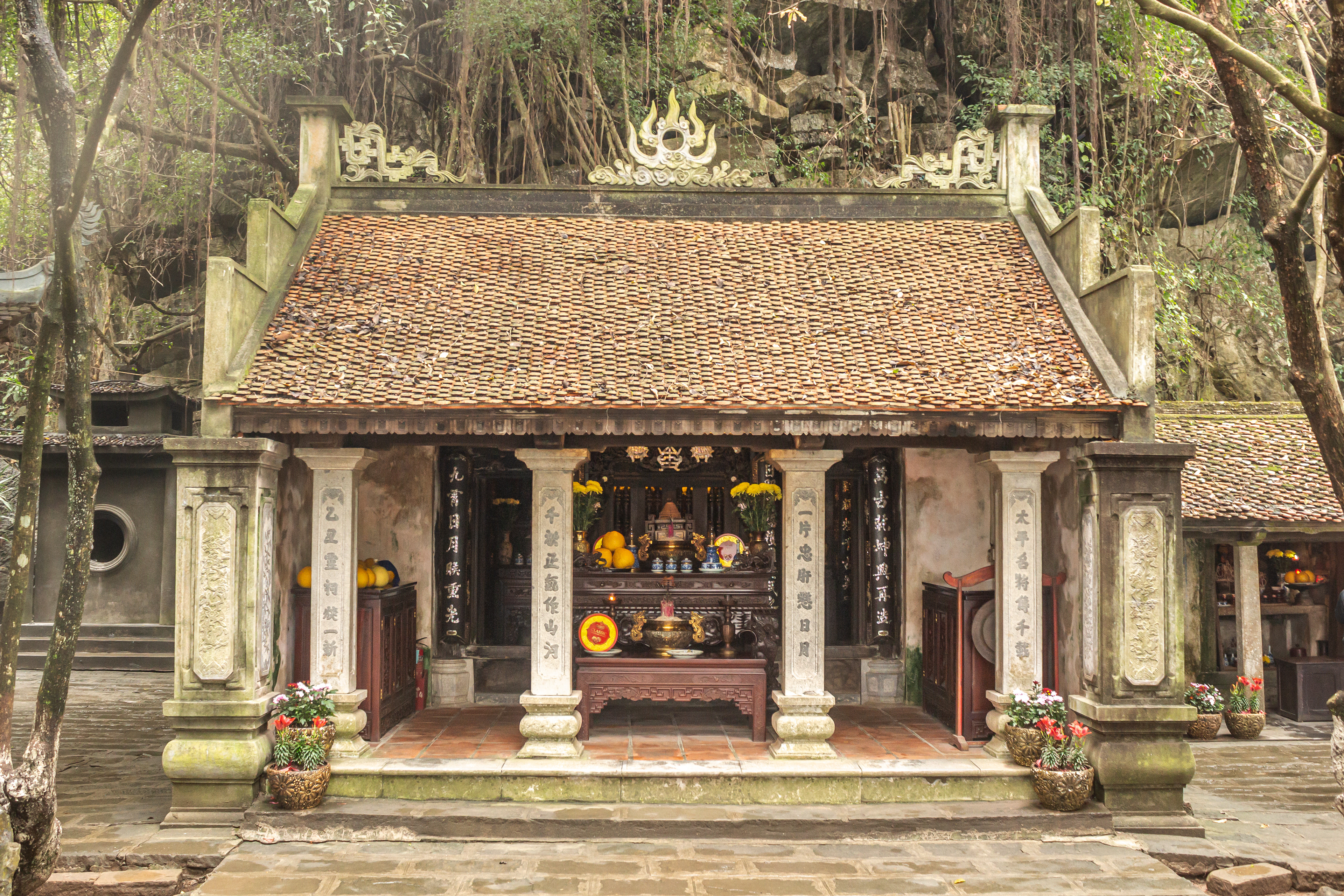
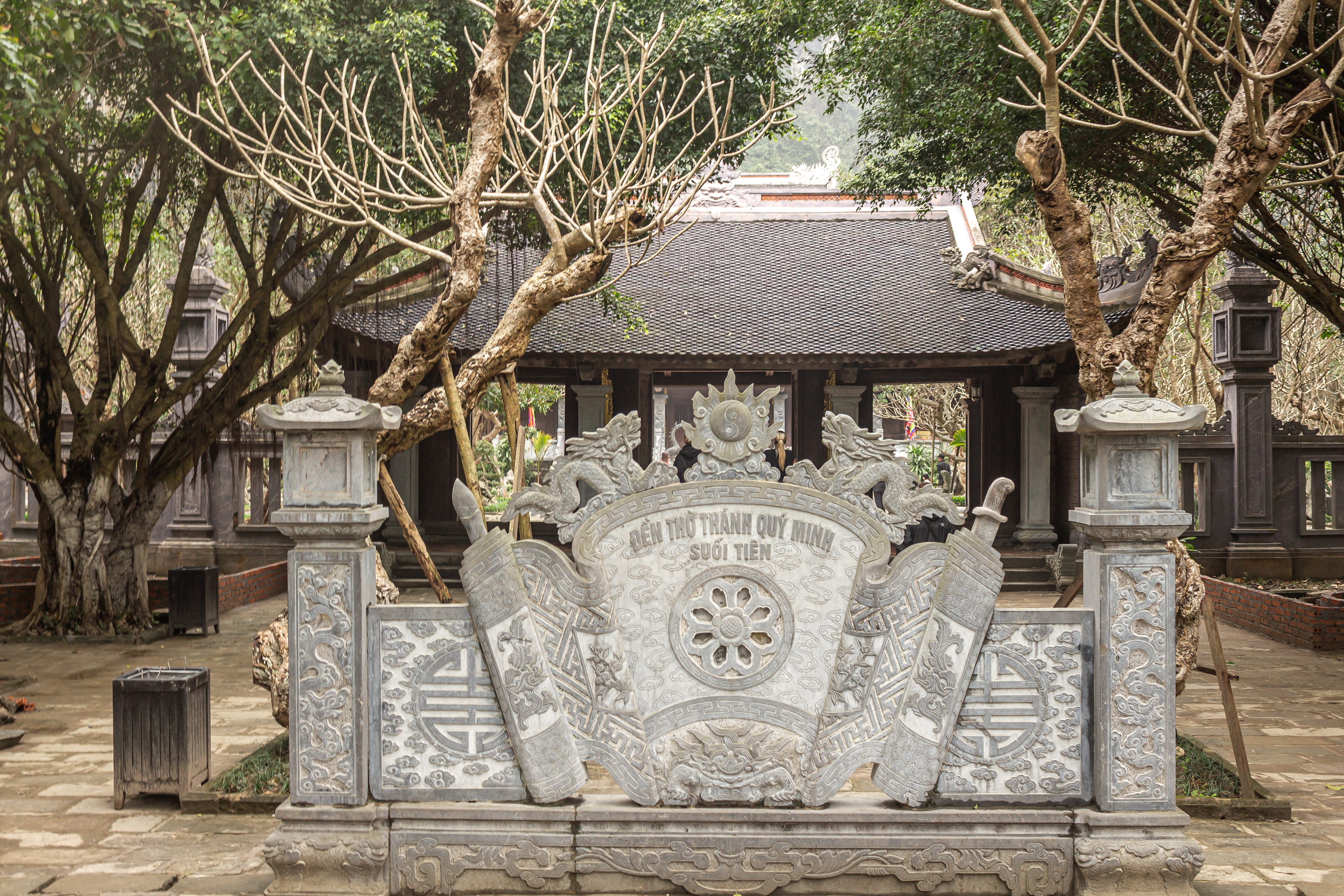
Don't Miss: Dia Linh Cave, Sang Cave, and Toi Cave – dramatic cave passages with atmospheric lighting. Trinh Temple and Suoi Tien Temple – hidden spiritual sites with a mystical ambiance.
Tam Coc: The "Three Caves" Experience
Just a short drive from Trang An, Tam Coc offers a quieter but equally breathtaking landscape. The name means "three caves," referring to Hang Ca, Hang Hai, and Hang Ba, which are all accessible via boat.
Just a short drive from Trang An, Tam Coc offers a quieter but equally breathtaking landscape. The name means "three caves," referring to Hang Ca, Hang Hai, and Hang Ba, which are all accessible via boat.
Boat Ride on the Ngo Dong River
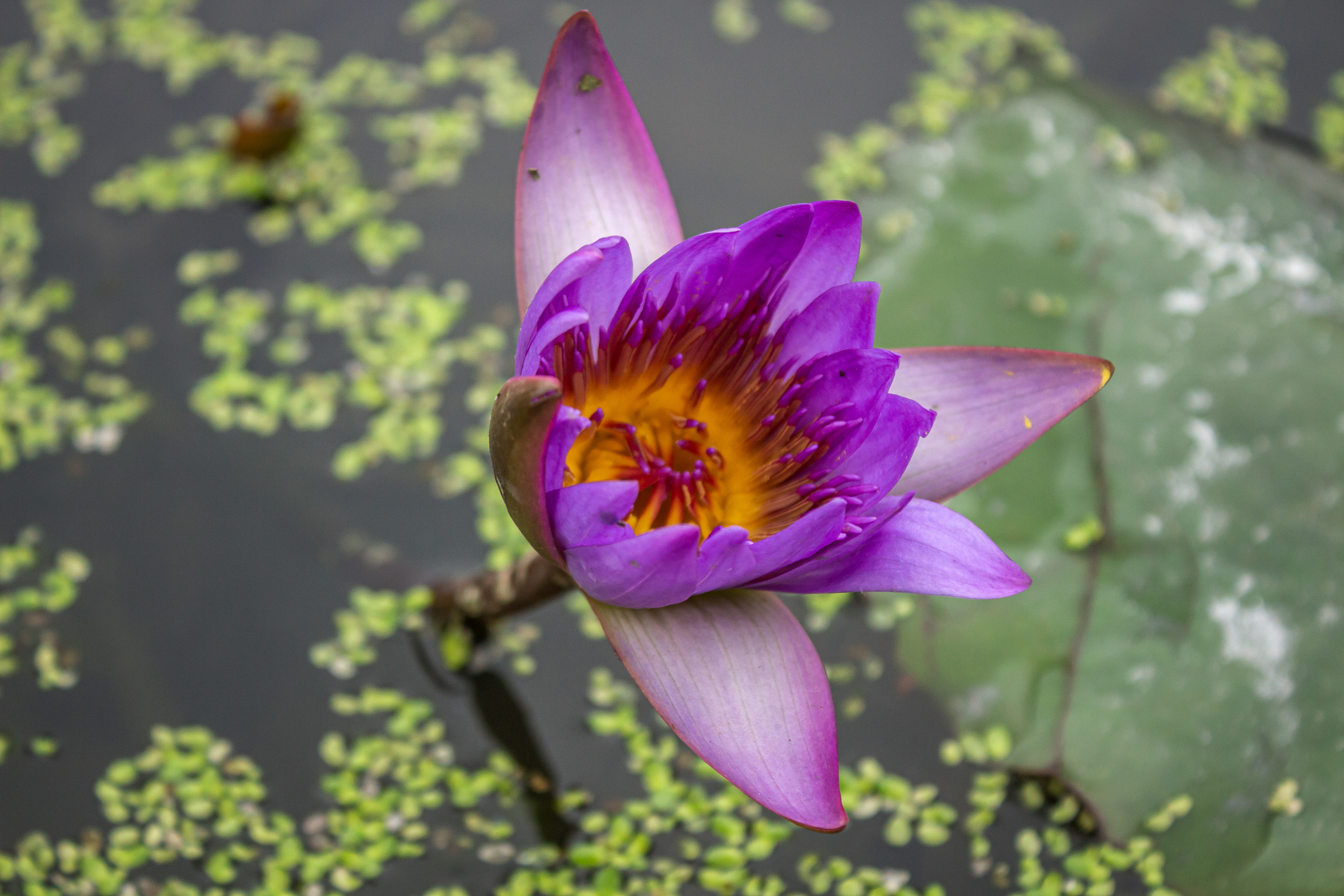
Glide along the river through rice fields, lotus ponds (in season), and under the shadow of towering limestone cliffs. The caves are low and narrow, giving you a thrilling sense of exploration.
Glide along the river through rice fields, lotus ponds (in season), and under the shadow of towering limestone cliffs. The caves are low and narrow, giving you a thrilling sense of exploration.
Bich Dong Pagoda
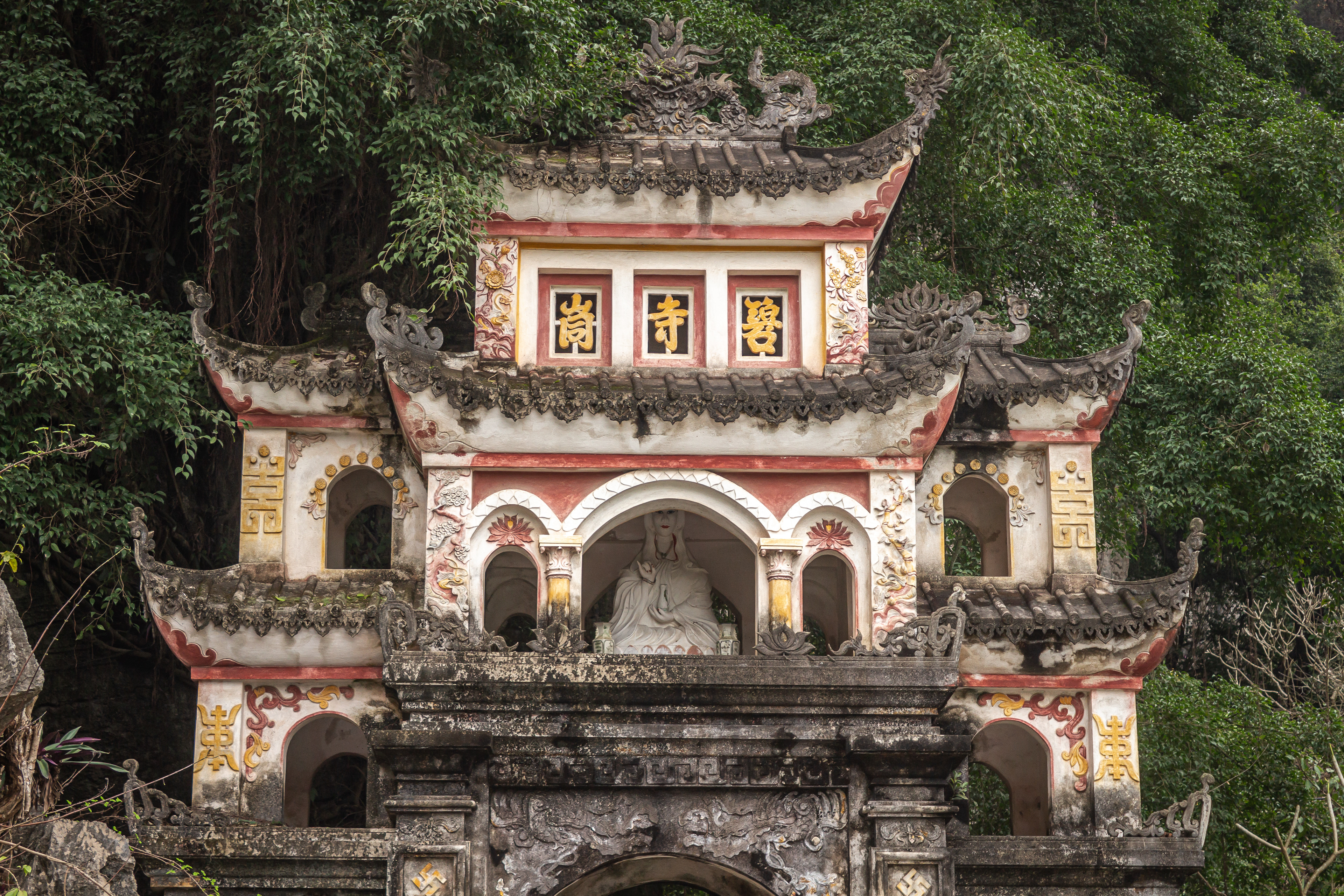
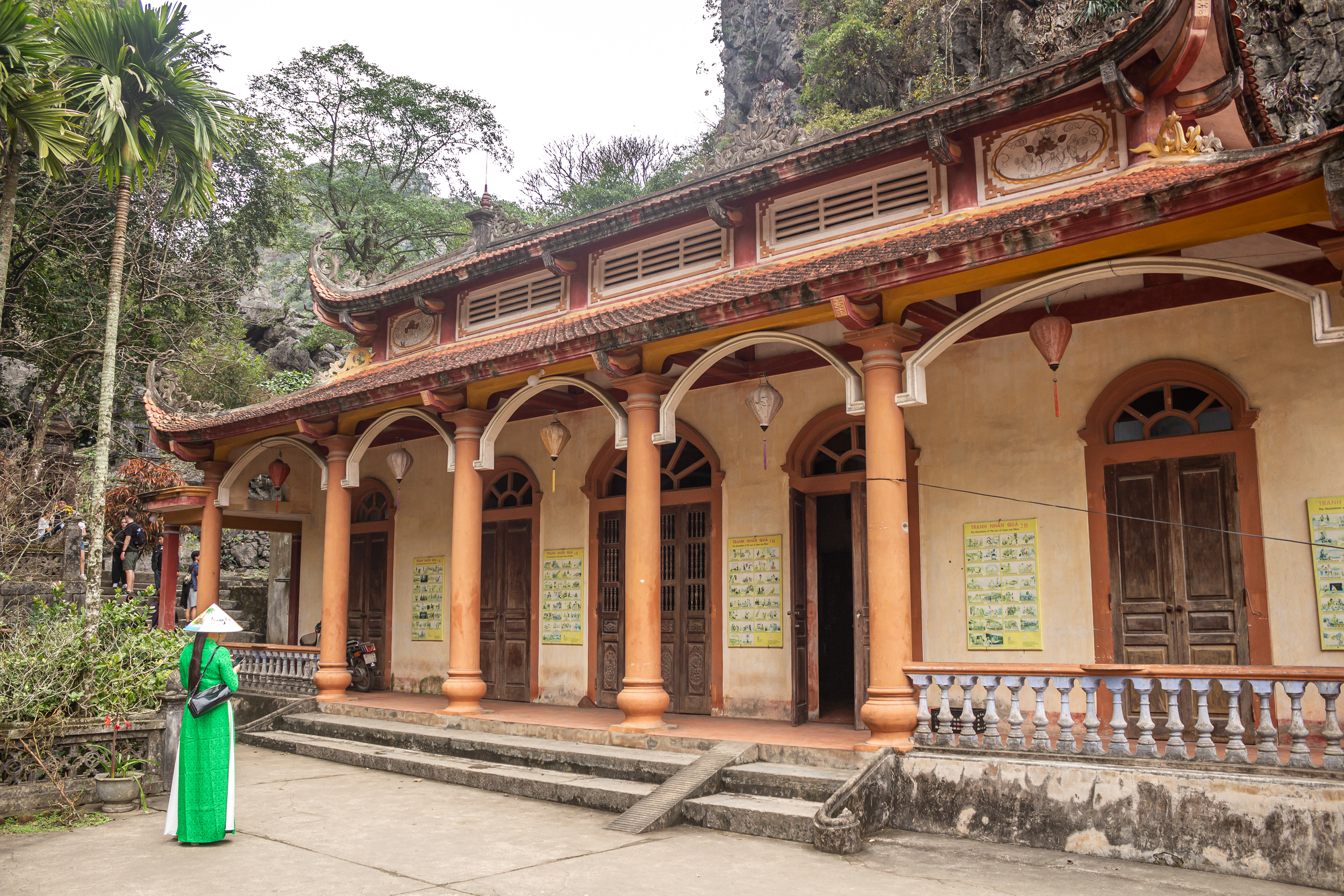
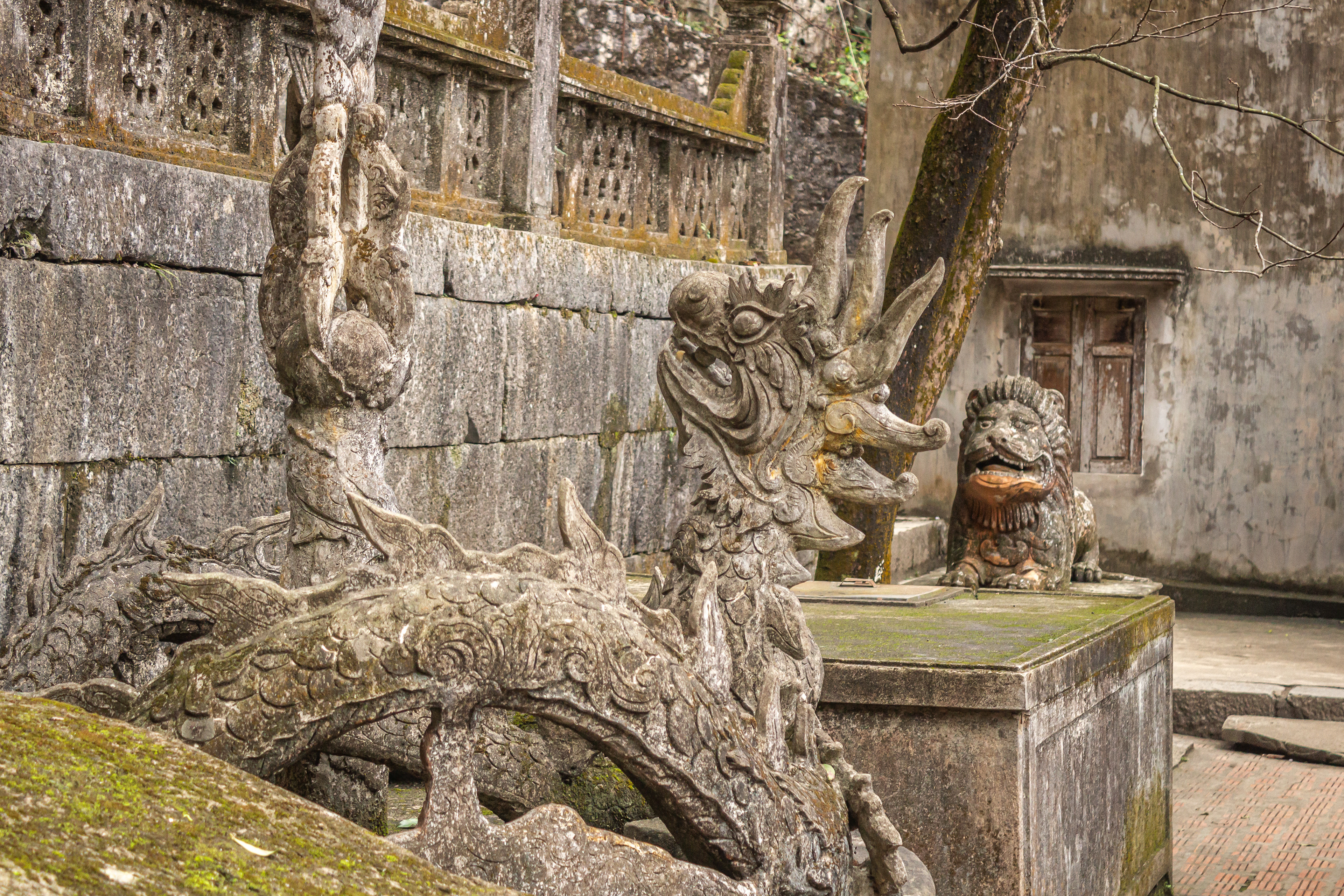
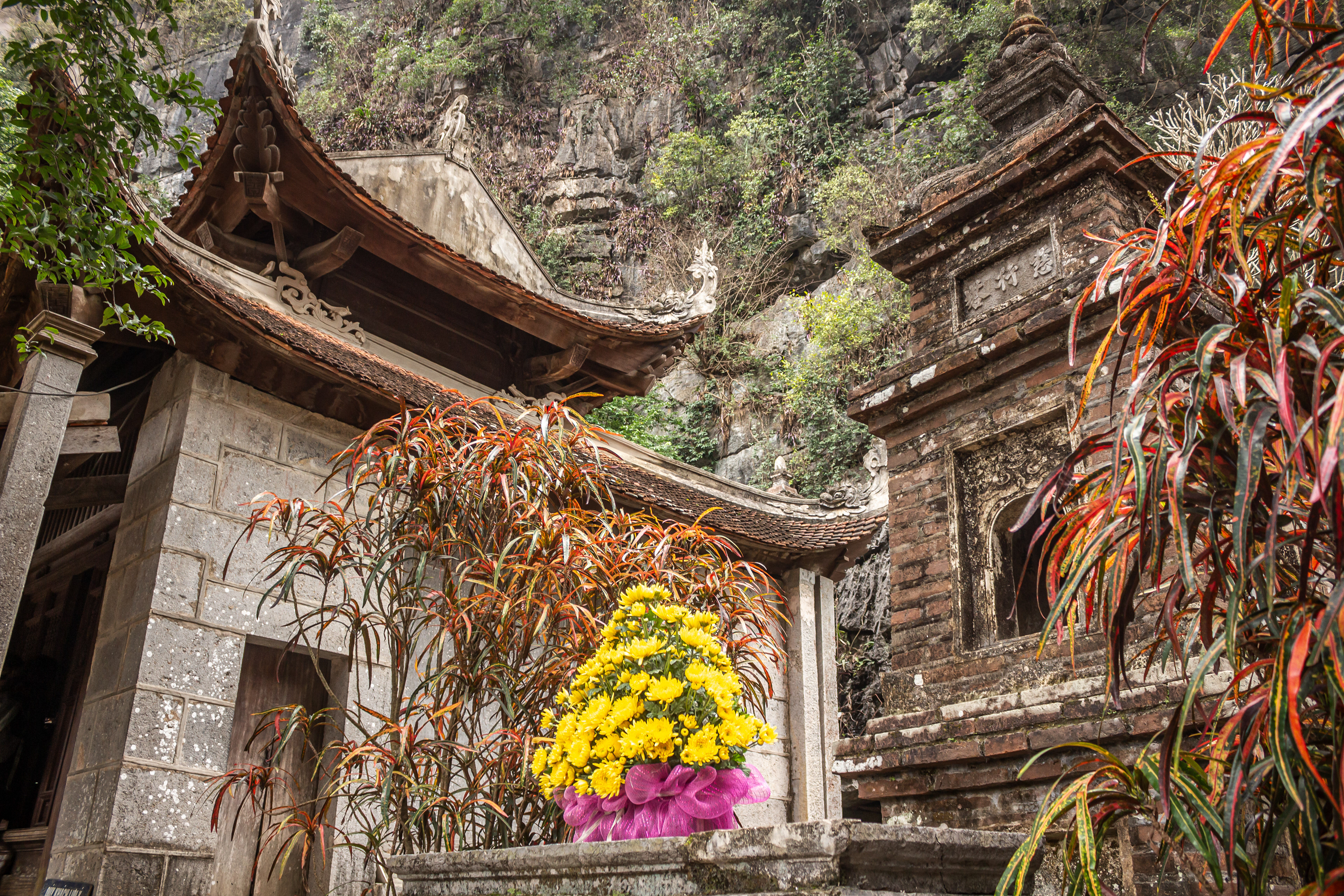
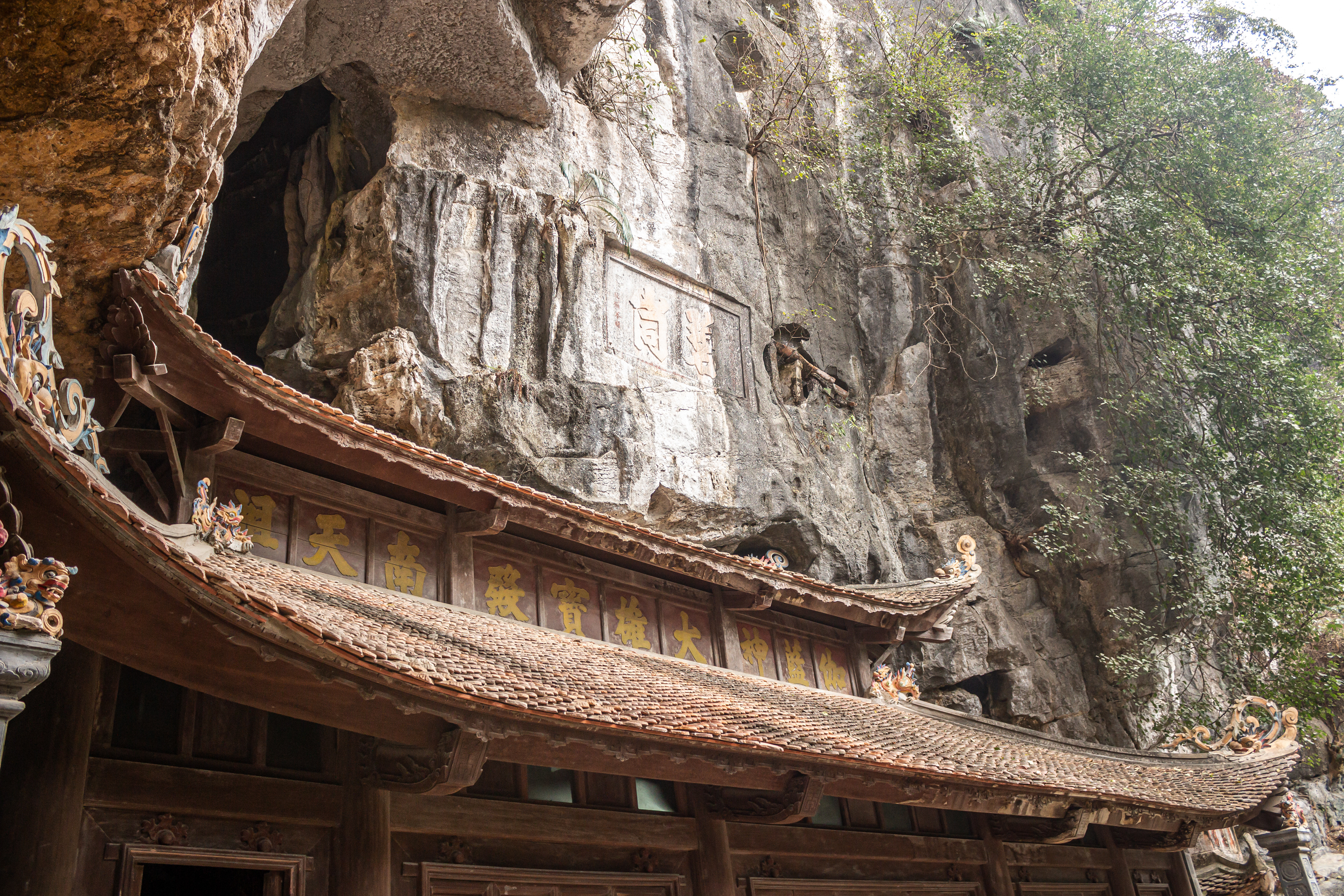
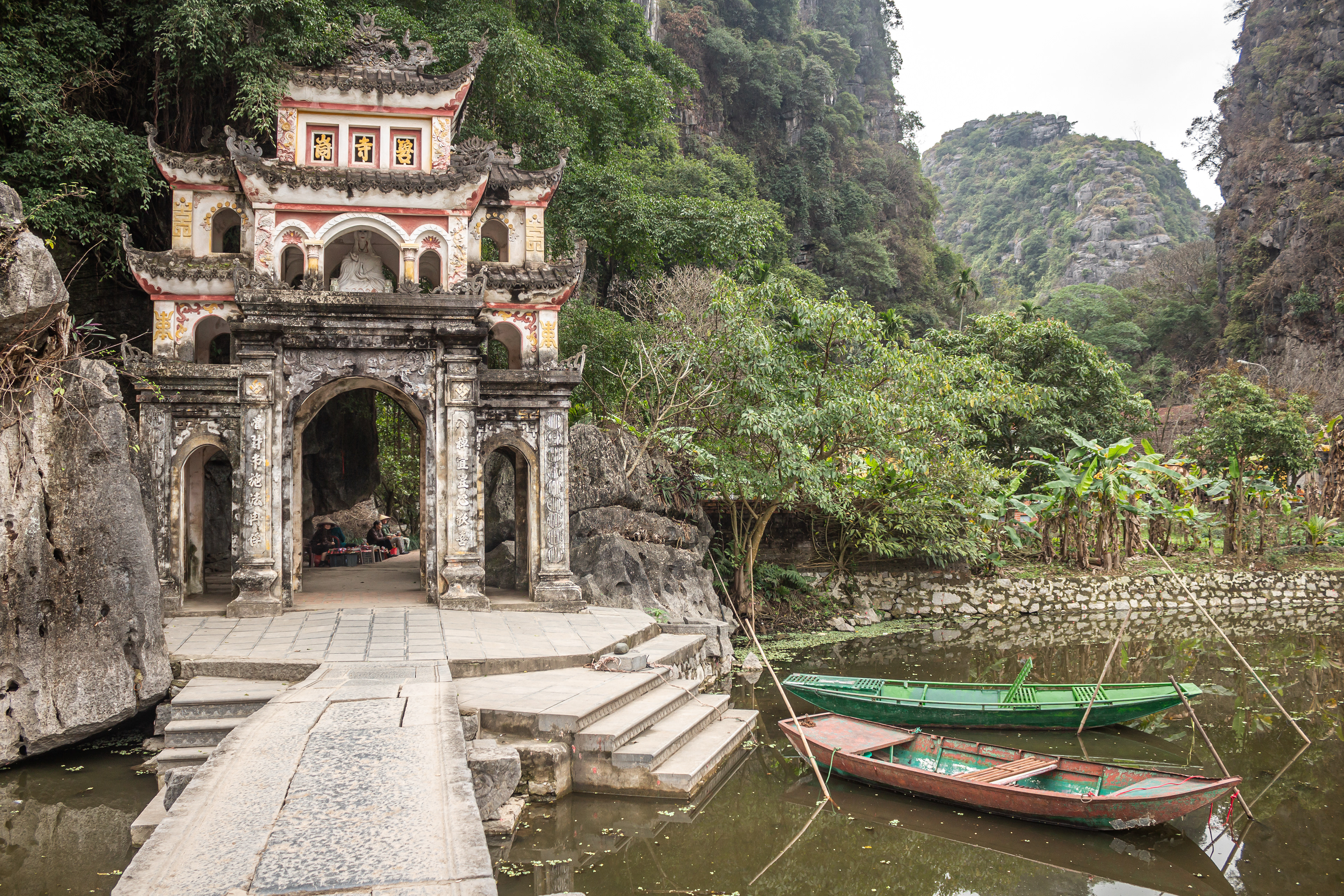
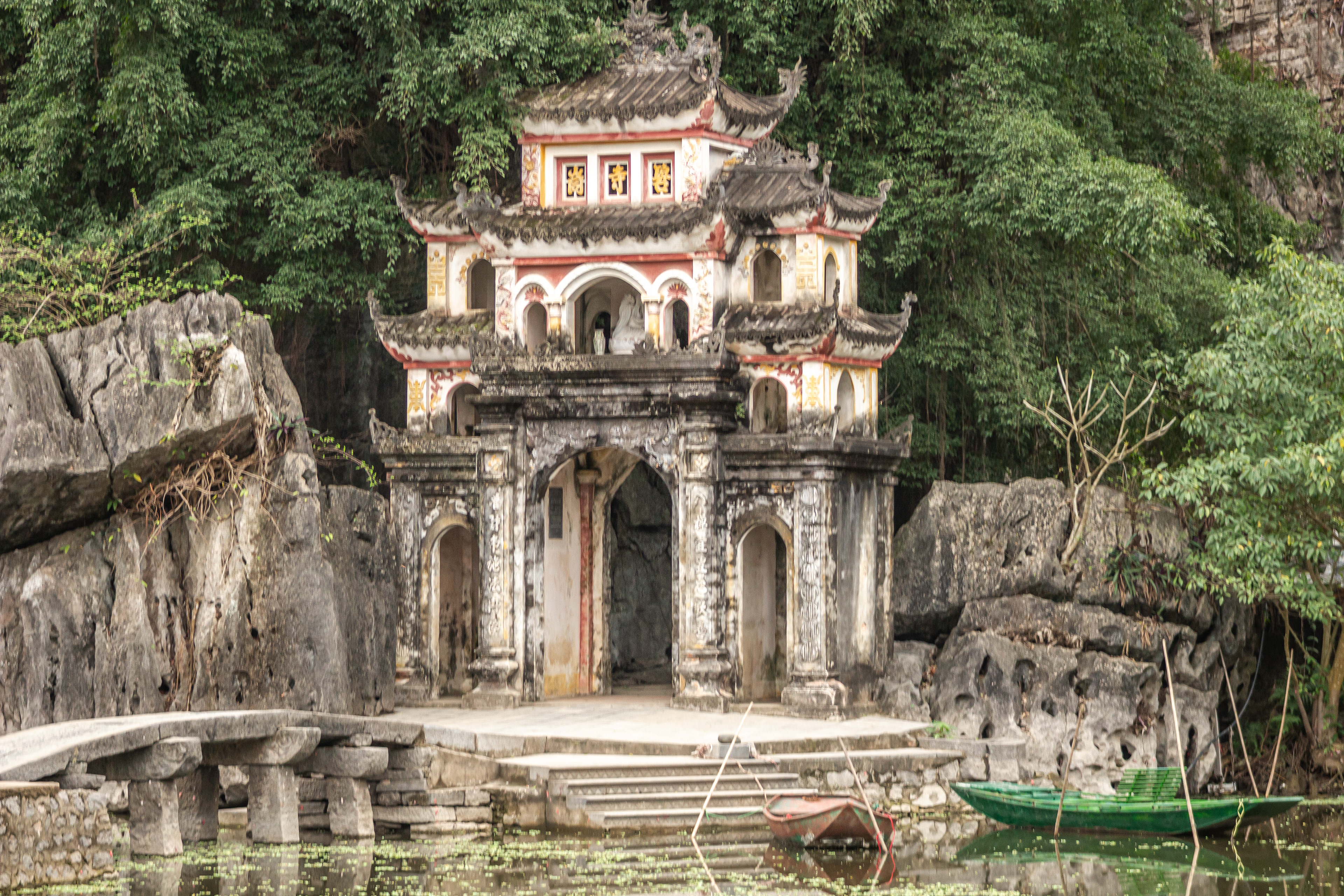
A short bike ride from the Tam Coc boat dock, this 15th-century pagoda is built into a mountainside. Climb the stone steps through the pagoda’s three tiers for spectacular views of the surrounding karst landscape.
A short bike ride from the Tam Coc boat dock, this 15th-century pagoda is built into a mountainside. Climb the stone steps through the pagoda’s three tiers for spectacular views of the surrounding karst landscape.
Mua Cave (Hang Múa): The Best Viewpoint in Ninh Binh
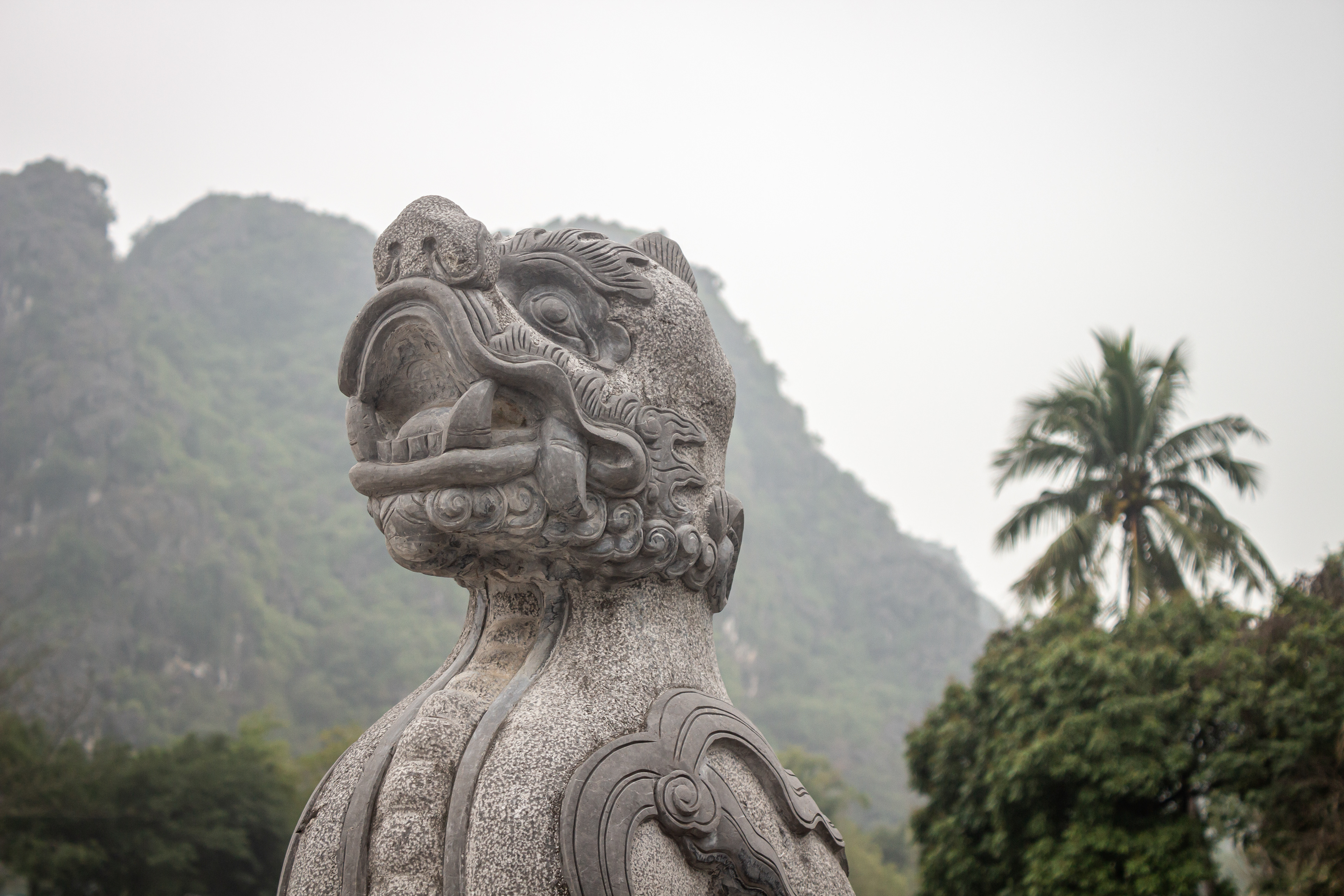
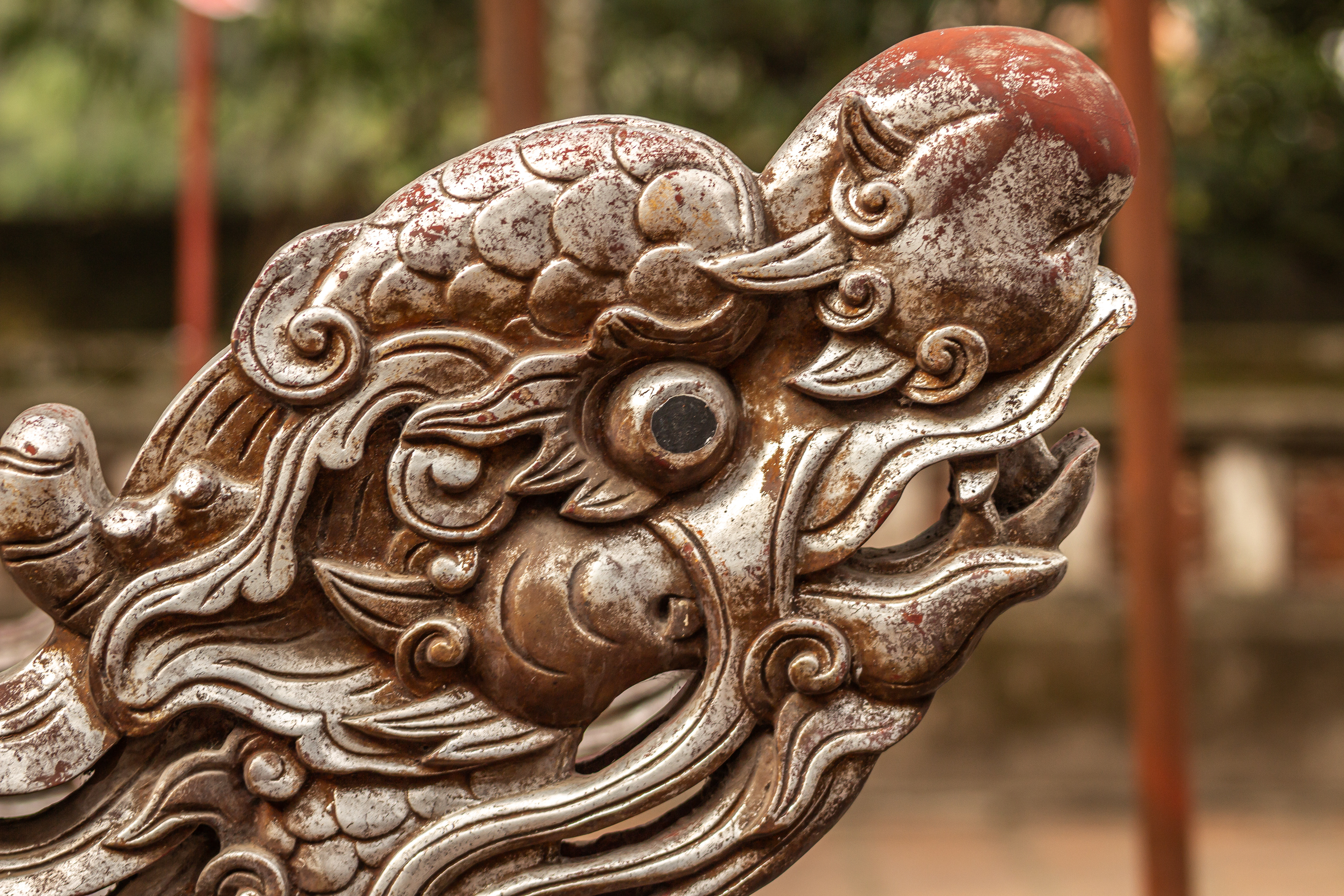
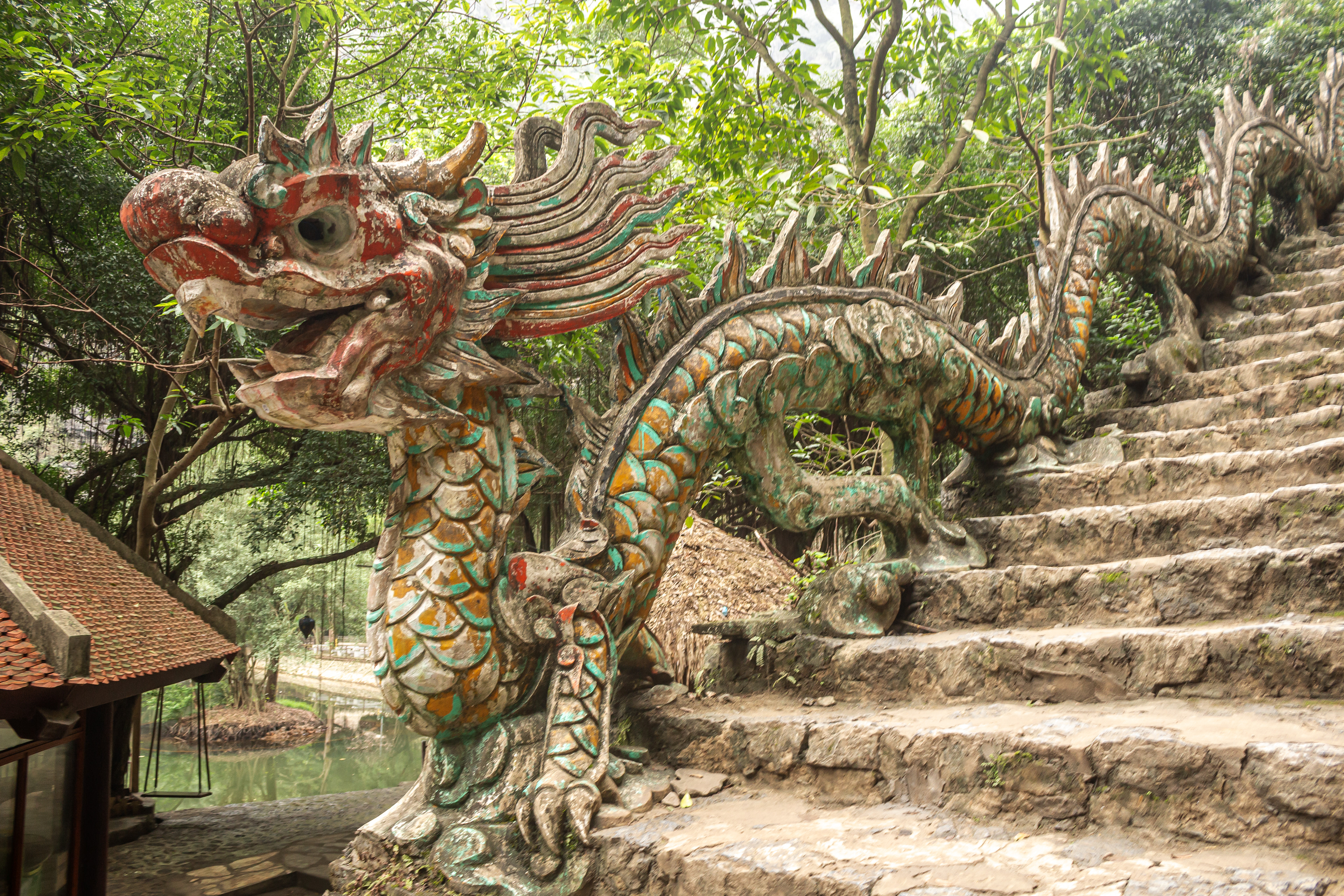
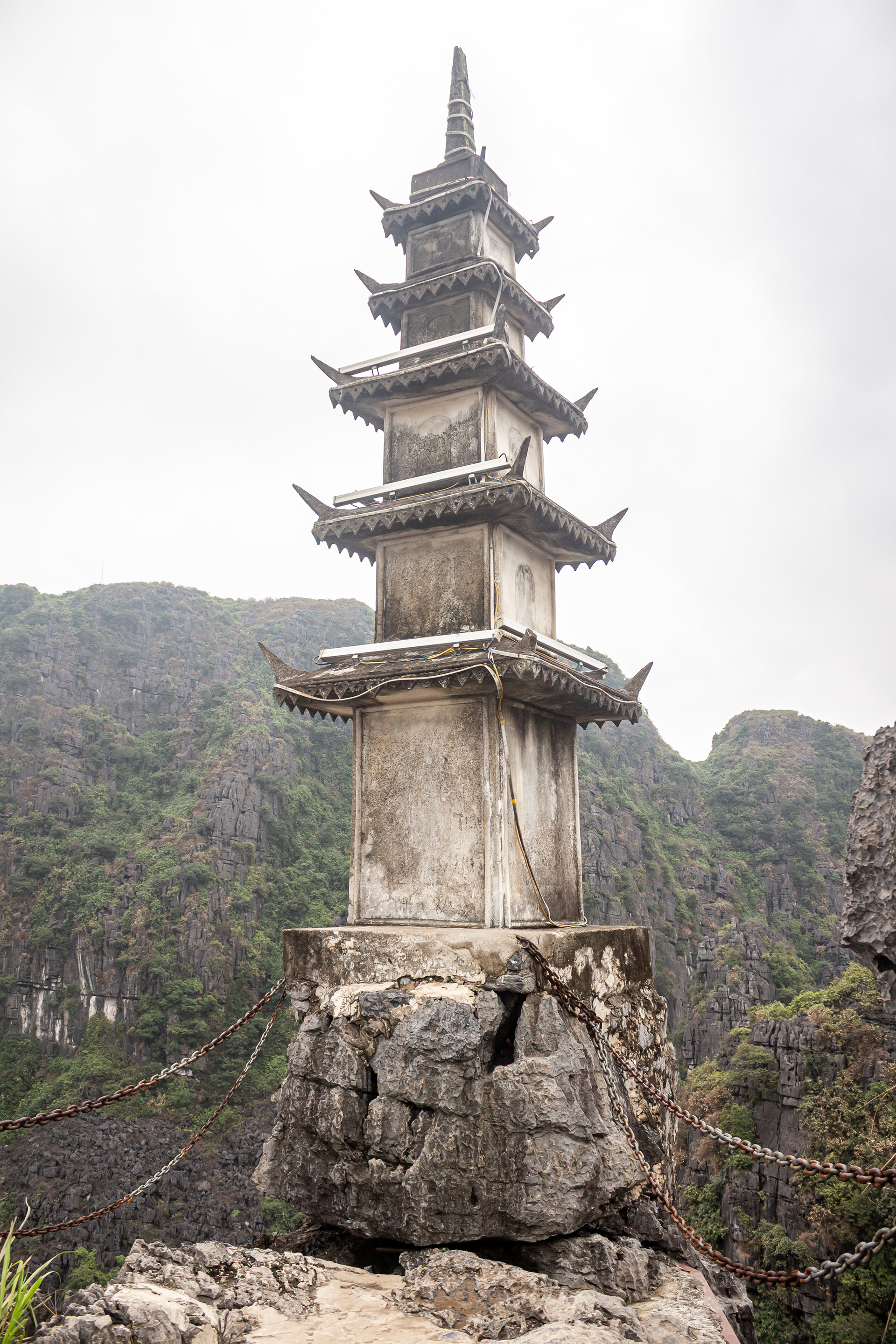
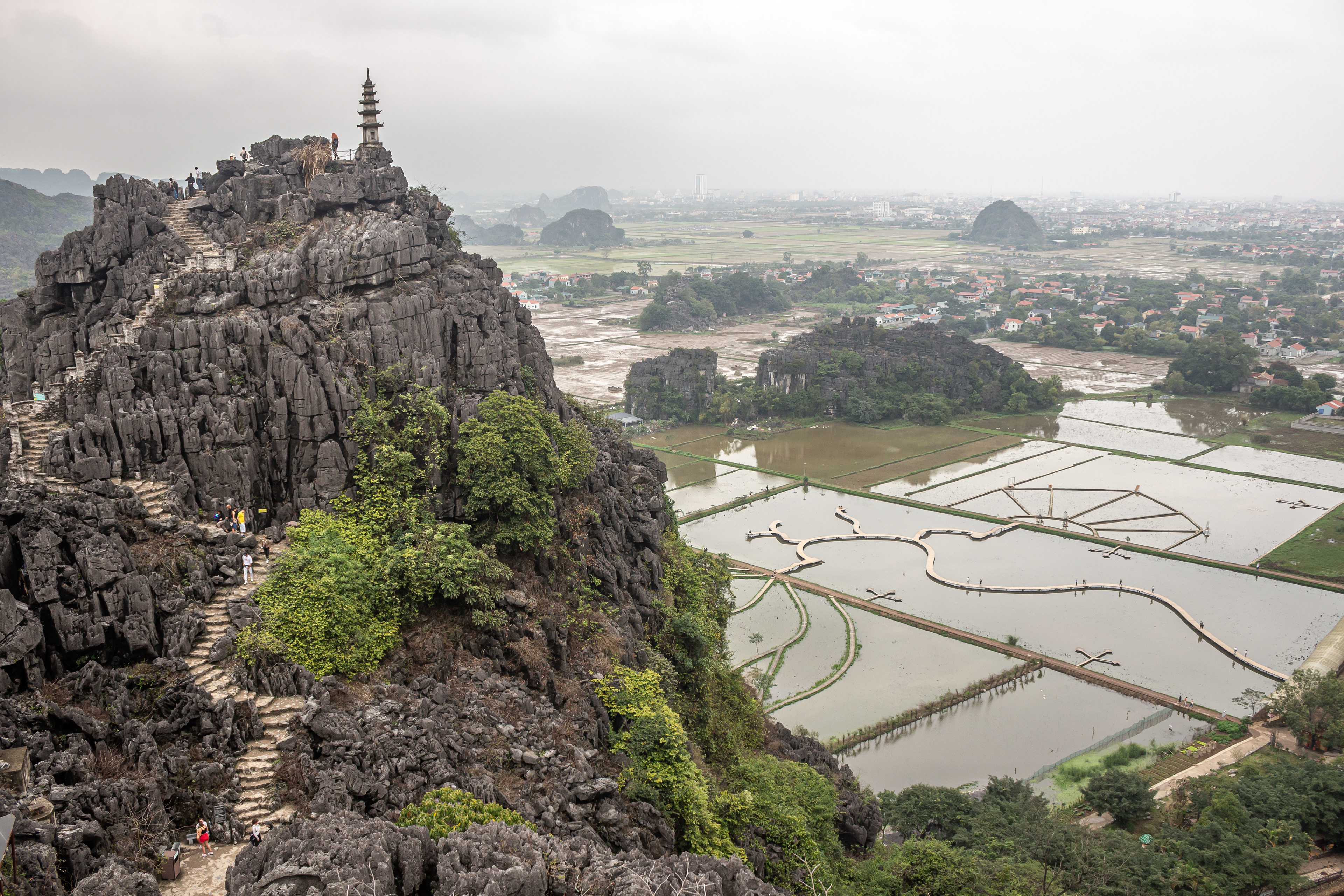
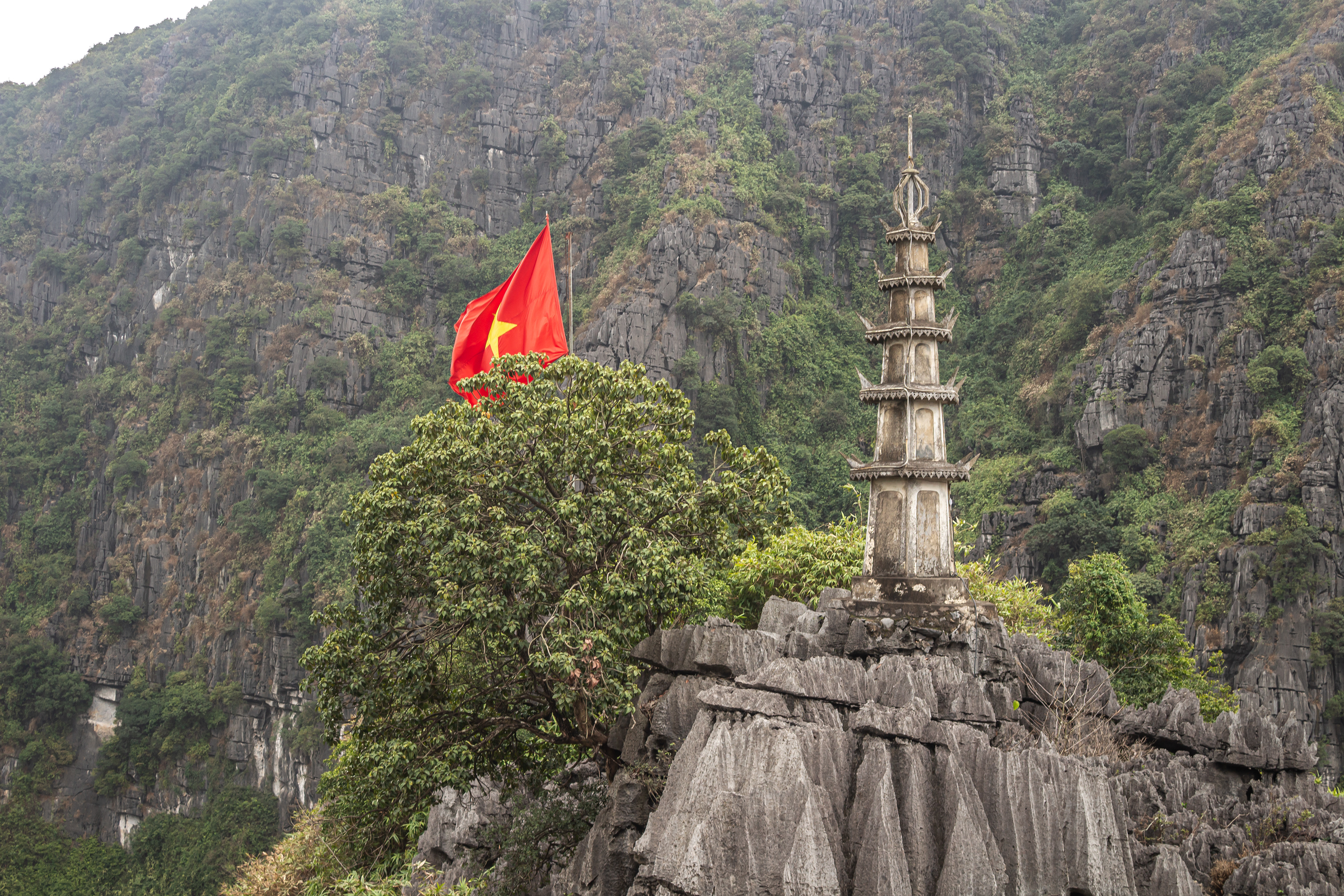
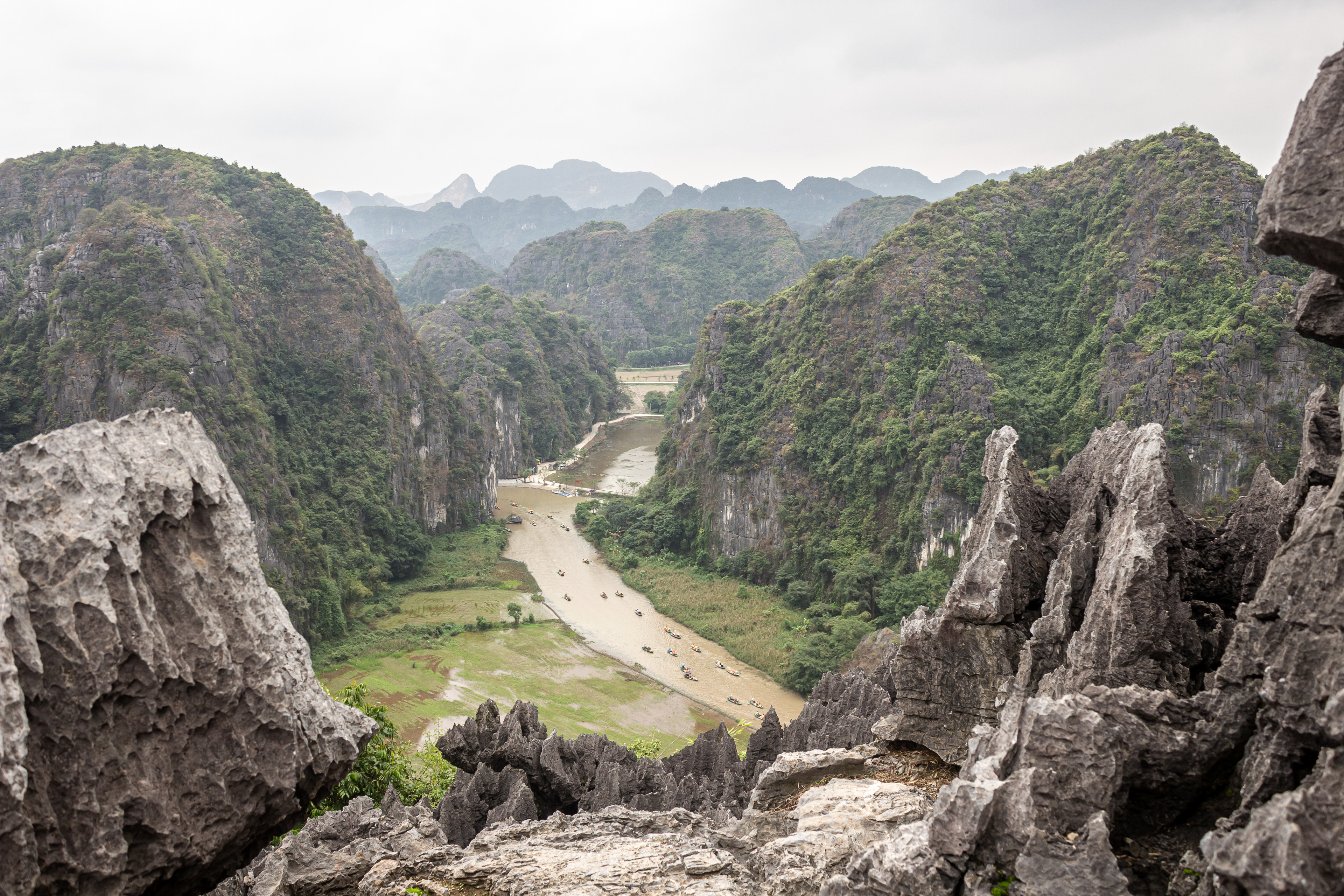
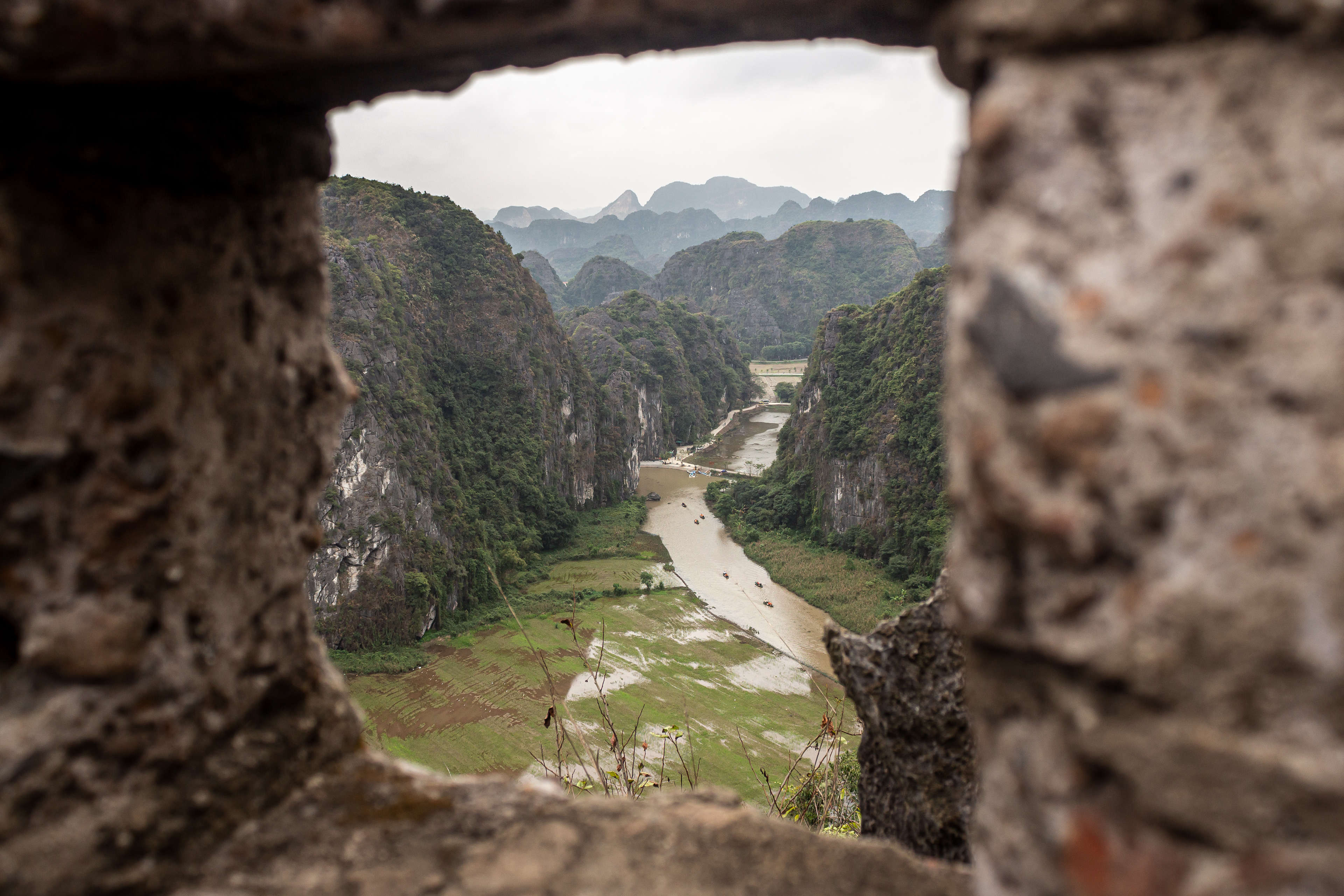
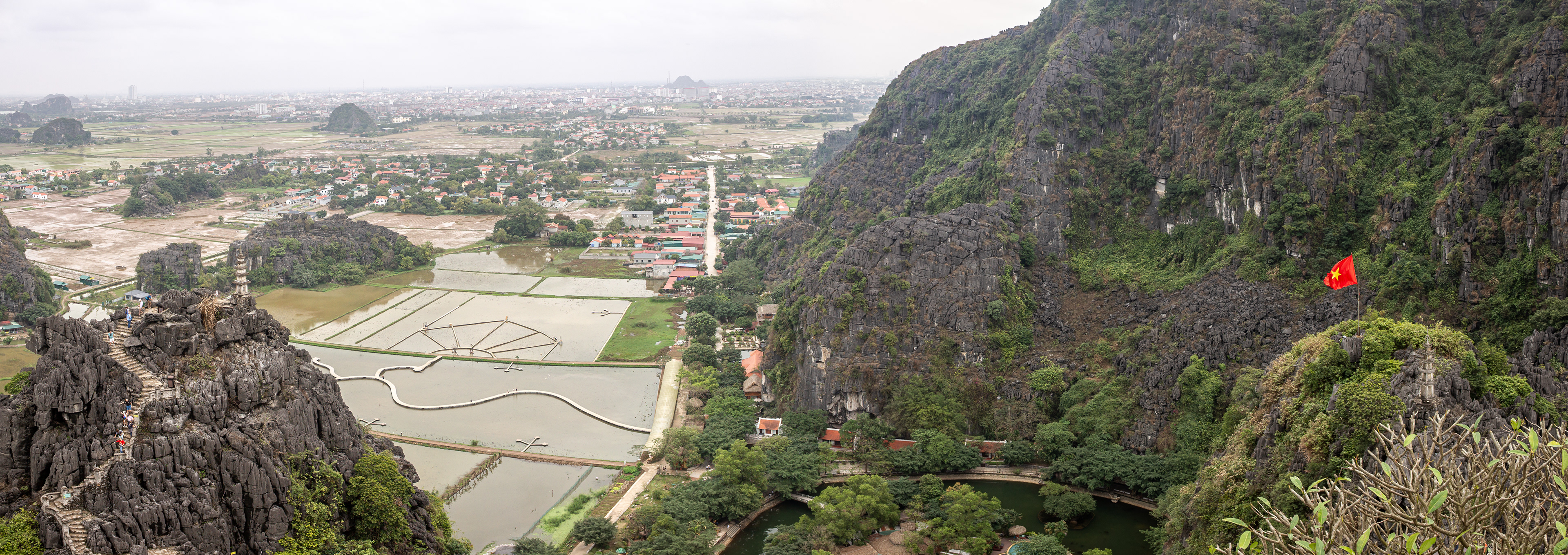
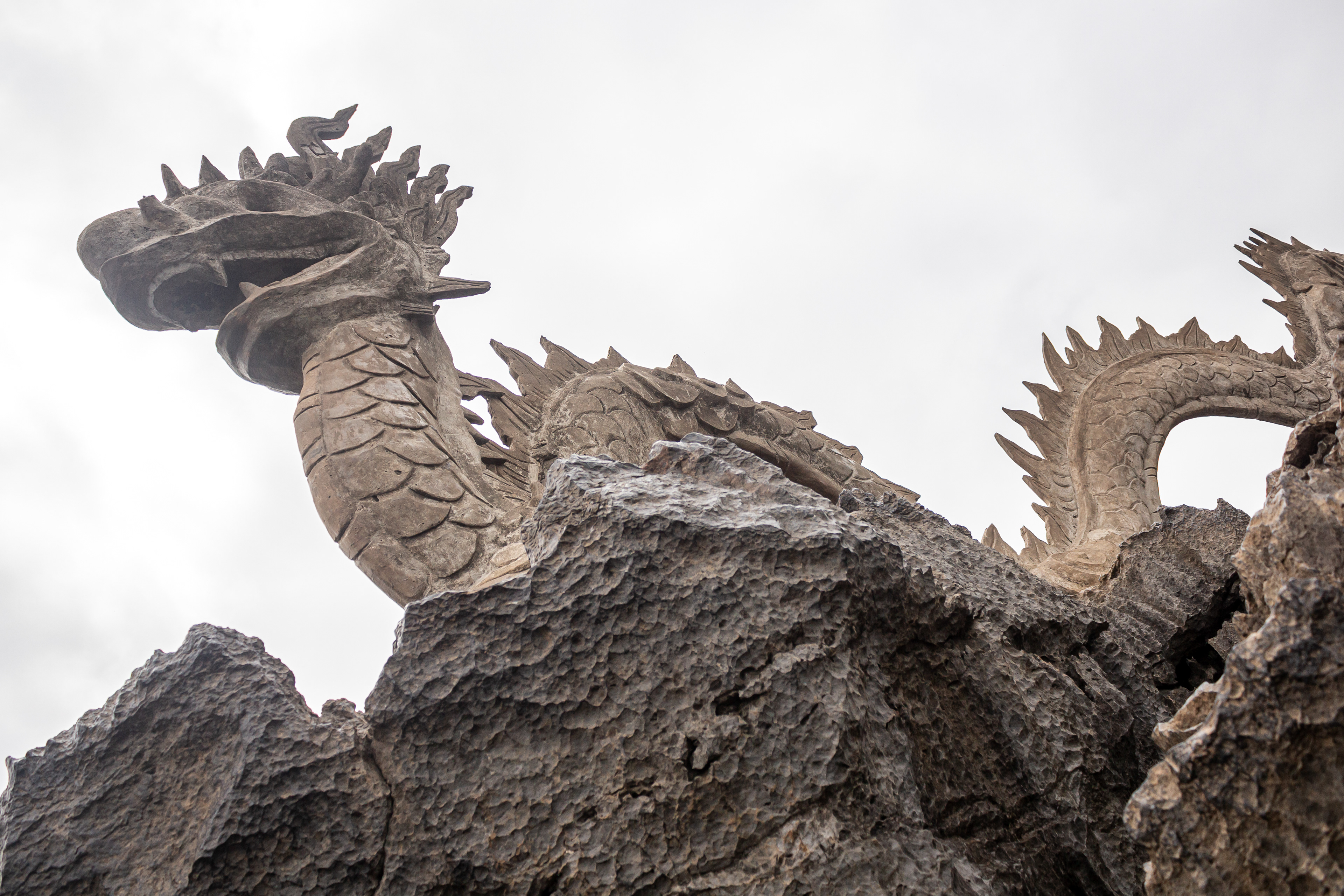
If you’re up for a bit of a workout, climb the 500 steps up to Mua Cave Viewpoint, located between Trang An and Tam Coc. The dragon statue atop the peak offers sweeping views of the Tam Coc valley and Ngo Dong River—a panoramic highlight of any trip to the region.
Tip: Visit early in the morning or late afternoon to avoid the heat and crowds.
If you’re up for a bit of a workout, climb the 500 steps up to Mua Cave Viewpoint, located between Trang An and Tam Coc. The dragon statue atop the peak offers sweeping views of the Tam Coc valley and Ngo Dong River—a panoramic highlight of any trip to the region.
Tip: Visit early in the morning or late afternoon to avoid the heat and crowds.
Hoa Lu Ancient Capital: Step into Vietnam's Royal Past
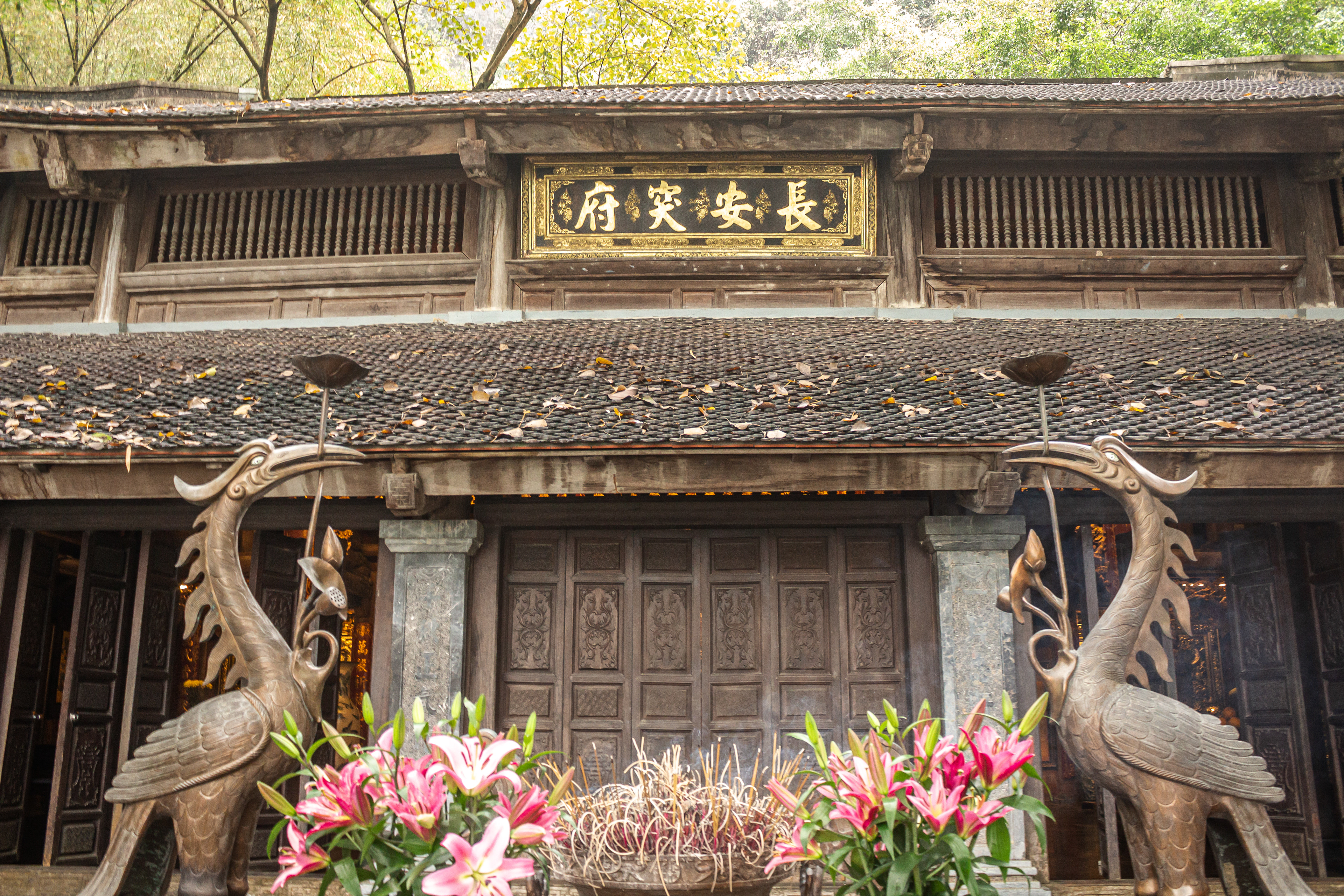
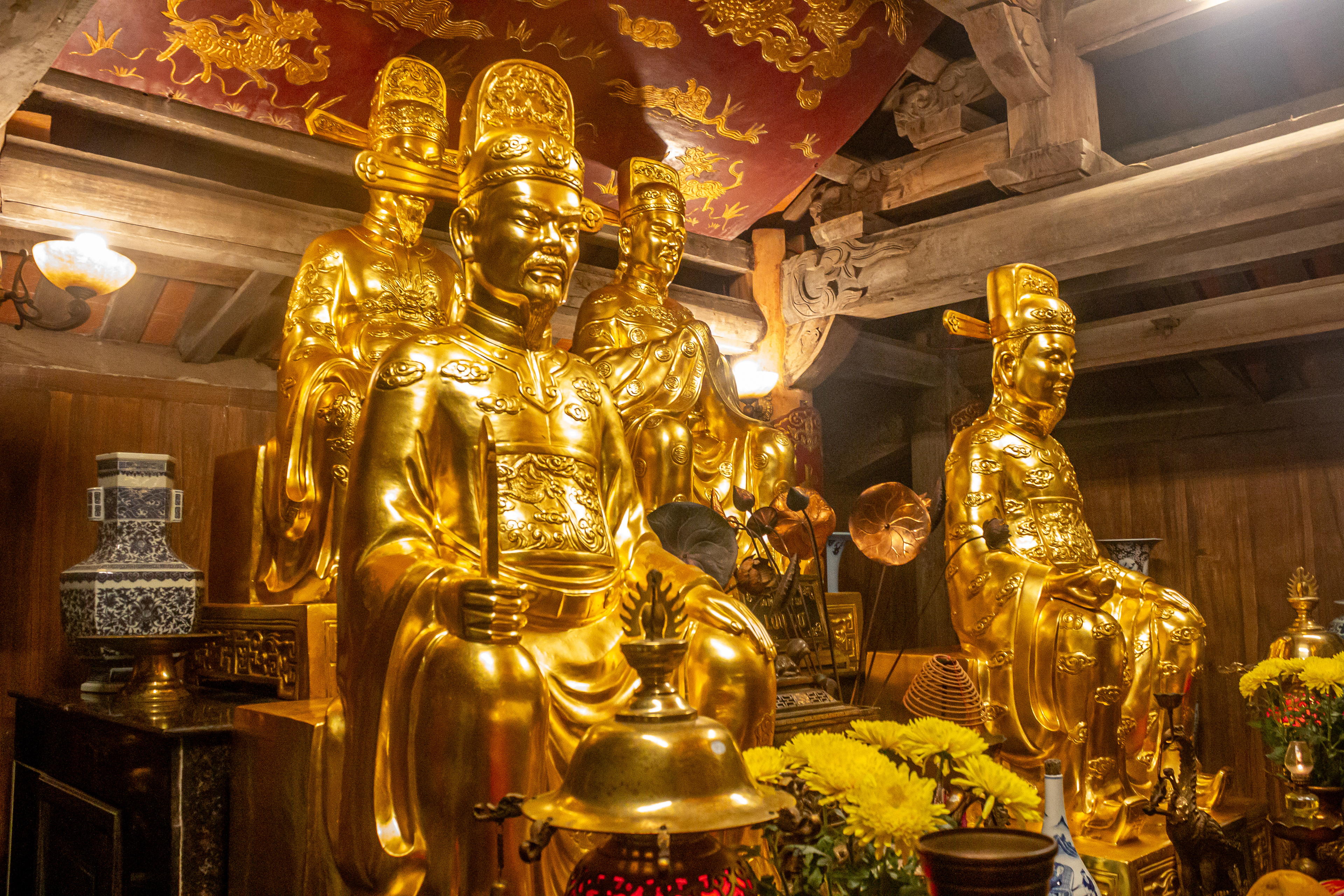
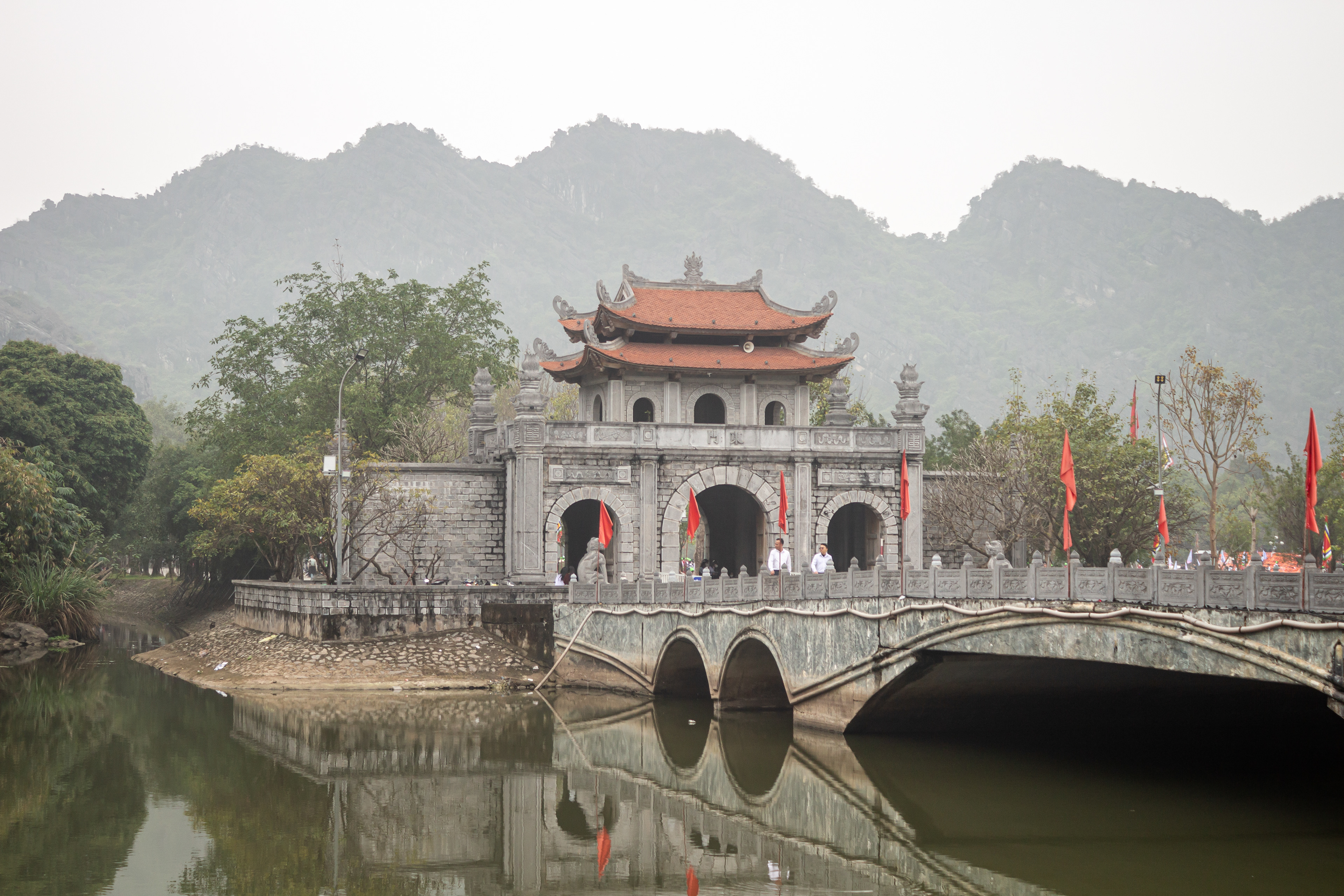
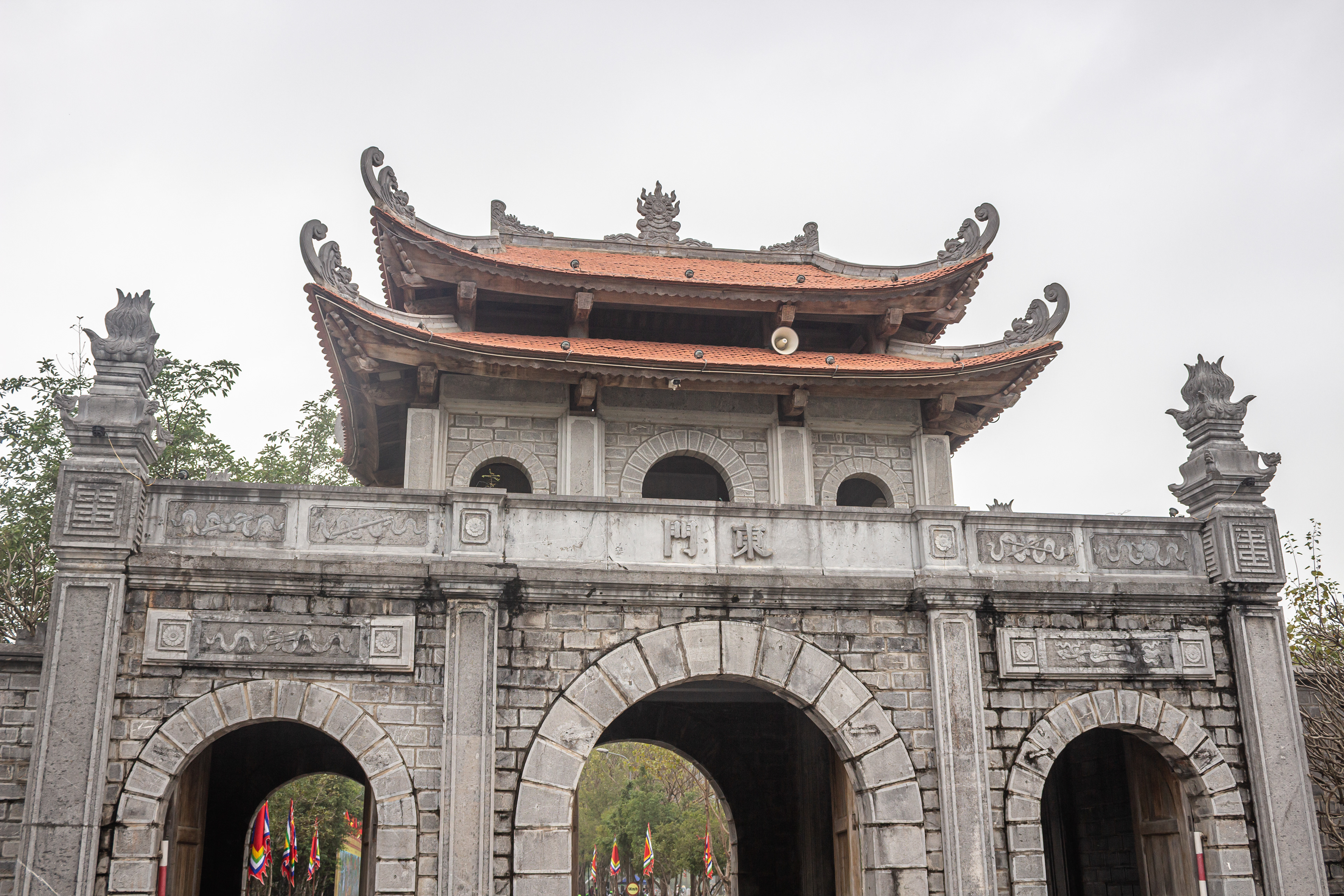
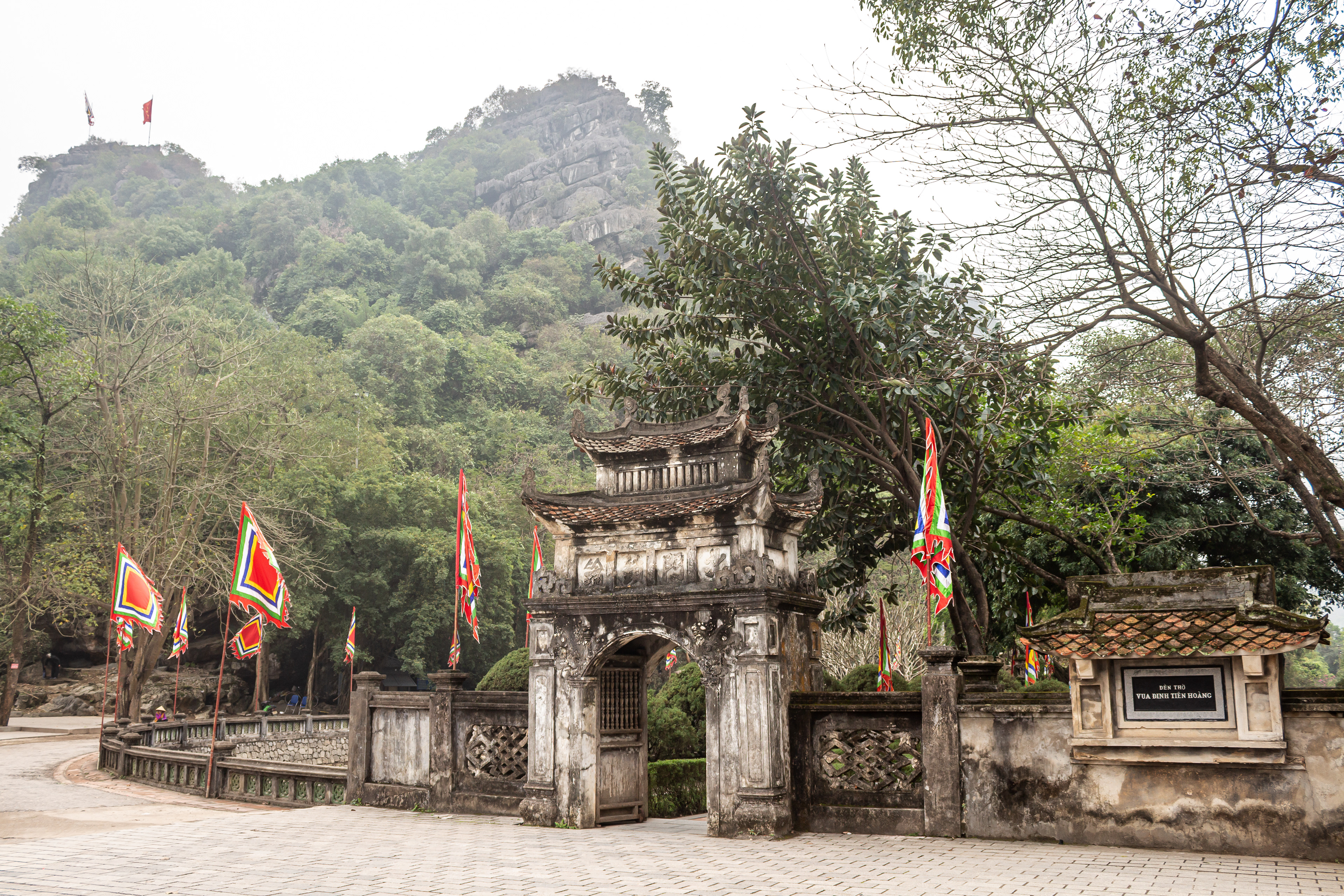
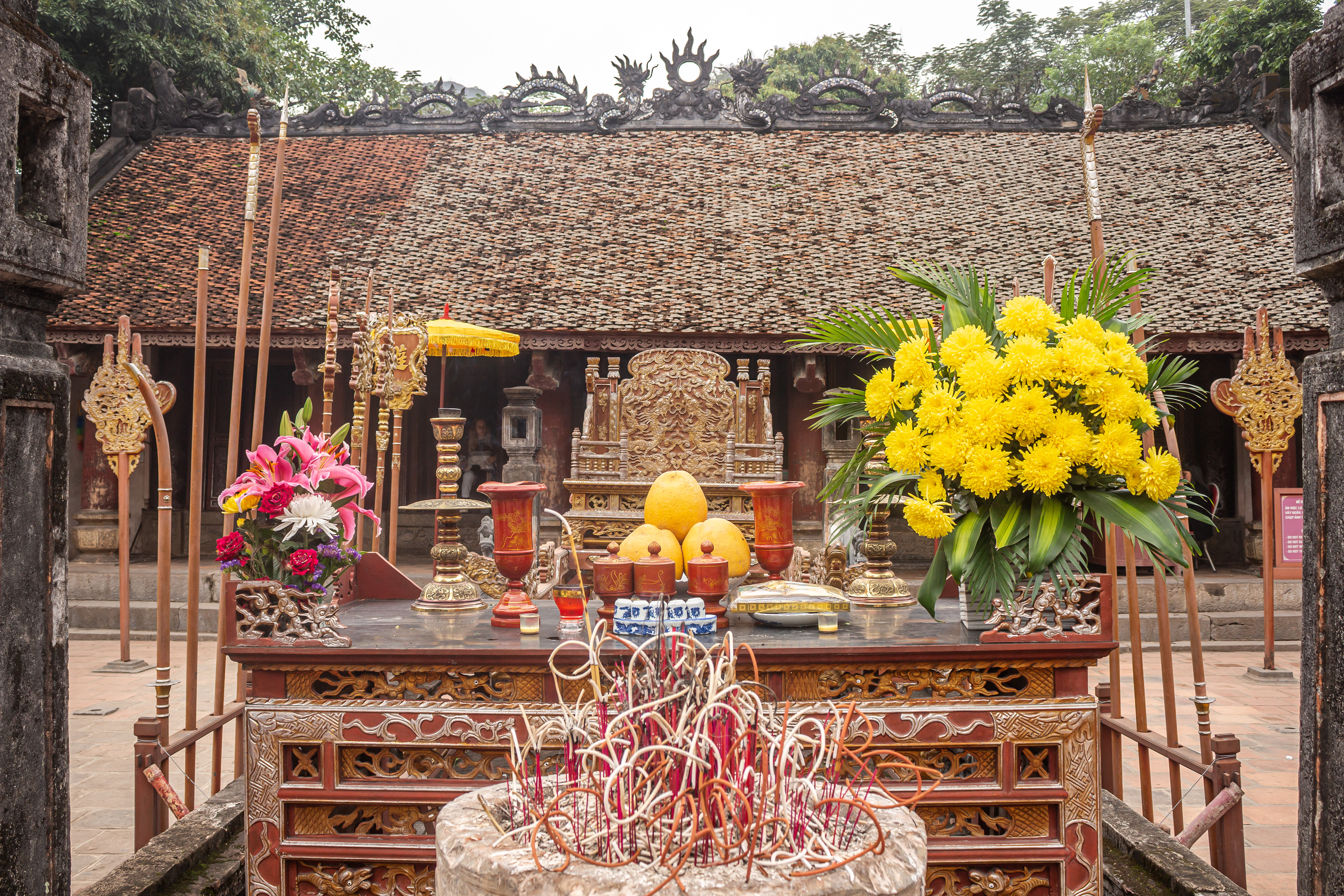
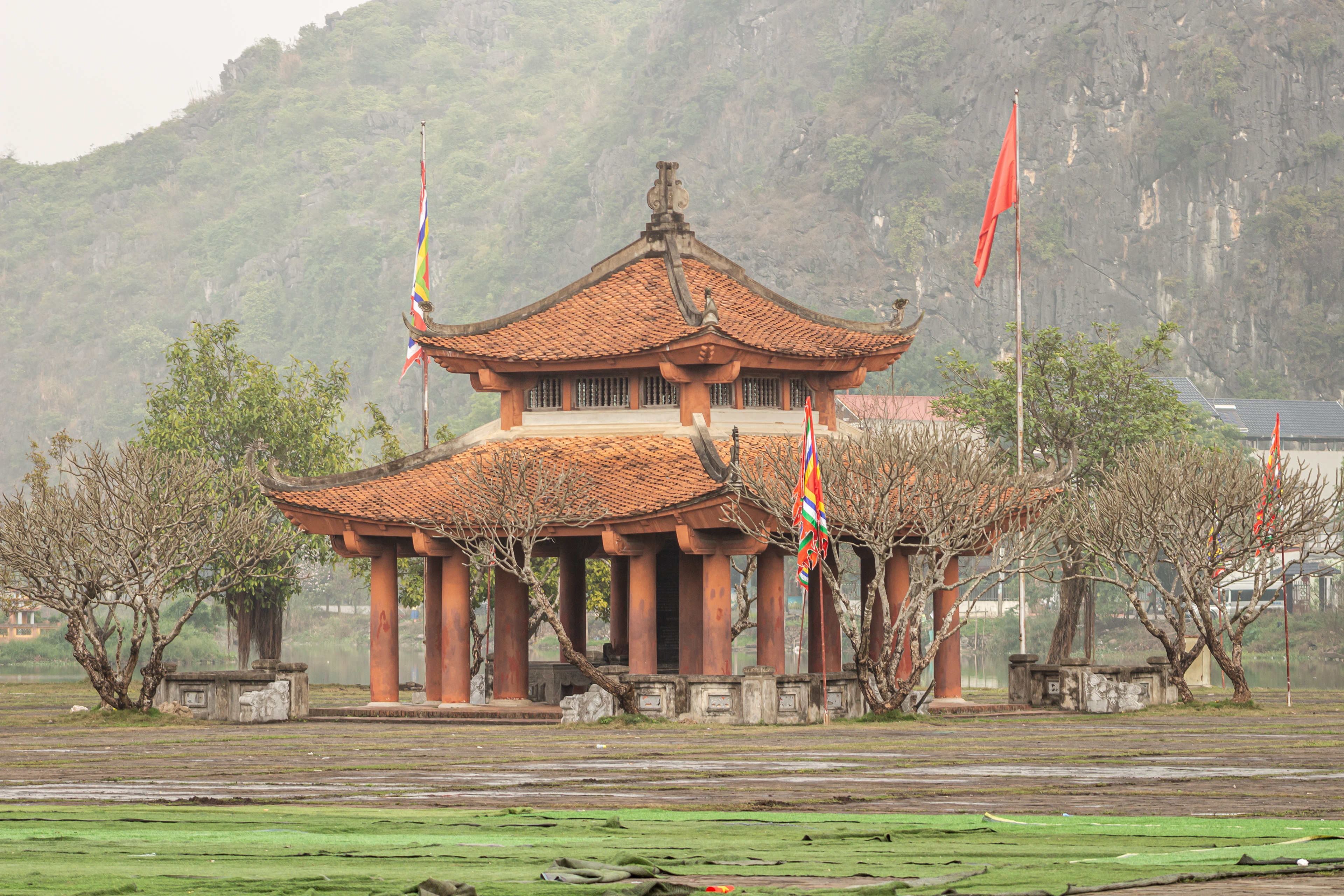
Before Hanoi became Vietnam’s capital, Hoa Lu was the political and cultural center in the 10th and 11th centuries. Explore the remnants of royal temples, especially the Dinh and Le King Temples, surrounded by limestone mountains that once protected this ancient city.
Before Hanoi became Vietnam’s capital, Hoa Lu was the political and cultural center in the 10th and 11th centuries. Explore the remnants of royal temples, especially the Dinh and Le King Temples, surrounded by limestone mountains that once protected this ancient city.
Renting a motorbike through the Countryside
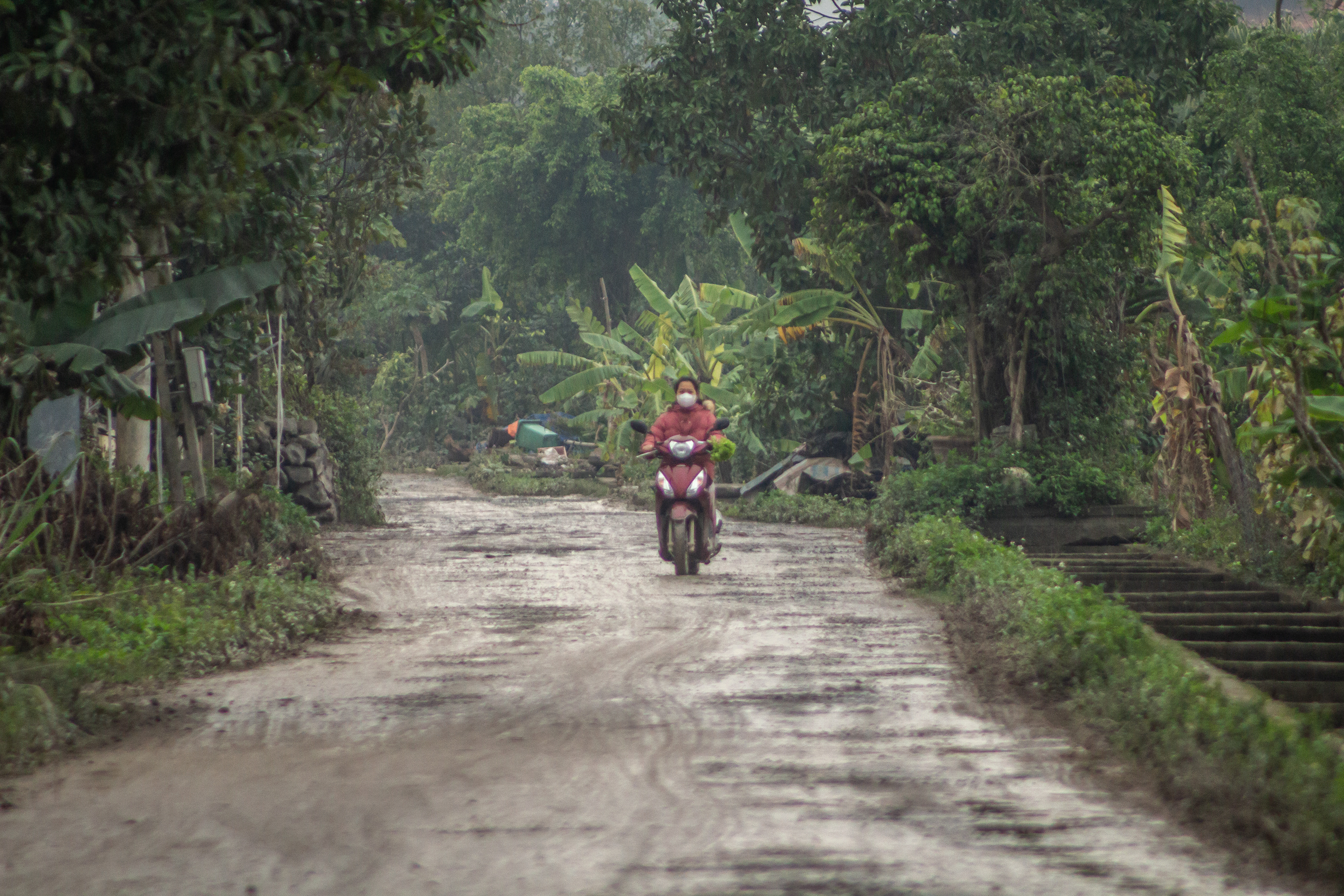
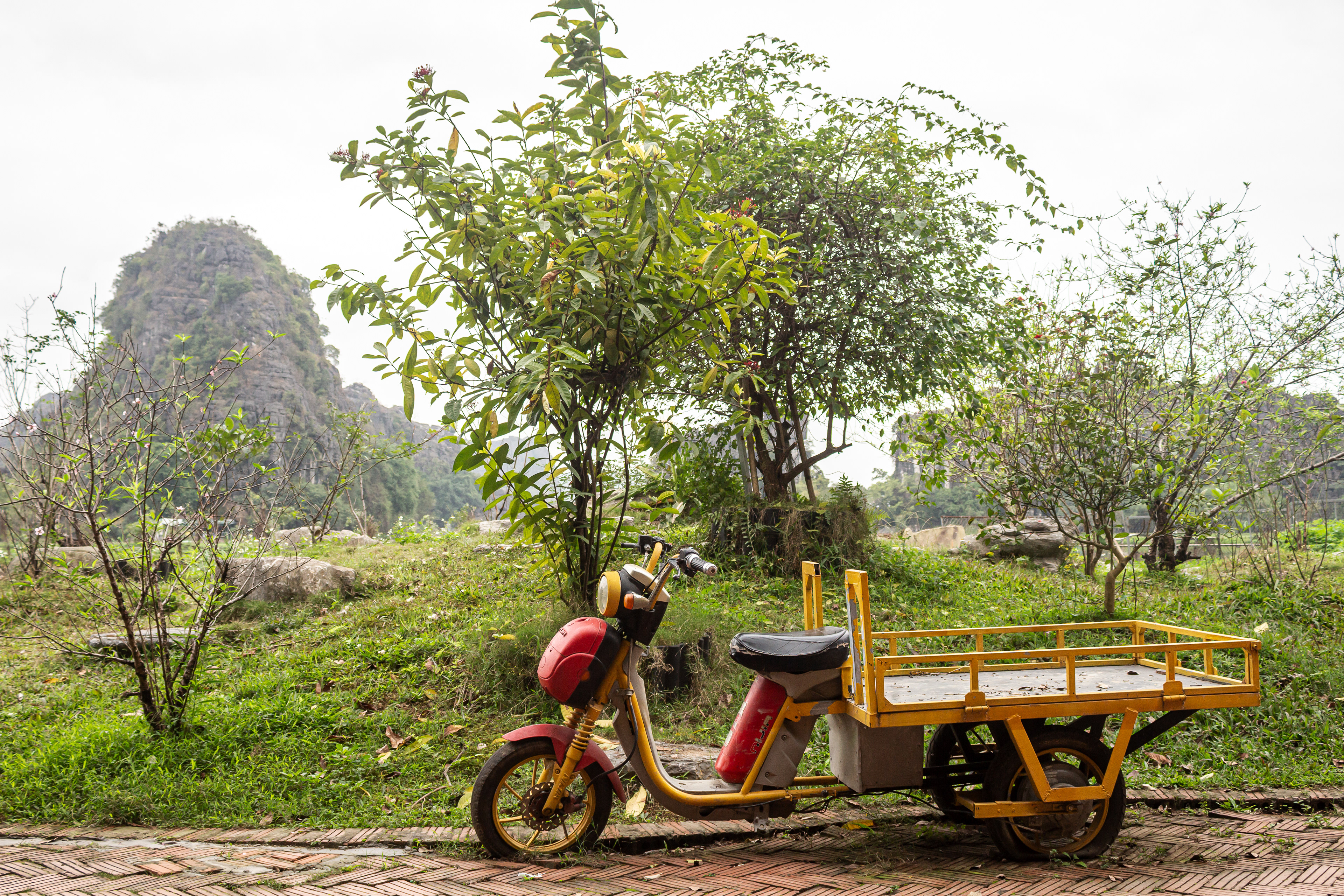
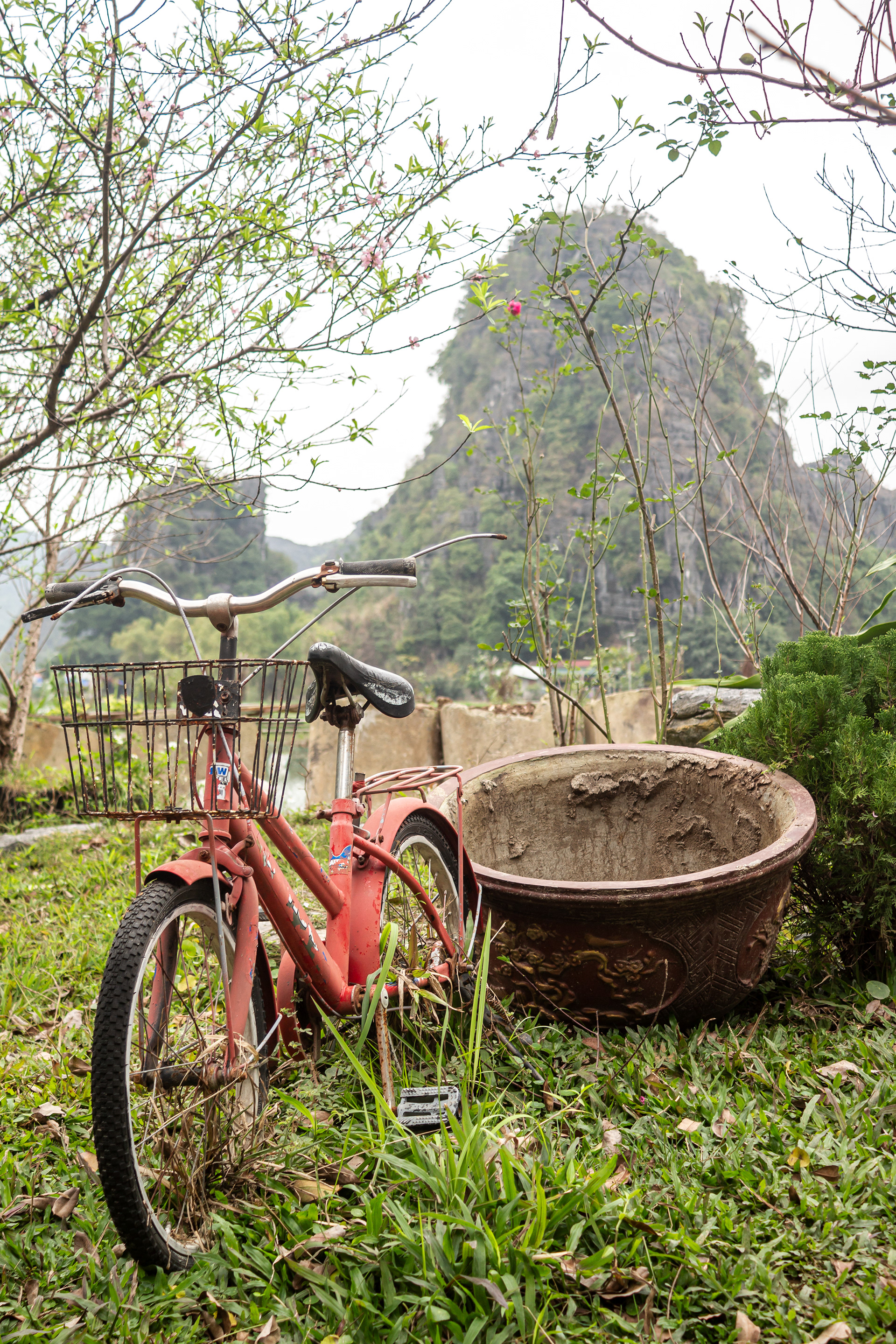
Both Trang An and Tam Coc are ideal for motorbikes or cycling. Rent a scooter/bike and ride past quiet villages, rivers, and lush paddy fields with limestone cliffs looming above. The slow pace lets you take in the peaceful rural beauty that defines this region.
Both Trang An and Tam Coc are ideal for motorbikes or cycling. Rent a scooter/bike and ride past quiet villages, rivers, and lush paddy fields with limestone cliffs looming above. The slow pace lets you take in the peaceful rural beauty that defines this region.
Hue, Vietnam: Discover the Imperial Heart of Vietnam
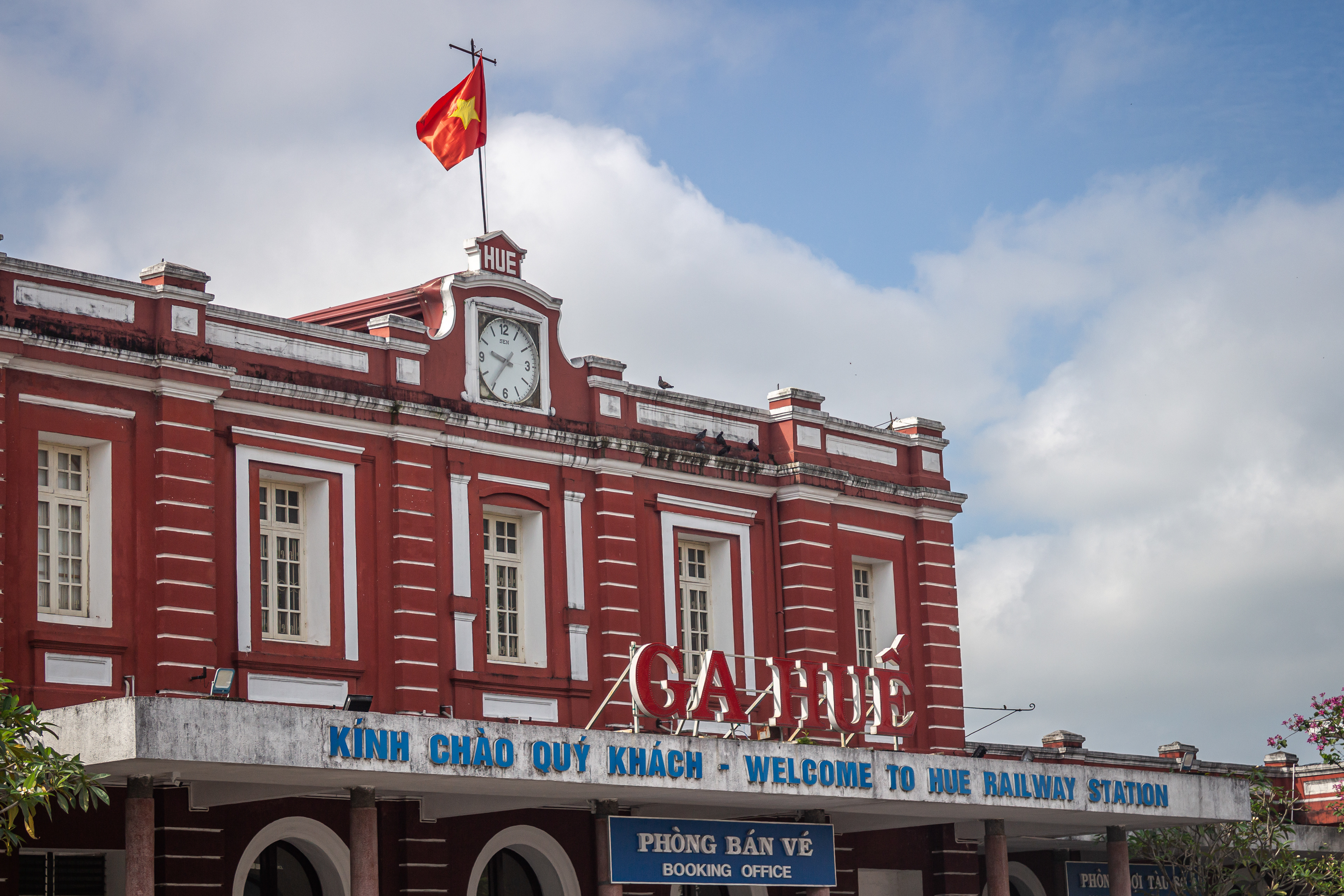
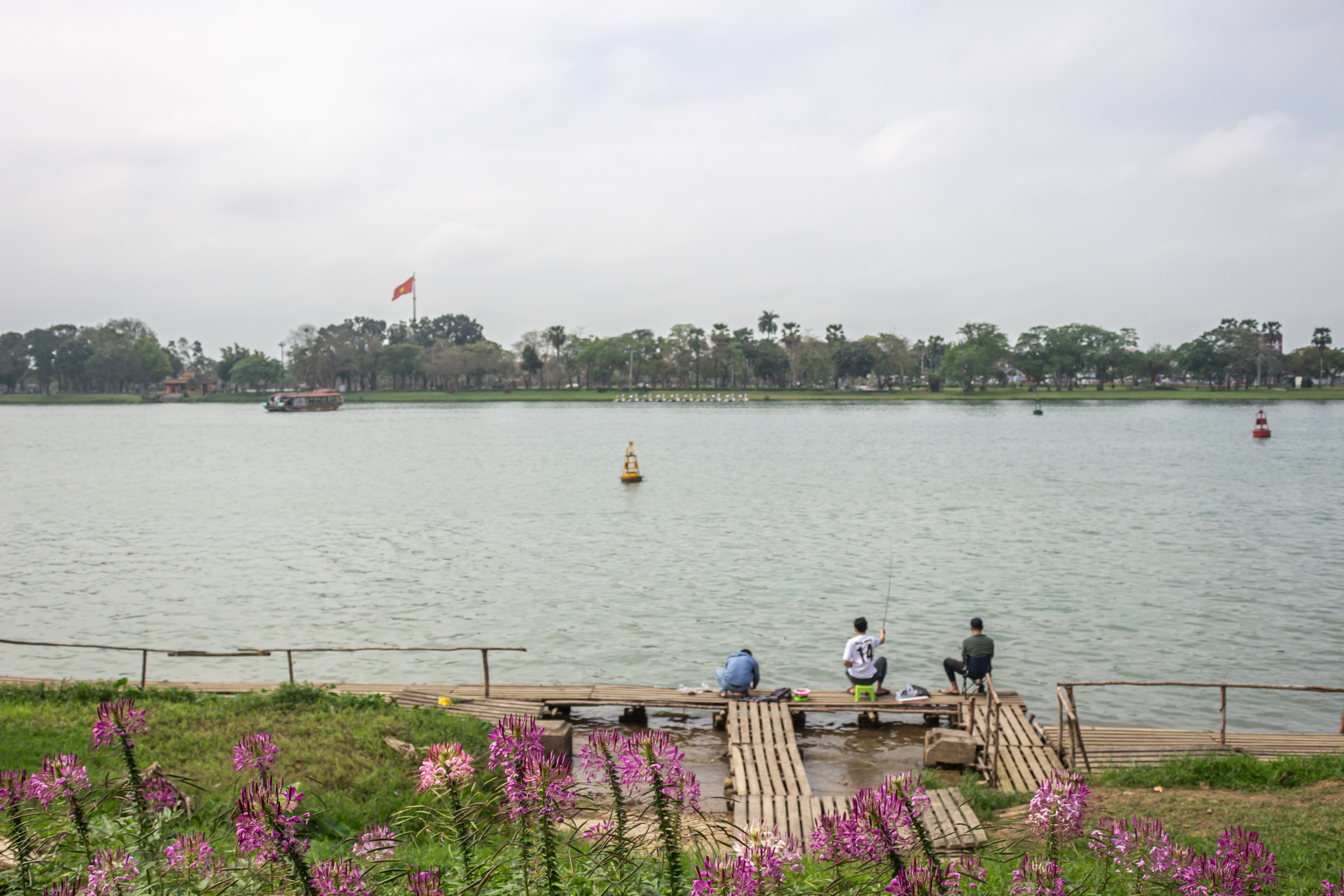
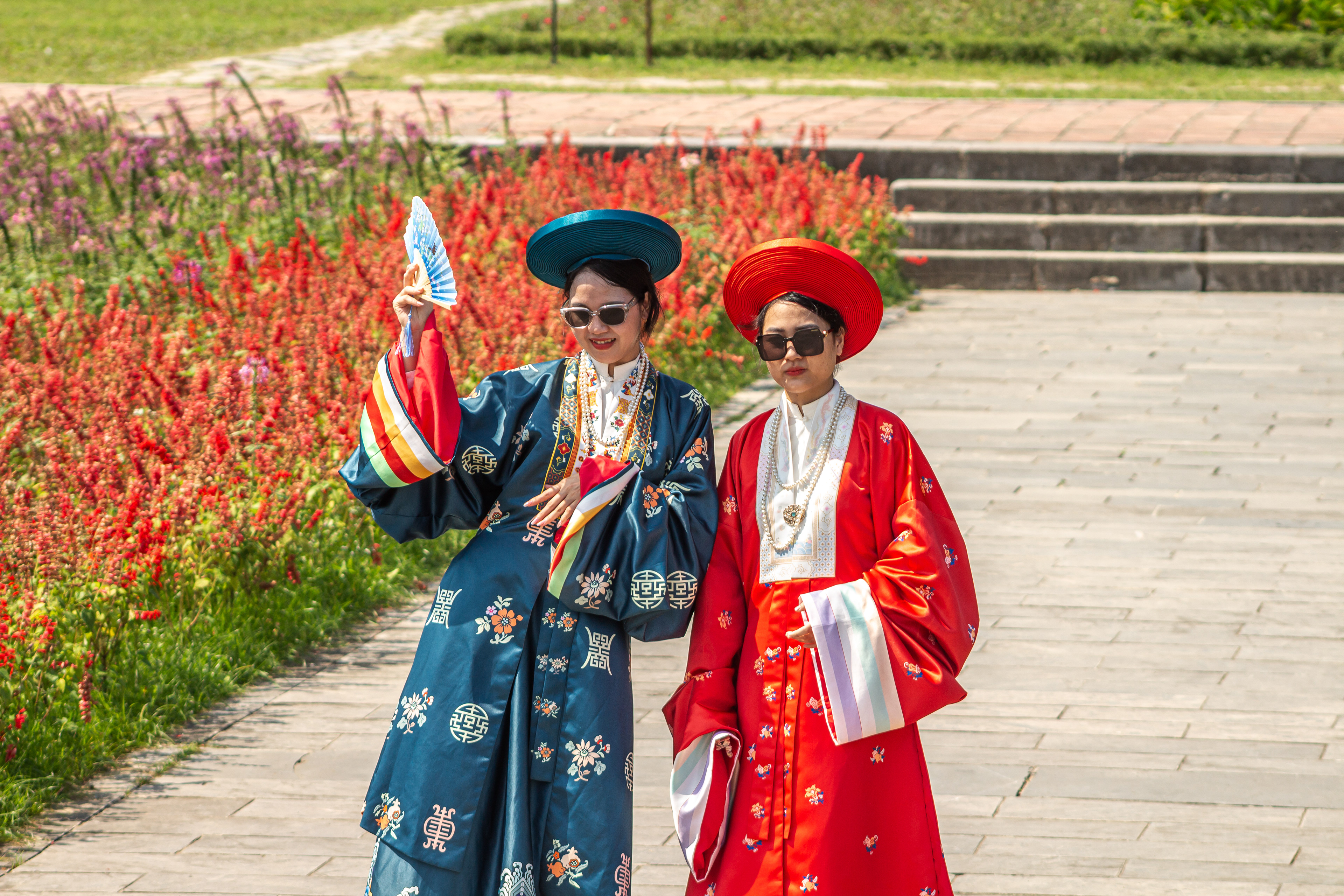
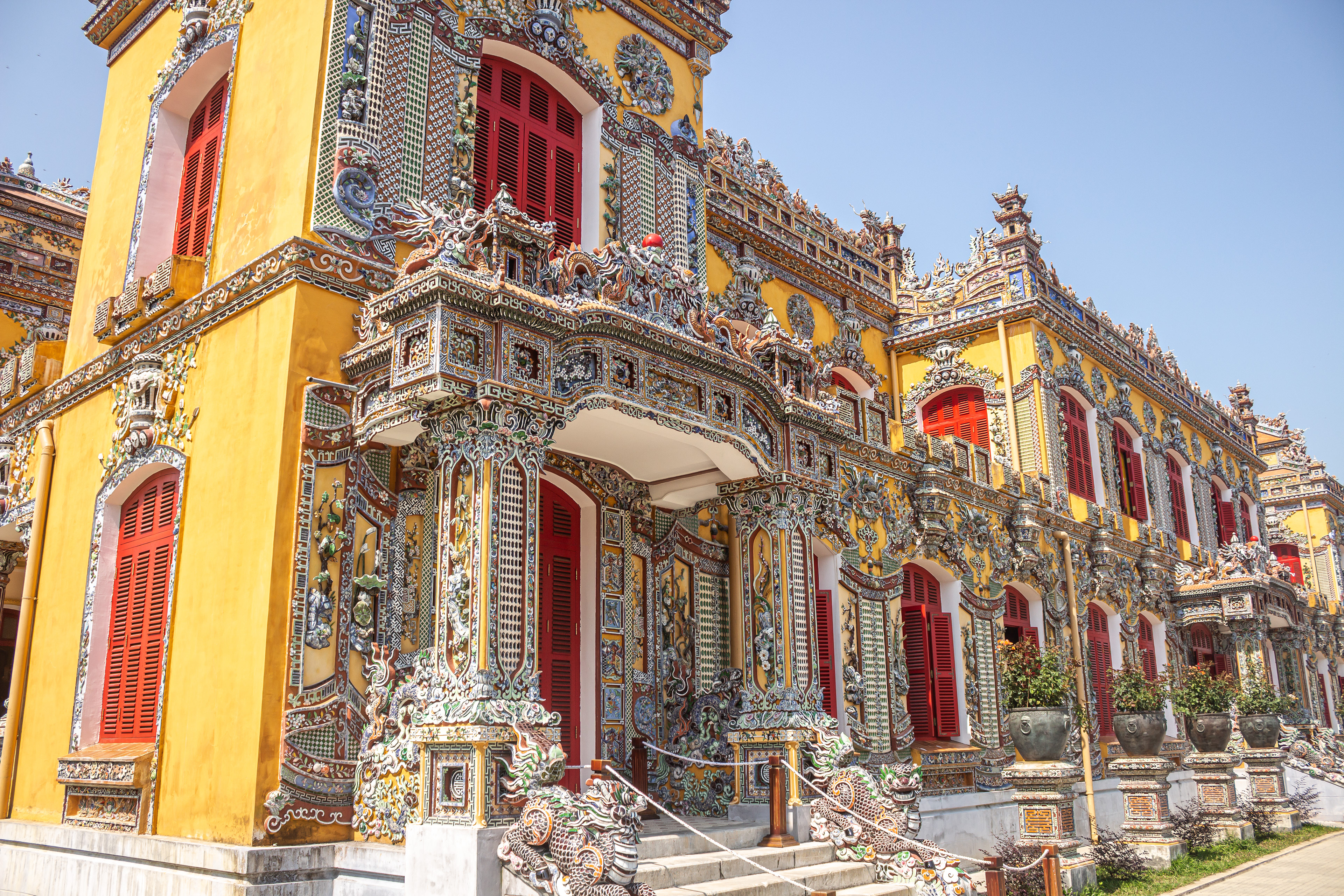
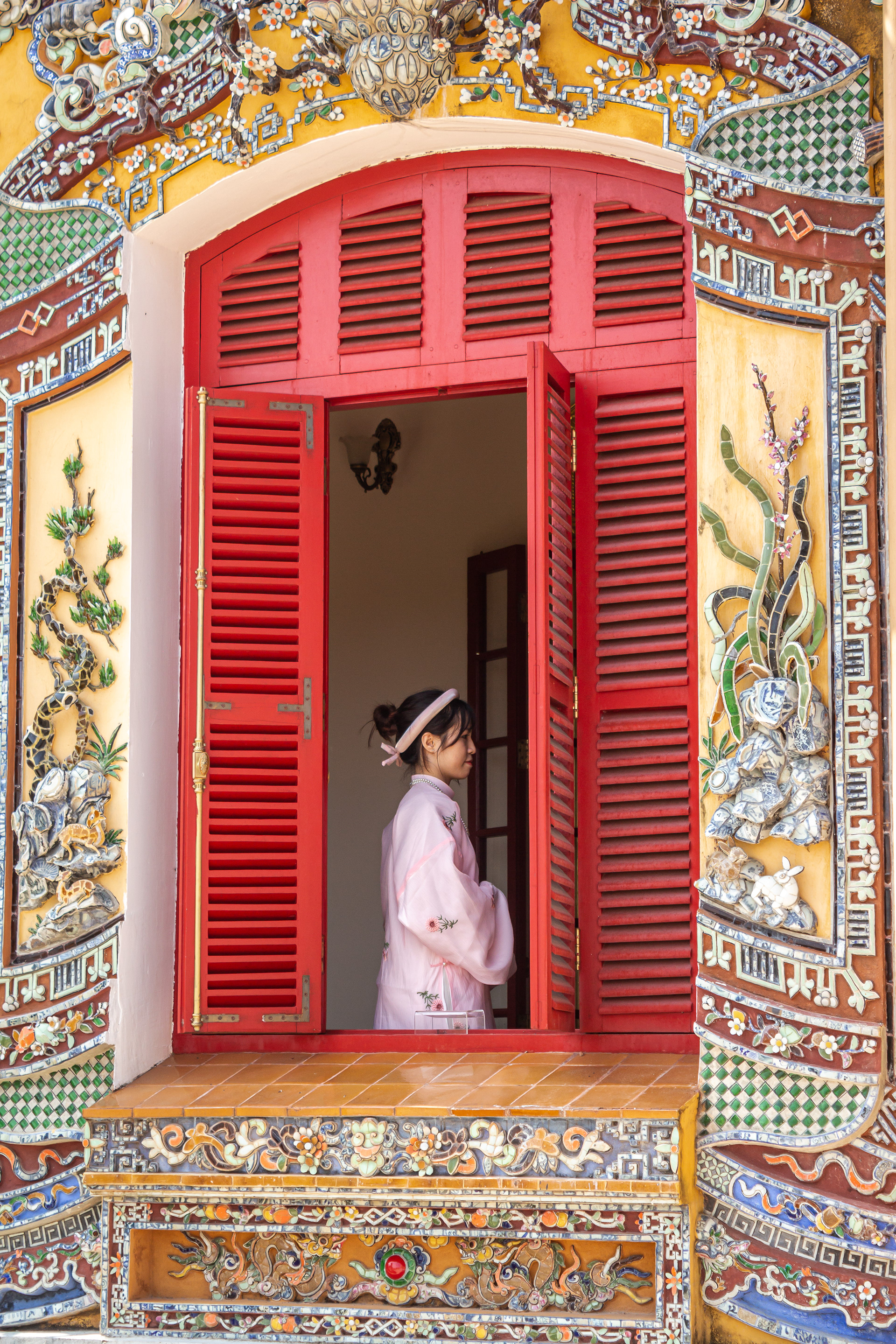
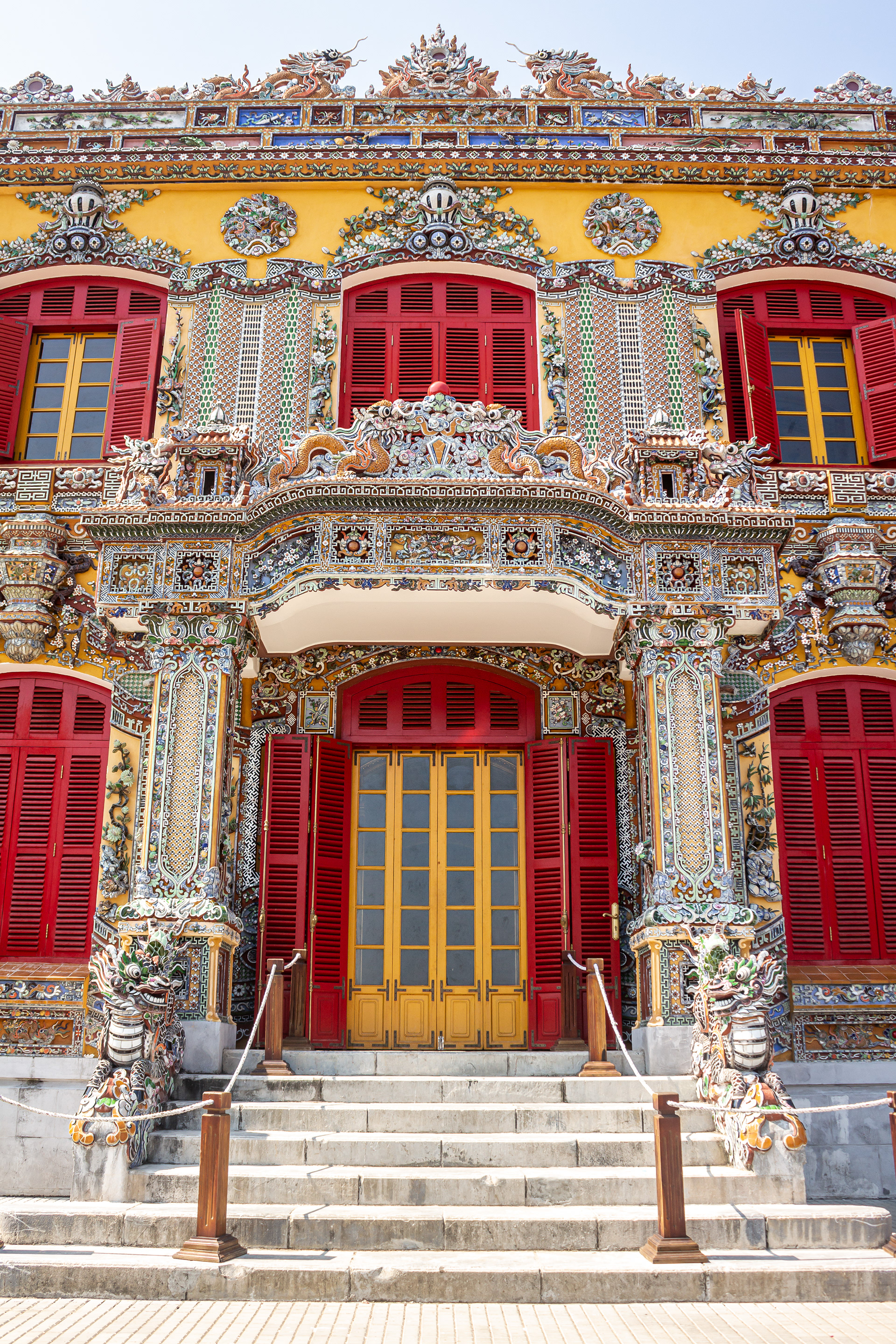
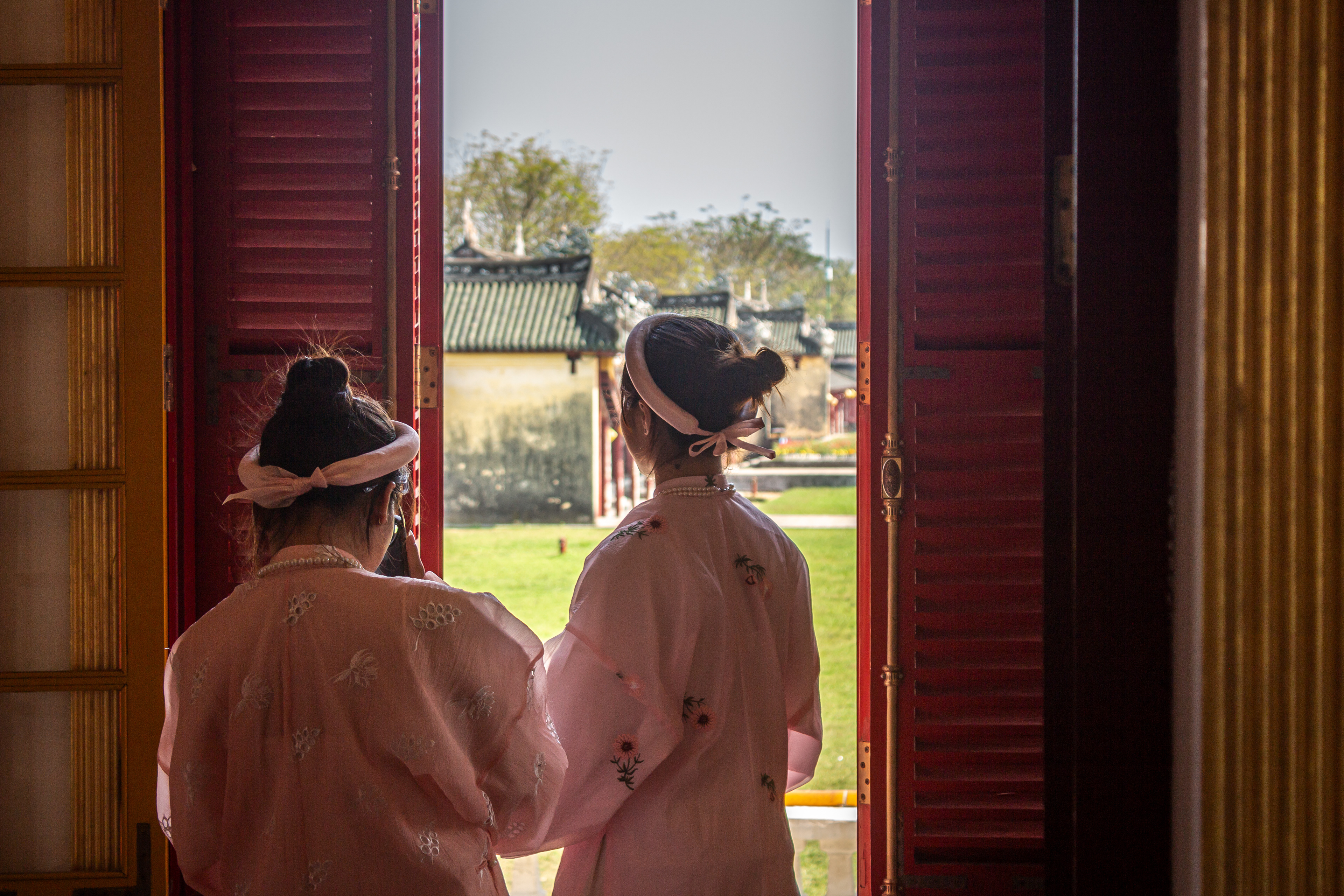
Once the imperial capital of Vietnam, Hue is a city steeped in history, elegance, and poetic charm. Located along the Perfume River in central Vietnam, Hue offers a unique blend of royal heritage, tranquil landscapes, and vibrant local culture. With its ancient citadel, majestic tombs, and pagodas, Hue invites travelers to step back into the days of emperors and dynasties. Here’s a travel guide to the top attractions and must-see sights in Hue.
The Imperial City (Citadel) – A UNESCO World Heritage Site
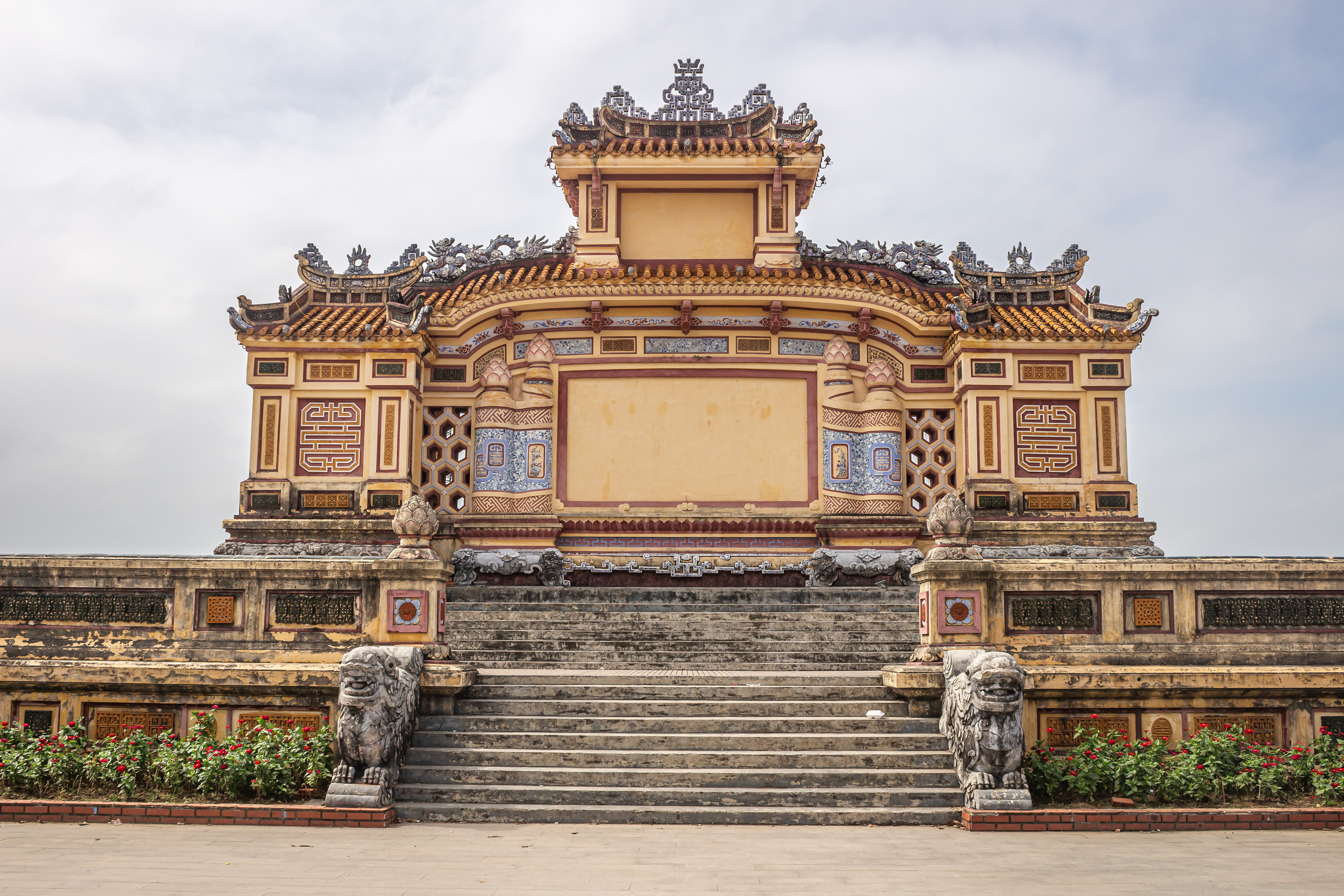
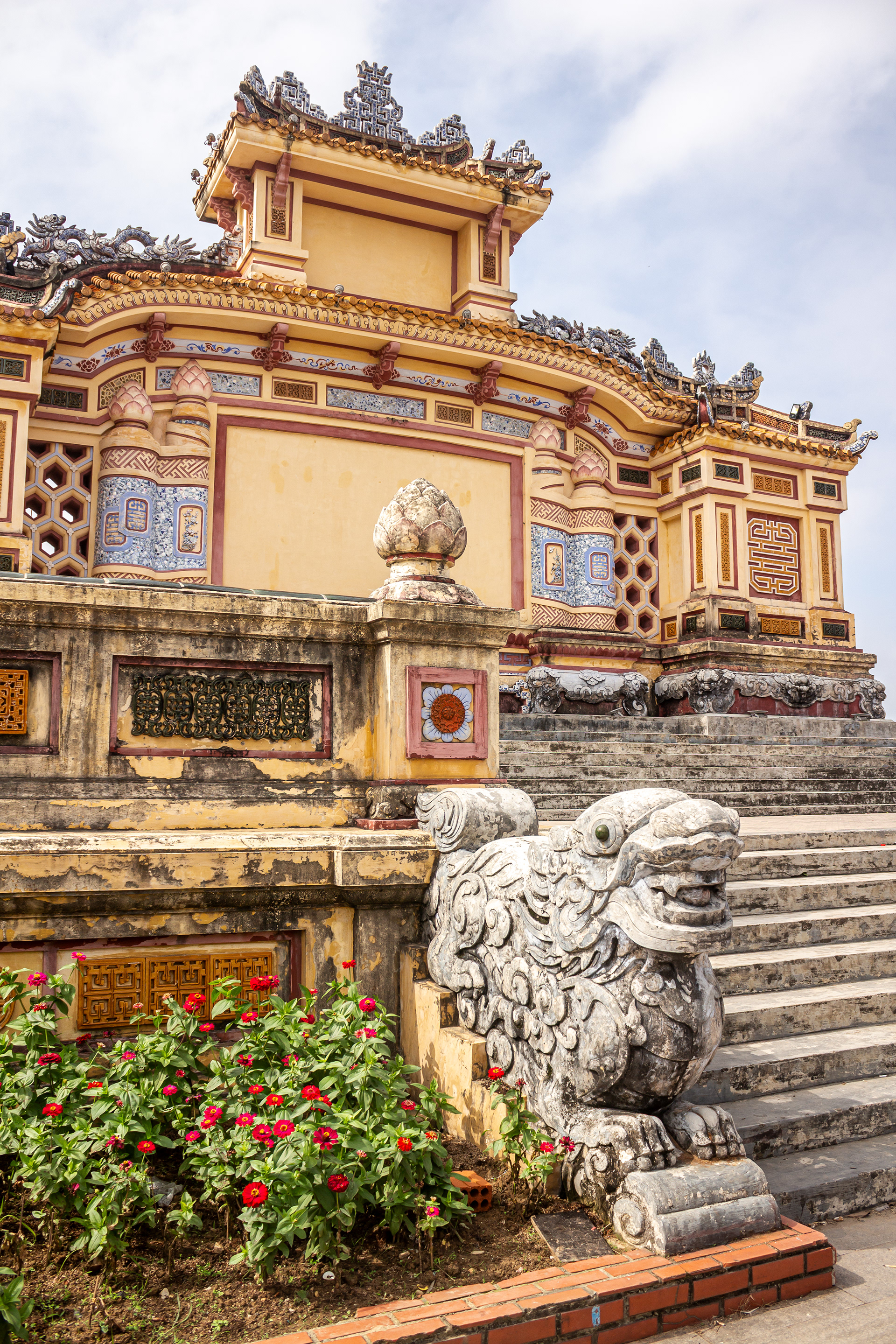
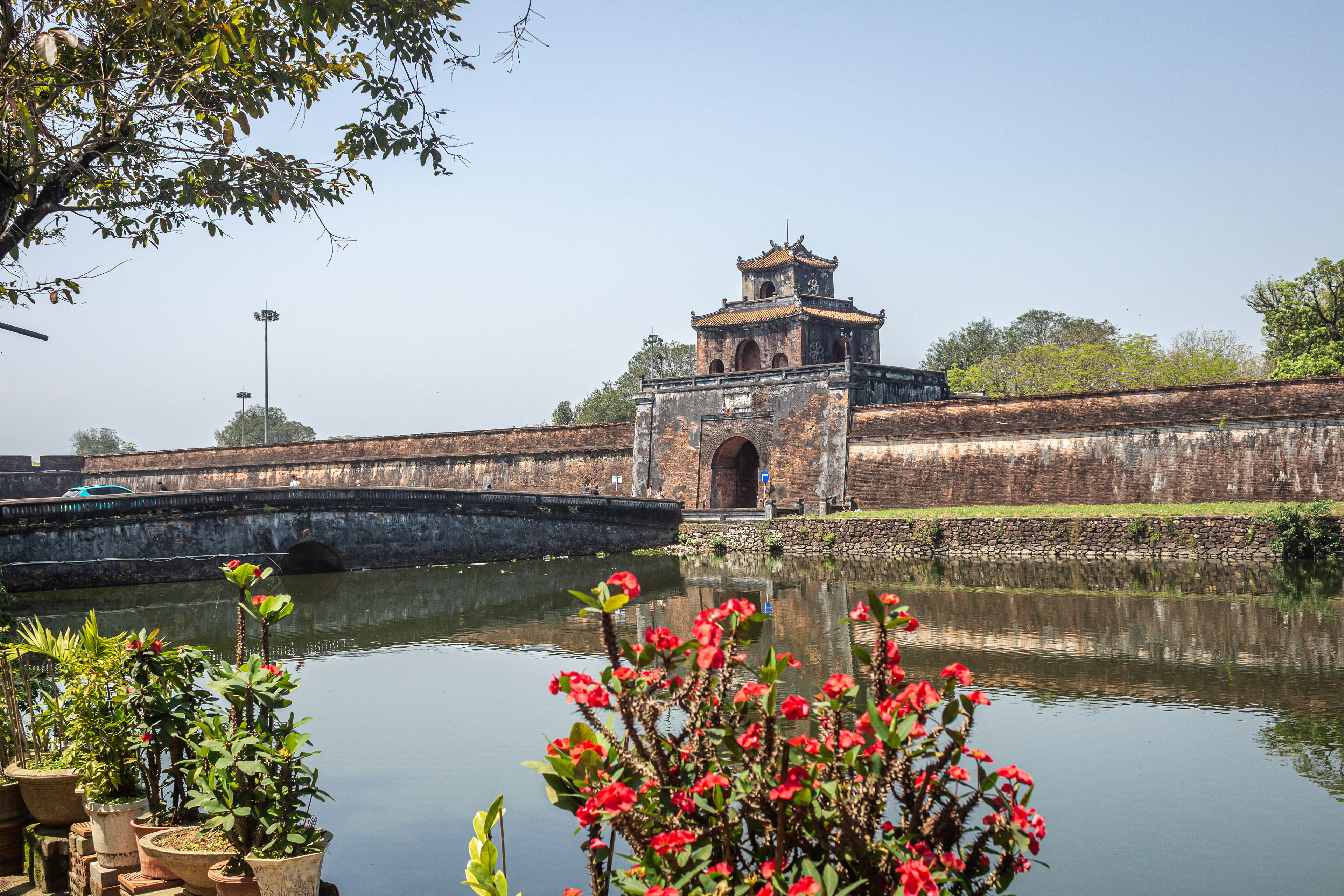
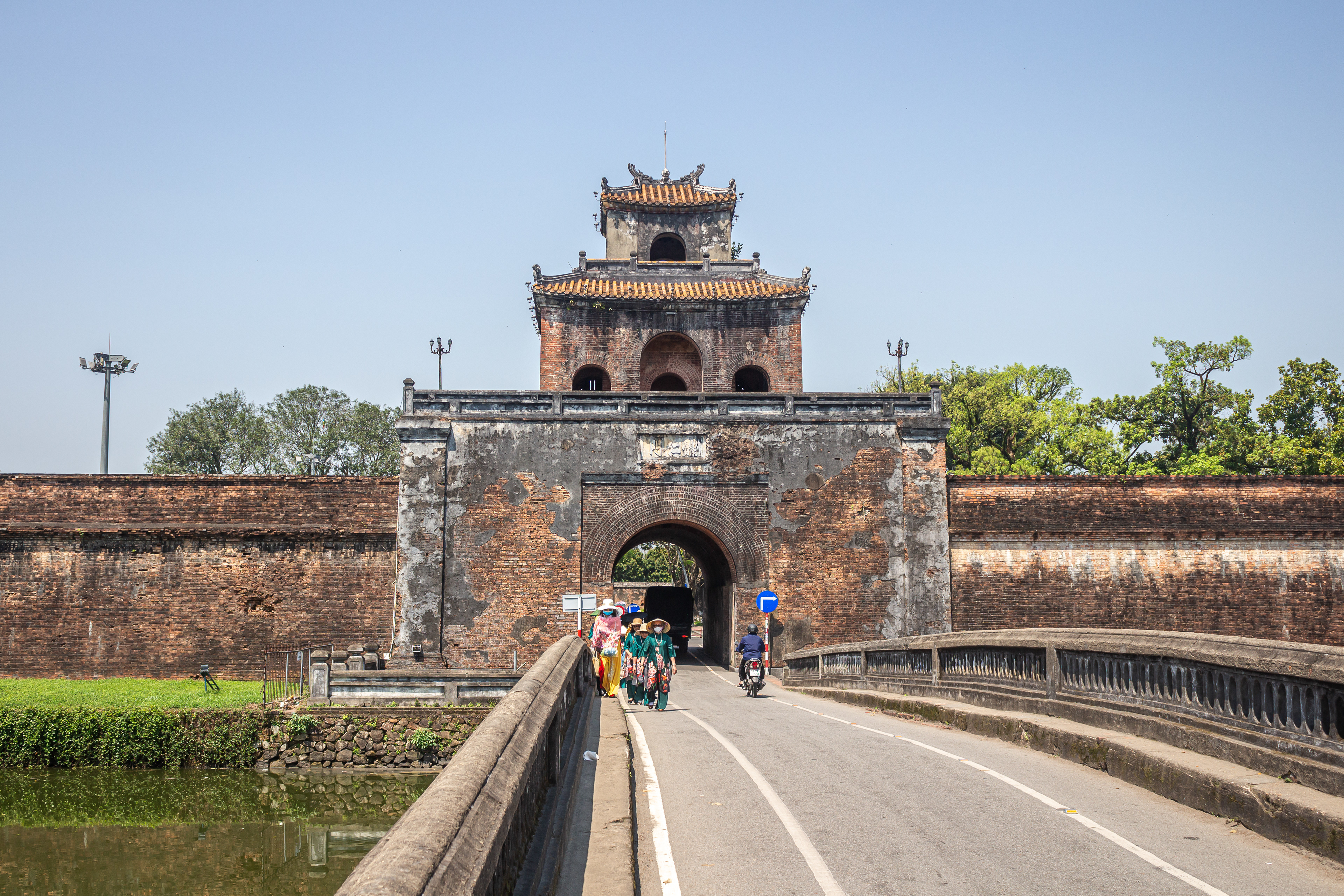
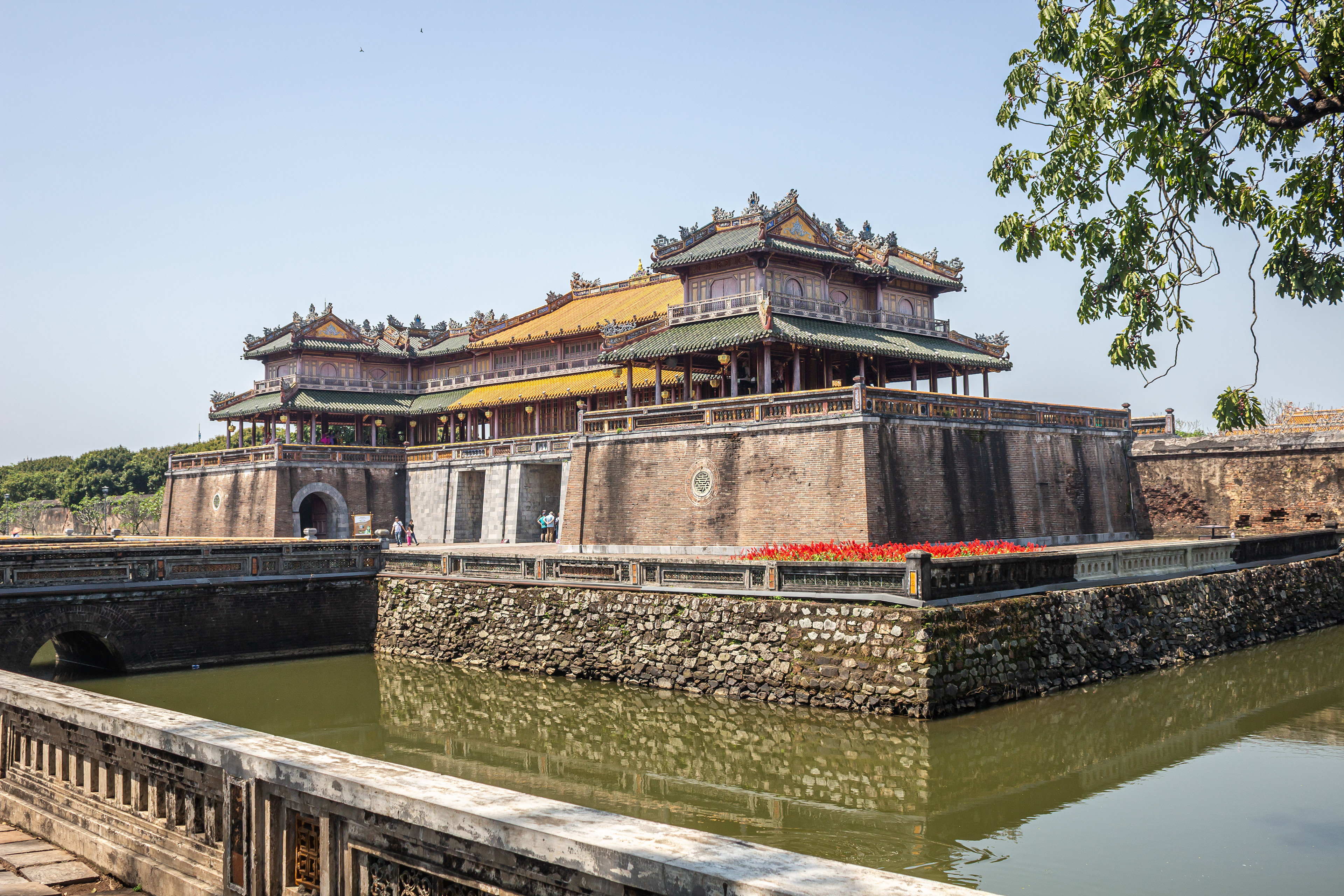
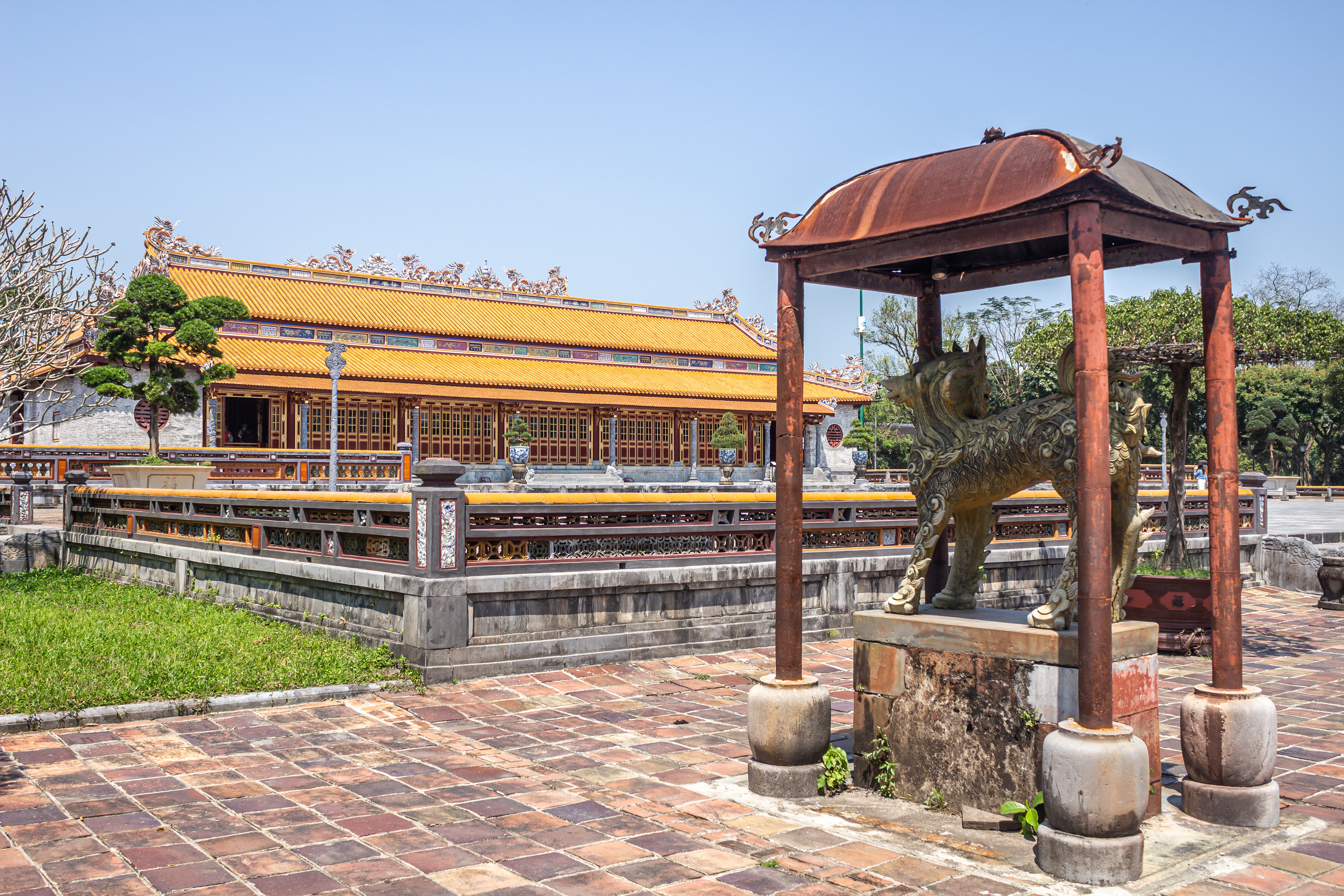
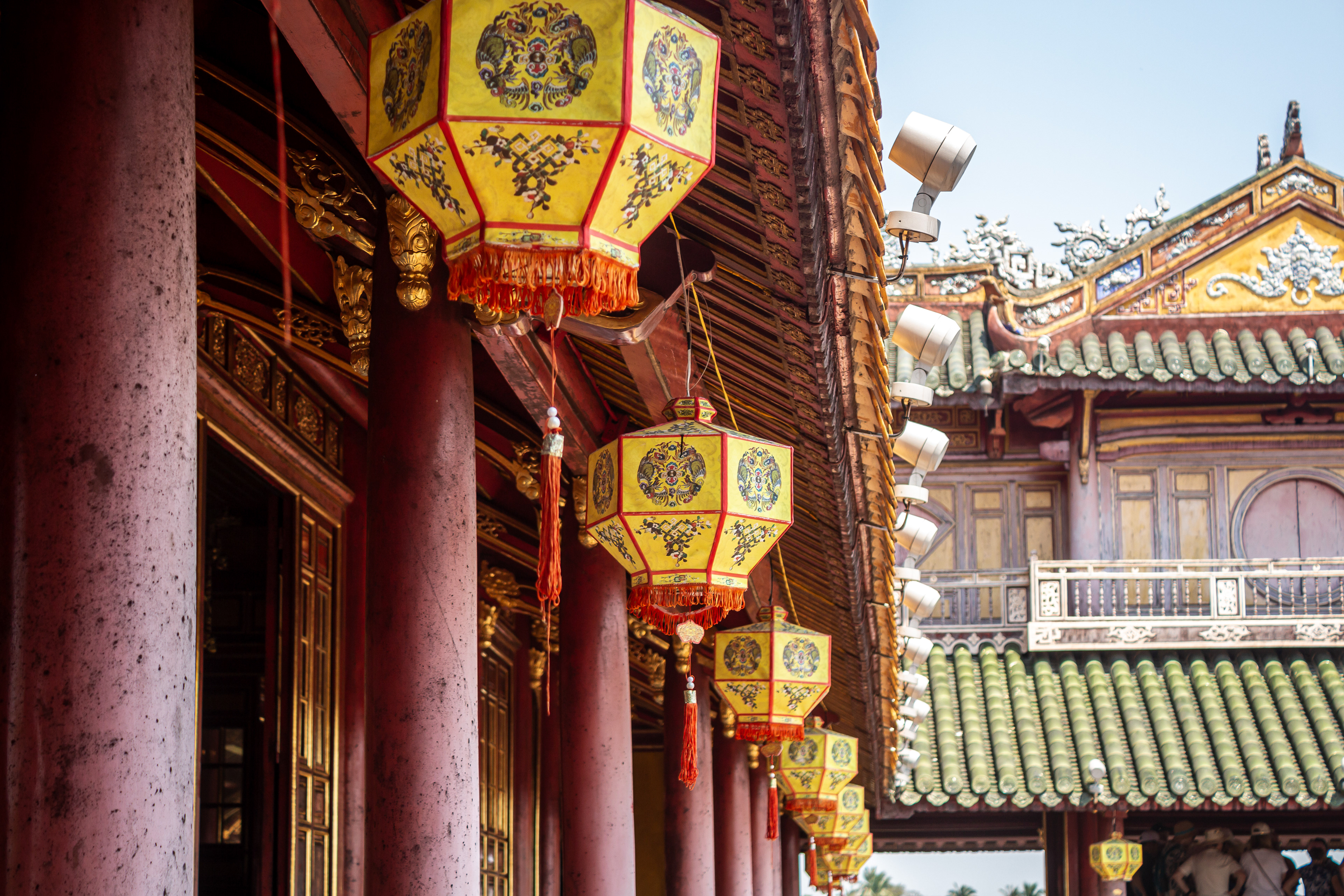
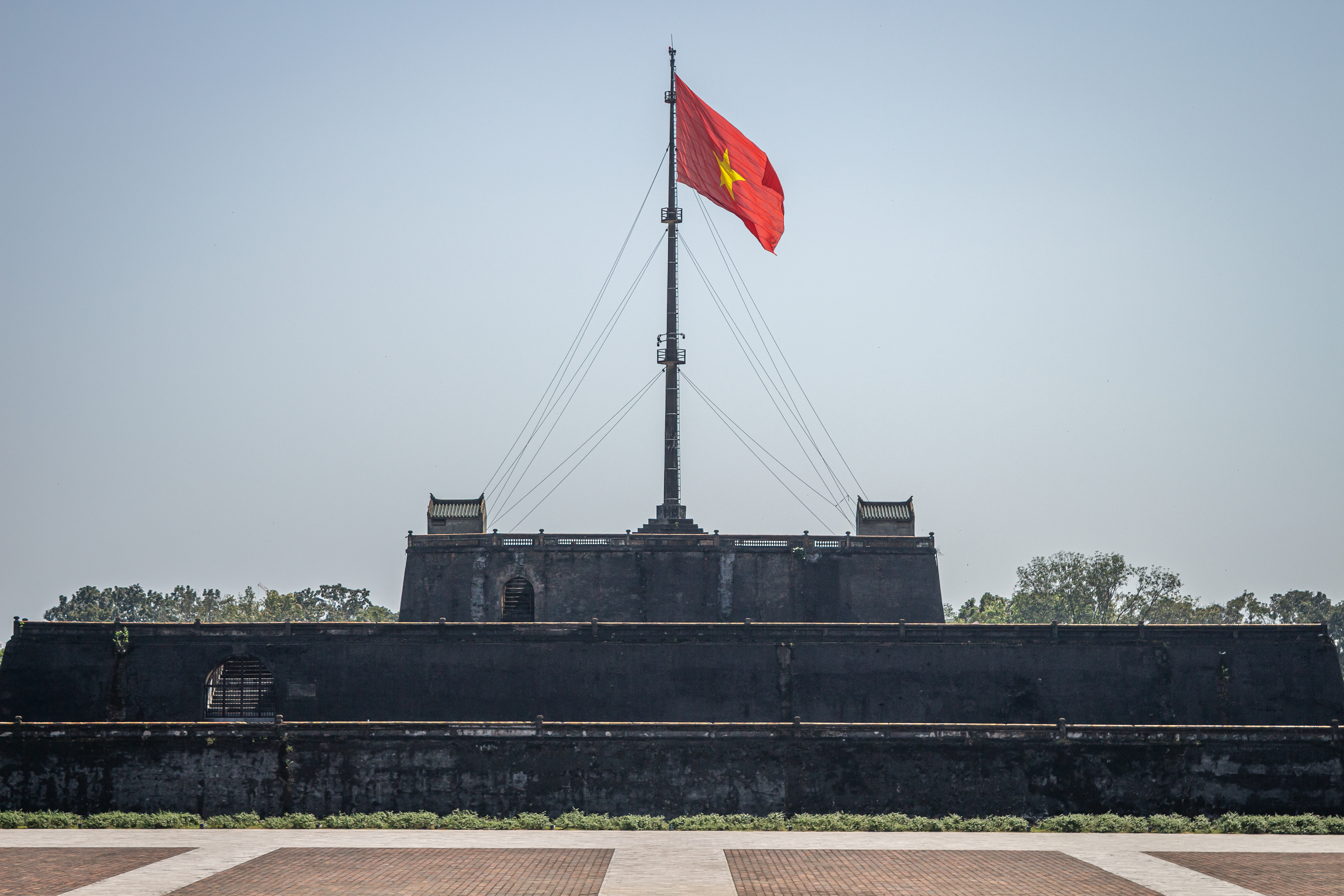
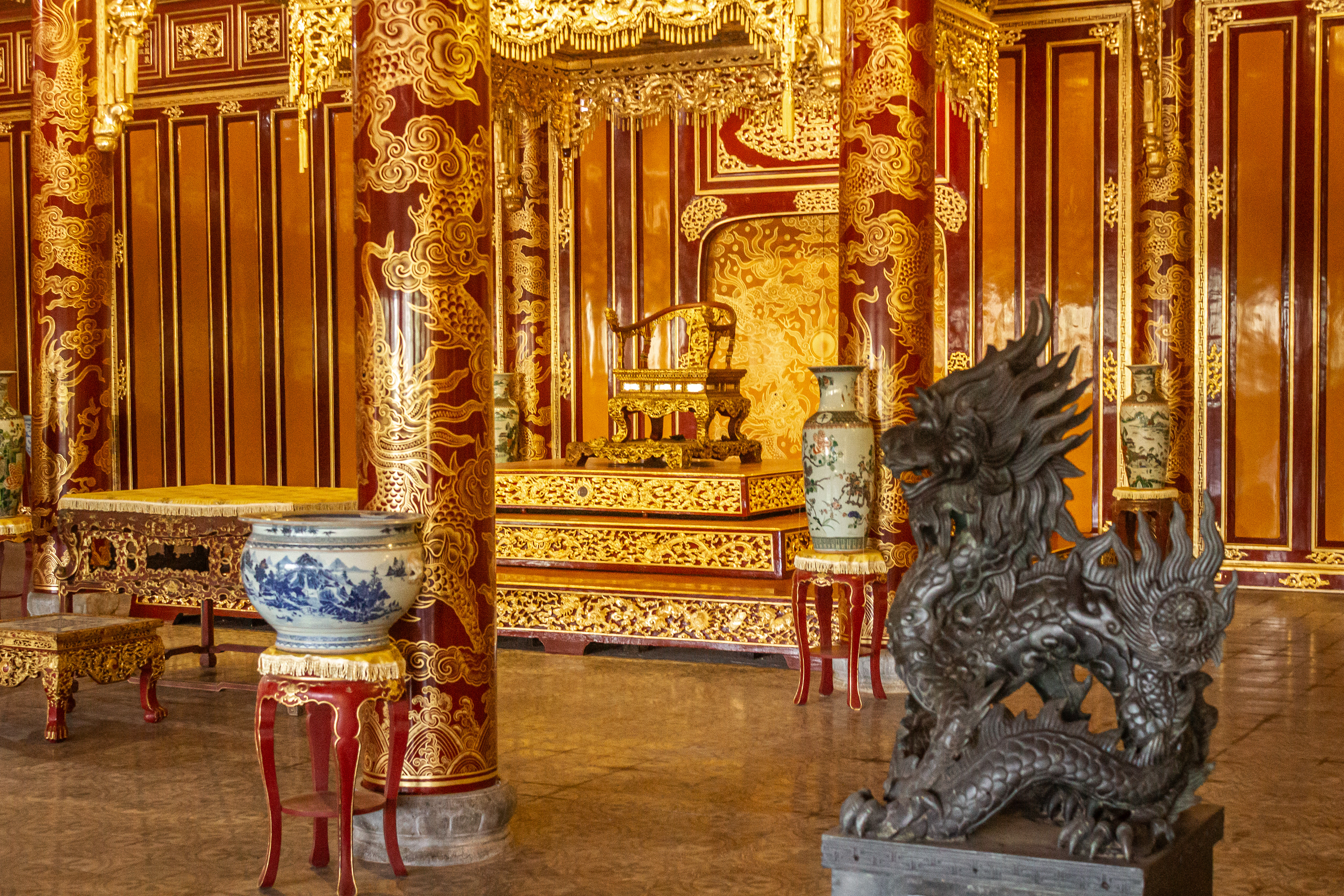
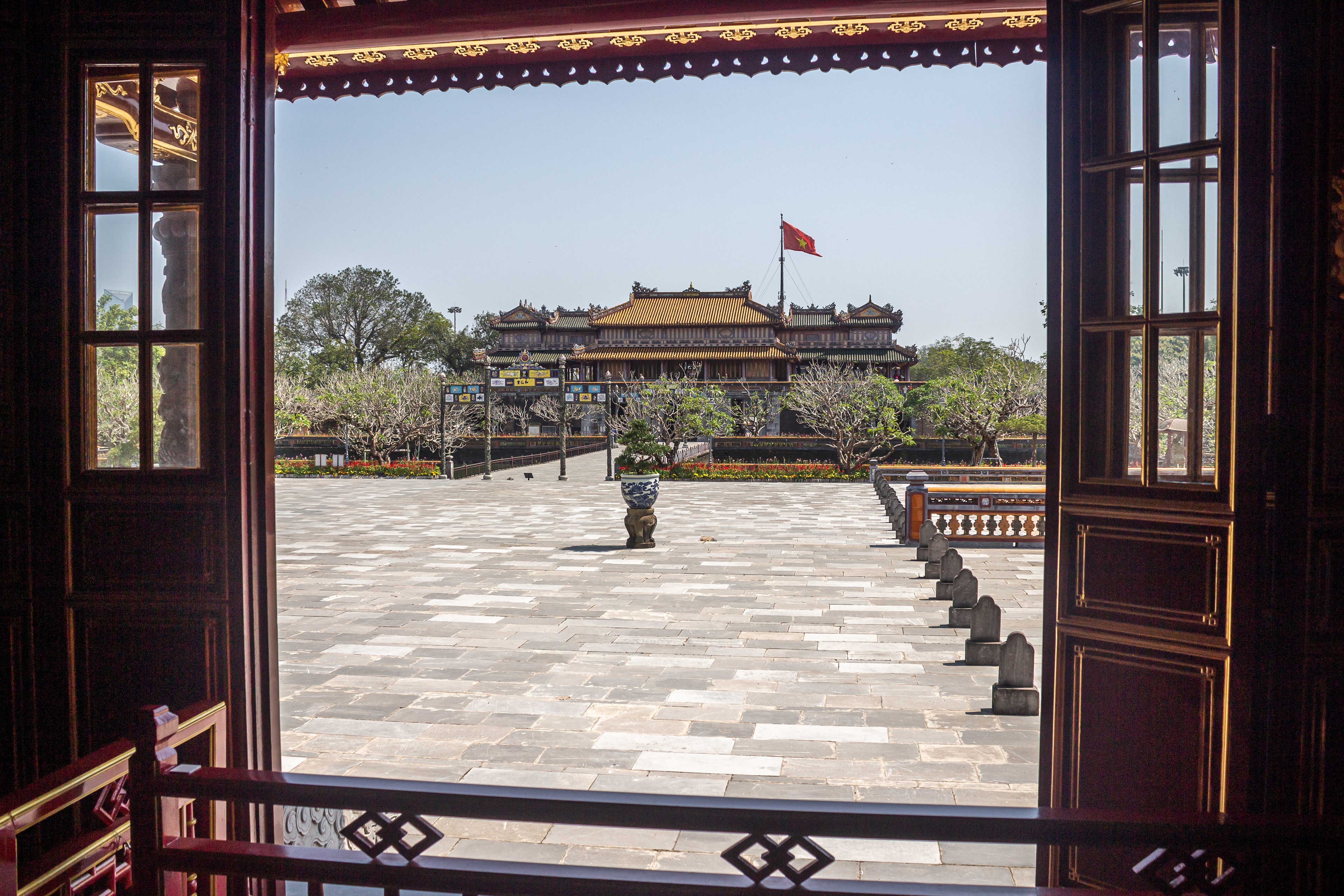
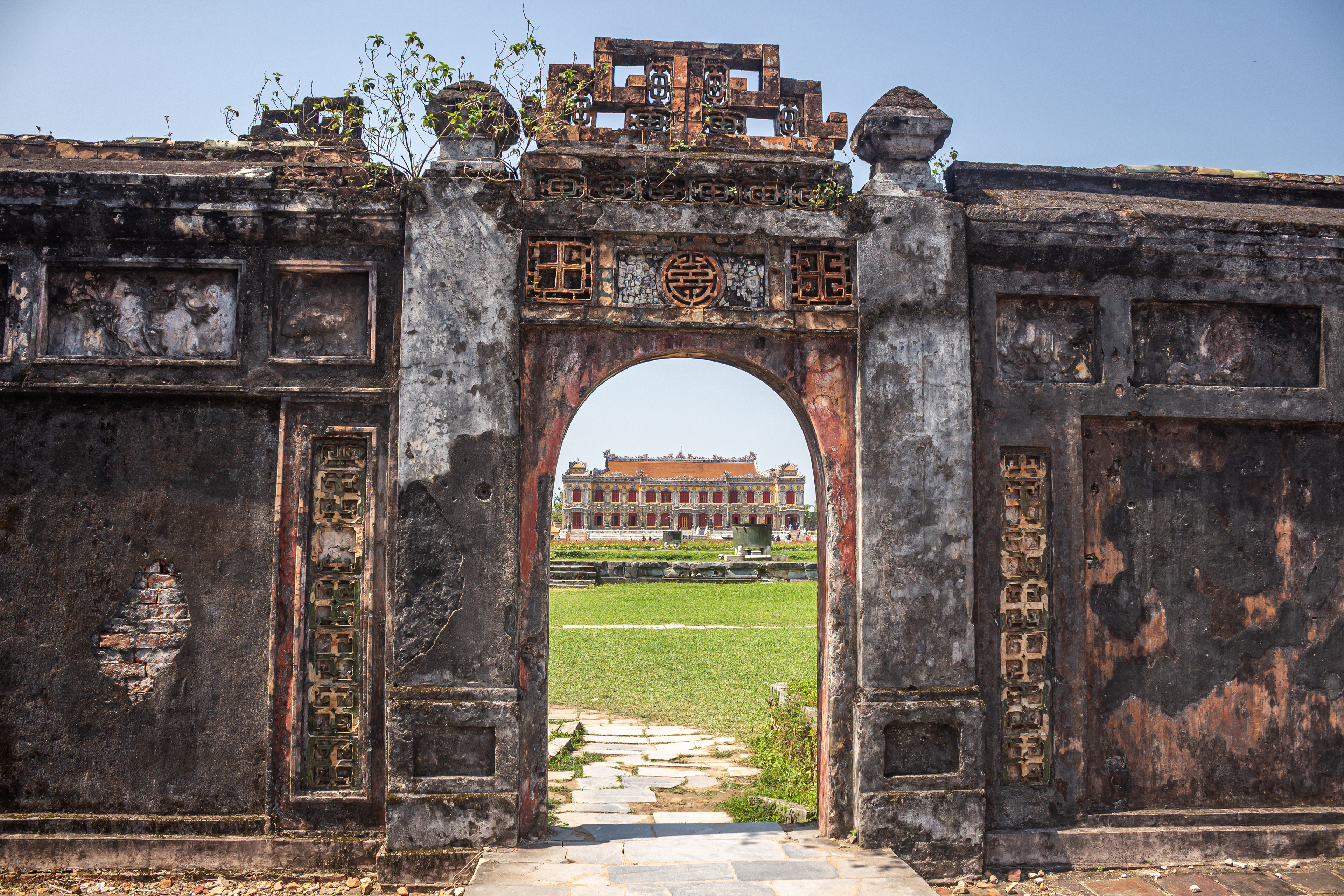
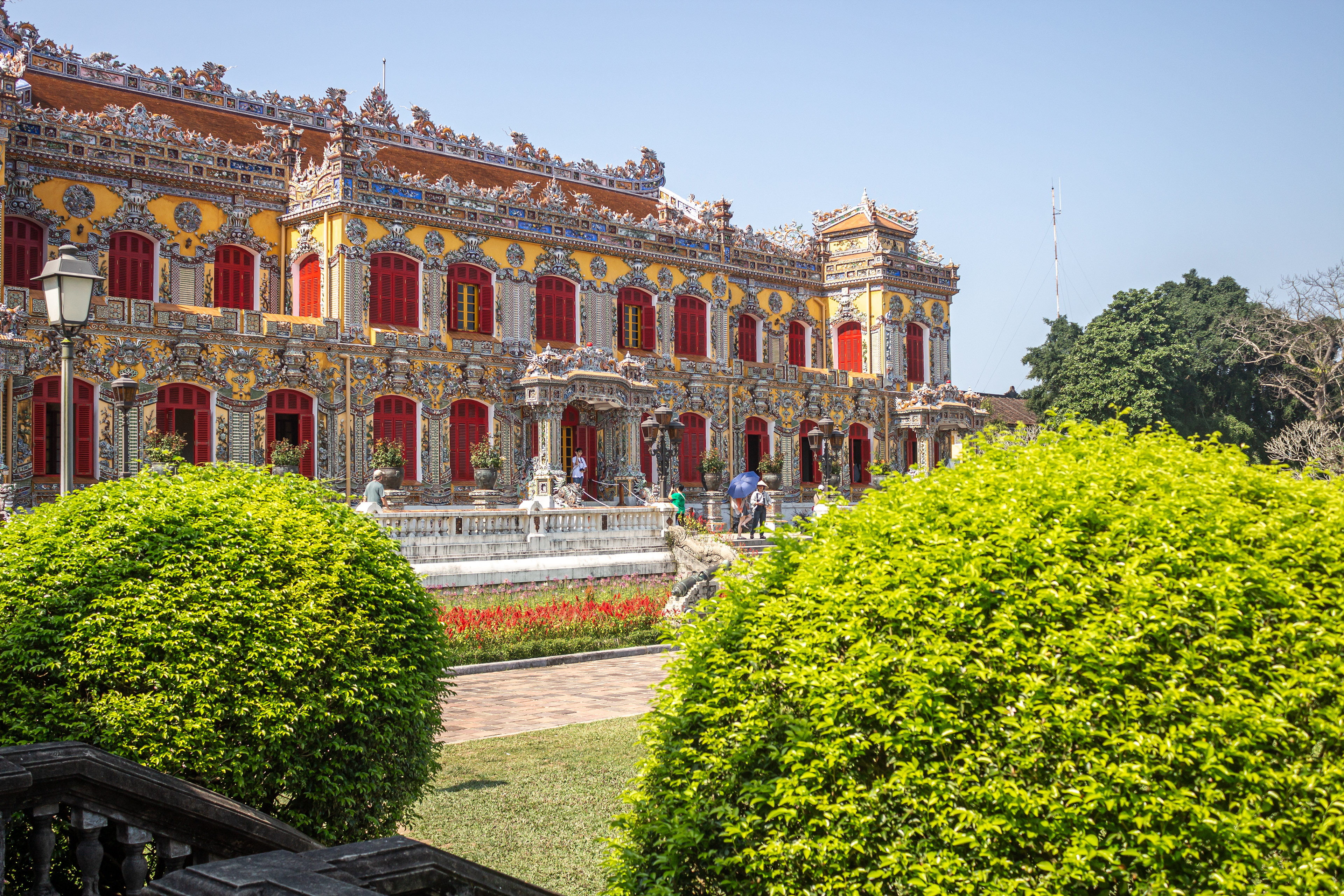
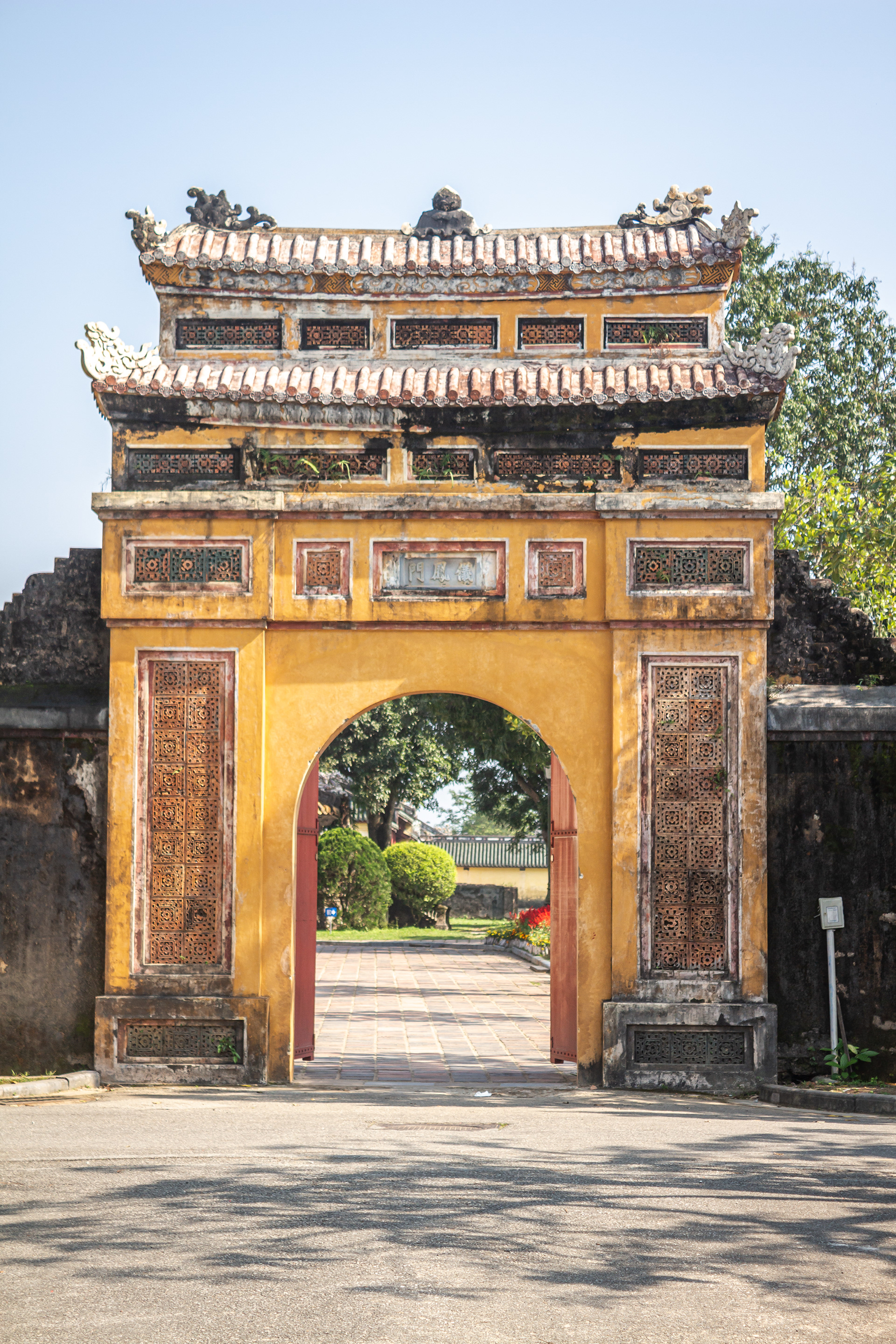
At the heart of Hue lies the Imperial City, a massive complex of palaces, temples, gates, and gardens enclosed by walls and a moat. Built in the early 19th century by Emperor Gia Long of the Nguyen Dynasty, the Citadel mirrors the Forbidden City in Beijing.
At the heart of Hue lies the Imperial City, a massive complex of palaces, temples, gates, and gardens enclosed by walls and a moat. Built in the early 19th century by Emperor Gia Long of the Nguyen Dynasty, the Citadel mirrors the Forbidden City in Beijing.
Highlights:
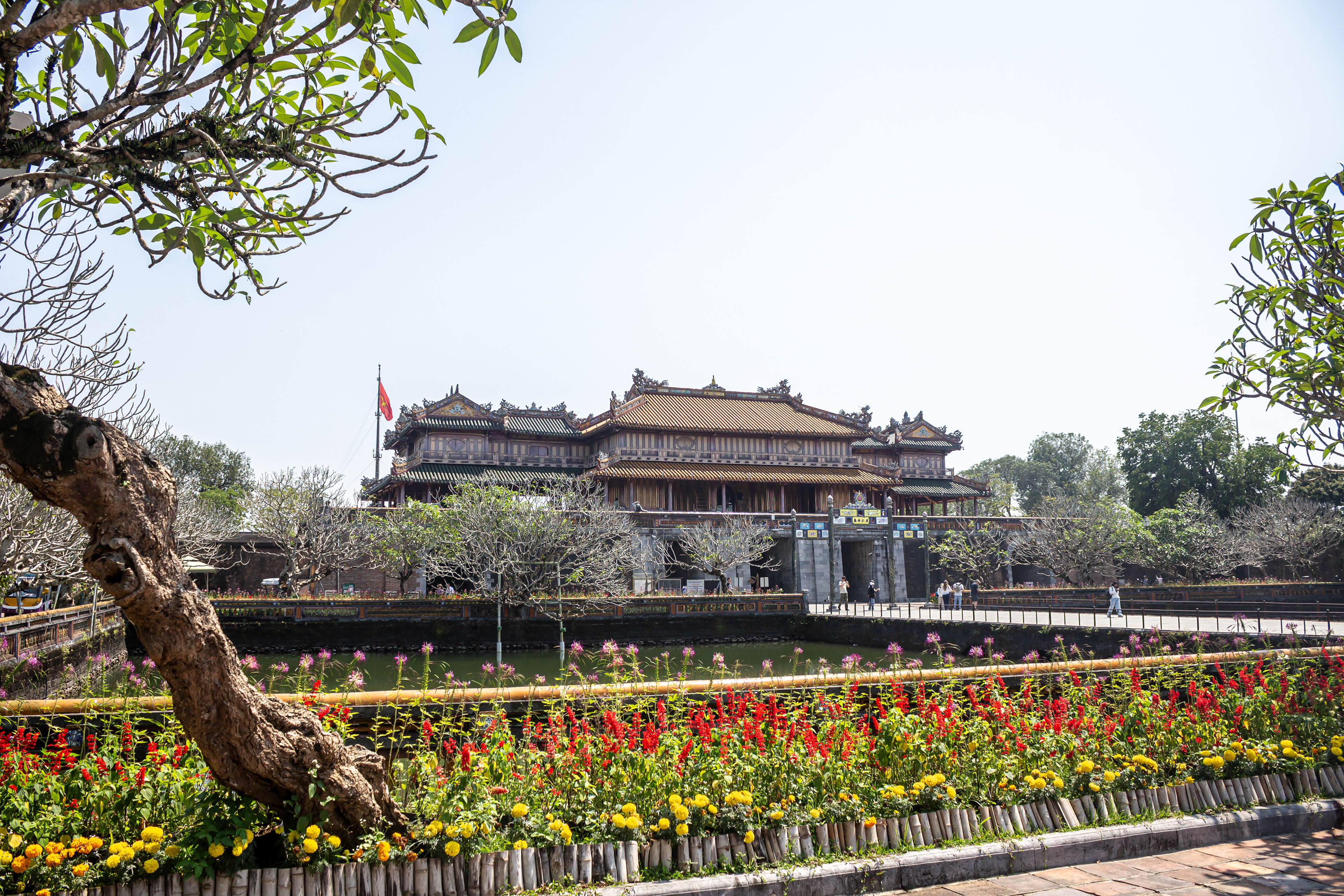
Ngo Mon Gate – the main entrance and a stunning architectural landmark.
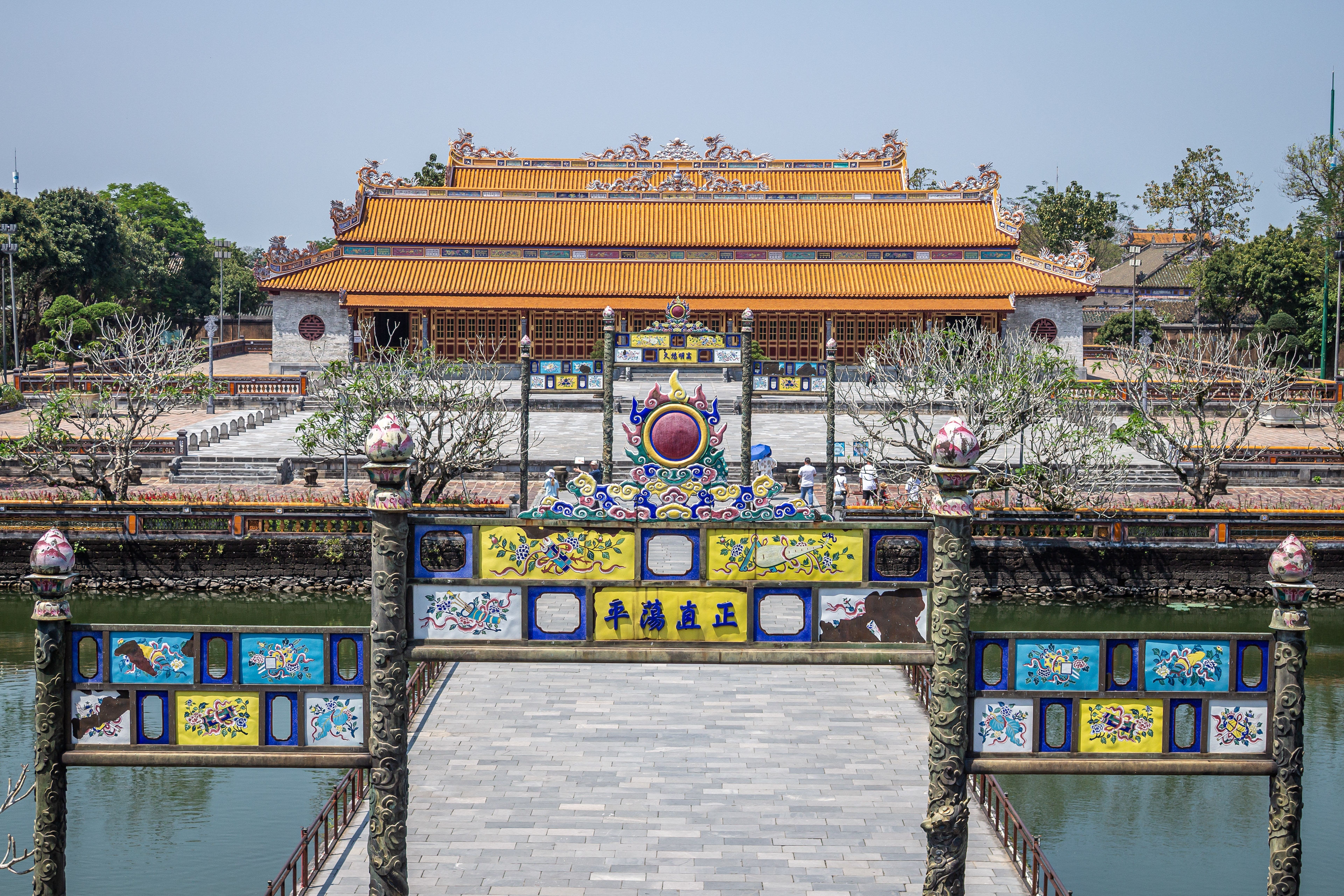
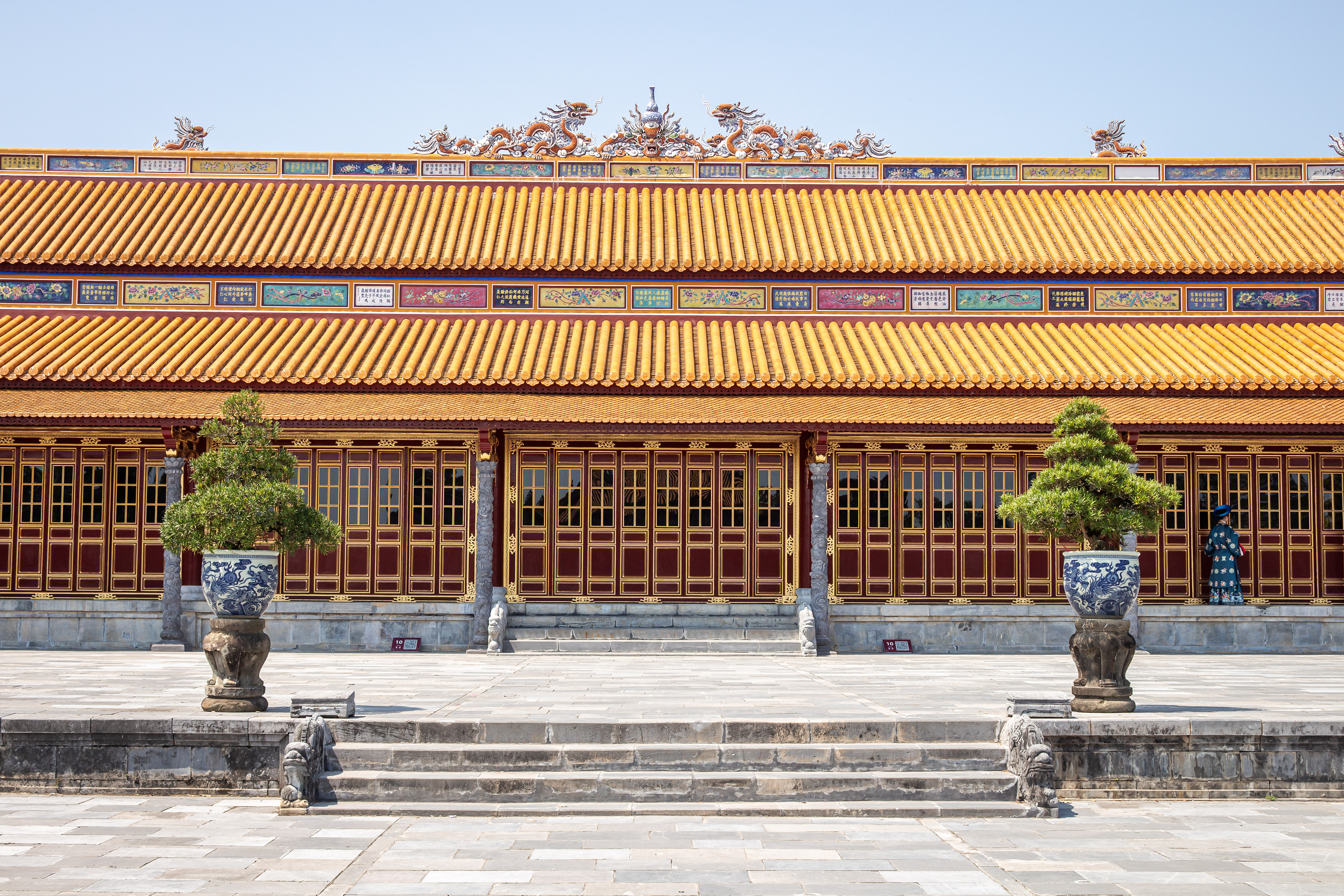
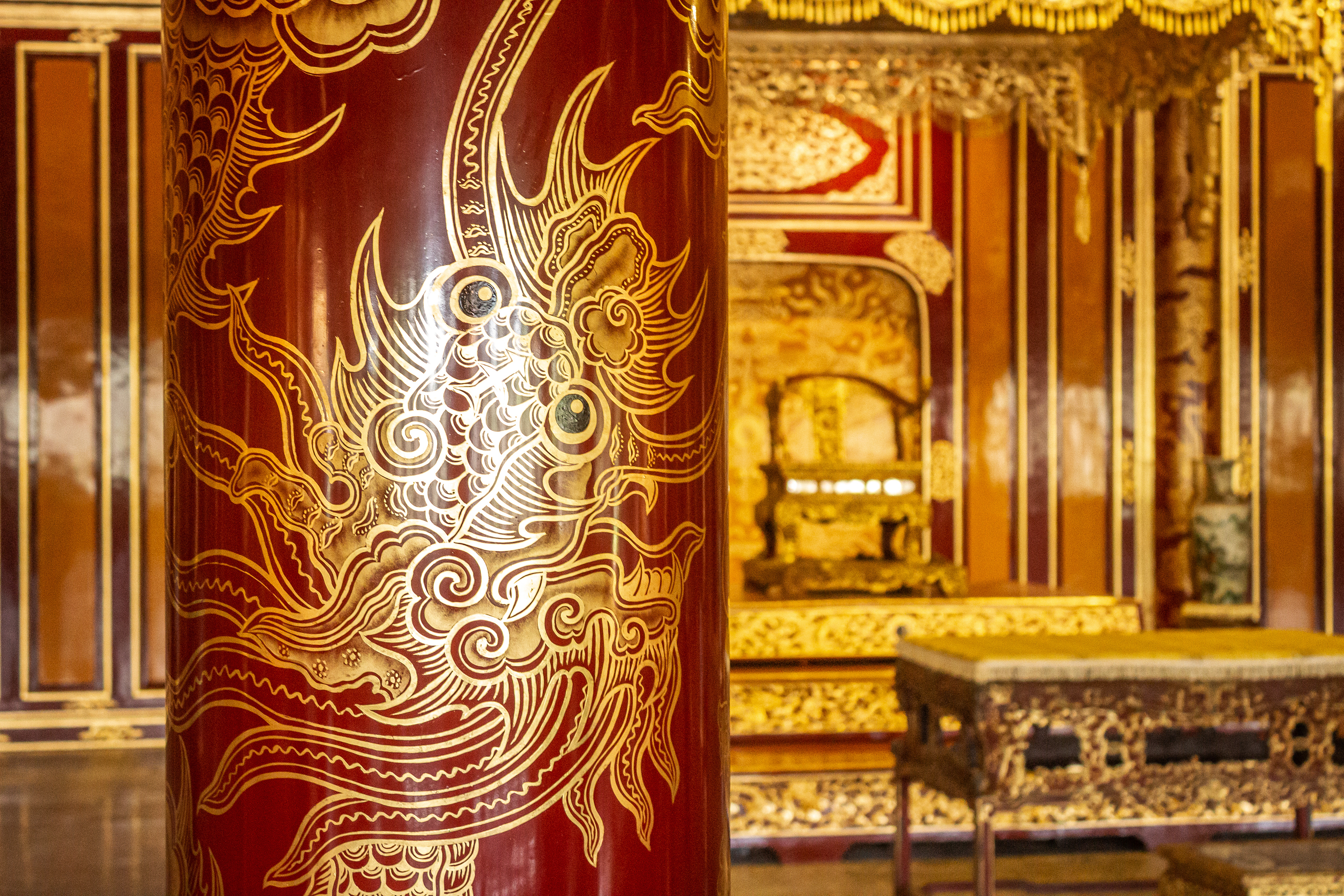
Thai Hoa Palace – the throne hall where emperors received guests.
Forbidden Purple City – the once-private residence of the royal family.
Ngo Mon Gate – the main entrance and a stunning architectural landmark.
Thai Hoa Palace – the throne hall where emperors received guests.
Forbidden Purple City – the once-private residence of the royal family.
Tip: Allocate at least 2–3 hours to explore the entire complex. Guided tours are highly recommended to understand the deep historical context.
Thien Mu Pagoda – Hue’s Spiritual Icon
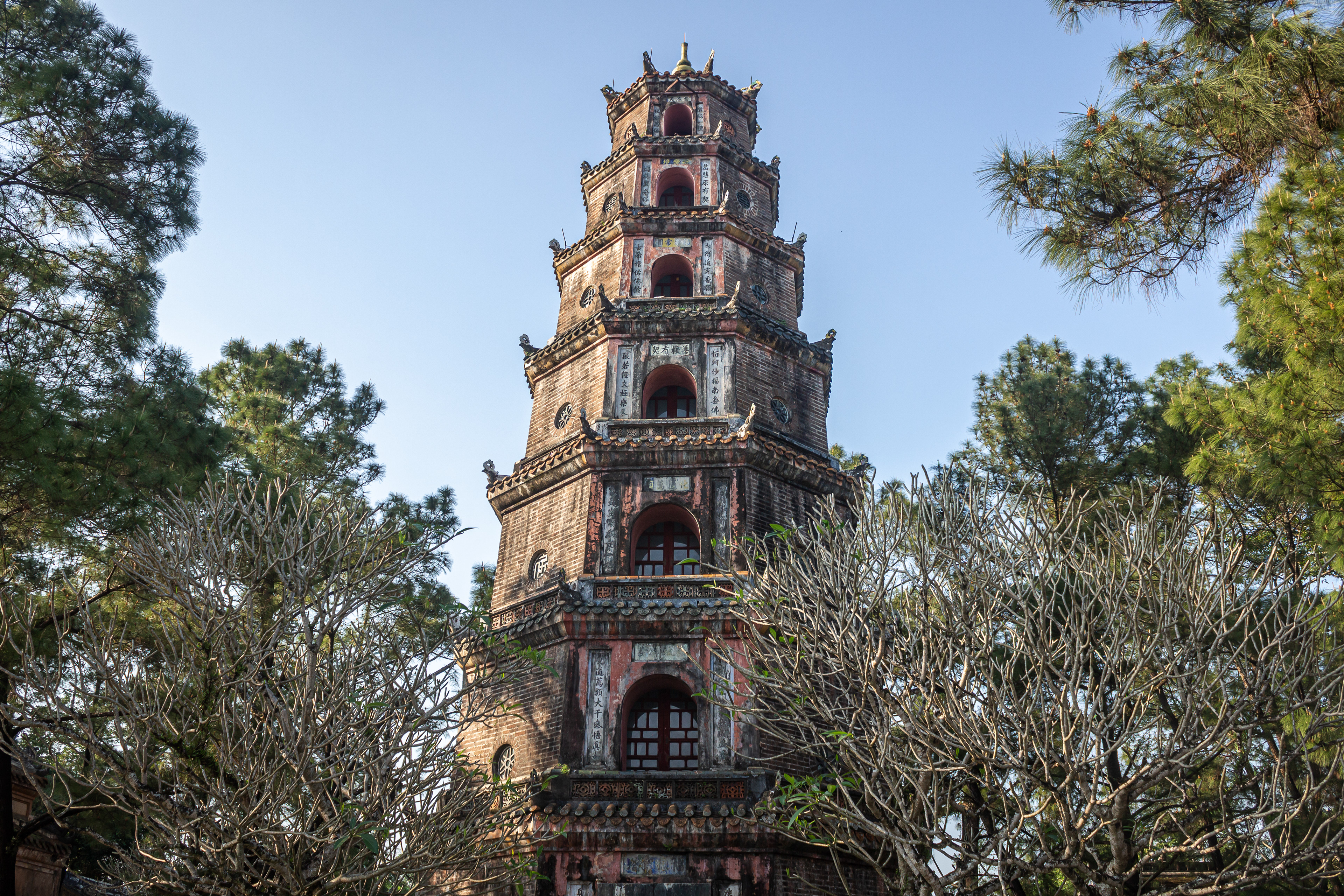
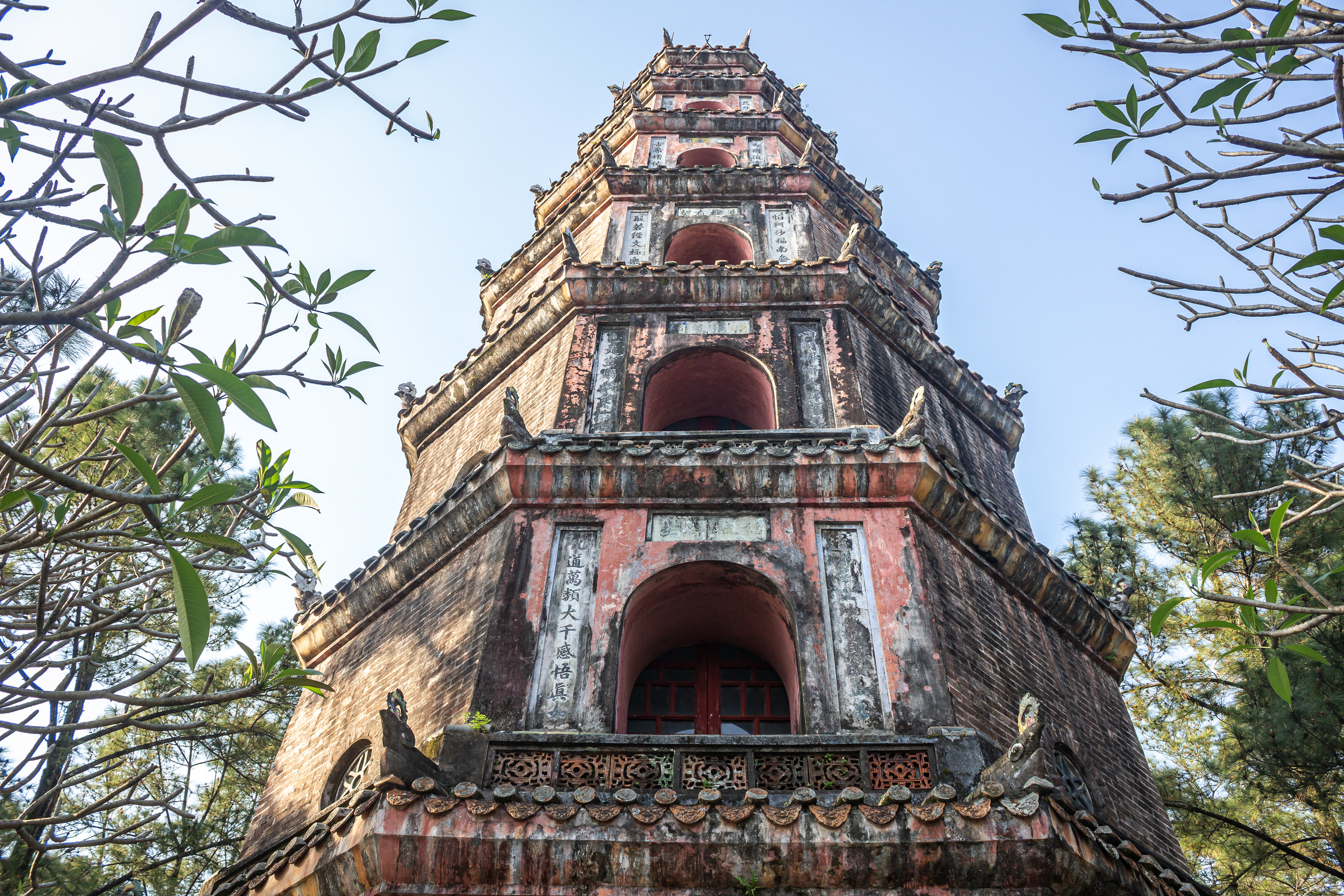
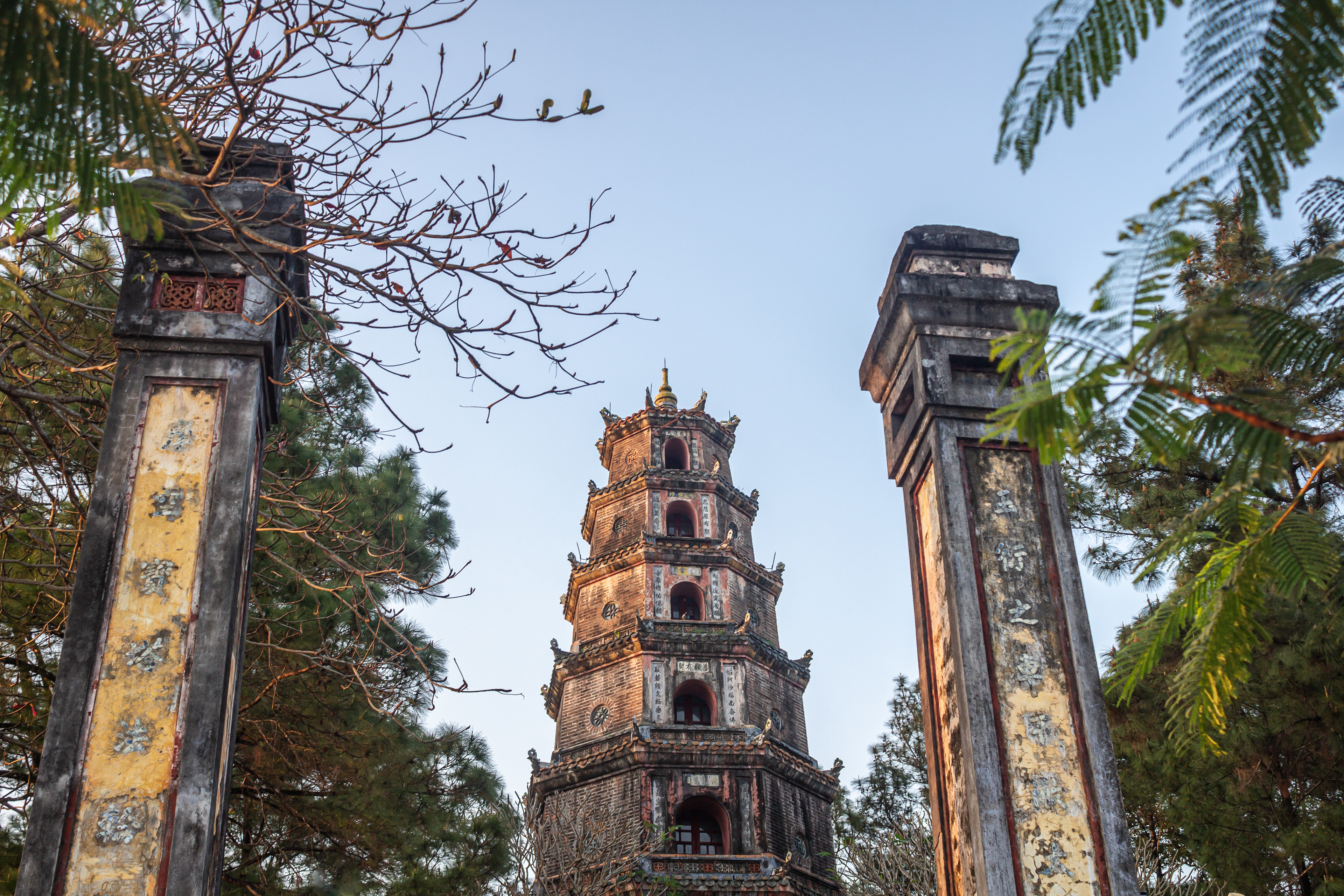
Perched on a hill overlooking the Perfume River, Thien Mu Pagoda is one of the oldest and most beautiful religious structures in Vietnam. The seven-story Phuoc Duyen Tower has become a symbol of Hue.
Perched on a hill overlooking the Perfume River, Thien Mu Pagoda is one of the oldest and most beautiful religious structures in Vietnam. The seven-story Phuoc Duyen Tower has become a symbol of Hue.
Don't Miss:
The historic car driven by the monk Thich Quang Duc before his famous self-immolation in 1963, which is on display here.
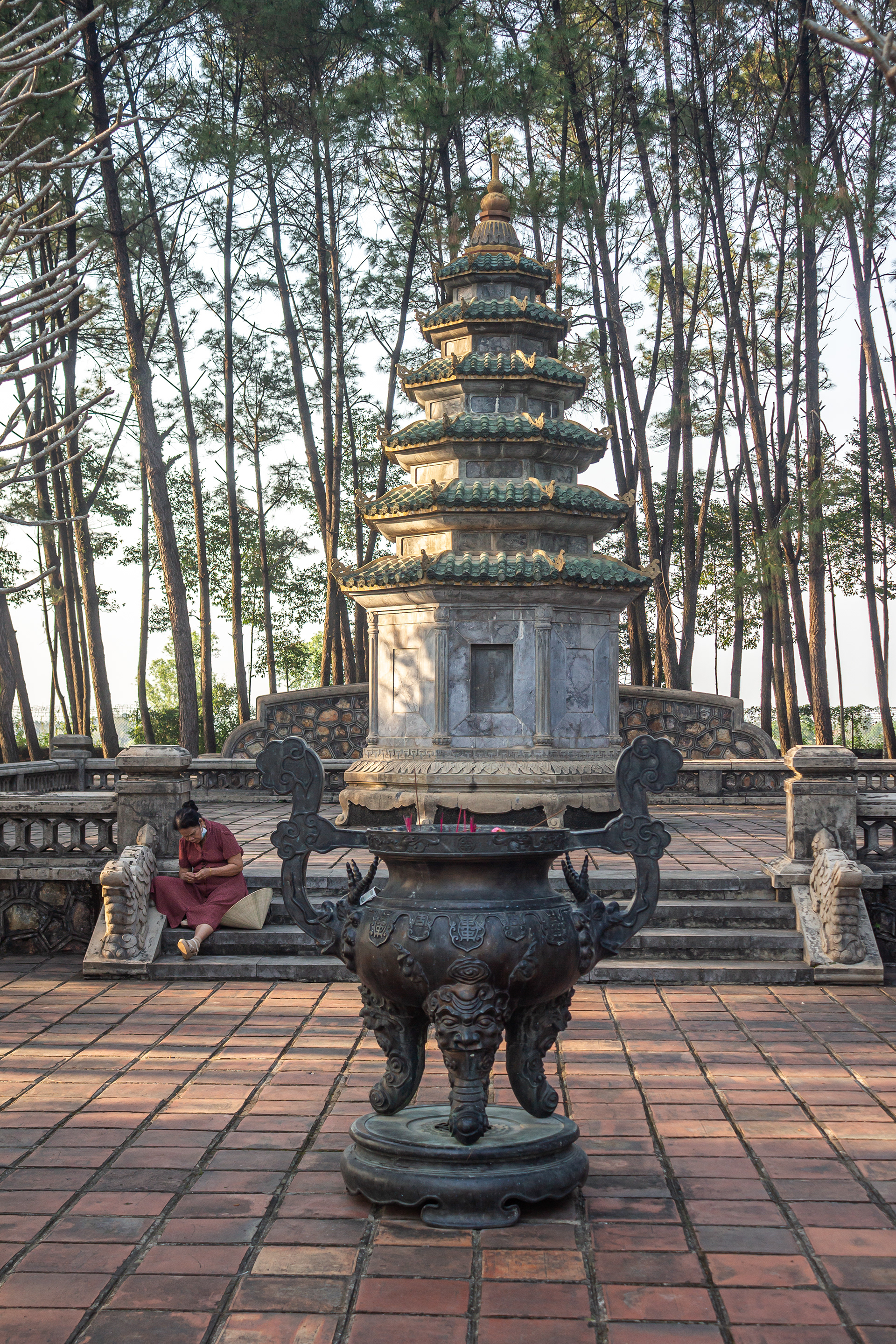
Serene gardens and views over the Perfume River.
The historic car driven by the monk Thich Quang Duc before his famous self-immolation in 1963, which is on display here.
Serene gardens and views over the Perfume River.
Royal Tombs of the Nguyen Emperors
The tombs of the Nguyen Dynasty emperors are scattered around Hue, each with unique architectural styles and philosophies.
The tombs of the Nguyen Dynasty emperors are scattered around Hue, each with unique architectural styles and philosophies.
Perfume River – A Scenic Cruise
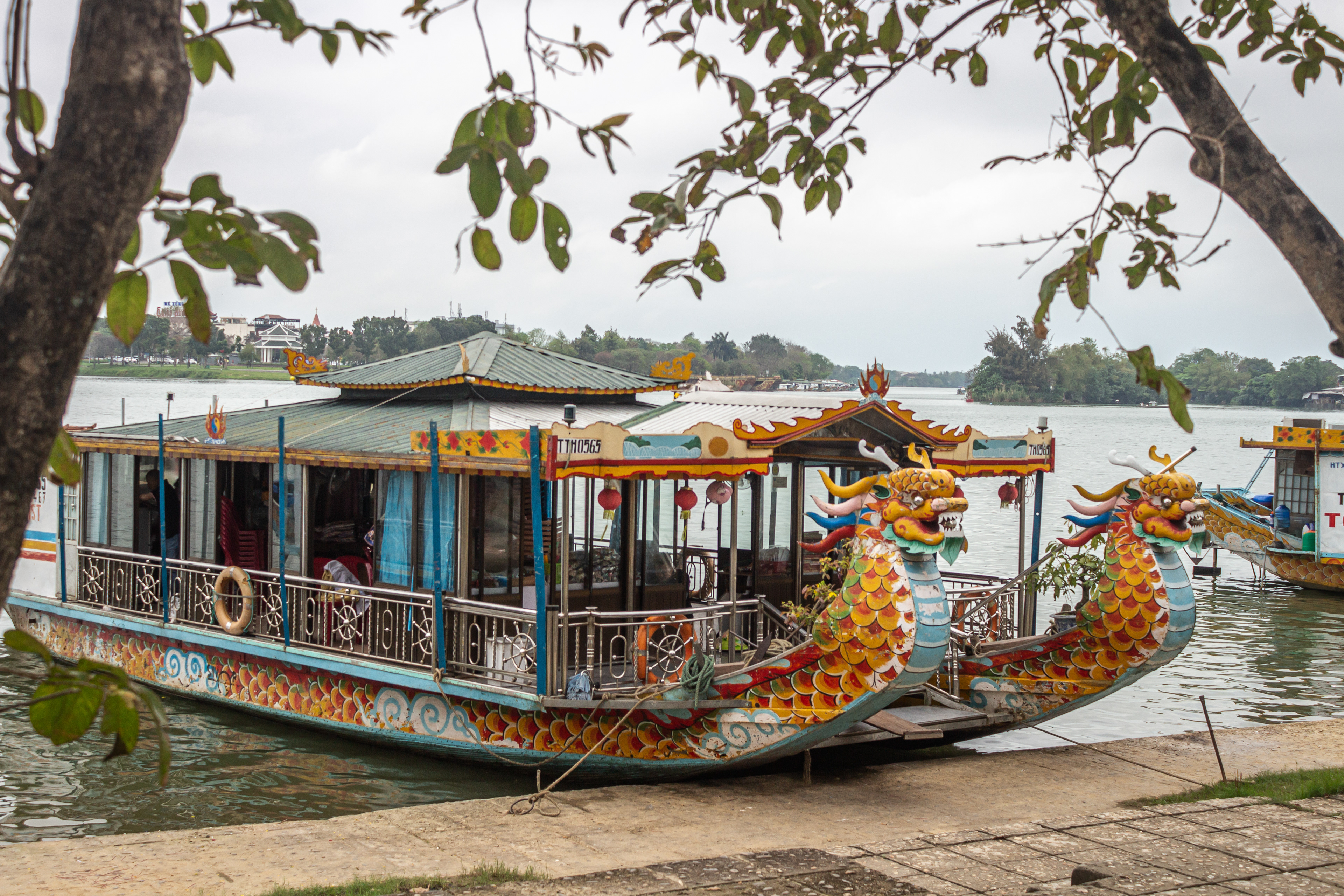
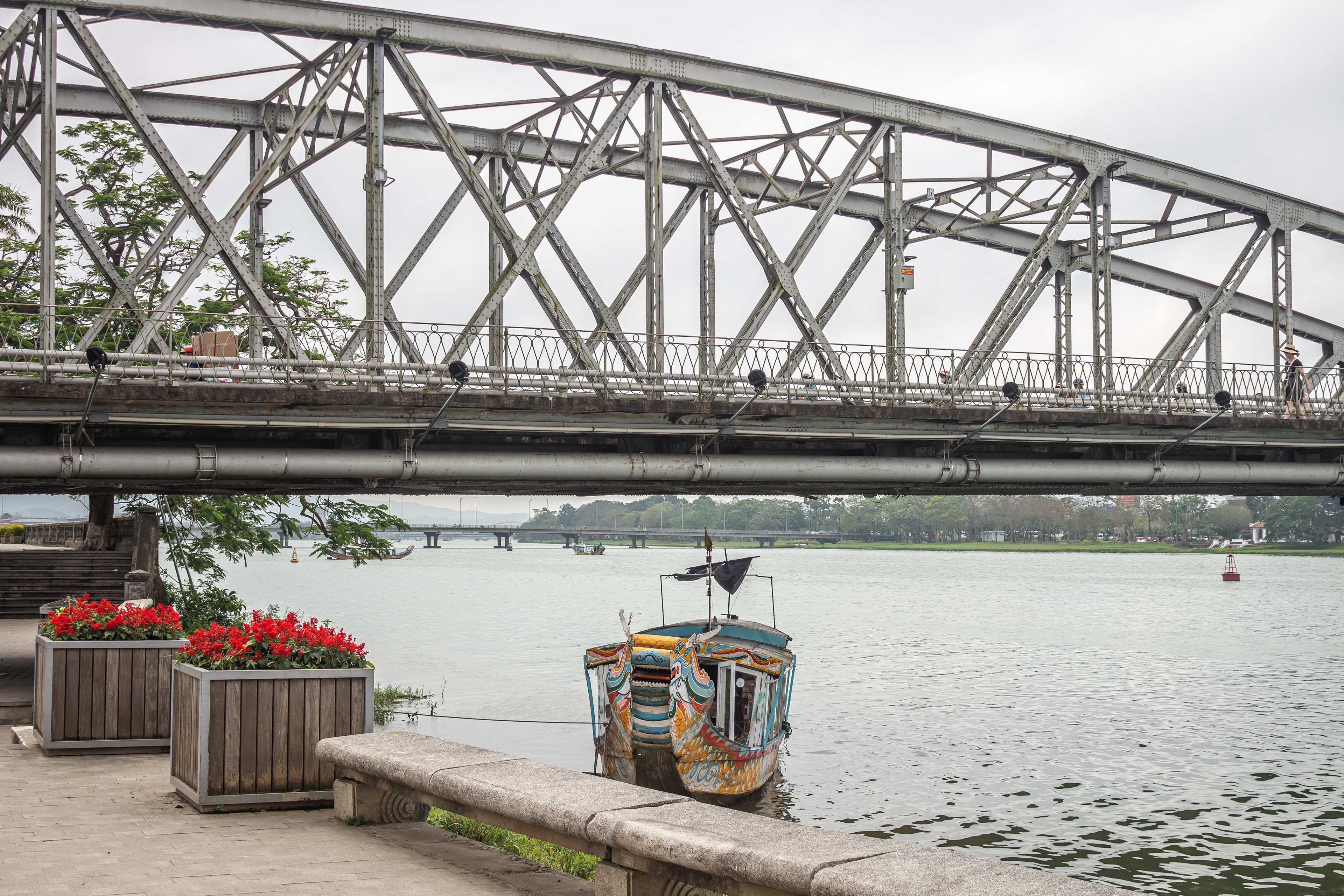
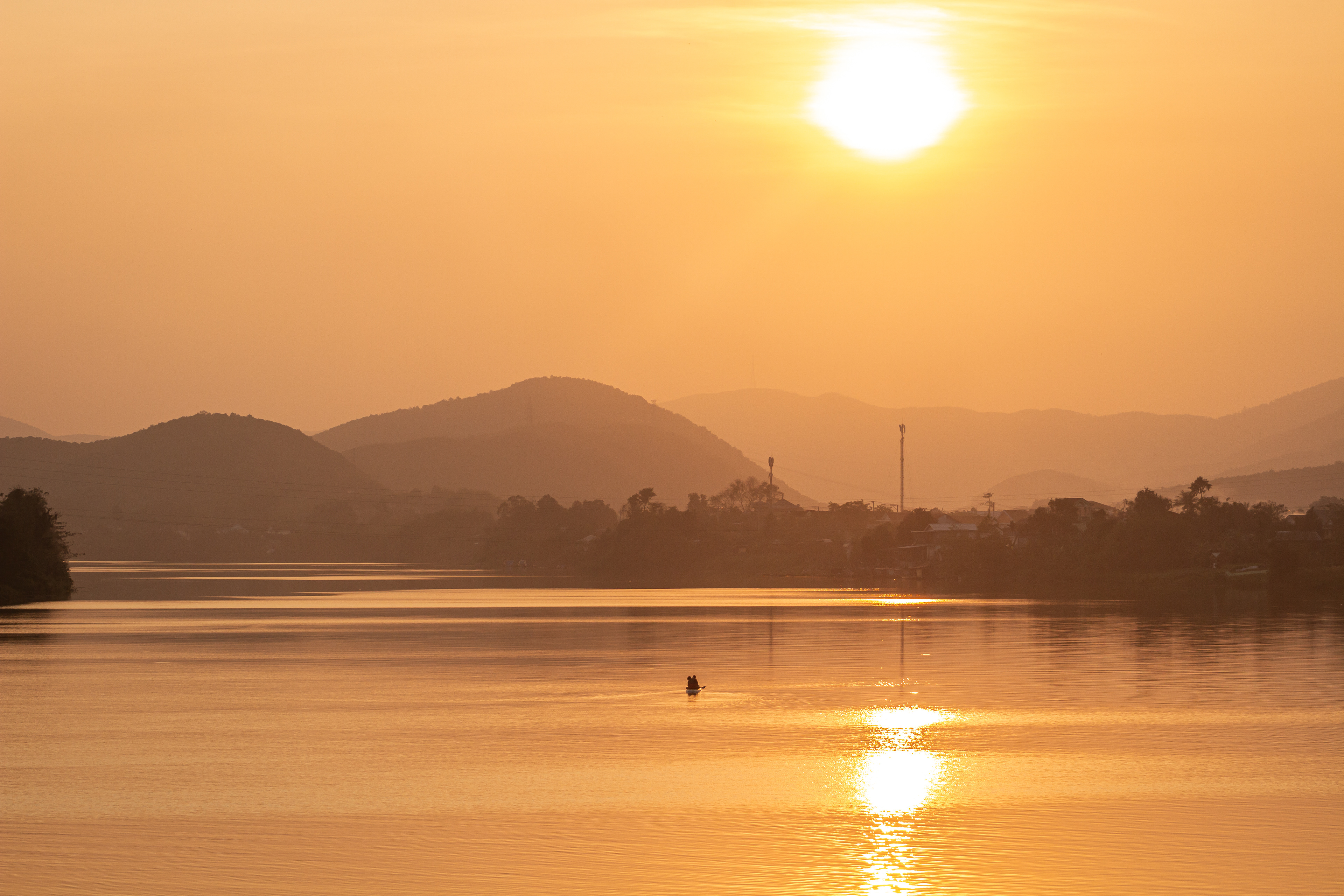
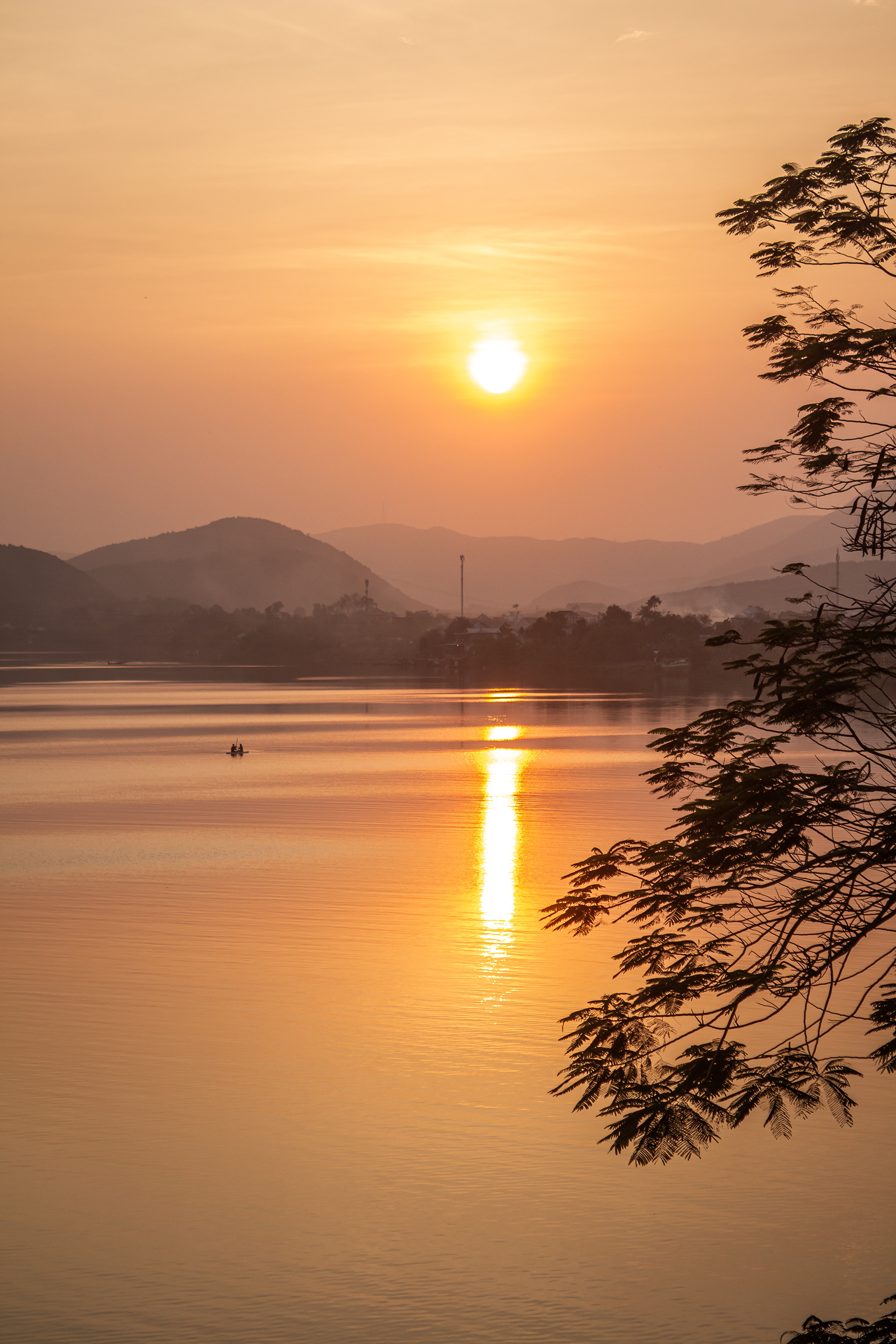
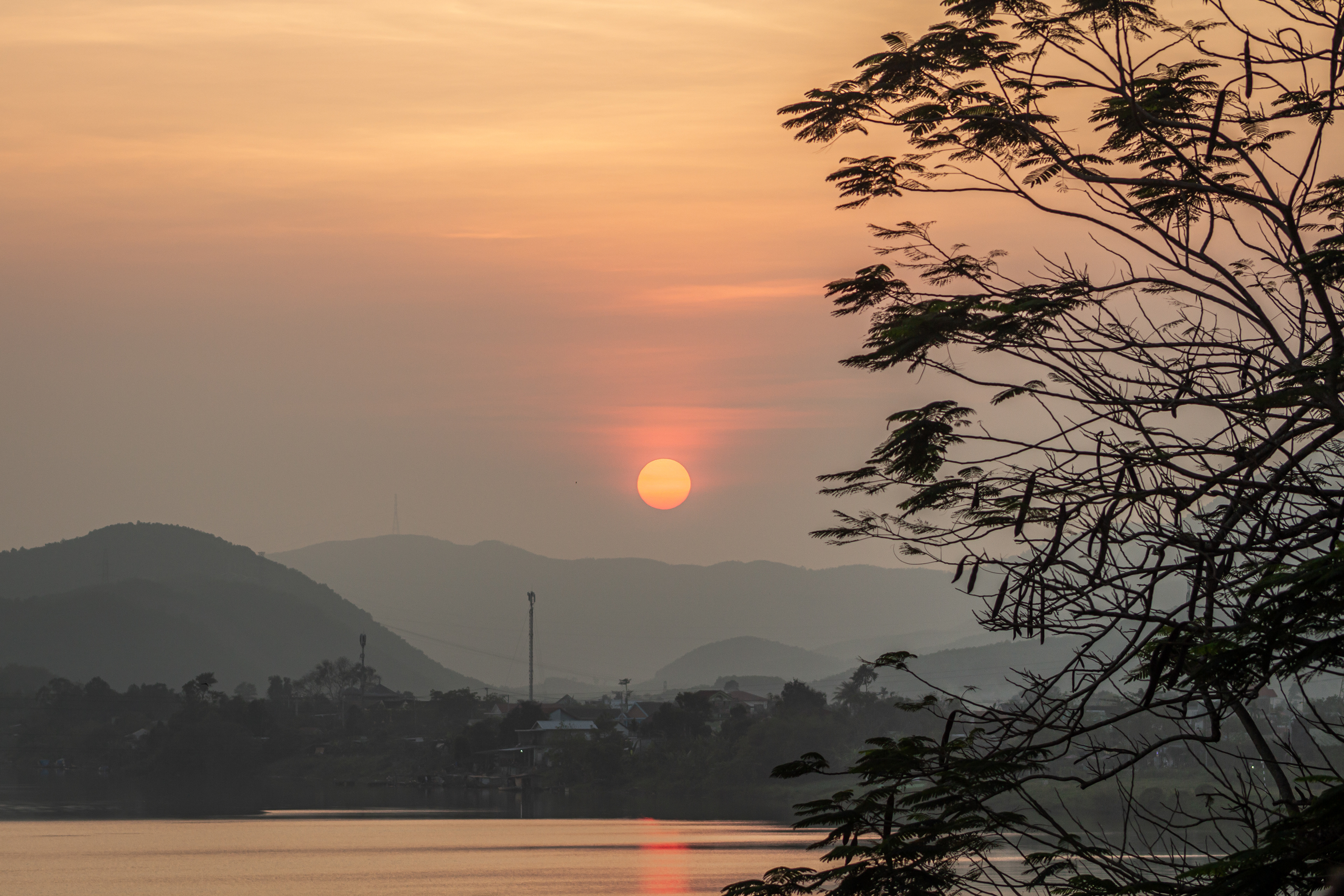
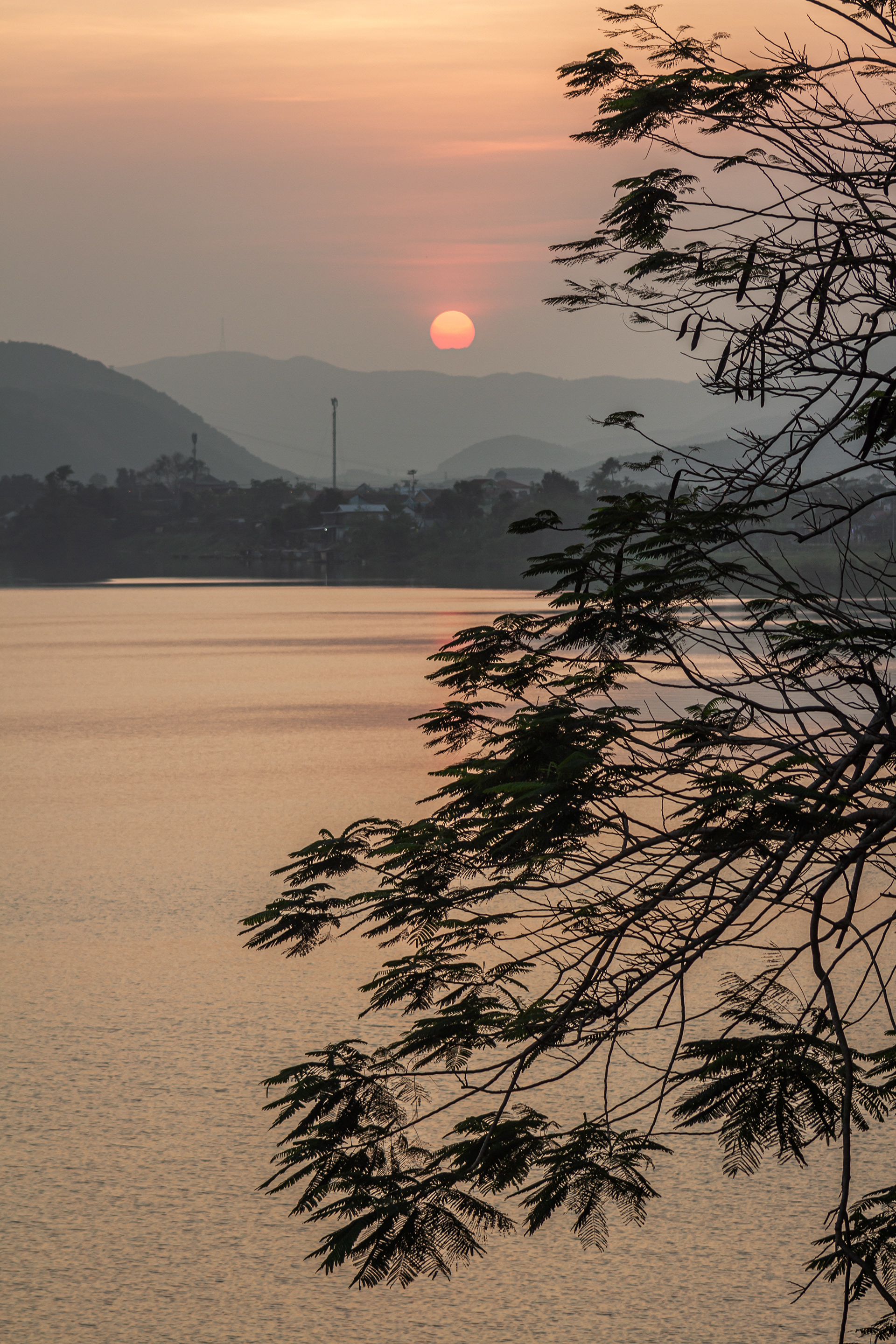
The Perfume River (Song Huong) winds through the city and is best experienced by boat. Traditional dragon boats offer peaceful cruises past pagodas, villages, and tombs, especially picturesque during sunset.
The Perfume River (Song Huong) winds through the city and is best experienced by boat. Traditional dragon boats offer peaceful cruises past pagodas, villages, and tombs, especially picturesque during sunset.
Dong Ba Market – A Local Experience
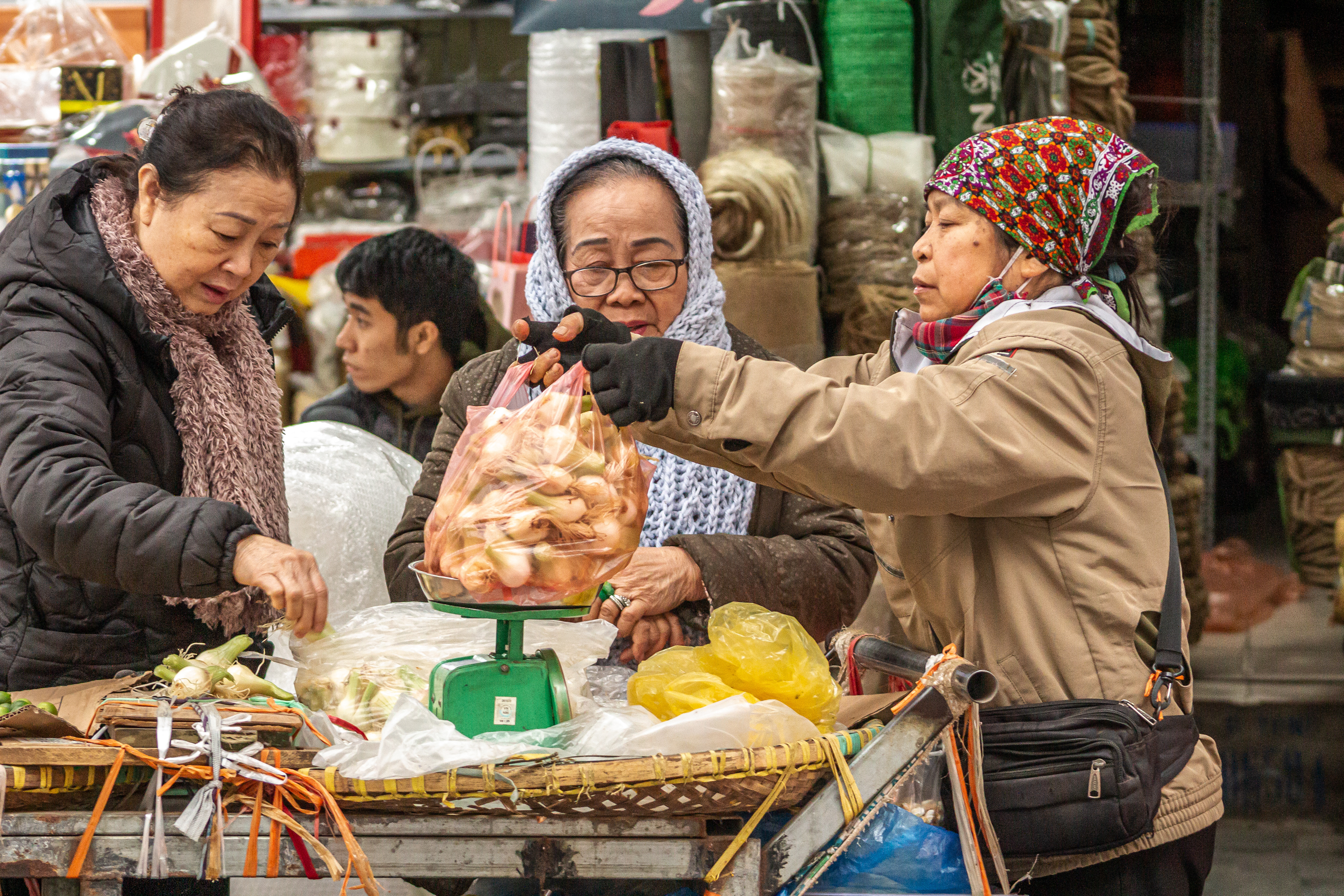
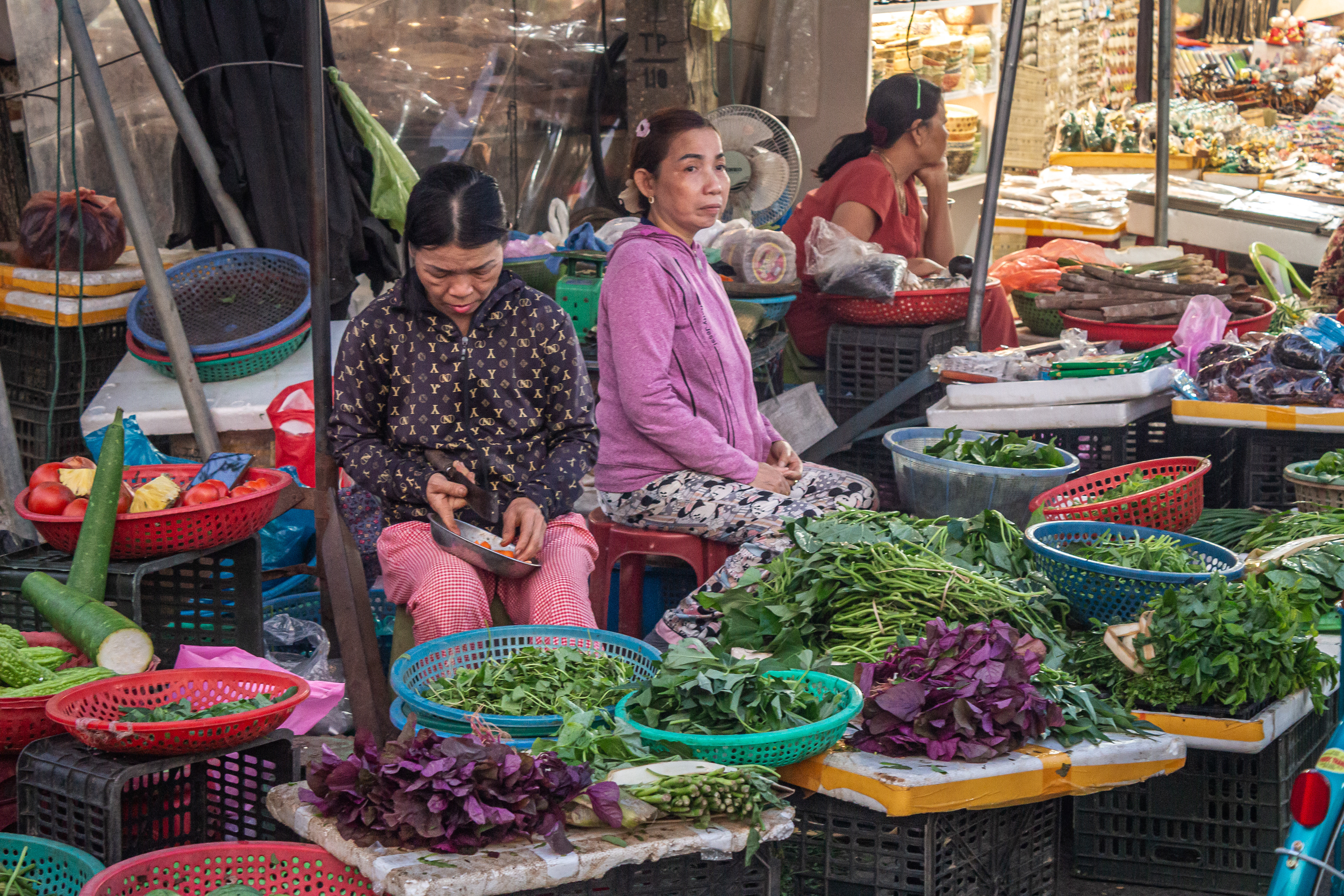
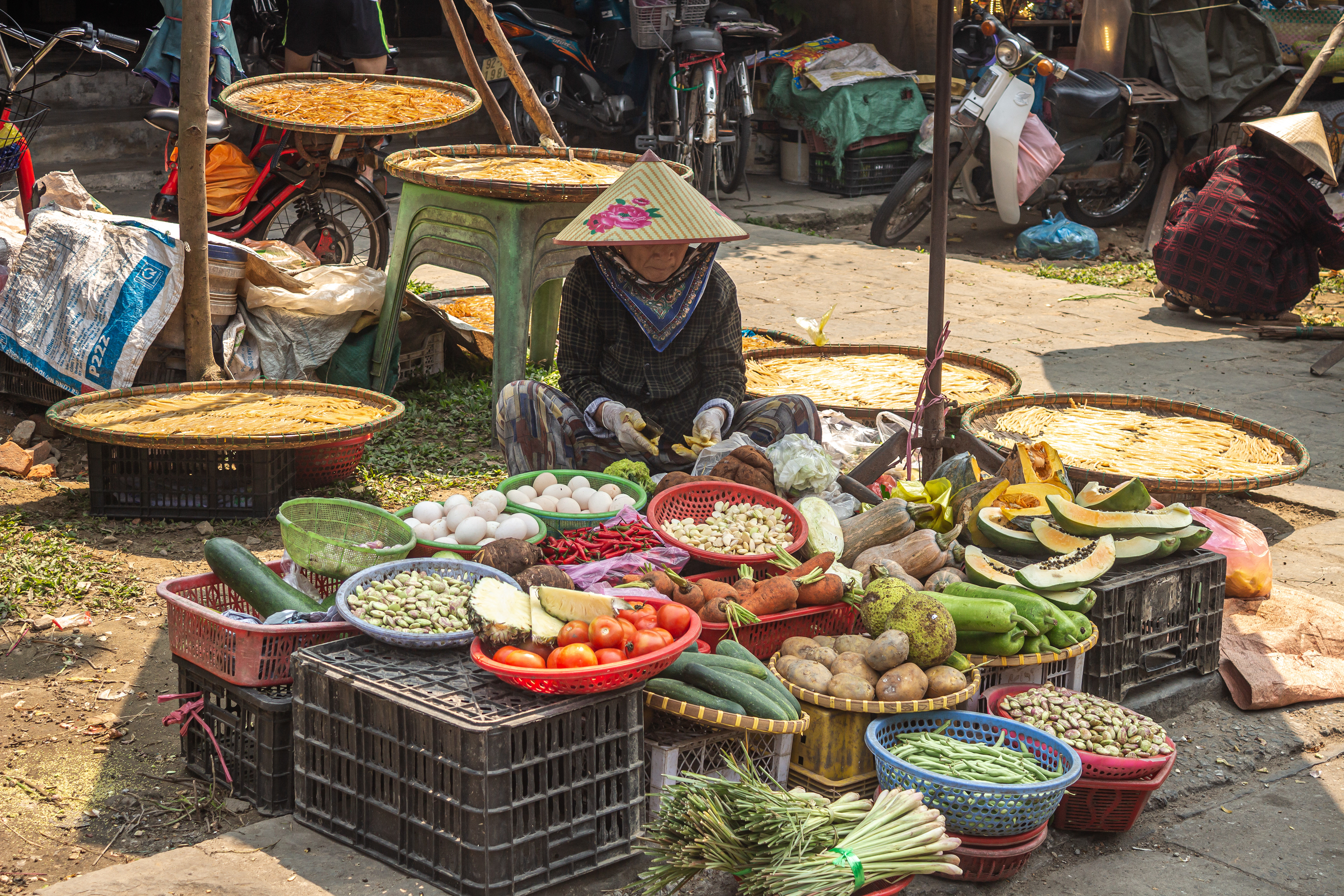
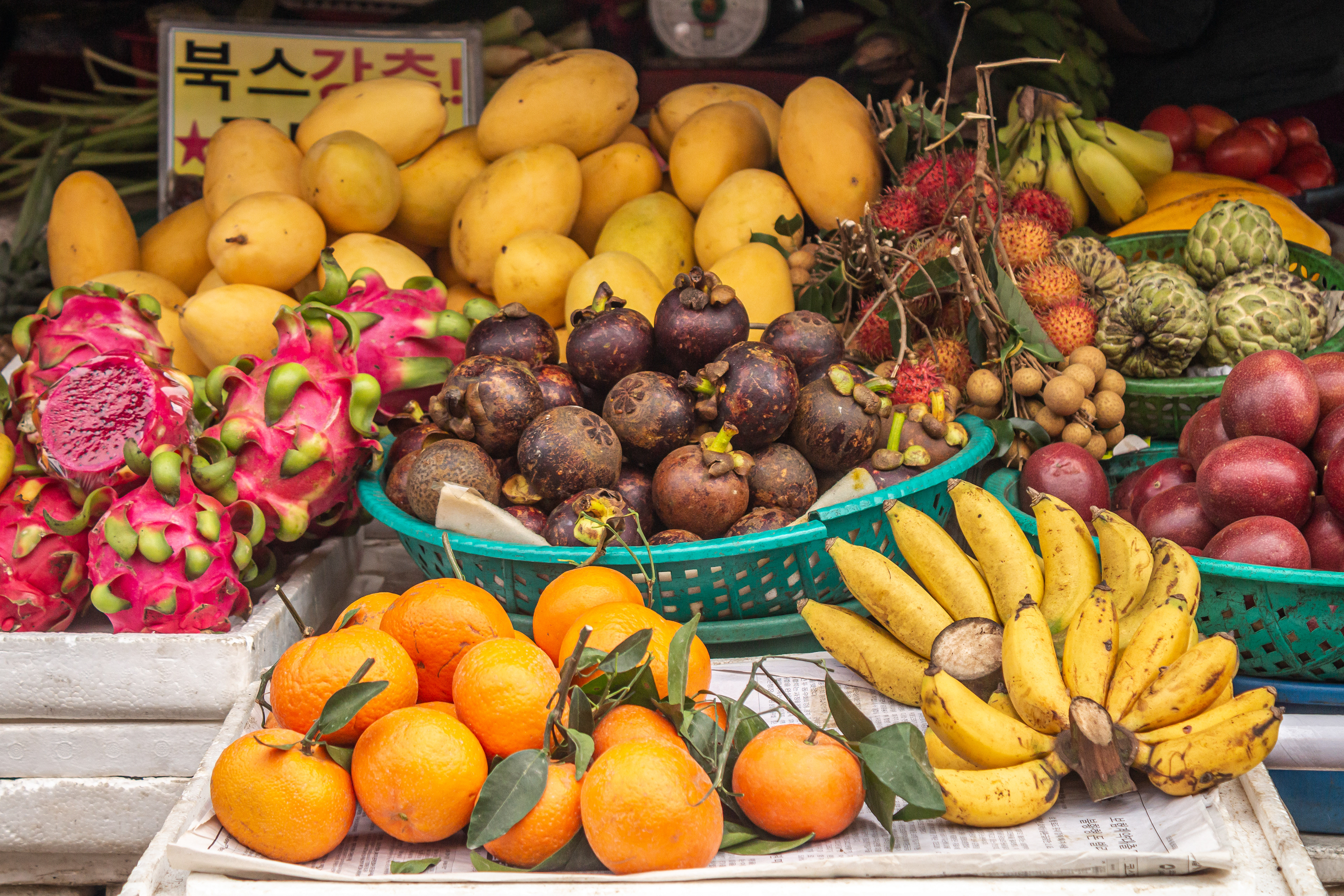
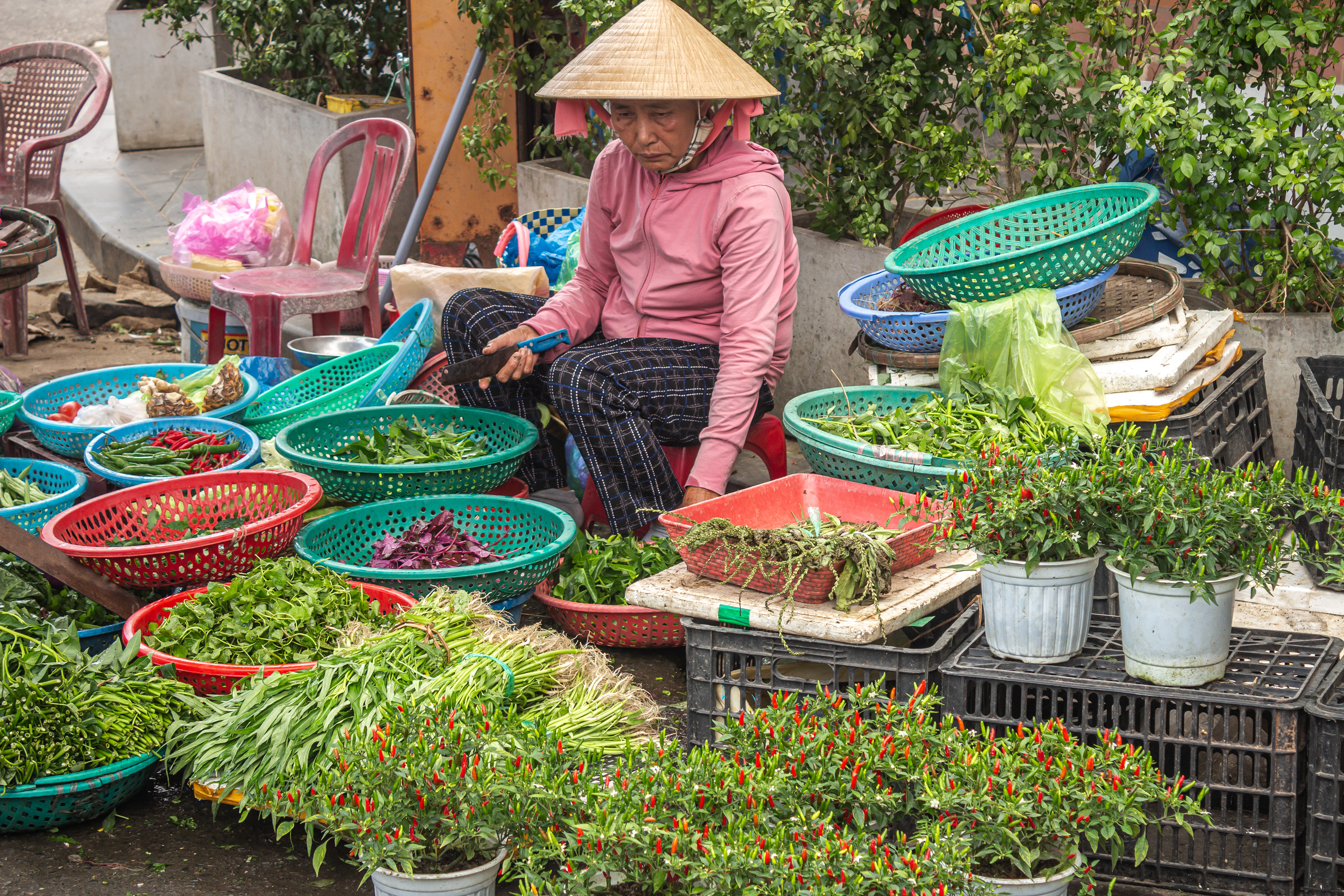
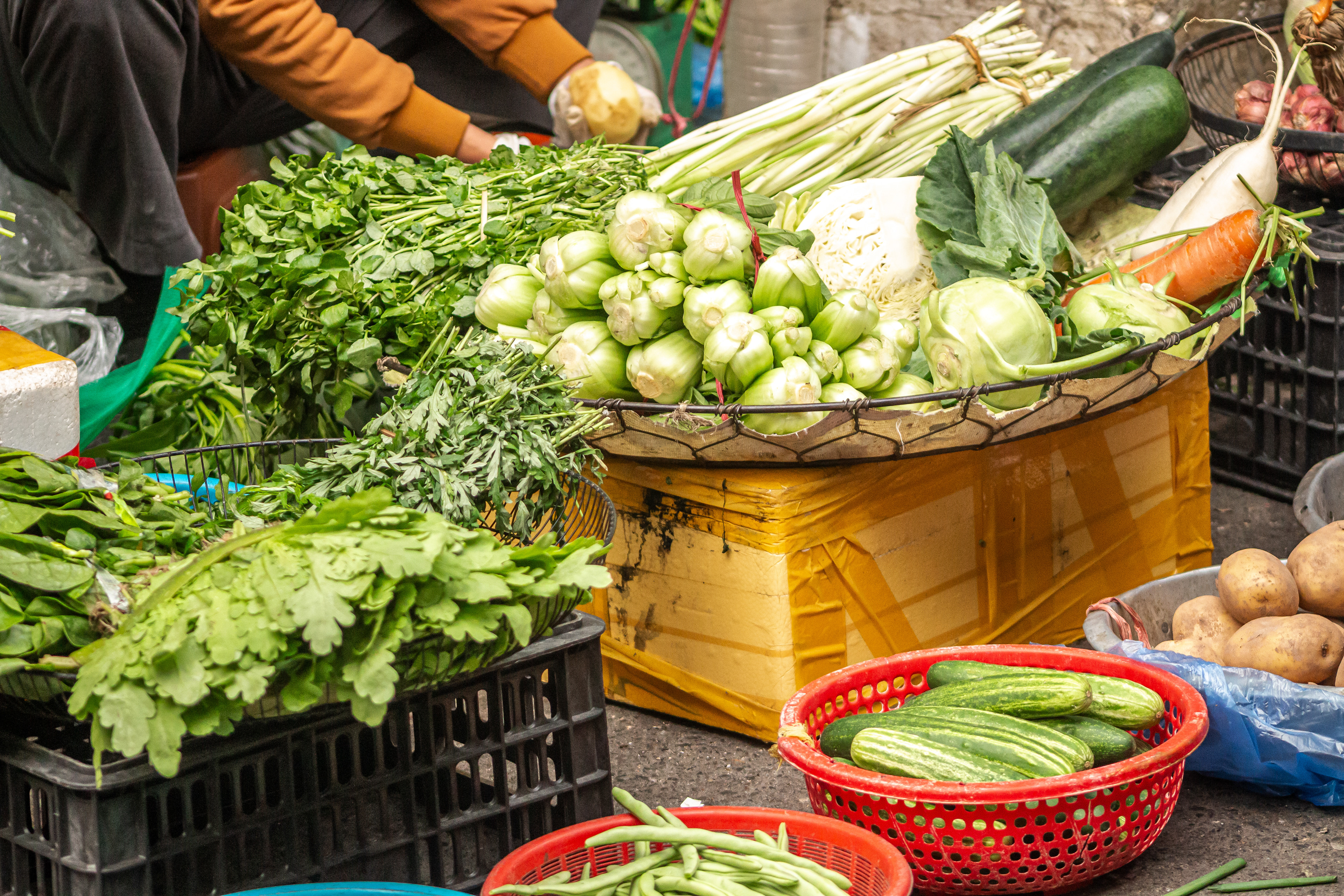
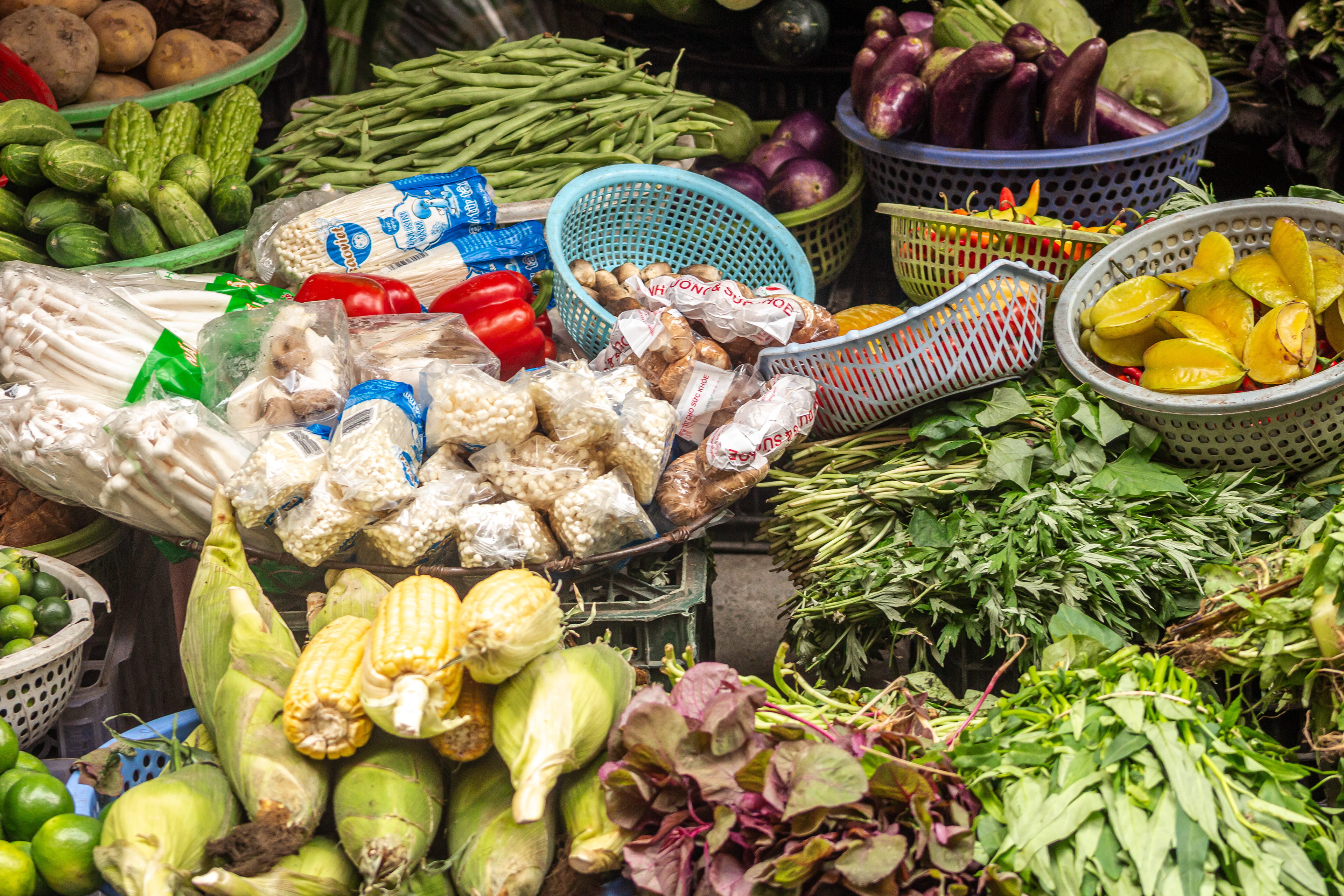
For a glimpse into local life, head to Dong Ba Market, Hue’s largest traditional market. You’ll find everything from spices and silk to souvenirs and street food.
Must-Try Foods:
Bun bo Hue – Hue’s signature spicy beef noodle soup.
Banh khoai – A crispy savory pancake.
Nem lui – Lemongrass pork skewers served with rice paper and herbs.
Bun bo Hue – Hue’s signature spicy beef noodle soup.
Banh khoai – A crispy savory pancake.
Nem lui – Lemongrass pork skewers served with rice paper and herbs.
Hoi An, Vietnam: A Timeless Travel Guide to the City of Lanterns
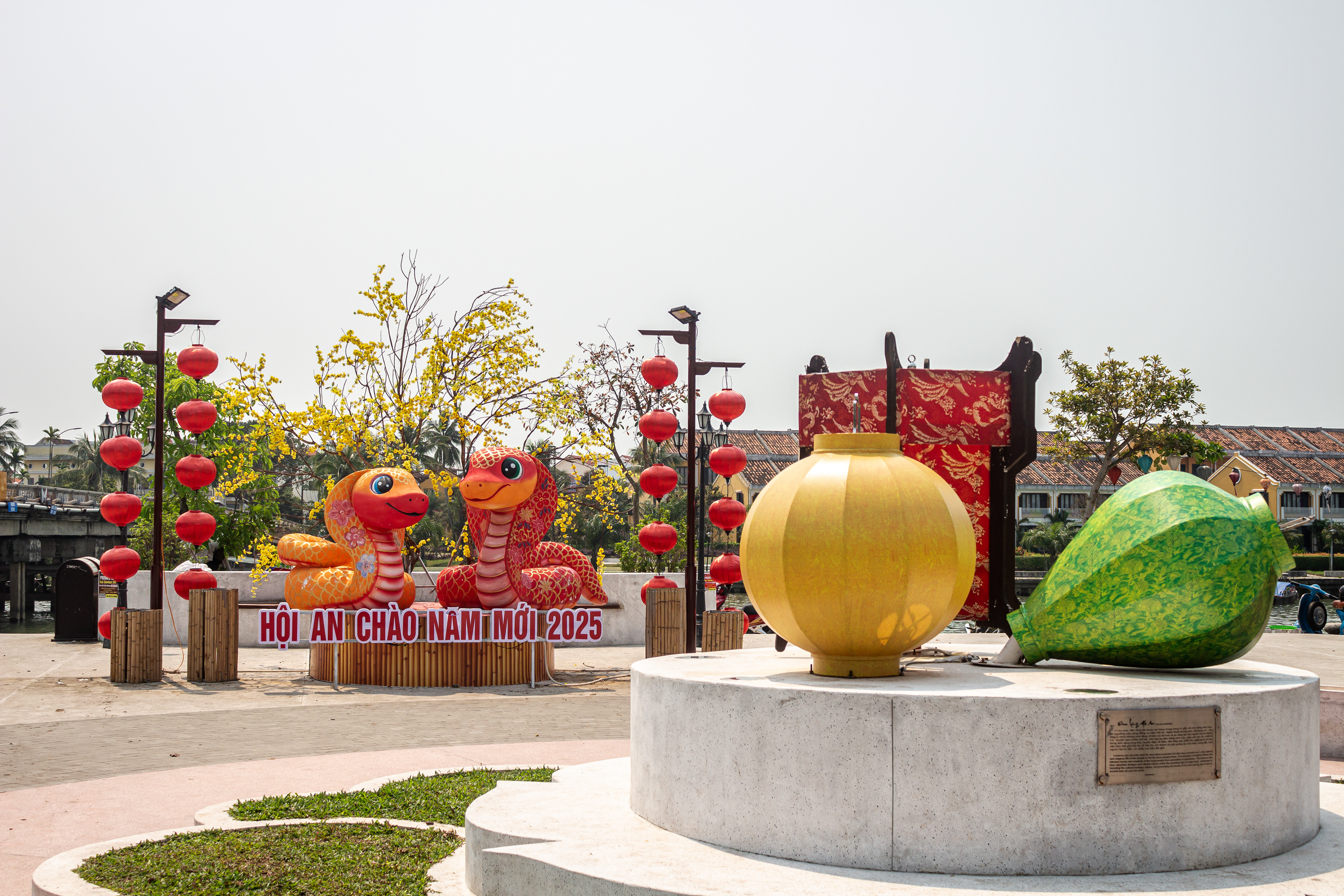
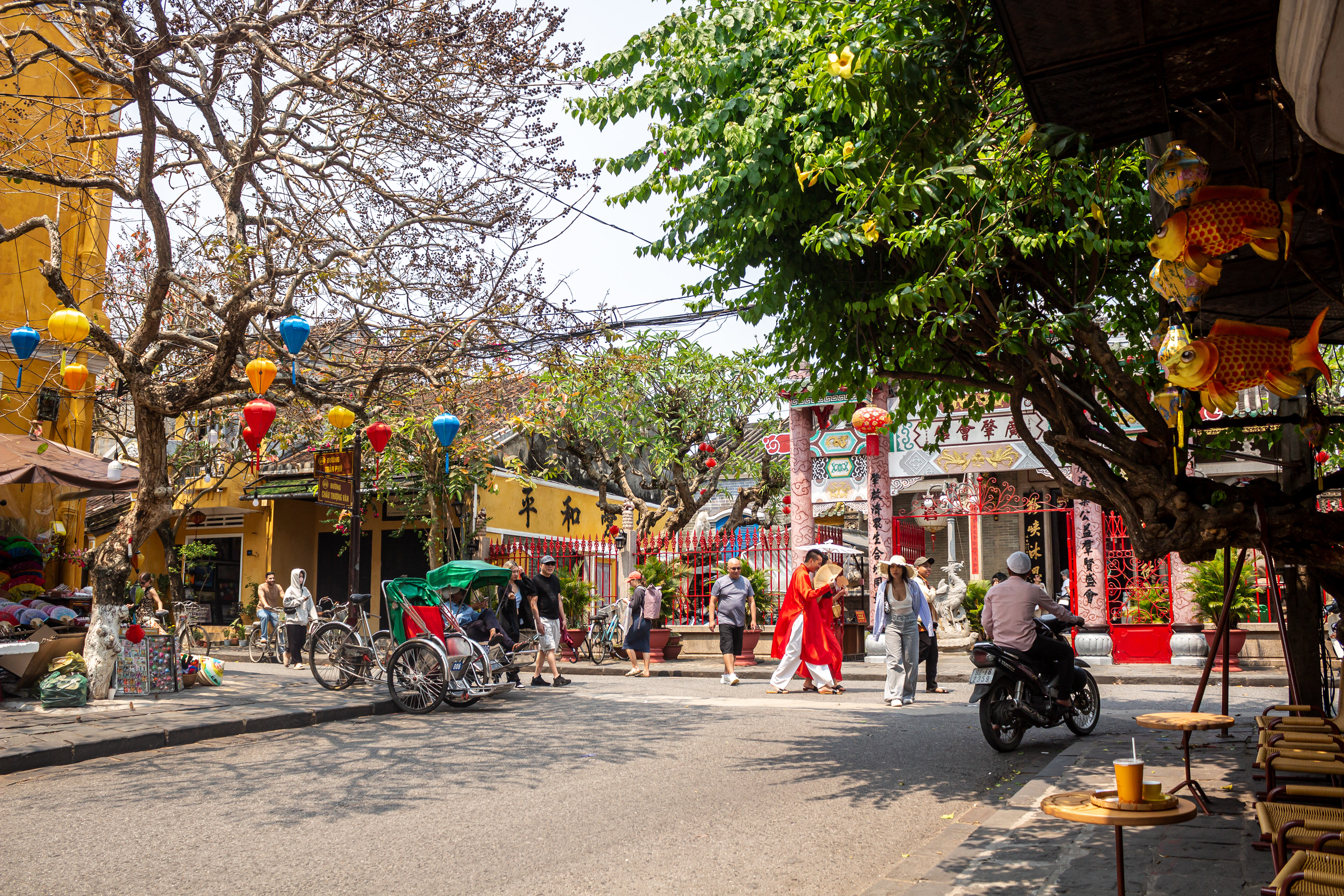
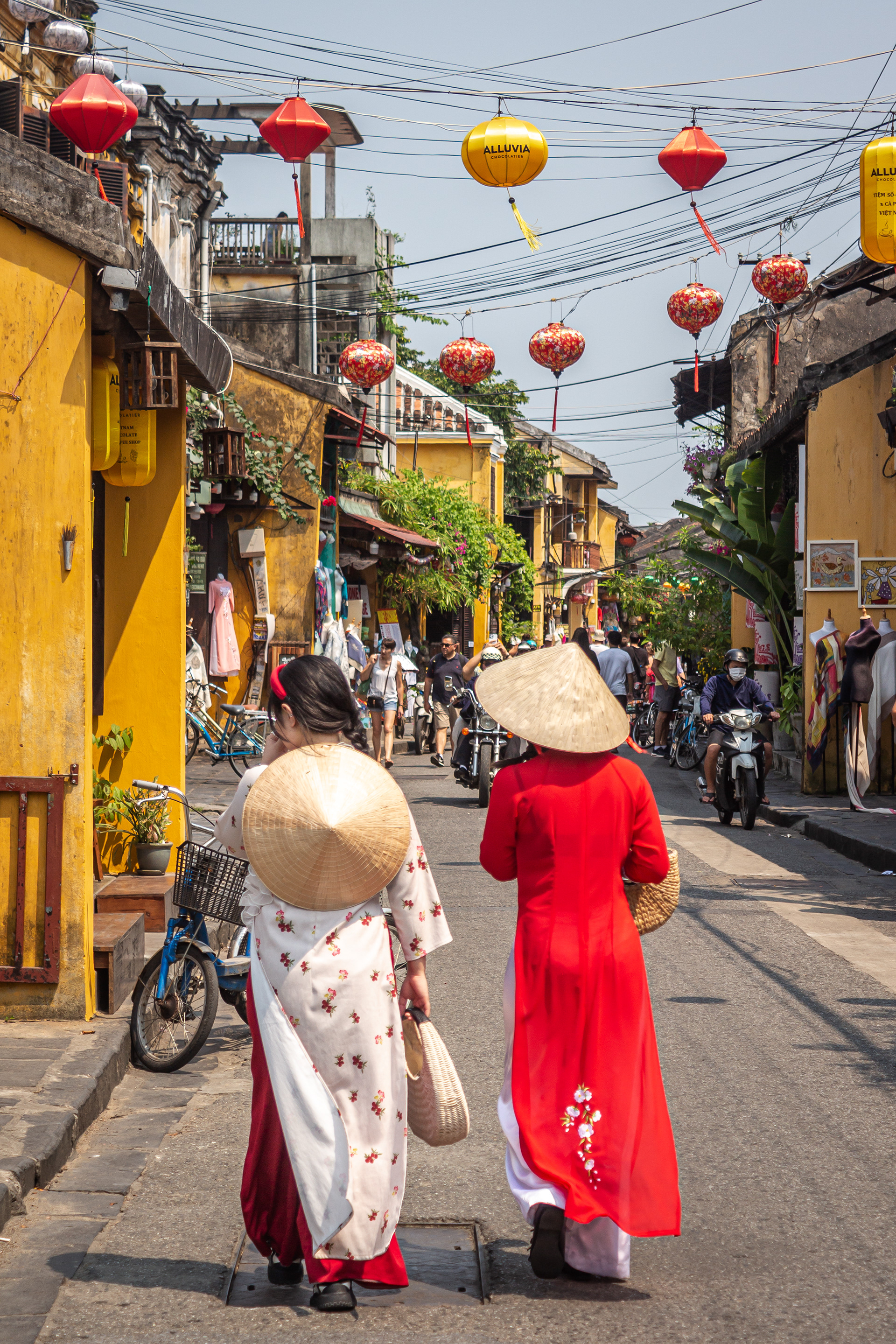
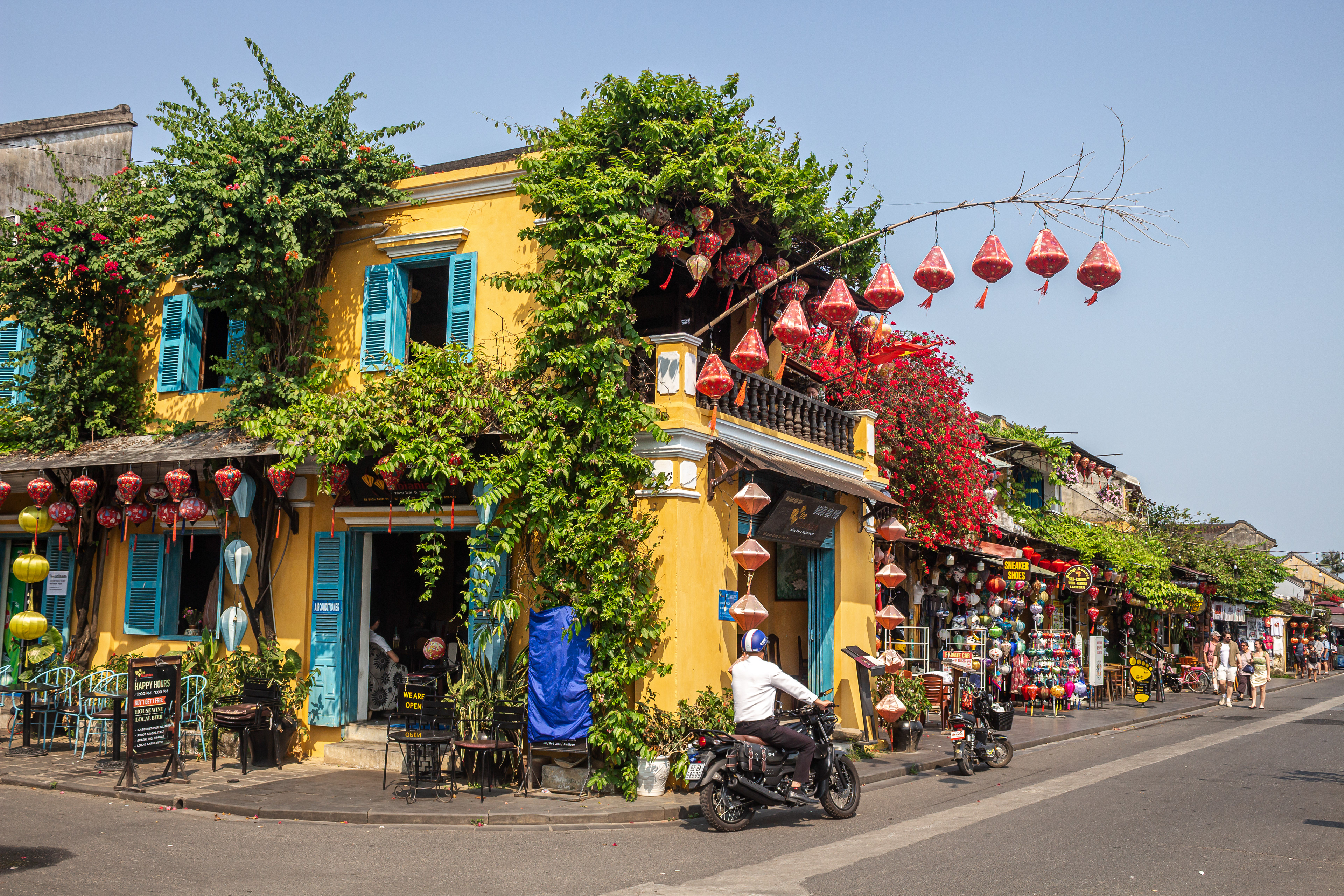
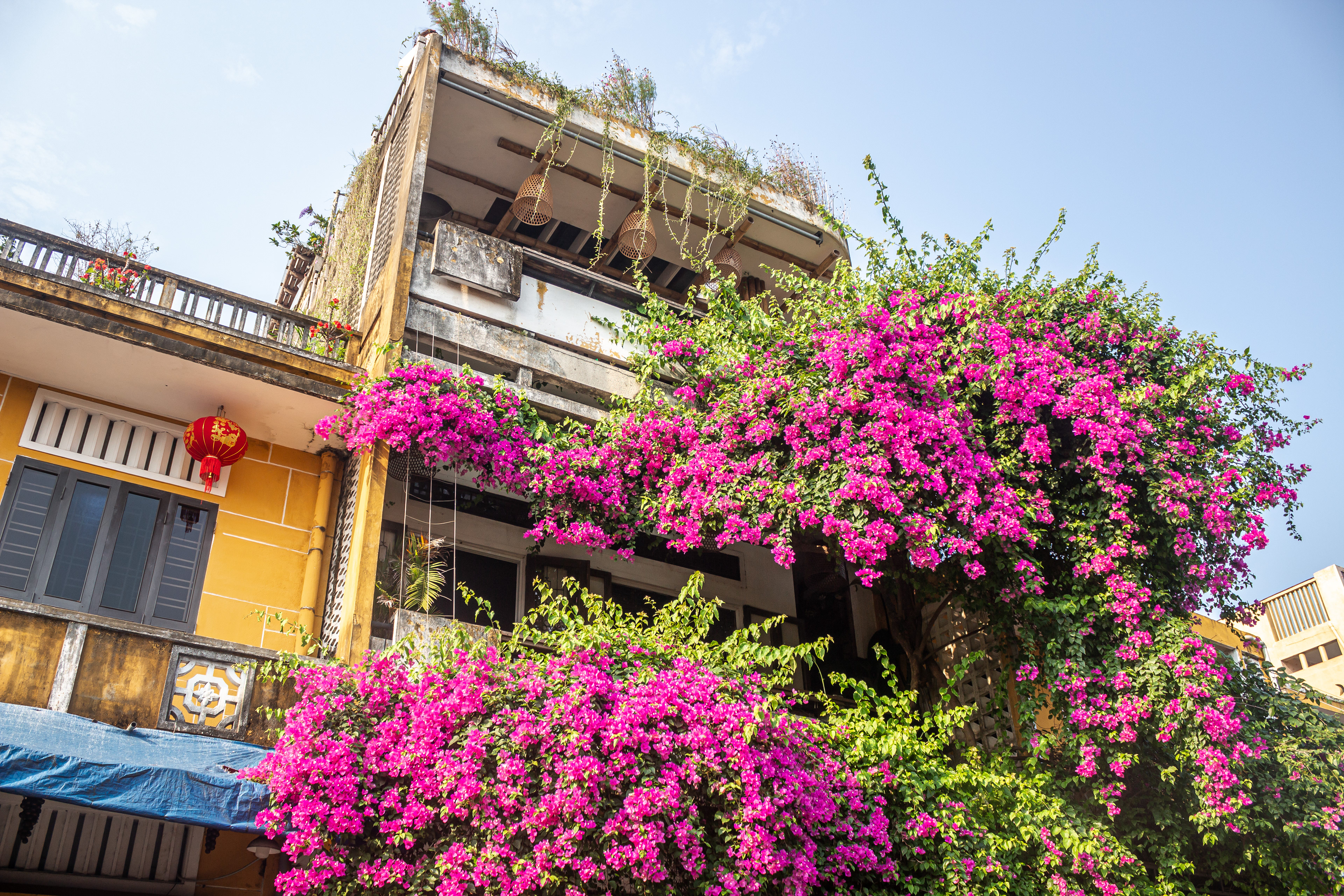
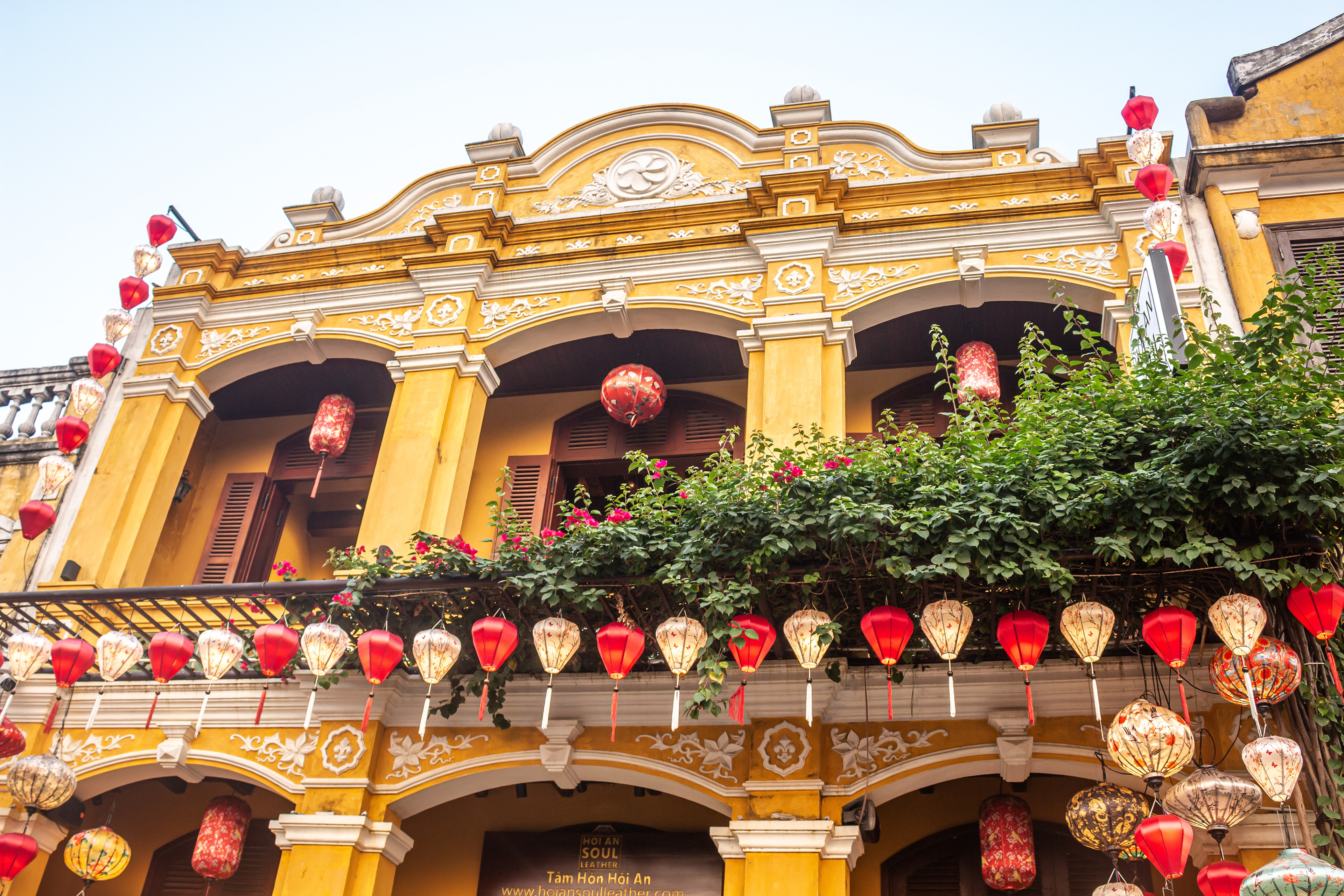
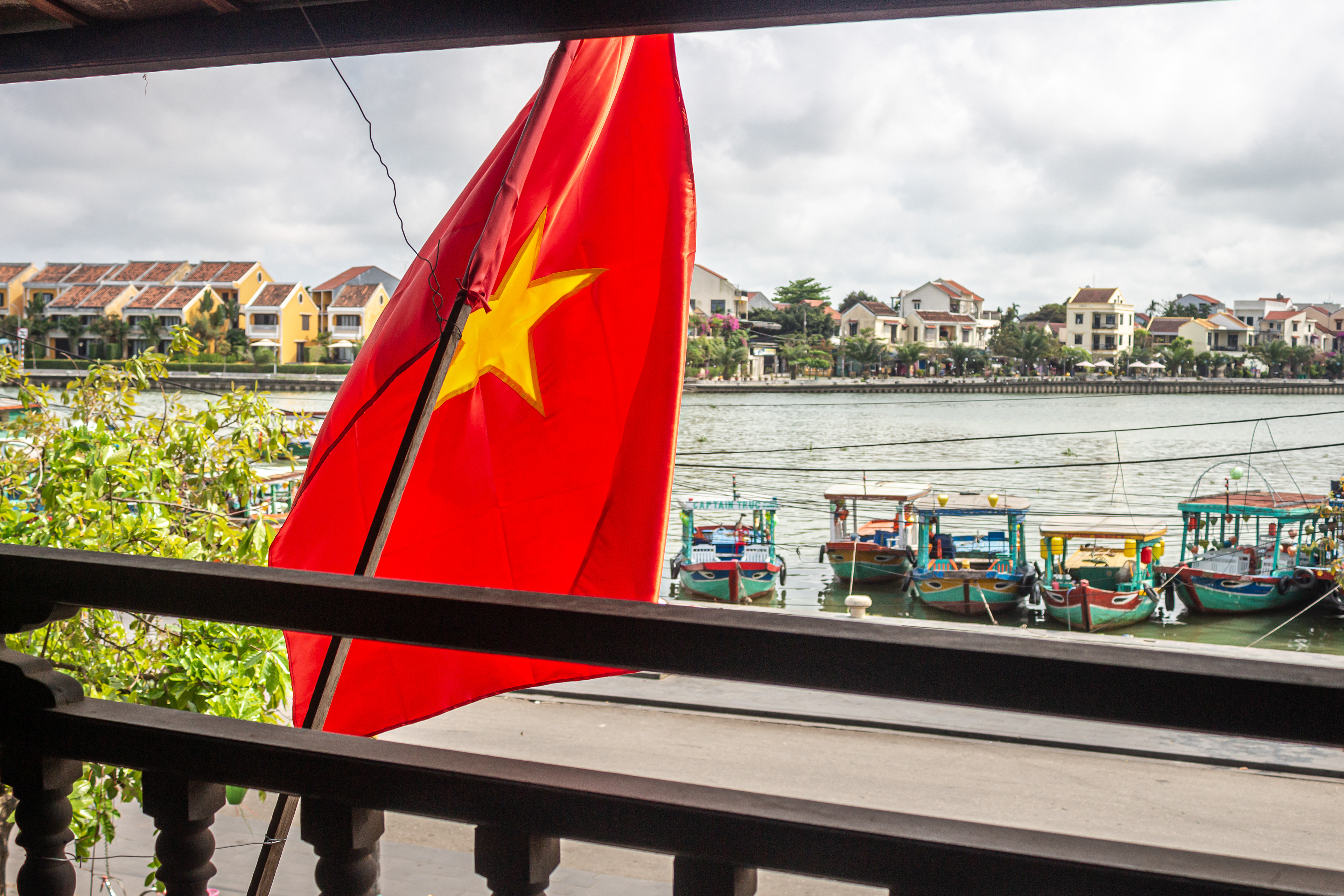
A jewel of central Vietnam, Hoi An is a living museum of history, culture, and charm. Once a bustling port city on the Silk Road, Hoi An has gracefully preserved its centuries-old architecture and multicultural heritage. Today, it enchants visitors with its lantern-lit streets, riverside ambiance, artisan workshops, and golden beaches. Whether you're strolling through the Ancient Town or savoring street food by the river, Hoi An is an unmissable stop on any Vietnam itinerary. Here's what to see and do in this magical destination.
Hoi An Ancient Town – A UNESCO World Heritage Site
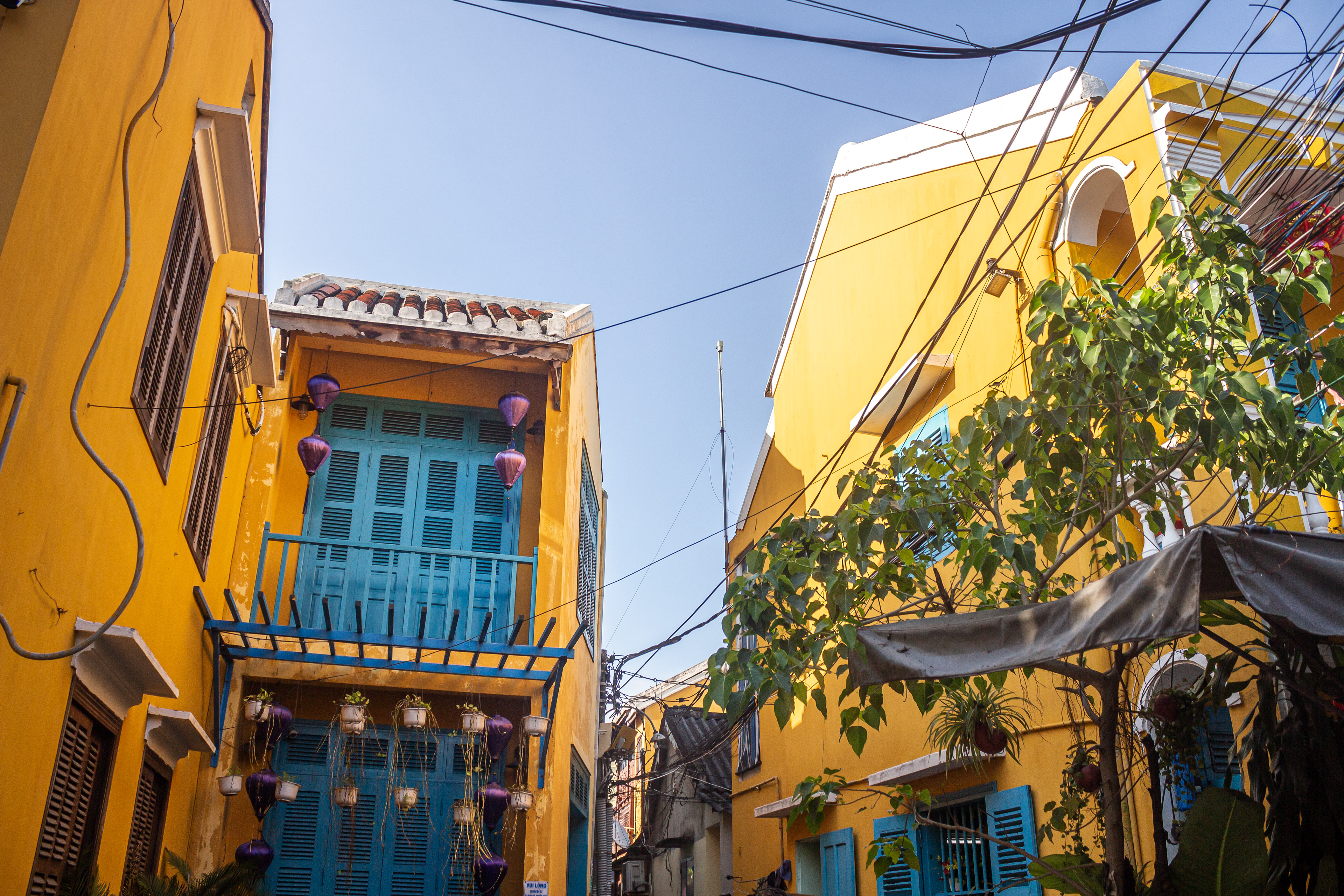
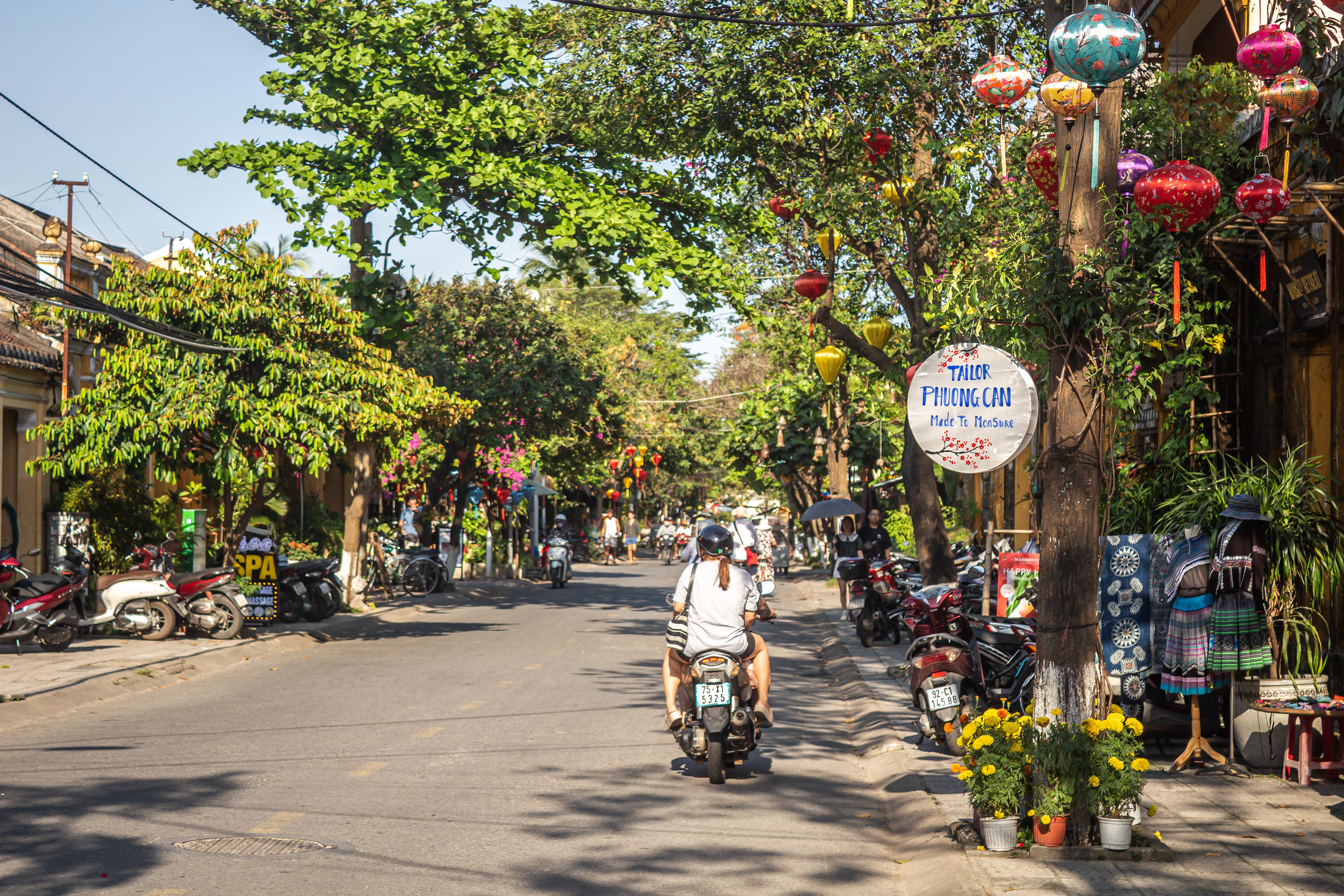
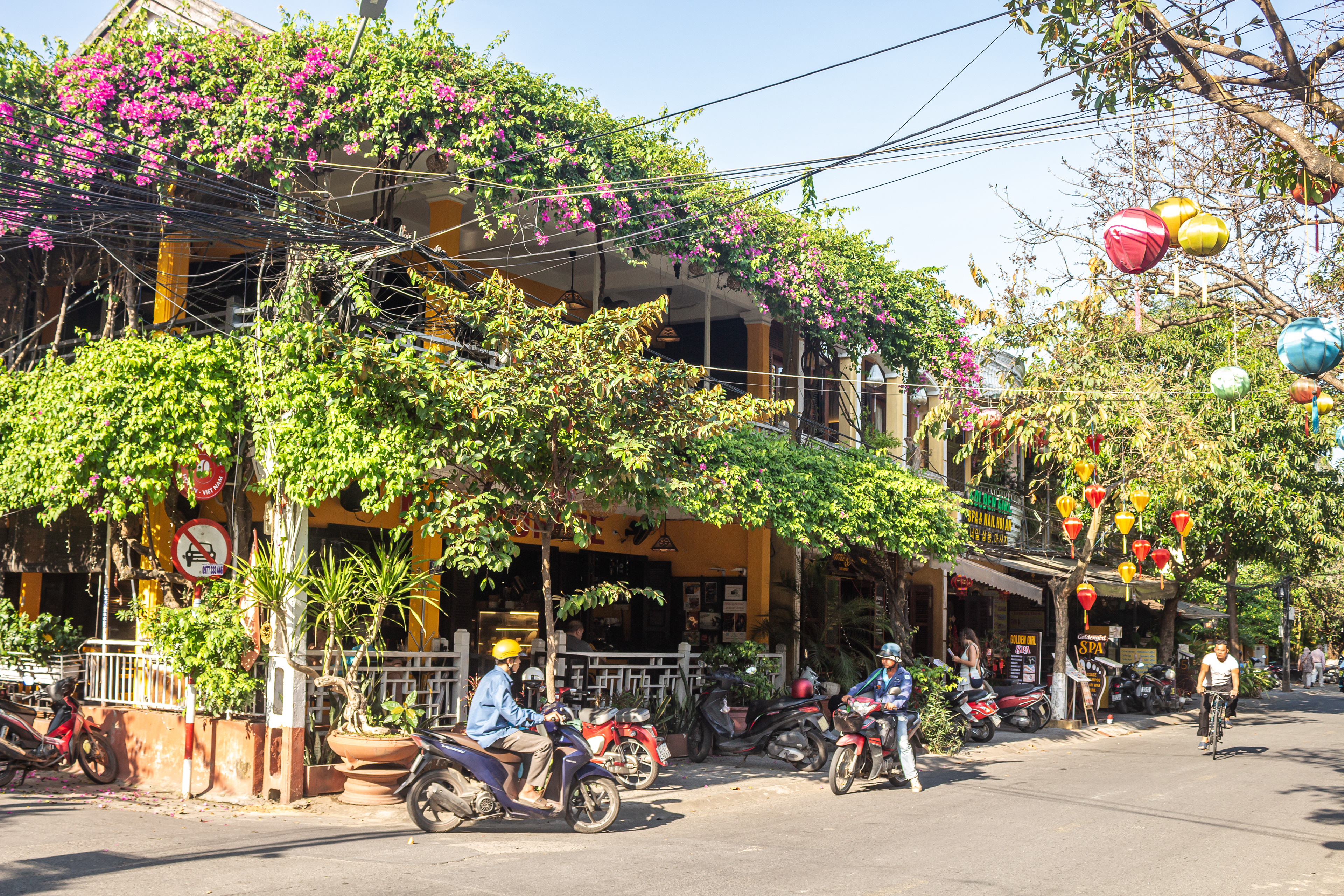
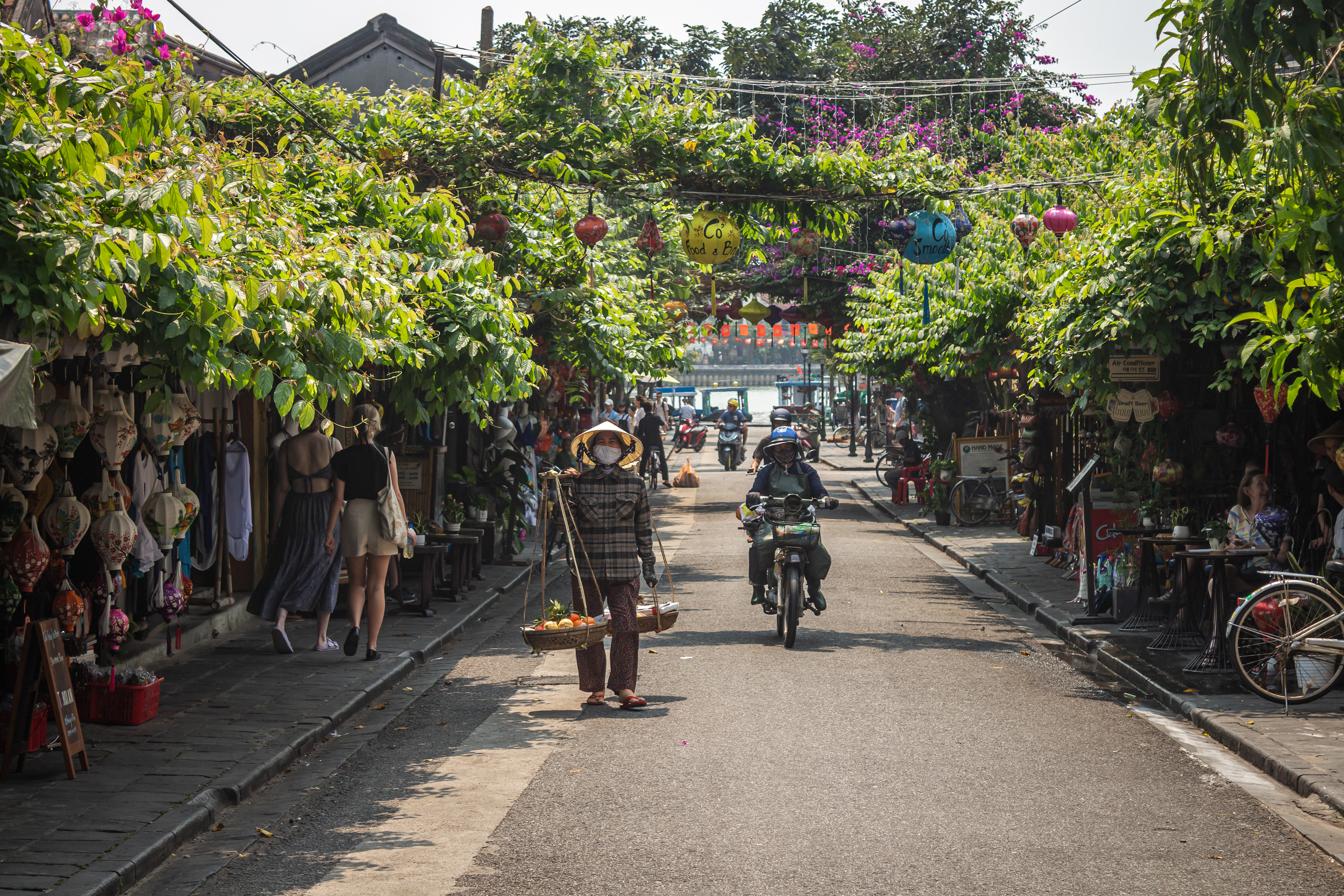
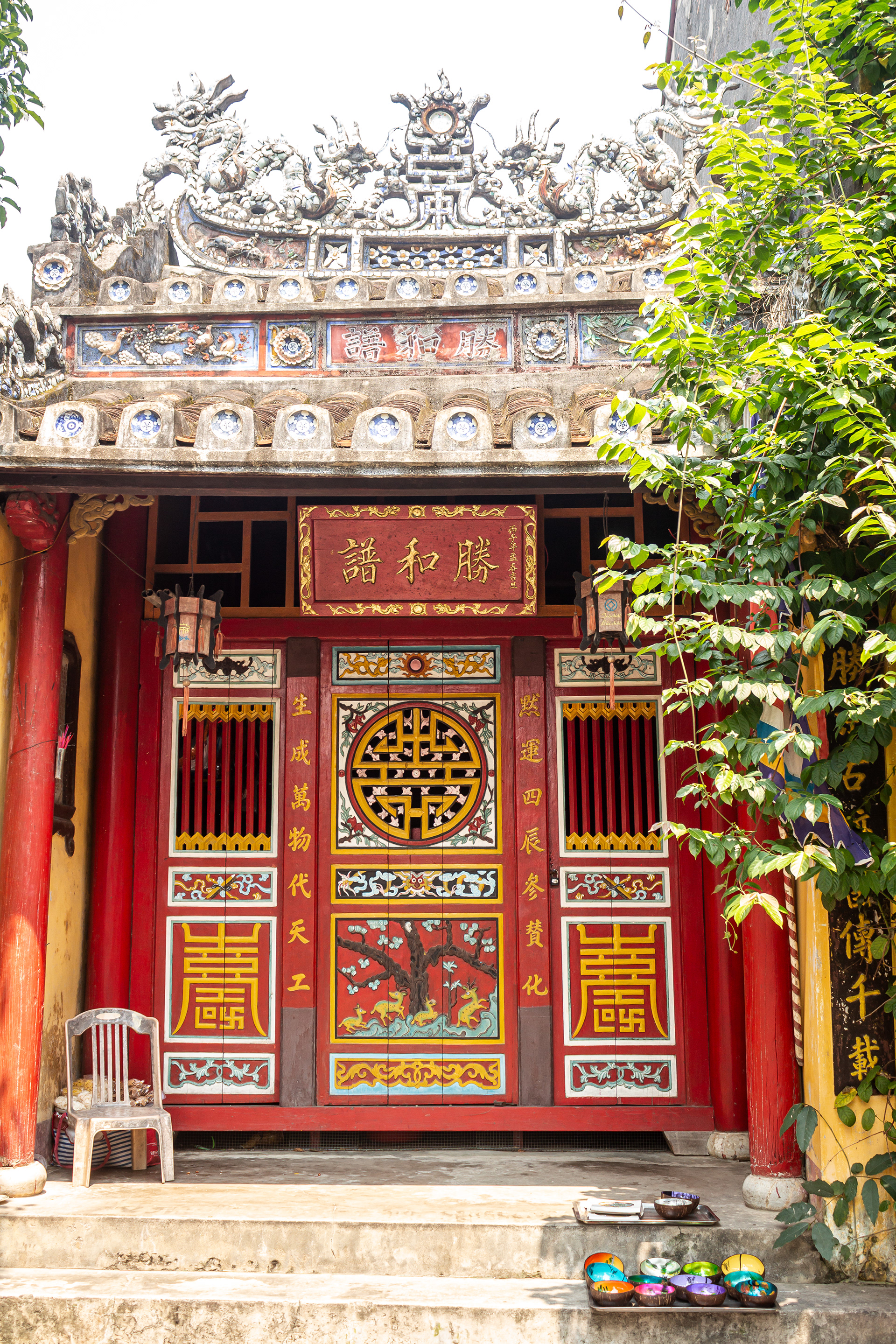
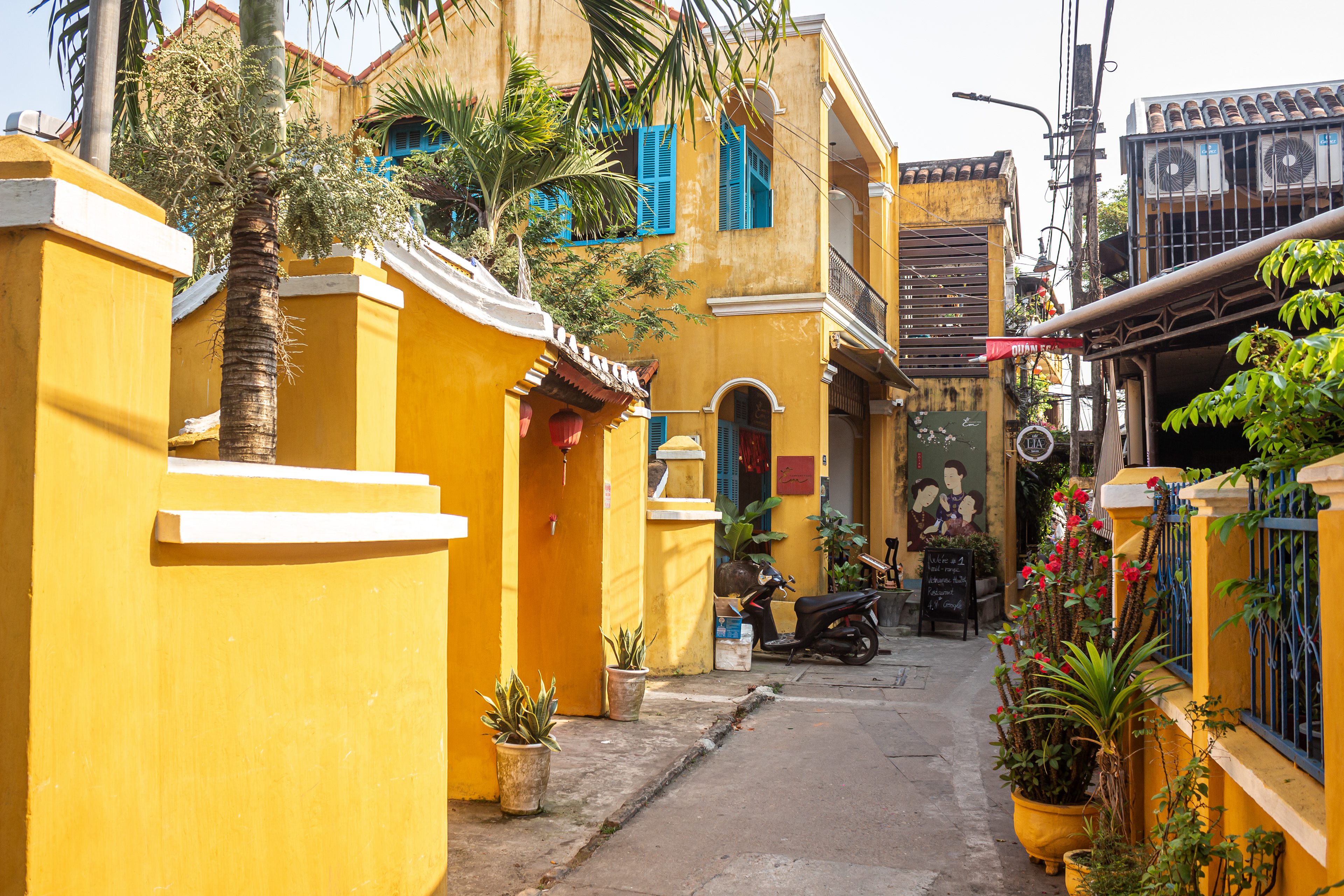
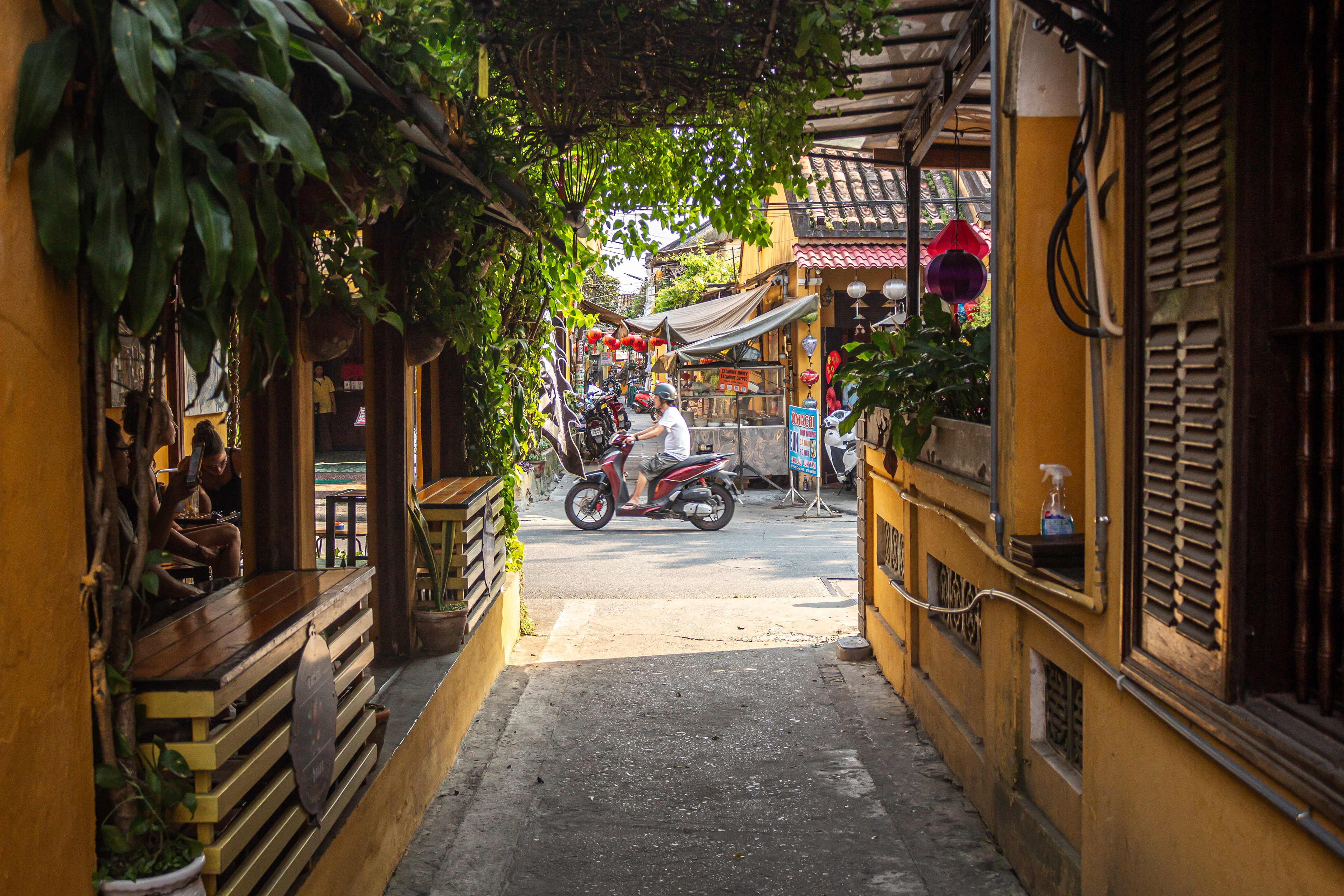
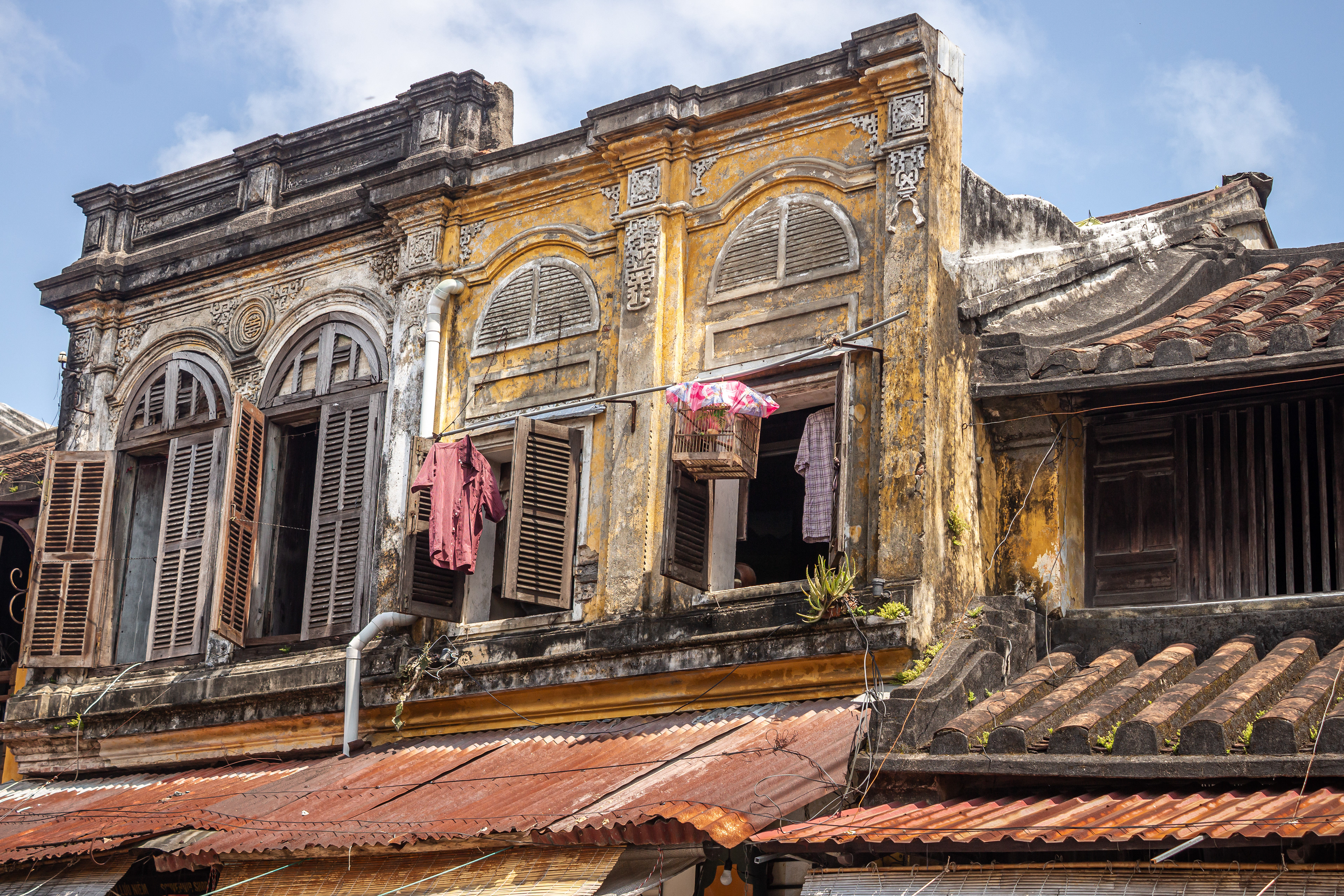
The heart of Hoi An is its beautifully preserved Ancient Town, where Japanese, Chinese, and French architectural influences blend seamlessly with traditional Vietnamese design. Wander its pedestrian-only streets to soak in centuries of culture.
The heart of Hoi An is its beautifully preserved Ancient Town, where Japanese, Chinese, and French architectural influences blend seamlessly with traditional Vietnamese design. Wander its pedestrian-only streets to soak in centuries of culture.
Highlights:
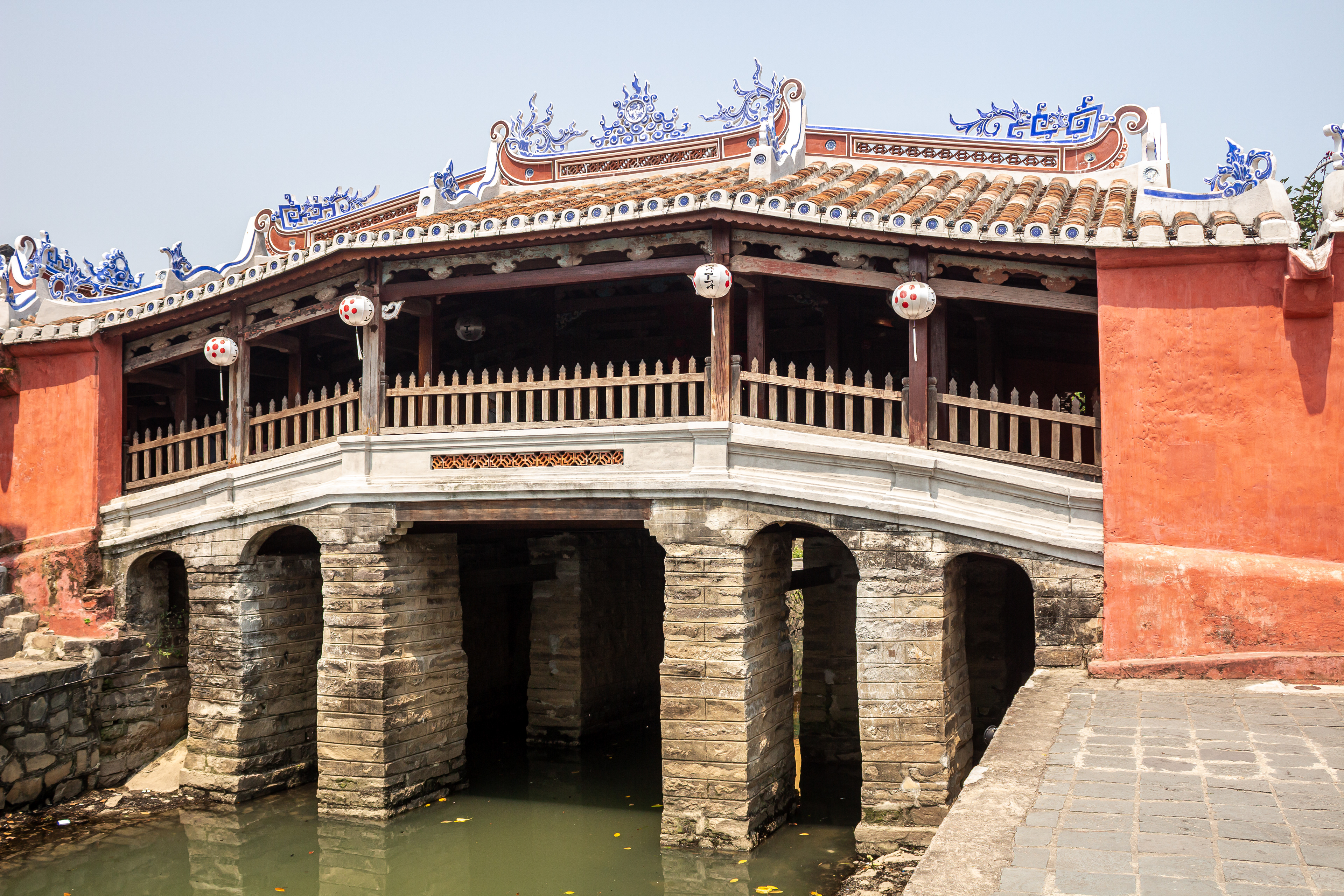
Japanese Covered Bridge – Built in the 17th century, this iconic wooden bridge is a symbol of Hoi An.
Old Merchant Houses – Visit Tan Ky House or Phung Hung House for a glimpse into Hoi An’s trading past.
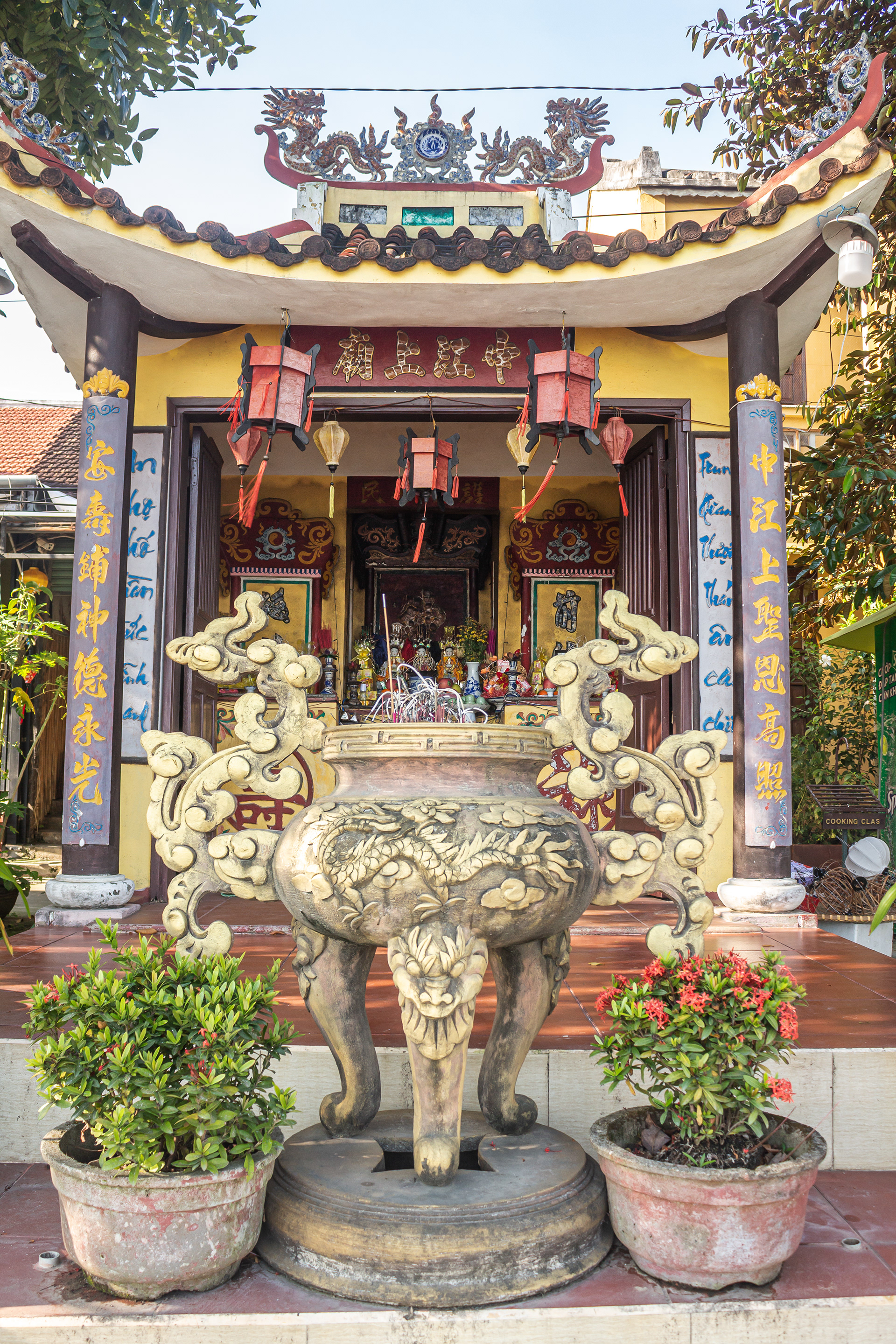
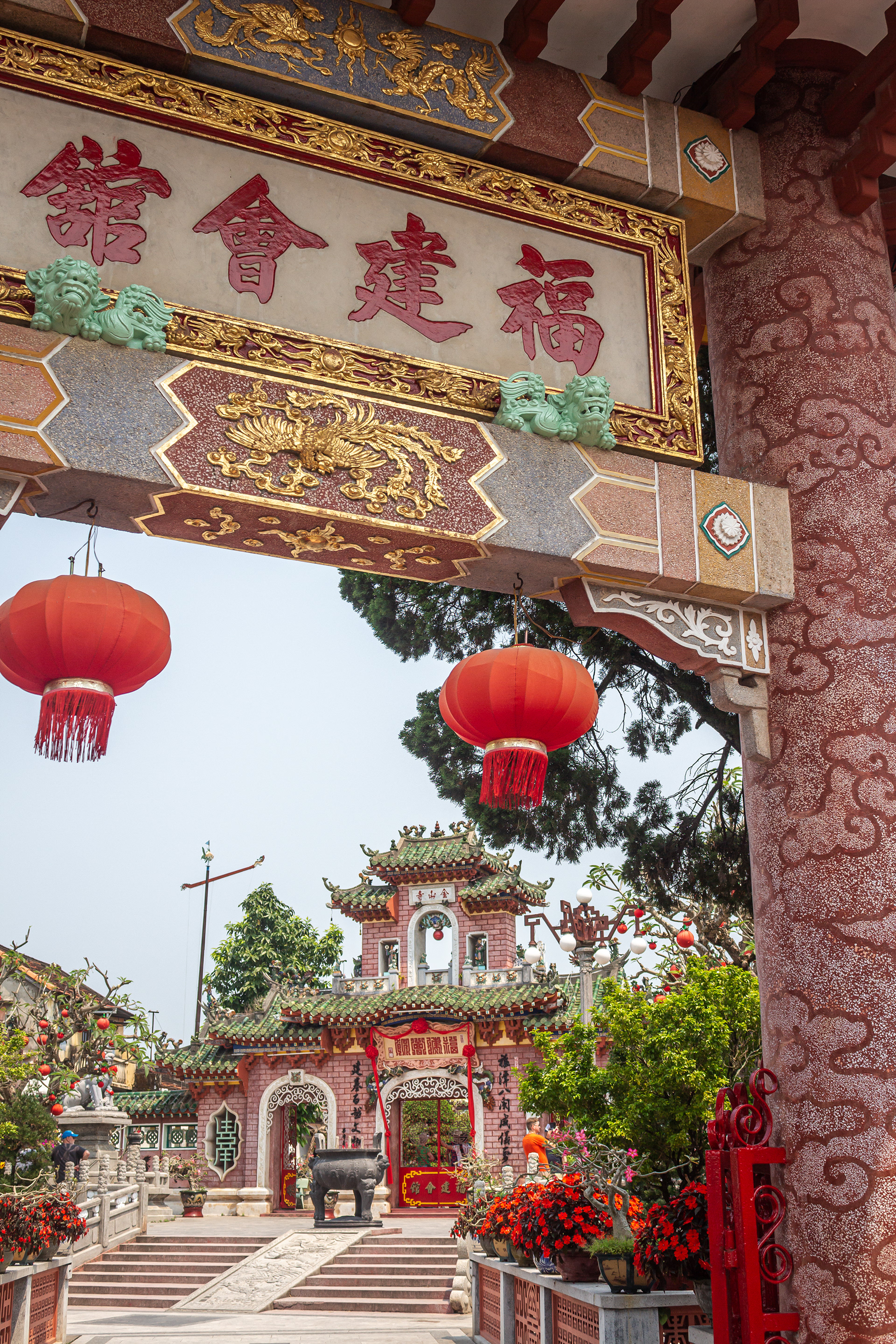
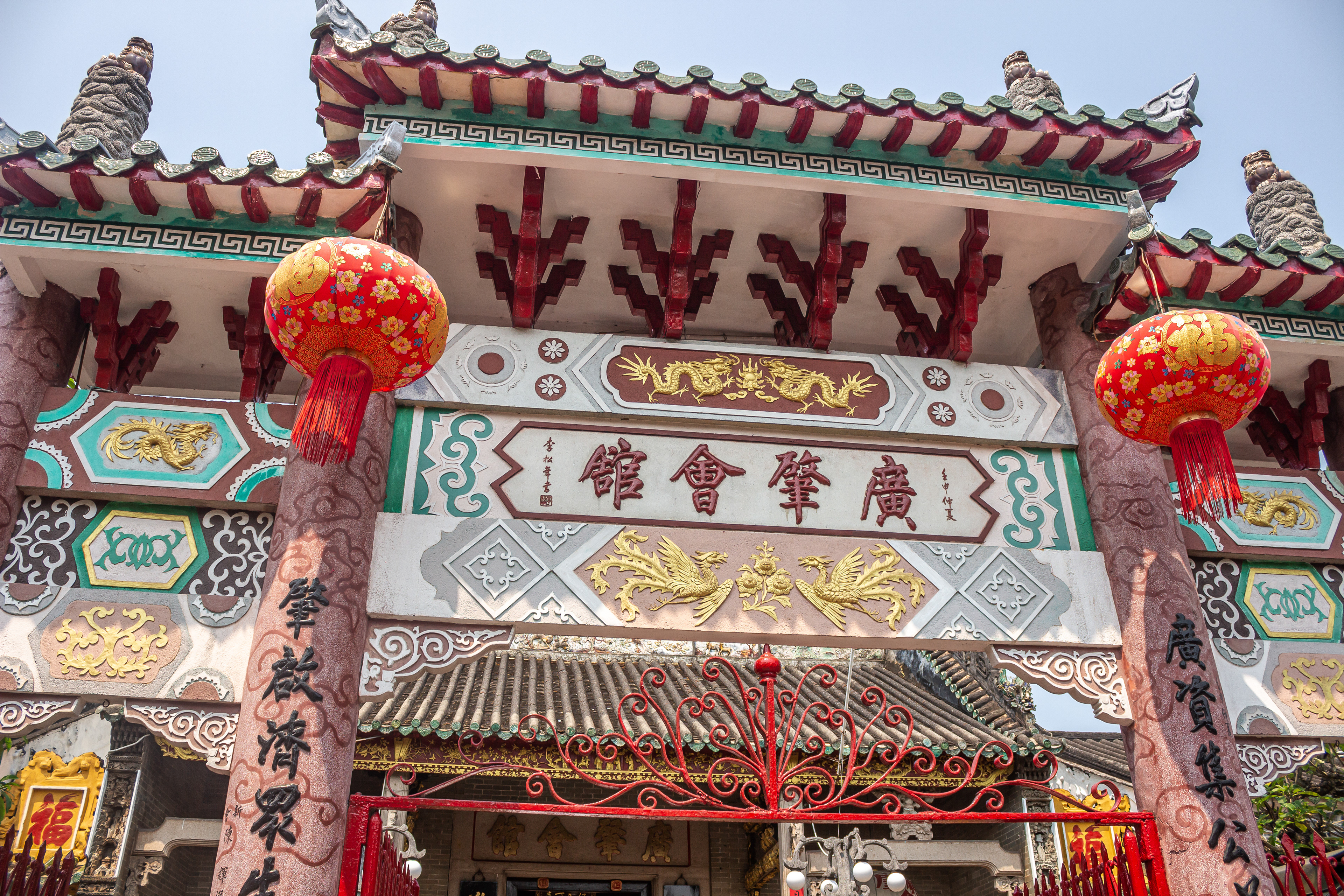
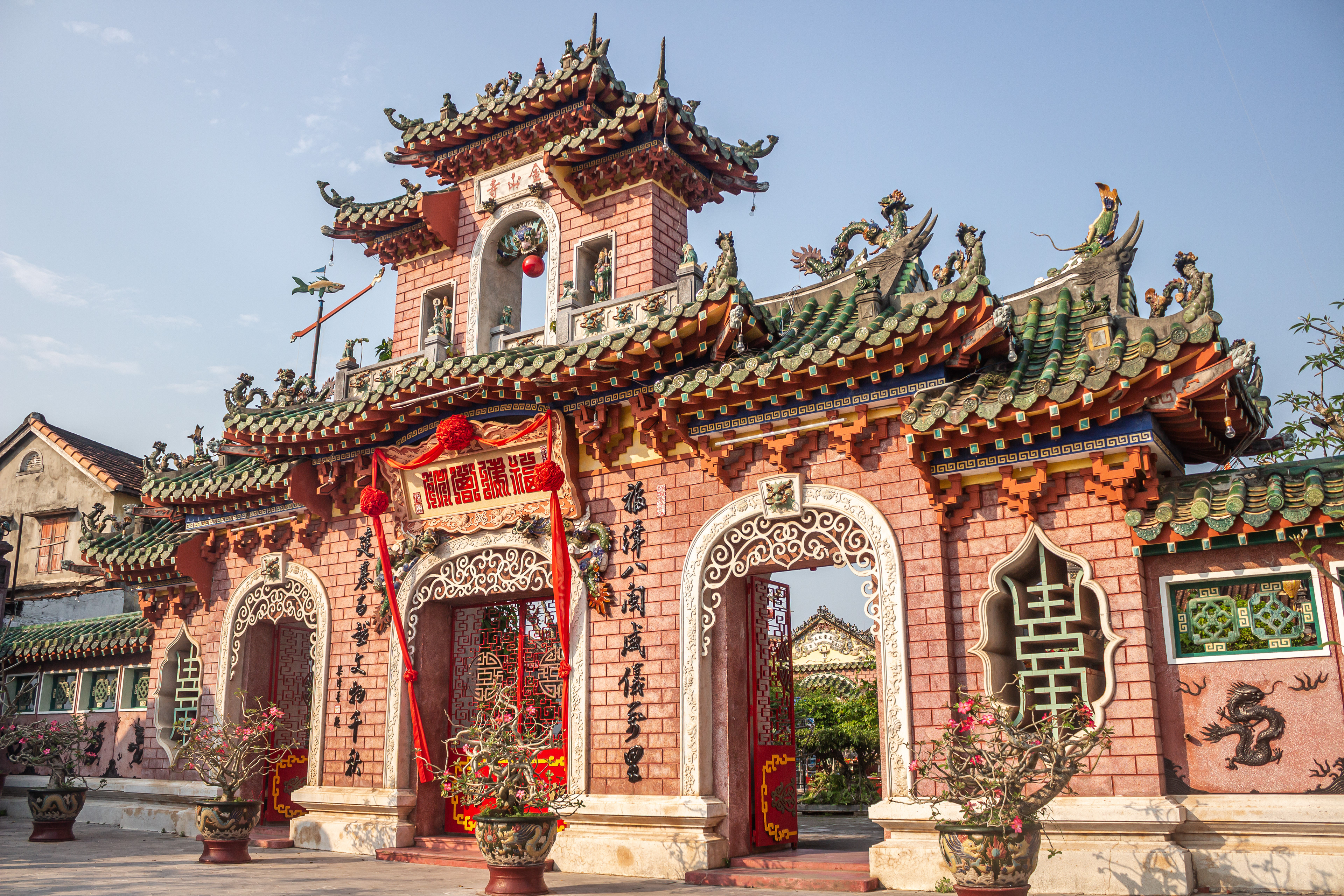
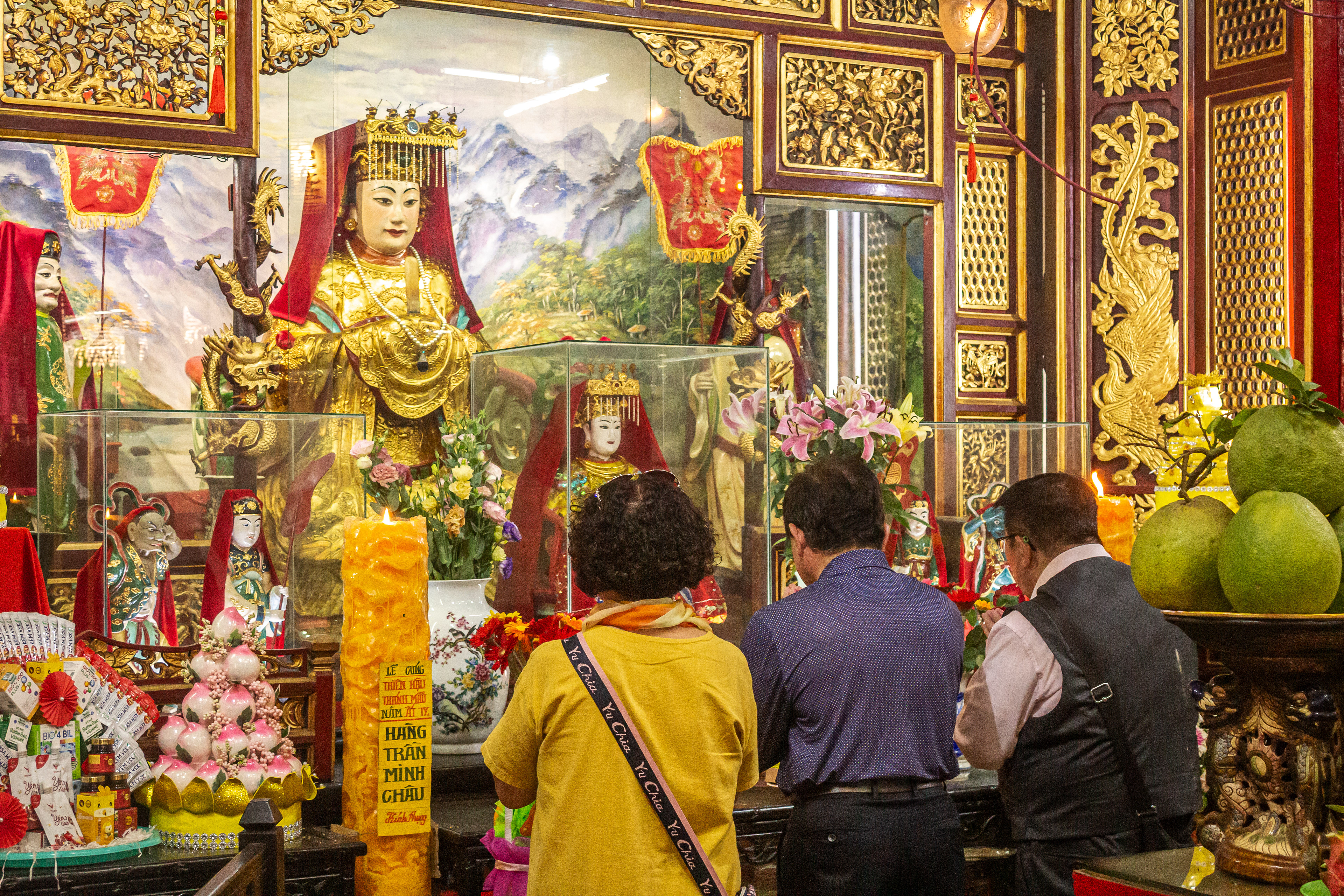
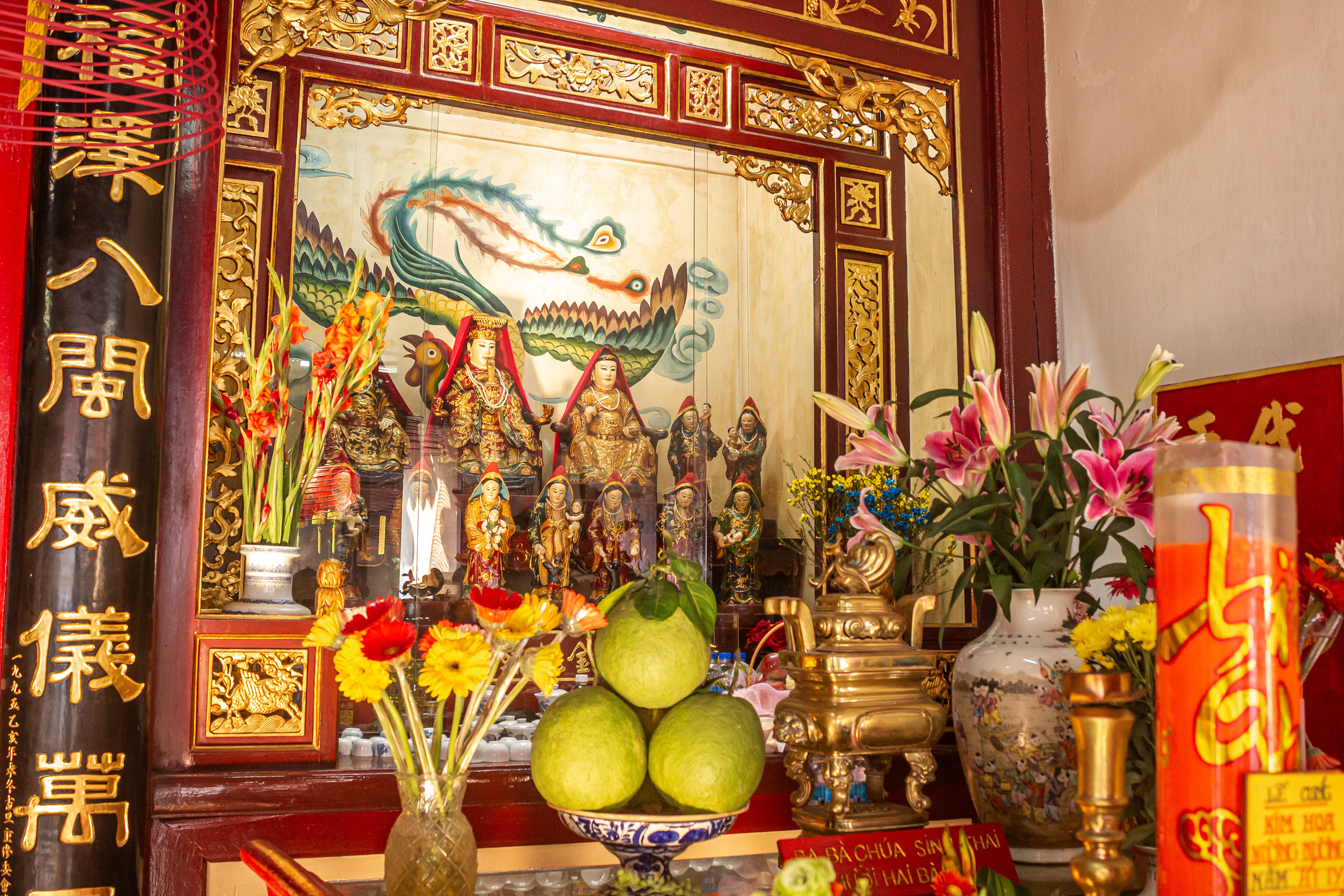
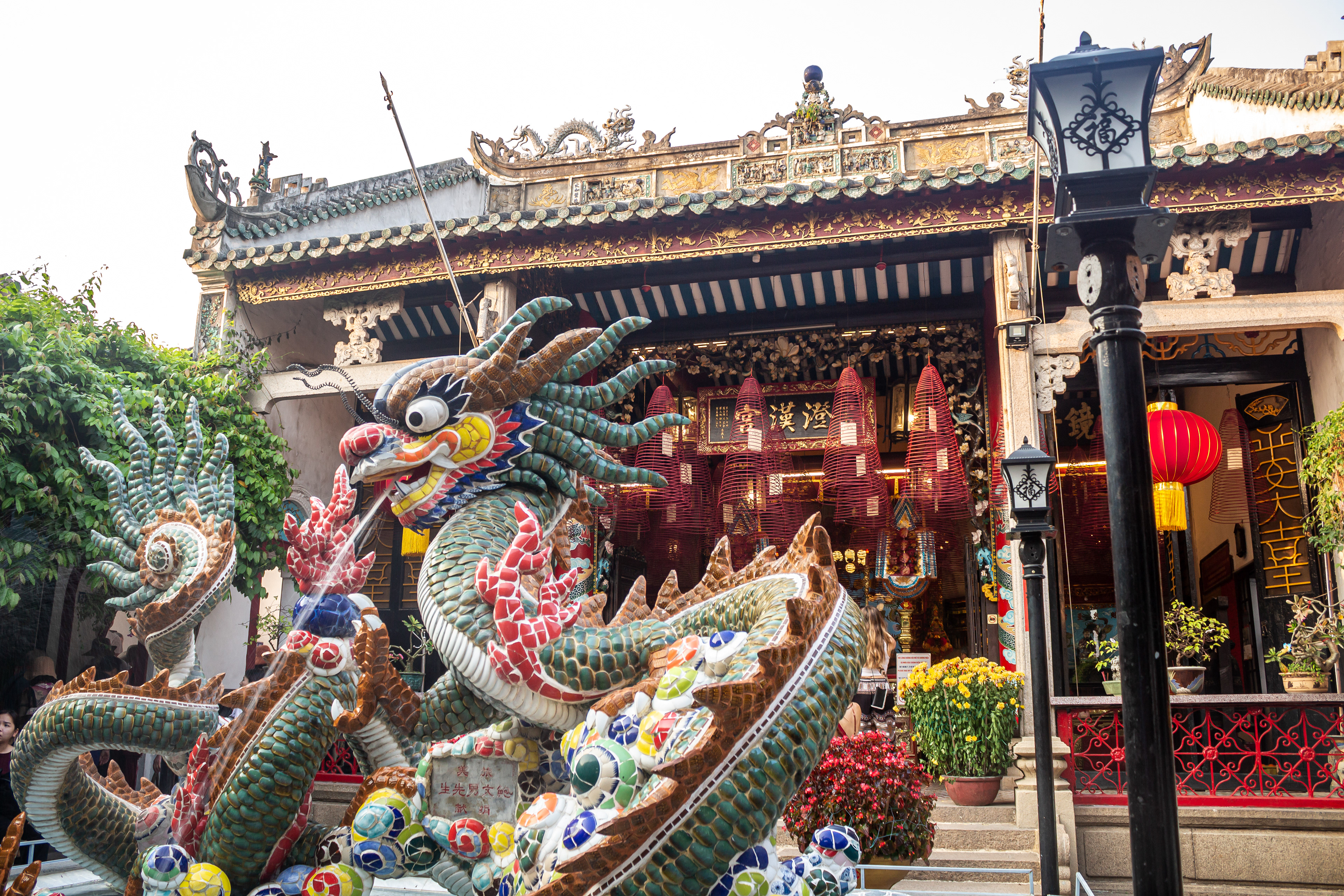
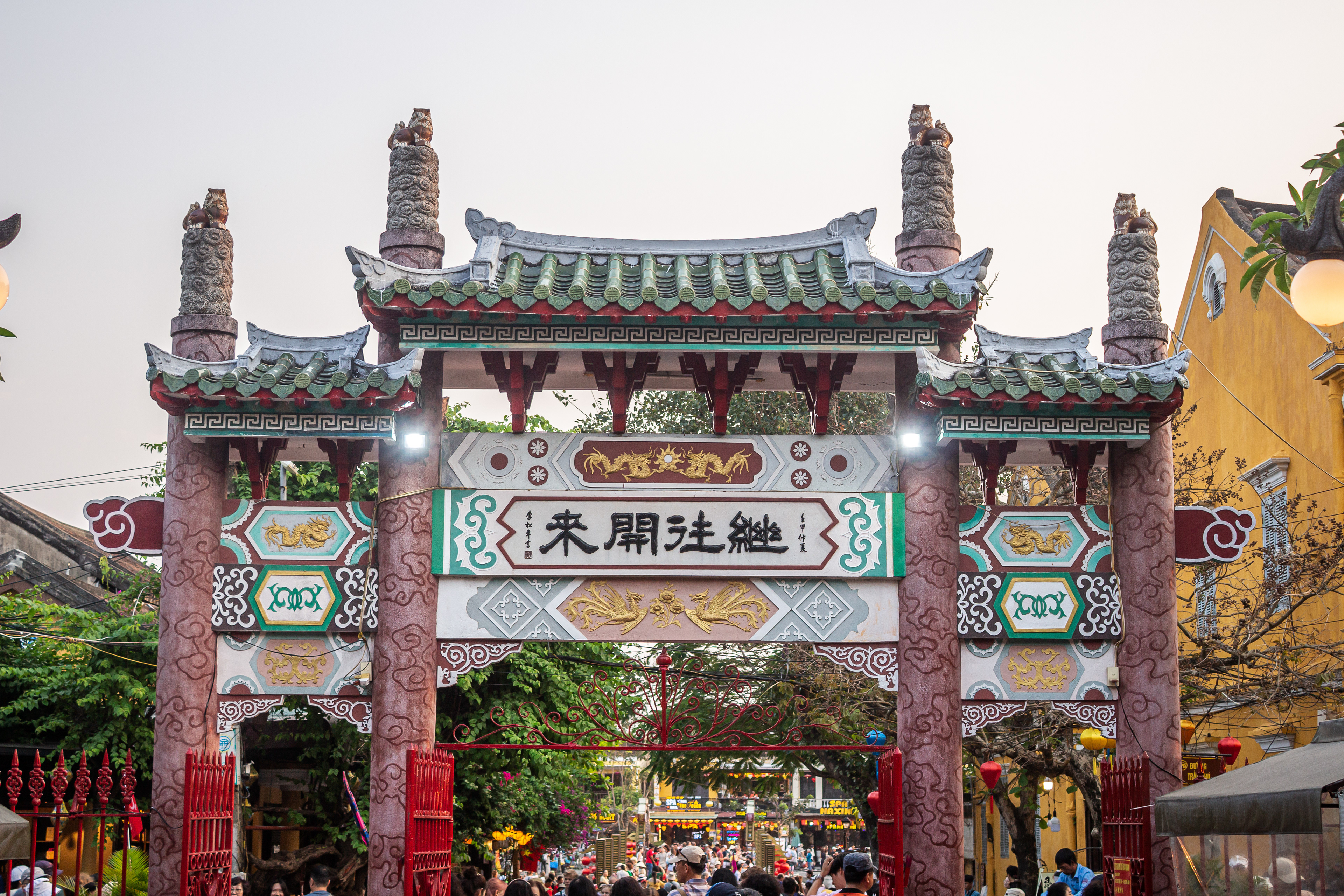
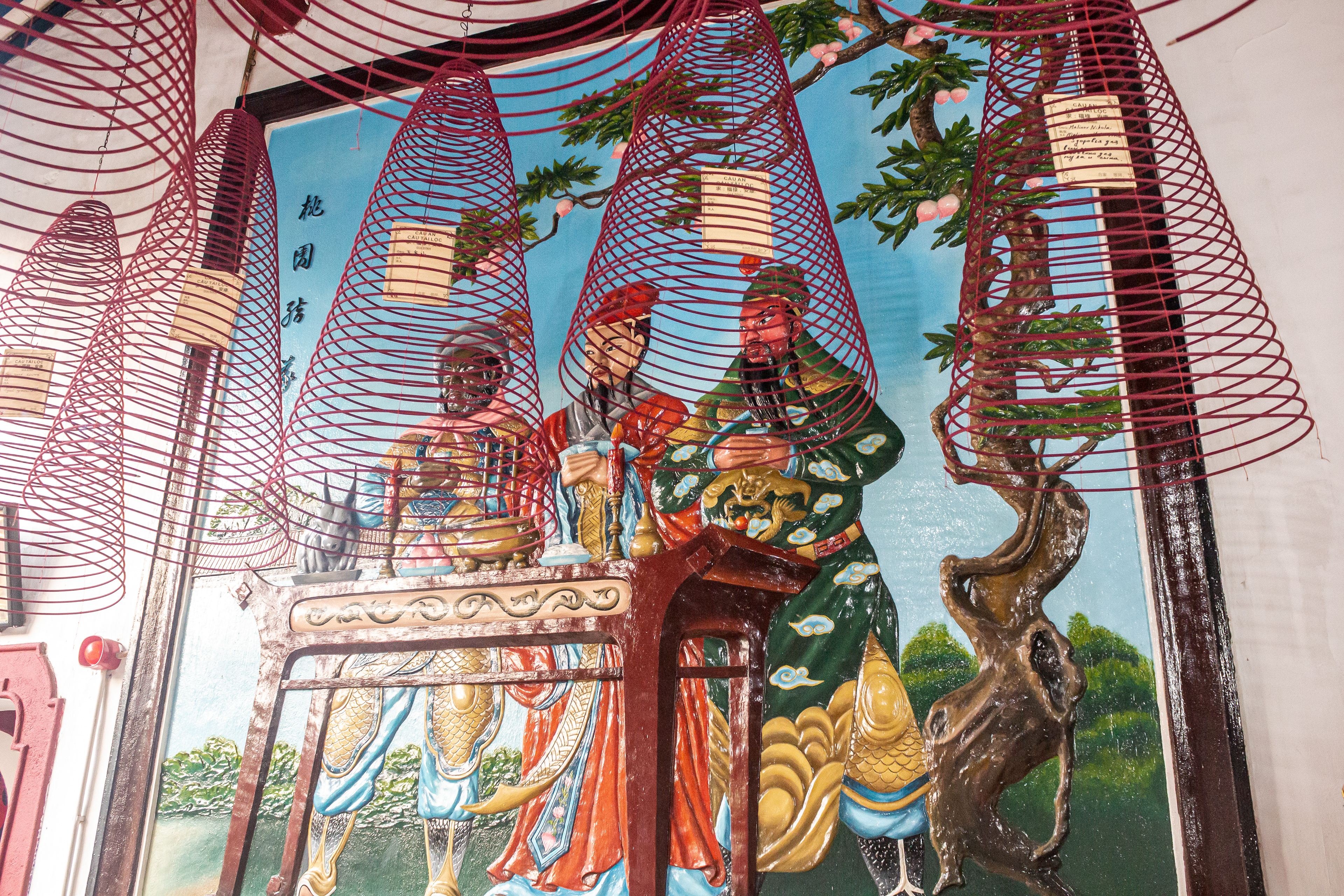
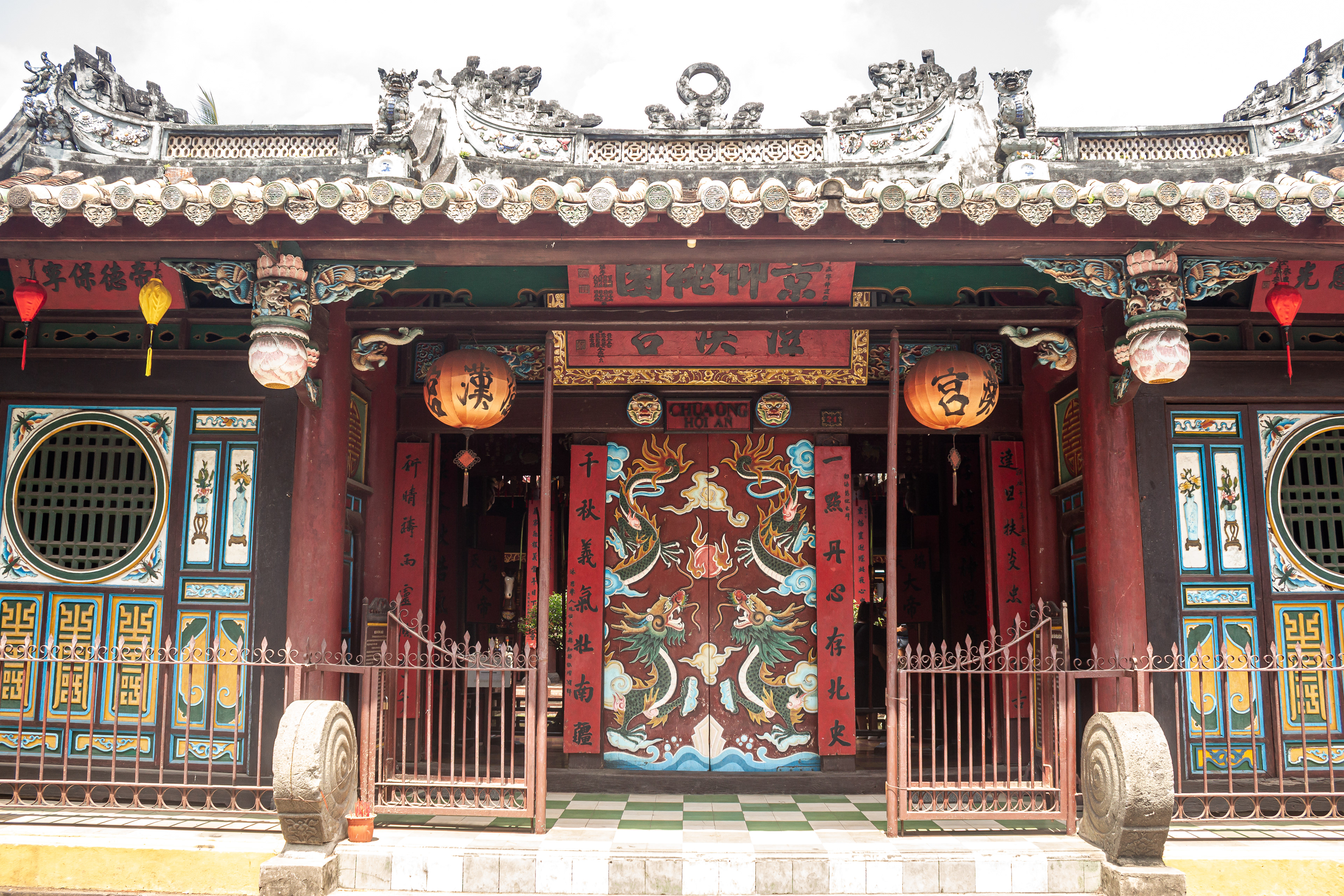
Assembly Halls – The Cantonese and Fujian halls showcase stunning architecture and ancestral altars.
Tip: Buy a Hoi An Old Town ticket (small fee) for access to select historic buildings and cultural performances.
Japanese Covered Bridge – Built in the 17th century, this iconic wooden bridge is a symbol of Hoi An.
Old Merchant Houses – Visit Tan Ky House or Phung Hung House for a glimpse into Hoi An’s trading past.
Assembly Halls – The Cantonese and Fujian halls showcase stunning architecture and ancestral altars.
Tip: Buy a Hoi An Old Town ticket (small fee) for access to select historic buildings and cultural performances.
Hoi An Lantern Festival
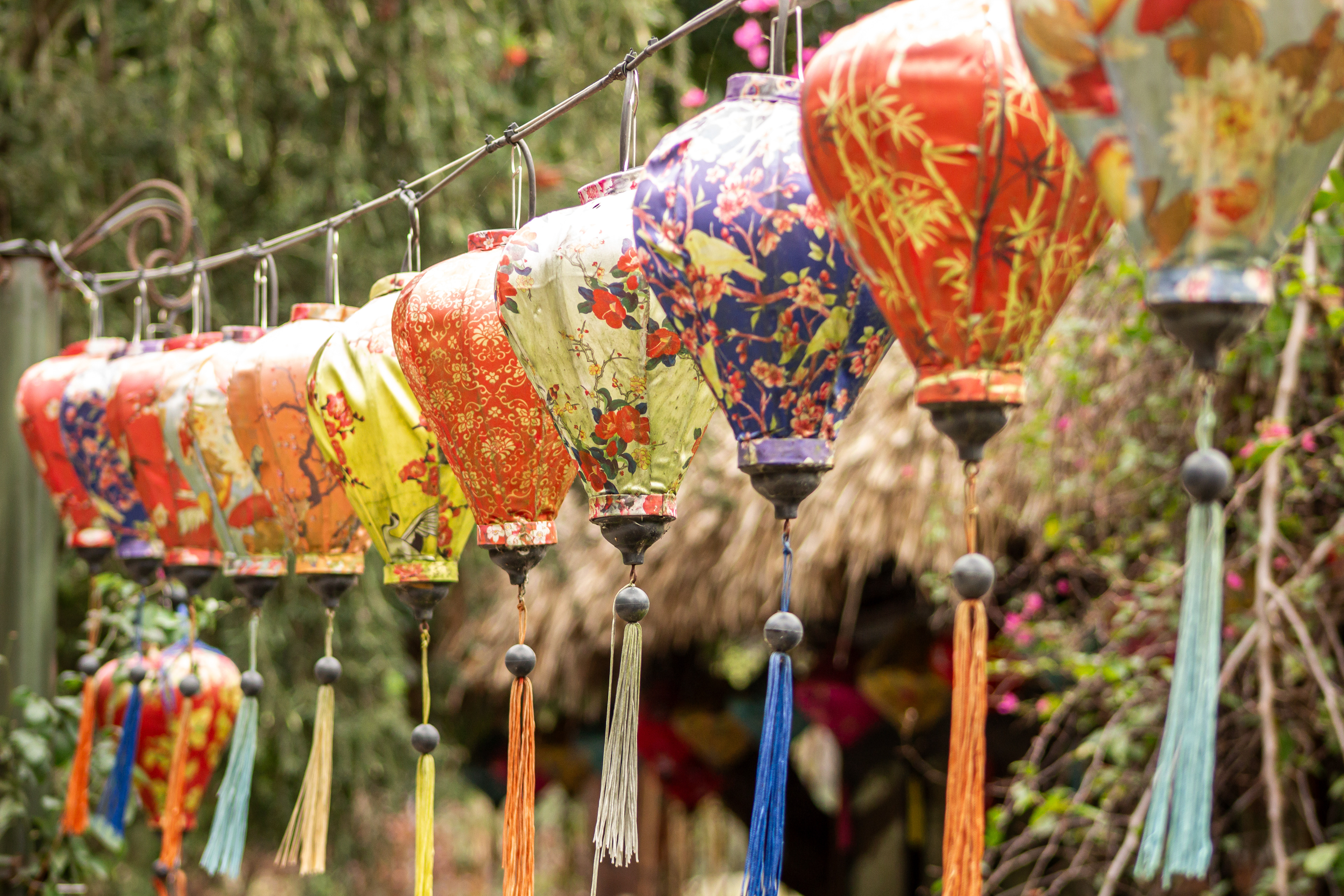
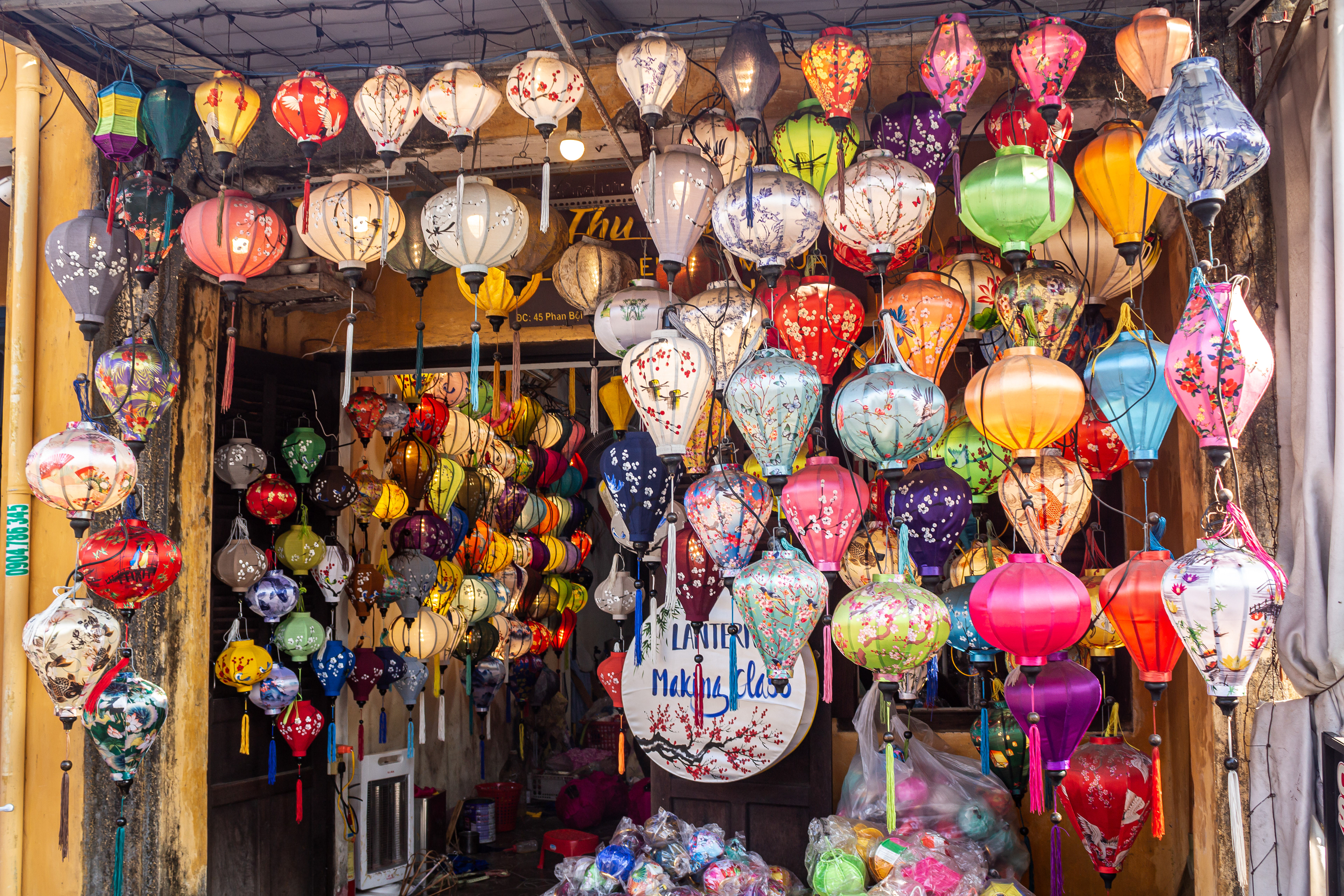
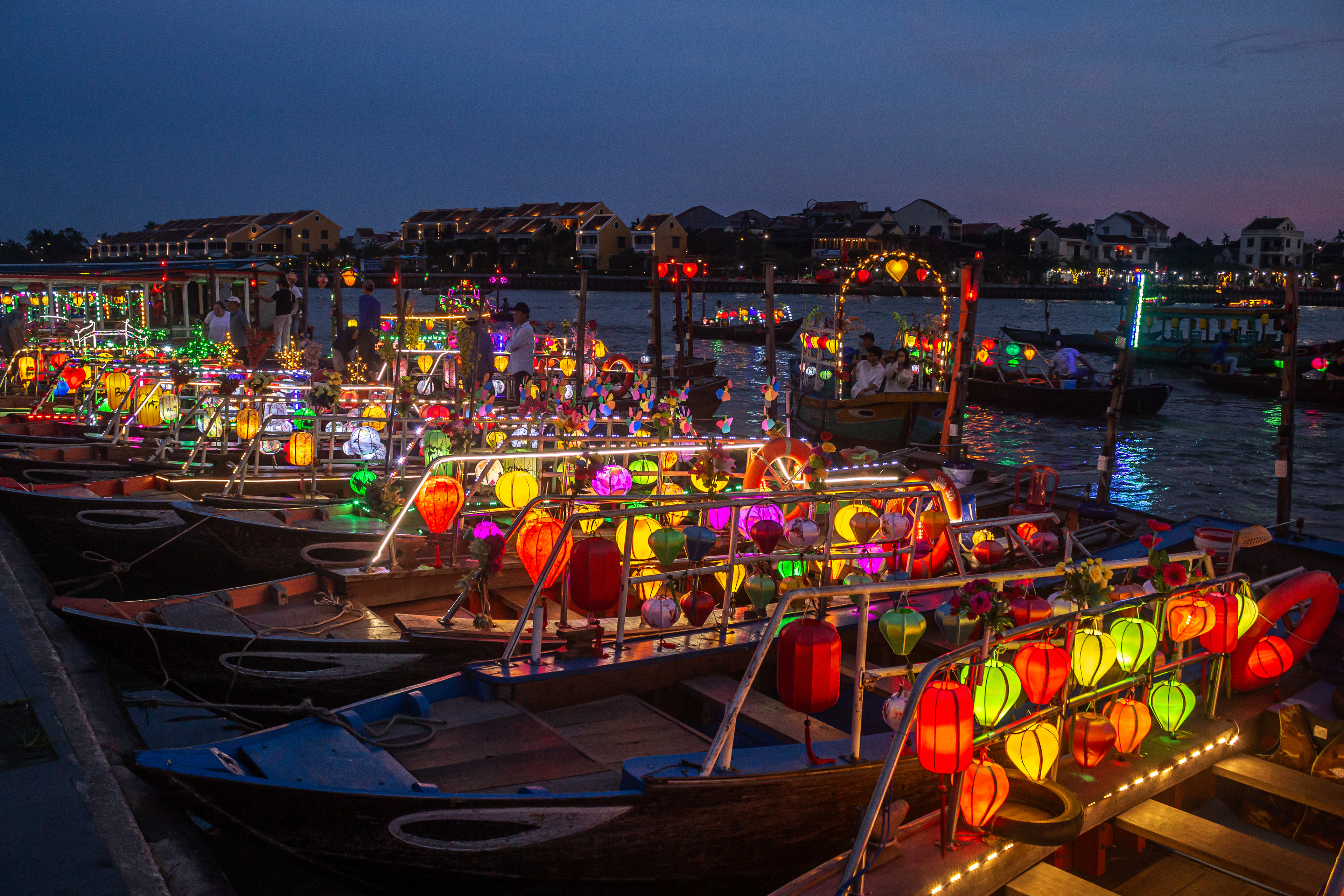
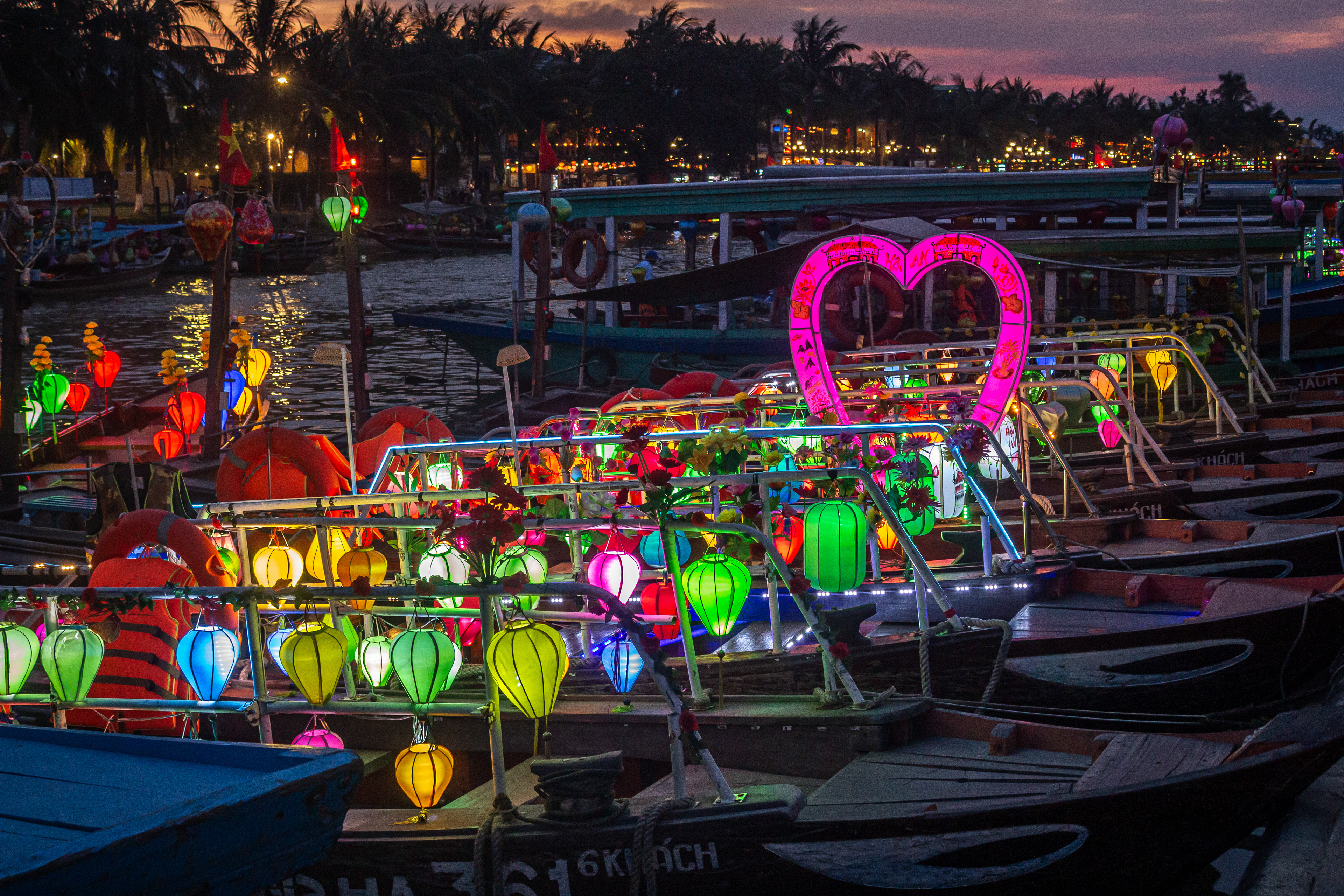
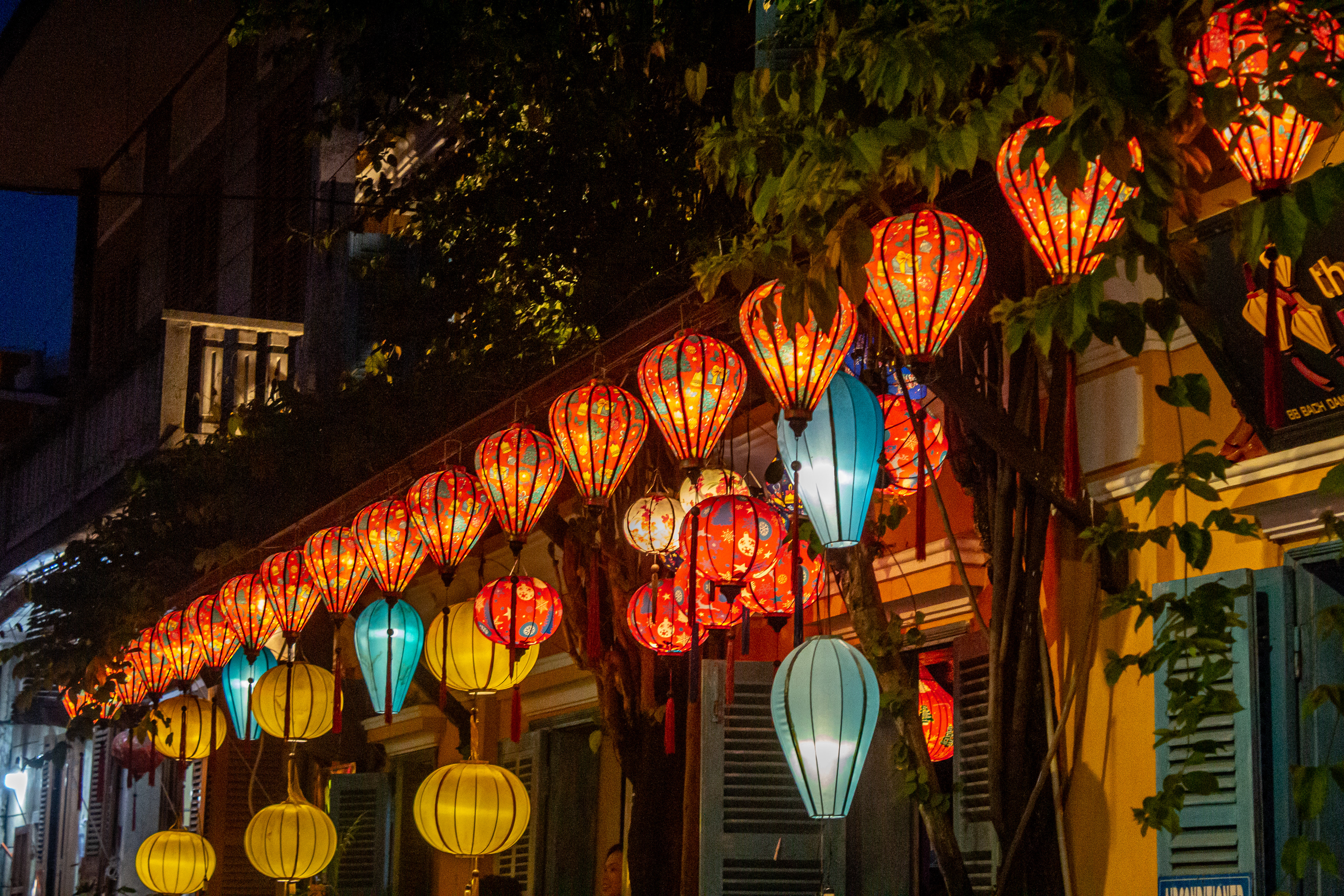
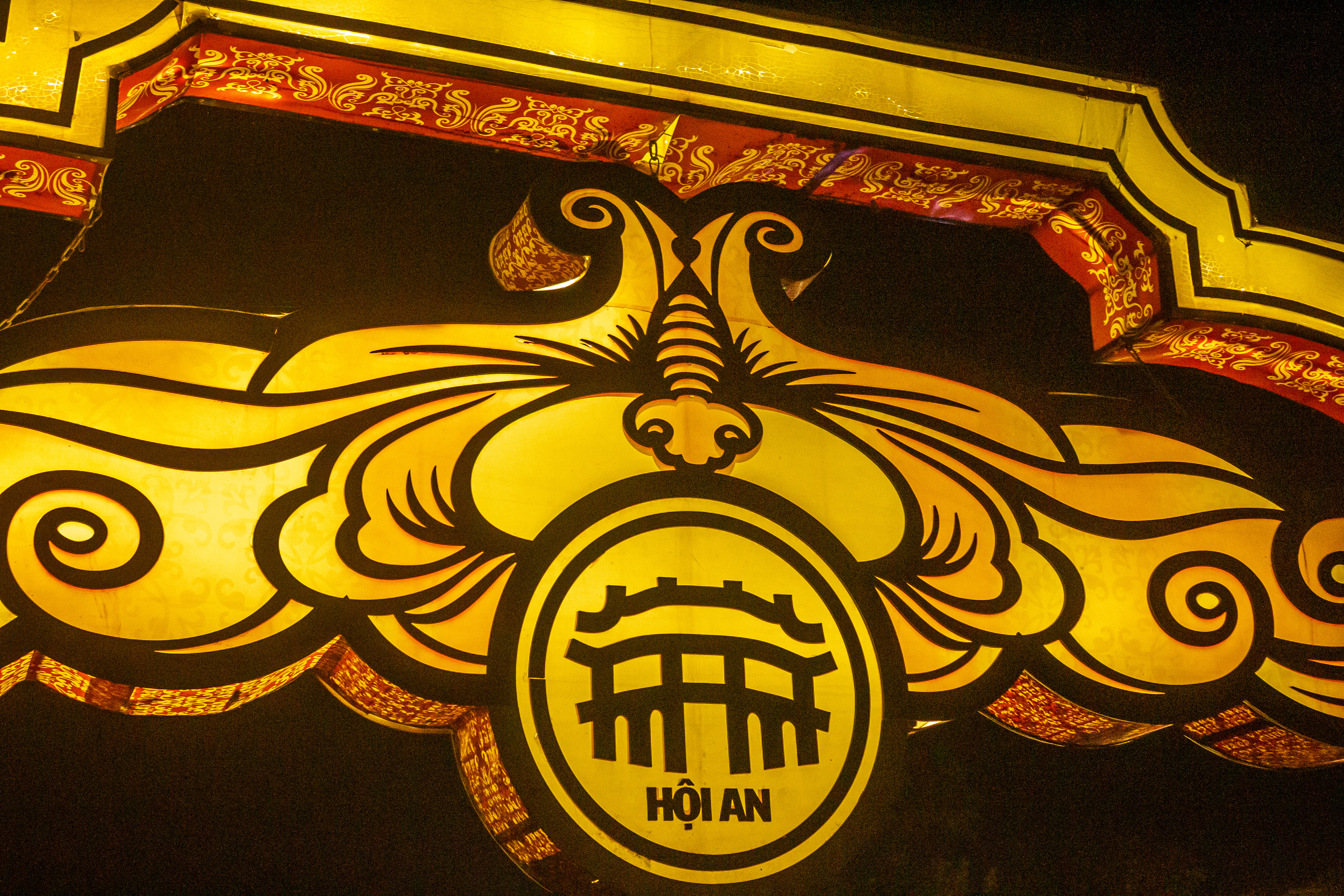
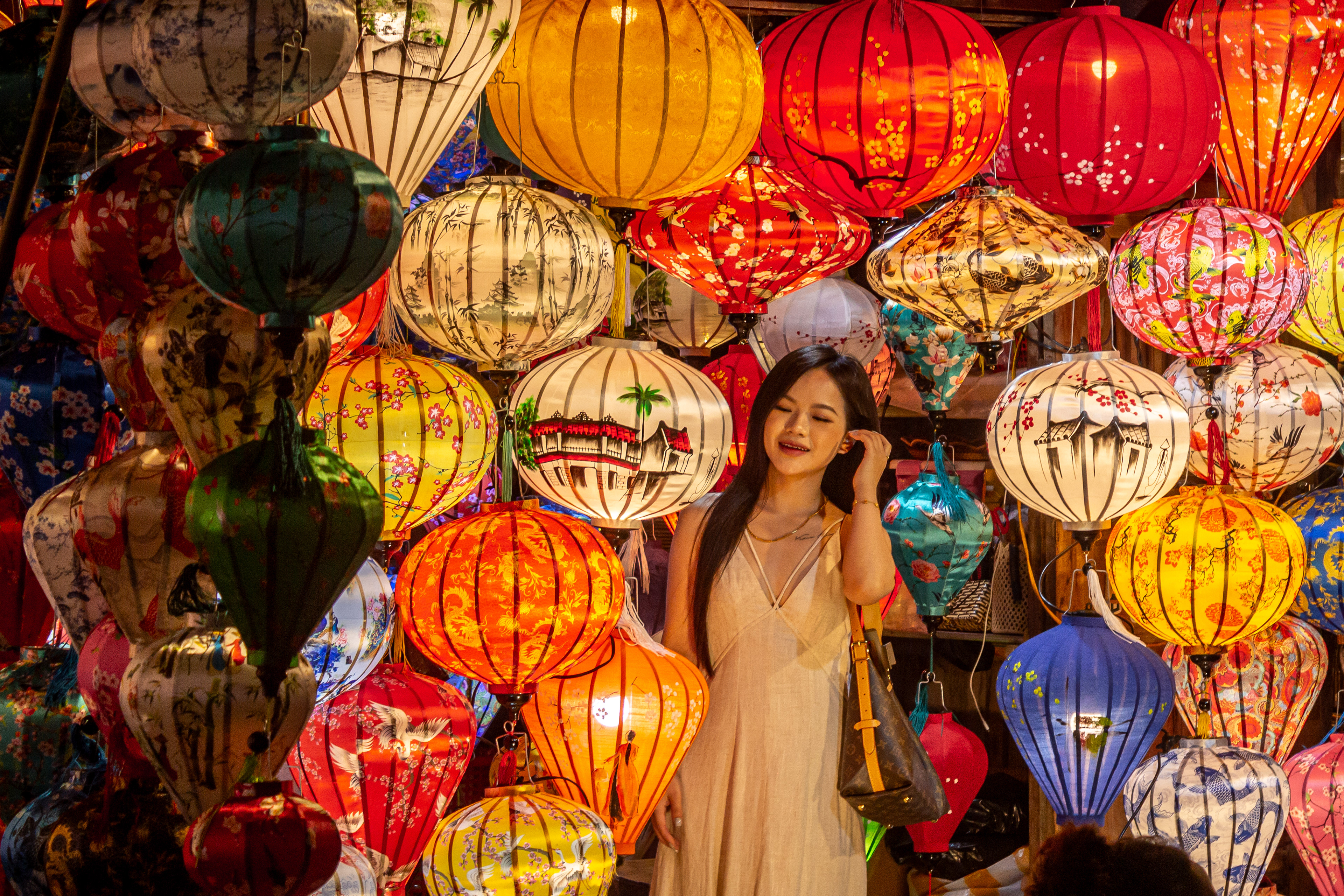
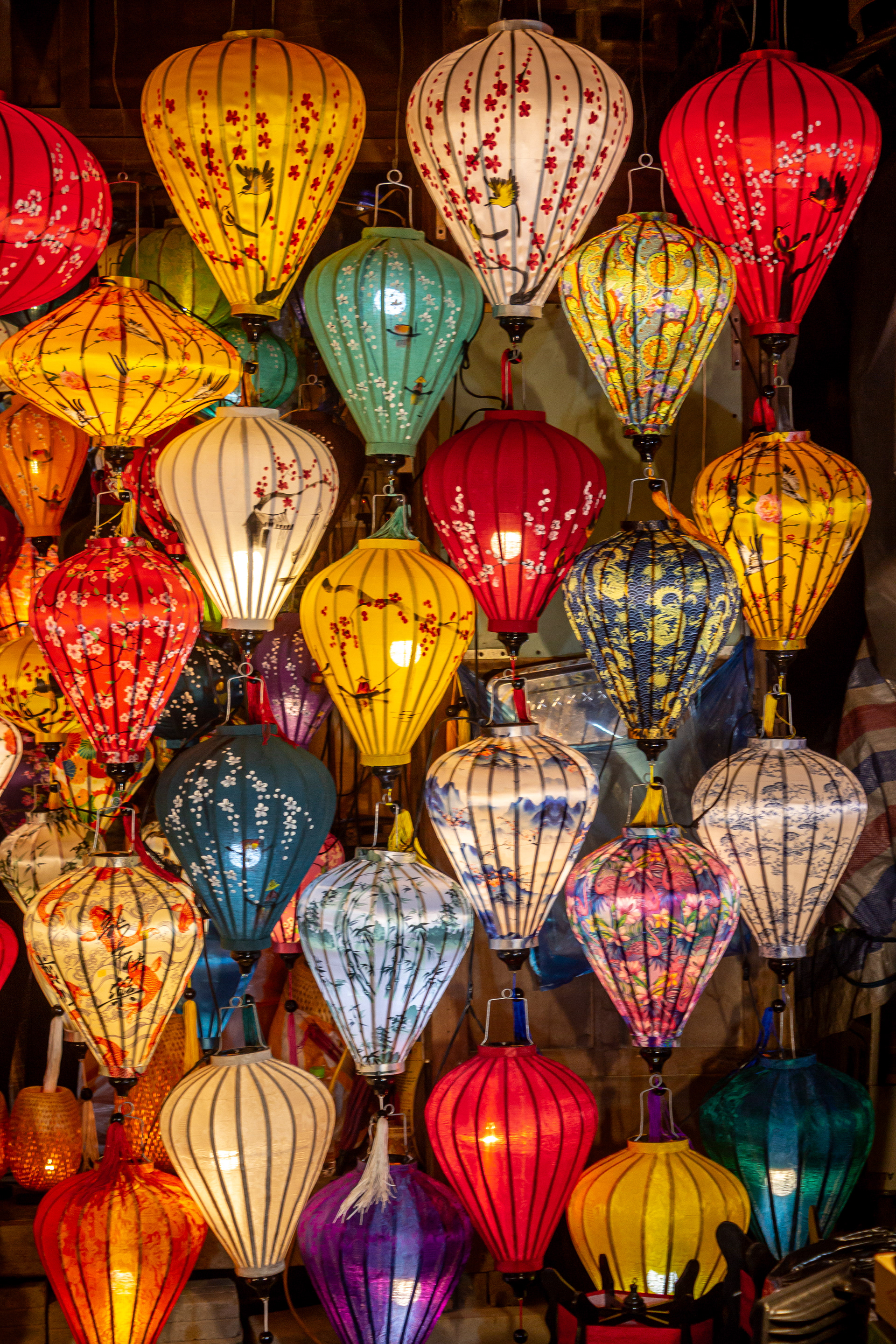
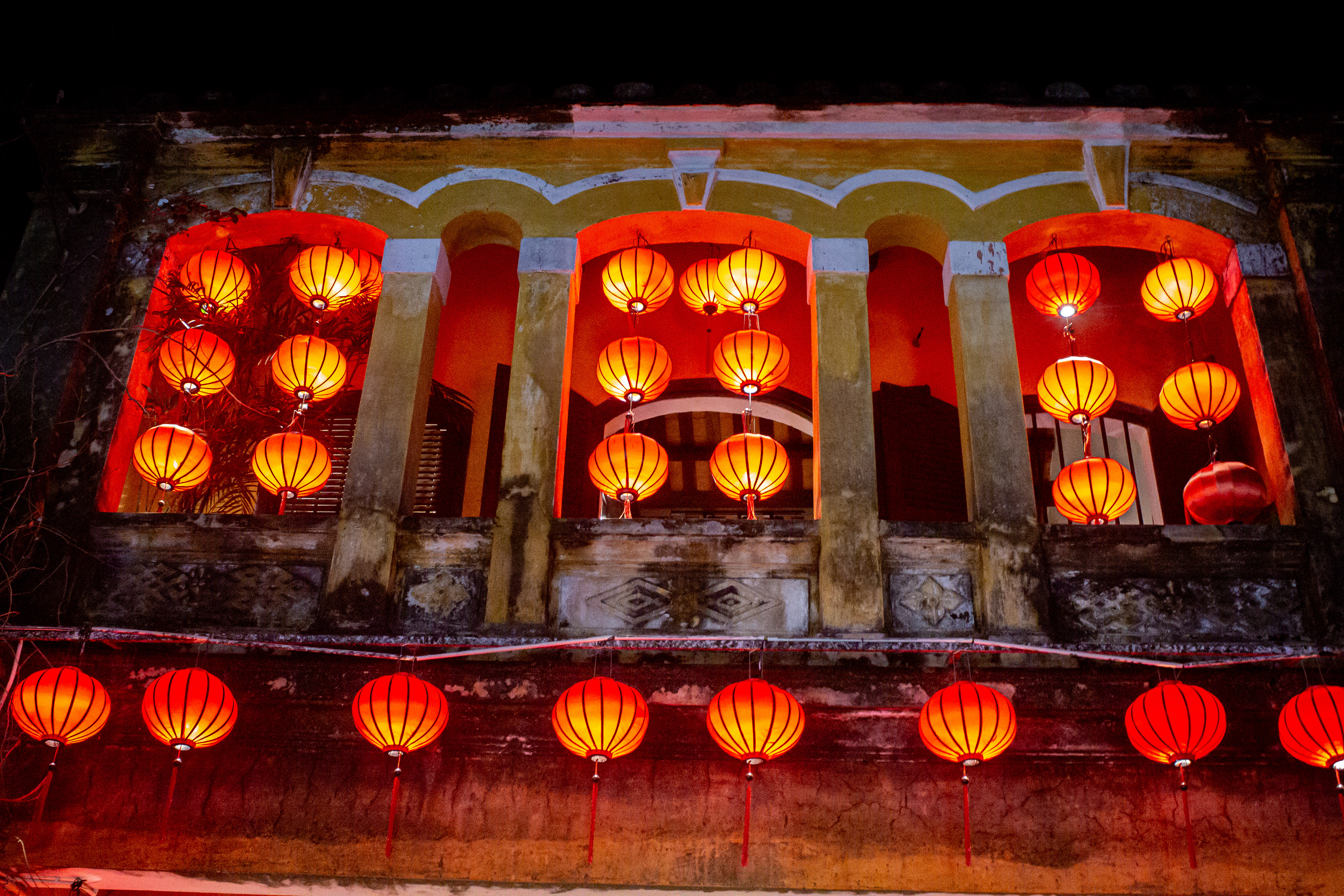
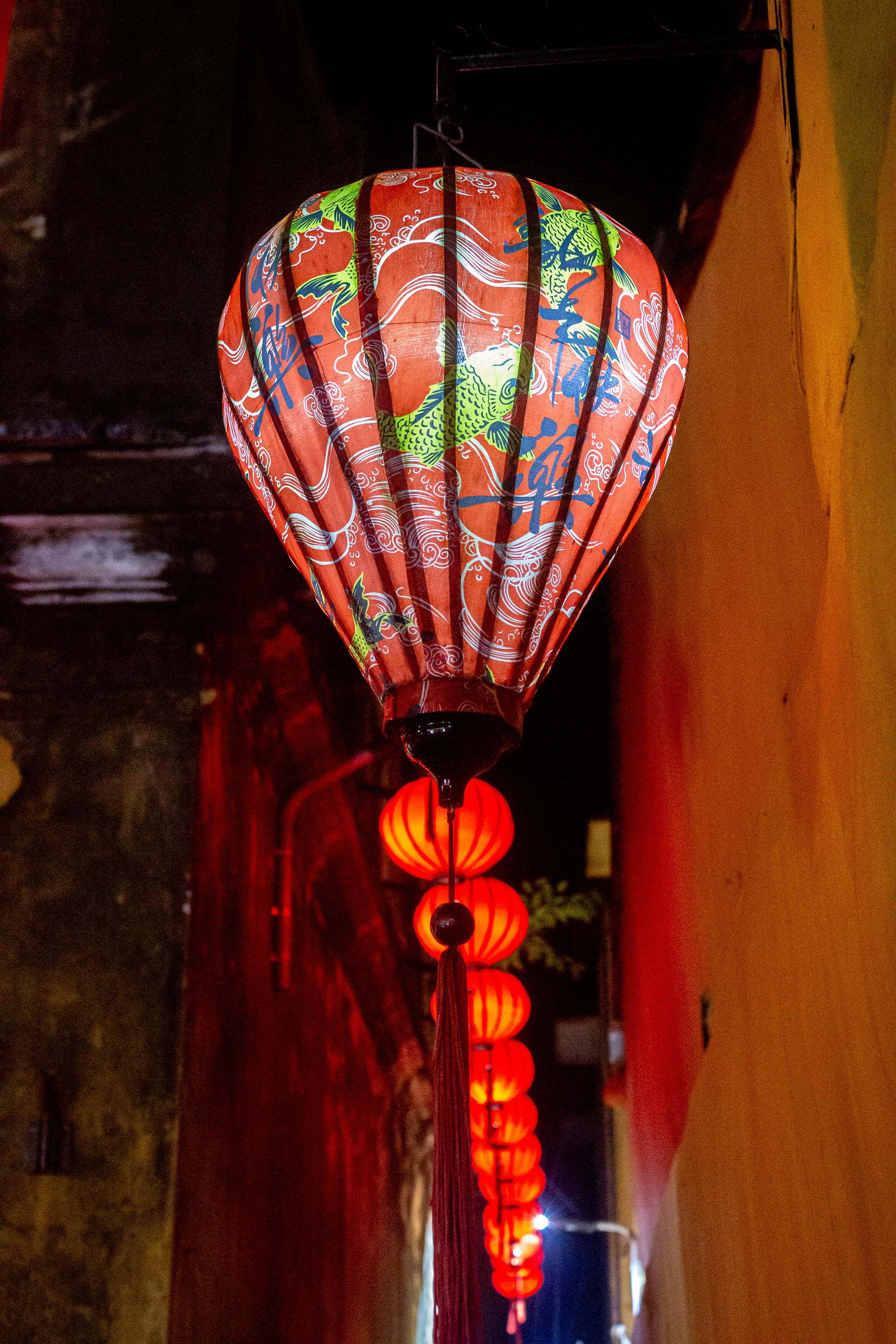
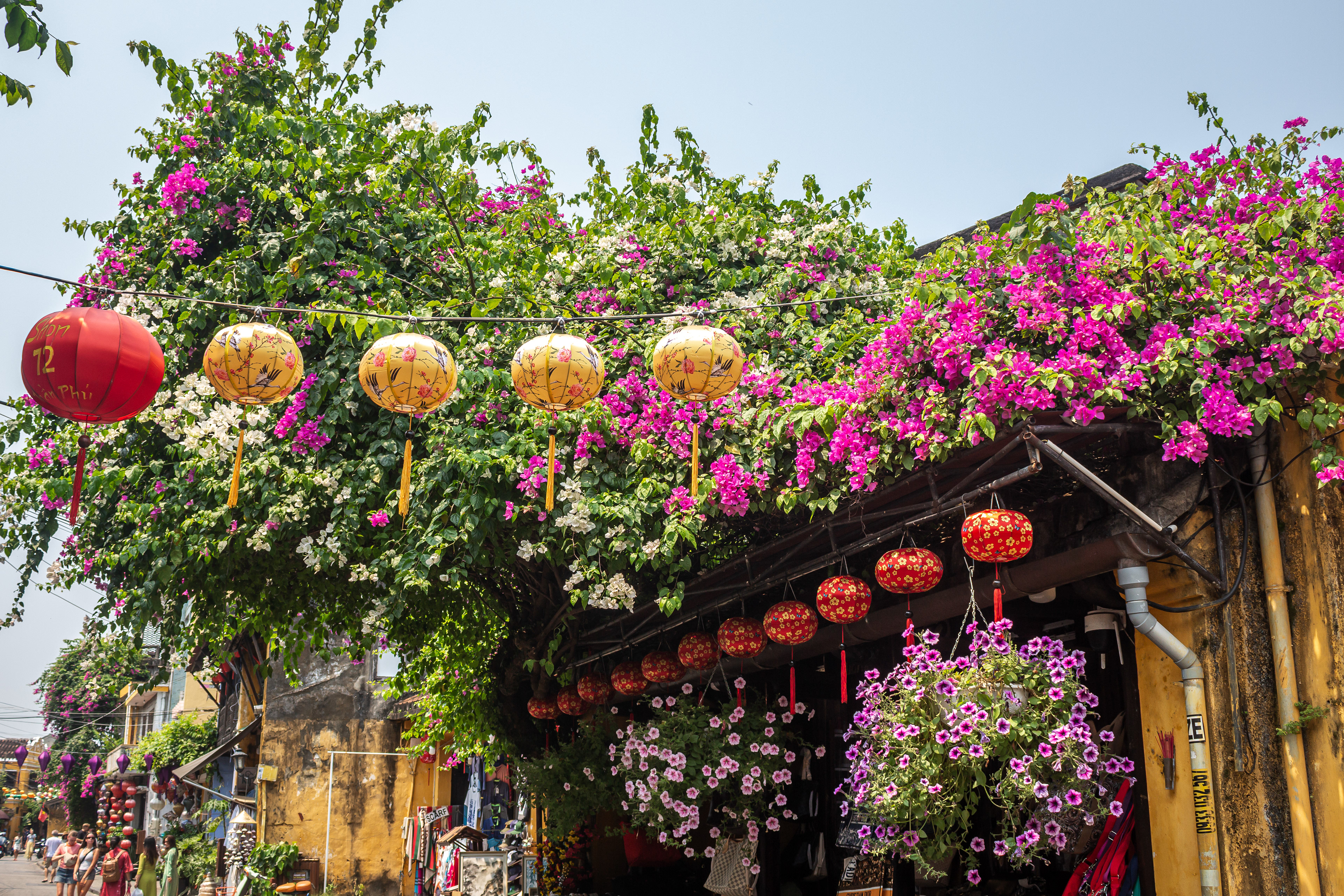
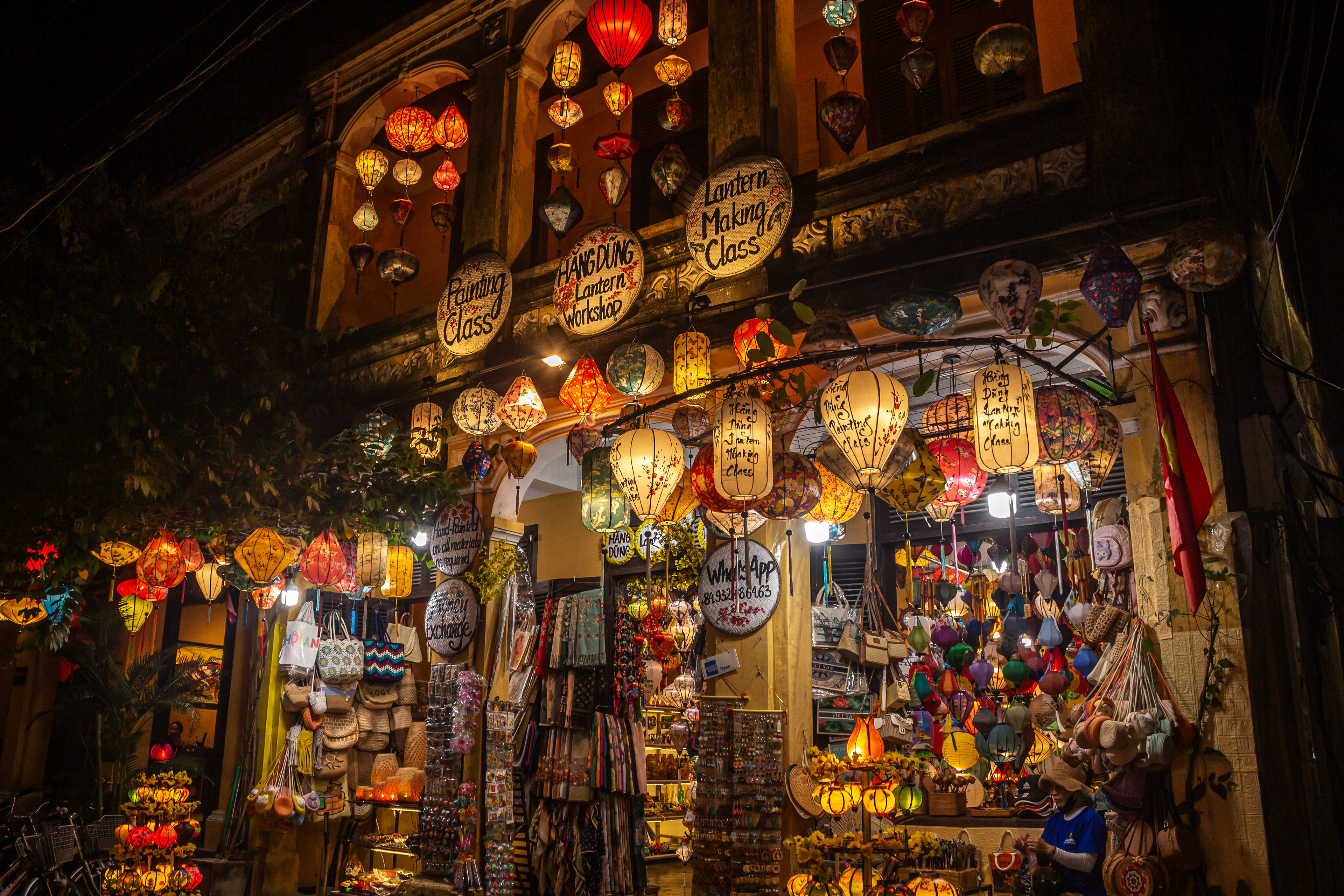
Every full moon, Hoi An transforms into a fairytale scene during the Lantern Festival. The electric lights are turned off, and thousands of colorful lanterns light up the streets and float along the Thu Bon River.
Every full moon, Hoi An transforms into a fairytale scene during the Lantern Festival. The electric lights are turned off, and thousands of colorful lanterns light up the streets and float along the Thu Bon River.
Don’t Miss:
Releasing a lantern on the river for good luck.
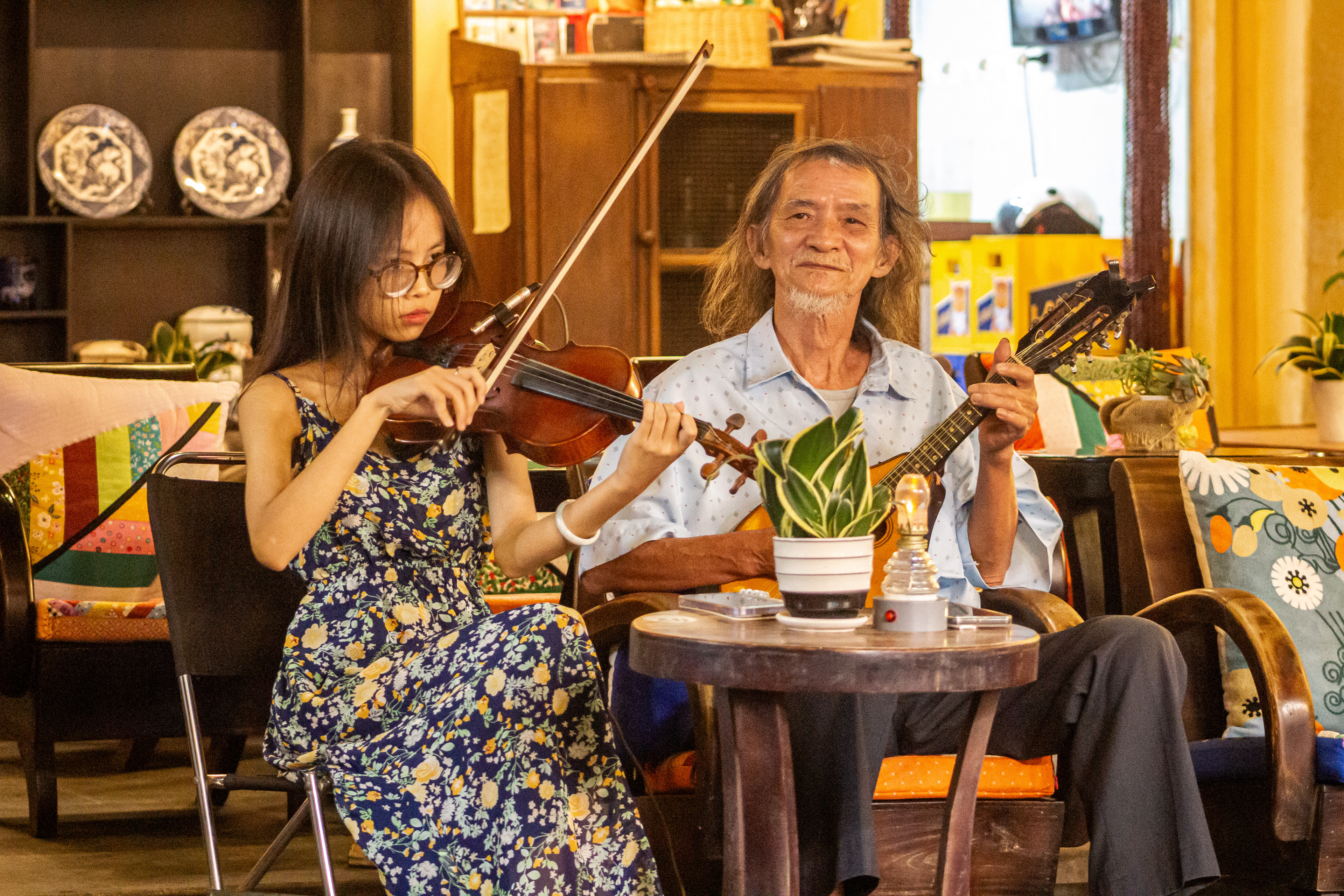
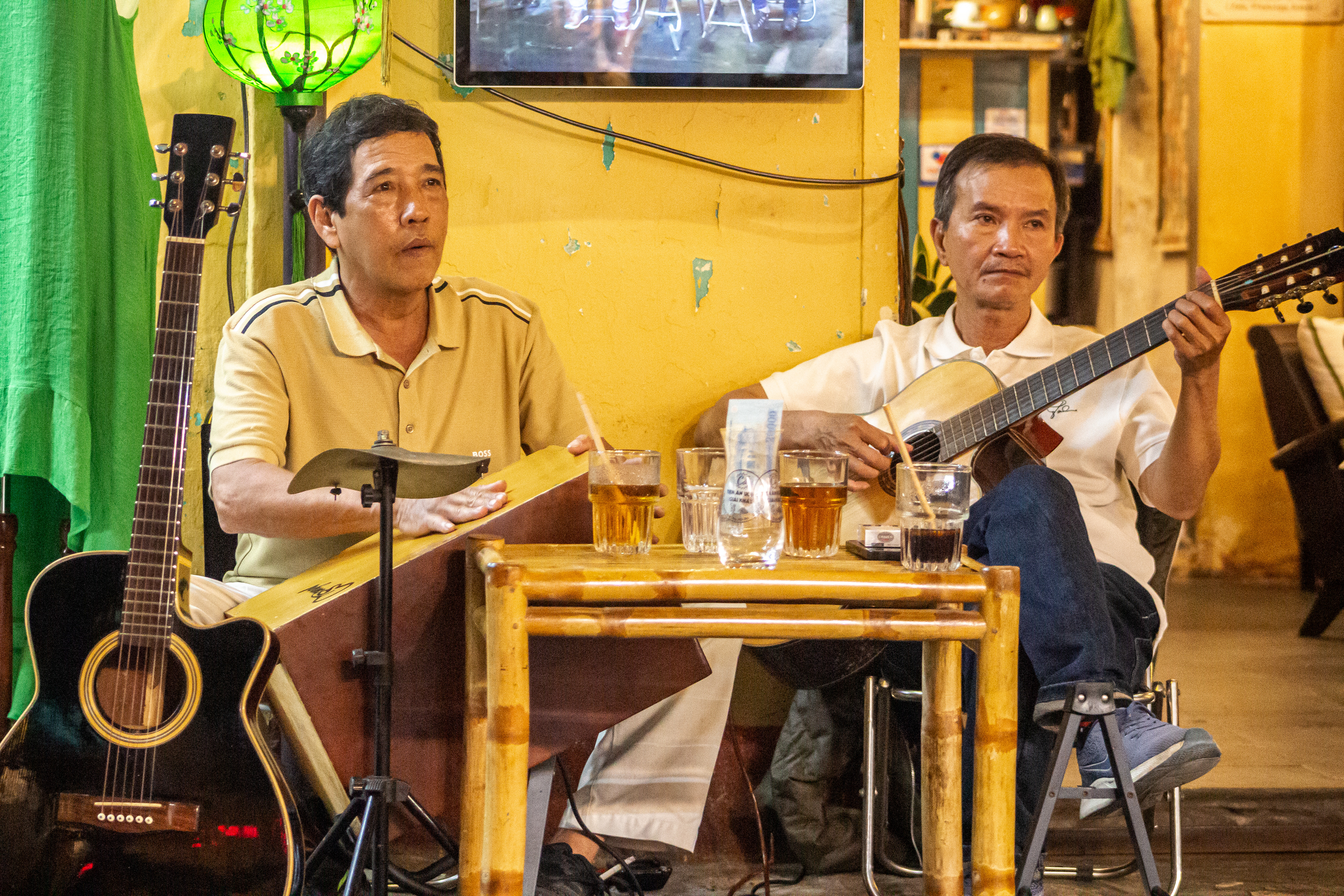
Traditional music and street performances.
Sampling mooncakes and other local treats.
Releasing a lantern on the river for good luck.
Traditional music and street performances.
Sampling mooncakes and other local treats.
Hoi An’s Riverside & Night Market
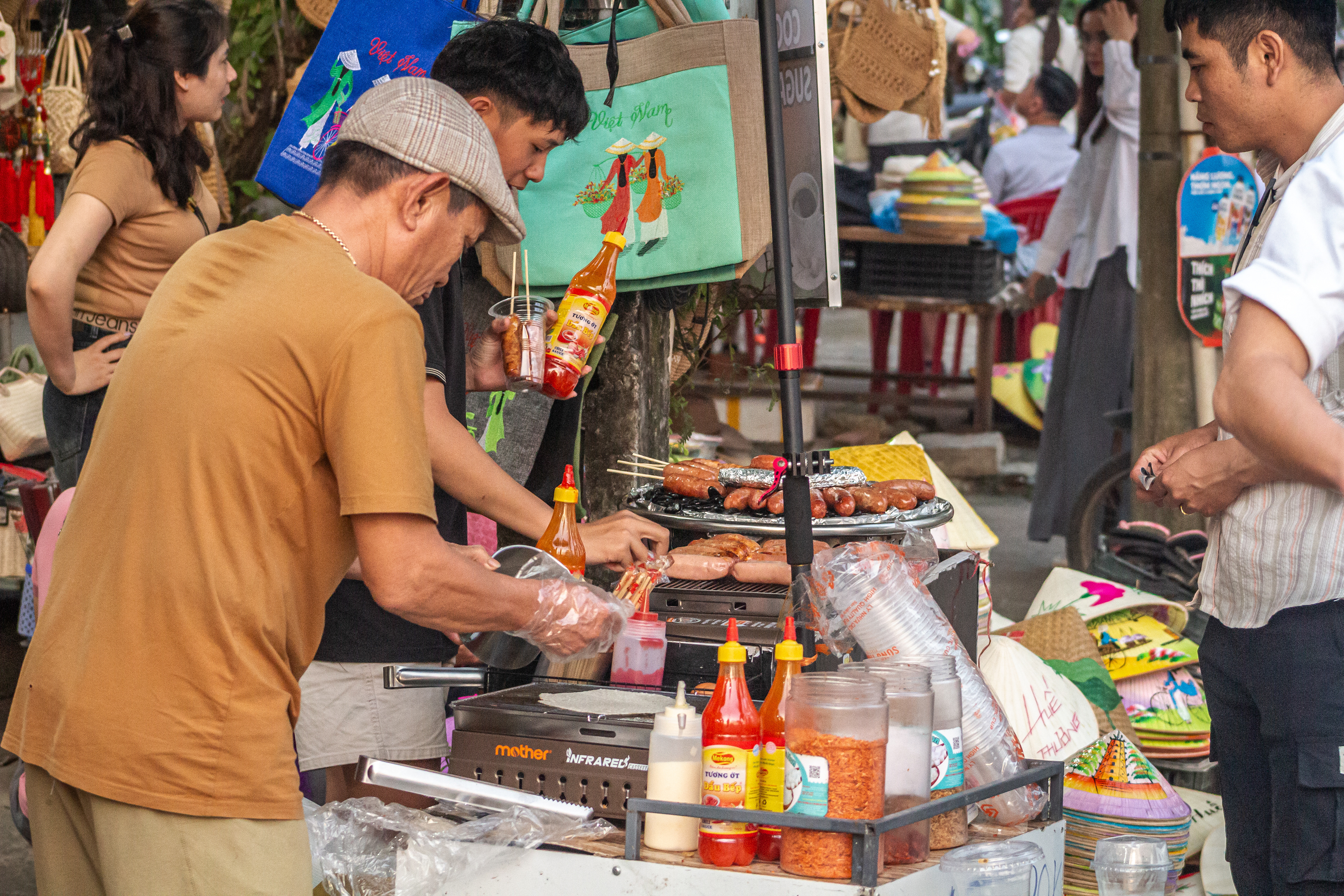
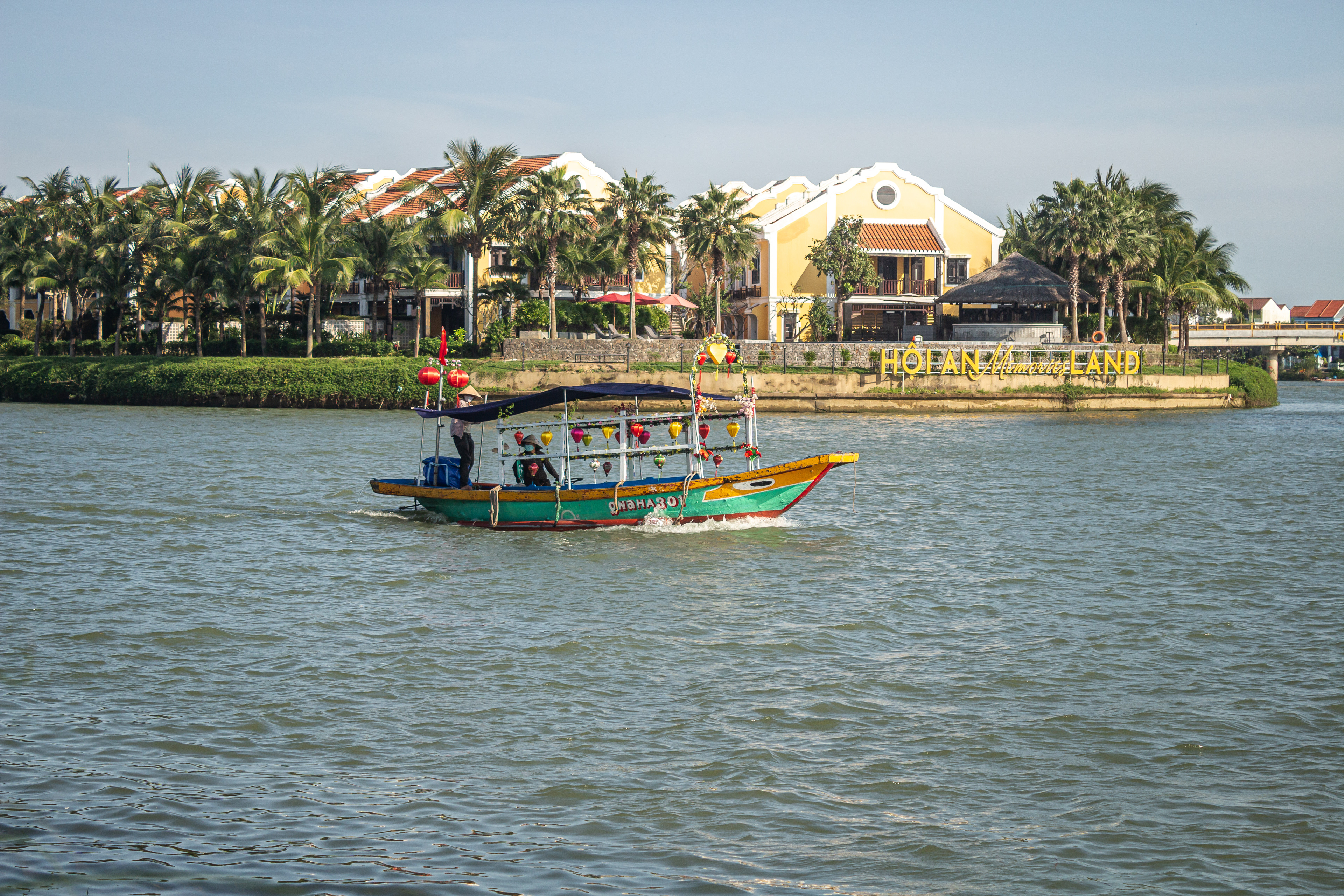
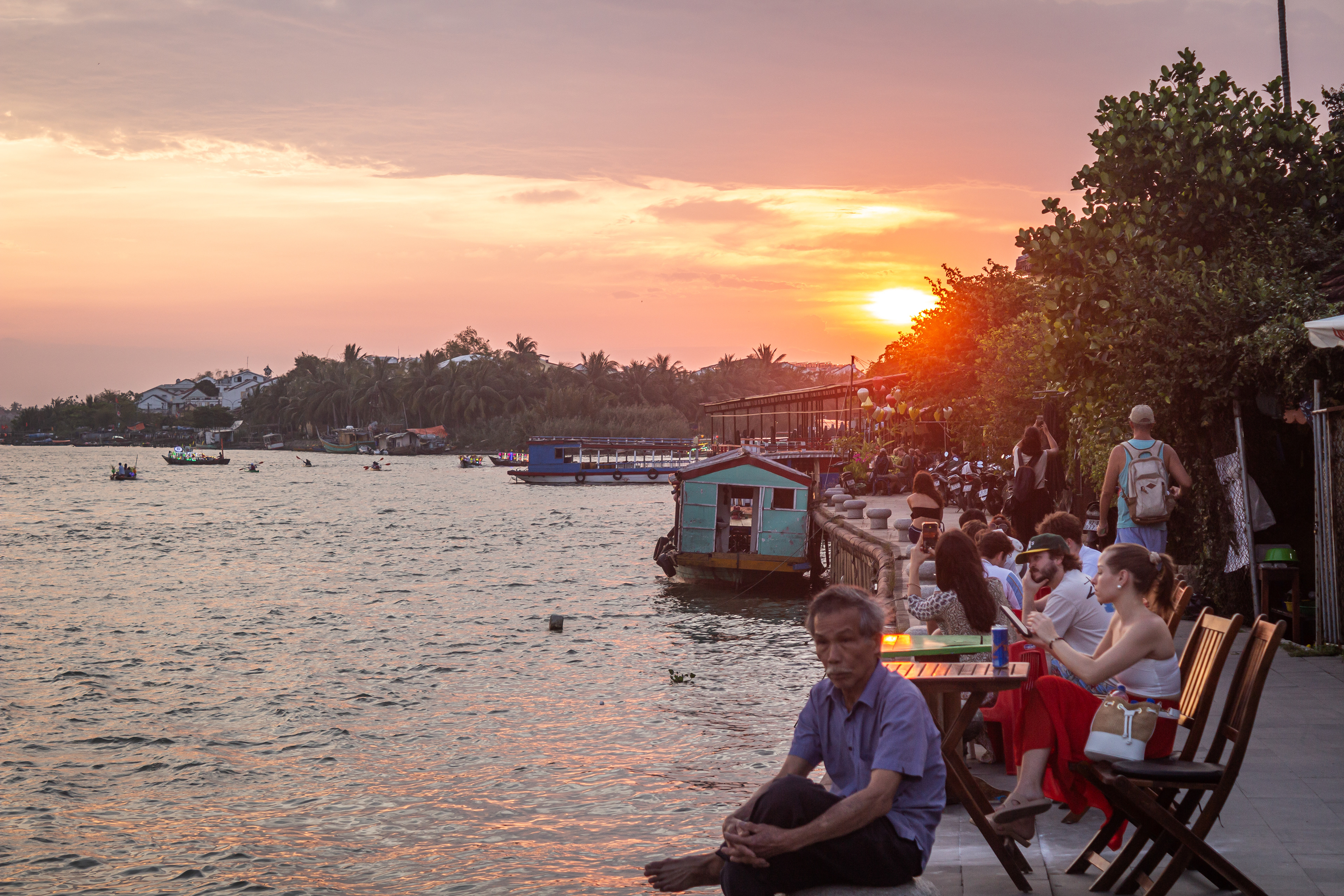
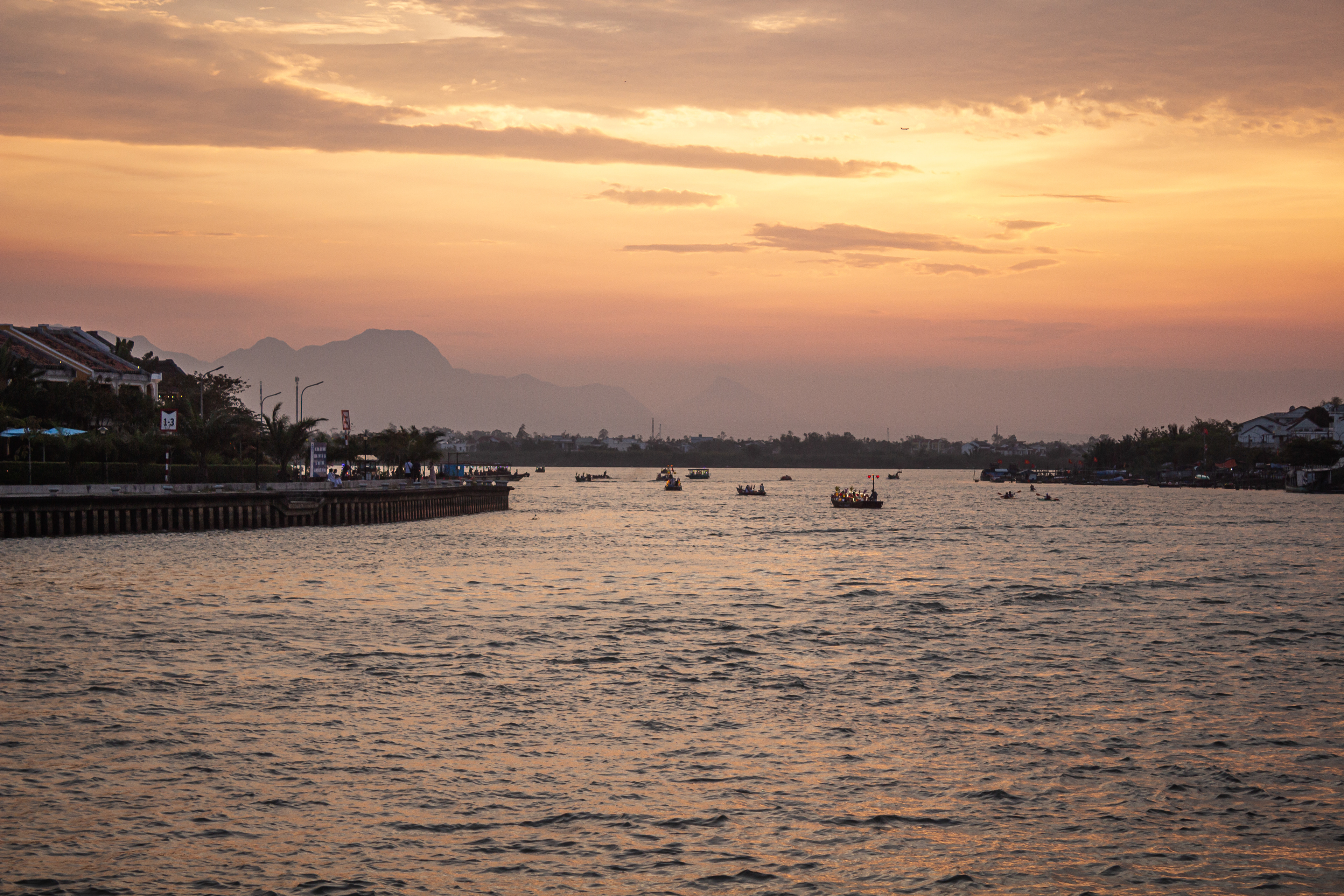
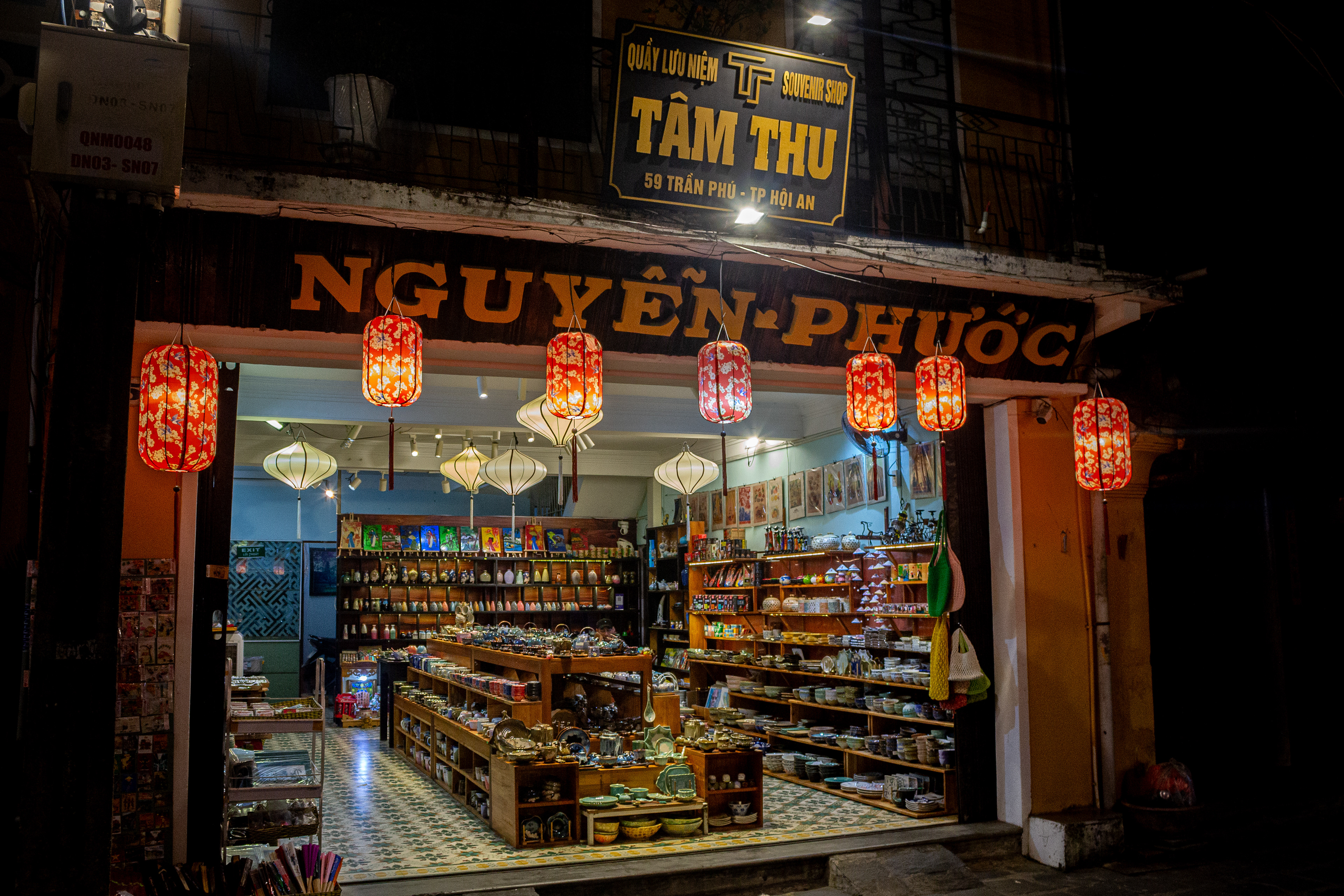
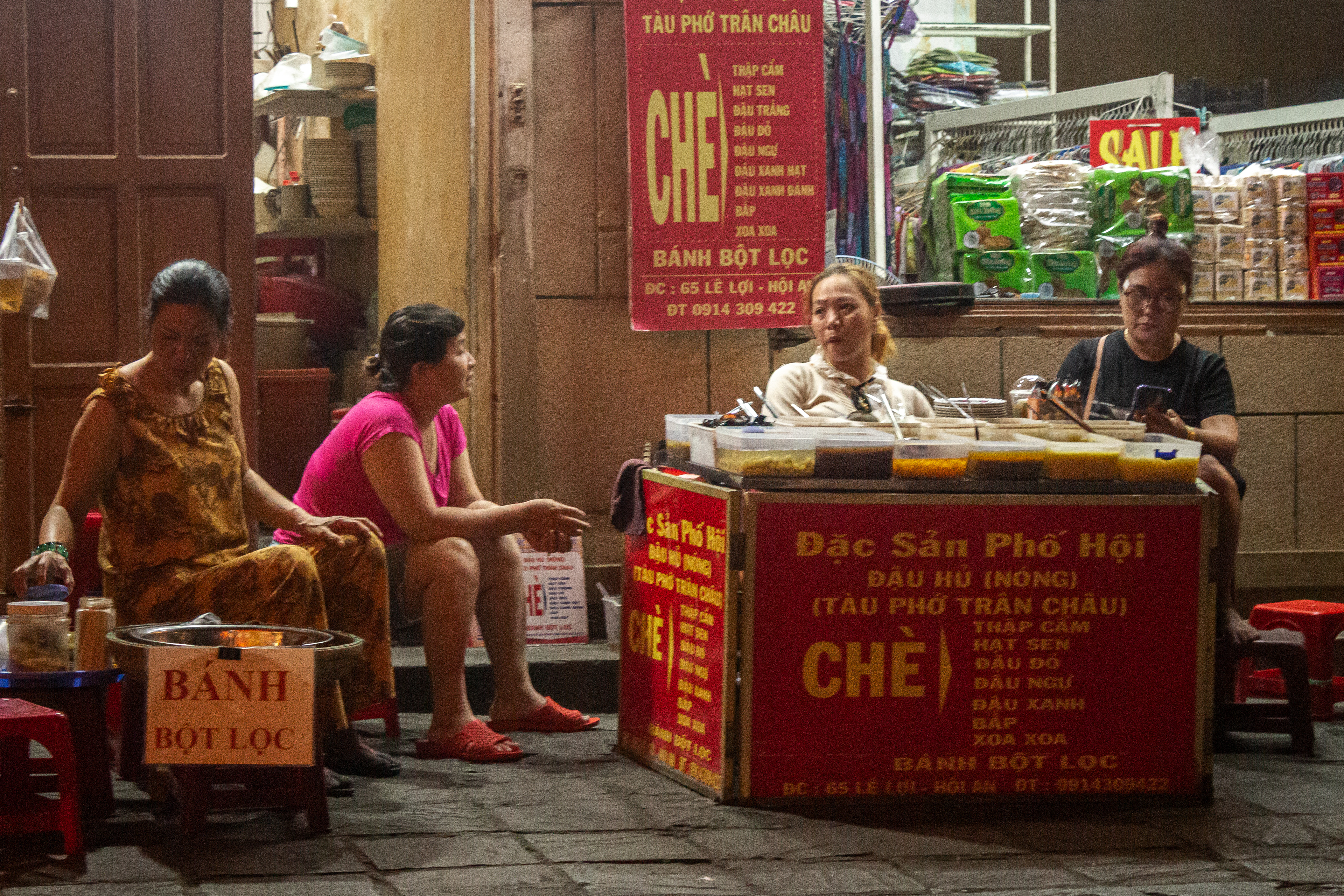
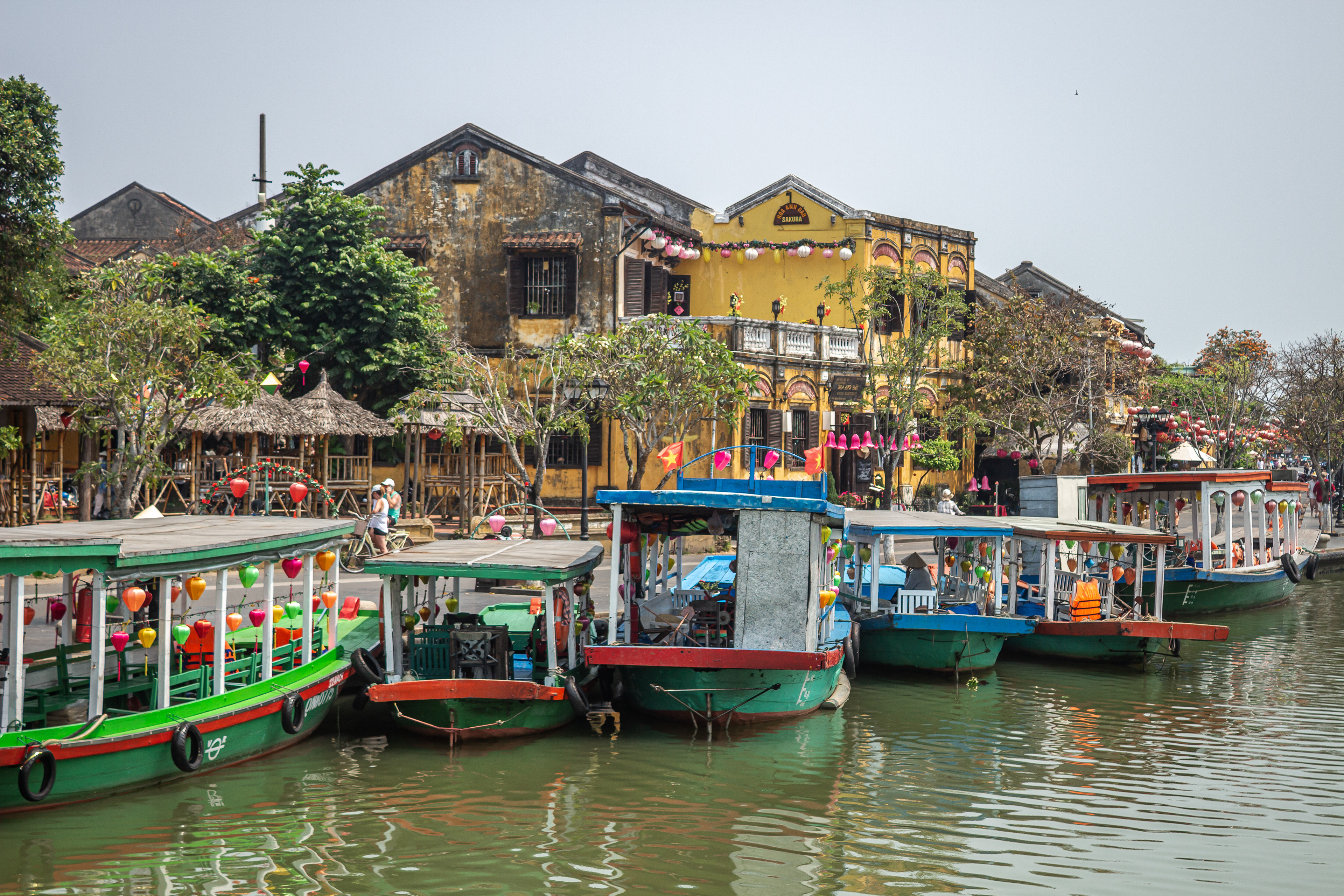
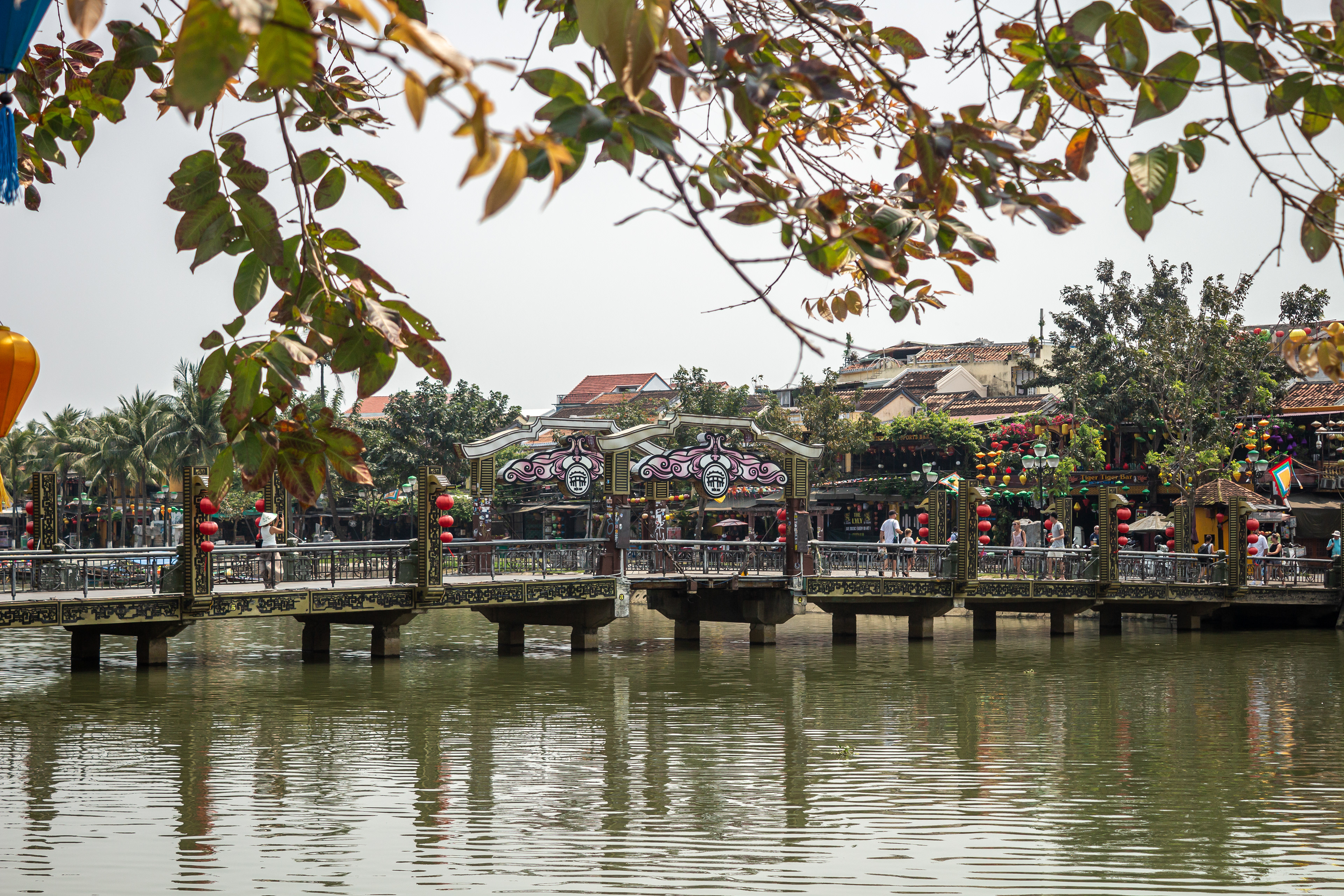
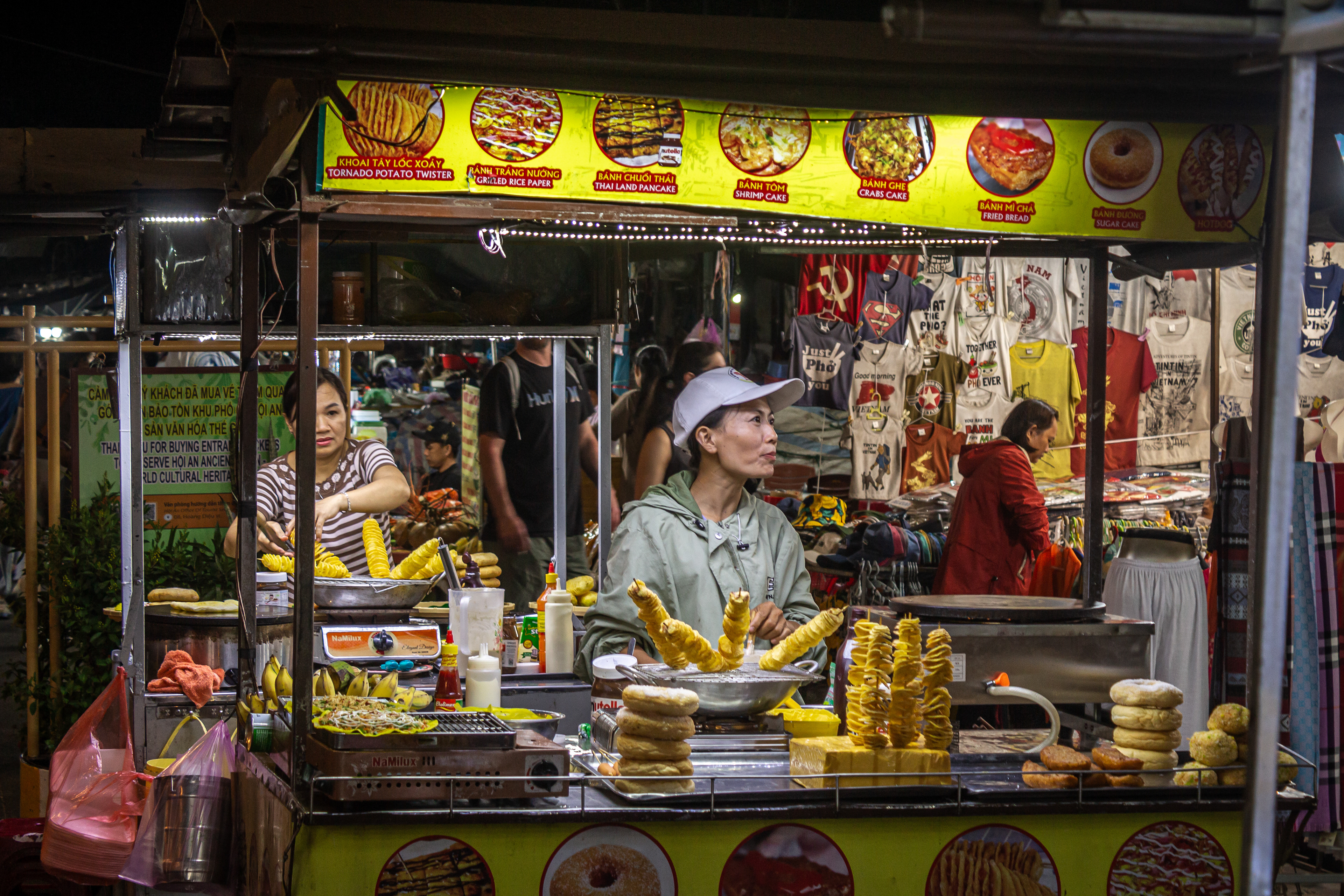
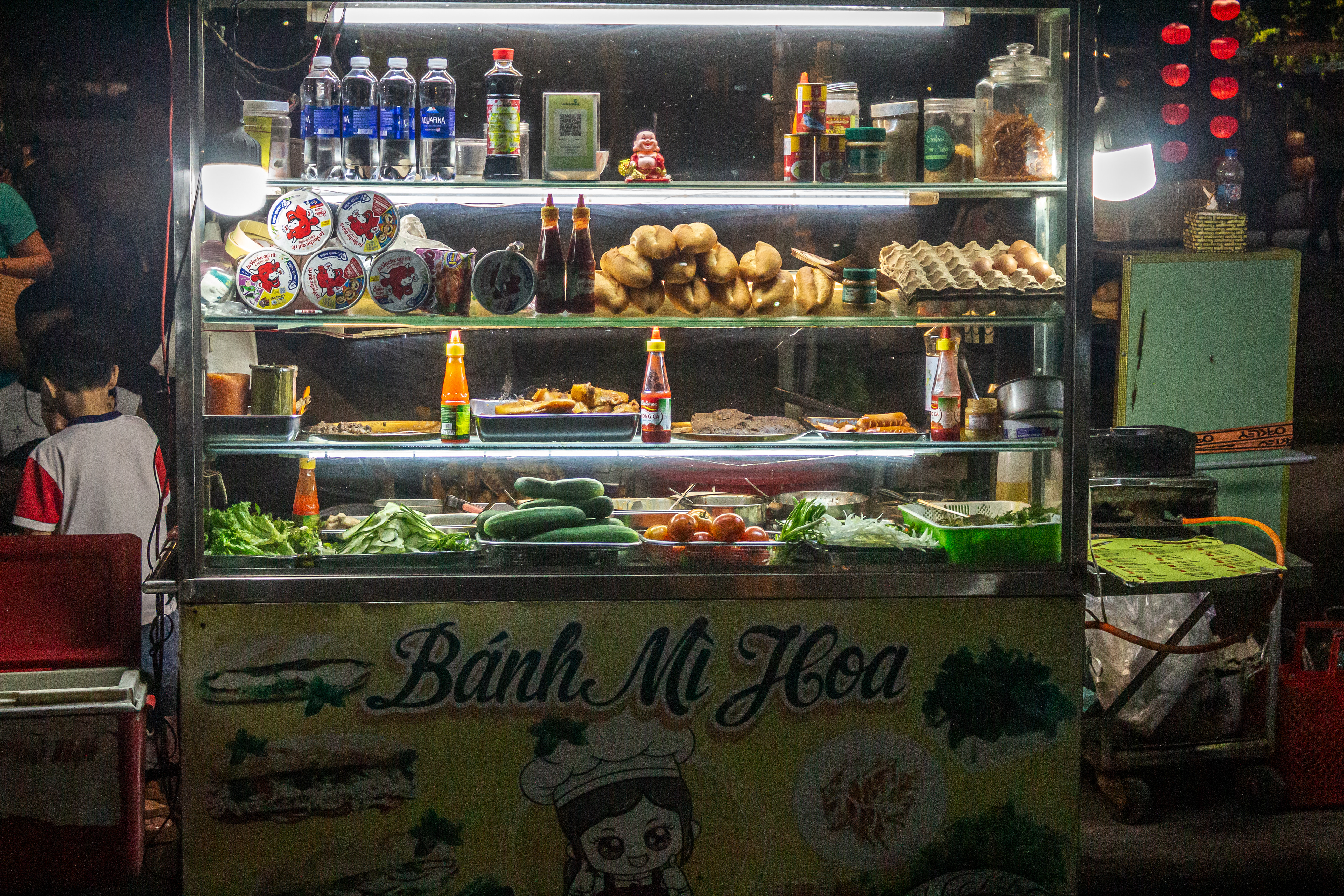
As evening falls, the Thu Bon River comes alive with lights, boat rides, and market stalls. The Hoi An Night Market, located on An Hoi Island, is perfect for lantern shopping, street food, and local crafts.
As evening falls, the Thu Bon River comes alive with lights, boat rides, and market stalls. The Hoi An Night Market, located on An Hoi Island, is perfect for lantern shopping, street food, and local crafts.
Try: Grilled skewers, coconut pancakes (banh khot), or a fresh sugarcane drink.
Signature Dishes:
Cao Lau – Chewy noodles with pork, greens, and crispy crackers.
White Rose Dumplings – Delicate shrimp dumplings topped with crispy shallots.
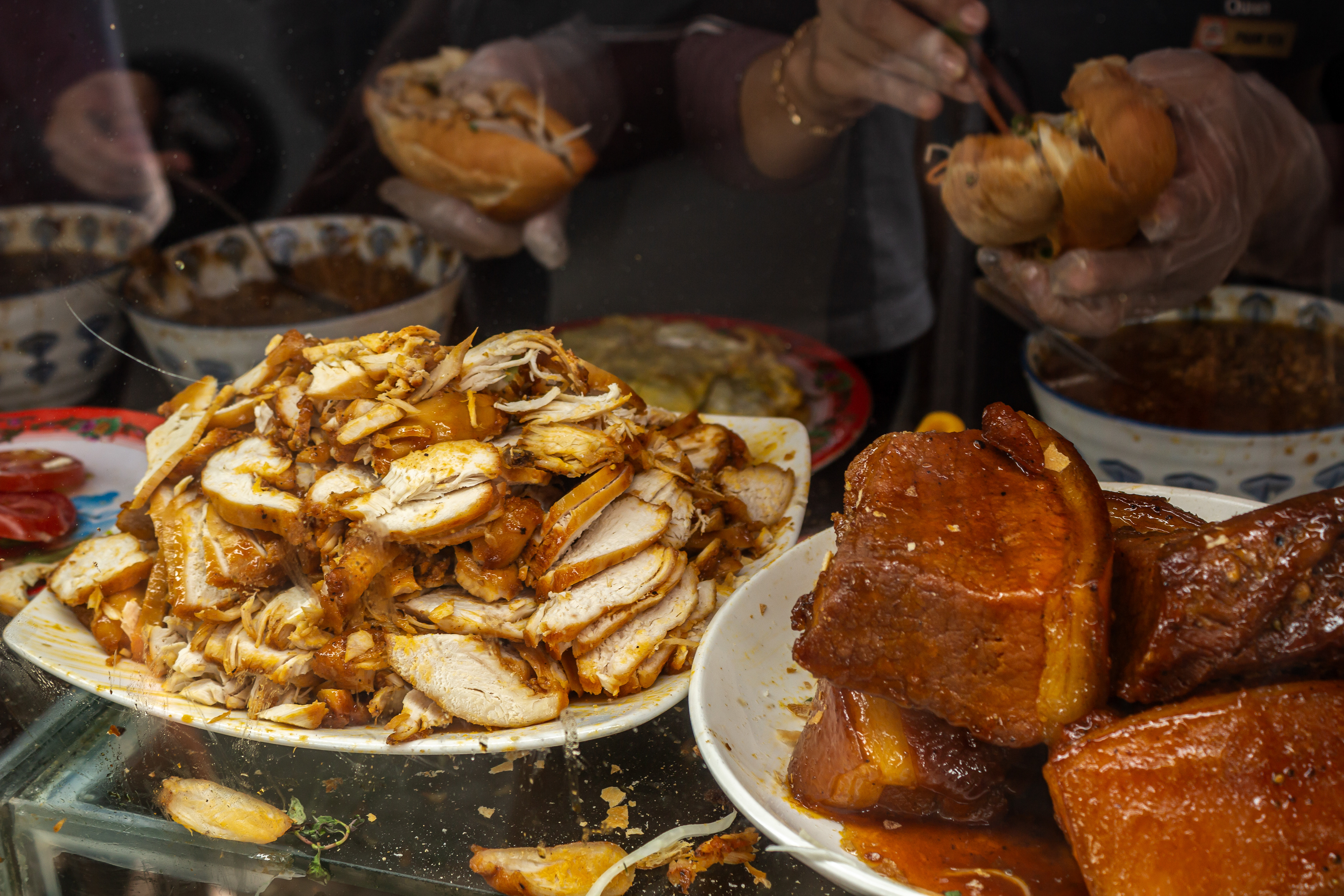
Com Ga (Chicken Rice) – Fragrant rice with shredded chicken, herbs, and chili sauce.
Cao Lau – Chewy noodles with pork, greens, and crispy crackers.
White Rose Dumplings – Delicate shrimp dumplings topped with crispy shallots.
Com Ga (Chicken Rice) – Fragrant rice with shredded chicken, herbs, and chili sauce.
An Bang Beach & Cua Dai Beach
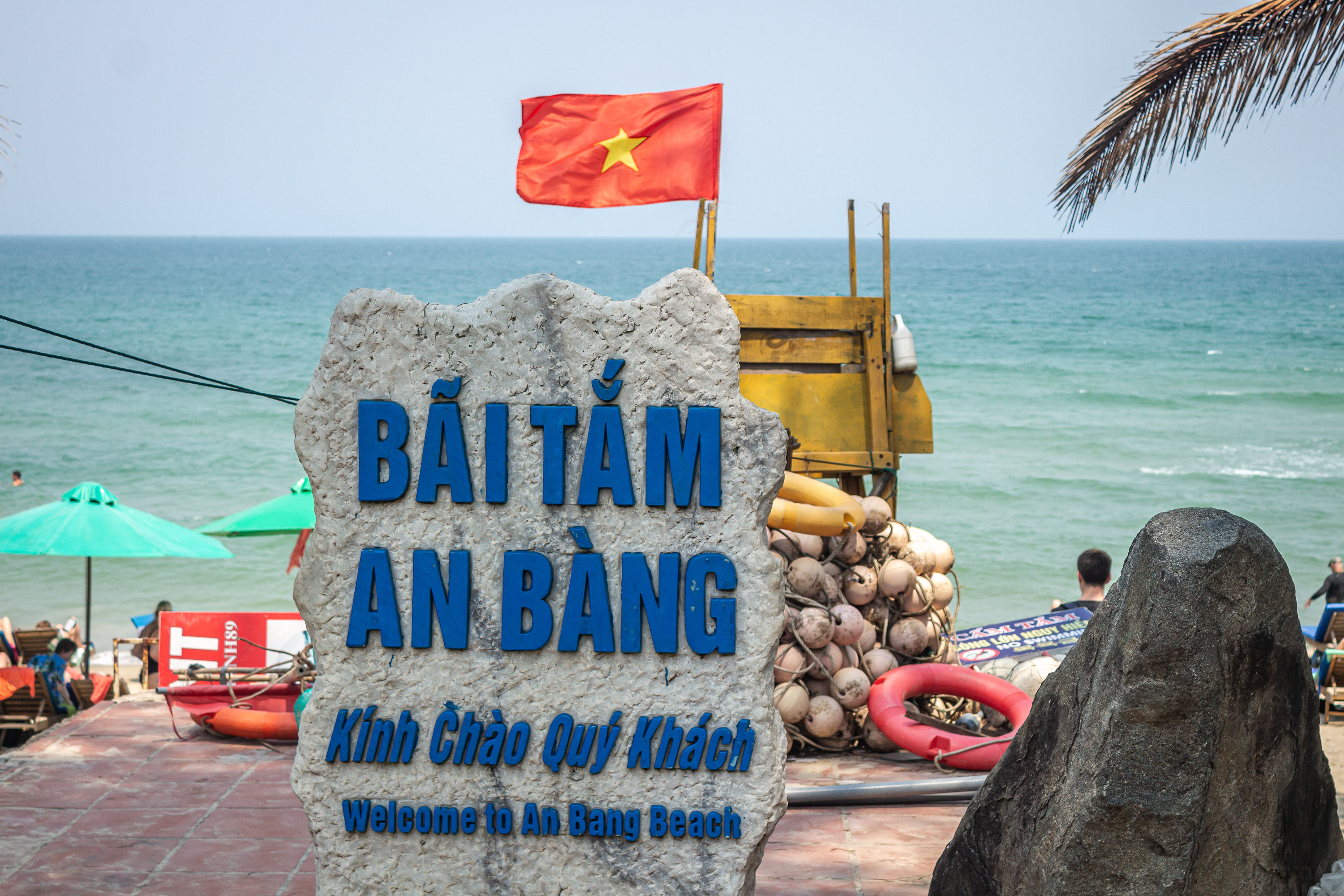
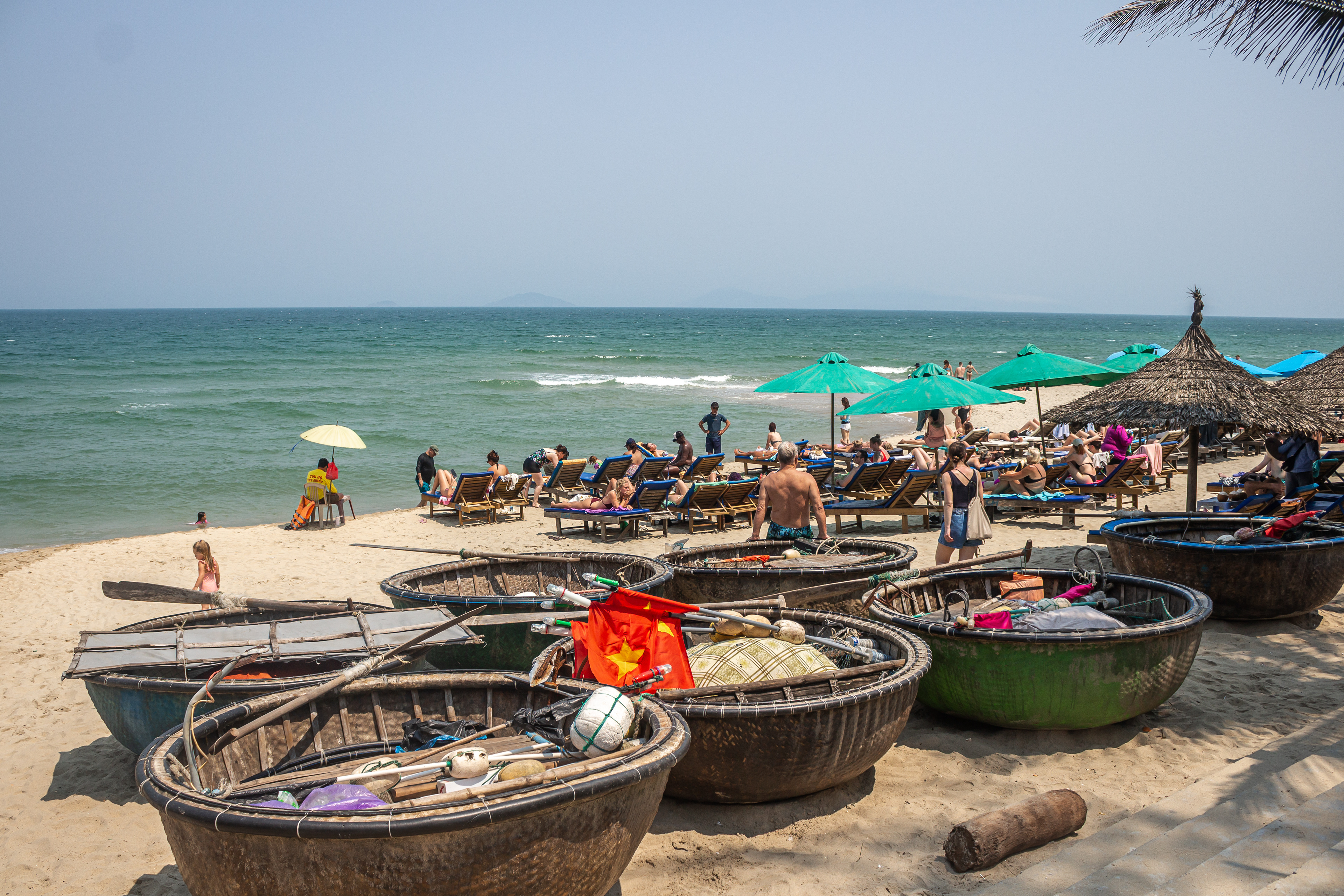
When you’re ready for some relaxation, head to An Bang Beach, just 4 km from the town center. It’s laid-back and lined with beach bars, perfect for a sunny afternoon. Cua Dai Beach, though more developed, also offers sandy shores and calm waves.
When you’re ready for some relaxation, head to An Bang Beach, just 4 km from the town center. It’s laid-back and lined with beach bars, perfect for a sunny afternoon. Cua Dai Beach, though more developed, also offers sandy shores and calm waves.
What to See in Da Nang, Vietnam – A Coastal Gem Between Mountains and Sea
Nestled between the ancient towns of Hoi An and the imperial city of Hue, Da Nang is Vietnam’s third-largest city and a dynamic coastal hub that seamlessly blends natural beauty, modern charm, and cultural treasures. With its pristine beaches, majestic mountains, and striking architecture, Da Nang has emerged as a must-visit destination for travelers seeking both relaxation and adventure. Here’s your travel guide to the top attractions and experiences in Da Nang.
My Khe Beach – Sun, Sand, and Surf
Often listed among the most beautiful beaches in Asia, My Khe Beach boasts a long stretch of golden sand and clear blue waters. It’s ideal for swimming, sunbathing, beach volleyball, and water sports like surfing and jet-skiing.
Often listed among the most beautiful beaches in Asia, My Khe Beach boasts a long stretch of golden sand and clear blue waters. It’s ideal for swimming, sunbathing, beach volleyball, and water sports like surfing and jet-skiing.
Marble Mountains (Ngu Hanh Son) – Sacred Caves and Scenic Views
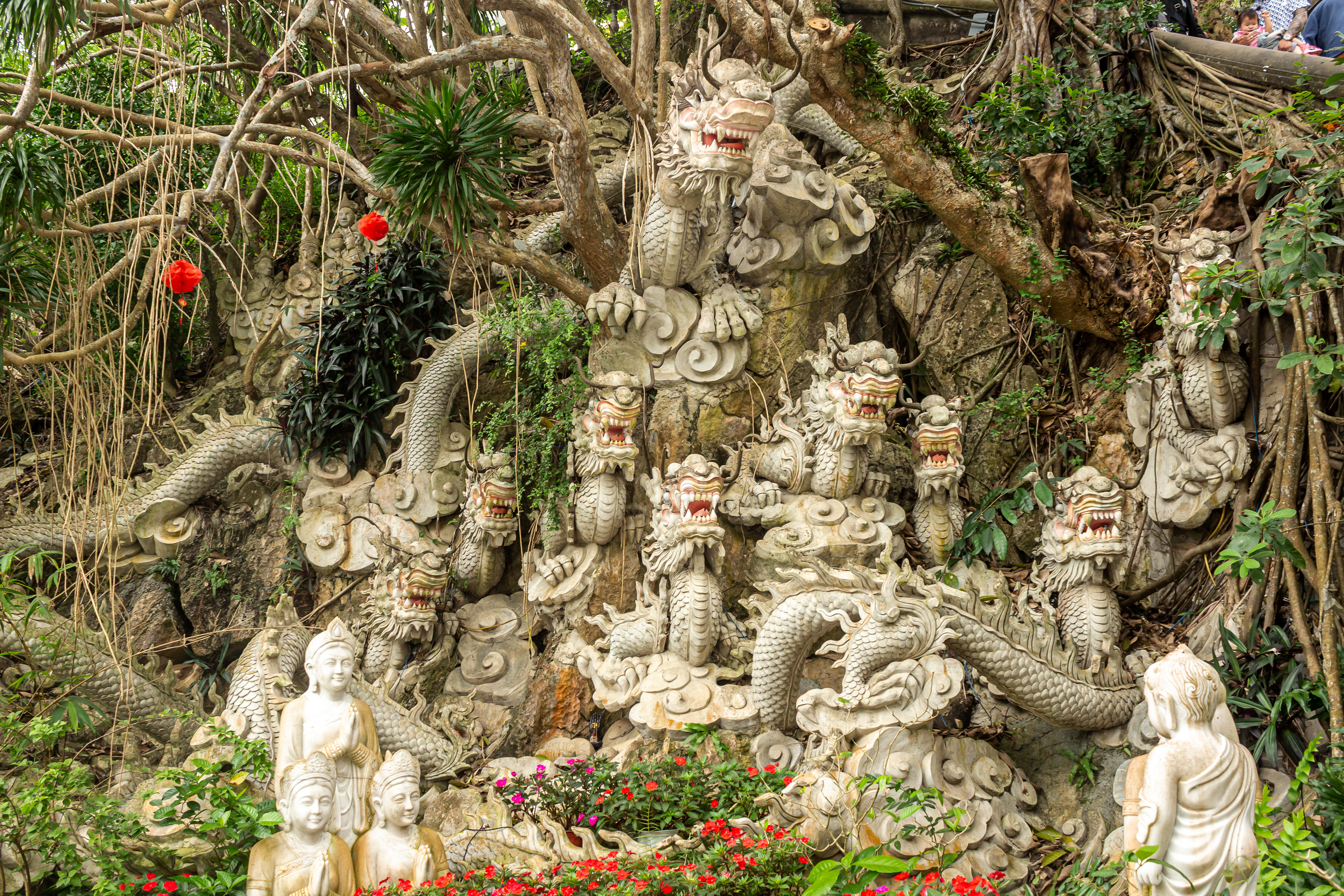
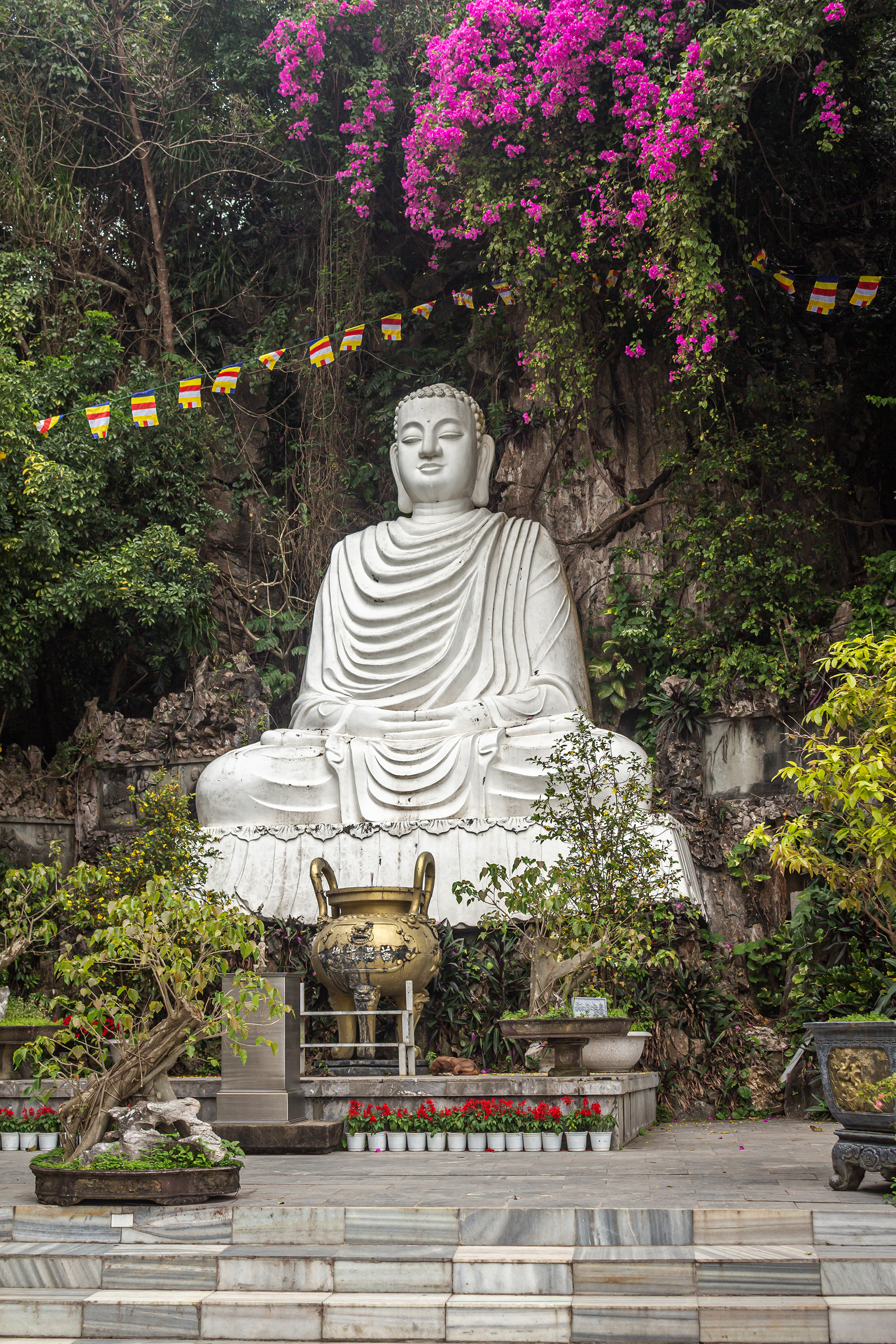
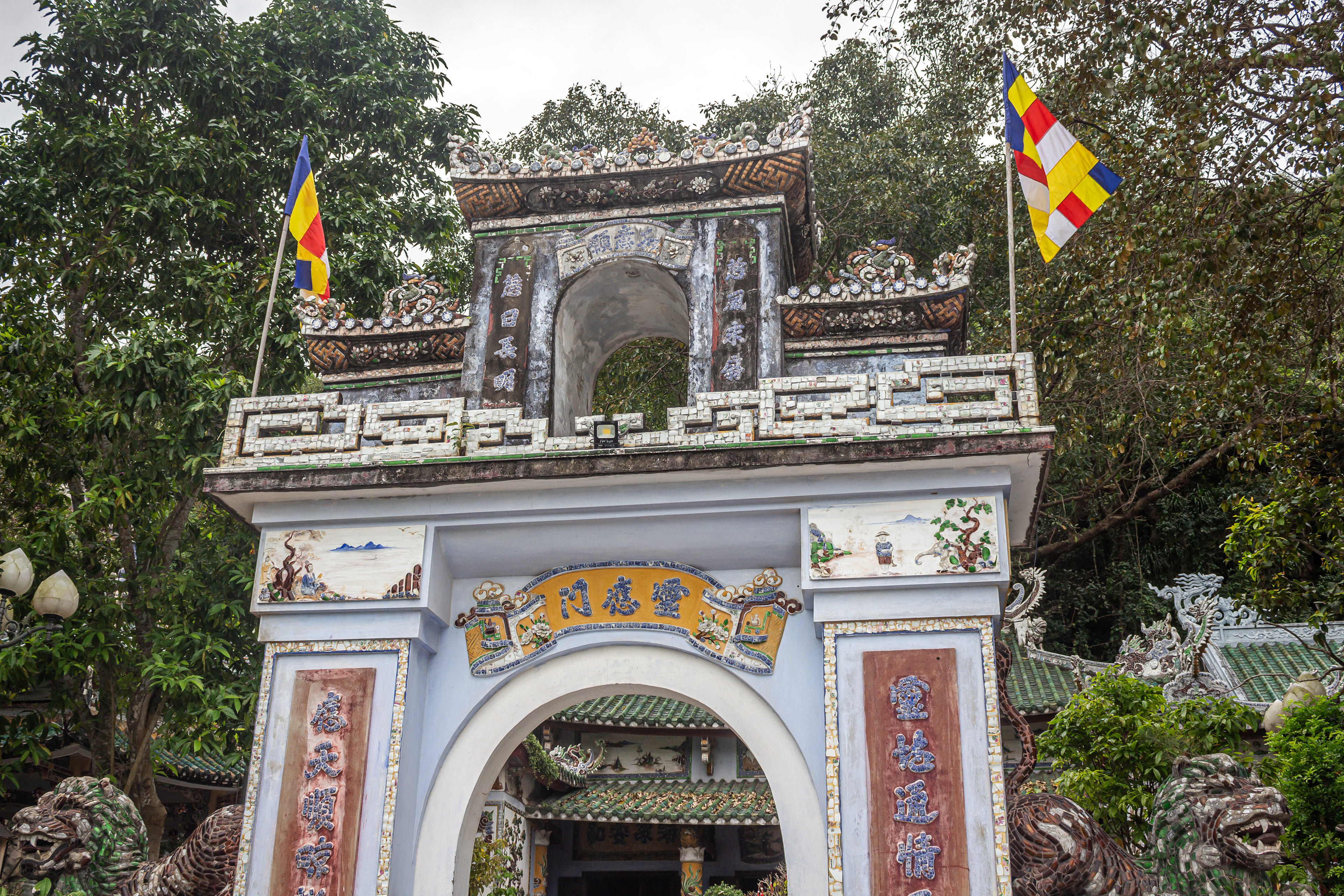
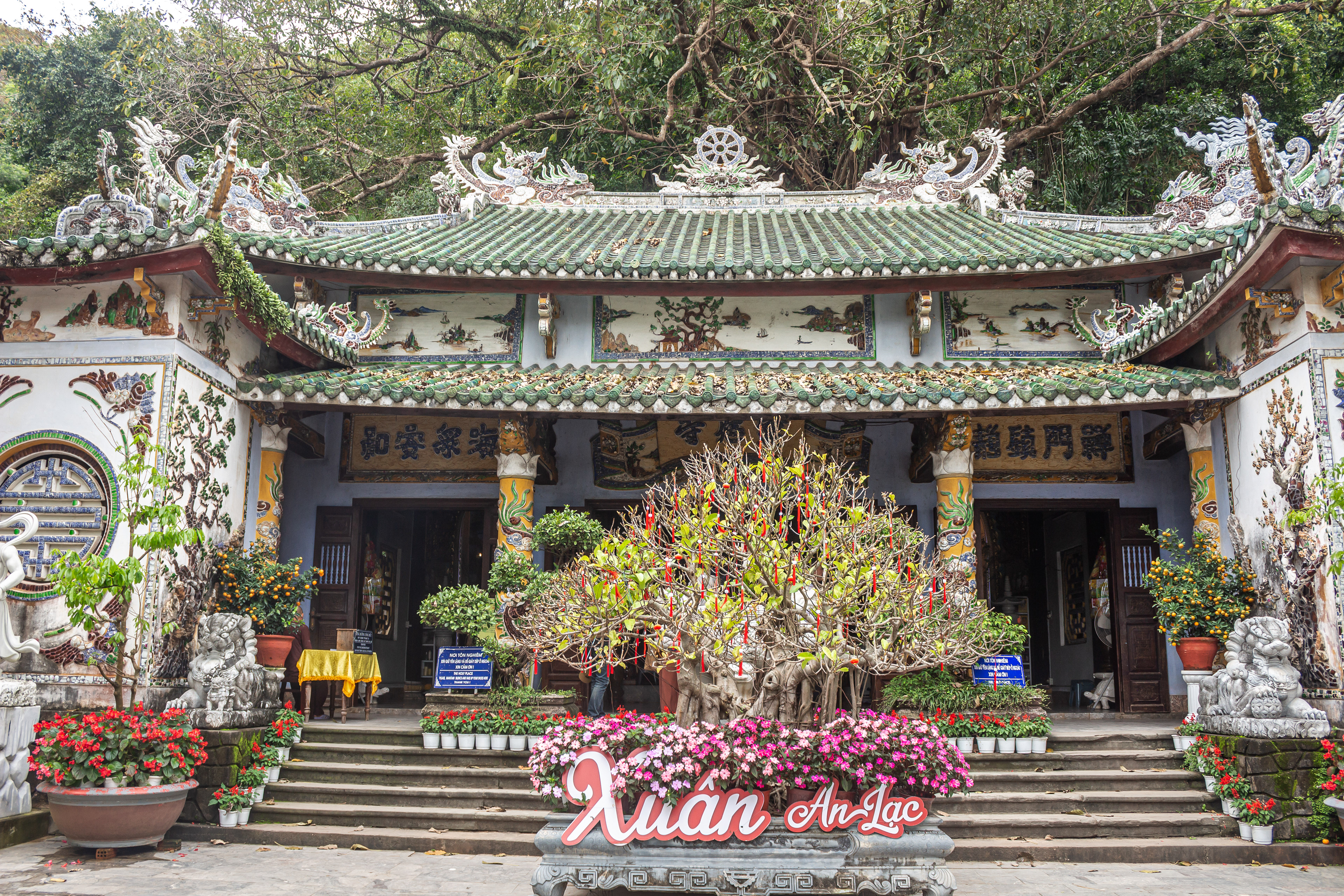
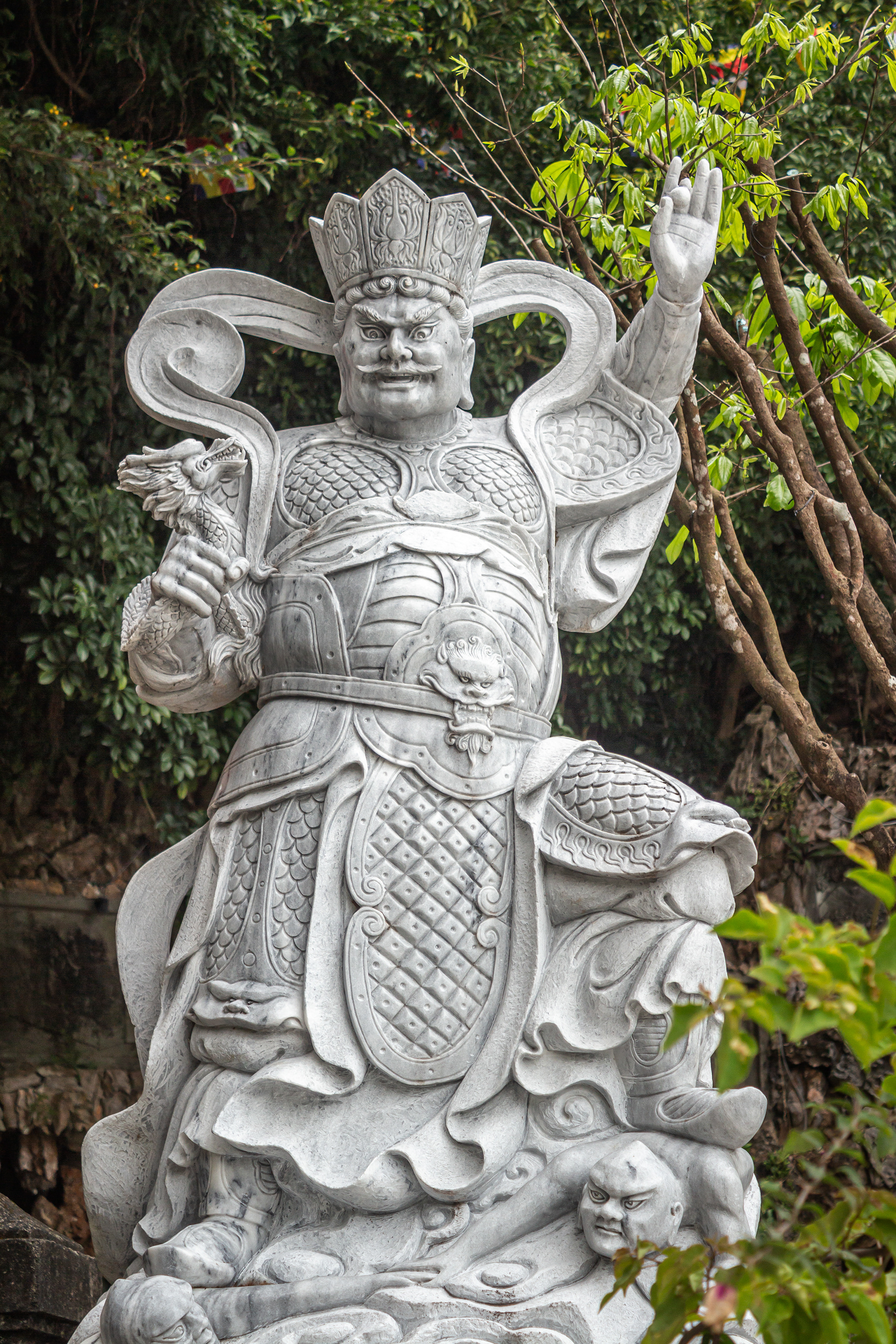
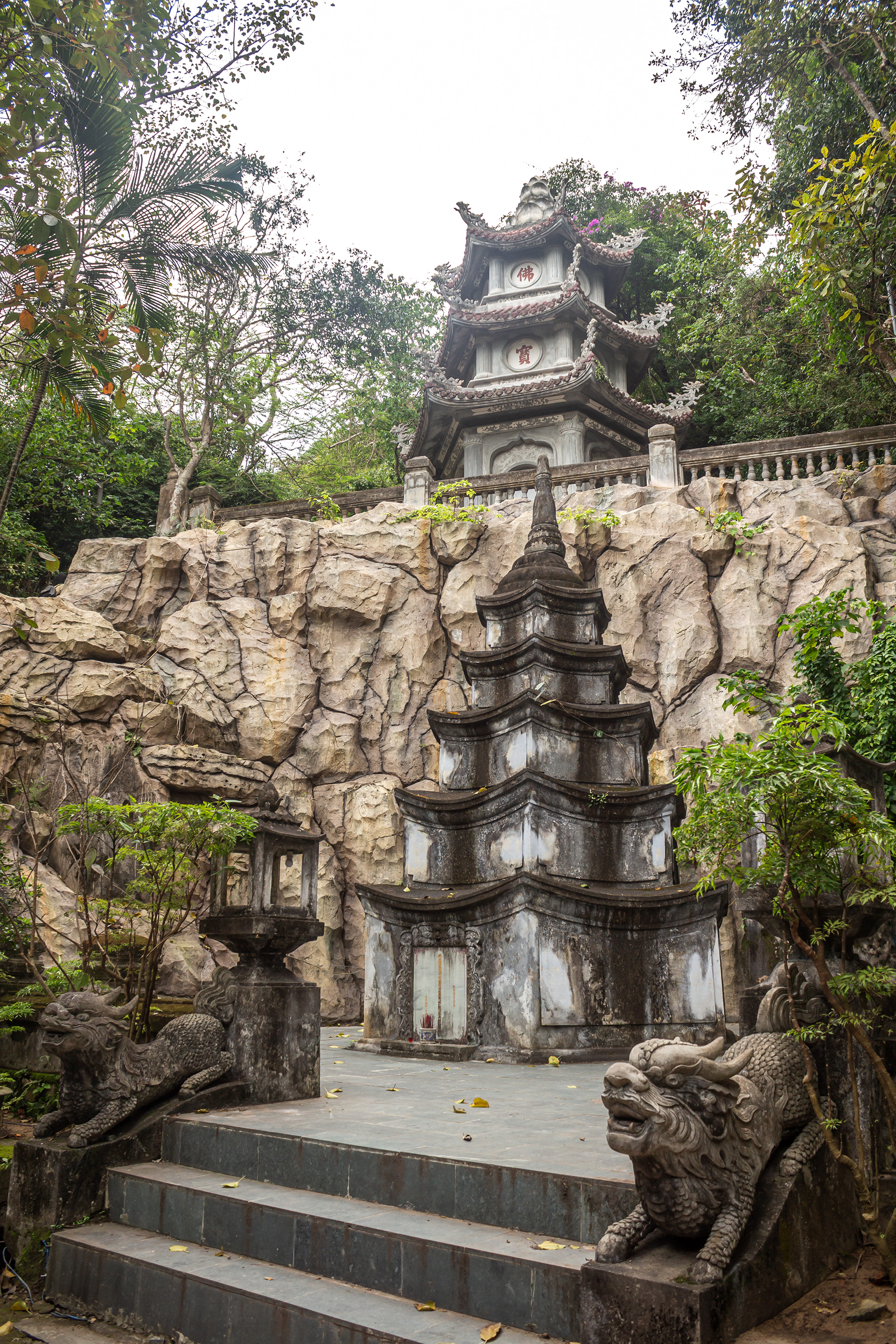
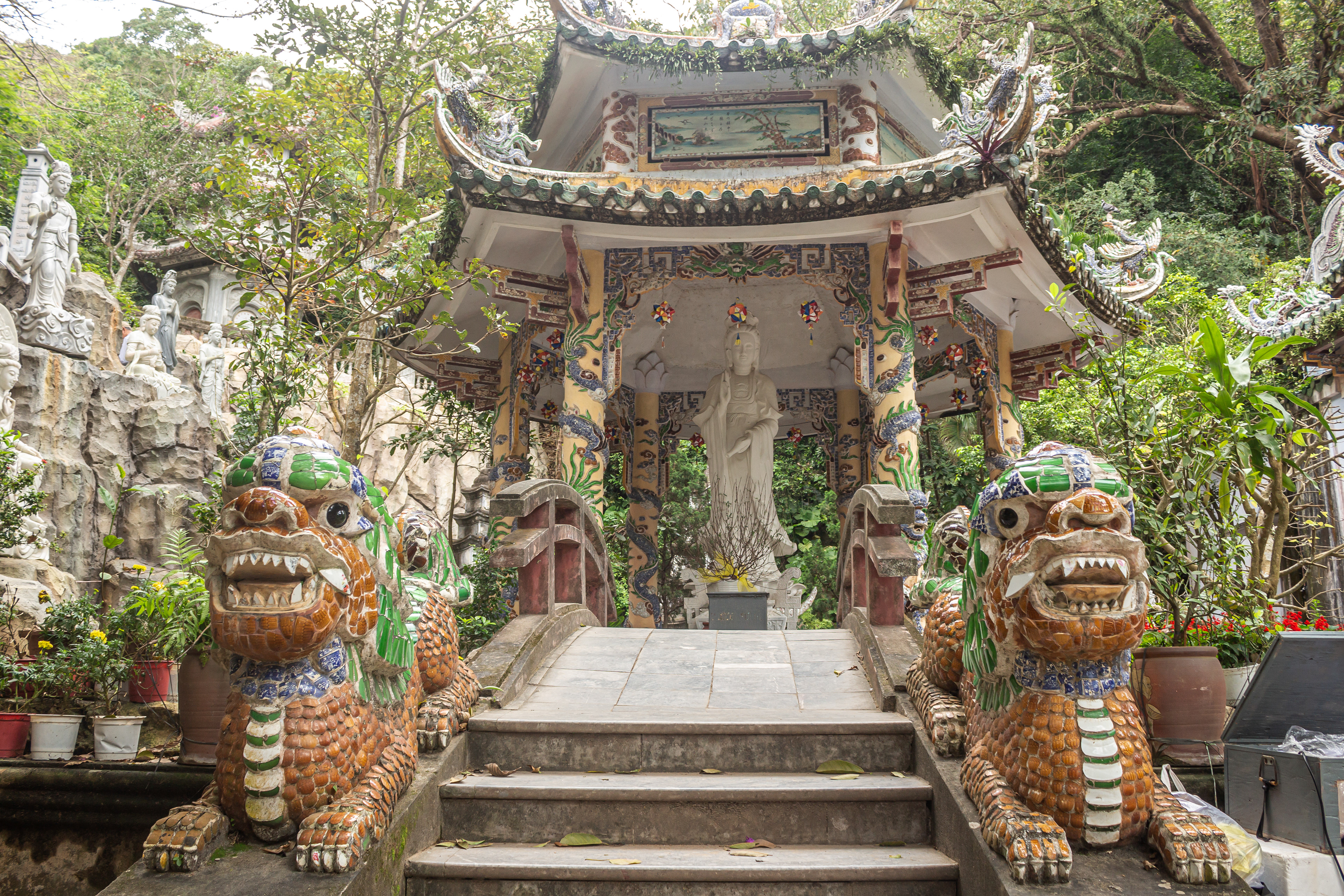
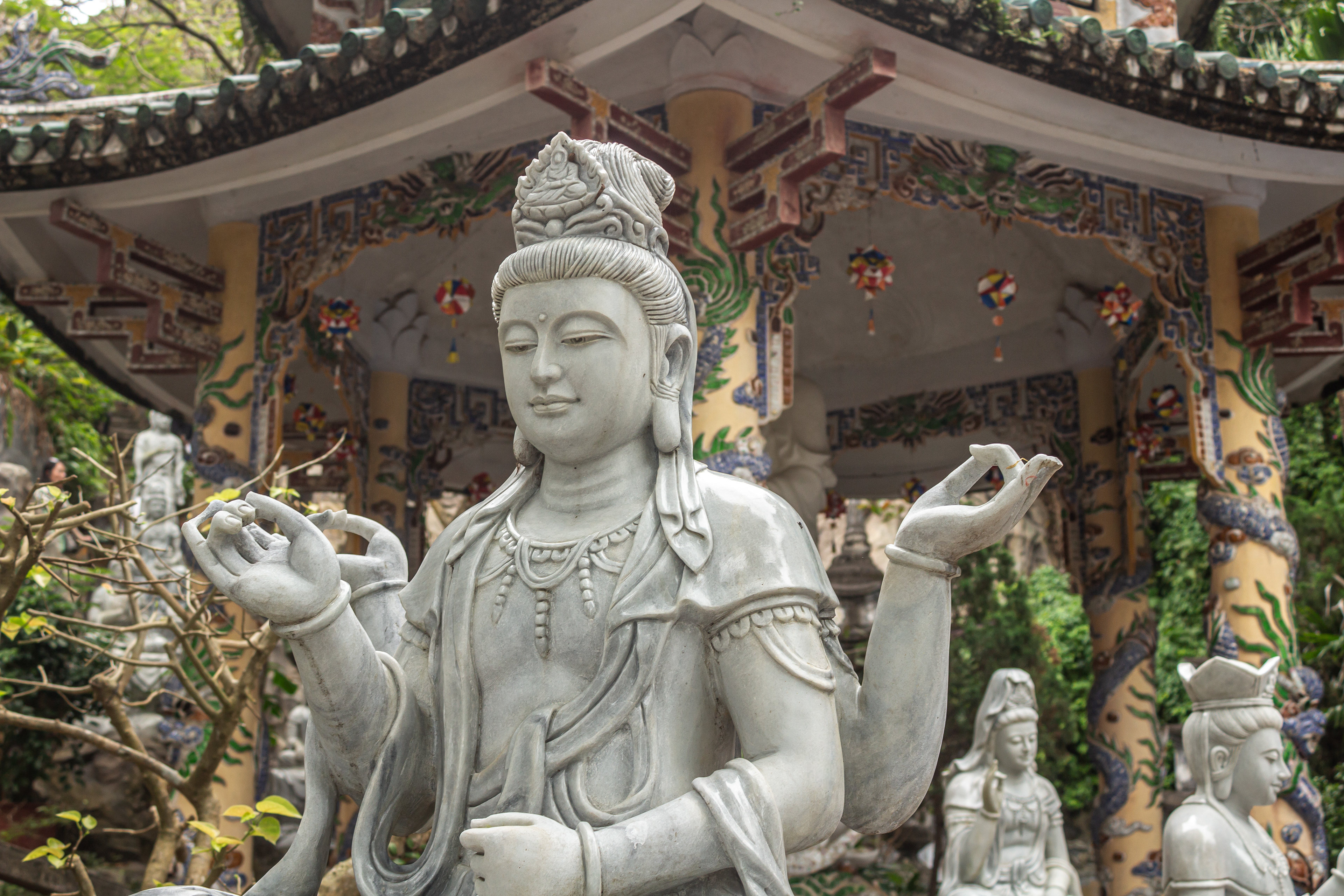
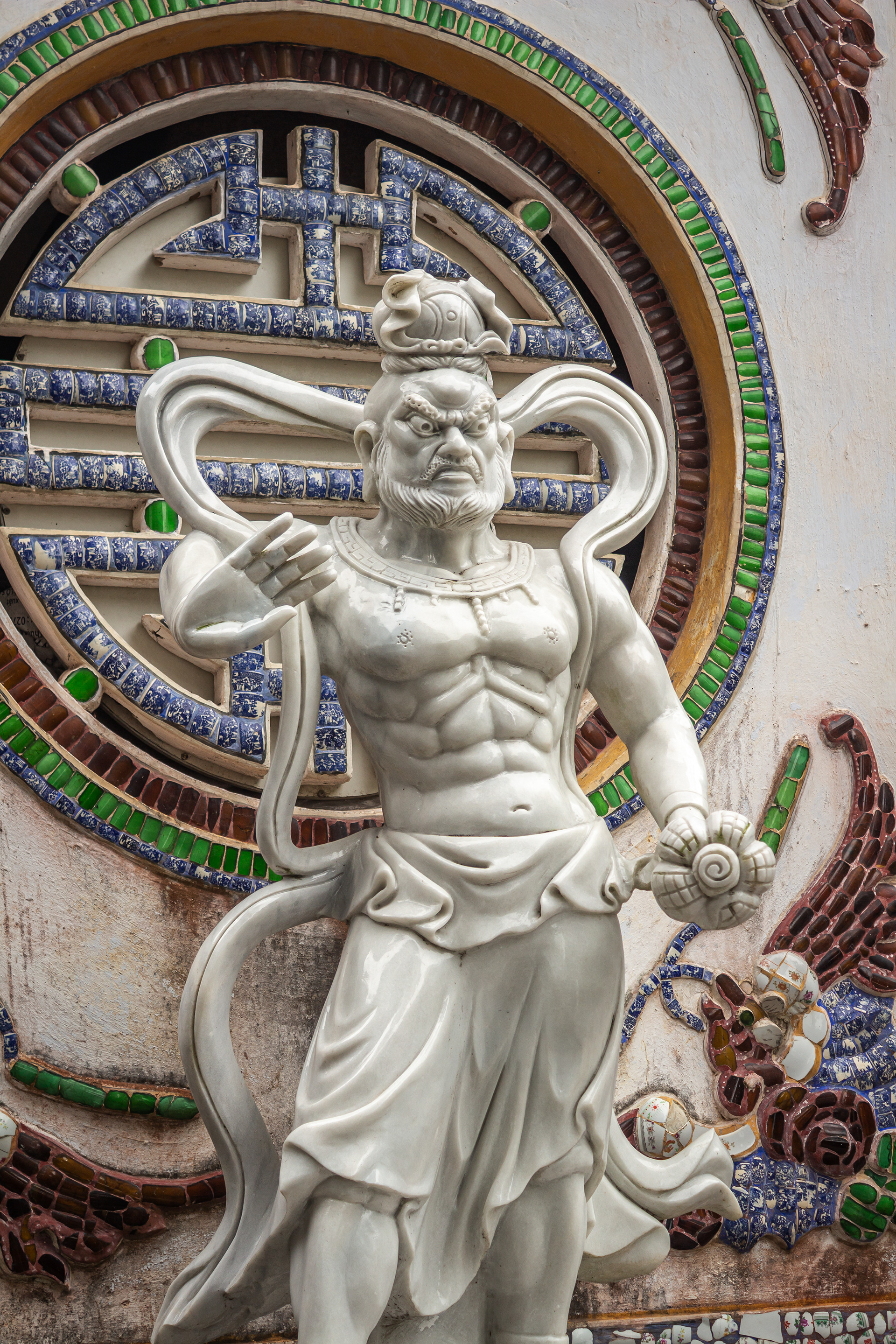
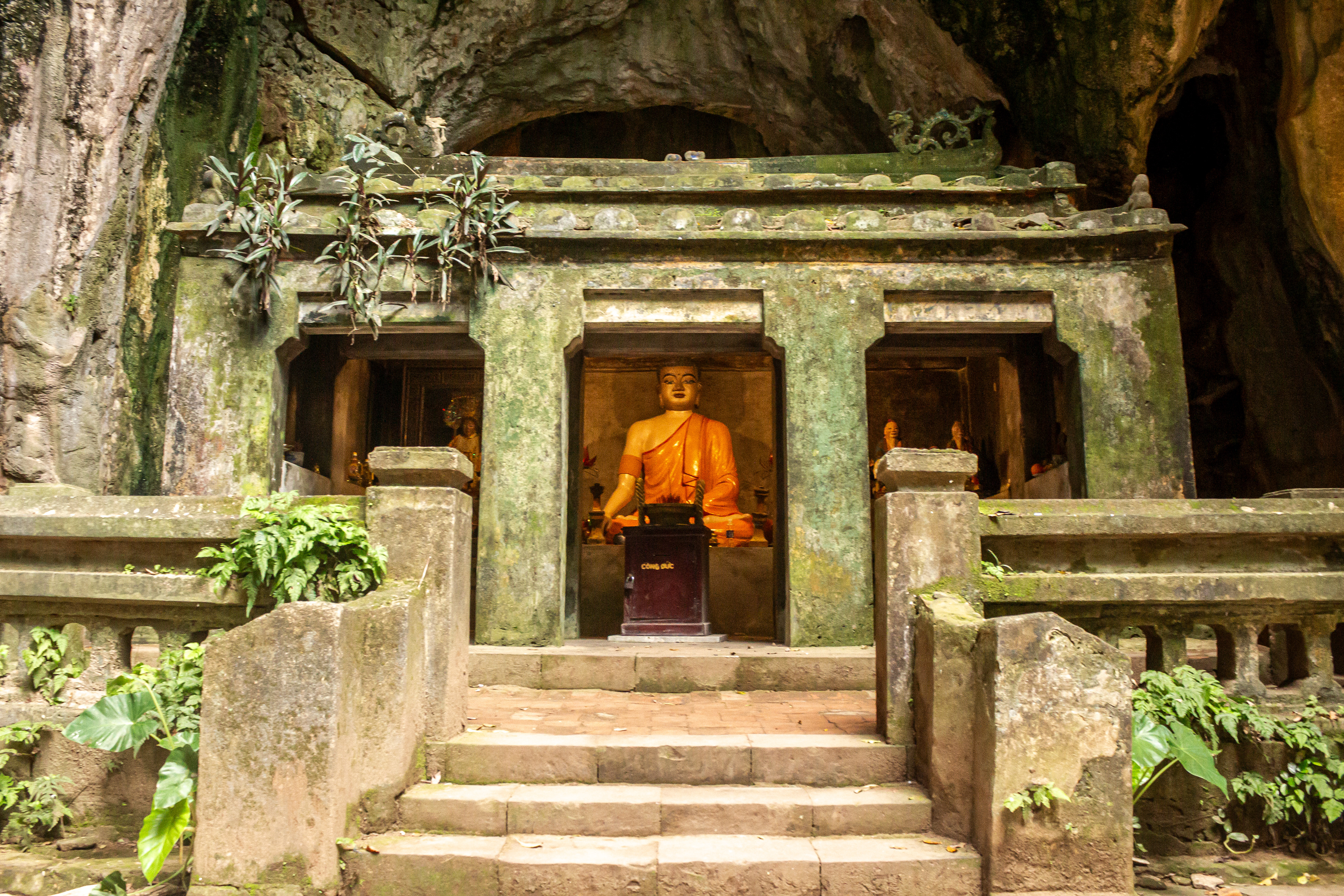
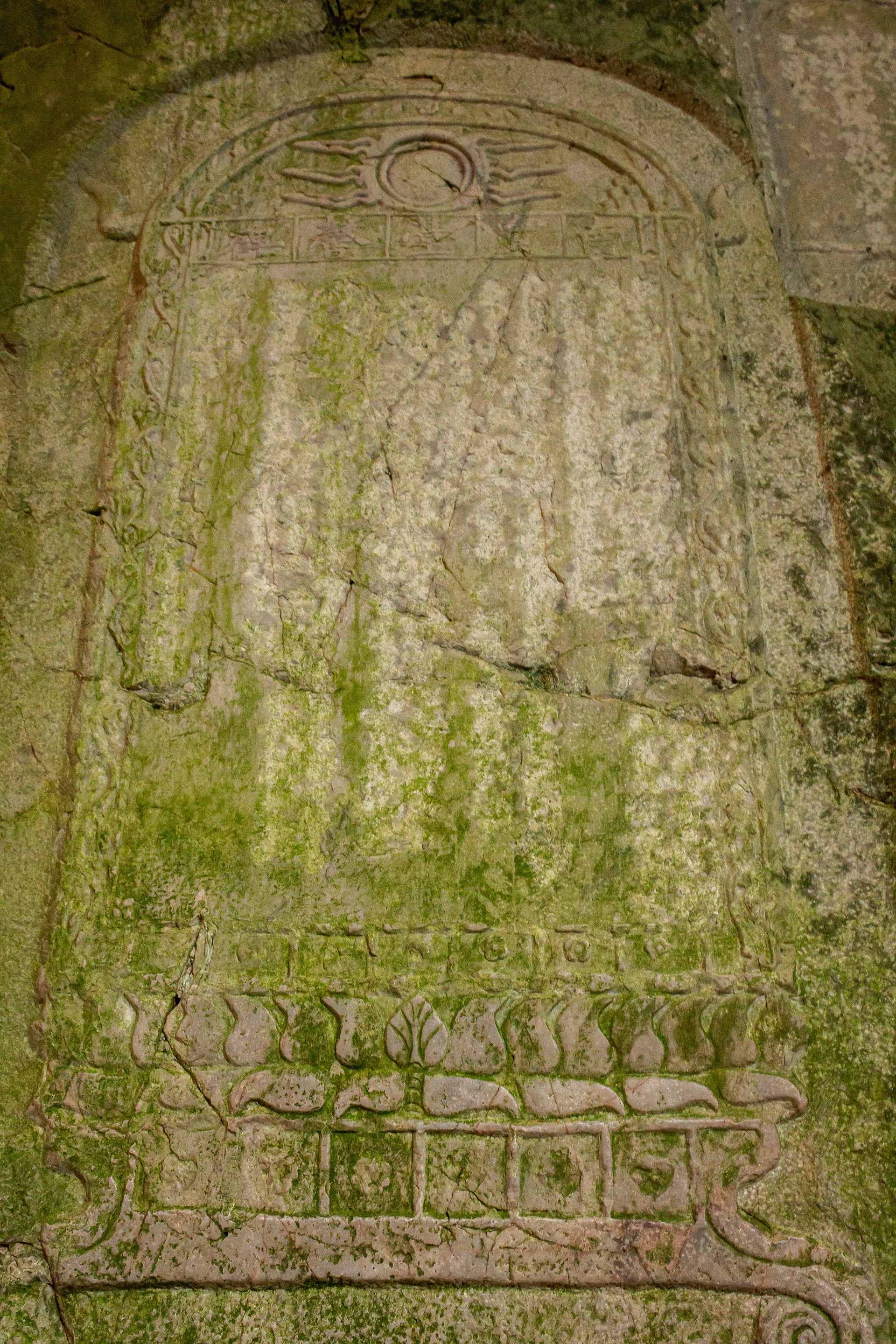
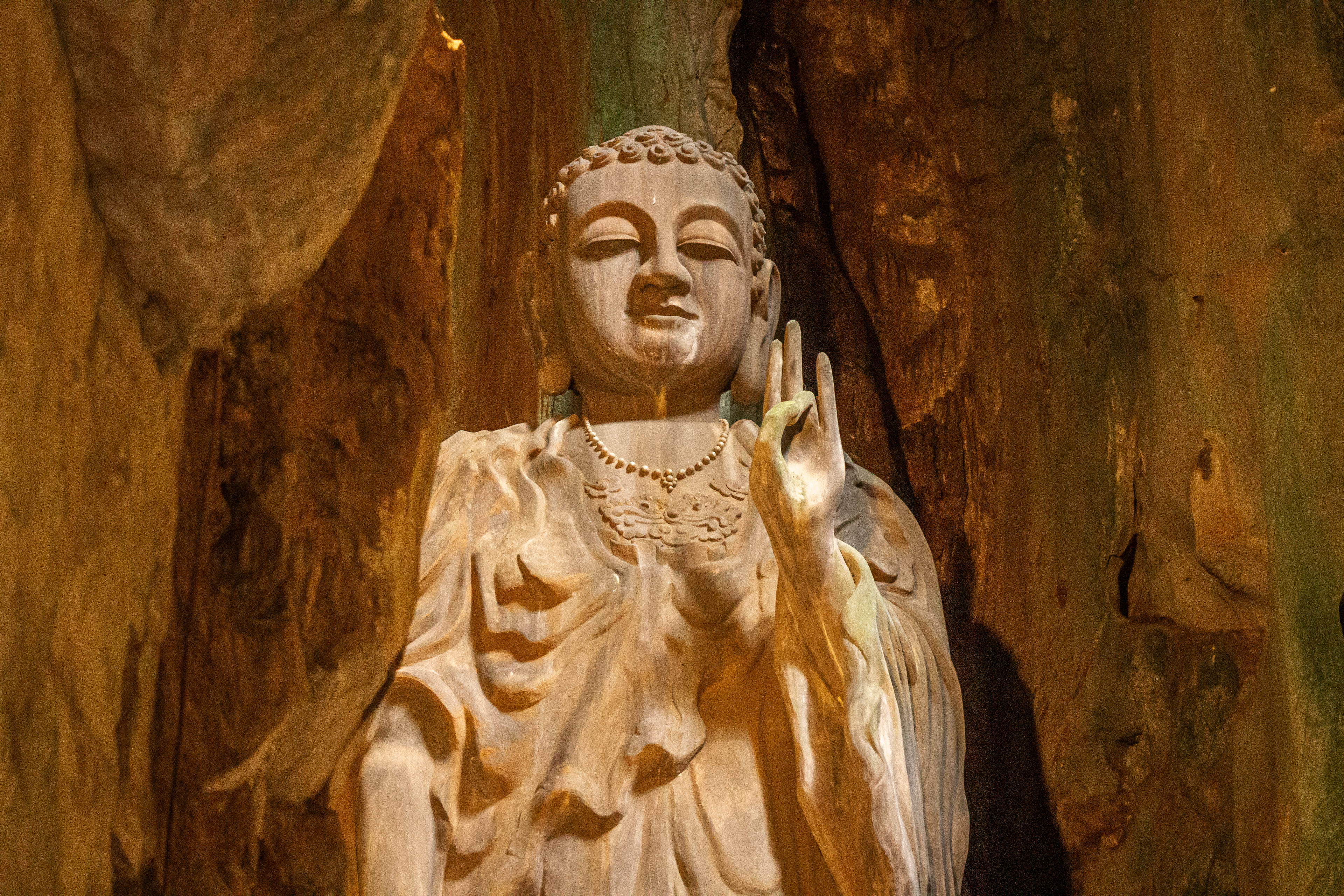
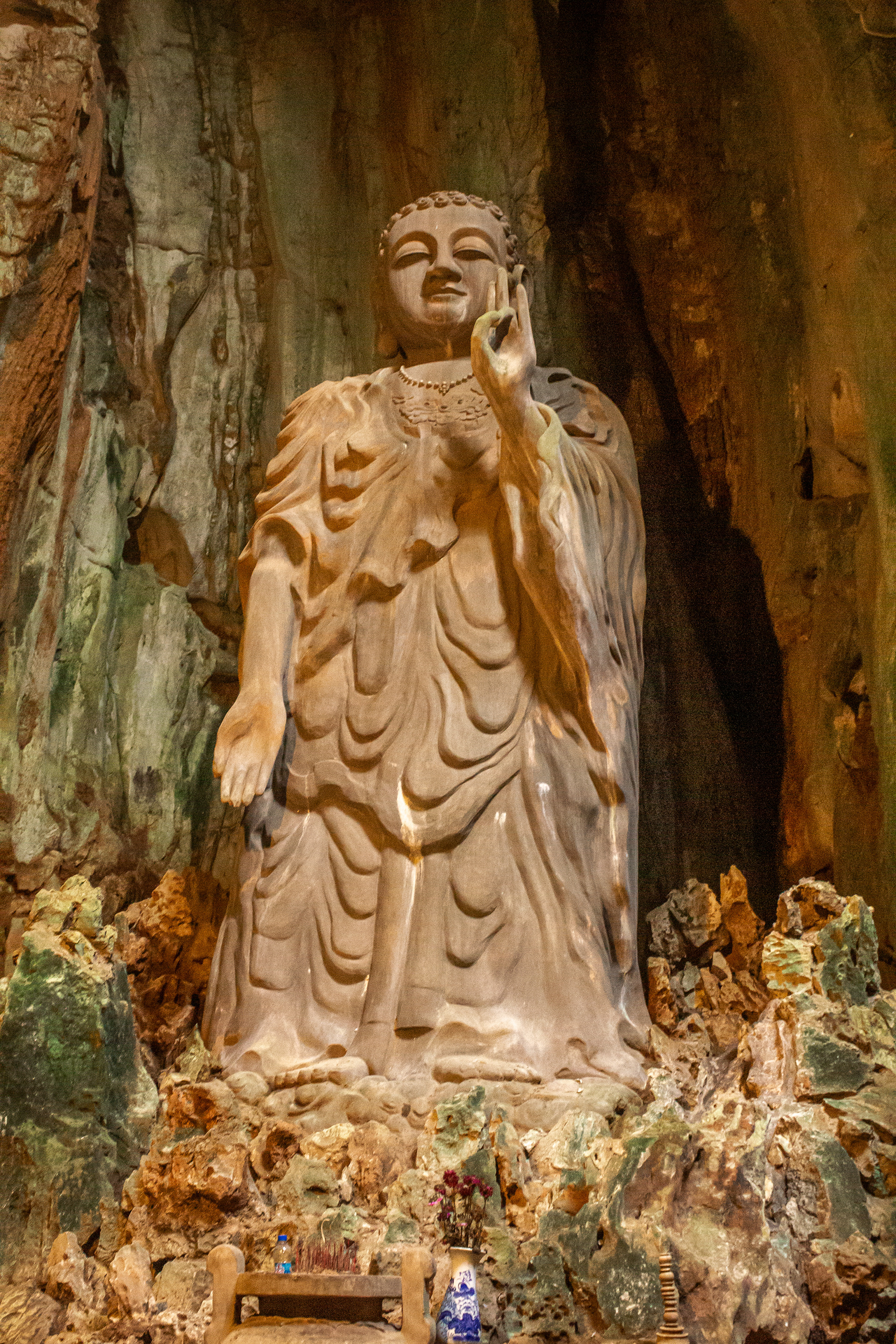
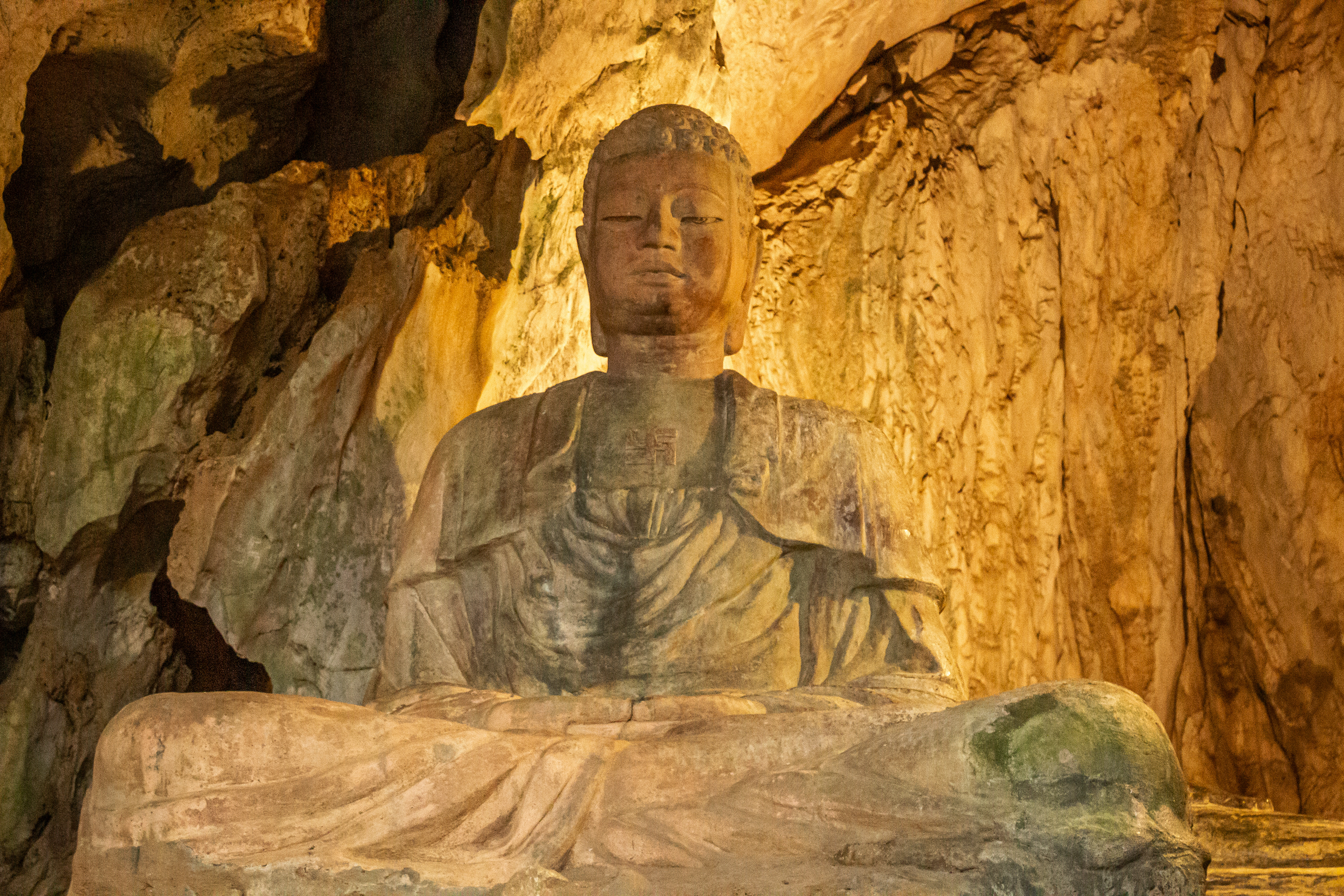
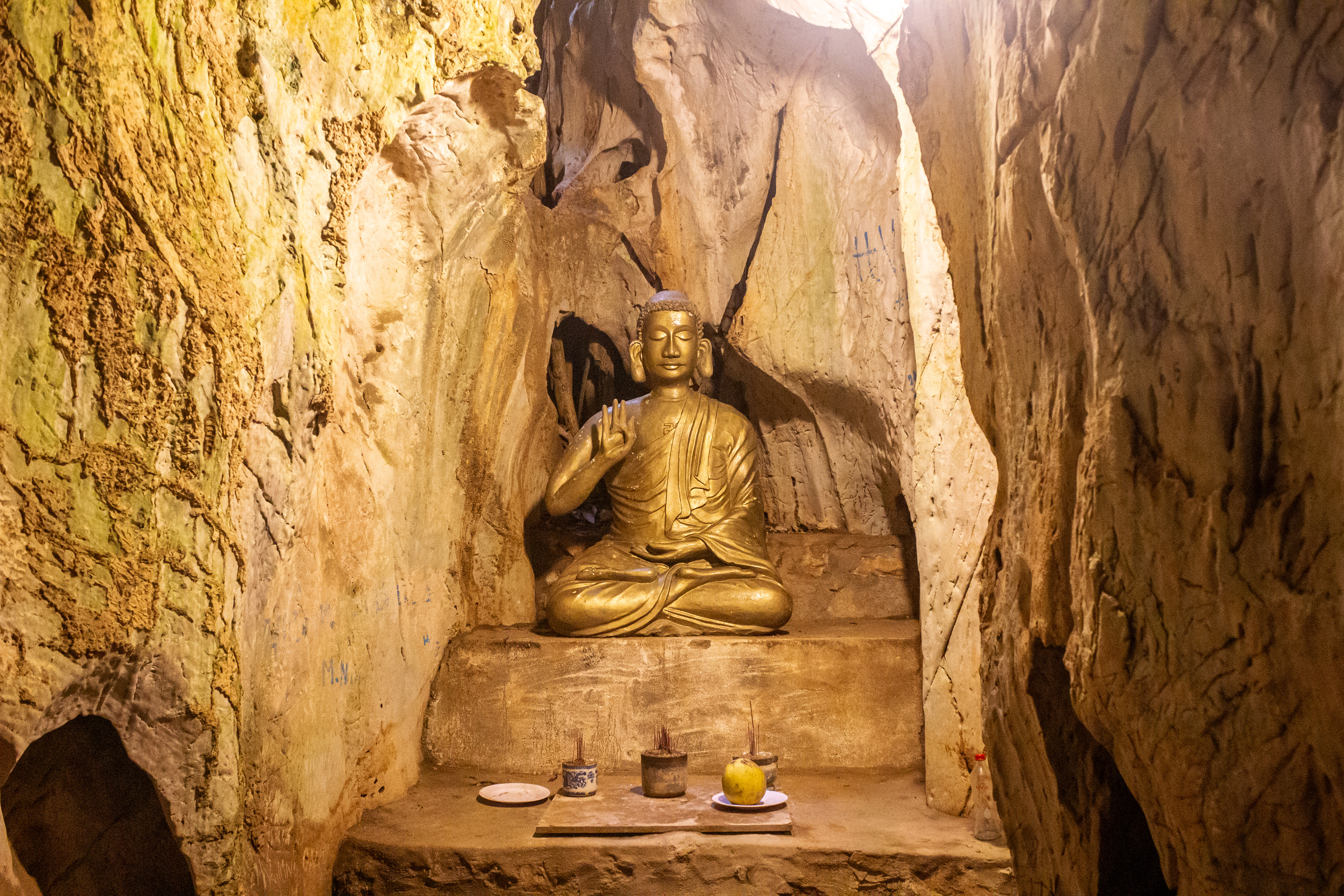
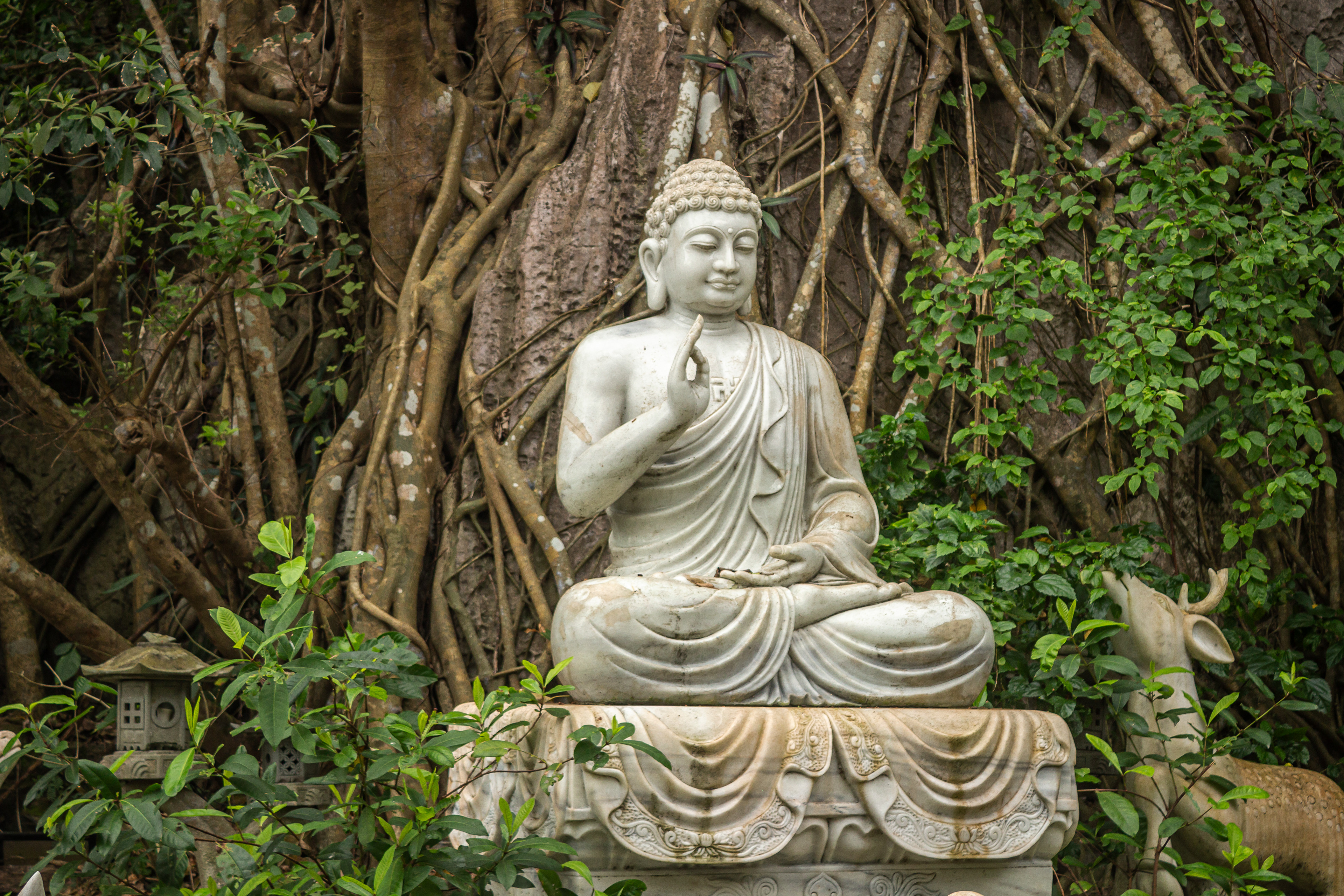
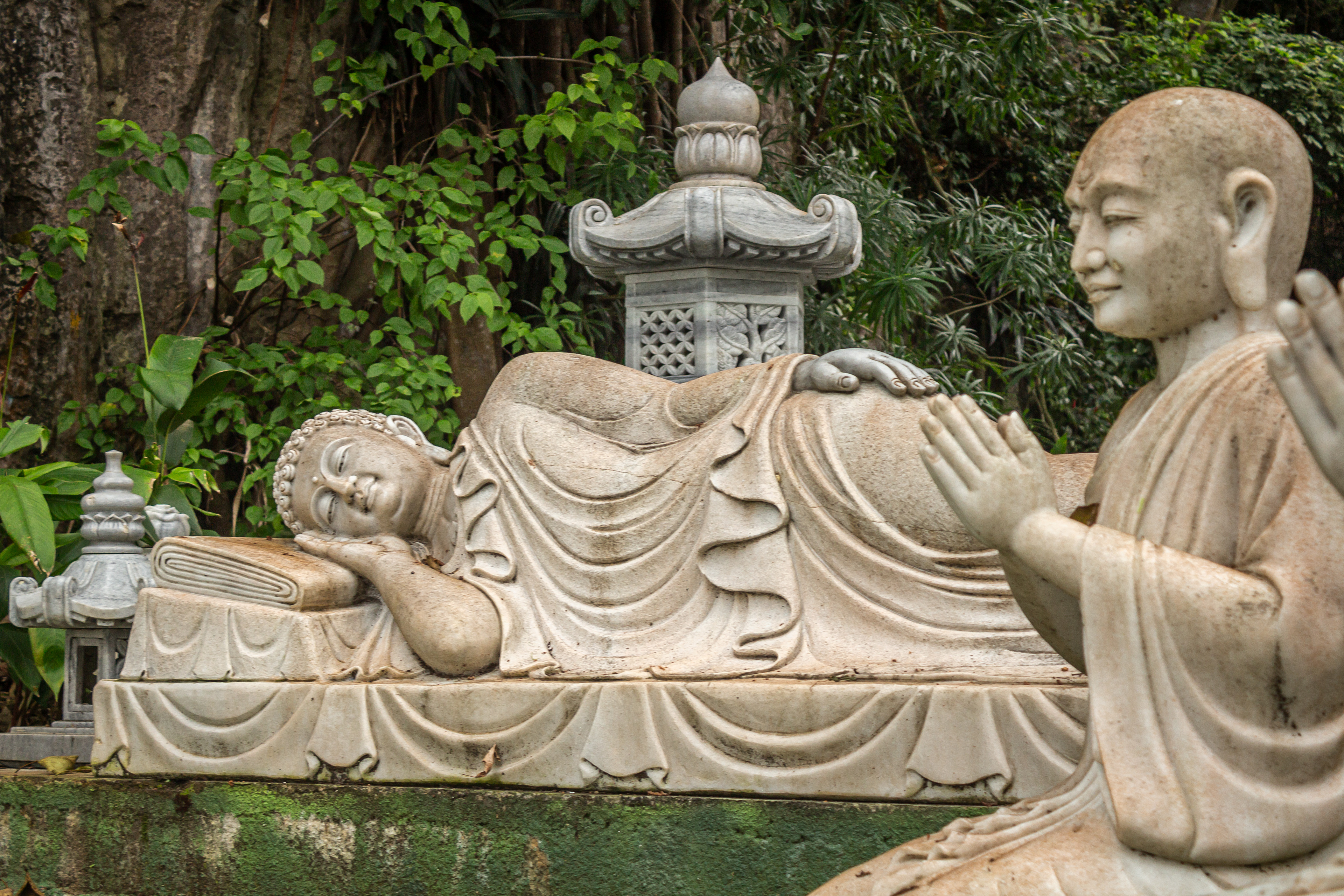
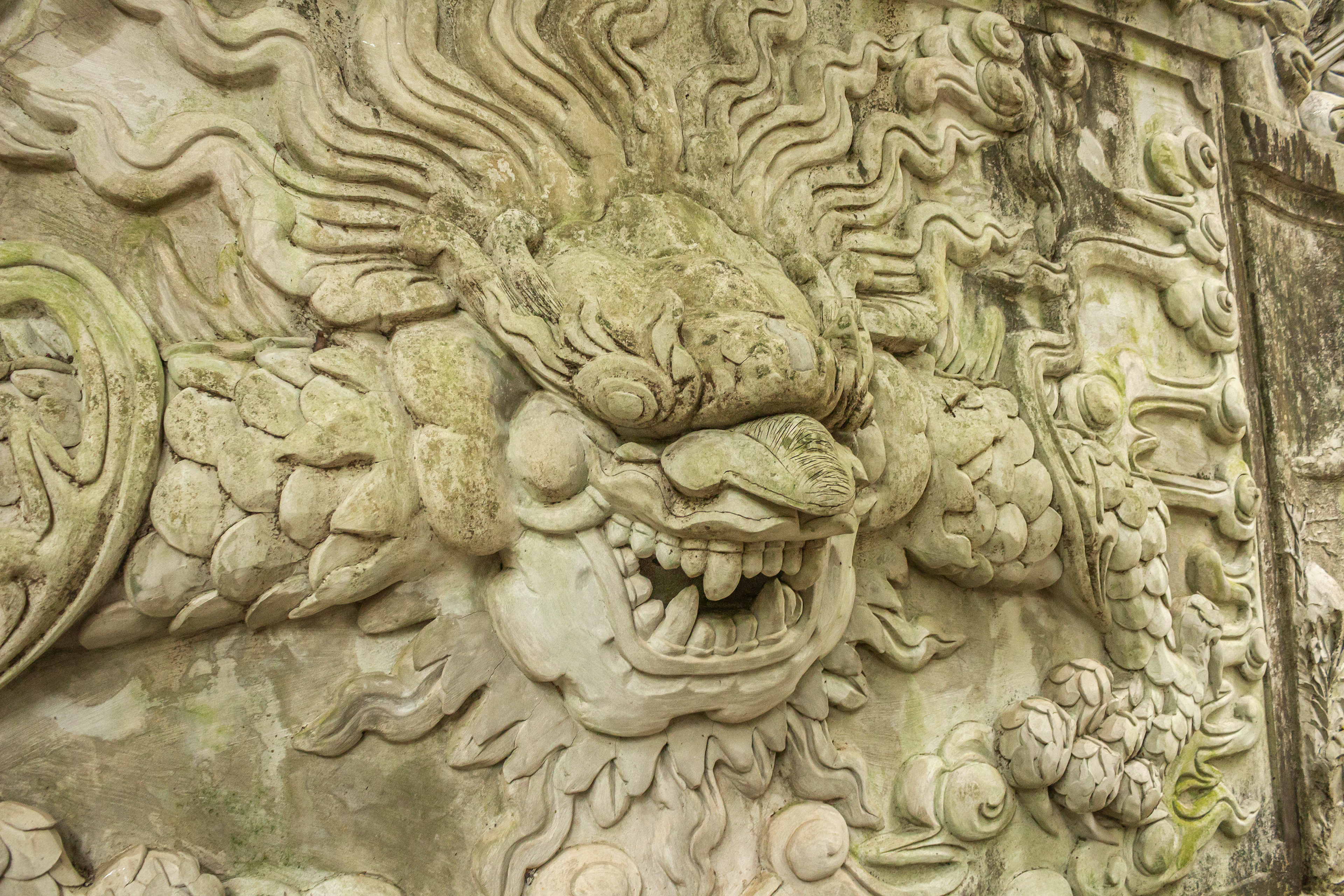
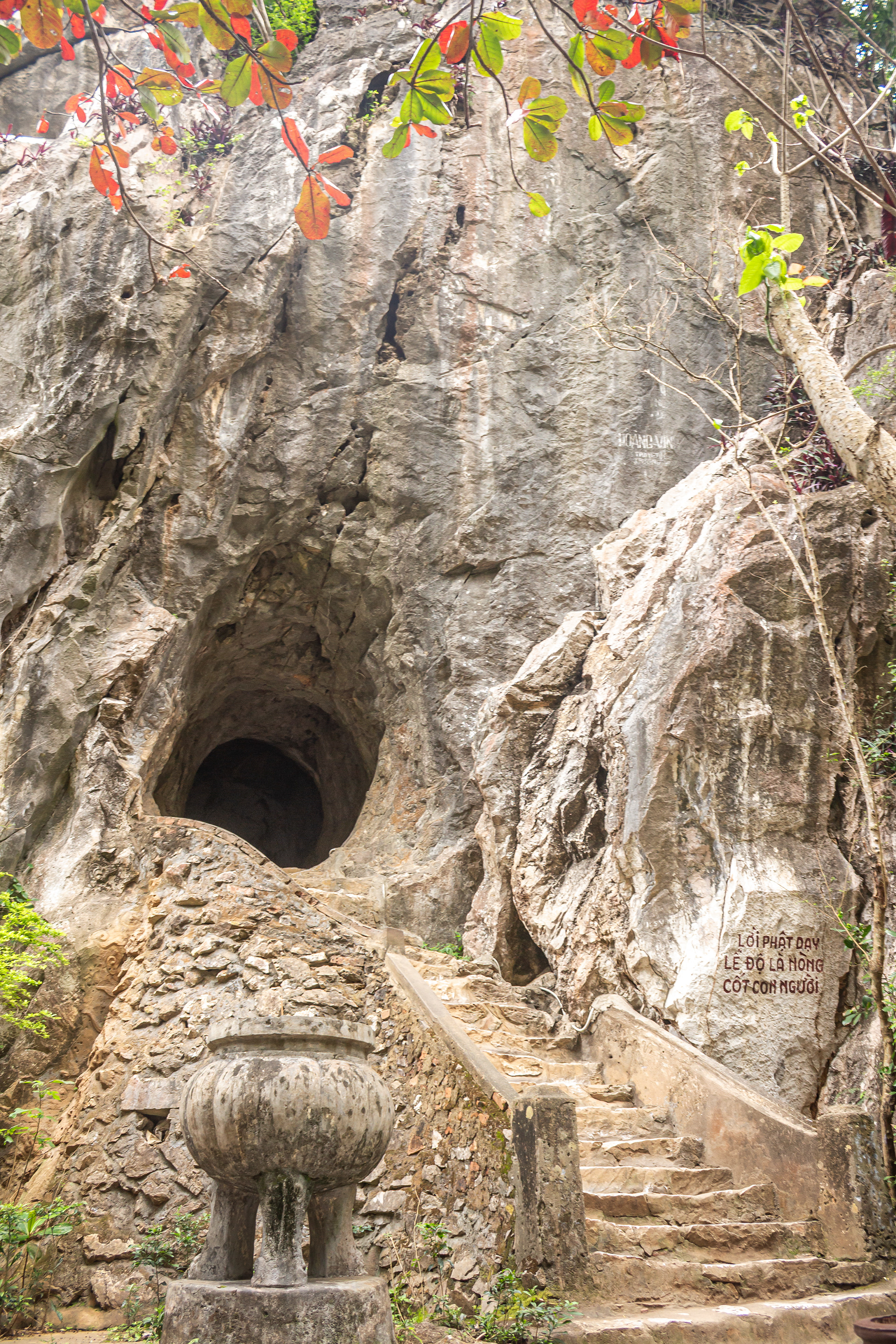
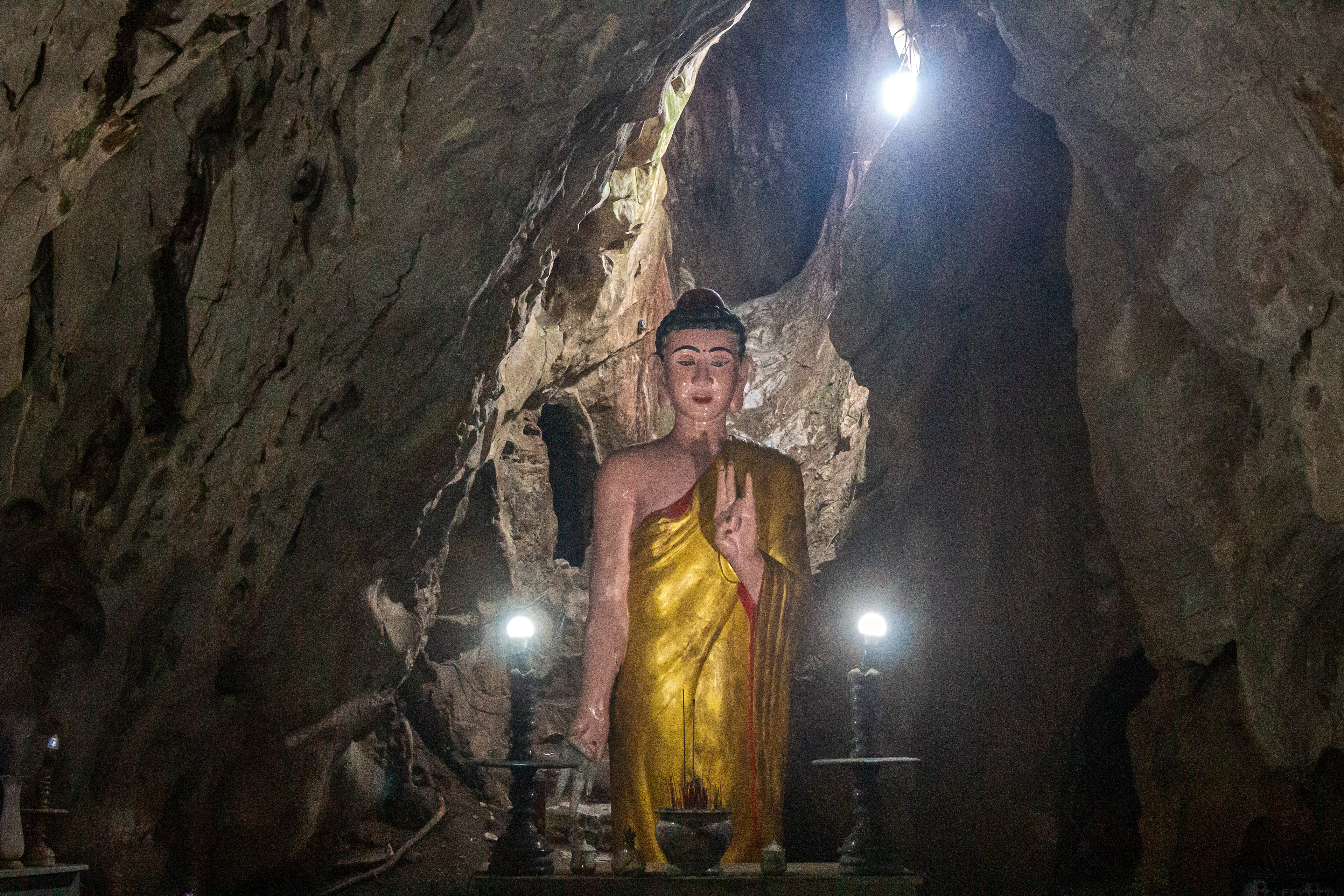
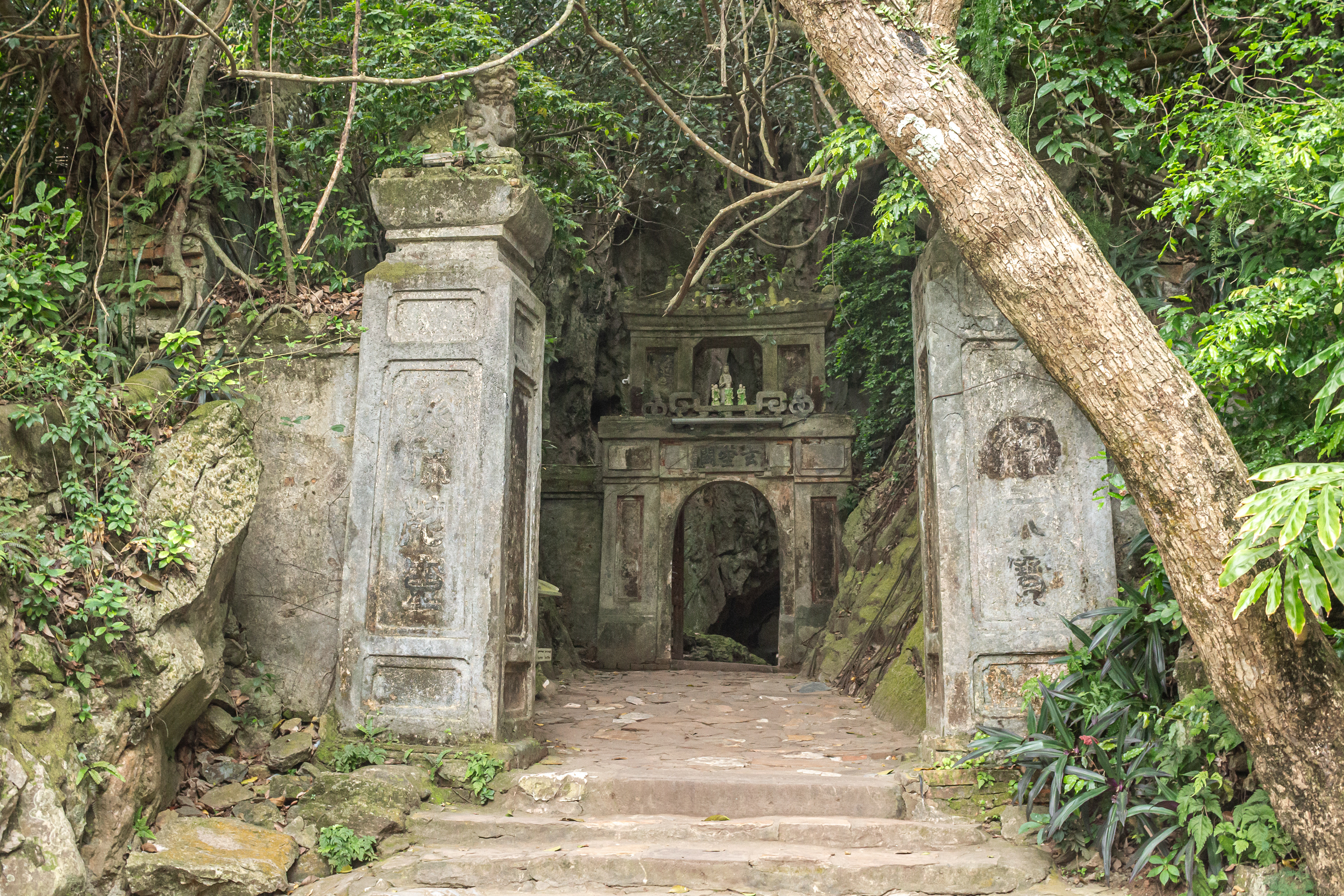
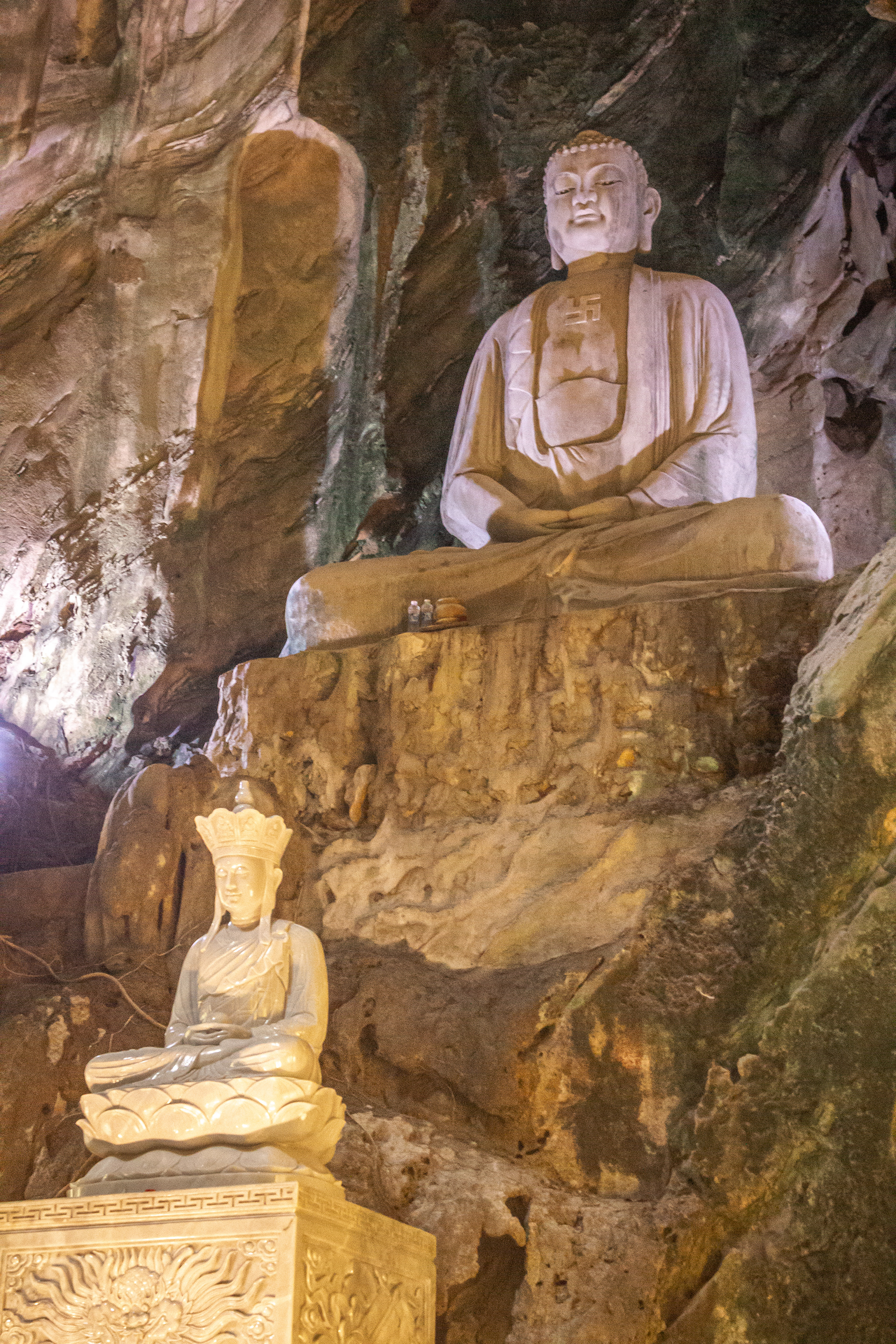
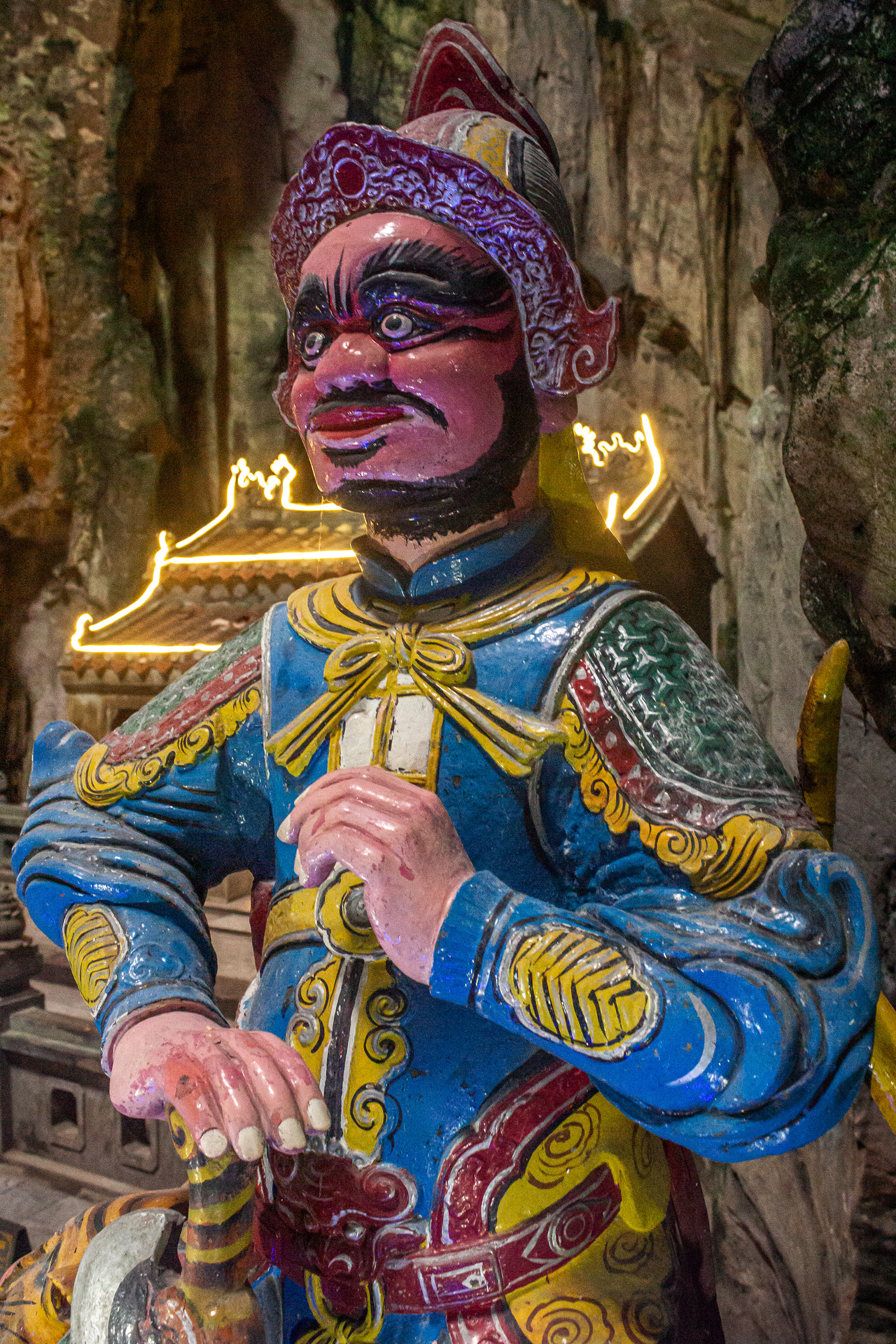
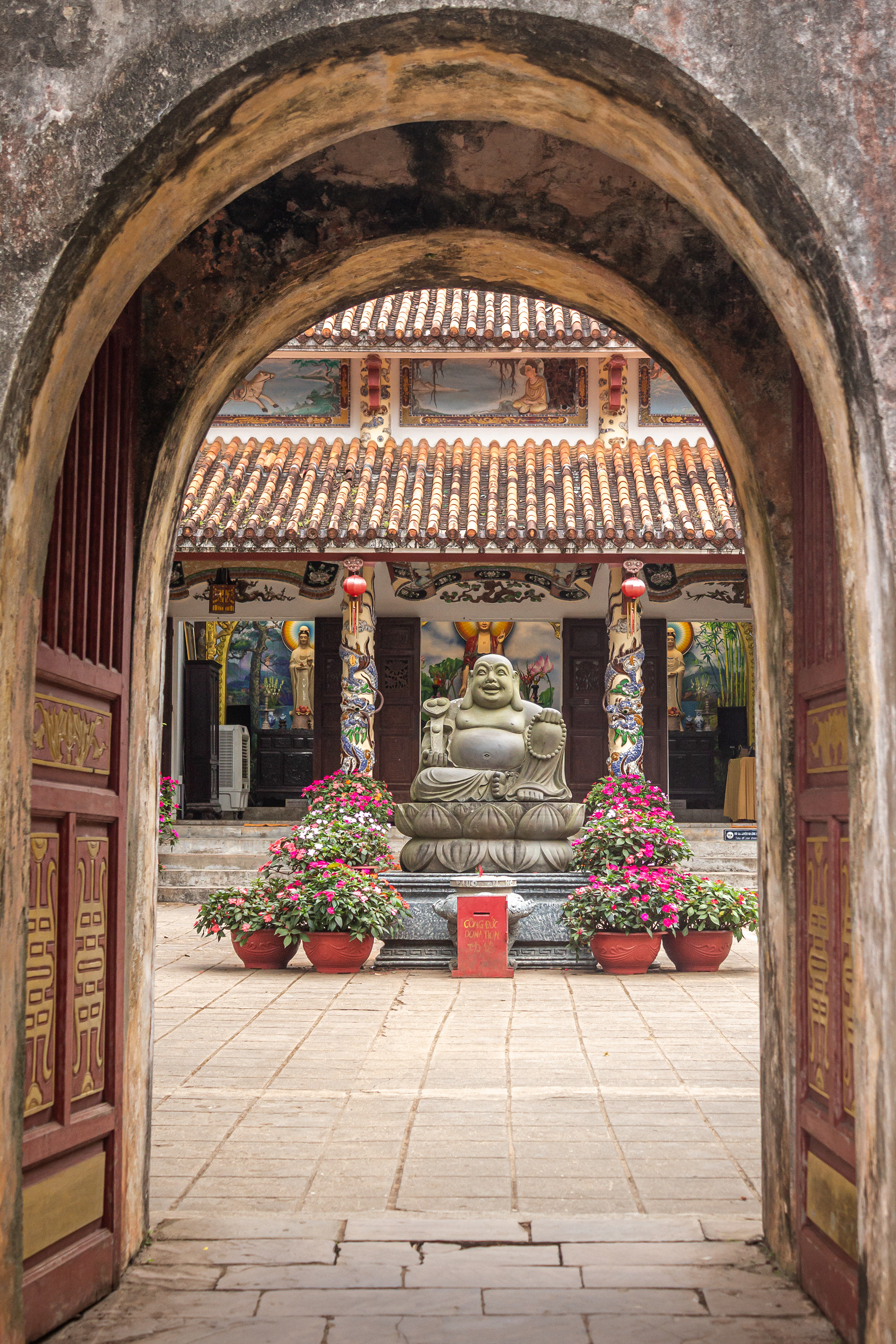
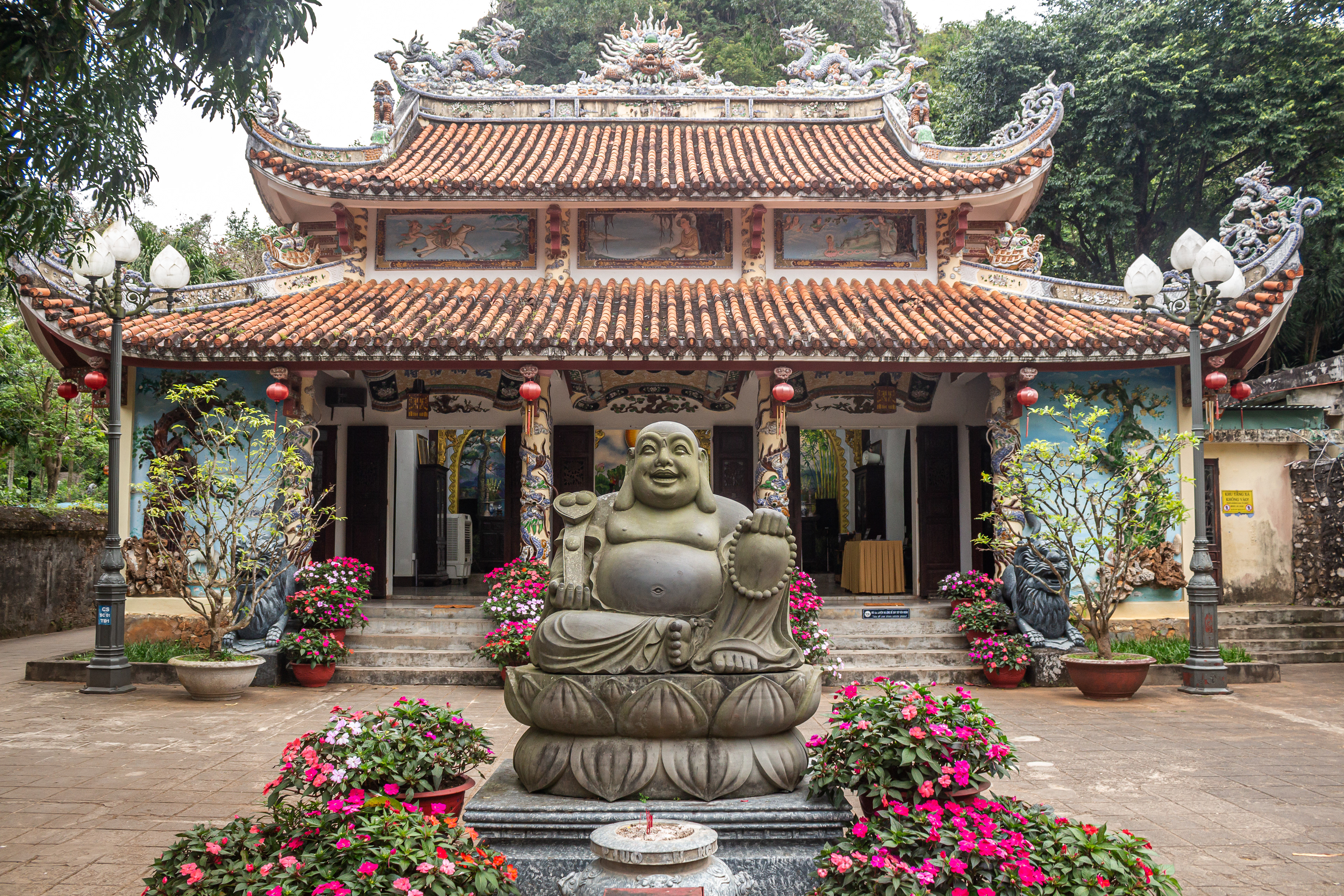
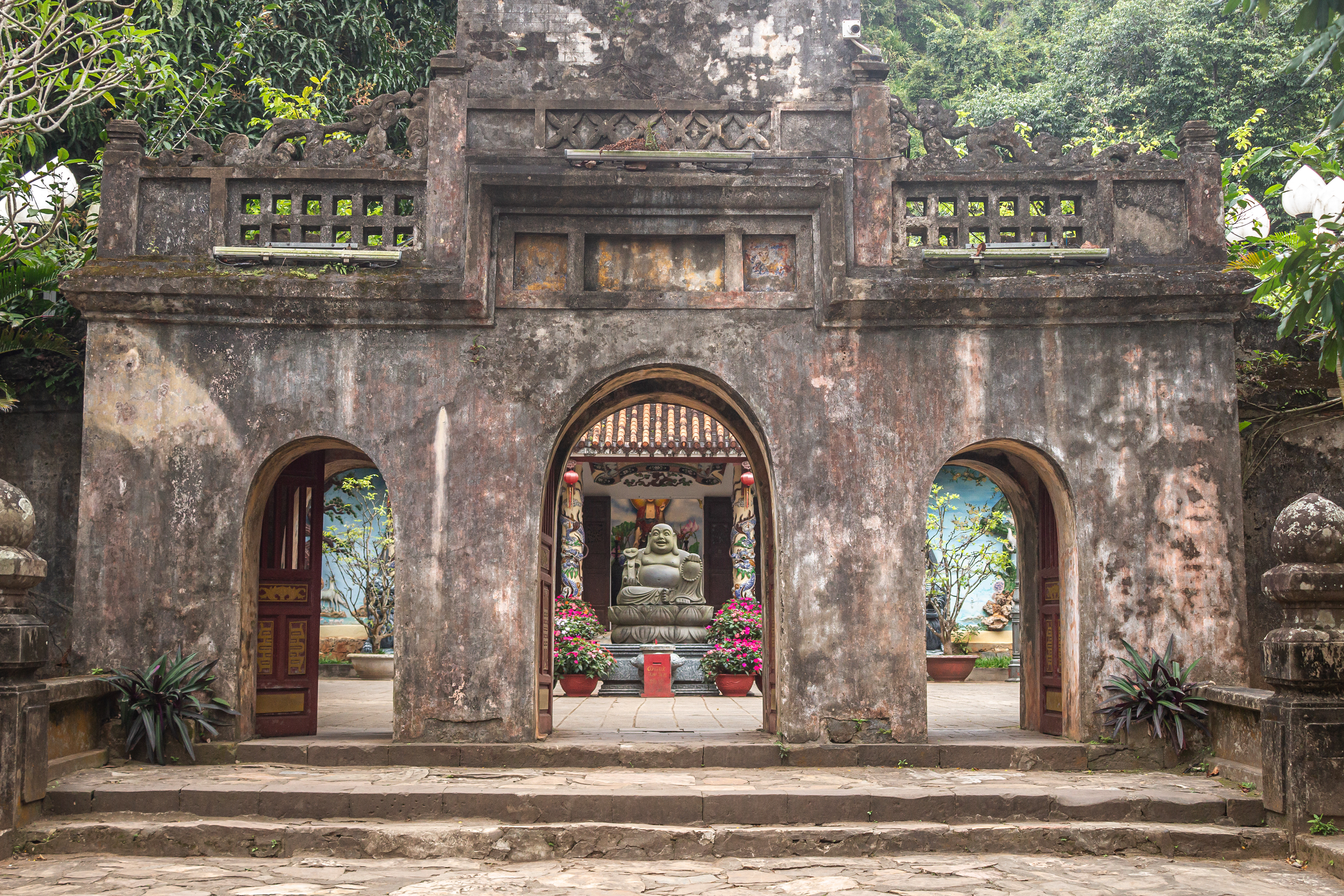
Just south of the city, the Marble Mountains are a cluster of five marble and limestone hills named after the five elements: metal, wood, water, fire, and earth. These mountains are dotted with Buddhist sanctuaries, caves, and pagodas carved directly into the rock.
Just south of the city, the Marble Mountains are a cluster of five marble and limestone hills named after the five elements: metal, wood, water, fire, and earth. These mountains are dotted with Buddhist sanctuaries, caves, and pagodas carved directly into the rock.
Highlights:
Huyen Khong Cave – A dramatic cavern illuminated by shafts of sunlight.
Linh Ung Pagoda – A peaceful temple surrounded by bonsai gardens.
Climb to the summit for panoramic views of the city and coastline.
Huyen Khong Cave – A dramatic cavern illuminated by shafts of sunlight.
Linh Ung Pagoda – A peaceful temple surrounded by bonsai gardens.
Climb to the summit for panoramic views of the city and coastline.
Dragon Bridge – A Fiery City Icon
Spanning the Han River, Dragon Bridge is an engineering marvel shaped like a golden dragon. It lights up at night and breathes fire and water on weekends and holidays at 9 PM, attracting large crowds and photographers.
Spanning the Han River, Dragon Bridge is an engineering marvel shaped like a golden dragon. It lights up at night and breathes fire and water on weekends and holidays at 9 PM, attracting large crowds and photographers.
Son Tra Peninsula (Monkey Mountain) – Nature and Tranquility
A short drive from the city center, the Son Tra Peninsula offers a retreat into nature with forested hills, hidden beaches, and breathtaking viewpoints.
Must-See:
Linh Ung Pagoda (Son Tra) – Home to the Lady Buddha, the tallest Buddha statue in Vietnam.
Ban Co Peak – The highest point on the peninsula with panoramic views of Da Nang.
A short drive from the city center, the Son Tra Peninsula offers a retreat into nature with forested hills, hidden beaches, and breathtaking viewpoints.
Must-See:
Linh Ung Pagoda (Son Tra) – Home to the Lady Buddha, the tallest Buddha statue in Vietnam.
Ban Co Peak – The highest point on the peninsula with panoramic views of Da Nang.
Han Market & Con Market – Local Flavor and Souvenirs
For a taste of local life, explore Da Nang’s bustling traditional markets. Han Market and Con Market are perfect for picking up souvenirs, spices, textiles, and trying authentic Vietnamese street food.
For a taste of local life, explore Da Nang’s bustling traditional markets. Han Market and Con Market are perfect for picking up souvenirs, spices, textiles, and trying authentic Vietnamese street food.